Glicoscienza
La glicosienza è lo studio dei carboidrati e dei loro derivati, nonché delle interazioni e delle funzioni biologiche a cui partecipano. Questo campo di ricerca è cruciale per comprendere una vasta gamma di processi biologici, tra cui il riconoscimento cellulare, la segnalazione, la risposta immunitaria e lo sviluppo delle malattie. La glicosienza ha importanti applicazioni nella biotecnologia, nella medicina e nello sviluppo di nuovi farmaci e terapie. Presso CymitQuimica, offriamo un'ampia selezione di prodotti di alta qualità e purezza per la ricerca in glicosienza. Il nostro catalogo comprende monosaccaridi, oligosaccaridi, polisaccaridi, glicoconiugati e reagenti specifici, progettati per supportare i ricercatori nei loro studi sulla struttura, funzione e applicazioni dei carboidrati nei sistemi biologici. Queste risorse sono destinate a facilitare scoperte scientifiche e applicazioni pratiche in vari ambiti delle bioscienze e della medicina.
Sottocategorie di "Glicoscienza"
- Amminozucchero(108 prodotti)
- Glico-anticorpi(282 prodotti)
- Glicolipidi(46 prodotti)
- Glicosaminoglicani (GAGs)(55 prodotti)
- Glicosidi(419 prodotti)
- Monosaccaridi(6.621 prodotti)
- Oligosaccaridi(3.681 prodotti)
- Polisaccaridi(503 prodotti)
Trovati 11041 prodotti di "Glicoscienza"
Ordinare per
Purezza (%)
0
100
|
0
|
50
|
90
|
95
|
100
Fucoidan - Pelvetia canaliculata
CAS:<p>A fucan sulphate found in brown marine algae (Phaeophyta-typically Fucus serratus, Ascophyllum nodosum, Pelvitiata canaliculata (illustrated) and Macrocystis pyrifyra) and has been shown to have anticoagulant activity. The main constituents are α-1,4 and α-1,2 linked L-fucose sulphates although galactose also occurs and there are many variations of the basic structure found in different species of Phaeophyta.<br>The image was kindly provided by Prof Mike Guiry from Cork who runs ‘The Seaweed Site’.</p>Purezza:Min. 95%L-Erythrulose
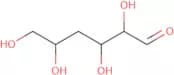
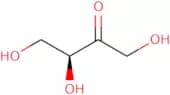
CAS:<p>L-Erythrulose is an organic compound that is a sugar alcohol. It can be synthesized from the aldol reaction of glycolaldehyde and dehydroascorbic acid, which are both found in natural sources. L-Erythrulose has shown to have intramolecular hydrogen transfer (H-transfer) reactions, where the hydroxyl group migrates from one C atom to another. This kinetic data was obtained using surface methodology on model systems containing l-erythrulose and bacteria with wild-type or mutant strains. The conformational properties of L-erythrulose were also investigated by comparing its chemical structures with those of other sugars.</p>Formula:C4H8O4Purezza:Min. 95%Colore e forma:Yellow Clear LiquidPeso molecolare:120.1 g/molNeoagaro oligosaccharides
<p>Potential prebiotic oligosaccharides made from agar by enzymatic hydrolysis</p>Purezza:Min. 95%GDP-L-fucose disodium
CAS:<p>Please enquire for more information about GDP-L-fucose disodium including the price, delivery time and more detailed product information at the technical inquiry form on this page</p>Formula:C16H23N5O15P2Na2Purezza:Min. 90 Area-%Peso molecolare:633.31 g/mol(2R, 3R, 4R) -3, 4- Difluoro- 1- (phenylmethyl) - 2- pyrrolidinemethanol
CAS:<p>(2R, 3R, 4R) -3, 4- Difluoro- 1- (phenylmethyl) - 2- pyrrolidinemethanol is a synthetic compound that has been modified to contain fluoro substituents. It is an intermediate for the synthesis of oligosaccharides and complex carbohydrates. This compound can be used in click chemistry or glycosylation reactions. The purity of this compound is greater than 99% and it has not been tested on animals.</p>Purezza:Min. 95%Ribitol
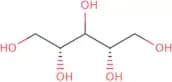
CAS:<p>Non-cariogenic sweetener; part of carbohydrate-based, biodegradable tensides</p>Formula:C5H12O5Purezza:Min. 98 Area-%Colore e forma:White Off-White PowderPeso molecolare:152.15 g/molD-Ribose
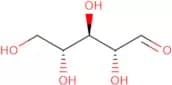
CAS:<p>D-ribose (Rib) is an aldopentose, a component of RNA and a constituent of numerous cofactors, and certain vitamins. (Collins, 2006). Ribose is a component of bacterial polysaccharides found in Salmonella (Lindberg, 1990). Ribosylation leads to the production of significant amounts of advanced glycation end products, both extracellularly and intracellularly, it may be involved in cell dysfunction and subsequent cognitive impairments (Wei, 2012).</p>Formula:C5H10O5Purezza:Min. 98 Area-%Colore e forma:White Off-White PowderPeso molecolare:150.13 g/molDextran sulfate sodium salt - MW 9,000-16,000
CAS:<p>Dextran sulfate sodium salt is a water-soluble polymer that is used as a drug carrier and has many applications in the pharmaceutical industry. It is an oligosaccharide with an average molecular weight of 9,000 to 16,000 Daltons. Dextran sulfate sodium salt can be used for the treatment of cavities, especially those that are infected or in which there is a risk of infection. It can also be used for intubation and has been shown to be effective at reducing allergic reactions by blocking the release of histamine by mast cells. Dextran sulfate sodium salt also has kinetic properties and can be used to study enzymatic reactions. This polymer is not toxic because it cannot be absorbed through the skin or gastrointestinal tract.</p>Formula:(C6H7Na3O14S3)nD-Fructose 1-phosphate disodium
CAS:<p>Please enquire for more information about D-Fructose 1-phosphate disodium including the price, delivery time and more detailed product information at the technical inquiry form on this page</p>Formula:C6H11Na2O9PPurezza:90%Colore e forma:PowderPeso molecolare:304.1 g/mol2-Keto-L-gluconic acid
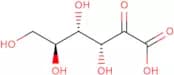
CAS:<p>Please enquire for more information about 2-Keto-L-gluconic acid including the price, delivery time and more detailed product information at the technical inquiry form on this page</p>Formula:C6H10O7Purezza:Min. 95%Peso molecolare:194.14 g/molUDP-a-D-galactose disodium salt
CAS:<p>UDP-a-D-galactose disodium salt is a nucleotide sugar that is used in the synthesis of oligosaccharides. It is also used to identify mammalian cells that express UDP-galactose:quinone oxidoreductase, which are responsible for synthesizing the sugar. It is a building block of the influenza virus and has been shown to inhibit viral growth by interfering with RNA synthesis. This compound can be synthesized using solid-phase synthesis or multienzyme strategy.</p>Formula:C15H22N2O17P2·2NaPurezza:Min. 95 Area-%Peso molecolare:610.27 g/mol3-Deoxy-L- threo- 2- hexulosaric acid
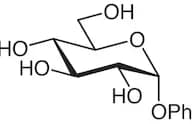
CAS:<p>3-Deoxy-L-threo-2-hexulosaric acid is a sugar that is modified by the addition of a fluorine atom to one of its hydroxyl groups. 3-Deoxy-L-threo-2-hexulosaric acid is used in the synthesis of complex carbohydrates and oligosaccharides. It is also used in the modification of saccharides, sugars, and polysaccharides. 3-Deoxy-L-threo-2-hexulosaric acid can be custom synthesized according to your specifications. It can be synthesized with high purity at our labs.</p>Purezza:Min. 95%Phenyl α-D-Glucopyranoside
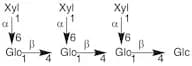
CAS:Formula:C12H16O6Purezza:>97.0%(GC)Colore e forma:White to Light yellow powder to crystalPeso molecolare:256.25Heptasaccharide Glc4Xyl3
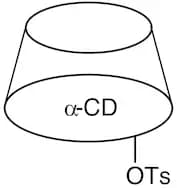
CAS:Formula:C39H66O33Purezza:>80.0%(HPLC)Colore e forma:White to Almost white powder to crystalPeso molecolare:1,062.92Mono-2-O-(p-toluenesulfonyl)-α-cyclodextrin
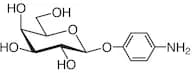
CAS:Formula:C43H66O32SPurezza:>98.0%(HPLC)Colore e forma:White to Almost white powder to crystalPeso molecolare:1,127.034-Aminophenyl β-D-Galactopyranoside
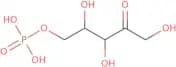
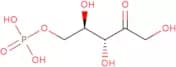
CAS:Formula:C12H17NO6Purezza:>98.0%(HPLC)Colore e forma:White to Almost white powder to crystalPeso molecolare:271.27D-Ribulose 5-phosphate sodium
CAS:<p>Ribulose 5-phosphate sodium is a chemical that can be used to inhibit the enzyme ribulose phosphate reductase. Ribulose 5-phosphate sodium has been shown to inhibit glycolaldehyde production in the chloroplasts of plants, effectively reducing the amount of carbon dioxide produced. This chemical has also been shown to have an inhibitory effect on other enzymes involved in carbon fixation and assimilation. The effectiveness of this chemical is dependent on the specific plant species and environmental conditions.</p>Formula:C5H11O8P•NaxPurezza:Min. 95%Colore e forma:PowderPeso molecolare:230.11 g/molRef: 3D-AAA09387
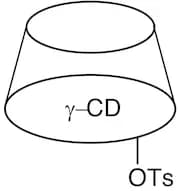
Prodotto fuori produzioneMono-2-O-(p-toluenesulfonyl)-γ-cyclodextrin
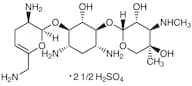
CAS:Formula:C55H86O42SPurezza:>95.0%(HPLC)Colore e forma:White to Almost white powder to crystalPeso molecolare:1,451.31Sisomicin Sulfate
CAS:Formula:C19H37N5O7H2SO4Purezza:>98.0%(HPLC)Colore e forma:White to Almost white powder to crystalPeso molecolare:692.71D-Ribulose 5-phosphate sodium salt
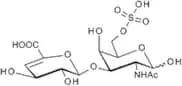
CAS:<p>Reference compound for metabolites of the pentosephosphate pathway</p>Formula:C5H11O8P·xNaPurezza:Min. 96 Area-%Colore e forma:White Yellow PowderPeso molecolare:230.11 g/molChondroitin disaccharide 6S sodium salt
CAS:<p>Chondroitin disaccharide 6S sodium salt is a synthetic, fluorinated, oligosaccharide that has been custom synthesized and glycosylated. It is a sugar-based compound with a high purity and excellent solubility in water. It was synthesized by click modification of the sugar monomer with an amine group at the reducing end. The chondroitin disaccharide 6S sodium salt was further modified with methylation to yield a product with a higher purity.</p>Formula:C14H21NO15S·2NaPurezza:Min. 90 Area-%Colore e forma:PowderPeso molecolare:521.36 g/molRef: 3D-OC01702
Prodotto fuori produzione4'-(Azidomethyl)-[1,1'-biphenyl]-2-carboxamide
CAS:Prodotto controllatoFormula:C14H12N4OColore e forma:NeatPeso molecolare:252.28N,N-[Iminobis(trimethylene)]bis-D-gluconamide
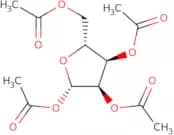
CAS:Prodotto controllato<p>Applications N,N-[Iminobis(trimethylene)]bis-D-gluconamide (cas# 86303-20-0) is a compound useful in organic synthesis.<br></p>Formula:C18H37N3O12Colore e forma:NeatPeso molecolare:487.501,2,3,5-Tetra-O-acetyl-β-D-ribofuranose
CAS:<p>1,2,3,5-Tetra-O-acetyl-β-D-ribofuranose is a sugar that has been acetylated at the hydroxyl group. It has biological properties that are similar to those of 1,2,3,5-tetraacetyl-β-D-ribofuranose. This compound is an analog of 1,2,3,5-tetraacetyl-β-D-ribofuranose and can be used as a model system for studying the effects of acetylation on the properties of this molecule. Acetylation at the hydroxyl group in sugars can lead to low energy (chemical) properties. The acetylated form of this compound reacts with trifluoromethanesulfonic acid to give tetrafluoroethylene and ammonium sulfate in a model reaction solution. 1,2,3,5-Tetraacetyl β</p>Formula:C13H18O9Purezza:Min. 97.5 Area-%Peso molecolare:318.28 g/molLow calcium heparin
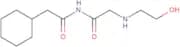
CAS:<p>Low calcium heparin is a glycosaminoglycan, which occurs in many mammalian tissues and has important anticoagulant and thrombolytic properties. The chemical structure is composed mainly of two disaccharide repeating units A and B. A is L-iduronic acid 2-suplhate linked α-(1,4) to 2-deoxy-2-sulfamido-D-galactose 6-sulphate, while B is D-glucuronic acid β-(1,4) linked to 2-deoxy-2-sulfamido-D-glucose 6-sulphate.</p>Purezza:Min. 95%Cyclohexylethanoyl-N-Hydroxyethylglucamide
CAS:<p>Cyclohexylethanoyl-N-Hydroxyethylglucamide (CYE) is a membrane protein with a strong affinity for the bacterial enzyme histidine kinase, which is involved in the regulation of bacterial cell wall synthesis. CYE binds to the catalytic site of this enzyme and inhibits its activity. CYE also has an inhibitory effect on clostridium dehydrogenases and campylobacter adenylate cyclases. CYE has been shown to bind to other enzymes, such as tecnologia and diffraction, synchrotron, staphylococcus kinases, and campylobacter adenylate cyclases. Structural studies of CYE have been carried out using crystallography at the Instituto de Tecnología Química e Biológica in Campinas, Brazil.</p>Formula:C16H31NO7Purezza:Min. 95%Peso molecolare:349.42 g/molRef: 3D-DC59720
Prodotto fuori produzioneMethyl 2-O-(methyl 4-O-methyl-α-D-glucopyranosyluronate)-β-D-xylopyranoside
CAS:<p>Methyl 2-O-(methyl 4-O-methyl-α-D-glucopyranosyluronate)-β-D-xylopyranoside is a methyl glycoside disaccharide</p>Formula:C14H24O11Purezza:Min. 95%Colore e forma:PowderPeso molecolare:368.33 g/molRef: 3D-MM181456
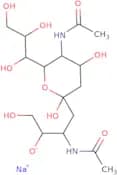
Prodotto fuori produzione3'-a-Sialyl-N-acetyllactosamine sodium salt
CAS:<p>3'-a-Sialyl-N-acetyllactosamine sodium salt is a high purity, custom synthesis sugar. It has been modified with fluorination, glycosylation, and methylation to provide the desired properties. This product is also available in other forms such as monosaccharide and saccharide. 3'-a-Sialyl-N-acetyllactosamine sodium salt can be used in various applications including Click modification, fluoroamination, glycosylation, carbonylation and methylation. CAS No. 350697-53-9</p>Formula:C25H42N2O19NaPurezza:Min. 95%Peso molecolare:697.59 g/molRef: 3D-MS182937
Prodotto fuori produzioneMethyl D-arabinofuranoside
CAS:<p>Methyl D-arabinofuranoside is an antimycobacterial agent that inhibits the synthesis of mycolic acids, which are important components of the cell wall of Mycobacterium tuberculosis. Methyl D-arabinofuranoside has been shown to be active against drug-resistant strains and has been well tolerated by animals. This compound can be synthesized from 2,4-dichlorophenylacetic acid and arabinose in two steps. The first step involves a three-component condensation reaction with sodium hydroxide, hydrochloric acid, and 2,4-dichlorophenylacetic acid. The second step is a nucleophilic attack on the pyran ring of methyl D-arabinofuranoside with hypophosphorous acid. Methyl D-arabinofuranoside can also be prepared by reacting sodium nitrosobenzene with sodium benzene sulfinate in alcoholic solution</p>Formula:C6H12O5Purezza:Min. 95%Colore e forma:Off-White PowderPeso molecolare:164.16 g/molRef: 3D-MM31839
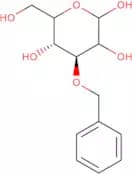
Prodotto fuori produzione3-O-Benzyl-D-mannose
CAS:<p>3-O-Benzyl-D-mannose is a glycoside that is synthesized by the reaction of dibutyltin oxide with an anomeric or other glycosidic sugar. The reaction proceeds via a nucleophilic addition of the tin triflate to a glycosyl group followed by an electrophilic alkylation of the resulting alcohol. 3-O-Benzyl-D-mannose can be synthesized from the commercially available compound, D-mannose, and dibutyltin oxide. It has been shown to inhibit axial growth in Escherichia coli cells.</p>Formula:C13H18O6Purezza:Min. 95%Peso molecolare:270.28 g/mol1,5-α-L-Arabinooctaose
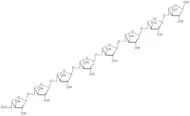
CAS:<p>Please enquire for more information about 1,5-α-L-Arabinooctaose including the price, delivery time and more detailed product information at the technical inquiry form on this page</p>Formula:C40H66O33Purezza:Min. 95%Peso molecolare:1,074.93 g/molD-Ribulose-5-phosphate sodium
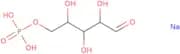
CAS:<p>D-ribulose-5-phosphate sodium is a nucleotide sugar that is one of the ribonucleotides, which are fundamental components of RNA. D-ribulose 5-phosphate sodium has been shown to be an intermediate in the metabolism of ribulose and catalyzes the oxidation of d-arabinose. This enzyme also catalyses the synthesis of fatty acids and participates in reactions involving glycerolipids and phospholipids. The reaction mechanism involves a double displacement with simultaneous attack by a water molecule on C2' and C3'. When deuterium is present, it affects the rate of these reactions in a way that depends on the orientation of the substrate to the enzyme.</p>Formula:C5H11NaO8PPurezza:Min. 95%Peso molecolare:253.1 g/molRef: 3D-BDA05475
Prodotto fuori produzioneEthyl 2,3,6-tri-O-benzoyl-b-D-thioglucopyranoside
<p>Ethyl 2,3,6-tri-O-benzoyl-b-D-thioglucopyranoside is a synthetic monosaccharide with a complex carbohydrate structure. It can be custom synthesized to order and is available in high purity. This product is a glycosylation reagent that can be used for the synthesis of oligosaccharides and polysaccharides. The product has been shown to react with primary alcohols and amines in the presence of catalysts such as TMSOTf, DCC, or EDC to form ether bonds or amine bonds respectively. Ethyl 2,3,6-tri-O-benzoyl-b-D-thioglucopyranoside also reacts with thiols in the presence of catalysts such as HOBt or HOAt to form thioether bonds.</p>Purezza:Min. 95%1,5-α-L-Arabinohexaose
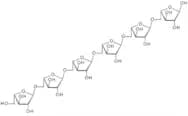
CAS:<p>1,5-α-L-Arabinohexaose is a carbohydrate. It is a nonreducing sugar that can be found in plants. 1,5-α-L-Arabinohexaose has an optimum pH of 5 and an ethanol concentration of 0.02%. The enzyme form of 1,5-α-L-Arabinohexaose is α-(1→6)-glycosidase. This enzyme hydrolyzes the α-(1→6) glycosidic bond between two glucose residues in a polysaccharide chain to produce β-(1→4) bonds. It also hydrolyzes the β-(1→4) glycosidic bond between two galactose residues to produce β-(1→2) bonds and oxidizes the terminal carbon atom to produce aldehyde products.<br>A structural analysis of this carbohydrate was conducted using marine microorganisms and it was found that they contain galacturonic acid and sugar residues</p>Formula:C30H50O25Purezza:Min. 95%Colore e forma:PowderPeso molecolare:810.7 g/molRef: 3D-OA32465
Prodotto fuori produzione4-Deoxy-D-glucose
CAS:<p>4-Deoxy-D-glucose is a sugar that is synthesized by the condensation of two molecules of erythrose. It has been shown to be an efficient donor substrate for nucleophilic attack, which can lead to the synthesis of glycosides and other natural products. 4-Deoxy-D-glucose is also a competitive inhibitor of uridine diphosphate (UDP) glucose, which is an enzyme involved in the biosynthesis of UDP sugars and glycoproteins. The concentration of 4-deoxy-D-glucose affects its catalytic mechanism, as it acts as a competitive inhibitor at high concentrations. Molecular modeling has revealed that this molecule adopts a chair conformation with significant solvent exposure.</p>Formula:C6H12O5Purezza:Min. 98 Area-%Colore e forma:PowderPeso molecolare:164.16 g/mol2-Acetamido-1,3,4,6-tetra-O-acetyl-2-deoxy-a-D-galactopyranose
CAS:<p>2-Acetamido-1,3,4,6-tetra-O-acetyl-2-deoxy-a-D-galactopyranose is a fluorinated complex carbohydrate that has been modified by methylation and acetylation. This product is a custom synthesis that has not been previously described in the scientific literature. It is synthesized from 2, 3, 4, 6 tetraacetyl alpha D galactopyranoside and 2 deoxy alpha D galactopyranose. The chemical properties of this compound are similar to those of other complex carbohydrates such as glycogen and heparin.</p>Formula:C16H23NO10Purezza:Min. 90.0 Area-%Peso molecolare:389.35 g/mol2,3,5-Tri-O-acetyl-b-L-ribofuranosyl chloride
<p>2,3,5-Tri-O-acetyl-b-L-ribofuranosyl chloride is a custom synthesis of an oligosaccharide. It is a complex carbohydrate that has been modified by methylation and glycosylation. This product is a high purity, fluorinated saccharide with a CAS number. It undergoes the Click modification and has been synthesized through the use of carbohydrate chemistry.</p>Purezza:Min. 95%D-Xylulose 5-phosphate sodium
CAS:<p>D-Xylulose 5-phosphate sodium salt is a synthetic monosaccharide that can be used in the synthesis of oligosaccharides, polysaccharides, and complex carbohydrates. It is also used in glycosylation reactions. D-Xylulose 5-phosphate sodium salt has been fluorinated to provide better stability and solubility. The compound has a molecular weight of 206.06 g/mol and a CAS number of 105931-44-0. This product is available for custom synthesis upon request.</p>Formula:C5H11O8PNaPurezza:Min. 95%Colore e forma:PowderPeso molecolare:252.09 g/molRef: 3D-MX182933
Prodotto fuori produzioneDecyl D-glucopyranoside
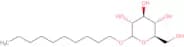
CAS:<p>Decyl D-glucopyranoside is a sodium salt of decyl D-glucopyranoside that is used as a detergent additive in cleaning compositions. Decyl D-glucopyranoside has shown antimicrobial activity against both Gram-positive and Gram-negative bacteria, including methicillin resistant Staphylococcus aureus (MRSA) and Clostridium perfringens. Decyl D-glucopyranoside has also been shown to have chemical stability at high temperatures, making it useful in the manufacture of lacrimal gland preparations and cationic surfactants.</p>Formula:C16H32O6Peso molecolare:320.42 g/moltrans-Zeatin-O-glucoside
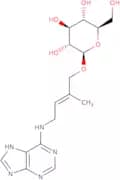
CAS:<p>trans-Zeatin-O-glucoside is a cytokinin metabolite, which is a compound derived from the naturally occurring plant hormone zeatin. This product is synthesized or can be naturally found in plants, where it plays a crucial role in the regulation of growth and development. As a glucoside, it involves a glucose molecule attached to the cytokinin, which affects the compound's solubility, stability, and transport within the plant system.</p>Formula:C16H23N5O6Purezza:Min. 95%Peso molecolare:381.38 g/mol








![4'-(Azidomethyl)-[1,1'-biphenyl]-2-carboxamide](/_next/image/?url=https%3A%2Fstatic.cymitquimica.com%2Fproducts%2FTR%2Fthumb-webp%2FA815580.webp&w=3840&q=75)

![N,N-[Iminobis(trimethylene)]bis-D-gluconamide](/_next/image/?url=https%3A%2Fstatic.cymitquimica.com%2Fproducts%2FTR%2Fthumb-webp%2FI400500.webp&w=3840&q=75)