Glicoscienza
Sottocategorie di "Glicoscienza"
- Amminozucchero(108 prodotti)
- Glico-anticorpi(284 prodotti)
- Glicolipidi(46 prodotti)
- Glicosaminoglicani (GAGs)(55 prodotti)
- Glicosidi(419 prodotti)
- Monosaccaridi(6.622 prodotti)
- Oligosaccaridi(3.699 prodotti)
- Polisaccaridi(506 prodotti)
Trovati 11035 prodotti di "Glicoscienza"
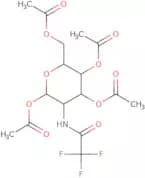
1,3,4,6-Tetra-O-acetyl-2-deoxy-2-trifluoroacetamido-D-glucopyranose
CAS:1,3,4,6-Tetra-O-acetyl-2-deoxy-2-trifluoroacetamido-D-glucopyranose is a carbohydrate that has been modified with fluorine and acetyl groups. It is used as a precursor to other saccharides. The compound is synthesized by the reaction of 1,3,4,6-tetra -O-acetyl glucose with trifluoroacetic anhydride in methylene chloride. It can be custom synthesized for research purposes. This product has high purity and is sold in both liquid and powder form.Formula:C16H20F3NO10Purezza:Min. 95%Peso molecolare:443.33 g/molBenzyl 2-acetamido-3,4,6-tri-O-acetyl-2-deoxy-a-D-galactopyranoside
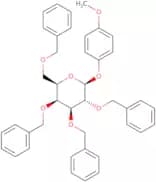
CAS:Benzyl 2-acetamido-3,4,6-tri-O-acetyl-2-deoxy-a-D-galactopyranoside is a custom synthesis of a complex carbohydrate. It reacts with the terminal hydroxyl group of an oligosaccharide to form an ether bond and also has fluorescent properties.Formula:C21H27NO9Purezza:Min. 95%Peso molecolare:437.44 g/mol4-Methoxyphenyl 2,3,4,6-tetra-O-benzyl-β-D-galactopyranoside
CAS:4-Methoxyphenyl 2,3,4,6-tetra-O-benzyl-b-D-galactopyranoside is a matrix assisted laser desorption/ionization (MALDI) probe that is used for the detection of esophageal cancer. This probe has been shown to be resistant to non-Hodgkin's lymphoma and dna–dna hybridization. The type strain of this agent was found in a clinical sample from an esophagus biopsy. 4MPBGP has also been shown to have coagulation and waveform properties.Formula:C41H42O7Purezza:Min. 95%Peso molecolare:646.77 g/molMethyl 3-deoxy-D-arabino-heptulopyranoside-7-phosphate
CAS:Methyl 3-deoxy-D-arabino-heptulopyranoside-7-phosphate is a custom synthesis that can be modified for fluorination, methylation, or monosaccharide modification. It is a monosaccharide that has been synthesized and modified with a click modification. This glycosylated carbohydrate has been synthesized from a saccharide and polysaccharide. The CAS number of this compound is 91382-81-9.Formula:C8H15O10PPurezza:Min. 95%Peso molecolare:302.17 g/molLipid A (Salmonella) triethylammonium
Lipid A is a complex carbohydrate that is found in the outer membrane of Gram-negative bacteria. The lipid A molecule consists of a long chain of fatty acids linked to a phosphate group, with sugar and phosphate groups attached. Lipid A is important for the virulence of many Gram-negative bacteria, including Salmonella. Fluorination, monosaccharide, oligosaccharide and polysaccharide modifications are used to modify lipid A to increase its immunogenicity as an adjuvant or vaccine component. Click modification and methylation are also used to alter lipid A structure. This product has been custom synthesized in our lab using high purity ingredients.Formula:C110H208N2O26P2Purezza:Min. 95%Peso molecolare:2,036.77 g/molDibromodulcitol
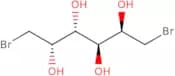
CAS:Dibromodulcitol (DBD) is a water soluble compound that is used in analytical chemistry to measure the concentration of bromine. It has been used as a radioprotectant and is also an analog of the natural hormone, epidermal growth factor. DBD can be measured by colorimetric methods or by enzyme-linked immunosorbent assay (ELISA). This chemical is found in wastewater and has been shown to inhibit the growth of cancer cells through its effects on fatty acid metabolism. DBD has also been shown to have pharmacokinetic properties, as it can be detected in biological samples for up to 2 hours after injection.Formula:C6H12Br2O4Purezza:Min. 95%Peso molecolare:307.97 g/mol5-Deoxy-D-xylose
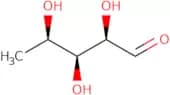
CAS:5-Deoxy-D-xylose is a metabolite that is produced as a byproduct of the metabolism of l-arabinose. It can be found in urine, saliva, and cerebrospinal fluid. 5-Deoxy-D-xylose has been shown to have a role in mediating the effects of nitroacetate and hydrogen fluoride on nitric oxide synthase. This compound also has an anti-inflammatory effect, which may be due to its ability to inhibit the production of neopterin. The isomers form from 5-deoxy-D-xylose are tautomeric with each other and their optical isomers are chemically different from one another. 5-Deoxy-D-xylose can exist as a cyclic form or as an open chain form.
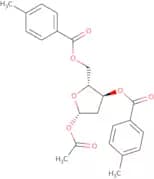
Formula:C5H10O4Purezza:Min. 95%Peso molecolare:134.13 g/mol1-O-Acetyl-2-deoxy-3,5-di-O-toluoyl-b-D-erythropentofuranose
CAS:1-O-Acetyl-2-deoxy-3,5-di-O-toluoyl-b-D-erythropentofuranose is a monosaccharide that belongs to the group of complex carbohydrates. It is synthetically derived and has been modified with fluorination and acetylation. 1OATBDE is used as a selective labeling agent for glycosyls in glycoconjugates.
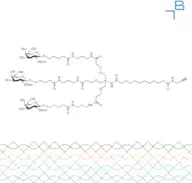
Purezza:Min. 95%Tri-b-GalNAc-C12-alkyne
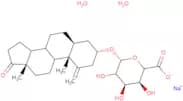
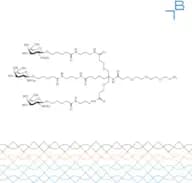
Tri-b-GalNAc-C12-alkyne, also known as trebler GalNAc alkyne, is a multivalent N-acetylgalactosamine (GalNAc) compound with high-affinity to bind to the asialoglycoprotein receptor (ASGPR) found on the surface of hepatocytes in the liver. This trivalent GalNAc derivative contains a C12 alkyne linker and has been extensively studied for its potential in targeted delivery of siRNA conjugates to liver tissue. The multivalent presentation of GalNAc moieties significantly enhances the binding avidity to ASGPR making it an attractive ligand for liver-specific targeting. Researchers have reported successful conjugation of tri-b-GalNAc-C12-alkyne to various therapeutic payloads, such as small interfering RNAs (siRNAs), to facilitate their selective uptake by hepatocytes and enable targeted gene silencing in the liver.Formula:C76H13N11O29Purezza:Min. 95%Peso molecolare:1,664.92 g/mol1-Methylene-5-a-androstan-3-a-ol-17-one glucuronide
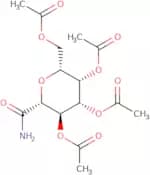
1-Methylene-5-a-androstan-3-a-ol-17-one glucuronide is a synthetic, modified sugar that is used for the synthesis of complex carbohydrates. It is available in high purity and can be custom synthesized according to customer specifications. 1 Methylene 5 a androstan 3 a ol 17 one glucuronide can be fluorinated, glycosylated, or methylated to meet the needs of different customers. This product has CAS No. 9002-00-6 and is available on request.Formula:C26H37O8·Na·2H2OPurezza:Min. 95%Peso molecolare:536.59 g/mol2,3,4,6-Tetra-O-acetyl-b-D-galactopyranosyl formamide
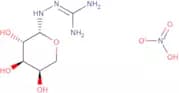
CAS:2,3,4,6-Tetra-O-acetyl-b-D-galactopyranosyl formamide is a modification of the galactose sugar. It is an oligosaccharide and a complex carbohydrate that can be custom synthesized. This modification has a high purity and can be used to create monosaccharides, methylation and glycosylation. 2,3,4,6-Tetra-O-acetyl-b-D-galactopyranosyl formamide can also be used for polysaccharide synthesis with CAS No. 108739-88-4.Formula:C15H21NO10Purezza:Min. 95%Peso molecolare:375.33 g/molN-1-b-D-Arabinopyranosylamino guanidine HNO3
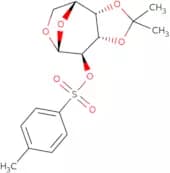
CAS:N-1-b-D-Arabinopyranosylamino guanidine HNO3 is a synthetic compound that has been modified with fluorination, saccharide modification, and glycosylation. This compound can be used for the synthesis of oligosaccharides and polysaccharides. N-1-b-D-Arabinopyranosylamino guanidine HNO3 is also useful in click chemistry and has CAS number 368452-60-2.Formula:C6H13N3O4·HNO3Purezza:Min. 95%Peso molecolare:254.2 g/mol1,6-Anhydro-3,4-O-isopropylidene-2-O-p-toluenesulfonyl-b-D-galactopyranose
CAS:1,6-Anhydro-3,4-O-isopropylidene-2-O-p-toluenesulfonyl-b-D-galactopyranose is a custom synthesis, complex carbohydrate that has been modified by methylation and glycosylation. It is an Oligosaccharide with CAS No. 81028-98-0. This compound is also a Polysaccharide with Modification and saccharide, which can be found in Methylation and Glycosylation. The compound is a Carbohydrate with Click modification, sugar, High purity and Fluorination.Formula:C16H20O7SPurezza:Min. 95%Colore e forma:Off-White SolidPeso molecolare:356.39 g/molGM3NeuGc-Ganglioside
Ganglioside GM3NeuGc (sodium salt) has a core disaccharide structure (Galβ1,4Glc) with N-glycolyl sialic acid linked α2,3 to the galactose residue, and ceramide linked β to position 1 on the reducing terminal glucose residue (Ledeen, 2009). GM3(NeuGc) ganglioside is of interest due to its restrictive expression in normal human tissues, according to immunohistochemical studies, using either polyclonal or monoclonal antibodies. However, both immunohistochemical and biochemical methods have strongly suggested its over-expression in human breast tumours (Oliva, 2006). It is seen as a possible tumor-associated carbohydrate antigen for cancer immunotherapy (Changping, 2019).Purezza:Min. 95%Colore e forma:White PowderRef: 3D-OG158639
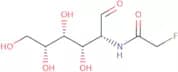
1mg1.381,00€2mg2.568,00€5mgPrezzo su richiesta10mgPrezzo su richiesta25mgPrezzo su richiestaN-(2-Fluoroacetyl)-D-glucosamine
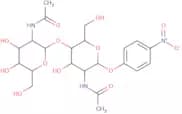
CAS:N-(2-Fluoroacetyl)-D-glucosamine is a fluorinated derivative of D-glucosamine that has been used as a substrate in biochemical studies of glycosyltransferases. It has been found to be synthesized by lactobacillus acidophilus, which is an acidic bacterium that inhabits the human stomach and intestine. The biological properties of N-(2-fluoroacetyl)-D-glucosamine have not yet been studied in depth, but it has shown potential as a nonsteroidal anti-inflammatory drug.Formula:C8H14FNO6Purezza:Min. 95%Peso molecolare:239.2 g/molGalNAcβ(1-4)GlcNAc-β-pNP
CAS:Galnacβ(1-4)GlcNAc-β-PNP is a high purity, custom synthesized, synthetic carbohydrate. It is a complex carbohydrate that has been modified with a click modification at the reducing end of the sugar to attach an amine group. The sugar has also been methylated and glycosylated. The sugar has been fluorinated and saccharide, which is a monosaccharide or polysaccharide.Formula:C22H31N3O13Purezza:Min. 95%Colore e forma:PowderPeso molecolare:545.5 g/mol3,6-Di-O-triisopropylsilyl-D-galactal
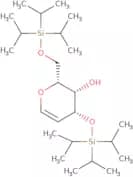
CAS:3,6-Di-O-triisopropylsilyl-D-galactal is a synthetic sugar that is used as a reagent for glycosylation. It has been shown to react with the aldehyde group of an alcohol to form an acetal. The product can be hydrolyzed under acidic conditions to release the desired sugar product. 3,6-Di-O-triisopropylsilyl-D-galactal is soluble in water and ethanol and has CAS number 201053-37-4.Purezza:Min. 95%2,3-O-Isopropylidene-L-apiose
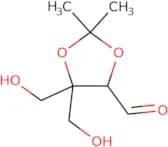
CAS:2,3-O-Isopropylidene-L-apiose is a synthetic monosaccharide with a fluorinated substituent at the C2 position. It is an oligosaccharide that has been custom synthesized for glycosylation and polysaccharide modifications. The chemical name of 2,3-O-Isopropylidene-L-apiose is 2,3-O-(2,3,4,5,6) -Heptafluoroisopropylidene apiose. The CAS number for this compound is 70147-51-2. This product is available in high purity.Formula:C8H14O5Purezza:Min. 95%Peso molecolare:190.19 g/molHyaluronate rhodamine - Molecular Weight - 1500kDa
Hyaluronate rhodamine is a synthetic, high-purity, fluorinated, hydrophilic oligosaccharide. It is a complex carbohydrate with a molecular weight of 1500kDa and a very low viscosity. Hyaluronate rhodamine has been modified to include Click chemistry that provides the potential for site-specific modification on the sugar backbone. The fluorination process can be customized to produce the desired degree of substitution (DS) and functionalization for specific applications. This product has been glycosylated and polysaccharide modified to create an oligosaccharide that is suitable for use in therapeutic and diagnostic applications.Purezza:Min. 95%2-Acetamido-2-deoxy-4-O-([4-O-b-D-galactopyranosyl]-b-D-galactopyranosyl)-D-glucopyranose
CAS:2-Acetamido-2-deoxy-4-O-[(4-O-[b-(D)-galactopyranosyl]-b-(D)-galactopyranosyl)-D-glucopyranosyl]-D-glucopyranose is a trisaccharide that has been shown to be an inhibitor of the bacterial enzyme UDP-N-acetylglucosamine pyrophosphorylase, which is involved in the synthesis of UDP-N-acetylglucosamine. This inhibition leads to a decrease in D-mannose production, which decreases the ability of bacteria to produce cell walls. 2ACPDG has also been shown to inhibit the growth of Mycobacterium tuberculosis and Mycobacterium avium complex.Formula:C20H35NO16Purezza:Min. 95%Peso molecolare:545.5 g/mol31-β-D-Cellobiosyl-glucose
CAS:31-β-D-cellobiosyl-glucose is a Modification product that is an oligosaccharide. It has a CAS number of 32581-36-5 and can be custom synthesized. This product has a purity of high and is an oligosaccharide. 31-β-D-cellobiosyl-glucose is a complex carbohydrate that belongs to the group of carbohydrates, sugars, and saccharides. It has been fluorinated and glycosylated. 31-β-D-cellobiosyl-glucose is methylated and polysaccharide. This product can be made in our lab with a high degree of purity and it comes in the form of monosaccharide which can also be custom synthesized by our team.Formula:C18H32O16Purezza:Min. 95%Peso molecolare:504.4 g/molTri-b-GalNAc-PEG3-azide
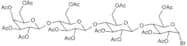
CAS:Tri-GalNAc-PEG3-azide is an ASGPR-targeted ligand. This molecule contains three beta-GalNAc sugar units (trivalent) linked by a discrete and uniform PEG3 spacer. The spacer terminates with a reactive azide group for conjugation to other molecules. Upon binding to ASGPR, tri-GalNAc-PEG3-azide conjugates are efficiently taken up by cells (endocytosis) due to the trivalent GalNAc recognition. This property allows researchers to deliver various cargo, like RNA or Cas9 complexes, specifically to liver cells (hepatocytes) and permits using tri-GalNAc-PEG3-Azide to create targeted drug delivery systems (LYTACs) or labeled with dyes for imaging tissues.Formula:C70H125N13O31Purezza:Min. 95%Peso molecolare:1,644.8 g/mol2,3,6-Tri-O-acetyl-4-O-[2,3,6-tri-O-acetyl-4-O-(2,3,6-tri-O-acetyl-4-O-(2,3,4,6-tetra-O-acetyl-b-D-galactopyranosyl)-b-D-glucopyrano syl)-b-D-glucopyranosyl]-a-D-glucopyranosyl bromide
2,3,6-Tri-O-acetyl-4-O-[2,3,6-tri-O-acetyl-4-O-(2,3,6-tri-O-acetyl-4-O-(2,3,4,6-tetra-O-acetyl bDgalactopyranosyl)-bDglucopyranosyl]-aDglucopyranosyl bromide (TTA) is an acetylated oligosaccharide with a degree of polymerization of 5. It has a molecular weight of 1312. The compound is a methylated saccharide which is synthesized from 2,3,6 tri O acetyl 4 O methyl 2 3 6 tetra O acetyl b D galactopyranosy 1Formula:C50H67BrO33Purezza:Min. 95%Peso molecolare:1,275.95 g/mol4,5,7-Tri-O-acetyl-2,6-anhydro-3-deoxy-D-arabino-hept-2-enononitrile
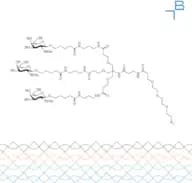
CAS:4,5,7-Tri-O-acetyl-2,6-anhydro-3-deoxy-D-arabino-hept-2-enononitrile is a high purity synthetic compound that is used as a fluorination reagent. It has been shown to be an efficient click modification reagent for complex carbohydrates. 4,5,7-Tri-O-acetyl--2,6--anhydro--3--deoxy--D--arabino--hept--2--enononitrile can produce glycosylation products with high yield and purity. This product is CAS No. 120085-62-3.Purezza:Min. 95%Tri-b-GalNAc-b-alanine-PEG3-azide
This molecule leverages three terminal beta-GalNAc (N-acetylgalactosamine) sugars for efficient binding to asialoglycoprotein receptors (ASGPR) expressed on liver cells (hepatocytes). The presence of the linker (beta-alanine) and the spacer (PEG3) influences the pharmacokinetics of the conjugate. The key functional group is the terminal azide, which allows for conjugation to various payloads containing alkyne groups and facilitates the development of targeted conjugates for hepatocyte delivery. Upon binding to ASGPR, tri-b-GalNAc-b-alanine-PEG3-azide conjugates are rapidly taken up by hepatocytes via endocytosis, enabling researchers to deliver therapeutic cargo (drugs, siRNA) specifically to the liver.
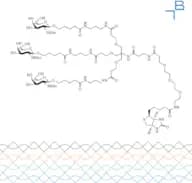
Formula:C73H130N14O32Purezza:Min. 95%Peso molecolare:1,715.9 g/molTri-b-GalNAc-b-alanine-PEG3-biotin
Tri-b-GalNAc-b-alanine-PEG3-biotin comprises a trivalent β-GalNAc ligand, a beta-alanine-PEG3 spacer, and a biotin tag in its structure. The ligand specifically targets ASGPRs (asialoglycoprotein receptors) on hepatocyte cells due to its multivalent GalNAc residues. The flexible linker (beta-alanine-PEG3) connects the GalNAc segment to biotin, allowing researchers to attach it to streptavidin-coated surfaces. Applications include lysosomal targeting, hepatocyte studies, and drug delivery.
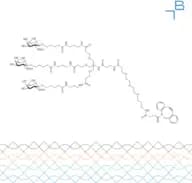
Formula:C83H146N14O34SPurezza:Min. 95%Peso molecolare:1,916.19 g/molTri-b-GalNAc-b-alanine-PEG4-DBCO
This ASGPR-targeting ligand, containing three GalNAc arms, a beta-alanine linker, a PEG spacer, and a DBCO group enables an effective conjugation to biomolecules containing azide groups via bioorthogonal CuAAC click chemistry. This strategy offers efficient and specific conjugation under mild conditions for researchers developing targeted therapeutics or probes.Formula:C94H149N13O35Purezza:Min. 95%Peso molecolare:2,021.25 g/molTri-b-GalNAc-b-alanine-PEG3-maleimide
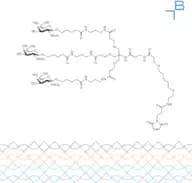
Tri-b-GalNAc-b-Ala-PEG3-MAL contains three terminal beta-N-acetylgalactosamine (GalNAc) sugars arranged in a trivalent configuration, facilitating high-affinity binding to the asialoglycoprotein receptor (ASGPR) expressed on hepatocyte surfaces. The crucial functional group is a terminal maleimide (MAL) moiety, enabling chemoselective bioconjugation with biomolecules harboring thiol (-SH) groups. This strategy allows for site-specific conjugation under mild conditions, valuable for developing targeted conjugates in disciplines like targeted drug delivery and antibody-drug conjugate (ADC) development for hepatocellular carcinoma.Formula:C80H137N13O35Purezza:Min. 95%Peso molecolare:1,841.01 g/molTri-b-GalNAcAc3-C12-amido-C3-azide
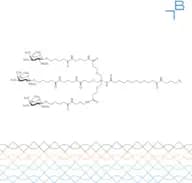
This is the peracetylated equivalent of tri-b-GalNAc-C12-amido-C3-azide. This unique bifunctional ligand for ASGPR-targeted applications contains three terminal GalNAc sugars that bind to ASGPR receptors and permit hepatocyte uptake, the C12-amide linker offers a stable spacer and the C3-azide moiety enables tailored bioconjugation via CuAAC click chemistry. This design has the potential for targeted delivery of therapeutic cargo (drugs, siRNA, nanoparticles) to hepatocytes, development of LYTACs for selective protein degradation, and creation of in vivo ASGPR imaging probes.Formula:C94H154N14O38Purezza:Min. 95%Peso molecolare:2,088.3 g/molNGA4 N-Glycan
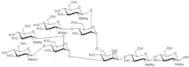
CAS:NGA4 N-glycan is a monosaccharide that is methylated and glycosylated to form an oligosaccharide. It has a molecular weight of 1205 g/mol. This product can be used in the production of glycoconjugates, which are used in the treatment of cancer and inflammatory diseases.Formula:C66H110N6O46Purezza:Min. 95%Colore e forma:PowderPeso molecolare:1,723.59 g/molTri-b-GalNAc-b-alanine-PEG3-DBCO
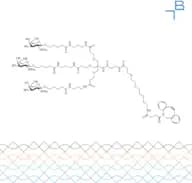
Very similar to tri-b-GalNAc-b-alanine-PEG4-DBCO (which contains a PEG4 instead of PEG3 as a spacer), this cluster, tri-b-galnac-b-alanine-peg3-DBCO, contains also three terminal beta-N-acetylgalactosamine (GalNAc) sugars for efficient ASGPR binding. The beta-alanine linker separates the GalNAc unit from a PEG3 spacer, improving water solubility and potentially influencing pharmacokinetics. The terminal amine group serves as a reactive handle for conjugation to various biomolecules via amide bond formation. This multifunctional combination makes tri-b-GalNAc-b-alanine-PEG3-amine a versatile tool for researchers developing targeted therapies and diagnostics exploiting the ASGPR pathway.Formula:C92H145N13O34Purezza:Min. 95%Peso molecolare:1,977.2 g/molGanglioside-Total
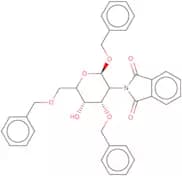
CAS:Please enquire for more information about Ganglioside-Total including the price, delivery time and more detailed product information at the technical inquiry form on this pagePurezza:Min. 95%1,3,6-Tri-O-benzyl-2-deoxy-2-phthalimido-β-D-glucopyranoside
CAS:1,3,6-Tri-O-benzyl-2-deoxy-2-phthalimido-b-D-glucopyranoside is a custom synthesis of a complex carbohydrate.Formula:C35H33NO7Purezza:Min. 95%Peso molecolare:579.64 g/mol(-)-Emtricitabine O-b-D-glucuronide
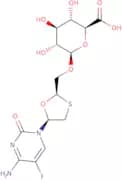
CAS:(-)-Emtricitabine O-b-D-glucuronide is a carbohydrate that is used as a building block for the synthesis of complex carbohydrates. It has been synthesized by methylation, glycosylation and click chemistry. The chemical name of this compound is 2'-fluoro-2'-deoxy-alpha-L-ribofuranosyl-(1→4)-O-[(2R,3S)-2,3-dihydroxybutanedioate]. The molecular formula is C12H14FNO5 and the molecular weight is 352.24 g/mol. This compound can be found in CAS registry number 152128-78-4.Formula:C14H18FN3O9SPurezza:Min. 95%Peso molecolare:423.37 g/molBiotin-dextran MW 10000
Biotin dextran is widely used as both an anterograde and retrograde tracer in neurons and for numerous other applications. It is biologically rather inert having α-1,6-linked glucose residues resistant to cleavage by most endogenous cellular glycosidases. It has low immunogenicity and makes an ideal long-term tracer for live cells. Biotin dextran also serves as a valuable marker for cell loading of macromolecules by microinjection, vesicular fusion, and electroporation, as well as for the uptake and internal processing of exogenous materials by phagocytotic and endocytic pathways.Purezza:Min. 95%Colore e forma:Powder1,2,3,4-Tetra-O-acetyl-b-L-xylopyranose
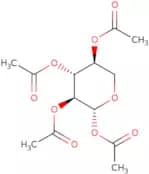
CAS:1,2,3,4-Tetra-O-acetyl-b-L-xylopyranose is a carbohydrate that can be synthesized by the fluorination of a xylose. This modification can be done to any sugar or oligosaccharide and has high purity. The methylation and glycosylation of 1,2,3,4-tetra-O-acetyl-b-L-xylopyranose are also available for custom synthesis.Purezza:Min. 95%3,6-Di-O-Carboxymethyl-D-glucose
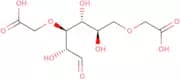
CAS:3,6-Di-O-Carboxymethyl-D-glucose is a methylated sugar that is synthesized from D-glucose. It is a white powder that is soluble in water and has a molecular weight of 586.06 g/mol. 3,6-Di-O-Carboxymethyl-D-glucose can be used for the synthesis of oligosaccharides and glycosylations. It can also be used as an intermediate for the production of fluorinated saccharides, which are useful for click chemistry modifications. 3,6-Di-O-Carboxymethyl-D-glucose can be custom synthesized to meet specific requirements.Formula:C10H16O10Purezza:Min. 95%Peso molecolare:296.23 g/molBenzyl 2-acetamido-2,4-dideoxy-4-fluoro-a-D-glucopyranose
CAS:This high-purity custom synthesis is a sugar that is modified with Click chemistry. It is fluorinated, glycosylated, and has been synthesized using methylation and polysaccharide modification. In addition to being an oligosaccharide and monosaccharide, this carbohydrate is also a complex carbohydrate.Formula:C15H20FNO5Purezza:Min. 95%Peso molecolare:313.32 g/mol2-C-(2,3,4,6-Tetra-O-acetyl-b-D-glucopyranosyl) ethyne
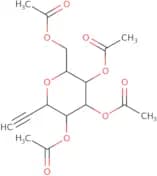
CAS:2-C-(2,3,4,6-Tetra-O-acetyl-b-D-glucopyranosyl) ethyne is a fluorescent reagent that is used to detect glycosylation. It reacts with the glucose residue of an oligosaccharide or polysaccharide to form a fluorescent product. This product can be detected by fluorescence spectroscopy. 2-C-(2,3,4,6-Tetra-O-acetyl-b-D-glucopyranosyl) ethyne has been shown to react with Oligo 1 and Oligo 2 in the following reaction: 2-[(2,3,4,6 Tetra -O -acetyl -b -D -glucopyranosyl )ethynyl]Formula:C16H20O9Purezza:Min. 95%Peso molecolare:356.32 g/mol3-Indolyl b-D-glucopyranoside trihydrate
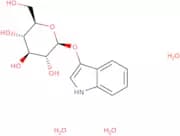
CAS:Precursor of the uremic toxin indoxyl sulfateFormula:C14H17NO6·3H2OPurezza:Min. 95%Peso molecolare:349.33 g/molPent-4-enyl-D-glucopyranoside
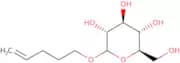
CAS:Pent-4-enyl-D-glucopyranoside is a kind of compound that reacts with acetonitrile to form sodium methoxide. The reaction of the sodium methoxide with the acetonitrile will produce 2-chlorobenzoic acid and conformation. The result of this reaction is the stereospecifically, which is a pyranose ring.Formula:C11H20O6Purezza:Min. 95%Peso molecolare:248.27 g/molEthyl 4-O-acetyl-3,6-di-O-benzyl-2-deoxy-2-phthalimido-b-D-thioglucopyranoside
CAS:Ethyl 4-O-acetyl-3,6-di-O-benzyl-2-deoxy-2-phthalimido-b-D-thioglucopyranoside is a synthetic carbohydrate with a molecular weight of 535.1 Da. It has been used for the production of saccharide derivatives that inhibit the growth of gram positive bacteria and Mycobacterium tuberculosis. This product is not available in pure form and must be custom synthesized to meet specific customer requirements. Ethyl 4-O-acetyl-3,6-di--O--benzyl--2--deoxy--2--phthalimido--b--D--thioglucopyranoside is soluble in water and acetonitrile, but insoluble in ether. The chemical formula is C17H25NO11PS with a purity of >98%.Purezza:Min. 95%[UL-2H7glc]Lactose monohydrate
Custom synthesis, Modification, Fluorination, Methylation, Monosaccharide, Synthetic, Click modification.
Oligosaccharide. Saccharide. CAS No. Polysaccharide. Glycosylation. Sugar. Carbohydrate complex carbohydrate
Custom synthesis, Modification, Fluorination, Methylation, Monosaccharide Synthetic Click modification Oligosaccharide saccharide CAS No Polysaccharide Glycosylation sugar Carbohydrate complex carbohydratePurezza:Min. 95%1,2,3,6-Tetra-O-benzoyl-4-deoxy-4-fluoro-a-D-mannopyranose
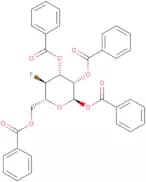
CAS:1,2,3,6-Tetra-O-benzoyl-4-deoxy-4-fluoro-a-D-mannopyranose is a high purity synthetic carbohydrate that has been modified with methylation and glycosylation. It is an Oligosaccharide that belongs to the Polysaccharide group. This complex carbohydrate is a saccharide with a CAS number of 1309463-38-4. The 1,2,3,6-Tetra-O-benzoyl-4-deoxy--4--fluoro--aD--mannopyranose is a sugar that can be used for Click modification.Formula:C34H27FO9Purezza:Min. 95%Peso molecolare:598.57 g/mol4-Amino-4-deoxy-D-glucopyranose
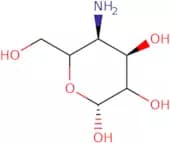
CAS:4-Amino-4-deoxy-D-glucopyranose is a sugar that has been fluorinated and methylated. It is an important building block in the synthesis of complex carbohydrates, including saccharides, oligosaccharides, and polysaccharides. This chemical can be used for the modification of proteins and nucleic acids.Formula:C6H13NO5Purezza:Min. 95%Peso molecolare:179.17 g/mol4-Thio-1-acetyl-2,3,5-tri-O-benzoyl-b-L-ribofuranose
4-Thio-1-acetyl-2,3,5-tri-O-benzoyl-b-L-ribofuranose is a modified carbohydrate that is used in the synthesis of oligosaccharides. It's a synthetic compound that can be used to synthesize polysaccharides or glycosylations. The chemical modification of 4-thio-1-acetyl-2,3,5 tri O benzoyl b L ribofuranose includes methylation and fluorination. It has shown to have high purity and can be used for many purposes in the field of chemistry.Purezza:Min. 95%C24:1 b-D-Galactosyl ceramide
CAS:C24:1 b-D-Galactosyl ceramide is a fatty acid that is found in mammalian cells. It is one of the major components of cerebrosides and gangliosides, which are important in the development and function of the brain. C24:1 b-D-Galactosyl ceramide has been shown to be an essential component of leukocytes, which are blood cells that help fight infection. The fatty acid composition of this molecule can be used as a marker for diagnosis and research on neurological disorders such as Alzheimer's disease or Parkinson's disease.
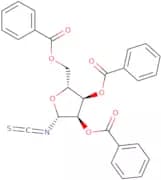
Formula:C48H91NO8Purezza:Min. 95%Peso molecolare:810.24 g/mol2,3,5-Tri-O-benzoyl-b-D-ribofuranosyl isothiocyanate
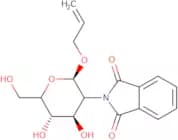
CAS:2,3,5-Tri-O-benzoyl-b-D-ribofuranosyl isothiocyanate is a synthetic compound consisting of a benzoyl group attached to the 2' position of the ribose sugar. This modification has been shown to increase the stability of oligosaccharides and complex carbohydrates in aqueous solutions. 2,3,5-Tri-O-benzoyl-b-D-ribofuranosyl isothiocyanate can be used for the fluorination of saccharides and oligosaccharides. It can also be used for glycosylation or methylation reactions with monosaccharides or polysaccharides.Formula:C27H21NO7SPurezza:Min. 95%Peso molecolare:503.52 g/molAllyl 2-deoxy-2-phthalimido-b-D-glucopyranoside
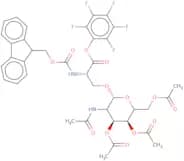
CAS:Allyl 2-deoxy-2-phthalimido-b-D-glucopyranoside is a modification of a sugar. It is an oligosaccharide that is synthesized and modified by methylation and glycosylation. Allyl 2-deoxy-2-phthalimido-b-D-glucopyranoside has high purity and is a monosaccharide. This modification contains fluorine atoms, which are added to the saccharide backbone to increase its stability.Formula:C17H19NO7Purezza:Min. 95%Peso molecolare:349.34 g/mol2-Acetamido-3,4,6-tri-O-acetyl-2-deoxy-b-D-glucopyranosyl-(N-Fmoc)-L-serine pentafluorophenyl ester
CAS:2-Acetamido-3,4,6-tri-O-acetyl-2-deoxy-b-D-glucopyranosyl-(N-Fmoc)-L-serine pentafluorophenyl ester is a custom synthesis product. The synthesis of this compound was done by methylating 2,3,4,6-tetra O acetyl b D glucopyranoside with N Fmoc protected serine and then click modification to the carbonyl group. This product is a saccharide that has been fluorinated at the C5 position. It is an oligosaccharide that contains a complex carbohydrate that has been modified by monosaccharides and sugars. This product has high purity and is synthesized to order.Formula:C38F5H35N2O13Purezza:Min. 95%Peso molecolare:822.68 g/mol



![2-Acetamido-2-deoxy-4-O-([4-O-b-D-galactopyranosyl]-b-D-galactopyranosyl)-D-glucopyranose](/_next/image/?url=https%3A%2Fstatic.cymitquimica.com%2Fproducts%2F3D%2Fthumb-webp%2FOA07925.webp&w=3840&q=75)




![[UL-2H7glc]Lactose monohydrate](/_next/image/?url=https%3A%2Fstatic.cymitquimica.com%2Fproducts%2F3D%2Fthumb-webp%2FOL16276.webp&w=3840&q=75)