Glicoscienza
La glicosienza è lo studio dei carboidrati e dei loro derivati, nonché delle interazioni e delle funzioni biologiche a cui partecipano. Questo campo di ricerca è cruciale per comprendere una vasta gamma di processi biologici, tra cui il riconoscimento cellulare, la segnalazione, la risposta immunitaria e lo sviluppo delle malattie. La glicosienza ha importanti applicazioni nella biotecnologia, nella medicina e nello sviluppo di nuovi farmaci e terapie. Presso CymitQuimica, offriamo un'ampia selezione di prodotti di alta qualità e purezza per la ricerca in glicosienza. Il nostro catalogo comprende monosaccaridi, oligosaccaridi, polisaccaridi, glicoconiugati e reagenti specifici, progettati per supportare i ricercatori nei loro studi sulla struttura, funzione e applicazioni dei carboidrati nei sistemi biologici. Queste risorse sono destinate a facilitare scoperte scientifiche e applicazioni pratiche in vari ambiti delle bioscienze e della medicina.
Sottocategorie di "Glicoscienza"
- Amminozucchero(108 prodotti)
- Glico-anticorpi(282 prodotti)
- Glicolipidi(46 prodotti)
- Glicosaminoglicani (GAGs)(55 prodotti)
- Glicosidi(419 prodotti)
- Monosaccaridi(6.624 prodotti)
- Oligosaccaridi(3.682 prodotti)
- Polisaccaridi(503 prodotti)
Trovati 11046 prodotti di "Glicoscienza"
Ordinare per
Purezza (%)
0
100
|
0
|
50
|
90
|
95
|
100
2,2’-Anhydro-L-lyxo-uridine
<p>2,2’-Anhydro-L-lyxo-uridine is a modified sugar that is synthesized from L-lyxo-uridine. This product is used as a monosaccharide in the synthesis of complex carbohydrate and has been shown to inhibit the growth of bacteria by preventing bacterial DNA transcription. 2,2’-Anhydro-L-lyxo-uridine has also been used to inhibit glycosylation, which is an enzyme that catalyzes the addition of sugars to protein molecules. 2,2’-Anhydro-L-lyxo-uridine can be fluorinated for use in glycoproteins and can be methylated for use in oligosaccharides.</p>Purezza:Min. 95%Phenyl-β-D-glucuronic acid monohydrate
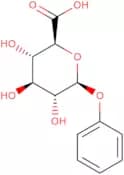
CAS:Phenyl-beta-D-glucuronic acid monohydrate is a genotoxic agent that is metabolized to S-phenylmercapturic acid. This metabolite can be detected in urine as an indicator of exposure to the compound. Phenyl-beta-D-glucuronic acid monohydrate has been shown to have toxic effects on humans, such as decreasing the glomerular filtration rate and increasing reactive oxygen species levels. It also decreases antioxidant vitamin levels and causes blood disorders, including hemolytic anemia. Phenyl-beta-D-glucuronic acid monohydrate may also be used for the treatment of autoimmune diseases by inhibiting certain enzymes involved in inflammation and immune response.Formula:C12H16O8Purezza:Min. 98 Area-%Colore e forma:White PowderPeso molecolare:288.26 g/mol4-Methoxyphenyl 4-O-(3,6-di-O-benzyl-2-deoxy-2-phthalimido-b-D-glucopyranosyl)-3-O-benzyl-2-deoxy-6-O-(4-methoxybenzyl)-2-phthalimid o-b-D-glucopyranoside
4-Methoxyphenyl 4-O-(3,6-di-O-benzyl-2-deoxy-2-phthalimido-b-D-glucopyranosyl)-3-O-benzyl-2-deoxy -6-(4methoxybenzyl)-2 phthalimid (4) is a carbohydrate compound with the molecular formula C27H32N2O9. It is a white to off white powder that has a molecular weight of 565.5 and an empirical formula of C27H32N2O9.Formula:C64H60N2O15Purezza:Min. 95%Peso molecolare:1,097.17 g/mol4-Methoxyphenyl 4-O-(3,6-di-O-benzyl-2-deoxy-4-O-levulinoyl-2-phthalimido-b-D-glucopyranosyl)-3-O-benzyl-2-deoxy-2-phthalimido-b-D-g lucopyranoside
4-Methoxyphenyl 4-O-(3,6-di-O-benzyl-2-deoxy-4-O-levulinoyl-2-phthalimido-b-D-[1]glucopyranosyl)-3,6,6'-triphosphate (4MP) is a fluorinated monosaccharide that can be synthesized from 4,4'-dimethoxybenzophenone and 2,3,4,5',6'-pentachlorobenzene. This synthetic compound is used to prepare modified polysaccharides. 4MP has been shown to methylate glycoproteins and modify oligosaccharides. It has also been shown to inhibit the growth of Mycobacterium tuberculosis by inhibiting the synthesis of cell wall lipids.Formula:C61H58N2O16Purezza:Min. 95%Peso molecolare:1,075.12 g/molLacto-N-fucopentaose V
CAS:<p>Human milk oligosaccharide; binds cholera toxin TcdA</p>Formula:C32H55NO25Purezza:Min. 80%Colore e forma:PowderPeso molecolare:853.77 g/mol3-Deoxy-1,2:5,6-di-O-isopropylidene-3-trifluoromethyl-a-D-glucofuranose
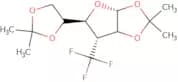
CAS:<p>3-Deoxy-1,2:5,6-di-O-isopropylidene-3-trifluoromethyl-a-D-glucofuranose is a carbohydrate that has the following modifications: methylation at the 6 position of the 3rd carbon atom, glycosylation at the 2nd and 4th positions of the 5th carbon atom, fluorination at the 1st position of the 5th carbon atom. This carbohydrate has a CAS number 1426243-44-8 and can be found under Polysaccharide in CAS.</p>Formula:C13H19F3O5Purezza:Min. 95%Peso molecolare:312.28 g/molN1-β-D-Galactopyranosylamino-guanidine hydrochloride
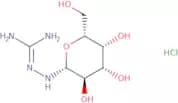
CAS:N1-b-D-Galactopyranosylamino-guanidine HCl is a synthetic, fluorinated monosaccharide that contains an amino group on the 1' carbon. It has been modified with methyl groups at the C6 and C7 positions to increase its stability and inhibit enzymatic hydrolysis. This product is also a glycosylation agent for complex carbohydrate synthesis.Formula:C7H16N4O5•HClPurezza:Min. 95%Colore e forma:White to off-white solid.Peso molecolare:272.69 g/mol5-Deoxy-1,2-O-ispropylidene-([4-ethoxycarbonyl]-1,2,3-triazol-1-yl)-a-L-galactofuranose
5-Deoxy-1,2-O-ispropylidene-[4-ethoxycarbonyl]-1,2,3-triazol-1-yl)-a-L-galactofuranose is a carbohydrate with the formula C(6)H(8)O(10). It is a modified saccharide with a fluorinated alpha position and an ethoxycarboxylic acid side chain. The compound can be used as a pharmaceutical intermediate or as an analytical reagent. This product is available for custom synthesis and modification.Purezza:Min. 95%Lewis Y-NHCOCH2NH-biotin
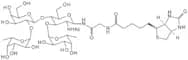
<p>Lewis Y-NHCOCH2NH-biotin is a custom synthesis that contains an Oligosaccharide, CAS No., Polysaccharide, Modification, saccharide, Methylation, Glycosylation, Click modification and Carbohydrate. Lewis Y-NHCOCH2NH-biotin is a high purity product that has been fluorinated and synthesized.</p>Formula:C38H63N5O21SPurezza:Min. 95%Peso molecolare:957.99 g/mol(-)-Lentiginosine
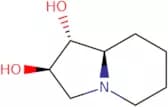
CAS:(-)-Lentiginosine is a natural iminosugar that serves as a potent glycosidase inhibitor. This compound is sourced primarily from a variety of plant species, where it occurs naturally as a secondary metabolite. The mode of action of (-)-lentiginosine involves the competitive inhibition of glycosidase enzymes, particularly α-glucosidases. By binding to these enzymes, it prevents the hydrolysis of glycosidic bonds, therefore impeding carbohydrate digestion and absorption processes.Formula:C8H15NO2Purezza:Min. 95%Colore e forma:PowderPeso molecolare:157.21 g/mol4-Methoxyphenyl 2,4,6-tri-O-(3,4,6-tri-O-benzyl-2-deoxy-2-phthalimido-β-D-glucopyranosyl)-3-O-benzyl-α-D-mannopyranoside
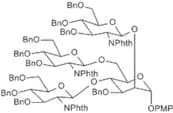
4-Methoxyphenyl 2,4,6-tri-O-(3,4,6-tri-O-benzyl-2-deoxy-2-phthalimido-b-D-glucopyranosyl)-3-O-(benzyl)aDmannopyranoside is a custom synthesis of an oligosaccharide. It is an acetal derivative of 4methoxyphenyl 2,4,6tri O-(3,4,6tri Obenzyl 2deoxy2 phthalimido b D glucopyranosyl) 3 O (benzyl) ad mannopyranoside with a methoxymethyl group at the C5 position and a benzyl ether moiety at the C6 position. The molecule contains a methylated sugar as well as fluorine modification on the ring oxygen atom. This molecule has a high purity and is offered in both monosFormula:C125H117N3O25Purezza:Min. 95%Peso molecolare:2,061.27 g/mol2-Acetamido-3,4,6-tri-O-acetyl-2-deoxy-D-glucopyranose
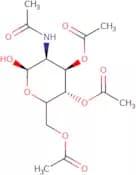
CAS:<p>2-Acétamido-3,4,6-tri-O-acetyl-2-deoxy-D-glucopyranose is a cytotoxic glycoside that can be used as an intermediate in the synthesis of saponins. It has been shown to yield high yields of trifluoromethanesulfonate (TFM) when reacted with glycosyl acceptors such as albizia bark extract. The TFM may then be used for the synthesis of nitromethane and alcohols. This compound also reacts with oleanolic acid to form an anomeric mixture that can be used to yield 2,3,4,6 tetraacetylated 2 deoxyglucose.</p>Formula:C14H21NO9Purezza:Min. 95%Colore e forma:PowderPeso molecolare:347.32 g/molD-Galactose-6-O-sulphate sodium
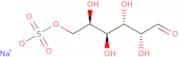
CAS:D-Galactose-6-O-sulphate sodium salt is used as a diagnostic agent to measure the level of galactose in blood and tissues. The enzyme that hydrolyzes D-galactose-6-O-sulphate, galactose oxidase, is present in leukocytes and chorionic villi. The enzymatic assay for this chemical is based on the reaction between D-galactose and sulfite to form D-galactosulfonic acid. This reaction is catalysed by a sulphatase enzyme. A fluorimetric method can be used to measure the formation of D-galactosulfonic acid.Formula:C6H11O9SNaPurezza:Min. 95%Colore e forma:White PowderPeso molecolare:282.2 g/molDelphinidin 3-galactoside chloride
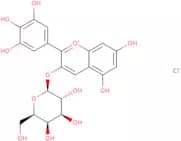
CAS:Delphinidin 3-galactoside chloride is a natural organic compound that belongs to the flavonol glycosides. It is a pigment that has been identified in flowers and fruits, such as the fruit tree. This compound exhibits antioxidant properties and can scavenge radicals, which may be due to its ability to inhibit dehydroascorbate reductase activity. Delphinidin 3-galactoside chloride also has an effect on high cholesterol levels, which may be due to its ability to inhibit HMG-CoA reductase activity. In addition, it has been shown that this compound can inhibit the growth of human pathogens such as P. aeruginosa and S. aureus.Formula:C21H21O12ClPurezza:Min. 95%Peso molecolare:500.84 g/molGalacturonan oligosaccharides DP25-DP50 sodium salt
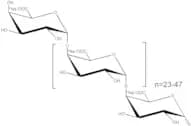
Mixed DP 25-50 Na galacturonans, (α-1,4 25-50 Na galacturonans) are derived from pectin or pectic acid, by enzymatic or partial acid hydrolysis. They are used in galacturonic acid metabolism research as a substrate to identify, differentiate, and characterize endo- and exopolygalacturonase(s) and gluconase(s). In recent studies, it has been shown that long oligogalacturonides (degree of polymerization (DP) from 25â50), help to induce plant defense signaling resulting in enhanced defenses to necrotrophic pathogens.Purezza:Min. 90 Area-%Colore e forma:PowderMonofucosyl (1-2)-iso-lacto-N-octaose II
<p>Monofucosyl (1-2)-iso-lacto-N-octaose II is an oligosaccharide that is found in human milk</p>Purezza:Min. 95%D-Glucose-13C6
CAS:D-Glucose-13C6 is a complex carbohydrate, which is composed of a glucose molecule with one carbon atom labeled as C6. It is used to study the structure of carbohydrates and their interactions with proteins. D-Glucose-13C6 also has applications in the study of diseases such as Alzheimer's disease, Parkinson's disease, diabetes mellitus type 2, and cancer. In addition, this molecule can be used to measure plasma glucose concentrations in humans or animals. D-Glucose-13C6 is not active against bacteria such as Pseudomonas aeruginosa or Escherichia coli. The synthesis of D-glucose-13C6 requires anhydrous dextrose and unlabeled glucose.Formula:C6H12O6Purezza:Min. 98 Area-%Colore e forma:White PowderPeso molecolare:186.11 g/molLewis A tetrasaccharide
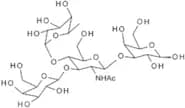
CAS:Lewis A tetrasaccharide is a glycosylated oligosaccharide with the following chemical structure: The Lewis A tetrasaccharide is a carbohydrate that has been modified with fluorination and methylation. This modification has been shown to increase its stability in aqueous environments. The Lewis A tetrasaccharide may be used as a synthetic monosaccharide for custom synthesis. It is also used as an intermediate for the synthesis of glycosylated oligosacscharsides.Formula:C26H45NO20Purezza:90%Colore e forma:White PowderPeso molecolare:691.64 g/molL-Fucose-1-phosphate disodium
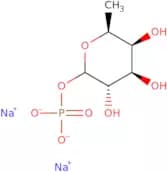
CAS:<p>L-Fucose-1-phosphate disodium salt is a high purity, synthetic, fluorinated carbohydrate that is used to modify saccharides. This modification can be accomplished by methylation or glycosylation. L-Fucose-1-phosphate disodium salt has been shown to be useful for glycosylation reactions with click chemistry. It has been shown to have a wide range of applications including modification of oligosaccharides and polysaccharides in the field of biotechnology.</p>Formula:C6H13O8P•Na2Purezza:Min. 95 Area-%Colore e forma:White PowderPeso molecolare:290.12 g/mol2,3,4,6-Tetra-O-trimethylsilyl-D-glucono-1,5-lactone
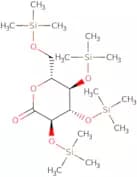
CAS:2,3,4,6-Tetra-O-trimethylsilyl-D-glucono-1,5-lactone is a synthetic building block which has been used to prepare C-glucosides via the nucleophilic addition of a suitably functionalised aryllithium reagent, followed by a triethylsilane reduction. Notable examples of this include the synthesis of C-glycoside intermediates which have been further elaborated to afford canagliflozin, bexagliflozin and dapagliflozin which inhibit sodium-dependant glucose co-transporter 2 (SGLT2) and are of interest as antidiabetic agents.Formula:C18H42O6Si4Purezza:Min. 95%Colore e forma:Colorless Clear LiquidPeso molecolare:466.86 g/molD-Lactal
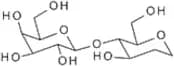
CAS:<p>D-Lactal is a dibutyltin oxide that is used in the synthesis of n-acetyllactosamine, disaccharides and trisaccharides. D-Lactal has been shown to have high resistance to chloride ion, which is one of the most common reagents for cleavage. It can also be used as a synthetic precursor for other glycoside derivatives by reacting with triflic acid or trisaccharide. Triflic acid and trisaccharide react with chloride to form a stereoselective glycosidic bond. D-Lactal is also able to bind lectins, carbohydrate chemistry and carbohydrate chemistry reagents.</p>Formula:C12H20O9Purezza:Min. 95%Colore e forma:White/Off-White SolidPeso molecolare:308.28 g/mol1,3-O-Benzylidene-D-arabitol
CAS:<p>1,3-O-Benzylidene-D-arabitol is a methylated sugar that is used in the synthesis of complex carbohydrates. It is produced by the modification of a 1,3-O-benzylidene-D-ribitol. It has a CAS number of 70831-50-4 and can be custom synthesized to meet your needs. This product is available in high purity with a 99% yield.</p>Formula:C12H16O5Purezza:Min. 95%Colore e forma:White/Off-White SolidPeso molecolare:240.25 g/mol1,3-O-Benzylidene-4-O-t-butyl-dimethylsilyl-D-threitol
CAS:1,3-O-Benzylidene-4-O-t-butyl-dimethylsilyl-D-threitol is a synthetic carbohydrate that is structurally similar to D-threitol. It has a molecular weight of 323.07 and it has a melting point of 210°C. The CAS number for this compound is 652979-92-5. This compound has been modified with fluorination, methylation, and click chemistry. 1,3-O-Benzylidene-4-O-t -butyl dimethylsilyl D threitol has been used as a substrate for glycosylation reactions with oligosaccharides and polysaccharides in order to produce complex carbohydrates.Formula:C17H28O4SiPurezza:Min. 95%Peso molecolare:324.49 g/molN-Acetylmuramyl-L-alanyl-D-isoglutamine hydrate
CAS:Muramyl dipeptide is a component of the bacterial cell wall and is found in mycobacteria, mycoplasmas, spirochetes, and gram-positive bacteria. Muramyl dipeptide has been shown to induce the activation of macrophages and other cells by stimulating toll-like receptor 4. It also has significant cytotoxicity against various cancer cells, as well as potent inducers of ubiquitin ligases. The use of muramyl dipeptide in vitro was shown to inhibit replication of HIV-1 virus in human lymphocytes. This agent has also been used for the treatment of bowel disease.Formula:C19H32N4O11·xH2OPurezza:Min. 96 Area-%Colore e forma:PowderPeso molecolare:492.48 g/molThiocellobiose
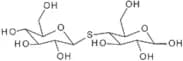
CAS:<p>Competitive inhibitor of β-glucosidase from Streptomyces sp. and Paenibacillus polymyxa, occupying enzyme’s aglycone-binding site. The compound is also a potent inducer of cellulase and other lignin-degrading enzymes in Schizophyllum commune.</p>Formula:C12H22O10SPurezza:Min. 95%Colore e forma:Off-White PowderPeso molecolare:358.36 g/molHepta-O-acetylrutinose
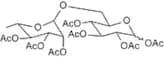
CAS:<p>Hepta-O-acetylrutinose is a synthetic monosaccharide that is fluorinated. It can be used in the synthesis of oligosaccharides, polysaccharides, and glycosylations. Hepta-O-acetylrutinose has been shown to be useful in click chemistry and other modifications due to its reactive groups. The CAS number for this compound is 29202-64-0.</p>Formula:C26H36O17Purezza:(%) Min. 95%Colore e forma:White PowderPeso molecolare:620.57 g/mol2-Deoxystreptamine dihydrobromide
CAS:<p>Streptamine derivative; antibiotic agent</p>Formula:C6H14N2O3·2HBrPurezza:Min. 95%Colore e forma:PowderPeso molecolare:324.01 g/molBlood Group H type III trisaccharide-PAA-biotin
Blood group antigen conjugated to spacer and biotinPurezza:Min. 95%Colore e forma:White Off-White PowderPeso molecolare:586.6 g/molUrsodeoxycholic acid acyl-β-D-glucuronide
CAS:Ursodeoxycholic acid acyl-b-D-glucuronide (UDCA) is a synthetic bile acid that is used to treat liver diseases such as cirrhosis, primary biliary cirrhosis and cholelithiasis. UDCA inhibits the enzyme 7α-hydroxylase in the liver, which converts cholesterol into bile acids. This prevents the formation of lithocholic acid from cholesterol and the accumulation of lipids in the liver. UDCA also suppresses inflammatory cytokines and oxidative stress by inhibiting NF-κB activation.Supplied as the sodium saltFormula:C30H48O10Purezza:Min. 95%Colore e forma:PowderPeso molecolare:568.7 g/mol3-Azido-3-deoxy-1,2:5,6-di-O-isopropylidene-a-D-glucofuranose
CAS:<p>3-Azido-3-deoxy-1,2:5,6-di-O-isopropylidene-a-D-glucofuranose is a synthetic sugar that has been modified by Fluorination, Monosaccharide, Synthetic, Oligosaccharide, complex carbohydrate, CAS No. 13964-23-3 and Glycosylation. It is also a Polysaccharide with modifications of Click modification and Methylation. 3A3DG can be used to modify the sugar content of glycoproteins and glycolipids in order to study their role in cellular processes such as transcriptional regulation and apoptosis. This product is available for custom synthesis in quantities from milligrams to kilograms.</p>Formula:C12H19N3O5Purezza:Min. 95%Colore e forma:Yellow PowderPeso molecolare:285.3 g/molPolydextrose
CAS:<p>Polydextrose is a synthetic polymer of glucose. It is a food ingredient classified as soluble fibre by the U.S. Food and Drug Administration (FDA) as well as Health Canada, as of April 2013. It is frequently used to increase the non-dietary fibre content of food, to replace sugar, and to reduce calories and fat content. It is a multi-purpose food ingredient synthesized from dextrose (glucose), plus about 10 percent sorbitol and 1 percent citric acid. Its E number is E1200. It was approved by FDA in 1981.</p>Purezza:Min. 95%Colore e forma:PowderD-Mannurono-6,3-lactone
CAS:D-Mannurono-6,3-lactone is a carbohydrate that can be found in plants. The compound is a monosaccharide and an isomer of D-mannose. It consists of 6 carbon atoms, 3 oxygen atoms, and 1 nitrogen atom. D-Mannurono-6,3-lactone has been shown to have kinetic properties that are different from other carbohydrates. The chromatographic method used to isolate the compound was based on its acidic properties. This acid hydrolysis allowed for the separation of the molecule into two components: one with a pK value of 4.5 and another with a pK value of 2.5. These components were then separated using a fluorimetric method due to their differing fluorescence intensities at 490 nm and 530 nm wavelengths. D-Mannurono-6,3-lactone has been shown to interact with fulvellum (an antibiotic). This interactionFormula:C6H8O6Purezza:Min. 95%Colore e forma:PowderPeso molecolare:176.12 g/molSucrose octasulfate ammonium
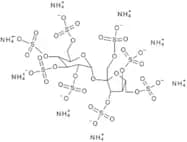
CAS:<p>This comound is generally known as sucralfates and are medications primarily taken to treat active duodenal ulcers. They are also used for the treatment of gastroesophageal reflux disease (GERD) and stress ulcers. Sucralfate is a sucrose sulfate-aluminium complex that binds to the ulcer, creating a physical barrier that protects the gastrointestinal tract from stomach acid and prevents the degradation of mucus. It also promotes bicarbonate production and acts like an acid buffer with cytoprotective properties.</p>Formula:C12H22O35S8•(H3N)8Purezza:Min. 98 Area-%Colore e forma:White PowderPeso molecolare:1,119.05 g/molHesperetin 3'-O-b-D-glucuronide
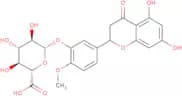
CAS:<p>Hesperetin 3'-O-b-D-glucuronide is a natural product that is synthesized by glycosylation of hesperidin with 3,4,5-trihydroxybenzoic acid. It is a synthetic and complex carbohydrate that can be modified to include fluorination, monosaccharide, oligosaccharide, methylation, and click modification. Hesperetin 3'-O-b-D-glucuronide can also be used in the synthesis of polysaccharides with glycosylations. This product has high purity and can be custom synthesized for customers.</p>Formula:C22H22O12Purezza:Min. 95%Colore e forma:Slightly Yellow PowderPeso molecolare:478.4 g/mola-Homonojirimycin
CAS:<p>a-Homonojirimycin is a chaperone that is effective in inhibiting HIV infection. It has been shown to inhibit the activity of chymotrypsin, carboxypeptidase A, and aminopeptidase B. The model system used for this compound was the human liver, which showed that a-homonojirimycin had a potent inhibitory activity against these enzymes. This drug also has a dry weight of 1,520 g/mol and an effective dose of 0.01 mg/mL. In vitro studies have shown that a-homonojirimycin inhibits influenza virus by binding to the hemagglutinin protein on the surface of the virus and preventing its attachment to host cells.</p>Formula:C7H15NO5Purezza:Min. 98 Area-%Colore e forma:White PowderPeso molecolare:193.2 g/mol4-Acetamido-4-deoxy-D-glucose
CAS:<p>4-Acetamido-4-deoxy-D-glucose is a custom synthesis of a monosaccharide that is modified with fluorine and methyl groups. It is synthesized by the Click modification, which involves the addition of an azide to an alkyne in a copper catalyzed reaction. 4-Acetamido-4-deoxy-D-glucose can be used as a building block for complex carbohydrate synthesis. 4-Acetamido-4-deoxy-D-glucose has shown effectiveness against fluoroquinolone resistance, as well as activity against methicillin resistant Staphylococcus aureus (MRSA) and Clostridium perfringens.</p>Formula:C8H15NO6Purezza:Min. 95%Colore e forma:PowderPeso molecolare:221.21 g/mol2-Azido-2-deoxy-3,5-O-benzylidene-L-lyxono-1,4-lactone
<p>2-Azido-2-deoxy-3,5-O-benzylidene-L-lyxono-1,4-lactone is a simple carbohydrate that is modified by fluorination. It is synthesized from the saccharide D-(+)-ribose and has the CAS No. 57400-91-5. This molecule can be methylated and glycosylated to produce a variety of structures with different properties. 2A2DLAL can also be modified by click chemistry, which is a reaction that produces covalent bonds between two molecules in a single step without using any catalysts or solvents.</p>Purezza:Min. 95%(2R, 3R, 3aS, 9aR) -2, 3, 3a, 9a-Tetrahydro- 3- hydroxy- 2- (hydroxymethyl) - 3a- methyl- 6H- Furo[2', 3':4, 5] oxazolo[3, 2- a] pyr imidin- 6- one,
<p>This compound is a custom synthesis. It is an oligosaccharide that has a CAS number. The molecular weight of this compound is 5,871. This product is a sugar that contains glycosylation and methylation modifications, as well as click chemistry modifications. The purity of this product is high, with a purity level of 99%. This product also contains fluorination on the alpha-carbon atom in the 2 position.</p>Purezza:Min. 95%n-Octyl-β-D-glucopyranoside
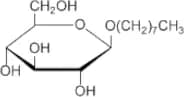
CAS:<p>Octyl-beta-D-glucopyranoside is an alkylglycoside non-ionic detergent and is one of the most commonly used in membrane protein isolation. As it is uncharged, it is unlikely to cause protein denaturation or refolding issues, allowing for the isolation of intact macromolecular complexes without affecting protein-protein interactions. Octyl-beta-D-glucopyranoside, also known as octylglucoside or OG, forms small, uniformed micelles and has an aggregation number of between 27-100. It is readily dialyzable from membrane protein preparations due to its high Critical Micelle Concentration (CMC) of 18-20mM. Octyl-beta-D-glucopyranoside has similar uses and properties to that of another frequently used surfactant, Octyl-beta-D-thioglucopyranoside.</p>Formula:C14H28O6Peso molecolare:292.38 g/molRef: 3D-O-2000
1gPrezzo su richiesta25gPrezzo su richiesta50gPrezzo su richiesta100gPrezzo su richiesta250gPrezzo su richiesta-Unit-ggPrezzo su richiesta2,3,4,6-Tetra-O-acetyl-a-D-glucopyranosyl azide
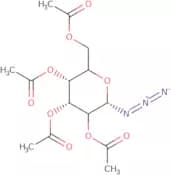
CAS:<p>This compound is a custom synthesis. It is used to synthesize complex carbohydrates, such as oligosaccharides and polysaccharides. This product has been modified with methylation and glycosylation. It is a carbohydrate that is classified as a saccharide. The CAS number for this product is 20379-61-7. This product has high purity, with the purity being over 99%. This product has been fluorinated and synthesized using Click chemistry.</p>Formula:C14H19N3O9Purezza:Min. 95%Colore e forma:PowderPeso molecolare:373.32 g/molButyl b-D-glucopyranoside
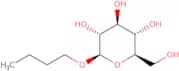
CAS:<p>Butyl b-D-glucopyranoside is a fluorinated monosaccharide that is used in the synthesis of oligosaccharides and polysaccharides. It is also used as a synthetic sugar for glycosylation, methylation, and click modification reactions. Butyl b-D-glucopyranoside has been shown to be stable under both acidic and basic conditions and has a CAS number of 5391-18-4.</p>Formula:C10H20O6Purezza:Min. 95%Colore e forma:White PowderPeso molecolare:236.26 g/molD-Celloheptaose
CAS:<p>D-Celloheptaose is a modified glycosylated oligosaccharide. It is synthesized by the methylation of D-cellotriose with 3-aminopropyl-trimethoxysilane and the subsequent reaction with bromoethanol. The product is purified by fractional crystallization from methanol to give a white crystalline solid. This product has CAS No. 52646-27-2 and is soluble in methanol, ethanol, water, acetone and chloroform.</p>Formula:C42H72O36Purezza:Min. 95 Area-%Colore e forma:PowderPeso molecolare:1,153.02 g/molL-Allono-1,4-lactone
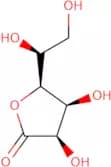
CAS:<p>L-Allono-1,4-lactone is a molecule with a stereocenter. It has been shown to be a target molecule for glycosidase inhibitors. The inhibition of the enzyme by L-allono-1,4-lactone may be due to its ability to form a hydrogen bond with the oxygen atom in the active site of the enzyme and its hydroxyl group that can form an additional hydrogen bond with water molecules. This inhibition prevents the transfer of glucose from one substrate to another, which leads to inefficient glycosidase activity. The synthesis of L-allono-1,4-lactone has been studied using piperidine as a starting material.</p>Formula:C6H10O6Purezza:Min. 95%Colore e forma:PowderPeso molecolare:178.14 g/molMethyl 6-O-tert-butyldimethylsilyl-2,3,4-tri-O-pivaloyl-a-D-glucopyranoside
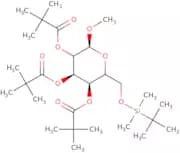
Methyl 6-O-tert-butyldimethylsilyl-2,3,4-tri-O-pivaloyl-a-D-glucopyranoside is a synthetic chemical compound. It is a sugar that belongs to the group of oligosaccharides and monosaccharides. Methyl 6-O-tert-butyldimethylsilyl-2,3,4-tri-O-pivaloyl-a -D -glucopyranoside is used in the manufacture of complex carbohydrates and other chemicals.Formula:C28H52O9SiPurezza:Min. 95%Peso molecolare:560.81 g/mol2,3,5-Tri-O-benzyl-1-O-(4-nitrobenzoyl)-D-arabinofuranose
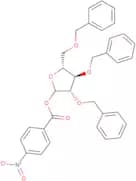
CAS:2,3,5-Tri-O-benzyl-1-O-(4-nitrobenzoyl)-D-arabinofuranose is an organic compound that belongs to the group of furan derivatives. The configuration of this molecule was determined to be (2S,3S) by the use of stereoselective synthesis. It can be synthesized from a benzaldehyde and a ribofuranosyl chloride with a yield of about 95%. This compound has been shown to react with azides in a catalytic transfer reaction yielding yields of up to 100%.Formula:C33H31NO8Purezza:Min. 95%Colore e forma:PowderPeso molecolare:569.6 g/molN-Acetyl-glucosaminyl thiazoline
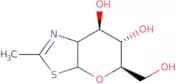
CAS:<p>Inhibitor of O-GlcNAcase</p>Formula:C8H13NO4SPurezza:Min. 97 Area-%Colore e forma:White PowderPeso molecolare:219.26 g/molN-Acyl-neuraminyl lactoses
<p>N-Acyl-neuraminyl lactoses are a class of modified N-glycosides that can be synthesized from monosaccharides, such as glucose and galactose. The modification of the sugar moiety with a fatty acid has been shown to confer resistance to hydrolysis by bacterial enzymes. This is due to the fact that esterases cannot cleave the bond between the fatty acid and the sugar, which prevents hydrolysis.<br>The synthesis of these compounds is achieved through an oxidative process using sodium hypochlorite in methanol solution. The reaction starts with oxidation of glycerol followed by substitution of the hydroxyl group on glycerol with a fatty acid chloride. The final product is then purified by liquid chromatography.</p>Formula:C23H39NO19Purezza:Min. 95%Peso molecolare:633.55 g/mol4-Methoxyphenyl 4-O-[4-O-(4,6-O-benzylidene-3-O-tert-butyldimethylsilyl- 2-O-levulinoyl-β-D-glucopyranosyl)-3,6-di-O-benzyl-2-deoxy-2 -phthalimid o-β-D-glucopyranosyl]-3-O-benzyl-6-O-(tri-O-benzyl-α-L-fucopyranosyl)-2- deoxy-2-phthalimido-β-D-glucopyranos
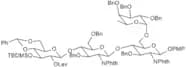
4-Methoxyphenyl 4-O-[4-O-(4,6-O-benzylidene-3-O-tert-butyldimethylsilyl-2-O -levulinoyl)-b,D,Glucopyranosyl]-3,6,-di-, Obenzyl 2deoxy 2phthalimido bDglucopyranosyl]-2deoxy 2phthalimido bDglucopyrano sugar is a complex carbohydrate that has been synthesized in a custom synthesis. It is composed of a glucose oligosaccharide with a methoxyphenol glycoside at the reducing terminus and an α-(1,6)-linked mannose at the nonreducing terminus. The carbohydrate has been modified by fluorination and methylation. The molecule contains an acetal bond between the carbonyl group of the terminal monosaccharide and theFormula:C107H114N2O25SiPurezza:Min. 95%Peso molecolare:1,856.13 g/molD-Melezitose, monohydrate
CAS:Used to differentiate microorganisms based on their metabolic properties.Formula:C18H34O17Purezza:Min. 98.0 Area-%Peso molecolare:522.46 g/molRef: 3D-M-1520
25gPrezzo su richiesta50gPrezzo su richiesta100gPrezzo su richiesta250gPrezzo su richiesta500gPrezzo su richiesta-Unit-ggPrezzo su richiesta2-Iodoethyl α-L-fucopyranoside
<p>2-Iodoethyl a-L-fucopyranoside is an organic compound that belongs to the group of fluorinated saccharides. It is used in the synthesis of oligosaccharides, polysaccharides, and complex carbohydrates. 2-Iodoethyl a-L-fucopyranoside can be modified with click chemistry at the C4 position for the synthesis of monosaccharides or sugar derivatives. This modification leads to high purity and chemical stability.</p>Formula:C8H15IO5Purezza:Min. 95%Colore e forma:White to off-white solid.Peso molecolare:318.11 g/mol



![5-Deoxy-1,2-O-ispropylidene-([4-ethoxycarbonyl]-1,2,3-triazol-1-yl)-a-L-galactofuranose](/_next/image/?url=https%3A%2Fstatic.cymitquimica.com%2Fproducts%2F3D%2Fthumb-webp%2FMD170288.webp&w=3840&q=75)