Glicoscienza
La glicosienza è lo studio dei carboidrati e dei loro derivati, nonché delle interazioni e delle funzioni biologiche a cui partecipano. Questo campo di ricerca è cruciale per comprendere una vasta gamma di processi biologici, tra cui il riconoscimento cellulare, la segnalazione, la risposta immunitaria e lo sviluppo delle malattie. La glicosienza ha importanti applicazioni nella biotecnologia, nella medicina e nello sviluppo di nuovi farmaci e terapie. Presso CymitQuimica, offriamo un'ampia selezione di prodotti di alta qualità e purezza per la ricerca in glicosienza. Il nostro catalogo comprende monosaccaridi, oligosaccaridi, polisaccaridi, glicoconiugati e reagenti specifici, progettati per supportare i ricercatori nei loro studi sulla struttura, funzione e applicazioni dei carboidrati nei sistemi biologici. Queste risorse sono destinate a facilitare scoperte scientifiche e applicazioni pratiche in vari ambiti delle bioscienze e della medicina.
Sottocategorie di "Glicoscienza"
- Amminozucchero(108 prodotti)
- Glico-anticorpi(282 prodotti)
- Glicolipidi(46 prodotti)
- Glicosaminoglicani (GAGs)(55 prodotti)
- Glicosidi(419 prodotti)
- Monosaccaridi(6.624 prodotti)
- Oligosaccaridi(3.682 prodotti)
- Polisaccaridi(503 prodotti)
Trovati 11046 prodotti di "Glicoscienza"
Ordinare per
Purezza (%)
0
100
|
0
|
50
|
90
|
95
|
100
Methyl (E)-2-(a-D-ribosfuranosyl)acrylate
<p>Methyl (E)-2-(a-D-ribosfuranosyl)acrylate is a synthetic monomer that undergoes glycosylation to form a complex carbohydrate. It is used in the synthesis of saccharides and oligosaccharides, as well as the modification of proteins and nucleic acids. This product is highly pure with low impurity levels.</p>Purezza:Min. 95%Methyl 2,3,4-tri-O-benzoyl-α-D-glucopyranoside
CAS:Methyl 2,3,4-tri-O-benzoyl-α-D-glucopyranoside is a glycosylation agent that is used for the synthesis of complex carbohydrates and monosaccharides. This product is also used in Click chemistry as a reactive group. Methyl 2,3,4-tri-O-benzoyl-α-D-glucopyranoside can be fluorinated or saccharified to produce high purity sugars for use in pharmaceuticals. Methyl 2,3,4-tri-O-benzoyl -αD -glucopyranoside has CAS number 52621–71–3. It is synthesized through the reaction of benzaldehyde with glycerol in the presence of sodium hydroxide and potassium carbonate.Formula:C28H26O9Purezza:Min. 95%Colore e forma:PowderPeso molecolare:506.5 g/mol2-Deoxy-D-ribose
CAS:<p>Used in synthetic organic chemistry and natural product synthesis. Induces apoptosis by inhibiting the synthesis and increasing the efflux of glutathione. It is used for synthesis of optically active dipyrrolyl alkanols from pyrroles on the surface of montmorillonite KSF clay.</p>Formula:C5H10O4Purezza:Min. 98 Area-%Colore e forma:White PowderPeso molecolare:134.13 g/molDideoxyrhamnojirimycin
CAS:<p>Dideoxyrhamnojirimycin is a synthetic drug that has been modified to have the same structure as natural dideoxyribonucleosides. It is used in the treatment of myelodysplastic syndrome and thalassemia major. Dideoxyrhamnojirimycin inhibits DNA synthesis by blocking the incorporation of deoxyribonucleotides into DNA, which prevents cell division and stops the spread of cancer cells. Dideoxyrhamnojirimycin also has anti-inflammatory effects by inhibiting prostaglandin synthesis.</p>Purezza:Min. 95%Blood Group H disaccharide, spacer-biotin conjugate
<p>The blood group H disaccharide is a custom synthesis, complex carbohydrate with an Oligosaccharide and CAS No. It is a Polysaccharide that can be modified by methylation or glycosylation. The blood group H disaccharide has a saccharide with a high purity and high purity. It is fluorinated at the 2' position of the sugar moiety in the backbone. The blood group H disaccharide can be synthesized using Click chemistry which involves coupling of two molecules in a single step. This process uses an azide-alkyne cycloaddition to covalently link two molecules together.</p>Formula:C31H54N4O13SPurezza:Min. 95%Peso molecolare:722.85 g/molPolygalacturonic acid
CAS:<p>Polygalacturonic acid is a linear carbohydrate polymer of monomeric galacturonic acid.</p>Formula:(C6H8O6)nPeso molecolare:25,000.00 g/molRef: 3D-P-7000
1kgPrezzo su richiesta5kgPrezzo su richiesta250gPrezzo su richiesta500gPrezzo su richiesta2500gPrezzo su richiesta-Unit-kgkgPrezzo su richiesta1-Chloro-2-deoxy-3,5-di-O-(p-chlorobenzoyl)-L-ribofuranose
1-Chloro-2-deoxy-3,5-di-O-(p-chlorobenzoyl)-L-ribofuranose is a fluorinated sugar that is synthesized by the glycosylation of 1,2:3,4:6-dianhydrohexitol (1) with chloroacetone followed by selective protection of the anomeric position. The compound can be used to study the effects of fluorination on carbohydrate chemistry and biology. 1,2:3,4:6-Dianhydrohexitol (1) was first prepared by methylation of 5-(p-chlorobenzoyl)-L-ribofuranose (2). The 2'-position was then protected as a trityl ether in order to prevent further glycosylation. The final product was obtained after removal of the protecting group from the anomeric position.Purezza:Min. 95%D-Glucose 6-phosphate, barium salt
CAS:D-Glucose 6-phosphate is a high purity, custom synthesis sugar. It is a synthetic glycoside that is used in the production of fluorinated saccharides and oligosaccharides. D-Glucose 6-phosphate can be modified with methyl groups, fluorine atoms, and/or glycosylation. This compound has been shown to have properties as an antiviral agent against herpes simplex virus type 1 (HSV1) and cytomegalovirus (CMV).Formula:C6H11BaO9PPeso molecolare:395.46 g/molRef: 3D-G-3300
25gPrezzo su richiesta50gPrezzo su richiesta100gPrezzo su richiesta250gPrezzo su richiesta500gPrezzo su richiesta-Unit-ggPrezzo su richiesta2-C-Hydroxymethyl- 2, 3:5, 6- di-O-isopropylidene-D- mannose
<p>2-C-Hydroxymethyl- 2, 3:5, 6- di-O-isopropylidene-D-mannose is a synthetic monosaccharide. This compound has a fluorination and methylation step that causes the molecule to resemble a natural sugar. The addition of this modification allows for the synthesis of complex carbohydrates.</p>Purezza:Min. 95%Galactinol hydrate
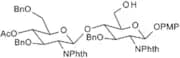
CAS:<p>Galactinol is a diterpene that belongs to the group of phytochemicals. It is synthesized in plants and bacteria from raffinose, an oligosaccharide that is present in high concentrations in beans. Galactinol has been shown to be involved in plant physiology, with its optimum concentration at a pH of 5-7. Galactinol reacts with ascorbic acid to form galactono-1,4-lactone in a reaction mechanism similar to the one for the synthesis of raffinose. It also regulates transcriptional activity by binding to DNA and altering its conformation. This compound has been used as an experimental model for biochemical studies on polymerase chain reactions (PCR).</p>Formula:C12H22O11•H2OxPurezza:Min. 98 Area-%Colore e forma:PowderPeso molecolare:342.3 g/mol4-Methoxyphenyl 4-O-(4-O-acetyl-3,6-di-O-benzyl-2-deoxy-2-phthalimido-b-D-glucopyranosyl)-3-O-benzyl-2-deoxy-2-phthalimido-b-D-gluco pyranoside
<p>4-Methoxyphenyl 4-O-(4-O-acetyl-3,6-di-O-benzyl-2-deoxy-2-phthalimido-b-D-glucopyranosyl)-3,6,2′,4′″triphosphate (4MPP) is a methylated saccharide. It can be modified with click chemistry and has been shown to inhibit the synthesis of glycogen in the liver. 4MPP is a high purity product that has been synthesized from naturally occurring carbohydrates. It is also fluorinated for use in research.</p>Formula:C58H54N2O15Purezza:Min. 95%Peso molecolare:1,019.05 g/molBlood Group A trisaccharide
CAS:Core antigen fragment in ABO blood group systemFormula:C20H35NO15Purezza:Min. 90 Area-%Colore e forma:PowderPeso molecolare:529.49 g/molL-Iduronic acid sodium salt
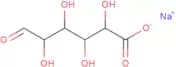
CAS:<p>L-iduronic acid (IdoA) (Collins, 2006) is the major uronic acid component of the glycosaminoglycans dermatan sulfate, chondroitin sulfate and heparin. Iduronic acid is also present in heparan sulfate, although in a minor amount relative to glucuronic acid. Glycosaminoglycans represent a physiologically important group of molecules involved in a variety of biological functions, such as, cell proliferation, cell-to-cell communication, wound healing, coagulation, morphogenesis, and pathogenesis. Glycosaminoglycans present an intriguing target for the design of new approaches for diagnostic and therapeutic agents against various infectious diseases (Kamhi, 2013).</p>Formula:C6H9NaO7Purezza:Min. 95%Colore e forma:Slightly Yellow PowderPeso molecolare:216.12 g/moleta-Cyclodextrins
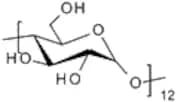
<p>Eta-cyclodextrin (η-CD) contains 12 glucose units. This cyclodextrin has potential applications in host-guest chemistry, particularly for large molecules or assemblies.</p>Purezza:Min. 95%6-Azido-2,4-diacetamido-2,4,6-trideoxy-D-mannopyranose
CAS:6-Azido-2,4-diacetamido-2,4,6-trideoxy-D-mannopyranose (ADA) is a complex carbohydrate that can be modified with methylation, fluorination or Click chemistry. ADA has been synthesized for use as a saccharide or oligosaccharide. It can also be used in glycosylation and Methylation reactions. ADA has the molecular formula C14H10N2O8 and a molecular weight of 292.27 g/mol. This product is offered as custom synthesis and is available at high purity.Formula:C10H17N5O5Purezza:Min. 95%Peso molecolare:287.27 g/molReduced nicotinamide riboside
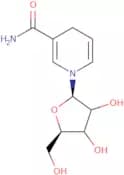
CAS:<p>The reduced form of nicotinamide riboside or NRH is a potent NAD+ precursor that helps to replenish its levels in the cell. The reduced nicotinamide riboside form has shown high tolerance against degradation in plasma, which is why it is beneficial as a metabolite for the synthesis of NAD/NADH.</p>Formula:C11H16N2O5Purezza:Min. 95 Area-%Colore e forma:Clear Viscous LiquidPeso molecolare:256.26 g/molHyaluronic acid sodium salt - Average MW 0.6-2.5 million Daltons
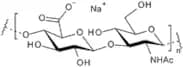
CAS:Gycosaminoglycan in many organs; joint lubricant and shock absorberFormula:(C14H20NO11Na)nPurezza:Min. 95%Colore e forma:PowderSophoricoside
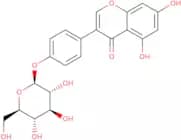
CAS:<p>Sophoricoside is a natural compound present in the fructus of Sophora flavescens and is used as an anti-diabetic medicine. It has been shown to have genotoxic effects, which may be due to its ability to induce reactive oxygen species (ROS) and DNA damage. Sophoricoside also has a matrix effect on radiation. This effect has been shown in rat cardiac cells and human serum. Sophoricoside also exhibits hepatoprotective properties by reducing hepatic steatosis, which may be due to its ability to inhibit lipogenesis and stimulate fat oxidation. In addition, sophoricoside has been shown to have anti-inflammatory activities.</p>Formula:C21H20O10Purezza:Min. 95%Colore e forma:PowderPeso molecolare:432.38 g/mol2- C- (Hydroxymethyl) - 2, 3:5, 6- di- O- isopropylidene-D- mannose
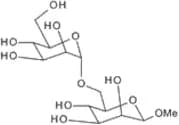
<p>2-C- (Hydroxymethyl) -2, 3:5, 6-di-O-isopropylidene-D-mannose is an Oligosaccharide. It is a water soluble polysaccharide that is found in the cell walls of certain bacteria. The synthesis of this compound can be achieved through Click modification and fluorination. This product has a CAS number and can be custom synthesized to meet your needs.</p>Purezza:Min. 95%Methyl 6-O-(a-D-mannopyranosyl)-b-D-mannopyranoside
CAS:Methyl 6-O-(a-D-mannopyranosyl)-b-D-mannopyranoside is a carbohydrate that has been modified with fluorination. It is synthesized by the methylation of glucose and mannose residues, followed by glycosylation. Methyl 6-O-(a-D-mannopyranosyl)-b-D-mannopyranoside is a custom synthesis and can be ordered in high purity.Formula:C13H24O11Purezza:Min. 95%Colore e forma:White To Off-White SolidPeso molecolare:356.32 g/molD-Mannosaminuronic acid
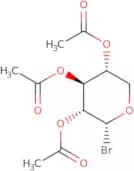
<p>D-Mannosaminuronic acid is a monosaccharide that has been isolated from the seed of the African plant, Acacia drepanolobium. It is found to be an antigenic component of shigella and related enterobacteria and plays an important role in the biosynthesis of glycolipids. D-Mannosaminuronic acid can be hydrolyzed by acidic enzymes such as lipases, esterases, phosphatases, or proteases. This process may lead to the liberation of fatty acids and sugars. The purified enzyme preparations have been shown to catalyze the synthesis of D-mannosaminuronic acid from mannose and fructose.</p>Purezza:Min. 95%2,3,4-Tri-O-acetyl-a-D-xylopyranosyl bromide - Stabilised with 2.5% CaCO3
CAS:<p>2,3,4-Tri-O-acetyl-a-D-xylopyranosyl bromide - Stabilised with 2.5% CaCO3 is a chiral compound that is a drug for the treatment of estrogen deficiency in postmenopausal women. It is synthesized from D-xylose and acetone by reductive elimination using an organotin catalyst. The resulting product has a nitro group at the 4 position and can be activated as a priming agent for DNA synthesis. This compound has been shown to be effective in treating intestinal disorders such as ulcerative colitis.<br>2,3,4-Tri-O-acetyl-a-D-xylopyranosyl bromide - Stabilised with 2.5% CaCO3 has been used to conjugate estrogens with various drugs to create new compounds that are more potent than free estrogens alone. Bioavailability of these conjugates has</p>Formula:C11H15BrO7Purezza:(%) Min. 85%Colore e forma:PowderPeso molecolare:339.14 g/molPropargyl a-D-mannopyranoside
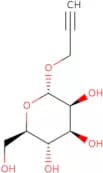
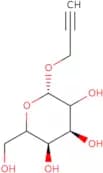
CAS:Propargyl a-D-mannopyranoside is a custom synthesis chemical. It is an intermediate in the synthesis of oligosaccharides and polysaccharides. It is also used as an inhibitor of methylation reactions, which are important in DNA replication. The chemical has been modified with fluorine groups at its 3' position to provide high purity. This modification also allows the synthesis of complex carbohydrates that contain multiple saccharide units. Propargyl a-D-mannopyranoside is synthesized by reacting mannose with propargyl bromide under basic conditions, followed by hydrolysis of the ester group to give propargyl a-D-mannopyranoside.Formula:C9H14O6Purezza:One SpotColore e forma:PowderPeso molecolare:218.2 g/molD-myo-inositol 3-phosphate
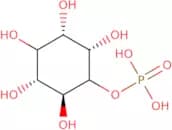
CAS:D-myo-inositol 3-phosphate (IP3) is a molecule that is involved in the metabolism of carbohydrates, fats, and proteins. It is synthesized from D-myo-inositol 1,4,5-trisphosphate through the action of an enzyme called phosphatidylinositol kinase. IP3 binds to the calmodulin protein and has been shown to have biological properties, such as cytosolic or chloroplastic localization and transcriptional regulation. IP3 also participates in the synthesis of DNA and RNA. The sequence of IP3 has been determined for plants such as Solanum tuberosum and Arabidopsis thaliana.Formula:C6H13O9PPurezza:Min. 95%Peso molecolare:260.14 g/molPropargyl a-D-galactopyranoside
CAS:<p>Propargyl a-D-galactopyranoside (PGAL) is a synthetic compound that belongs to the group of oligosaccharides. PGAL can be used in the synthesis of glycosylated saccharides, such as glycoproteins and glycolipids. The modification of PGAL with fluorine atoms is known to increase its stability. It has been shown that PGAL can be modified with methyl groups without affecting its chemical properties. Furthermore, PGAL can be modified with click chemistry reactions, which are chemoselective reactions that are catalyzed by copper(I) ions.</p>Formula:C9H14O6Purezza:Min. 95%Colore e forma:White to off-white oily solid.Peso molecolare:218.21 g/molMethyl 7-chloro-7-deoxy-1-thiolincosaminide
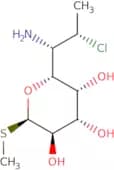
CAS:<p>Methyl 7-chloro-7-deoxy-1-thiolincosaminide is a modification of the monosaccharide D-glucose. It has a CAS number of 22965-79-3 and is a white powder. Methyl 7-chloro-7-deoxy-1-thiolincosaminide can be used in the production of various carbohydrates, such as oligosaccharides and polysaccharides. This compound is also useful for the synthesis of sugar related products, including saccharides, glycosylation, and fluorination. Methyl 7-chloro-7-deoxy 1 -thiolincosaminide has been shown to be highly pure and synthetic, making it suitable for use in research or industrial settings.</p>Formula:C9H18ClNO4SPurezza:Min. 95%Colore e forma:PowderPeso molecolare:271.76 g/mol7-Deoxy-D-glycero-D-gluco-heptitol
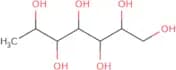
CAS:<p>7-Deoxy-D-glycero-D-gluco-heptitol is a synthetic sugar that can be used as a building block for the synthesis of complex carbohydrates. 7DGDG has shown to be a good substrate for glycosylation and has been modified with fluorine, methyl, and click chemistry. This sugar also shows high reactivity towards saccharide and oligosaccharides. 7DGDG may be useful in the production of polysaccharides or glycosylations.</p>Purezza:Min. 95%4-O-Methyl-D-glucose
CAS:4-O-Methyl-D-glucose is an acidic sugar that is found in the cell walls of plants. It has been shown to have structural studies on plant cells, with ion-exchange and ester linkages. 4-O-Methyl-D-glucose is metabolized by microorganisms, including bacteria, fungi, and yeast. This sugar can be oxidized to form acid or oligosaccharides as well as oxidation products such as methylglyoxal. 4-O-Methyl-D-glucose is also used in the synthesis of mucopolysaccharides which make up the connective tissue of tumor cells. This sugar can be synthesized from D-mannose by a diazonium salt reaction followed by oxidation with sodium hypochlorite. The hydroxyl group on this sugar can be acetylated to form acetylated 4-O methyl glucose.Formula:C7H14O6Purezza:Min. 95%Colore e forma:White PowderPeso molecolare:194.18 g/mol2,4-O-Benzylidene-D-Threose
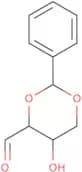
CAS:<p>2,4-O-Benzylidene-D-Threose is a chemical compound that is used as a reagent in the synthesis of glycosphingolipids. It is prepared by the Wittig reaction of 2,4-dibromobenzaldehyde with potassium azide and phytosphingosine. The compound has also been used as a tool in biological studies to study the biosynthesis of glycosphingolipids. This product can react with carbinols to produce acetylides or diphosphate esters. 2,4-O-Benzylidene-D-Threose can be used as a reagent for the synthesis of methylmagnesium chloride, which is a Grignard reagent.</p>Purezza:Min. 95%L-Threose - aqueous solution
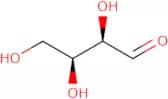
CAS:<p>L-Threose is a sugar molecule that is used as a structural component of DNA and RNA. It is also an important part of the energy metabolism in cells. L-Threose can be enzymatically inactivated by glycosidases, which are enzymes that hydrolyze glycosidic bonds. The inhibition of glycosidases by L-threose may be useful for the prevention or treatment of diseases associated with enzyme activity, such as diabetes mellitus type II. L-Threose has been shown to have inhibitory properties against sephadex G-100, a membrane protein found in bacteria. L-Threose may be useful as a control agent for research into the response element of polymerase chain reaction (PCR).</p>Formula:C4H8O4Purezza:Min. 60 Area-%Colore e forma:Clear LiquidPeso molecolare:120.1 g/molLS-tetrasaccharide c ammonium salt
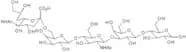
CAS:Sialylated tetrasaccharide found in human milk, possible health benefits for the neonate by supporting resistance to pathogens, gut maturation, immune function, and cognitive development.Formula:C37H62N2O29•NH3Purezza:Min. 95 Area-%Colore e forma:White PowderPeso molecolare:1,015.88 g/mol4-Aminophenyl a-D-mannopyranoside
CAS:<p>4-Aminophenyl a-D-mannopyranoside is a compound that has been shown to have anti-inflammatory properties. It is also used as a starting material in the synthesis of other drugs. Rats with chronic kidney disease were given 4-aminophenyl a-D-mannopyranoside daily for three weeks, and it was found that this compound prevented the development of kidney injury markers. This drug has also been shown to be effective against mouse strains with nervous system diseases. 4-Aminophenyl a-D-mannopyranoside binds to lysine residues on proteins and prevents the interactions between these residues and the amino acid glutathione, which is required for glut1 uptake in brain cells. This uptake is essential for cellular function, and therefore 4-aminophenyl a-D-mannopyranoside may be useful as chemotherapeutic treatment for brain cancer.</p>Formula:C12H17NO6Purezza:Min. 95%Colore e forma:Off-White PowderPeso molecolare:271.27 g/molMethyl 2,3,4-tri-O-acetyl-b-D-galactopyranuronosyl azide
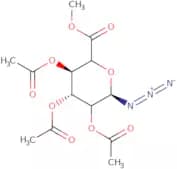
<p>This is a custom synthesis of a carbohydrate. It is a methylated, glycosylated, fluorinated, complex carbohydrate that can be synthesized to any desired degree of substitution. This product has been designed for use as a fluorescent tag or label in biochemistry and cell biology research. It is modified at the anomeric position with an acetyl group and an azide group. The acetyl group confers solubility in water, while the azide group confers fluorescence. The modifications also allow for click chemistry reactions, which are used in protein labeling and activation studies.</p>Formula:C13H17N3O9Purezza:Min. 95%Colore e forma:PowderPeso molecolare:359.29 g/mol4-Aminophenyl-α-D-glucopyranoside
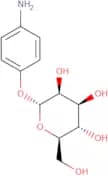
CAS:4-Aminophenyl-alpha-D-glucopyranoside is a natural product that has been found to be an antigen. The compound has been shown to have anticancer activity, which may be due to its ability to inhibit the growth of cells and induce apoptosis. 4-Aminophenyl-alpha-D-glucopyranoside also possesses magnetic properties. The chemical structure of this compound is characterized by an acrylate group, which is a small organic molecule with two carbon atoms and one oxygen atom. This compound is synthesized in a preparative manner using methoxy, ethyl bromoacetate, and mesitylene in the presence of irradiation. NMR spectroscopy can be used for the characterization of this compound as well as other compounds with similar structures that are catalytic in nature.Formula:C12H17NO6Purezza:Min. 98.0 Area-%Peso molecolare:271.27 g/mol3'-Sialylgalacto-N-biosyl-serine
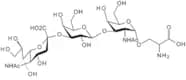
<p>3'-Sialylgalacto-N-biosyl-serine is a custom synthesis of a high purity, complex carbohydrate with the following modifications: fluorination and click modification. This product is a monosaccharide sugar that has many applications in biomedical research. 3'-Sialylgalacto-N-biosyl-serine is an important component of glycolipids and glycoproteins, which are major constituents of the outer leaflet of the plasma membrane. It also plays a role in cell signaling, binding to receptors on the surface of cells to activate them. In addition, this product can be used for the methylation reaction and has been used as an intermediate for other oligosaccharides and polysaccharides.</p>Formula:C28H47N3O21Purezza:Min. 95 Area-%Colore e forma:PowderPeso molecolare:761.68 g/molTiazofurin
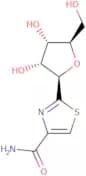
CAS:Tiazofurin is a novel anticancer agent that inhibits the activity of various enzymes, including dehydrogenase and acetyl-CoA carboxylase. Tiazofurin shows significant cytotoxicity against human leukemia cells in vitro. It also has an anti-infectious effect on hl-60 cells and k562 cells, which are carcinoma cell lines. Tiazofurin has been shown to have a higher inhibitory effect on dextran sulfate than on basic protein in vitro, suggesting that it may be more effective as an anticancer compound against cancerous tumors with high levels of glycolipids.Formula:C9H12N2O5SPurezza:Min. 95%Colore e forma:Off-White Slightly Brown PowderPeso molecolare:260.27 g/mol(3S, 4R) -Dihydro- 3-hydroxy- 3- methyl-4-tert butyldimethylsilyloxy- 2(3H) - furanone
(3S,4R) -Dihydro-3-hydroxy-3-methyl-4-tert butyldimethylsilyloxy-2(3H) -furanone is a fluorinated glycosylated monosaccharide. This compound is used as a synthetic intermediate in the custom synthesis of saccharides and oligosaccharides.Purezza:Min. 95%(1S) -1- [(2S, 3R,4R) -4-Hydroxymethyl-3- hydroxy- 1- azetidinyl] -1, 2- ethanediol
<p>(1S) -1- [(2S, 3R,4R) -4-Hydroxymethyl-3- hydroxy- 1- azetidinyl] -1, 2- ethanediol is a synthetic sugar that can be used as a glycosylation or click modification agent. It is also used in the synthesis of complex carbohydrates. This product has been shown to have high purity and is available for custom synthesis.</p>Purezza:Min. 95%1-Amino-D-butane-2,3,4-triol
<p>1-Amino-D-butane-2,3,4-triol is a custom synthesis of 1,2,3,4-1-amino butane. It has been modified with fluorination and methylation. This product has a CAS number of 20897-16-0. The molecular weight is 152.17 g/mol and the molecular formula is C6H11NO3. This product is a synthetic compound that consists of monosaccharides and oligosaccharides. The glycosylation is Oligosaccharide and saccharide. It can be found in the carbohydrate category as it contains complex carbohydrates.</p>Purezza:Min. 95%(2R, 3R, 4R, 5S) -3,4-Dihydroxy-2, 5- pyrrolidinedimethano l
CAS:(2R, 3R, 4R, 5S) -3,4-Dihydroxy-2, 5- pyrrolidinedimethanol is an organic compound that is a modification of the sugar erythrose. It has been synthesized from 2,3,4,5-tetrahydroxybenzaldehyde and 2-fluoro-1-(trifluoromethyl)benzene. The compound has been used for the preparation of oligosaccharides and polysaccharides. It is also used as a raw material for the synthesis of complex carbohydrate compounds and saccharide derivatives. (2R, 3R, 4R, 5S) -3,4-Dihydroxy-2, 5- pyrrolidinedimethanol is used in the production of fluorinated saccharides.Purezza:Min. 95%2-Acetamido-2-deoxy-D-lyxojirimycin
CAS:2-Acetamido-2-deoxy-D-lyxojirimycin is a carbohydrate that is modified by fluorination, methylation, glycosylation, and click modification. The compound is a synthetic monosaccharide that is used in the synthesis of complex carbohydrates. 2-Acetamido-2-deoxy-D-lyxojirimycin has CAS number 1207673-74-2 and can be custom synthesized to meet your requirements for purity and quality.Formula:C7H14N2O3Purezza:Min. 95%Peso molecolare:174.2 g/mol6'-O-Benzoyl-2,3,6,3',4,-penta-O-acetyl-sucrose
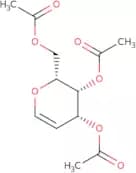
6'-O-Benzoyl-2,3,6,3',4,-penta-O-acetyl-sucrose is a methylated and fluorinated glycosylation product of sucrose. This compound has a molecular weight of 527.97 and an average molar mass of 579.38 g/mol. It exists in the form of white crystals at room temperature and has a melting point of 222 °C. 6'-O-Benzoyl-2,3,6,3',4,-penta-O-acetyl-sucrose is soluble in water and ethanol but insoluble in ether. It is not toxic or irritating to skin or eyes and does not react with other substances to produce hazardous reactions.Purezza:Min. 95%3,4,6-Tri-O-acetyl-D-galactal - non-animal origin
CAS:Building block for synthesis of oligosaccharidesFormula:C12H16O7Purezza:Min. 98 Area-%Colore e forma:White PowderPeso molecolare:272.25 g/molN-Acetyl-L-xylosamine
<p>N-Acetyl-L-xylosamine is a custom synthesis of a glycosylation product that contains an acetyl group and a xylosamine. It is used as a building block for the synthesis of complex carbohydrates. N-Acetyl-L-xylosamine can be modified with fluorination, saccharide, modification, sugar, or oligosaccharide to create custom products.</p>Formula:C7H13NO5Purezza:Min. 95%Colore e forma:Yellow PowderPeso molecolare:191.18 g/mol(Hydroxypropyl)methyl cellulose - Viscocity 40-60 cP, 2 % in H2O (20 °C)
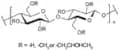
CAS:<p>Hydroxypropyl methylcellulose (HPMC or hypromellose) is a semisynthetic, inert and viscoelastic polymer that is used as eye drops and as semi-synthetic substitute for tear-films. When applied, a hypromellose solution acts to swell and absorb water, by increasing the thickness of the tear-film, resulting in decreased eye irritation. In addition to its use in ophthalmic liquids, hypromellose has been used as an excipient in oral tablet and capsule formulations, where, depending on the grade, it functions as controlled-release agent. It is also used as a binder and as a component of tablet coatings. Hypromellose in aqueous solution, unlike methylcellulose, exhibits thermal gelation properties. HPMC is approved as a food additive, emulsifier, thickening and suspending agent, and as an alternative to animal gelatin (Codex Alimentarius code (E number) is E464).</p>Colore e forma:White Off-White PowderD-Maltose monohydrate
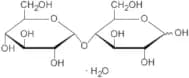
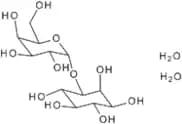
CAS:Maltose (or malt sugar) is produced by the action of α-and β-amylase on starch. Maltose is an intermediate in the intestinal digestion (i.e. hydrolysis) of glycogen and starch and is found in germinating grains (and other plants and vegetables). Maltose-containing syrups are used in the brewing, baking, soft drink, canning, confectionery, and other food industries (Collins, 2006). Maltose is also used in affinity purification of proteins using MBP-fused protein constructs. Herein, maltose is added to an elution buffer causing release of the MBP-fused protein from the resin.Formula:C12H24O12Peso molecolare:360.32 g/molRef: 3D-M-0940
5kgPrezzo su richiesta10kgPrezzo su richiesta25kgPrezzo su richiesta-Unit-kgkgPrezzo su richiestaGala1-3Galb1-4GlcNAc-O-L-serine
<p>Gala1-3Galb1-4GlcNAc-O-L-serine is a Custom synthesis, Modification, Fluorination, Methylation, Monosaccharide, Synthetic, Click modification, Oligosaccharide, saccharide. The CAS number for this product is . It has been created by the process of Glycosylation. This product is a Carbohydrate and a Polysaccharide. The molecular weight of this product is .</p>Purezza:Min. 95%2-Amino- 2- deoxy- 3, 6- di- O- methyl-D- glucose
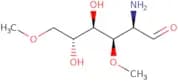
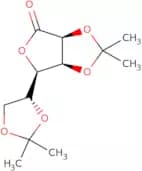
CAS:<p>2-Amino- 2-deoxy-3,6-di-O-methyl-D-glucose is a modified saccharide that is synthesized by the coupling of two amino acids: an alpha amino group and a beta hydroxyl group. It is also known as N-[2,6-bis(1,1-dimethylethyl)amino]-2,3,4,5,6 tetrahydrobenzofuran with the CAS number 25521-11-3. This compound can be custom synthesized to meet specific requirements. It has been used in research on glycosylation reactions and methylation reactions.</p>Formula:C8H17NO5Purezza:Min. 95%Peso molecolare:207.22 g/mol2,3:5,6-Di-O-isopropylidene-D-mannonic acid-1,4-lactone
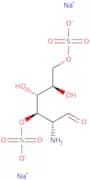
CAS:<p>2,3:5,6-Di-O-isopropylidene-D-mannonic acid-1,4-lactone is an analogue of the furanoid compound mannonic acid. It is a lactone that can be hydrolyzed to carboxylic acids with acidic conditions. This compound has been shown to be a good target molecule for efficient syntheses of alcohols and thiols. The configurations at the stereocenters are analogous to those found in other furanoids. The high yields and yields of this molecule make it an efficient target molecule for synthesis.</p>Formula:C12H18O6Purezza:Min. 95%Colore e forma:PowderPeso molecolare:258.27 g/molD-Glucosamine-3,6-di-O-sulphate sodium
CAS:<p>D-Glucosamine-3,6-di-O-sulphate sodium salt is a synthetic, fluorinated, monosaccharide that is prepared by the modification of D-glucosamine. It can be synthesized by reacting D-glucosamine with sodium sulfite in the presence of hydrochloric acid. This product has been modified to contain a reactive group for click chemistry. The synthesis of this compound involves methylation, which is a process used to introduce methyl groups into organic compounds. This product is also an oligosaccharide and polysaccharide. The sugar molecule in this product is glucosamine, which is a carbohydrate that contains glucose and amino acids. Glucosamines are complex carbohydrates that play a role in the synthesis of glycoproteins and glycolipids in cells.</p>Formula:C6H13NO11S2•Na2Purezza:Min. 95%Colore e forma:PowderPeso molecolare:385.28 g/mol










![(1S) -1- [(2S, 3R,4R) -4-Hydroxymethyl-3- hydroxy- 1- azetidinyl] -1, 2- ethanediol](/_next/image/?url=https%3A%2Fstatic.cymitquimica.com%2Fproducts%2F3D%2Fthumb-webp%2FMH163401.webp&w=3840&q=75)