


Glicoscienza
La glicosienza è lo studio dei carboidrati e dei loro derivati, nonché delle interazioni e delle funzioni biologiche a cui partecipano. Questo campo di ricerca è cruciale per comprendere una vasta gamma di processi biologici, tra cui il riconoscimento cellulare, la segnalazione, la risposta immunitaria e lo sviluppo delle malattie. La glicosienza ha importanti applicazioni nella biotecnologia, nella medicina e nello sviluppo di nuovi farmaci e terapie. Presso CymitQuimica, offriamo un'ampia selezione di prodotti di alta qualità e purezza per la ricerca in glicosienza. Il nostro catalogo comprende monosaccaridi, oligosaccaridi, polisaccaridi, glicoconiugati e reagenti specifici, progettati per supportare i ricercatori nei loro studi sulla struttura, funzione e applicazioni dei carboidrati nei sistemi biologici. Queste risorse sono destinate a facilitare scoperte scientifiche e applicazioni pratiche in vari ambiti delle bioscienze e della medicina.
Sottocategorie di "Glicoscienza"
- Amminozucchero(108 prodotti)
- Glico-anticorpi(282 prodotti)
- Glicolipidi(46 prodotti)
- Glicosaminoglicani (GAGs)(55 prodotti)
- Glicosidi(419 prodotti)
- Monosaccaridi(6.624 prodotti)
- Oligosaccaridi(3.682 prodotti)
- Polisaccaridi(503 prodotti)
Trovati 11046 prodotti di "Glicoscienza"
Ordinare per
Purezza (%)
0
100
|
0
|
50
|
90
|
95
|
100
Larch arabinogalactan
CAS:<p>Larch arabinogalactan is extracted from the heartwood of the western larch Larix occidentalis. This compound has a backbone of 1,3-linked β-D-galactopyranosyl units each of which contains a side chain at position C-6. Arabinogalactans are used as emulsifiers, stabilizers and binders in the food, pharmaceutical and cosmetic industries, as low viscosity dietary fibres and as a prebiotic fibres.</p>Purezza:Min. 95%Colore e forma:Off-White Powder(2R, 3S, 4S, 5S) -3-O-Benzoyl-4-O-tert.butyl-2- ((tert butylsilyloxy)methyl) - 5- methyl-3, 4- pyrrolidinediol
<p>(2R, 3S, 4S, 5S) -3-O-Benzoyl-4-O-tert.butyl-2- ((tert butylsilyloxy)methyl) - 5- methyl-3, 4- pyrrolidinediol is a synthetic sugar that is used in the modification of saccharide and polysaccharides. It has been used to synthesize oligosaccharides with high purity and good yield. This compound has a CAS number of 179119-92-7 and can be used for fluorination reactions.</p>Purezza:Min. 95%Cerebrosides - Phrenosin
CAS:Cerebrosides are a type of complex carbohydrate that consists of a sugar molecule attached to a fatty acid. The sugar molecule is either glucose or galactose and the fatty acid is usually a long chain fatty acid. Cerebrosides are found in the brain and spinal cord and their function is not yet fully understood. Phrenosin (Cerebrosides-Phrenosin) is a high purity, custom synthesis, sugar-based glycoconjugate with Click modification, fluorination, glycosylation, synthetic, methylation, modification, oligosaccharide, monosaccharide and saccharide as its main components. It has been shown to have strong anti-inflammatory activities in animal models.Formula:C42H81NO9Purezza:Min. 95%Colore e forma:White PowderPeso molecolare:744.09 g/mol2, 5- Anhydro- 6- azido- 3, 6- dideoxy- L -arabino- hexonic acid methyl ester
CAS:<p>2,5-Anhydro-6-azido-3,6-dideoxy-L-arabino-hexonic acid methyl ester (ADAEM) is a modified sugar that can be used as a building block for oligosaccharides and polysaccharides. ADAEM is a monosaccharide with six hydroxyl groups. This modification of the sugar molecule prevents it from participating in glycosidic bond formation. ADAEM has been shown to be resistant to enzymatic degradation and has high purity. It is also stable at high temperatures and pH ranges.</p>Formula:C7H11N3O4Purezza:Min. 95%Peso molecolare:201.18 g/molα-D-Glucose-1-phosphate dipotassium hydrate
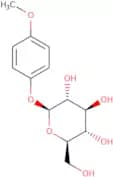
CAS:a-D-Glucose-1-phosphate dipotassium salt hydrate (aDG1P) is a glycogen synthesis inhibitor that inhibits the phosphorylases in the breakdown of glycogen. It also inhibits the synthesis of glycogen by inhibiting ATPase activity, which is required for the conversion of glucose to glucose 6-phosphate. The inhibition of phosphorylases and ATPase activity prevents the phosphorylation of glucose and leads to a decrease in glycogen synthesis. aDG1P has been shown to be effective in both animal models and human subjects for treating muscle disease such as Duchenne muscular dystrophy.Formula:C6H13O9P•K2•(H2O)xPurezza:(%) Min. 95%Colore e forma:PowderPeso molecolare:336.32 g/mol4-Methoxyphenyl β-D-glucopyranoside
CAS:<p>Bearberry has been used for centuries to treat various disorders of the urinary tract and prostate. The active ingredient in bearberry is a flavonol glycoside called arbutin, which is converted to hydroquinone during metabolism. As an antioxidant, hydroquinone inhibits the oxidation of LDL cholesterol and may reduce the risk of atherosclerosis. Hydroquinone has also been shown to have anti-inflammatory properties in rat liver microsomes and tissue culture, inhibiting prostaglandin synthesis by blocking cyclooxygenase activity. In vitro, bearberry extracts have been shown to inhibit bacterial growth on agar plates with pH levels from 4-7 and at concentrations between 0.1-1%. It was found that bearberry extracts were most effective against Pseudomonas aeruginosa strains, with MIC values ranging from 2-4 mg/mL. Bearberry extract was observed to be more effective than ampicillin against these strains in a chromatographic assay.</p>Formula:C13H18O7Purezza:Min. 95%Colore e forma:PowderPeso molecolare:286.28 g/molD-Sorbose
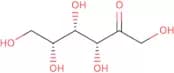
CAS:<p>D-Sorbose is a monosaccharide that belongs to the group of sugar alcohols. It is a reducing sugar that can be used as an alternative for sugar in food and pharmaceutical industries. D-Sorbose has been shown to have potential industrial applications due to its high solubility, low melting point, and resistance to crystallization. The enzyme ribitol dehydrogenase from Escherichia coli was found to be active with D-sorbitol, but not with l-sorbitol. This indicates that D-sorbitol is a better substrate for this enzyme than L-sorbitol.</p>Formula:C6H12O6Purezza:Min. 95%Colore e forma:White PowderPeso molecolare:180.16 g/mol2-Methylphenyl 4-O-benzyl-a-L-thiorhamnopyranoside
<p>2-Methylphenyl 4-O-benzyl-a-L-thiorhamnopyranoside is a custom synthesis that can be modified to suit the needs of the customer. It is a fluorinated oligosaccharide with a complex carbohydrate structure. The product has been shown to have high purity and will be synthesized according to customer specifications. 2-Methylphenyl 4-O-benzyl-a-L-thiorhamnopyranoside is an oligosaccharide that contains a saccharide and monosaccharide unit, which are linked together by glycosidic bonds. This product is also known as methylated thioretinamide or MTT.</p>Purezza:Min. 95%1,2,3,5,6-Penta-O-benzoyl-D-galactofuranose
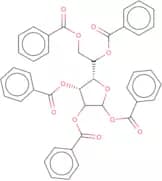
CAS:1,2,3,5,6-Penta-O-benzoyl-D-galactofuranose is a sugar that is custom synthesized and can be modified with fluorination. This product has a CAS number of 138811-45-7 and is high purity. It can be used in glycosylation, oligosaccharide synthesis, methylation, monosaccharide synthesis and polysaccharide synthesis. It is an important building block for the modification of complex carbohydrates.Formula:C41H32O11Purezza:Min. 95%Colore e forma:White PowderPeso molecolare:700.69 g/mol6-Deoxy-6-thio-b-cyclodextrin
CAS:<p>This beta-cyclodextrin (β-CD) derivative is a functionalized cyclic oligosaccharide composed of seven glucose units, characterized by a hydrophilic exterior and a lipophilic cavity (bigger than α-CD and smaller than γ-CDs), which allows it to encapsulate various guest molecules. This structural feature facilitates its use in multiple applications, including pharmaceuticals, food enhancement, and cosmetics. In the pharmaceutical industry, it enhances the solubility and stability of poorly water-soluble drugs, improving their bioavailability and efficacy while also masking unpleasant tastes. The food sector utilizes it as a stabilizer for flavors, colors, and nutrients, extending shelf life by protecting sensitive ingredients from degradation. In cosmetics, it serves as a complexing agent for fragrances and active components, ensuring their stability and controlled release. Its use expands to many other fields, including nanotechnology for drug delivery systems, environmental remediation for extracting organic pollutants, textiles for slow-release fragrances, and analytical chemistry for chiral separation.</p>Formula:C42H70O28S7Purezza:Min. 95%Colore e forma:PowderPeso molecolare:1,247.45 g/molUDP-a-D-galactose ammonium salt
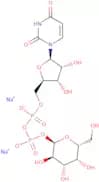
CAS:<p>UDP-a-D-galactose ammonium salt is a nucleotide sugar that is synthesized from uridine and D-galactose. It plays a role in cellular energy metabolism by providing substrate for the synthesis of phospholipids and glycolipids. UDP-a-D-galactose ammonium salt has been shown to be involved in the transcriptional regulation of genes encoding enzymes involved in galactose metabolism. This nucleotide sugar also has been shown to be an exogenous acceptor for various oligosaccharides, including those present on glycoproteins and glycolipids.</p>Formula:C15H30N4O17P2Purezza:Min. 95%Peso molecolare:600.36 g/molb-D-Glucan-from piptoporus betulinus
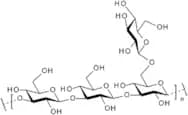
CAS:<p>This β-glucan contain D-glucose residues with β-1,3 links and b-1-6 side branches. The frequency, location, and length of the sidechains may play a role in immunomodulation. Differences in molecular weight, shape, and structure of β-glucans can also affect the differences in biological activity. The water-soluble β-D-glucan is extracted from fruiting bodies of Piptoporus betulinus by hot aqueous extraction, followed by freeze-thawing and dialysis. Methylation analysis and NMR spectroscopy, indicated the presence of a β-D-glucan with a main chain (1,3)-linked, substituted at O-6 by single glucose residues.<br>The image was kindly provided by Dr. Chris Lawson.</p>Purezza:Min. 95%Colore e forma:White PowderD-myo-Inositol 1,2,3-triphosphate
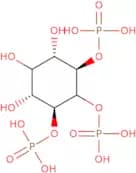
CAS:<p>D-myo-Inositol 1,2,3-triphosphate is a polyphosphate that is involved in phosphatidylinositol signaling. It has been shown to be involved in the regulation of cellular proliferation and differentiation. The biological function of this molecule is not well understood, but it has been shown to have a high redox potential and can have protonation at high concentrations. D-myo-Inositol 1,2,3-triphosphate binds to metal ions such as iron. This molecule has been found in mammalian cells and is believed to be a structural component of these cells.</p>Formula:C6H15O15P3Purezza:Min. 95%Peso molecolare:420.1 g/mol2-C-( tert.Butyldimethylsilyloxy)methyl-2,3:5,6-di-O-isopropylidene-L-gulono-1.4-lactone
<p>2-C-(tert-Butyldimethylsilyloxy)methyl-2,3:5,6-di-O-isopropylidene-L-gulono-1.4-lactone is a synthetic monosaccharide that is a modification of L-Gulono Oligosaccharide, which is a polysaccharide. 2C-(tert-Butyldimethylsilyloxy)methyl -2,3:5,6-di--O--isopropylidene--L--gulono 1.4 lactone is also known as 2C-(tert butyldimethylsilyloxy) methyl -2,3:5,6--di--O--isopropylidene--L--gulono 1.4 lactone and is used in the manufacture of saccharides and carbohydrates. It can be found in the</p>Purezza:Min. 95%Gypsogenin-3-O-glucuronide
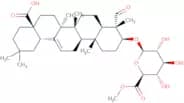
CAS:Gypsogenin-3-O-glucuronide is a saponin found in the roots of Gypsophila paniculata, a plant native to China. It has been shown to have anti-inflammatory and anti-tumor activities. Gypsogenin-3-O-glucuronide has been shown to inhibit tumor growth in mice by inhibiting protein synthesis. The pentasaccharides that make up gypsogenin are present in different proportions, which leads to differences in the biological activity of this compound. This is one of the reasons why saponins have not yet been fully explored for potential use in medicine.Formula:C37H56O10Purezza:Min. 95%Colore e forma:PowderPeso molecolare:660.83 g/molTetra-guluronic acid sodium
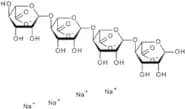
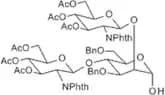
CAS:Tetra-guluronic acid sodium salt (1,4-linked α-L-sodium guluronotetraose) is one of a number of oligosaccharides obtained from alginate, a polysaccharide from brown seaweeds. It contains blocks of: repeating mannuronic acid sequences (M-M-M-M etc), repeating guluronic acid sequences (G-G-G-G etc), and alternating M-G-M-G sequences. This oligosaccharide can be released by acid hydrolysis and a number of biological activities have been discussed in a recent review.Formula:C24H30O25Na4Purezza:Min. 98 Area-%Colore e forma:White PowderPeso molecolare:810.44 g/mol4,6-Di-O-(3,4,6-tri-O-acetyl-2-deoxy-2-phthalimido β-D-glucopyranosyl)-3-6-di-O-benzyl-α-D-mannopyranose
<p>This is a custom synthesis of a complex carbohydrate. The CAS number is not available and the polysaccharide has been modified. It has been glycosylated, methylated, and fluorinated. It is high purity and the sugar sequence is a custom synthesis.</p>Formula:C60H62N2O24Purezza:Min. 95%Peso molecolare:1,195.13 g/molLacto-N-tetraose - mixture with Lacto-N-neotetraose
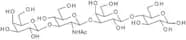
CAS:Neutral tetrasaccharide naturally present in human breast milkFormula:C26H45NO21Purezza:Min. 95 Area-%Colore e forma:White PowderPeso molecolare:707.63 g/mol2,3-Di-O-benzyl-b-cyclodextrin
<p>This beta-cyclodextrin (β-CD) derivative is a functionalized cyclic oligosaccharide composed of seven glucose units, characterized by a hydrophilic exterior and a lipophilic cavity (bigger than α-CD and smaller than γ-CDs), which allows it to encapsulate various guest molecules. This structural feature facilitates its use in multiple applications, including pharmaceuticals, food enhancement, and cosmetics. In the pharmaceutical industry, it enhances the solubility and stability of poorly water-soluble drugs, improving their bioavailability and efficacy while also masking unpleasant tastes. The food sector utilizes it as a stabilizer for flavors, colors, and nutrients, extending shelf life by protecting sensitive ingredients from degradation. In cosmetics, it serves as a complexing agent for fragrances and active components, ensuring their stability and controlled release. Its use expands to many other fields, including nanotechnology for drug delivery systems, environmental remediation for extracting organic pollutants, textiles for slow-release fragrances, and analytical chemistry for chiral separation.</p>Formula:C140H154O35Purezza:Min. 95%Peso molecolare:2,396.7 g/molLacto-N-fucopentaose II
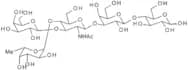
CAS:Major milk pentasaccharide; reduces respiratory and gastrointestinal pathologiesFormula:C32H55NO25Purezza:Min. 95 Area-%Colore e forma:White PowderPeso molecolare:853.77 g/molL-Gluconic acid calcium
CAS:<p>L-Gluconic acid calcium salt is a white crystalline powder. It is soluble in water and slightly soluble in alcohol. The structure of this compound has not been fully elucidated, but it is known to be a modification of L-gluconic acid, which is a monosaccharide. This product can be used as a biochemical reagent for the synthesis of oligosaccharides and polysaccharides.</p>Formula:(C6H12O7)2•CaPurezza:Min. 95%Colore e forma:PowderPeso molecolare:432.39 g/mol2-O-Benzoyl-3,4-O-benzylidene-D-ribono-1,5-lactone
<p>2-O-Benzoyl-3,4-O-benzylidene-D-ribono-1,5-lactone (2BBL) is a glycosylation agent that can be used for the synthesis of complex carbohydrates. It is also an effective methylating agent for glycosides and saccharides. 2BBL is fluorinated to yield 2FBL, which has been shown to be a powerful click reagent. The CAS number for 2BBL is 53478-55-0. This product is custom synthesized in high purity and can also be used as a monosaccharide in oligosaccharide synthesis.</p>Purezza:Min. 95%Methyl 4,6-O-benzylidene-α-D-glucopyranoside
CAS:<p>Methyl 4,6-O-benzylidene-α-D-glucopyranoside is a custom synthesis that can be used in the modification of complex carbohydrates. It is a high purity oligosaccharide with click modification and fluorination. The product is a monosaccharide sugar that has been synthesized by the process of glycosylation and hydrolysis. Methyl 4,6-O-benzylidene-α-D-glucopyranoside also has an Oligosaccharide, Polysaccharide, saccharide, Carbohydrate, Fluorination, complex carbohydrate, High purity, Modification, Monosaccharide, sugar, Synthetic.</p>Formula:C14H18O6Purezza:Min. 95%Colore e forma:White Off-White PowderPeso molecolare:282.29 g/mol2-Azidomethyl-2-deoxy-3,4-O-isopropylidene-6-O-tert.butyldimethylsilyl-D-talono-1.5-lactone
2-Azidomethyl-2-deoxy-3,4-O-isopropylidene-6-O-tert.butyldimethylsilyl-D-talono-1.5-lactone is a synthetic compound that can be customized for your specific needs. It has been shown to have high purity and the ability to undergo a variety of modifications, such as fluorination, glycosylation, methylation, and modification. It is also available in a range of sizes and types of carbohydrate, including saccharides and oligosaccharides.Purezza:Min. 95%7,9-Di-O-acetyl-N-glycolyl-8-O-methylneuraminic acid
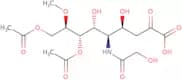
CAS:<p>7,9-Di-O-acetyl-N-glycolyl-8-O-methylneuraminic acid is a synthetic glycolylneuraminic acid analogue that can be used in the treatment of bacterial infections. It is a prodrug that is converted to glycolylneuraminic acid by monoclonal antibody and other enzymes. 7,9-Di-O-acetyl-N-glycolyl-8-O-methylneuraminic acid inhibits the activity of necrosis factor (TNF) by binding to its receptor, thereby preventing TNF from binding to cells and stimulating inflammation. This compound has been shown to be effective against many bacteria including methicillin resistant Staphylococcus aureus (MRSA). Techniques used for the synthesis include high performance liquid chromatography with mass spectrometry detection and cavity ring down spectroscopy.</p>Formula:C16H25NO12Purezza:Min. 95%Peso molecolare:423.37 g/molD-Arabonic acid-1,4-lactone
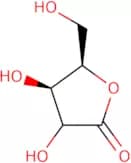
CAS:<p>D-Arabonic acid-1,4-lactone is a synthetic sugar that is modified to produce a variety of carbohydrates. This product can be used in the synthesis of oligosaccharides and monosaccharides. It is also used as a carbohydrate in the production of saccharide-based polymers, such as polysaccharides or polyols. This product has CAS number 2782-09-4 and a purity level of ≥99%.</p>Formula:C5H8O5Purezza:Min. 95 Area-%Colore e forma:PowderPeso molecolare:148.11 g/mol(1R) -1- [(2S, 3R) - N-Benzyl-3- hydroxy- 1- azetidinyl] -1, 2- ethanediol
<p>(1R) -1- [(2S, 3R) - N-Benzyl-3- hydroxy- 1- azetidinyl] -1, 2- ethanediol is a synthetic product that can be custom synthesized. It has been used in glycosylation reactions to produce oligosaccharides and monosaccharides. The chemical composition of the product is: C6H10O5 (CAS No. ).</p>Purezza:Min. 95%2-Keto-D-glucose
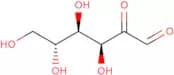
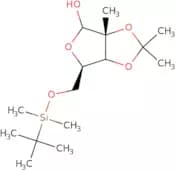
CAS:<p>2-Keto-D-glucose is a substrate molecule that is used in the study of plant physiology, enzyme kinetics, and metabolic regulation. It has been shown to be an important factor in redox potential and the activation of detoxification enzymes. 2-Keto-D-glucose has also been found to be an important factor in energy metabolism, as it can be converted into pyruvate and acetyl CoA. 2-Keto-D-glucose is a common substrate molecule for many enzymes, including glycolytic enzymes, hexokinase, alcohol dehydrogenase, lactate dehydrogenase, and phosphofructokinase. 2-Keto-D-glucose has also been found to play a role in human blood serum biochemistry by acting as a substrate for erythrocyte D glucose transporter protein and glycerol kinase.</p>Formula:C6H10O6Purezza:Min. 98 Area-%Colore e forma:White Beige Yellow PowderPeso molecolare:178.14 g/mol5-O-tert-Butyldimethylsilyl-2,3-O-isopropylidene-2-C-methyl-D-ribofuranose
<p>5-O-tert-Butyldimethylsilyl-2,3-O-isopropylidene-2-C-methyl-D-ribofuranose is a 2'C methyl ribose derivative.</p>Formula:C15H30O5SiPurezza:Min. 95%Peso molecolare:318.49 g/molD-Gluconic acid zinc (II) salt
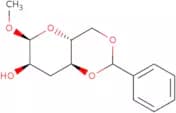
CAS:<p>D-Gluconic acid zinc salt is an inorganic compound that is used to treat deficiencies of D-gluconate. It is a salt of zinc and D-gluconic acid, which is a natural metabolite found in the human body. This compound can be used to maintain healthy levels of D-gluconate in the tissues and help control symptoms related to deficiencies. The efficiency of this method has been demonstrated by an in vitro test on human femur cells. A profile analysis showed that D-gluconic acid zinc salt was able to minimize the severity of symptoms associated with deficiencies caused by gluconate deficiency, such as tissue sensitivity and bone degradation.</p>Formula:C12H22O14ZnPurezza:Min. 95%Colore e forma:White PowderPeso molecolare:455.68 g/molMethyl 4,6-O-benzylidene-3-deoxy-α-D-glucopyranoside
CAS:<p>Methyl 4,6-O-benzylidene-3-deoxy-a-D-glucopyranoside is a synthetically modified high purity carbohydrate. It is an oligosaccharide that can be custom synthesized to meet your requirements. This product can be used as a complex carbohydrate in the food industry.</p>Formula:C14H18O5Purezza:Min. 95%Colore e forma:PowderPeso molecolare:266.29 g/mol1,2,3,4-Tetra-O-pivaloyl-6-O-triisopropylsilyl-b-D-glucopyranose
<p>1,2,3,4-Tetra-O-pivaloyl-6-O-triisopropylsilyl-b-D-glucopyranose is a high purity custom synthesis sugar. It has been modified with fluorination and glycosylation. The CAS number for this product is 8071-79-8. Synthetic modification of the sugar to form an oligosaccharide or monosaccharide can also be performed. This product is a complex carbohydrate that contains saccharides in the form of a sugar molecule linked together by glycosidic bonds.</p>Formula:C35H64O10SiPurezza:Min. 95%Peso molecolare:672.98 g/molMethyl 3,5-di-O-benzyl-D-xylofuranoside
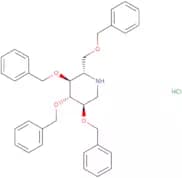
CAS:Methyl 3,5-di-O-benzyl-D-xylofuranoside can also be used as an intermediate in the synthesis of other xylo or oligo related compounds.Formula:C20H24O5Purezza:Min. 95%Colore e forma:PowderPeso molecolare:344.4 g/mol2,3,4,6-Tetra-O-benzyl-1-deoxynojirimycin hydrochloric acid salt
CAS:2,3,4,6-Tetra-O-benzyl-1-deoxynojirimycin hydrochloric acid salt is a synthetic monosaccharide. It was originally synthesized by the methylation of a native oligosaccharide before being subjected to click chemistry. The resulting product is a complex carbohydrate with an aromatic ring in place of the sugar alcohol moiety. 2,3,4,6-Tetra-O-benzyl-1-deoxynojirimycin hydrochloric acid salt has CAS number 72983-76-7 and is soluble in water. This product is also available as a custom synthesis service and can be modified to meet your needs.Formula:C34H38ClNO4Purezza:Min. 95 Area-%Colore e forma:PowderPeso molecolare:560.12 g/molMethyl 2,4-di-O-methyl-α-D-glucopyranoside
CAS:Methyl 2,4-di-O-methyl-α-D-glucopyranoside is a selectively protected glucose glycosideFormula:C9H18O6Purezza:Min. 95%Colore e forma:PowderPeso molecolare:224.24 g/molMan-9 N-Glycan
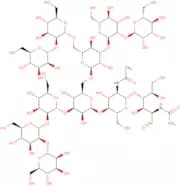
CAS:<p>Man-9 N-glycan is a glycoprotein that is found on the surface of many viruses. It has an oligosaccharide structure, which consists of a mannose and a glucose molecule linked by an alpha-1,3-glycosidic bond. The Man-9 N-glycan can be found in human serum and is involved in lectin binding to cells. It also has antiviral activity and may be used as a model system for studying glycosidic bonds. This glycan can be broken down into smaller components by methyl glycosides or titration calorimetry, which is a technique for determining the molecular weight of substances. The Man-9 N-Glycan binds to toll-like receptor 2 (TLR2) on the surface of human cells, which activates an antibody response.</p>Formula:C70H118N2O56Purezza:Min. 95%Colore e forma:PowderPeso molecolare:1,883.67 g/mol2, 4- Anhydro-3,5-O-[(R)-benzylidene]- 6- deoxy- L- mannonic acid benzamide
<p>2, 4-Anhydro-3,5-O-[(R)-benzylidene]-6-deoxy-L-mannonic acid benzamide is a synthetic sugar that is fluorinated and methylated. It has been custom synthesized and can be modified to have any desired modification. This product is in high purity and has a CAS No.</p>Purezza:Min. 95%N-Azidoacetylglucosamine
CAS:Click reagent for metabolic labeling of GlcNAcFormula:C8H14N4O6Purezza:Min. 95%Colore e forma:PowderPeso molecolare:262.22 g/molValiolamine
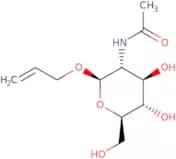
CAS:<p>Inhibitor of alpha-glucosidase</p>Formula:C7H15NO5Purezza:Min. 95%Colore e forma:White PowderPeso molecolare:193.2 g/molAllyl 2-acetamido-2-deoxy-β-D-glucopyranoside
CAS:<p>Allyl 2-acetamido-2-deoxy-β-D-glucopyranoside is a modification of the sugar molecule. It is an oligosaccharide composed of a monosaccharide and one or more other saccharides.</p>Formula:C11H19NO6Purezza:Min. 98 Area-%Colore e forma:PowderPeso molecolare:261.27 g/molLactodifucotetraose
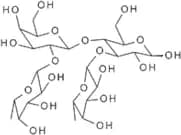
CAS:Human milk oligosaccharide; attenuates inflammatory cytokine releaseFormula:C24H42O19Purezza:Min. 90%Colore e forma:White PowderPeso molecolare:634.58 g/molPolyglycoplex
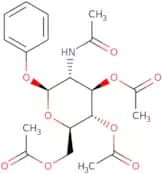
<p>PolyGlycopleX (PGX) is produced from a mixture containing proprietary proportions of three polysaccharides, konjac glucomannan, xanthan gum and sodium alginate. Recent hydrodynamic, rheological and analytical studies have shown that the unexpectedly high viscosity of solutions of PGX is consistent with an interaction between a konjac glucomannan, xanthan gum complex and sodium alginate to form a new, ternary complex in solution. Human and animal feeding studies have shown that PGX can be used to control weight, lower the glycaemic index of foods and postprandial glycaemia.</p>Purezza:Min. 95%Colore e forma:PowderPhenyl 2-acetamido-3,4,6-tri-O-acetyl-2-deoxy-β-D-glucopyranoside
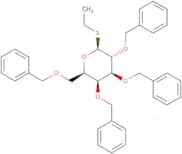
CAS:<p>Phenyl 2-acetamido-3,4,6-tri-O-acetyl-2-deoxy-b-D-glucopyranoside is a custom synthesis of the sugar phenyl 2-acetamido-3,4,6-tri-O-acetyl--2 deoxy--b D glucopyranoside. It is a modification of the monosaccharide and glycosylation. This synthetic compound has a CAS number of 1308921 9 and is used as an intermediate in the production of saccharides. Phenyl 2 acetamido 3,4,6 tri O acetyl 2 deoxy b D glucopyranoside is also classified as an oligosaccharide or complex carbohydrate.</p>Formula:C20H25NO9Purezza:Min. 95%Colore e forma:White solid.Peso molecolare:423.41 g/molEthyl 2,3,4,6-tetra-O-benzyl-β-D-thiogalactopyranoside
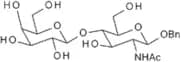
CAS:<p>Synthetic building block</p>Formula:C36H40O5SPurezza:Min. 95%Colore e forma:White PowderPeso molecolare:584.77 g/molBenzyl 2-acetamido-2-deoxy-4-O-(b-D-galactopyranosyl)-b-D-glucopyranoside
CAS:Benzyl 2-acetamido-2-deoxy-4-O-(b-D-galactopyranosyl)-b-D-glucopyranoside is an oligosaccharide that is synthesized from D-(+)-galactose, D-(+)-glucose and benzyl alcohol. This product can be used for the modification of saccharides and has been shown to have a high purity. It has been fluorinated at the alpha position and glycosylated with acetamidobenzoyl group. The molecular weight of this product is 378.12 g/mol. CAS No.: 53167-38-7Formula:C21H31NO11Purezza:Min. 95%Colore e forma:White PowderPeso molecolare:473.47 g/mol(2S, 3S, 4R) -2- [(1R) - 1, 2-Dihydroxyethyl] -3, 4- pyrrolidinediol
CAS:<p>(2S, 3S, 4R) -2- [(1R) - 1, 2-Dihydroxyethyl] -3, 4- pyrrolidinediol is a benzyl-containing compound that is used as a glycoside hydrolase inhibitor. It has been shown to be an effective treatment for inflammatory bowel disease. This drug binds to the active site of glycosidases and blocks the hydrolysis of c-glycosides in the intestine. (2S, 3S, 4R) -2- [(1R) - 1, 2-Dihydroxyethyl] -3, 4- pyrrolidinediol also inhibits chloride channels and has been shown to have antiinflammatory properties.</p>Formula:C6H13NO4Purezza:Min. 95%Peso molecolare:163.17 g/mol(1S) -1- [(2R, 3S) -3- Hydroxy- 1- azetidinyl] -1, 2- ethanediol hydrochloride
<p>The tetrasaccharide 1,2-ethanediol is a synthetic compound that is used in pharmaceuticals and as an intermediate for other compounds. This product is a high purity custom synthesis that can be used for methylation or glycosylation reactions. The CAS number for this product is 615-86-1.</p>Purezza:Min. 95%(1R) -1- [(2R, 3S,4S) -4-Hydroxymethyl-3- hydroxy- 1- azetidinyl] -1, 2- ethanediol
<p>1-Azetidinecarboxylic acid, 3-[(2R,3S,4S)-4-hydroxymethyl-3- hydroxy-1-azetidinyl]-, (1R) -1- [(2R, 3S,4S) -4-hydroxymethyl-3- hydroxy-1-azetidinyl] -1, 2-ethanediol is a complex carbohydrate that belongs to the group of polysaccharides. It has been modified by methylation and glycosylation. This product has high purity and is fluorinated for solubility.</p>Purezza:Min. 95%Methyl 2,3,4-tri-O-methyl-β-D-xylopyranoside
CAS:<p>Fully protected xylopyranoside</p>Formula:C9H18O5Purezza:Min. 95%Colore e forma:PowderPeso molecolare:206.24 g/molChitosan
CAS:<p>Chitosan is the deacetylated form of chitin. The polysaccharide is deacetylated in order to render it soluble, which is then possible at pH values of less than 7 (normally in dilute acid). This then allows the material to be used in a number of industrial applications as a binder and film former.</p>Formula:C56H103N9O39Purezza:Min. 95%Colore e forma:White Powder








![(1R) -1- [(2S, 3R) - N-Benzyl-3- hydroxy- 1- azetidinyl] -1, 2- ethanediol](/_next/image/?url=https%3A%2Fstatic.cymitquimica.com%2Fproducts%2F3D%2Fthumb-webp%2FMB163413.webp&w=3840&q=75)




![2, 4- Anhydro-3,5-O-[(R)-benzylidene]- 6- deoxy- L- mannonic acid benzamide](/_next/image/?url=https%3A%2Fstatic.cymitquimica.com%2Fproducts%2F3D%2Fthumb-webp%2FMA163989.webp&w=3840&q=75)



![(2S, 3S, 4R) -2- [(1R) - 1, 2-Dihydroxyethyl] -3, 4- pyrrolidinediol](/_next/image/?url=https%3A%2Fstatic.cymitquimica.com%2Fproducts%2F3D%2Fthumb-webp%2FMD163930.webp&w=3840&q=75)
![(1S) -1- [(2R, 3S) -3- Hydroxy- 1- azetidinyl] -1, 2- ethanediol hydrochloride](/_next/image/?url=https%3A%2Fstatic.cymitquimica.com%2Fproducts%2F3D%2Fthumb-webp%2FMH163386.webp&w=3840&q=75)
![(1R) -1- [(2R, 3S,4S) -4-Hydroxymethyl-3- hydroxy- 1- azetidinyl] -1, 2- ethanediol](/_next/image/?url=https%3A%2Fstatic.cymitquimica.com%2Fproducts%2F3D%2Fthumb-webp%2FMH163381.webp&w=3840&q=75)

