Antimicrobici
Sottocategorie di "Antimicrobici"
- Antibiotici(4.131 prodotti)
- Antimicotici(912 prodotti)
- Antiparassitari(706 prodotti)
- Antivirali(768 prodotti)
Trovati 2425 prodotti di "Antimicrobici"
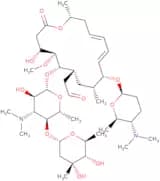
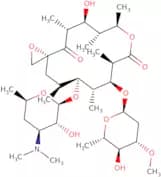
6,11-Di-O-methyl erythromycin
CAS:6,11-Di-O-methyl erythromycin is a semi-synthetic derivative of erythromycin, which is a macrolide antibiotic originally sourced from the bacterium *Saccharopolyspora erythraea*. This compound is produced through chemical modification of the natural antibiotic to improve its pharmacokinetic properties, such as stability and absorption.Formula:C39H71NO13Purezza:Min. 95%Peso molecolare:761.98 g/mol7,10-Dihydroxy-8(E)-octadecenoic acid
CAS:7,10-Dihydroxy-8(E)-octadecenoic acid is a hydroxylated fatty acid, which is derived from the microbial transformation of oleic acid by certain bacterial species, particularly Pseudomonas aeruginosa. This compound features a unique structure characterized by its dihydroxy modifications and a cis double bond. The compound's mode of action involves modulating bacterial growth and metabolic pathways, possessing antimicrobial properties that result from its ability to interfere with cell membrane integrity and function.
Formula:C18H34O4Purezza:Min. 95%Peso molecolare:314.50 g/molErythromycin, Antibiotic for Culture Media Use Only
CAS:Erythromycin, Antibiotic for Culture Media Use Only, is a macrolide antibiotic derived from the bacterium *Saccharopolyspora erythraea*. It functions by inhibiting protein synthesis, specifically targeting the 50S ribosomal subunit in susceptible bacteria. This action results in the prevention of peptide chain elongation, effectively halting bacterial growth and proliferation.Formula:C37H67NO13Purezza:Min. 93.0 Area-%Peso molecolare:733.93 g/molRef: 3D-E-3250
1kgPrezzo su richiesta100gPrezzo su richiesta250gPrezzo su richiesta500gPrezzo su richiesta2500gPrezzo su richiesta-Unit-ggPrezzo su richiestaNorfloxacin methyl ester
CAS:Norfloxacin methyl ester is a synthetic derivative of the fluoroquinolone antibiotic, norfloxacin, which is sourced from chemical synthesis. Its mode of action involves inhibiting bacterial DNA gyrase and topoisomerase IV, enzymes crucial for DNA replication, transcription, repair, and recombination. This specific mechanism disrupts bacterial replication and cell division, leading to bacterial cell death.
Formula:C17H20FN3O3Purezza:Min. 95%Peso molecolare:333.36 g/molBeauvericin
CAS:Beauvericin is a cyclic peptide that is isolated from the fungus Fusarium. It has been shown to have antimicrobial activity against bacteria, as well as a variety of other biological properties. Beauvericin has been shown to inhibit mitochondrial membrane potential and induce toxicity in some animal models. Beauvericin also inhibits protein synthesis and causes cell death by inhibiting DNA polymerase activity. This compound is active against cancer cells, including HL-60 cells, which are derived from human lymphocytes and are used as a model for leukemia. Beauvericin can be extracted from an ETOA extract of the fungus Fusarium oxysporum; this extract has shown anti-cancer effects in vitro assays.
Formula:C45H57N3O9Purezza:Min. 95%Peso molecolare:783.95 g/molCenicriviroc sulfone
CAS:Cenicriviroc sulfone is a small-molecule pharmaceutical compound, which is a synthetic product derived from medicinal chemistry optimization processes. It functions as a dual antagonist of the CCR2 and CCR5 receptors, which are chemokine receptors involved in inflammatory response and HIV entry, respectively. By blocking these receptors, Cenicriviroc sulfone inhibits the signaling pathways that lead to immune cell recruitment and inflammation.
Formula:C41H52N4O5SPurezza:Min. 95%Peso molecolare:712.90 g/molClomeprop (free acid)
CAS:Clomeprop (free acid) is a selective herbicide, which is synthesized chemically to target grass species. Its mode of action involves the inhibition of the enzyme acetyl-CoA carboxylase, crucial for fatty acid synthesis. This interferes with lipid production, which is vital for plant growth and development.
Formula:C10H10Cl2O3Purezza:Min. 95%Peso molecolare:249.09 g/mol(3R,4R)-A2-32-01
CAS:(3R,4R)-A2-32-01 is an innovative insecticide, which is a synthetic product derived from intensive research in entomology and organic chemistry. It operates by targeting the neurological pathways of specific insect pests, leading to rapid cessation of feeding and, ultimately, death. This mode of action is highly selective, affecting only targeted pest species while minimizing impact on non-target organisms such as beneficial pollinators.Formula:C19H27NO2Purezza:Min. 95%Peso molecolare:301.4 g/molCefoxitin EP impurity F
Cefoxitin EP Impurity F is a pharmaceutical reference impurity, which is a derivative of the cefoxitin antibiotic. This impurity arises from the degradation or synthesis processes related to cefoxitin, a semi-synthetic, beta-lactam antibiotic of the cephamycin group. The mode of action of cefoxitin involves interfering with bacterial cell wall synthesis by binding to penicillin-binding proteins, ultimately leading to cell lysis and death.Formula:C17H19N3O8S2Purezza:Min. 95%Peso molecolare:457.48 g/mol7,8-Didemethyl-8-hydroxy-5-deazariboflavin
CAS:7,8-Didemethyl-8-hydroxy-5-deazariboflavin is a cofactor often referred to as a deazaflavin. It is a derivative of riboflavin and is primarily sourced from methanogenic archaea. These microorganisms are found in anaerobic environments and play a crucial role in the process of methanogenesis.
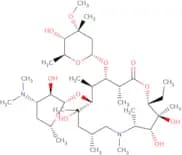
Formula:C16H17N3O7Purezza:Min. 95%Peso molecolare:363.32 g/mol3'-N,N-Di(desmethyl)-3'-N-formyl azithromycin
CAS:3'-N,N-Di(desmethyl)-3'-N-formyl azithromycin is a semisynthetic macrolide antibiotic derivative, which is synthesized through chemical modification of azithromycin. Azithromycin is originally derived from erythromycin, which is produced by the bacterium Saccharopolyspora erythraea. The modifications in this derivative result in enhanced specificity and altered pharmacokinetic properties compared to the parent compound.
Formula:C37H68N2O13Purezza:Min. 95%Colore e forma:White/Off-White SolidPeso molecolare:748.94 g/molPNU 103017
CAS:PNU 103017 is an experimental neuroprotective compound, which is a derivative of pharmacological agents developed for neurological research. It is sourced through synthetic modification processes aimed at enhancing specific receptor interactions in the central nervous system. Its mode of action involves targeting and modulating specific neurotransmitter receptors, such as the sigma receptors, which play a crucial role in neuronal signaling and protection against excitotoxicity.Formula:C28H28N2O5SPurezza:Min. 95%Peso molecolare:504.6 g/molTadalafil-N-ethyl
CAS:Tadalafil-N-ethyl is a synthetic compound derived from Tadalafil, a well-known phosphodiesterase type 5 (PDE5) inhibitor. This product is chemically synthesized through pharmaceutical processes involving ethylation, enhancing its pharmacological profile for research purposes. Its mode of action primarily involves the selective inhibition of the PDE5 enzyme, leading to an increased concentration of cyclic guanosine monophosphate (cGMP) in the corpus cavernosum. This results in vasodilation and increased blood flow, facilitating penile erection.Formula:C23H21N3O4Purezza:Min. 95%Peso molecolare:403.4 g/molMarbofloxacin hydrochloride
CAS:Marbofloxacin hydrochloride is a synthetic, broad-spectrum antibacterial agent. It is derived from the fluoroquinolone class, which is known for its potent activity against a variety of bacterial pathogens. The mode of action of marbofloxacin hydrochloride involves the inhibition of bacterial DNA gyrase and topoisomerase IV, enzymes critical for DNA replication, transcription, and repair processes. This inhibition disrupts bacterial cell division and ultimately leads to cell death.Formula:C17H20ClFN4O4Purezza:Min. 95%Peso molecolare:398.8 g/molCeratotoxin A
CAS:Ceratotoxin A is a peptide toxin, which is derived from the venom of the female fruit fly *Ceratitis capitata*. This toxin is part of a group of antimicrobial peptides that play a crucial role in the innate immune response of the fly. Ceratotoxin A functions by integrating into the cell membranes of bacteria, leading to membrane disruption and subsequent bacterial cell death.
Formula:C135H243N35O32Purezza:Min. 95%Peso molecolare:2,868.6 g/molValidamycin (technical)
CAS:Validamycin (technical) is an antifungal agent, which is a natural product derived from the actinomycete Streptomyces hygroscopicus. This compound functions through a specific mode of action by inhibiting the enzyme trehalase, crucial for the breakdown of trehalose into glucose. Consequently, this disruption in the carbohydrate metabolism weakens fungal structure and growth.
Formula:C20H35NO13Purezza:Min. 95%Peso molecolare:497.5 g/molBafilomycin C1
CAS:Bafilomycin C1 is a macrolide antibiotic, which is derived from the bacterium Streptomyces sp. Its mode of action involves the inhibition of vacuolar H+-ATPase (V-ATPase), an enzyme complex responsible for acidifying various intracellular compartments. This inhibition disrupts pH regulation within cells, affecting numerous cellular processes such as protein degradation and trafficking.
Formula:C39H60O12Purezza:Min. 95%Peso molecolare:720.9 g/molBonducellpin D
CAS:Bonducellpin D is an experimental bioactive compound derived from the seeds of Caesalpinia bonduc, a tropical plant species known for its rich phytochemical composition. This product is of natural botanical origin, harnessed through advanced extraction and purification techniques to ensure its high purity and activity.Formula:C22H28O7Purezza:Min. 95%Peso molecolare:404.5 g/molCephamycin C
CAS:Cephamycin C is a cephalosporin antibiotic, which is a type of β-lactam antibiotic. It is derived from the fermentation process of certain Streptomyces species and other actinomycetes. Its mode of action involves inhibiting bacterial cell wall synthesis by binding to penicillin-binding proteins (PBPs). This inhibition disrupts the structural integrity of the bacterial cell wall, leading to cell lysis and death.
Formula:C16H22N4O9SPurezza:Min. 95%Colore e forma:PowderPeso molecolare:446.4 g/molCoumoxystrobin
CAS:Coumoxystrobin is a fungicide, which is a product of synthetic chemistry with a mode of action that involves the inhibition of mitochondrial respiration. Specifically, it disrupts the electron transport chain by binding to the Qo site in complex III, thereby preventing the transfer of electrons. This action halts ATP production, leading to the death of fungal cells.
Formula:C26H28O6Purezza:Min. 95%Peso molecolare:436.5 g/molFludazonium chloride
CAS:Fludazonium chloride is a quaternary ammonium compound, which is chemically synthesized. It functions primarily as an antibacterial agent by disrupting microbial cell membranes, leading to cell lysis and death. This compound is particularly effective against a broad spectrum of bacteria due to its ability to interact with phospholipid bilayers.Formula:C26H20Cl5FN2O2Purezza:Min. 95%Peso molecolare:588.7 g/molBlasticidin S
CAS:Blasticidin S is an antibiotic, which is derived from the bacterium *Streptomyces griseochromogenes*. It operates by inhibiting protein synthesis in both prokaryotic and eukaryotic cells. This inhibition is achieved by interfering with the peptide bond formation in the ribosome, thus preventing the elongation of the polypeptide chain. Blasticidin S is particularly useful in molecular biology and cell culture applications, where it is employed to selectively kill non-transformed cells. This allows for the maintenance and expansion of cells that have been stably transfected with a blasticidin resistance gene, thereby ensuring the selection and propagation of cells with the desired genetic modifications. Its precise mechanism and specific action make Blasticidin S a valuable tool for researchers working on gene expression studies, recombinant protein production, and other genetic engineering endeavors.Formula:C17H26N8O5Purezza:Min. 95%Peso molecolare:422.4 g/molAbacavir-d4
CAS:Prodotto controllatoAbacavir-d4 is a deuterium-labeled analogue of the antiretroviral medication Abacavir. It serves as a critical tool for pharmaceutical research and development. This isotopically labeled compound is synthesized by incorporating four deuterium atoms into the molecular structure of Abacavir, preserving the pharmacokinetic and pharmacodynamic properties of the original molecule while allowing for precise analytical quantification.Formula:C14H14D4N6OPurezza:Min. 95%Peso molecolare:290.36 g/molDecoyinine
CAS:Decoyinine is an antibiotic compound, which is derived from the bacterium *Streptomyces hygroscopicus*. Its mode of action involves the inhibition of guanine nucleotide synthesis. By targeting the biosynthesis pathway of nucleotides, Decoyinine effectively impedes the growth and proliferation of bacterial cells.Formula:C11H13N5O4Purezza:Min. 95%Peso molecolare:279.25 g/molSarecycline Hydrochloride
CAS:Sarecycline Hydrochloride is a narrow-spectrum tetracycline antibiotic with action on bacterial protein synthesis inhibition and is used for treating moderate to severe acne vulgaris.Formula:C24H30ClN3O8Purezza:Min. 95%Colore e forma:PowderPeso molecolare:523.96 g/molErythromycin B
CAS:Erythromycin B is a semisynthetic macrolide antibiotic, which is derived from the actinomycete *Saccharopolyspora erythraea*. Its mode of action involves inhibiting bacterial protein synthesis by binding to the 50S ribosomal subunit. This interference with protein synthesis effectively hampers bacterial growth, making it a potent bacteriostatic agent.Formula:C37H67NO12Purezza:90%NmrPeso molecolare:717.93 g/molClenpenterol d5 hydrochloride
CAS:Clenpenterol d5 hydrochloride is a deuterated chemical compound, which is a stable isotopic variant of the beta-agonist Clenpenterol, commonly used in research and analytical studies. This compound is synthetically derived to enhance specificity and precision in scientific investigations. Deuteration involves the replacement of hydrogen atoms with deuterium, which contributes to the increased stability and differentiation of the isotopes during analysis.
Formula:C13H21Cl3N2OPurezza:Min. 95%Peso molecolare:332.7 g/molRiamilovir
CAS:Riamilovir is an antiviral agent, which is synthesized chemically, designed to combat the replication of specific viruses. It acts as a nucleoside analogue, interfering with viral nucleic acid synthesis. By incorporating itself into the viral RNA, it effectively hampers the ability of the virus to replicate its genetic material, thereby inhibiting its proliferation within the host.
Formula:C5H4N6O3SPurezza:Min. 95%Peso molecolare:228.19 g/molIsoflucypram
CAS:Please enquire for more information about Isoflucypram including the price, delivery time and more detailed product information at the technical inquiry form on this page
Formula:C19H21ClF3N3OPurezza:Min. 95%Peso molecolare:399.8 g/mol6-o-Methacrylate
CAS:6-o-Methacrylate is a monomer used in the synthesis of polymers, which is predominantly sourced from petroleum-based feedstocks through chemical synthesis. Its mode of action involves free radical polymerization, a process where the methacrylate group participates in chain reactions to form complex polymer structures. This compound is a key building block in the creation of various copolymers and homopolymers.Formula:C23H30O9Purezza:Min. 95%Peso molecolare:450.5 g/molEtofenprox-carboxy
CAS:Etofenprox-carboxy is an insecticide, which is a synthetic chemical derivative with a unique pyrethroid-like structure. It acts on the nervous system of target insect species by disrupting their neuronal function. This disruption occurs through the stimulation of sodium channels, which, unlike traditional pyrethroids, provides a lower risk to mammals and non-target organisms. It is especially favored for its selective toxicity and reduced environmental persistence.Formula:C25H26O4Purezza:Min. 95%Peso molecolare:390.5 g/molSulbactam Related Compound A
CAS:Sulbactam Related Compound A is a chemical compound often used in pharmaceutical research and development. It is typically derived from the synthetic modification of existing antibiotics to explore new potential therapeutic benefits. The compound functions as a beta-lactamase inhibitor, which is of significant interest to researchers due to its potential to enhance the efficacy of beta-lactam antibiotics. By inhibiting the action of bacterial beta-lactamase enzymes, it permits these antibiotics to remain effective against resistant strains of bacteria.Formula:C5H11NO4SPurezza:Min. 95%Peso molecolare:181.21 g/molAureonitol
CAS:Aureonitol is a fungal metabolite, which is sourced from specific species of fungi, primarily within the Aspergillus and Penicillium genera. This is a naturally occurring compound that functions as an antibiotic, disrupting the biosynthesis processes within certain microorganisms. It achieves this action by inhibiting key enzymes involved in cell wall formation or by interfering with nucleic acid pathways, thereby impeding the growth and proliferation of bacterial cells.Formula:C13H18O2Purezza:Min. 95%Peso molecolare:206.28 g/molRibocil B
CAS:Ribocil B is an analog of riboflavin, functioning as a synthetic antibiotic. It is derived from chemical synthesis, designed to mimic the structure of natural riboflavin analogs which are crucial for bacterial growth. Ribocil B acts by specifically inhibiting riboswitches, a type of non-coding RNA that regulates gene expression in response to small molecules. This inhibition disrupts RNA synthesis in bacteria by targeting the flavin mononucleotide (FMN) riboswitch.
Formula:C19H22N6OSPurezza:Min. 95%Peso molecolare:382.5 g/molClofoctol
CAS:Clofoctol is an antibacterial agent, which is derived from synthetic origins, specifically designed for therapeutic applications in bacterial infections. Its mode of action involves inhibiting bacterial protein synthesis, thereby preventing the growth and proliferation of harmful bacteria. This compound is particularly effective against Gram-positive bacteria.
Formula:C21H26Cl2OPurezza:Min. 95%Peso molecolare:365.34 g/mol1-Ethyl-6-fluoro-7-(piperazin-1-yl)quinolin-4(1H)-one
CAS:1-Ethyl-6-fluoro-7-(piperazin-1-yl)quinolin-4(1H)-one is a fluoroquinolone antibiotic, which is a synthetic derivative sourced from the quinolone family. This compound functions by targeting bacterial DNA gyrase and topoisomerase IV, which are crucial enzymes involved in the replication and transcription of bacterial DNA. By inhibiting these enzymes, the antibiotic effectively disrupts DNA replication in susceptible bacterial strains, leading to cell death.
Formula:C15H18FN3OPurezza:Min. 95%Peso molecolare:275.32 g/molHexazinone metabolite D
CAS:Hexazinone metabolite D is a derivative compound that results from the biotransformation of Hexazinone, which is a systemic herbicide. This metabolite originates from the breakdown processes mediated by biological or environmental factors in ecosystems where Hexazinone is applied. Its mode of action involves the inhibition of photosynthesis by targeting photosystem II, ultimately reducing the transfer of electrons, which leads to the disruption of energy production in susceptible plant species.
Formula:C10H15N3O3Purezza:Min. 95%Peso molecolare:225.24 g/molOmomycin
CAS:Omomycin is a novel antibiotic, specifically a macrolide, which is derived from microbial sources, primarily soil-dwelling actinomycetes. Its mode of action involves inhibiting bacterial protein synthesis by binding to the 50S ribosomal subunit. This interaction prevents the translocation of peptides during translation, thereby halting bacterial growth and proliferation.Formula:C29H39NO4Purezza:Min. 95%Peso molecolare:465.6 g/molSparsomycin
CAS:Sparsomycin is an antibiotic compound, which is a secondary metabolite isolated from Streptomyces species. Its mode of action involves the inhibition of protein synthesis by targeting the large subunit of the ribosome, specifically binding to the 50S subunit in bacterial ribosomes and the 60S subunit in eukaryotic ribosomes. This binding interferes with peptide bond formation, thereby disrupting the translational process essential for protein synthesis.
Formula:C13H19N3O5S2Purezza:Min. 95%Peso molecolare:361.4 g/molBesifloxacin hydrochloride
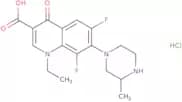
CAS:Besifloxacin hydrochloride is a fourth-generation fluoroquinolone antibiotic, which is a synthetic derivative of the broad-spectrum quinolone class. Its origin can be traced to laboratory chemical synthesis, tailored specifically to target bacterial infections in ocular applications. The mode of action of besifloxacin involves the inhibition of bacterial enzymes DNA gyrase and topoisomerase IV. These enzymes play crucial roles in bacterial DNA replication, transcription, repair, and recombination. By disrupting these processes, besifloxacin effectively impedes bacterial cell division, leading to the death of the bacterial cells.Formula:C19H21ClFN3O3·HClPurezza:Min. 95%Peso molecolare:430.3 g/molSyncytial virus inhibitor-1
CAS:Syncytial virus inhibitor-1 is a potent antiviral compound, which is a synthetic small molecule with a specific mode of action targeting respiratory syncytial virus (RSV). This compound is engineered to inhibit the fusion process between the viral envelope and the host cell membrane, thereby preventing the virus from entering and infecting the cells.Formula:C23H26N4O3SPurezza:Min. 95%Peso molecolare:438.5 g/mol7-Deazaadenosine, Antibiotic for Culture Media Use Only
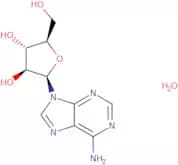
CAS:7-Deazaadenosine is a chemical compound used as an antibiotic for culture media, which is a synthetic nucleoside analog derived from adenosine. Its structure is modified by replacing a nitrogen atom in the purine ring with a carbon atom, thus altering its biological interactions. The primary mode of action of 7-Deazaadenosine involves its incorporation into nucleic acids, where it acts as an inhibitor of nucleic acid-processing enzymes. This interference can effectively impede processes like DNA and RNA synthesis.Formula:C11H14N4O4Purezza:Min. 97.0 Area-%Peso molecolare:266.25 g/molRef: 3D-W-203540
1gPrezzo su richiesta100mgPrezzo su richiesta250mgPrezzo su richiesta500mgPrezzo su richiesta2500mgPrezzo su richiesta-Unit-ggPrezzo su richiestaMiconazole
CAS:Anti-fungal; sterol 14α-demethylase inhibitorFormula:C18H14Cl4N2OPurezza:Min. 95 Area-%Colore e forma:White Off-White PowderPeso molecolare:416.13 g/molAztreonam-d6
CAS:Aztreonam-d6 is an isotopically labeled antibiotic, which is a synthetic monobactam derived from bacterial fermentation processes with deuterium enrichment. With a beta-lactam structure, Aztreonam-d6 acts by inhibiting bacterial cell wall synthesis, specifically targeting the penicillin-binding protein 3 (PBP3) in Gram-negative bacteria. This action disrupts cell wall construction, leading to cell lysis and death, making it an effective option against certain resistant bacterial strains.Formula:C13H17N5O8S2Purezza:Min. 95%Peso molecolare:441.5 g/molTebuthiuron-N-hydroxymethyl
CAS:Tebuthiuron-N-hydroxymethyl is a derivative herbicide, primarily sourced from synthetic chemical processes. It functions as a broad-spectrum soil-active herbicide with systemic properties. Its mode of action involves the inhibition of photosynthesis by disrupting electron transport in the chloroplasts, thereby stunting plant growth and effectively controlling a wide range of vegetation.Formula:C9H16N4O2SPurezza:Min. 95%Peso molecolare:244.32 g/molCefluprenam
CAS:Cefluprenam is a cephalosporin antibiotic, which is a synthetic derivative of the fungus Cephalosporium. It functions by inhibiting bacterial cell wall synthesis, effectively disrupting the peptidoglycan cross-linking process essential for bacterial structural integrity. This inhibition leads to cell lysis and ultimately bacterial death.
Formula:C20H25FN8O6S2Purezza:Min. 95%Peso molecolare:556.60 g/molCefoxitin EP impurity B
Cefoxitin EP impurity B is a chemical reference standard, which is derived from the synthesis and purification processes involved in producing Cefoxitin. As an impurity standard, its primary role is to serve as a benchmark for quality control in pharmaceutical formulations. The mode of action of Cefoxitin EP impurity B involves the structural analysis and quantification of impurity levels, ensuring that the primary pharmaceutical products meet necessary safety and efficacy criteria.Formula:C16H17N3O7S2Purezza:Min. 95%Peso molecolare:427.45 g/molBiotinyl tobramycin amide
CAS:Biotinyl tobramycin amide is a biotinylated form of the antibiotic tobramycin, which is derived from the actinobacterium Streptomyces tenebrarius. It features a tobramycin core, a potent aminoglycoside antibiotic, chemically linked to biotin. This modification allows for the specific attachment to avidin or streptavidin-labeled probes due to the strong biotin-streptavidin interaction, facilitating various labeling and detection techniques in research.Formula:C28H51N7O11SPurezza:Min. 95%Peso molecolare:693.81 g/molAspterric acid
CAS:Plant growth regulatorFormula:C15H22O4Purezza:Min. 95%Peso molecolare:266.33 g/molEthofumesate-2-hydroxy
CAS:Ethofumesate-2-hydroxy is a selective herbicide, which is a synthetic chemical compound with a specific mode of action. This herbicide primarily originates from chemical synthesis processes designed to interfere with plant growth at a biochemical level. The mode of action of Ethofumesate-2-hydroxy involves the inhibition of lipid synthesis, which disrupts cell membrane formation and hampers weed growth. It effectively targets susceptible weed species by inhibiting essential biochemical pathways, thus leading to their decline or death.
Formula:C11H14O5SPurezza:Min. 95%Peso molecolare:258.29 g/molOxohongdenafil
CAS:Please enquire for more information about Oxohongdenafil including the price, delivery time and more detailed product information at the technical inquiry form on this page
Formula:C25H32N6O4Purezza:Min. 95%Peso molecolare:480.6 g/molSpiro-oxanthromicin A
CAS:Spiro-oxanthromicin A is a novel antibiotic compound, which is derived from a rare species of actinomycete bacteria. The unique structure of Spiro-oxanthromicin A integrates spiroketal and oxanthrone moieties, facilitating its distinctive antimicrobial properties. It operates by selectively binding to bacterial ribosomal subunits, inhibiting protein synthesis and effectively curbing pathogenic proliferation.Formula:C36H26O10Purezza:Min. 95%Peso molecolare:618.6 g/molFlufenoxystrobin
CAS:Flufenoxystrobin is a synthetic fungicide, which is derived from the strobilurin class of compounds known for their antifungal properties. It operates by inhibiting mitochondrial respiration in fungal cells, specifically blocking the electron transport chain at the Qo site of cytochrome b. This disruption in energy production is lethal to the targeted fungi.
Formula:C19H16ClF3O4Purezza:Min. 95%Peso molecolare:400.8 g/molSARS-CoV-IN-1
CAS:SARS-CoV-IN-1 is a small-molecule inhibitor, which is a synthetic compound designed to interfere with viral replication. This compound is sourced through rigorous combinatorial chemistry methods, enabling the precise targeting of viral enzymes. SARS-CoV-IN-1 specifically inhibits the activity of the SARS-CoV-2 main protease (Mpro), an essential enzyme responsible for processing viral polyproteins into functional units necessary for virus replication.Formula:C23H16ClFEN3OPurezza:Min. 95%Peso molecolare:441.69 g/molRifampicin, Antibiotic for Culture Media Use Only
CAS:Rifampicin is a drug that inhibits protein synthesis in bacteria and is used to treat tuberculosis. Rifampicin binds to the beta subunit of the bacterial RNA polymerase, inhibiting transcription and translation. It has been shown to inhibit the acetylcholine receptor function in rats, which may be related to its antituberculosis activity. Histopathological studies have shown that rifampicin inhibits the growth of human tumors in mice, including lung cancer, breast cancer, and leukemia. The drug is also being studied for its potential use in treating Alzheimer's disease. The pharmacokinetics and oral bioavailability of rifampicin have been studied and Rifampicin has been shown to be an effective anti-tuberculosis drug.Formula:C43H58N4O12Purezza:Min. 90.0 Area-%Peso molecolare:822.94 g/molRef: 3D-R-6000
1gPrezzo su richiesta1kgPrezzo su richiesta100gPrezzo su richiesta250gPrezzo su richiesta500gPrezzo su richiesta-Unit-ggPrezzo su richiestaSulfamethazine Sodium Salt
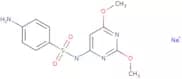
CAS:Sulfamethazine Sodium Salt is a synthetic sulfonamide antibacterial agent derived from sulfanilamide compounds, characterized by its broad-spectrum efficacy against various bacterial pathogens. It operates by interfering with bacterial folic acid synthesis, specifically inhibiting the enzyme dihydropteroate synthase. This action results in the incapacitation of bacterial growth and replication, as folic acid is essential for nucleic acid formation and cell division.
Formula:C12H13N4O2S·NaPurezza:Min. 95%Peso molecolare:300.31 g/mol2-Amino-5-(4-hydroxy-3,5-dimethoxybenzyl)pyrimidin-4-ol
CAS:2-Amino-5-(4-hydroxy-3,5-dimethoxybenzyl)pyrimidin-4-ol is a synthetic pyrimidine derivative, which is meticulously engineered through organic synthesis pathways. This compound emerges from a tailored chemical reaction involving the strategic manipulation of a pyrimidine core to incorporate specific functional groups. The unique structural configuration of this molecule allows it to interact with biological macromolecules, primarily through hydrogen bonding and pi-pi interactions, potentially influencing biochemical pathways.
Formula:C13H15N3O4Purezza:Min. 95%Peso molecolare:277.28 g/molSanfetrinem cilexetil
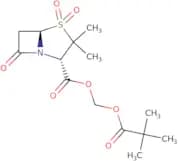
CAS:Sanfetrinem cilexetil is an oral prodrug, which is derived from trinem antibiotics, a subgroup of β-lactams. It is a synthetic compound developed to enhance the pharmacokinetic properties of its active form, sanfetrinem. Upon oral administration, sanfetrinem cilexetil undergoes hydrolysis in the digestive tract to release the active β-lactam antibiotic, sanfetrinem.
Formula:C23H33NO8Purezza:Min. 95%Peso molecolare:451.50 g/molCadazolid
CAS:Cadazolid is an investigational antibiotic, which is a synthetic oxazolidinone-cephalosporin hybrid, with a novel mechanism of action. It is engineered to disrupt bacterial protein synthesis by binding to the 50S ribosomal subunit, while also exerting strong bactericidal effects. This dual-action approach combines attributes of both linezolid and cephalosporins to target and disrupt essential bacterial processes.Formula:C29H29F2N3O8Purezza:Min. 95%Peso molecolare:585.55 g/molFosmanogepix
CAS:Fosmanogepix is a novel antifungal prodrug, which is derived from manogepix. This product is a synthetic compound, designed to target invasive fungal infections through its unique mechanism of action. The prodrug itself is inactive until metabolized in the body, where it converts into its active form, manogepix. This activation occurs through enzymatic hydrolysis, enabling it to exert its antifungal effects.
Formula:C22H21N4O6PPurezza:Min. 95%Colore e forma:PowderPeso molecolare:468.4 g/molPirodavir
CAS:Pirodavir is a potent antiviral compound, which is a synthetic molecule developed through pharmaceutical research. It acts by targeting the rhinovirus, the most common viral infectious agent in humans, primarily responsible for the common cold. Pirodavir's mode of action involves binding to the viral capsid, thereby preventing the uncoating process essential for viral replication.Formula:C21H27N3O3Purezza:Min. 95%Peso molecolare:369.46 g/molAlisporivir
CAS:Alisporivir is an investigational antiviral agent, which is a synthetic derivative of cyclosporine A. It originates from the structural modification of naturally occurring cyclosporines, specifically designed to retain potent antiviral activity while minimizing immunosuppressive effects. Its mode of action involves the inhibition of cyclophilin, an essential cellular protein that facilitates the replication of hepatitis C virus (HCV) by interacting with viral proteins. By binding to cyclophilin, alisporivir disrupts this interaction, effectively halting the viral replication process.Formula:C63H113N11O12Purezza:Min. 95%Peso molecolare:1,216.6 g/molThiosildenafil-despiperazine
CAS:Thiosildenafil-despiperazine is a derivative of sildenafil, which is a phosphodiesterase type 5 (PDE5) inhibitor. This compound is synthesized through structural modifications of sildenafil, leading to alterations in its pharmacological profile and potential applications. The source of this derivative involves chemical synthesis techniques to modify the core structure of sildenafil, specifically targeting modifications in the piperazine ring and replacing it with a thioside group to enhance or alter desired effects.
Formula:C17H20N4O4S2Purezza:Min. 95%Peso molecolare:408.5 g/molBasic violet 3 d6
CAS:Basic Violet 3 is a synthetic dye, which is derived from coal tar sources with a mechanism of action involving the disruption of cellular components. This compound intercalates with nucleic acids, allowing it to bind to specific cellular structures. Its primary mode of action targets the chromosomal material, leading to colorimetric changes that enhance visualization.
Formula:C25H30ClN3Purezza:Min. 95%Peso molecolare:414 g/molTri-O-benzyl FR 900098
CAS:Tri-O-benzyl FR 900098 is a chemical compound, often referenced in biochemical research contexts. It is a synthetic derivative that originates from complex chemical synthesis, involving multiple benzylation steps to modify the original molecular framework. This structural transformation lends the compound unique chemical properties.
Formula:C26H30NO5PPurezza:Min. 95%Peso molecolare:467.49 g/molPyrenophorin
CAS:Pyrenophorin is a polyketide metabolite, which is derived from certain fungi, specifically from the genus Pyrenophora. This compound demonstrates its biological efficacy through its unique mode of action as an antimicrobial agent, interfering with cellular processes in target microorganisms, leading to their inhibition or death.Formula:C16H20O6Purezza:Min. 95%Peso molecolare:308.33 g/molL-Carnitine fumarate
CAS:L-Carnitine fumarate is a compound that functions as a dietary supplement, which is synthesized by combining L-carnitine, an amino acid derivative naturally found in the body, with fumaric acid. This product is primarily sourced from fermentation or chemical synthesis processes to produce L-carnitine, which is then reacted with fumaric acid to form the fumarate salt. This combination enhances the stability and bioavailability of L-carnitine.Formula:C7H15NO3·C4H4O4Purezza:Min. 95%Peso molecolare:277.27 g/molSPR741
CAS:SPR741 is an antimicrobial potentiator, which is derived from polymyxin B, an antibiotic sourced from the bacterium *Bacillus polymyxa*. Its mode of action involves permeabilizing the outer membrane of Gram-negative bacteria, allowing otherwise impermeable antibiotics to enter the bacterial cell. This potentiation effect significantly enhances the efficacy of co-administered antibiotics against resistant strains.
Formula:C44H73N13O13Purezza:Min. 95%Peso molecolare:992.1 g/mol6-(2-Chlorophenoxy)-5-fluoro-4(3H)-pyrimidinone
CAS:6-(2-Chlorophenoxy)-5-fluoro-4(3H)-pyrimidinone is a heterocyclic compound, which is a synthetic derivative developed for biochemical research. This compound is synthesized through a series of organic reactions, involving halogenation and cyclization techniques, typically conducted in a controlled laboratory setting. Its design incorporates specific structural features, such as the chlorophenoxy and fluoro groups, which are strategically positioned to enhance its binding affinity and specificity.
Formula:C10H6ClFN2O2Purezza:Min. 95%Peso molecolare:240.62 g/molQuinocarcin
CAS:Quinocarcin is an antitumor antibiotic, which is a potent chemical compound derived from the bacterium Streptomyces. This compound exhibits its mode of action through interaction with DNA, where it induces DNA cross-linking and inhibits DNA replication, ultimately leading to cell death. The mechanism makes it particularly effective as a cytotoxic agent against rapidly dividing cancer cells.
Formula:C18H22N2O4Purezza:Min. 95%Peso molecolare:330.4 g/molMagainin 1
CAS:Magainin 1 is a peptide antibiotic, which is sourced from the skin secretions of the African clawed frog, *Xenopus laevis*. It operates through a membranolytic mode of action, whereby it integrates into microbial cell membranes, forming pores and causing cell lysis by disrupting membrane integrity. This mechanism is largely non-specific, making it effective against a broad spectrum of bacteria and fungi.Formula:C112H177N29O28SPurezza:Min. 95%Peso molecolare:2,409.85 g/molTerrelulamide A
CAS:Terrelulamide A is a bioactive compound, specifically a cyclic peptide, which is derived from marine cyanobacteria. The source of Terrelulamide A is primarily marine environments where these cyanobacteria undergo complex biosynthetic processes to produce such metabolites. This compound's mode of action involves the disruption of cellular processes by binding to specific molecular targets that are critical in cell cycle regulation. It exhibits cytotoxic activity, effectively inhibiting cancer cell proliferation through its interaction with those pathways.Formula:C20H26N6O7Purezza:Min. 95%Peso molecolare:462.5 g/molTuberculosis inhibitor 3
CAS:Tuberculosis inhibitor 3 is a synthesized chemical compound designed to target the Mycobacterium tuberculosis bacterium, which is the causative agent of tuberculosis. This inhibitor is derived through advanced chemical synthesis techniques, involving the modification of specific molecular structures to enhance its binding affinity and specificity toward the bacterial cellular targets.
Formula:C21H22F6N4O3SPurezza:Min. 95%Peso molecolare:524.5 g/molDuocarmycin MA
CAS:Duocarmycin MA is a cytotoxic compound, which is a derivative of natural products isolated from bacteria of the Streptomyces genus. Its mode of action involves the alkylation of DNA, leading to the cleavage of the DNA helix and ultimately resulting in cell apoptosis. This process is highly selective for adenine-thymine rich regions, allowing it to precisely target and disrupt cancerous cells.Formula:C34H31ClN4O5Purezza:Min. 95%Peso molecolare:611.1 g/molFenamiphos-sulfoxide d3 (S-methyl d3)
CAS:Fenamiphos-sulfoxide d3 (S-methyl d3) is a deuterated, labeled pesticide intermediate, which is often utilized in advanced laboratory settings for precise analytical studies. This compound is synthesized as a stable isotope-labeled analog, enabling researchers to conduct sophisticated mass spectrometric analyses. Its mode of action involves serving as a reference or tracer in studies concerning the metabolism and degradation of fenamiphos, a well-known organophosphate pesticide.
Formula:C13H22NO4PSPurezza:Min. 95%Peso molecolare:322.38 g/molDesmethyl doxorubicin oxalate
CAS:Desmethyl doxorubicin oxalate is an anthracycline-type chemotherapeutic agent, which is derived from the naturally occurring antibiotic doxorubicin. This compound comprises a desmethylated form of doxorubicin combined with oxalate. Its mode of action involves intercalating DNA strands and inhibiting topoisomerase II, thereby disrupting DNA replication and transcription. This interference leads to the inhibition of cancer cell proliferation and induces apoptosis.Formula:C26H27NO11Purezza:Min. 95%Peso molecolare:529.49 g/molBPH-1358
CAS:BPH-1358 is a novel synthetic inhibitor, which is derived from a series of advanced chemoinformatics-based design strategies. It functions through the targeted binding to specific cell surface receptors involved in the modulation of immune responses. By blocking these receptors, BPH-1358 effectively alters signaling pathways that are crucial for immune activation and inflammatory responses.Formula:C32H28N6O2Purezza:Min. 95%Peso molecolare:528.6 g/molN,N′-1,2-Ethanediylbis[3-nitrobenzenesulfonamide]
CAS:N,N′-1,2-Ethanediylbis[3-nitrobenzenesulfonamide] is a chemical compound, specifically a bis-sulfonamide derivative. It is synthesized through the reaction of sulfonamide derivatives with ethylenediamine, resulting in a unique structure characterized by its two nitrobenzenesulfonamide groups linked by an ethylene bridge. As a source, it is obtained through synthetic organic chemistry methods involving nitration and sulfonamidation processes.Formula:C14H14N4O8S2Purezza:Min. 95%Peso molecolare:430.4 g/molFGI 106
CAS:FGI 106 is an antifungal agent, which is derived from natural sources with a mechanism of action involving disruption of fungal cell wall integrity. The compound is isolated from naturally occurring substances, specifically targeting the structural components of the cell walls in various fungal species. By compromising the protective barrier of the cell wall, FGI 106 effectively inhibits fungal growth and proliferation, making it a potent tool against a variety of fungal pathogens.Formula:C28H42Cl4N6Purezza:Min. 95%Peso molecolare:604.5 g/molUniconazole
CAS:Uniconazole is a synthetic plant growth regulator, which is derived from triazole compounds. It acts as a potent inhibitor of gibberellin biosynthesis, specifically targeting enzymes involved in gibberellin production. By inhibiting gibberellins, uniconazole reduces internode elongation and alters growth patterns, resulting in shorter, more compact plants.Formula:C15H18ClN3OPurezza:Min. 95%Peso molecolare:291.78 g/molAcequinocyl-hydroxy
CAS:Acequinocyl-hydroxy is an acaricide, which is a chemical agent used to manage and control mite populations in various agricultural settings. It is derived from a combination of synthetic organic compounds designed specifically to disrupt the normal biological processes of target pests. The mode of action of Acequinocyl-hydroxy involves interference with the mitochondrial electron transport chain of mites, ultimately disrupting cellular respiration and leading to the death of the pest.Formula:C22H30O3Purezza:Min. 95%Peso molecolare:342.5 g/molFosfomycin calcium monohydrate
CAS:Fosfomycin calcium monohydrate is an antibacterial agent, derived from Streptomyces species. This compound functions as a structural analog of phosphoenolpyruvate, interfering with cell wall synthesis. Specifically, it targets and irreversibly inhibits the enzyme UDP-N-acetylglucosamine enolpyruvyl transferase (MurA), which is critical in the early stages of bacterial cell wall biosynthesis. This inhibition prevents the formation of peptidoglycan, leading to bacterial cell lysis.Formula:C3H7CaO5PPurezza:Min. 95%Peso molecolare:194.14 g/mol8-Oxo-gtp 8-hydroxy-gtp
CAS:8-Oxo-GTP, also known as 8-Hydroxy-GTP, is a nucleotide analog, which is synthetically derived. It closely resembles the naturally occurring guanosine triphosphate (GTP) but contains a modified 8-hydroxy group, making it a valuable tool for studying oxidative damage and nucleotide modification processes.
Formula:C10H16N5O15P3Purezza:Min. 95%Peso molecolare:539.18 g/molThiabendazole NH d6
CAS:Thiabendazole NH d6 is a deuterated derivative of Thiabendazole, which is an antifungal agent and pesticide. It is derived from synthetic sources, specifically designed by incorporating deuterium atoms into the molecular structure. This subtle isotopic modification enhances its utility in research settings, particularly in studies related to pharmacokinetics and metabolic profiling. The mode of action of Thiabendazole involves the inhibition of the enzyme fumarate reductase, interfering with the energy metabolism of fungal and parasitic organisms. Additionally, it disrupts microtubule formation, preventing cell division and growth.Formula:C10H7N3SPurezza:Min. 95%Peso molecolare:207.29 g/molAcivicin hydrochloride
CAS:Acivicin hydrochloride is a synthetic compound that acts as a glutamine antagonist, sourced from microbial fermentation processes. It functions primarily through the inhibition of glutamine-utilizing enzymes, such as gamma-glutamyl transferase and carbamoyl phosphate synthetase, which play critical roles in nucleotide biosynthesis and other metabolic pathways. By disrupting these biochemical processes, Acivicin hydrochloride can hinder the proliferation of rapidly dividing cells, displaying potential antitumor properties.Formula:C5H8Cl2N2O3Purezza:Min. 95%Peso molecolare:215.03 g/molNicotinamide
CAS:Nicotinamide is an amide form of vitamin B3, which is a water-soluble vitamin derived from dietary sources such as meat, fish, and yeast. In cellular biology, it functions as a precursor to nicotinamide adenine dinucleotide (NAD+), a critical coenzyme in redox reactions and energy production within the cells. Nicotinamide facilitates the transfer of electrons in metabolic processes, contributing to ATP production and cellular respiration. Moreover, it plays a pivotal role in DNA repair and cellular signaling through the regulation of sirtuins and poly(ADP-ribose) polymerases (PARPs).Formula:C6H6N2OPurezza:Min. 97.0 Area-%Peso molecolare:122.12 g/molPropicillin
CAS:Propicillin is a broad-spectrum antimicrobial agent that has been shown to be effective against both gram-positive and gram-negative bacteria. Propicillin belongs to the group of nonsteroidal anti-inflammatory drugs. It is a particle that is soluble in water and lipid. Propicillin does not inhibit the growth of Streptococcus species, but does cause cell lysis by attaching to fatty acids on the surface of cells. Propicillin also inhibits microbial infection by inhibiting enzymes involved in fatty acid synthesis. The human serum pharmacokinetics of propicillin have been studied and found to be similar to those of ampicillin, which allows for use as an intravenous drug in humans. The pharmacokinetics, biochemical properties, and cellular mechanisms are complex, but it is known that propicillin binds to bacterial ribosomes and inhibits protein synthesis by binding to the peptidyl transferase centre on the ribosome.
Formula:C18H22N2O5SPurezza:Min. 95%Peso molecolare:378.4 g/molRef: 3D-AAA55127
5mgPrezzo su richiesta10mgPrezzo su richiesta25mgPrezzo su richiesta50mgPrezzo su richiesta100mgPrezzo su richiestaCephradine
CAS:Cephradine is a broad-spectrum antibiotic, which is a synthetic derivative of cephalosporin C, originating from the mold Cephalosporium acremonium. Its mode of action involves interfering with bacterial cell wall synthesis. Cephradine binds to penicillin-binding proteins (PBPs) located inside the bacterial cell wall, inhibiting the final transpeptidation step of peptidoglycan synthesis, which leads to cell lysis and death.
Formula:C16H23N3O6SPurezza:Min. 95%Peso molecolare:385.4 g/molPropiconazole
CAS:Propiconazole is a triazole fungicide with action on fungal cell membranes by inhibiting ergosterol biosynthesis and is used for controlling fungal diseases in crops and turf.
Formula:C15H17Cl2N3O2Purezza:Min. 95%Colore e forma:Clear LiquidPeso molecolare:342.22 g/molCefacetrile sodium
CAS:Cefacetrile sodium is a broad-spectrum antibiotic belonging to the cephalosporin class. It is a semi-synthetic derivative sourced from cephalosporin C, a naturally occurring compound derived from the Acremonium fungus. Its mode of action involves the inhibition of bacterial cell wall synthesis. This occurs by binding to penicillin-binding proteins within the bacterial cell membrane, ultimately leading to cell lysis and death due to the inability to synthesize peptidoglycan, a critical component of the bacterial cell wall.Formula:C13H13N3NaO6SPurezza:Min. 95%Peso molecolare:362.31 g/mol(10E)-3-O-De(a-L-cladinose)-10-dehydro-11-dehydroxy-6-O-methyl-erythromycin
CAS:Erythromycin derivativeFormula:C30H53NO9Purezza:Min. 95%Peso molecolare:571.74 g/molCarbovir monophosphate
CAS:Carbovir monophosphate is an antiviral agent, which is a metabolite derived from the prodrug abacavir. It functions as a nucleotide analog that interferes with viral replication. The source of Carbovir monophosphate is the metabolic conversion of abacavir, an antiretroviral medication used in the treatment of HIV. This conversion occurs primarily in the liver, facilitated by cellular enzymes.
Formula:C11H14N5O5PPurezza:Min. 95%Peso molecolare:327.23 g/molDarunavir-D9
CAS:Darunavir-D9 is a prodrug of darunavir, which is an HIV protease inhibitor. Darunavir-D9 has been shown to be bioequivalent in pharmacokinetic parameters to darunavir given as a tablet. The drug exhibits a low plasma concentration profile and high clearance values. This may be due to rapid absorption and distribution of the drug, with a short elimination half-life. Darunavir-D9 also has little effect on the matrix effect and reproducibility of the reaction monitoring assay, making it an ideal candidate for use in clinical trials.Formula:C27H28D9N3O7SPurezza:Min. 95%Peso molecolare:556.72 g/molZabofloxacin
CAS:Zabofloxacin is a synthetic fluoroquinolone antibiotic, which is derived from chemical synthesis with a distinct bactericidal mode of action. Its mechanism involves the inhibition of bacterial DNA gyrase and topoisomerase IV, enzymes critical for DNA replication, transcription, and repair. This dual targeting results in potent antibacterial activity against a wide range of Gram-positive and Gram-negative pathogens.Formula:C19H20FN5O4Purezza:Min. 95%Peso molecolare:401.4 g/molPyrimorph
CAS:Pyrimorph is a fungicide, which is a synthetic compound with specific activity against oomycete pathogens. It belongs to the chemical class of morpholines. Its mode of action involves the disruption of the biosynthetic pathways essential for the survival and proliferation of oomycetes, leading to their effective inhibition. Pyrimorph specifically targets the biosynthesis of cellulose in the cell walls of these pathogens, inhibiting their capacity to multiply and cause disease.Formula:C22H25ClN2O2Purezza:Min. 95%Peso molecolare:384.9 g/molN'-Desmethyl azithromycin
CAS:N'-Desmethyl azithromycin is a semi-synthetic derivative antibiotic, which is derived from the chemical modification of azithromycin, a macrolide antibiotic sourced originally from the bacterium *Streptomyces erythreus*. It functions primarily by inhibiting bacterial protein synthesis, binding specifically to the 50S ribosomal subunit, which results in the prevention of transpeptidation and translocation processes during translation. This action effectively halts bacterial growth, rendering it bacteriostatic.
Formula:C37H70N2O12Purezza:Min. 95%Peso molecolare:734.96 g/molWybutosine
CAS:Modified nucleoside of phenylalanine tRNAFormula:C21H28N6O9Purezza:Min. 95%Peso molecolare:508.48 g/molIndaziflam-desindenyl
CAS:Indaziflam-desindenyl is an advanced herbicide, which is a product of synthetic chemistry, specifically designed for controlling the germination and growth of a broad spectrum of weed species. It operates through cellulose biosynthesis inhibition, targeting the cellulose production in plant cell walls, thus preventing proper cell division and development. This mode of action disrupts essential mechanisms in the plant's early growth stages, making it particularly effective as a pre-emergent herbicide.Formula:C5H8FN5Purezza:Min. 95%Peso molecolare:157.15 g/molButafenacil
CAS:Butafenacil is a herbicide, which is a chemical formulation sourced from synthetic compounds. It acts by inhibiting protoporphyrinogen oxidase (PPO), an enzyme critical in the biosynthesis of chlorophyll. This inhibition disrupts the photosynthetic process, leading to the accumulation of reactive oxygen species that cause cell membrane damage and ultimately result in plant death.
Formula:C17H14ClF3N2O6Purezza:Min. 95%Peso molecolare:434.7 g/molA2ti-1
CAS:A2ti-1 is a specialized therapeutic agent, which is derived from recombinant DNA technology with the specific mode of action of targeting and modulating cytokine signaling pathways within the immune system. It is designed to interact with specific cytokine receptors, thereby inhibiting or modulating the downstream signaling cascades that are pivotal in the inflammatory response and immune regulation.Formula:C20H22N4O2SPurezza:Min. 95%Peso molecolare:382.5 g/molSapecin
CAS:Sapecin is an antimicrobial peptide, which is derived from the hemolymph of the silk moth (Bombyx mori) with potent bactericidal action. The source of Sapecin is the immune system of the silk moth, where it acts as a natural defense mechanism against microbial infections. Its mode of action involves disrupting bacterial cell membranes, leading to cell lysis and death. The peptide achieves this by inserting itself into the lipid bilayer, creating pores that compromise the structural integrity of the membrane.Formula:C164H266N58O52S6Purezza:Min. 95%Peso molecolare:4,074.62 g/molAmpicillin-sulbactam
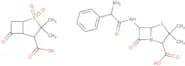
CAS:Ampicillin-sulbactam is a combination antibiotic, which is a pharmaceutical product derived from the penicillin class of beta-lactam antibiotics. Its source involves semi-synthetic processes, combining ampicillin with sulbactam. The mode of action of this compound is through the inhibition of bacterial cell wall synthesis. Ampicillin specifically binds to penicillin-binding proteins, thereby disrupting the cross-linking process essential for maintaining cell wall structural integrity, leading to bacterial lysis. Sulbactam functions as a beta-lactamase inhibitor, enhancing the efficacy of ampicillin by preventing its degradation by beta-lactamase enzymes produced by certain resistant bacterial strains.Formula:C25H31N3O9S2Purezza:Min. 95%Peso molecolare:581.7 g/molKasugamycin
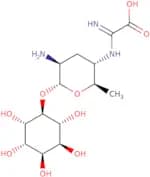
CAS:Kasugamycin is an aminoglycoside antibiotic, which is derived from the actinomycete Streptomyces kasugaensis. Its mode of action involves the inhibition of protein synthesis by interfering with the function of the 30S ribosomal subunit, ultimately preventing the growth and proliferation of sensitive organisms. In agricultural contexts, Kasugamycin is primarily utilized to control bacterial and fungal diseases in a variety of crops, including rice and fruit trees. It is particularly effective against Xanthomonas oryzae, which causes bacterial leaf blight in rice, and other pathogenic organisms detrimental to plant health. The application of Kasugamycin has been an important tool for integrated pest management programs focusing on sustainable agricultural practices. As a compound with a specific mode of activity, it helps to reduce the environmental impact typically associated with broader-spectrum antibiotics, while offering target-specific disease control. Its careful application supports the minimization of resistance development, ensuring continued efficacy in protecting crop yields.Formula:C14H25N3O9Purezza:Min. 95%Peso molecolare:379.36 g/molDolutegravir sodium
CAS:Dolutegravir sodium is an HIV integrase strand transfer inhibitor with action on HIV integrase to block viral replication and is used for treating HIV/AIDS in combination with other antiretroviral medications.Formula:C20H19F2N3NaO5Purezza:(Hplc) 98.0 To 102.0%Colore e forma:PowderPeso molecolare:442.40 g/molOxibendazole-amine hydrochloride
CAS:Oxibendazole-amine hydrochloride is a synthetic anthelmintic compound, which is a derivative of benzimidazole, known for its broad-spectrum efficacy against various helminths. It primarily acts by disrupting the polymerization of tubulin into microtubules, effectively impairing essential cellular structures and functions within parasitic worms, leading to their death.
Formula:C10H13N3O•HClPurezza:Min. 95%Colore e forma:PowderPeso molecolare:227.69 g/molDicresulene Hydrate
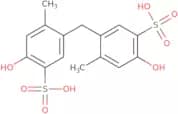
CAS:Dicresulene Hydrate is an anti-inflammatory compound, which is derived from synthetic sources. It functions primarily by inhibiting specific enzymes involved in the inflammatory response. This inhibition reduces the production of pro-inflammatory mediators, thereby mitigating inflammation and associated symptoms.Formula:C15H16O8S2•(H2O)xPurezza:Min. 95%Colore e forma:PowderPeso molecolare:388.41 g/molCyclosporin V
CAS:Cyclosporin V is an immunosuppressant medication with action on calcineurin inhibition and is used for preventing organ rejection in transplants and treating autoimmune diseases.
Formula:C63H113N11O12Purezza:Min. 95%Colore e forma:PowderPeso molecolare:1,216.64 g/molAzithromycin Dihydrate
CAS:Azithromycin Dihydrate is a macrolide antibiotic and is used for the treatment of various bacterial infections. It binds to the 23S rRNA of the 50S ribosomal subunit, inhibiting protein synthesisFormula:C38H72N2O12·2H2OPurezza:Min. 95 Area-%Colore e forma:PowderPeso molecolare:785.02 g/molHygromycin A
CAS:Hygromycin A is an antimicrobial compound isolated from the bacterium *Streptomyces hygroscopicus*. It functions by inhibiting protein synthesis within microbial cells. This compound disrupts the elongation phase of translation by binding to the ribosomal subunit, therefore impeding mRNA decoding during protein assembly.Formula:C23H29NO12Purezza:Min. 95%Peso molecolare:511.5 g/molCeftriaxone sodium
CAS:Ceftriaxone sodium is a third-generation cephalosporin antibiotic with action on bacterial cell wall synthesis and is used for treating severe bacterial infections like meningitis and pneumonia.Formula:C18H18N8Na2O7S3Purezza:Min. 84 Area-%Colore e forma:White Yellow PowderPeso molecolare:600.56 g/molPolymyxin B1-I
CAS:Polymyxin B1-I is an antimicrobial peptide, which is sourced from the bacterium *Bacillus polymyxa*. It functions by interacting with and disrupting the bacterial cell membranes. The polypeptide inserts into the phospholipid bilayer, causing increased permeability and eventual cell lysis. This mechanism is particularly effective against Gram-negative bacteria due to the structural composition of their outer membranes.Formula:C56H98N16O13Peso molecolare:1,203.5 g/molNikkomycin Z from streptomyces tendae
CAS:Nikkomycin Z is an antifungal agent, which is a secondary metabolite isolated from the bacterium Streptomyces tendae. This compound functions as a competitive inhibitor of chitin synthase, an essential enzyme responsible for the synthesis of chitin, a vital component of the fungal cell wall. By inhibiting this enzyme, Nikkomycin Z disrupts the structural integrity of the fungal cell wall, leading to impaired growth and cell lysis in susceptible fungi.
Formula:C20H25N5O10Purezza:Min. 95%Peso molecolare:495.4 g/molCecropin A
CAS:Cecropin A is an antimicrobial peptide, which is derived from the immune systems of insects, specifically moths. It displays potent antimicrobial properties through its ability to disrupt bacterial cell membranes, leading to cell lysis and death. This peptide primarily targets Gram-negative bacteria but is also effective against some Gram-positive strains. Cecropin A has garnered significant scientific interest due to its potential applications in developing new antimicrobial agents, particularly in the face of increasing antibiotic resistance. By integrating Cecropin A into therapeutic strategies, researchers aim to broaden the spectrum of antimicrobial options available for use in both clinical and agricultural settings, offering a promising avenue for future drug development.Formula:C184H313N53O46Purezza:Min. 95%Peso molecolare:4,003.78 g/molParitaprevir
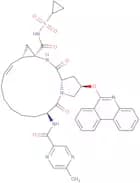
CAS:Paritaprevir is an antiviral medication, which is derived from chemical synthesis with its action targeting the hepatitis C virus (HCV). It operates primarily as a protease inhibitor, specifically targeting the NS3/4A protease, an essential enzyme for HCV replication. By inhibiting this protease, Paritaprevir effectively disrupts the viral life cycle, preventing the virus from maturing and proliferating within the host cells.Purezza:Min. 95%Spiramycin I
CAS:Spiramycin I is a macrolide antibiotic with action on bacterial protein synthesis inhibition and is used for treating toxoplasmosis and bacterial infections.
Formula:C43H74N2O14Purezza:Min. 95 Area-%Colore e forma:White PowderPeso molecolare:843.05 g/molDaclatasvir
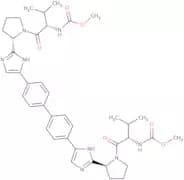
CAS:Daclatasvir is a direct-acting antiviral agent, which is derived from synthetic chemical sources with a specific mode of action targeting the hepatitis C virus (HCV) replication process. It functions as an inhibitor of the HCV nonstructural protein 5A (NS5A), a vital component necessary for viral RNA replication and virion assembly. By binding to two distinct domains of NS5A, Daclatasvir disrupts its ability to function, thereby effectively halting the replication of the viral genome.
Formula:C40H50N8O6Purezza:Min. 95%Peso molecolare:738.88 g/molDoripenem
CAS:Doripenem is a carbapenem antibiotic with action on bacterial cell wall synthesis and is used for treating complicated bacterial infections like intra-abdominal infections and urinary tract infections.
Formula:C15H24N4O6S2Purezza:Min. 95%Colore e forma:White PowderPeso molecolare:420.51 g/molN-Acetal bromopride
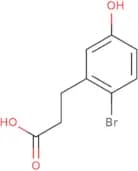
CAS:N-Acetal bromopride is a chemical compound that serves as a derivative of bromopride, which is a selective dopamine D2 receptor antagonist. This derivative is synthesized from bromopride, typically through organic chemical processes, and modified to possess an acetal functional group. The presence of this functional group potentially alters its pharmacokinetic or pharmacodynamic properties, although these specific changes may still be under research.Formula:C16H24BrN3O3Purezza:Min. 95%Peso molecolare:386.28 g/molDihydropenicillin F potassium
CAS:Dihydropenicillin F potassium is a novel antibiotic compound, which is semisynthetic in nature, derived from the penicillin family. It is sourced through the modification of natural penicillins, bringing about enhanced stability and efficacy against certain resistant bacterial strains. The mode of action involves the inhibition of bacterial cell wall synthesis, primarily targeting the penicillin-binding proteins (PBPs). This disruption consequently leads to cell lysis and the eventual bacterial death.Formula:C14H22N2O4S•KPurezza:Min. 95%Peso molecolare:353.5 g/molSterigmatocystin
CAS:Sterigmatocystin is a mycotoxin, which is a secondary metabolite primarily produced by certain species of the fungi Aspergillus and Bipolaris. This compound exhibits its mode of action by interfering with DNA, RNA, and protein synthesis, ultimately disrupting cellular processes. As a precursor to the well-known aflatoxins, sterigmatocystin shares a similar structure and exhibits carcinogenic properties.
Purezza:Min. 95%Ceftibuten
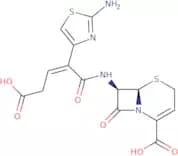
CAS:Ceftibuten is a third-generation cephalosporin antibiotic, which is a beta-lactam class of antimicrobial agents derived from Acremonium, a genus of fungi. This product is synthesized to resist degradation by beta-lactamase enzymes, which are commonly produced by resistant bacteria, thereby maintaining its efficacy against a wide range of bacterial pathogens.Formula:C15H14N4O6S2Purezza:Min. 95%Peso molecolare:410.43 g/molCefepime Related Compound E
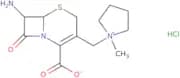
CAS:Cefepime Related Compound E is a chemical impurity, which is typically encountered as a byproduct in the synthesis or degradation of the antibiotic cefepime. This impurity is derived from synthetic processes used in the pharmaceutical industry and can originate from a variety of pathways during the manufacturing or storage of cefepime.
Formula:C13H20ClN3O3SPurezza:Min. 95%Peso molecolare:333.83 g/molCeftizoxime
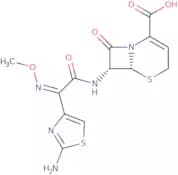
CAS:Ceftizoxime is a third-generation cephalosporin antibiotic with action on bacterial cell wall synthesis and is used for treating respiratory tract infections, urinary tract infections, and gonorrhea.
Formula:C13H13N5O5S2Purezza:Min. 95%Colore e forma:PowderPeso molecolare:383.41 g/molCurvularin
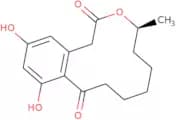
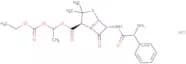
CAS:Curvularin is a secondary metabolite, which is derived from the fungal genus *Curvularia*. This compound is produced through the natural biosynthetic pathways of filamentous fungi, specifically isolated from strains such as *Curvularia lunata*. Curvularin exerts its biological activity primarily through modulation of microtubule dynamics, making it a significant subject of study in cell biology. It disrupts the polymerization processes, impacting the assembly and stability of microtubules, which are critical components of the cytoskeleton involved in cell division, intracellular transport, and structural integrity.Purezza:Min. 95%Bacampicillin Hydrochloride
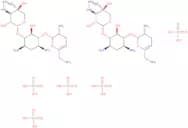
CAS:Bacampicillin Hydrochloride is an aminopenicillin antibiotic and is used for the treatment of bacterial infections. It is a prodrug that is converted to ampicillin in the body, which then inhibits bacterial cell wall synthesis.Formula:C21H28ClN3O7SPurezza:Min. 95%Colore e forma:PowderPeso molecolare:501.98 g/molSisomicin sulfate
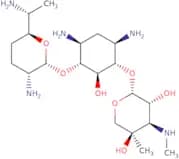
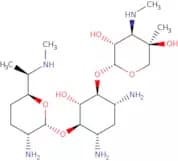
CAS:Sisomicin sulfate is a sulfate salt form of sisomicin with similar action and applications as sisomicin.Formula:(C19H37N5O7)2•(H2SO4)5Purezza:Min. 95%Colore e forma:PowderPeso molecolare:1,385.45 g/molGentamicin C2 sulfate
CAS:Gentamicin C2 sulfate is an aminoglycoside antibiotic with action on bacterial protein synthesis inhibition and is used for treating severe bacterial infections.
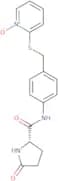
Formula:C20H41N5O7Purezza:(%) Min. 90%Colore e forma:PowderPeso molecolare:463.57 g/molSTAADIUM™ PeptiZide L-Pyr
CAS:STAADIUMTM PeptiZide L-Pyr is a targeted inhibitor for pyroglutamyl-aminopeptidase-producing bacteria. The antibacterial activity of STAADIUMTM PeptiZide L-Pyr is triggered by the enzyme pyroglutamyl aminopeptidase (a.k.a. pyrase or pyrrolidonyl peptidase) that is present, not only in bacteria, but also in archaea, plants and animals. STAADIUMTM PeptiZide can be used to suppress the growth of Citrobacter freundii on diagnostic agar plates for Salmonella. L-pyrrolidonyl peptidase activity has also been exploited to distinguish Enterococcus species and Streptococcus pyogenes from other Streptococaceae species. More details in the application notes document.Formula:C17H17N3O3SPurezza:Min. 95 Area-%Colore e forma:PowderPeso molecolare:343.41 g/molOteseconazole
CAS:Oteseconazole is an antifungal medication, which is a synthetic triazole-derived agent. It functions by inhibiting the activity of the fungal enzyme lanosterol 14α-demethylase. This inhibition disrupts the synthesis of ergosterol, a vital component of fungal cell membranes, thereby interfering with cell membrane integrity and function, ultimately leading to fungal cell death.
Formula:C23H16F7N5O2Purezza:Min. 95%Peso molecolare:527.4 g/molMicafungin FR-179642 impurity (acid)
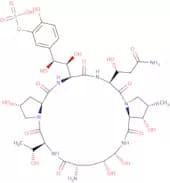
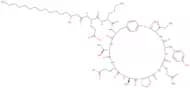
CAS:Micafungin is an antifungal drug that inhibits the synthesis of ergosterol, a vital component of fungal cell membranes. It is a cyclic peptide with a lipophilic fatty acid chain that has been modified to allow penetration into cells. Micafungin is active against Candida and Aspergillus species and has shown activity against some strains of Cryptococcus neoformans. The MIC (minimum inhibitory concentration) for this drug ranges from 0.06 to 1 microgram/mL, depending on the bacterial strain being tested. Micafungin FR-179642 impurity (acid) is an impurity in micafungin that can be present as trace amounts in the final product and may contribute to hemolytic activity. This impurity is formed by hydrolysis during the synthesis process.Formula:C35H52N8O20SPurezza:Min. 95 Area-%Colore e forma:White PowderPeso molecolare:936.9 g/molRetrocyclin-1 trifluoroacetate salt
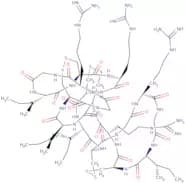
CAS:Retrocyclin-1 trifluoroacetate salt is a synthetic antimicrobial peptide, which is derived from humanized sequences based on the theta-defensin family, originally found in certain primates. Retrocyclin-1 is particularly notable for its circular structure which contributes to its stability and biological activity. The peptide is produced through a process of solid-phase peptide synthesis, designed to mimic the native cyclic conformation of natural theta-defensins.Formula:C74H128N30O18S6Purezza:Min. 95%Peso molecolare:1,918.4 g/molMonensin
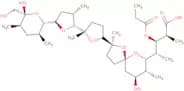
CAS:Monensin is a polyether ionophore antibiotic, which is derived from the fermentation of the bacterium *Streptomyces cinnamonensis*. It operates by disrupting ion transport across biological membranes, primarily by facilitating the exchange of sodium and potassium ions. This ionophore action alters the osmotic balance in target cells, leading to their destabilization and death, particularly in Gram-positive bacteria and certain protozoa.Formula:C36H62O11Purezza:Min. 95%Peso molecolare:670.87 g/molDMDNA31
CAS:DMDNA31 is a synthetic nucleotide analog, which is a man-made compound designed to mimic the natural building blocks of DNA. It originates from advanced chemical synthesis processes, allowing precise control over its structure to mimic specific nucleotide sequences. DMDNA31 operates by integrating into DNA strands during replication, thereby enabling the study of genetic mutations and the mapping of genomic sequences.Formula:C50H62N4O13Purezza:Min. 95%Peso molecolare:927 g/molLaidlomycin
CAS:Laidlomycin is an ionophore compound with a mode of action that disrupts ion gradients in bacterial cells. It is used as a feed additive to improve feed efficiency in cattle.
Formula:C37H62O12Purezza:Min. 95%Peso molecolare:698.88 g/mol4-Demethyl daunomycinone
CAS:4-Demethyl daunomycinone is an anthracycline derivative, which is a natural or semi-synthetic compound derived from the bacterium *Streptomyces*. It is primarily studied for its potential use in anticancer therapies, given its structural similarity to other well-known anthracyclines like daunorubicin and doxorubicin. These compounds are known to intercalate into DNA, thereby disrupting the function of DNA and RNA synthesis, leading to the inhibition of cell proliferation.Formula:C20H16O8Purezza:Min. 95%Peso molecolare:384.34 g/molDoxorubicin Impurity 2
CAS:Doxorubicin Impurity 2 is a chemical impurity of doxorubicin with no direct therapeutic action but used in research and quality control.
Formula:C19H12O6Purezza:Min. 95%Colore e forma:PowderPeso molecolare:336.29 g/mol14-Bromodaunorubicin HBr
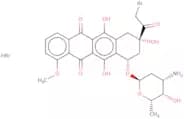
CAS:14-Bromodaunorubicin HBr is a synthetic antitumor antibiotic derivative, which is a modified version of daunorubicin, an anthracycline antibiotic originally isolated from Streptomyces peucetius. With the inclusion of a bromine atom at the 14th position, this compound is designed to enhance the antitumor efficacy and alter pharmacokinetic properties compared to its parent molecule.Formula:C27H28BrNO10·BrHPurezza:75%MinPeso molecolare:687.33 g/molSancycline hydrochloride
CAS:Sancycline hydrochloride is a tetracycline antibiotic, which is derived from the natural fermentation process of Streptomyces bacteria. The mechanism of action involves the inhibition of protein synthesis by bindin directly to the 30S ribosomal subunit, thereby preventing the attachment of aminoacyl-tRNA to the A site of the ribosome. This action effectively halts the growth of bacteria by impeding protein production, making it bacteriostatic rather than bactericidal.Formula:C21H23ClN2O7Purezza:Min. 95%Peso molecolare:450.87 g/molTaniborbactam hydrochloride
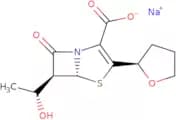
CAS:Taniborbactam hydrochloride is a β-lactamase inhibitor that is synthetically derived for use in combination with β-lactam antibiotics. Its mode of action involves the inhibition of β-lactamase enzymes, which are produced by certain bacteria to confer resistance to β-lactam antibiotics, including cephalosporins and carbapenems.Formula:C19H30BCl2N3O5Purezza:Min. 95%Peso molecolare:462.2 g/molOfloxacin Q acid
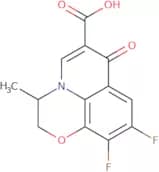
CAS:Ofloxacin Q acid is a quinolone analog, which is a synthetic derivative known for its significant antibacterial properties. This compound is sourced from the chemical synthesis of fluoroquinolone derivatives, designed to enhance reactivity and efficacy in pharmaceutical applications. Ofloxacin Q acid acts by inhibiting bacterial DNA gyrase and topoisomerase IV, enzymes critical for DNA replication, transcription, and repair, thereby leading to the cessation of bacterial growth and replication.Formula:C13H9F2NO4Purezza:Min. 95%Peso molecolare:281.21 g/molNarasin sodium
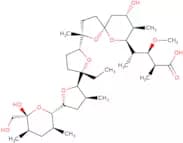
CAS:Narasin sodium is an ionophore antibiotic, which is a type of compound that facilitates ion transport across biological membranes. It is derived from the fermentation of the bacterium *Streptomyces aureofaciens*. The mode of action involves the disruption of ion gradients in target organisms, specifically inhibiting the growth of certain pathogenic bacteria and protozoa by altering their cellular ionic balance.Formula:C43H71NaO11Purezza:Min. 95%Peso molecolare:787.02 g/mol1-(6-Amino-3,5-difluoro-2-pyridinyl)-7-[3-[3-[[1-(6-amino-3,5-difluoro-2-pyridinyl)-3-carboxy-8-chloro-6-fluoro-1,4-dihydro-4-oxo-7- quinolinyl]amino]-2-hydroxypropoxy]-1-azetidinyl]-8-chloro-6-fluoro-1,4-dihydro-4-oxo-3-quinolinecarboxylic acid
CAS:1-(6-Amino-3,5-difluoro-2-pyridinyl)-7-[3-[3-[[1-(6-amino-3,5-difluoro-2-pyridinyl)-3-carboxy-8-chloro-6-fluoro-1,4-dihydro-4-oxo-7-quinolinyl]amino]-2-hydroxypropoxy]-1-azetidinyl]-8-chloro-6-fluoro-1,4-dihydro-4-oxo-3-quinolinecarboxylic acid is a fluoroquinolone antibiotic, engineered through synthetic chemistry. It is derived from chemical sources involving complex organic synthesis, highlighting its intricate molecular architecture. Its mode of action is distinctive, as it inhibits bacterial DNA gyrase and topoisomerase IV, enzymes crucial for DNA replication and transcription. This interference with bacterial DNA processes results in bactericidal effects, effectively eliminating susceptible bacterial strains.
Formula:C36H24Cl2F6N8O8Purezza:Min. 95%Peso molecolare:881.52 g/molCefazolin
CAS:Cefazolin is a broad-spectrum antibiotic that inhibits the growth of Gram-positive and Gram-negative bacteria. It is an effective cephalosporin antibiotic against both aerobic and anaerobic bacteria. Cefazolin is used in clinical isolates to inhibit the growth of methicillin-resistant staphylococcus, resistant microorganisms, and systemic inflammation. Some studies has shown good results to inhibit tumor necrosis factor-α (TNFα) production in cell culture.Formula:C14H14N8O4S3Purezza:Min. 95%Peso molecolare:454.51 g/molGentamicin C1 pentaacetate
CAS:Gentamicin C1 pentaacetate is an aminoglycoside antibiotic with action on bacterial protein synthesis inhibition and is used for research and analytical applications.Formula:C21H43N5O7•(C2H4O2)5Purezza:Min. 90%Colore e forma:Off-White PowderPeso molecolare:777.86 g/molErythromycin C
CAS:Erythromycin C is a macrolide antibiotic, which is a type of product derived from the bacterium *Saccharopolyspora erythraea*. It functions by binding to the 50S subunit of the bacterial ribosome, inhibiting protein synthesis through blocking translocation of peptidyl-tRNA. This mode of action effectively prevents bacterial growth and replication, making it a potent bacteriostatic agent.
Formula:C36H65NO13Purezza:Min. 95%Peso molecolare:719.9 g/molLactoferricin B (4-14) (bovine) trifluoroacetate salt
CAS:Lactoferricin B (4-14) (bovine) trifluoroacetate salt is a peptide derivative, which is a fragment derived from bovine lactoferrin. It is obtained by enzymatic digestion of lactoferrin, a glycoprotein with a well-established role in the innate immune system. This specific peptide, Lactoferricin B (4-14), is known for its potent antimicrobial properties, attributed to its amphipathic structure that facilitates the disruption of microbial membranes. Additionally, it can modulate immune responses through interactions with immune cells, thereby influencing inflammatory processes.Formula:C70H113N25O13SPurezza:Min. 95%Peso molecolare:1,544.87 g/molCeftobiprole medocaril sodium
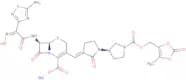
CAS:Ceftobiprole medocaril sodium is a broad-spectrum cephalosporin antibiotic, which is a synthetically derived prodrug of ceftobiprole. Upon administration, ceftobiprole medocaril is rapidly converted into its active form, ceftobiprole, by the body's endogenous esterases. The mode of action involves binding to penicillin-binding proteins (PBPs) in the bacterial cell wall, leading to the inhibition of cell wall synthesis and ultimately the death of the bacteria. This action is effective against a wide range of gram-positive and gram-negative bacteria, including methicillin-resistant Staphylococcus aureus (MRSA) and penicillin-resistant Streptococcus pneumoniae.
Formula:C26H26N8O11S2NaPurezza:Min. 95%Peso molecolare:713.65 g/molClindamycin 3-phosphate
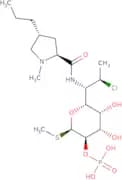
CAS:Clindamycin 3-phosphate is an antibiotic prodrug, which is a derivative of clindamycin. It is semisynthetic with a synthetic origin, derived by chemically modifying the natural compound lincomycin obtained from the bacterium *Streptomyces lincolnensis*. The mode of action of Clindamycin 3-phosphate involves the inhibition of bacterial protein synthesis. It binds to the 50S subunit of the bacterial ribosome, thereby interfering with the translocation step in protein elongation, ultimately leading to the suppression of bacterial growth.Formula:C18H34ClN2O8PSPurezza:Min. 95%Colore e forma:White To Off-White SolidPeso molecolare:504.96 g/molNatamycin
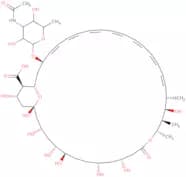
CAS:Natamycin is a polyene macrolide antifungal agent with action on fungal cell membranes by binding to sterols and is used for treating fungal infections and as a food preservative.
Formula:C33H47NO13Purezza:Min. 95 Area-%Colore e forma:PowderPeso molecolare:665.73 g/molLeptomycin B
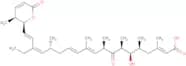
CAS:Leptomycin B is a bacterial secondary metabolite, which is derived from the bacterium Streptomyces sp. This compound is a potent nuclear export inhibitor with a mechanism of action that targets and inhibits the export receptor CRM1 (Chromosomal Maintenance 1), also known as Exportin 1. By binding irreversibly to CRM1, Leptomycin B prevents the nuclear export of proteins and RNA, disrupting the nuclear-cytoplasmic transport essential for cell function.
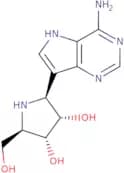
Formula:C33H48O6Purezza:Min. 95%Peso molecolare:540.73 g/molBCX4430 freebase
CAS:Adenosine analogue with antiviral activityFormula:C11H15N5O3Purezza:Min. 95%Peso molecolare:265.27 g/molNocardamine
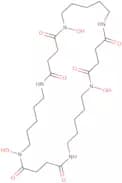
CAS:Nocardamine is a siderophore-based antioxidant, which is naturally derived from the soil-dwelling actinobacteria known as Streptomyces. Its primary mode of action involves the chelation of metal ions, effectively sequestering them and preventing metal-catalyzed oxidation reactions. By binding to iron and other transition metals, Nocardamine mitigates oxidative stress at a cellular level, which could otherwise contribute to cellular damage and dysfunction.
Formula:C27H48N6O9Purezza:Min. 95%Peso molecolare:600.71 g/molMaribavir
CAS:Potent antiviral against HCMV and Epstein-Barr virus (EBV)
Formula:C15H19Cl2N3O4Purezza:Min. 95%Peso molecolare:376.24 g/molCefmenoxime hydrochloride
CAS:Cefmenoxime hydrochloride is a third-generation cephalosporin antibiotic with action on bacterial cell wall synthesis and is used for treating gynecological and obstetric infections.Formula:C16H17N9O5S3HClPurezza:Min. 95%Colore e forma:White PowderPeso molecolare:529.79 g/mol7-epi-Clindamycin 2-phosphate
CAS:7-epi-Clindamycin 2-phosphate is a semisynthetic antibiotic derivative, which is sourced from chemical modifications of the natural antibiotic lincomycin. This compound operates by inhibiting bacterial protein synthesis. It achieves this by binding to the 50S subunit of the bacterial ribosome, thereby obstructing the translocation steps in protein elongation.Formula:C18H34ClN2O8PSPurezza:Min. 95%Colore e forma:White to off-white solid.Peso molecolare:504.96 g/molQuinupristin
CAS:Quinupristin is a semi-synthetic antibiotic, which is derived from the natural compound pristinamycin IIA produced by the bacterium Streptomyces pristinaespiralis. It operates by binding to the 50S ribosomal subunit in bacterial cells, inhibiting protein synthesis and thus exerting a bacteriostatic effect. This mechanism effectively disrupts the growth and proliferation of susceptible bacteria.Formula:C53H67N9O10SPurezza:Min. 95%Peso molecolare:1,022.22 g/molPefloxacin-d3
CAS:Prodotto controllatoPefloxacin-d3 is a deuterated fluoroquinolone antibiotic, which is a synthetic derivative of pefloxacin utilized primarily for research purposes. This compound is chemically modified to include deuterium atoms, a stable isotope of hydrogen, thus offering unique properties essential for precise quantitative analysis in pharmacokinetic studies.Formula:C17H17D3FN3O3Purezza:Min. 95%Peso molecolare:336.38 g/molAlamifovir
CAS:Alamifovir is an antiviral agent, which is synthetically derived. The mode of action of Alamifovir involves the inhibition of viral replication within host cells by targeting specific viral enzymes crucial for the replication process. This interference with the viral life cycle diminishes the ability of the virus to propagate and spread within the host organism.Formula:C19H20F6N5O5PSPurezza:Min. 95%Peso molecolare:575.42 g/molFlucloxacillin
CAS:Flucloxacillin is a beta-lactam antibiotic, which is derived from the penicillin family. It is synthetically produced through chemical modification to enhance its stability against beta-lactamase enzymes. The mode of action of flucloxacillin involves inhibiting bacterial cell wall synthesis. It binds to penicillin-binding proteins (PBPs) located inside the bacterial cell wall, which in turn inhibits the transpeptidation or cross-linking of peptidoglycan chains. This action leads to cell lysis and ultimately, bacterial death.Formula:C19H17ClFN3O5SPurezza:Min. 95%Peso molecolare:453.87 g/molVidarabine monohydrate
CAS:Vidarabine monohydrate is an antiviral agent with action on viral DNA polymerase to inhibit replication and is used for treating herpes simplex virus infections and varicella-zoster virus infections.Formula:C10H13N5O4·H2OPurezza:(¹H-Nmr) Min. 95 Area-%Colore e forma:White Off-White PowderPeso molecolare:285.26 g/molFaropenem sodium hydrate
CAS:Faropenem sodium hydrate is a hydrated form of faropenem sodium with similar action and applications as faropenem sodium hemipentahydrate.Formula:C12H14NNaO5S·xH2OPurezza:Min. 95%Colore e forma:PowderPeso molecolare:307.3 g/molLomefloxacin hydrochloride
CAS:Lumefantrine is an antimalarial compound with a mode of action that inhibits heme detoxification in Plasmodium parasites. It is used in combination with artemether for treating malaria.Formula:C17H19F2N3O3•HClPurezza:Min. 95%Colore e forma:PowderPeso molecolare:387.81 g/molBleomycin A5 hydrochloride
CAS:Bleomycin A5 hydrochloride is an antineoplastic antibiotic, which is derived from the bacterium Streptomyces verticillus. Its mode of action involves binding to DNA and inducing strand breaks through the generation of free radicals, specifically targeting deoxyribose units. This leads to the inhibition of DNA synthesis and cell division, ultimately resulting in cell death.Formula:C57H89N19O21S2•HClPurezza:Min. 95%Colore e forma:PowderPeso molecolare:1,177.03 g/molSulfadimethoxine sodium
CAS:Sulfadimethoxine sodium is a sulfonamide antibiotic with action on bacterial folate synthesis inhibition and is used for treating respiratory and urinary tract infections in veterinary medicine.Formula:C12H13N4NaO4SPurezza:Min. 95%Colore e forma:White Off-White PowderPeso molecolare:332.31 g/molAripiprazole monohydrate
CAS:Prodotto controllatoAripiprazole monohydrate is an atypical antipsychotic medication, which is synthesized through chemical processes involving aryl piperazine derivatives. It acts primarily as a partial agonist at dopamine D2 and serotonin 5-HT1A receptors and as an antagonist at 5-HT2A receptors, with additional activity at other neurotransmitter receptors. This unique mechanism of action sets it apart from typical antipsychotics that predominantly function as dopamine antagonists.Formula:C23H29Cl2N3O3Purezza:Min. 95%Colore e forma:PowderPeso molecolare:466.4 g/molSulbactam pivoxyl
CAS:**Sulbactam pivoxyl** is a prodrug, which is a chemically modified form of sulbactam intended to improve its pharmacokinetic properties. Sulbactam itself is a beta-lactamase inhibitor of synthetic origin, specifically designed to combat antibiotic resistance by inhibiting the beta-lactamase enzymes produced by certain bacteria. These enzymes typically break down beta-lactam antibiotics, rendering them ineffective.Formula:C14H21NO7SPurezza:Min. 95%Peso molecolare:347.38 g/molPolymyxin B nonapeptide TFA
CAS:Polymyxin B nonapeptide TFA is an antimicrobial peptide, which is derived from the bacterium *Bacillus polymyxa*. This peptide is a truncated form of polymyxin B, lacking the fatty acyl tail and N-terminal amino acid, resulting in a nonapeptide structure. Its mode of action involves binding to the lipid A portion of bacterial lipopolysaccharides, thereby disrupting the integrity of the bacterial cell membrane. This interaction increases membrane permeability and leads to cell lysis, particularly in Gram-negative bacteria.Formula:C53H79F15N14O21Purezza:Min. 95%Peso molecolare:1,533.3 g/molPuberulic acid
CAS:Puberulic acid is a fungal metabolite that exhibits significant antimicrobial properties. It is derived from certain species of the Penicillium genus, a well-known source of various bioactive compounds. The mode of action of puberulic acid involves the disruption of microbial cell wall synthesis, leading to inhibited growth and eventual cell death of targeted microorganisms.Formula:C8H6O6Purezza:Min. 95%Peso molecolare:198.13 g/molAmoxicillin
CAS:Amoxicillin is an aminopenicillin antibiotic and is used for the treatment of various bacterial infections. It works by inhibiting the synthesis of bacterial cell wall mucopeptides, leading to cell lysis and death
Formula:C16H19N3O5SPurezza:Min. 95%Colore e forma:PowderPeso molecolare:365.41 g/molCasein
CAS:Casein is a phosphoprotein, which is derived from milk. It originates primarily from cow's milk, where it constitutes about 80% of the total protein content. The mode of action for casein involves its ability to form a gel or clot in the stomach, which makes it highly efficient in nutrient delivery, especially the slow release of amino acids. This process is facilitated by its unique structural features, such as the presence of multiple phosphoryl groups that can bind calcium ions.
Purezza:Min. 95%Colore e forma:PowderLinearmycin A
CAS:Linearmycin A is an antibiotic compound, which is a secondary metabolite produced by the bacterium Streptomyces sp. Its mode of action involves disrupting bacterial protein synthesis, leading to the inhibition of bacterial growth. This compound exhibits strong efficacy against various Gram-positive and some Gram-negative bacteria, making it valuable in microbiological research.Formula:C64H101NO16Purezza:Min. 95%Peso molecolare:1,140.5 g/molGentamicin B
CAS:Gentamicin B is an aminoglycoside antibiotic, which is derived from the bacterium Micromonospora. This derivative exhibits its mode of action by binding to the 30S subunit of the bacterial ribosome, disrupting protein synthesis. As a result, it causes misreading of mRNA, ultimately leading to cell death, thereby exhibiting bactericidal effects.Formula:C19H38N4O10Purezza:Min. 95%Peso molecolare:482.5 g/molDesoxymycin
CAS:Desoxymycin is an antibiotic product that belongs to the class of aminoglycosides, which is derived from natural sources such as certain species of Streptomyces bacteria. This compound exhibits its mode of action by specifically binding to the bacterial ribosomal RNA, interfering with protein synthesis. As a result, it inhibits the replication and growth of susceptible bacterial strains.Formula:C21H41N7O11Purezza:Min. 95%Peso molecolare:567.59 g/molEconazole
CAS:Econazole is an imidazole antifungal agent with action on fungal cell membrane disruption and is used for treating fungal skin infections like athlete's foot and ringworm.Formula:C18H15Cl3N2OPurezza:Min. 98 Area-%Colore e forma:White PowderPeso molecolare:381.68 g/molFengycin
CAS:Fengycin is a cyclic lipopeptide from Bacillus subtilis acts as a biosurfactant and antifungal. As a fungicide, it has a mode of action that involves the formation of ion channels in the fungal lipid membrane, leading to membrane leakage This activity is negatively correlated to cholesterol levels, and may explain why mammalian cells, with higher cholesterol present, are not sensitive to fengycin.Formula:C72H110N12O20Purezza:Min. 90 Area-%Colore e forma:PowderPeso molecolare:1,463.71 g/molN-Acetylamphotericin B
CAS:N-Acetylamphotericin B is a derivative of the well-known antifungal agent Amphotericin B, which is derived from the bacterium *Streptomyces nodosus*. This compound is an acetylated version of Amphotericin B, designed to improve certain pharmacokinetic properties. It operates by binding to ergosterol, a key component of fungal cell membranes, leading to the formation of pores that disrupt membrane integrity, causing cell death. The acetylation is intended to reduce the compound's cytotoxicity and improve its solubility in aqueous solutions, potentially allowing for enhanced therapeutic applications.Formula:C49H75NO18Purezza:(%) Min. 75%Colore e forma:Yellow To Brown SolidPeso molecolare:966.12 g/molGramicidin S hydrochloride
CAS:Gramicidin S hydrochloride is a cyclic peptide antibiotic, which is a derivative of the naturally occurring antibiotic gramicidin S. It is sourced from Bacillus brevis, a type of soil bacterium. This peptide operates through a unique mode of action, whereby it disrupts bacterial cell membranes. By integrating into the lipid bilayer, it increases membrane permeability, leading to leakage of essential ions and molecules, and ultimately causing cell death.Formula:C60H92N12O10•(HCl)2Purezza:90%MinPeso molecolare:1,214.37 g/molCarumonam
CAS:Carumonam is a synthetic monobactam antibiotic, which is derived from chemically modifying aztreonam to enhance its antimicrobial properties. Its source is entirely synthetic, allowing for precise structural modifications to target specific bacterial pathogens. The mode of action involves the inhibition of bacterial cell wall synthesis. Carumonam binds to penicillin-binding proteins (PBPs) on the surface of bacterial cell walls, disrupting the peptidoglycan cross-linking process necessary for cell wall strength and integrity. This action results in bacterial cell lysis and death, making it effective against a range of Gram-negative bacteria.Formula:C12H14N6O10S2Purezza:Min. 95%Peso molecolare:466.41 g/molOleandomycin
CAS:Oleandomycin is a macrolide antibiotic, which is derived from the bacterium *Streptomyces antibioticus*. This antibiotic functions by binding to the 50S subunit of the bacterial ribosome, thereby inhibiting protein synthesis. The interruption of this essential process ultimately leads to the cessation of bacterial growth and replication.
Formula:C35H61NO12Purezza:Min. 95%Colore e forma:White PowderPeso molecolare:687.86 g/molQuinofumelin
CAS:Quinofumelin is a fungicide, which is synthetically derived with a novel mode of action targeting specific biochemical pathways in fungi. Its unique mechanism disrupts crucial cellular processes within pathogenic fungi, thereby halting their growth and spread. This fungicide has been meticulously developed through advanced chemical synthesis to ensure high efficacy and specificity against a broad spectrum of fungal pathogens affecting various crops.Formula:C20H16F2N2Purezza:Min. 95%Peso molecolare:322.4 g/mol(S)-HPMPA
CAS:(S)-HPMPA is a nucleotide analogue, which is a chemically synthesized compound designed to mimic nucleotides. It acts as both an antiviral and an antitumor agent, sourced primarily through synthetic chemistry involving the modification of naturally occurring nucleotide structures. The mode of action of (S)-HPMPA involves mimicking natural substrates of various viral polymerases and cellular enzymes, thereby inhibiting viral DNA synthesis and disrupting the replication cycle of DNA viruses. Additionally, it can interfere with certain cellular pathways contributing to its antitumor effects.Formula:C9H14N5O5PPurezza:Min. 95%Peso molecolare:303.21 g/molSebuthylazine-2-hydroxy
CAS:Sebuthylazine-2-hydroxy is a selective pre-emergent herbicide, which is a derivative of the sym-triazine compound family synthesized through chemical processes. It functions primarily as a soil-acting agent that inhibits photosynthesis by binding to the D1 protein in the photosystem II complex, thereby disrupting the electron transport chain. This biochemical action effectively curtails the growth of susceptible weed species by preventing their development, particularly annual grasses and broadleaf weeds.
Formula:C9H17N5OPurezza:Min. 95%Peso molecolare:211.26 g/molAmicoumacin C
CAS:Amicoumacin C is a biological product derived from certain strains of the Bacillus species, specifically fermented by Bacillus subtilis. It is recognized as a potent antibiotic compound, noted for its ability to inhibit bacterial protein synthesis, primarily by interacting with the 30S ribosomal subunit, thereby hindering the translation process.Formula:C20H26N2O7Purezza:Min. 95%Peso molecolare:406.43 g/molHalauxifen
CAS:Halauxifen is a synthetic herbicide, which is a product of chemical synthesis used in agricultural practices. Derived from advanced chemical research and development, its primary source is a laboratory setting where it is engineered to exhibit specific properties for plant management.
Formula:C13H9Cl2FN2O3Purezza:Min. 95%Peso molecolare:331.12 g/mol4-Hydroxyvoriconazole
CAS:Metabolite of voriconazole; sterol 14?-demethylase inhibitorPurezza:Min. 95%Bacitracin B1
CAS:Bacitracin B1 is a polypeptide antibiotic and is used for the treatment of bacterial infections. Its mode of action is similar to bacitracin.
Formula:C65H101N17O16SPurezza:90%MinColore e forma:PowderPeso molecolare:1,408.67 g/molTriazavirin
CAS:Triazavirin is an antiviral drug developed against SAR-CoV-2. The action of triazavirin might be due to its ability to inhibit the Mpro protease from SARS viruses. Triazavirin has been clinically tested in the treatment of COVID-19 patients.
Formula:C5H4N6O3S·Na·2H2OPurezza:Min. 95%Colore e forma:Slightly Yellow PowderPeso molecolare:287.21 g/molCefsulodin sodium salt (SCE-129), Antibiotic for Culture Media Use Only
CAS:Cefsulodin sodium salt is a beta lactam antibiotic in the third-generation cephalosporin family that inhibits penicillin-binding proteins (PBPs) to disrupt bacterial cell wall synthesis.
Formula:C22H19N4NaO8S2Purezza:Min. 97.0 Area-%Peso molecolare:554.53 g/molCarbenicillin monosodium salt
CAS:Inhibitor of bacterial cell wall biogenesis; penicillin class
Formula:C17H17N2NaO6SPurezza:Min. 90 Area-%Colore e forma:PowderPeso molecolare:400.38 g/molD-Cycloserine
CAS:D-Cycloserine is a antibiotic and NMDA receptor partial agonist with action on bacterial cell wall synthesis and modulation of NMDA receptors and is used for treating tuberculosis and studying neuropsychiatric disorders.
Formula:C3H6N2O2Purezza:Min. 98 Area-%Colore e forma:PowderPeso molecolare:102.09 g/molPotassium clavulanate
CAS:Potassium clavulanate is a beta-lactamase inhibitor and an antibacterial agent. The presence of potassium clavulanate in culture media inhibits the activity of beta-lactamases, which are enzymes that confer resistance to penicillin and other beta-lactam antibiotics. It also has been shown to be active against bacterial infections such as tuberculosis, sepsis, and pneumonia, where it can inhibit the growth of bacteria by interfering with their ability to form cell walls. Potassium clavulanate is also used as an antimicrobial agent for blood culture technique and antimicrobial treatment.
Formula:C8H8NO5·KPurezza:Min. 95%Colore e forma:White PowderPeso molecolare:237.25 g/molHerbicidin B
CAS:Herbicidin B is a natural herbicidal compound, which is a secondary metabolite produced through the fermentation of certain Streptomyces species. This compound functions as a potent inhibitor of plant growth by interfering with essential physiological processes within the plant cells. The mode of action of Herbicidin B primarily involves disruption of metabolic pathways that are critical for the development and survival of plants, leading to effective control of undesired vegetation.
Formula:C18H23N5O9Purezza:Min. 95%Peso molecolare:453.4 g/molGatifloxacin
CAS:Gatifloxacin is an antibiotic, which is a synthetic fluoroquinolone with broad-spectrum antibacterial activity. Its source lies in its chemical synthesis, designed to inhibit bacterial enzymes necessary for DNA replication. The mode of action involves the inhibition of bacterial DNA gyrase and topoisomerase IV, which are critical enzymes for bacterial DNA replication, transcription, and repair. This dual inhibitory mechanism disrupts bacterial cell division and growth, leading to the eventual eradication of susceptible bacterial strains.
Formula:C19H22FN3O4Purezza:Min. 95%Colore e forma:White PowderPeso molecolare:375.39 g/molAmphotericin A
CAS:Amphotericin A is a polyene macrolide antibiotic, which is derived primarily from the soil bacterium *Streptomyces nodosus*. This compound functions by binding to ergosterol, an essential component of fungal cell membranes. This binding creates pores in the membrane, increasing its permeability and ultimately leading to cell death. Unlike its more widely used counterpart Amphotericin B, Amphotericin A is less frequently utilized but is critical in the study and understanding of antifungal activity.
Formula:C47H75NO17Purezza:Min. 95%Peso molecolare:926.09 g/molMeropenem sodium
CAS:Inhibitor of cell-wall synthesis; carbapenem class
Formula:C17H25N3O5S•NaPurezza:Min. 95%Colore e forma:PowderPeso molecolare:406.45 g/molSTAADIUM™ GalactoZide II
CAS:STAADIUMTM GalactoZide II is a targeted inhibitor for β-galactosidase producing bacteria. The antibacterial activity of STAADIUMTM GalactoZide II is triggered by the enzyme β-galactosidase which is produced by E.coli (EHEC), thermophilic lactic acid bacteria, and other coliform bacteria. STAADIUMTM GalactoZide II can help to selectively inhibit the growth of E. coli in complex bacterial cultures and canbe used in microbiome studies, food control, environmental safety, hygiene, and clinical diagnostics. STAADIUMTM GalactoZide II is not compatible with some experimental conditions, e.g. pH indicators such as neutral red, indigo stains, and possibly H2S staining. STAADIUMTM GalactoZide II can be added as an enzyme-specific selective supplement to agar plates and as an enrichment agent to broth culture.
Formula:C18H21NO7SPurezza:Min. 95 Area-%Colore e forma:PowderPeso molecolare:395.43 g/molTicarcillin disodium salt - 80%
CAS:Ticarcillin disodium salt is a beta-lactam antibiotic that has in vitro activity against Gram-positive and Gram-negative bacteria. Ticarcillin is active against penicillinase-producing strains of Staphylococcus aureus, Enterobacter aerogenes, Proteus mirabilis, Escherichia coli, Pseudomonas aeruginosa, Klebsiella pneumoniae, Serratia marcescens, Streptococcus pyogenes, Streptococcus faecalis, and Streptococcus pneumoniae. Furthermore, it inhibits transpeptidase activity of the cell wall of bacteria which prevents peptidoglycan synthesis. It is bactericidal for many bacteria at low concentrations.
Formula:C15H14N2Na2O6S2Purezza:Min. 90 Area-%Colore e forma:PowderPeso molecolare:428.4 g/molKanamycin sulfate, Antibiotic for Culture Media Use Only
CAS:Kanamycin sulfate is a water-soluble antibiotic. Genes encoding kanamycin resistance are commonly used as selection markers in molecular biology .It acts during the translation mechanism in prokaryotic ribosomes to avoid bacterial cell growth.
Formula:C18H38N4O15SPeso molecolare:582.58 g/molPolymyxin B sulfate
CAS:Membrane-disrupting agent
Formula:C56H98N16O13·H2SO4Purezza:Min 6000 Iu/MgColore e forma:White PowderPeso molecolare:1,301.56 g/molCarbomycin
CAS:Carbomycin is a macrolide antibiotic, which is derived from the bacterium Streptomyces halstedii. This antibiotic functions by binding to the 50S ribosomal subunit, thereby inhibiting bacterial protein synthesis. Through this mechanism, carbomycin effectively disrupts the growth and replication of susceptible bacterial strains, making it a potent tool in combating bacterial infections.
Formula:C42H67NO16Purezza:Min. 95%Peso molecolare:841.98 g/mol


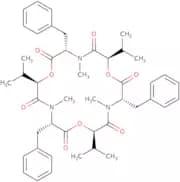



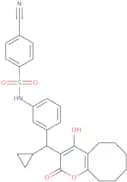
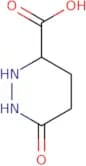
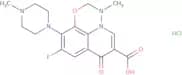
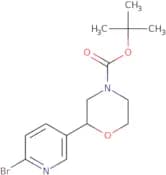

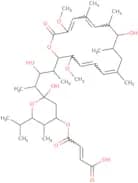
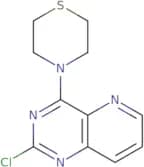


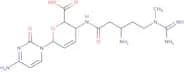
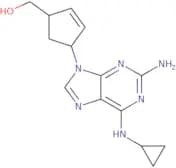
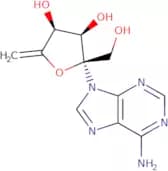
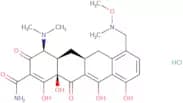



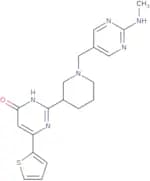
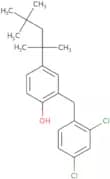
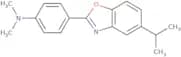
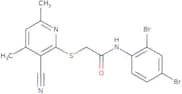


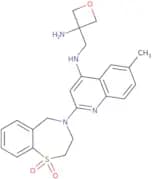

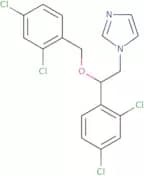
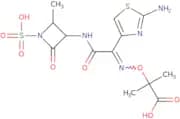
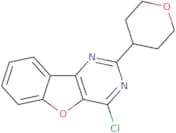



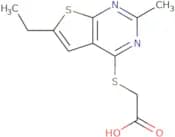

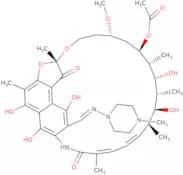
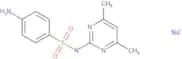

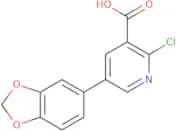

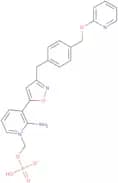
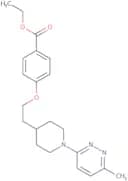
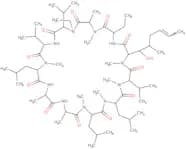
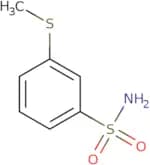
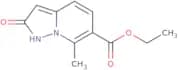
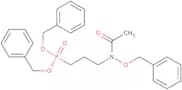
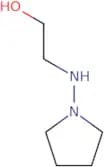


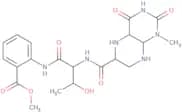

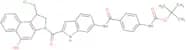


![N,N′-1,2-Ethanediylbis[3-nitrobenzenesulfonamide]](/_next/image/?url=https%3A%2Fstatic.cymitquimica.com%2Fproducts%2F3D%2Fthumb-webp%2FAAA09662.webp&w=3840&q=75)