Antimicrobici
Gli antimicrobici sono agenti che distruggono o inibiscono la crescita di microrganismi, inclusi batteri, virus, funghi e parassiti. Questi composti sono essenziali nella prevenzione e nel trattamento delle infezioni, svolgendo un ruolo cruciale nella medicina, nell'agricoltura e nell'industria alimentare. Presso CymitQuimica offriamo un'ampia gamma di antimicrobici di alta qualità e purezza, adatti a varie applicazioni scientifiche e industriali. Il nostro catalogo comprende antibiotici, antifungini, antivirali e disinfettanti, tutti progettati per soddisfare le esigenze della ricerca e dello sviluppo, nonché per applicazioni cliniche e di produzione. Con i nostri prodotti, i professionisti possono garantire l'efficacia e la sicurezza nel controllo delle infezioni e nella protezione della salute pubblica.
Sottocategorie di "Antimicrobici"
- Antibiotici(4.131 prodotti)
- Antimicotici(909 prodotti)
- Antiparassitari(702 prodotti)
- Antivirali(765 prodotti)
Trovati 2424 prodotti di "Antimicrobici"
Ordinare per
Purezza (%)
0
100
|
0
|
50
|
90
|
95
|
100
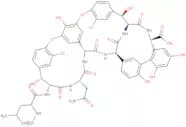
Vancomycin aglycon
CAS:<p>Vancomycin aglycon is a glycopeptide antibiotic, which is a derivative of vancomycin. It is sourced from the fermentation products of certain Amycolatopsis species, a genus of actinobacteria. The mode of action of vancomycin aglycon involves the inhibition of bacterial cell wall synthesis. It specifically binds to the D-Ala-D-Ala terminus of nascent peptidoglycan chains, thereby preventing the cross-linking that is crucial for maintaining cell wall integrity.</p>Formula:C53H52Cl2N8O17Purezza:Min. 95%Peso molecolare:1,143.93 g/mol1,3,5-Triazine-2,4-diamine
CAS:<p>1,3,5-Triazine-2,4-diamine is a selective herbicide, which is synthesized from chemical feedstocks via a process involving triazine ring formation and chlorination. This compound operates by inhibiting photosynthesis in susceptible plants, specifically targeting the photosystem II complex. When absorbed through the roots and leaves, it disrupts the electron transport chain, leading to chlorophyll loss and subsequent plant death.</p>Formula:C5H6F3N5OPurezza:Min. 95%Peso molecolare:209.13 g/molPanipenem
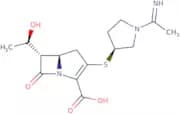
CAS:Panipenem is a carbapenem antibiotic, which is a type of beta-lactam antibiotic derived from thienamycin. It functions by inhibiting penicillin-binding proteins (PBPs), which are essential for bacterial cell wall synthesis. This inhibition disrupts the cell wall construction, leading to cell lysis and death, thereby demonstrating strong bactericidal activity.Formula:C15H21N3O4SPurezza:Min. 95%Peso molecolare:339.41 g/mol1,4-Dihydro-2,3-benzodithiine
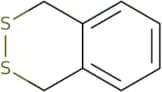
CAS:<p>1,4-Dihydro-2,3-benzodithiine is a synthetic organic compound, which is often utilized in the field of material science and chemical research. It is derived from aromatic dithiins, characterized by a unique heterocyclic structure containing sulfur atoms within its ring system. The compound’s mode of action primarily involves its ability to partake in various cycloaddition reactions due to the electron-rich nature of the dithiine ring, which can facilitate interactions with electrophiles.</p>Formula:C8H8S2Purezza:Min. 95%Peso molecolare:168.3 g/molMacrosphelide A
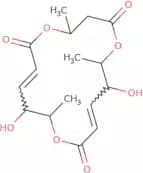
CAS:<p>Macrosphelide A is a bioactive macrocyclic lactone, which is a secondary metabolite derived from the culture of certain fungal species. It functions primarily through the disruption of cell adhesion processes, which is facilitated by its ability to interfere with the function of specific cell surface receptors. This mode of action underlies its potential as an immunosuppressive agent, where it can inhibit the activities of immune cells by altering cellular communication and adhesion.</p>Formula:C16H22O8Purezza:Min. 95%Peso molecolare:342.34 g/molSecorapamycin B
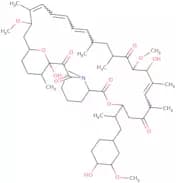
CAS:<p>Secorapamycin B is a secondary metabolite, which is a macrolide lactam produced by the actinobacterium species Amycolatopsis. This compound is characterized by its unique structural features, including a polyketide backbone, which is biosynthesized via modular polyketide synthases. The mode of action for Secorapamycin B involves binding to FK-binding proteins (FKBP), inhibiting calcineurin function, and subsequently suppressing T-cell activation.</p>Formula:C51H81NO14Purezza:Min. 95%Peso molecolare:932.20 g/molFenaminostrobin
CAS:<p>Fenaminostrobin is a broad-spectrum fungicide, which is synthesized chemically. It operates primarily through inhibition of mitochondrial respiration in fungal cells, targeting the bc1 complex, which disrupts ATP production and leads to the inhibition of spore germination and fungal growth. This mode of action makes Fenaminostrobin effective against a wide range of pathogenic fungi that affect various crops.</p>Formula:C21H21Cl2N3O3Purezza:Min. 95%Peso molecolare:434.3 g/molABT-072
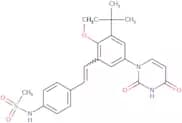
CAS:<p>ABT-072 is a direct-acting antiviral (DAA) agent, specifically designed as an inhibitor of the hepatitis C virus (HCV) NS5B polymerase. This compound originates from advanced pharmaceutical research and development efforts aimed at targeting viral replication mechanisms. Being an NS5B polymerase inhibitor, ABT-072 functions by interfering with the viral RNA-dependent RNA polymerase. This enzyme plays a critical role in the replication cycle of the hepatitis C virus, facilitating the synthesis of new viral RNA strands. By inhibiting this enzyme, ABT-072 effectively halts viral replication.</p>Formula:C24H27N3O5SPurezza:Min. 95%Peso molecolare:469.6 g/molOligomycin
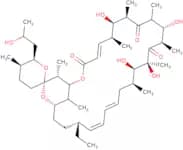
CAS:<p>Oligomycin is a macrolide antibiotic, which is derived from species of the bacterium Streptomyces. It acts as a potent inhibitor of the mitochondrial ATP synthase complex, specifically targeting the F₀ portion of the enzyme. This interference results in the blockage of proton translocation across the mitochondrial membrane, thereby preventing ATP synthesis. Due to this mode of action, Oligomycin is primarily utilized in biochemical research to study cellular respiration and energy metabolism. It serves as a valuable tool in elucidating the mechanisms of oxidative phosphorylation and the role of ATP in various cellular processes. In addition, its application extends to investigations on mitochondrial dysfunctions and the screening of mitochondrial-targeted drugs.</p>Formula:C45H74O11Purezza:Min. 95%Peso molecolare:791.06 g/molZelkovamycin
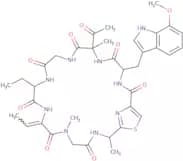
CAS:Zelkovamycin is a novel antibacterial compound isolated from endophytic microorganisms, specifically Streptomyces sp. Endophytes are bacteria or fungi that reside within plant tissues, forming symbiotic relationships and often producing bioactive metabolites. The mode of action of Zelkovamycin involves the inhibition of bacterial cell wall synthesis, interfering with the biosynthesis pathways essential for maintaining the structural integrity and function of bacterial cell walls, particularly in Gram-positive strains.Formula:C36H45N9O9SPurezza:Min. 95%Colore e forma:PowderPeso molecolare:779.86 g/molClindamycin
CAS:<p>Inhibitor of protein synthesis; lincosamide class</p>Formula:C18H33ClN2O5SPurezza:Min. 95%Peso molecolare:424.98 g/molPicoxystrobin metabolite M8
CAS:<p>Picoxystrobin metabolite M8 is a chemical metabolite, which is a derivative specifically originating from the degradation of the fungicide Picoxystrobin. It is generated through the metabolic pathways that occur after the application of Picoxystrobin on crops. As a strobilurin derivative, its mode of action is primarily related to its ability to disrupt mitochondrial respiration in fungi by inhibiting the electron transport chain at the cytochrome bc1 complex. This interruption leads to energy depletion and subsequent cell death in pathogenic fungi.</p>Formula:C14H10F3NO3Purezza:Min. 95%Peso molecolare:297.23 g/molNaftoxate
CAS:Naftoxate is a synthetic ester, which is synthesized chemically from raw materials such as fatty alcohols and carboxylic acids. With its ability to reduce surface tension, Naftoxate operates as a surfactant, facilitating emulsification and dispersion of hydrophobic substances within various aqueous systems. The compound achieves this by altering the interface between liquids, enabling them to mix more effectively.Formula:C19H14N2OS2Purezza:Min. 95%Peso molecolare:350.5 g/mol28-Epirapamycin
CAS:28-Epirapamycin is a semisynthetic derivative of the macrolide antibiotic rapamycin, which is derived from the bacterium *Streptomyces hygroscopicus*. This compound functions primarily as an mTOR (mechanistic target of rapamycin) inhibitor. The mTOR pathway is crucial for regulating cell growth, proliferation, and survival by integrating signals from nutrients, growth factors, and cellular energy status.Formula:C51H79NO13Purezza:Min. 95%Peso molecolare:914.2 g/molPNU 142300
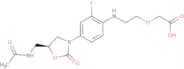
CAS:<p>PNU 142300 is a non-peptidyl anticoagulant, which is a synthetically derived small molecule. This compound is sourced from advanced chemical synthesis techniques that focus on mimicking biological activity through non-biological materials. PNU 142300 acts by specifically inhibiting factor Xa, a crucial enzyme in the coagulation cascade responsible for the conversion of prothrombin to thrombin. By targeting this enzyme, it effectively prevents the formation of blood clots, thereby exhibiting potent anticoagulant properties.</p>Formula:C16H20FN3O6Purezza:Min. 95%Peso molecolare:369.35 g/molCyprazine-desisopropyl
CAS:<p>Cyprazine-desisopropyl is a metabolite, which is a derivative form resulting from the biotransformation of cyromazine, an insect growth regulator. Cyromazine is originally sourced as a triazine-class pesticide, commonly used to control insect populations by disrupting their growth processes. Cyprazine-desisopropyl, similarly, impacts the development stages of target insect species.</p>Formula:C6H8ClN5Purezza:Min. 95%Peso molecolare:185.61 g/molHeronapyrrole B
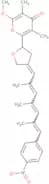
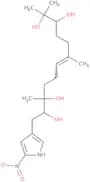
CAS:Heronapyrrole B is a naturally occurring marine-derived antibiotic, which is isolated from a species of marine-derived Streptomyces. This compound is a member of the pyrrole-2-aminoimidazole family, which is characterized by its unique structural framework that contributes to its biological activity. The mode of action of Heronapyrrole B involves disrupting bacterial cell membranes, thereby hindering cell growth and survival. This mechanism is particularly effective against a range of Gram-positive bacteria.Formula:C19H32N2O6Purezza:Min. 95%Peso molecolare:384.5 g/molGramicidin
CAS:<p>Gramicidin is an antibiotic, which is derived from soil bacteria of the genus Bacillus, specifically Bacillus brevis. This polypeptide antibiotic exerts its antibacterial effects by disrupting the cell membranes of susceptible bacteria. Gramicidin forms channels in the phospholipid bilayers of bacterial cell membranes, leading to uncontrolled cation fluxes, which ultimately results in cell death. This mechanism is particularly effective against Gram-positive bacteria due to their specific cell wall structure.</p>Formula:C99H140N20O17Purezza:A1.A2.B1.C1 And C2) 95%Colore e forma:PowderPeso molecolare:1,882.3 g/molSolithromycin
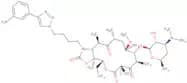
CAS:Solithromycin is a novel macrolide antibiotic, which is derived from the compound ketolide. It functions by binding to the bacterial 50S ribosomal subunit, effectively inhibiting protein synthesis. This mechanism of action enables Solithromycin to exert its effects against a wide range of bacterial pathogens, including strains resistant to traditional macrolides. The unique binding capability to multiple sites on the ribosome enhances its potency and reduces the likelihood of resistance development.Formula:C43H65FN6O10Purezza:Min. 95%Peso molecolare:845.01 g/molCeftizoxime alapivoxil
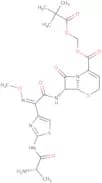
CAS:Ceftizoxime alapivoxil is a prodrug antibiotic, which is derived from ceftizoxime, a third-generation cephalosporin. This semi-synthetic source enables the compound to effectively combat a wide range of bacterial infections by improving oral bioavailability compared to its parent compound. Once administered, ceftizoxime alapivoxil is metabolized in the body to release ceftizoxime, which exerts its antibacterial activity by binding to penicillin-binding proteins (PBPs) on bacterial cell walls. This binding action inhibits the transpeptidation step critical for cell wall synthesis, leading to cell lysis and bacterial death.Purezza:Min. 95%Vebufloxacin
CAS:<p>Vebufloxacin is an antibacterial agent, which is synthesized as a member of the fluoroquinolone class of antibiotics. This compound is derived from chemical synthesis, specifically designed to target and inhibit bacterial DNA gyrase and topoisomerase IV. These enzymes play crucial roles in DNA replication and transcription, making them ideal targets for disrupting bacterial cell function.</p>Formula:C19H22FN3O3Purezza:Min. 95%Peso molecolare:359.4 g/molAqabamycin F
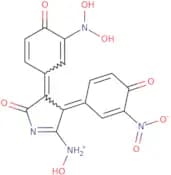
CAS:Aqabamycin F is a type of antibiotic compound, which is derived from marine natural sources, specifically from bacteria found in oceanic environments. This product is characterized by its unique molecular structure that offers potent antimicrobial properties. The mode of action of Aqabamycin F involves inhibiting essential bacterial enzymes, thus disrupting the cellular processes necessary for bacteria to survive and proliferate. This mechanism makes it effective against a wide range of bacterial pathogens, contributing to its potential in treating infections that are resistant to conventional antibiotics. Research into Aqabamycin F continues to explore its full spectrum of activity, offering insights into new therapeutic pathways for antibiotic-resistant bacterial infections. Its unique origin and molecular activity position Aqabamycin F as a promising candidate for addressing the growing challenge of antibiotic resistance.Formula:C16H11N4O8Purezza:Min. 95%Peso molecolare:387.28 g/mol2,6-Bis(2-ethylhexyl)-7a-methylhexahydro-1H-imidazo[1,5-c]imidazole (hexedine)
CAS:<p>2,6-Bis(2-ethylhexyl)-7a-methylhexahydro-1H-imidazo[1,5-c]imidazole, known as hexedine, is a synthetic compound, which is primarily utilized in industrial applications. It is derived from a chemical synthesis process involving imidazo-imidazole structures, allowing for specific modifications to yield its characteristic properties. Hexedine operates through a mechanism that enhances surface adhesion and stability when applied to various substrates. The compound’s molecular architecture enables it to form a durable, resistant layer, thereby improving the surface’s integrity and lifespan.</p>Formula:C22H45N3Purezza:Min. 95%Peso molecolare:351.6 g/molDeacetoxycephalothin
CAS:<p>Deacetoxycephalothin is a cephalosporin antibiotic, which is derived from the fungus Acremonium. It functions by inhibiting bacterial cell wall synthesis. This bactericidal activity is primarily focused on gram-positive bacteria, where it interferes with the final transpeptidation step of peptidoglycan synthesis, an essential component of the bacterial cell wall structure. By doing so, deacetoxycephalothin compromises cell wall integrity, leading to the lysis and death of bacterial cells.</p>Formula:C14H14N2O4S2Purezza:Min. 95%Peso molecolare:338.4 g/molSofosbuvir - Bio-X ™
CAS:<p>Sofosbuvir is an antiviral agent that is used for the treatment of hepatitis C infections and is used in combination with other antiviral agents. This drug is an inhibitor of viral RNA polymerase called non-structural protein 5B (NS5B). As a result, it inhibits viral RNA replication.</p>Formula:C22H29FN3O9PPurezza:Min. 95%Colore e forma:PowderPeso molecolare:529.45 g/molStavudine sodium
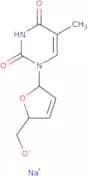
CAS:<p>Stavudine sodium is an antiretroviral medication, which is a synthetic nucleoside analogue. It is primarily sourced from chemical synthesis processes, enabling precise control over its molecular structure to ensure efficacy in its intended application. The mode of action for stavudine sodium involves its incorporation into viral DNA through reverse transcription. Once integrated, it acts as a chain terminator, inhibiting the elongation of the viral DNA and thus effectively halting the replication of the human immunodeficiency virus type 1 (HIV-1).</p>Formula:C10H11N2NaO4Purezza:Min. 95%Peso molecolare:246.19 g/molLevomecol
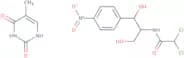
CAS:<p>Levomekol is a topical antibiotic ointment, which is a synthesized pharmaceutical product with antibacterial and anti-inflammatory properties. It contains chloramphenicol, a broad-spectrum antibiotic, and methyluracil, which promotes tissue repair and regeneration. The mode of action involves the inhibition of bacterial protein synthesis by binding to the 50S ribosomal subunit of susceptible microorganisms, effectively curbing bacterial growth and proliferation. Concurrently, methyluracil stimulates leukocyte activity and enhances the healing process by promoting cellular regeneration and collagen production.</p>Formula:C16H18Cl2N4O7Purezza:Min. 95%Peso molecolare:449.2 g/molPristinamycin IA
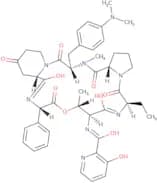
CAS:<p>Pristinamycin IA is a streptogramin antibiotic, which is a natural product derived from the bacterium *Streptomyces pristinaespiralis*. It operates by inhibiting bacterial protein synthesis through the disruption of ribosomal function, specifically targeting the 50S ribosomal subunit. This mode of action is effective in halting bacterial growth, making it particularly significant in combating resistant strains.</p>Formula:C45H54N8O10Purezza:Min. 95%Peso molecolare:866.96 g/molIonomycin
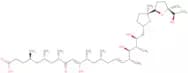
CAS:<p>Ionomycin is an ionophore compound with a mode of action that facilitates calcium ion transport across cell membranes. It is used in research to study calcium signaling and T-cell activation.</p>Formula:C41H72O9Purezza:Min. 98 Area-%Colore e forma:PowderPeso molecolare:709.01 g/molTizoxanide - 98%
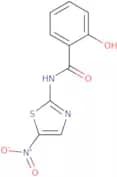
CAS:Anti-parasitic; pyruvate ferredoxin oxidoreductase inhibitorFormula:C10H7N3O4SPurezza:Min. 95%Peso molecolare:265.01573N-((3-(4-(1,1-Dioxidothiomorpholin-4-yl)-3,5-difluorophenyl)-2-oxo-1,3-oxazolidin-5-yl)methyl)acetamide
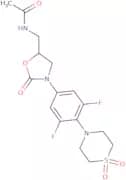
CAS:N-((3-(4-(1,1-Dioxidothiomorpholin-4-yl)-3,5-difluorophenyl)-2-oxo-1,3-oxazolidin-5-yl)methyl)acetamide is a synthetic compound, often considered within the realm of small-molecule pharmacology. This compound is derived through complex organic synthesis, involving the incorporation of dioxidothiomorpholine and oxazolidinone rings, as well as fluorination, which are critical for its biochemical properties.Formula:C16H19F2N3O5SPurezza:Min. 95%Peso molecolare:403.4 g/molSulfamoyldapsone
CAS:<p>Sulfamoyldapsone is a synthetic antimicrobial compound, which is derived from the dapsone family. Its source is primarily synthetic, designed through chemical modifications of the parent compound dapsone, a well-known antibacterial agent. The mode of action of sulfamoyldapsone involves the inhibition of bacterial folic acid synthesis. By targeting dihydropteroate synthase, an enzyme essential for the production of folic acid in microorganisms, the compound effectively interferes with bacterial growth and replication.</p>Formula:C12H13N3O4S2Purezza:Min. 95%Peso molecolare:327.4 g/molImazethapyr-1-hydroxyethyl
CAS:Imazethapyr-1-hydroxyethyl is a selective, systemic herbicide, which is synthesized through chemical processes. It functions primarily by inhibiting the acetohydroxyacid synthase (AHAS) enzyme, also known as acetolactate synthase (ALS). This enzyme is vital for the biosynthesis of branched-chain amino acids like valine, leucine, and isoleucine, which are essential for plant growth. By hindering this enzyme's action, Imazethapyr-1-hydroxyethyl effectively stunts the growth and development of susceptible plant species.Formula:C15H19N3O4Purezza:Min. 95%Peso molecolare:305.33 g/molNeoaureothin
CAS:Neoaureothin is a natural antibiotic product, which is derived from marine actinomycetes with a complex polyketide structure. Its mode of action involves the inhibition of bacterial protein synthesis by binding selectively to the ribosomal subunits, thereby obstructing the translation process in susceptible microbial strains. The specificity of its action allows it to target a broad spectrum of Gram-positive bacteria while presenting a lower risk of resistance development compared to traditional antibiotics.Formula:C28H31NO6Purezza:Min. 95%Peso molecolare:477.5 g/molL-689502
CAS:<p>L-689502 is a synthetic compound that functions as a selective antagonist for neuropeptide Y1 receptors. It is derived from chemical synthesis processes specifically designed to target and modulate these receptors. As an antagonist, its primary mode of action involves binding to the neuropeptide Y1 receptors and inhibiting their activity, thereby blocking the effects of the naturally occurring ligand, neuropeptide Y (NPY).</p>Formula:C39H51N3O7Purezza:Min. 95%Peso molecolare:673.8 g/molPentosan polysulfate
CAS:<p>Pentosan polysulfate is a semi-synthetic polysaccharide, which is derived from xylan, sourced from beechwood hemicellulose. It functions as a heparin-like compound with anticoagulant and fibrinolytic properties. Its sulfated polysaccharide form allows it to adhere to the urothelium of the bladder, forming a protective layer that can prevent irritating solutes in urine from reaching bladder cells. Through this mechanism, it mitigates the pain and discomfort associated with interstitial cystitis (IC), a chronic condition characterized by bladder pain and urinary urgency.</p>Formula:C10H18O21S4Purezza:Min. 95%Peso molecolare:602.5 g/molVicriviroc malate
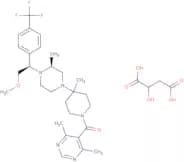
CAS:<p>Vicriviroc malate is a CCR5 antagonist with action on blocking HIV entry into cells by targeting the CCR5 receptor and is used for research on HIV treatment.</p>Formula:C28H38F3N5O2•C4H6O5Purezza:Area-% Min. 90 Area-%Colore e forma:PowderPeso molecolare:667.72 g/molGrazoprevir hydrate
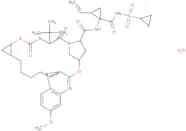
CAS:<p>Grazoprevir hydrate is a direct-acting antiviral agent used in the treatment of hepatitis C virus (HCV) infections. It is a synthetic compound derived through targeted pharmaceutical synthesis aimed at inhibiting viral replication. This compound operates by selectively inhibiting the NS3/4A protease, an enzyme critically involved in the post-translational processing and replication of the HCV polyprotein. By blocking this protease, grazoprevir effectively disrupts the virus's life cycle, thereby reducing viral load in patients.</p>Formula:C38H52N6O10SPurezza:Min. 95%Peso molecolare:784.9 g/molCycloxaprid
CAS:<p>Cycloxaprid is an insecticide, which is a chemical derived from natural compounds designed to manage pest populations. Its primary source is based on a modification of the neonicotinoids, a class of neuro-active insecticides modeled after nicotine. Cycloxaprid functions by acting on nicotinic acetylcholine receptors (nAChRs) within the insect’s nervous system. This mode of action involves binding to these receptors, leading to uncontrolled nerve firing and eventually, the insect’s death due to nervous system failure.</p>Formula:C14H15ClN4O3Purezza:Min. 95%Peso molecolare:322.75 g/mol8-epiAtazanavir
CAS:<p>8-epiAtazanavir is a stereoisomer of the antiretroviral drug Atazanavir, which is derived from synthetic sources. It acts as an HIV-1 protease inhibitor, where it binds to the active site of the viral protease enzyme, thereby preventing the cleavage of precursor proteins required for the maturation of infectious viral particles. This interference with viral replication is achieved by the structural mimicry of the natural substrate of the protease, allowing it to competitively inhibit the enzyme's activity.</p>Formula:C38H52N6O7Purezza:Min. 95%Peso molecolare:704.38975Sofosbuvir impurity N
CAS:<p>Sofosbuvir impurity N is a chemical impurity found as a byproduct in the synthesis of sofosbuvir, a nucleotide analog used as an antiviral drug. Its origin is directly linked to the complex chemical processes involved in producing the active pharmaceutical ingredient. This impurity is specifically identified and analyzed to ensure the purity and efficacy of the sofosbuvir drug. Impurities like these are of significant interest in pharmaceutical development, as they provide insights into the synthetic pathways and potential degradation products.</p>Formula:C20H25FN3O9PPurezza:Min. 95%Peso molecolare:501.4 g/molBromuconazole
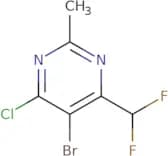
CAS:<p>Bromuconazole is a systemic fungicide, which is a synthetic chemical compound primarily used to protect crops from fungal diseases. It is derived from the triazole class of fungicides, which are known for their ability to inhibit important biochemical processes within fungal cells. The mode of action of Bromuconazole involves the inhibition of the enzyme C14-demethylase, a key component in the biosynthesis of ergosterol. Ergosterol is an essential component of fungal cell membranes, and its disruption leads to impaired cellular function and ultimately the death of the fungal organism.</p>Formula:C13H12BrCl2N3OPurezza:Min. 95%Peso molecolare:377.1 g/molPyrametostrobin
CAS:<p>Pyrametostrobin is a fungicide, which is derived from strobilurin compounds. These compounds are originally sourced from natural antifungal substances produced by certain fungi, specifically the wood-decay fungus Strobilurus tenacellus. Pyrametostrobin functions by inhibiting mitochondrial respiration in fungal cells, specifically targeting the cytochrome bc1 complex within the electron transport chain. This action disrupts the energy production of the fungal cells, ultimately leading to their death.</p>Formula:C21H23N3O4Purezza:Min. 95%Peso molecolare:381.4 g/molPicloxydine digluconate
CAS:<p>Picloxydine digluconate is an antiseptic agent, which is derived from synthetic chemical processes designed to produce highly effective antimicrobial compounds. It operates through the disruption of microbial cell membranes, leading to the leakage of cell contents and subsequent cell death. This mode of action is particularly efficient against a wide spectrum of bacteria, including both Gram-positive and Gram-negative strains, as well as fungi and some viruses.</p>Formula:C26H36Cl2N10O7Purezza:Min. 95%Peso molecolare:671.5 g/molNafcillin sodium
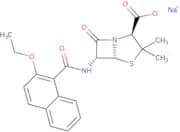
CAS:<p>Nafcillin sodium is a beta-lactam antibiotic, which is a semisynthetic derivative of the organic compound penicillin. It is specifically engineered to be resistant to the inactivation by penicillinase enzymes produced by certain bacteria. This feature allows it to remain effective against a range of penicillinase-producing staphylococcal infections.</p>Formula:C21H21N2NaO5SPurezza:Min. 95%Colore e forma:PowderPeso molecolare:436.46 g/mol2-(((5-Methyl-2-thienyl)methylene)amino)-N-phenylbenzamide
CAS:2-(((5-Methyl-2-thienyl)methylene)amino)-N-phenylbenzamide is a synthetic compound that functions as an enzyme inhibitor, specifically targeting proteins involved in various signaling pathways. This compound is sourced through synthetic organic chemistry whereby it is meticulously crafted to interact with biological molecules at a molecular level. Its mode of action involves binding to the active or allosteric sites of specific enzymes, which can modulate the enzyme's activity. This interaction can lead to the downregulation or inhibition of specific biochemical pathways, making it an invaluable tool in the study of cellular processes.Formula:C19H16N2OSPurezza:Min. 95%Peso molecolare:320.4 g/molIkarugamycin
CAS:<p>Ikarugamycin is a polycyclic nitrogenous antibiotic, which is derived from the fermentation of Streptomyces species, a genus of gram-positive bacteria. It acts primarily by inhibiting clathrin-mediated endocytosis, a cellular process involving the internalization of various macromolecules. This inhibition disrupts cellular uptake mechanisms, which has significant implications for its utility in biological research and therapeutic applications.</p>Formula:C29H38N2O4Purezza:Min. 95%Peso molecolare:478.62 g/mol(R)-Ambrisentan
CAS:<p>(R)-Ambrisentan is an endothelin receptor antagonist, which is a pharmacological agent derived synthetically to target and inhibit specific cellular pathways. It is primarily utilized in the treatment of pulmonary arterial hypertension (PAH), where it plays a crucial role in modulating vascular function. The mode of action of (R)-Ambrisentan involves selective antagonism of the endothelin type A (ETA) receptors, which are responsible for vasoconstriction and proliferation of vascular smooth muscle cells. By blocking these receptors, it mitigates the effects of endothelin, a potent vasoconstrictor, thus reducing blood pressure and improving blood flow in pulmonary arteries.</p>Formula:C22H22N2O4Purezza:Min. 95%Peso molecolare:378.40 g/molBasic violet 3 d6
CAS:<p>Basic Violet 3 is a synthetic dye, which is derived from coal tar sources with a mechanism of action involving the disruption of cellular components. This compound intercalates with nucleic acids, allowing it to bind to specific cellular structures. Its primary mode of action targets the chromosomal material, leading to colorimetric changes that enhance visualization.</p>Formula:C25H30ClN3Purezza:Min. 95%Peso molecolare:414 g/molAmpicillin amino-benzeneacetaldehyde
CAS:Ampicillin amino-benzeneacetaldehyde is a specialized biochemical compound, which is a derivative of the well-known antibiotic ampicillin. This compound serves as an advanced progenitor in the synthesis of tailored antibiotics, stemming from both natural and semi-synthetic sources. The primary mode of action for this derivative involves its transformation into active ampicillin forms, which then inhibit bacterial cell wall synthesis by binding to penicillin-binding proteins. This mechanism effectively compromises the structural integrity of bacterial cells, leading to their eventual lysis.Formula:C24H26N4O5SPurezza:Min. 95%Peso molecolare:482.6 g/mol


![2,6-Bis(2-ethylhexyl)-7a-methylhexahydro-1H-imidazo[1,5-c]imidazole (hexedine)](/_next/image/?url=https%3A%2Fstatic.cymitquimica.com%2Fproducts%2F3D%2Fthumb-webp%2FFAA98031.webp&w=3840&q=75)