Antimicrobici
Gli antimicrobici sono agenti che distruggono o inibiscono la crescita di microrganismi, inclusi batteri, virus, funghi e parassiti. Questi composti sono essenziali nella prevenzione e nel trattamento delle infezioni, svolgendo un ruolo cruciale nella medicina, nell'agricoltura e nell'industria alimentare. Presso CymitQuimica offriamo un'ampia gamma di antimicrobici di alta qualità e purezza, adatti a varie applicazioni scientifiche e industriali. Il nostro catalogo comprende antibiotici, antifungini, antivirali e disinfettanti, tutti progettati per soddisfare le esigenze della ricerca e dello sviluppo, nonché per applicazioni cliniche e di produzione. Con i nostri prodotti, i professionisti possono garantire l'efficacia e la sicurezza nel controllo delle infezioni e nella protezione della salute pubblica.
Sottocategorie di "Antimicrobici"
- Antibiotici(4.131 prodotti)
- Antimicotici(909 prodotti)
- Antiparassitari(703 prodotti)
- Antivirali(766 prodotti)
Trovati 2424 prodotti di "Antimicrobici"
Ordinare per
Purezza (%)
0
100
|
0
|
50
|
90
|
95
|
100
Butirosin disulfate
CAS:<p>Butirosin disulfate is an aminoglycoside antibiotic, which is derived from a strain of *Bacillus circulans*. Its primary mode of action involves binding to the 30S subunit of the bacterial ribosome, leading to the inhibition of protein synthesis. This interaction results in the misreading of mRNA, ultimately causing bactericidal effects.</p>Formula:C21H45N5O20S2Purezza:Min. 95%Peso molecolare:751.7 g/molBecliconazole
CAS:Please enquire for more information about Becliconazole including the price, delivery time and more detailed product information at the technical inquiry form on this pageFormula:C18H12Cl2N2OPurezza:Min. 95%Peso molecolare:343.2 g/molPiperacillin oxalylamide
CAS:<p>Piperacillin oxalylamide is an investigational antibiotic, which is a synthetic derivative of the widely used β-lactam antibiotic, piperacillin. Its development is rooted in the quest to combat β-lactamase-producing resistant bacterial strains, which are a growing threat in clinical settings. It operates by inhibiting bacterial cell wall synthesis, similar to other β-lactam antibiotics, but possesses a modified structure that enhances its resistance to enzymatic degradation by β-lactamases.</p>Formula:C23H29N5O8SPurezza:Min. 95%Peso molecolare:535.57 g/molENOblock
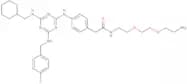
CAS:<p>ENOblock is a biochemical inhibitor, which is synthesized from specific small molecules with the capability to modulate metabolic pathways. This product is derived from a high-throughput screening aimed at identifying novel regulators of enzymatic processes and exhibits unique properties influencing nicotinamide adenine dinucleotide (NAD) metabolism.</p>Formula:C31H43FN8O3Purezza:Min. 95%Peso molecolare:594.74 g/molPhleomycin
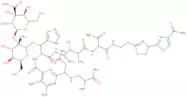
CAS:<p>Phleomycin is an antibiotic, which is derived from the bacterium *Streptomyces verticillus*. Its mode of action involves binding to DNA and inducing breaks by generating free radicals in the presence of oxygen and ferrous ions, leading to cell death. Phleomycin is prominently used in molecular biology applications as a selective agent in the generation of stable transfectants. It is particularly effective in selecting for cells that have integrated vectors conferring resistance, such as the Sh ble gene used in yeast, plant, and mammalian cell systems. Due to its potent DNA-cleaving ability, Phleomycin is valuable in studies requiring stringent selection pressure. Researchers commonly utilize it in experiments focusing on genetic modification and cellular resistance development.</p>Formula:C51H75N17O21S2Purezza:Min. 95%Peso molecolare:1,326.38 g/molCefonicid
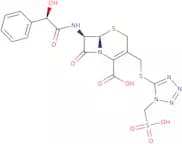
CAS:Cefonicid is a semisynthetic cephalosporin antibiotic, which is derived from the naturally occurring compound cephalosporin C, obtained from the mold *Cephalosporium acremonium*. Its mode of action involves inhibiting bacterial cell wall synthesis by binding to penicillin-binding proteins, leading to cell lysis and death, thereby exhibiting bactericidal activity.Formula:C18H16N6O8S3Purezza:Min. 95%Peso molecolare:540.55 g/molIndinavir monohydrate
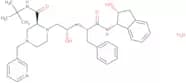
CAS:Indinavir monohydrate is an antiretroviral medication, which is a synthetic pharmaceutical compound, specifically a protease inhibitor, used in the treatment of HIV infection. It is derived from chemical synthesis processes that follow rigorous standards to produce a pharmacologically active compound. Indinavir functions by selectively inhibiting the HIV-1 protease enzyme, which is crucial for the viral replication cycle. By binding to the active site of the enzyme, indinavir prevents the cleavage of viral polypeptides, leading to the production of immature and non-infectious viral particles.Purezza:Min. 95%(±)-Salbutamol
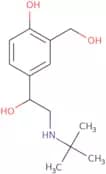
CAS:Prodotto controllato(±)-Salbutamol is a racemic mixture of a beta-2 adrenergic agonist, which is synthetically derived. This compound functions primarily by selectively stimulating beta-2 adrenergic receptors, which are predominantly located on the smooth muscle cells lining the airways. The activation of these receptors leads to the relaxation of bronchial muscle tissue, resulting in bronchodilation and improved airflow.Formula:C13H21NO3Peso molecolare:239.31 g/molRef: 3D-Q-201695
10gPrezzo su richiesta25gPrezzo su richiesta50gPrezzo su richiesta100gPrezzo su richiesta250gPrezzo su richiestaRPW-24
CAS:<p>RPW-24 is a microbial inoculant, which is derived from specifically cultivated microbial strains with known capabilities of enhancing soil fertility. Utilizing a proprietary selection of Bacillus and Pseudomonas species, this product functions by facilitating the solubilization of inorganic phosphate compounds in the soil. These microbes secrete organic acids and enzymes that convert insoluble forms of phosphorus into forms that are more readily available to plants, thereby enhancing nutrient uptake and promoting plant growth.</p>Formula:C15H13ClN4Purezza:Min. 95%Peso molecolare:284.74 g/molBromophos-methyl-oxon
CAS:<p>Bromophos-methyl-oxon is an organophosphate insecticide and acaricide, which is a synthetic chemical derived from organophosphate compounds. It functions by inhibiting the activity of the enzyme acetylcholinesterase in target organisms. This inhibition leads to the accumulation of acetylcholine at nerve synapses, disrupting normal nerve function and ultimately resulting in the paralysis and death of pests.</p>Formula:C8H8BrCl2O4PPurezza:Min. 95%Peso molecolare:349.93 g/molPikromycin
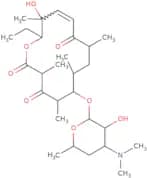
CAS:<p>Pikromycin is an antibiotic, which is derived from the bacterium *Streptomyces venezuelae*. It functions by specifically binding to the 50S ribosomal subunit, thereby inhibiting bacterial protein synthesis. This action effectively blocks peptide chain elongation, leading to the cessation of bacterial growth and proliferation. Pikromycin serves as an important model compound in antibiotic research, particularly in the study of macrolides and polyketides, due to its unique structure and biosynthetic pathway.</p>Formula:C28H47NO8Purezza:Min. 95%Peso molecolare:525.7 g/molErythromycylamine
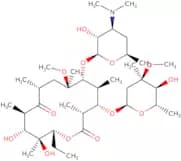
CAS:<p>Erythromycylamine is a semisynthetic antibiotic, which is derived from the parent compound erythromycin. This compound is sourced from the fermentation product of the bacterium *Saccharopolyspora erythraea*. Erythromycylamine acts by inhibiting bacterial protein synthesis, specifically targeting the 50S ribosomal subunit, which ultimately leads to the disruption of bacterial cell growth and replication.</p>Formula:C37H70N2O12Purezza:Min. 95%Peso molecolare:734.96 g/mol1H-Indene-2-carboxylic acid
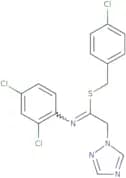
CAS:<p>1H-Indene-2-carboxylic acid is an organic compound, which is primarily utilized in synthetic organic chemistry. This compound is a derivative of indene, a bicyclic hydrocarbon derived from the fusion of benzene and cyclopentene rings. It is most commonly sourced from petrochemical processes involving the polymerization or catalytic conversion of hydrocarbons.</p>Formula:C21H17ClF3N3O7Purezza:Min. 95%Peso molecolare:515.8 g/molArtefenomel
CAS:<p>Artefenomel is an antimalarial agent, which is a synthetic derivative originally based on artemisinin, primarily sourced from the Artemisia annua plant. It exhibits its mode of action by targeting and disrupting the Plasmodium parasite's life cycle within the human host. Specifically, artefenomel interferes with the parasite's ability to degrade hemoglobin, leading to the accumulation of toxic levels of heme, ultimately causing the parasite's death.</p>Formula:C28H39NO5Purezza:Min. 95%Peso molecolare:469.6 g/mol(E)-Ceftriaxone disodium
CAS:<p>(E)-Ceftriaxone disodium is a broad-spectrum cephalosporin antibiotic, which is derived from the fermentation of the fungus Acremonium. This semi-synthetic antibiotic works by inhibiting bacterial cell wall synthesis. It achieves this by binding to the penicillin-binding proteins (PBPs) in the bacterial cell membrane, which ultimately interferes with peptidoglycan cross-linking, leading to cell lysis and death.</p>Formula:C18H16N8Na2O7S3Purezza:Min. 95 Area-%Peso molecolare:598.54 g/molAqabamycin D
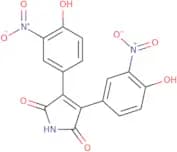
CAS:Aqabamycin D is a novel antibiotic compound, which is derived from marine bacteria, particularly from the genus Streptomyces collected from unique marine environments. This compound functions by interfering with bacterial cell wall synthesis, leading to the disruption of essential cellular processes. Aqabamycin D exhibits a broad spectrum of antibacterial activity, particularly against gram-positive bacteria, making it a valuable tool for tackling resistant bacterial strains.Formula:C16H9N3O8Purezza:Min. 95%Peso molecolare:371.26 g/molPantoprazole-d3
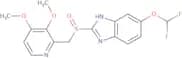
CAS:<p>Pantoprazole-d3 is a stable isotope-labeled version of the proton pump inhibitor pantoprazole, which is derived synthetically for scientific research and analytical applications. Isotope labeling involves substituting hydrogen atoms with deuterium, resulting in Pantoprazole-d3 containing three deuterium atoms. This modification preserves the pharmacological profile of the parent compound while enabling precise tracking in biological studies through advanced spectroscopic techniques.</p>Formula:C16H15F2N3O4SPurezza:Min. 95%Peso molecolare:386.4 g/mol26-Oxofusidic acid
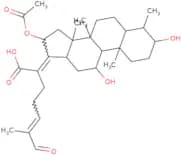
CAS:<p>26-Oxofusidic acid is a derivative of fusidic acid, which is a potent antibacterial compound originally isolated from the fungus Fusidium coccineum. This compound exhibits a unique mode of action by inhibiting bacterial protein synthesis through interference with the elongation factor G (EF-G), a critical component in the translocation step of translation. By targeting this specific aspect of bacterial metabolism, 26-Oxofusidic acid effectively disrupts the growth of gram-positive bacteria, making it an invaluable tool in combating resistant bacterial strains.</p>Formula:C31H46O7Purezza:Min. 95%Peso molecolare:530.69 g/molChlorhexidine acetate hydrate(1:2:X)
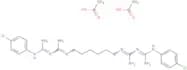
CAS:Prodotto controllato<p>Chlorhexidine acetate hydrate (1:2:X) is a chemical compound used as a disinfectant and antiseptic. It is derived from chlorhexidine, a well-known antimicrobial agent frequently used in both medical and laboratory settings. The compound functions by disrupting microbial cell membranes, resulting in leakage of cellular components and subsequent cell death. This action makes it particularly effective against a wide range of bacteria, fungi, and some viruses.</p>Formula:C26H38Cl2N10O4Purezza:Min. 95%Peso molecolare:625.5 g/molD 13-9001
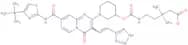
CAS:Please enquire for more information about D 13-9001 including the price, delivery time and more detailed product information at the technical inquiry form on this pageFormula:C31H39N11O6SPurezza:Min. 95%Peso molecolare:693.8 g/mol8-Methylpyrido[2,3-d]pyridazin-5(6H)-one
CAS:<p>8-Methylpyrido[2,3-d]pyridazin-5(6H)-one is a heterocyclic compound used in the field of medicinal chemistry. This compound is synthesized through complex organic reactions involving pyridazine and pyridine derivatives. As a molecule, its primary mode of action involves interactions with specific biochemical pathways, potentially influencing enzymatic activity or receptor bindings, leading to modulation of biological activities.</p>Formula:C8H7N3OPurezza:Min. 95%Peso molecolare:161.16 g/mol(E)-Coniferin
CAS:(E)-Coniferin is a plant-derived glucoside, which is primarily associated with the lignification process in gymnosperms and angiosperms. It is biosynthesized from the phenylpropanoid pathway, specifically from coniferyl alcohol conjugated with glucose. This conjugation serves as a storage form and transport mechanism for coniferyl alcohol in plants.Formula:C16H22O8Purezza:Min. 95%Peso molecolare:342.34 g/molBenastatin A
CAS:<p>Benastatin A is an antifungal compound, which is derived from marine-derived Streptomyces species. This bacterial genus, known for its prolific production of bioactive secondary metabolites, serves as a rich source for drug discovery and biosynthesis of unique compounds like Benastatin A. The mode of action of Benastatin A involves the disruption of fungal cell membranes, leading to leakage of vital cellular components and subsequent cell death. This interaction is crucial for understanding its efficacy and specificity against fungal pathogens.</p>Formula:C30H28O7Purezza:Min. 95%Peso molecolare:500.50 g/mol3-(Methylsulfonyl)-2,5-dioxopyrrolidin-1-yl 4-((5-nitropyridin-2-yl)disulfanyl)butanoate
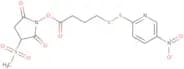
CAS:3-(Methylsulfonyl)-2,5-dioxopyrrolidin-1-yl 4-((5-nitropyridin-2-yl)disulfanyl)butanoate is a sophisticated biochemical compound used primarily in research settings. This compound, derived from synthetic sources, functions through its reactive disulfide linkage, enabling the modification of thiol groups in proteins or other biomolecules. This reactivity is crucial for applications involving targeted chemical modifications, serving as a useful tool in the investigation of biochemical pathways and interactions.Formula:C14H15N3O8S3Purezza:Min. 95%Peso molecolare:449.5 g/mol(2S)-2-[N-(Furan-2-carbonyl)-2,6-dimethylanilino]propanoic acid
CAS:<p>(2S)-2-[N-(Furan-2-carbonyl)-2,6-dimethylanilino]propanoic acid is a synthetic compound classified as a potentially bioactive molecule. It is derived through a series of organic synthesis steps that involve the coupling of furan-2-carbonyl chloride with 2,6-dimethylaniline, followed by modification with a chiral propanoic acid moiety.</p>Formula:C16H17NO4Purezza:Min. 95%Peso molecolare:287.31 g/molImibenconazole
CAS:<p>Imibenconazole is a systemic fungicide, which is a synthetic chemical compound known for its efficacy in controlling a wide spectrum of fungal pathogens. This fungicide operates by inhibiting the biosynthesis of ergosterol, a crucial component of fungal cell membranes, effectively disrupting the growth and spread of fungi. Its action involves the inhibition of the demethylation process in sterol biosynthesis, specifically targeting the cytochrome P450 14α-demethylase enzyme.</p>Formula:C17H13Cl3N4SPurezza:Min. 95%Peso molecolare:411.7 g/molDiclobutrazol
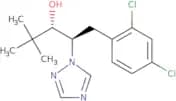
CAS:<p>Diclobutrazol is a plant growth regulator, a synthetic compound primarily derived from chemical synthesis methods. This compound acts by inhibiting the biosynthesis of gibberellins, which are plant hormones that regulate various aspects of growth and development. The inhibition of gibberellin biosynthesis results in reduced plant elongation, leading to more compact growth forms.</p>Formula:C15H19Cl2N3OPurezza:Min. 95%Peso molecolare:328.24 g/molTebufenozide-hydroxymethyl
CAS:<p>Tebufenozide-hydroxymethyl is an insect growth regulator, which is synthesized chemically to function as an agonist of the molting hormone, ecdysone, in target pest species. It operates by mimicking the effects of ecdysone, leading to premature and lethal molting in lepidopteran larvae. This disruption in the developmental cycle of the insects effectively suppresses their population by preventing them from reaching maturity and reproducing.</p>Formula:C22H28N2O3Purezza:Min. 95%Peso molecolare:368.5 g/molAmoscanate
CAS:Amoscanate is an antischistosomal agent, which is a synthetic compound with a broad spectrum of activity against parasitic infections. Its mode of action involves the disruption of parasite metabolism and structure, ultimately leading to the elimination of schistosomes. Schistosomes are trematode worms responsible for schistosomiasis, a significant parasitic disease affecting millions of people worldwide.Formula:C13H9N3O2SPurezza:Min. 95%Peso molecolare:271.3 g/molBromobutide-desbromo
CAS:<p>Bromobutide-desbromo is a chemical compound that functions as a selective herbicide. It is derived from synthetic sources and is specifically formulated to interfere with photosynthesis in target plants. The mode of action of bromobutide-desbromo involves inhibiting photosystem II, a crucial component of the photosynthetic electron transport chain in plants. This inhibition disrupts the energy conversion process, leading to a decrease in ATP and NADPH production, which are essential for plant growth.</p>Formula:C15H23NOPurezza:Min. 95%Peso molecolare:233.35 g/molClarithromycin-13CD3
CAS:<p>Clarithromycin-13CD3 is an isotopically labeled macrolide antibiotic, which is synthesized to include deuterium (D) and carbon-13 (^13C) in its molecular structure. This modified compound serves as a stable isotope-labeled standard, primarily sourced from chemical synthesis. The incorporation of these isotopes differentiates it from the naturally occurring antibiotic, enabling its use in precise analytical studies.</p>Formula:C37CH66D3NO13Purezza:Min. 95%Peso molecolare:751.97 g/molIclaprim
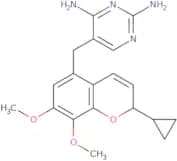
CAS:Iclaprim is an antibiotic, which is a synthetic diaminopyrimidine antimicrobial agent with a specific mechanism of action. It works by selectively inhibiting bacterial dihydrofolate reductase, a crucial enzyme in the bacterial folate synthesis pathway. This inhibition prevents the production of tetrahydrofolate, ultimately disrupting DNA, RNA, and protein synthesis in susceptible bacterial cells.Formula:C19H22N4O3Purezza:Min. 95%Peso molecolare:354.4 g/molCAP 3
CAS:<p>CAP 3 is an enzymatic product, derived from genetically engineered microorganisms, known for its specificity and efficiency in catalyzing biochemical reactions. This enzyme functions via the hydrolysis of specific chemical bonds, promoting reaction pathways that enhance productivity in various industrial and laboratory settings.</p>Formula:C52H82N6O11Purezza:Min. 95%Peso molecolare:967.20 g/mol7-O-Demethyl rapamycin
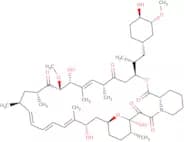
CAS:<p>7-O-Demethyl rapamycin is a macrolide compound, which is a derivative of rapamycin, originally sourced from the bacterial species *Streptomyces hygroscopicus*. This compound operates by binding to the FK506-binding protein 12 (FKBP12), forming a complex that inhibits the mammalian target of rapamycin (mTOR) pathway. This inhibition interferes with cellular processes such as cell growth, proliferation, and survival by altering the phosphorylation state of downstream targets.</p>Formula:C50H77NO13Purezza:80%MinPeso molecolare:900.15 g/molGentamicin c1 sulfate
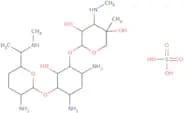
CAS:Gentamicin c1 sulfate is an aminoglycoside antibiotic, which is derived from the fermentation of the soil bacterium *Micromonospora purpurea*. Its mode of action involves binding to the 30S ribosomal subunit, disrupting protein synthesis by causing misreading of mRNA and inhibiting the initiation of translation. This mechanism is particularly effective against a broad spectrum of Gram-negative bacteria, including *Pseudomonas aeruginosa* and members of the Enterobacteriaceae family.Formula:C21H45N5O11SPurezza:Min. 95%Peso molecolare:575.7 g/molPurfalcamine
CAS:<p>Purfalcamine is a synthetic pharmaceutical compound that belongs to a class of molecules known as small-molecule inhibitors. It is sourced through advanced chemical synthesis, enabling precise structural modifications to optimize its biological activity. The mode of action of Purfalcamine involves selective inhibition of a specific target protein involved in key cellular signaling pathways. This targeted interaction disrupts abnormal cellular processes, making it a promising therapeutic candidate for certain diseases.</p>Formula:C29H33FN8OPurezza:Min. 95%Peso molecolare:528.6 g/molPSI-7409
CAS:<p>PSI-7409 is a novel antimicrobial compound, which is synthetically derived with a unique mechanism of action. This compound is engineered through a complex synthesis process ensuring high purity and efficacy. PSI-7409 exerts its effects by disrupting bacterial cell wall synthesis, leading to cell lysis and death. Its precise mode of interaction on the molecular level involves inhibition of key enzymatic pathways essential for peptidoglycan assembly, thereby compromising the structural integrity of bacterial cells.</p>Formula:C10H16FN2O14P3Purezza:Min. 95%Peso molecolare:500.16 g/molFluxapyroxad-N-desmethyl
CAS:Fluxapyroxad-N-desmethyl is a fungicidal metabolite, which is derived from the parent compound fluxapyroxad, a pyridine carboxamide fungicide. The source of this compound is through the biological or chemical transformation of fluxapyroxad, which involves demethylation. Its mode of action involves the inhibition of succinate dehydrogenase, an essential enzyme in the fungal pathogen's mitochondrial electron transport chain. This inhibition results in disruption of energy production within the fungal cells, ultimately leading to their death.Formula:C17H10F5N3OPurezza:Min. 95%Peso molecolare:367.27 g/molFenbuconazole-lactone B rh-9130
CAS:Fenbuconazole-lactone B rh-9130 is an azole fungicide, which is a chemically synthesized compound. It is derived from the lactone form of fenbuconazole, an established triazole fungicide, and designed to inhibit sterol biosynthesis. Its mode of action involves disrupting the synthesis of ergosterol, a critical component of fungal cell membranes, thereby impeding fungal growth and reproduction.Formula:C19H16ClN3O2Purezza:Min. 95%Peso molecolare:353.8 g/molN-Biotinyl-12-aminododecanoyltobramycin amide
CAS:<p>N-Biotinyl-12-aminododecanoyltobramycin amide is a synthetic bioconjugate, which is derived from the aminoglycoside antibiotic tobramycin. This compound is chemically modified by the addition of a biotin moiety linked through a 12-aminododecanoyl spacer. The source of this product is rooted in the conjugation of biotin to tobramycin, allowing for targeted delivery and potential hybrid applications in both therapeutic and diagnostic fields.</p>Formula:C40H74N8O12SPurezza:Min. 95%Peso molecolare:891.13 g/mol3'-N-Desmethyl-3'-N-formyl azithromycin
CAS:3'-N-Desmethyl-3'-N-formyl azithromycin is a semi-synthetic macrolide antibiotic, derived from the well-known azithromycin. It is created through structural modification, where the 3'-N-demethylated and 3'-N-formyl groups enhance its pharmacokinetic properties and potentially improve its antimicrobial efficacy.Formula:C38H70N2O13Purezza:Min. 95%Peso molecolare:762.97 g/molTobramycin, Antibiotic for Culture Media Use Only
CAS:Prodotto controllatoTobramycin is used to treat severe infections with gram-negative bacteria and it is often applied in combination with beta-lactams. It has similar antimicrobial effects to gentamicin and is effective against all Enterobacteriacae, but more effective than gentamicin against P. aeruginosa, which is why it is often used for gentamicin-resistant strains, especially in the case of cystic fibrosis.Formula:C18H37N5O9Purezza:Min. 97 Area-%Peso molecolare:467.51 g/molRef: 3D-Q-201837
10gPrezzo su richiesta25gPrezzo su richiesta50gPrezzo su richiesta100gPrezzo su richiesta250gPrezzo su richiesta-Unit-ggPrezzo su richiestaStreptidine
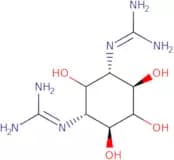
CAS:<p>Streptidine is an amino cyclitol, which is a component of certain aminoglycoside antibiotics. This compound originates from the actinomycete *Streptomyces griseus*, a soil bacterium known for its ability to produce a variety of antibiotics. Streptidine plays a crucial role in the mechanism of aminoglycosides by contributing to the binding affinity of these antibiotics to the bacterial ribosome.</p>Formula:C8H18N6O4Purezza:Min. 95%Peso molecolare:262.138958-Hydroxy-3,5,6,7,3',4'-hexamethoxyflavone
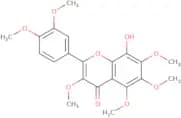
CAS:8-Hydroxy-3,5,6,7,3',4'-hexamethoxyflavone is a flavonoid compound, which is a naturally occurring polyphenolic substance found predominantly in various citrus fruits. As part of the flavone class of flavonoids, its structure is characterized by the presence of multiple methoxy and hydroxyl groups. These functional groups contribute to its biochemical properties, particularly its ability to act as an electron donor.Formula:C21H22O9Purezza:Min. 95%Peso molecolare:418.4 g/molSatranidazole
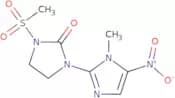
CAS:<p>Satranidazole is an antimicrobial agent that falls under the category of synthetic nitroimidazoles. It is derived from chemical synthesis and is designed to combat infections caused by specific organisms. The mode of action involves the reduction of the nitro group within the organism, creating reactive intermediates that disrupt DNA synthesis and lead to cell death. This mode of action is notably effective against protozoal infections and anaerobic bacterial infections.</p>Formula:C8H11N5O5SPurezza:Min. 95%Peso molecolare:289.27 g/molTunicamycin
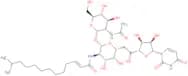
CAS:<p>Inhibitor of N-glycosylation in eukaryotes</p>Formula:C37H60N4O16Purezza:Min. 95%Colore e forma:PowderPeso molecolare:816.89Virginiamycin M1
CAS:<p>Inhibitor of protein synthesis; streptogramin</p>Formula:C28H35N3O7Purezza:Min. 95%Peso molecolare:525.59 g/molFlorpyrauxifen
CAS:<p>Florpyrauxifen is a synthetic auxin herbicide, which is derived from chemical synthesis. It functions by mimicking natural plant hormones called auxins, which regulate plant growth and development. The mode of action involves disrupting normal cellular function by causing uncontrolled growth, leading to plant death.</p>Formula:C13H8Cl2F2N2O3Purezza:Min. 95%Peso molecolare:349.11 g/molS-Ethyl (3-hydroxypropyl)propylthiocarbamate
CAS:S-Ethyl (3-hydroxypropyl)propylthiocarbamate is a selective herbicide used primarily in the agricultural sector. Derived from synthetic organic chemistry, it belongs to the thiocarbamate class of herbicides. These compounds are known for their ability to inhibit the growth of undesirable plant species by interfering with lipid synthesis.Formula:C9H19NO2SPurezza:Min. 95%Peso molecolare:205.32 g/molTazobactam diphenylmethyl ester
CAS:<p>Tazobactam diphenylmethyl ester is a chemical compound that serves as a precursor or intermediate in the synthesis of beta-lactamase inhibitors. This product originates from synthetic organic chemistry and plays a crucial role in antibiotic research and development. Its mode of action involves modifying or blocking the active site of beta-lactamase enzymes, which are responsible for granting bacteria resistance to beta-lactam antibiotics.</p>Formula:C23H22N4O5SPurezza:Min. 95%Peso molecolare:466.5 g/mol





![8-Methylpyrido[2,3-d]pyridazin-5(6H)-one](/_next/image/?url=https%3A%2Fstatic.cymitquimica.com%2Fproducts%2F3D%2Fthumb-webp%2FQDA00407.webp&w=3840&q=75)


![(2S)-2-[N-(Furan-2-carbonyl)-2,6-dimethylanilino]propanoic acid](/_next/image/?url=https%3A%2Fstatic.cymitquimica.com%2Fproducts%2F3D%2Fthumb-webp%2FTEA59719.webp&w=3840&q=75)