Antimicrobici
Gli antimicrobici sono agenti che distruggono o inibiscono la crescita di microrganismi, inclusi batteri, virus, funghi e parassiti. Questi composti sono essenziali nella prevenzione e nel trattamento delle infezioni, svolgendo un ruolo cruciale nella medicina, nell'agricoltura e nell'industria alimentare. Presso CymitQuimica offriamo un'ampia gamma di antimicrobici di alta qualità e purezza, adatti a varie applicazioni scientifiche e industriali. Il nostro catalogo comprende antibiotici, antifungini, antivirali e disinfettanti, tutti progettati per soddisfare le esigenze della ricerca e dello sviluppo, nonché per applicazioni cliniche e di produzione. Con i nostri prodotti, i professionisti possono garantire l'efficacia e la sicurezza nel controllo delle infezioni e nella protezione della salute pubblica.
Sottocategorie di "Antimicrobici"
- Antibiotici(4.130 prodotti)
- Antimicotici(909 prodotti)
- Antiparassitari(703 prodotti)
- Antivirali(766 prodotti)
Trovati 2424 prodotti di "Antimicrobici"
Ordinare per
Purezza (%)
0
100
|
0
|
50
|
90
|
95
|
100
Imazamox-o-desmethyl
CAS:<p>Imazamox-o-desmethyl is a herbicide metabolite, which is derived from the biotransformation of the imazamox compound, typically occurring during degradation processes. Its mode of action involves targeting the acetohydroxyacid synthase (AHAS) enzyme—a critical component in the biosynthesis of branched-chain amino acids in plants. This inhibition disrupts plant growth, leading to effective weed control.</p>Formula:C14H17N3O4Purezza:Min. 95%Peso molecolare:291.3 g/molKanamycin C
CAS:Inhibitor of protein synthesis; aminoglycosideFormula:C18H36N4O11Purezza:Min. 95%Peso molecolare:484.5 g/molSofosbuvir impurity I
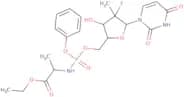
CAS:<p>Sofosbuvir impurity I is an organic chemical impurity often associated with the active pharmaceutical ingredient (API) Sofosbuvir, which is used in the treatment of hepatitis C. This impurity arises during the manufacturing process of Sofosbuvir as a byproduct. It is crucial to monitor and identify such impurities to ensure the safety, efficacy, and quality of the final pharmaceutical product.</p>Formula:C21H27FN3O9PPurezza:Min. 95%Peso molecolare:515.4 g/molBentaluron
CAS:<p>Bentaluron is a synthetic fungicide, which is a chemical compound developed to combat fungal pathogens in agriculture. Its source originates from rigorous industrial chemical synthesis, ensuring efficacy and stability. The mode of action of Bentaluron involves disrupting essential biochemical pathways within fungal cells, specifically targeting and inhibiting enzymes critical for fungal growth and metabolism. This precise interference prevents the synthesis of vital cellular components, ultimately halting the proliferation of the fungus.</p>Formula:C11H13N3OSPurezza:Min. 95%Peso molecolare:235.31 g/molPirlimycin HCl
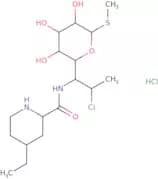
CAS:<p>Pirlimycin HCl is an antibacterial product, which is a semi-synthetic derivative of the natural antibiotic lincomycin produced by Streptomyces lincolnensis. Its mode of action involves the inhibition of bacterial protein synthesis by binding to the 50S ribosomal subunit, thereby preventing the elongation of peptide chains. This action is particularly effective against Gram-positive bacteria, including Staphylococcus and Streptococcus species.</p>Formula:C17H31ClN2O5S·HClPurezza:Min. 95%Colore e forma:White PowderPeso molecolare:447.42 g/mol(±)-Salbutamol
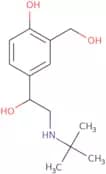
CAS:Prodotto controllato(±)-Salbutamol is a racemic mixture of a beta-2 adrenergic agonist, which is synthetically derived. This compound functions primarily by selectively stimulating beta-2 adrenergic receptors, which are predominantly located on the smooth muscle cells lining the airways. The activation of these receptors leads to the relaxation of bronchial muscle tissue, resulting in bronchodilation and improved airflow.Formula:C13H21NO3Peso molecolare:239.31 g/molRef: 3D-Q-201695
10gPrezzo su richiesta25gPrezzo su richiesta50gPrezzo su richiesta100gPrezzo su richiesta250gPrezzo su richiestaPseudomonic acid F
CAS:Pseudomonic acid F is a naturally occurring secondary metabolite, which is derived from the bacterium *Pseudomonas fluorescens*. Its mode of action involves the inhibition of bacterial protein synthesis by targeting the bacterial isoleucyl-tRNA synthetase enzyme. This inhibition disrupts the addition of isoleucine to the growing polypeptide chain, effectively impeding bacterial growth and proliferation.Formula:C24H40O9Purezza:Min. 95%Peso molecolare:472.60 g/molAmpicillin amino-benzeneacetaldehyde
CAS:Ampicillin amino-benzeneacetaldehyde is a specialized biochemical compound, which is a derivative of the well-known antibiotic ampicillin. This compound serves as an advanced progenitor in the synthesis of tailored antibiotics, stemming from both natural and semi-synthetic sources. The primary mode of action for this derivative involves its transformation into active ampicillin forms, which then inhibit bacterial cell wall synthesis by binding to penicillin-binding proteins. This mechanism effectively compromises the structural integrity of bacterial cells, leading to their eventual lysis.Formula:C24H26N4O5SPurezza:Min. 95%Peso molecolare:482.6 g/molPhleomycin
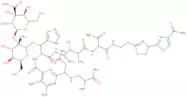
CAS:<p>Phleomycin is an antibiotic, which is derived from the bacterium *Streptomyces verticillus*. Its mode of action involves binding to DNA and inducing breaks by generating free radicals in the presence of oxygen and ferrous ions, leading to cell death. Phleomycin is prominently used in molecular biology applications as a selective agent in the generation of stable transfectants. It is particularly effective in selecting for cells that have integrated vectors conferring resistance, such as the Sh ble gene used in yeast, plant, and mammalian cell systems. Due to its potent DNA-cleaving ability, Phleomycin is valuable in studies requiring stringent selection pressure. Researchers commonly utilize it in experiments focusing on genetic modification and cellular resistance development.</p>Formula:C51H75N17O21S2Purezza:Min. 95%Peso molecolare:1,326.38 g/molGeneticin Disulfate (G418), Antibiotic for Culture Media Use Only
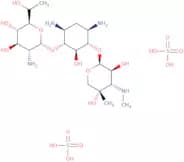
CAS:Geneticin is very efficient against gram-negative bacteria, however it is not applied for treating infections due to high renal toxicity. Geneticin and its resistance genes found application in the selection of transgenic cell lines including yeasts such as P. pastoris and S. serevisiae, other eukaryotic cell lines such as CHO or HEK293, but also plant cells and bacterial cells.Formula:C20H44N4O18S2Purezza:Min. 97.0 Area-%Peso molecolare:692.71 g/molRef: 3D-G-2400
10gPrezzo su richiesta25gPrezzo su richiesta50gPrezzo su richiesta100gPrezzo su richiesta250gPrezzo su richiesta-Unit-ggPrezzo su richiestaML303
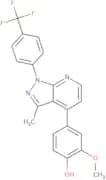
CAS:Please enquire for more information about ML303 including the price, delivery time and more detailed product information at the technical inquiry form on this pageFormula:C21H16F3N3O2Purezza:Min. 95%Peso molecolare:399.4 g/molBoromycin
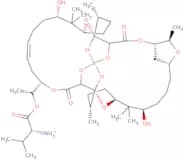
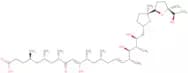
CAS:Boromycin is a macrolide antibiotic, which is derived from the fermentation of certain strains of Streptomyces bacteria. It operates as an ionophore with the ability to transport ions across lipid membranes, effectively disrupting ionic gradients. This mechanism of action compromises essential cellular processes in target organisms, thereby exerting its antimicrobial effects.Formula:C45H74BNO15Purezza:Min. 95%Peso molecolare:879.88 g/molBRL 42715
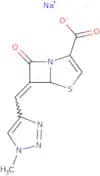
CAS:BRL 42715 is an antibacterial agent, which is a synthetic compound with a unique mechanism of action. This compound is derived from rational drug design aimed at targeting specific bacterial enzymes critical for cell wall synthesis. By irreversibly inhibiting these enzymes, BRL 42715 disrupts the bacterial cell wall formation, leading to cell lysis and death.Formula:C10H7N4NaO3SPurezza:Min. 95%Peso molecolare:286.24 g/molAnhydro erythromycin A
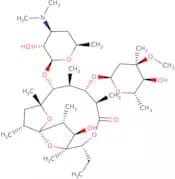
CAS:<p>Anhydro erythromycin A is a semi-synthetic derivative of erythromycin A, which has been shown to be an effective inhibitor of bacterial growth, showing higher selectivity for this inhibition. It is a prodrug that is activated by acid catalysis and can be used as a substitute against methicillin-resistant staphylococcus. Anhydro erythromycin A was developed with the goal of increasing its stability and its potency against methicillin-resistant Staphylococcus aureus, which has been shown to be resistant to erythromycin.</p>Formula:C37H65NO12Purezza:Min. 95%Colore e forma:White PowderPeso molecolare:715.91 g/molOmaciclovir
CAS:<p>Please enquire for more information about Omaciclovir including the price, delivery time and more detailed product information at the technical inquiry form on this page</p>Formula:C10H15N5O3Purezza:Min. 95%Peso molecolare:253.26 g/molM4284
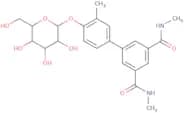
CAS:<p>M4284 is a potent biochemical inhibitor, derived from synthetic organic compounds, designed to target specific enzymes within cell signaling pathways. This product functions by competitively binding to the active site of a target enzyme, effectively blocking its catalytic activity. The competitive inhibition mechanism employed by M4284 enables it to modulate enzymatic activity with high specificity, allowing researchers to dissect complex biochemical processes with precision.</p>Formula:C23H28N2O8Purezza:Min. 95%Peso molecolare:460.5 g/mol(+)-Madindoline A
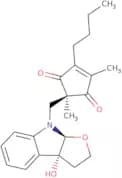
CAS:<p>(+)-Madindoline A is a chemical substance that inhibits the growth of cancer cells. It has been shown to inhibit colon cancer cell proliferation and induce apoptosis by inhibiting signal pathways and suppressing inflammatory responses. (+)-Madindoline A is an experimental model for the study of bowel disease and inflammatory diseases, as it can be used to treat both bowel disease and inflammatory diseases. It also has inhibitory effects on the production of proinflammatory cytokines in human protein cells and natural compounds in experimental models. (+)-Madindoline A is found in small amounts in food compositions such as apples, carrots, cauliflower, celery, cucumbers, garlic, leeks, lettuce, onions, peas, peppers, potatoes and tomatoes.</p>Formula:C22H27NO4Purezza:Min. 95%Peso molecolare:369.45 g/molNortadalafil-N-(2-hydroxy)propyl
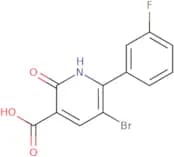
CAS:<p>Nortadalafil-N-(2-hydroxy)propyl is a chemotherapeutic agent, which is synthesized through the chemical modification of tadalafil. It is characterized as a small-molecule inhibitor, derived from the structural alteration of the well-known phosphodiesterase type 5 (PDE5) inhibitor. The mechanism of action involves the attenuation of PDE5 activity, leading to increased levels of cyclic guanosine monophosphate (cGMP) within targeted cellular pathways. This elevation in cGMP concentration results in vasodilation and increased blood flow, primarily investigated within the context of vascular and erectile tissue.</p>Formula:C24H23N3O5Purezza:Min. 95%Peso molecolare:433.5 g/mol1-(6-Amino-3,5-difluoropyridin-2-yl)-8-bromo-6-fluoro-7-[3-(methylamino)azetidin-1-yl]-4-oxoquinoline-3-carboxylic acid
CAS:1-(6-Amino-3,5-difluoropyridin-2-yl)-8-bromo-6-fluoro-7-[3-(methylamino)azetidin-1-yl]-4-oxoquinoline-3-carboxylic acid is a synthetically derived quinoline derivative, which is produced through advanced organic chemistry methodologies involving halogenated pyridines and quinoline frameworks. The compound functions primarily as an antibacterial agent, targeting bacterial topoisomerase enzymes, thereby disrupting DNA replication and transcription processes.Formula:C19H15BrF3N5O3Purezza:Min. 95%Peso molecolare:498.3 g/molPNU 142300
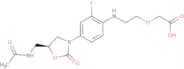
CAS:<p>PNU 142300 is a non-peptidyl anticoagulant, which is a synthetically derived small molecule. This compound is sourced from advanced chemical synthesis techniques that focus on mimicking biological activity through non-biological materials. PNU 142300 acts by specifically inhibiting factor Xa, a crucial enzyme in the coagulation cascade responsible for the conversion of prothrombin to thrombin. By targeting this enzyme, it effectively prevents the formation of blood clots, thereby exhibiting potent anticoagulant properties.</p>Formula:C16H20FN3O6Purezza:Min. 95%Peso molecolare:369.35 g/molCyprazine-desisopropyl
CAS:<p>Cyprazine-desisopropyl is a metabolite, which is a derivative form resulting from the biotransformation of cyromazine, an insect growth regulator. Cyromazine is originally sourced as a triazine-class pesticide, commonly used to control insect populations by disrupting their growth processes. Cyprazine-desisopropyl, similarly, impacts the development stages of target insect species.</p>Formula:C6H8ClN5Purezza:Min. 95%Peso molecolare:185.61 g/molHeronapyrrole B
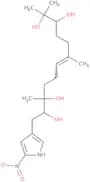
CAS:Heronapyrrole B is a naturally occurring marine-derived antibiotic, which is isolated from a species of marine-derived Streptomyces. This compound is a member of the pyrrole-2-aminoimidazole family, which is characterized by its unique structural framework that contributes to its biological activity. The mode of action of Heronapyrrole B involves disrupting bacterial cell membranes, thereby hindering cell growth and survival. This mechanism is particularly effective against a range of Gram-positive bacteria.Formula:C19H32N2O6Purezza:Min. 95%Peso molecolare:384.5 g/molLevomecol
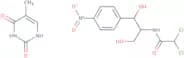
CAS:<p>Levomekol is a topical antibiotic ointment, which is a synthesized pharmaceutical product with antibacterial and anti-inflammatory properties. It contains chloramphenicol, a broad-spectrum antibiotic, and methyluracil, which promotes tissue repair and regeneration. The mode of action involves the inhibition of bacterial protein synthesis by binding to the 50S ribosomal subunit of susceptible microorganisms, effectively curbing bacterial growth and proliferation. Concurrently, methyluracil stimulates leukocyte activity and enhances the healing process by promoting cellular regeneration and collagen production.</p>Formula:C16H18Cl2N4O7Purezza:Min. 95%Peso molecolare:449.2 g/molSolithromycin
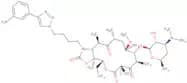
CAS:Solithromycin is a novel macrolide antibiotic, which is derived from the compound ketolide. It functions by binding to the bacterial 50S ribosomal subunit, effectively inhibiting protein synthesis. This mechanism of action enables Solithromycin to exert its effects against a wide range of bacterial pathogens, including strains resistant to traditional macrolides. The unique binding capability to multiple sites on the ribosome enhances its potency and reduces the likelihood of resistance development.Formula:C43H65FN6O10Purezza:Min. 95%Peso molecolare:845.01 g/molIonomycin
CAS:<p>Ionomycin is an ionophore compound with a mode of action that facilitates calcium ion transport across cell membranes. It is used in research to study calcium signaling and T-cell activation.</p>Formula:C41H72O9Purezza:Min. 98 Area-%Colore e forma:PowderPeso molecolare:709.01 g/molTizoxanide - 98%
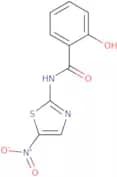
CAS:Anti-parasitic; pyruvate ferredoxin oxidoreductase inhibitorFormula:C10H7N3O4SPurezza:Min. 95%Peso molecolare:265.01573Vebufloxacin
CAS:<p>Vebufloxacin is an antibacterial agent, which is synthesized as a member of the fluoroquinolone class of antibiotics. This compound is derived from chemical synthesis, specifically designed to target and inhibit bacterial DNA gyrase and topoisomerase IV. These enzymes play crucial roles in DNA replication and transcription, making them ideal targets for disrupting bacterial cell function.</p>Formula:C19H22FN3O3Purezza:Min. 95%Peso molecolare:359.4 g/molAqabamycin F
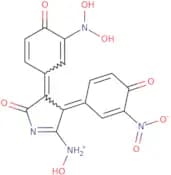
CAS:Aqabamycin F is a type of antibiotic compound, which is derived from marine natural sources, specifically from bacteria found in oceanic environments. This product is characterized by its unique molecular structure that offers potent antimicrobial properties. The mode of action of Aqabamycin F involves inhibiting essential bacterial enzymes, thus disrupting the cellular processes necessary for bacteria to survive and proliferate. This mechanism makes it effective against a wide range of bacterial pathogens, contributing to its potential in treating infections that are resistant to conventional antibiotics. Research into Aqabamycin F continues to explore its full spectrum of activity, offering insights into new therapeutic pathways for antibiotic-resistant bacterial infections. Its unique origin and molecular activity position Aqabamycin F as a promising candidate for addressing the growing challenge of antibiotic resistance.Formula:C16H11N4O8Purezza:Min. 95%Peso molecolare:387.28 g/mol2,6-Bis(2-ethylhexyl)-7a-methylhexahydro-1H-imidazo[1,5-c]imidazole (hexedine)
CAS:<p>2,6-Bis(2-ethylhexyl)-7a-methylhexahydro-1H-imidazo[1,5-c]imidazole, known as hexedine, is a synthetic compound, which is primarily utilized in industrial applications. It is derived from a chemical synthesis process involving imidazo-imidazole structures, allowing for specific modifications to yield its characteristic properties. Hexedine operates through a mechanism that enhances surface adhesion and stability when applied to various substrates. The compound’s molecular architecture enables it to form a durable, resistant layer, thereby improving the surface’s integrity and lifespan.</p>Formula:C22H45N3Purezza:Min. 95%Peso molecolare:351.6 g/molDeacetoxycephalothin
CAS:<p>Deacetoxycephalothin is a cephalosporin antibiotic, which is derived from the fungus Acremonium. It functions by inhibiting bacterial cell wall synthesis. This bactericidal activity is primarily focused on gram-positive bacteria, where it interferes with the final transpeptidation step of peptidoglycan synthesis, an essential component of the bacterial cell wall structure. By doing so, deacetoxycephalothin compromises cell wall integrity, leading to the lysis and death of bacterial cells.</p>Formula:C14H14N2O4S2Purezza:Min. 95%Peso molecolare:338.4 g/molSofosbuvir - Bio-X ™
CAS:<p>Sofosbuvir is an antiviral agent that is used for the treatment of hepatitis C infections and is used in combination with other antiviral agents. This drug is an inhibitor of viral RNA polymerase called non-structural protein 5B (NS5B). As a result, it inhibits viral RNA replication.</p>Formula:C22H29FN3O9PPurezza:Min. 95%Colore e forma:PowderPeso molecolare:529.45 g/molStavudine sodium
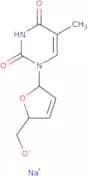
CAS:<p>Stavudine sodium is an antiretroviral medication, which is a synthetic nucleoside analogue. It is primarily sourced from chemical synthesis processes, enabling precise control over its molecular structure to ensure efficacy in its intended application. The mode of action for stavudine sodium involves its incorporation into viral DNA through reverse transcription. Once integrated, it acts as a chain terminator, inhibiting the elongation of the viral DNA and thus effectively halting the replication of the human immunodeficiency virus type 1 (HIV-1).</p>Formula:C10H11N2NaO4Purezza:Min. 95%Peso molecolare:246.19 g/molSulfamoyldapsone
CAS:Sulfamoyldapsone is a synthetic antimicrobial compound, which is derived from the dapsone family. Its source is primarily synthetic, designed through chemical modifications of the parent compound dapsone, a well-known antibacterial agent. The mode of action of sulfamoyldapsone involves the inhibition of bacterial folic acid synthesis. By targeting dihydropteroate synthase, an enzyme essential for the production of folic acid in microorganisms, the compound effectively interferes with bacterial growth and replication.Formula:C12H13N3O4S2Purezza:Min. 95%Peso molecolare:327.4 g/molPristinamycin IA
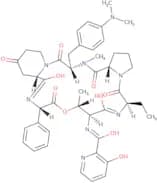
CAS:<p>Pristinamycin IA is a streptogramin antibiotic, which is a natural product derived from the bacterium *Streptomyces pristinaespiralis*. It operates by inhibiting bacterial protein synthesis through the disruption of ribosomal function, specifically targeting the 50S ribosomal subunit. This mode of action is effective in halting bacterial growth, making it particularly significant in combating resistant strains.</p>Formula:C45H54N8O10Purezza:Min. 95%Peso molecolare:866.96 g/molImazethapyr-1-hydroxyethyl
CAS:Imazethapyr-1-hydroxyethyl is a selective, systemic herbicide, which is synthesized through chemical processes. It functions primarily by inhibiting the acetohydroxyacid synthase (AHAS) enzyme, also known as acetolactate synthase (ALS). This enzyme is vital for the biosynthesis of branched-chain amino acids like valine, leucine, and isoleucine, which are essential for plant growth. By hindering this enzyme's action, Imazethapyr-1-hydroxyethyl effectively stunts the growth and development of susceptible plant species.Formula:C15H19N3O4Purezza:Min. 95%Peso molecolare:305.33 g/molL-689502
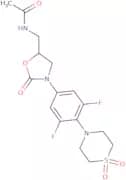
CAS:<p>L-689502 is a synthetic compound that functions as a selective antagonist for neuropeptide Y1 receptors. It is derived from chemical synthesis processes specifically designed to target and modulate these receptors. As an antagonist, its primary mode of action involves binding to the neuropeptide Y1 receptors and inhibiting their activity, thereby blocking the effects of the naturally occurring ligand, neuropeptide Y (NPY).</p>Formula:C39H51N3O7Purezza:Min. 95%Peso molecolare:673.8 g/molN-((3-(4-(1,1-Dioxidothiomorpholin-4-yl)-3,5-difluorophenyl)-2-oxo-1,3-oxazolidin-5-yl)methyl)acetamide
CAS:N-((3-(4-(1,1-Dioxidothiomorpholin-4-yl)-3,5-difluorophenyl)-2-oxo-1,3-oxazolidin-5-yl)methyl)acetamide is a synthetic compound, often considered within the realm of small-molecule pharmacology. This compound is derived through complex organic synthesis, involving the incorporation of dioxidothiomorpholine and oxazolidinone rings, as well as fluorination, which are critical for its biochemical properties.Formula:C16H19F2N3O5SPurezza:Min. 95%Peso molecolare:403.4 g/molVicriviroc malate
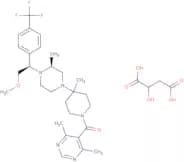
CAS:<p>Vicriviroc malate is a CCR5 antagonist with action on blocking HIV entry into cells by targeting the CCR5 receptor and is used for research on HIV treatment.</p>Formula:C28H38F3N5O2•C4H6O5Purezza:Area-% Min. 90 Area-%Colore e forma:PowderPeso molecolare:667.72 g/molCycloxaprid
CAS:<p>Cycloxaprid is an insecticide, which is a chemical derived from natural compounds designed to manage pest populations. Its primary source is based on a modification of the neonicotinoids, a class of neuro-active insecticides modeled after nicotine. Cycloxaprid functions by acting on nicotinic acetylcholine receptors (nAChRs) within the insect’s nervous system. This mode of action involves binding to these receptors, leading to uncontrolled nerve firing and eventually, the insect’s death due to nervous system failure.</p>Formula:C14H15ClN4O3Purezza:Min. 95%Peso molecolare:322.75 g/molNeoaureothin
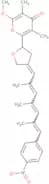
CAS:Neoaureothin is a natural antibiotic product, which is derived from marine actinomycetes with a complex polyketide structure. Its mode of action involves the inhibition of bacterial protein synthesis by binding selectively to the ribosomal subunits, thereby obstructing the translation process in susceptible microbial strains. The specificity of its action allows it to target a broad spectrum of Gram-positive bacteria while presenting a lower risk of resistance development compared to traditional antibiotics.Formula:C28H31NO6Purezza:Min. 95%Peso molecolare:477.5 g/molMethyl N-[2-[[[1-(4-chlorophenyl)-1H-pyrazol-3-yl]oxy]methyl]phenyl]carbamate
CAS:Methyl N-[2-[[[1-(4-chlorophenyl)-1H-pyrazol-3-yl]oxy]methyl]phenyl]carbamate is a selective insecticide, which is primarily pyrazole-based in nature. It is synthetically derived, allowing for precise structural control over its active components. The compound functions through a specific mode of action targeting the skeletal muscle function of insects by interfering with calcium ion channels. This disruption leads to impaired muscle contractions and eventual paralysis of the target pests.Formula:C18H16ClN3O3Purezza:Min. 95%Peso molecolare:357.8 g/molPentosan polysulfate
CAS:Pentosan polysulfate is a semi-synthetic polysaccharide, which is derived from xylan, sourced from beechwood hemicellulose. It functions as a heparin-like compound with anticoagulant and fibrinolytic properties. Its sulfated polysaccharide form allows it to adhere to the urothelium of the bladder, forming a protective layer that can prevent irritating solutes in urine from reaching bladder cells. Through this mechanism, it mitigates the pain and discomfort associated with interstitial cystitis (IC), a chronic condition characterized by bladder pain and urinary urgency.Formula:C10H18O21S4Purezza:Min. 95%Peso molecolare:602.5 g/molGrazoprevir hydrate
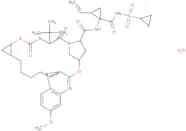
CAS:<p>Grazoprevir hydrate is a direct-acting antiviral agent used in the treatment of hepatitis C virus (HCV) infections. It is a synthetic compound derived through targeted pharmaceutical synthesis aimed at inhibiting viral replication. This compound operates by selectively inhibiting the NS3/4A protease, an enzyme critically involved in the post-translational processing and replication of the HCV polyprotein. By blocking this protease, grazoprevir effectively disrupts the virus's life cycle, thereby reducing viral load in patients.</p>Formula:C38H52N6O10SPurezza:Min. 95%Peso molecolare:784.9 g/molFinafloxacin
CAS:Finafloxacin is a fluoroquinolone antibacterial agent, which is a synthetic compound derived from the quinolone family. It functions through the inhibition of bacterial DNA gyrase and topoisomerase IV, crucial enzymes in the replication, transcription, and repair of bacterial DNA. This mechanism leads to the prevention of bacterial cell division and ultimately results in cell death.Formula:C20H19FN4O4Purezza:Min. 95%Peso molecolare:398.39 g/molBromuconazole
CAS:<p>Bromuconazole is a systemic fungicide, which is a synthetic chemical compound primarily used to protect crops from fungal diseases. It is derived from the triazole class of fungicides, which are known for their ability to inhibit important biochemical processes within fungal cells. The mode of action of Bromuconazole involves the inhibition of the enzyme C14-demethylase, a key component in the biosynthesis of ergosterol. Ergosterol is an essential component of fungal cell membranes, and its disruption leads to impaired cellular function and ultimately the death of the fungal organism.</p>Formula:C13H12BrCl2N3OPurezza:Min. 95%Peso molecolare:377.1 g/molNafcillin sodium
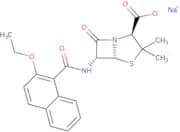
CAS:<p>Nafcillin sodium is a beta-lactam antibiotic, which is a semisynthetic derivative of the organic compound penicillin. It is specifically engineered to be resistant to the inactivation by penicillinase enzymes produced by certain bacteria. This feature allows it to remain effective against a range of penicillinase-producing staphylococcal infections.</p>Formula:C21H21N2NaO5SPurezza:Min. 95%Colore e forma:PowderPeso molecolare:436.46 g/molTromantadine hydrochloride
CAS:Prodotto controllato<p>Tromantadine hydrochloride is a synthetic antiviral compound, which is a derivative of adamantane. It originates from chemical synthesis, tailored specifically to target viral processes. Tromantadine hydrochloride primarily exerts its effects by inhibiting the penetration of virus particles into host cells and impeding the subsequent stages of viral replication. This mode of action effectively reduces the viral load and hinders the progression of the infection.</p>Formula:C16H28N2O2•HClPurezza:Min. 95%Peso molecolare:316.87 g/molIvermectin
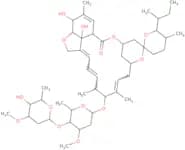
CAS:Naturally produced by the soil bacterium Streptomyces avermitili, it is clinically used in the treatment of parasitosis in both humans and animals. Ivermectin is commercially available as a mixture of 80% 22, 23-dihydroavermectin B1a and 20% 22, 23-dihydroavermectin B1b. In 2020, Ivermectin indicated that it was a good antiviral agent in the treatment of SARS-CoV-2 and a new mechanism of action has been suggested. Ivermectin would act on importin α/β heterodimer and affect nuclear transport and the translocation of viral proteins.Formula:C48H74O14Purezza:85%MinPeso molecolare:875.1 g/molNorvancomycin trifluoroacetate
CAS:Norvancomycin trifluoroacetate is an antibiotic compound, which is a glycopeptide derived from the bacterium Amycolatopsis orientalis. Its mode of action involves inhibiting bacterial cell wall synthesis. Specifically, Norvancomycin disrupts the cross-linking of peptidoglycan layers in the bacterial cell wall by binding to the D-alanyl-D-alanine terminus of cell wall precursors. This disruption weakens the bacterial cell wall, ultimately leading to cell lysis and death, thereby exerting a bactericidal effect.Formula:C65H73Cl2N9O24•(C2HF3O2)xPurezza:Min. 95%Avermectin b1a aglycone
CAS:Avermectin B1a aglycone is a potent antiparasitic agent, which is a semi-synthetic derivative of avermectins. Avermectins are naturally sourced from the microorganism *Streptomyces avermitilis*, known for producing macrolide compounds. The mode of action of Avermectin B1a aglycone involves binding to glutamate-gated chloride channels in nerve and muscle cells of invertebrates, leading to increased permeability and disruption of neurotransmission. This action ultimately results in paralysis and death of the targeted parasites.Formula:C34H48O8Purezza:Min. 95%Peso molecolare:584.7 g/mol



![1-(6-Amino-3,5-difluoropyridin-2-yl)-8-bromo-6-fluoro-7-[3-(methylamino)azetidin-1-yl]-4-oxoquinol…](/_next/image/?url=https%3A%2Fstatic.cymitquimica.com%2Fproducts%2F3D%2Fthumb-webp%2FPHA28013.webp&w=3840&q=75)
![2,6-Bis(2-ethylhexyl)-7a-methylhexahydro-1H-imidazo[1,5-c]imidazole (hexedine)](/_next/image/?url=https%3A%2Fstatic.cymitquimica.com%2Fproducts%2F3D%2Fthumb-webp%2FFAA98031.webp&w=3840&q=75)



![Methyl N-[2-[[[1-(4-chlorophenyl)-1H-pyrazol-3-yl]oxy]methyl]phenyl]carbamate](/_next/image/?url=https%3A%2Fstatic.cymitquimica.com%2Fproducts%2F3D%2Fthumb-webp%2FMVA16596.webp&w=3840&q=75)