Antimicrobici
Sottocategorie di "Antimicrobici"
- Antibiotici(4.131 prodotti)
- Antimicotici(912 prodotti)
- Antiparassitari(703 prodotti)
- Antivirali(767 prodotti)
Trovati 2425 prodotti di "Antimicrobici"
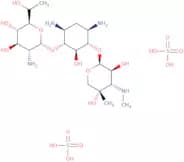
Kanamycin C
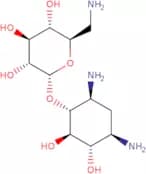
CAS:Inhibitor of protein synthesis; aminoglycosideFormula:C18H36N4O11Purezza:Min. 95%Peso molecolare:484.5 g/molColistin A
CAS:Colistin A is an antimicrobial peptide, which is a type of polymyxin antibiotic derived from the bacterium *Paenibacillus polymyxa*. It exerts its bactericidal effect by interacting electrostatically with the lipopolysaccharides and phospholipids in the outer membrane of Gram-negative bacteria. This action disrupts the bacterial cell membrane, leading to increased permeability and cell death.Formula:C53H100N16O13Purezza:Min. 95%Peso molecolare:1,169.5 g/molCefminox Sodium
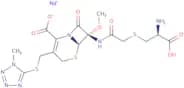
CAS:Cefminox Sodium is a beta-lactam antibiotic, which is synthesized through chemical modification of naturally occurring compounds. This product is classified as a second-generation cephalosporin, derived from cephalosporin C obtained from the fungus Acremonium. It exerts its mode of action by inhibiting bacterial cell wall synthesis. This occurs through the binding to penicillin-binding proteins, ultimately disrupting the cross-linking of peptidoglycan chains which are essential for bacterial cell wall integrity.
Formula:C16H20N7O7S3·NaPurezza:Min. 95%Peso molecolare:541.56 g/molFlufenacet-methylsulfone
CAS:Flufenacet-methylsulfone is an herbicidal derivative, which is sourced from the modification of flufenacet metabolites. It operates by inhibiting the biosynthesis of very-long-chain fatty acids, which are crucial components in the formation of cell membranes within target plant species. This biochemical intervention disrupts normal cell division and elongation in weeds, ultimately inhibiting their growth and establishment.
Formula:C12H16FNO3SPurezza:Min. 95%Peso molecolare:273.33 g/molCefodizime
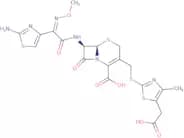
CAS:Cefodizime is a third-generation cephalosporin antibiotic, which is derived from the fungus Acremonium. It exerts its bactericidal effects by inhibiting bacterial cell wall synthesis. This action is achieved through binding to penicillin-binding proteins (PBPs), leading to the interruption of peptidoglycan cross-linking essential for the bacterial cell wall integrity. The breakdown of cell wall synthesis results in the lysis and death of the bacterial cell.
Purezza:Min. 95%Amidosulfuron-o-desmethyl
CAS:Amidosulfuron-o-desmethyl is a metabolite derivative, which is studied primarily as a secondary product originating from the breakdown of the herbicide amidosulfuron. Synthesized through microbial and environmental degradation processes, it is part of the sulfonylurea class of compounds. The mode of action involves inhibition of the plant enzyme acetolactate synthase (ALS), leading to disrupted synthesis of essential branched-chain amino acids, ultimately affecting plant growth and survival.Formula:C8H13N5O7S2Purezza:Min. 95%Peso molecolare:355.4 g/molTris(4'-carboxy-1,1'-biphenyl)amine
CAS:Tris(4'-carboxy-1,1'-biphenyl)amine is an organic compound commonly employed as a building block in the development of advanced materials. It is synthesized through a series of chemical reactions involving biphenyl and aniline derivatives, ultimately producing a triphenylamine core with carboxylic acid functional groups. The unique molecular architecture allows this compound to participate in various chemical interactions, including π-π stacking and hydrogen bonding, which are pivotal in its applications.
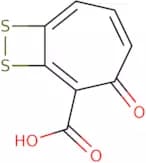
Formula:C39H27NO6Purezza:Min. 95%Peso molecolare:605.6 g/molTropodithietic acid
CAS:Tropodithietic acid is a bioactive compound, which is a potent antibacterial agent derived from certain marine bacteria, including the genus Phaeobacter. This antibiotic is characterized by its ability to disrupt quorum sensing, a mechanism that bacteria use for communication and coordination of group behaviors, including virulence. By interfering with this process, tropodithietic acid impedes bacterial colonization and biofilm formation, effectively inhibiting pathogenic activity.
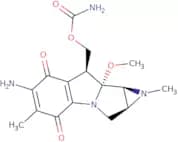
Purezza:Min. 95%Porfiromycin
CAS:Porfiromycin is an antineoplastic antibiotic with action on DNA alkylation and cross-linking and is used for research on cancer treatment, particularly for hypoxic tumors.
Formula:C16H20N4O5Purezza:Min. 95 Area-%Colore e forma:PowderPeso molecolare:348.35 g/molN4-Methyl-5-(3,4,5-trimethoxybenzyl)-pyrimidine-2,4-diamine
CAS:N4-Methyl-5-(3,4,5-trimethoxybenzyl)-pyrimidine-2,4-diamine is a synthetic organic compound, classified as an antimicrobial agent. This compound is developed through chemical synthesis processes, derived from pyrimidine analogs, and is commonly used in medicinal chemistry and pharmacology research. It operates by inhibiting key enzymes involved in the folic acid pathway, crucial for bacterial growth and proliferation. By targeting this pathway, the compound prevents nucleic acid synthesis, ultimately leading to bacterial cell death.
Formula:C15H20N4O3Purezza:Min. 95%Peso molecolare:304.34 g/molDL-chloramphenicol
CAS:DL-chloramphenicol is a broad-spectrum antibiotic, which is a synthetic compound derived from natural chloramphenicol originally isolated from the bacterium Streptomyces venezuelae. This compound exerts its effects by inhibiting bacterial protein synthesis. It binds to the 50S subunit of the bacterial ribosome, preventing peptide bond formation and consequently halting the growth of susceptible bacteria. The optical isomer, DL-chloramphenicol, contains equal parts of both D- and L- isomers, with the L-form being responsible for its antibiotic activity.
Formula:C11H12Cl2N2O5Purezza:Min. 95%Peso molecolare:323.13 g/molAmpicillin amino-benzeneacetaldehyde
CAS:Ampicillin amino-benzeneacetaldehyde is a specialized biochemical compound, which is a derivative of the well-known antibiotic ampicillin. This compound serves as an advanced progenitor in the synthesis of tailored antibiotics, stemming from both natural and semi-synthetic sources. The primary mode of action for this derivative involves its transformation into active ampicillin forms, which then inhibit bacterial cell wall synthesis by binding to penicillin-binding proteins. This mechanism effectively compromises the structural integrity of bacterial cells, leading to their eventual lysis.Formula:C24H26N4O5SPurezza:Min. 95%Peso molecolare:482.6 g/molUrdamycin B
CAS:Urdamycin B is an anthracycline antibiotic, which is derived from the bacterium *Streptomyces fradiae*. This compound acts by intercalating into DNA, disrupting the replication and transcription processes, leading to cell death. Its mode of action involves inhibiting topoisomerase II, an enzyme critical for DNA replication and cell cycle progression. This mechanism impairs cellular proliferation, making it effective against rapidly dividing cells.
Formula:C37H44O13Purezza:Min. 95%Peso molecolare:696.70 g/molNeticonazole hydrochloride
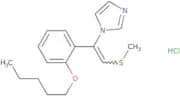
CAS:Neticonazole hydrochloride is an antifungal agent, which is a synthetic imidazole derivative with potent antifungal properties. It is synthesized through a multi-step chemical process in a laboratory setting, designed to enhance its efficacy and stability. Its mode of action involves the inhibition of ergosterol synthesis, a critical component of fungal cell membranes. By hindering this pathway, Neticonazole hydrochloride compromises the integrity and function of the fungal cell membrane, ultimately leading to cell death.
Formula:C17H23ClN2OSPurezza:Min. 95%Peso molecolare:338.9 g/molPenciclovir diacetate
CAS:Penciclovir diacetate is an antiviral compound, which is synthesized as a prodrug derivative of penciclovir. This compound originates from chemical modification processes designed to improve the pharmacokinetic properties of its active metabolite. Once administered, penciclovir diacetate undergoes in vivo conversion to penciclovir, an active nucleoside analog. The mode of action involves selective inhibition of viral DNA polymerase after being phosphorylated to its triphosphate form, thereby impeding viral DNA synthesis and replication.
Formula:C14H19N5O5Purezza:Min. 95%Peso molecolare:337.33 g/molPhleomycin
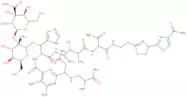
CAS:Phleomycin is an antibiotic, which is derived from the bacterium *Streptomyces verticillus*. Its mode of action involves binding to DNA and inducing breaks by generating free radicals in the presence of oxygen and ferrous ions, leading to cell death. Phleomycin is prominently used in molecular biology applications as a selective agent in the generation of stable transfectants. It is particularly effective in selecting for cells that have integrated vectors conferring resistance, such as the Sh ble gene used in yeast, plant, and mammalian cell systems. Due to its potent DNA-cleaving ability, Phleomycin is valuable in studies requiring stringent selection pressure. Researchers commonly utilize it in experiments focusing on genetic modification and cellular resistance development.
Formula:C51H75N17O21S2Purezza:Min. 95%Peso molecolare:1,326.38 g/molMagnamycin B
CAS:Magnamycin B is an antifungal antibiotic, which is derived from natural sources through microbial fermentation. Its mode of action involves the inhibition of cell wall synthesis in pathogenic fungi, thereby disrupting essential processes required for their growth and proliferation. Magnamycin B is particularly effective against a range of fungal pathogens that affect agricultural and clinical settings.Formula:C42H67NO15Purezza:Min. 95%Peso molecolare:826.00 g/molTriadimenol-tert-butylhydroxy
CAS:Triadimenol-tert-butylhydroxy is a systemic fungicide, originating from synthetic chemical processes, characterized by its ability to inhibit fungal sterol biosynthesis. This sterol biosynthesis disruption occurs through the demethylation of lanosterol or 24-methylene dihydrolanosterol, which impedes the production of ergosterol, a crucial component in fungal cell membranes. The inhibition results in disrupted cell membrane integrity and impaired fungal growth, leading to effective control over a range of plant-pathogenic fungi.
Formula:C14H18ClN3O3Purezza:Min. 95%Peso molecolare:311.76 g/molImazamox-o-desmethyl
CAS:Imazamox-o-desmethyl is a herbicide metabolite, which is derived from the biotransformation of the imazamox compound, typically occurring during degradation processes. Its mode of action involves targeting the acetohydroxyacid synthase (AHAS) enzyme—a critical component in the biosynthesis of branched-chain amino acids in plants. This inhibition disrupts plant growth, leading to effective weed control.
Formula:C14H17N3O4Purezza:Min. 95%Peso molecolare:291.3 g/mol8-Methylpyrido[2,3-d]pyridazin-5(6H)-one
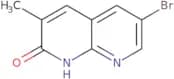
CAS:8-Methylpyrido[2,3-d]pyridazin-5(6H)-one is a heterocyclic compound used in the field of medicinal chemistry. This compound is synthesized through complex organic reactions involving pyridazine and pyridine derivatives. As a molecule, its primary mode of action involves interactions with specific biochemical pathways, potentially influencing enzymatic activity or receptor bindings, leading to modulation of biological activities.
Formula:C8H7N3OPurezza:Min. 95%Peso molecolare:161.16 g/molSofosbuvir impurity I
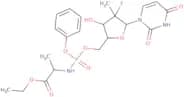
CAS:Sofosbuvir impurity I is an organic chemical impurity often associated with the active pharmaceutical ingredient (API) Sofosbuvir, which is used in the treatment of hepatitis C. This impurity arises during the manufacturing process of Sofosbuvir as a byproduct. It is crucial to monitor and identify such impurities to ensure the safety, efficacy, and quality of the final pharmaceutical product.
Formula:C21H27FN3O9PPurezza:Min. 95%Peso molecolare:515.4 g/molBentaluron
CAS:Bentaluron is a synthetic fungicide, which is a chemical compound developed to combat fungal pathogens in agriculture. Its source originates from rigorous industrial chemical synthesis, ensuring efficacy and stability. The mode of action of Bentaluron involves disrupting essential biochemical pathways within fungal cells, specifically targeting and inhibiting enzymes critical for fungal growth and metabolism. This precise interference prevents the synthesis of vital cellular components, ultimately halting the proliferation of the fungus.
Formula:C11H13N3OSPurezza:Min. 95%Peso molecolare:235.31 g/molPirlimycin HCl
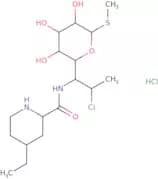
CAS:Pirlimycin HCl is an antibacterial product, which is a semi-synthetic derivative of the natural antibiotic lincomycin produced by Streptomyces lincolnensis. Its mode of action involves the inhibition of bacterial protein synthesis by binding to the 50S ribosomal subunit, thereby preventing the elongation of peptide chains. This action is particularly effective against Gram-positive bacteria, including Staphylococcus and Streptococcus species.
Formula:C17H31ClN2O5S·HClPurezza:Min. 95%Colore e forma:White PowderPeso molecolare:447.42 g/molRPW-24
CAS:RPW-24 is a microbial inoculant, which is derived from specifically cultivated microbial strains with known capabilities of enhancing soil fertility. Utilizing a proprietary selection of Bacillus and Pseudomonas species, this product functions by facilitating the solubilization of inorganic phosphate compounds in the soil. These microbes secrete organic acids and enzymes that convert insoluble forms of phosphorus into forms that are more readily available to plants, thereby enhancing nutrient uptake and promoting plant growth.
Formula:C15H13ClN4Purezza:Min. 95%Peso molecolare:284.74 g/molPseudomonic acid F
CAS:Pseudomonic acid F is a naturally occurring secondary metabolite, which is derived from the bacterium *Pseudomonas fluorescens*. Its mode of action involves the inhibition of bacterial protein synthesis by targeting the bacterial isoleucyl-tRNA synthetase enzyme. This inhibition disrupts the addition of isoleucine to the growing polypeptide chain, effectively impeding bacterial growth and proliferation.Formula:C24H40O9Purezza:Min. 95%Peso molecolare:472.60 g/molErythromycylamine
CAS:Erythromycylamine is a semisynthetic antibiotic, which is derived from the parent compound erythromycin. This compound is sourced from the fermentation product of the bacterium *Saccharopolyspora erythraea*. Erythromycylamine acts by inhibiting bacterial protein synthesis, specifically targeting the 50S ribosomal subunit, which ultimately leads to the disruption of bacterial cell growth and replication.
Formula:C37H70N2O12Purezza:Min. 95%Peso molecolare:734.96 g/molGeneticin Disulfate (G418), Antibiotic for Culture Media Use Only
CAS:Geneticin is very efficient against gram-negative bacteria, however it is not applied for treating infections due to high renal toxicity. Geneticin and its resistance genes found application in the selection of transgenic cell lines including yeasts such as P. pastoris and S. serevisiae, other eukaryotic cell lines such as CHO or HEK293, but also plant cells and bacterial cells.Formula:C20H44N4O18S2Purezza:Min. 97.0 Area-%Peso molecolare:692.71 g/molRef: 3D-G-2400
10gPrezzo su richiesta25gPrezzo su richiesta50gPrezzo su richiesta100gPrezzo su richiesta250gPrezzo su richiesta-Unit-ggPrezzo su richiestaBoromycin
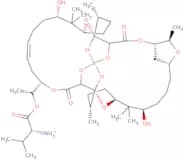
CAS:Boromycin is a macrolide antibiotic, which is derived from the fermentation of certain strains of Streptomyces bacteria. It operates as an ionophore with the ability to transport ions across lipid membranes, effectively disrupting ionic gradients. This mechanism of action compromises essential cellular processes in target organisms, thereby exerting its antimicrobial effects.Formula:C45H74BNO15Purezza:Min. 95%Peso molecolare:879.88 g/mol4'-Epidaunorubicin hydrochloride
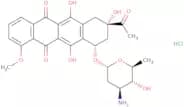
CAS:4'-Epidaunorubicin hydrochloride is an anthracycline antibiotic derivative, which is synthesized from modifications of natural products. It functions as a topoisomerase II inhibitor, which intercalates into DNA strands and disrupts replication and transcription, thereby inhibiting cancer cell proliferation. This compound is primarily utilized in the field of oncology for its potent anti-tumor activities. By forming stable complexes with DNA and topoisomerase II, 4'-Epidaunorubicin hydrochloride induces breaks in the DNA strands, leading to apoptosis of cancer cells. It is often used in treatment protocols for various malignancies, including leukemia and solid tumors. While highly effective, its administration is carefully managed to mitigate potential cardiotoxicity, a common attribute of anthracycline drugs. Research continues to explore its full potential and optimize delivery methods to enhance its therapeutic index.Formula:C27H30ClNO10Purezza:Min. 95%Peso molecolare:563.98 g/molCarbazomycin D
CAS:Carbazomycin D is a bioactive product classified as an antibiotic, which is derived from the bacterium Streptomyces. These actinomycetes are well-known for their ability to produce a wide range of secondary metabolites with antimicrobial properties. The mode of action of Carbazomycin D involves the inhibition of bacterial cell wall synthesis, effectively disrupting the growth and replication of gram-positive bacteria.
Formula:C17H19NO3Purezza:Min. 95%Peso molecolare:285.34 g/molFomidacillin
CAS:Please enquire for more information about Fomidacillin including the price, delivery time and more detailed product information at the technical inquiry form on this pageFormula:C24H28N6O10SPurezza:Min. 95%Peso molecolare:592.60 g/molAphidicolin
CAS:Aphidicolin is a tetracyclic diterpenoid that acts as a potent inhibitor of DNA polymerase. Derived from the fungus *Cephalosporium aphidicola*, it is primarily identified for its ability to impede DNA synthesis by targeting eukaryotic DNA polymerase α. This selective inhibition disrupts replication processes, making it a crucial tool for studying cell cycle dynamics.Formula:C20H34O4Purezza:Min. 95%Peso molecolare:338.48 g/molPyraziflumid
CAS:Pyraziflumid is a fungicide, which is chemically synthesized with a specific mode of action as a succinate dehydrogenase inhibitor (SDHI). This compound is designed to target mitochondrial complex II, disrupting critical energy production within fungal cells. The inhibition of succinate dehydrogenase prevents the fungi from efficiently undergoing respiration, ultimately leading to cell death.Formula:C18H10F5N3OPurezza:Min. 95%Peso molecolare:379.3 g/mol4-Epitetracycline ammonium
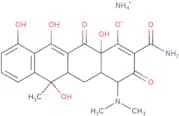
CAS:4-Epitetracycline ammonium is a tetracycline analog, which is a derivative of the well-known antibiotic tetracycline. This compound is synthesized from naturally occurring tetracycline through chemical modification, involving the alteration of the hydroxyl group at the C-4 position. As a result, 4-Epitetracycline ammonium retains the fundamental characteristics of its parent compound.Formula:C22H27N3O8Purezza:Min. 95%Peso molecolare:461.5 g/mol9,11Beta-Dichloro-17,21-dihydroxy-16beta-methyl-pregna-1,4-diene-3,20-dione dipropionate
CAS:9,11Beta-Dichloro-17,21-dihydroxy-16beta-methyl-pregna-1,4-diene-3,20-dione dipropionate is a synthetic corticosteroid, which is derived from chemical synthesis in laboratories. It functions by mimicking the actions of naturally occurring corticosteroids in the body, modulating immune responses and suppressing inflammatory mediators at the cellular level.Formula:C28H36Cl2O6Purezza:Min. 95%Peso molecolare:539.50 g/molKanamycin A Related Compound 1
CAS:Kanamycin A Related Compound 1 is an analytical reference standard, which is derived from aminoglycoside antibiotics. Its source stems from the chemical structures related to the aminoglycoside class, primarily used to ensure precise identification and quantification of kanamycin residues or impurities in pharmaceutical formulations. The mode of action of Kanamycin A Related Compound 1 involves serving as a comparator or reference point in chromatographic and spectroscopic methods, facilitating accurate analysis by providing a consistent baseline for research laboratories.Formula:C12H25N3O7Purezza:Min. 95%Peso molecolare:323.34 g/molRef: 3D-OK57799
10mg5.405,00€25mgPrezzo su richiesta50mgPrezzo su richiesta100mgPrezzo su richiesta250mgPrezzo su richiestaBPH715
CAS:Please enquire for more information about BPH715 including the price, delivery time and more detailed product information at the technical inquiry form on this pageFormula:C17H31NO7P2Purezza:Min. 95%Peso molecolare:423.4 g/molErythromycin propionate
CAS:Erythromycin propionate is an antibiotic, which is derived from the bacterium *Saccharopolyspora erythraea*. This compound functions by inhibiting protein synthesis in susceptible bacteria, specifically targeting the 50S ribosomal subunit. Erythromycin propionate achieves this by binding to the ribosomal RNA, thereby preventing the translocation step of protein elongation.Formula:C40H71NO14Purezza:Min. 95%Peso molecolare:790 g/molCefepime dihydrochloride monohydrate, Antibiotic for Culture Media Use Only
CAS:Cefepime dihydrochloride monohydrate is a fourth-generation cephalosporin antibiotic utilized in scientific research, specifically formulated for culture media applications. It is derived from semi-synthetic processes, showcasing a broad spectrum of activity predominantly against Gram-positive and Gram-negative bacteria. The mode of action of cefepime involves the inhibition of bacterial cell wall synthesis by binding to penicillin-binding proteins, which interferes with peptidoglycan cross-linking, ultimately leading to cell lysis and death.Formula:C19H28Cl2N6O6S2Purezza:Min. 98 Area-%Peso molecolare:571.5 g/molGentamicin B sulfate
CAS:Gentamicin B sulfate is an aminoglycoside antibiotic, which is produced through the fermentation process involving the actinomycete Micromonospora purpurea. This antibiotic functions primarily by binding to the 30S ribosomal subunit of bacteria, thereby inhibiting protein synthesis. This action disrupts the initiation of protein chain formation, ultimately leading to bacterial cell death. Gentamicin B sulfate is particularly effective against a variety of Gram-negative bacteria and some Gram-positive strains.
Formula:C19H40N4O14SPurezza:Min. 95%Peso molecolare:580.60 g/mol3-(2-(2,4-Dichlorophenyl)-2-hydroxyethyl)-3,4-imidazolidinedione
CAS:3-(2-(2,4-Dichlorophenyl)-2-hydroxyethyl)-3,4-imidazolidinedione is a synthetic compound, which is a derivative of imidazolidinedione. It is primarily characterized as an antifungal agent with broad-spectrum activity against various fungal species. Its mode of action involves disrupting the synthesis of ergosterol, an essential component of fungal cell membranes. This disruption leads to increased membrane permeability and ultimately, cell death. The efficacy of this compound is attributed to its ability to inhibit the growth of pathogens by targeting critical pathways necessary for fungal survival.
Formula:C11H12Cl2N2O3Purezza:Min. 95%Peso molecolare:291.13 g/molLenacapavir
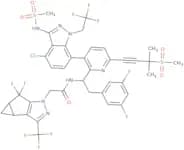
CAS:Lenacapavir is a capsid inhibitor with a mode of action that interferes with the HIV capsid protein, disrupting multiple stages of the viral lifecycle. It is used for treating multidrug-resistant HIV infections.
Formula:C39H32ClF10N7O5S2Purezza:Min. 95%Colore e forma:PowderPeso molecolare:968.28 g/molAtramycin A
CAS:Atramycin A is an antibiotic, which is derived from the Streptomyces genus, a prolific source of bioactive compounds. Streptomyces species are renowned for their ability to produce a vast array of secondary metabolites with diverse pharmacological activities. Atramycin A operates primarily through the inhibition of bacterial protein synthesis. It achieves this by binding to bacterial ribosomal subunits, thus interfering with peptide chain elongation and effectively halting bacterial growth.Formula:C25H24O9Purezza:Min. 95%Peso molecolare:468.50 g/molSarecycline
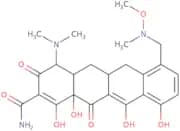
CAS:Sarecycline is a tetracycline-class antibiotic, which is derived from naturally occurring tetracycline antibiotics. Its mode of action involves inhibition of bacterial protein synthesis by binding to the 30S ribosomal subunit, thereby preventing the addition of amino acids to nascent peptide chains. This specific mechanism disrupts bacterial growth, making Sarecycline effective against certain strains of bacteria implicated in dermatological conditions.
Formula:C24H29N3O8Purezza:Min. 95 Area-%Peso molecolare:487.5 g/molViolacein
CAS:Violacein is a model system for studying the effects of hydroxyl groups on cell lysis. It is a fatty acid that contains nitrogen atoms and has antimicrobial properties. Violacein has been shown to cause the loss of mitochondrial membrane potential in HL-60 cells, which may be due to its ability to act as a multidrug efflux pump inhibitor. Violacein also exhibits antimicrobial activity against several bacterial strains, including MRSA and methicillin-sensitive Staphylococcus aureus (MSSA). In addition, violacein has been shown to induce cell lysis in vitro via the degradation of proteins and lipids in the cytoplasm.
Formula:C20H13N3O3Purezza:Min. 95%Colore e forma:PowderPeso molecolare:343.3 g/molMetolachlor mercapturate
CAS:Metolachlor mercapturate is a metabolite of the herbicide Metolachlor, which is derived from the degradation of the primary active ingredient found in various agricultural herbicide formulations. It is formed through biotransformation processes in plants, soil, and water, where the parent compound undergoes enzymatic reactions leading to its metabolic products. The primary mode of action involves the inhibition of elongase enzymes, which are crucial for the synthesis of fatty acids in plants, thus preventing cell division and impacting weed growth effectively.
Formula:C20H30N2O5SPurezza:Min. 95%Peso molecolare:410.5 g/molBalapiravir hydrochloride
CAS:Balapiravir hydrochloride is an antiviral agent, which is synthesized through chemical processes. It operates as a prodrug, meaning it is metabolized in the body to produce the active compound that inhibits viral replication. The mode of action of Balapiravir involves targeting the viral RNA polymerase, an essential enzyme for the replication of viral genomes. By inhibiting this enzyme, the drug effectively reduces viral load within the host, impairing the spread and establishment of the virus.
Formula:C21H31ClN6O8Purezza:Min. 95%Peso molecolare:531 g/molSideroxylin
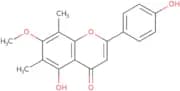
CAS:Sideroxylin is a C-methylated flavone with action as an antimicrobial agent against Staphylococcus aureus and is used for research on antimicrobial and anticancer properties.Formula:C18H16O5Purezza:Min. 95%Peso molecolare:312.3 g/molLeptomycin A
CAS:Leptomycin A is a Streptomyces-produced inhibitor, which is derived from the bacterium Streptomyces spiroverticillatus. It functions by specifically binding to and inhibiting the CRM1 (exportin 1), a nuclear export receptor. This action blocks the nuclear export of proteins that contain a leucine-rich nuclear export signal (NES), thereby leading to their accumulation within the nucleus. The inhibition of CRM1 disrupts various cellular processes, including cell cycle regulation and signal transduction pathways.
Formula:C32H46O6Purezza:Min. 95%Peso molecolare:526.7 g/molMethiozolin
CAS:Methiozolin is an herbicide, which is a synthetic compound with a specific mode of action. It targets the cell division process, specifically inhibiting the synthesis of very-long-chain fatty acids in plants. This mode of action makes Methiozolin effective against problematic weed species such as annual bluegrass (Poa annua), which is known for its pervasive growth in turfgrass systems.
Formula:C17H17F2NO2SPurezza:Min. 95%Peso molecolare:337.4 g/mol




![8-Methylpyrido[2,3-d]pyridazin-5(6H)-one](/_next/image/?url=https%3A%2Fstatic.cymitquimica.com%2Fproducts%2F3D%2Fthumb-webp%2FQDA00407.webp&w=3840&q=75)