Antimicrobici
Gli antimicrobici sono agenti che distruggono o inibiscono la crescita di microrganismi, inclusi batteri, virus, funghi e parassiti. Questi composti sono essenziali nella prevenzione e nel trattamento delle infezioni, svolgendo un ruolo cruciale nella medicina, nell'agricoltura e nell'industria alimentare. Presso CymitQuimica offriamo un'ampia gamma di antimicrobici di alta qualità e purezza, adatti a varie applicazioni scientifiche e industriali. Il nostro catalogo comprende antibiotici, antifungini, antivirali e disinfettanti, tutti progettati per soddisfare le esigenze della ricerca e dello sviluppo, nonché per applicazioni cliniche e di produzione. Con i nostri prodotti, i professionisti possono garantire l'efficacia e la sicurezza nel controllo delle infezioni e nella protezione della salute pubblica.
Sottocategorie di "Antimicrobici"
- Antibiotici(4.131 prodotti)
- Antimicotici(909 prodotti)
- Antiparassitari(702 prodotti)
- Antivirali(765 prodotti)
Trovati 2424 prodotti di "Antimicrobici"
Ordinare per
Purezza (%)
0
100
|
0
|
50
|
90
|
95
|
100
Spiromesifen-alcohol-4-hydroxymethyl
CAS:<p>Spiromesifen-alcohol-4-hydroxymethyl is a selective miticide, which is a derivative of spiromesifen. This compound is sourced from novel chemical synthesis approaches focusing on the manipulation of chemical structures to improve efficacy and selectivity. The mode of action of Spiromesifen-alcohol-4-hydroxymethyl centers on disrupting the lipid biosynthesis pathway within target mites and whiteflies. By inhibiting acetyl-CoA carboxylase, it leads to impaired energy storage and membrane biosynthesis, ultimately causing the mortality of these pests.</p>Formula:C17H20O4Purezza:Min. 95%Peso molecolare:288.34 g/molPyrimorph
CAS:Pyrimorph is a fungicide, which is a synthetic compound with specific activity against oomycete pathogens. It belongs to the chemical class of morpholines. Its mode of action involves the disruption of the biosynthetic pathways essential for the survival and proliferation of oomycetes, leading to their effective inhibition. Pyrimorph specifically targets the biosynthesis of cellulose in the cell walls of these pathogens, inhibiting their capacity to multiply and cause disease.Formula:C22H25ClN2O2Purezza:Min. 95%Peso molecolare:384.9 g/molWybutosine
CAS:<p>Modified nucleoside of phenylalanine tRNA</p>Formula:C21H28N6O9Purezza:Min. 95%Peso molecolare:508.48 g/molAtazanavir-d5
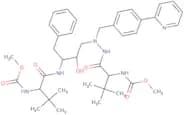
CAS:Atazanavir-d5 is an isotopically labeled variant of the antiretroviral drug Atazanavir, a non-peptidic HIV-1 protease inhibitor. It is synthesized using stable isotope labeling, specifically deuterium, which replaces five hydrogen atoms. The mechanism of action involves binding to the active site of the HIV-1 protease enzyme, a critical enzyme in the replication cycle of HIV, thereby preventing the cleavage of the viral gag-pol polyprotein precursors into the mature protein components of an infectious viral particle.Formula:C38H52N6O7Purezza:Min. 95%Peso molecolare:709.9 g/molA2ti-1
CAS:A2ti-1 is a specialized therapeutic agent, which is derived from recombinant DNA technology with the specific mode of action of targeting and modulating cytokine signaling pathways within the immune system. It is designed to interact with specific cytokine receptors, thereby inhibiting or modulating the downstream signaling cascades that are pivotal in the inflammatory response and immune regulation.Formula:C20H22N4O2SPurezza:Min. 95%Peso molecolare:382.5 g/molBleomycin A5 hydrochloride
CAS:Bleomycin A5 hydrochloride is an antineoplastic antibiotic, which is derived from the bacterium Streptomyces verticillus. Its mode of action involves binding to DNA and inducing strand breaks through the generation of free radicals, specifically targeting deoxyribose units. This leads to the inhibition of DNA synthesis and cell division, ultimately resulting in cell death.Formula:C57H89N19O21S2•HClPurezza:Min. 95%Colore e forma:PowderPeso molecolare:1,177.03 g/mol4-Demethyl daunomycinone
CAS:<p>4-Demethyl daunomycinone is an anthracycline derivative, which is a natural or semi-synthetic compound derived from the bacterium *Streptomyces*. It is primarily studied for its potential use in anticancer therapies, given its structural similarity to other well-known anthracyclines like daunorubicin and doxorubicin. These compounds are known to intercalate into DNA, thereby disrupting the function of DNA and RNA synthesis, leading to the inhibition of cell proliferation.</p>Formula:C20H16O8Purezza:Min. 95%Peso molecolare:384.34 g/molDaclatasvir
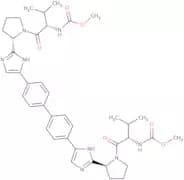
CAS:<p>Daclatasvir is a direct-acting antiviral agent, which is derived from synthetic chemical sources with a specific mode of action targeting the hepatitis C virus (HCV) replication process. It functions as an inhibitor of the HCV nonstructural protein 5A (NS5A), a vital component necessary for viral RNA replication and virion assembly. By binding to two distinct domains of NS5A, Daclatasvir disrupts its ability to function, thereby effectively halting the replication of the viral genome.</p>Formula:C40H50N8O6Purezza:Min. 95%Peso molecolare:738.88 g/molSulbactam pivoxyl
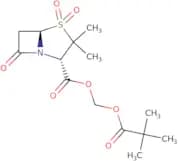
CAS:**Sulbactam pivoxyl** is a prodrug, which is a chemically modified form of sulbactam intended to improve its pharmacokinetic properties. Sulbactam itself is a beta-lactamase inhibitor of synthetic origin, specifically designed to combat antibiotic resistance by inhibiting the beta-lactamase enzymes produced by certain bacteria. These enzymes typically break down beta-lactam antibiotics, rendering them ineffective.Formula:C14H21NO7SPurezza:Min. 95%Peso molecolare:347.38 g/molOxibendazole-amine hydrochloride
CAS:<p>Oxibendazole-amine hydrochloride is a synthetic anthelmintic compound, which is a derivative of benzimidazole, known for its broad-spectrum efficacy against various helminths. It primarily acts by disrupting the polymerization of tubulin into microtubules, effectively impairing essential cellular structures and functions within parasitic worms, leading to their death.</p>Formula:C10H13N3O•HClPurezza:Min. 95%Colore e forma:PowderPeso molecolare:227.69 g/molOfloxacin Q acid
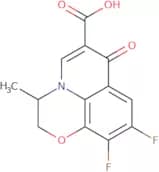
CAS:Ofloxacin Q acid is a quinolone analog, which is a synthetic derivative known for its significant antibacterial properties. This compound is sourced from the chemical synthesis of fluoroquinolone derivatives, designed to enhance reactivity and efficacy in pharmaceutical applications. Ofloxacin Q acid acts by inhibiting bacterial DNA gyrase and topoisomerase IV, enzymes critical for DNA replication, transcription, and repair, thereby leading to the cessation of bacterial growth and replication.Formula:C13H9F2NO4Purezza:Min. 95%Peso molecolare:281.21 g/molBCX4430 freebase
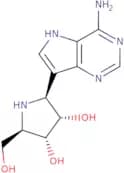
CAS:<p>Adenosine analogue with antiviral activity</p>Formula:C11H15N5O3Purezza:Min. 95%Peso molecolare:265.27 g/molCeftizoxime
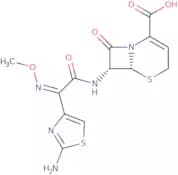
CAS:<p>Ceftizoxime is a third-generation cephalosporin antibiotic with action on bacterial cell wall synthesis and is used for treating respiratory tract infections, urinary tract infections, and gonorrhea.</p>Formula:C13H13N5O5S2Purezza:Min. 95%Colore e forma:PowderPeso molecolare:383.41 g/molAlamifovir
CAS:Alamifovir is an antiviral agent, which is synthetically derived. The mode of action of Alamifovir involves the inhibition of viral replication within host cells by targeting specific viral enzymes crucial for the replication process. This interference with the viral life cycle diminishes the ability of the virus to propagate and spread within the host organism.Formula:C19H20F6N5O5PSPurezza:Min. 95%Peso molecolare:575.42 g/mol3-Formyl rifamycin
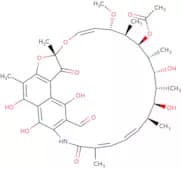
CAS:<p>3-Formyl rifamycin is an intermediate in the synthesis of rifampicin that has been used to develop rifamycin derivatives with antibiotic activity. Rifampicin is aa anti-tuberculosis drug that inhibits bacterial DNA replication</p>Formula:C38H47NO13Purezza:Min. 95 Area-%Colore e forma:Red PowderPeso molecolare:725.78 g/molCefepime Related Compound E
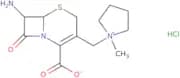
CAS:<p>Cefepime Related Compound E is a chemical impurity, which is typically encountered as a byproduct in the synthesis or degradation of the antibiotic cefepime. This impurity is derived from synthetic processes used in the pharmaceutical industry and can originate from a variety of pathways during the manufacturing or storage of cefepime.</p>Formula:C13H20ClN3O3SPurezza:Min. 95%Peso molecolare:333.83 g/molHygromycin A
CAS:Hygromycin A is an antimicrobial compound isolated from the bacterium *Streptomyces hygroscopicus*. It functions by inhibiting protein synthesis within microbial cells. This compound disrupts the elongation phase of translation by binding to the ribosomal subunit, therefore impeding mRNA decoding during protein assembly.Formula:C23H29NO12Purezza:Min. 95%Peso molecolare:511.5 g/molDoripenem
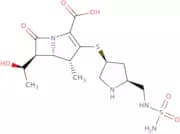
CAS:<p>Doripenem is a carbapenem antibiotic with action on bacterial cell wall synthesis and is used for treating complicated bacterial infections like intra-abdominal infections and urinary tract infections.</p>Formula:C15H24N4O6S2Purezza:Min. 95%Colore e forma:White PowderPeso molecolare:420.51 g/molNarasin sodium
CAS:Narasin sodium is an ionophore antibiotic, which is a type of compound that facilitates ion transport across biological membranes. It is derived from the fermentation of the bacterium *Streptomyces aureofaciens*. The mode of action involves the disruption of ion gradients in target organisms, specifically inhibiting the growth of certain pathogenic bacteria and protozoa by altering their cellular ionic balance.Formula:C43H71NaO11Purezza:Min. 95%Peso molecolare:787.02 g/molCefazolin
CAS:<p>Cefazolin is a broad-spectrum antibiotic that inhibits the growth of Gram-positive and Gram-negative bacteria. It is an effective cephalosporin antibiotic against both aerobic and anaerobic bacteria. Cefazolin is used in clinical isolates to inhibit the growth of methicillin-resistant staphylococcus, resistant microorganisms, and systemic inflammation. Some studies has shown good results to inhibit tumor necrosis factor-α (TNFα) production in cell culture.</p>Formula:C14H14N8O4S3Purezza:Min. 95%Peso molecolare:454.51 g/molQuinupristin
CAS:Quinupristin is a semi-synthetic antibiotic, which is derived from the natural compound pristinamycin IIA produced by the bacterium Streptomyces pristinaespiralis. It operates by binding to the 50S ribosomal subunit in bacterial cells, inhibiting protein synthesis and thus exerting a bacteriostatic effect. This mechanism effectively disrupts the growth and proliferation of susceptible bacteria.Formula:C53H67N9O10SPurezza:Min. 95%Peso molecolare:1,022.22 g/molSapecin
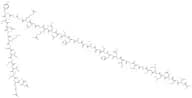
CAS:Sapecin is an antimicrobial peptide, which is derived from the hemolymph of the silk moth (Bombyx mori) with potent bactericidal action. The source of Sapecin is the immune system of the silk moth, where it acts as a natural defense mechanism against microbial infections. Its mode of action involves disrupting bacterial cell membranes, leading to cell lysis and death. The peptide achieves this by inserting itself into the lipid bilayer, creating pores that compromise the structural integrity of the membrane.Formula:C164H266N58O52S6Purezza:Min. 95%Peso molecolare:4,074.62 g/molNocardamine
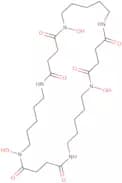
CAS:<p>Nocardamine is a siderophore-based antioxidant, which is naturally derived from the soil-dwelling actinobacteria known as Streptomyces. Its primary mode of action involves the chelation of metal ions, effectively sequestering them and preventing metal-catalyzed oxidation reactions. By binding to iron and other transition metals, Nocardamine mitigates oxidative stress at a cellular level, which could otherwise contribute to cellular damage and dysfunction.</p>Formula:C27H48N6O9Purezza:Min. 95%Peso molecolare:600.71 g/molCecropin A
CAS:Cecropin A is an antimicrobial peptide, which is derived from the immune systems of insects, specifically moths. It displays potent antimicrobial properties through its ability to disrupt bacterial cell membranes, leading to cell lysis and death. This peptide primarily targets Gram-negative bacteria but is also effective against some Gram-positive strains. Cecropin A has garnered significant scientific interest due to its potential applications in developing new antimicrobial agents, particularly in the face of increasing antibiotic resistance. By integrating Cecropin A into therapeutic strategies, researchers aim to broaden the spectrum of antimicrobial options available for use in both clinical and agricultural settings, offering a promising avenue for future drug development.Formula:C184H313N53O46Purezza:Min. 95%Peso molecolare:4,003.78 g/molAzithromycin Dihydrate
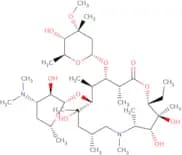
CAS:<p>Azithromycin Dihydrate is a macrolide antibiotic and is used for the treatment of various bacterial infections. It binds to the 23S rRNA of the 50S ribosomal subunit, inhibiting protein synthesis</p>Formula:C38H72N2O12·2H2OPurezza:Min. 95 Area-%Colore e forma:PowderPeso molecolare:785.02 g/molCeftibuten
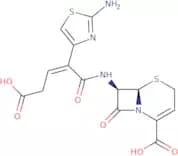
CAS:Ceftibuten is a third-generation cephalosporin antibiotic, which is a beta-lactam class of antimicrobial agents derived from Acremonium, a genus of fungi. This product is synthesized to resist degradation by beta-lactamase enzymes, which are commonly produced by resistant bacteria, thereby maintaining its efficacy against a wide range of bacterial pathogens.Formula:C15H14N4O6S2Purezza:Min. 95%Peso molecolare:410.43 g/molMaribavir
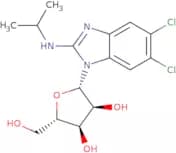
CAS:<p>Potent antiviral against HCMV and Epstein-Barr virus (EBV)</p>Formula:C15H19Cl2N3O4Purezza:Min. 95%Peso molecolare:376.24 g/molRef: 3D-AM178224
1gPrezzo su richiesta50mgPrezzo su richiesta100mgPrezzo su richiesta250mgPrezzo su richiesta500mgPrezzo su richiestaDihydropenicillin F potassium
CAS:Dihydropenicillin F potassium is a novel antibiotic compound, which is semisynthetic in nature, derived from the penicillin family. It is sourced through the modification of natural penicillins, bringing about enhanced stability and efficacy against certain resistant bacterial strains. The mode of action involves the inhibition of bacterial cell wall synthesis, primarily targeting the penicillin-binding proteins (PBPs). This disruption consequently leads to cell lysis and the eventual bacterial death.Formula:C14H22N2O4S•KPurezza:Min. 95%Peso molecolare:353.5 g/molPolymyxin B1-I
CAS:Polymyxin B1-I is an antimicrobial peptide, which is sourced from the bacterium *Bacillus polymyxa*. It functions by interacting with and disrupting the bacterial cell membranes. The polypeptide inserts into the phospholipid bilayer, causing increased permeability and eventual cell lysis. This mechanism is particularly effective against Gram-negative bacteria due to the structural composition of their outer membranes.Formula:C56H98N16O13Peso molecolare:1,203.5 g/molVidarabine monohydrate
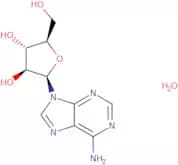
CAS:<p>Vidarabine monohydrate is an antiviral agent with action on viral DNA polymerase to inhibit replication and is used for treating herpes simplex virus infections and varicella-zoster virus infections.</p>Formula:C10H13N5O4·H2OPurezza:(¹H-Nmr) Min. 95 Area-%Colore e forma:White Off-White PowderPeso molecolare:285.26 g/molN-Acetal bromopride
CAS:N-Acetal bromopride is a chemical compound that serves as a derivative of bromopride, which is a selective dopamine D2 receptor antagonist. This derivative is synthesized from bromopride, typically through organic chemical processes, and modified to possess an acetal functional group. The presence of this functional group potentially alters its pharmacokinetic or pharmacodynamic properties, although these specific changes may still be under research.Formula:C16H24BrN3O3Purezza:Min. 95%Peso molecolare:386.28 g/molNatamycin
CAS:<p>Natamycin is a polyene macrolide antifungal agent with action on fungal cell membranes by binding to sterols and is used for treating fungal infections and as a food preservative.</p>Formula:C33H47NO13Purezza:Min. 95 Area-%Colore e forma:PowderPeso molecolare:665.73 g/molSisomicin sulfate
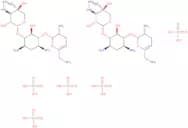
CAS:<p>Sisomicin sulfate is a sulfate salt form of sisomicin with similar action and applications as sisomicin.</p>Formula:C19H37N5O7·5H2SO4Purezza:Min. 95%Colore e forma:PowderPeso molecolare:1,385.45 g/molParitaprevir
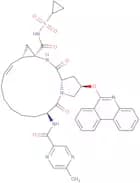
CAS:<p>Paritaprevir is an antiviral medication, which is derived from chemical synthesis with its action targeting the hepatitis C virus (HCV). It operates primarily as a protease inhibitor, specifically targeting the NS3/4A protease, an essential enzyme for HCV replication. By inhibiting this protease, Paritaprevir effectively disrupts the viral life cycle, preventing the virus from maturing and proliferating within the host cells.</p>Purezza:Min. 95%Gentamicin C2 sulfate
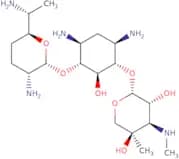
CAS:<p>Gentamicin C2 sulfate is an aminoglycoside antibiotic with action on bacterial protein synthesis inhibition and is used for treating severe bacterial infections.</p>Formula:C20H41N5O7Purezza:(%) Min. 90%Colore e forma:PowderPeso molecolare:463.57 g/molTenofovir alafenamide (free base)
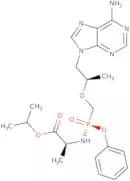
CAS:<p>Tenofovir alafenamide (free base) is a prodrug of tenofovir with action on viral reverse transcriptase to block replication and is used for treating HIV/AIDS and chronic hepatitis B with improved safety profile.</p>Formula:C21H29N6O5PPurezza:Min. 97 Area-%Colore e forma:PowderPeso molecolare:476.47 g/mol7-epi-Clindamycin 2-phosphate
CAS:<p>7-epi-Clindamycin 2-phosphate is a semisynthetic antibiotic derivative, which is sourced from chemical modifications of the natural antibiotic lincomycin. This compound operates by inhibiting bacterial protein synthesis. It achieves this by binding to the 50S subunit of the bacterial ribosome, thereby obstructing the translocation steps in protein elongation.</p>Formula:C18H34ClN2O8PSPurezza:Min. 95%Colore e forma:White to off-white solid.Peso molecolare:504.96 g/molCyclosporin V
CAS:<p>Cyclosporin V is an immunosuppressant medication with action on calcineurin inhibition and is used for preventing organ rejection in transplants and treating autoimmune diseases.</p>Formula:C63H113N11O12Purezza:Min. 95%Colore e forma:PowderPeso molecolare:1,216.64 g/molPefloxacin-d3
CAS:Prodotto controllatoPefloxacin-d3 is a deuterated fluoroquinolone antibiotic, which is a synthetic derivative of pefloxacin utilized primarily for research purposes. This compound is chemically modified to include deuterium atoms, a stable isotope of hydrogen, thus offering unique properties essential for precise quantitative analysis in pharmacokinetic studies.Formula:C17H17D3FN3O3Purezza:Min. 95%Peso molecolare:336.38 g/molCeftobiprole medocaril sodium
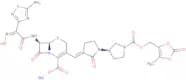
CAS:<p>Ceftobiprole medocaril sodium is a broad-spectrum cephalosporin antibiotic, which is a synthetically derived prodrug of ceftobiprole. Upon administration, ceftobiprole medocaril is rapidly converted into its active form, ceftobiprole, by the body's endogenous esterases. The mode of action involves binding to penicillin-binding proteins (PBPs) in the bacterial cell wall, leading to the inhibition of cell wall synthesis and ultimately the death of the bacteria. This action is effective against a wide range of gram-positive and gram-negative bacteria, including methicillin-resistant Staphylococcus aureus (MRSA) and penicillin-resistant Streptococcus pneumoniae.</p>Formula:C26H26N8O11S2NaPurezza:Min. 95%Peso molecolare:713.65 g/molSterigmatocystin
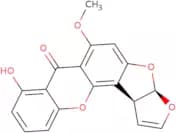
CAS:<p>Sterigmatocystin is a mycotoxin, which is a secondary metabolite primarily produced by certain species of the fungi Aspergillus and Bipolaris. This compound exhibits its mode of action by interfering with DNA, RNA, and protein synthesis, ultimately disrupting cellular processes. As a precursor to the well-known aflatoxins, sterigmatocystin shares a similar structure and exhibits carcinogenic properties.</p>Purezza:Min. 95%Leptomycin B
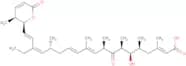
CAS:<p>Leptomycin B is a bacterial secondary metabolite, which is derived from the bacterium Streptomyces sp. This compound is a potent nuclear export inhibitor with a mechanism of action that targets and inhibits the export receptor CRM1 (Chromosomal Maintenance 1), also known as Exportin 1. By binding irreversibly to CRM1, Leptomycin B prevents the nuclear export of proteins and RNA, disrupting the nuclear-cytoplasmic transport essential for cell function.</p>Formula:C33H48O6Purezza:Min. 95%Peso molecolare:540.73 g/molCurvularin
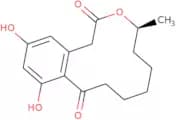
CAS:<p>Curvularin is a secondary metabolite, which is derived from the fungal genus *Curvularia*. This compound is produced through the natural biosynthetic pathways of filamentous fungi, specifically isolated from strains such as *Curvularia lunata*. Curvularin exerts its biological activity primarily through modulation of microtubule dynamics, making it a significant subject of study in cell biology. It disrupts the polymerization processes, impacting the assembly and stability of microtubules, which are critical components of the cytoskeleton involved in cell division, intracellular transport, and structural integrity.</p>Purezza:Min. 95%Polymyxin B nonapeptide TFA
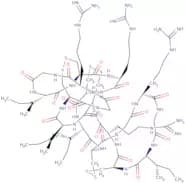
CAS:Polymyxin B nonapeptide TFA is an antimicrobial peptide, which is derived from the bacterium *Bacillus polymyxa*. This peptide is a truncated form of polymyxin B, lacking the fatty acyl tail and N-terminal amino acid, resulting in a nonapeptide structure. Its mode of action involves binding to the lipid A portion of bacterial lipopolysaccharides, thereby disrupting the integrity of the bacterial cell membrane. This interaction increases membrane permeability and leads to cell lysis, particularly in Gram-negative bacteria.Formula:C53H79F15N14O21Purezza:Min. 95%Peso molecolare:1,533.3 g/molRetrocyclin-1 trifluoroacetate salt
CAS:Retrocyclin-1 trifluoroacetate salt is a synthetic antimicrobial peptide, which is derived from humanized sequences based on the theta-defensin family, originally found in certain primates. Retrocyclin-1 is particularly notable for its circular structure which contributes to its stability and biological activity. The peptide is produced through a process of solid-phase peptide synthesis, designed to mimic the native cyclic conformation of natural theta-defensins.Formula:C74H128N30O18S6Purezza:Min. 95%Peso molecolare:1,918.4 g/molBacampicillin Hydrochloride
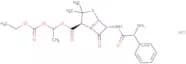
CAS:Bacampicillin Hydrochloride is an aminopenicillin antibiotic and is used for the treatment of bacterial infections. It is a prodrug that is converted to ampicillin in the body, which then inhibits bacterial cell wall synthesis.Formula:C21H28ClN3O7SPurezza:Min. 95%Colore e forma:PowderPeso molecolare:501.98 g/molAripiprazole monohydrate
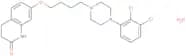
CAS:Prodotto controllato<p>Aripiprazole monohydrate is an atypical antipsychotic medication, which is synthesized through chemical processes involving aryl piperazine derivatives. It acts primarily as a partial agonist at dopamine D2 and serotonin 5-HT1A receptors and as an antagonist at 5-HT2A receptors, with additional activity at other neurotransmitter receptors. This unique mechanism of action sets it apart from typical antipsychotics that predominantly function as dopamine antagonists.</p>Formula:C23H29Cl2N3O3Purezza:Min. 95%Colore e forma:PowderPeso molecolare:466.4 g/molClindamycin 3-phosphate
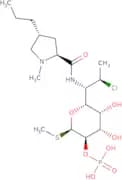
CAS:<p>Clindamycin 3-phosphate is an antibiotic prodrug, which is a derivative of clindamycin. It is semisynthetic with a synthetic origin, derived by chemically modifying the natural compound lincomycin obtained from the bacterium *Streptomyces lincolnensis*. The mode of action of Clindamycin 3-phosphate involves the inhibition of bacterial protein synthesis. It binds to the 50S subunit of the bacterial ribosome, thereby interfering with the translocation step in protein elongation, ultimately leading to the suppression of bacterial growth.</p>Formula:C18H34ClN2O8PSPurezza:Min. 95%Colore e forma:White To Off-White SolidPeso molecolare:504.96 g/molSTAADIUM™ PeptiZide L-Pyr
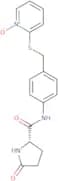
CAS:<p>STAADIUMTM PeptiZide L-Pyr is a targeted inhibitor for pyroglutamyl-aminopeptidase-producing bacteria. The antibacterial activity of STAADIUMTM PeptiZide L-Pyr is triggered by the enzyme pyroglutamyl aminopeptidase (a.k.a. pyrase or pyrrolidonyl peptidase) that is present, not only in bacteria, but also in archaea, plants and animals. STAADIUMTM PeptiZide can be used to suppress the growth of Citrobacter freundii on diagnostic agar plates for Salmonella. L-pyrrolidonyl peptidase activity has also been exploited to distinguish Enterococcus species and Streptococcus pyogenes from other Streptococaceae species. More details in the application notes document.</p>Formula:C17H17N3O3SPurezza:Min. 95 Area-%Colore e forma:PowderPeso molecolare:343.41 g/molOteseconazole
CAS:<p>Oteseconazole is an antifungal medication, which is a synthetic triazole-derived agent. It functions by inhibiting the activity of the fungal enzyme lanosterol 14α-demethylase. This inhibition disrupts the synthesis of ergosterol, a vital component of fungal cell membranes, thereby interfering with cell membrane integrity and function, ultimately leading to fungal cell death.</p>Formula:C23H16F7N5O2Purezza:Min. 95%Peso molecolare:527.4 g/mol