Terpenoidi
I terpenoidi, noti anche come isoprenoidi, sono la più grande classe di composti organici naturali, derivati da unità di isoprene a cinque atomi di carbonio. Si trovano in una varietà di piante e sono noti per le loro proprietà aromatiche, oltre al loro ruolo nella difesa e nella segnalazione delle piante. I terpenoidi sono stati ampiamente studiati per i loro effetti terapeutici, tra cui proprietà antinfiammatorie, antimicrobiche e antitumorali. Sono utilizzati nelle industrie farmaceutiche, cosmetiche e alimentari per i loro benefici per la salute e le qualità aromatiche. Da CymitQuimica troverete un'ampia selezione di terpenoidi, essenziali per la ricerca in biologia vegetale, farmacologia e sintesi di prodotti naturali.
Sottocategorie di "Terpenoidi"
- Diterpeni (C₂₀)(671 prodotti)
- Emiterpeni (C₅)(21 prodotti)
- Monoterpeni (C₁₀)(709 prodotti)
- Sesquiterpeni (C₂₅)(452 prodotti)
- Tetraterpeni (C₄₀)(63 prodotti)
- Triterpeni (C₃₀)(1.130 prodotti)
Trovati 1423 prodotti di "Terpenoidi"
Ordinare per
Purezza (%)
0
100
|
0
|
50
|
90
|
95
|
100
Parthenolide
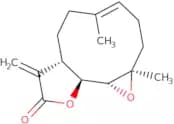
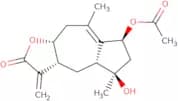
CAS:Parthenolide is a sesquiterpene lactone, which is a bioactive compound derived from the plant species Tanacetum parthenium, commonly known as feverfew. This compound is primarily isolated from the aerial parts of the plant, where it is found in highest concentrations within the flowers and leaves. Parthenolide exerts its effects through several biochemical pathways, including the inhibition of nuclear factor-kappa B (NF-κB) signaling, which plays a critical role in inflammatory and immune responses. Additionally, it disrupts the activity of certain kinases and modulates the expression of genes involved in cell cycle regulation and apoptosis.Formula:C15H20O3Purezza:Min. 98 Area-%Colore e forma:White Off-White PowderPeso molecolare:248.32 g/molGinsenoside Rh3
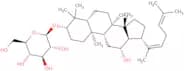
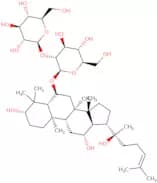
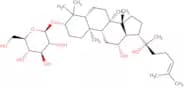
CAS:<p>Ginsenoside Rh3 is a bioactive saponin compound, which is a principle component isolated from Panax ginseng, a perennial plant widely known for its medicinal properties. This compound represents a specific form of ginsenoside with distinct pharmacological characteristics derived through the deglycosylation process of other ginsenosides during processing or digestion.</p>Formula:C36H60O7Purezza:Min. 95%Colore e forma:White Off-White PowderPeso molecolare:604.86 g/molSaikosaponin D
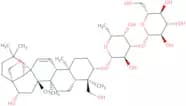
CAS:<p>Saikosaponin D is a bioactive compound, specifically a triterpenoid saponin, which is derived from the roots of Bupleurum species, plants commonly used in traditional Chinese medicine. Its mode of action involves modulating key pathways in inflammation and apoptosis. This compound targets cellular mechanisms by interacting with inflammatory mediators and apoptotic proteins, thereby influencing immune responses and cellular survival.</p>Formula:C42H68O13Purezza:Min. 98 Area-%Colore e forma:White PowderPeso molecolare:780.98 g/molCofaryloside
CAS:Please enquire for more information about Cofaryloside including the price, delivery time and more detailed product information at the technical inquiry form on this pageFormula:C26H42O10Purezza:Min. 95%Peso molecolare:514.61 g/molCurcumol
CAS:<p>Curcumol is a bioactive compound, which is a sesquiterpenoid alcohol primarily extracted from the rhizome of the plant Curcuma wenyujin, a member of the Zingiberaceae family. The source plant is native to parts of Asia and has been traditionally used in herbal medicine. The mode of action of Curcumol involves modulation of multiple biochemical pathways, including anti-inflammatory and antioxidant pathways. It has been observed to influence cellular signaling cascades that regulate apoptosis, cell proliferation, and angiogenesis, making it a compound of interest in oncology research.</p>Formula:C15H24O2Purezza:Min. 95%Colore e forma:PowderPeso molecolare:236.35 g/mol10-epi-Elemol
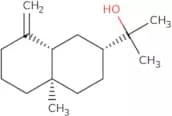
CAS:<p>10-epi-Elemol is a sesquiterpene alcohol, which is derived from natural plant sources, primarily obtained through the essential oils of particular species. Its molecular structure includes a complex arrangement of carbon rings and an alcohol group, characterizing it as a prominent component among sesquiterpenes.</p>Formula:C15H26OPurezza:Min. 95%Peso molecolare:222.37 g/molDeoxygedunin
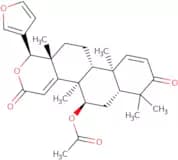
CAS:<p>Deoxygedunin is a natural limonoid, which is a type of chemical compound often derived from plant sources, particularly in the Meliaceae family. This compound is primarily isolated from the seeds of the Indian neem tree (Azadirachta indica) and the African mahogany tree (Khaya senegalensis). It exhibits its biological effects through activation of the Nrf2 pathway, an essential cellular defense mechanism against oxidative stress. By promoting the expression of antioxidant proteins, deoxygedunin enhances cellular resilience to oxidative damage.</p>Formula:C28H34O6Purezza:Min. 95%Peso molecolare:466.57 g/molDehydrocostus lactone
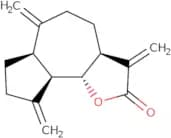
CAS:Dehydrocostus lactone is a sesquiterpene lactone, which is a natural compound extracted from plants, notably from the roots of Saussurea lappa, a plant known for its therapeutic properties. This compound exerts its mode of action primarily through the inhibition of key inflammatory pathways, including the NF-κB pathway. By interfering with these pathways, dehydrocostus lactone can modulate the expression of pro-inflammatory cytokines, thereby exhibiting anti-inflammatory effects.Formula:C15H18O2Purezza:Min. 95%Peso molecolare:230.3 g/molGinkgolide B
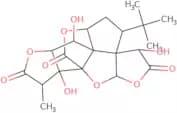
CAS:<p>Ginkgolide B is a diterpenoid lactone, which is a secondary metabolite isolated from the leaves of the Ginkgo biloba tree. This compound is primarily sourced from the extract of Ginkgo biloba, a plant that has been utilized for centuries in traditional medicine systems.</p>Formula:C20H24O10Purezza:Min. 90 Area-%Colore e forma:White PowderPeso molecolare:424.4 g/molα-Terpineol
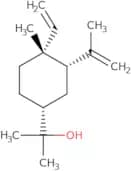
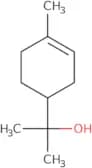
CAS:<p>Alpha-terpineol is a terpene alcohol that exhibits cytotoxic effects on cells. It has been shown to cause cell lysis in both bacteria and mammalian cells, which may be due to its reactive oxygen species (ROS) production. Alpha-terpineol is also an effective agent against infectious diseases such as HIV, tuberculosis, and malaria. This molecule has a high resistance to chemical degradation, making it a promising anticancer agent. Alpha-terpineol can inhibit the polymerase chain reaction (PCR) by binding to the enzyme DNA polymerase, thereby preventing the synthesis of DNA molecules. It can also bind to the enzyme RNA polymerase and inhibit the transcription of mRNA into protein molecules. Lastly, alpha-terpineol is known for its genotoxic effects in vivo and in vitro. The genotoxicity of alpha-terpineol has been demonstrated using several different methods including electron microscopy, chemical stability assays, surface methodology experiments on kidney bean extract,</p>Formula:C10H18OPurezza:Min. 95%Peso molecolare:154.25 g/molSoyasaponin Bb
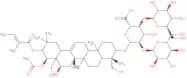
CAS:Soyasaponin Bb is a naturally occurring saponin, which is a type of glycoside, derived from soybeans (Glycine max). It is primarily sourced from the seeds and roots of the soybean plant. The mode of action of soyasaponin Bb involves its ability to interact with lipid membranes, affecting cellular pathways and exerting antioxidant and anti-inflammatory effects. Additionally, it has been shown to modulate cholesterol metabolism and exhibit potential anticancer activities through apoptosis induction and inhibition of tumor cell proliferation.Formula:C48H78O18Purezza:Min. 94.0 Area-%Peso molecolare:943.12 g/molRef: 3D-Q-100575
1gPrezzo su richiesta50mgPrezzo su richiesta100mgPrezzo su richiesta250mgPrezzo su richiesta500mgPrezzo su richiesta-Unit-mgmgPrezzo su richiestaGinsenoside Re
CAS:Ginsenoside Re is a naturally occurring saponin, which is a bioactive compound sourced primarily from the root of Panax ginseng. It operates through multiple biochemical pathways, including the modulation of immune responses, anti-inflammatory effects, and protective antioxidant activities. Ginsenoside Re exerts its actions by interacting with cellular receptors, influencing signaling pathways such as the PI3K/Akt and MAPK pathways, ultimately impacting gene expression and cellular responses.Formula:C48H82O18Purezza:Min. 98 Area-%Colore e forma:White PowderPeso molecolare:947.18 g/molPonicidin
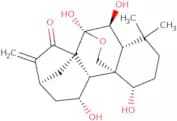
CAS:<p>Ponicidin is a natural product, which is a diterpenoid compound derived from the plant *Isodon rubescens*. It exhibits a mode of action characterized by its ability to interfere with cellular processes through apoptosis induction and inhibition of cell proliferation. This occurs via the modulation of specific signaling pathways, including the suppression of NF-κB activity and the promotion of caspase activation.</p>Formula:C20H26O6Purezza:Min. 95%Colore e forma:PowderPeso molecolare:362.43 g/molMonotropein
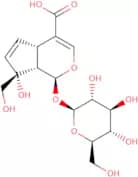
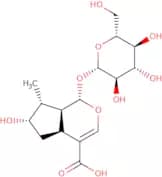
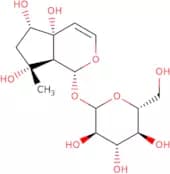
CAS:<p>Monotropein is a bioactive compound, which is an iridoid glycoside derived from natural sources such as plants in the Gentianaceae and Rubiaceae families. Its mode of action primarily involves anti-inflammatory and antioxidant pathways, exerting effects through modulation of specific molecular targets like NF-kB and various oxidative stress-related enzymes. These actions contribute to its efficacy in reducing inflammation and protecting against cellular oxidative damage.</p>Formula:C16H22O11Purezza:Min. 95 Area-%Colore e forma:PowderPeso molecolare:390.34 g/molBrusatol
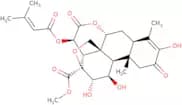
CAS:Inhibitor of protein synthesis and Nrf2-mediated chemoresistanceFormula:C26H32O11Purezza:Min. 97 Area-%Colore e forma:White PowderPeso molecolare:520.53 g/molDubione B
CAS:Please enquire for more information about Dubione B including the price, delivery time and more detailed product information at the technical inquiry form on this pagePurezza:Min. 95%Totarol - 98%
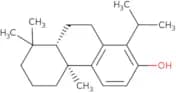
CAS:<p>Natural diterpene; anti-microbial</p>Formula:C20H30OPurezza:Min. 98 Area-%Colore e forma:PowderPeso molecolare:286.45 g/molNigranoic acid
CAS:Nigranoic acid is a triterpenoid compound, which is derived from the seeds of Schisandra species, a type of plant known for its medicinal properties. It is particularly abundant in Schisandra chinensis, commonly used in traditional medicine systems. The mode of action of nigranoic acid involves modulation of inflammatory pathways and oxidative stress. It has shown the ability to inhibit the production of pro-inflammatory cytokines and reactive oxygen species, mediating its potential therapeutic effects.Formula:C30H46O4Purezza:Min. 95%Colore e forma:PowderPeso molecolare:470.68 g/molIsosteviol
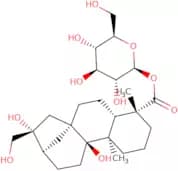
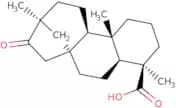
CAS:<p>Isosteviol is a diterpenoid compound, which is a metabolite derived from the enzymatic hydrolysis of stevioside, a glycoside found in the leaves of the Stevia rebaudiana plant. Its mode of action involves modulation of various biological pathways, including anti-inflammatory and antihyperglycemic effects. These actions are attributed to its ability to interact with specific cellular targets, inhibiting pro-inflammatory cytokines and improving insulin sensitivity.</p>Formula:C20H30O3Purezza:Min. 95%Peso molecolare:318.45 g/molα-Amyrin
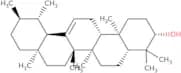
CAS:Prodotto controllato<p>α-Amyrin is a pentacyclic triterpene, which is commonly found in the resins and latex of various plant species. It is primarily sourced from the lipophilic extracts of angiosperms, where it is often present in both the free form and as esters. Its mode of action involves modulation of key signaling pathways involved in inflammation and cellular oxidative stress, particularly through the inhibition of pro-inflammatory enzymes such as cyclooxygenase. α-Amyrin also induces apoptosis via mitochondrial pathways in certain cell types, adding to its therapeutic potential.</p>Formula:C30H50OPurezza:Min. 95%Colore e forma:PowderPeso molecolare:426.72 g/molAjugarin II
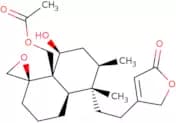
CAS:<p>Ajugarin II is a naturally occurring iridoid glycoside found in plants belonging to the genus Ajuga, which is a member of the Lamiaceae family. These plants have been traditionally used in herbal medicine and are known for their various pharmacological properties. The source of Ajugarin II is primarily the leaf and stem tissues, where it is biosynthesized as part of the plant's secondary metabolites.</p>Formula:C22H32O6Purezza:Min. 95%Peso molecolare:392.49 g/molAndrographolide
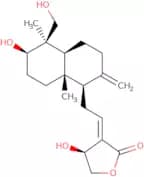
CAS:<p>Andrographolide is a labdane diterpenoid, which is the primary active constituent extracted from the plant *Andrographis paniculata*. This compound exhibits a broad spectrum of pharmacological activities, primarily attributed to its ability to modulate various biological pathways. The mode of action of andrographolide includes the inhibition of pro-inflammatory cytokines and enzymes, as well as the activation of pathways that enhance antioxidant activities within cells.</p>Formula:C20H30O5Purezza:Min. 97.5 Area-%Colore e forma:White PowderPeso molecolare:350.45 g/molLevopimaric acid
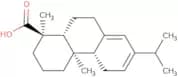
CAS:Prodotto controllatoLevopimaric acid is a type of resin acid, which is a naturally occurring compound primarily derived from the resin of pine trees. It is classified as a diterpenoid, a group of chemical compounds known for their complex structure and diverse functionalities. The mode of action of levopimaric acid involves its role as a key intermediate in the biosynthesis of other resin acids, affecting the properties of the resin through its chemical stability and reactivity.Formula:C20H30O2Purezza:(%) Min. 85%Colore e forma:PowderPeso molecolare:302.45 g/molGinsenoside Rf
CAS:Ginsenoside Rf is a steroidal saponin, which is a bioactive compound found primarily in the roots of Panax ginseng, a plant widely used in traditional medicine. As a part of the ginsenoside family, this compound exerts its effects through modulation of several cellular pathways, including anti-inflammatory and antioxidant mechanisms. It is known to interact with glucocorticoid receptors and influence calcium ion channels, contributing to its potential neuroprotective and immunomodulatory effects.Formula:C42H72O14Purezza:Min. 95%Colore e forma:White PowderPeso molecolare:801.03 g/molIridogermanal
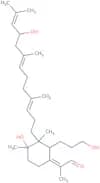
CAS:Please enquire for more information about Iridogermanal including the price, delivery time and more detailed product information at the technical inquiry form on this pageFormula:C30H50O4Purezza:Min. 95%Peso molecolare:474.72 g/molDeltoidin
CAS:Deltoidin is a cutting-edge biochemical compound, which is developed through intricate synthetic processes involving organic precursors. It functions by interacting at the molecular level with specific biochemical pathways, thereby modulating cellular responses precisely and effectively. This mode of action makes it highly valuable for targeted research applications where specific cellular mechanisms need to be studied or manipulated.Formula:C20H22O9Purezza:Min. 95%Peso molecolare:406.38 g/molDigitoxose
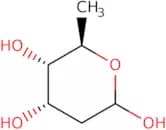
CAS:<p>Digitoxose is a deoxy sugar, which is an integral component of certain cardiac glycosides. These glycosides, such as digitoxin, are predominantly sourced from the leaves of the digitalis species, particularly Digitalis purpurea or Digitalis lanata. The sugar moiety, digitoxose, is critical for the glycoside's ability to exert its pharmacological effects through interactions with cellular components.</p>Formula:C6H12O4Purezza:Min. 95%Colore e forma:Off-White Yellow PowderPeso molecolare:148.16 g/mol(+)-Aromadendrene
CAS:<p>(+)-Aromadendrene is a sesquiterpene, which is a type of hydrocarbon compound found in the essential oils of various plants, particularly those within the Myrtaceae family. This compound is primarily sourced from the leaves and branches of Eucalyptus species, where it contributes to the plant’s aromatic profile.</p>Formula:C15H24Purezza:Min. 80 Area-%Colore e forma:Yellow Clear LiquidPeso molecolare:204.35 g/mol(-)-Vinigrol
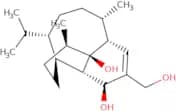
CAS:<p>(-)-Vinigrol is a naturally occurring diterpenoid, which is originally isolated from the fungal species Virgaria nigra, known for its complex stereochemistry and unique structure. It functions as a bioactive compound with multiple mechanisms of action, including modulation of signal transduction pathways and inhibition of specific enzymes, contributing to its broad spectrum of biological activities.</p>Purezza:Min. 95%Aescin
CAS:Beta-Aescin (also known as beta-escin) is a mixture of saponins produced by the horse chestnut tree, Aesculus hippocastanum, with most published reports relating to the pharmacological properties that it shows. It is reported that beta-aescin is a safe and very tolerable drug in the treatment of post thrombotic syndrome and chronic venous insufficiency. Aescin shows promise in the treatment of arthritis and appears to have potential as an anti-cancer drug. In fact, beta-aescin is active on glioblastoma-initiating cells (GIC), which have the ability to initiate glioblastoma growth. Glioblastoma multiform is the most abundant primary tumor of the human nervous system. Beta-aescin was more efficient in diminishing GIC growth compared to present clinically used drugs.Formula:C55H85O24Colore e forma:PowderPeso molecolare:1,131.26 g/molCantharidin
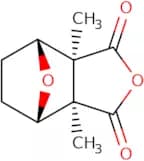
CAS:Natural toxin; protein phosphatase inhibitorFormula:C10H12O4Purezza:Min. 98 Area-%Colore e forma:White/Off-White SolidPeso molecolare:196.2 g/molLoganic acid
CAS:Loganic acid is a natural iridoid glycoside, which is primarily derived from plants belonging to the Loganiaceae family, such as the genus Strychnos. As a bioactive compound, it plays a significant role in plant defense mechanisms and possesses potential therapeutic properties that are of great interest to the scientific community.Formula:C16H24O10Purezza:Min. 95%Colore e forma:PowderPeso molecolare:376.36 g/molbeta-Caryophyllene
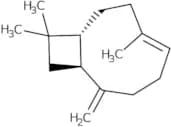
CAS:<p>Beta-Caryophyllene is a bicyclic sesquiterpene, which is a natural product found in essential oils derived from various plants, including black pepper, cloves, and cannabis. This compound is characterized by its unique ability to selectively bind to cannabinoid receptor type 2 (CB2), acting as a full agonist. Unlike typical cannabinoids, beta-Caryophyllene does not interact substantially with CB1 receptors, making it non-psychoactive.</p>Formula:C15H24Purezza:Min. 80%Colore e forma:Clear LiquidPeso molecolare:204.35 g/mol2'-Hydroxylupalbigenin
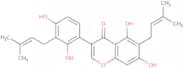
CAS:2'-Hydroxylupalbigenin is a naturally occurring flavonoid, which is isolated from the plant species Lupinus. This compound is characterized by its hydroxylated structure, which contributes to its diverse bioactivities. Flavonoids, as a class of polyphenolic compounds, are well-known for their potential roles in plant defense and have significant pharmacological profiles.Formula:C25H26O6Purezza:Min. 95%Peso molecolare:422.47 g/molEffusanin E
CAS:<p>Effusanin E is a specialized natural compound that falls under the category of secondary metabolites. It is derived from microorganisms, specifically isolated from bacterial sources, which include soil-dwelling bacteria known for their unique biosynthetic capabilities. This compound's mode of action primarily involves inhibiting the growth of certain pathogenic bacteria. It achieves this by disrupting vital bacterial processes, potentially targeting aspects of cell wall synthesis or protein production, although the exact mechanisms may vary and require further elucidation.</p>Formula:C20H28O6Purezza:Min. 95%Peso molecolare:364.43 g/molSaikosaponin A
CAS:Saikosaponin A is a triterpene saponin, which is a bioactive compound extracted from the roots of the Bupleurum species, primarily Bupleurum falcatum. As a phytochemical, it interacts with cell membranes to exert its effects. Saikosaponin A is known to modulate inflammatory pathways by inhibiting the production of pro-inflammatory cytokines and influencing the NF-κB signaling pathway. Additionally, it can enhance immune responses by regulating T-cell proliferation and differentiation.Formula:C42H68O13Purezza:Min. 95%Colore e forma:White Off-White PowderPeso molecolare:780.98 g/molSaikosaponin B2
CAS:Saikosaponin B2 is a naturally occurring triterpenoid saponin, which is a secondary metabolite primarily sourced from the roots of Bupleurum species. These plants are widely used in traditional Chinese medicine, valued for their diverse pharmacological activities. The mode of action of Saikosaponin B2 involves modulation of inflammatory pathways, specifically through the inhibition of pro-inflammatory cytokines and reduction of oxidative stress. It also exhibits potential in modulating immune responses and possesses hepatoprotective effects.Formula:C42H68O13Purezza:Min. 95%Colore e forma:White Off-White PowderPeso molecolare:780.98 g/mol20(R)Ginsenoside Rh2
CAS:<p>20(R)Ginsenoside Rh2 is a bioactive compound, specifically a ginsenoside, which is derived from the roots of Panax ginseng. This compound is categorized as a rare saponin, produced through the enzymatic or acidic hydrolysis of protopanaxadiol-type ginsenosides found naturally in ginseng. Its mode of action involves modulating various cellular pathways, including signaling pathways related to apoptosis, inflammation, and immune responses. It has been shown to exert anticancer effects through induction of apoptosis, inhibition of cell proliferation, and disruption of cell cycle progression in cancer cells. Additionally, it may influence the immune system by enhancing or regulating immune cell activity.</p>Formula:C36H62O8Purezza:Min. 98 Area-%Colore e forma:PowderPeso molecolare:622.87 g/molHarpagide
CAS:Harpagide is a bioactive compound classified as an iridoid glycoside, which is extracted primarily from the roots of the plant *Harpagophytum*, commonly known as the "devil’s claw." This compound plays a significant role in the plant's secondary metabolism, contributing to its defense mechanisms.Formula:C15H24O10Purezza:Min. 95%Colore e forma:PowderPeso molecolare:364.35 g/mollnuchinenolide B
CAS:<p>Lnuchinenolide B is a bioactive compound, which is a type of natural product often isolated from various plant species. This compound has garnered interest due to its origins in diverse botanical sources. Its mode of action is typically associated with its interaction at the molecular level with specific biological targets, potentially inhibiting or modulating particular enzymatic activities or receptor pathways. Such interaction underscores its capacity to influence biological processes, making it a compound of interest in pharmacological research.</p>Formula:C17H22O5Purezza:Min. 95%Peso molecolare:306.35 g/molGinsenoside Rb1 - 98%
CAS:<p>Ginsenoside Rb1 - 98% is a purified chemical compound, specifically a saponin, derived from the roots of Panax ginseng, a perennial plant native to East Asia. The compound belongs to the ginsenoside family, which constitutes the primary active components of ginseng.</p>Formula:C54H92O23Purezza:Min. 98 Area-%Colore e forma:White Off-White PowderPeso molecolare:1,109.32 g/molSantalol, α and β isomers
CAS:Santalol, alpha and beta isomers are terpenes that belong to the class of natural compounds. They are found in the essential oils of sandalwood tree (Santalum album) and have been shown to have various biological activities, including anti-skin cancer activity in vivo models. Santalol has been shown to inhibit the production of epidermal growth factor by human prostate cancer cells. This compound also has an effect on oral pathogens, such as Streptococcus mutans and Lactobacillus acidophilus, which may be due to its ability to bind with bacterial receptors.Formula:C15H24OPurezza:(%) Min. 70%Colore e forma:Colorless Clear LiquidPeso molecolare:220.35 g/molβ-Eudesmol
CAS:Beta-Eudesmol is a sesquiterpenoid alcohol, which is a naturally occurring compound found in several essential oils extracted from plants, particularly those belonging to the genus Zingiberaceae. It is a major component in some aromatic species, manifesting as a colorless or pale yellow viscous liquid at room temperature.Formula:C15H26OPurezza:Min. 95%Colore e forma:White PowderPeso molecolare:222.37 g/molGibberellic acid
CAS:Gibberellic acid is a plant growth regulator, which is derived from fungal species, particularly Gibberella fujikuroi. It functions by stimulating and regulating various growth and developmental processes within plants. Gibberellic acid works through promoting cell elongation, breaking seed dormancy, and influencing enzyme production that leads to plant growth and development.Formula:C19H22O6Purezza:(Hplc) Min. 90.0%Colore e forma:White PowderPeso molecolare:346.37 g/molRef: 3D-FG30500
1kg2.011,00€2kg3.254,00€5kg4.282,00€100g376,00€250g723,00€-Unit-kgkgPrezzo su richiestaCryptotanshinone
CAS:<p>Cryptotanshinone is a naturally occurring bioactive compound, which is an abietane diterpenoid sourced from the roots of *Salvia miltiorrhiza*, commonly known as Danshen. This compound exhibits a distinct mode of action characterized by its inhibition of the STAT3 signaling pathway, which is crucial in the regulation of gene expression involved in cell growth and survival. Furthermore, Cryptotanshinone demonstrates the ability to modulate various other molecular targets, such as the androgen receptor, rendering it valuable in the pharmacological landscape.</p>Formula:C19H20O3Purezza:Min. 98 Area-%Colore e forma:PowderPeso molecolare:296.36 g/molBetulinic acid
CAS:Betulinic acid is a pentacyclic triterpenoid, which is derived from the bark of birch trees among other plants. This compound exerts its effects primarily through the induction of apoptosis in cancer cells, interference with viral replication, and modulation of inflammatory pathways. Its mode of action includes mitochondrial membrane potential disruption, inhibition of topoisomerase, and interaction with the NF-kB signaling pathway.Formula:C30H48O3Purezza:Min. 95%Colore e forma:White PowderPeso molecolare:456.7 g/molCitronellal
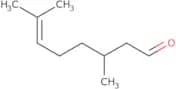
CAS:<p>Citronellal is a monoterpenoid, which is derived from natural sources such as the oils of citronella, lemongrass, and other related plants. It is chemically characterized by its role in the biosynthetic pathway of several essential oils.</p>Formula:C10H18OPurezza:Min. 95%Colore e forma:Colorless PowderPeso molecolare:154.25 g/mol(-)-Perillyl alcohol
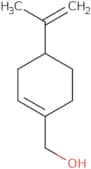
CAS:<p>(-)-Perillyl alcohol is a monoterpene alcohol, which is a naturally occurring compound primarily extracted from the essential oils of lavender, peppermint, and other plants in the Lamiaceae family. It is characterized by its ability to interfere with cellular processes, notably through its modulation of signaling pathways and induction of apoptosis, as well as inhibition of cell proliferation.</p>Formula:C10H16OPurezza:Min. 90%Colore e forma:Clear LiquidPeso molecolare:152.23 g/molEburicoic acid
CAS:Prodotto controllato<p>Eburicoic acid is a lanostane-type triterpenoid, which is a secondary metabolite primarily obtained from fungi, notably those in the Polyporaceae family. This compound features a complex molecular structure characteristic of triterpenoids, which are known for diverse biological activities. The source of eburicoic acid is crucial in understanding its biosynthesis and ecological roles within its native fungal hosts.</p>Formula:C31H50O3Purezza:Min. 95%Colore e forma:PowderPeso molecolare:470.73 g/molMethyl lucidenate P
CAS:<p>Methyl lucidenate P is a natural triterpenoid compound, which is derived from various species of the Ganoderma fungus, particularly Ganoderma lucidum, known commonly as reishi or lingzhi. This compound is structurally characterized by the presence of a methyl ester group, contributing to its unique biochemical properties. Methyl lucidenate P acts by interfering with several cellular pathways, including apoptosis induction and angiogenesis inhibition, which are crucial for its potential anticancer activities. It disrupts cell proliferation and promotes programmed cell death in various cancer cell lines.</p>Formula:C30H44O8Purezza:Min. 95%Peso molecolare:532.67 g/mol