Terpenoidi
I terpenoidi, noti anche come isoprenoidi, sono la più grande classe di composti organici naturali, derivati da unità di isoprene a cinque atomi di carbonio. Si trovano in una varietà di piante e sono noti per le loro proprietà aromatiche, oltre al loro ruolo nella difesa e nella segnalazione delle piante. I terpenoidi sono stati ampiamente studiati per i loro effetti terapeutici, tra cui proprietà antinfiammatorie, antimicrobiche e antitumorali. Sono utilizzati nelle industrie farmaceutiche, cosmetiche e alimentari per i loro benefici per la salute e le qualità aromatiche. Da CymitQuimica troverete un'ampia selezione di terpenoidi, essenziali per la ricerca in biologia vegetale, farmacologia e sintesi di prodotti naturali.
Sottocategorie di "Terpenoidi"
- Diterpeni (C₂₀)(671 prodotti)
- Emiterpeni (C₅)(21 prodotti)
- Monoterpeni (C₁₀)(709 prodotti)
- Sesquiterpeni (C₂₅)(452 prodotti)
- Tetraterpeni (C₄₀)(63 prodotti)
- Triterpeni (C₃₀)(1.130 prodotti)
Trovati 1423 prodotti di "Terpenoidi"
Ordinare per
Purezza (%)
0
100
|
0
|
50
|
90
|
95
|
100
Gypenoside Li
CAS:<p>Gypenoside Li is a phytochemical compound, which is derived from the plant Gynostemma pentaphyllum, commonly known as Jiaogulan. It functions primarily through modulating various biological pathways, including anti-inflammatory and antioxidant mechanisms, making it of significant interest for therapeutic research.</p>Formula:C42H72O14Purezza:Min. 95%Peso molecolare:801.01 g/molSabinene hydrate
CAS:<p>Sabinene hydrate is a bicyclic monoterpene alcohol, which is a naturally occurring compound found in essential oils of various plants, especially in species such as Juniperus and Myristica. This compound is derived from the oxidation of sabinene, a terpene prevalent in numerous aromatic plants.</p>Formula:C10H18OPurezza:Min. 95%Peso molecolare:154.25 g/molLucidenic acid P
CAS:<p>Lucidenic acid P is a triterpenoid compound, which is a bioactive metabolite isolated from Ganoderma lucidum, a medicinal mushroom known for its diverse pharmacological properties. It is primarily sourced from the fruiting bodies of this fungus, where it is present as part of a complex mixture of triterpenoids.</p>Formula:C29H42O8Purezza:Min. 95%Peso molecolare:518.64 g/molLanatoside B
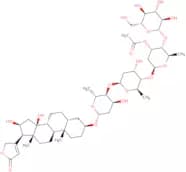
CAS:<p>Lanatoside B is a cardiac glycoside, which is a type of compound obtained from the leaves of the Digitalis lanata plant, commonly known as woolly foxglove. This compound belongs to a class of organic substances known for their potent effects on the heart's contractile capability. The primary mode of action of Lanatoside B involves inhibiting the sodium-potassium ATPase enzyme in cardiac tissues. This inhibition leads to an increase in intracellular sodium concentration, which subsequently boosts calcium ions available for myocardial contraction via the sodium-calcium exchange mechanism.</p>Formula:C49H76O20Purezza:Min. 95%Peso molecolare:985.12 g/molValerenic acid - Valeriana officinalis (common valerian)
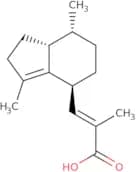
CAS:<p>Valerenic acid is a bioactive compound, which is a sesquiterpenoid product of Valeriana officinalis, commonly known as valerian. This perennial flowering plant is native to Europe and parts of Asia and has been employed in traditional medicine for centuries. Valerenic acid is primarily extracted from the root, which is known for its distinctive aroma and therapeutic properties.</p>Formula:C15H22O2Purezza:Min. 98 Area-%Colore e forma:PowderPeso molecolare:234.33 g/molCycloartanol
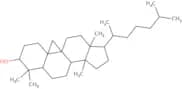
CAS:<p>Cycloartanol is a triterpenoid alcohol, which is primarily derived from plant sources, particularly from the cell membranes of various plant species. As a phytosterol, it plays a critical role in the stabilization of cell membranes and serves as a precursor in the biosynthesis of more complex steroidal compounds. The mode of action of cycloartanol involves its integration into lipid bilayers, contributing to membrane fluidity and integrity, and potentially interacting with various biochemical pathways within the plant systems.</p>Formula:C30H52OPurezza:Min. 95%Colore e forma:PowderPeso molecolare:428.7 g/molMethyl lucidenate D2
CAS:Methyl lucidenate D2 is a triterpenoid compound, which is a derivative isolated from the fruiting bodies of Ganoderma lucidum, a widely studied medicinal mushroom. This compound exhibits activity primarily through its ability to modulate various signaling pathways implicated in cancer cell proliferation and survival. Specifically, it has been observed to interfere with tumor growth by inducing apoptosis and cell cycle arrest in several cancer cell lines.Purezza:Min. 95%trans-Hydroxydavanone - Artemisia sp.
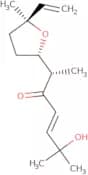
CAS:<p>trans-Hydroxydavanone is a naturally occurring compound, which is a sesquiterpenoid ketone derived from the Artemisia species. It is characterized by its unique molecular structure that includes a hydroxyl group, contributing to its distinctive biochemical properties. The source of trans-Hydroxydavanone lies primarily in various species of the Artemisia plant, which are known for their diverse range of secondary metabolites.</p>Formula:C15H24O3Purezza:Min. 95%Peso molecolare:252.35 g/molSapindoside A
CAS:<p>Sapindoside A is a bioactive saponin, which is a glycoside compound. It is derived from the fruit pericarp of Sapindus species, commonly known as soapberries or soapnuts. These are traditionally utilized for their natural surfactant properties due to the presence of saponins, which form stable foams when agitated in water.</p>Formula:C41H66O12Purezza:Min. 98.0 Area-%Peso molecolare:750.96 g/molRef: 3D-Q-100340
1gPrezzo su richiesta5gPrezzo su richiesta250mgPrezzo su richiesta500mgPrezzo su richiesta2500mgPrezzo su richiesta-Unit-ggPrezzo su richiestaIsoescin IB
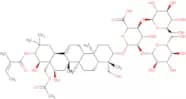
CAS:Isoescin IB is a saponin compound derived from the seeds of Aesculus hippocastanum, commonly known as horse chestnut. It belongs to a class of natural products known for their potential therapeutic properties. The source of Isoescin IB, the horse chestnut tree, is widely studied for its bioactive compounds that have been used in traditional medicine.Purezza:Min. 95%Verbenone
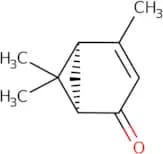
CAS:<p>Verbenone is a semiochemical product, which is a terpene compound sourced from the fragrant essential oils of certain plants, such as members of the Verbena genus. It acts as an anti-aggregation pheromone that disrupts the behavior of specific insect species. By mimicking natural signals in the environment, Verbenone inhibits the congregation and settling of pests like bark beetles.</p>Formula:C10H14OPurezza:Min. 95%Peso molecolare:150.22 g/molIsolimonene
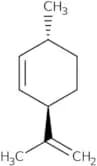
CAS:<p>Isolimonene is a monoterpene, which is a naturally occurring hydrocarbon found primarily in citrus oils extracted from the rinds of fruits such as lemons, oranges, and grapefruits. As a compound derived from the secondary metabolites of plants, it is intricately involved in the plant's defense mechanisms.</p>Formula:C10H16Purezza:Min. 95%Colore e forma:Clear LiquidPeso molecolare:136.23 g/molBetulonicacid
CAS:Betulonic acid is a naturally occurring triterpenoid compound, which is sourced from the bark of certain species of birch trees, mainly Betula species. It exhibits anti-inflammatory and anti-cancer properties, primarily through the modulation of various signaling pathways involved in inflammation and apoptosis. Betulonic acid acts by inhibiting key enzymes and transcription factors, such as cyclooxygenase and NF-κB, thereby reducing the production of pro-inflammatory mediators and promoting cell death in cancerous cells.Formula:C30H46O3Purezza:Min. 95%Peso molecolare:454.68 g/mol(+)-Cembrene
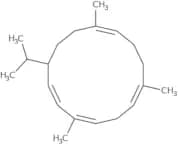
CAS:<p>(+)-Cembrene is a diterpene hydrocarbon, which is a naturally occurring compound primarily found in marine organisms such as soft corals. This compound is characterized by its complex cyclic structure, which is a hallmark of many terpenoids known for diverse biological activities. The source of (+)-Cembrene is often the soft coral species, where it functions as a part of the organism's chemical defense system, deterring predators and inhibiting microbial growth.</p>Formula:C20H32Purezza:Min. 95%Colore e forma:White PowderPeso molecolare:272.47 g/mol(-)-trans-Pinocarveol
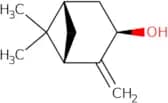
CAS:<p>(-)-trans-Pinocarveol is a bicyclic monoterpene alcohol, which occurs naturally in a variety of essential oils, typically extracted from coniferous trees and some aromatic plants. As a chiral compound, it features a unique molecular configuration, often isolated from the Pinaceae family or synthesized via dihydroxylation of pinene derivatives.</p>Formula:C10H16OPurezza:Min. 95%Peso molecolare:152.23 g/molDemethoxydeacetoxypseudolaric acid B
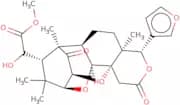
CAS:Demethoxydeacetoxypseudolaric acid B is a potent bioactive compound, which is a natural diterpenoid isolated from the plant Pseudolarix amabilis, also known as the golden larch. This compound is part of a class of structurally intricate molecules characterized by their tricyclic diterpenoid structures, specific to this botanical source. The mode of action of demethoxydeacetoxypseudolaric acid B primarily involves the disruption of microtubule assembly, a mechanism critical for its antifungal activity. By interfering with the polymerization of tubulin proteins, it effectively hinders cellular functions dependent on the microtubule network, leading to cell cycle arrest and apoptosis in susceptible fungal cells.Purezza:Min. 95%Cinnamodial
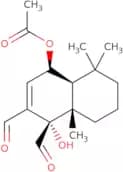
CAS:<p>Cinnamodial is a naturally occurring compound classified as a sesquiterpene dialdehyde, which is isolated from cinnamon oil, derived primarily from the bark of the Cinnamomum tree. Its primary mode of action involves disrupting cellular integrity through binding with fungal cell membranes, leading to increased permeability and ultimately cell death. This mechanism highlights its potential as an effective antifungal agent.</p>Formula:C17H24O5Purezza:Min. 95%Colore e forma:White PowderPeso molecolare:308.37 g/molCedrodorin - Cedrela tonduzii
CAS:<p>Cedrodorin is a natural insecticidal compound extracted from the wood of Cedrela tonduzii, a species native to Central America. This compound functions by disrupting the feeding behavior of herbivorous insects, effectively reducing their ability to cause damage to plants. Cedrodorin’s mode of action involves interference with the neural pathways that regulate feeding, leading to reduced ingestion and eventual starvation of the pests.</p>Formula:C27H34O9Purezza:Min. 95%Peso molecolare:502.55 g/molPseudolaric acid A beta-D-glucoside
CAS:<p>Pseudolaric acid A beta-D-glucoside is a bioactive compound, which is a natural product derived from Pseudolarix amabilis, a species of tree native to certain regions of China. It belongs to the diterpenoid family, known for their diverse structural features and significant biological activities. This compound exhibits its mode of action primarily through interactions with cellular pathways, modulating specific enzymatic activities and receptor responses, which can lead to varying effects at the cellular and molecular levels.</p>Purezza:Min. 95%Gibberellic Acid Acetoxymethyl Ester
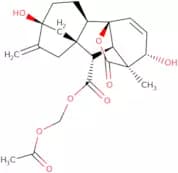
CAS:<p>Gibberellic Acid Acetoxymethyl Ester is a plant growth regulator, derived from the gibberellin family of diterpenoid acids, which is synthesized through microbiological processes involving certain fungal species like *Gibberella fujikuroi*. It acts by mimicking endogenous gibberellins, which are natural plant hormones that regulate various developmental processes. Upon application, it binds to specific receptors in plant cells, triggering a cascade of gene expressions that promote cell elongation, division, and differentiation.</p>Formula:C22H26O8Purezza:Min. 95%Peso molecolare:418.44 g/mol