Flavonoidi
Sottocategorie di "Flavonoidi"
- Antocianidine(46 prodotti)
- Antocianina(46 prodotti)
- Catechina(88 prodotti)
- Chalcones(237 prodotti)
- Pterocarpani(28 prodotti)
Trovati 2408 prodotti di "Flavonoidi"
Cuneatin-7-methyl ether
CAS:Cuneatin-7-methyl ether is a naturally occurring compound, classified as a flavonoid derivative. It is primarily sourced from certain plant species known for producing bioactive flavonoids. These plants are typically found in specific geographical regions, and the compound can be extracted through meticulous phytochemical methods.Formula:C18H14O6Purezza:Min. 95%Colore e forma:PowderPeso molecolare:326.3 g/molSideritoflavone
CAS:Sideritoflavone is a flavonoid compound, which is a type of secondary metabolite derived from the *Sideritis* plant species. These plants, commonly found in the Mediterranean region, are traditionally used in herbal remedies. The compound is known for its potential biological and pharmacological activities, which stem from its interaction with various biochemical pathways.
Formula:C18H16O8Purezza:Min. 95%Peso molecolare:360.31 g/mol6,7,2',3',4'-Pentamethoxyisoflavone
CAS:6,7,2',3',4'-Pentamethoxyisoflavone is a naturally occurring flavonoid compound, which is derived from certain plant sources known for their rich polyphenolic content. As part of the isoflavone family, this compound is structurally similar to estrogen, allowing it to potentially interact with estrogen receptors in the body. Its mode of action includes modulating various biochemical pathways, including antioxidant and anti-inflammatory pathways, due to its ability to influence enzyme activities and cell signaling processes.Formula:C20H20O7Purezza:Min. 95%Colore e forma:PowderPeso molecolare:372.37 g/mol5,7-Dihydroxy-3',4',5'-trimethoxyflavanone
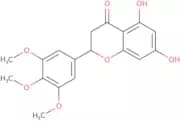
CAS:5,7-Dihydroxy-3',4',5'-trimethoxyflavanone is a flavanone compound, which is a type of polyphenolic compound found predominantly in the plant kingdom. This compound can be sourced from various plants, where it often occurs as part of the natural defense mechanisms to protect the organism from environmental stressors.
Formula:C18H18O7Purezza:Min. 95%Peso molecolare:346.33 g/molRef: 3D-FD157032
10mg1.388,00€25mg2.872,00€50mg4.730,00€100mgPrezzo su richiesta250mgPrezzo su richiesta5,3'-Dihydroxyflavone
CAS:5,3'-Dihydroxyflavone is a flavonoid compound, which is a class of polyphenolic molecules. It is derived from various plants, where it occurs naturally as part of the complex biochemical repertoire involved in defense mechanisms and signaling processes. This compound acts as an antioxidant, neutralizing free radicals and reducing oxidative stress. It also exhibits potential neuroprotective effects by modulating specific signaling pathways and interacting with enzymes linked to inflammation and cellular health.
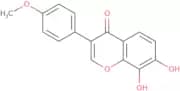
Formula:C15H10O4Purezza:Min. 95%Peso molecolare:254.24 g/mol3'-Methoxydaidzein
CAS:3'-Methoxydaidzein is an isoflavone compound, which is typically isolated from soybean sources. This compound belongs to a class of phytoestrogens, naturally occurring plant-derived compounds with estrogenic activity. 3'-Methoxydaidzein exhibits various biological activities due to its structural similarity to human estrogens, allowing it to bind to estrogen receptors. Its mode of action primarily involves modulating estrogen receptor activity, potentially influencing gene expression in estrogen-responsive tissues.
Purezza:Min. 95%Podospicatin
CAS:Podospicatin is a type of natural compound, which is derived from fungal sources. This unique compound is isolated from specific fungal species known for their ability to produce bioactive secondary metabolites. Podospicatin is characterized by its distinctive molecular structure, which contributes to its potential bioactivity.Formula:C17H14O7Purezza:Min. 95%Colore e forma:PowderPeso molecolare:330.29 g/molDatiscin
CAS:Datiscin is a flavonoid glycoside, which is a type of naturally occurring compound found in plants. It is derived from various botanical sources, notably within the Datisca genus. These compounds are characterized by a flavonoid core structure bonded to sugar moieties. The mode of action of Datiscin primarily involves its interaction with free radicals and reactive oxygen species, suggesting potential antioxidative properties. This mechanism can help mitigate oxidative stress within biological systems.
Formula:C27H30O15Purezza:Min. 95%Peso molecolare:594.52 g/molBiochanin A-7-O-glucoside
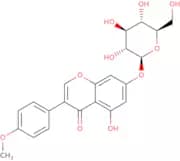
CAS:Biochanin A-7-O-glucoside is a naturally occurring isoflavone glucoside, which is derived from various plants, particularly red clover and soy. It is a secondary metabolite, commonly found in legumes and other related species. The mode of action of Biochanin A-7-O-glucoside involves its structural ability to act as an antioxidant, scavenging free radicals and mitigating oxidative stress. This biochemical property allows it to influence various molecular pathways related to cell signaling and gene expression.
Formula:C22H22O10Purezza:Min. 95%Colore e forma:SolidPeso molecolare:446.4 g/mol4'-Hydroxywogonin
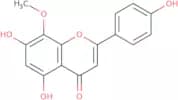
CAS:4'-Hydroxywogonin is a bioactive flavonoid, which is derived primarily from the roots of the plant *Scutellaria baicalensis*. This compound is a naturally occurring flavone, a subclass of flavonoids, known for its potential therapeutic properties. The mode of action of 4'-Hydroxywogonin involves its ability to modulate various cellular signaling pathways. It is particularly noted for its anti-inflammatory and antioxidant effects, which are mediated through the inhibition of pro-inflammatory cytokines and the scavenging of free radicals, respectively.Formula:C16H12O6Purezza:Min. 95%Colore e forma:SolidPeso molecolare:300.26 g/molKaempferol-3-rutinoside-7-rhamnoside
CAS:Kaempferol-3-rutinoside-7-rhamnoside is a flavonoid glycoside, which is an organic compound derived from specific plant species like tea, onions, and broccoli. It primarily exists as a complex molecule formed by the bonding of kaempferol with sugar moieties—rutinoside and rhamnoside. This compound functions by modulating various cellular signaling pathways, including those involved in oxidation-reduction processes, apoptosis, and inflammation. It combats oxidative stress by scavenging free radicals, thereby providing a protective effect against cellular damage.Formula:C33H40O19Purezza:Min. 95%Colore e forma:Off-White PowderPeso molecolare:740.66 g/molLeucoside
CAS:Leucoside is a biochemical compound, which is derived from activated human leucocytes. This product is obtained through a meticulous extraction process that isolates specific bioactive molecules. Its mode of action involves the modulation of immune responses, potentially by influencing cytokine signaling pathways. Leucoside interacts with immune cells, potentially enhancing or dampening specific activities to achieve desired immunomodulatory effects.Purezza:Min. 95%7-Hydroxy-5-methoxyflavanone
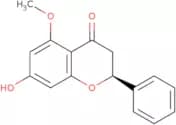
CAS:7-Hydroxy-5-methoxyflavanone is a naturally occurring flavanone compound, which is derived from various plant sources. These sources often include fruits, vegetables, and certain medicinal herbs, known for their rich flavonoid content. The mode of action of 7-Hydroxy-5-methoxyflavanone primarily involves its role as an antioxidant. It helps in scavenging free radicals and reducing oxidative stress, which is a common pathway in cellular protection against damage.
Formula:C16H14O4Purezza:Min. 95 Area-%Colore e forma:PowderPeso molecolare:270.28 g/molRetusin tlc
CAS:Retusin TLC is a flavonoid compound, which is derived from natural plant sources. Flavonoids are known for their diverse biological activities, primarily due to their antioxidant properties. The mode of action of Retusin TLC involves its ability to scavenge free radicals, thereby reducing oxidative stress at the cellular level. This activity plays a crucial role in modulating various biochemical pathways, potentially leading to anti-inflammatory and anti-cancer effects.Formula:C16H12O5Purezza:Min. 95%Peso molecolare:284.26 g/molVitexin-2''-xyloside
CAS:Vitexin-2''-xyloside is a bioactive flavonoid glycoside, which is derived from various plant sources such as Hawthorn and Passiflora species. This compound is part of a class of natural products known for their significant pharmacological activities. The mode of action primarily involves antioxidative mechanisms, where it mitigates oxidative stress by scavenging free radicals and modulating antioxidant enzyme activity. Additionally, it exhibits anti-inflammatory effects through the inhibition of pro-inflammatory cytokines and pathways.Formula:C26H28O14Purezza:Min. 95%Peso molecolare:564.49 g/molFlavanone-d5
CAS:Flavanone-d5 is an isotopically labeled flavonoid, which is a type of phenolic compound found in various plants. This compound is sourced from natural flavonoids that have been enriched with deuterium, an isotope of hydrogen, typically at five specific positions within the molecular structure. The mode of action involves the examination of metabolic pathways and interactions due to its stable isotopic labeling, allowing for precise tracing in biochemical assays.Formula:C15H12O2Purezza:Min. 95%Peso molecolare:229.28 g/molKaempferol -3,7-di-O-glucoside
CAS:Kaempferol-3,7-di-O-glucoside is a naturally occurring flavonoid, which is commonly derived from various plant sources, including fruits, vegetables, and medicinal herbs. As a flavonoid, it appears predominantly in the form of glycosides, where kaempferol is conjugated with sugar moieties, enhancing its solubility and bioavailability.
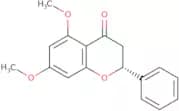
Formula:C27H30O16Purezza:Min. 95%Peso molecolare:610.52 g/mol(2R)-5,7-Dimethoxyflavanone
CAS:(2R)-5,7-Dimethoxyflavanone is a natural flavonoid, which is a type of polyphenolic compound. It is derived from various plant sources, commonly found in fruits, vegetables, and certain medicinal herbs. Its structure includes a flavanone backbone with methoxy groups at specific positions, which modulate its biological activity.
Formula:C17H16O4Purezza:Min. 95%Peso molecolare:284.31 g/mol2',7-Dihydroxy-5,8-dimethoxyflavanone
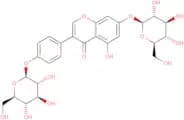
CAS:2',7-Dihydroxy-5,8-dimethoxyflavanone is a natural flavanone, which is a type of polyphenolic compound. It is derived from various plant sources where flavonoids are commonly found, such as fruits, vegetables, and certain herbs. This particular flavanone exhibits a unique chemical structure characterized by dihydroxy and dimethoxy functional groups, which contribute to its biological activity.Formula:C17H16O6Purezza:Min. 95%Peso molecolare:316.30 g/molGenistein 7,4'-di-O-glucoside
CAS:Genistein 7,4'-di-O-glucoside is a naturally occurring isoflavone glucoside, which is derived from plant sources such as soybeans and other legumes. As an isoflavone, it belongs to a class of phytoestrogens, compounds that are structurally similar to estrogens but are derived from plants. The mode of action of Genistein 7,4'-di-O-glucoside primarily involves its ability to interact with estrogen receptors in the body, exhibiting both estrogenic and anti-estrogenic effects depending on the physiological context. This interaction can modulate various signaling pathways, potentially impacting cellular growth, apoptosis, and differentiation.Formula:C27H30O15Purezza:Min. 95%Peso molecolare:594.52 g/mol