Flavonoidi
Sottocategorie di "Flavonoidi"
- Antocianidine(46 prodotti)
- Antocianina(46 prodotti)
- Catechina(88 prodotti)
- Chalcones(237 prodotti)
- Pterocarpani(28 prodotti)
Trovati 2408 prodotti di "Flavonoidi"
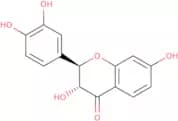
3,3',4',7-Tetrahydroxyflavanone
CAS:3,3',4',7-Tetrahydroxyflavanone is a flavanone compound, which is a type of polyphenolic molecule. This compound is primarily derived from various plant sources, where it occurs naturally in fruits, vegetables, and certain herbs. Its structure is characterized by its multiple hydroxyl groups, which contribute to its chemical reactivity and biological interactions.
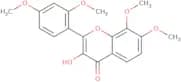
Formula:C15H12O6Purezza:Min. 95%Colore e forma:White PowderPeso molecolare:288.25 g/mol3-Hydroxy-7,8,2',4'-tetramethoxyflavone
CAS:3-Hydroxy-7,8,2',4'-tetramethoxyflavone is a specialized flavonoid compound, which is a type of polyphenolic metabolite derived primarily from certain plant sources. This compound belongs to a class of naturally occurring flavones that are isolated from plants known for their diverse biological activities. Its mode of action involves interacting with cellular pathways and receptors, potentially modulating enzymatic activity and affecting signal transduction processes.
Formula:C19H18O7Purezza:Min. 95%Peso molecolare:358.34 g/mol2',7,8-Trimethoxyflavone
CAS:2',7,8-Trimethoxyflavone is a specialized flavonoid compound, which is naturally derived from certain medicinal plants. This compound belongs to the broader class of polyphenolic molecules known as flavones, often found in various fruits and vegetables. It is primarily isolated from plants such as Kaempferia parviflora, renowned for its traditional use in herbal medicine.
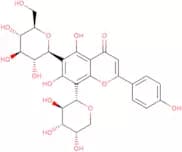
Formula:C18H16O5Purezza:Min. 95%Peso molecolare:312.32 g/molSchaftoside
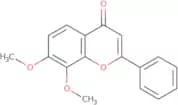
CAS:Schaftoside is a naturally occurring flavonoid glycoside, which is derived from a variety of plant sources, particularly within the Leguminosae and Poaceae families. As a compound, it features a structural integration of apigenin linked to two units of glucose, establishing its classification within the group of C-glycosyl flavonoids. Its mode of action involves interactions with various molecular pathways, implying antioxidant and anti-inflammatory effects. This is attributed to its capacity to scavenge free radicals and modulate signal transduction processes involving cytokines and transcription factors.Formula:C26H28O14Purezza:Min. 98 Area-%Colore e forma:PowderPeso molecolare:564.49 g/mol7,8-Dimethoxyflavone
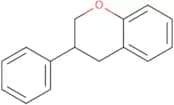
CAS:7,8-Dimethoxyflavone is a synthetic flavonoid compound, which is derived from natural flavones found in various plant species. As a structurally modified version of naturally occurring flavonoids, it exhibits a range of biological activities. The mode of action of 7,8-Dimethoxyflavone involves interaction with various cellular pathways, including modulation of kinase and receptor activity, potentially impacting signal transduction processes.Formula:C17H14O4Colore e forma:PowderPeso molecolare:282.29 g/molIsoflavan
CAS:Isoflavan is a naturally occurring isoflavonoid derivative, which is primarily sourced from soybeans and other legumes. These compounds are secondary metabolites found in the plant kingdom, notable for their structural similarity to estrogens. Isoflavans act as phytoestrogens, binding to estrogen receptors and exerting both estrogenic and antiestrogenic effects depending on the presence of endogenous hormones. They exhibit a multifaceted mode of action, encompassing antioxidant activities by neutralizing free radicals and modulating oxidative stress pathways.
Formula:C15H14OPurezza:Min. 95%Peso molecolare:210.27 g/mol3'-Hydroxy-8-O-methylretusin
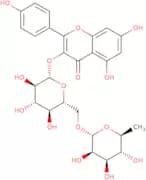
CAS:3'-Hydroxy-8-O-methylretusin is a naturally occurring flavonoid, which is derived from various plant sources, primarily within the Leguminosae family. It exhibits a range of bioactivities attributed to its molecular structure, characterized by hydroxylation and methylation processes that enhance its stability and reactivity.Formula:C17H14O6Purezza:Min. 95%Peso molecolare:314.29 g/molKaempferol-3-rutinoside
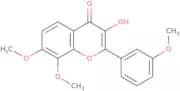
CAS:Kaempferol-3-rutinoside is a naturally occurring flavonoid glycoside, which is derived from various plant sources such as tea, fruits, and vegetables. It is a complex compound where the flavonoid kaempferol is conjugated to a disaccharide, rutinoside. The mode of action involves its ability to scavenge free radicals due to its antioxidant properties, as well as inhibit specific enzymes and pathways associated with inflammation, thus providing both antioxidant and anti-inflammatory benefits.Formula:C27H30O15Purezza:Min. 95%Colore e forma:PowderPeso molecolare:594.52 g/mol3-Hydroxy-7,8,3'-trimethoxyflavone
CAS:3-Hydroxy-7,8,3'-trimethoxyflavone is a specialized flavonoid compound, which is isolated predominantly from certain plant sources known for their diverse array of secondary metabolites. The compound belongs to the flavone subclass, characterized by its distinctive hydroxyl and methoxy functional groups, which are crucial in determining its biochemical properties and interactions.Formula:C18H16O6Purezza:Min. 95%Peso molecolare:328.32 g/mol5-Demethylnobiletin
CAS:5-Demethylnobiletin is a bioactive flavonoid compound, which is primarily isolated from citrus peels, particularly those of the genus Citrus. This compound belongs to the polymethoxyflavone class, well-known for their diverse biological activities. 5-Demethylnobiletin exerts its effects primarily through the modulation of cellular signaling pathways, particularly those involved in inflammatory responses. It has been shown to influence the expression of cytokines and enzymes associated with inflammation, potentially impacting pathways such as NF-kB and MAPK.
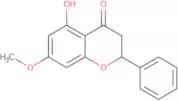
Formula:C20H20O8Purezza:Min. 95%Colore e forma:SolidPeso molecolare:388.37 g/molPinostrobin
CAS:Pinostrobin is a natural flavonoid compound, which is derived primarily from the rhizomes of plants such as the fingerroot (Boesenbergia rotunda) and various species of the Pinus genus. Its mode of action involves potent antioxidant activity, where it scavenges free radicals, thus reducing oxidative stress. Additionally, Pinostrobin exhibits antimicrobial properties by disrupting microbial cell membranes and inhibiting essential microbial enzymes.
Formula:C16H14O4Colore e forma:PowderPeso molecolare:270.28 g/mol5,6-Dihydroxy-7-methoxyflavone
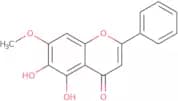
CAS:5,6-Dihydroxy-7-methoxyflavone is a naturally occurring flavonoid compound, which is predominantly sourced from various plants, often found in the leaves, stems, or roots. This compound belongs to the broader class of flavonoids, which are known for their diverse biochemical activities. As a flavone derivative, its structure includes hydroxyl and methoxy functional groups that contribute to its biological activity.
Formula:C16H12O5Purezza:Min. 95%Colore e forma:Yellow PowderPeso molecolare:284.26 g/molTilianin
CAS:Tilianin is a flavonoid glycoside, which is a natural compound derived from the plant **Dracocephalum moldavica**. It is primarily sourced from the leaves and flowers of this herbaceous plant, belonging to the Lamiaceae family. Tilianin exerts its effects through several biochemical pathways, most notably by inhibiting inflammatory mediators and modulating oxidative stress pathways. This mode of action suggests its potential as an anti-inflammatory and antioxidant agent.Formula:C22H22O10Purezza:Min. 98 Area-%Colore e forma:White Off-White PowderPeso molecolare:446.4 g/molKakkatin
CAS:Kakkatin is a natural antimicrobial agent, which is derived from specific plant extracts known for their inherent bioactive properties. It functions by disrupting the cellular membranes of pathogenic microorganisms, leading to their subsequent inactivation. This mode of action is attributed to its unique phytochemical constituents, which interact with microbial cell structures to inhibit growth and proliferation.
Formula:C16H12O5Purezza:Min. 95%Peso molecolare:284.26 g/molGenkwanin-4'-glucoside
CAS:Genkwanin-4'-glucoside is a flavonoid glycoside, which is a natural compound derived from various plant sources, including members of the Thymelaeaceae family such as Daphne and Wikstroemia species. This compound is characterized by the attachment of a glucose molecule to the aglycone genkwanin, enhancing its solubility and bioavailability.Formula:C22H22O10Purezza:Min. 95%Peso molecolare:446.4 g/molDihydrowogonin
CAS:Dihydrowogonin is a flavonoid compound, predominantly sourced from plants such as Scutellaria baicalensis. It is a derivative of wogonin, exhibiting significant pharmacological properties. As a bioactive compound, dihydrowogonin interacts with various molecular targets, modulating intracellular signaling pathways, thereby exerting anti-inflammatory and neuroprotective effects.Formula:C16H14O5Purezza:Min. 95%Peso molecolare:286.28 g/molAzoxystrobin
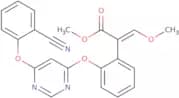
CAS:Azoxystrobin is a fungicide, which is a synthesized chemical compound, derived from natural strobilurin compounds produced by fungi. Its mode of action involves inhibiting mitochondrial respiration in fungi by blocking the cytochrome bc1 complex, disrupting energy production essential for fungal growth and survival.Formula:C22H17N3O5Purezza:Min. 95%Colore e forma:PowderPeso molecolare:403.39 g/mol5,7-Dihydroxy-2',3',4',5'-tetramethoxyflavone
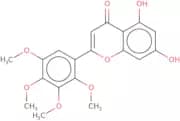
CAS:5,7-Dihydroxy-2',3',4',5'-tetramethoxyflavone is a naturally occurring flavonoid, which is a type of polyphenolic compound. It is sourced primarily from various plant species, particularly those belonging to the genus *Scutellaria* and other related species known for their rich flavonoid content. The mode of action of 5,7-Dihydroxy-2',3',4',5'-tetramethoxyflavone involves modulation of key signaling pathways associated with oxidative stress and inflammatory processes, which can contribute to cellular protection and homeostasis.Formula:C19H18O8Purezza:Min. 95%Colore e forma:SolidPeso molecolare:374.34 g/molMyricetin
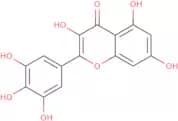
CAS:Myricetin is a naturally occurring flavonoid, which is primarily sourced from various fruits, vegetables, teas, and medicinal plants. It is found abundantly in the bark of the Myrica species, as well as in grapes, onions, and berries. Myricetin functions as an antioxidant by scavenging free radicals, thus mitigating oxidative stress. It also exerts anti-inflammatory effects through modulation of signaling pathways, including the inhibition of nuclear factor-κB (NF-κB) and downregulation of pro-inflammatory cytokines.Formula:C15H10O8Purezza:Min. 95%Colore e forma:Yellow Green PowderPeso molecolare:318.24 g/mol2',4'-Dimethoxy-6-methylflavanol
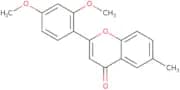
CAS:2',4'-Dimethoxy-6-methylflavanol is a specialized flavonoid compound, which is a type of secondary metabolite primarily found in various plants. These compounds are often extracted from plants recognized for their rich phytochemical profiles, such as those in the Fabaceae or Rutaceae families. Flavonoids, including 2',4'-Dimethoxy-6-methylflavanol, are known for their diverse biological activities, including antioxidant, anti-inflammatory, and potential anti-cancer properties.Formula:C18H16O4Purezza:Min. 95%Peso molecolare:296.32 g/mol