Flavonoidi
I flavonoidi sono un gruppo di metaboliti vegetali con proprietà antiossidanti che contribuiscono al colore di frutti e fiori. Svolgono un ruolo significativo nella protezione delle piante dai raggi UV e dai patogeni. I flavonoidi sono studiati per i loro potenziali benefici per la salute, tra cui proprietà antinfiammatorie, antivirali e anticancro. Sono ampiamente studiati nei campi della farmacologia, della nutrizione e della biologia molecolare.
Sottocategorie di "Flavonoidi"
- Antocianidine(46 prodotti)
- Antocianina(46 prodotti)
- Catechina(88 prodotti)
- Chalcones(237 prodotti)
- Pterocarpani(28 prodotti)
Trovati 2408 prodotti di "Flavonoidi"
Ordinare per
Purezza (%)
0
100
|
0
|
50
|
90
|
95
|
100
Eriodictyol - 98%
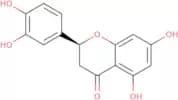
CAS:Eriodictyol - 98% is a flavonoid compound, which is a type of plant-based molecule. It is primarily sourced from multiple plant species, including certain herbs and bark, notably from the Eriodictyon genus. As a bioactive compound, eriodictyol functions by modulating cellular oxidative stress responses through its ability to scavenge free radicals and inhibit reactive oxygen species.Formula:C15H12O6Purezza:Min. 98 Area-%Colore e forma:White PowderPeso molecolare:288.25 g/molPseudobaptigenin
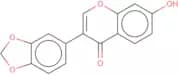
CAS:Pseudobaptigenin is a naturally occurring flavonoid, which is primarily isolated from plant sources. As a type of secondary metabolite, flavonoids like pseudobaptigenin are synthesized by plants and often found in a variety of legumes and other plant species. These compounds typically play a role in plant defense mechanisms and contribute to pigmentation.Formula:C16H10O5Purezza:Min. 95%Colore e forma:PowderPeso molecolare:282.25 g/molTrifloxystrobin
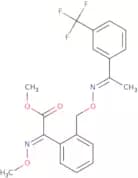
CAS:<p>Trifloxystrobin is a broad-spectrum fungicide, which is a synthetic compound derived from the strobilurin class of fungicides. Its mode of action involves the inhibition of mitochondrial respiration in fungi, specifically by binding to the Qo site of the cytochrome bc1 complex, thereby disrupting electron transport and energy production within fungal cells.</p>Formula:C20H19F3N2O4Purezza:Min. 95%Colore e forma:PowderPeso molecolare:408.37 g/molIsoliquiritin
CAS:Isoliquiritin is a flavonoid compound, which is primarily extracted from the roots of the Glycyrrhiza glabra plant, commonly known as licorice. The compound is characterized by its unique chemical structure that plays a significant role in its biological activity. The mode of action of isoliquiritin is tied to its ability to interact with various cellular signaling pathways. It exhibits antioxidant, anti-inflammatory, and antimicrobial properties by modulating the expression of specific enzymes and inhibiting the activity of pro-inflammatory cytokines. Additionally, its potential in modulating cellular pathways makes it an intriguing subject for research related to metabolic and cardiovascular health.Formula:C21H22O9Purezza:Min. 85.0 Area-%Peso molecolare:418.39 g/molRef: 3D-Q-100563
10mgPrezzo su richiesta25mgPrezzo su richiesta50mgPrezzo su richiesta100mgPrezzo su richiesta250mgPrezzo su richiesta-Unit-mgmgPrezzo su richiesta7,3'-Dihydroxyisoflavone
CAS:<p>7,3'-Dihydroxyisoflavone is a bioactive compound belonging to the isoflavone class of flavonoids, which is derived primarily from leguminous plants, such as soy and red clover. The substance displays significant antioxidant activities due to its structure, which allows it to neutralize free radicals and reduce oxidative stress within biological systems. This mode of action involves scavenging reactive oxygen species and chelating metal ions, thereby offering protective effects against cellular damage and inflammation.</p>Formula:C15H10O4Purezza:Min. 95%Colore e forma:PowderPeso molecolare:254.24 g/molDerrone-4'-methyl ether
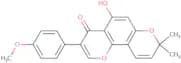
CAS:Derrone-4'-methyl ether is a flavonoid derivative, which is a compound class known for diverse biological activities. This compound is sourced from the isoflavonoid family, predominantly found in legumes and other plant species. Isoflavonoids are secondary metabolites that play crucial roles in plant defense mechanisms and interactions with the environment.Formula:C21H18O5Purezza:Min. 95%Peso molecolare:350.36 g/mol7,3',4'-Trimethoxyisoflavone
CAS:<p>7,3',4'-Trimethoxyisoflavone is a natural isoflavone compound, which is typically derived from certain plants within the Leguminosae family. This compound is characterized by its three methoxy groups attached to the isoflavone backbone, distinguishing it from other isoflavone derivatives. The source of 7,3',4'-Trimethoxyisoflavone often includes various leguminous plants, where it functions as a secondary metabolite with potential protective roles.</p>Formula:C18H16O5Purezza:Min. 95%Colore e forma:PowderPeso molecolare:312.32 g/molGalangin
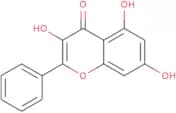
CAS:Galangin is a naturally occurring flavonoid, a type of polyphenolic compound, which is primarily sourced from Alpinia officinarum rhizomes, commonly known as galangal. This compound exhibits a range of biological activities, particularly attributed to its potent antioxidant and anti-inflammatory mechanisms. Galangin's mode of action predominantly involves the scavenging of free radicals and inhibition of oxidative stress pathways, effectively contributing to the mitigation of cellular damage and inflammation.Formula:C15H10O5Purezza:Min. 97 Area-%Colore e forma:PowderPeso molecolare:270.24 g/molIsoschaftoside
CAS:Isoschaftoside is a bioactive flavonoid glycoside, which is derived from various plant sources, particularly those within the Fabaceae and Poaceae families. This compound is a result of the glycosylation of apigenin, a well-known flavonoid. The mode of action of isoschaftoside involves its role as a potent antioxidant and anti-inflammatory agent. It achieves this by scavenging free radicals and modulating inflammatory pathways, thus contributing to cellular protection and immune response regulation.Formula:C26H28O14Purezza:Min. 97 Area-%Colore e forma:PowderPeso molecolare:564.49 g/molSinensetin
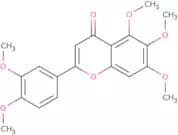
CAS:<p>Sinensetin is a polymethoxyflavone, which is a type of flavonoid compound. It is predominantly sourced from citrus peels, particularly those of oranges. The compound exhibits multiple biological activities, primarily through its mode of action that involves modulating inflammatory pathways and oxidative stress responses. Sinensetin achieves this by inhibiting pro-inflammatory cytokines and enzymes such as cyclooxygenase, thereby reducing inflammation processes at the cellular level.</p>Formula:C20H20O7Purezza:Min. 95%Colore e forma:PowderPeso molecolare:372.37 g/molKaempferol-3-(p-coumaryl)glucoside
CAS:<p>Kaempferol-3-(p-coumaryl)glucoside is a bioactive phenolic compound found in the plant Tilia tomentosa. It has been shown to have hypoglycemic and anti-inflammatory effects, as well as an ability to inhibit the production of cytokines that are important for the development of inflammatory bowel disease. Kaempferol-3-(p-coumaryl)glucoside has also been shown to have an antiviral effect against infectious diseases such as HIV and herpes simplex virus type 2 (HSV2). This compound binds to the signal pathways that regulate apoptosis, which leads to cell death. Kaempferol-3-(p-coumaryl)glucoside can also cause DNA damage and genotoxic activity in bacteria.</p>Formula:C30H26O13Purezza:Min. 95%Colore e forma:PowderPeso molecolare:594.52 g/mol3',4'-Dihydroxyflavanone
<p>3',4'-Dihydroxyflavanone is a type of flavonoid, which is a class of polyphenolic compounds known for diverse biological activities. This compound is primarily sourced from various plants, where it plays a role in plant defense mechanisms due to its antioxidant properties. The mode of action of 3',4'-Dihydroxyflavanone involves the scavenging of free radicals, thereby mitigating oxidative stress at the cellular level. This activity is facilitated by its dihydroxy structure, which allows it to donate hydrogen atoms to neutralize reactive oxygen species.</p>Formula:C15H10O4Purezza:Min. 95%Peso molecolare:254.24 g/molGlycitein-7-O-methyl ether
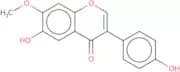
CAS:<p>Glycitein-7-O-methyl ether is an isoflavone derivative, which is a type of flavonoid. It is primarily sourced from soybean and other leguminous plants, where it is present as a minor phytoestrogen. The mode of action of Glycitein-7-O-methyl ether involves mimicking estrogenic activity, binding to estrogen receptors, which could potentially affect various physiological processes. Additionally, it may exhibit antioxidant properties, scavenging free radicals and thereby influencing oxidative stress-related pathways.</p>Formula:C17H14O5Purezza:Min. 95%Peso molecolare:298.29 g/molPatuletin
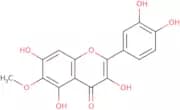
CAS:<p>Patuletin is a naturally occurring flavonoid, which is derived primarily from various plants. It is a type of polyphenolic compound that is widely recognized for its potential therapeutic properties. The source of Patuletin is mostly plant-based, where it is usually extracted from species in the Asteraceae family. The mode of action of Patuletin involves multiple biochemical interactions, including its potential to modulate oxidative stress and inflammation pathways. It acts by scavenging free radicals and may inhibit key enzymes linked to inflammation.</p>Formula:C16H12O8Purezza:80%Colore e forma:White PowderPeso molecolare:332.26 g/molTheaflavin
CAS:Theaflavin is a polyphenolic compound, which is derived from the oxidation of catechins in black tea leaves. This compound acts as an antioxidant by scavenging free radicals and reducing oxidative stress. Theaflavin modulates various signaling pathways, influencing cellular processes such as apoptosis and inflammation. Its antioxidant capabilities are attributed to its ability to donate electrons and stabilize radical species, thus protecting cellular components from damage.Formula:C29H24O12Purezza:Min. 95%Colore e forma:Red PowderPeso molecolare:564.49 g/mol6-Hydroxy-5,7,4'-trimethoxyflavone
CAS:<p>6-Hydroxy-5,7,4'-trimethoxyflavone is a methoxylated flavone, which is a type of polyphenolic compound. It is derived from various natural sources, including certain plant species where flavonoids are abundant. This compound features distinct methoxy and hydroxyl groups that contribute to its biochemical activity.</p>Formula:C18H16O6Purezza:Min. 95%Peso molecolare:328.32 g/molSigmoidin C
CAS:Sigmoidin C is a naturally occurring alkaloid, which is derived from the roots of certain species within the genus Alstonia. This compound is notable for its complex chemical structure and its potential therapeutic effects, which stem from its plant-based origin. Sigmoidin C operates primarily through modulating neurotransmitter systems, where it influences synaptic transmission and neuronal excitability.Formula:C20H18O6Purezza:Min. 95%Peso molecolare:354.35 g/mol3’,4’-Dimethoxyflavanone
CAS:3’,4’-Dimethoxyflavanone is a flavonoid compound, which is a type of natural phenolic product derived from various plant sources. Its structure is characterized by a flavanone backbone with methoxy groups at the 3' and 4' positions on the B-ring. These structural features contribute to its bioactivity, allowing it to interact with various biological targets through mechanisms such as free radical scavenging, modulation of signaling pathways, and enzyme inhibition.Formula:C17H16O4Purezza:Min. 95%Peso molecolare:284.31 g/mol2',7,8-Trihydroxyflavone
CAS:<p>2',7,8-Trihydroxyflavone is a flavonoid compound, which is naturally sourced from various plant species. It functions by acting as an agonist for the tropomyosin receptor kinase B (TrkB), a receptor for brain-derived neurotrophic factor (BDNF). This interaction modulates neurotrophic signaling pathways, promoting neuronal survival, differentiation, and synaptic plasticity.</p>Formula:C15H10O5Purezza:90%Colore e forma:PowderPeso molecolare:270.24 g/molCitrus bioflavonoids
CAS:<p>Citrus bioflavonoids are a complex of compounds, which are derived from the peel and pulp of citrus fruits such as oranges, lemons, and grapefruits. These bioflavonoids function primarily as antioxidants, neutralizing free radicals and reducing oxidative stress within biological systems. By supporting the integrity of cellular structures, they contribute to the maintenance of optimal physiological conditions.</p>Purezza:Min. 95%(±)-Naringenin
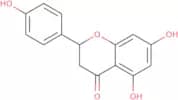
CAS:<p>Inhibits CYP3A4 and Shad 3 transcription; antioxidant; anti-tumor</p>Formula:C15H12O5Purezza:Min. 98 Area-%Colore e forma:Brown White PowderPeso molecolare:272.25 g/mol5-Methyl-7-hydroxyisoflavone
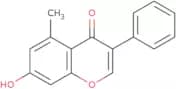
CAS:5-Methyl-7-hydroxyisoflavone is a naturally occurring isoflavone metabolite, which is derived primarily from the metabolic process of certain plant-derived flavonoids. Its source includes various legumes and other plants known for their rich isoflavone profiles. The compound acts principally by modulating cellular signaling pathways, including those involved in inflammation and oxidative stress response.Formula:C16H12O3Purezza:Min. 95%Colore e forma:White PowderPeso molecolare:252.26 g/molOrobol 3',4'-dimethyl ether
CAS:Orobol 3',4'-dimethyl ether is a synthetic flavonoid compound, which is derived from chemical modifications of naturally occurring flavonoids. These compounds are typically found in a variety of plants and are well-known for their diverse biological activities. Orobol 3',4'-dimethyl ether is specifically engineered to enhance or modify these natural properties for potential therapeutic use.Formula:C17H14O6Purezza:Min. 95 Area-%Colore e forma:PowderPeso molecolare:314.29 g/molPrunetin
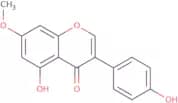
CAS:<p>Prunetin is a naturally occurring isoflavone, which is an organic compound derived from plant sources. It is primarily found in legumes and other plant materials where it naturally occurs as part of the plant's phytochemical arsenal. The mode of action of prunetin involves modulating various biochemical pathways, including acting as an antioxidant, influencing estrogenic activity, and affecting cellular signaling pathways. Its biochemical properties allow it to interact with multiple cellular targets, leading to its diverse biological activities.</p>Formula:C16H12O5Purezza:Min. 95%Colore e forma:Slightly Brown PowderPeso molecolare:284.26 g/mol5,7-Di-O-methyl-8-prenylflavanone
CAS:5,7-Di-O-methyl-8-prenylflavanone is a prenylated flavanone, which is a type of natural compound known for its structural complexity and biological activities. This compound is primarily sourced from plants, especially those in the Leguminosae family, where it plays a role in the plant's defense mechanisms. Its mode of action involves the modulation of various intracellular signaling pathways, often contributing to its anti-inflammatory and anti-cancer properties. This compound can inhibit certain enzyme activities and interfere with cellular proliferation and apoptosis processes.Formula:C22H24O4Purezza:Min. 95%Peso molecolare:352.42 g/mol6,8-Diprenylorobol
CAS:<p>6,8-Diprenylorobol is a prenylated isoflavonoid, which is a type of bioactive compound. It is isolated primarily from various plant sources, such as those belonging to the Fabaceae family. The structural uniqueness of 6,8-Diprenylorobol arises from the addition of prenyl groups to the isoflavonoid backbone, which enhances its biological activity.</p>Formula:C25H26O6Purezza:Min. 95%Colore e forma:PowderPeso molecolare:422.47 g/molOrobol-3'-methyl ether
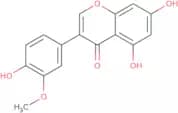
CAS:Orobol-3'-methyl ether is a synthetic flavonoid compound, which is derived from natural flavonoids that are typically extracted from plants. Flavonoids like Orobol-3'-methyl ether are important due to their roles in various biological processes. This compound operates primarily by interacting with enzymes, potentially inhibiting or modifying their activity. The methyl ether modification can enhance its biological activity or stability, making it a valuable tool in biochemical research.Formula:C16H12O6Purezza:Min. 98 Area-%Peso molecolare:300.26 g/molNaringenin-7-glucoside
CAS:<p>Naringenin-7-glucoside is a flavonoid glycoside, which is primarily sourced from citrus fruits and certain herbs. This compound is a glucoside derivative of naringenin, a type of flavanone commonly found in a variety of plant species. With its distinct chemical structure, Naringenin-7-glucoside exerts its effects primarily through antioxidant and anti-inflammatory mechanisms. The compound works by scavenging free radicals and modulating cell signaling pathways, thereby reducing oxidative stress and inflammation at the cellular level.</p>Formula:C21H22O10Purezza:Min. 95%Colore e forma:White Off-White PowderPeso molecolare:434.39 g/mol7-Benzyloxy-4'-methoxyisoflavone
CAS:<p>7-Benzyloxy-4'-methoxyisoflavone is a synthetic isoflavone derivative, which is meticulously designed with specific substituents to enhance its bioactivity. This compound is derived from isoflavones, a class of naturally occurring polyphenolic compounds found predominantly in soy products and other plants. Isoflavones are known for their diverse biological activities, including antioxidant and anti-inflammatory properties.</p>Formula:C23H18O4Purezza:Min. 95%Peso molecolare:358.39 g/molQuercetin 3-O-glucoside-7-O-rhamnoside
CAS:<p>Quercetin 3-O-glucoside-7-O-rhamnoside is a flavonoid glycoside, which is a type of secondary metabolite present in many plants. It is derived from natural sources such as fruits, vegetables, and certain grains. These compounds are known for their potential health benefits and are widely studied in the context of plant biochemistry and physiology.</p>Formula:C27H30O16Purezza:Min. 95%Colore e forma:PowderPeso molecolare:610.52 g/molFluoxastrobin
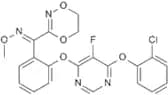
CAS:<p>Fluoxastrobin is a systemic fungicide, which is a synthetic chemical compound designed for use in agriculture. Its source is derived from laboratory synthesis, specifically created to inhibit key fungal pathogens. The mode of action of Fluoxastrobin involves disrupting mitochondrial respiration by targeting the pathogens' electron transport chain, thereby inhibiting energy production and ultimately halting their growth and proliferation.</p>Formula:C21H16ClFN4O5Purezza:Min. 95%Colore e forma:PowderPeso molecolare:458.83 g/mol6-Hydroxyflavone-beta-D-glucoside
CAS:<p>6-Hydroxyflavone-beta-D-glucoside is a naturally occurring flavonoid glycoside, which is a compound of interest in the field of phytochemistry and pharmacology. This compound is sourced primarily from various plant species known for their rich flavonoid content. The mode of action typically involves modulating biochemical pathways associated with antioxidant defense, often by interacting with cellular signaling mechanisms that regulate oxidative stress.</p>Formula:C21H20O8Purezza:Min. 95%Colore e forma:PowderPeso molecolare:400.38 g/mol7,8-Dihydroxyflavone
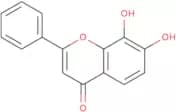
CAS:<p>7,8-Dihydroxyflavone is a synthetic flavonoid, which is derived from naturally occurring compounds found in plants. It is known to act as a tropomyosin receptor kinase B (TrkB) agonist, mimicking the action of brain-derived neurotrophic factor (BDNF). By selectively binding to TrkB receptors, it activates downstream signaling pathways involved in neuronal survival, differentiation, and synaptic plasticity.</p>Formula:C15H10O4•(H2O)xPurezza:Min. 95%Colore e forma:PowderPeso molecolare:254.24 g/mol5,2'-Dimethoxyflavone
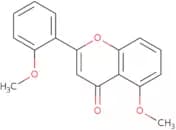
CAS:<p>5,2'-Dimethoxyflavone is a synthetic or naturally occurring flavone, which is derived from certain plants. It belongs to the class of polyphenolic compounds found predominantly in the plant kingdom. As a secondary metabolite, this compound is linked to the plant's defense mechanisms, typically sourced from herbs known for their therapeutic potential.</p>Formula:C17H14O4Purezza:Min. 95%Colore e forma:PowderPeso molecolare:282.29 g/molEucomin
CAS:<p>Eucomin is a quinoline derivative and an antimalarial agent, which is isolated from natural sources such as the bark of the cinchona tree or synthesized chemically. With its mode of action targeting the heme polymerase enzyme of Plasmodium parasites, Eucomin effectively inhibits the conversion of toxic heme to non-toxic hemozoin, a process critical for parasite survival within red blood cells.</p>Formula:C17H14O5Purezza:Min. 95%Peso molecolare:298.29 g/molScutellarein
CAS:<p>Scutellarein is a flavonoid compound, which is derived from plants such as Scutellaria baicalensis (commonly known as Chinese skullcap). This flavonoid exists naturally in certain herbs and plays a significant role in traditional medicine practices. It is extracted from the aerial parts of these plants through various processing techniques, focusing on its bioactive potential.</p>Formula:C15H10O6Purezza:Min. 95%Colore e forma:Yellow PowderPeso molecolare:286.24 g/molLuteolin 3′,7-diglucoside
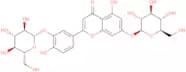
CAS:<p>Luteolin 3′,7-diglucoside is a flavonoid compound, which is predominantly found in a variety of plant species. It acts as an antioxidant, which is significant in its ability to neutralize free radicals, thereby potentially reducing oxidative stress at the cellular level. This compound is derived from natural sources such as fruits, vegetables, and herbs, where it exists as a glycosylated form of luteolin, bonded with glucose molecules.</p>Formula:C27H30O16Purezza:Min. 95%Colore e forma:PowderPeso molecolare:610.52 g/mol3'-Hydroxy-3,5,7,8,4'-pentamethoxyflavone
CAS:<p>3'-Hydroxy-3,5,7,8,4'-pentamethoxyflavone is a specialized flavonoid compound, which is typically derived from various plant sources. This compound is part of the flavone subclass of flavonoids, known for their wide presence in the plant kingdom, contributing to the plant's pigmentation and offering various physiological benefits. The mode of action for 3'-Hydroxy-3,5,7,8,4'-pentamethoxyflavone primarily involves antioxidant activity, where it functions to neutralize free radicals and reduce oxidative stress within biological systems. This property is crucial in mitigating cellular damage, thus playing a role in the prevention of various degenerative diseases.</p>Formula:C20H20O8Purezza:Min. 95%Peso molecolare:388.37 g/mol3,7,8,2',4'-Pentamethoxyflavone
CAS:3,7,8,2',4'-Pentamethoxyflavone is a naturally occurring flavonoid, which is a type of polyphenolic compound, broadly found in various plants. This compound is typically isolated from plant sources known for their rich bioactive profiles, such as certain species within the Rutaceae and other plant families. The distinctive feature of flavonoids, including 3,7,8,2',4'-Pentamethoxyflavone, lies in their diverse biological activities, which are attributed to their multi-targeted mode of action.Formula:C20H20O7Purezza:Min. 95%Peso molecolare:372.37 g/molFlavanone hydrazone - 99%
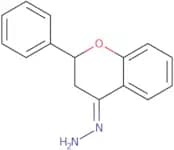
CAS:<p>Flavanone hydrazone - 99% is a highly pure chemical compound that serves as an important intermediate in organic synthesis. It originates primarily from synthetic processes involving hydrazides and flavanones, which are derivatives of flavonoids noted for their wide range of biological activities. The mode of action of flavanone hydrazone involves the introduction of a hydrazone group, which can facilitate the formation of various heterocyclic compounds. This makes it valuable in the construction of complex organic molecules, a process crucial in the fields of medicinal chemistry and drug discovery.</p>Formula:C15H14N2OPurezza:(%) Min. 99%Colore e forma:PowderPeso molecolare:238.28 g/mol2'-O-Methylisoliquiritigenin
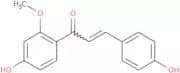
CAS:<p>2'-O-Methylisoliquiritigenin is a methylated flavonoid, which is a specialized biologically active compound found naturally in certain plants, most notably in licorice species. It is an analog of isoliquiritigenin, produced through methylation at the 2' position of the molecule, which enhances its chemical stability and potential bioactivity. The primary mode of action for 2'-O-Methylisoliquiritigenin involves the modulation of various biological pathways, including anti-inflammatory and antioxidant mechanisms. It has been shown to interact with key cellular signaling pathways influencing gene expression, cell cycle regulation, and apoptosis.</p>Formula:C16H14O4Purezza:Min. 95%Colore e forma:PowderPeso molecolare:270.28 g/mol3-Hydroxy-7,8,2',4'-tetramethoxyflavone
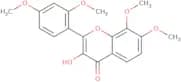
CAS:<p>3-Hydroxy-7,8,2',4'-tetramethoxyflavone is a specialized flavonoid compound, which is a type of polyphenolic metabolite derived primarily from certain plant sources. This compound belongs to a class of naturally occurring flavones that are isolated from plants known for their diverse biological activities. Its mode of action involves interacting with cellular pathways and receptors, potentially modulating enzymatic activity and affecting signal transduction processes.</p>Formula:C19H18O7Purezza:Min. 95%Peso molecolare:358.34 g/molIsoflavan
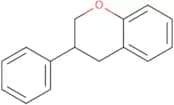
CAS:<p>Isoflavan is a naturally occurring isoflavonoid derivative, which is primarily sourced from soybeans and other legumes. These compounds are secondary metabolites found in the plant kingdom, notable for their structural similarity to estrogens. Isoflavans act as phytoestrogens, binding to estrogen receptors and exerting both estrogenic and antiestrogenic effects depending on the presence of endogenous hormones. They exhibit a multifaceted mode of action, encompassing antioxidant activities by neutralizing free radicals and modulating oxidative stress pathways.</p>Formula:C15H14OPurezza:Min. 95%Peso molecolare:210.27 g/mol3'-Hydroxy-8-O-methylretusin
CAS:<p>3'-Hydroxy-8-O-methylretusin is a naturally occurring flavonoid, which is derived from various plant sources, primarily within the Leguminosae family. It exhibits a range of bioactivities attributed to its molecular structure, characterized by hydroxylation and methylation processes that enhance its stability and reactivity.</p>Formula:C17H14O6Purezza:Min. 95%Peso molecolare:314.29 g/mol3-Hydroxy-7,8,3'-trimethoxyflavone
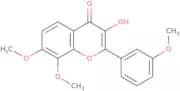
CAS:<p>3-Hydroxy-7,8,3'-trimethoxyflavone is a specialized flavonoid compound, which is isolated predominantly from certain plant sources known for their diverse array of secondary metabolites. The compound belongs to the flavone subclass, characterized by its distinctive hydroxyl and methoxy functional groups, which are crucial in determining its biochemical properties and interactions.</p>Formula:C18H16O6Purezza:Min. 95%Peso molecolare:328.32 g/mol5-Demethylnobiletin
CAS:<p>5-Demethylnobiletin is a bioactive flavonoid compound, which is primarily isolated from citrus peels, particularly those of the genus Citrus. This compound belongs to the polymethoxyflavone class, well-known for their diverse biological activities. 5-Demethylnobiletin exerts its effects primarily through the modulation of cellular signaling pathways, particularly those involved in inflammatory responses. It has been shown to influence the expression of cytokines and enzymes associated with inflammation, potentially impacting pathways such as NF-kB and MAPK.</p>Formula:C20H20O8Purezza:Min. 95%Colore e forma:SolidPeso molecolare:388.37 g/molKakkatin
CAS:<p>Kakkatin is a natural antimicrobial agent, which is derived from specific plant extracts known for their inherent bioactive properties. It functions by disrupting the cellular membranes of pathogenic microorganisms, leading to their subsequent inactivation. This mode of action is attributed to its unique phytochemical constituents, which interact with microbial cell structures to inhibit growth and proliferation.</p>Formula:C16H12O5Purezza:Min. 95%Peso molecolare:284.26 g/molGenkwanin-4'-glucoside
CAS:<p>Genkwanin-4'-glucoside is a flavonoid glycoside, which is a natural compound derived from various plant sources, including members of the Thymelaeaceae family such as Daphne and Wikstroemia species. This compound is characterized by the attachment of a glucose molecule to the aglycone genkwanin, enhancing its solubility and bioavailability.</p>Formula:C22H22O10Purezza:Min. 95%Peso molecolare:446.4 g/molDihydrowogonin
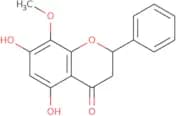
CAS:<p>Dihydrowogonin is a flavonoid compound, predominantly sourced from plants such as Scutellaria baicalensis. It is a derivative of wogonin, exhibiting significant pharmacological properties. As a bioactive compound, dihydrowogonin interacts with various molecular targets, modulating intracellular signaling pathways, thereby exerting anti-inflammatory and neuroprotective effects.</p>Formula:C16H14O5Purezza:Min. 95%Peso molecolare:286.28 g/mol3,5,4'-Trihydroxy-7-methoxyflavone
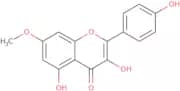
CAS:3,5,4'-Trihydroxy-7-methoxyflavone is a naturally occurring flavonoid compound, which is a type of polyphenolic compound found in various plants. This flavonoid is often isolated from plant sources and is of significant interest due to its potential biochemical and therapeutic properties.Formula:C16H12O6Purezza:Min. 98 Area-%Colore e forma:PowderPeso molecolare:300.26 g/mol