Flavonoidi
I flavonoidi sono un gruppo di metaboliti vegetali con proprietà antiossidanti che contribuiscono al colore di frutti e fiori. Svolgono un ruolo significativo nella protezione delle piante dai raggi UV e dai patogeni. I flavonoidi sono studiati per i loro potenziali benefici per la salute, tra cui proprietà antinfiammatorie, antivirali e anticancro. Sono ampiamente studiati nei campi della farmacologia, della nutrizione e della biologia molecolare.
Sottocategorie di "Flavonoidi"
- Antocianidine(46 prodotti)
- Antocianina(46 prodotti)
- Catechina(88 prodotti)
- Chalcones(237 prodotti)
- Pterocarpani(28 prodotti)
Trovati 2408 prodotti di "Flavonoidi"
Ordinare per
Purezza (%)
0
100
|
0
|
50
|
90
|
95
|
100
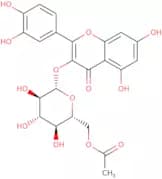
Quercetin-3-O-β-D-glucopyranosyl-6-acetate
CAS:Quercetin-3-O-beta-D-glucopyranosyl-6-acetate is a glycosylated flavonoid compound, which is a naturally occurring plant metabolite. This compound is predominantly sourced from various plant species, where it acts as a secondary metabolite contributing to plant defense mechanisms. The mode of action of Quercetin-3-O-beta-D-glucopyranosyl-6-acetate involves its ability to function as an antioxidant, scavenging free radicals and reducing oxidative stress in biological systems. Additionally, its glycosylated structure may enhance its solubility and stability, facilitating better bioavailability compared to non-glycosylated counterparts.Formula:C23H22O13Purezza:Min. 95%Colore e forma:PowderPeso molecolare:506.41 g/mol7-Hydroxyflavone-beta-D-glucoside
CAS:<p>7-Hydroxyflavone-beta-D-glucoside is a glucoside compound, which is a type of natural flavonoid derivative. This compound is derived from plant sources, particularly those rich in flavonoids, where it is a metabolite formed through the glycosylation of 7-hydroxyflavone. The mode of action of 7-Hydroxyflavone-beta-D-glucoside involves interacting with cellular antioxidative pathways. It potentially offers protection against oxidative stress by scavenging free radicals and modulating enzyme activities related to oxidative metabolism.</p>Formula:C21H20O8Purezza:Min. 95%Colore e forma:PowderPeso molecolare:400.38 g/molPomiferin-3',4'-dimethylether
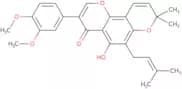
CAS:<p>Pomiferin-3',4'-dimethylether is a natural flavonoid compound, which is isolated from plants such as the Osage orange (Maclura pomifera). This compound is derived through meticulous extraction techniques that preserve its bioactive properties.</p>Formula:C27H28O6Purezza:Min. 95%Peso molecolare:448.51 g/molDihydrogenistein 4'-methyl ether
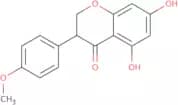
CAS:<p>Dihydrogenistein 4'-methyl ether is a phytoestrogen compound, which is derived from botanical sources such as Leguminosae plants. Its molecular structure consists of a flavonoid backbone, specifically modified with a methyl ether group at the 4' position. This structural modification imparts unique biological properties to the compound.</p>Formula:C16H14O5Purezza:Min. 95%Colore e forma:PowderPeso molecolare:286.28 g/mol7-Hydroxy-4'-methoxyisoflavan
CAS:7-Hydroxy-4'-methoxyisoflavan is a naturally occurring isoflavan, which is a type of flavonoid compound predominantly derived from leguminous plants. Isoflavans are a subclass of isoflavonoids that are known for their diverse biological activities. This particular compound is often extracted from plants in the Fabaceae family and exhibits a rich chemical framework that supports multiple pharmacological functions.Formula:C16H16O3Purezza:Min. 95%Peso molecolare:256.3 g/molDihydrogenistein - decarboxy-dihydroxygenistein mixture
Dihydrogenistein - decarboxy-dihydroxygenistein mixture is a synthetic biochemical compound, which is derived from the modification of isoflavonoid structures primarily sourced from plants. This mixture represents a complex amalgamation of two chemically altered forms of natural phytoestrogens. It functions by interacting with various cellular pathways, potentially influencing gene expression and signaling mechanisms through selective modulation of estrogen receptors and related enzymatic activities.Purezza:Min. 95%Hesperetin 7-O-β-D-glucuronide
CAS:<p>Hesperetin 7-O-beta-D-glucuronide is a flavonoid metabolite, which is a derivative of hesperetin commonly found in citrus fruits. This compound is produced through the biotransformation of hesperetin, involving conjugation with glucuronic acid in the liver, and is integral to the metabolism of flavonoids in humans. Hesperetin 7-O-beta-D-glucuronide exhibits potential antioxidant properties, making it of interest in scientific research aimed at exploring its bioactivity and potential therapeutic benefits.</p>Formula:C22H22O12Purezza:Min. 95%Peso molecolare:478.4 g/mol8-Prenylnaringenin
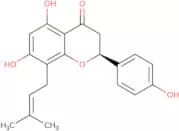
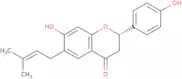
CAS:8-Prenylnaringenin is a flavonoid compound, which is a naturally occurring phytoestrogen. It is primarily found in hops (Humulus lupulus), a plant commonly used in brewing beer. The compound is known for its high estrogenic activity, which is attributed to its ability to bind to estrogen receptors, particularly the estrogen receptor alpha.Formula:C20H20O5Purezza:Min. 98 Area-%Colore e forma:PowderPeso molecolare:340.37 g/mol4,7-Dihydroxy-2'-methoxyisoflavan
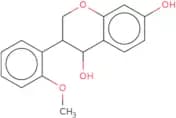
CAS:4,7-Dihydroxy-2'-methoxyisoflavan is a naturally occurring isoflavan compound, which is typically extracted from various plant sources known for their medicinal properties. These sources include legumes and other plant families rich in phytoestrogens and related secondary metabolites.Formula:C16H16O4Purezza:Min. 95%Peso molecolare:272.3 g/molIsogentisin
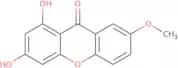
CAS:Isogentisin is a specific type of biochemical compound that falls under the category of xanthones, which are naturally occurring polyphenolic compounds. It is typically sourced from certain medicinal plants, where it is found in the roots or other plant parts. The mode of action of isogentisin is primarily related to its antioxidant properties, which involve neutralizing free radicals and reducing oxidative stress within biological systems. This action can potentially protect cells and tissues from damage that may lead to various diseases.Formula:C14H10O5Purezza:Min. 95%Peso molecolare:258.23 g/mol(-)-Deguelin
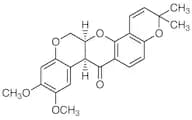
CAS:Formula:C23H22O6Purezza:>95.0%(HPLC)Colore e forma:White to Yellow to Green powder to crystalPeso molecolare:394.42Quercetin 3-rhamnoside 7-glucoside
CAS:<p>Quercetin 3-rhamnoside 7-glucoside is a naturally occurring flavonoid glycoside, which is derived from various plant sources, particularly those rich in flavonoids like fruits, vegetables, and leaves. This compound is characterized by its complex structure that includes quercetin linked to sugar moieties, specifically rhamnose and glucose, at the 3 and 7 positions.</p>Formula:C27H30O16Purezza:Min. 95%Colore e forma:PowderPeso molecolare:610.52 g/mol5-Hydroxy-7,2',3',4',5'-pentamethoxyflavone
CAS:<p>5-Hydroxy-7,2',3',4',5'-pentamethoxyflavone is a flavone that can be found in coffee. It has been shown to inhibit the enzyme arabinose isomerase and psiadiarabin, which are involved in the conversion of sugar into energy in plants. 5-Hydroxy-7,2',3',4',5'-pentamethoxyflavone also inhibits the plant enzyme phytase, which breaks down phytic acid. Phytic acid is a naturally occurring substance that binds to minerals such as calcium and zinc, preventing their absorption by the body. This compound has not shown any significant activity against bacterial DNA gyrase or topoisomerase IV or human DNA gyrase or topoisomerase II.</p>Formula:C20H20O8Purezza:Min. 95%Peso molecolare:388.37 g/molDihydroisoformononetin
CAS:<p>Dihydroisoformononetin is an isoflavonoid compound, which is a type of phytoestrogen derived primarily from plant sources, such as legumes and certain medicinal herbs. This compound is of significant interest due to its structural similarity to estrogen, which allows it to interact with estrogen receptors in the body. Its mode of action involves modulating estrogenic activity by acting either as an agonist or antagonist, depending on the tissue context. Such dual behavior makes it an intriguing subject of study in endocrine research.</p>Formula:C16H14O4·H2OPurezza:Min. 95%Peso molecolare:288.3 g/molDihydrokaempferol-3-O-arabinoside
CAS:Dihydrokaempferol-3-O-arabinoside is a flavonoid compound, which is a type of phenolic product found in plants. These compounds are prevalent in various plant species where they contribute to the pigmentation and play a crucial role in plant defense mechanisms. The compound is derived from natural sources, primarily isolated from plant materials rich in flavonoids, such as certain fruits and medicinal herbs.Formula:C20H20O10Purezza:Min. 95%Peso molecolare:420.37 g/molTamarixetin-7-O-rutinoside
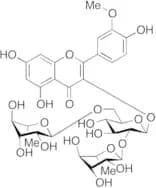
CAS:Tamarixetin-7-O-rutinoside is a flavonoid glycoside, which is a natural compound derived from the Tamarix plant. In nature, it is typically isolated from species within this genus, known for its phytoactive compounds. Tamarixetin-7-O-rutinoside acts primarily through its antioxidant mechanism, which involves scavenging free radicals and reducing oxidative stress within biological systems. This activity is crucial in minimizing cellular damage and maintaining homeostasis.Formula:C28H32O16Purezza:Min. 95%Colore e forma:PowderPeso molecolare:624.54 g/mol7-Hydroxyisoflavone-7-O-glucoside
CAS:<p>7-Hydroxyisoflavone-7-O-glucoside is a glucoside derivative of isoflavone, which is a naturally occurring flavonoid often sourced from plants such as legumes and soy. This compound is known for its biochemical properties, primarily its role as an antioxidant and its capacity to modulate inflammation.</p>Formula:C21H20O8Purezza:Min. 95%Peso molecolare:400.38 g/mol7,8-Dihydroxyflavanone
CAS:<p>7,8-Dihydroxyflavanone is a naturally occurring flavonoid compound, which is typically sourced from various plant species. This compound is structurally characterized by two hydroxyl groups, which are crucial for its biochemical activity. Its mode of action primarily involves the modulation of cellular signaling pathways, including those related to oxidative stress and enzyme inhibition. By interfering with these pathways, 7,8-Dihydroxyflavanone exerts antioxidant and possibly anti-inflammatory effects.</p>Purezza:Min. 95%Puerarin
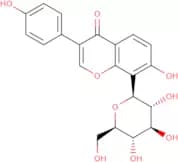
CAS:Puerarin is a bioactive isoflavone, which is extracted from the root of Pueraria lobata, commonly known as kudzu. It functions as a phytoestrogen and exhibits multiple pharmacological activities. The mode of action of puerarin involves interacting with various biological pathways, including antioxidant, anti-inflammatory, and neuroprotective mechanisms. It modulates enzyme activities and influences cell signaling pathways, making it a versatile compound for therapeutic research.Formula:C21H20O9Purezza:Min. 98 Area-%Colore e forma:White PowderPeso molecolare:416.38 g/molAureusidin
CAS:<p>Aureusidin is a flavonoid pigment, which is a type of plant-derived compound. It is primarily sourced from various flowering plants, where it contributes to the coloration of petals. Aureusidin is synthesized through the enzymatic oxidation of chalcones, which involves flavonoid oxidase activity.</p>Formula:C15H10O6Purezza:(%) Min. 96%Colore e forma:Orange PowderPeso molecolare:286.24 g/molTyphaneoside
CAS:Prodotto controllato<p>Applications Typhaneoside is a flavonoid glycoside plant extract with potential ability to treat primary dysmenorrhea through the Shaofu Zhuyu decoction.<br>References Shulan S. et al.: Am. J. Chin. Med., 38, 777 (2010); Huang, X. et al.: J. Chrom. B. Anal. Tech. Biomed. Life Sci., 962, 75 (2014);<br></p>Formula:C34H42O20Colore e forma:NeatPeso molecolare:770.685a-Pregnane-3-one-20a-ol
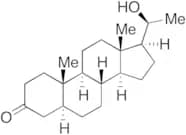
CAS:Prodotto controllato<p>Applications 5α-Pregnane-3-one-20α-ol, is a steroid metabolome, that can be used for in studies of a possible tool for laboratory diagnosis of schizophrenia. It is also a metabolite of Progesterone (P755900) in adipose cells.<br>References Bicikova, M., et al.: J. Steriod Biochem. Mol. Bio., 77, 133 (2013); Zhang, Y., et al.: Mol. Cell. Endocrinology, 298, 76 (2009);<br></p>Formula:C21H34O2Colore e forma:NeatPeso molecolare:318.497-O-Methyl Quercetin
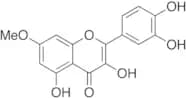
CAS:<p>Applications O-Methylated metabolite of the flavanoid Quercertin (Q509500) with antioxidant activity.<br>References Soobrattee, M.A. et al.: Mut. Res. Fund. Mol. Mech. Mutagen., 579, 200 (2005); Yamamoto, N. et al.: Arch. Biochem. Biophys., 372, 347 (1999);<br></p>Formula:C16H12O7Colore e forma:NeatPeso molecolare:316.268,9-Di-O-methyl-urolithin D
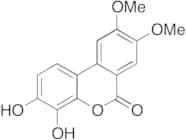
CAS:Prodotto controllato<p>Applications 8,9-Di-O-methyl-urolithin D is a derivative of Urolithin D (U847020) which is used in biological studies to evaluate DNA gyrase inhibitory activity of ellagic acid derivatives.<br>References Weidner-Weels, M. A., et al: Bioorg. Med. Chem. Lett., 8, 97 (1998)<br></p>Formula:C15H12O6Colore e forma:NeatPeso molecolare:288.258-Hydroxygenistein-7,8,4'-trimethyl ether
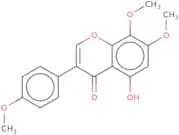
CAS:<p>8-Hydroxygenistein-7,8,4'-trimethyl ether is a phytochemical derivative, which is sourced from plant metabolites, specifically isoflavonoids. This compound is modified through methylation processes to enhance its stability and lipophilicity, making it a subject of interest in various biochemical studies. Its mode of action primarily involves interaction with cellular signaling pathways, influencing antioxidant mechanisms and potentially affecting gene expression related to oxidative stress.</p>Formula:C18H16O6Purezza:Min. 95 Area-%Colore e forma:Yellow PowderPeso molecolare:328.32 g/mol8-Prenylpinocembrin
CAS:<p>8-Prenylpinocembrin is a specialized flavonoid compound, which is a part of the prenylflavonoid class. It is derived from natural sources, primarily plants within the Fabaceae family and propolis from honeybees. The compound is characterized by its prenyl group attached to the flavonoid pinocembrin, enhancing its biological activity through increased lipophilicity and membrane permeability.</p>Formula:C20H20O4Purezza:Min. 95%Peso molecolare:324.37 g/molTricetin 7-O-glucoside
CAS:<p>Tricetin 7-O-glucoside is a flavonoid glycoside compound, which is a derivative of the naturally occurring flavonoid tricetin. This compound is sourced primarily from certain plant species, including various herbs and foods, where it is present as a minor constituent. The mode of action of Tricetin 7-O-glucoside involves its ability to scavenge free radicals and modulate inflammatory pathways, showcasing both antioxidant and anti-inflammatory properties.</p>Formula:C21H20O12Purezza:Min. 95%Peso molecolare:464.38 g/molR,S equol 4'-sulfate sodium salt
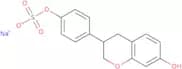
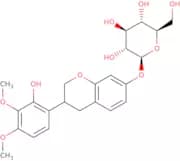
CAS:<p>R,S equol 4'-sulfate sodium salt is a synthetic derivative of equol, which is a type of flavonoid metabolite. This compound is primarily sourced from the biotransformation of the isoflavone daidzein through gut microbiota activity. As a sulfate salt, it is more soluble in aqueous environments, which may facilitate its use in various biological contexts.</p>Formula:C15H13NaO6SPurezza:Min. 95%Peso molecolare:344.32 g/molIsomucronulatol 7-O-glucoside
CAS:Isomucronulatol 7-O-glucoside is a flavonoid glucoside compound, which is isolated predominantly from various plant species. This compound is known for its comprehensive role as a secondary metabolite that participates in the plant's defense mechanism. The primary mode of action involves its ability to interact with biological targets at the molecular level, potentially exhibiting antioxidant, anti-inflammatory, or other bioactive properties. Isomucronulatol 7-O-glucoside may influence signaling pathways, which can alter physiological responses within organisms.Purezza:Min. 95%Licoflavone C
CAS:<p>Licoflavone C is a bioactive flavonoid compound, which is derived from the roots of Glycyrrhiza species. This particular flavonoid is notable for its complex chemical structure that contributes to its biological activity. The primary mode of action of Licoflavone C involves modulation of various cellular pathways, including antioxidant and anti-inflammatory mechanisms. It also influences cell cycle regulation and apoptosis, which are critical in cancer research. The compound's ability to act as a natural antioxidant makes it a valuable candidate in the formulation of skincare products aimed at protecting against oxidative stress. In scientific studies, Licoflavone C has been investigated for its potential anticancer properties, particularly focusing on its effects in inhibiting the proliferation of cancer cells. Furthermore, its role in skin health is under exploration, where its antioxidant capacity and potential to stimulate collagen production may offer benefits in anti-aging products. Such applications make Licoflavone C an intriguing subject for research in natural product chemistry and therapeutic development.</p>Formula:C20H18O5Purezza:Min. 95%Peso molecolare:338.35 g/molOsajin
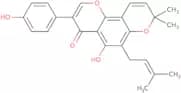
CAS:<p>Osajin is a natural flavonoid compound, which is derived from the fruit of Maclura pomifera, also known as the Osage orange. This compound is characterized by its distinctive isoflavone structure, which is central to its biological activity. The mode of action of Osajin involves modulation of various biochemical pathways, predominantly exhibiting antioxidant properties. It acts by scavenging free radicals and enhancing cellular defense mechanisms against oxidative stress, thereby contributing to its potential therapeutic efficacy.</p>Formula:C25H24O5Purezza:Min. 95%Colore e forma:PowderPeso molecolare:404.46 g/molIsowighteone
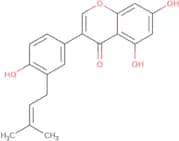
CAS:<p>Isowighteone is a naturally occurring flavonoid, which is derived from various plant sources, particularly in traditional medicinal herbs. Its biological activity stems from its structure, characterized by phenolic hydroxyl groups that enable it to participate in redox reactions, highlighting its antioxidant properties.</p>Formula:C20H18O5Purezza:Min. 95%Peso molecolare:338.35 g/mol5,7,3'-Trihydroxy-6,4',5'-trimethoxyflavone
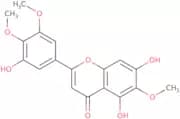
CAS:<p>5,7,3'-Trihydroxy-6,4',5'-trimethoxyflavone is a methoxylated flavonoid, which is a type of polyphenolic compound. This compound is typically sourced from certain plant species known for their high antioxidant content. Flavonoids are widely studied for their diverse biological activities and are often isolated from traditional medicinal plants.</p>Purezza:Min. 95%7,4'-Dibenzyl daidzein
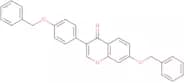
CAS:<p>7,4'-Dibenzyl daidzein is a synthetic isoflavonoid, derived from the modification of natural isoflavones commonly found in soy products. These isoflavones are known for their estrogenic activity and potential therapeutic benefits. The source of inspiration for this compound lies in natural phytoestrogens, which exhibit significant interaction with human estrogen receptors. This synthetic analog is designed to enhance specific bioactivities beyond those of its natural counterparts.</p>Formula:C29H22O4Purezza:Min. 95%Peso molecolare:434.48 g/molAromadendrin 7-O-methyl ether
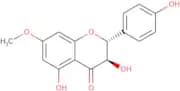
CAS:<p>Aromadendrin 7-O-methyl ether is a flavonoid compound, which is a type of bioactive molecule. It is sourced primarily from plant materials, where it occurs naturally as a secondary metabolite. The mode of action of Aromadendrin 7-O-methyl ether involves interaction with various biological pathways, potentially affecting enzyme activity and cell signaling mechanisms. Such interactions may contribute to its reported antioxidant and anti-inflammatory properties.</p>Formula:C16H14O6Purezza:Min. 95%Colore e forma:PowderPeso molecolare:302.28 g/mol2,3-Dihydrohinokiflavone
CAS:2,3-Dihydrohinokiflavone is a natural bioflavonoid compound, which is typically derived from various plant sources, particularly those native to East Asia. This compound belongs to the broader flavonoid family, known for their antioxidant properties. Its mode of action involves modulating various signaling pathways, which can lead to anti-inflammatory and antioxidant effects. It achieves this by inhibiting the production of pro-inflammatory cytokines and scavenging free radicals, thus reducing oxidative stress in biological systems.Formula:C30H20O10Purezza:Min. 95%Peso molecolare:540.47 g/molCarlinoside
CAS:Carlinoside is a bioactive flavonoid glycoside, which is typically sourced from plants of the Astraceae family, specifically from the genus Carlina. As a natural phytochemical, its mode of action involves the modulation of various biochemical pathways, primarily through its antioxidant properties and potential to interact with cellular oxidative stress mechanisms.Formula:C26H28O16Purezza:Min. 95%Peso molecolare:596.49 g/molEuchrestaflavanone B
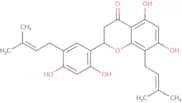
CAS:Euchrestaflavanone B is a naturally occurring flavonoid, which is a type of polyphenolic compound. It is primarily sourced from various plant species, particularly those found in the Leguminosae family. The mode of action of Euchrestaflavanone B involves its interaction with cellular signaling pathways, where it exhibits a broad spectrum of bioactive effects. These include anti-inflammatory, antioxidant, and anticancer properties, potentially through modulation of enzyme activities and gene expression.Formula:C25H28O6Purezza:Min. 95%Peso molecolare:424.5 g/molLicoflavonol
CAS:Licoflavonol is a bioactive compound that serves as an antioxidant, which is derived from plant sources, particularly flavonoid-rich species. Its mode of action involves scavenging free radicals and modulating pathways involved in oxidative stress and inflammation. By reducing oxidative damage, Licoflavonol can stabilize cellular environments and protect macromolecules such as DNA, proteins, and lipids from degenerative changes.Formula:C20H18O6Purezza:Min. 95%Peso molecolare:354.35 g/molPenduletin
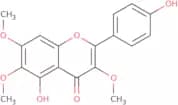
CAS:<p>Penduletin is a flavonoid compound, which is a type of natural phenolic product, primarily sourced from various plant species. This compound occurs naturally as part of the plant's secondary metabolites and plays a crucial role in defense mechanisms. Penduletin exerts its effects primarily through its antioxidant activity, modulating various signaling pathways involved in cellular protection processes. It acts by scavenging free radicals and reducing oxidative stress, which is pivotal in its therapeutic applications.</p>Formula:C18H16O7Purezza:Min. 95%Colore e forma:White PowderPeso molecolare:344.32 g/molBavachin
CAS:Phytoestrogen; estrogen receptor agonist; PPARγ ligandFormula:C20H20O4Purezza:Min. 95%Colore e forma:SolidPeso molecolare:324.37 g/molMorin dihydrate
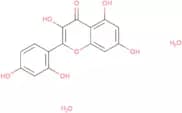
CAS:<p>Morin dihydrate is a flavonoid compound, which is a type of polyphenolic molecule. It is primarily sourced from the Moraceae family of plants, including mulberry leaves and certain fruits. As a flavonoid, Morin exerts its biochemical effects mainly through its capacity to scavenge free radicals, thus exhibiting significant antioxidant activity. This mode of action is attributed to its structure, which allows it to donate electrons and neutralize reactive oxygen species, consequently reducing oxidative stress at the cellular level.</p>Purezza:Min. 95%Sophoraflavanone C
CAS:<p>Sophoraflavanone C is a flavonoid compound, which is derived from the root of the Sophora flavescens plant. This natural product is categorized as a prenylated flavonoid, a group known for diverse biological activities. Sophoraflavanone C exerts its effects through multiple modes of action, including the inhibition of microbial growth and anti-inflammatory pathways. Its antimicrobial properties are attributed to the disruption of bacterial cell walls and inhibition of critical microbial enzymes. Additionally, its anti-inflammatory effects are mediated by the suppression of pro-inflammatory cytokines and inhibition of key signaling pathways such as NF-kB.</p>Formula:C25H28O6Purezza:Min. 95%Peso molecolare:424.50 g/mol7-Hydroxy-2',5,8-trimethoxyflavanone
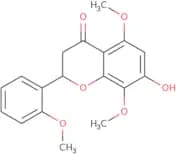
CAS:<p>7-Hydroxy-2',5,8-trimethoxyflavanone is a flavonoid compound, which is a type of naturally occurring phenolic compound. It can be sourced primarily from certain plant species, where it plays a role in the plant's defense mechanism against environmental stressors. Flavonoids like this one often exhibit a variety of biological activities.</p>Formula:C18H18O6Purezza:Min. 95%Peso molecolare:330.3 g/mol8-Chloroflavanone
CAS:<p>8-Chloroflavanone is a synthetic flavonoid derivative, which is primarily obtained through chemical synthesis involving the chlorination of flavanone substrates. Its mode of action involves the modulation of various biological pathways, including potential inhibition of specific enzymes and interaction with receptor sites, which may influence cellular signaling mechanisms.</p>Formula:C15H11ClO2Purezza:Min. 95%Peso molecolare:258.7 g/molSophoraflavanone I
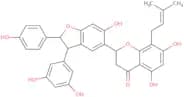
CAS:Sophoraflavanone I is a naturally occurring flavonoid compound, which is derived from the roots of the Sophora species, a genus of flowering plants in the family Fabaceae. This compound is predominantly extracted from the roots of Sophora flavescens, also known as Chinese Sophora.Formula:C39H38O9Purezza:Min. 95%Peso molecolare:650.7 g/mol3,7,4'-Trihydroxy-5-methoxy-8-prenylflavanone, (2R,3R)-
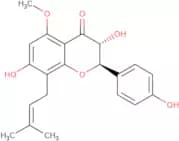
CAS:3,7,4'-Trihydroxy-5-methoxy-8-prenylflavanone, (2R,3R)- is a prenylated flavonoid compound, which is a type of naturally occurring polyphenol. These compounds are known for their complex structures and biological activities, frequently contributing to the therapeutic properties of various plants. The source of this flavanone is often plants belonging to the Fabaceae family, including the roots and other parts of certain legumes, where it accumulates as part of the plant’s secondary metabolism.Purezza:Min. 95%7-Methoxyflavanone
CAS:<p>7-Methoxyflavanone is a bioactive compound, specifically a methoxylated flavanone, which is derived from various plant sources. This compound plays a role in the modulation of several biological pathways due to its structural attributes. As a flavanone, it is known to interact with various cellular mechanisms including enzyme inhibition, receptor binding, and antioxidant activity. These interactions result in diverse pharmacological effects, such as anti-inflammatory and neuroprotective properties.</p>Formula:C16H14O3Purezza:Min. 95%Colore e forma:PowderPeso molecolare:254.28 g/molSophoraflavanone H
CAS:Sophoraflavanone H is a prenylated flavonoid, which is a natural compound isolated primarily from plants of the Sophora species. The source of this bioactive compound is predominantly the root extracts of these plants, which have been traditionally utilized in herbal medicine systems for their therapeutic properties.Formula:C34H30O9Purezza:Min. 95%Peso molecolare:582.6 g/mol