Flavonoidi
I flavonoidi sono un gruppo di metaboliti vegetali con proprietà antiossidanti che contribuiscono al colore di frutti e fiori. Svolgono un ruolo significativo nella protezione delle piante dai raggi UV e dai patogeni. I flavonoidi sono studiati per i loro potenziali benefici per la salute, tra cui proprietà antinfiammatorie, antivirali e anticancro. Sono ampiamente studiati nei campi della farmacologia, della nutrizione e della biologia molecolare.
Sottocategorie di "Flavonoidi"
- Antocianidine(46 prodotti)
- Antocianina(46 prodotti)
- Catechina(88 prodotti)
- Chalcones(237 prodotti)
- Pterocarpani(28 prodotti)
Trovati 2408 prodotti di "Flavonoidi"
Ordinare per
Purezza (%)
0
100
|
0
|
50
|
90
|
95
|
100
Dihydroprunetin
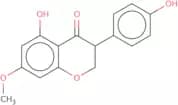
CAS:Dihydroprunetin is a synthetic analog of natural flavonoid compounds, which is derived from chemical modifications of prunetin, originally sourced from various plant species. It functions primarily as an antioxidant by inhibiting oxidative stress pathways and scavenging free radicals. This activity is attributed to modifications that enhance its stability and bioavailability compared to its natural counterparts.Formula:C16H14O5Purezza:Min. 95%Peso molecolare:286.28 g/molDehydroequol
CAS:<p>Dehydroequol is a dietary supplement ingredient, which is a metabolite of the soy isoflavone daidzein. It is produced through the biotransformation by certain gut bacteria that convert daidzein into equol compounds, specifically the dehydrogenated form. This compound is noted for its estrogenic activity, acting primarily as a selective estrogen receptor modulator (SERM). Dehydroequol binds to estrogen receptors with a preference for the beta subtype, exerting moderate estrogenic effects.</p>Formula:C15H12O3Purezza:Min. 95%Peso molecolare:240.25 g/mol7-Benzyloxy-2',3',4'-trimethoxyisoflavone
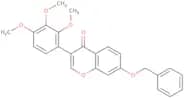
CAS:<p>7-Benzyloxy-2',3',4'-trimethoxyisoflavone is a synthetic isoflavone, which is a type of flavonoid compound often derived from plant secondary metabolites. Its source lies in laboratory synthesis, using specific chemical reactions to obtain the desired isoflavone structure with a benzyloxy group and methoxy groups at specified positions on the molecule.</p>Formula:C25H22O6Purezza:Min. 95%Peso molecolare:418.44 g/molLiquiritin
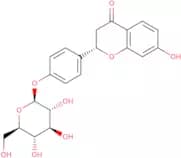
CAS:Natually produced by plants such as liquorice, liquiritin is formed by the linkage between liquiritigenin and a beta-D-glucopyranosyl residue at position 4. Liquiritin clinical relevance has been as an antiviral and anti-inflammatory agent. In 2020, an artificial intelligent approach has indicated that liquiritin might inhibit SARS-CoV-2 by acting similarly to type I interferon.Formula:C21H22O9Purezza:Min. 95%Colore e forma:White PowderPeso molecolare:418.39 g/molTexasin 7-O-glucoside
CAS:<p>Texasin 7-O-glucoside is a flavonoid glycoside, which is a plant-derived compound with significant antioxidant properties. This glycoside is sourced primarily from plants, where it naturally occurs as a secondary metabolite. It is composed of the flavonoid backbone, texasetin, conjugated with a glucose molecule at the 7-O position, enhancing its solubility and bioavailability in biological systems.</p>Formula:C22H22O10Purezza:Min. 95%Peso molecolare:446.4 g/molEupafolin
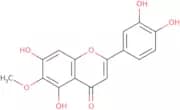
CAS:<p>Eupafolin is a naturally occurring flavonoid compound, specifically a flavone, which is derived from certain medicinal plants, primarily in the genus *Artemisia*. It is a secondary metabolite found in various parts of these plants, including the leaves and stems. As a bioactive substance, eupafolin exerts its effects through several biochemical pathways, most notably by scavenging free radicals and modulating inflammatory responses. Its mode of action involves the inhibition of key enzymes and molecules in the inflammatory cascade, as well as the upregulation of antioxidant defenses.</p>Formula:C16H12O7Purezza:Min. 95%Colore e forma:PowderPeso molecolare:316.26 g/molHesperetin
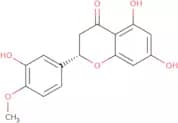
CAS:<p>Hesperetin is a flavonoid compound, which is naturally derived from citrus fruits such as oranges and lemons. As a notable bioactive molecule, its mode of action primarily involves the modulation of oxidative stress and inflammatory pathways. Hesperetin exerts its effects by scavenging free radicals and inhibiting the activation of inflammatory cytokines, making it a compound of significant interest in the biochemical and pharmacological sectors.</p>Formula:C16H14O6Purezza:Min. 98.5 Area-%Colore e forma:White PowderPeso molecolare:302.28 g/mol3,7,3'-Trihydroxyflavone
CAS:3,7,3'-Trihydroxyflavone is a flavonoid derivative, which is a type of polyphenolic compound commonly found in various plants and is derived from natural sources like fruits, vegetables, and herbal plants. It is characterized by its polyphenolic structure, which contributes to its ability to scavenge free radicals and reduce oxidative stress.Formula:C14O5H10Purezza:Min. 98%Colore e forma:PowderPeso molecolare:258.23 g/molPratensein
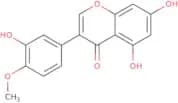
CAS:Pratensein is an isoflavone compound that is derived primarily from plants such as red clover (Trifolium pratense). This natural product belongs to the class of phytochemicals known for their diverse biological activities. Pratensein is sourced through the extraction and purification processes that involve isolating the bioactive components from plant materials rich in flavonoids.Formula:C16H12O6Purezza:Min. 95%Colore e forma:PowderPeso molecolare:300.26 g/molSilandrin hplc
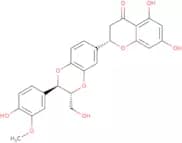
CAS:Please enquire for more information about Silandrin hplc including the price, delivery time and more detailed product information at the technical inquiry form on this pagePurezza:Min. 95%7-Hydroxyflavanone
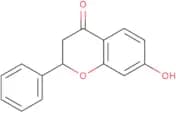
CAS:7-Hydroxyflavanone is a naturally occurring flavonoid compound, which is predominantly isolated from plants, particularly citrus fruits. Its biochemical significance stems from its ability to exert various physiological effects, likely due to its structural characteristics. As a flavonoid, it possesses a range of hydroxyl groups, which contribute to its antioxidant properties. This compound interacts with biological molecules, influencing cellular pathways and modulating enzyme activities.Formula:C15H12O3Purezza:Min. 95%Colore e forma:PowderPeso molecolare:240.25 g/molPinocembrin dimethylether
CAS:<p>Pinocembrin dimethylether is a flavonoid derivative, which is synthesized from natural sources such as honey, propolis, and certain plants. It retains the core flavonoid structure while being modified to enhance its bioavailability and stability. This compound acts primarily as a neuroprotective agent through its antioxidative and anti-inflammatory properties. It interacts with various molecular pathways to mitigate oxidative stress and reduce neuroinflammation, contributing to cellular protection.</p>Formula:C17H16O4Purezza:Min. 95%Colore e forma:PowderPeso molecolare:284.31 g/mol5,7,8,4'-Tetramethoxyflavone
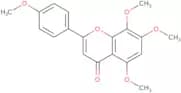
CAS:<p>5,7,8,4'-Tetramethoxyflavone is a naturally occurring flavone, which is a type of plant-derived polyphenolic compound. It is found in various plants, particularly those belonging to the genus Scutellaria. The compound acts primarily by modulating various cellular signaling pathways, including those involved in inflammation, apoptosis, and oxidative stress. Through its interaction with these pathways, it exhibits potential anti-inflammatory, antioxidant, and anti-cancer properties.</p>Formula:C19H18O6Purezza:Min. 95%Colore e forma:White PowderPeso molecolare:342.34 g/mol2'-Hydroxy-β-naphthoflavone
CAS:<p>2'-Hydroxy-β-naphthoflavone is a synthetic flavonoid, which is derived from structural modifications of natural flavonoids. It functions as a potent aryl hydrocarbon receptor (AhR) agonist and enzyme inducer. The structure is based on a naphthoflavone framework, allowing it to efficiently interact with cellular proteins related to xenobiotic metabolism.</p>Formula:C19H12O3Purezza:Min. 95%Colore e forma:PowderPeso molecolare:288.3 g/mol3-Methoxyflavone
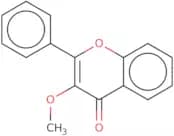
CAS:3-Methoxyflavone is a synthetic flavonoid, which is a type of product known for its biological activities and potential therapeutic applications. It is derived from flavones, naturally occurring compounds found in various plants, known for their role in plant pigmentation and UV protection. The compound's mode of action is primarily through interaction with various biological targets, including modulation of enzyme activity and regulation of signal transduction pathways.Formula:C16H12O3Purezza:Min. 95%Colore e forma:White PowderPeso molecolare:252.26 g/mol3-Hydroxy-7,8-dimethoxyflavone
CAS:<p>3-Hydroxy-7,8-dimethoxyflavone is a synthetic flavonoid derivative, which is structurally sourced from the broader class of naturally occurring flavonoids found in various plants. It functions primarily as a potent and selective ligand for the TrkB receptor, a receptor for brain-derived neurotrophic factor (BDNF). This interaction mimics the effects of BDNF, promoting neuronal survival, synaptic plasticity, and neurogenesis, thereby facilitating neuroprotective and neurorestorative processes.</p>Formula:C17H14O5Purezza:Min. 95%Peso molecolare:298.29 g/molApigenin-7-glucoside
CAS:Apigenin-7-glucoside is a naturally occurring flavonoid glycoside, which is derived primarily from various plant sources, including parsley, celery, chamomile, and some fruits. This compound is formed when apigenin, a flavonoid, is conjugated with a glucose molecule. The interaction with glucose enhances its solubility and bioavailability in biological systems.Formula:C21H20O10Purezza:Min. 95%Colore e forma:Yellow PowderPeso molecolare:432.39 g/mol3-Hydroxy-7,2',4'-trimethoxyflavone
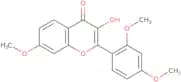
CAS:<p>3-Hydroxy-7,2',4'-trimethoxyflavone is a specialized flavone compound, which is a type of polyphenolic molecule commonly found in a variety of plants. This product is naturally derived, often isolated from diverse botanical sources like various species of herbs and flowering plants known for their medicinal properties. The compound exhibits various biological activities through its interactions with cellular pathways, predominantly by modulating enzymatic functions and signaling pathways that influence oxidative stress and inflammation.</p>Formula:C18H16O6Purezza:Min. 95%Peso molecolare:328.32 g/mol3-Hydroxy-7,2',3'-trimethoxyflavone
CAS:3-Hydroxy-7,2',3'-trimethoxyflavone is a naturally occurring flavonoid, which is a type of polyphenolic compound commonly found in plants. These compounds are typically sourced from various plant species where they are known to contribute to pigmentation and offer protective functions.Formula:C18H16O6Purezza:Min. 95%Peso molecolare:328.32 g/molAlnusin
CAS:<p>Alnusin is a phytochemical compound, which is a naturally occurring flavonoid sourced from the bark and leaves of the alder tree (genus Alnus). This compound is structurally categorized as an O-methylated flavonoid, specifically demonstrating unique biological activities.</p>Formula:C16H12O6Purezza:90%Colore e forma:PowderPeso molecolare:300.26 g/mol