Anticorpi primari
Gli anticorpi primari sono immunoglobuline che si legano specificamente a un antigene di interesse, consentendo la rilevazione e quantificazione di proteine, peptidi o altre biomolecole. Questi anticorpi sono strumenti fondamentali in un'ampia gamma di applicazioni, tra cui Western blot, immunoistochimica ed ELISA. Presso CymitQuimica, offriamo una vasta selezione di anticorpi primari di alta qualità, che garantiscono specificità e sensibilità per vari bisogni di ricerca, tra cui studi su cancro, immunologia e biologia cellulare.
Sottocategorie di "Anticorpi primari "
- Ricerca sul cancro Anticorpi(3.620 prodotti)
- Anticorpi cardiovascolari(2 prodotti)
- Biologia dello sviluppo(751 prodotti)
- Anticorpi epigenetici(162 prodotti)
- Anticorpi per l’immunologia(2.790 prodotti)
- Anticorpi metabolici(279 prodotti)
- Anticorpi per la microbiologia(736 prodotti)
- Trasduzione del segnale(2.717 prodotti)
- Tag e marcatori cellulari(33 prodotti)
Mostrare 1 più sottocategorie
Trovati 75326 prodotti di "Anticorpi primari "
Ordinare per
Purezza (%)
0
100
|
0
|
50
|
90
|
95
|
100
SYT7 rabbit pAb
This gene is a member of the synaptotagmin gene family and encodes a protein similar to other family members that mediate calcium-dependent regulation of membrane trafficking in synaptic transmission. A similar protein in rodents mediates hormone secretion and lysosome exocytosis. In humans, expression of this gene has been associated with prostate cancer. Alternatively spliced transcript variants encoding multiple isoforms have been observed for this gene. [provided by RefSeq, Oct 2011],ACPH rabbit pAb
This gene encodes the enzyme acylpeptide hydrolase, which catalyzes the hydrolysis of the terminal acetylated amino acid preferentially from small acetylated peptides. The acetyl amino acid formed by this hydrolase is further processed to acetate and a free amino acid by an aminoacylase. This gene is located within the same region of chromosome 3 (3p21) as the aminoacylase gene, and deletions at this locus are also associated with a decrease in aminoacylase activity. The acylpeptide hydrolase is a homotetrameric protein of 300 kDa with each subunit consisting of 732 amino acid residues. It can play an important role in destroying oxidatively damaged proteins in living cells. Deletions of this gene locus are found in various types of carcinomas, including small cell lung carcinoma and renal cell carcinoma. [provided by RefSeq, Jul 2008],Stat1 (phospho Tyr701) rabbit pAb
The protein encoded by this gene is a member of the STAT protein family. In response to cytokines and growth factors, STAT family members are phosphorylated by the receptor associated kinases, and then form homo- or heterodimers that translocate to the cell nucleus where they act as transcription activators. This protein can be activated by various ligands including interferon-alpha, interferon-gamma, EGF, PDGF and IL6. This protein mediates the expression of a variety of genes, which is thought to be important for cell viability in response to different cell stimuli and pathogens. Two alternatively spliced transcript variants encoding distinct isoforms have been described. [provided by RefSeq, Jul 2008],COL17A1 rabbit pAb
This gene encodes the alpha chain of type XVII collagen. Unlike most collagens, collagen XVII is a transmembrane protein. Collagen XVII is a structural component of hemidesmosomes, multiprotein complexes at the dermal-epidermal basement membrane zone that mediate adhesion of keratinocytes to the underlying membrane. Mutations in this gene are associated with both generalized atrophic benign and junctional epidermolysis bullosa. Two homotrimeric forms of type XVII collagen exist. The full length form is the transmembrane protein. A soluble form, referred to as either ectodomain or LAD-1, is generated by proteolytic processing of the full length form. [provided by RefSeq, Jul 2008],LKB1 (phospho Thr189) rabbit pAb
This gene, which encodes a member of the serine/threonine kinase family, regulates cell polarity and functions as a tumor suppressor. Mutations in this gene have been associated with Peutz-Jeghers syndrome, an autosomal dominant disorder characterized by the growth of polyps in the gastrointestinal tract, pigmented macules on the skin and mouth, and other neoplasms. Alternate transcriptional splice variants of this gene have been observed but have not been thoroughly characterized. [provided by RefSeq, Jul 2008],IPP-2 (phospho Ser44) rabbit pAb
Protein phosphatase-1 (PP1) is one of the main eukaryotic serine/threonine phosphatases. The protein encoded by this gene binds to the catalytic subunit of PP1, strongly inhibiting its activity. Ten related pseudogenes have been found throughout the human genome. Several splice variants encoding different isoforms have been found for this gene. [provided by RefSeq, Oct 2015],IL-18R rabbit pAb
The protein encoded by this gene is a cytokine receptor that belongs to the interleukin 1 receptor family. This receptor specifically binds interleukin 18 (IL18), and is essential for IL18 mediated signal transduction. IFN-alpha and IL12 are reported to induce the expression of this receptor in NK and T cells. This gene along with four other members of the interleukin 1 receptor family, including IL1R2, IL1R1, ILRL2 (IL-1Rrp2), and IL1RL1 (T1/ST2), form a gene cluster on chromosome 2q. Alternatively spliced transcript variants encoding different isoforms have been found for this gene. [provided by RefSeq, Sep 2013],AMPKα1 (phospho Ser496) rabbit pAb
The protein encoded by this gene belongs to the ser/thr protein kinase family. It is the catalytic subunit of the 5'-prime-AMP-activated protein kinase (AMPK). AMPK is a cellular energy sensor conserved in all eukaryotic cells. The kinase activity of AMPK is activated by the stimuli that increase the cellular AMP/ATP ratio. AMPK regulates the activities of a number of key metabolic enzymes through phosphorylation. It protects cells from stresses that cause ATP depletion by switching off ATP-consuming biosynthetic pathways. Alternatively spliced transcript variants encoding distinct isoforms have been observed. [provided by RefSeq, Jul 2008],LOXL4 rabbit pAb
This gene encodes a member of the lysyl oxidase gene family. The prototypic member of the family is essential to the biogenesis of connective tissue, encoding an extracellular copper-dependent amine oxidase that catalyses the first step in the formation of crosslinks in collagens and elastin. A highly conserved amino acid sequence at the C-terminus end appears to be sufficient for amine oxidase activity, suggesting that each family member may retain this function. The N-terminus is poorly conserved and may impart additional roles in developmental regulation, senescence, tumor suppression, cell growth control, and chemotaxis to each member of the family. [provided by RefSeq, Jul 2008],LGR6 rabbit pAb
This gene encodes a member of the leucine-rich repeat-containing subgroup of the G protein-coupled 7-transmembrane protein superfamily. The encoded protein is a glycoprotein hormone receptor with a large N-terminal extracellular domain that contains leucine-rich repeats important for the formation of a horseshoe-shaped interaction motif for ligand binding. Alternative splicing of this gene results in multiple transcript variants. [provided by RefSeq, Jul 2008],MEF-2A/C rabbit pAb
disease:Defects in MEF2A might be a cause of autosomal dominant coronary artery disease 1 with myocardial infarction (ADCAD1) [MIM:608320].,function:Transcriptional activator which binds specifically to the MEF2 element, 5'-YTA[AT](4)TAR-3', found in numerous muscle-specific genes. Also involved in the activation of numerous growth factor- and stress-induced genes. Mediates cellular functions not only in skeletal and cardiac muscle development, but also in neuronal differentiation and survival. Plays diverse roles in the control of cell growth, survival and apoptosis via p38 MAPK signaling in muscle-specific and/or growth factor-related transcription. In cerebellar granule neurons, phosphorylated and sumoylated MEF2A represses transcription of NUR77 promoting synaptic differentiation.,PTM:Acetylation on Lys-403 activates transcriptional activity. Acetylated by p300 on several sites in diffentiating myocytes. Acetylation on Lys-4 increases DNA binding and transactivation (By similarity). Hyperacetylation by p300 leads to enhanced cardiac myocyte growth and heart failure.,PTM:Constitutive phosphorylation on Ser-408 promotes Lys-403 sumoylation thus preventing acetylation at this site. Dephosphorylation on Ser-408 by PPP3CA upon neuron depolarization promotes a switch from sumoylation to acetylation on residue Lys-403 leading to inhibition of dendrite claw differentiation. Phosphorylation on Thr-312 and Thr-319 are the main sites involved in p38 MAPK signaling and activate transcription. Phosphorylated on these sites by MAPK14/p38alpha and MAPK11/p38beta, but not by MAPK13/p38delta nor by MAPK12/p38gamma. Phosphorylation on Ser-408 by CDK5 induced by neurotoxicity inhibits MEF2A transciptional activation leading to apoptosis of cortical neurons. Phosphorylation on Thr-312, Thr-319 and Ser-355 can be induced by EGF.,PTM:Proteolytically cleaved in cerebellar granule neurons on several sites by caspase 3 and caspase 7 following neurotoxicity. Preferentially cleaves the CDK5-mediated hyperphosphorylated form which leads to neuron apoptosis and transcriptional inactivation.,PTM:Sumoylation on Lys-403 is enhanced by PIAS1 and represses transcriptional activity. Phosphorylation on Ser-408 is required for sumoylation. Has no effect on nuclear location nor on DNA binding. Sumoylated by SUMO1 and, to a lesser extent by SUMO2 and SUMO3. PIASx facilitates sumoylation in postsynaptic dendrites in the cerebellar cortex and promotes their morphogenesis.,similarity:Belongs to the MEF2 family.,similarity:Contains 1 MADS-box domain.,similarity:Contains 1 Mef2-type DNA-binding domain.,subunit:Binds DNA as a homo- or heterodimer. Dimerizes with MEF2D. Interacts with HDAC7 (By similarity). Interacts with PIAS1; the interaction enhances sumoylation. Interacts with HDAC4, HDAC9 and SLC2A4RG. Interacts (via the N-terminal) with MAPK7; the interaction results in the phosphorylation and transcriptional activity of MEF2A.,tissue specificity:Isoform MEF2 and isoform MEFA are expressed only in skeletal and cardiac muscle and in the brain while isoform RSRFC4 and isoform RSRFC9 are expressed in all tissues examined.,MARE3 rabbit pAb
The protein encoded by this gene is a member of the RP/EB family of genes. The protein localizes to the cytoplasmic microtubule network and binds APCL, a homolog of the adenomatous polyposis coli tumor suppressor gene. [provided by RefSeq, Jul 2008],DRAM1 rabbit pAb
This gene is regulated as part of the p53 tumor suppressor pathway. The gene encodes a lysosomal membrane protein that is required for the induction of autophagy by the pathway. Decreased transcriptional expression of this gene is associated with various tumors. This gene has a pseudogene on chromosome 4. [provided by RefSeq, Jul 2008],Che-1 rabbit pAb
The protein encoded by this gene was identified on the basis of its interaction with MAP3K12/DLK, a protein kinase known to be involved in the induction of cell apoptosis. This gene product contains a leucine zipper, which is a characteristic motif of transcription factors, and was shown to exhibit strong transactivation activity when fused to Gal4 DNA binding domain. Overexpression of this gene interfered with MAP3K12 induced apoptosis. [provided by RefSeq, Jul 2008],EHMT2 rabbit pAb
This gene encodes a methyltransferase that methylates lysine residues of histone H3. Methylation of H3 at lysine 9 by this protein results in recruitment of additional epigenetic regulators and repression of transcription. This gene was initially thought to be two different genes, NG36 and G9a, adjacent to each other in the HLA locus. Alternative splicing results in multiple transcript variants. [provided by RefSeq, Jan 2016],LEO1 rabbit pAb
LEO1, parafibromin (CDC73; MIM 607393), CTR9 (MIM 609366), and PAF1 (MIM 610506) form the PAF protein complex that associates with the RNA polymerase II subunit POLR2A (MIM 180660) and with a histone methyltransferase complex (Rozenblatt-Rosen et al., 2005 [PubMed 15632063]).[supplied by OMIM, Mar 2008],SENP3 rabbit pAb
The reversible posttranslational modification of proteins by the addition of small ubiquitin-like SUMO proteins (see SUMO1; MIM 601912) is required for numerous biologic processes. SUMO-specific proteases, such as SENP3, are responsible for the initial processing of SUMO precursors to generate a C-terminal diglycine motif required for the conjugation reaction. They also have isopeptidase activity for the removal of SUMO from high molecular mass SUMO conjugates (Di Bacco et al., 2006 [PubMed 16738315]).[supplied by OMIM, Jun 2009],CCP3 rabbit pAb
cofactor:Binds 1 zinc ion per subunit.,function:May play a role in the processing of tubulin.,similarity:Belongs to the peptidase M14 family.,ACAP1 (phospho Ser554) rabbit pAb
domain:PH domain binds phospholipids including phosphatidic acid, phosphatidylinositol 3-phosphate, phosphatidylinositol 3,5-bisphosphate (PIP2) and phosphatidylinositol 3,4,5-trisphosphate (PIP3). May mediate ACAP1-binding to PIP2 or PIP3 containing membranes.,enzyme regulation:GAP activity stimulated by phosphatidylinositol 4,5-bisphosphate (PIP2) and phosphatidic acid.,function:GTPase-activating protein (GAP) for ADP ribosylation factor 6 (ARF6) required for clathrin-dependent export of proteins from recycling endosomes to trans-Golgi network and cell surface.,miscellaneous:Cells overexpressing ACAP1 show an accumulation of ITGB1 in recycling endosomes and inhibition of stimulation-dependent cell migration. Cells with reduced levels of ACAP1 or AKT1 and AKT2 show inhibition of stimulation-dependent cell migration. Cells overexpressing ACAP1 and PIP5K1C show formation of tubular structures derived from endosomal membranes.,PTM:Phosphorylation at Ser-554 by PKB is required for interaction with ITGB1, export of ITGB1 from recycling endosomes to the cell surface and ITGB1-dependent cell migration.,similarity:Contains 1 Arf-GAP domain.,similarity:Contains 1 BAR domain.,similarity:Contains 1 PH domain.,similarity:Contains 3 ANK repeats.,subunit:Interacts with GTP-bound ARF6. Interacts with third cytoplasmic loop of SLC2A4/GLUT4. Interacts with CLTC. Interacts with GULP1. Forms a complex with GDP-bound ARF6 and GULP1.,tissue specificity:Highest level in lung and spleen. Low level in heart, kidney, liver and pancreas.,Pax-5 rabbit pAb
This gene encodes a member of the paired box (PAX) family of transcription factors. The central feature of this gene family is a novel, highly conserved DNA-binding motif, known as the paired box. Paired box transcription factors are important regulators in early development, and alterations in the expression of their genes are thought to contribute to neoplastic transformation. This gene encodes the B-cell lineage specific activator protein that is expressed at early, but not late stages of B-cell differentiation. Its expression has also been detected in developing CNS and testis and so the encoded protein may also play a role in neural development and spermatogenesis. This gene is located at 9p13, which is involved in t(9;14)(p13;q32) translocations recurring in small lymphocytic lymphomas of the plasmacytoid subtype, and in derived large-cell lymphomas. This translocation brings the potent E-mu enhancerASPP2 rabbit pAb
This gene encodes a member of the ASPP (apoptosis-stimulating protein of p53) family of p53 interacting proteins. The protein contains four ankyrin repeats and an SH3 domain involved in protein-protein interactions. It is localized to the perinuclear region of the cytoplasm, and regulates apoptosis and cell growth through interactions with other regulatory molecules including members of the p53 family. Multiple transcript variants encoding different isoforms have been found for this gene. [provided by RefSeq, Jul 2008],ARMCX1 rabbit pAb
armadillo repeat containing, X-linked 1(ARMCX1) Homo sapiens This gene encodes a member of the ALEX family of proteins and may play a role in tumor suppression. The encoded protein contains a potential N-terminal transmembrane domain and two Armadillo (arm) repeats. Other proteins containing the arm repeat are involved in development, maintenance of tissue integrity, and tumorigenesis. This gene is closely localized with other family members, including ALEX2 and ALEX3, on the X chromosome. [provided by RefSeq, Jul 2008],SFT2A rabbit pAb
function:May be involved in fusion of retrograde transport vesicles derived from an endocytic compartment with the Golgi complex.,similarity:Belongs to the SFT2 family.,UBA6 rabbit pAb
Modification of proteins with ubiquitin (UBB; MIM 191339) or ubiquitin-like proteins controls many signaling networks and requires a ubiquitin-activating enzyme (E1), a ubiquitin conjugating enzyme (E2), and a ubiquitin protein ligase (E3). UBE1L2 is an E1 enzyme that initiates the activation and conjugation of ubiquitin-like proteins (Jin et al., 2007 [PubMed 17597759]).[supplied by OMIM, Mar 2008],DHRS7 rabbit pAb
This gene encodes a member of the short-chain dehydrogenases/reductases (SDR) family, which has over 46,000 members. Members in this family are enzymes that metabolize many different compounds, such as steroid hormones, prostaglandins, retinoids, lipids and xenobiotics. [provided by RefSeq, Apr 2016],T2R8 rabbit pAb
This gene product belongs to the family of candidate taste receptors that are members of the G-protein-coupled receptor superfamily. These proteins are specifically expressed in the taste receptor cells of the tongue and palate epithelia. They are organized in the genome in clusters and are genetically linked to loci that influence bitter perception in mice and humans. In functional expression studies, they respond to bitter tastants. This gene maps to the taste receptor gene cluster on chromosome 12p13. [provided by RefSeq, Jul 2008],PRDM7 rabbit pAb
This gene encodes a member of a family of proteins that may have roles in transcription and other nuclear processes. The encoded protein contains a KRAB (Kruppel-associated box) domain -A box and a SET (Su(var)3-9, Enhancer-of-zeste, Trithorax) domain and may function as a histone methyltransferase. [provided by RefSeq, Aug 2013],CBP20 rabbit pAb
The product of this gene is a component of the nuclear cap-binding protein complex (CBC), which binds to the monomethylated 5' cap of nascent pre-mRNA in the nucleoplasm. The encoded protein has an RNP domain commonly found in RNA binding proteins, and contains the cap-binding activity. The CBC promotes pre-mRNA splicing, 3'-end processing, RNA nuclear export, and nonsense-mediated mRNA decay. Multiple transcript variants encoding different isoforms have been found for this gene. [provided by RefSeq, Jul 2008],Elf-1 rabbit pAb
This gene encodes an E26 transformation-specific related transcription factor. The encoded protein is primarily expressed in lymphoid cells and acts as both an enhancer and a repressor to regulate transcription of various genes. Alternative splicing results in multiple transcript variants. [provided by RefSeq, Feb 2009],CHD9 rabbit pAb
function:Acts as a transcriptional coactivator for PPARA and possibly other nuclear receptors. Proposed to be a ATP-dependent chromatin remodeling protein. Has DNA-dependent ATPase activity and binds to A/T-rich DNA. Associates with A/T-rich regulatory regions in promoters of genes that participate in the differentiation of progenitors during osteogenesis.,PTM:Phosphorylated on serine and tyrosine residues.,sequence caution:Wrong choice of frame.,similarity:Belongs to the SNF2/RAD54 helicase family.,similarity:Contains 1 helicase ATP-binding domain.,similarity:Contains 1 helicase C-terminal domain.,similarity:Contains 2 chromo domains.,subunit:Interacts with PPARA. Probably interacts with ESR1 and NR1I3.,tissue specificity:Widely expressed at low levels. In bone marrow, expression is restricted to osteoprogenitor cells adjacent to mature osteoblasts.,VATA rabbit pAb
This gene encodes a component of vacuolar ATPase (V-ATPase), a multisubunit enzyme that mediates acidification of eukaryotic intracellular organelles. V-ATPase dependent organelle acidification is necessary for such intracellular processes as protein sorting, zymogen activation, receptor-mediated endocytosis, and synaptic vesicle proton gradient generation. V-ATPase is composed of a cytosolic V1 domain and a transmembrane V0 domain. The V1 domain consists of three A and three B subunits, two G subunits plus the C, D, E, F, and H subunits. The V1 domain contains the ATP catalytic site. The V0 domain consists of five different subunits: a, c, c', c", and d. Additional isoforms of many of the V1 and V0 subunit proteins are encoded by multiple genes or alternatively spliced transcript variants. This encoded protein is one of two V1 domain A subunit isoforms and is found in allJAB1 rabbit pAb
The protein encoded by this gene is one of the eight subunits of COP9 signalosome, a highly conserved protein complex that functions as an important regulator in multiple signaling pathways. The structure and function of COP9 signalosome is similar to that of the 19S regulatory particle of 26S proteasome. COP9 signalosome has been shown to interact with SCF-type E3 ubiquitin ligases and act as a positive regulator of E3 ubiquitin ligases. This protein is reported to be involved in the degradation of cyclin-dependent kinase inhibitor CDKN1B/p27Kip1. It is also known to be an coactivator that increases the specificity of JUN/AP1 transcription factors. [provided by RefSeq, Jul 2008],β III tubulin Mouse mAb
Tubulin is the major constituent of microtubules. It exists as a heterodimer consiting of an alpha and a beta subunit. TUBB3 plays a critical role in proper axon guidance and mantainance.MKP-4 rabbit pAb
The protein encoded by this gene is a member of the dual specificity protein phosphatase subfamily. These phosphatases inactivate their target kinases by dephosphorylating both the phosphoserine/threonine and phosphotyrosine residues. They negatively regulate members of the mitogen-activated protein (MAP) kinase superfamily (MAPK/ERK, SAPK/JNK, p38), which is associated with cellular proliferation and differentiation. Different members of the family of dual specificity phosphatases show distinct substrate specificities for various MAP kinases, different tissue distribution and subcellular localization, and different modes of inducibility of their expression by extracellular stimuli. This gene product shows selectivity for members of the ERK family of MAP kinases and is localized to the cytoplasm and nucleus. Aberrant expression of this gene is associated with type 2 diabetes and cancer progrMMP2 (1H1) Mouse mAb
The matrix metalloproteinases (MMPs) are a family of proteases that target many extracellular proteins including other proteases, growth factors, cell surface receptors, and adhesion molecules.RoXaN rabbit pAb
This gene encodes a protein that contains a tetratricopeptide repeat domain. The encoded protein also interacts with the rotavirus non-structural protein NSP3. [provided by RefSeq, Jul 2008],IF4A3 rabbit pAb
This gene encodes a member of the DEAD box protein family. DEAD box proteins, characterized by the conserved motif Asp-Glu-Ala-Asp (DEAD), are putative RNA helicases. They are implicated in a number of cellular processes involving alteration of RNA secondary structure, such as translation initiation, nuclear and mitochondrial splicing, and ribosome and spliceosome assembly. Based on their distribution patterns, some members of this family are believed to be involved in embryogenesis, spermatogenesis, and cellular growth and division. The protein encoded by this gene is a nuclear matrix protein. Its amino acid sequence is highly similar to the amino acid sequences of the translation initiation factors eIF4AI and eIF4AII, two other members of the DEAD box protein family. [provided by RefSeq, Jul 2008],ASAP2 rabbit pAb
This gene encodes a multidomain protein containing an N-terminal alpha-helical region with a coiled-coil motif, followed by a pleckstrin homology (PH) domain, an Arf-GAP domain, an ankyrin homology region, a proline-rich region, and a C-terminal Src homology 3 (SH3) domain. The protein localizes in the Golgi apparatus and at the plasma membrane, where it colocalizes with protein tyrosine kinase 2-beta (PYK2). The encoded protein forms a stable complex with PYK2 in vivo. This interaction appears to be mediated by binding of its SH3 domain to the C-terminal proline-rich domain of PYK2. The encoded protein is tyrosine phosphorylated by activated PYK2. It has catalytic activity for class I and II ArfGAPs in vitro, and can bind the class III Arf ARF6 without immediate GAP activity. The encoded protein is believed to function as an ARF GAP that controls ARF-mediated vesicleSH23A rabbit pAb
function:May play a role in JNK activation.,PTM:Phosphorylated on tyrosine.,similarity:Contains 1 SH2 domain.,subunit:Interacts with BCAR1.,tissue specificity:Weakly expressed in placenta, fetal kidney, fetal lung, adult pancreas, adult kidney and adult lung.,eIF2Bδ rabbit pAb
Eukaryotic initiation factor 2B (EIF2B), which is necessary for protein synthesis, is a GTP exchange factor composed of five different subunits. The protein encoded by this gene is the fourth, or delta, subunit. Defects in this gene are a cause of leukoencephalopathy with vanishing white matter (VWM) and ovarioleukodystrophy. Multiple transcript variants encoding different isoforms have been found for this gene. [provided by RefSeq, Jul 2008],VPS4B rabbit pAb
The protein encoded by this gene is a member of the AAA protein family (ATPases associated with diverse cellular activities), and is the homolog of the yeast Vps4 protein. In humans, two paralogs of the yeast protein have been identified. The former share a high degree of aa sequence similarity with each other, and also with yeast Vps4 and mouse Skd1 proteins. Mouse Skd1 (suppressor of K+ transport defect 1) has been shown to be a yeast Vps4 ortholog. Functional studies indicate that both human paralogs associate with the endosomal compartments, and are involved in intracellular protein trafficking, similar to Vps4 protein in yeast. The gene encoding this paralog has been mapped to chromosome 18; the gene for the other resides on chromosome 16. [provided by RefSeq, Jul 2008],NCKX2 rabbit pAb
This gene encodes a member of the calcium/cation antiporter superfamily of transport proteins. The encoded protein belongs to the SLC24 branch of exchangers, which can mediate the extrusion of one Ca2+ ion and one K+ ion in exchange for four Na+ ions. This family member is a retinal cone/brain exchanger that can mediate a light-induced decrease in free Ca2+ concentration. This protein may also play a neuroprotective role during ischemic brain injury. Alternative splicing results in multiple transcript variants. [provided by RefSeq, Aug 2011],SMS1 rabbit pAb
The protein encoded by this gene is predicted to be a five-pass transmembrane protein. This gene may be predominately expressed in brain. [provided by RefSeq, Jul 2008],Olfactory receptor 6A2 rabbit pAb
olfactory receptor family 6 subfamily A member 2(OR6A2) Homo sapiens Olfactory receptors interact with odorant molecules in the nose, to initiate a neuronal response that triggers the perception of a smell. The olfactory receptor proteins are members of a large family of G-protein-coupled receptors (GPCR) arising from single coding-exon genes. Olfactory receptors share a 7-transmembrane domain structure with many neurotransmitter and hormone receptors and are responsible for the recognition and G protein-mediated transduction of odorant signals. The olfactory receptor gene family is the largest in the genome. The nomenclature assigned to the olfactory receptor genes and proteins for this organism is independent of other organisms. [provided by RefSeq, Jul 2008],SSH3 (phospho-Ser37) rabbit pAb
The ADF (actin-depolymerizing factor)/cofilin family (see MIM 601442) is composed of stimulus-responsive mediators of actin dynamics. ADF/cofilin proteins are inactivated by kinases such as LIM domain kinase-1 (LIMK1; MIM 601329). The SSH family appears to play a role in actin dynamics by reactivating ADF/cofilin proteins in vivo (Niwa et al., 2002 [PubMed 11832213]).[supplied by OMIM, Mar 2008],FoxO1A rabbit pAb
This gene belongs to the forkhead family of transcription factors which are characterized by a distinct forkhead domain. The specific function of this gene has not yet been determined; however, it may play a role in myogenic growth and differentiation. Translocation of this gene with PAX3 has been associated with alveolar rhabdomyosarcoma. [provided by RefSeq, Jul 2008],ATF-1 rabbit pAb
activating transcription factor 1(ATF1) Homo sapiens This gene encodes an activating transcription factor, which belongs to the ATF subfamily and bZIP (basic-region leucine zipper) family. It influences cellular physiologic processes by regulating the expression of downstream target genes, which are related to growth, survival, and other cellular activities. This protein is phosphorylated at serine 63 in its kinase-inducible domain by serine/threonine kinases, cAMP-dependent protein kinase A, calmodulin-dependent protein kinase I/II, mitogen- and stress-activated protein kinase and cyclin-dependent kinase 3 (cdk-3). Its phosphorylation enhances its transactivation and transcriptional activities, and enhances cell transformation. Fusion of this gene and FUS on chromosome 16 or EWSR1 on chromosome 22 induced by translocation generates chimeric proteins in angiomatoid fibrous histiocytoma and clear cell sarcoma. This gene has a pseudogene on chroPOMT2 rabbit pAb
The protein encoded by this gene is an O-mannosyltransferase that requires interaction with the product of the POMT1 gene for enzymatic function. The encoded protein is found in the membrane of the endoplasmic reticulum. Defects in this gene are a cause of Walker-Warburg syndrome (WWS).[provided by RefSeq, Oct 2008],GADD 45γ rabbit pAb
This gene is a member of a group of genes whose transcript levels are increased following stressful growth arrest conditions and treatment with DNA-damaging agents. The protein encoded by this gene responds to environmental stresses by mediating activation of the p38/JNK pathway via MTK1/MEKK4 kinase. The GADD45G is highly expressed in placenta. [provided by RefSeq, Jul 2008],VATF rabbit pAb
This gene encodes a component of vacuolar ATPase (V-ATPase), a multisubunit enzyme that mediates acidification of eukaryotic intracellular organelles. V-ATPase dependent organelle acidification is necessary for such intracellular processes as protein sorting, zymogen activation, receptor-mediated endocytosis, and synaptic vesicle proton gradient generation. V-ATPase is composed of a cytosolic V1 domain and a transmembrane V0 domain. The V1 domain consists of three A and three B subunits, two G subunits plus the C, D, E, F, and H subunits. The V1 domain contains the ATP catalytic site. The V0 domain consists of five different subunits: a, c, c', c", and d. Additional isoforms of many of the V1 and V0 subunit proteins are encoded by multiple genes or alternatively spliced transcript variants. This encoded protein is the V1 domain F subunit protein. [provided by RefSeq, Jul 20VASP rabbit pAb
Vasodilator-stimulated phosphoprotein (VASP) is a member of the Ena-VASP protein family. Ena-VASP family members contain an EHV1 N-terminal domain that binds proteins containing E/DFPPPPXD/E motifs and targets Ena-VASP proteins to focal adhesions. In the mid-region of the protein, family members have a proline-rich domain that binds SH3 and WW domain-containing proteins. Their C-terminal EVH2 domain mediates tetramerization and binds both G and F actin. VASP is associated with filamentous actin formation and likely plays a widespread role in cell adhesion and motility. VASP may also be involved in the intracellular signaling pathways that regulate integrin-extracellular matrix interactions. VASP is regulated by the cyclic nucleotide-dependent kinases PKA and PKG. [provided by RefSeq, Jul 2008],ROM-K (phospho Ser44) rabbit pAb
Potassium channels are present in most mammalian cells, where they participate in a wide range of physiologic responses. The protein encoded by this gene is an integral membrane protein and inward-rectifier type potassium channel. It is activated by internal ATP and probably plays an important role in potassium homeostasis. The encoded protein has a greater tendency to allow potassium to flow into a cell rather than out of a cell. Mutations in this gene have been associated with antenatal Bartter syndrome, which is characterized by salt wasting, hypokalemic alkalosis, hypercalciuria, and low blood pressure. Multiple transcript variants encoding different isoforms have been found for this gene. [provided by RefSeq, Jul 2008],Latherin rabbit pAb
LATH, also named as BASE, belongs to the BPI/LBP/Plunc superfamily and Plunc family. It is the major protein in sweat, has surfactant properties.Olfactory receptor 9G1 rabbit pAb
olfactory receptor family 9 subfamily G member 1(OR9G1) Homo sapiens Olfactory receptors interact with odorant molecules in the nose, to initiate a neuronal response that triggers the perception of a smell. The olfactory receptor proteins are members of a large family of G-protein-coupled receptors (GPCR) arising from single coding-exon genes. Olfactory receptors share a 7-transmembrane domain structure with many neurotransmitter and hormone receptors and are responsible for the recognition and G protein-mediated transduction of odorant signals. The olfactory receptor gene family is the largest in the genome. The nomenclature assigned to the olfactory receptor genes and proteins for this organism is independent of other organisms. [provided by RefSeq, Jul 2008],AMD rabbit pAb
This gene encodes a multifunctional protein. The encoded preproprotein is proteolytically processed to generate the mature enzyme. This enzyme includes two domains with distinct catalytic activities, a peptidylglycine alpha-hydroxylating monooxygenase (PHM) domain and a peptidyl-alpha-hydroxyglycine alpha-amidating lyase (PAL) domain. These catalytic domains work sequentially to catalyze the conversion of neuroendocrine peptides to active alpha-amidated products. Alternative splicing results in multiple transcript variants, at least one of which encodes an isoform that is proteolytically processed. [provided by RefSeq, Jan 2016],Amyloid-β rabbit pAb
This gene encodes a cell surface receptor and transmembrane precursor protein that is cleaved by secretases to form a number of peptides. Some of these peptides are secreted and can bind to the acetyltransferase complex APBB1/TIP60 to promote transcriptional activation, while others form the protein basis of the amyloid plaques found in the brains of patients with Alzheimer disease. In addition, two of the peptides are antimicrobial peptides, having been shown to have bacteriocidal and antifungal activities. Mutations in this gene have been implicated in autosomal dominant Alzheimer disease and cerebroarterial amyloidosis (cerebral amyloid angiopathy). Multiple transcript variants encoding several different isoforms have been found for this gene. [provided by RefSeq, Aug 2014],Olfactory receptor 56A1 rabbit pAb
Olfactory receptors interact with odorant molecules in the nose, to initiate a neuronal response that triggers the perception of a smell. The olfactory receptor proteins are members of a large family of G-protein-coupled receptors (GPCR) arising from single coding-exon genes. Olfactory receptors share a 7-transmembrane domain structure with many neurotransmitter and hormone receptors and are responsible for the recognition and G protein-mediated transduction of odorant signals. The olfactory receptor gene family is the largest in the genome. The nomenclature assigned to the olfactory receptor genes and proteins for this organism is independent of other organisms. [provided by RefSeq, Jul 2008],17β-HSD11 rabbit pAb
Short-chain alcohol dehydrogenases, such as HSD17B11, metabolize secondary alcohols and ketones (Brereton et al., 2001 [PubMed 11165019]).[supplied by OMIM, Jun 2009],GDN rabbit pAb
This gene encodes a member of the serpin family of proteins, a group of proteins that inhibit serine proteases. Thrombin, urokinase, plasmin and trypsin are among the proteases that this family member can inhibit. This gene is a susceptibility gene for chronic obstructive pulmonary disease and for emphysema. Alternative splicing results in multiple transcript variants. [provided by RefSeq, Aug 2012],Collagen I rabbit pAb
This gene encodes the pro-alpha2 chain of type I collagen whose triple helix comprises two alpha1 chains and one alpha2 chain. Type I is a fibril-forming collagen found in most connective tissues and is abundant in bone, cornea, dermis and tendon. Mutations in this gene are associated with osteogenesis imperfecta types I-IV, Ehlers-Danlos syndrome type VIIB, recessive Ehlers-Danlos syndrome Classical type, idiopathic osteoporosis, and atypical Marfan syndrome. Symptoms associated with mutations in this gene, however, tend to be less severe than mutations in the gene for the alpha1 chain of type I collagen (COL1A1) reflecting the different role of alpha2 chains in matrix integrity. Three transcripts, resulting from the use of alternate polyadenylation signals, have been identified for this gene. [provided by R. Dalgleish, Feb 2008],AP-1 (phospho Ser63) rabbit pAb
This gene is the putative transforming gene of avian sarcoma virus 17. It encodes a protein which is highly similar to the viral protein, and which interacts directly with specific target DNA sequences to regulate gene expression. This gene is intronless and is mapped to 1p32-p31, a chromosomal region involved in both translocations and deletions in human malignancies. [provided by RefSeq, Jul 2008],c-Fms (phospho Tyr809) rabbit pAb
The protein encoded by this gene is the receptor for colony stimulating factor 1, a cytokine which controls the production, differentiation, and function of macrophages. This receptor mediates most if not all of the biological effects of this cytokine. Ligand binding activates the receptor kinase through a process of oligomerization and transphosphorylation. The encoded protein is a tyrosine kinase transmembrane receptor and member of the CSF1/PDGF receptor family of tyrosine-protein kinases. Mutations in this gene have been associated with a predisposition to myeloid malignancy. The first intron of this gene contains a transcriptionally inactive ribosomal protein L7 processed pseudogene oriented in the opposite direction. Alternative splicing results in multiple transcript variants. [provided by RefSeq, Dec 2013],RPGF4 rabbit pAb
domain:The DEP domain is involved in membrane localization independent from regulation by cAMP.,domain:The N-terminal nucleotide phosphate binding region cAMP 1 has a much lower affinity for cAMP as compared to cAMP 2.,function:Guanine nucleotide exchange factor (GEF) for RAP1A, RAP1B and RAP2A small GTPases that is activated by binding cAMP. Seems not to activate RAB3A. Involved in cAMP-dependent, PKA-independent exocytosis through interaction with RIMS2.,similarity:Contains 1 DEP domain.,similarity:Contains 1 N-terminal Ras-GEF domain.,similarity:Contains 1 Ras-GEF domain.,similarity:Contains 2 cyclic nucleotide-binding domains.,subunit:Interacts with RIMS1 and RIMS2. Probably part of a complex with RIMS2 and GTP-activated RAB3A.,tissue specificity:Predominantly expressed in brain and adrenal gland. Isoform 2 is expressed in liver. Isoform 1 is expressed in liver at very low levels.,Rad50 (phospho-Ser635) rabbit pAb
RAD50 double strand break repair protein(RAD50) Homo sapiens The protein encoded by this gene is highly similar to Saccharomyces cerevisiae Rad50, a protein involved in DNA double-strand break repair. This protein forms a complex with MRE11 and NBS1. The protein complex binds to DNA and displays numerous enzymatic activities that are required for nonhomologous joining of DNA ends. This protein, cooperating with its partners, is important for DNA double-strand break repair, cell cycle checkpoint activation, telomere maintenance, and meiotic recombination. Knockout studies of the mouse homolog suggest this gene is essential for cell growth and viability. Mutations in this gene are the cause of Nijmegen breakage syndrome-like disorder.[provided by RefSeq, Apr 2010],EWS rabbit pAb
This gene encodes a multifunctional protein that is involved in various cellular processes, including gene expression, cell signaling, and RNA processing and transport. The protein includes an N-terminal transcriptional activation domain and a C-terminal RNA-binding domain. Chromosomal translocations between this gene and various genes encoding transcription factors result in the production of chimeric proteins that are involved in tumorigenesis. These chimeric proteins usually consist of the N-terminal transcriptional activation domain of this protein fused to the C-terminal DNA-binding domain of the transcription factor protein. Mutations in this gene, specifically a t(11;22)(q24;q12) translocation, are known to cause Ewing sarcoma as well as neuroectodermal and various other tumors. Alternative splicing of this gene results in multiple transcript variants. Related pseudogenes have been idDB118 rabbit pAb
This gene encodes a member of the beta subfamily of defensins. Beta-defensins are antimicrobial peptides that protect tissues and organs from infection by a variety of microorganisms. Expression of this gene is regulated by androgen, and the encoded protein binds to sperm and exhibits antibacterial activity against E. coli. This gene is found in a cluster with other beta-defensin genes on the long arm of chromosome 20. [provided by RefSeq, Nov 2014],USP43 rabbit pAb
catalytic activity:Ubiquitin C-terminal thioester + H(2)O = ubiquitin + a thiol.,function:May recognize and hydrolyze the peptide bond at the C-terminal Gly of ubiquitin. Involved in the processing of poly-ubiquitin precursors as well as that of ubiquinated proteins.,similarity:Belongs to the peptidase C19 family.,tissue specificity:Expressed in brain, aorta and lung at low levels.,GRIP1 rabbit pAb
glutamate receptor interacting protein 1(GRIP1) Homo sapiens This gene encodes a member of the glutamate receptor interacting protein family. The encoded scaffold protein binds to and mediates the trafficking and membrane organization of a number of transmembrane proteins. Alternatively spliced transcript variants encoding different isoforms have been described. [provided by RefSeq, May 2010],Jun D rabbit pAb
The protein encoded by this intronless gene is a member of the JUN family, and a functional component of the AP1 transcription factor complex. This protein has been proposed to protect cells from p53-dependent senescence and apoptosis. Alternative translation initiation site usage results in the production of different isoforms (PMID:12105216). [provided by RefSeq, Nov 2013],Ribosomal Protein S19BP rabbit pAb
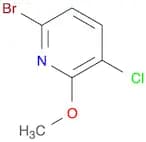
function:Direct regulator of SIRT1. Enhances SIRT1-mediated deacetylation of p53/TP53, thereby participating in inhibition of p53/TP53-mediated transcriptional activity.,similarity:Belongs to the AROS family.,subunit:Interacts with RPS19 (By similarity). Interacts with SIRT1.,tissue specificity:Widely expressed (at protein level).,6-Bromo-3-chloro-2-methoxypyridine
CAS:Formula:C6H5BrClNOPurezza:95%Colore e forma:SolidPeso molecolare:222.4670DHX16 rabbit pAb
DEAD box proteins, characterized by the conserved motif Asp-Glu-Ala-Asp (DEAD), are putative RNA helicases. They are implicated in a number of cellular processes involving alteration of RNA secondary structure such as translation initiation, nuclear and mitochondrial splicing, and ribosome and spliceosome assembly. Based on their distribution patterns, some members of this family are believed to be involved in embryogenesis, spermatogenesis, and cellular growth and division. This gene encodes a DEAD box protein, which is a functional homolog of fission yeast Prp8 protein involved in cell cycle progression. This gene is mapped to the MHC region on chromosome 6p21.3, a region where many malignant, genetic and autoimmune disease genes are linked. Two transcript variants encoding different isoforms have been found for this gene. [provided by RefSeq, Aug 2009],TIS11B (phospho Ser92) rabbit pAb
This gene is a member of the TIS11 family of early response genes, which are induced by various agonists such as the phorbol ester TPA and the polypeptide mitogen EGF. This gene is well conserved across species and has a promoter that contains motifs seen in other early-response genes. The encoded protein contains a distinguishing putative zinc finger domain with a repeating cys-his motif. This putative nuclear transcription factor most likely functions in regulating the response to growth factors. Alternatively spliced transcript variants encoding different isoforms have been found for this gene. [provided by RefSeq, Sep 2011],PCNT rabbit pAb
The protein encoded by this gene binds to calmodulin and is expressed in the centrosome. It is an integral component of the pericentriolar material (PCM). The protein contains a series of coiled-coil domains and a highly conserved PCM targeting motif called the PACT domain near its C-terminus. The protein interacts with the microtubule nucleation component gamma-tubulin and is likely important to normal functioning of the centrosomes, cytoskeleton, and cell-cycle progression. Mutations in this gene cause Seckel syndrome-4 and microcephalic osteodysplastic primordial dwarfism type II. Two transcript variants encoding different isoforms have been found for this gene. [provided by RefSeq, Oct 2015],MYH rabbit pAb
This gene encodes a DNA glycosylase involved in oxidative DNA damage repair. The enzyme excises adenine bases from the DNA backbone at sites where adenine is inappropriately paired with guanine, cytosine, or 8-oxo-7,8-dihydroguanine, a major oxidatively damaged DNA lesion. The protein is localized to the nucleus and mitochondria. Mutations in this gene result in heritable predisposition to colon and stomach cancer. Multiple transcript variants encoding different isoforms have been found for this gene. [provided by RefSeq, Jul 2008],NEUR3 rabbit pAb
This gene product belongs to a family of glycohydrolytic enzymes which remove sialic acid residues from glycoproteins and glycolipids. It is localized in the plasma membrane, and its activity is specific for gangliosides. It may play a role in modulating the ganglioside content of the lipid bilayer. [provided by RefSeq, Jul 2008],EMAP II rabbit pAb
The protein encoded by this gene is a cytokine that is specifically induced by apoptosis, and it is involved in the control of angiogenesis, inflammation, and wound healing. The release of this cytokine renders the tumor-associated vasculature sensitive to tumor necrosis factor. The precursor protein is identical to the p43 subunit, which is associated with the multi-tRNA synthetase complex, and it modulates aminoacylation activity of tRNA synthetase in normal cells. This protein is also involved in the stimulation of inflammatory responses after proteolytic cleavage in tumor cells. Multiple transcript variants encoding different isoforms have been found for this gene. A pseudogene has been identified on chromosome 20. [provided by RefSeq, Dec 2008],GNB1L rabbit pAb
This gene encodes a G-protein beta-subunit-like polypeptide which is a member of the WD repeat protein family. WD repeats are minimally conserved regions of approximately 40 amino acids typically bracketed by gly-his and trp-asp (GH-WD), which may facilitate formation of heterotrimeric or multiprotein complexes. Members of this family are involved in a variety of cellular processes, including cell cycle progression, signal transduction, apoptosis, and gene regulation. This protein contains 6 WD repeats and is highly expressed in the heart. The gene maps to the region on chromosome 22q11, which is deleted in DiGeorge syndrome, trisomic in derivative 22 syndrome and tetrasomic in cat-eye syndrome. Therefore, this gene may contribute to the etiology of those disorders. Transcripts from this gene share exons with some transcripts from the C22orf29 gene. [provided by RefSeq, Jul 2008],Ran BP-6 rabbit pAb
function:May function in nuclear protein import as nuclear transport receptor.,similarity:Belongs to the importin beta family.,similarity:Contains 7 HEAT repeats.,SPEG rabbit pAb
This gene encodes a protein with similarity to members of the myosin light chain kinase family. This protein family is required for myocyte cytoskeletal development. Along with the desmin gene, expression of this gene may be controlled by the desmin locus control region. Mutations in this gene are associated with centronuclear myopathy 5. [provided by RefSeq, Jun 2016],