Anticorpi primari
Gli anticorpi primari sono immunoglobuline che si legano specificamente a un antigene di interesse, consentendo la rilevazione e quantificazione di proteine, peptidi o altre biomolecole. Questi anticorpi sono strumenti fondamentali in un'ampia gamma di applicazioni, tra cui Western blot, immunoistochimica ed ELISA. Presso CymitQuimica, offriamo una vasta selezione di anticorpi primari di alta qualità, che garantiscono specificità e sensibilità per vari bisogni di ricerca, tra cui studi su cancro, immunologia e biologia cellulare.
Sottocategorie di "Anticorpi primari "
- Ricerca sul cancro Anticorpi(3.620 prodotti)
- Anticorpi cardiovascolari(2 prodotti)
- Biologia dello sviluppo(751 prodotti)
- Anticorpi epigenetici(162 prodotti)
- Anticorpi per l’immunologia(2.621 prodotti)
- Anticorpi metabolici(279 prodotti)
- Anticorpi per la microbiologia(739 prodotti)
- Trasduzione del segnale(2.717 prodotti)
- Tag e marcatori cellulari(33 prodotti)
Mostrare 1 più sottocategorie
Trovati 75447 prodotti di "Anticorpi primari "
Ordinare per
Purezza (%)
0
100
|
0
|
50
|
90
|
95
|
100
PANK2 rabbit pAb
This gene encodes a protein belonging to the pantothenate kinase family and is the only member of that family to be expressed in mitochondria. Pantothenate kinase is a key regulatory enzyme in the biosynthesis of coenzyme A (CoA) in bacteria and mammalian cells. It catalyzes the first committed step in the universal biosynthetic pathway leading to CoA and is itself subject to regulation through feedback inhibition by acyl CoA species. Mutations in this gene are associated with HARP syndrome and pantothenate kinase-associated neurodegeneration (PKAN), formerly Hallervorden-Spatz syndrome. Alternative splicing, involving the use of alternate first exons, results in multiple transcripts encoding different isoforms. [provided by RefSeq, Jul 2008],PDE6D rabbit pAb
This gene encodes the delta subunit of rod-specific photoreceptor phosphodiesterase (PDE), a key enzyme in the phototransduction cascade. A similar protein in cow functions in solubilizing membrane-bound PDE. In addition to its role in the PDE complex, the encoded protein is thought to bind to prenyl groups of proteins to target them to subcellular organelles called cilia. Mutations in this gene are associated with Joubert syndrome-22. Alternative splicing results in multiple splice variants. [provided by RefSeq, Mar 2014],HSF4 rabbit pAb
heat shock transcription factor 4(HSF4) Homo sapiens Heat-shock transcription factors (HSFs) activate heat-shock response genes under conditions of heat or other stresses. HSF4 lacks the carboxyl-terminal hydrophobic repeat which is shared among all vertebrate HSFs and has been suggested to be involved in the negative regulation of DNA binding activity. Two alternatively spliced transcripts encoding distinct isoforms and possessing different transcriptional activity have been described. [provided by RefSeq, Jul 2008],Collagen IV α2 (Cleaved-Ser1485) rabbit pAb
domain:Alpha chains of type IV collagen have a non-collagenous domain (NC1) at their C-terminus, frequent interruptions of the G-X-Y repeats in the long central triple-helical domain (which may cause flexibility in the triple helix), and a short N-terminal triple-helical 7S domain.,function:Type IV collagen is the major structural component of glomerular basement membranes (GBM), forming a 'chicken-wire' meshwork together with laminins, proteoglycans and entactin/nidogen. Potently inhibits angiogenesis and tumor growth.,PTM:Prolines at the third position of the tripeptide repeating unit (G-X-Y) are hydroxylated in some or all of the chains.,PTM:The trimeric structure of the NC1 domains may be stabilized by covalent bonds between Lys and Met residues.,PTM:Type IV collagens contain numerous cysteine residues which are involved in inter- and intramolecular disulfide bonding. 12 of these, located in the NC1 domain, are conserved in all known type IV collagens.,similarity:Belongs to the type IV collagen family.,similarity:Contains 1 collagen IV NC1 (C-terminal non-collagenous) domain.,subunit:There are six type IV collagen isoforms, alpha 1(IV)-alpha 6(IV), each of which can form a triple helix structure with 2 other chains to generate type IV collagen network.,OR4D9 rabbit pAb
olfactory receptor family 4 subfamily D member 9(OR4D9) Homo sapiens Olfactory receptors interact with odorant molecules in the nose, to initiate a neuronal response that triggers the perception of a smell. The olfactory receptor proteins are members of a large family of G-protein-coupled receptors (GPCR) arising from single coding-exon genes. Olfactory receptors share a 7-transmembrane domain structure with many neurotransmitter and hormone receptors and are responsible for the recognition and G protein-mediated transduction of odorant signals. The olfactory receptor gene family is the largest in the genome. The nomenclature assigned to the olfactory receptor genes and proteins for this organism is independent of other organisms. [provided by RefSeq, Jul 2008],SELV rabbit pAb
This gene encodes a selenoprotein, which contains a selenocysteine (Sec) residue at its active site. The selenocysteine is encoded by the UGA codon that normally signals translation termination. The 3' UTR of selenoprotein genes have a common stem-loop structure, the sec insertion sequence (SECIS), that is necessary for the recognition of UGA as a Sec codon rather than as a stop signal. [provided by RefSeq, Jul 2008],COL18A1 rabbit pAb
This gene encodes the alpha chain of type XVIII collagen. This collagen is one of the multiplexins, extracellular matrix proteins that contain multiple triple-helix domains (collagenous domains) interrupted by non-collagenous domains. A long isoform of the protein has an N-terminal domain that is homologous to the extracellular part of frizzled receptors. Proteolytic processing at several endogenous cleavage sites in the C-terminal domain results in production of endostatin, a potent antiangiogenic protein that is able to inhibit angiogenesis and tumor growth. Mutations in this gene are associated with Knobloch syndrome. The main features of this syndrome involve retinal abnormalities, so type XVIII collagen may play an important role in retinal structure and in neural tube closure. Alternative splicing results in multiple transcript variants. [provided by RefSeq, Dec 2014],PRKRA rabbit pAb
This gene encodes a protein kinase activated by double-stranded RNA which mediates the effects of interferon in response to viral infection. Mutations in this gene have been associated with dystonia. Alternative splicing results in multiple transcript variants. [provided by RefSeq, Nov 2008],Kpm rabbit pAb
This gene encodes a serine/threonine protein kinase belonging to the LATS tumor suppressor family. The protein localizes to centrosomes during interphase, and early and late metaphase. It interacts with the centrosomal proteins aurora-A and ajuba and is required for accumulation of gamma-tubulin and spindle formation at the onset of mitosis. It also interacts with a negative regulator of p53 and may function in a positive feedback loop with p53 that responds to cytoskeleton damage. Additionally, it can function as a co-repressor of androgen-responsive gene expression. [provided by RefSeq, Jul 2008],HBP1 rabbit pAb
function:Transcriptional repressor that binds to the promoter region of target genes. Plays a role in the regulation of the cell cycle and of the Wnt pathway. Binds preferentially to the sequence 5'-TTCATTCATTCA-3'. Binding to the H1F0 promoter is enhanced by interaction with RB1. Disrupts the interaction between DNA and TCF4.,similarity:Contains 1 AXH domain.,similarity:Contains 1 HMG box DNA-binding domain.,subunit:Binds the second PAH repeat of SIN3A (By similarity). Binds TCF4 and RB1.,TFIIIA rabbit pAb
The product of this gene is a zinc finger protein with nine Cis[2]-His[2] zinc finger domains. It functions as an RNA polymerase III transcription factor to induce transcription of the 5S rRNA genes. The protein binds to a 50 bp internal promoter in the 5S genes called the internal control region (ICR), and nucleates formation of a stable preinitiation complex. This complex recruits the TFIIIC and TFIIIB transcription factors and RNA polymerase III to form the complete transcription complex. The protein is thought to be translated using a non-AUG translation initiation site in mammals based on sequence analysis, protein homology, and the size of the purified protein. [provided by RefSeq, Jul 2008],JIP-1 (phospho Thr103) rabbit pAb
This gene encodes a regulator of the pancreatic beta-cell function. It is highly similar to JIP-1, a mouse protein known to be a regulator of c-Jun amino-terminal kinase (Mapk8). This protein has been shown to prevent MAPK8 mediated activation of transcription factors, and to decrease IL-1 beta and MAP kinase kinase 1 (MEKK1) induced apoptosis in pancreatic beta cells. This protein also functions as a DNA-binding transactivator of the glucose transporter GLUT2. RE1-silencing transcription factor (REST) is reported to repress the expression of this gene in insulin-secreting beta cells. This gene is found to be mutated in a type 2 diabetes family, and thus is thought to be a susceptibility gene for type 2 diabetes. [provided by RefSeq, May 2011],OR2BB rabbit pAb
Olfactory receptors interact with odorant molecules in the nose, to initiate a neuronal response that triggers the perception of a smell. The olfactory receptor proteins are members of a large family of G-protein-coupled receptors (GPCR) arising from single coding-exon genes. Olfactory receptors share a 7-transmembrane domain structure with many neurotransmitter and hormone receptors and are responsible for the recognition and G protein-mediated transduction of odorant signals. The olfactory receptor gene family is the largest in the genome. The nomenclature assigned to the olfactory receptor genes and proteins for this organism is independent of other organisms. [provided by RefSeq, Jul 2008],CD69 rabbit pAb
This gene encodes a member of the calcium dependent lectin superfamily of type II transmembrane receptors. Expression of the encoded protein is induced upon activation of T lymphocytes, and may play a role in proliferation. Furthermore, the protein may act to transmit signals in natural killer cells and platelets. [provided by RefSeq, Aug 2011],HBP1 (phospho Ser402) rabbit pAb
function:Transcriptional repressor that binds to the promoter region of target genes. Plays a role in the regulation of the cell cycle and of the Wnt pathway. Binds preferentially to the sequence 5'-TTCATTCATTCA-3'. Binding to the H1F0 promoter is enhanced by interaction with RB1. Disrupts the interaction between DNA and TCF4.,similarity:Contains 1 AXH domain.,similarity:Contains 1 HMG box DNA-binding domain.,subunit:Binds the second PAH repeat of SIN3A (By similarity). Binds TCF4 and RB1.,MMP-10 rabbit pAb
This gene encodes a member of the peptidase M10 family of matrix metalloproteinases (MMPs). Proteins in this family are involved in the breakdown of extracellular matrix in normal physiological processes, such as embryonic development, reproduction, and tissue remodeling, as well as in disease processes, such as arthritis and metastasis. The encoded preproprotein is proteolytically processed to generate the mature protease. This secreted protease breaks down fibronectin, laminin, elastin, proteoglycan core protein, gelatins, and several types of collagen. The gene is part of a cluster of MMP genes on chromosome 11. [provided by RefSeq, Jan 2016],ABCA3 rabbit pAb
The membrane-associated protein encoded by this gene is a member of the superfamily of ATP-binding cassette (ABC) transporters. ABC proteins transport various molecules across extra- and intracellular membranes. ABC genes are divided into seven distinct subfamilies (ABC1, MDR/TAP, MRP, ALD, OABP, GCN20, White). This protein is a member of the ABC1 subfamily. Members of the ABC1 subfamily comprise the only major ABC subfamily found exclusively in multicellular eukaryotes. The full transporter encoded by this gene may be involved in development of resistance to xenobiotics and engulfment during programmed cell death. [provided by RefSeq, Jul 2008],Synphilin-1 rabbit pAb
This gene encodes a protein containing several protein-protein interaction domains, including ankyrin-like repeats, a coiled-coil domain, and an ATP/GTP-binding motif. The encoded protein interacts with alpha-synuclein in neuronal tissue and may play a role in the formation of cytoplasmic inclusions and neurodegeneration. A mutation in this gene has been associated with Parkinson's disease. Alternative splicing results in multiple transcript variants. [provided by RefSeq, Apr 2015],Rad17 (phospho Ser645) rabbit pAb
The protein encoded by this gene is highly similar to the gene product of Schizosaccharomyces pombe rad17, a cell cycle checkpoint gene required for cell cycle arrest and DNA damage repair in response to DNA damage. This protein shares strong similarity with DNA replication factor C (RFC), and can form a complex with RFCs. This protein binds to chromatin prior to DNA damage and is phosphorylated by the checkpoint kinase ATR following damage. This protein recruits the RAD1-RAD9-HUS1 checkpoint protein complex onto chromatin after DNA damage, which may be required for its phosphorylation. The phosphorylation of this protein is required for the DNA-damage-induced cell cycle G2 arrest, and is thought to be a critical early event during checkpoint signaling in DNA-damaged cells. Multiple alternatively spliced transcript variants of this gene, which encode four distinct protein isoforms, hArkadia rabbit pAb
ring finger protein 111(RNF111) Homo sapiens The protein encoded by this gene is a nuclear RING-domain containing E3 ubiquitin ligase. This protein interacts with the transforming growth factor (TGF) -beta/NODAL signaling pathway by promoting the ubiquitination and proteosomal degradation of negative regulators, like SMAD proteins, and thereby enhances TGF-beta target-gene transcription. As a modulator of the nodal signaling cascade, this gene plays a critical role in the induction of mesoderm during embryonic development. Alternative splicing of this gene results in multiple transcript variants encoding distinct isoforms. [provided by RefSeq, Jul 2012],S38A8 rabbit pAb
This gene encodes a putative sodium-dependent amino-acid/proton antiporter. The protein has eleven transmembrane domains, an extracellular N-terminus and an intracellular C-terminal tail. The protein is a member of the SLC38 sodium-coupled neutral amino acid transporter family of proteins. Mutations in this gene result in foveal hypoplasia with or without optic nerve misrouting and/or anterior segment dysgenesis. [provided by RefSeq, May 2014],Oct-6 rabbit pAb
function:Transcription factor that binds to the octamer motif (5'-ATTTGCAT-3'). Thought to be involved in early embryogenesis and neurogenesis.,similarity:Belongs to the POU transcription factor family. Class-3 subfamily.,similarity:Contains 1 homeobox DNA-binding domain.,similarity:Contains 1 POU-specific domain.,tissue specificity:Expressed in embryonal stem cells and in the developing brain.,VNN2 rabbit pAb
This gene product is a member of the Vanin family of proteins that share extensive sequence similarity with each other, and also with biotinidase. The family includes secreted and membrane-associated proteins, a few of which have been reported to participate in hematopoietic cell trafficking. No biotinidase activity has been demonstrated for any of the vanin proteins, however, they possess pantetheinase activity, which may play a role in oxidative-stress response. The encoded protein is a GPI-anchored cell surface molecule that plays a role in transendothelial migration of neutrophils. This gene lies in close proximity to, and in same transcriptional orientation as two other vanin genes on chromosome 6q23-q24. Alternatively spliced transcript variants encoding different isoforms have been described for this gene. [provided by RefSeq, May 2011],Survivin (phospho Thr34) rabbit pAb
This gene is a member of the inhibitor of apoptosis (IAP) gene family, which encode negative regulatory proteins that prevent apoptotic cell death. IAP family members usually contain multiple baculovirus IAP repeat (BIR) domains, but this gene encodes proteins with only a single BIR domain. The encoded proteins also lack a C-terminus RING finger domain. Gene expression is high during fetal development and in most tumors, yet low in adult tissues. Alternatively spliced transcript variants encoding distinct isoforms have been found for this gene. [provided by RefSeq, Jun 2011],Latexin rabbit pAb
This gene encodes the only known protein inhibitor of zinc-dependent metallocarboxypeptidases. [provided by RefSeq, Oct 2008],Smad2 (phospho Ser465) rabbit pAb
The protein encoded by this gene belongs to the SMAD, a family of proteins similar to the gene products of the Drosophila gene 'mothers against decapentaplegic' (Mad) and the C. elegans gene Sma. SMAD proteins are signal transducers and transcriptional modulators that mediate multiple signaling pathways. This protein mediates the signal of the transforming growth factor (TGF)-beta, and thus regulates multiple cellular processes, such as cell proliferation, apoptosis, and differentiation. This protein is recruited to the TGF-beta receptors through its interaction with the SMAD anchor for receptor activation (SARA) protein. In response to TGF-beta signal, this protein is phosphorylated by the TGF-beta receptors. The phosphorylation induces the dissociation of this protein with SARA and the association with the family member SMAD4. The association with SMAD4 is important for the translocationVEGF Rabbit pAb
VEGFA, also named as VEGF or VPF, belongs to the PDGF/VEGF growth factor family. It is a growth factor active in angiogenesis, vasculogenesis and endothelial cell growth. VEGFA induces endothelial cell proliferation, promotes cell migration, inhibits apoptosis and induces permeabilization of blood vessels. It binds to the FLT1/VEGFR1 and KDR/VEGFR2 receptors, heparan sulfate and heparin. Defects in VEGFA are associated with microvascular complications of diabetes type 1 (MVCD1). VEGFA has 17 isoforms with MW from 16 to 45 kDa. Some isoforms have homodimer forms (e.g.; VEGFA189 38kDa or VEFGA110 34kDa). VEGF-A exists in at least seven homodimeric isoforms. The monomers consist of 121, 145, 148, 165, 183, 189, or 206 amino acids (PMID:15602010 ). This antibody can recognize all VEGFA isoforms.KALIG-1 rabbit pAb
Mutations in this gene cause the X-linked Kallmann syndrome. The encoded protein is similar in sequence to proteins known to function in neural cell adhesion and axonal migration. In addition, this cell surface protein is N-glycosylated and may have anti-protease activity. [provided by RefSeq, Jul 2008],TOB1 rabbit pAb
This gene encodes a member of the transducer of erbB-2 /B-cell translocation gene protein family. Members of this family are anti-proliferative factors that have the potential to regulate cell growth. The encoded protein may function as a tumor suppressor. Alternate splicing results in multiple transcript variants. [provided by RefSeq, Aug 2011],KCNC3 rabbit pAb
The Shaker gene family of Drosophila encodes components of voltage-gated potassium channels and is comprised of four subfamilies. Based on sequence similarity, this gene is similar to one of these subfamilies, namely the Shaw subfamily. The protein encoded by this gene belongs to the delayed rectifier class of channel proteins and is an integral membrane protein that mediates the voltage-dependent potassium ion permeability of excitable membranes. Alternate splicing results in several transcript variants. [provided by RefSeq, Mar 2014],HPGDS rabbit pAb
Prostaglandin-D synthase is a sigma class glutathione-S-transferase family member. The enzyme catalyzes the conversion of PGH2 to PGD2 and plays a role in the production of prostanoids in the immune system and mast cells. The presence of this enzyme can be used to identify the differentiation stage of human megakaryocytes. [provided by RefSeq, Jul 2008],NOR-1 rabbit pAb
This gene encodes a member of the steroid-thyroid hormone-retinoid receptor superfamily. The encoded protein may act as a transcriptional activator. The protein can efficiently bind the NGFI-B Response Element (NBRE). Three different versions of extraskeletal myxoid chondrosarcomas (EMCs) are the result of reciprocal translocations between this gene and other genes. The translocation breakpoints are associated with Nuclear Receptor Subfamily 4, Group A, Member 3 (on chromosome 9) and either Ewing Sarcome Breakpoint Region 1 (on chromosome 22), RNA Polymerase II, TATA Box-Binding Protein-Associated Factor, 68-KD (on chromosome 17), or Transcription factor 12 (on chromosome 15). Multiple transcript variants encoding different isoforms have been found for this gene. [provided by RefSeq, Mar 2010],c-Kit rabbit pAb
This gene encodes the human homolog of the proto-oncogene c-kit. C-kit was first identified as the cellular homolog of the feline sarcoma viral oncogene v-kit. This protein is a type 3 transmembrane receptor for MGF (mast cell growth factor, also known as stem cell factor). Mutations in this gene are associated with gastrointestinal stromal tumors, mast cell disease, acute myelogenous lukemia, and piebaldism. Multiple transcript variants encoding different isoforms have been found for this gene. [provided by RefSeq, Jul 2008],hCAP-H rabbit pAb
This gene encodes a member of the barr gene family and a regulatory subunit of the condensin complex. This complex is required for the conversion of interphase chromatin into condensed chromosomes. The protein encoded by this gene is associated with mitotic chromosomes, except during the early phase of chromosome condensation. During interphase, the protein has a distinct punctate nucleolar localization. Alternatively spliced transcript variants encoding different proteins have been described. [provided by RefSeq, Jul 2013],PROX1 rabbit pAb
The protein encoded by this gene is a member of the homeobox transcription factor family. Members of this family contain a homeobox domain that consists of a 60-amino acid helix-turn-helix structure that binds DNA and RNA. The protein encoded by this gene is conserved across vertebrates and may play an essential role during development. Altered levels of this protein have been reported in cancers of different organs, such as colon, brain, blood, breast, pancreas, liver and esophagus. Alternative splicing results in multiple transcript variants. [provided by RefSeq, Jul 2012],GRIP-1 (phospho Ser736) rabbit pAb
The protein encoded by this gene functions as a transcriptional coactivator for nuclear hormone receptors, including steroid, thyroid, retinoid, and vitamin D receptors. The encoded protein acts as an intermediary factor for the ligand-dependent activity of these nuclear receptors, which regulate their target genes upon binding of cognate response elements. This gene has been found to be involved in translocations that result in fusions with other genes in various cancers, including the lysine acetyltransferase 6A (KAT6A) gene in acute myeloid leukemia, the ETS variant 6 (ETV6) gene in acute lymphoblastic leukemia, and the hes related family bHLH transcription factor with YRPW motif 1 (HEY1) gene in mesenchymal chondrosarcoma. Alternative splicing results in multiple transcript variants. [provided by RefSeq, Mar 2016],ATP5J2 rabbit pAb
Mitochondrial ATP synthase catalyzes ATP synthesis, utilizing an electrochemical gradient of protons across the inner membrane during oxidative phosphorylation. It is composed of two linked multi-subunit complexes: the soluble catalytic core, F1, and the membrane-spanning component, Fo, which comprises the proton channel. The catalytic portion of mitochondrial ATP synthase consists of five different subunits (alpha, beta, gamma, delta, and epsilon) assembled with a stoichiometry of 3 alpha, 3 beta, and single representatives of the gamma, delta, and epsilon subunits. The proton channel likely has nine subunits (a, b, c, d, e, f, g, F6 and 8). ATP5J2 (ATP synthase, H+ transporting, mitochondrial Fo complex subunit F2) encodes the f subunit of the Fo complex. Alternatively spliced transcript variants encoding different isoforms have been identified for ATP5J2. ATP5J2 has multiple pseudogenes. Naturally occurring read-through transcription also exists between ATP5J2 and the downstream pentatricopeptide repeat domain 1 (PTCD1) gene.c-Jun (Phospho Ser249) rabbit pAb
function:Transcription factor that recognizes and binds to the enhancer heptamer motif 5'-TGA[CG]TCA-3'.,PTM:Phosphorylation enhances the transcriptional activity. Phosphorylated by PRKDC.,similarity:Belongs to the bZIP family.,similarity:Belongs to the bZIP family. Jun subfamily.,similarity:Contains 1 bZIP domain.,subunit:Heterodimer with either FOS or BATF3. Interacts with HIVEP3 (By similarity). Interacts with SMAD3/SMAD4 heterodimers. Interacts with MYBBP1A, SPIB and TCF20. Interacts with COPS5; indirectly leading to its phosphorylation. Interacts with DSIPI; this interaction inhibits the binding of active AP1 to its target DNA.,TPD53 rabbit pAb
This gene encodes a member of a family of proteins that contain coiled-coil domains and may form hetero- or homomers. The encoded protein is involved in cell proliferation and calcium signaling. It also interacts with the mitogen-activated protein kinase kinase kinase 5 (MAP3K5/ASK1) and positively regulates MAP3K5-induced apoptosis. Multiple alternatively spliced transcript variants have been observed. [provided by RefSeq, Jan 2016],Sgo1 (phospho Ser14) rabbit pAb
The protein encoded by this gene is a member of the shugoshin family of proteins. This protein is thought to protect centromeric cohesin from cleavage during mitotic prophase by preventing phosphorylation of a cohesin subunit. Reduced expression of this gene leads to the premature loss of centromeric cohesion, mis-segregation of sister chromatids, and mitotic arrest. Evidence suggests that this protein also protects a small subset of cohesin found along the length of the chromosome arms during mitotic prophase. An isoform lacking exon 6 has been shown to play a role in the cohesion of centrioles (PMID: 16582621 and PMID:18331714). Mutations in this gene have been associated with Chronic Atrial and Intestinal Dysrhythmia (CAID) syndrome, characterized by the co-occurrence of Sick Sinus Syndrome (SSS) and Chronic Intestinal Pseudo-obstruction (CIPO) within the first four decades of life (PMID:25282101). FibroGPR150 rabbit pAb
function:Orphan receptor.,similarity:Belongs to the G-protein coupled receptor 1 family.,BCoR rabbit pAb
The protein encoded by this gene was identified as an interacting corepressor of BCL6, a POZ/zinc finger transcription repressor that is required for germinal center formation and may influence apoptosis. This protein selectively interacts with the POZ domain of BCL6, but not with eight other POZ proteins. Specific class I and II histone deacetylases (HDACs) have been shown to interact with this protein, which suggests a possible link between the two classes of HDACs. Several transcript variants encoding different isoforms have been found for this gene. A pseudogene of this gene is found on chromosome Y.[provided by RefSeq, Jun 2010],Megsin rabbit pAb
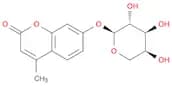
This gene encodes a member of a family of proteins which function as protease inhibitors. Expression of this gene is upregulated in IgA nephropathy and mutations have been found to cause palmoplantar keratoderma, Nagashima type. Alternative splicing results in multiple transcript variants. [provided by RefSeq, Jun 2014],4-Methylumbelliferyl a-L-arabinopyranoside
CAS:Formula:C15H16O7Purezza:98%Colore e forma:SolidPeso molecolare:308.2833Ref: IN-DA00IA14
1g63,00€5g120,00€10g208,00€1kgPrezzo su richiesta25g255,00€250g503,00€500gPrezzo su richiesta250mg39,00€EGF Receptor (phospho-Tyr1148) rabbit pAb
The protein encoded by this gene is a transmembrane glycoprotein that is a member of the protein kinase superfamily. This protein is a receptor for members of the epidermal growth factor family. EGFR is a cell surface protein that binds to epidermal growth factor. Binding of the protein to a ligand induces receptor dimerization and tyrosine autophosphorylation and leads to cell proliferation. Mutations in this gene are associated with lung cancer. [provided by RefSeq, Jun 2016],PPAR-α rabbit pAb
peroxisome proliferator activated receptor alpha(PPARA) Homo sapiens Peroxisome proliferators include hypolipidemic drugs, herbicides, leukotriene antagonists, and plasticizers; this term arises because they induce an increase in the size and number of peroxisomes. Peroxisomes are subcellular organelles found in plants and animals that contain enzymes for respiration and for cholesterol and lipid metabolism. The action of peroxisome proliferators is thought to be mediated via specific receptors, called PPARs, which belong to the steroid hormone receptor superfamily. PPARs affect the expression of target genes involved in cell proliferation, cell differentiation and in immune and inflammation responses. Three closely related subtypes (alpha, beta/delta, and gamma) have been identified. This gene encodes the subtype PPAR-alpha, which is a nuclear transcription factor.RXFP1 rabbit pAb
This gene encodes a member of the leucine-rich repeat-containing subgroup of the G protein-coupled 7-transmembrane receptor superfamily. The encoded protein plays a critical role in sperm motility, pregnancy and parturition as a receptor for the protein hormone relaxin. Decreased expression of this gene may play a role in endometriosis. Alternatively spliced transcript variants encoding multiple isoforms have been observed for this gene. [provided by RefSeq, Dec 2011],DAPK2 rabbit pAb
This gene encodes a protein that belongs to the serine/threonine protein kinase family. This protein contains a N-terminal protein kinase domain followed by a conserved calmodulin-binding domain with significant similarity to that of death-associated protein kinase 1 (DAPK1), a positive regulator of programmed cell death. Overexpression of this gene was shown to induce cell apoptosis. It uses multiple polyadenylation sites. [provided by RefSeq, Jul 2008],β Tubulin rabbit pAb
tubulin beta 3 class III(TUBB3) Homo sapiens This gene encodes a class III member of the beta tubulin protein family. Beta tubulins are one of two core protein families (alpha and beta tubulins) that heterodimerize and assemble to form microtubules. This protein is primarily expressed in neurons and may be involved in neurogenesis and axon guidance and maintenance. Mutations in this gene are the cause of congenital fibrosis of the extraocular muscles type 3. Alternate splicing results in multiple transcript variants. A pseudogene of this gene is found on chromosome 6. [provided by RefSeq, Oct 2010],Pmp24 rabbit pAb
similarity:Belongs to the peroxisomal membrane protein PXMP2/4 family.,subunit:Interacts with PEX19.,Arnt 2 rabbit pAb
aryl hydrocarbon receptor nuclear translocator 2(ARNT2) Homo sapiens This gene encodes a member of the basic-helix-loop-helix-Per-Arnt-Sim (bHLH-PAS) superfamily of transcription factors. The encoded protein acts as a partner for several sensor proteins of the bHLH-PAS family, forming heterodimers with the sensor proteins that bind regulatory DNA sequences in genes responsive to developmental and environmental stimuli. Under hypoxic conditions, the encoded protein complexes with hypoxia-inducible factor 1alpha in the nucleus and this complex binds to hypoxia-responsive elements in enhancers and promoters of oxygen-responsive genes. A highly similar protein in mouse forms functional complexes with both aryl hydrocarbon receptors and Single-minded proteins, suggesting additional roles for the encoded protein in the metabolism of xenobiotic compounds and the regulation of neurogenesis, respectively. [provided by RefSeq, Dec 2013],Cleaved-MMP-12 (G106) rabbit pAb
This gene encodes a member of the peptidase M10 family of matrix metalloproteinases (MMPs). Proteins in this family are involved in the breakdown of extracellular matrix in normal physiological processes, such as embryonic development, reproduction, and tissue remodeling, as well as in disease processes, such as arthritis and metastasis. The encoded preproprotein is proteolytically processed to generate the mature protease. This protease degrades soluble and insoluble elastin. This gene may play a role in aneurysm formation and mutations in this gene are associated with lung function and chronic obstructive pulmonary disease (COPD). This gene is part of a cluster of MMP genes on chromosome 11. [provided by RefSeq, Jan 2016],ADA15 rabbit pAb
ADAM metallopeptidase domain 15(ADAM15) Homo sapiens The protein encoded by this gene is a member of the ADAM (a disintegrin and metalloproteinase) protein family. ADAM family members are type I transmembrane glycoproteins known to be involved in cell adhesion and proteolytic ectodomain processing of cytokines and adhesion molecules. This protein contains multiple functional domains including a zinc-binding metalloprotease domain, a disintegrin-like domain, as well as a EGF-like domain. Through its disintegrin-like domain, this protein specifically interacts with the integrin beta chain, beta 3. It also interacts with Src family protein-tyrosine kinases in a phosphorylation-dependent manner, suggesting that this protein may function in cell-cell adhesion as well as in cellular signaling. Multiple alternatively spliced transcript variants encoding distinct isoforms have been observed. [provided by RefSeq, Jul 2008],p70 S6 Kinase (phospho-Thr389) rabbit pAb
ribosomal protein S6 kinase B1(RPS6KB1) Homo sapiens This gene encodes a member of the ribosomal S6 kinase family of serine/threonine kinases. The encoded protein responds to mTOR (mammalian target of rapamycin) signaling to promote protein synthesis, cell growth, and cell proliferation. Activity of this gene has been associated with human cancer. Alternatively spliced transcript variants have been observed. The use of alternative translation start sites results in isoforms with longer or shorter N-termini which may differ in their subcellular localizations. There are two pseudogenes for this gene on chromosome 17. [provided by RefSeq, Jan 2013],Syntenin-2 rabbit pAb
syndecan binding protein(SDCBP) Homo sapiens The protein encoded by this gene was initially identified as a molecule linking syndecan-mediated signaling to the cytoskeleton. The syntenin protein contains tandemly repeated PDZ domains that bind the cytoplasmic, C-terminal domains of a variety of transmembrane proteins. This protein may also affect cytoskeletal-membrane organization, cell adhesion, protein trafficking, and the activation of transcription factors. The protein is primarily localized to membrane-associated adherens junctions and focal adhesions but is also found at the endoplasmic reticulum and nucleus. Alternative splicing results in multiple transcript variants encoding different isoforms. [provided by RefSeq, Jul 2008],MSK1 (phospho Ser212) rabbit pAb
catalytic activity:ATP + a protein = ADP + a phosphoprotein.,cofactor:Magnesium.,enzyme regulation:Appears to be activated by multiple phosphorylations on threonine and serine residues. ERK1/2 and MAPK14/p38-alpha may play a role in this process.,function:Serine/threonine kinase required for the mitogen or stress-induced phosphorylation of the transcription factors CREB (cAMP response element-binding protein) and ATF1 (activating transcription factor-1). Essential role in the control of RELA transcriptional activity in response to TNF. Directly represses transcription via phosphorylation of 'Ser-1' of histone H2A. Phosphorylates 'Ser-10' of histone H3 in response to mitogenics, stress stimuli and epidemal growth-factor (EGF), which results in the transcriptional activation of several immediate early genes, including proto-oncogenes c-fos/FOS and c-jun/JUN. May also phosphorylate 'Ser-28' of histone H3. Mediates the mitogen- and stress-induced phosphorylation of high mobility group protein 14 (HMG-14).,miscellaneous:Enzyme activity requires the presence of both kinase domains.,PTM:Ser-376 and Thr-581 phosphorylation is required for kinase activity. Ser-376 and Ser-212 are autophosphorylated by the C-terminal kinase domain, and their phosphorylation is essential for the catalytic activity of the N-terminal kinase domain.,similarity:Belongs to the protein kinase superfamily. AGC Ser/Thr protein kinase family. S6 kinase subfamily.,similarity:Contains 1 AGC-kinase C-terminal domain.,similarity:Contains 2 protein kinase domains.,subcellular location:Predominantly nuclear. Partially cytoplasmic.,subunit:Forms a complex with either ERK1 or ERK2 in quiescent cells which transiently dissociates following mitogenic stimulation. Also associates with MAPK14/p38-alpha. Activated RPS6KA5 associates with and phosphorylates the NF-kappa-B p65 subunit RELA.,tissue specificity:Widely expressed with high levels in heart, brain and placenta. Less abundant in lung, kidney and liver.,MBNL3 rabbit pAb
This gene encodes a member of the muscleblind-like family of proteins. The encoded protein may function in regulation of alternative splicing and may play a role in the pathophysiology of myotonic dystrophy. Alternatively spliced transcript variants have been described. [provided by RefSeq, Dec 2009],DGK-κ rabbit pAb
The protein encoded by this gene is an enzyme that phosphorylates diacylglycerol, converting it to phosphatidic acid. The encoded protein is a membrane protein and is inhibited by hydrogen peroxide. Variations in this gene have been associated with hypospadias. [provided by RefSeq, Mar 2011],EBP2 rabbit pAb
function:Required for the processing of the 27S pre-rRNA.,similarity:Belongs to the EBP2 family.,subunit:Specifically interacts with EBV EBNA1. The EBNA1-EBP2 interaction is important for the stable segregation of EBV episomes during cell division.,tissue specificity:Ubiquitous.,Akt3 rabbit pAb
The protein encoded by this gene is a member of the AKT, also called PKB, serine/threonine protein kinase family. AKT kinases are known to be regulators of cell signaling in response to insulin and growth factors. They are involved in a wide variety of biological processes including cell proliferation, differentiation, apoptosis, tumorigenesis, as well as glycogen synthesis and glucose uptake. This kinase has been shown to be stimulated by platelet-derived growth factor (PDGF), insulin, and insulin-like growth factor 1 (IGF1). Alternatively splice transcript variants encoding distinct isoforms have been described. [provided by RefSeq, Jul 2008],USP53 rabbit pAb
caution:Although the active site residues are conserved, lacks the conserved His residue which is normally found 9 residues before the catalytic His.,function:Has no peptidase activity.,similarity:Belongs to the peptidase C19 family.,tissue specificity:Expressed predominantly in skeletal muscle and heart.,Actin-α cardiac muscle rabbit pAb
Actins are highly conserved proteins that are involved in various types of cell motility. Polymerization of globular actin (G-actin) leads to a structural filament (F-actin) in the form of a two-stranded helix. Each actin can bind to four others. The protein encoded by this gene belongs to the actin family which is comprised of three main groups of actin isoforms, alpha, beta, and gamma. The alpha actins are found in muscle tissues and are a major constituent of the contractile apparatus. Defects in this gene have been associated with idiopathic dilated cardiomyopathy (IDC) and familial hypertrophic cardiomyopathy (FHC). [provided by RefSeq, Jul 2008],Clock rabbit pAb
The protein encoded by this gene plays a central role in the regulation of circadian rhythms. The protein encodes a transcription factor of the basic helix-loop-helix (bHLH) family and contains DNA binding histone acetyltransferase activity. The encoded protein forms a heterodimer with ARNTL (BMAL1) that binds E-box enhancer elements upstream of Period (PER1, PER2, PER3) and Cryptochrome (CRY1, CRY2) genes and activates transcription of these genes. PER and CRY proteins heterodimerize and repress their own transcription by interacting in a feedback loop with CLOCK/ARNTL complexes. Polymorphisms in this gene may be associated with behavioral changes in certain populations and with obesity and metabolic syndrome. Alternative splicing results in multiple transcript variants. [provided by RefSeq, Jan 2014],SH3L3 rabbit pAb
function:Could act as a modulator of glutaredoxin biological activity.,similarity:Belongs to the SH3BGR family.,similarity:Contains 1 glutaredoxin domain.,tissue specificity:Ubiquitous.,TIM-1 rabbit pAb
The protein encoded by this gene is a membrane receptor for both human hepatitis A virus (HHAV) and TIMD4. The encoded protein may be involved in the moderation of asthma and allergic diseases. The reference genome represents an allele that retains a MTTVP amino acid segment that confers protection against atopy in HHAV seropositive individuals. Alternative splicing of this gene results in multiple transcript variants. Related pseudogenes have been identified on chromosomes 4, 12 and 19. [provided by RefSeq, Apr 2015],LTOR3 rabbit pAb
This gene encodes a scaffold protein that functions in the extracellular signal-regulated kinase (ERK) cascade. The protein is localized to late endosomes by the mitogen-activated protein-binding protein-interacting protein, and binds specifically to MAP kinase kinase MAP2K1/MEK1, MAP kinase MAPK3/ERK1, and MAP kinase MAPK1/ERK2. Studies of the orthologous gene in mouse indicate that it regulates late endosomal traffic and cell proliferation. Alternatively spliced transcript variants encoding multiple isoforms have been observed for this gene. A pseudogene of this gene is located on the long arm of chromosome 13. [provided by RefSeq, Aug 2011],MARCKS (phospho-Ser167/170) rabbit pAb
The protein encoded by this gene is a substrate for protein kinase C. It is localized to the plasma membrane and is an actin filament crosslinking protein. Phosphorylation by protein kinase C or binding to calcium-calmodulin inhibits its association with actin and with the plasma membrane, leading to its presence in the cytoplasm. The protein is thought to be involved in cell motility, phagocytosis, membrane trafficking and mitogenesis. [provided by RefSeq, Jul 2008],BSSP4 rabbit pAb
This gene encodes a member of the trypsin family of serine proteases. The enzyme is expressed in the airways in a developmentally regulated manner. The gene is part of a cluster of serine protease genes on chromosome 16. [provided by RefSeq, Jul 2008],PAK4/5/6 rabbit pAb
PAK proteins, a family of serine/threonine p21-activating kinases, include PAK1, PAK2, PAK3 and PAK4. PAK proteins are critical effectors that link Rho GTPases to cytoskeleton reorganization and nuclear signaling. They serve as targets for the small GTP binding proteins Cdc42 and Rac and have been implicated in a wide range of biological activities. PAK4 interacts specifically with the GTP-bound form of Cdc42Hs and weakly activates the JNK family of MAP kinases. PAK4 is a mediator of filopodia formation and may play a role in the reorganization of the actin cytoskeleton. Multiple alternatively spliced transcript variants encoding distinct isoforms have been found for this gene. [provided by RefSeq, Jul 2008],Frizzled-6 rabbit pAb
frizzled class receptor 6(FZD6) Homo sapiens This gene represents a member of the 'frizzled' gene family, which encode 7-transmembrane domain proteins that are receptors for Wnt signaling proteins. The protein encoded by this family member contains a signal peptide, a cysteine-rich domain in the N-terminal extracellular region, and seven transmembrane domains, but unlike other family members, this protein does not contain a C-terminal PDZ domain-binding motif. This protein functions as a negative regulator of the canonical Wnt/beta-catenin signaling cascade, thereby inhibiting the processes that trigger oncogenic transformation, cell proliferation, and inhibition of apoptosis. Alternative splicing results in multiple transcript variants, some of which do not encode a protein with a predicted signal peptide.[provided by RefSeq, Aug 2011],PDLIM5 rabbit pAb
This gene encodes a member of a family of proteins that possess a 100-amino acid PDZ domain at the N terminus and one to three LIM domains at the C-terminus. This family member functions as a scaffold protein that tethers protein kinases to the Z-disk in striated muscles. It is thought to function in cardiomyocyte expansion and in restraining postsynaptic growth of excitatory synapses. Alternative splicing of this gene results in multiple transcript variants. [provided by RefSeq, Jan 2012],BOCT rabbit pAb
similarity:Belongs to the major facilitator superfamily. Organic cation transporter family.,tissue specificity:Expressed in brain.,Inhibin β-E rabbit pAb
This gene encodes a member of the TGF-beta (transforming growth factor-beta) superfamily of proteins. The encoded preproprotein is proteolytically processed to generate an inhibin beta subunit. Inhibins have been implicated in regulating numerous cellular processes including cell proliferation, apoptosis, immune response and hormone secretion. This gene may be upregulated under conditions of endoplasmic reticulum stress, and this protein may inhibit cellular proliferation and growth in pancreas and liver. [provided by RefSeq, Sep 2016],NFκB-p52 (Cleaved-A454) rabbit pAb
disease:A chromosomal aberration involving NFKB2 is found in a case of B-cell non Hodgkin lymphoma (B-NHL). Translocation t(10;14)(q24;q32) with IGHA1. The resulting oncogene is also called Lyt-10C alpha variant.,disease:A chromosomal aberration involving NFKB2 is found in a cutaneous T-cell leukemia (C-TCL) cell line. This rearrangement produces the p80HT gene which encodes for a truncated 80 kDa protein (p80HT).,disease:In B-cell leukemia (B-CLL) cell line, LB40 and EB308, can be found after heterogeneous chromosomal aberrations, such as internal deletions.,domain:The C-terminus of p100 might be involved in cytoplasmic retention, inhibition of DNA-binding by p52 homodimers, and/or transcription activation.,domain:The glycine-rich region (GRR) appears to be a critical element in the generation of p52.,function:NF-kappa-B is a pleiotropic transcription factor which is present in almost all cell types and is involved in many biological processed such as inflammation, immunity, differentiation, cell growth, tumorigenesis and apoptosis. NF-kappa-B is a homo- or heterodimeric complex formed by the Rel-like domain-containing proteins RELA/p65, RELB, NFKB1/p105, NFKB1/p50, REL and NFKB2/p52. The dimers bind at kappa-B sites in the DNA of their target genes and the individual dimers have distinct preferences for different kappa-B sites that they can bind with distinguishable affinity and specificity. Different dimer combinations act as transcriptional activators or repressors, respectively. NF-kappa-B is controlled by various mechanisms of post-translational modification and subcellular compartmentalization as well as by interactions with other cofactors or corepressors. NF-kappa-B complexes are held in the cytoplasm in an inactive state complexed with members of the NF-kappa-B inhibitor (I-kappa-B) family. In a conventional activation pathway, I-kappa-B is phosphorylated by I-kappa-B kinases (IKKs) in response to different activators, subsequently degraded thus liberating the active NF-kappa-B complex which translocates to the nucleus. In a non-canonical activation pathway, the MAP3K14-activated CHUK/IKKA homodimer phosphorylates NFKB2/p100 associated with RelB, inducing its proteolytic processing to NFKB2/p52 and the formation of NF-kappa-B RelB-p52 complexes. The NF-kappa-B heterodimeric RelB-p52 complex is a transcriptional activator. The NF-kappa-B p52-p52 homodimer is a transcriptional repressor. NFKB2 appears to have dual functions such as cytoplasmic retention of attached NF-kappa-B proteins by p100 and generation of p52 by a cotranslational processing. The proteasome-mediated process ensures the production of both p52 and p100 and preserves their independent function. p52 binds to the kappa-B consensus sequence 5'-GGRNNYYCC-3', located in the enhancer region of genes involved in immune response and acute phase reactions. p52 and p100 are respectively the minor and major form; the processing of p100 being relatively poor. Isoform p49 is a subunit of the NF-kappa-B protein complex, which stimulates the HIV enhancer in synergy with p65.,PTM:Constitutive processing is tightly suppressed by its C-terminal processing inhibitory domain, named PID, which contains the death domain.,PTM:Subsequent to MAP3K14-dependent serine phosphorylation, p100 polyubiquitination occurs then triggering its proteasome-dependent processing.,PTM:While translation occurs, the particular unfolded structure after the GRR repeat promotes the generation of p52 making it an acceptable substrate for the proteasome. This process is known as cotranslational processing. The processed form is active and the unprocessed form acts as an inhibitor (I kappa B-like), being able to form cytosolic complexes with NF-kappa B, trapping it in the cytoplasm. Complete folding of the region downstream of the GRR repeat precludes processing.,similarity:Contains 1 death domain.,similarity:Contains 1 RHD (Rel-like) domain.,similarity:Contains 7 ANK repeats.,subcellular location:Nuclear, but also found in the cytoplasm in an inactive form complexed to an inhibitor (I-kappa-B).,subunit:Component of the NF-kappa-B RelB-p52 complex. Homodimer; component of the NF-kappa-B p52-p52 complex. Component of the NF-kappa-B p65-p52 complex. Component of the NF-kappa-B p52-c-Rel complex. NFKB2/p52 interacts with NFKBIE. Component of a complex consisting of the NF-kappa-B p50-p50 homodimer and BCL3.,Urotensin II rabbit pAb
This gene encodes a mature peptide that is an active cyclic heptapeptide absolutely conserved from lamprey to human. The active peptide acts as a vasoconstrictor and is expressed only in brain tissue. Despite the gene family name similarity, this gene is not homologous to urocortin, a member of the sauvagine/corticotropin-releasing factor/urotensin I family. Most of the proprotein is cleaved to make the mature peptide. Transcript variants encoding different preproprotein isoforms have been described for this gene. [provided by RefSeq, Jul 2008],NAA20 rabbit pAb
NAT5 is a component of N-acetyltransferase complex B (NatB). Human NatB performs cotranslational N(alpha)-terminal acetylation of methionine residues when they are followed by asparagine (Starheim et al., 2008 [PubMed 18570629]).[supplied by OMIM, Apr 2009],