Anticorpi primari
Gli anticorpi primari sono immunoglobuline che si legano specificamente a un antigene di interesse, consentendo la rilevazione e quantificazione di proteine, peptidi o altre biomolecole. Questi anticorpi sono strumenti fondamentali in un'ampia gamma di applicazioni, tra cui Western blot, immunoistochimica ed ELISA. Presso CymitQuimica, offriamo una vasta selezione di anticorpi primari di alta qualità, che garantiscono specificità e sensibilità per vari bisogni di ricerca, tra cui studi su cancro, immunologia e biologia cellulare.
Sottocategorie di "Anticorpi primari "
- Ricerca sul cancro Anticorpi(3.620 prodotti)
- Anticorpi cardiovascolari(2 prodotti)
- Biologia dello sviluppo(751 prodotti)
- Anticorpi epigenetici(162 prodotti)
- Anticorpi per l’immunologia(2.709 prodotti)
- Anticorpi metabolici(279 prodotti)
- Anticorpi per la microbiologia(738 prodotti)
- Trasduzione del segnale(2.717 prodotti)
- Tag e marcatori cellulari(33 prodotti)
Mostrare 1 più sottocategorie
Trovati 75327 prodotti di "Anticorpi primari "
Ordinare per
Purezza (%)
0
100
|
0
|
50
|
90
|
95
|
100
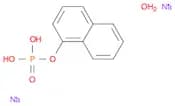
Sodium naphthalen-1-yl phosphate hydrate
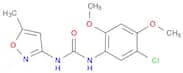
CAS:Formula:C10H9Na2O5PPurezza:95%Colore e forma:SolidPeso molecolare:286.1288N-(5-CHLORO-2,4-DIMETHOXYPHENYL)-N'-(5-METHYL-3-ISOXAZOLYL)-UREA
CAS:Formula:C13H14ClN3O4Purezza:98%Colore e forma:SolidPeso molecolare:311.7210GK1/3 rabbit pAb
The protein encoded by this gene belongs to the FGGY kinase family. This protein is a key enzyme in the regulation of glycerol uptake and metabolism. It catalyzes the phosphorylation of glycerol by ATP, yielding ADP and glycerol-3-phosphate. Mutations in this gene are associated with glycerol kinase deficiency (GKD). Alternatively spliced transcript variants encoding different isoforms have been found for this gene. [provided by RefSeq, Mar 2011],MYPT1 (phospho-Ser668) rabbit pAb
Myosin phosphatase target subunit 1, which is also called the myosin-binding subunit of myosin phosphatase, is one of the subunits of myosin phosphatase. Myosin phosphatase regulates the interaction of actin and myosin downstream of the guanosine triphosphatase Rho. The small guanosine triphosphatase Rho is implicated in myosin light chain (MLC) phosphorylation, which results in contraction of smooth muscle and interaction of actin and myosin in nonmuscle cells. The guanosine triphosphate (GTP)-bound, active form of RhoA (GTP.RhoA) specifically interacted with the myosin-binding subunit (MBS) of myosin phosphatase, which regulates the extent of phosphorylation of MLC. Rho-associated kinase (Rho-kinase), which is activated by GTP. RhoA, phosphorylated MBS and consequently inactivated myosin phosphatase. Overexpression of RhoA or activated RhoA in NIH 3T3 cells increased phosphSPINK6 rabbit pAb
The protein encoded by this gene is a Kazal-type serine protease inhibitor that acts on kallikrein-related peptidases in the skin. Two transcript variants the same protein have been found for this gene. [provided by RefSeq, Aug 2010],LIPA4 rabbit pAb
PPFIA4, or liprin-alpha-4, belongs to the liprin-alpha gene family. See liprin-alpha-1 (LIP1, or PPFIA1; MIM 611054) for background on liprins.[supplied by OMIM, Mar 2008],BRAF35 rabbit pAb
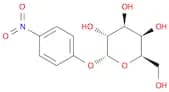
function:Required for correct progression through G2 phase of the cell cycle and entry into mitosis. Required for RCOR1/CoREST mediated repression of neuronal specific gene promoters.,sequence caution:Translation N-terminally extended.,similarity:Contains 1 HMG box DNA-binding domain.,subcellular location:Localized to condensed chromosomes in mitosis in conjunction with BRCA2.,subunit:Component of a BHC histone deacetylase complex that contains HDAC1, HDAC2, HMG20B/BRAF35, AOF2/LSD1, RCOR1/CoREST and PHF21A/BHC80. The BHC complex may also contain ZMYM2, ZNF217, ZMYM3, GSE1 and GTF2I. Interacts with the BRCA2 tumor suppressor protein.,tissue specificity:Ubiquitously expressed in adult tissues.,4-Nitrophenyl a-D-galactopyranoside
CAS:Formula:C12H15NO8Purezza:97%Colore e forma:SolidPeso molecolare:301.2494PAR15 rabbit pAb
PARP15 is a macrodomain-containing transcriptional repressor with poly(ADP-ribose) polymerase activity (Aguiar et al., 2005 [PubMed 16061477]).[supplied by OMIM, May 2008],RM23 rabbit pAb
Mammalian mitochondrial ribosomal proteins are encoded by nuclear genes and help in protein synthesis within the mitochondrion. Mitochondrial ribosomes (mitoribosomes) consist of a small 28S subunit and a large 39S subunit. They have an estimated 75% protein to rRNA composition compared to prokaryotic ribosomes, where this ratio is reversed. Another difference between mammalian mitoribosomes and prokaryotic ribosomes is that the latter contain a 5S rRNA. Among different species, the proteins comprising the mitoribosome differ greatly in sequence, and sometimes in biochemical properties, which prevents easy recognition by sequence homology. This gene encodes a 39S subunit protein. The gene is biallelically expressed, despite its location within a region of imprinted genes on chromosome 11. [provided by RefSeq, Jul 2008],Pim-1 rabbit pAb
The protein encoded by this gene belongs to the Ser/Thr protein kinase family, and PIM subfamily. This gene is expressed primarily in B-lymphoid and myeloid cell lines, and is overexpressed in hematopoietic malignancies and in prostate cancer. It plays a role in signal transduction in blood cells, contributing to both cell proliferation and survival, and thus provides a selective advantage in tumorigenesis. Both the human and orthologous mouse genes have been reported to encode two isoforms (with preferential cellular localization) resulting from the use of alternative in-frame translation initiation codons, the upstream non-AUG (CUG) and downstream AUG codons (PMIDs:16186805, 1825810).[provided by RefSeq, Aug 2011],TPPC4 rabbit pAb
function:May play a role in vesicular transport from endoplasmic reticulum to Golgi.,similarity:Belongs to the TRAPP small subunits family. TRAPPC4 subfamily.,subunit:Part of the multisubunit TRAPP (transport protein particle) complex. Interacts with SDC2.,S39A5 rabbit pAb
The protein encoded by this gene belongs to the ZIP family of zinc transporters that transport zinc into cells from outside, and play a crucial role in controlling intracellular zinc levels. Zinc is an essential cofactor for many enzymes and proteins involved in gene transcription, growth, development and differentiation. Mutations in this gene have been associated with autosomal dominant high myopia (MYP24). Alternatively spliced transcript variants have been found for this gene. [provided by RefSeq, Sep 2014],Neuromedin-U rabbit pAb
This gene encodes a member of the neuromedin family of neuropeptides. The encoded protein is a precursor that is proteolytically processed to generate a biologically active neuropeptide that plays a role in pain, stress, immune-mediated inflammatory diseases and feeding regulation. Increased expression of this gene was observed in renal, pancreatic and lung cancers. Alternative splicing results in multiple transcript variants encoding different isoforms. Some of these isoforms may undergo similar processing to generate the mature peptide. [provided by RefSeq, Jul 2015],PKC θ (phospho Thr538) rabbit pAb
Protein kinase C (PKC) is a family of serine- and threonine-specific protein kinases that can be activated by calcium and the second messenger diacylglycerol. PKC family members phosphorylate a wide variety of protein targets and are known to be involved in diverse cellular signaling pathways. PKC family members also serve as major receptors for phorbol esters, a class of tumor promoters. Each member of the PKC family has a specific expression profile and is believed to play a distinct role. The protein encoded by this gene is one of the PKC family members. It is a calcium-independent and phospholipid-dependent protein kinase. This kinase is important for T-cell activation. It is required for the activation of the transcription factors NF-kappaB and AP-1, and may link the T cell receptor (TCR) signaling complex to the activation of the transcription factors. [provided by RefSeq, Jul 2008],Cdc42EP2 rabbit pAb
CDC42, a small Rho GTPase, regulates the formation of F-actin-containing structures through its interaction with the downstream effector proteins. The protein encoded by this gene is a member of the Borg family of CDC42 effector proteins. Borg family proteins contain a CRIB (Cdc42/Rac interactive-binding) domain. They bind to, and negatively regulate the function of CDC42. Coexpression of this protein with CDC42 suggested a role of this protein in actin filament assembly and cell shape control. [provided by RefSeq, Aug 2011],RB40L rabbit pAb
This gene encodes a member of the Rab40 subfamily of Rab small GTP-binding proteins that contains a C-terminal suppressors of cytokine signaling box. Disruptions in this gene are associated with Duchenne muscular dystrophy. [provided by RefSeq, Apr 2010],Cyclin B1 (1A5) Mouse mAb
Cyclin B1 is a regulatory protein involved in mitosis. The gene product complexes with p34 (Cdk1) to form the maturation-promoting factor (MPF). Two alternative transcripts have been found, a constitutively expressed transcript and a cell cycle-regulated transcript that is expressed predominantly during G2/M phase of the cell cycle.USP11 rabbit pAb
Protein ubiquitination controls many intracellular processes, including cell cycle progression, transcriptional activation, and signal transduction. This dynamic process, involving ubiquitin conjugating enzymes and deubiquitinating enzymes, adds and removes ubiquitin. Deubiquitinating enzymes are cysteine proteases that specifically cleave ubiquitin from ubiquitin-conjugated protein substrates. This gene encodes a deubiquitinating enzyme which lies in a gene cluster on chromosome Xp11.23 [provided by RefSeq, Jul 2008],MYO3B rabbit pAb
This gene encodes one of the class III myosins. Myosins are ATPases, activated by actin, that move along actin filaments in the cell. This class of myosins are characterized by an amino-terminal kinase domain and shown to be present in photoreceptors. Alternative splicing results in multiple transcript variants encoding different isoforms. [provided by RefSeq, Mar 2014],HGFL rabbit pAb
The protein encoded by this gene contains four kringle domains and a serine protease domain, similar to that found in hepatic growth factor. Despite the presence of the serine protease domain, the encoded protein may not have any proteolytic activity. The receptor for this protein is RON tyrosine kinase, which upon activation stimulates ciliary motility of ciliated epithelial lung cells. This protein is secreted and cleaved to form an alpha chain and a beta chain bridged by disulfide bonds. [provided by RefSeq, Jan 2010],SgK288 rabbit pAb
The protein encoded by this gene belongs to the Ser/Thr protein kinase family, and protein kinase superfamily involved in signal transduction pathways. This gene is closely linked to DRD2 gene (GeneID:1813) on chr 11, and a well studied restriction fragment length polymorphism (RFLP) designated TaqIA, was originally associated with the DRD2 gene, however, later was determined to be located in exon 8 of ANKK1 gene (PMIDs: 18621654, 15146457), where it causes a nonconservative amino acid substitution. It is not clear if this gene plays any role in neuropsychiatric disorders previously associated with Taq1A RFLP. [provided by RefSeq, Sep 2009],EGFR (phospho Tyr1172) rabbit pAb
The protein encoded by this gene is a transmembrane glycoprotein that is a member of the protein kinase superfamily. This protein is a receptor for members of the epidermal growth factor family. EGFR is a cell surface protein that binds to epidermal growth factor. Binding of the protein to a ligand induces receptor dimerization and tyrosine autophosphorylation and leads to cell proliferation. Mutations in this gene are associated with lung cancer. [provided by RefSeq, Jun 2016],PRAK (phospho Thr182) rabbit pAb
The protein encoded by this gene is a tumor suppressor and member of the serine/threonine kinase family. In response to cellular stress and proinflammatory cytokines, this kinase is activated through its phosphorylation by MAP kinases including MAPK1/ERK, MAPK14/p38-alpha, and MAPK11/p38-beta. The encoded protein is found in the nucleus but translocates to the cytoplasm upon phosphorylation and activation. This kinase phosphorylates heat shock protein HSP27 at its physiologically relevant sites. Two alternately spliced transcript variants of this gene encoding distinct isoforms have been reported. [provided by RefSeq, Nov 2012],Ub (Acetyl Lys48) rabbit pAb
Ubiquitin is a highly conserved nuclear and cytoplasmic protein that has a major role in targeting cellular proteins for degradation by the 26S proteosome. It is also involved in the maintenance of chromatin structure, the regulation of gene expression, and the stress response. Ubiquitin is synthesized as a precursor protein consisting of either polyubiquitin chains or a single ubiquitin moiety fused to an unrelated protein. This gene encodes a fusion protein consisting of ubiquitin at the N terminus and ribosomal protein L40 at the C terminus, a C-terminal extension protein (CEP). Multiple processed pseudogenes derived from this gene are present in the genome. [provided by RefSeq, Jul 2008],TIG3 rabbit pAb
Retinoids exert biologic effects such as potent growth inhibitory and cell differentiation activities and are used in the treatment of hyperproliferative dermatological diseases. These effects are mediated by specific nuclear receptor proteins that are members of the steroid and thyroid hormone receptor superfamily of transcriptional regulators. RARRES1, RARRES2, and RARRES3 are genes whose expression is upregulated by the synthetic retinoid tazarotene. RARRES3 is thought act as a tumor suppressor or growth regulator. [provided by RefSeq, Jul 2008],Arginase I rabbit pAb
Arginase catalyzes the hydrolysis of arginine to ornithine and urea. At least two isoforms of mammalian arginase exist (types I and II) which differ in their tissue distribution, subcellular localization, immunologic crossreactivity and physiologic function. The type I isoform encoded by this gene, is a cytosolic enzyme and expressed predominantly in the liver as a component of the urea cycle. Inherited deficiency of this enzyme results in argininemia, an autosomal recessive disorder characterized by hyperammonemia. Two transcript variants encoding different isoforms have been found for this gene. [provided by RefSeq, Sep 2011],Arg rabbit pAb
This gene encodes a member of the Abelson family of nonreceptor tyrosine protein kinases. The protein is highly similar to the c-abl oncogene 1 protein, including the tyrosine kinase, SH2 and SH3 domains, and it plays a role in cytoskeletal rearrangements through its C-terminal F-actin- and microtubule-binding sequences. This gene is expressed in both normal and tumor cells, and is involved in translocation with the ets variant 6 gene in leukemia. Multiple alternatively spliced transcript variants encoding different protein isoforms have been found for this gene. [provided by RefSeq, Nov 2009],PPM1E rabbit pAb
This gene encodes a member of the PPM family of serine/threonine-protein phosphatases. The encoded protein is localized to the nucleus and dephosphorylates and inactivates multiple substrates including serine/threonine-protein kinase PAK 1, 5'-AMP-activated protein kinase (AMPK) and the multifunctional calcium/calmodulin-dependent protein kinases. Alternatively spliced transcript variants have been observed for this gene. [provided by RefSeq, May 2012],GSTM2 rabbit pAb
Cytosolic and membrane-bound forms of glutathione S-transferase are encoded by two distinct supergene families. At present, eight distinct classes of the soluble cytoplasmic mammalian glutathione S-transferases have been identified: alpha, kappa, mu, omega, pi, sigma, theta and zeta. This gene encodes a glutathione S-transferase that belongs to the mu class. The mu class of enzymes functions in the detoxification of electrophilic compounds, including carcinogens, therapeutic drugs, environmental toxins and products of oxidative stress, by conjugation with glutathione. The genes encoding the mu class of enzymes are organized in a gene cluster on chromosome 1p13.3 and are known to be highly polymorphic. These genetic variations can change an individual's susceptibility to carcinogens and toxins as well as affect the toxicity and efficacy of certain drugs. [provided by RefSeq, Jul 2008],HXA10 rabbit pAb
In vertebrates, the genes encoding the class of transcription factors called homeobox genes are found in clusters named A, B, C, and D on four separate chromosomes. Expression of these proteins is spatially and temporally regulated during embryonic development. This gene is part of the A cluster on chromosome 7 and encodes a DNA-binding transcription factor that may regulate gene expression, morphogenesis, and differentiation. More specifically, it may function in fertility, embryo viability, and regulation of hematopoietic lineage commitment. Alternatively spliced transcript variants have been described. Read-through transcription also exists between this gene and the downstream homeobox A9 (HOXA9) gene. [provided by RefSeq, Mar 2011],Lamin B1 Mouse mAb
The nuclear lamina consists of a two-dimensional matrix of proteins located next to the inner nuclear membrane. The lamin family of proteins make up the matrix and are highly conserved in evolution. During mitosis, the lamina matrix is reversibly disassembled as the lamin proteins are phosphorylated. Lamin proteins are thought to be involved in nuclear stability, chromatin structure and gene expression. Vertebrate lamins consist of two types, A and B. This gene encodes one of the two B type proteins, B1.DUSP6 rabbit pAb
The protein encoded by this gene is a member of the dual specificity protein phosphatase subfamily. These phosphatases inactivate their target kinases by dephosphorylating both the phosphoserine/threonine and phosphotyrosine residues. They negatively regulate members of the mitogen-activated protein (MAP) kinase superfamily (MAPK/ERK, SAPK/JNK, p38), which are associated with cellular proliferation and differentiation. Different members of the family of dual specificity phosphatases show distinct substrate specificities for various MAP kinases, different tissue distribution and subcellular localization, and different modes of inducibility of their expression by extracellular stimuli. This gene product inactivates ERK2, is expressed in a variety of tissues with the highest levels in heart and pancreas, and unlike most other members of this family, is localized in the cytoplasm. Mutations in tTACC1 rabbit pAb
This locus may represent a breast cancer candidate gene. It is located close to FGFR1 on a region of chromosome 8 that is amplified in some breast cancers. Three transcript variants encoding different isoforms have been found for this gene. [provided by RefSeq, Apr 2009],I17RD rabbit pAb
This gene encodes a membrane protein belonging to the interleukin-17 receptor (IL-17R) protein family. The encoded protein is a component of the interleukin-17 receptor signaling complex, and the interaction between this protein and IL-17R does not require the interleukin. The gene product also affects fibroblast growth factor signaling, inhibiting or stimulating growth through MAPK/ERK signaling. Alternate splicing generates multiple transcript variants encoding distinct isoforms. [provided by RefSeq, Jan 2016],SOD1 Rabbit pAb
Superoxide dismutase [Cu-Zn] also known as superoxide dismutase 1 or SOD1 is an enzyme that in humans is encoded by the SOD1 gene, located on chromosome 21. SOD1 is one of three human superoxide dismutases.ZW10 rabbit pAb
This gene encodes a protein that is one of many involved in mechanisms to ensure proper chromosome segregation during cell division. This protein is an essential component of the mitotic checkpoint, which prevents cells from prematurely exiting mitosis. [provided by RefSeq, Aug 2011],Adducin α/β (phospho Ser726/713) rabbit pAb
adducin 1(ADD1) Homo sapiens Adducins are a family of cytoskeleton proteins encoded by three genes (alpha, beta, gamma). Adducin is a heterodimeric protein that consists of related subunits, which are produced from distinct genes but share a similar structure. Alpha- and beta-adducin include a protease-resistant N-terminal region and a protease-sensitive, hydrophilic C-terminal region. Alpha- and gamma-adducins are ubiquitously expressed. In contrast, beta-adducin is expressed at high levels in brain and hematopoietic tissues. Adducin binds with high affinity to Ca(2+)/calmodulin and is a substrate for protein kinases A and C. Alternative splicing results in multiple variants encoding distinct isoforms; however, not all variants have been fully described. [provided by RefSeq, Jul 2008],Cleaved-Caspase-3 p12 (D175) rabbit pAb
This gene encodes a protein which is a member of the cysteine-aspartic acid protease (caspase) family. Sequential activation of caspases plays a central role in the execution-phase of cell apoptosis. Caspases exist as inactive proenzymes which undergo proteolytic processing at conserved aspartic residues to produce two subunits, large and small, that dimerize to form the active enzyme. This protein cleaves and activates caspases 6, 7 and 9, and the protein itself is processed by caspases 8, 9 and 10. It is the predominant caspase involved in the cleavage of amyloid-beta 4A precursor protein, which is associated with neuronal death in Alzheimer's disease. Alternative splicing of this gene results in two transcript variants that encode the same protein. [provided by RefSeq, Jul 2008],CD241 rabbit pAb
The protein encoded by this gene is erythrocyte-specific and is thought to be part of a membrane channel that transports ammonium and carbon dioxide across the blood cell membrane. The encoded protein appears to interact with Rh blood group antigens and Rh30 polypeptides. Defects in this gene are a cause of regulator type Rh-null hemolytic anemia (RHN), or Rh-deficiency syndrome.[provided by RefSeq, Mar 2009],CL18A rabbit pAb
This is one of three closely related paralogous genes on chromosome 16 encoding secreted proteins containing C-type lectin domains. These domains bind to carbohydrates in the presence of calcium, and may be involved in cell adhesion, immune response and apoptosis. Alternatively spliced transcript variants encoding multiple isoforms have been observed for this gene. [provided by RefSeq, Sep 2012],ARHG4 rabbit pAb
Rho GTPases play a fundamental role in numerous cellular processes that are initiated by extracellular stimuli that work through G protein coupled receptors. The protein encoded by this gene may form complex with G proteins and stimulate Rho-dependent signals. Multiple alternatively spliced transcript variants encoding different isoforms have been found, but the full-length nature of some variants has not been determined. [provided by RefSeq, Jun 2013],