Anticorpi primari
Gli anticorpi primari sono immunoglobuline che si legano specificamente a un antigene di interesse, consentendo la rilevazione e quantificazione di proteine, peptidi o altre biomolecole. Questi anticorpi sono strumenti fondamentali in un'ampia gamma di applicazioni, tra cui Western blot, immunoistochimica ed ELISA. Presso CymitQuimica, offriamo una vasta selezione di anticorpi primari di alta qualità, che garantiscono specificità e sensibilità per vari bisogni di ricerca, tra cui studi su cancro, immunologia e biologia cellulare.
Sottocategorie di "Anticorpi primari "
- Ricerca sul cancro Anticorpi(3.620 prodotti)
- Anticorpi cardiovascolari(2 prodotti)
- Biologia dello sviluppo(751 prodotti)
- Anticorpi epigenetici(162 prodotti)
- Anticorpi per l’immunologia(2.709 prodotti)
- Anticorpi metabolici(279 prodotti)
- Anticorpi per la microbiologia(738 prodotti)
- Trasduzione del segnale(2.717 prodotti)
- Tag e marcatori cellulari(33 prodotti)
Mostrare 1 più sottocategorie
Trovati 75327 prodotti di "Anticorpi primari "
Ordinare per
Purezza (%)
0
100
|
0
|
50
|
90
|
95
|
100
HGFA rabbit pAb
This gene encodes a member of the peptidase S1 protein family. The encoded protein is first synthesized as an inactive single-chain precursor before being activated to a heterodimeric form by endoproteolytic processing. It acts as serine protease that converts hepatocyte growth factor to the active form. Alternative splicing results in multiple transcript variants. [provided by RefSeq, Jul 2014],HCAR1 rabbit pAb
G protein-coupled receptors (GPCRs, or GPRs), such as GPR81, contain 7 transmembrane domains and transduce extracellular signals through heterotrimeric G proteins.[supplied by OMIM, Feb 2005],UBS3B rabbit pAb
This gene encodes a protein that contains a ubiquitin associated domain at the N-terminus, an SH3 domain, and a C-terminal domain with similarities to the catalytic motif of phosphoglycerate mutase. The encoded protein was found to inhibit endocytosis of epidermal growth factor receptor (EGFR) and platelet-derived growth factor receptor. [provided by RefSeq, Jul 2008],uPA rabbit pAb
This gene encodes a secreted serine protease that converts plasminogen to plasmin. The encoded preproprotein is proteolytically processed to generate A and B polypeptide chains. These chains associate via a single disulfide bond to form the catalytically inactive high molecular weight urokinase-type plasminogen activator (HMW-uPA). HMW-uPA can be further processed into the catalytically active low molecular weight urokinase-type plasminogen activator (LMW-uPA). This low molecular weight form does not bind to the urokinase-type plasminogen activator receptor. Mutations in this gene may be associated with Quebec platelet disorder and late-onset Alzheimer's disease. Alternative splicing results in multiple transcript variants, at least one of which encodes an isoform that is proteolytically processed. [provided by RefSeq, Jan 2016],GnRH-R rabbit pAb
This gene encodes the receptor for type 1 gonadotropin-releasing hormone. This receptor is a member of the seven-transmembrane, G-protein coupled receptor (GPCR) family. It is expressed on the surface of pituitary gonadotrope cells as well as lymphocytes, breast, ovary, and prostate. Following binding of gonadotropin-releasing hormone, the receptor associates with G-proteins that activate a phosphatidylinositol-calcium second messenger system. Activation of the receptor ultimately causes the release of gonadotropic luteinizing hormone (LH) and follicle stimulating hormone (FSH). Defects in this gene are a cause of hypogonadotropic hypogonadism (HH). Alternative splicing results in multiple transcript variants encoding different isoforms. More than 18 transcription initiation sites in the 5' region and multiple polyA signals in the 3' region have been identified for this genFAS rabbit pAb
The protein encoded by this gene is a member of the TNF-receptor superfamily. This receptor contains a death domain. It has been shown to play a central role in the physiological regulation of programmed cell death, and has been implicated in the pathogenesis of various malignancies and diseases of the immune system. The interaction of this receptor with its ligand allows the formation of a death-inducing signaling complex that includes Fas-associated death domain protein (FADD), caspase 8, and caspase 10. The autoproteolytic processing of the caspases in the complex triggers a downstream caspase cascade, and leads to apoptosis. This receptor has been also shown to activate NF-kappaB, MAPK3/ERK1, and MAPK8/JNK, and is found to be involved in transducing the proliferating signals in normal diploid fibroblast and T cells. Several alternatively spliced transcript variants have been described, sSix2 rabbit pAb
This gene is a member of the vertebrate gene family which encode proteins homologous to the Drosophila 'sine oculis' homeobox protein. The encoded protein is a transcription factor which, like other members of this gene family, may be involved in limb or eye development. [provided by RefSeq, Dec 2008],Catenin-β (phospho Thr41/S45) rabbit pAb
The protein encoded by this gene is part of a complex of proteins that constitute adherens junctions (AJs). AJs are necessary for the creation and maintenance of epithelial cell layers by regulating cell growth and adhesion between cells. The encoded protein also anchors the actin cytoskeleton and may be responsible for transmitting the contact inhibition signal that causes cells to stop dividing once the epithelial sheet is complete. Finally, this protein binds to the product of the APC gene, which is mutated in adenomatous polyposis of the colon. Mutations in this gene are a cause of colorectal cancer (CRC), pilomatrixoma (PTR), medulloblastoma (MDB), and ovarian cancer. Alternative splicing results in multiple transcript variants. [provided by RefSeq, Aug 2016],p16-INK4a (Phospho-Ser152) rabbit pAb
alternative products:Isoform 1 and isoform 4 arise due to the use of two alternative first exons joined to a common exon 2 at the same acceptor site but in different reading frames, resulting in two completely different isoforms,disease:Defects in CDKN2A are a cause of Li-Fraumeni syndrome (LFS) [MIM:151623]. LFS is a highly penetrant familial cancer phenotype usually associated with inherited mutations in TP53.,disease:Defects in CDKN2A are involved in tumor formation in a wide range of tissues.,disease:Defects in CDKN2A are the cause of cutaneous malignant melanoma 2 (CMM2) [MIM:155601]. Inheritance is autosomal dominant. Malignant melanoma is a malignant neoplasm of melanocytes, arising de novo or from a preexisting benign nevus, which occurs most often in the skin but also may involve other sites.,disease:Defects in CDKN2A are the cause of familial atypical multiple mole melanoma-pancreatic carcinoma syndrome (FAMMMPC) [MIM:606719].,disease:Defects in CDKN2A are the cause of melanoma-astrocytoma syndrome [MIM:155755]. The melanoma-astrocytoma syndrome is characterized by a dual predisposition to melanoma and neural system tumors, commonly astrocytoma.,function:Acts as a negative regulator of the proliferation of normal cells by interacting strongly with CDK4 and CDK6. This inhibits their ability to interact with cyclins D and to phosphorylate the retinoblastoma protein.,function:Capable of inducing cell cycle arrest in G1 and G2 phases. Acts as a tumor suppressor. Binds to MDM2 and blocks its nucleocytoplasmic shuttling by sequestering it in the nucleolus. This inhibits the oncogenic action of MDM2 by blocking MDM2-induced degradation of p53 and enhancing p53-dependent transactivation and apoptosis. Also induces G2 arrest and apoptosis in a p53-independent manner by preventing the activation of cyclin B1/CDC2 complexes. Binds to BCL6 and down-regulates BCL6-induced transcriptional repression. Binds to E2F1 and MYC and blocks their transcriptional activator activity but has no effect on MYC transcriptional repression. Binds to TOP1/TOPOI and stimulates its activity. This complex binds to rRNA gene promoters and may play a role in rRNA transcription and/or maturation. Interacts with NPM1/B23 and promotes its polyubiquitination and degradation, thus inhibiting rRNA processing. Interacts with UBE2I/UBC9 and enhances sumoylation of a number of its binding partners including MDM2 and E2F1. Binds to HUWE1 and represses its ubiquitin ligase activity. May play a role in controlling cell proliferation and apoptosis during mammary gland development.,online information:Database of CDKN2A germline and somatic variants,online information:P16INK4a entry,polymorphism:Genetic variations in CDKN2A may underlie susceptibility to uveal melanoma [MIM:155720]. Uveal melanoma is the most common type of ocular malignant tumor, consisting of overgrowth of uveal melanocytes and often preceded by a uveal nevus.,similarity:Belongs to the CDKN2 cyclin-dependent kinase inhibitor family.,similarity:Contains 4 ANK repeats.,subunit:Does not interact with cyclins, CDC2, CDK2, CDK4, CDK5 or CDK6. Binds to BCL6, E2F1, HUWE1, MDM2, MYC, NPM1/B23, TOP1/TOPOI and UBE2I/UBC9. Interacts with TBRG1. Interacts with CDKN2AIP and E4F1.,subunit:Heterodimer with CDK4 or CDK6. Isoform 3 does not bind to CDK4.,tissue specificity:Widely expressed but not detected in brain or skeletal muscle. Isoform 3 is pancreas-specific.,Syk rabbit pAb
This gene encodes a member of the family of non-receptor type Tyr protein kinases. This protein is widely expressed in hematopoietic cells and is involved in coupling activated immunoreceptors to downstream signaling events that mediate diverse cellular responses, including proliferation, differentiation, and phagocytosis. It is thought to be a modulator of epithelial cell growth and a potential tumour suppressor in human breast carcinomas. Alternatively spliced transcript variants encoding different isoforms have been found for this gene. [provided by RefSeq, Mar 2010],Protein C rabbit pAb
This gene encodes a vitamin K-dependent plasma glycoprotein. The encoded protein is cleaved to its activated form by the thrombin-thrombomodulin complex. This activated form contains a serine protease domain and functions in degradation of the activated forms of coagulation factors V and VIII. Mutations in this gene have been associated with thrombophilia due to protein C deficiency, neonatal purpura fulminans, and recurrent venous thrombosis.[provided by RefSeq, Dec 2009],Tak1 (phospho Thr184) rabbit pAb
The protein encoded by this gene is a member of the serine/threonine protein kinase family. This kinase mediates the signaling transduction induced by TGF beta and morphogenetic protein (BMP), and controls a variety of cell functions including transcription regulation and apoptosis. In response to IL-1, this protein forms a kinase complex including TRAF6, MAP3K7P1/TAB1 and MAP3K7P2/TAB2; this complex is required for the activation of nuclear factor kappa B. This kinase can also activate MAPK8/JNK, MAP2K4/MKK4, and thus plays a role in the cell response to environmental stresses. Four alternatively spliced transcript variants encoding distinct isoforms have been reported. [provided by RefSeq, Jul 2008],NUAK1 rabbit pAb
catalytic activity:ATP + a protein = ADP + a phosphoprotein.,cofactor:Magnesium.,enzyme regulation:Activated by PKB/AKT1 during glucose starvation. Activated by phosphorylation on Thr-211 by STK11 in complex with STE20-related adapter-alpha (STRAD alpha) pseudo kinase and CAB39.,function:Involved in tolerance to glucose starvation. Phosphorylates ATM. Suppresses Fas-induced apoptosis by phosphorylation of CASP6, thus suppressing the activation of the caspase and the subsequent cleavage of CFLAR.,similarity:Belongs to the protein kinase superfamily.,similarity:Belongs to the protein kinase superfamily. CAMK Ser/Thr protein kinase family. SNF1 subfamily.,similarity:Contains 1 protein kinase domain.,tissue specificity:Expressed at high levels in heart and brain, and at lower levels in skeletal muscle, kidney, ovary, placenta, lung and liver.,DNA pol δ3 rabbit pAb
This gene encodes the 66-kDa subunit of DNA polymerase delta. DNA polymerase delta possesses both polymerase and 3' to 5' exonuclease activity and plays a critical role in DNA replication and repair. The encoded protein plays a role in regulating the activity of DNA polymerase delta through interactions with other subunits and the processivity cofactor proliferating cell nuclear antigen (PCNA). Alternatively spliced transcript variants have been observed for this gene. [provided by RefSeq, Mar 2012],TEL rabbit pAb
This gene encodes an ETS family transcription factor. The product of this gene contains two functional domains: a N-terminal pointed (PNT) domain that is involved in protein-protein interactions with itself and other proteins, and a C-terminal DNA-binding domain. Gene knockout studies in mice suggest that it is required for hematopoiesis and maintenance of the developing vascular network. This gene is known to be involved in a large number of chromosomal rearrangements associated with leukemia and congenital fibrosarcoma. [provided by RefSeq, Sep 2008],G137B rabbit pAb
similarity:Belongs to the GPR137 family.,tissue specificity:Expressed in kidney, heart, brain and placenta.,MRP-L12 rabbit pAb
Mammalian mitochondrial ribosomal proteins are encoded by nuclear genes and help in protein synthesis within the mitochondrion. Mitochondrial ribosomes (mitoribosomes) consist of a small 28S subunit and a large 39S subunit. They have an estimated 75% protein to rRNA composition compared to prokaryotic ribosomes, where this ratio is reversed. Another difference between mammalian mitoribosomes and prokaryotic ribosomes is that the latter contain a 5S rRNA. Among different species, the proteins comprising the mitoribosome differ greatly in sequence, and sometimes in biochemical properties, which prevents easy recognition by sequence homology. This gene encodes a 39S subunit protein which forms homodimers. In prokaryotic ribosomes, two L7/L12 dimers and one L10 protein form the L8 protein complex. [provided by RefSeq, Jul 2008],SDHA rabbit pAb
This gene encodes a major catalytic subunit of succinate-ubiquinone oxidoreductase, a complex of the mitochondrial respiratory chain. The complex is composed of four nuclear-encoded subunits and is localized in the mitochondrial inner membrane. Mutations in this gene have been associated with a form of mitochondrial respiratory chain deficiency known as Leigh Syndrome. A pseudogene has been identified on chromosome 3q29. Alternatively spliced transcript variants encoding different isoforms have been found for this gene. [provided by RefSeq, Jun 2014],EAAT1 rabbit pAb
This gene encodes a member of a member of a high affinity glutamate transporter family. This gene functions in the termination of excitatory neurotransmission in central nervous system. Mutations are associated with episodic ataxia, Type 6. Alternative splicing results in multiple transcript variants.[provided by RefSeq, Feb 2014],FANCD2 (phospho Ser222) rabbit pAb
Fanconi anemia complementation group D2(FANCD2) Homo sapiens The Fanconi anemia complementation group (FANC) currently includes FANCA, FANCB, FANCC, FANCD1 (also called BRCA2), FANCD2, FANCE, FANCF, FANCG, FANCI, FANCJ (also called BRIP1), FANCL, FANCM and FANCN (also called PALB2). The previously defined group FANCH is the same as FANCA. Fanconi anemia is a genetically heterogeneous recessive disorder characterized by cytogenetic instability, hypersensitivity to DNA crosslinking agents, increased chromosomal breakage, and defective DNA repair. The members of the Fanconi anemia complementation group do not share sequence similarity; they are related by their assembly into a common nuclear protein complex. This gene encodes the protein for complementation group D2. This protein is monoubiquinated in response to DNA damage, resulting in its localization to nuclear foci with other proteins (BRCA1 AND BRCA2) involved in homology-directed DNA repaicPLA2-δ rabbit pAb
The phospholipase A2 enzyme family, including PLA2G4D, catalyze the hydrolysis of glycerophospholipids at the sn-2 position and then liberate free fatty acids and lysophospholipids (Chiba et al., 2004 [PubMed 14709560]).[supplied by OMIM, Jun 2009],Defensin α3 rabbit pAb
defensin alpha 3(DEFA3) Homo sapiens Defensins are a family of antimicrobial and cytotoxic peptides thought to be involved in host defense. They are abundant in the granules of neutrophils and also found in the epithelia of mucosal surfaces such as those of the intestine, respiratory tract, urinary tract, and vagina. Members of the defensin family are highly similar in protein sequence and distinguished by a conserved cysteine motif. The protein encoded by this gene, defensin, alpha 3, is found in the microbicidal granules of neutrophils and likely plays a role in phagocyte-mediated host defense. Several alpha defensin genes are clustered on chromosome 8. This gene differs from defensin, alpha 1 by only one amino acid. This gene and the gene encoding defensin, alpha 1 are both subject to copy number variation. [provided by RefSeq, Oct 2014],REPS2 rabbit pAb
The product of this gene is part of a protein complex that regulates the endocytosis of growth factor receptors. The encoded protein directly interacts with a GTPase activating protein that functions downstream of the small G protein Ral. Its expression can negatively affect receptor internalization and inhibit growth factor signaling. Multiple transcript variants encoding different isoforms have been found for this gene. [provided by RefSeq, Jul 2008],MS4A7 rabbit pAb
This gene encodes a member of the membrane-spanning 4A gene family, members of which are characterized by common structural features and similar intron/exon splice boundaries and display unique expression patterns in hematopoietic cells and nonlymphoid tissues. This family member is associated with mature cellular function in the monocytic lineage, and it may be a component of a receptor complex involved in signal transduction. This gene is localized to 11q12, in a cluster of other family members. At least four alternatively spliced transcript variants encoding two distinct isoforms have been observed. [provided by RefSeq, Jul 2008],ANO2 rabbit pAb
ANO2 belongs to a family of calcium-activated chloride channels (CaCCs) (reviewed by Hartzell et al., 2009 [PubMed 19015192]).[supplied by OMIM, Jan 2011],PAI-2 rabbit pAb
function:Inhibits urokinase-type plasminogen activator. The monocyte derived PAI-2 is distinct from the endothelial cell-derived PAI-1.,PTM:The signal sequence is not cleaved.,similarity:Belongs to the serpin family. Ov-serpin subfamily.,T2R42 rabbit pAb
function:Receptor that may play a role in the perception of bitterness and is gustducin-linked. May play a role in sensing the chemical composition of the gastrointestinal content. The activity of this receptor may stimulate alpha gustducin, mediate PLC-beta-2 activation and lead to the gating of TRPM5.,miscellaneous:Most taste cells may be activated by a limited number of bitter compounds; individual taste cells can discriminate among bitter stimuli.,similarity:Belongs to the G-protein coupled receptor T2R family.,RFT1 rabbit pAb
This gene encodes an enzyme which catalyzes the translocation of the Man(5)GlcNAc (2)-PP-Dol intermediate from the cytoplasmic to the luminal side of the endoplasmic reticulum membrane in the pathway for the N-glycosylation of proteins. Mutations in this gene are associated with congenital disorder of glycosylation type In.[provided by RefSeq, Dec 2008],TNF-IP 8L2 rabbit pAb
domain:The central region was initially thought to constitute a DED (death effector) domain. However, 3D-structure data reveal a previously uncharacterized fold that is different from the predicted fold of a DED (death effector) domain. It consists of a large, hydrophobic central cavity that is poised for cofactor binding.,function:Acts as a negative regulator of innate and adaptive immunity by maintaining immune homeostasis. Negative regulator of Toll-like receptor and T-cell receptor function. Prevents hyperresponsiveness of the immune system and maintains immune homeostasis. Inhibits jun/ap1 and NF-kappa-B activation. Promotes Fas-induced apoptosis.,similarity:Belongs to the TNFAIP8 family. TNFAIP8L2 subfamily.,subunit:May interact with CASP8; however, such result is unclear since PubMed:19079267 could not reproduce the interaction with CASP8.,PGLS rabbit pAb
catalytic activity:6-phospho-D-glucono-1,5-lactone + H(2)O = 6-phospho-D-gluconate.,function:Hydrolysis of 6-phosphogluconolactone to 6-phosphogluconate.,pathway:Carbohydrate degradation; pentose phosphate pathway; D-ribulose 5-phosphate from D-glucose 6-phosphate (oxidative stage): step 2/3.,similarity:Belongs to the glucosamine/galactosamine-6-phosphate isomerase family. 6-phosphogluconolactonase subfamily.,ABCD4 rabbit pAb
The protein encoded by this gene is a member of the superfamily of ATP-binding cassette (ABC) transporters. ABC proteins transport various molecules across extra- and intra-cellular membranes. ABC genes are divided into seven distinct subfamilies (ABC1, MDR/TAP, MRP, ALD, OABP, GCN20, White). This protein is a member of the ALD subfamily, which is involved in peroxisomal import of fatty acids and/or fatty acyl-CoAs in the organelle. All known peroxisomal ABC transporters are half transporters which require a partner half transporter molecule to form a functional homodimeric or heterodimeric transporter. The function of this peroxisomal membrane protein is unknown. However, it is speculated that it may function as a heterodimer for another peroxisomal ABC transporter and, therefore, may modify the adrenoleukodystrophy phenotype. It may also play a role in the process of peroxiJAK2 Rabbit pAb
Members of the Janus family of tyrosine kinases (Jak1, Jak2, Jak3 and Tyk2) are activated by ligands binding to a number of associated cytokine receptors.PDE7A rabbit pAb
The protein encoded by this gene belongs to the cyclic nucleotide phosphodiesterase (PDE) family, and PDE7 subfamily. This PDE hydrolyzes the second messenger, cAMP, which is a regulator and mediator of a number of cellular responses to extracellular signals. Thus, by regulating the cellular concentration of cAMP, this protein plays a key role in many important physiological processes. Alternatively spliced transcript variants encoding different isoforms have been described for this gene. [provided by RefSeq, Jul 2011],UBR5 rabbit pAb
This gene encodes a progestin-induced protein, which belongs to the HECT (homology to E6-AP carboxyl terminus) family. The HECT family proteins function as E3 ubiquitin-protein ligases, targeting specific proteins for ubiquitin-mediated proteolysis. This gene is localized to chromosome 8q22 which is disrupted in a variety of cancers. This gene potentially has a role in regulation of cell proliferation or differentiation. [provided by RefSeq, Jul 2008],LKB1 rabbit pAb
This gene, which encodes a member of the serine/threonine kinase family, regulates cell polarity and functions as a tumor suppressor. Mutations in this gene have been associated with Peutz-Jeghers syndrome, an autosomal dominant disorder characterized by the growth of polyps in the gastrointestinal tract, pigmented macules on the skin and mouth, and other neoplasms. Alternate transcriptional splice variants of this gene have been observed but have not been thoroughly characterized. [provided by RefSeq, Jul 2008],FLRT1 rabbit pAb
fibronectin leucine rich transmembrane protein 1(FLRT1) Homo sapiens This gene encodes a member of the fibronectin leucine rich transmembrane protein (FLRT) family. The family members may function in cell adhesion and/or receptor signalling. Their protein structures resemble small leucine-rich proteoglycans found in the extracellular matrix. The encoded protein shares sequence similarity with two other family members, FLRT2 and FLRT3. This gene is expressed in kidney and brain. [provided by RefSeq, Jul 2008],ARL16 rabbit pAb
The protein encoded by this gene belongs to the ARL (ADP-ribosylation factor-like) family of proteins, which are structurally related to ADP-ribosylation factors (ARFs). This protein has been shown to have an inhibitory role in the cellular antiviral response. This gene product interacts with the C-terminal domain of the DEXD/H-box helicase 58 (DDX58) gene product. This interaction was found to suppress the association between the DDX58 gene product and RNA, thereby negatively regulating the activity of the DDX58 gene product. [provided by RefSeq, Jul 2016],PACE1 rabbit pAb
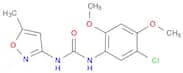
This gene encodes a protein with a kinase domain and four HEAT repeats. The encoded protein interacts with the C-terminal domain of ezrin, an ERM protein, and may play a role in cell adhesion and migration. Alternative splicing results in multiple transcript variants encoding multiple isoforms. [provided by RefSeq, Jun 2012],N-(5-CHLORO-2,4-DIMETHOXYPHENYL)-N'-(5-METHYL-3-ISOXAZOLYL)-UREA
CAS:Formula:C13H14ClN3O4Purezza:98%Colore e forma:SolidPeso molecolare:311.7210TRPC7 rabbit pAb
function:Thought to form a receptor-activated non-selective calcium permeant cation channel. Probably is operated by a phosphatidylinositol second messenger system activated by receptor tyrosine kinases or G-protein coupled receptors. Activated by diacylglycerol (DAG) (By similarity). May also be activated by intracellular calcium store depletion.,similarity:Belongs to the transient receptor family. STrpC subfamily.,similarity:Contains 4 ANK repeats.,subunit:Interacts with MX1 and RNF24.,COL6A2 rabbit pAb
This gene encodes one of the three alpha chains of type VI collagen, a beaded filament collagen found in most connective tissues. The product of this gene contains several domains similar to von Willebrand Factor type A domains. These domains have been shown to bind extracellular matrix proteins, an interaction that explains the importance of this collagen in organizing matrix components. Mutations in this gene are associated with Bethlem myopathy and Ullrich scleroatonic muscular dystrophy. Three transcript variants have been identified for this gene. [provided by RefSeq, Jul 2008],