Nucleotidi
I nucleotidi sono composti organici che fungono da mattoni per la costruzione degli acidi nucleici, essenziali per la formazione del DNA e dell'RNA. Ogni nucleotide è composto da una base azotata, una molecola di zucchero e uno o più gruppi fosfato. Questi nucleotidi si uniscono per formare lunghe catene, creando il materiale genetico che porta e trasmette informazioni genetiche in tutti gli organismi viventi. In questa sezione, troverai una vasta gamma di nucleotidi cruciali per la ricerca in genetica, biologia molecolare e biochimica. Sono fondamentali per studiare i processi genetici, sintetizzare acidi nucleici e sviluppare strumenti diagnostici e terapeutici. Da CymitQuimica, offriamo nucleotidi di alta qualità per supportare la tua ricerca scientifica e applicazioni, garantendo precisione e affidabilità nei tuoi esperimenti.
Sottocategorie di "Nucleotidi"
Trovati 2634 prodotti di "Nucleotidi"
Ordinare per
Purezza (%)
0
100
|
0
|
50
|
90
|
95
|
100
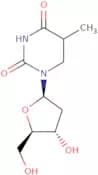
5,6-Dihydrothymidine
CAS:<p>5,6-Dihydrothymidine is a hydroxylated thymidine analogue. It binds to the leukocyte antigen, which is found on many different types of cells. 5,6-Dihydrothymidine inhibits the replication of herpes simplex virus and can be used for diagnostic purposes. 5,6-Dihydrothymidine has been shown to have conformational properties that are similar to those of thymine, which allows it to bind to the template strand in DNA. This binding prevents the synthesis of messenger RNA from DNA. 5,6-Dihydrothymidine is also able to inhibit cell growth in culture and can be used as a cell culture medium supplement.</p>Formula:C10H16N2O5Purezza:Min. 95%Colore e forma:PowderPeso molecolare:244.24 g/mol5'-O-DMT-thymidine-3'-lcaa-CPG
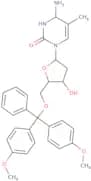
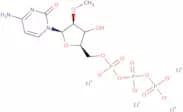
5'-O-DMT-thymidine-3'-lcaa-CPG is a nucleoside, ribonucleoside, and diphosphate that inhibits viral DNA synthesis. It is a novel compound with antiviral properties that has been shown to inhibit the replication of human cytomegalovirus (HCMV) and herpes simplex type 1 virus. 5'-O-DMT-thymidine-3'-lcaa-CPG also functions as an anticancer agent by inhibiting DNA synthesis in tumor cells. This nucleoside analog is phosphoramidite, which can be used for the preparation of modified oligonucleotides. 5'-O-DMT-thymidine-3'-lcaa-CPG has high purity and high quality.Purezza:Min. 95%Colore e forma:Powder2'-O-Methylcytidine 5'-triphosphate lithium - 100mM aqueous solution
CAS:<p>2'-O-Methylcytidine 5'-triphosphate lithium is a synthetic nucleotide</p>Formula:C10H18N3O14P3•LixPurezza:Min. 95%Colore e forma:Clear LiquidPeso molecolare:497.18 g/molS-Adenosyl-L-methionine
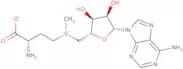
CAS:S-Adenosyl-L-methionine (SAM-e) is a co-substrate involved in methyl group transfer to nucleic acids, proteins and lipids. SAM-e is produced in the liver from adenosine triphosphate (ATP) and methionine by action of the enzyme methionine adenosyltransferase. Therapeutic use of S-adenosyl-L-methionine includes osteoarthritis, liver disease and major depressive disorder. S-Adenosyl-L-methionine is available as a dietary supplement.Formula:C15H22N6O5SPurezza:Min. 95%Colore e forma:White PowderPeso molecolare:398.44 g/mol5-Methoxyuridine 5′-triphosphate sodium, 85mM/L aqueous solution
CAS:Please enquire for more information about 5-Methoxyuridine 5′-triphosphate sodium, 85mM/L aqueous solution including the price, delivery time and more detailed product information at the technical inquiry form on this pageFormula:C10H17N2O16P3•NaxPurezza:Min. 95%6-Chloro-2-iodo-9-(2',3',5'-tri-O-acetyl-b-D-ribofuranosyl)purine
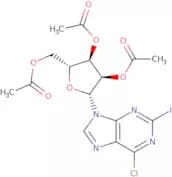
CAS:<p>6-Chloro-2-iodo-9-(2',3',5'-tri-O-acetyl-b-D-ribofuranosyl)purine is a protected purine nucleoside</p>Formula:C16H16ClIN4O7Purezza:Min. 95%Peso molecolare:538.68 g/mol8-(p-Chlorophenylthio)-cGMP
CAS:<p>8-(p-Chlorophenylthio)-cGMP is a modified nucleoside that has anticancer activity. It inhibits DNA synthesis and the activation of protein kinases, which are enzymes that transmit signals from the cell surface to the nucleus. 8-(p-Chlorophenylthio)-cGMP can also inhibit viral replication by inhibiting the production of new virus particles and by inhibiting the action of reverse transcriptase, an enzyme that converts RNA into DNA.</p>Formula:C16H15ClN5O7PSPurezza:Min. 95%Peso molecolare:487.81 g/molFialuridine 5'-monophosphate
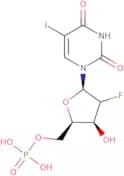
CAS:Fialuridine 5'-monophosphate is an analog of fialuridine, a drug used to treat HIV. Fialuridine 5'-monophosphate inhibits mitochondrial DNA synthesis by inhibiting hepg2 in the mitochondria and blocks the conversion of uracil to thymine in nuclear DNA. The inhibition of these two processes prevents viral replication and cell division. Fialuridine 5'-monophosphate also has antioxidant properties that protect cells from oxidative damage induced by reactive oxygen species. This drug may be beneficial for cancer treatment as well as hepatitis C or herpes simplex virus infection.Formula:C9H11FIN2O8PPurezza:Min. 95%Peso molecolare:452.07 g/mol9-(2'-Deoxy-2'-fluoro-b-D-ribofuranosyl)-2-fluoroadenine
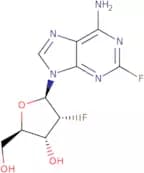
CAS:<p>9-(2'-Deoxy-2'-fluoro-b-D-ribofuranosyl)-2-fluoroadenine is a modified nucleoside that is used as an antiviral and anticancer agent. It acts as an activator for the synthesis of DNA, RNA, and protein. 9-(2'-Deoxy-2'-fluoro-b-D-ribofuranosyl)-2-fluoroadenine also inhibits the growth of cancer cells by interfering with the division process. This drug is synthesized from 9-(5'-deoxy-5'-iodo-b-D-ribofuranosyl) -2,6 difluoro adenine (diFdA). The Ribonucleosides are then prepared in a similar manner to other nucleosides by using phosphoramidites. The product is then purified using HPLC.</p>Formula:C10H11F2N5O3Purezza:Min. 95%Colore e forma:White PowderPeso molecolare:287.23 g/mol5-Methylcytidine
CAS:5-Methylcytidine is a methyltransferase enzyme that catalyzes the transfer of a methyl group from S-adenosylmethionine to 5-methylcytosine. This reaction is essential for DNA replication and repair. 5-Methylcytidine has been shown to be an important factor in the regulation of mitochondrial functions, as well as other cellular processes such as protein synthesis, nuclear DNA replication, and tumor suppression. It also has been shown to inhibit the replication of murine sarcoma virus and Toll-like receptor. 5-Methylcytidine can be used in chemotherapy treatment against mouse tumors and murine sarcoma virus by preventing viral RNA synthesis with monoclonal antibodies.Formula:C10H15N3O5Peso molecolare:257.24 g/molRef: 3D-W-201877
25gPrezzo su richiesta50gPrezzo su richiesta100gPrezzo su richiesta250gPrezzo su richiesta500gPrezzo su richiesta-Unit-ggPrezzo su richiesta8-Aminoguanosine
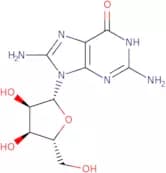
CAS:<p>8-Aminoguanosine is a synthetic purine nucleoside that inhibits DNA synthesis. It has been shown to inhibit the proliferation of HL-60 cells, which are a model for human monocytes and neutrophils. 8-Aminoguanosine has been shown to bind to the template strand of DNA and inhibit the incorporation of deoxyribonucleotide triphosphates into the newly synthesized strand. This binding prevents DNA replication by preventing access to the template strand of DNA. 8-Aminoguanosine inhibits cyclin D2, an enzyme required for cell division, at concentrations as low as 0.1 mM, and it also inhibits microtubule assembly. 8-Aminoguanosine has shown in vitro activity against various tumor cell lines including Molt-4 and MCF7 cells, and in vivo activity in a mouse model against C3H/HeJ mice transplanted with Lewis lung carcinoma cells.</p>Formula:C10H14N6O5Purezza:Min. 95%Colore e forma:PowderPeso molecolare:298.26 g/molAdenosine 5′-diphosphoribose monosodium
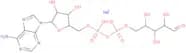
CAS:Adenosine 5′-diphosphoribose monosodium is a novel nucleotide that can be used in the synthesis of antiviral, anticancer, and anti-inflammatory drugs. Adenosine 5′-diphosphoribose monosodium is a modified form of adenosine 5′-triphosphate (ATP) with an added phosphate group at the 5′ position on the ribose sugar. It is synthesized from ATP by phosphoramidite chemistry. The CAS number for this product is 68414-18-6. Adenosine 5′-diphosphoribose monosodium has been shown to inhibit replication of human immunodeficiency virus type 1 (HIV-1) and herpes simplex virus type 1 (HSV-1).Formula:C15H23N5O14P2•NaPurezza:Min. 95%Peso molecolare:582.31 g/mol5-Carboxymethylaminomethyl- 2'-O-methyluridine
CAS:5-Carboxymethylaminomethyl- 2'-O-methyluridine (5CmAMU) is a modified nucleobase that is categorized as a modified base. It is an analog of uridine, which has been shown to be effective against tuberculosis in mice. 5CmAMU inhibits the methylation of rRNA and DNA by binding to the enzyme RNA methyltransferase, thereby inhibiting transcription and replication. This modification has also been shown to inhibit cellular proliferation and promote apoptosis. 5CmAMU binds to guanine with a stoichiometry of 1:1, which provides evidence for its role in DNA synthesis and repair. The structural modifications on this molecule may lead to diagnostic applications or treatments for diseases such as tuberculosis.Formula:C13H19N3O8Purezza:Min. 95%Colore e forma:PowderPeso molecolare:345.31 g/mol2′-O-Succinyladenosine 3′,5′-monophosphate
CAS:<p>Please enquire for more information about 2′-O-Succinyladenosine 3′,5′-monophosphate including the price, delivery time and more detailed product information at the technical inquiry form on this page</p>Formula:C14H16N5O9PPurezza:Min. 95%Peso molecolare:429.28 g/mol5′-O-DMT-LNA N-dmf guanosine
CAS:<p>5′-O-DMT-LNA N-dmf guanosine is a modified nucleoside that has anticancer, antiviral, and anti-inflammatory activities. It binds to the ribonucleotide reductase enzyme, which is an enzyme required for the production of new DNA and RNA. This binding prevents the synthesis of new DNA and RNA in cells, leading to cell death. 5′-O-DMT-LNA N-dmf guanosine has been shown to be active against cancer cells in vitro and in vivo. In addition, it also inhibits replication of human immunodeficiency virus type 1 (HIV) by binding to reverse transcriptase (RT), which is an enzyme critical for HIV replication.</p>Formula:C35H36N6O7Purezza:Min. 95%Peso molecolare:652.7 g/mol2-Methylthio-N6-methyladenosine
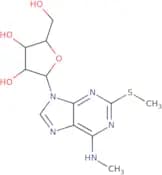
CAS:<p>2-Methylthio-N6-methyladenosine is an adenosine nucleoside that is found in the DNA of eukaryotes. It is similar to 2-methylthio-n6-isopentenyladenosine, which is a modified form of n6-methyladenosine. The chemical structures of both molecules are related to the thermodynamic properties of the molecule and their ability to be postsynthetically modified. These modifications can lead to changes in their translation, which can have implications for the development and progression of disease. 2-Methylthio-N6-methyladenosine has a role in epigenetics, which is defined as changes in gene expression without any alterations in DNA sequence. In this case, it may modify the chloride ion concentration by changing its chemical structure, leading to epigenetic changes that can affect how genes are expressed or translated into proteins.</p>Formula:C12H17N5O4SPurezza:Min. 95%Colore e forma:White PowderPeso molecolare:327.36 g/mol2'-Deoxy-2'-fluoro-2'-C-methylcytidine
CAS:<p>2'-Deoxy-2'-fluoro-2'-C-methylcytidine is a nucleoside analog with modifications on both the sugar and the nucleobase. It is a derivative of cytidine, with fluorine attached to the 2' carbon of the sugar (deoxyribose) and a methyl group at the 2' carbon of the sugar as well. These modifications provide the compound with unique properties, such as potnetial increased resistance to enzymatic degradation, which can make it useful in antiviral and anticancer applications.</p>Formula:C10H14FN3O4Purezza:Min. 95%Colore e forma:PowderPeso molecolare:259.23 g/molAracytidylyl-(5′→5′)-cytidine
CAS:Please enquire for more information about Aracytidylyl-(5′→5′)-cytidine including the price, delivery time and more detailed product information at the technical inquiry form on this pageFormula:C18H25N6O12PPurezza:Min. 95%Peso molecolare:548.4 g/mol6-(Benzylamino)-3-methyl-1,2,3,4-tetrahydropyrimidine-2,4-dione
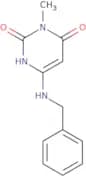
CAS:<p>6-(Benzylamino)-3-methyl-1,2,3,4-tetrahydropyrimidine-2,4-dione (BMPT) is a synthetic cytokinin that belongs to the group of 6-benzylaminopurines. BMPT is an inhibitor of cytokinin receptor kinases, as it is a benzyl uracil derivative. BMPT can be used as a building block for the synthesis of other compounds and has been used as an inhibitor of cell growth in various organisms.</p>Formula:C12H13N3O2Purezza:Min. 95%Peso molecolare:231.25 g/mol7-Deaza-7-iodoadenosine
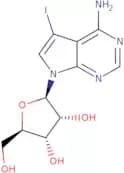
CAS:<p>7-Deaza-7-iodoadenosine is a nucleotide that has been used in experiments to assess the levels of adenosine, a dinucleotide phosphate that is involved in many cellular functions. 7-deaza-7-iodoadenosine has been shown to inhibit locomotor activity in rats and cyclase activity in 3T3-L1 preadipocytes. It also inhibits the release of inflammatory proteins from polymorphonuclear leucocytes and angiogenesis (formation of new blood vessels) in liver cells. Although this nucleotide has not been extensively studied, it has been proposed as an antiinflammatory agent because it inhibits protein synthesis and downregulates proinflammatory proteins.</p>Formula:C11H13IN4O4Purezza:Min. 95%Peso molecolare:392.15 g/mol5-Isopropyl-2'-deoxyuridine
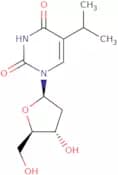
CAS:<p>5-Isopropyl-2'-deoxyuridine is a nucleoside analog that is used in the treatment of inflammatory bowel disease. It has been shown to be effective in the treatment of Crohn's disease, ulcerative colitis, and indeterminate colitis. 5-Isopropyl-2'-deoxyuridine inhibits bacterial growth by inhibiting RNA synthesis, which leads to cell death. This drug also inhibits the production of inflammatory mediators such as prostaglandins and leukotrienes that are released from cells infected with bacteria. 5-Isopropyl-2'-deoxyuridine is converted into an active form by hydrolysis or oxidation followed by phosphorylation. This drug binds to the 5' end of bacterial DNA and prevents the formation of hydrogen bonds between adjacent bases, causing strand breakage.</p>Formula:C12H18N2O5Purezza:Min. 95%Peso molecolare:270.28 g/molγ-[(6-Azidohexyl)-imido]-ATP sodium
Please enquire for more information about γ-[(6-Azidohexyl)-imido]-ATP sodium including the price, delivery time and more detailed product information at the technical inquiry form on this pageFormula:C16H28N9O12P3•NaxPurezza:Min. 95%γ-(2-Azidoethyl)-ATP sodium, 10 mM aqueous solution
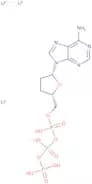
<p>Please enquire for more information about γ-(2-Azidoethyl)-ATP sodium, 10 mM aqueous solution including the price, delivery time and more detailed product information at the technical inquiry form on this page</p>Formula:C12H19N8O13P3•NaxPurezza:Min. 95%2',3'-Dideoxyadenosine-5'-triphosphate lithium salt
CAS:<p>2',3'-Dideoxyadenosine-5'-triphosphate lithium salt is a nucleoside for use in research applications</p>Formula:C10H16N5O11P3·xLiPurezza:Min. 95%Colore e forma:Clear liquid.Peso molecolare:475.18 g/mol7-TFA-ap-7-Deaza-2',3'-dideoxyadenosine
CAS:7-TFA-ap-7-Deaza-2',3'-dideoxyadenosine is a diphosphate nucleoside analogue that can be activated by phosphoramidites. It is a novel, synthetic, and high quality nucleotide with antiviral and anticancer properties. This drug has been shown to inhibit the synthesis of DNA and RNA at the transcriptional level. 7-TFA-ap-7-Deaza-2',3'-dideoxyadenosine is a monophosphate nucleoside analogue that can be used in ribonucleotide synthesis for the treatment of cancer.Formula:C16H16F3N5O3Peso molecolare:383.33 g/molRef: 3D-J-700297
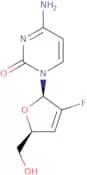
1gPrezzo su richiesta50mgPrezzo su richiesta100mgPrezzo su richiesta250mgPrezzo su richiesta500mgPrezzo su richiesta-Unit-ggPrezzo su richiesta2',3'-Dideoxy-2',3'-didehydro-2'-fluorocytidine
CAS:<p>2',3'-Dideoxy-2',3'-didehydro-2'-fluorocytidine (ddC) is a nucleoside with antiviral activity. The mechanism of action is not well understood, but ddC has been shown to inhibit the proliferation of human immunodeficiency virus (HIV). It is also active against isolates of herpes simplex virus and vesicular stomatitis virus. The elimination half-life of ddC in humans is about 8 hours. In humans, this drug is eliminated by methylation and glucuronidation reactions. The pharmacokinetics of ddC have been studied in animals, including rats and rabbits, with preliminary indications that the elimination half-life may be longer than in humans.</p>Formula:C9H10FN3O3Purezza:Min. 95%Peso molecolare:227.19 g/mol3'-Deoxyadenosine-5'-triphosphate sodium salt - 10mM aqueous solution
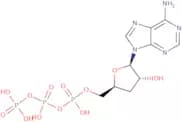
CAS:3'-Deoxyadenosine-5'-triphosphate sodium salt is a nucleotide that has been shown to be effective in chemotherapy. It is a substrate for the synthesis of DNA, RNA, and ATP. 3'-Deoxyadenosine-5'-triphosphate sodium salt is also a building block for DNA polymerase, which is an enzyme that synthesizes DNA from a template. It has been shown to have anticancer activity in drug-resistant cells and can be used as an alternative to purine analogs such as 6-mercaptopurine or cladribine. 3'-Deoxyadenosine-5'-triphosphate sodium salt has been shown to inhibit the production of nucleotides by blocking their conversion into triphosphates, which are necessary for DNA replication and repair. This inhibition leads to apoptosis in cells with high levels of nucleotide turnover such as cardiac and myeloid cells. The drug interactions may depend on theFormula:C10H16N5O12P3Purezza:Min. 95%Colore e forma:Colorless PowderPeso molecolare:491.18 g/mol1-b-D-Arabinofuranosyluracil 5'-monophosphate
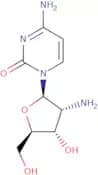
CAS:1-b-D-Arabinofuranosyluracil 5'-monophosphate is a pyrimidine nucleotide analog. Because of its structural similarity to natural nucleotides, it can interact with enzymes involved in nucleic acid synthesis. It is also a metabolite of Ara-U (arabinosyluracil), which is itself a compound studied for its biological activity. Scientists could potentially use this molecule in research to study how cells process and use nucleotides, and to understand how changes in nucleotide structure can affect biological processes.Formula:C9H13N2O9PPurezza:Min. 95%Colore e forma:PowderPeso molecolare:324.18 g/mol2'-Amino-2'-deoxycytidine
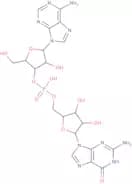
CAS:2'-Amino-2'-deoxycytidine is a modified nucleoside, based on cytidine. In this compound 2'-hydroxyl group has been replaced by an amino group, which can change hydrogen bonding patterns potentially affecting how it interacts with biomolecules.Formula:C9H14N4O4Purezza:Min. 95%Colore e forma:PowderPeso molecolare:242.24 g/molAdenylyl-3'-5'-guanosine sodium salt
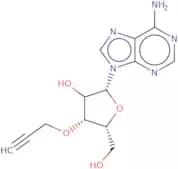
CAS:<p>3'-Adenylyl-5'-guanosine ammonium salt is a dinucleoside that competes with guanosine for binding to the enzyme adenylate cyclase. This reaction leads to increased levels of cyclic AMP, which causes an increase in the rate of viral replication. 3'-Adenylyl-5'-guanosine ammonium salt has been shown to inhibit the growth of pyogenic bacteria such as Streptococcus pyogenes and has also been used to treat influenza infections. 3'-Adenylyl-5'-guanosine ammonium salt is an inorganic compound that is found in tobacco. It can be synthesized from uridine and p-nitrophenyl phosphate by the reaction: 3'--O--(CH2)4--COOH + H2N--PO4--> 3'--O--(CH2)4--CONH2 + H3PO4</p>Formula:C20H24N10O11P·NaPurezza:Min. 95%Peso molecolare:634.43 g/mol3'-O-Propargyladenosine
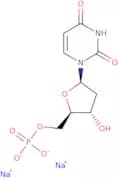
CAS:3'-O-Propargyladenosine is a modified nucleoside that has antiviral and anti-inflammatory properties. It is a synthetic compound that is chemically related to adenosine. 3'-O-Propargyladenosine is an activator of the immune system and it inhibits viral DNA synthesis. The compound also has been shown to reduce inflammation in mice by inhibiting the production of prostaglandin E2 (PGE2). 3'-O-Propargyladenosine has been shown to inhibit the replication of human immunodeficiency virus type 1 (HIV-1) and cytomegalovirus (CMV).Formula:C13H15N5O4Purezza:Min. 95%Colore e forma:PowderPeso molecolare:305.29 g/mol2'-Deoxyuridine-5'-monophosphate disodium salt
CAS:<p>2'-Deoxyuridine-5'-monophosphate disodium salt (2DUMP) is a nucleoside analog that inhibits the synthesis of DNA and RNA by inhibiting the enzyme thymidylate synthase. 2DUMP is a covalent inhibitor of thymidylate synthase, which prevents the formation of dTMP from deoxyuridine 5'-triphosphate. This compound has been shown to be effective in treating squamous cell cancer and hyperproliferative diseases such as chronic myelogenous leukemia. 2DUMP is also used as an antiviral agent against HIV, herpes simplex virus, and varicella zoster virus. It has been shown to bind to benzalkonium chloride (BAK) in biological samples such as serum or plasma.<br>2DUMP binds to BAK through a covalent linkage between the 3' hydroxyl group on BAK and the phosphate group on 2DUMP</p>Formula:C9H11N2O8PNa2Purezza:Min. 95%Colore e forma:PowderPeso molecolare:352.15 g/molUridine-3',5'-cyclic monophosphate sodium salt
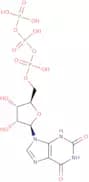
CAS:<p>Uridine-3',5'-cyclic monophosphate sodium salt is a phosphotriester that is an intermediate in the biosynthesis of nucleosides. It is also a phosphodiesterase inhibitor, which means it inhibits the breakdown of cyclic nucleotides and allows them to accumulate. This drug has been shown to increase platelet production and has anti-inflammatory effects. Uridine-3',5'-cyclic monophosphate sodium salt is a human metabolite that can be synthesized from uridine, which is present in DNA, RNA, and food sources such as meat, eggs, and milk. The synthesis of uridine-3',5'-cyclic monophosphate sodium salt requires phosphoramidite as a precursor.</p>Formula:C9H10N2O8P·NaPurezza:Min. 98 Area-%Colore e forma:White PowderPeso molecolare:328.2 g/molXanthosine-5'-triphosphate triethylammonium salt - 100 mM aqueous solution
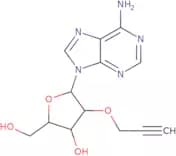
CAS:Inhibitor of adenylyl and guanylyl cyclaseFormula:C10H15N4O15P3·xC6H15NPurezza:Min. 95%Colore e forma:Colorless PowderPeso molecolare:524.17 g/mol2'-O-Propargyladenosine
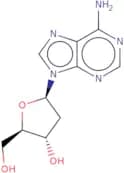
CAS:<p>2'-O-Propargyladenosine is a modified nucleoside that belongs to the group of deoxyribonucleosides. It is an activator of viral DNA polymerases, which causes the synthesis of viral DNA to stop. This compound has antiviral and anticancer activities. 2'-O-Propargyladenosine has been shown to be effective against various human cancer cell lines in vitro and in vivo. It is a synthetic nucleoside with high purity, showing no detectable impurities by HPLC analysis.</p>Formula:C13H15N5O4Purezza:Min. 95%Colore e forma:White PowderPeso molecolare:305.29 g/mol2'-Deoxyadenosine
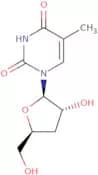
CAS:2'-Deoxyadenosine is a nucleoside that is found in DNA. It has been shown to have potent anticancer activity against carcinoma cell lines and to bind to the adenosine receptor A3. 2'-Deoxyadenosine has also been shown to inhibit the production of inflammatory cytokines, such as tumor necrosis factor-α and interleukin-6, from nuclear extracts of mouse tumor cells. This nucleoside may be a potential drug target for the treatment of cancer and inflammation.Formula:C10H13N5O3Purezza:Min. 98 Area-%Colore e forma:PowderPeso molecolare:251.24 g/mol3'-Deoxy-5-methyluridine
CAS:<p>3'-Deoxy-5-methyluridine (3'-DMAU) is a synthetic nucleoside that is used in the treatment of viral infections. 3'-DMAU has antiviral and anticancer activity, and it has been used to synthesize DNA for genetic engineering. It has shown promising results in the treatment of HIV as well as in the prevention of cancer metastasis. 3'-DMAU inhibits DNA synthesis by binding to the enzyme RNA polymerase, which blocks its interaction with ribonucleosides, thus inhibiting RNA synthesis. In addition, 3'-DMAU causes cell death by inhibiting protein synthesis. The drug is activated by phosphorylation to form 5'-triphosphate and 5'-diphosphate derivatives, which inhibit DNA and RNA synthesis at multiple sites within the cell.</p>Formula:C10H14N2O5Purezza:Min. 95%Colore e forma:PowderPeso molecolare:242.23 g/molAdenosine 3'-monophosphate sodium
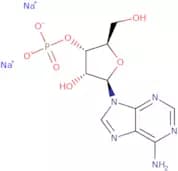
CAS:<p>Adenosine 3'-monophosphate sodium is a nucleotide that is used as a substrate for enzymes. It has been shown to increase the enzymatic activity of papaverine, litoralis, subtilis, and histidine phosphatase. Adenosine 3'-monophosphate sodium also has protease activity, which can be activated by adding an enzyme preparation containing subtilisin and trypsin. This compound also has a pH optimum of 8.0-9.5 and is active at an alkaline pH of 9.5-10.5. The specific strain of bacteria will determine the optimal pH range for activity, with enterobacter bacterial strains having a maximum range of 6-7 and brevibacterium bacteria strains having a range of 4-6.</p>Formula:C10H12N5O7PNa2Purezza:Min. 95%Colore e forma:White To Off-White SolidPeso molecolare:391.19 g/molN6-(6-Aminohexyl)-2'-deoxyadenosine
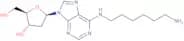
CAS:<p>N6-(6-Aminohexyl)-2'-deoxyadenosine is a novel nucleoside that is structurally related to the natural nucleosides, dATP and dGTP. It has been shown to be an activator of ribonucleosides and phosphoramidites, which are used in the synthesis of DNA and RNA. N6-(6-Aminohexyl)-2'-deoxyadenosine has also been shown to inhibit cancer cells as well as antiviral activity against HIV-1.</p>Formula:C16H26N6O3Purezza:Min. 95%Colore e forma:Slightly Yellow PowderPeso molecolare:350.43 g/mol3-Methyl-8-(2-deoxy-b-D-ribofuranosyl)isoxanthopterin
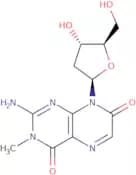
CAS:<p>3-Methyl-8-(2-deoxy-b-D-ribofuranosyl)isoxanthopterin is a nucleoside analog that is used as an activator of phosphoramidite. It can be used as a building block in the synthesis of modified phosphoramidites and it has antiviral, anticancer, and antiinflammatory properties. 3-Methyl-8-(2-deoxy-b-D-ribofuranosyl)isoxanthopterin is a novel nucleoside analog that can be used to synthesize DNA or RNA. It is also an inhibitor of deoxyribonucleoside kinase, preventing the conversion of deoxyribonucleosides into diphosphate monophosphates.</p>Formula:C12H15N5O5Purezza:Min. 95%Colore e forma:PowderPeso molecolare:309.28 g/mol5'-O-Tosylthymidine
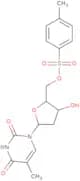
CAS:<p>5'-O-Tosylthymidine is a bifunctional reagent that is used in the synthesis of DNA. It is a nucleophilic, inorganic compound that reacts with the electrophilic acrylonitrile group on 5'-hydroxythymidine to form a stable thiophosphate linkage. The reaction takes place stepwise and is catalyzed by an enzyme called DNA polymerase. This product has been used as an antimetabolite in medicine, mainly for treating leukemia.</p>Formula:C17H20N2O7SPurezza:Min. 95%Peso molecolare:396.42 g/molRibavirin 5'-triphosphate triethylammonium salt - 10 mM aqueous solution
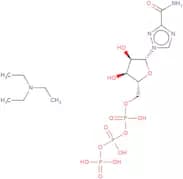
CAS:<p>Ribavirin triphosphate is the biologically active metabolite of antiviral nucleoside analog ribavirin. In cells, the prodrug ribavirin gets triphosphorylated and in it inhibits viral RNA polymerases, interfering with the synthesis of newly formed RNA.</p>Formula:C8H15N4O14P3•(C6H15N)xPurezza:Min. 95 Area-%Colore e forma:Clear LiquidPeso molecolare:789.736-Methyluridine
CAS:<p>Methyluridine is a derivative of uridine that is used in the synthesis of pyrimidine nucleotides. This drug is also an inhibitor of orotidine 5′-monophosphate decarboxylase, which converts orotic acid to uracil. The conformational properties of methyluridine have been studied and found to be similar to those of other purine derivatives, such as adenine and guanine. In addition, methyluridine has been shown to inhibit the growth of typhimurium and increase the production of uracil in human lymphocytes. Methyluridine is metabolized by hydroxylation in liver microsomes, yielding 6-carboxylic acid.</p>Formula:C10H14N2O6Purezza:Min. 95%Colore e forma:PowderPeso molecolare:258.23 g/mol5′-O-DMT-LNA N-Bz 5-Me cytidine
CAS:<p>5′-O-DMT-LNA N-Bz 5-Me cytidine is a protected LNA cytidine nucleoside.</p>Formula:C39H37N3O8Purezza:Min. 95%Peso molecolare:675.73 g/mol2-Chloroadenosine
CAS:2-Chloroinosine is an adenosine receptor agonist; metabolically stable analog of adenosineFormula:C10H12ClN5O4Purezza:Min. 95%Colore e forma:PowderPeso molecolare:301.69 g/molN6-Benzyladenosine 5'-diphosphate sodium salt - 10 mM aqueous solution
CAS:N6-Benzyladenosine 5'-diphosphate sodium salt is a modified nucleoside that has a high purity, which is suitable for synthesis of DNA or RNA. It can be used in the modification of deoxyribonucleosides, ribonucleosides, and phosphoramidites. N6-Benzyladenosine 5'-diphosphate sodium salt has been shown to have anticancer effects and antiviral effects. This drug also has novel properties such as an ability to inhibit the proliferation of cancer cells.Formula:C17H21N5O10P2Purezza:Min. 95%Colore e forma:Colorless PowderPeso molecolare:517.32 g/molPolyoxin B
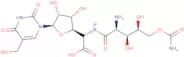
CAS:<p>Polyoxin B is a natural product that is produced by the fungus Polyporus umbellatus. It is a synthetase inhibitor that specifically inhibits the enzyme malic acid synthetase in bacteria and fungi. Polyoxin B has been shown to have antifungal activity in vitro and to inhibit the growth of Cryptococcus neoformans, which may be due to its ability to inhibit terminal residues, such as acetate extract, bacterial strain, and synthase enzyme.</p>Formula:C17H25N5O13Purezza:Min. 70%Colore e forma:Yellow PowderPeso molecolare:507.41 g/mol2-O-Ethylthymidine
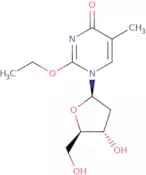
CAS:<p>2-O-Ethylthymidine is a nucleoside that is used to study the structure and dynamics of DNA. It can be synthesized by reacting 1-β-D-arabinofuranosylbenzene with ethylmercury acetate. 2-O-Ethylthymidine can be used in kinetic studies as it is specific for dna. It has been shown to have a conformational change, which is stabilized by the presence of an aromatic ring such as phenanthrene. This compound was also found to inhibit neuroblastoma cell growth in vitro.</p>Formula:C12H18N2O5Purezza:Min. 95%Colore e forma:PowderPeso molecolare:270.28 g/mol9-(β-D-Arabinofuranosyl)adenine 5'-monophosphate
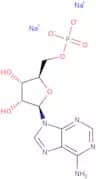
CAS:9-(β-D-Arabinofuranosyl)adenine 5'-monophosphate (Ara-AMP) is a prodrug that is converted to adenine arabinoside in vivo. It is used as an antiviral agent for the prevention of hepatitis B and C. Ara-AMP inhibits viral DNA synthesis by acting as a competitive inhibitor of adenosine triphosphate, which is required for viral DNA polymerase activity. Ara-AMP also has antiviral properties against some RNA viruses, such as HIV and influenza virus. Ara-AMP can be administered orally or by injection, making it suitable for use in children who are unable to take oral medication.Formula:C10H14N5O7PPurezza:Min. 95%Colore e forma:White PowderPeso molecolare:347.22 g/molAdenosine 5'-monophosphate sodium
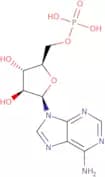
CAS:<p>Adenosine 5'-monophosphate sodium is a nucleotide that is involved in the energy metabolism of cells. It has been shown to inhibit oxidative injury and to activate signal pathways in response to external stimuli, such as glucose deprivation. Adenosine 5'-monophosphate sodium can be synthesized from ATP by the enzyme adenosine kinase.</p>Formula:C10H13N5O7P·NaPurezza:Min. 98 Area-%Colore e forma:White PowderPeso molecolare:369.2 g/mol









![γ-[(6-Azidohexyl)-imido]-ATP sodium](/_next/image/?url=https%3A%2Fstatic.cymitquimica.com%2Fproducts%2F3D%2Fthumb-webp%2FNA183120.webp&w=3840&q=75)