Nucleosidi
I nucleosidi sono building blocks fondamentali degli acidi nucleici, composti da una base azotata legata a una molecola di zucchero. In questa sezione, puoi trovare una vasta gamma di nucleosidi essenziali per la ricerca in biologia molecolare, biochimica e farmacologia. Questi composti svolgono ruoli cruciali nella sintesi del DNA e dell'RNA e sono vitali in vari processi metabolici. I nucleosidi vengono utilizzati per studiare il materiale genetico, sviluppare terapie antivirali e antitumorali e comprendere i meccanismi cellulari. Da CymitQuimica, forniamo nucleosidi di alta qualità per supportare le tue esigenze di ricerca e sviluppo, garantendo purezza e affidabilità per le tue applicazioni sperimentali.
Trovati 3569 prodotti di "Nucleosidi"
Ordinare per
Purezza (%)
0
100
|
0
|
50
|
90
|
95
|
100
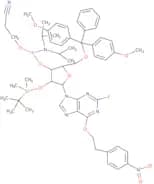
2-Fluoro-I ce-phosphoramidite (convertible G ce-phosphoramidite)
CAS:Please enquire for more information about 2-Fluoro-I ce-phosphoramidite (convertible G ce-phosphoramidite) including the price, delivery time and more detailed product information at the technical inquiry form on this pageFormula:C54H67FN7O10PSiPurezza:Min. 95%Peso molecolare:1,052.2 g/mol3,5-Di-O-toluoyl 6-chloropurine-7-b-D-deoxyriboside
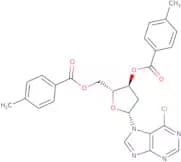
CAS:3,5-Di-O-toluoyl 6-chloropurine-7-b-D-deoxyriboside is a modified monophosphate nucleotide with antiviral and anticancer activity. It has been shown to be a potent activator of the enzyme DNA polymerase in vitro. This drug is synthesized by reacting 3,5-di-O-toluoyl 6-chloropurine with boron trichloride at high temperature. The final product was purified by HPLC and characterized using mass spectrometry. The purity of this compound is >99% as determined by HPLC analysis.Formula:C26H23ClN4O5Purezza:Min. 95%Peso molecolare:506.94 g/mol2'-Azido-2'-deoxyguanosine
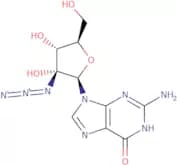
CAS:2'-Azido-2'-deoxyguanosine is an analog of guanine that is used as a fluorescent probe in biochemical and chemical biology studies. It can be synthesized using the azide method, which involves coupling an azide functional group to an aromatic ring. 2'-Azido-2'-deoxyguanosine can also be modified by a number of modifications, including attachment of fluorescent molecules or biotin for labeling purposes. The chemical structure of this compound has been shown to have a conformation that is similar to that of natural guanosine and uridine. 2'-Azido-2'-deoxyguanosine can be detected by proton nuclear magnetic resonance spectroscopy at about 3 ppm, which corresponds to its chemical shift in the range of 200–300 Hz. This compound also has biochemical properties that are similar to those observed for natural guanine and uridine.Formula:C10H12N8O4Purezza:Min. 95%Peso molecolare:308.25 g/molN4-Benzoyl-2'-deoxy-5'-O-levulinoylcytidine
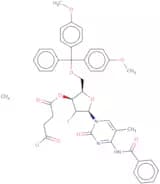
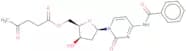
N4-Benzoyl-2'-deoxy-5'-O-levulinoylcytidine is a modified nucleoside that is synthesized from 2,4-dichloroacetophenone and cytidine. It has been shown to be an activator of the ribonucleotide reductase enzyme, which converts deoxyribonucleosides into their corresponding ribonucleotides. This drug is used in cancer therapy as well as antiviral and antiretroviral therapy. N4-Benzoyl-2'-deoxy-5'-O-levulinoylcytidine is also being investigated for use in treating other diseases such as malaria and AIDS.Formula:C21H23N3O7Purezza:Min. 95%Peso molecolare:429.43 g/mol3’-Azido-3’-deoxy-b-L-uridine
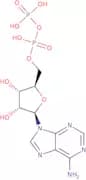
CAS:3’-Azido-3’-deoxy-b-L-uridine is a novel nucleoside analog that inhibits DNA polymerase. It is a modified, phosphoramidite precursor of the antiviral drug AZT and has been shown to inhibit human immunodeficiency virus (HIV) in vitro. 3’-Azido-3’-deoxy-b-L-uridine has also been found to be cytotoxic against cancer cells and may have antitumor activity. The phosphoramidite form of 3’ azido 3’ deoxy b L uridine can be used for the synthesis of oligonucleotides with high purity and quality.Formula:C9H11N5O5Purezza:Min. 95%Peso molecolare:269.21 g/molAdenosine-5'-[-(propargyl)]triphosphate sodium salt
Adenosine-5'-[-(propargyl)]triphosphate sodium salt is a modified nucleoside with anticancer activity. It has been shown to be a potent activator of DNA synthesis and an inhibitor of viral replication. Adenosine-5'-[-(propargyl)]triphosphate sodium salt is not active against bacterial cells, but it can be used in the treatment of cancer. This drug also has antiviral effects, which may be due to its ability to inhibit viral replication by binding to viral RNA polymerases or by inhibiting the transcriptional activation of genes encoding for enzymes that are required for mRNA synthesis.Formula:C13H18N5O13P3Purezza:Min. 95%Peso molecolare:545.23 g/mol2',3'-Dideoxyadenosine-5'-triphosphate lithium salt - 100mM aqueous solution
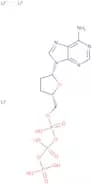
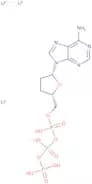
CAS:<p>2',3'-Dideoxyadenosine-5'-triphosphate lithium salt is a novel antiviral nucleoside that has the potential to be used in the treatment of various viral infections. It is synthesized from 2',3'-dideoxyadenosine monophosphate and lithium salt, and has been shown to have high antiviral activity against DNA viruses such as herpes simplex virus and adenovirus. It also inhibits the replication of RNA viruses such as influenza A virus, vesicular stomatitis virus, and measles virus. 2',3'-Dideoxyadenosine-5'-triphosphate lithium salt is a modified nucleoside that is phosphoramidite activated with a group at the 2' position on the ribose sugar. The phosphate group can be removed by hydrolysis or enzymatic catalysis, which leaves behind an unsaturated sugar moiety. This leads to an increased rate of incorporation into</p>Formula:C10H12N5O11P3·4LiPurezza:Min. 95%Colore e forma:PowderPeso molecolare:498.91 g/mol5-Chlorouridine
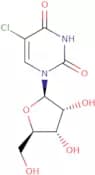
CAS:<p>5-Chlorouridine is a nucleoside with hypochlorous acid. It has been shown to inhibit the growth of tumor cells in tissue culture and to have an inhibitory effect on cervical cancer, which may be due to its ability to inhibit cellular metabolism and DNA synthesis. 5-Chlorouridine inhibits the uptake of uridine by blocking the conversion of uridine into cytosine, thereby preventing DNA synthesis. This prodrug also prevents radiation from inducing mutations in DNA. The molecular modeling study shows that 5-chlorouridine forms hydrogen bonds with hydroxyl groups in RNA, which may be important for its anti-cancer activity.</p>Formula:C9H11ClN2O6Purezza:Min. 95%Colore e forma:White PowderPeso molecolare:278.65 g/mol2'-Deoxyadenosine phosphoramidite dimer
<p>2'-Deoxyadenosine phosphoramidite dimer is a novel nucleoside analog that has been shown to be an effective anticancer agent in vitro. It has also been shown to inhibit viral replication and induce apoptosis in infected cells. This product is used as a DNA monophosphate, diphosphate, and triphosphate activator to increase the efficiency of DNA synthesis. It is also used as a precursor for the synthesis of other nucleosides such as 2'-deoxycytidine phosphoramidite dimer.</p>Purezza:Min. 95%2'-Deoxy-2'-fluoroadenosine 5'-a-thiotriphosphate sodium salt
2'-Deoxy-2'-fluoroadenosine 5'-a-thiotriphosphate sodium salt (2'F-ATP) is a nucleoside analog that inhibits viral DNA polymerase and induces apoptosis in cancer cells. It is a novel, modified nucleotide that can be phosphorylated to 2'F-dATP, 2'F-AMP, or 2'F-GMP. The phosphate group in 2'F-ATP is replaced by a thiophosphate group, which increases the stability of the molecule and prevents it from being hydrolyzed by phosphatases. This makes it an effective activator for DNA synthesis reactions.Purezza:Min. 95%3'-O-Acetyl-5'-O-DMT-2'-O-methyuridine
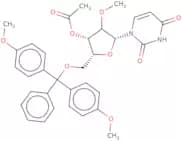
<p>3'-O-Acetyl-5'-O-DMT-2'-O-methyuridine is a novel nucleoside analogue with anticancer activity. 3'-O-Acetyl-5'-O-DMT-2'-O-methyuridine is a modified deoxyribonucleoside monophosphate, which is activated by phosphorylation to the corresponding diphosphate form and then converted to an antiviral agent. 3'-O-Acetyl-5'-O-DMT-2'-O-methyuridine has been shown to have antiviral activity against herpes simplex virus type 1 (HSV1) and Epstein Barr virus (EBV). This compound also inhibits the proliferation of human cancer cells in vitro and in vivo.</p>Formula:C33H34N2O9Purezza:Min. 95%Peso molecolare:602.63 g/molN6-Benzoyl-7-deaza-2'-deoxy-5'-O-DMT-adenosine
CAS:<p>N6-Benzoyl-7-deaza-2'-deoxy-5'-O-DMT-adenosine (BENZA) is a modified nucleoside that is synthesized by the modification of 7-deaza adenosine. BENZA has antiviral activity and has been shown to be a potent activator of the interferon system in vitro. This compound has been shown to be effective against viruses such as HIV, herpes simplex virus, and hepatitis B virus. In addition, BENZA was found to have a high purity level and is available at competitive prices.</p>Formula:C39H36N4O6Purezza:Min. 95%Peso molecolare:656.73 g/mol2,2'-Anhydro-5'-O-t-butyldiphenylsilyluridine
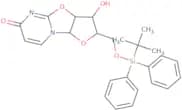
CAS:2,2'-Anhydro-5'-O-t-butyldiphenylsilyluridine (2,2'-ABSU) is a novel modified nucleoside that was synthesized in order to be used as an antiviral agent. 2,2'-ABSU has shown to be an effective inhibitor of HIV-1 replication and it has been shown to have anticancer properties. This drug is high quality and can be used for the manufacture of phosphoramidites.Purezza:Min. 95%3',5'-Di-o-acetyl-5-fluoro-2'-o-methyluridine
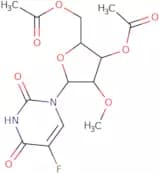
CAS:<p>3',5'-Di-O-acetyl-5-fluoro-2'-O-methyluridine is a modified nucleoside with antiviral properties. 3',5'-Di-O-acetyl-5-fluoro-2'-O-methyluridine inhibits viral replication by inhibiting the enzyme ribonucleotide reductase, which catalyzes the conversion of ribonucleoside diphosphates to deoxyribonucleoside diphosphates. 3',5'-Di-O-acetyl-5-fluoro-2'-O-methyluridine has been shown to be effective against herpes simplex virus type 1 and 2, as well as human cytomegalovirus, and can be used in the treatment of cancer.</p>Formula:C14H17FN2O8Purezza:Min. 95%Peso molecolare:360.29 g/mol5-Methyl-2',3'-stannyluridine
<p>5-Methyl-2',3'-stannyluridine is a nucleoside analog that is a potent inhibitor of viral replication and can be used for the treatment of HIV. It has been shown to inhibit the activity of RNA polymerase, thereby preventing transcription and replication. 5-Methyl-2',3'-stannyluridine also inhibits DNA synthesis by inhibiting the activity of DNA polymerase. This drug also acts as an antitumor agent and has been shown to inhibit tumor growth in animal models. The high purity of this drug makes it suitable for use in pharmaceutical applications.<br>5-Methyl-2',3'-stannyluridine is a modified nucleoside that has been modified with a stannyl group at the 2' position on the sugar moiety and an allyl group at the 3' position on the sugar moiety. The phosphoramidites are synthesized from 5-methyl-2',3'-stannyl</p>Purezza:Min. 95%N-(2'-Deoxyguanosin-8-yl)-4-amino(biphenyl)
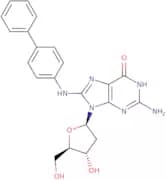
CAS:<p>N-(2'-Deoxyguanosin-8-yl)-4-amino(biphenyl) (NGB) is a genotoxic compound that causes mutations in mammalian cells. It has been shown to cause cancer in rats, and it is carcinogenic in the bladder of both rats and humans. NGB is also mutagenic to the wild-type strain of bacteria, which may be due to its ability to affect DNA replication. This drug has been detected in human urine at levels as high as 2 micrograms per milliliter and has been found in tissues of mammals, including humans. NGB binds tightly to eicosatetraynoic acid (ETYA), a fatty acid that is an intermediate product of lipid metabolism, which may account for its genotoxic effects.</p>Formula:C22H22N6O4Purezza:Min. 95%Peso molecolare:434.45 g/mol5-Fluoro-2',3'-O-isopropylidenecytidine
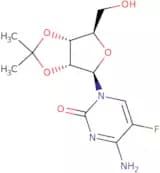
CAS:5-Fluoro-2',3'-O-isopropylidenecytidine is a modified nucleoside that has antiviral and anticancer properties. It is a diphosphate of cytidine, with a fluorine atom in the 2'-position and an isopropyl group in the 3'-position. 5-Fluoro-2',3'-O-isopropylidenecytidine is synthesized by reacting 5-fluorocytidine with isopropylamine. This novel compound has been shown to have high quality, high purity, and improved biological activity as compared to other nucleosides.Formula:C12H16FN3O5Purezza:Min. 95%Peso molecolare:301.27 g/molL-5-methyluridine
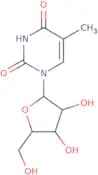
CAS:<p>L-5-methyluridine is a nucleoside that is used as a building block in the synthesis of oligonucleotides. It contains one ribose sugar and one deoxyribose sugar, linked to the base adenine by a phosphate group. L-5-methyluridine can be synthesized from 5-chloro-2'-deoxyadenosine, hypoxanthine, and ammonium chloride. The synthesis starts with condensation reactions between the two sugar molecules to form an intermediate called a nucleoside. This is followed by alkylation of the base and then oxidation of the sugar group to form anomeric esters. The last step involves hydrolysis of the acyloxy ester, which yields L-5-methyluridine after acidification.</p>Formula:C10H14N2OPurezza:Min. 95%Peso molecolare:178.23 g/mol3’-O-tert-Butyldimethylsilyl-2’-deoxyadenosine
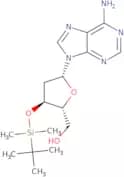
CAS:3’-O-tert-Butyldimethylsilyl-2’-deoxyadenosine is a nucleoside that is used as an antiviral and anticancer drug. It inhibits viral RNA synthesis by acting as a competitive inhibitor of the enzyme ribonucleotide reductase, which converts ribonucleotides to deoxyribonucleotides. 3′-O-tert-Butyldimethylsilyl-2’-deoxyadenosine has been shown to inhibit cancer cells in vitro and in vivo. This compound also has antiangiogenic effects and may inhibit tumor cell proliferation by targeting the Ras/Raf/MEK/ERK pathway.Purezza:Min. 95%5-(Furan-2-yl)-2'-deoxyuridine
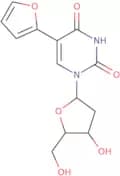
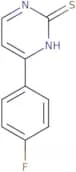
CAS:<p>5-(Furan-2-yl)-2'-deoxyuridine is a novel anticancer drug that is an analog of thymine. 5-(Furan-2-yl)-2'-deoxyuridine inhibits DNA synthesis by inhibiting the formation of deoxythymidylate from uracil and 5-fluorouracil, which in turn prevents the incorporation of thymine into DNA. The drug has been shown to be active against human leukemia cells in culture and to inhibit viral replication in vitro. The drug also blocks RNA synthesis by inhibiting ribonucleotide reductase, preventing the production of nucleosides from nucleotides. 5-(Furan-2-yl)-2'-deoxyuridine has been modified to improve its solubility and stability. This compound is stable for up to 3 months when stored at 4 degrees Celsius and can be used as a starting material for other chemical compounds.</p>Formula:C13H14N2O6Purezza:Min. 95%Peso molecolare:294.26 g/mol4-(4-Fluorophenyl)pyrimidine-2-thiol
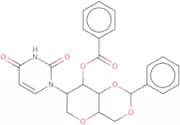
CAS:<p>4-(4-Fluorophenyl)pyrimidine-2-thiol is a monophosphate deoxyribonucleoside that has been modified to include an activator group. This modification allows for the phosphoramidite of 4-(4-Fluorophenyl)pyrimidine-2-thiol to be incorporated into DNA, which makes it a novel substance. The CAS number for 4-(4-Fluorophenyl)pyrimidine-2-thiol is 155957-43-0. 4-(4-Fluorophenyl)pyrimidine-2-thiol has shown anticancer activity in vitro and may have potential as a cancer chemotherapeutic agent.</p>Formula:C10H7FN2SPurezza:Min. 95%Peso molecolare:206.24 g/mol1,5-Anhydro-3-O-benzoyl-4,6-O-benzylidene-2-deoxy-2-(uracil-1-yl)-D-altro-hexitol
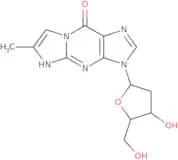
CAS:1,5-Anhydro-3-O-benzoyl-4,6-O-benzylidene-2-deoxy-2-(uracil-1-yl)-D-altrohexitol is a nucleoside that is used in the synthesis of DNA. It has antiviral and anticancer properties.Formula:C24H22N2O7Purezza:Min. 95%Colore e forma:SolidPeso molecolare:450.45 g/mol6-(2-Deoxy-5-O-DMT-b-D-ribofuranosyl)-3,4-dihydro-8H-pyrimido-[4,5-c][1,2]oxazin-7-one
CAS:6-(2-Deoxy-5-O-DMT-b-D-ribofuranosyl)-3,4-dihydro-8H-pyrimido-[4,5-c][1,2]oxazin-7-one is a synthetic diphosphate that is active as an activator of phosphoramidites. It has shown anticancer activity in vitro and in vivo. This compound has been shown to inhibit the DNA synthesis of tumor cells and to be effective against viruses such as herpes simplex virus type 1 and 2 (HSV1 and HSV2). 6-(2-Deoxy-5-O-DMT b -D ribofuranosyl)-3,4 -dihydro 8H pyrimido [4,5 c ][1,2]oxazin 7 one also inhibits the replication of RNA viruses such as influenza A virus (IAV), human immunodeficiency virusFormula:C32H35N3O7Purezza:Min. 95%Peso molecolare:573.64 g/mol2',3'-Dideoxyguanosine-5'-triphosphate
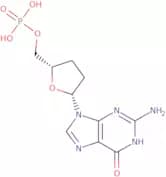
CAS:2',3'-Dideoxyguanosine-5'-triphosphate (ddGTP) is a nucleotide analog that inhibits the formation of DNA and RNA, which are important for protein synthesis. It is used in clinical studies to assess prognosis and to evaluate drug elimination. ddGTP has been shown to inhibit mitochondrial membrane potential, decrease mitochondrial superoxide, and inhibit cancer growth. It also prevents allergic reactions by preventing the release of histamine. The use of probiotic bacteria containing ddGTP may help in the treatment of inflammatory bowel disease.Formula:C10H14N5O6PPurezza:Min. 95%Peso molecolare:331.22 g/mol8-Aza-7-deaza-2'-deoxy-N2-DMF-5'-O-DMT-adenosine
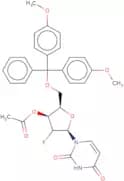
CAS:8-Aza-7-deaza-2'-deoxy-N2-DMF-5'-O-DMT-adenosine is an activator of RNA synthesis. It is a novel, modified nucleoside that was synthesized to be used as a building block in the synthesis of ribonucleosides and deoxyribonucleosides. This compound has anticancer and antiviral activity. 8-Aza-7-deaza-2'-deoxy-N2-DMF-5'-O-DMT adenosine is phosphoramidite with CAS No. 8693551406. The purity of this reagent is high and it can be used for medical research.Formula:C34H36N6O5Purezza:Min. 95%Peso molecolare:608.69 g/mol3'-O-Acetyl-2'-deoxy-5'-O-DMT-2'-fluorouridine
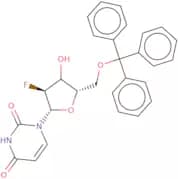
<p>3'-O-Acetyl-2'-deoxy-5'-O-DMT-2'-fluorouridine is a novel, activator, ribonucleosides, deoxyribonucleosides, diphosphate, phosphoramidites, modified nucleosides. It can be used as an anticancer and antiviral agent.</p>Formula:C32H31FN2O8Purezza:Min. 95%Peso molecolare:590.6 g/mol1-(2'-Deoxy-2'-fluoro-5'-O-trityl-b-L-arabinofuranosyl)-uracil
1-(2'-Deoxy-2'-fluoro-5'-O-trityl-b-L-arabinofuranosyl)-uracil is a monophosphate nucleotide that is used in antiviral therapy. It inhibits viral DNA synthesis by inhibiting viral DNA polymerase and viral RNA transcription. The drug is currently in phase I clinical trials for the treatment of cancer and AIDS. 1-(2'-Deoxy-2'-fluoro-5'-O-trityl-b-L-arabinofuranosyl)-uracil is a novel compound that has not been described in the literature before. The drug was synthesized by modifying a natural nucleoside, uracil, with fluorine to produce an antiviral agent. This compound has shown anticancer effects in vitro and in vivo experiments as well as antiplasmodial activity against malaria.Formula:C28H25FN2O5Purezza:Min. 95%Peso molecolare:488.51 g/molN6-Benzoyl-2'-deoxy-5'-O-levulinoyladenosine-3'-CE phosphoramidite
<p>N6-Benzoyl-2'-deoxy-5'-O-levulinoyladenosine-3'-CE phosphoramidite is a novel antiviral agent that exhibits high quality and high purity. It can be used to synthesize DNA, RNA, and other nucleosides. N6-Benzoyl-2'-deoxy-5'-O-levulinoyladenosine-3'-CE phosphoramidite is an activator of the DNA polymerase and an inhibitor of the viral polymerase. This compound has been shown to have anticancer properties in vitro and in vivo.</p>Formula:C31H40N7O7PPurezza:Min. 95%Peso molecolare:653.67 g/molN4-Benzoyl-5'-O-DMT-2'-ethylfluoro-5-methylcytidine 3'-CE phosphoramidite
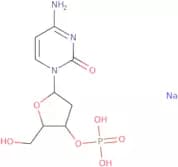
<p>N4-Benzoyl-5'-O-DMT-2'-ethylfluoro-5-methylcytidine 3'-CE phosphoramidite is a novel, deoxyribonucleosides that has been synthesized with high purity, high quality, and high yield. It is an anticancer drug that inhibits the synthesis of ribonucleotides in DNA and RNA.</p>Purezza:Min. 95%2'-Deoxycytidine-3'-monophosphate sodium salt
CAS:<p>2'-Deoxycytidine-3'-monophosphate sodium salt is a synthetic phosphoramidite that can be used as an activator to synthesize DNA. It is a nucleoside that has antiviral and anticancer properties, and it is also being investigated for use in the treatment of diseases such as chronic myeloid leukemia. 2'-Deoxycytidine-3'-monophosphate sodium salt is a novel nucleoside with high purity and high quality. It has been shown to inhibit the growth of cancer cells by inhibiting DNA synthesis.</p>Formula:C9H12N3O7P·2NaPurezza:Min. 95%Peso molecolare:351.16 g/molCholesteryl-TEG Phosphoramidite
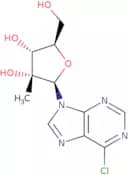
CAS:<p>Cholesteryl-TEG Phosphoramidite is a phosphoramidite that is used in the synthesis of DNA. It is also known as cholesterol-1,2,3,4,5-pentaethyleneglutamate phosphoramidite. Cholesteryl-TEG Phosphoramidite has been shown to have antiviral and anticancer activity. The novel properties of this compound make it an interesting candidate for further study. This chemical is synthesized by reacting cholesteryl chloride with triethylene glycol monophosphate. It is also a modified nucleoside that contains a deoxyribonucleoside and an activated ribonucleoside.</p>Formula:C70H106N3O11PPurezza:Min. 95%Peso molecolare:1,196.6 g/mol6-Chloro-9-(2-C-methyl-beta-D-ribofuranosyl)-9H-purine
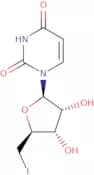
CAS:<p>6-Chloro-9-(2-C-methyl-beta-D-ribofuranosyl)-9H-purine is a novel nucleoside analogue. It is synthesized by reacting 2,6-dichloro 9-(2'-C-methyl beta D ribofuranosyl) 9H purine with methyl bromoacetate in the presence of sodium methoxide in methanol. 6-chloro 9-(2'-C-methyl beta D ribofuranosyl) 9H purine has antiviral activity against DNA and RNA viruses that are sensitive to it. It is phosphoramidite and can be used for DNA synthesis.</p>Formula:C11H13ClN4O4Purezza:Min. 95%Peso molecolare:300.7 g/mol5’-Deoxy-5’-iodouridine
CAS:<p>5’-Deoxy-5’-iodouridine (5DIU) is an antiviral agent that inhibits the synthesis of DNA by interfering with the enzyme thymidine kinase, which converts thymine to uracil. It is used in the treatment of cutaneous herpes simplex virus infections. 5DIU has been shown to inhibit viral replication and yield in vitro. The drug showed no significant toxicity in mice, rats, or hamsters. In addition, it has been observed that 5DIU does not interfere with human cell growth, which may be due to its lack of activity against a wide range of human enzymes.</p>Purezza:Min. 95%2'-Bromo-2'-deoxyadenosine-5'-[(beta,gamma)-imido]triphosphate triethylammonium salt - 10mM aqueous solution
CAS:<p>2'-Bromo-2'-deoxyadenosine-5'-[(beta,gamma)-imido]triphosphate triethylammonium salt (IDP) is a synthetic analog of adenosine that has been used as a bioreactor in tissue culture. IDP binds to the mineralocorticoid receptor and activates it, leading to increased levels of fatty acid synthesis in the blood sample. This drug has shown efficacy in treating cancer and inhibiting tumor growth in animal studies. IDP also has potential for use as an environmental pollutant due to its ability to be activated by wastewater treatment processes.</p>Formula:C10H16N6O11P3BrPurezza:Min. 95%Peso molecolare:569.09 g/mol8-(2-Deoxy-b-D-ribofuranosyl)-imidazo[1,2-a]-1,3,5-triazine-2,4(3H,8H)-dione
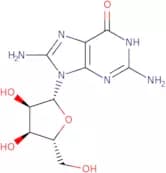
CAS:<p>8-(2-Deoxy-b-D-ribofuranosyl)-imidazo[1,2-a]-1,3,5-triazine-2,4(3H,8H)-dione is a monophosphate nucleotide analog that inhibits viral DNA polymerases. It is a novel and high quality nucleoside phosphoramidite. 8-(2-Deoxy-b-D-ribofuranosyl)-imidazo[1,2-a]-1,3,5-triazine-2,4(3H,8H)-dione is synthesized from 2'-deoxyribonucleosides and modified ribonucleosides. The CAS number for the compound is 35763855 2.</p>Formula:C10H12N4O5Purezza:Min. 95%Peso molecolare:268.23 g/mol8-Aminoguanosine
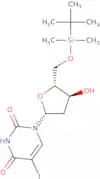
CAS:<p>8-Aminoguanosine is a synthetic purine nucleoside that inhibits DNA synthesis. It has been shown to inhibit the proliferation of HL-60 cells, which are a model for human monocytes and neutrophils. 8-Aminoguanosine has been shown to bind to the template strand of DNA and inhibit the incorporation of deoxyribonucleotide triphosphates into the newly synthesized strand. This binding prevents DNA replication by preventing access to the template strand of DNA. 8-Aminoguanosine inhibits cyclin D2, an enzyme required for cell division, at concentrations as low as 0.1 mM, and it also inhibits microtubule assembly. 8-Aminoguanosine has shown in vitro activity against various tumor cell lines including Molt-4 and MCF7 cells, and in vivo activity in a mouse model against C3H/HeJ mice transplanted with Lewis lung carcinoma cells.</p>Formula:C10H14N6O5Purezza:Min. 95%Colore e forma:PowderPeso molecolare:298.26 g/mol5'-O-tert-Butyldimethylsilyl-2'-deoxy-5-iodouridine
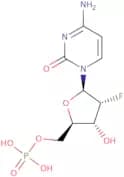
CAS:5'-O-tert-Butyldimethylsilyl-2'-deoxy-5-iodouridine is an antiviral agent that acts by inhibiting DNA polymerase, preventing the production of viral DNA. It has a high purity and is modified with tert-butyldimethylsilyl groups so it can be used in phosphoramidite synthesis. It also has a CAS number of 134218-81-8 and is synthesized using monophosphate, phosphoramidites, or nucleosides as starting materials.Formula:C15H25IN2O5SiPurezza:Min. 95%Colore e forma:PowderPeso molecolare:468.37 g/mol2'-Deoxy-2'-fluorocytidine-5'-monophosphate
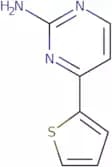
CAS:<p>2'-Deoxy-2'-fluorocytidine-5'-monophosphate (2F-dFMP) is a synthetic nucleoside that is used in the treatment of cancer and as an antiviral agent. 2F-dFMP inhibits DNA synthesis by inhibiting DNA polymerase, which is needed for replication of the cell's genetic material. It also has anti-HIV activity and can be used to treat HIV infection. 2F-dFMP is phosphorylated to 2'-deoxy-2'-fluorocytidine 5'-triphosphate (2F-dCTP), which then competes with natural nucleotides for incorporation into DNA and RNA. This drug binds to the enzyme thymidylate synthase, preventing the formation of thymine monophosphate from erythronic acid.</p>Formula:C9H13FN3O7PPurezza:Min. 95%Peso molecolare:325.19 g/mol2-Amino-4-(thien-2-yl)pyrimidine
CAS:<p>2-Amino-4-(thien-2-yl)pyrimidine is a bioavailable, water soluble antiallergy drug. 2-Amino-4-(thien-2-yl)pyrimidine has been shown to be effective against allergic asthma and other allergic diseases. It is thought to work by blocking the release of histamine from mast cells, thereby preventing the production of inflammatory prostaglandins and leukotrienes. This drug also blocks the response to allergies by inhibiting the release of IgE antibodies that bind to allergens. The therapeutic effect of 2-amino-4-(thien-2-yl)pyrimidine is repeatable and it does not cause any adverse effects on potassium or carbonate metabolism.</p>Formula:C8H7N3SPurezza:Min. 95%Peso molecolare:177.23 g/mol2',3'-Dideoxyadenosine-5'-triphosphate lithium salt
CAS:<p>2',3'-Dideoxyadenosine-5'-triphosphate lithium salt is a nucleoside for use in research applications</p>Formula:C10H16N5O11P3·xLiPurezza:Min. 95%Colore e forma:Clear liquid.Peso molecolare:475.18 g/mol1-(2',3',5'-Tri-O-acetyl-b-D-arabinofuranosyl)uracil
<p>1-(2',3',5'-Tri-O-acetyl-b-D-arabinofuranosyl)uracil is a novel nucleoside analog with antiviral and anticancer activities. It is a modified nucleoside that is synthesized from 2',3',5'-triacetyl b-D-arabinofuranosyl uracil. The synthesis of this compound involves the use of acetylation, which produces a monophosphate form of the nucleoside. This product has been shown to be an activator in the synthesis of DNA and RNA.</p>Purezza:Min. 95%Lamivudine 5'-monophosphate ammonium salt
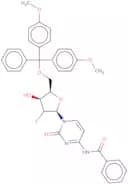
CAS:<p>Lamivudine 5'-monophosphate ammonium salt is a novel antiviral agent that inhibits the viral polymerase by competing with natural dNTPs. It has been shown to be effective against Hepatitis B virus (HBV) and human immunodeficiency virus type 1 (HIV-1). Lamivudine 5'-monophosphate ammonium salt is a synthetic nucleoside that is phosphorylated to form its active form, lamivudine 5'-triphosphate ammonium salt. This drug has been shown to inhibit tumor growth in vivo and in vitro.</p>Formula:C8H15N4O6PSPurezza:Min. 95%Peso molecolare:326.27 g/molN4-Benzoyl-1-(2'-deoxy-5'-O-DMT-2'-fluoro-b-D-arabinofuranosyl)cytosine
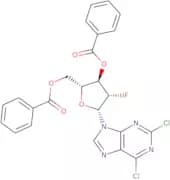
<p>N4-Benzoyl-1-(2'-deoxy-5'-O-DMT-2'-fluoro-b-D-arabinofuranosyl)cytosine is an antiviral compound that inhibits the synthesis of viral RNA. This nucleoside analog is a monophosphate and diphosphate inhibitor of ribonucleotide reductase, which is required for DNA and RNA synthesis. N4-Benzoylcytosine has also been shown to be cytotoxic against tumor cells in vitro and in vivo, making it a potential anticancer drug. It was synthesized as part of a novel series of compounds that have been shown to inhibit the growth of bacterial cultures, including Mycobacterium tuberculosis.</p>Formula:C37H34FN3O7Purezza:Min. 95%Peso molecolare:651.7 g/mol2,6-Dichloro-9-(3',5'-di-O-benzoyl-2'-deoxy-2'-fluoro-b-D-arabinofuranosyl)purine
CAS:2,6-Dichloro-9-(3',5'-di-O-benzoyl-2'-deoxy-2'-fluoro-b-D-arabinofuranosyl)purine is a nucleoside analog that is a potent activator of the immune system. It is a novel synthetic compound with high purity and high quality. This compound has antiviral effects against HIV and other viruses. It also has anticancer properties, which are thought to be due to its ability to inhibit DNA synthesis in tumor cells.Formula:C24H17CI2FN4O5Purezza:Min. 95%Peso molecolare:531.33 g/mol5-Fluoro-1-(2'-L-menthyloxycarbonyl-1'-3'-oxathiolan-5'-yl)-cytosine
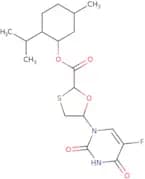
CAS:<p>5-Fluoro-1-(2'-L-menthyloxycarbonyl-1'-3'-oxathiolan-5'-yl)-cytosine is a nucleoside, a type of chemical compound containing both a sugar (deoxyribose) and an organic molecule (a base). It is an antiviral agent that inhibits the production of viral DNA by inhibiting the enzyme DNA polymerase. 5-Fluoro-1-(2'-L-menthyloxycarbonyl-1'-3'-oxathiolan-5'-yl)-cytosine is also an anticancer agent that can inhibit the production of cancer cells in vitro and in vivo. This product is a novel monophosphate nucleotide analog with high purity and CAS number 1422361-25-8.</p>Purezza:Min. 95%5-Bromo-2',3'-dideoxyuridine
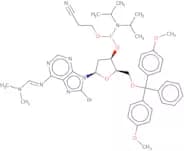
CAS:<p>5-Bromo-2',3'-dideoxyuridine is a nucleoside analogue that is used as a chemotherapeutic drug against various types of cancer. It has been shown to have anti-tumour activity by interfering with the synthesis of deoxyribonucleic acid (DNA) and ribonucleic acid (RNA). 5-Bromo-2',3'-dideoxyuridine binds to the sugar ring in DNA and inhibits the enzyme DNA polymerase from synthesizing DNA. This drug also stabilizes conformations of the molecule, which are responsible for its pharmacological effects.<br>5-Bromo-2',3'-dideoxyuridine can be found in two different crystal structures, monoclinic and tetragonal. The monoclinic form is stabilized by hydrogen bonds between the puckers in the sugar ring and hydrogen bonds to neighboring molecules. This form is more soluble than the tetragonal form,</p>Purezza:Min. 95%8-Bromo-2'-deoxy-N6-DMF-5'-O-DMT-adenosine 3'-CE phosphoramidite
8-Bromo-2'-deoxy-N6-DMF-5'-O-DMT-adenosine 3'-CE phosphoramidite is a novel nucleoside that is synthesized from 8-bromo-2'-deoxyadenosine and N,N,-diisopropylethylamine. It has been shown to have anticancer, antiviral, and antiinflammatory activities. This compound is also used as an activator in the synthesis of DNA and RNA. The purity of this product exceeds 99% and it has been modified for use with automated synthesizers.Formula:C43H52BrN8O6PPurezza:Min. 95%Peso molecolare:887.82 g/mol[U-13C10, U-15N2]-Labelled thymidine
Thymidine is a nucleoside that is a component of DNA and RNA. It is also the precursor for thymine, the DNA base in which the thymine ring is derived from. Thymidine has been shown to be an activator of DNA synthesis, as well as being anticancer and antiviral.Purezza:Min. 95%Uridine-2-13C
CAS:<p>Uridine-2-13C is a modified nucleoside that is used as an anticancer agent. It is phosphorylated to uridine-2-13C diphosphate and can be used in DNA synthesis and as a radiolabel.</p>Formula:C9H12N2O6Purezza:Min. 95%Peso molecolare:245.19 g/mol2'-Methyl-adenosine-(Bz)-succinyl-CPG; 500 Å (RNA)
<p>2'-Methyl-adenosine-(Bz)-succinyl-CPG; 500 Å (RNA) is a synthetic nucleotide that has antiviral and anticancer properties. It is a novel nucleotide with the phosphate group at the 2' position of the ribose sugar, which can be phosphorylated to form monophosphate or diphosphate. This product is highly purified and has been shown to have antiviral activity against HIV and anticancer activities in vitro.</p>Purezza:Min. 95%N6-Formyl adenosine
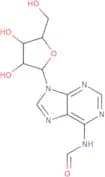
CAS:N6-Formyl adenosine is an endogenous nucleotide that is dynamically modified in the human body. N6-Formyl adenosine is a reactive modification of adenosine and has been shown to be present in DNA, RNA, and proteins. It is also found in human cells and tissues, where it can be demethylated by enzymes such as DNA methyltransferase. This modification may have implications for research into the nature of messenger RNA (mRNA), which plays a crucial role in protein synthesis. N6-Formyl adenosine has been used to distinguish between mature and immature mRNA molecules by fluorescence analysis.Formula:C11H13N5O5Purezza:Min. 97 Area-%Peso molecolare:295.25 g/mol2-(Piperidin-4-Yloxy)Pyrimidine Dihydrochloride
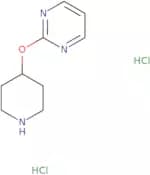
CAS:<p>2-(Piperidin-4-Yloxy)Pyrimidine Dihydrochloride is a nutrient that can be used for soil fertilization and weed control. It is a non-selective herbicide that inhibits the growth of all plants. This compound breaks down in the environment, so it is environmentally friendly. 2-(Piperidin-4-Yloxy)Pyrimidine Dihydrochloride can be applied to the soil or sprayed on leaves to control weeds. It is more efficient at controlling weeds than potassium chloride, which is another type of fertilizer.</p>Formula:C9H13N3O·2HClPurezza:Min. 95%Peso molecolare:252.14 g/mol3'-O-tert-Butyldimethylsilyl-5'-O-DMT-uridine
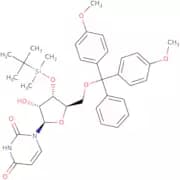
CAS:<p>3'-O-tert-Butyldimethylsilyl-5'-O-DMT-uridine is a nucleoside that is modified with a tert-butyldimethylsilyl group at the 3' position. It is used as an activator for synthesizing oligonucleotides, ribonucleosides, and phosphoramidites. 3'-O-tert-Butyldimethylsilyl-5'-O-DMT-uridine has antiviral and anticancer properties. This product can be used in research applications such as the synthesis of novel DNA and RNA molecules, as well as for diagnostic purposes such as detecting viral infections.</p>Formula:C36H44N2O8SiPurezza:Min. 95%Peso molecolare:660.83 g/molL-Thymidine-5'-monophosphate sodium salt
<p>L-Thymidine-5'-monophosphate sodium salt is a synthetic nucleoside that is used as an antiviral agent. L-Thymidine-5'-monophosphate sodium salt has been shown to have high antiviral activity in vitro against human herpesvirus type 1, and in vivo against foot-and-mouth disease virus. The drug also inhibits the synthesis of DNA and RNA by inhibiting the enzyme ribonucleotide reductase. L-Thymidine-5'-monophosphate sodium salt acts as a phosphate donor for the phosphoramidite method of oligonucleotide synthesis. This novel nucleoside can be used in anticancer therapy due to its ability to inhibit DNA synthesis.</p>Purezza:Min. 95%2'-Cytidylic acid
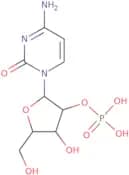
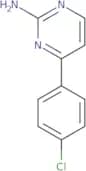
CAS:<p>2'-Cytidylic acid is a nucleoside monophosphate that plays an important role in various biological processes. It has been used in the development of heparin and enoxaparin, which are anticoagulants used to prevent blood clots. 2'-Cytidylic acid has also been found in chitin, xyloglucan, and psyllium, where it acts as a signaling molecule involved in apoptosis and cell differentiation. This compound has been shown to modulate the activity of kinases and ion channels, including potassium channels. However, excessive intake of 2'-Cytidylic acid can cause bleeding due to its anticoagulant properties. Additionally, there is some evidence suggesting that this compound may have anti-cancer effects through its ability to inhibit cell growth and induce apoptosis. Heparin sodium containing 2'-Cytidylic acid is widely used in clinical practice for its anticoagulant properties.</p>Formula:C9H14N3O8PPurezza:Min. 95%Peso molecolare:323.2 g/mol2-Amino-4-(4-chlorophenyl)pyrimidine
CAS:<p>2-Amino-4-(4-chlorophenyl)pyrimidine is a antiviral agent and an inhibitor of ribonucleotide reductase. It is used for the treatment of cytomegalovirus infection, herpes zoster, and chronic myeloid leukemia. 2-Amino-4-(4-chlorophenyl)pyrimidine is also used in anticancer therapy. This drug inhibits DNA synthesis by binding to the deoxyribose moiety of ribonucleosides and diphosphates in the DNA precursor pool. The drug has been shown to be active against human lymphocytic leukemia cells as well as human erythroleukemia cells but not against normal human lymphocytes.</p>Formula:C10H8ClN3Purezza:Min. 95%Peso molecolare:205.64 g/molO6-Benzyl-N2,3-etheno-2'-deoxy-3',5'-O-[tetrakis(isopropyl)-1,3-disiloxanediyl] guanosine
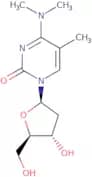
CAS:O6-Benzyl-N2,3-etheno-2'-deoxy-3',5'-O-[tetrakis(isopropyl)-1,3-disiloxanediyl] guanosine is a modified nucleoside with antiviral and anticancer activities. It can be used in DNA synthesis to produce oligonucleotides that have been modified at the 2' position. O6-Benzyl-N2,3-etheno-2'-deoxy-3',5'-O-[tetrakis(isopropyl)-1,3-disiloxanediyl] guanosine is also active against diphosphate reductase. CAS No. 148437-94-9Formula:C31H45N5O5Si2Purezza:Min. 95%Peso molecolare:623.89 g/mol2'-Deoxy-N4,N4,5-trimethylcytidine
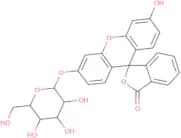
CAS:<p>2'-Deoxy-N4,N4,5-trimethylcytidine is a monophosphate nucleoside that is used as a precursor for the synthesis of DNA. It can be modified to produce phosphoramidites and ribonucleosides. 2'-Deoxy-N4,N4,5-trimethylcytidine has antiviral activity against herpes viruses and cytomegalovirus (CMV). It also has anticancer activity in animal models.</p>Formula:C12H19N3O4Purezza:Min. 95%Peso molecolare:269.3 g/molFluorescein-β-d-glucopyranoside
CAS:Fluorescein-beta-D-glucopyranoside is a monophosphate, modified nucleoside that is synthesized from fluorescein by the action of beta-D-glucose. It can be used as an activator or antiviral agent. Fluorescein-beta-D-glucopyranoside has been shown to have anticancer and antitumor properties by inhibiting RNA synthesis in tumor cells. Fluorescein-beta-D-glucopyranoside has also been shown to have antiinflammatory properties.Formula:C26H22O10Purezza:Min. 95%Peso molecolare:494.4 g/molRef: 3D-FF182334
1gPrezzo su richiesta2gPrezzo su richiesta5gPrezzo su richiesta250mgPrezzo su richiesta500mgPrezzo su richiesta5-Amino-1-(2',3',5'-tri-O-acetyl-b-D-ribofuranosyl)-imidazole-4-carbonitrile
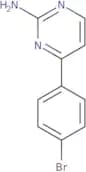
CAS:5-Amino-1-(2',3',5'-tri-O-acetyl-b-D-ribofuranosyl)-imidazole-4-carbonitrile is a novel nucleoside analogue that inhibits the viral enzyme ribonucleotide reductase. It has antiviral activity against the herpes viruses, cytomegalovirus, and Epstein Barr virus. 5AADC has also been shown to inhibit DNA synthesis in tumor cells. This compound is currently undergoing clinical trials as an anticancer agent.Formula:C15H18N4O7Purezza:Min. 95%Peso molecolare:366.33 g/mol2-Amino-4-(4-bromophenyl)pyrimidine
CAS:<p>2-Amino-4-(4-bromophenyl)pyrimidine is a phosphoramidite, modified nucleoside. It is an antiviral and anticancer agent that inhibits DNA synthesis. 2-Amino-4-(4-bromophenyl)pyrimidine is a novel nucleotide analog with the ability to inhibit replication of RNA and DNA in vitro. This compound has been shown to be active against herpes simplex virus type 1 (HSV1), cytomegalovirus (CMV), and HIV in cell culture. Furthermore, this phosphoramidite has been shown to have no detectable toxicity in mice at doses up to 2000 mg/kg.</p>Formula:C10H8BrN3Purezza:Min. 95%Peso molecolare:250.09 g/molAdenosine 5’-Diphosphate-13C5
CAS:<p>Adenosine 5’-diphosphate (ADP) is a potent activator of the G-protein coupled receptor, P2Y. This receptor has been shown to be present on platelets, which are cells that are involved in the clotting process. ADP also inhibits the ion channel activity of the Na+, K+ ATPase. The effects of ADP on myocardial infarct have been studied in a model system consisting of isolated papillary muscle from rats. Adenosine 5’-diphosphate is not an inhibitor of protein synthesis, but does inhibit polymerase chain reaction amplification. It is used as a pharmacological agent for bowel disease and for treatment of chronic obstructive pulmonary disease.END></p>Formula:C5C5H15N5O10P2Purezza:Min. 95%Peso molecolare:432.2 g/mol3',5'-Di-O-benzoyl-2'-O-methyl-5-methyluridine
<p>3',5'-Di-O-benzoyl-2'-O-methyl-5-methyluridine is an activated nucleoside which is a synthetic nucleoside analog. It has been shown to be an effective antiviral and anticancer agent, as well as a potential antiviral drug against HIV. 3',5'-Di-O-benzoyl-2'-O-methyl-5-methyluridine is also a potent inhibitor of RNA synthesis in cells, which may lead to the development of new drugs for the treatment of viral infections.</p>Purezza:Min. 95%2'-Deoxy-4-desmethylwyosine
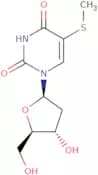
CAS:2'-Deoxy-4-desmethylwyosine is a nucleoside that has been modified to contain a deoxyribose sugar. The monophosphate form of this compound has been shown to activate the DNA synthesis and promote cellular proliferation by stimulating the enzyme ribonucleotide reductase. 2'-Deoxy-4-desmethylwyosine is also an antiviral agent that blocks the synthesis of viral ribonucleic acid (RNA). This compound has been synthesized from phosphoramidites and purified to high purity and high quality.Formula:C13H15N5O4Purezza:Min. 95%Peso molecolare:305.29 g/mol2'-Deoxy-5-(methylthio)-uridine
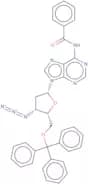
CAS:<p>2'-Deoxy-5-(methylthio)-uridine is a synthetic nucleoside that is used for antiviral and anticancer purposes. It is phosphorylated to 2'-deoxy-5-(methylthio)-2'-fluoro-uridine, which inhibits viral RNA synthesis by acting as a chain terminator. 2'-Deoxy-5-(methylthio)-uridine also has anticancer properties due to its ability to inhibit DNA replication and protein synthesis.</p>Formula:C10H14N2O5SPurezza:Min. 95%Peso molecolare:274.29 g/mol3'-Azido-N4-benzoyl-5'-O-trityl-2',3'-dideoxyadenosine
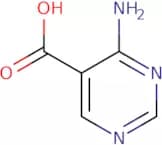
3'-Azido-N4-benzoyl-5'-O-trityl-2',3'-dideoxyadenosine is a novel nucleoside that has been described as an activator of diphosphate. It is a modified deoxyribonucleoside, with the amino group in the ribose moiety replaced by an azido group. This nucleotide inhibits viral and cellular DNA synthesis by blocking DNA polymerase. 3'-Azido-N4-benzoyl-5'-O-trityl-2',3'-dideoxyadenosine can also be used for anticancer purposes, where it has been shown to inhibit cancer cell growth.Formula:C36H30N8O3Purezza:Min. 95%Peso molecolare:622.68 g/mol4-Aminopyrimidine-5-carboxylic acid
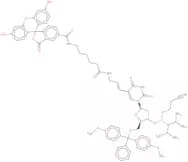
CAS:<p>4-Aminopyrimidine-5-carboxylic acid is an aminopyrimidone that has been synthesized to be used as a new class of antihypertensive agents. It has dose-dependent blood pressure lowering effects, which are likely due to its ability to block angiotensin receptors. 4-Aminopyrimidine-5-carboxylic acid also has antibacterial and antifungal properties. This compound is metabolized in vivo into the pharmacologically active amine 6-aminonicotinamide and excreted in the urine. In vitro studies have shown that 4-aminopyrimidine-5 carboxylic acid inhibits the growth of bacteria by binding to DNA gyrase and topoisomerase IV enzymes required for cell division.</p>Formula:C5H5N3O2Purezza:Min. 95%Peso molecolare:139.11 g/mol6-Fluorescein dT phosphoramidite
CAS:6-Fluorescein dT phosphoramidite is a novel compound that has been shown to have anticancer, antiviral and antimalarial activities. It is an activator of nucleotides and nucleosides, which are important in DNA synthesis and RNA synthesis. This product is synthesized by the chemical modification of 6-fluorescein with the dT phosphoramidite group. The purity of this product has been determined by high performance liquid chromatography (HPLC) analysis and found to be greater than 98%.Formula:C79H89N6O17PPurezza:Min. 95%Peso molecolare:1,425.56 g/mol3’-O-(2-Methoxyethyl)guanosine
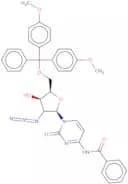
CAS:<p>3’-O-(2-Methoxyethyl)guanosine is a nucleoside analogue of guanosine. It is a modified, deoxyribonucleoside that is synthesized from 2-methoxyethanol and 1,2-dihydroxybenzene. 3’-O-(2-Methoxyethyl)guanosine has antiviral, anticancer, and DNA synthesis inhibitory activities. This nucleoside analogue increases the intracellular concentration of guanosine by inhibiting its degradation. 3’-O-(2-Methoxyethyl)guanosine has been used as an antiviral agent in the treatment of influenza A virus infection in humans and animals.</p>Purezza:Min. 95%2'-Azido-N4-benzoyl-2'-deoxy-5'-O-DMT-cytidine
2'-Azido-N4-benzoyl-2'-deoxy-5'-O-DMT-cytidine is an antiviral nucleoside with anticancer activity. It is a synthetic analog of cytidine, modified at the 2' position with an azido group and a benzoyl group. 2'-Azido-N4-benzoyl-2'-deoxy-5'-O-DMT-cytidine has shown in vitro antiviral activity against herpes simplex virus type 1 (HSV1) and type 2 (HSV2), as well as human immunodeficiency virus type 1 (HIV1). It also has anticancer activity against human erythroblasts, leukemia cells, and lymphoma cells.Formula:C37H34N6O7Purezza:Min. 95%Peso molecolare:674.7 g/mol2,3'-Anhydro-N4-benzoyl-2'-deoxy-5'-O-DMT-cytidine
2,3'-Anhydro-N4-benzoyl-2'-deoxy-5'-O-DMT-cytidine is a nucleoside analog that was synthesized as an antiviral agent. It is not active against DNA viruses because it lacks the 2' hydroxyl group. This compound has been shown to be an effective inhibitor of human papillomavirus and herpes simplex virus type 1 replication in vitro. It also inhibits DNA synthesis by preventing incorporation of cytosine into DNA and may have anticancer activity.Purezza:Min. 95%N4-Benzoyl-2'-deoxy-5'-O-DMT-cytidine 3'-succinyl CPG 1000 Å
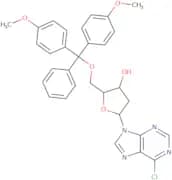
N4-Benzoyl-2'-deoxy-5'-O-DMT-cytidine 3'-succinyl CPG 1000 Å is a synthetic nucleoside analog with antiviral activity. This compound inhibits the synthesis of viral DNA by inhibiting the action of DNA polymerase and reverse transcriptase. The N4-benzoyl group in this compound prevents viral DNA synthesis by acting as an inhibitor for thymidylate synthase, which converts thymine to thymine monophosphate. It also has been shown to be active against cytomegalovirus (CMV).Purezza:Min. 95%6-Chloro-9-(5-o-dimethoxytrityl-β-D-2-deoxyribofuranosyl)purine
CAS:6-Chloro-9-(5-o-dimethoxytrityl-β-D-2-deoxyribofuranosyl)purine is a phosphoramidite. It is used as an antiviral agent and has been shown to be effective against HIV, herpes zoster, and other viruses. 6-Chloro-9-(5-o-dimethoxytrityl)-2'-deoxyribofuranosyl)purine is a novel nucleotide derivative that inhibits the replication of RNA and DNA by inhibiting the synthesis of viral nucleic acids. This compound can also be used for the treatment of cancer cells.Formula:C31H29ClN4O5Purezza:Min. 95%Peso molecolare:573 g/mol2'-O-Me-5'-O-DMT-1,3-di-N-POM-pseudouridine-3'-CE phosphoramidite
2'-O-Me-5'-O-DMT-1,3-di-N-POM-pseudouridine-3'-CE phosphoramidite is an antiviral agent that inhibits the synthesis of RNA. It has been shown to inhibit the production of new viruses in cultured cells and to be active against some strains of influenza virus. The modification was developed by chemists at Boehringer Ingelheim, who have also synthesised other novel nucleosides that are being tested as anticancer agents. This product is a monophosphate derivative with a high purity level and a CAS number.Purezza:Min. 95%SPACER-C 12 CEP
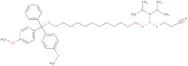
CAS:Please enquire for more information about SPACER-C 12 CEP including the price, delivery time and more detailed product information at the technical inquiry form on this pageFormula:C42H61N2O5PPurezza:Min. 95%Peso molecolare:704.9 g/mol5'-O-DMT-thymidine-3'-O-succinic acid
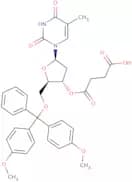
CAS:<p>5'-O-DMT-thymidine-3'-O-succinic acid (5'-DMT-TSA) is a novel modified nucleoside that is synthesized by the activation of 5'-DMT-thymidine with succinic anhydride. 5'-DMT-TSA has been shown to be a potent inhibitor of viral replication and has anti-tumor properties. This compound has high purity, high quality, and good solubility in water. It also has a CAS number of 74405-40-6.</p>Formula:C35H36N2O10Purezza:Min. 95%Peso molecolare:644.67 g/mol2-(1-Piperidinyl)-5-pyrimidinecarbaldehyde
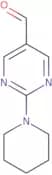
CAS:<p>2-(1-Piperidinyl)-5-pyrimidinecarbaldehyde is an antiviral and anticancer phosphoramidite. It is a novel monophosphate nucleoside analogue that inhibits DNA synthesis by inhibiting the activity of ribonucleotide reductase. 2-(1-Piperidinyl)-5-pyrimidinecarbaldehyde has been shown to be effective against influenza virus, HIV, Herpes Simplex Virus, and human leukemia cells. This compound is not active against bacteria or fungi.</p>Formula:C10H13N3OPurezza:Min. 95%Peso molecolare:191.23 g/mol9-(2'-Deoxy-5'-O-DMT-2'-fluoro-b-D-arabinofuranosyl)-N2-isobutyrylguanine
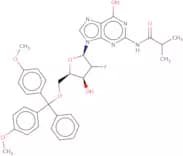
9-(2'-Deoxy-5'-O-DMT-2'-fluoro-b-D-arabinofuranosyl)-N2-isobutyrylguanine is a nucleoside analogue that is a potent inhibitor of viral replication. It inhibits the synthesis of DNA and RNA by inhibiting enzymes involved in the metabolism of nucleosides (e.g., phosphoramidites, deoxyribonucleosides, ribonucleosides). 9-(2'-Deoxy-5'-O-DMT-2'-fluoro-b-D-arabinofuranosyl)-N2-isobutyrylguanine has been shown to have antiviral activity against HIV, herpes simplex virus type 1 (HSV1), and herpes simplex virus type 2 (HSV2).Formula:C35H36FN5O7Purezza:Min. 95%Peso molecolare:657.69 g/molN2,3',5'-Tri-O-acetyl-2'-deoxy-O5-diphenylcarbamoyl-a/b-guanosine
<p>N2,3',5'-Tri-O-acetyl-2'-deoxy-O5-diphenylcarbamoyl-a/b-guanosine is a novel nucleoside with anticancer activity. The compound can be activated to the corresponding monophosphate by phosphorylation and is also a potent antiviral agent. In addition, the compound has good chemical stability and high purity. This product is suitable for use in biochemical research and as an additive in pharmaceuticals.</p>Purezza:Min. 95%2'-Deoxy-5-fluorouridine 5'-diphosphate sodium salt
CAS:2'-Deoxy-5-fluorouridine 5'-diphosphate sodium salt is an antiviral agent that inhibits the synthesis of viral RNA. It is a modified monophosphate nucleotide that is used to treat hepatitis B and C virus infections, as well as AIDS. This drug has been shown to be effective in treating cancer cells, such as leukemia and lymphoma. 2'-Deoxy-5-fluorouridine 5'-diphosphate sodium salt has also been shown to have anticancer properties against colon cancer cells.Formula:C9H13FN2O11P2·xNaPurezza:Min. 95%2',3',5'-Tri-O-benzoylguanosine
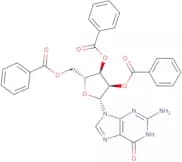
CAS:<p>2',3',5'-Tri-O-benzoylguanosine is an anticancer nucleoside that inhibits the synthesis of DNA and RNA. It is a novel synthetic monophosphate nucleoside analog with antiviral and antitumor activities. 2',3',5'-Tri-O-benzoylguanosine has shown to be effective against human leukemia cells, lymphoma cells, prostate cancer cells, and melanoma cells in vitro. The drug also inhibits the growth of HIV virus in vitro.</p>Formula:C31H25N5O8Purezza:Min. 95%Peso molecolare:595.56 g/mol2'-Deoxy-a-uridine
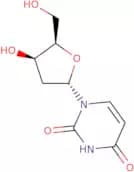
CAS:<p>2'-Deoxy-a-uridine is a nucleoside that is used in the synthesis of DNA. It is one of the building blocks for the synthesis of RNA. 2'-Deoxy-a-uridine is an activator, which can phosphoramidate DNA and activate it to form new strands. This product can also be used as an antiviral agent and antineoplastic agent due to its inhibition of viral replication and cancer cell proliferation. It has been shown to bind to double-stranded DNA by intercalation, thereby preventing the strand from uncoiling and exposing a single strand for further binding by other agents. This product can also inhibit cell growth by inhibiting protein synthesis. 2'-Deoxy-a-uridine has been shown to have anticancer properties, including cytotoxic effects on leukemia cells in culture, as well as inducing apoptosis in tumor cells with low levels of p53 expression.<br>2'-Deoxy-a-uridine</p>Formula:C9H12N2O5Purezza:Min. 95%Colore e forma:Off-white solid.Peso molecolare:228.21 g/mol4-(Isobutylamino)-2-(Methylthio)Pyrimidine-5-Carboxylic Acid
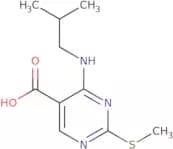
CAS:<p>4-(Isobutylamino)-2-(Methylthio)Pyrimidine-5-Carboxylic Acid is a nucleoside analogue that inhibits viral replication by acting as an antiviral agent. It blocks the enzymatic activity of DNA polymerases, including reverse transcriptase, and prevents the synthesis of new viral DNA. 4-(Isobutylamino)-2-(Methylthio)Pyrimidine-5-Carboxylic Acid is also an activator for HIV integrase, which is an enzyme that integrates HIV DNA into the host genome. This compound has been shown to be effective against HIV and herpes viruses in vitro.</p>Formula:C10H15N3O2SPurezza:Min. 95%Peso molecolare:241.31 g/mol5'-O-DMT-2-thiouridine
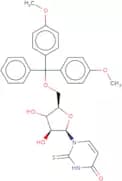
5'-O-DMT-2-thiouridine is a synthetic nucleoside that can be used as an antiviral and anticancer drug. It is the first novel nucleoside with a ribonucleoside moiety, which was synthesized by modifying uridine with 2,4,6-trimethoxybenzoyl chloride. The synthesis of 5'-O-DMT-2-thiouridine has been patented in China (CN101115587B) and the United States (US8483384).Formula:C30H30N2O7SPurezza:Min. 95%Peso molecolare:562.63 g/molN4-Benzoyl-7'-hydroxy-N-trityl-morpholino cytosine monomer
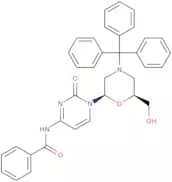
CAS:<p>N4-Benzoyl-7'-hydroxy-N-trityl-morpholino cytosine monomer is a novel deoxyribonucleoside monomer. It is an antiviral, activator and high purity compound that can be used as a building block for the preparation of modified oligodeoxynucleotides. N4-Benzoyl-7'-hydroxy-N-trityl-morpholino cytosine monomer is synthesized by reacting 7'-O-(benzoyl)ribose with trityl chloride in the presence of morpholine to form the corresponding benzyl ester.</p>Formula:C35H32N4O4Purezza:Min. 95%Colore e forma:White solid.Peso molecolare:572.65 g/molb-Nicotinamide-D adenine dinucleotide reduced form
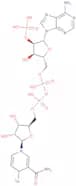
CAS:Prodotto controllatoNicotinamide-adenine dinucleotide (NADH) is a coenzyme that plays an essential role in cellular metabolism. NADH has been shown to have neuroprotective effects by improving cerebellar perfusion and reducing the severity of granule cell death in the cerebellum of experimental animals. It also inhibits synaptic activity and improves Purkinje cell survival. NADH is found in granules cells, which are located in the cerebellar cortex. These cells release this molecule when activated by an action potential, which leads to increased calcium levels inside neurons and subsequent neurotransmitter release. The major form of NADH found in these cells is NADH-NAD+ oxidoreductase (EC 1.6.5.3). The activity of this enzyme can be inhibited by a number of compounds, including nicotinamide adenine dinucleotide reduced form (NADH-NAD+ reductase), which may have therapeutic value for treating Parkinson'sFormula:C21H29N7O17P3DPurezza:Min. 95%Peso molecolare:746.43 g/mol4-Amino-7H-pyrrolo[2,3-d]pyrimidine hydrogen sulfate
CAS:<p>4-Amino-7H-pyrrolo[2,3-d]pyrimidine hydrogen sulfate is a rearrangement product of furoxan and a potential intermediate in the biosynthesis of carboxyl compounds. It is also an hypotensive agent that was found to be effective in lowering blood pressure and lowering lipid levels. 4-Amino-7H-pyrrolo[2,3-d]pyrimidine hydrogen sulfate has been shown to have chlorine and peracetic acid reactivity. The compound can be used as a reagent for the synthesis of carboxylic acid derivatives by reacting with arylhydrazones, such as 1,1'-carbonyldiimidazole or 3,4-dimethoxybenzoylhydrazone. 4-Amino-7H-pyrrolo[2,3-d]pyrimidine hydrogen sulfate can also</p>Purezza:Min. 95%N4-Benzoyl-1-(2'-deoxy-5'-O-DMT-2'-fluoro-b-D-arabinofuranosyl)-5-methylcytosine-3'-O-succinate triethylammonium salt
<p>N4-Benzoyl-1-(2'-deoxy-5'-O-DMT-2'-fluoro-b-D-arabinofuranosyl)-5-methylcytosine-3'-O-succinate triethylammonium salt is a synthetic nucleoside. It is used for the treatment of HIV infection. N4-Benzoyl-1-(2'-deoxy-5'-O-DMT)-2'-fluoro -b -D -arabinofuranosyl) -5 methylcytosine (ADT) inhibits viral replication by inhibiting the activity of reverse transcriptase, which is an enzyme that synthesizes DNA from RNA. ADT is activated to its active form by phosphorylation with a kinase and then converted to diphosphate ADP by the enzyme pyrophosphatase. ADP then acts as a substrate for DNA polymerases, incorporating into newly synthesized DNA</p>Formula:C42H40FN3O10·C6H16NPurezza:Min. 95%Peso molecolare:868 g/mol2'-Deoxyguanosine phosphoramidite dimer
2'-Deoxyguanosine phosphoramidite dimer is a modified nucleoside that is used in the synthesis of DNA. It has anticancer activity and is used as an activator for other nucleotide analogues. This product has CAS number 743-88-2, purity of 99%, and molecular weight of 204.23 g/mol.Purezza:Min. 95%2'-Deoxyguanosine-5'-monophosphate free acid
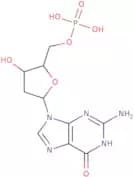
CAS:2'-Deoxyguanosine-5'-monophosphate free acid (dGMP) is a nucleotide that can be used as a substrate to measure the activity of protein kinase C. It is also a precursor in DNA synthesis, and its incorporation into DNA is catalyzed by polymerase chain reaction. 2'-Deoxyguanosine-5'-monophosphate free acid has been shown to inhibit transcriptional regulation, which may be related to its interaction with nuclear DNA. Furthermore, it has been shown to have an antioxidant effect due to its ability to donate electrons. 2'-Deoxyguanosine-5'-monophosphate free acid has also been shown to react with sodium salts in plasma mass spectrometry experiments, and titration calorimetry experiments have shown that it reacts with calcium ions in vitro.br>Formula:C10H14N5O7PPurezza:Min. 95%Peso molecolare:347.22 g/mol2'-O-tert-Butyldimethylsilyl-O4-(4-chlorophenyl)-5'-O-DMT-uridine 3'-CE-phosphoramidite
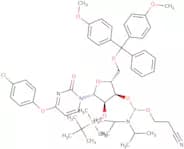
CAS:<p>2'-O-tert-Butyldimethylsilyl-O4-(4-chlorophenyl)-5'-O-DMT-uridine 3'-CE-phosphoramidite is a nucleoside that is used in the synthesis of DNA. It is a novel synthetic nucleotide with antiviral and anticancer properties. The phosphoramidite has been modified to give it high purity, and the monophosphate form has been synthesized. This nucleotide is synthesized through the use of an Activator, which activates the 2' position of the sugar moiety on the 5' phosphate terminus. This product is of high quality due to its high purity and novel synthetic nature.</p>Formula:C51H64CIN4O9PSPurezza:Min. 95%Peso molecolare:971.6 g/mol5-Trimethylstannyl-1-(2-deoxy-2-fluoro-b-D-arabinofuranosyl)uracil
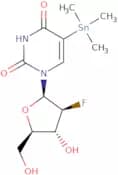
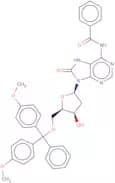
CAS:Ribonucleosides are a class of compounds that contain the nucleoside ribose and the phosphate group. Ribonuclesides are modified ribonucleosides that have been synthesized and modified to be more stable than standard ribonucleotide analogs. The compound 5-Trimethylstannyl-1-(2-deoxy-2-fluoro-b-D-arabinofuranosyl)uracil is a novel nucleoside that has been shown to have anticancer, antiviral, and antiinflammatory activities in vitro. It is also an activator for phosphoramidites, which are used to modify DNA or RNA molecules. This chemical is available at high purity and quality with CAS No. 213136-14-2.Formula:C12H19FN2O5SPurezza:Min. 95%Peso molecolare:408.98 g/molN6-Benzoyl-2'-deoxy-5'-O-DMT-8-oxo-adenosine
N6-Benzoyl-2'-deoxy-5'-O-DMT-8-oxo-adenosine is a nucleoside that inhibits the synthesis of DNA and RNA. It inhibits the activity of the enzyme ribonucleotide reductase, which converts ribonucleotides to deoxyribonucleotides. N6-Benzoyl-2'-deoxy-5'-O-DMT-8-oxo-adenosine has antiviral activity against certain viruses and anticancer activity, as it inhibits DNA synthesis in cancer cells. It also has been shown to have an effect on the immune system by inhibiting protein synthesis in T cells.Formula:C38H35N5O7Purezza:Min. 95%Peso molecolare:673.71 g/molUridylyl-3'-5'-guanosine ammonium salt
<p>Ribonucleosides are a group of nucleosides that includes ribose, 2'-deoxyribose, and their derivatives. Ribonucleosides are the building blocks of DNA and RNA. Uridylyl-3'-5'-guanosine ammonium salt is a novel monophosphate nucleotide with antiviral properties. It has been shown to inhibit the synthesis of viral proteins by binding to viral dsDNA and preventing them from being transcribed into mRNA. This drug is also an activator that increases the activity of RNA polymerase II during transcription initiation. The high purity and quality make Uridylyl-3'-5'-guanosine ammonium salt suitable for use in research or as a pharmaceutical ingredient for the manufacture of other drugs.</p>Formula:C19H24N7O13PPurezza:Min. 95%Peso molecolare:589.41 g/molN4-Benzoyl-5'-O-DMT-2'-ethylfluoro-5-methylcytidine
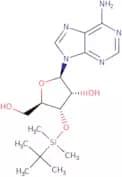
N4-Benzoyl-5'-O-DMT-2'-ethylfluoro-5-methylcytidine is a synthetic nucleoside that inhibits the enzyme ribonucleotide reductase. It has antiviral and anticancer activities.Purezza:Min. 95%3'-O-tert-Butyldimethylsilyladenosine
CAS:3'-O-tert-Butyldimethylsilyladenosine is a synthetic nucleoside that is an antiviral agent with high purity. It has been shown to have anticancer properties and can be used as a deoxyribonucleoside activator or as a novel monophosphate nucleoside. 3'-O-tert-Butyldimethylsilyladenosine is also modified with an alkyl group for the phosphoramidite building block synthesis of DNA, RNA, and oligonucleotides. It has been shown to inhibit the synthesis of DNA and RNA by binding to the enzyme ribonucleotide reductase in cells.Purezza:Min. 95%7-Deaza-2'-C-methylguanosine
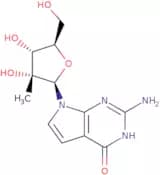
CAS:<p>7-Deaza-2'-C-methylguanosine is a nucleoside that is obtained from the synthesis of 7-deazaguanosine. It has antiviral activity and has been shown to be an activator for DNA synthesis. This compound is used as a monophosphate, diphosphate, or phosphoramidite in the synthesis of oligonucleotides. 7-Deaza-2'-C-methylguanosine has been shown to have anticancer properties, which may be due to its ability to inhibit ribonucleotide reductase and thus inhibit DNA synthesis.</p>Formula:C12H16N4O5Purezza:Min. 95%Peso molecolare:296.29 g/mol5'-O-DMT-N4-benzoyl-5-methyl-(2'-O-4'-C-methylene)-cytidine 3'-CE phosphoramidite
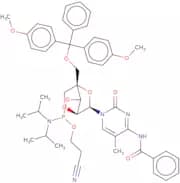
5'-O-DMT-N4-benzoyl-5-methyl-(2'-O-4'-C-methylene)-cytidine 3'-CE phosphoramidite is a novel nucleoside analogue that has antiviral, anticancer and antimalarial activity. It is also used as a building block for the synthesis of oligonucleotides and in the modification of DNA, RNA and proteins. 5'-O-DMT-N4-benzoyl-5-methyl-(2'-O-4'-C-methylene)-cytidine 3'-CE phosphoramidite is an analogue of cytidine, which can be incorporated into DNA by means of enzymatic reactions. In addition to its antiviral, anticancer and antimalarial properties, it has been shown to have antiinflammatory effects. This drug is synthesized by chemical modification of cytosine, with 2′-, 4′-, or 6′ -Purezza:Min. 95%3',5'-Di-O-acetyl-N4-acetyl-2'-deoxycytidine
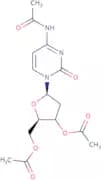
<p>3',5'-Di-O-acetyl-N4-acetyl-2'-deoxycytidine is a synthetic nucleoside. It is an activator of the immune system and has antiviral activities. 3',5'-Di-O-acetyl-N4-acetyl-2'-deoxycytidine is also a potent inhibitor of DNA and RNA polymerases, thereby preventing the synthesis of these nucleic acids. This drug has been shown to inhibit tumor cell growth in cultures of human cancer cells and has been used as a potential anticancer agent in clinical trials. The drug's activity as an immunomodulator is due to its ability to bind to lymphocytes, which leads to the production of cytokines that stimulate the immune system. 3',5'-Di-O-acetyl-N4-acetyl-2'-deoxycytidine also inhibits HIV replication by binding to viral reverse transcriptase and preventing it from copying the viral genome</p>Formula:C15H19N3O7Purezza:Min. 95%Peso molecolare:353.33 g/molgamma-(BBT)-GTP
<p>gamma-(BBT)-GTP is a synthetic nucleoside phosphoramidite that is used in the synthesis of DNA and RNA. It has antiviral properties and can be used as an activator of DNA polymerase in the deoxyribonucleotide synthesis. This chemical is novel because it can be modified to contain a phosphate group at the 2'-position, which is not found in natural nucleosides or nucleotides. gamma-(BBT)-GTP is a high-purity chemical that can be synthesized using CAS No. 72335-45-2.</p>Formula:C24H22N7O14P3S2·xNaPurezza:Min. 95%Peso molecolare:789.52 g/mol


![Adenosine-5'-[-(propargyl)]triphosphate sodium salt](/_next/image/?url=https%3A%2Fstatic.cymitquimica.com%2Fproducts%2F3D%2Fthumb-webp%2FNA30542.webp&w=3840&q=75)



![6-(2-Deoxy-5-O-DMT-b-D-ribofuranosyl)-3,4-dihydro-8H-pyrimido-[4,5-c][1,2]oxazin-7-one](/_next/image/?url=https%3A%2Fstatic.cymitquimica.com%2Fproducts%2F3D%2Fthumb-webp%2FND145589.webp&w=3840&q=75)


![2'-Bromo-2'-deoxyadenosine-5'-[(beta,gamma)-imido]triphosphate triethylammonium salt - 10mM aqueou…](/_next/image/?url=https%3A%2Fstatic.cymitquimica.com%2Fproducts%2F3D%2Fthumb-webp%2FNB166259.webp&w=3840&q=75)
![8-(2-Deoxy-b-D-ribofuranosyl)-imidazo[1,2-a]-1,3,5-triazine-2,4(3H,8H)-dione](/_next/image/?url=https%3A%2Fstatic.cymitquimica.com%2Fproducts%2F3D%2Fthumb-webp%2FND145594.webp&w=3840&q=75)



![[U-13C10, U-15N2]-Labelled thymidine](/_next/image/?url=https%3A%2Fstatic.cymitquimica.com%2Fproducts%2F3D%2Fthumb-webp%2FNL32196.webp&w=3840&q=75)


![O6-Benzyl-N2,3-etheno-2'-deoxy-3',5'-O-[tetrakis(isopropyl)-1,3-disiloxanediyl] guanosine](/_next/image/?url=https%3A%2Fstatic.cymitquimica.com%2Fproducts%2F3D%2Fthumb-webp%2FNB16630.webp&w=3840&q=75)








![4-Amino-7H-pyrrolo[2,3-d]pyrimidine hydrogen sulfate](/_next/image/?url=https%3A%2Fstatic.cymitquimica.com%2Fproducts%2F3D%2Fthumb-webp%2FNA44317.webp&w=3840&q=75)