Nucleosidi
I nucleosidi sono building blocks fondamentali degli acidi nucleici, composti da una base azotata legata a una molecola di zucchero. In questa sezione, puoi trovare una vasta gamma di nucleosidi essenziali per la ricerca in biologia molecolare, biochimica e farmacologia. Questi composti svolgono ruoli cruciali nella sintesi del DNA e dell'RNA e sono vitali in vari processi metabolici. I nucleosidi vengono utilizzati per studiare il materiale genetico, sviluppare terapie antivirali e antitumorali e comprendere i meccanismi cellulari. Da CymitQuimica, forniamo nucleosidi di alta qualità per supportare le tue esigenze di ricerca e sviluppo, garantendo purezza e affidabilità per le tue applicazioni sperimentali.
Trovati 3569 prodotti di "Nucleosidi"
Ordinare per
Purezza (%)
0
100
|
0
|
50
|
90
|
95
|
100
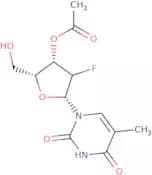
3'-O-Acetyl-2'-deoxy-2'-fluoro-5-methyluridine
3'-O-Acetyl-2'-deoxy-2'-fluoro-5-methyluridine (3'-O-AFA) is a synthetic, novel antiviral agent that has been shown to inhibit the synthesis of DNA and RNA in cells infected with viruses. 3'-O-AFA is an activator that binds to ribonucleosides and deoxyribonucleosides, which are used in the synthesis of DNA and RNA respectively. The phosphoramidites are then converted into monophosphate or diphosphate nucleotides by the enzyme DNA polymerase. 3'-O-AFA is a modified nucleoside which can be incorporated into viral DNA during replication, inhibiting its production. This drug has also been shown to have anticancer properties against human tumor cells and may be effective against other cancers such as leukemia.Formula:C12H15FN2O6Purezza:Min. 95%Peso molecolare:302.26 g/mol5'-O-DMT-2'-O-methylinosine 3'-CE phosphoramidite
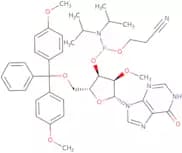
CAS:5'-O-DMT-2'-O-methylinosine 3'-CE phosphoramidite is a novel modified nucleoside analog. It is synthesized from the corresponding ribonucleoside and deoxyribonucleoside by means of a high-yield, convergent method. This compound has antiviral activity against herpes simplex virus type 1 (HSV-1) and cytomegalovirus (CMV) in vitro. 5'-O-DMT-2'-O-methylinosine 3'-CE phosphoramidite also exhibits anticancer activities in cell culture.Formula:C41H49N6O8PPurezza:Min. 95%Peso molecolare:784.86 g/mol5'-O-DMT-2,3'-anhydrothymidine
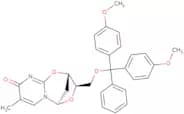
CAS:5'-O-DMT-2,3'-anhydrothymidine is a solvent that is used for labeling nucleic acids. It can be used in positron emission tomography (PET) imaging as a diagnostic tool for cancer and other diseases. 5'-O-DMT-2,3'-anhydrothymidine is also used to carry the radioactive isotope fluorodeoxyglucose (FDG) in positron emission tomography (PET). The FDG is labeled with the PET tracer and then injected into the patient's body. This allows for whole-body visualization of glucose metabolism and tumor cell uptake.Formula:C31H30N2O6Purezza:Min. 95%Peso molecolare:528.61 g/mol2'-Deoxy-5'-O-DMT-N6-isobutyryladenosine 3'-CE phosphoramidite
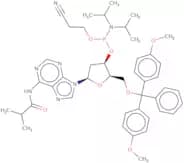
2'-Deoxy-5'-O-DMT-N6-isobutyryladenosine 3'-CE phosphoramidite is a novel and high quality anticancer agent that is used in the synthesis of DNA. This compound has shown potent cytotoxic activity against various cancer cell lines, including human leukemia cells, human breast carcinoma cells, and human colon carcinoma cells. 2'-Deoxy-5'-O-DMT-N6-isobutyryladenosine 3'-CE phosphoramidite inhibits DNA synthesis by inhibiting the enzyme DNA polymerase. It also inhibits protein synthesis and has been shown to be toxic to the mitochondria, which may be responsible for its anti-cancer effects.Formula:C44H54N7O7PPurezza:Min. 95%Peso molecolare:823.94 g/mol4-(4-Methoxyphenyl)-2-pyrimidinethiol
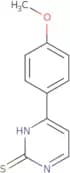
CAS:4-(4-Methoxyphenyl)-2-pyrimidinethiol is a synthetic nucleoside analog. It is a monophosphate that inhibits the production of RNA by inhibiting ribonucleotide reductase. 4-(4-Methoxyphenyl)-2-pyrimidinethiol has antiviral properties and can be used to treat infections caused by herpes simplex virus or HIV. This compound also has anticancer activity and can inhibit DNA synthesis in tumor cells. 4-(4-Methoxyphenyl)-2-pyrimidinethiol can also inhibit bacterial growth and is used as an antibiotic for Mycobacterium tuberculosis, Mycobacterium avium, and other bacteria.Formula:C11H10N2OSPurezza:Min. 95%Peso molecolare:218.28 g/molN2-Isobutyryl-5’-O-DMT-morpholinoguanosine-N’-CE phosphoramidite
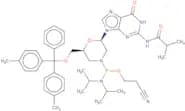
CAS:<p>A morpholino amidite</p>Formula:C44H55N8O7PPurezza:Min. 98 Area-%Colore e forma:PowderPeso molecolare:838.93 g/molN6-Benzoyl-5’-O-DMT-morpholinoadenosine-N’-CE phosphoramidite
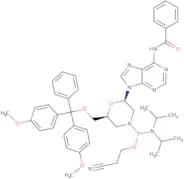
CAS:A morpholino amiditeFormula:C47H53N8O6PPurezza:Min. 98 Area-%Colore e forma:PowderPeso molecolare:856.95 g/mol7’-O-DMT-morpholino-5-methyluridine-N’-CE phosphoramidite
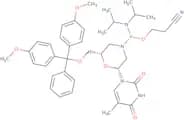
CAS:a morpholino amiditeFormula:C40H50N5O7PPurezza:Min. 98 Area-%Colore e forma:PowderPeso molecolare:743.83 g/molThymidine-5'-diphosphate-2-deoxy-D-glucose disodium salt
<p>Thymidine-5'-diphosphate-2-deoxy-D-glucose disodium salt is a novel, modified nucleoside that is chemically synthesized from 2,3,4,6-tetraaminopyrimidine. It has antiviral activity and can be used to treat HIV infections. It is an active form of thymidine and inhibits the synthesis of viral DNA by blocking the activity of viral DNA polymerase in reverse transcription. This drug also exhibits anticancer activity by preventing cell proliferation and inducing apoptosis. Thymidine-5'-diphosphate-2-deoxy-D-glucose disodium salt is high purity with a CAS number of 63625-04-9.</p>Formula:C16H24N2O15P2Na2Purezza:Min. 95%Peso molecolare:592.29 g/molRibavirin 5'-monophosphate sodium salt
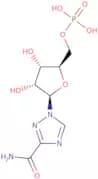
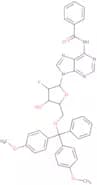
CAS:Ribavirin is an antiviral drug that is used in the treatment of a number of viral infections, including chronic hepatitis C, respiratory syncytial virus, and influenza. Ribavirin inhibits the synthesis of RNA by interfering with ribonucleotide reductase. Ribavirin 5'-monophosphate sodium salt (RPMPS) is a prodrug that is hydrolyzed to form ribavirin 5'-triphosphate (RTP). This active form inhibits the polymerase chain reaction by binding to DNA polymerase. Ribavirin has been shown to be effective against cell lines resistant to other antiviral drugs such as zirconium oxide. RPMPS has also been shown to be an inhibitor of structural analysis and energy metabolism in erythrocytes.Formula:C8H13N4O8P·xNaPurezza:Min. 95%Colore e forma:PowderPeso molecolare:324.18 g/molN6-Benzoyl-9-(2'-deoxy-5'-O-DMT-2'-fluoro-b-D-arabinofuranosyl)adenine
CAS:<p>N6-Benzoyl-9-(2'-deoxy-5'-O-DMT-2'-fluoro-b-D-arabinofuranosyl)adenine is a synthetic nucleoside that has antiviral activity. It is activated by the enzyme ribonucleotide reductase and inhibits viral DNA synthesis. This agent also inhibits the production of deoxyribonucleosides, which are needed for DNA synthesis. In addition, this compound inhibits bacterial growth by inhibiting the enzyme DNA gyrase. N6-Benzoyl-9-(2'-deoxy-5'-O-DMT-2'-fluoro-b-D-arabinofuranosyl)adenine has novel properties in that it does not contain any ribose or phosphate groups. This product is available as a white powder with a purity of at least 98%.</p>Formula:C38H34FN5O6Purezza:Min. 95%Peso molecolare:675.71 g/mol1-[(5E)-5',6'-Dideoxy-6'-diethoxylphosphinyl-2'-O-methyl-b-D-ribo-hex-5-enofuranosyl]uracil 3'-CE phosphoroamidite
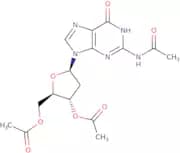
1-[(5E)-5',6'-Dideoxy-6'-diethoxylphosphinyl-2'-O-methyl-b-D-ribo-hex-5-enofuranosyl]uracil 3'-CE phosphoroamidite is a nucleoside analog that is a modified form of uracil. It has been shown to inhibit the growth of cancer cells in vitro and in vivo. 1-[(5E)-5',6'-Dideoxy-6'-diethoxylphosphinyl-2'-O-methyl-b-D-ribo-hex-5-enofuranosyl]uracil 3'-CE phosphoroamidite inhibits cellular proliferation by blocking the enzyme ribonucleotide reductase, which plays an essential role in DNA synthesis. This drug also inhibits viral replication by inhibiting reverse transcriptase and integrase, key enzymes in the life cycle of retroviruses andFormula:C22H36N4O9P2Purezza:Min. 95%Peso molecolare:562.49 g/mol3',5',N2-Tri-O-acetyl-2'-deoxyguanosine
CAS:<p>Tri-O-acetyl-2'-deoxyguanosine is an anticancer and antiviral agent. It is used as a precursor for the synthesis of deoxyribonucleosides and ribonucleosides. This compound has been shown to be a potent activator of DNA polymerase α, and it also inhibits the replication of diphosphate nucleotides. Tri-O-acetyl-2'-deoxyguanosine has also been found to inhibit influenza virus in vitro.</p>Formula:C16H19N5O7Purezza:Min. 95%Peso molecolare:393.35 g/mol5'-Phosphoguanylyl-(3'->5')-guanosine sodium
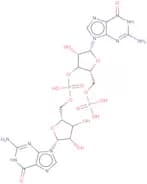
CAS:pGpG, linear diguanylate, is the first phosphodiesterase-catalyzed hydrolysis product of cylic di-GMP (c-diGMP). c-diGMP has been identified as a novel second messenger in bacteria that triggers various physiological changes such as virulence gene expression or cell differentiationFormula:C20H26N10O15P2·xNaPurezza:Min. 95 Area-%Colore e forma:PowderPeso molecolare:708.43 g/molLauroyl coenzyme A
CAS:<p>Lauroyl CoA is a body-fat molecule that can be formed from acetyl-coenzyme A, which is an intermediate in the metabolism of fatty acids. It is used in analysis as a standard for enzyme activities and as a substrate for reactions involving enzymes with coenzyme A. Reaction mechanisms are determined using titration calorimetry and structural analyses are performed using analytical methods such as infrared spectroscopy and nuclear magnetic resonance spectroscopy. Lauroyl CoA is also used to study the effects of the protein toll-like receptor 4 on hepatic steatosis. The wild-type strain of Escherichia coli was used to measure the activity of bacterial synthetases containing lauroyl CoA.</p>Formula:C33H58N7O17P3SPurezza:Min. 95%Colore e forma:PowderPeso molecolare:949.84 g/molRef: 3D-NL47197
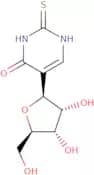
5mgPrezzo su richiesta10mgPrezzo su richiesta25mgPrezzo su richiesta50mgPrezzo su richiesta100mgPrezzo su richiesta2-Thiopseudouridine
CAS:2-Thiopseudouridine is a heterocyclic nucleoside that is used as a building block for the synthesis of natural products. 2-Thiopseudouridine is prepared by a two-step process involving the desymmetrization of pseudoisocytidine and the formation of an aminopyrimidinone. The desymmetrization reaction proceeds with high stereoselectivity to yield the desired product in high yields. Other carbocyclic nucleosides can be synthesized from 2-thiopseudouridine, such as 2-thienopyrrole and 2-pyrroline.Formula:C9H12N2O5SPurezza:Min. 95%Colore e forma:SolidPeso molecolare:260.27 g/molN6-Benzoyl-2’-O-tert-butyldimethylsilyl-3’-O-DMT-adenosine
CAS:N6-Benzoyl-2’-O-tert-butyldimethylsilyl-3’-O-DMT-adenosine is a novel nucleoside that is an activator of ribonucleotide reductase and an inhibitor of deoxyribonucleotide reductase. It has been shown to have antiviral and anticancer activities, as well as the ability to inhibit DNA synthesis. The synthetic route to this compound begins with the synthesis of N6-(benzoyl)-2'-O-(tert-butyldimethylsilyl)-3'-O-(dimethoxytrityl)adenosine, which is then converted to the final product by removal of the silyl protecting group and oxidation.Purezza:Min. 95%2'-Deoxy-N2-Isobutyryl-3',5'-O-(1,1,3,3-tetraisopropyl-1,3-disiloxanediyl)guanosine
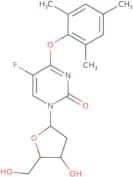
2'-Deoxy-N2-isobutyryl-3',5'-O-(1,1,3,3-tetraisopropyl-1,3-disiloxanediyl)guanosine (TIG) is a nucleoside and ribonucleoside analog that has antiviral activity. It is synthesized from 2'-deoxyguanosine by the introduction of an isobutyryl moiety at the C2 position and a 1,1,3,3-tetraisopropyl group at the 3' hydroxyl position. TIG is an activator of DNA polymerase β with high quality and high purity and can be used for the synthesis of oligodeoxynucleotide phosphoramidites. TIG can be used to synthesize DNA or RNA molecules with deoxyribonucleosides or modified nucleotides.Purezza:Min. 95%5-Fluoro-O4-(2,4,6-trimethylphenyl)-2'-deoxyuridine
CAS:<p>5-Fluoro-O4-(2,4,6-trimethylphenyl)-2'-deoxyuridine is a novel monophosphate nucleotide activated with 2,4,6-trimethylphenyl (TMP) and used as a building block in the synthesis of oligonucleotides. The synthesized nucleoside can be converted to a diphosphate or phosphoramidite. 5-Fluoro-O4-(2,4,6-trimethylphenyl)-2'-deoxyuridine is an anticancer agent that inhibits DNA synthesis by inhibiting ribonucleic acid (RNA) synthesis. It has been shown to inhibit the proliferation of human leukemia cells and may have potential for use in therapy for cancer treatment.</p>Formula:C18H21FN2O5Purezza:Min. 95%Peso molecolare:364.4 g/molClofarabine 5'-monophosphate triethylammonium salt
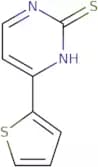
CAS:Clofarabine is an anti-cancer drug that belongs to the class of diphosphate, Synthetic, Activator, Phosphoramidites, Deoxyribonucleosides. It is a modified nucleoside with antiviral and anticancer activity. Clofarabine 5'-monophosphate triethylammonium salt (CPF) has been shown to inhibit DNA synthesis by blocking the incorporation of deoxyribonucleotides into DNA. CPF binds to DNA at the 3' position of the deoxyribonucleotide chain, which prevents its extension and leads to inhibition of DNA replication. CPF also inhibits viral DNA synthesis through inhibition of viral DNA polymerase or viral RNA polymerase in vitro. Clofarabine is not active against bacteriophage T4 or bacterial RNA polymerase.Purezza:Min. 95%4-(2-Thienyl)-2-pyrimidinethiol
CAS:<p>Ribonucleosides are nucleosides that contain a ribose sugar. They are important in the synthesis of DNA and RNA. Ribonuclesides are nucleosides containing a ribose sugar with a phosphate group on the 5' carbon. The phosphate is attached to the 4' carbon on the sugar, instead of the 3' carbon as in deoxyribonucleosides. Ribonucleosides are important in the synthesis of DNA and RNA. Ribonucleotides are nucleotides that contain a ribose sugar with a phosphate group on the 5’ carbon. The phosphate is attached to the 4’ carbon on the sugar, instead of the 3’ carbon as in deoxyribonucleotides. Ribonucleotides are important in the synthesis of DNA and RNA.<br>In addition, Ribonucleside can be used as antiviral agent for HIV-1 through inhibition at viral reverse transcriptase (RT) step by competing</p>Formula:C8H6N2S2Purezza:Min. 95%Peso molecolare:194.28 g/molPyrimidine-4-carboxylic acid hydrazide
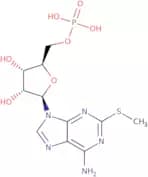
CAS:<p>Pyrimidine-4-carboxylic acid hydrazide (PCAH) is an antimycobacterial agent that inhibits the growth of Mycobacterium tuberculosis and other related species. PCAH is a ligand that binds to redox active metal ions, forming a supramolecular complex. The carboxyl group on PCAH reacts with the hydroxide ion in the presence of water to produce hydrogen peroxide, which in turn oxidizes the mycolic acids in the cell wall of M. tuberculosis, leading to cell death. The pyridine ring on PCAH is nucleophilic and can react with nucleophiles such as thiols or amines, which are found in proteins or peptides. This reaction results in nucleophilic substitutions, which inhibit bacterial protein synthesis and lead to cell death.</p>Formula:C5H6N4OPurezza:Min. 95%Peso molecolare:138.13 g/mol2-Methylthioadenosine 5-monophosphate
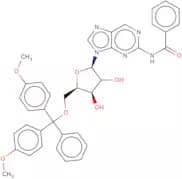
CAS:<p>2-Methylthioadenosine 5-monophosphate (2MTA) is an intermediate in purine metabolism that can be synthesized from adenosine monophosphate and methyl mercaptan. 2MTA inhibits the platelet aggregation by inhibiting the function of the P2Y12 receptor, which is a member of the G protein-coupled receptor family. It has been shown to inhibit tumor growth and tumor vasculature, as well as to induce apoptosis in cancer cells. 2MTA also has antiplatelet activity, which may be due to its ability to inhibit cyclooxygenase-1 (COX-1) and cyclooxygenase-2 (COX-2).</p>Formula:C11H16N5O7PSPurezza:Min. 95%Peso molecolare:393.31 g/mol2-Amino-benzoyl-9-(5'-O-DMT-b-D-ribofuranosyl)purine
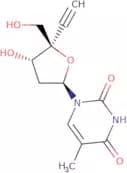
2-Amino-benzoyl-9-(5'-O-DMT-b-D-ribofuranosyl)purine is an anticancer and antiviral agent. It has been shown to be active against many viruses, including herpes simplex virus type 1, herpes simplex virus type 2, cytomegalovirus, and human immunodeficiency virus type 1. This compound also exhibits antitumor activity in mice and rats.Formula:C38H35N5O7Purezza:Min. 95%Peso molecolare:673.71 g/mol4'-Ethynylthymidine
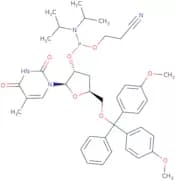
CAS:<p>4'-Ethynylthymidine is a novel nucleoside analog that has been shown to be active against HIV-1. It has been shown to inhibit the incorporation of uridine into viral DNA and terminate elongation of viral DNA. 4'-Ethynylthymidine has also been shown to be active against other viruses such as vesicular stomatitis virus, influenza virus, and hepatitis C virus. The cytotoxicity of this drug is significant and may provide potential therapeutics for cancer treatment.</p>Purezza:Min. 95%3'-Deoxy-5'-O-DMT-5-methyluridine 2'-CE phosphoramidite
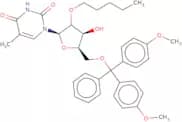
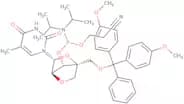
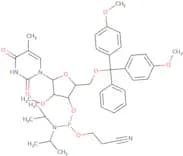
CAS:<p>3'-Deoxy-5'-O-DMT-5-methyluridine 2'-CE phosphoramidite is a nucleotide analogue that is used in the synthesis of DNA. It is a modified nucleoside that contains an amino group at the 5' position of the pentose sugar and a methyl group at the 2' position. 3'-Deoxy-5'-O-DMT-5-methyluridine 2'-CE phosphoramidite inhibits viral replication and has shown anticancer activity. It also possesses antiviral activity against Herpes simplex virus types 1 and 2, cytomegalovirus, varicella zoster virus, Epstein Barr virus, influenza A virus type A/PR/8/34 (H1N1), and human immunodeficiency virus type 1 (HIV).</p>Formula:C40H49N4O8PPurezza:Min. 95%Peso molecolare:744.81 g/mol5'-O-DMT-5-methyl-2'-O-pentyluridine
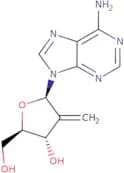
<p>5'-O-DMT-5-methyl-2'-O-pentyluridine is a monophosphate nucleoside with anticancer activity. It is a novel, synthetic, high purity and quality compound that is modified from 5'-O-DMT-5-methyluridine. This compound has been shown to be an effective antiviral agent against HIV and HSV, as well as an inhibitor of DNA synthesis in cells.</p>Formula:C36H42N2O8Purezza:Min. 95%Peso molecolare:630.74 g/mol2'-Deoxy-2'-methyleneadenosine
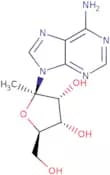
CAS:2'-Deoxy-2'-methyleneadenosine is a potential mechanism for the treatment of cancer. It has been shown to be active against the murine leukemia cell line, L1210, and to cause inactivation of the cells. This drug inhibits cellular RNA synthesis by binding to either the ribonucleoside or deoxyribonucleoside pools in the cell and preventing their conversion into nucleotides. 2'-Deoxy-2'-methyleneadenosine has also been shown to be an effective inhibitor of gamma-aminobutyric acid (GABA) uptake and cross-resistance with other drugs that are GABA uptake inhibitors.Formula:C11H13N5O3Purezza:Min. 95%Peso molecolare:263.25 g/mol5'-O-Acetyl-3'-azido-2',3'-dideoxy-N2-palmitoylguanosine
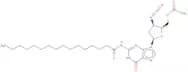
CAS:5'-O-Acetyl-3'-azido-2',3'-dideoxy-N2-palmitoylguanosine is a novel antiviral and anticancer agent. It is an analogue of the natural nucleoside guanosine. It has been modified with an acetyl group at the 5' position of the pentose moiety and an azido group at the 2' and 3' positions of the ribose moiety. The acetyl group makes this compound more water soluble, which means it can be easily administered intravenously for treatment of cancer or infection.Formula:C28H44N8O5Purezza:Min. 95%Peso molecolare:572.7 g/mol5'-O-DMT-2'-O,4'-C-methylene-5-methyluridine 3'-CE-phosphoramidite
CAS:5'-O-DMT-2'-O,4'-C-methylene-5-methyluridine 3'-CE-phosphoramidite is a high purity, novel DNA monophosphate that is synthesized from 2',4'-diaminotoluene and 5'-O-dimethoxytritylthymidine. It has antiviral and anticancer properties and has shown to be an activator of RNA polymerase II in vitro. This product is used in many applications such as the synthesis of oligonucleotide probes for DNA sequencing, the synthesis of RNA for gene expression studies, and for the production of oligonucleotides for therapeutic purposes.Formula:C41H49N4O9PPurezza:Min. 95%Peso molecolare:772.82 g/mol6-Amino-9-(1-deoxy-b-D-psicofuranosyl)purine
CAS:6-Amino-9-(1-deoxy-β-D-psicofuranosyl)purine (6APdP) is a nucleoside with potential chemotherapeutic activity. It has been shown to suppress the expression of genes that encode proteins involved in cell proliferation and differentiation, including suppressor genes. 6APdP is activated by methyladenosine monophosphate kinase and binds to the ribose hydroxyl group on RNA molecules. This molecule has been shown to inhibit hepatitis B virus replication and cancer cell growth in animal models. The hydrogen bonding interactions between 6APdP and the ribose hydroxyl group are stronger than those associated with ethylene diamine tetraacetic acid (EDTA). 6APdP is also an inhibitor of protein synthesis.Formula:C11H15N5O4Purezza:Min. 95%Colore e forma:PowderPeso molecolare:281.27 g/mol3',5'-Bis-o-(t-butyldimethylsilyl)-O4-(2,4,6-triisopropylphenylsulfonyl)thymidine
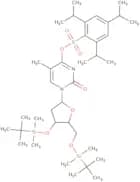
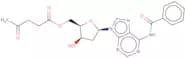
CAS:<p>3',5'-Bis-o-(t-butyldimethylsilyl)-O4-(2,4,6-triisopropylphenylsulfonyl)thymidine (SQ22536) is a modified nucleoside with anticancer activity. It is a deoxyribonucleoside and phosphoramidate analog of thymidine. SQ22536 can be used in the synthesis of DNA or RNA and as an antiviral agent.<br>It has been shown to inhibit the replication of HIV-1 in vitro by inhibiting HIV reverse transcriptase and DNA polymerase.</p>Formula:C37H64N2O7SSi2Purezza:Min. 95%Peso molecolare:737.1 g/molN6-Benzoyl-2'-deoxy-5'-O-levulinoyladenosine
<p>N6-Benzoyl-2'-deoxy-5'-O-levulinoyladenosine is a modified nucleoside which can be used in the synthesis of DNA. It is phosphorylated to form N6-benzoyl-2'-deoxyadenosine monophosphate (BADAMP), which is converted to N6-benzoyl-2'-deoxyadenosine diphosphate (BADAP) through the action of ATP. The drug has antiviral properties and can be used to treat HIV infection.</p>Formula:C22H23N5O6Purezza:Min. 95%Peso molecolare:453.46 g/mol2-(2-Deoxy-b-D-ribofuranosyl)-2,3,8,9-tetrahydro-7-oxa-2,3,5,6-tetraazabenz[cd]azulen-4-amine
CAS:2-(2-Deoxy-b-D-ribofuranosyl)-2,3,8,9-tetrahydro-7-oxa-2,3,5,6-tetraazabenz[cd]azulen-4-amine is a novel and structurally distinct nucleoside analog. It has been shown to be an activator of human telomerase reverse transcriptase (hTERT), with low toxicity in vitro and in vivo. 2-(2-Deoxyribofuranosyl)-2,3,8,9 tetrahydro 7 oxa 2 3 5 6 tetraazabenz[cd]azulen 4 amine has been shown to have antiviral activity against the influenza virus A/PR/8/34 (H1N1) and SARS coronavirus in cell cultures. This compound also inhibits the replication of HIV type 1 by inhibiting the reverse transcriptase enzymeFormula:C13H17N5O4Purezza:Min. 95%Peso molecolare:307.31 g/molPyrido[3,4-d]pyrimidine-2,4(1H,3H)-dione
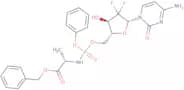
CAS:<p>Pyrido[3,4-d]pyrimidine-2,4(1H,3H)-dione is a small molecule that can function as a transcriptional activator or repressor by binding to DNA. This drug has been shown to upregulate the expression of genes that are involved in the immune system and inflammation.</p>Purezza:Min. 95%N-(2'-Deoxy- 2', 2'- difluorocytidine 5'-P- phenyl phosphate) L- alanine benzyl ester
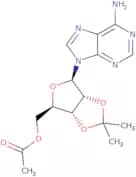
CAS:<p>N-(2'-Deoxy- 2', 2'- difluorocytidine 5'-P- phenyl phosphate) L- alanine benzyl ester, also known as Acelarin, is primarily used in cancer treatment, including leukemia and solid tumors.</p>Formula:C25H27F2N4O8PPurezza:Min. 98 Area-%Colore e forma:PowderPeso molecolare:580.47 g/mol5'-O-Acetyl-2',3'-O-isopropylideneadenosine
CAS:<p>5'-O-Acetyl-2',3'-O-isopropylideneadenosine is an anti-leishmanial agent that is synthesized from 2,3-O-isopropylideneadenosine by acetylating the 5' hydroxyl group. It was found to be more potent than the parent compound and other related compounds in inhibiting Leishmania amazonensis promastigotes. The proposed mechanism of action of 5'-O-acetyl-2',3'-O-isopropylideneadenosine involves hydrogen bonding with the guanosine moiety of DNA and inhibition of RNA synthesis. This drug also has an effect on carbonyl oxygens and resonances, which are observed in the nmr spectra. The synthetic scheme for this drug starts with uridine, which is converted to cytidine by reacting it with sodium cyanide in aqueous solution at 0°C. Cytidine</p>Formula:C15H19N5O5Purezza:Min. 95%Colore e forma:PowderPeso molecolare:349.34 g/mol2'-Deoxyuridine-5'-[(a,b)-methyleno]triphosphate sodium salt - 10 mM aqueous solution
CAS:2'-Deoxyuridine-5'-[(a,b)-methyleno]triphosphate sodium salt - 10 mM aqueous solution is an activator of nucleoside diphosphates. It is a novel and anticancer nucleoside analog with high purity, high quality and a CAS number of 170428-84-9. This activator has been shown to inhibit the growth of tumor cells by inhibiting DNA synthesis and ribonucleotide reductase activity. The 2'-deoxyuridine-5'-[(a,b)-methyleno]triphosphate sodium salt - 10 mM aqueous solution can be used in the synthesis of deoxyribonucleosides and phosphoramidites as well as modified DNA.Formula:C10H17N2O13P3Purezza:Min. 95%Colore e forma:liquid.Peso molecolare:466.17 g/molN4-Acetyl-2'-deoxy-5'-O-DMT-cytidine 3'-Rp-oxazaphospholidine
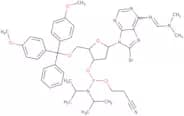
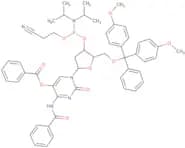
N4-Acetyl-2'-deoxy-5'-O-DMT-cytidine 3'-Rp-oxazaphospholidine is a novel modified nucleoside and antiviral agent. It is the first nucleoside to be synthesized in which the ribose of the sugar moiety has been acetylated at the 2' position. N4-acetyl-2'-deoxy-5'-O-DMT cytidine 3'-Rp oxazaphospholidine has been shown to inhibit viral replication in vitro and in vivo, with activity against HSV type 1 (HSV1) and HSV type 2 (HSV2) viruses. This drug can also be used as an anticancer agent, by inhibiting DNA synthesis. N4-acetyl-2'-deoxy-5'-O-DMT cytidine 3'-Rp oxazaphospholidine is a high purity, synthetic compound, with highPurezza:Min. 95%8-Bromo-DA cep
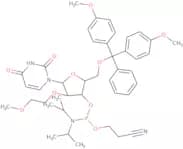
CAS:<p>8-Bromo-2'-deoxyadenosine cep is a modified nucleoside that is used in the treatment of cancer. It has been shown to be effective in treating leukemia, lymphoma and myeloma. 8-Bromo-2'-deoxyadenosine cep inhibits the growth of cells by inhibiting DNA synthesis through inhibition of deoxynucleotide biosynthesis. This drug also has antiviral activity against herpes simplex virus type 1 (HSV1), herpes simplex virus type 2 (HSV2) and human immunodeficiency virus type 1 (HIV1). 8-Bromo-2'-deoxyadenosine cep is a synthetic nucleoside that is phosphoramidite that can be used to synthesize DNA or RNA.</p>Formula:C43H52BrN8O6PPurezza:Min. 95%Colore e forma:PowderPeso molecolare:887.8 g/mol5'-O-DMT-2'-O-(2-methoxyethyl)uridine 3'-CE phosphoramidite
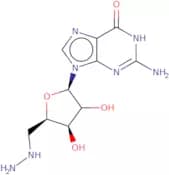
CAS:Building block for the introduction of uridine units into oligonucleotidesFormula:C42H53N4O10PPurezza:Min. 95%Peso molecolare:804.86 g/mol5'-Hydrazino-5'-deoxyguanosine
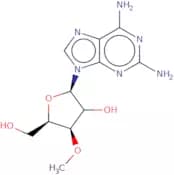
CAS:<p>5'-Hydrazino-5'-deoxyguanosine is a novel diphosphate nucleoside analog that has been shown to be an efficient activator of the anti-cancer enzyme ribonucleotide reductase. It is synthesized by reacting 5'-hydrazinouridine with hydroxylamine and then coupling with 5'-deoxyguanosine. The resulting product has been shown to inhibit DNA synthesis in vitro and in vivo, as well as to produce cytotoxic effects in human cancer cells. This compound also inhibits bacterial growth by binding to DNA-dependent RNA polymerase, thereby preventing transcription and replication. The high frequency of human activity has been shown using a patch-clamp technique on human erythrocytes. This active form is metabolized through a number of metabolic transformations, including hydrolysis by esterases or glucuronidases, oxidation by cytochrome P450 enzymes, reduction by glutathione reductase, or</p>Formula:C10H15N7O4Purezza:Min. 95%Peso molecolare:297.27 g/mol2,6-Diamino-9-(3'-O-methyl-b-D-ribofuranosyl)purine
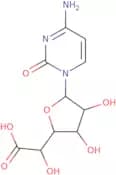
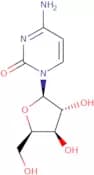
CAS:2,6-Diamino-9-(3'-O-methyl-b-D-ribofuranosyl)purine is an activator of antineoplastic drugs. It is a synthetic nucleoside that is modified at the 2' and 6' positions. The modification of the 2' position increases the stability and bioavailability of the drug in vivo. This product can be used to synthesize deoxyribonucleosides, phosphoramidites, ribonucleotides, or antiviral drugs.Formula:C11H16N6O4Purezza:Min. 95%Peso molecolare:296.29 g/molCytidine-5'-carboxylic acid
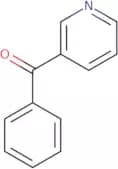
CAS:<p>Cytidine-5'-carboxylic acid is a member of the family of phenylephrine, which is a solid-phase peptide synthesized by reacting amino acids with N,O-bis(trimethylsilyl)acetamide and trimethylchlorosilane. Cytidine-5'-carboxylic acid is known to modulate substances that affect cell membrane properties and cause contraction in isolated rat stomachs. It has been shown to bind to the receptor agonist in laboratory animals. The concentration-response curve for cytidine-5'-carboxylic acid was determined in isolated rat stomach preparations.</p>Formula:C9H11N3O6Purezza:Min. 95%Peso molecolare:257.2 g/mol3-Benzoylpyridine
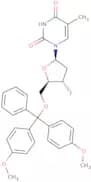
CAS:<p>3-Benzoylpyridine is a natural product that has been isolated from the plant Plectranthus fruticosus. It is an aromatic compound, with a trifluoromethyl group and a hydroxy group. 3-Benzoylpyridine has been shown to react with amines in the presence of hydrogen gas to form 1H-1,2,3-triazole derivatives. This reaction is catalyzed by light or UV irradiation. The absorption maxima for 3-benzoylpyridine are at 270 nm and 330 nm in water and ethanol, respectively. In addition, 3-benzoylpyridine is able to combine with hydroxide ions to form the corresponding salt, which can be reduced to yield the nitrogen containing heterocyclic ring (3-benzo[b]pyridin).</p>Formula:C12H9NOPurezza:Min. 95%Peso molecolare:183.21 g/mol3'-Deoxy-5'-O-DMT-3'-fluoro-thymidine
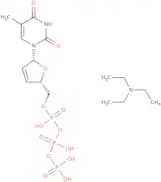
CAS:<p>3'-Deoxy-5'-O-DMT-3'-fluoro-thymidine (3'DFT) is a nucleoside that can be used as an anticancer drug. It is synthesized by the replacement of the 3'-hydroxyl group with a fluorine atom in 5'-O-DMT-3'-fluoro-thymidine. The synthesis of 3'DFT starts with the reaction of 5'O-(4,4'-dimethoxytrityl)-3'-deoxyuridine and 1,2,4,5-tetraisopropyldiazoacetate to form 5'O-(4,4'-dimethoxytrityl)-3'-deoxythymidine. This is followed by a reduction of the ester group to produce 5'O-(4,4'dimethoxytrityl)-3'F-thymidine. An acetate group is then added to</p>Formula:C31H31FN2O6Purezza:Min. 95%Peso molecolare:546.59 g/molStavudine 5'-triphosphate triethyammonium salt
CAS:Stavudine 5'-triphosphate triethyammonium salt is a novel, modified nucleoside that has antiviral and anticancer properties. It is synthesized as a phosphoramidite and used in the synthesis of ribonucleotides, which are incorporated into RNA. Stavudine 5'-triphosphate triethyammonium salt inhibits viral DNA replication by inhibiting the activity of reverse transcriptase, an enzyme that copies the DNA sequence to create a complementary RNA sequence. In vitro studies have shown that stavudine 5'-triphosphate triethyammonium salt inhibits cell proliferation in human cancer cells.Purezza:Min. 95%1-b-D-Ribofuranosyl-1,2,4-triazole-3-carboxamide-5'-triphosphate, lithium salt
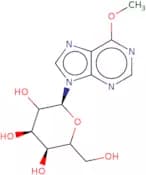
<p>1-b-D-Ribofuranosyl-1,2,4-triazole-3-carboxamide-5'-triphosphate, lithium salt (ABIPT) is a modified nucleotide that has antiviral and anticancer activities. It is an activator of the ribonucleoside diphosphate reductase enzyme and can be used to treat viral diseases such as HIV and hepatitis C. ABIPT also has anticancer activity by inhibiting DNA synthesis in tumor cells and inducing apoptosis. This drug is a novel monophosphate nucleoside that has been shown to inhibit the replication of influenza virus in vitro.</p>Purezza:Min. 95%1-(a-D-Mannopyranosyl)-6-methoxypurine
<p>1-(a-D-Mannopyranosyl)-6-methoxypurine is a synthetic nucleoside that is an activator for the purine receptor. It has been shown to inhibit the growth of various tumor cells and to have antiviral properties. 1-(a-D-Mannopyranosyl)-6-methoxypurine is a novel nucleoside that was first synthesized in 1988, but has not been used in clinical trials or approved by the FDA. This product is made with high purity and high quality standards, and has a CAS number (13961-47-2).</p>Formula:C12H16N4O6Purezza:Min. 95%Peso molecolare:312.28 g/mol6-Thioguanosine-5'-O-diphosphate sodium salt - 10mM aqueous solution
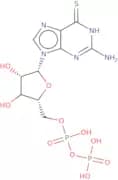
CAS:6-Thioguanosine-5'-O-diphosphate sodium salt is a nucleotide derivative of guanosine that binds to the regulatory site of ATP synthase in the chloroplast. It is an allosteric inhibitor that has been shown to inhibit the synthesis of proteins and chlorophyll, as well as ATP synthesis in plastids of plants. 6-Thioguanosine-5'-O-diphosphate sodium salt has been shown to be effective at inhibiting protein synthesis in mammalian cells, which may be due to its ability to bind to the metabotropic glutamate receptor. The molecule was also found to bind with high affinity to a ternary complex that includes glutamine, glutamate, and ammonia.Formula:C10H15N5O10P2SxNaPurezza:Min. 95%Colore e forma:PowderPeso molecolare:459.27 g/mol2',3',5'-Tri-O-acetylcytidine HCl
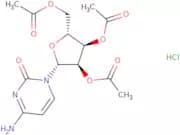
CAS:<p>2',3',5'-Tri-O-acetylcytidine HCl is a modified nucleoside that has been shown to have anticancer activity. The cytotoxic effect of 2',3',5'-tri-O-acetylcytidine HCl is mediated by its ability to inhibit DNA synthesis, which leads to cell death. This agent also inhibits viral replication and may be useful in the treatment of herpes virus infections. 2',3',5'-tri-O-acetylcytidine HCl is a stable nucleoside analog that can be used as an activator for polyphosphate polymerase or as a building block for the preparation of phosphoramidites, which are intermediates in the synthesis of oligonucleotide sequences.</p>Formula:C15H19N3O8·HClPurezza:Min. 95%Peso molecolare:405.79 g/mol2',3',5'-Tri-O-acetyl-2N,2N-dimethylguanosine
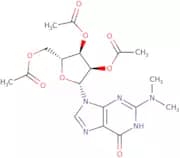
CAS:2',3',5'-Tri-O-acetyl-2N,2N-dimethylguanosine (TAMG) is a novel nucleoside that is synthesized from 2',3',5'-tri-O-acetyl-1,3,5-trioxohexanecarboxylic acid. TAMG has been shown to inhibit HIV and Hepatitis B virus replication by inhibiting the synthesis of viral DNA and RNA. The antiviral properties of TAMG are due to its incorporation into the growing DNA chain and blocking the polymerization process. TAMG also has anticancer activity and can be used as a chemotherapeutic agent against various types of cancer cells.Formula:C18H23N5O8Purezza:Min. 95%Peso molecolare:437.4 g/mol3’-Deoxy-3’C-methyladenosine
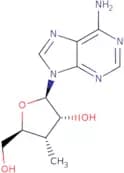
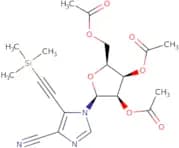
CAS:<p>3’-Deoxy-3’C-methyladenosine is a reaction product of DNA and cancer cells. This product is generated by the glycosylase enzyme, which removes a methyl group from cytosine to produce 3’-deoxyadenosine. It has been shown that 3’-deoxy-3’C-methyladenosine accumulates in animal tissues after chronic treatment with an anticancer drug and can be detected using chromatographic methods. The presence of this compound in animals can be used as an indicator for carcinogenesis. 3’-Deoxy-3’C-methyladenosine has also been shown to inhibit the replication of mammalian cells.</p>Purezza:Min. 95%5-(2-(Trimethylsilyl)-1-ethynyl)-1-(2',3',5'-tri-O-acetyl-b-D-ribofuranosyl)imidazo-4-carbonitrile
CAS:Ribonucleosides are a class of nucleoside analogues that have been used as antiviral and anticancer agents. Ribonucleosides are synthesized in a two-step process. The first step is the conversion of an appropriate ribose or deoxyribose to the corresponding monophosphate. The second step is the coupling of the monophosphate with an appropriate nucleotide. 5-(2-(Trimethylsilyl)-1-ethynyl)-1-(2',3',5'-tri-O-acetyl-b-D-ribofuranosyl)imidazo-4-carbonitrile is a novel nucleoside analogue, which has been shown to be active against cancer cells and to inhibit viral replication by interacting with DNA polymerase and other enzymes involved in DNA synthesis.Purezza:Min. 95%2,3'-Anhydro-1-b-D-fructofuranosyluracil
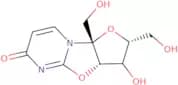
CAS:2,3'-Anhydro-1-b-D-fructofuranosyluracil is a novel nucleoside that is activated by phosphorylation. It is a potential antiviral and anticancer agent. This compound has shown to be an effective inhibitor of HIV replication in vitro. It has also been shown to inhibit the growth of human cancer cells in vitro and in vivo.Formula:C10H12N2O6Purezza:Min. 95%Peso molecolare:256.21 g/mol5'-O-DMT-uridine 3'-succinyl CPG 1000 Å (RNA)
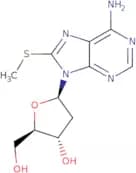
<p>5'-O-DMT-uridine 3'-succinyl CPG 1000 Å (RNA) is a nucleoside that belongs to the group of modified nucleosides. It is used as an activator for phosphoramidite synthesis and as an antiviral agent. 5'-O-DMT-uridine 3'-succinyl CPG 1000 Å (RNA) has been shown to have anticancer activity by inhibiting DNA, RNA, and protein synthesis in tumor cells and also stimulating apoptosis. 5'-O-DMT-uridine 3'-succinyl CPG 1000 Å (RNA) is synthesized from uracil, which is obtained by the hydrolysis of thymine or cytosine. This product is available with a high quality at a competitive price.</p>Purezza:Min. 95%2’-Deoxy-8-methylthioadenosine
CAS:2’-Deoxy-8-methylthioadenosine is a monophosphate and antiviral compound. It is used for the treatment of viral infections and has been shown to be active against herpes simplex, varicella zoster, cytomegalovirus, Epstein-Barr virus, and human immunodeficiency virus. The compound inhibits the activity of DNA polymerase by competing with deoxyribonucleosides as substrates. This results in the inhibition of DNA synthesis. 2’-Deoxy-8-methylthioadenosine also inhibits ribonucleotide reductase, which is an enzyme that catalyzes the production of ribonucleotides from deoxyribonucleotides. 2’-Deoxy-8-methylthioadenosine has been shown to inhibit cell proliferation in vitro and in vivo through G2/M phase arrest and apoptosis induction.Purezza:Min. 95%7-Deaza-7-iodoadenosine
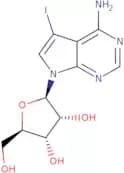
CAS:<p>7-Deaza-7-iodoadenosine is a nucleotide that has been used in experiments to assess the levels of adenosine, a dinucleotide phosphate that is involved in many cellular functions. 7-deaza-7-iodoadenosine has been shown to inhibit locomotor activity in rats and cyclase activity in 3T3-L1 preadipocytes. It also inhibits the release of inflammatory proteins from polymorphonuclear leucocytes and angiogenesis (formation of new blood vessels) in liver cells. Although this nucleotide has not been extensively studied, it has been proposed as an antiinflammatory agent because it inhibits protein synthesis and downregulates proinflammatory proteins.</p>Formula:C11H13IN4O4Purezza:Min. 95%Peso molecolare:392.15 g/mol3'-o-(t-Butyldimethylsilyl)-5'-deoxy-5'-(1,3-diphenyl-2-imidazolidinyl)thymidine
CAS:3'-o-(t-Butyldimethylsilyl)-5'-deoxy-5'-(1,3-diphenyl-2-imidazolidinyl)thymidine is an anticancer drug that inhibits the growth of cells by preventing DNA synthesis. It is a modified nucleoside that is synthesized from thymidine and has been shown to have antiviral and anti-inflammatory properties. 3'-o-(t-Butyldimethylsilyl)-5'-deoxy-5'-(1,3-diphenyl-2-imidazolidinyl)thymidine is also used in the production of phosphoramidites and ribonucleotides.Formula:C30H40N4O4SiPurezza:Min. 95%Peso molecolare:548.7 g/molNonadecanoyl coenzyme A
CAS:<p>Nonadecanoyl coenzyme A is a fatty acid that is produced by the bovine liver and has been shown to have anabolic effects. Nonadecanoyl CoA is involved in the synthesis of various lipids, such as phospholipids, cholesterol, and glycolipids. It also plays a role in biosynthesis of fatty acids and in regulating ATP production. Nonadecanoyl CoA is synthesized from acetate by the enzyme acetyl-CoA carboxylase (ACC). ACC catalyzes the conversion of acetyl-CoA to malonyl-CoA, which can then be used for fatty acid synthesis. Nonadecanoyl CoA has been found to play an important role in regulating mitochondrial function through its ability to activate long-chain acyl-CoAs desaturase (LCAD). LCAD converts long-chain acyl-CoAs into their corresponding dicarboxylic acids.</p>Formula:C40H72N7O17P3SPurezza:Min. 95%Peso molecolare:1,048.02 g/mol7’-Hydroxy-N-Trityl-morpholino guanine
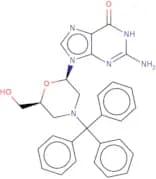
CAS:<p>Please enquire for more information about 7’-Hydroxy-N-Trityl-morpholino guanine including the price, delivery time and more detailed product information at the technical inquiry form on this page</p>Formula:C29H28N6O3Peso molecolare:508.57 g/mol6-Methylthiopurine ribonucleotide
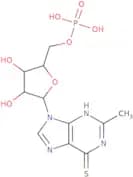
CAS:6-Methylthiopurine ribonucleotide is an inhibitor that belongs to the group of analogs of betamethasone. It has been shown to have anti-cancer properties and can induce apoptosis in cancer cells. This compound has also been studied for its potential use in treating urinary tract infections, as it has been shown to inhibit the growth of bacteria such as chlorhexidine-resistant strains. Additionally, 6-Methylthiopurine ribonucleotide has been found to be a potent inhibitor of human kinase and may have therapeutic potential for a variety of diseases. This compound has also been investigated as an inhibitor of tolvaptan, which is used to treat conditions such as hyponatremia. Overall, 6-Methylthiopurine ribonucleotide shows promising potential for the treatment of various diseases and conditions.Formula:C11H15N4O7PSPurezza:Min. 95%Peso molecolare:378.3 g/mol6-Chloro-7-deaza-9-(5'-O-tert-butyldimethylsilyl-2',3'-O-isopropylidene-b-D-ribofuranosyl)purine
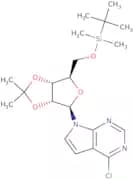
CAS:6-Chloro-7-deaza-9-(5'-O-tert-butyldimethylsilyl-2',3'-O-isopropylidene-b-D-ribofuranosyl)purine is a modified nucleoside that is used as an antiviral agent. It acts by inhibiting viral DNA polymerase to prevent the synthesis of viral DNA, which prevents virus replication and the spread of infection. 6CDAZP has been shown to be effective against Ebola and influenza viruses.Formula:C20H30ClN3O4SiPurezza:Min. 95%Colore e forma:Colourless to pale yellow oil.Peso molecolare:440.02 g/mol2',3',5'-Tris-O-[tert-butyldimethylsilyl]-2-chloroadenosine
CAS:2',3',5'-Tris-O-[tert-butyldimethylsilyl]-2-chloroadenosine is a phosphoramidite that can be used in the synthesis of ribonucleosides, deoxyribonucleosides, and nucleoside analogues. It is a novel compound that has antiviral and anticancer properties. This product is synthesized from 2,3,5-trichloropyrimidine by reaction with tert-butyldimethylsilyl chloride in the presence of triethylamine. The product is purified by vacuum distillation and characterized using proton nuclear magnetic resonance (NMR) spectroscopy.Formula:C28H54ClN5O4Si3Purezza:Min. 95%Peso molecolare:644.47 g/mol1,5-Anhydro-4,6-O-benzylidene-2,3-dideoxy-2-(N6-benzoyladenin-1-yl)-D-glucitol
1,5-Anhydro-4,6-O-benzylidene-2,3-dideoxy-2-(N6-benzoyladenin-1-yl)-D-glucitol is a modified nucleoside that is used as an anticancer agent. It is a synthetic analogue of 2'-deoxyadenosine 5'-monophosphate (dAMP) and has been shown to be a DNA activator. It also has antiviral properties against herpes simplex virus type 1 and influenza A virus. This drug is a novel high purity and high quality product that can be used for research purposes.Formula:C25H23N5O4Purezza:Min. 95%Peso molecolare:457.49 g/mol1-(b-D-Xylofuranosyl)cytosine
CAS:<p>1-(b-D-Xylofuranosyl)cytosine is a nucleoside analog that is used in the treatment of cancer. It inhibits DNA replication by binding to the RNA template strand and blocking the incorporation of cytosine. 1-(b-D-Xylofuranosyl)cytosine has been shown to have an inhibitory effect on tumor cell lines, with a thermal expansion coefficient similar to biphenyl. The molecular weight of 1-(b-D-xylofuranosyl)cytosine is approximately 244 g/mol, which is greater than that of water (18 g/mol). 1-(b-D-xylofuranosyl)cytosine also binds to double stranded DNA with high affinity, leading to inhibition of protein synthesis and cell division. In addition, this compound has been shown to bind to naphthalene and form adducts with its hydroxyl groups.</p>Formula:C9H13N3O5Purezza:Min. 95%Colore e forma:White To Off-White SolidPeso molecolare:243.22 g/mol5-Aminomethyluridine
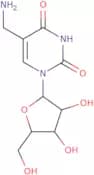
CAS:<p>5-Aminomethyluridine is a chemical compound that is involved in protein synthesis. It has been shown to inhibit the production of methylated uridines and cytosine, as well as the formation of 5-methylcytosine by methyltransferase. It also inhibits protein synthesis in human cells. 5-Aminomethyluridine may be able to block the progression of infectious diseases by inhibiting protein synthesis in the host cell. The compounds have been shown to inhibit the catalytic subunit of ribonucleotide reductase and RNA polymerase II, which are vital for cellular replication.</p>Formula:C10H15N3O6Purezza:Min. 95%Colore e forma:PowderPeso molecolare:273.24 g/mol2'-Deoxyuridine
CAS:Please enquire for more information about 2'-Deoxyuridine including the price, delivery time and more detailed product information at the technical inquiry form on this pageFormula:C9H12N2O5Purezza:Min. 98 Area-%Peso molecolare:228.2 g/molRef: 3D-Q-200273
1kgPrezzo su richiesta100gPrezzo su richiesta250gPrezzo su richiesta500gPrezzo su richiesta2500gPrezzo su richiesta-Unit-ggPrezzo su richiesta(2R,3R,4S,5R)-2-[6-Amino-2-(propylsulfanyl)-9H-purin-9-yl]-5-(hydroxymethyl)oxolane-3,4-diol
CAS:(2R,3R,4S,5R)-2-[6-Amino-2-(propylsulfanyl)-9H-purin-9-yl]-5-(hydroxymethyl)oxolane-3,4-diol is a novel nucleoside that has antiviral and anticancer properties. It is synthesized from deoxyribonucleosides and phosphoramidites by reacting with high purity acetic anhydride in the presence of triethylamine as catalyst. The compound is also known as (2R,3R,4S,5R)-2-[6-Amino-2-(propylsulfanyl)-9H-purin-9-yl]-5-(hydroxymethyl)oxolane-3,4-diol or 2'-deoxy[(2R,3R,4S,5R)-2-[6-(aminopropylsFormula:C13H19N5O4SPurezza:Min. 95%Peso molecolare:341.39 g/mol1-(2'-O-4-C-Methylene-b-D-ribofuranosyl)guanine
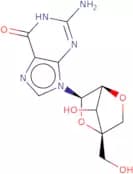
CAS:<p>1-(2'-O-4-C-Methylene-b-D-ribofuranosyl)guanine is a nucleoside that is used in the synthesis of DNA. It is a novel, synthetic nucleoside that has been modified to contain a 2'-O-4-C methylene bridge and an additional ribose moiety at the 3' position. This modification increases the stability of the nucleotide, making it more resistant to degradation by phosphodiesterases. 1-(2'-O-4-C-Methylene-b-D-ribofuranosyl)guanine may be used as an antiviral agent against HIV and influenza A virus. The compound has also shown anticancer activities in mice with leukemia induced by busulfan.</p>Formula:C11H13N5O5Purezza:Min. 95%Peso molecolare:295.25 g/mol2'-OMe-5-Me-U ce-phosphoramidite
CAS:Please enquire for more information about 2'-OMe-5-Me-U ce-phosphoramidite including the price, delivery time and more detailed product information at the technical inquiry form on this pageFormula:C41H51N4O9PPurezza:Min. 95%Peso molecolare:774.8 g/mol5-Chloro-2',3'-O-isopropylideneuridine
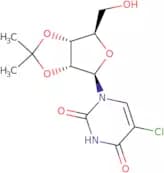
CAS:<p>5-Chloro-2',3'-O-isopropylideneuridine (5Cl-2',3'-O-diP) is a nucleoside that is used in the synthesis of DNA and RNA. It can be phosphorylated to 5Cl-2',3'-O-[(beta, gamma)-di]P, which is an antiviral agent. 5Cl-2',3'-O-diP inhibits the growth of tumor cells in vitro and has been shown to be effective against herpes simplex virus type 1 (HSV1) at low concentrations. This drug also shows anticancer properties, with a potency similar to that of adriamycin. 5Cl-2',3'-O-diP is a novel synthetic nucleoside that has not been reported in the literature before.</p>Formula:C12H15ClN2O6Purezza:Min. 95%Peso molecolare:318.72 g/molGemcitabine 5'-elaidate
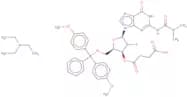
CAS:<p>Gemcitabine 5'-elaidate is an analog of gemcitabine that has hydrophobic properties. It has been shown to be active against solid tumours, including lung cancer. In a study on murine xenografts, gemcitabine 5'-elaidate was found to have the same degree of efficacy as gemcitabine in reducing tumour growth and increasing survival time. Gemcitabine 5'-elaidate also has good antitumour activity against infectious diseases such as HIV and malaria, which may be due to its ability to bind to the epidermal growth factor receptor (EGFR) on the surface of cells. This binding prevents EGFR from initiating cellular signaling.</p>Formula:C27H43F2N3O5Purezza:Min. 95%Peso molecolare:527.66 g/mol2'-Deoxy-5'-O-DMT-2'-fluoro-N2-isobutyrylguanosine 3'-O-succinate triethylammonium salt
<p>2'-Deoxy-5'-O-DMT-2'-fluoro-N2-isobutyrylguanosine 3'-O-succinate triethylammonium salt is a novel phosphoramidite that can be used as an activator for DNA synthesis. It is activated by the addition of an appropriate nucleophile and has been shown to be effective in antiviral and anticancer activities. This compound is synthesized through a modified diphosphate method and it is available in high purity with a CAS number.</p>Formula:C39H40FN5O10·C6H16NPurezza:Min. 95%Peso molecolare:859.98 g/molN-Acetyl-5'-O-DMT-2'-O-[[[tris(1-methylethyl)silyl]oxy]methyl]-adenosine 3'-CE phosphoramidite
CAS:N-Acetyl-5'-O-DMT-2'-O-[[[tris(1-methylethyl)silyl]oxy]methyl]-adenosine 3'-CE phosphoramidite is a modified nucleoside with antiviral and antitumor activity. It is synthesized by modifying the ribonucleotide to an acetylated ribonucleotide. This compound is used in the synthesis of oligodeoxyribonucleotides as a synthetic DNA activator, antiretroviral agent, and anticancer agent. N-[5'-O-DMT-2'-O-[(tris(1-methylethyl)silyl]oxy]-methyl]-adenosine 3'-CE phosphoramidite has been shown to be effective against various types of human cancer cells in vitro, including prostate cancer cells.Formula:C52H72N7O9PSiPurezza:Min. 95%Peso molecolare:998.23 g/molRef: 3D-PA157358
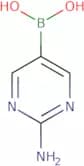
10gPrezzo su richiesta25gPrezzo su richiesta50gPrezzo su richiesta100gPrezzo su richiesta2-Aminopyrimidine-5-boronic acid
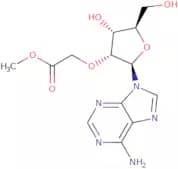
CAS:<p>2-Aminopyrimidine-5-boronic acid is a synthetic compound that has been shown to inhibit the activity of cellulase enzymes in vitro. It also has neuroprotective effects and potent inhibition against cancer cells. 2-Aminopyrimidine-5-boronic acid's mechanism of action is reversible covalent, meaning that it reacts with DNA by forming an N2-(2'-aminopyrimidine) adduct with guanine at position 6 in the purine ring. This reaction inhibits DNA synthesis, leading to cell death. 2-Aminopyrimidine-5-boronic acid is not currently being used as a cancer therapy, but it is being researched for its potential use in cancer treatments.</p>Formula:C4H6BN3O2Purezza:Min. 95%Peso molecolare:138.92 g/mol2’-O-(2-Methoxy-2-oxoethyl)adenosine
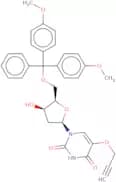
CAS:<p>2’-O-(2-Methoxy-2-oxoethyl)adenosine is a novel antiviral and anticancer agent. It is an antiviral due to its ability to inhibit viral DNA synthesis and replication by competitively inhibiting the incorporation of deoxyribonucleoside triphosphate precursors into viral DNA. 2’-O-(2-Methoxy-2-oxoethyl)adenosine has been shown to be active against human cancer cells in vitro and in vivo, as well as other cell lines. This compound is a phosphoramidite that can be used for the synthesis of modified oligonucleotides, including ribonucleosides and deoxyribonucleosides. 2’-O-(2-Methoxy-2-oxoethyl)adenosine has also been shown to be an activator of RNA polymerase II transcriptional activity.</p>Purezza:Min. 95%2'-Deoxy-5'-O-DMT-5-propargyloxyuridine
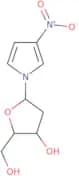
2'-Deoxy-5'-O-DMT-5-propargyloxyuridine is a nucleoside analogue that is an activator of the antiviral enzyme ribonuclease L. It has been shown to be cytotoxic in cell culture and has also been shown to induce apoptosis in human leukemia cells. 2'-Deoxy-5'-O-DMT-5-propargyloxyuridine is a novel modified nucleoside that has a high purity.Formula:C33H32N2O8Purezza:Min. 95%Peso molecolare:584.63 g/mol1-(β-D-2-Deoxyribofuranosyl)-3-nitropyrrole
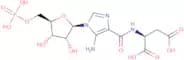
CAS:1-(β-D-2-Deoxyribofuranosyl)-3-nitropyrrole is a nitrofuranose analog that is used in the synthesis of nucleic acids. It has been shown to be effective as a template for DNA sequencing and as a probe for magnetic resonance spectroscopy. 1-(β-D-2-Deoxyribofuranosyl)-3-nitropyrrole inhibits the polymerase chain reaction by binding to the primer and causing misincorporation at mismatched sites, leading to reduced amplification of the target sequence. This compound also has antiviral properties and can prevent the replication of HIV and other viruses by destabilizing their dna duplexes.Formula:C9H12N2O5Purezza:Min. 95%Peso molecolare:228.2 g/molN-Succinyl-5-aminoimidazole-4-carboxamide ribose 5'-phosphate
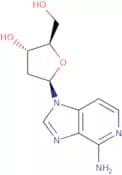
CAS:N-Succinyl-5-aminoimidazole-4-carboxamide ribose 5'-phosphate is a synthetase that is involved in the biosynthesis of purines and pyrimidines. It catalyzes the ATP-dependent formation of N-succinyl5'-aminoimidazole-4-carboxamide ribose 5'-phosphate from succinyl CoA and aspartic acid. This enzyme has been studied in wild type strains of bacteria, such as Escherichia coli, but not in humans or other organisms. N-Succinyl5'-aminoimidazole-4-carboxamide ribose 5'-phosphate has been shown to be an inhibitor of antimicrobial agents such as penicillin G, erythromycin, and tetracycline. The mechanism for this inhibition is unclear, but it may involve hydrogen bonding interactions or structural changes that prevent bindingFormula:C13H19N4O12PPurezza:Min. 95 Area-%Colore e forma:White Off-White PowderPeso molecolare:454.28 g/mol3-Deaza-2'-Deoxyadenosine
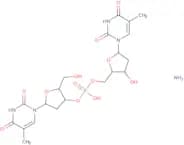
CAS:<p>3-Deaza-2'-Deoxyadenosine is a nucleoside analog that is synthesized from 2'-deoxyadenosine. It has been shown to be more potent than natural adenosine in inhibiting the activity of certain RNA polymerases. 3-Deaza-2'-Deoxyadenosine inhibits RNA synthesis by binding to the ribose moiety of the ribonucleotide, which prevents the formation of an enzyme-substrate complex and thus blocks chain elongation. This compound is also able to inhibit DNA synthesis by binding to the deoxyribose moiety of DNA and preventing DNA polymerase from adding nucleotides to the growing strand. 3-Deaza-2'-Deoxyadenosine has been shown to have antiviral activity against influenza virus and herpes simplex virus type 1 (HSV) in vitro.</p>Formula:C11H14N4O3Purezza:Min. 95%Peso molecolare:250.25 g/molThymidylyl-(3′→5′)-thymidine ammonium salt
CAS:<p>Thymidylyl-(3′→5′)-thymidine is a modified nucleoside that has antiviral activity. It is synthesized from thymidine, which is the deoxyribonucleotide of thymine and uracil, by phosphorylation with ATP. Thymidylyl-(3′→5′)-thymidine has been shown to be an activator of DNA polymerase in vitro and inhibits replication of human immunodeficiency virus (HIV) in cell cultures. This compound has been studied as a potential treatment for AIDS.</p>Formula:C20H30N5O12PPurezza:Min. 95%Peso molecolare:563.5 g/mol5'-o-(Dimethoxytrityl)-5-methyl-2'-o-methyluridine
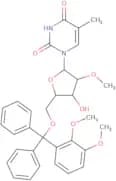
CAS:5'-O-(Dimethoxytrityl)-5-methyl-2'-O-methyluridine is a DNA building block that is used as a monophosphate and can be converted to diphosphate or modified with various protecting groups. This compound has been shown to have antiviral and anticancer properties, as well as being a novel nucleoside analog. 5'-O-(Dimethoxytrityl)-5-methyl-2'-O-methyluridine has the CAS number of 115173-73-4.Formula:C32H34N2O8Purezza:Min. 95%Peso molecolare:574.6 g/mol2'-o-Butyryladenosine 3',5'-cyclic phosphate dmap
CAS:Please enquire for more information about 2'-o-Butyryladenosine 3',5'-cyclic phosphate dmap including the price, delivery time and more detailed product information at the technical inquiry form on this pageFormula:C14H18N5O7PPurezza:Min. 95%Peso molecolare:399.3 g/mol5'-O-DMT-3'-O-hexylphthalimido-5-methyluridine
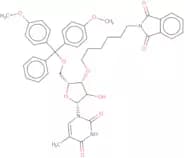
<p>5'-O-DMT-3'-O-hexylphthalimido-5-methyluridine is an activated nucleoside phosphoramidite for the synthesis of DNA and RNA. It is a building block for various nucleic acid analogues and has been shown to have antiviral and anticancer properties. 5'-O-DMT-3'-O-hexylphthalimido-5-methyluridine is also known as N6 -(2,4,6 trimethoxybenzoyl) adenosine or 5'-O-(2,4,6 triisopropoxybenzoyl)-adenosine (TIBA) and is used in the laboratory to produce oligonucleotides with modified sugar groups. This product has been shown to be effective against a number of cancer cell lines and has potential use in chemotherapy.</p>Formula:C45H47N3O10Purezza:Min. 95%Peso molecolare:789.89 g/mol5-Vinylcytidine
CAS:<p>5-Vinylcytidine is a nucleoside analog used in research to study DNA demethylation. It is an orthogonal molecule that can be used in assays to distinguish between different types of methylases. 5-Vinylcytidine is able to oxidize and formylate the N5 position of thymine, which leads to DNA demethylation. The mechanism of this process is not fully understood, but it may involve translocation or homologous recombination. 5-Vinylcytidine has been shown to react with alkyl groups, leading to its use as a probe for biochemical reactions involving methyltransferase enzymes.</p>Purezza:Min. 95%Cytidyl-3'-5'-adenosine ammonium salt
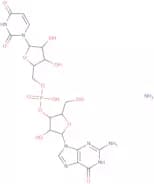
<p>Cytidyl-3'-5'-adenosine ammonium salt is a novel synthetic monophosphate nucleoside with antiviral and anticancer properties. It is synthesized from adenosine and cytidine, which are natural nucleosides. Cytidyl-3'-5'-adenosine ammonium salt is a high purity, high quality product that has been modified to target the ribonucleotide reductase enzyme. This enzyme controls the production of DNA in the cell, preventing it from reproducing. This product can be used as an activator for other chemotherapeutic drugs or as an anticancer drug itself.</p>Purezza:Min. 95%2',3'-Dideoxyinosine-5'-monophosphate sodium salt
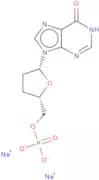
CAS:2',3'-Dideoxyinosine-5'-monophosphate sodium salt (ddI-MP) is an antiviral drug that is effective against HIV. It inhibits the reverse transcriptase enzyme, which is responsible for the conversion of RNA to DNA. ddI-MP has cytotoxic properties and prevents the production of DNA and protein. This agent also has a prophylactic effect against retroviruses, such as HIV, by preventing them from establishing latency in lymphocytes.Formula:C10H11N4O6P·Na2Purezza:Min. 95%Peso molecolare:360.17 g/mol5-Hydroxy-DC CEP
CAS:<p>Please enquire for more information about 5-Hydroxy-DC CEP including the price, delivery time and more detailed product information at the technical inquiry form on this page</p>Formula:C53H56N5O10PPurezza:Min. 95%Peso molecolare:954 g/mol2'-Bromo-2'-deoxy-3'-O-methanesulfonyluridine
<p>2'-Bromo-2'-deoxy-3'-O-methanesulfonyluridine is a nucleoside analogue that acts as an activator of the human immunodeficiency virus (HIV). It is thought to work by binding to the viral reverse transcriptase enzyme, which converts the RNA genome into DNA. This prevents the virus from replicating and producing new viruses. 2'-Bromo-2'-deoxy-3'-O-methanesulfonyluridine has also been shown to be active against other viruses such as herpes simplex virus type 1 (HSV1) and influenza A virus.</p>Purezza:Min. 95%Biotin-5-deoxycytidine-5'-triphosphate, lithium salt - 1 mM aqueous solution
Biotin-5-deoxycytidine-5'-triphosphate, lithium salt - 1 mM aqueous solution is a modified nucleoside with antiviral activity. It is a phosphoramidite that can be used for the synthesis of DNA, RNA and other nucleic acids. Biotin-5-deoxycytidine-5'-triphosphate, lithium salt - 1 mM aqueous solution is an active ingredient in many research laboratories.Formula:C22H35N6O15P3SPurezza:Min. 95%Peso molecolare:748.53 g/mol5'-O-DMT-cytidine
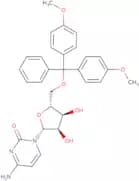
CAS:<p>5'-O-DMT-cytidine is a modified nucleoside that is used as an activator for phosphoramidites and as a building block for DNA, RNA, and other nucleic acids. 5'-O-DMT-cytidine has been shown to have anticancer and antiviral properties in laboratory tests. It is also known to inhibit the replication of HIV virus by blocking the reverse transcriptase enzyme. The compound is available with high purity and high quality. This product can be synthesized into a diphosphate, monophosphate or ribonucleotide form.</p>Formula:C30H31N3O7Purezza:Min. 95%Peso molecolare:545.58 g/molS-Adenosyl-L-methionine
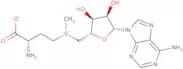
CAS:S-Adenosyl-L-methionine (SAM-e) is a co-substrate involved in methyl group transfer to nucleic acids, proteins and lipids. SAM-e is produced in the liver from adenosine triphosphate (ATP) and methionine by action of the enzyme methionine adenosyltransferase. Therapeutic use of S-adenosyl-L-methionine includes osteoarthritis, liver disease and major depressive disorder. S-Adenosyl-L-methionine is available as a dietary supplement.Formula:C15H22N6O5SPurezza:Min. 95%Colore e forma:White PowderPeso molecolare:398.44 g/mol2'-Deoxy-5'-O-DMT-5-iodocytidine
<p>2'-Deoxy-5'-O-DMT-5-iodocytidine is a modified nucleoside that has antiviral and anticancer properties. 2'-deoxy-5'-O-DMT-5-iodocytidine is able to activate the DNA polymerase, ribonucleotide reductase, and deoxyribonucleotide reductase enzymes. This product can be used as a monophosphate or diphosphate. The CAS number for this compound is 141475-07-4.</p>Purezza:Min. 95%1-Hydroxyethyl-2'-deoxyadenosine
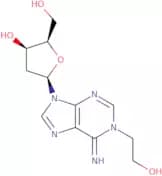
CAS:1-Hydroxyethyl-2'-deoxyadenosine (1HEDA) is an antiviral drug that inhibits the synthesis of viral DNA by blocking the formation of a ribonucleoside triphosphate intermediate. 1HEDA is a novel monophosphate nucleoside that has been modified to be resistant to phosphodiesterase enzymes and can be used as a chemotherapeutic agent for cancer. 1HEDA has been shown to have anticancer activity in vitro, in vivo, and in human clinical trials.Formula:C12H17N5O4Purezza:Min. 95%Peso molecolare:295.29 g/molGuanosine 5'-[γ-thio]triphosphate tetralithium
CAS:Guanosine 5'-[γ-thio]triphosphate tetralithium (GTPγS) is a guanine nucleotide analog that has been shown to modulate the signal transduction pathway in many types of cells. GTPγS activates the extracellular signal-transducing receptor kinase and phospholipase C, which are involved in cellular proliferation and differentiation. This agent also blocks calcium channels, thereby inhibiting neuromuscular transmission. It has been shown to be effective against pertussis toxin and other agents that block G protein coupling by inhibiting adenylate cyclase. In addition, GTPγS inhibits staurosporin-sensitive K+ channels in some neuronal cells, but not those that are insensitive to this blocker.Formula:C10H12Li4N5O13P3SPurezza:Min. 90 Area-%Colore e forma:PowderPeso molecolare:562.98 g/molGuanylyl-3'-5'-uridine ammonium salt
CAS:<p>Guanylyl-3'-5'-uridine ammonium salt is a nucleoside compound that has been synthesized to inhibit the growth of cancer cells. The guanylyl-3'-5'-uridine monophosphate (GMP) is an activator of ribonucleotide reductase, which converts ribonucleotides to deoxyribonucleotides. It also inhibits DNA synthesis by inhibiting the activity of DNA polymerase and DNA gyrase, which are enzymes that maintain the integrity of DNA. Guanylyl-3'-5'-uridine ammonium salt has been shown to be active against leukemia and colon cancer cells in vitro and in vivo.</p>Formula:C19H24N7O13P·NH3Purezza:Min. 95%Colore e forma:White to off-white solid.Peso molecolare:606.45 g/molN4-Benzoyl-2'-deoxy-5'-O-DMT-5-iodocytidine 3'-CE phosphoramidite
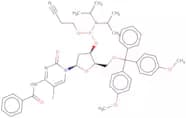
N4-Benzoyl-2'-deoxy-5'-O-DMT-5-iodocytidine 3'-CE phosphoramidite is an activator that is used in the synthesis of DNA, RNA, and other nucleic acids. It has antiviral, anticancer, and antimicrobial activities. N4-Benzoyl-2'-deoxy-5'-O-DMT-5-iodocytidine 3'-CE phosphoramidite is a novel compound that has been modified to improve its activity as an activator. This activator is provided at high purity and is suitable for research purposes.Formula:C46H51IN5O8PPurezza:Min. 95%Colore e forma:PowderPeso molecolare:959.83 g/mol2'-Deoxy-2'-fluoroadenosine-5'-triphosphate lithium salt - 100mM aqueous solution
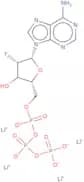
CAS:2'-Deoxy-2'-fluoroadenosine-5'-triphosphate lithium salt is an analog of ATP that has significant inhibitory effect on DNA polymerase. It inhibits the synthesis of RNA and protein by binding to the enzyme DNA gyrase. This drug is used in cell culture as a nucleotide analog to study how cells are affected by atp analogs. 2'-Deoxy-2'-fluoroadenosine-5'-triphosphate lithium salt is used at high concentrations in vitro, where it inhibits topoisomerases and prevents cell division.Formula:C10H11FN5O12P3·4LiPurezza:Min. 95%Peso molecolare:532.9 g/molN6-Benzoyl-5'-O-DMT-2'-O-(2-methoxyethyl)adenosine 3'-O succinate TEA salt
<p>N6-Benzoyl-5'-O-DMT-2'-O-(2-methoxyethyl)adenosine 3'-O succinate TEA salt is a modified nucleotide that has been shown to have anticancer and antiviral activity. N6-Benzoyl-5'-O-DMT-2'-O-(2-methoxyethyl)adenosine 3'-O succinate TEA salt inhibits the synthesis of viral DNA and also inhibits the production of DNA in tumor cells. This compound is a phosphoramidite, which is an activated ester of a nucleoside with a phosphate group. The active form of this drug is adenosine triphosphate (ATP), which acts as an activator for DNA synthesis, leading to the production of deoxyribonucleosides and monophosphate, which are necessary for DNA replication.</p>Purezza:Min. 95%


![1-[(5E)-5',6'-Dideoxy-6'-diethoxylphosphinyl-2'-O-methyl-b-D-ribo-hex-5-enofuranosyl]uracil 3'-CE …](/_next/image/?url=https%3A%2Fstatic.cymitquimica.com%2Fproducts%2F3D%2Fthumb-webp%2FPD76593.webp&w=3840&q=75)





![2-(2-Deoxy-b-D-ribofuranosyl)-2,3,8,9-tetrahydro-7-oxa-2,3,5,6-tetraazabenz[cd]azulen-4-amine](/_next/image/?url=https%3A%2Fstatic.cymitquimica.com%2Fproducts%2F3D%2Fthumb-webp%2FND145590.webp&w=3840&q=75)
![Pyrido[3,4-d]pyrimidine-2,4(1H,3H)-dione](/_next/image/?url=https%3A%2Fstatic.cymitquimica.com%2Fproducts%2F3D%2Fthumb-webp%2FNP44307.webp&w=3840&q=75)
![2'-Deoxyuridine-5'-[(a,b)-methyleno]triphosphate sodium salt - 10 mM aqueous solution](/_next/image/?url=https%3A%2Fstatic.cymitquimica.com%2Fproducts%2F3D%2Fthumb-webp%2FND45198.webp&w=3840&q=75)





![2',3',5'-Tris-O-[tert-butyldimethylsilyl]-2-chloroadenosine](/_next/image/?url=https%3A%2Fstatic.cymitquimica.com%2Fproducts%2F3D%2Fthumb-webp%2FNT16652.webp&w=3840&q=75)


![(2R,3R,4S,5R)-2-[6-Amino-2-(propylsulfanyl)-9H-purin-9-yl]-5-(hydroxymethyl)oxolane-3,4-diol](/_next/image/?url=https%3A%2Fstatic.cymitquimica.com%2Fproducts%2F3D%2Fthumb-webp%2FGBA52853.webp&w=3840&q=75)

![N-Acetyl-5'-O-DMT-2'-O-[[[tris(1-methylethyl)silyl]oxy]methyl]-adenosine 3'-CE phosphoramidite](/_next/image/?url=https%3A%2Fstatic.cymitquimica.com%2Fproducts%2F3D%2Fthumb-webp%2FPA157358.webp&w=3840&q=75)





![Guanosine 5'-[γ-thio]triphosphate tetralithium](/_next/image/?url=https%3A%2Fstatic.cymitquimica.com%2Fproducts%2F3D%2Fthumb-webp%2FNG63193.webp&w=3840&q=75)