Nucleosidi
I nucleosidi sono building blocks fondamentali degli acidi nucleici, composti da una base azotata legata a una molecola di zucchero. In questa sezione, puoi trovare una vasta gamma di nucleosidi essenziali per la ricerca in biologia molecolare, biochimica e farmacologia. Questi composti svolgono ruoli cruciali nella sintesi del DNA e dell'RNA e sono vitali in vari processi metabolici. I nucleosidi vengono utilizzati per studiare il materiale genetico, sviluppare terapie antivirali e antitumorali e comprendere i meccanismi cellulari. Da CymitQuimica, forniamo nucleosidi di alta qualità per supportare le tue esigenze di ricerca e sviluppo, garantendo purezza e affidabilità per le tue applicazioni sperimentali.
Trovati 3569 prodotti di "Nucleosidi"
Ordinare per
Purezza (%)
0
100
|
0
|
50
|
90
|
95
|
100
N4-Acetyl-1-(2'-O-acetyl-5'-O-DMT-b-D-arabinofuranosyl)cytosine 3'-CE phosphoramidite
<p>N4-Acetyl-1-(2'-O-acetyl-5'-O-DMT-b-D-arabinofuranosyl)cytosine 3'-CE phosphoramidite is a novel nucleoside designed for DNA activation. It has high quality and high purity, which are essential for pharmaceutical and analytical applications. This product is used in the synthesis of DNA, antiviral drugs, and anti-cancer agents. N4-Acetyl-1-(2'-O-acetyl-5'-O-DMT b -D -arabinofuranosyl)cytosine 3'-CE phosphoramidite can be used as an activator in the synthesis of deoxyribonucleosides and ribonucleosides.</p>Formula:C22H34N5O8PPurezza:Min. 95%Peso molecolare:527.51 g/mol2-Iodo-2’-deoxyadenosine
CAS:<p>2-Iodo-2’-deoxyadenosine is a novel nucleoside that is a modified adenosine. It has been shown to possess anticancer activity. 2-Iodo-2’-deoxyadenosine has a high degree of cytotoxicity and can induce apoptosis in cancer cells. This drug also inhibits the growth of herpes simplex virus type 1 (HSV) and HIV, which are both types of viruses that infect humans. The antiviral activity may be due to the inhibition of viral DNA synthesis or RNA transcription. 2-Iodo-2’-deoxyadenosine is synthesized from adenine, iodine, and sulfuric acid with high purity and quality. It is not active against bacteria because it does not inhibit bacterial DNA gyrase or topoisomerase IV enzymes.</p>Purezza:Min. 95%8-(p-Chlorophenylthio)-cGMP
CAS:<p>8-(p-Chlorophenylthio)-cGMP is a modified nucleoside that has anticancer activity. It inhibits DNA synthesis and the activation of protein kinases, which are enzymes that transmit signals from the cell surface to the nucleus. 8-(p-Chlorophenylthio)-cGMP can also inhibit viral replication by inhibiting the production of new virus particles and by inhibiting the action of reverse transcriptase, an enzyme that converts RNA into DNA.</p>Formula:C16H15ClN5O7PSPurezza:Min. 95%Peso molecolare:487.81 g/mol2'-O-Allylguanosine
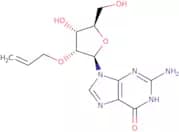
CAS:<p>2'-O-Allylguanosine is an intermediate in the synthesis of 2,6-diaminopurine riboside. It is synthesized from allyl chloride and guanosine by an allylation reaction. The yield for this reaction is high, which makes it a useful synthon. Deamination of the product yields 2'-O-allylguanosine 5'-monophosphate, which can be converted to 2',6-diaminopurine riboside by hydrolysis with phosphoric acid. This intermediate is used in research on nucleic acids sequences and hydrogen bonding.</p>Formula:C13H17N5O5Purezza:Min. 95%Colore e forma:White PowderPeso molecolare:323.3 g/mol5'-O-DMT-N4-isobutyryl-2'-O-methyl-5-methylcytidine
<p>5'-O-DMT-N4-isobutyryl-2'-O-methyl-5-methylcytidine, also known as 5'-O-(4,4'-dimethoxytrityl)-N4-isobutyryl-2'-O-methyl-5-methylcytidine, is a nucleoside and nucleotide analog. It is an antiviral agent with anticancer activity. This compound has been shown to be highly active against herpes simplex virus type 1 (HSV1) in vitro. The mechanism of action is not yet fully understood but may involve modification of the viral DNA polymerase.</p>Formula:C36H41N3O8Purezza:Min. 95%Peso molecolare:643.73 g/mol2'-Deoxy-N4,5-dimethylcytidine
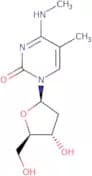
CAS:<p>2'-Deoxy-N4,5-dimethylcytidine is an activator that has the ability to activate a variety of nucleoside analogs. The compound is synthetically derived and used as an antiviral agent. It can be modified at the 5' position with phosphate groups or ribonucleosides. 2'-Deoxy-N4,5-dimethylcytidine is also a novel monophosphate nucleoside that has been shown to inhibit the growth of cancer cells in vitro and in vivo. This drug inhibits DNA synthesis by preventing the incorporation of diphosphate nucleotides into DNA during DNA replication. 2'-Deoxy-N4,5-dimethylcytidine is not active against RNA synthesis because it does not have any activity at this site.</p>Formula:C11H17N3O4Purezza:Min. 95%Peso molecolare:255.27 g/mol4-Bromo-2-methoxypyrimidine
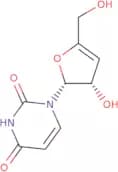
CAS:<p>4-Bromo-2-methoxypyrimidine is a synthetic compound that is used in the synthesis of other compounds. It reacts with alcohols, boronic acids, and benzyl halides to form heterocycles or pyrimidine compounds. The reaction system is catalytic and chemoselectively. 4-Bromo-2-methoxypyrimidine has been shown to have anticancer activity against various cell lines in vitro. It also possesses an ability to react with aryl boronic acids, such as those found in 2-pyridinones, to form new compounds. This reaction is catalyzed by palladium on carbon or copper chloride in the presence of a base. The new compounds have shown anti-inflammatory and cytotoxic activities against cancer cells.</p>Purezza:Min. 95%3'-deoxy-3',4'-didehydrouridine
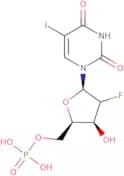
CAS:<p>3'-deoxy-3',4'-didehydrouridine is a synthetic nucleoside that inhibits viral replication. It is an antiviral agent that has been shown to be effective against DNA and RNA viruses. The synthesis of this compound has been described in the literature. This product is available in high purity and high quality, and CAS No. 2166167-51-5. 3'-deoxy-3',4'-didehydrouridine has also been shown to have anticancer activity, and is a novel synthetic nucleoside.</p>Formula:C9H10N2O5Purezza:Min. 95%Peso molecolare:226.19 g/molFialuridine 5'-monophosphate
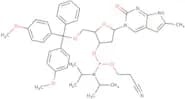
CAS:Fialuridine 5'-monophosphate is an analog of fialuridine, a drug used to treat HIV. Fialuridine 5'-monophosphate inhibits mitochondrial DNA synthesis by inhibiting hepg2 in the mitochondria and blocks the conversion of uracil to thymine in nuclear DNA. The inhibition of these two processes prevents viral replication and cell division. Fialuridine 5'-monophosphate also has antioxidant properties that protect cells from oxidative damage induced by reactive oxygen species. This drug may be beneficial for cancer treatment as well as hepatitis C or herpes simplex virus infection.Formula:C9H11FIN2O8PPurezza:Min. 95%Peso molecolare:452.07 g/mol5-Aza-3-deaza-N4-DMF-5'-O-DMT-2'-O-methylcytidine 3'-CE phosphoramidite
<p>5-Aza-3-deaza-N4-DMF-5'-O-DMT-2'-O-methylcytidine 3'-CE phosphoramidite is a novel modified nucleoside that is synthesized by the reaction of 5-Aza-3,8-(N4,N4)-dimethyl-1,2:5,6:8:10,11:12,-tetradeoxyribonucleosides with 2'-O,O'-Dimethoxytrityl Chloride. This product has been shown to be an activator and to have antiviral and anticancer activities. It also has a high purity and quality.</p>Formula:C43H55N6O8PPurezza:Min. 95%Peso molecolare:814.91 g/mol3'-Deoxy-3'-fluoroinosine
CAS:3'-Deoxy-3'-fluoroinosine is a nucleoside analog that has been shown to have cytotoxic effects. It inhibits the growth of nematodes and other parasites by blocking the deacetylation of lipids in the cell membrane, which leads to their death. 3'-Deoxy-3'-fluoroinosine has also been shown to inhibit trypanosomiasis and leishmania infections by preventing the synthesis of purines and pyrimidines. This drug binds to 6-chloropurine ribonucleotide reductase, thereby inhibiting the production of nucleic acids. 3'-Deoxy-3'-fluoroinosine is not active against mammalian cells, which may be due to its inability to penetrate cell membranes efficiently.Purezza:Min. 95%Pyrrolo-2’-deoxycytidine 3’-CE phosphoramidite
CAS:A fluorescent analogue of deoxycytidine. Used for monitoring RNA secondary structure formation, where its fluorescence is reversibly quenched upon base-pairing. Emission max is at 473nm.Formula:C42H50N5O7PPurezza:Min. 95%Peso molecolare:767.8 g/mol2'-Deoxy-5'-O-DMT-uridine 3'-succinyl CPG 1000Å
<p>2'-Deoxy-5'-O-DMT-uridine 3'-succinyl CPG 1000Å is an anticancer drug that is used in the treatment of acute myeloid leukemia. This compound is a modified nucleoside. It has been shown to inhibit the growth of cultured cells and induce apoptosis by causing DNA damage. The anticancer properties of 2'-deoxy-5'-O-DMT-uridine 3'-succinyl CPG 1000Å are mediated by its inhibition of DNA synthesis, RNA synthesis, and protein synthesis.</p>Purezza:Min. 95%5-Aminoimidazole-4-carboxamide-1-b-D-ribofuranosyl 5'-triphosphate
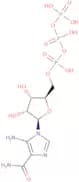
CAS:5-Aminoimidazole-4-carboxamide-1-b-D-ribofuranosyl 5'-triphosphate (AICAR) is a bifunctional agent that has been shown to stimulate the activity of adenylosuccinate synthetase, an enzyme that catalyzes the conversion of adenosine monophosphate (AMP) to adenosine triphosphate (ATP). AICAR is also a substrate for adenylosuccinate synthetase. The use of AICAR as a pharmacological agent has been associated with increased levels of nucleotides in cells and tissues. This may be due to the activation of AMPK, which stimulates ATP production by breaking down ATP through oxidative phosphorylation. AICAR can be detected using chromatographic techniques, such as high performance liquid chromatography or thin layer chromatography.Formula:C9H17N4O14P3Purezza:Min. 95%Peso molecolare:498.17 g/mol3'-Azido-2',3'-dideoxy-N2-isobutyrylguanosine
<p>3'-Azido-2',3'-dideoxy-N2-isobutyrylguanosine is an antiviral agent that belongs to the class of nucleosides. It is a novel phosphoramidite which can be used in the synthesis of ribonucleosides and deoxyribonucleosides. 3'-Azido-2',3'-dideoxy-N2-isobutyrylguanosine has shown anticancer activity, with a potential use as an inhibitor of cellular proliferation, including tumor cells. 3'-Azido-2',3'-dideoxy-N2-isobutyrylguanosine also inhibits viral replication by interfering with the initiation and elongation steps of viral DNA synthesis.</p>Purezza:Min. 95%5'-O-DMTr-2'-O,4'-C-methyleneuridine 3'-CE-phosphoramidite
CAS:5'-O-DMTr-2'-O,4'-C-methyleneuridine 3'-CE-phosphoramidite is a novel nucleoside phosphoramidite. It is an activator of DNA polymerase for the synthesis of diphosphate analogues of ribonucleosides and deoxyribonucleosides. This compound has been used in the synthesis of antiviral and anticancer agents, as well as in research on the development of new antiviral drugs.Purezza:Min. 95%Myristoyl coenzyme A lithium salt
CAS:<p>Myristoyl coenzyme A lithium salt is an activator that can be used in the synthesis of Ribonucleosides and Deoxyribonucleosides. It has a high purity, which ensures high quality synthesis. Myristoyl coenzyme A lithium salt is a novel nucleotide precursor that can be used to synthesize DNA or RNA for use in anti-cancer or antiviral treatments.</p>Formula:C35H62N7O17P3S·xLiPurezza:Min. 95%Peso molecolare:977.89 g/mol2,2’-Anhydro-5’-O-DMT-uridine
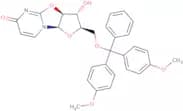
CAS:2,2’-Anhydro-5’-O-DMT-uridine is a high purity synthetic nucleoside that is modified with a hydroxymethyl group in the 2' position. It is a monophosphate and diphosphate derivative of uridine. This nucleoside has antiviral and anticancer properties, as well as the ability to inhibit HIV replication.Formula:C30H28N2O7Purezza:Min. 95%Peso molecolare:528.55 g/mol2'-O-tert-Butyldimethylsilyl-5'-O-DMT-5-iodouridine 3'-CE phosphoramidite
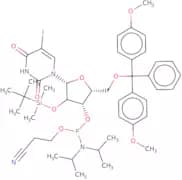
<p>2'-O-tert-Butyldimethylsilyl-5'-O-DMT-5-iodouridine 3'-CE phosphoramidite is a modified nucleoside that can be used to synthesize oligonucleotides. The 2'-O group is a protecting group and the 5' hydroxyl group is the site of attachment for the phosphate group. This product is an anticancer, antiviral, and antiretroviral agent. It has been shown to inhibit the growth of cancer cells in vitro and in vivo.</p>Formula:C45H60IN4O9PSiPurezza:Min. 95%Peso molecolare:986.97 g/mol2'-Deoxy-5'-O-DMT-5-methylcytidine
CAS:<p>2'-Deoxy-5'-O-DMT-5-methylcytidine is a nucleoside analog that can be used to treat cancer. This compound is synthesized by the conversion of 5′-O-dimethoxytrityl (DMT)-2'-deoxycytidine to its 5′-O-DMT phosphoramidite. The phosphoramidite is then reacted with methylene chloride, methanol, and ammonia to form the monophosphate. 2'-Deoxy-5'-O-DMT-5-methylcytidine has been shown to be an effective anticancer drug in vitro and in vivo. It targets DNA synthesis, which prevents the duplication of genetic material necessary for cell division.</p>Formula:C31H33N3O6Purezza:Min. 95%Colore e forma:White to off-white solid.Peso molecolare:543.63 g/mol8-(4-Aminophenyl)-2'-deoxyguanosine
<p>8-(4-Aminophenyl)-2'-deoxyguanosine is an Activator that has novel properties. It is a diphosphate of 8-(4-Aminophenyl)thymidine and is also known as 8-APT. It has been shown to have anticancer and antiviral activity in animal models, and it may be a potential treatment for HIV infection. The chemical name for 8-APT is 2'-deoxyguanosine, 8-(4-aminophenyl)-, (8R*,9S*)-.</p>Formula:C16H18N6O4Purezza:Min. 95%Peso molecolare:358.35 g/mol6-Aminothymine
CAS:<p>6-Aminothymine is a polyamine that exerts its inhibitory activity by hydrogen bonding to the enzyme's active site. It has been shown to inhibit protein synthesis and growth factor synthesis in HL-60 cells. 6-Aminothymine also has cancer inhibiting properties, which may be due to its ability to bind DNA and interfere with replication or transcription.</p>Formula:C5H7N3O2Purezza:Min. 95%Peso molecolare:141.13 g/mol1-(2',3',5'-Tri-O-tert-butyldimethylsilyl-b-D-ribofuranosyl)-5-ethynylimidazo-4-carbonitrile
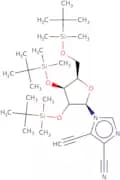
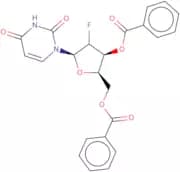
CAS:Ribonucleosides are nucleoside derivatives that can be used as antiviral agents. Ribonuclease (RNase) is a type of ribonucleoside that acts as an antiviral agent by inhibiting the synthesis of RNA in cells. Ribonuclease has been shown to inhibit the growth of HIV-1 and HIV-2 in vitro, and may also have therapeutic potential for other viruses such as herpes simplex virus-1 (HSV-1). Ribonuclease is synthetically modified to produce 1-(2',3',5'-tri-O-tert-butyldimethylsilyl-b-D-ribofuranosyl)-5-ethynylimidazo-[4,5,-c]-carbonitrile, an activator ribonucleoside with high purity and novel properties.Formula:C29H53N3O4Si3Purezza:Min. 95%Peso molecolare:592.01 g/mol3',5'-Di-O-benzoyl-2'-deoxy-2'-fluorouridine
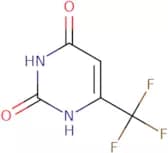
<p>3',5'-Di-O-benzoyl-2'-deoxy-2'-fluorouridine is a novel nucleoside analog that has been shown to have anticancer activity in vitro. The compound is a monophosphate, which is synthesized from 2'-deoxyuridine and benzoyl chloride. 3',5'-Di-O-benzoyl-2'-deoxy-2'-fluorouridine was found to have antiviral activity against herpes simplex virus type 1 (HSV1) and cytomegalovirus (CMV). It also inhibited the production of HIV in human lymphocytes. This nucleoside analog can be activated by phosphorylation at the 5' position to form a diphosphate, which inhibits DNA synthesis by incorporating into the growing DNA chain and preventing the movement of RNA polymerase along the template strand.</p>Formula:C23H19FN2O7Purezza:Min. 95%Peso molecolare:454.42 g/mol6-(Trifluoromethyl)uracil
CAS:6-(Trifluoromethyl)uracil is a synthetic analog of uracil, which is a nucleobase that is found in RNA. It can be synthesized by reacting phosphorus oxychloride and trifluoromethyl chloride to form the corresponding chloroformate ester, followed by hydrolysis with anhydrous potassium carbonate. The compound has been shown to inhibit bacterial growth in bioassays and also has the ability to react with amines. 6-Trifluoromethyluracil has a constant chlorine atom that forms hydrogen bonds with other molecules, such as ammonia or amines, which may have antibacterial properties.Formula:C5H3F3N2O2Purezza:Min. 95%Peso molecolare:180.08 g/mol5'-O-tert-Butyldimethylsilyluridine
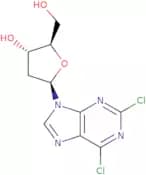
CAS:<p>5'-O-tert-Butyldimethylsilyluridine (5'-O-TBDMSU) is a nucleoside that is used in the synthesis of nucleic acid probes. It is selective for the uridine residues in RNA and DNA, which are found at the 5' position. Sodium hydride reacts with this compound to form the corresponding hydroxyl group. This allows for further nucleobase additions or halogen substitutions to be made to the molecule, as well as desilylation reactions. 5'-O-TBDMSU can also be used to synthesize heteroaromatic nucleic acids and nucleotide derivatives.</p>Formula:C15H26N2O6SiPurezza:Min. 98 Area-%Colore e forma:PowderPeso molecolare:358.46 g/mol2,6-Dichloro-9-(2'-deoxy-b-D-ribofuranosyl)purine
CAS:<p>2,6-Dichloro-9-(2'-deoxy-β-D-ribofuranosyl)purine is a synthetic compound that is used in the treatment of certain types of cancer. It has been shown to be an activator of DNA synthesis and an inhibitor of RNA synthesis. It has also been shown to inhibit tumor growth and prolong the survival time for patients with leukemia. The antiviral activity of 2,6-dichloro-9-(2'-deoxy-β-D-ribofuranosyl)purine may be due to its ability to inhibit viral DNA polymerase. This drug is also known as dideoxyinosine (ddI).</p>Formula:C10H10Cl2N4O3Purezza:Min. 95%Peso molecolare:305.12 g/mol3-Deazauridine-5'-triphosphate triethylamine salt
CAS:3-Deazauridine-5'-triphosphate triethylamine salt is a xanthosine analog that has been used as a biochemical reagent in animals and humans. It is postulated to be a potential cancer therapeutic agent because of its ability to inhibit DNA synthesis and cell division. 3-Deazauridine-5'-triphosphate triethylamine salt inhibits the biosynthesis of uridine in leukemic mice, hamster V79 cells, and mammalian cells. This drug inhibits the incorporation of uracil into RNA by competitive inhibition with respect to ATP. 3DATTP also inhibits the incorporation of thymidine into DNA by competitive inhibition with respect to dCTP.Formula:C10H16NO15P3Purezza:Min. 95%Peso molecolare:483.15 g/mol8-Oxo-N2-isobutyryl-2-deoxyguanosine
CAS:<p>8-Oxo-N2-isobutyryl-2-deoxyguanosine is a modified synthetic nucleoside. It finds applications in understanding mutagenesis and DNA repair mechanisms.</p>Formula:C14H19N5O6Purezza:Min. 95%Peso molecolare:353.33 g/mol2'-Deoxy-5'-O-DMT-N2-isobutyryl-guanosine-3'-lcaa-CPG
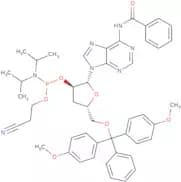
<p>2'-Deoxy-5'-O-DMT-N2-isobutyryl-guanosine-3'-lcaa-CPG is a modified nucleoside, which is synthetically prepared. It is an activator of DNA polymerase and has been shown to be active against human leukemia cells. 2'-Deoxy-5'-O-DMT-N2-isobutyryl Guanosine 3'-lcaa CPG has also been shown to inhibit the replication of the herpes simplex virus type 1 in vitro. The compound is a novel high quality nucleoside phosphoramidite that can be used as a building block in the synthesis of deoxyribonucleosides and modified nucleosides with novel chemical structures.</p>Purezza:Min. 95%N6-Benzoyl-3'-deoxy-5'-O-DMT-adenosine 2'-CE phosphoramidite
CAS:N6-Benzoyl-3'-deoxy-5'-O-DMT-adenosine 2'-CE phosphoramidite is a novel modified nucleoside that has antiviral, anticancer and antibacterial properties. The chemical name is N6-benzoyl-3'-deoxy-5'-O-DMT-adenosine 2'-CE phosphoramidite. It is a ribonucleotide. It is an activator of the enzyme kinase A which phosphorylates proteins and activates them. This product has not been tested in humans.Formula:C47H52N7O7PPurezza:Min. 95%Peso molecolare:857.93 g/molAdenosine 5′-diphosphoribose monosodium
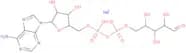
CAS:Adenosine 5′-diphosphoribose monosodium is a novel nucleotide that can be used in the synthesis of antiviral, anticancer, and anti-inflammatory drugs. Adenosine 5′-diphosphoribose monosodium is a modified form of adenosine 5′-triphosphate (ATP) with an added phosphate group at the 5′ position on the ribose sugar. It is synthesized from ATP by phosphoramidite chemistry. The CAS number for this product is 68414-18-6. Adenosine 5′-diphosphoribose monosodium has been shown to inhibit replication of human immunodeficiency virus type 1 (HIV-1) and herpes simplex virus type 1 (HSV-1).Formula:C15H23N5O14P2•NaPurezza:Min. 95%Peso molecolare:582.31 g/molCytidine hemisulfate salt
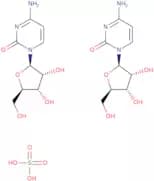
CAS:Cytidine hemisulfate salt is a postulated inhibitor of the blood group antigen. It inhibits the phosphatase activity of blood group-specific phosphatases, which may be caused by its specific inhibition of α-tocopherol and phenolphthalein. Cytidine hemisulfate salt has been shown to inhibit both adenylic and uridylic phosphatases, but does not inhibit other phosphatases. This drug is also an antigen that can stimulate B cells, which produce antibodies against it. Cytidine hemisulfate salt is found in DNA and RNA.Formula:C9H13N3O5H2SO4Purezza:Min. 95%Peso molecolare:292.26 g/mol5'-Fluoro-5'-deoxy-adenosine
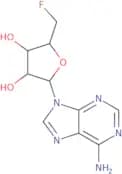
CAS:5'-Fluoro-5'-deoxy-adenosine (FDA) is a fluorinated adenosine derivative that has been shown to regulate glucose levels in plasma. It has been shown to increase the uptake of glucose in cells and improve insulin sensitivity, which may be due to its ability to increase the production of nitric oxide. FDA is also thought to act as an antioxidant and may be useful for treating autoimmune diseases such as insulin resistance and type II diabetes.Formula:C10H12FN5O3Purezza:Min. 95%Colore e forma:PowderPeso molecolare:269.23 g/mol5'-O-p-Anisoyl-3'-fluoro-3'-deoxythymidine
<p>5'-O-p-Anisoyl-3'-fluoro-3'-deoxythymidine is a novel anticancer agent that has been shown to be active against leukemia, lymphoma and myeloma. The compound is a nucleoside analogue that inhibits DNA synthesis by inhibiting the activity of DNA polymerase. It has been shown to have antiviral activity in vitro against herpes simplex virus type 1 and type 2, influenza A virus and HIV. 5'-O-p-Anisoyl-3'-fluoro-3'-deoxythymidine can also inhibit protein synthesis by blocking the incorporation of amino acids into protein. This drug is synthesized from 3',5'-dideoxyuridine (dU) and fluoroacetyl chloride to produce 5'-O-p-anisoyl-3',5'-difluoroacetyl dU (ADUF). ADUF is then reacted with anisole to produce 5</p>Formula:C18H19FN2O6Purezza:Min. 95%Peso molecolare:378.4 g/mol2'-Deoxy-N6,N6-dimethyladenosine
2'-Deoxy-N6,N6-dimethyladenosine is a novel nucleoside that has been shown to inhibit the growth of cancer cells. It binds to DNA and inhibits the activity of bacterial RNA polymerase, which prevents transcription and replication. The monophosphate form of 2'-deoxy-N6,N6-dimethyladenosine is an activator for ribonucleotide reductase and an inhibitor for DNA gyrase. This drug also inhibits viral replication by inhibiting viral reverse transcriptase. 2'-Deoxy-N6,N6-dimethyladenosine has been shown to have antiviral activity against influenza virus type A (H1N1) and HIV in cell culture. This drug is chemically synthesized using phosphoramidites as raw materials and purified by high performance liquid chromatography (HPLC). The CAS number is 220763-81-8.Purezza:Min. 95%4'-a-C-Methyladenosine
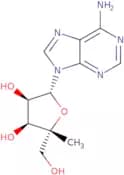
CAS:<p>4'-a-C-Methyladenosine is a nucleoside that has antiviral, anticancer and novel properties. It is a modified nucleoside with a methyl group in the 4' position. This modification prevents the phosphodiester bond from being hydrolyzed by nucleotide kinase enzymes. The methyl group also inhibits the formation of adenosine monophosphate (AMP) during DNA synthesis, which prevents the deactivation of adenosine triphosphate (ATP). 4'-a-C-Methyladenosine is used to synthesize oligonucleotides for use in DNA sequencing and gene mapping.</p>Purezza:Min. 95%5-[N(6-(Trifluoroacetamido)hexyl)-3-(E)-acrylamido] -2'-deoxyuridine
CAS:<p>5-[N(6-(Trifluoroacetamido)hexyl)-3-(E)-acrylamido] -2'-deoxyuridine is a synthetic, modified nucleoside that functions as an activator of ribonucleotide reductase. It has been shown to be effective in the treatment of viral infections, including herpes simplex virus type 1 (HSV-1), herpes simplex virus type 2 (HSV-2), and human immunodeficiency virus type 1 (HIV-1). 5-[N(6-(Trifluoroacetamido)hexyl)-3-(E)-acrylamido] -2'-deoxyuridine is also synthesized into DNA or RNA molecules, which are used to study the structure of these compounds. It can also be used for phosphoramidite synthesis.</p>Formula:C20H27F3N4OPurezza:Min. 95%Peso molecolare:396.45 g/mol3'-Deoxy-N2-DMF-5'-O-DMT-guanosine 2'-CE phosphoramidite
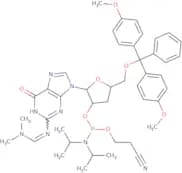
CAS:<p>3'-Deoxy-N2-DMF-5'-O-DMT-guanosine 2'-CE phosphoramidite is a novel nucleoside, which is structurally similar to cytidine and has been synthesized for the first time. 3'-Deoxy-N2-DMF-5'-O-DMT-guanosine 2'-CE phosphoramidite has antiviral and anticancer activities. It inhibits the growth of viruses by inhibiting DNA synthesis. 3'-Deoxy-N2-DMF-5'-O-DMT-guanosine 2'-CE phosphoramidite also inhibits the growth of cancer cells by inhibiting RNA synthesis.</p>Formula:C43H53N8O7PPurezza:Min. 95%Peso molecolare:824.9 g/molStavudine 5'-monophosphate triethyammonium salt
<p>Stavudine 5'-monophosphate triethylammonium salt is a nucleoside analog that is structurally related to the natural deoxyribonucleosides. It has antiviral activity and is used in the treatment of HIV-1. Stavudine 5'-monophosphate triethylammonium salt inhibits viral replication by inhibiting DNA polymerase, which leads to a decrease in the production of new copies of the virus. This drug has also been shown to have anticancer properties, although it is not currently approved for this use. Stavudine 5'-monophosphate triethylammonium salt is synthesized in high purity and high quality, with a CAS number of 102747-23-2.</p>Purezza:Min. 95%N4-Benzoyl-5'-O-DMT-2'-O-(2-methylacetamido)-5-methylcytidine 3'-CE phosphoramidite
<p>N4-Benzoyl-5'-O-DMT-2'-O-(2-methylacetamido)-5-methylcytidine 3'-CE phosphoramidite is a novel, antiviral, and anticancer agent. It has high purity and quality, and is modified with an acetyl group (N4-benzoyl) at the 5' position of the nucleotide sugar. This product has a CAS No. of 636371-27-0 and may be used as a monophosphate or diphosphate. The N4-benzoyl group is not present in natural nucleosides; therefore, this analog can serve as an activator for ribonucleoside kinase by mimicking the natural substrate.</p>Purezza:Min. 95%2'-O-tert-Butyldimethylsilyl-N2-DMF-5'-O-DMT-guanosine 3'-CE phosphoramidite
2'-O-tert-Butyldimethylsilyl-N2-DMF-5'-O-DMT-guanosine 3'-CE phosphoramidite is a nucleoside monophosphate with CAS No. 58822-52-3. It is an activator that has anticancer and antiviral properties. This product is modified, novel and high purity and quality. 2'-O-tert-Butyldimethylsilyl-N2-DMF-5'-O-DMT-guanosine 3'-CE phosphoramidite can be used in the synthesis of oligonucleotides for use as probes or drugs in the treatment of cancer, HIV, hepatitis B and influenza A.Formula:C49H67N8O8PSiPurezza:Min. 95%Peso molecolare:955.19 g/molDisodium adenosine 5'-phosphate hydrate
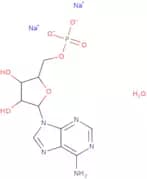
CAS:Disodium adenosine 5'-phosphate hydrate is a novel, modified nucleotide analogue that is used in antiviral therapy. It has been shown to be an effective inhibitor of herpes simplex virus type 1 (HSV-1), herpes simplex virus type 2 (HSV-2), and cytomegalovirus. Disodium adenosine 5'-phosphate hydrate also inhibits DNA polymerase and RNA polymerase, thereby preventing replication of the virus genome. Disodium adenosine 5'-phosphate hydrate has been shown to be active against cancer cells in vitro and in vivo, as well as being useful in the treatment of cancer.Formula:C10H14N5Na2O8PPurezza:Min. 95%Peso molecolare:409.2 g/mol(-)-Adenosine 3'-monophosphate hydrate
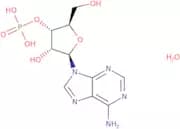
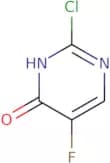
CAS:<p>Adenosine 3'-monophosphate hydrate is a nucleoside that is an important intermediate in the biosynthesis of DNA and RNA. It is a phosphodiesterase inhibitor, which prevents the breakdown of adenosine 3'-monophosphate (cAMP). This compound also has a role in various other metabolic pathways, such as the synthesis of purines. Adenosine 3'-monophosphate hydrate is used for preparing adenosylcobalamin and for studies on phosphodiesterases. The nature of this compound is determined by its chemical structure, including functional groups and sequences. Its modification includes the addition of phosphate groups to its ribose sugar moiety. Adenosine 3'-monophosphate hydrate has a molecular weight of 372.4 g/mol and optimum pH of 7-8.<br>The hybridization behavior and ph optimum are characteristic properties of this compound.</p>Formula:C10H16N5O8PPurezza:Min. 95%Peso molecolare:365.24 g/mol2-Chloro-4-hydroxy-5-fluoropyrimidine
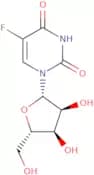
CAS:2-Chloro-4-hydroxy-5-fluoropyrimidine is a nucleoside with antiviral and anticancer activity. It has shown to be an effective agent against HIV, herpes virus and human papilloma virus. 2-Chloro-4-hydroxy-5-fluoropyrimidine inhibits the synthesis of DNA by inhibiting the enzyme DNA polymerase, which catalyzes the formation of diphosphate from monophosphate. In addition, it inhibits protein synthesis by inhibiting ribonucleotide reductase, which catalyzes the conversion of ribonucleotides to deoxyribonucleotides.Formula:C4H2ClFN2OPurezza:Min. 95%Peso molecolare:148.52 g/mol5-Fluoro-1-(b-L-ribofuranosyl)-uracil
CAS:<p>5-Fluoro-1-(b-L-ribofuranosyl)-uracil is a triflate that is synthesized by the intramolecular, stereospecific reaction of l-guanosine and l-adenosine. It has been shown to have high yields in its synthesis. 5-Fluoro-1-(b-L-ribofuranosyl)-uracil can be used to produce glycosidations with d-galactose and l-thymidine. This product can also be used for the production of l-[5-(2,4,6-trimethoxybenzoyl)-1Hpyrazol]-3-[(2S,3R)-3-(bromomethyl)pyrrolidin]-2one (PBI), which is an inhibitor of protein kinase C.</p>Purezza:Min. 95%2,2'-Anhydro-5'-O-tert-butyldiphenylsilylthymidine
2,2'-Anhydro-5'-O-tert-butyldiphenylsilylthymidine is a novel monophosphate nucleoside analog that has antiviral activity against herpes simplex virus type 1 (HSV-1) and herpes simplex virus type 2 (HSV-2). This compound is chemically synthesized by the reaction between thymidine with bis-(2,6-diisopropylphenyl) disilazane in the presence of an activator. The synthesis of 2,2'-anhydro-5'-O-tert-butyldiphenylsilylthymidine is performed by reacting 5'-O-(4,4'-dimethoxytrityl)-thymidine with bis-(2,6-diisopropylphenyl) disilazane in the presence of tetrakis(triphenylphosphine)palladium(0Purezza:Min. 95%N2-Isobutyryl-7’-tert-butyldimethylsilyl-N-trityl-morpholino guanosine
N2-Isobutyryl-7’-tert-butyldimethylsilyl-N-trityl-morpholino guanosine is a modified nucleoside that can be used in the synthesis of DNA, RNA, and other nucleic acids. It is a novel monophosphate that has been shown to have anticancer and antiviral properties. N2-Isobutyryl-7’-tert-butyldimethylsilyl-N-trityl-morpholino guanosine is synthesized by reacting 2,4,6 trichlorobenzoyl chloride with morpholine and silylation. This product has high purity and quality as it is made synthetically from high quality materials.Purezza:Min. 95%3'-Deoxy-L-thymidine
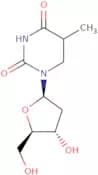
CAS:<p>3'-Deoxy-L-thymidine is a nucleoside analog that inhibits HIV replication by interfering with the synthesis of viral DNA. The drug binds to the enzyme thymidine phosphorylase, which converts thymidine into deoxyuridine monophosphate, and prevents conversion of deoxyuridine to deoxythymidine monophosphate. This leads to inhibition of both DNA synthesis and the production of RNA. 3'-Deoxy-L-thymidine has dose-limiting toxicity at high doses and is not active against other viruses such as herpes simplex virus or cytomegalovirus. It is metabolized in the liver by enzymes such as 5-fluorocytosine, which converts it into its active form, 5-fluorouracil.</p>Formula:C10H14N2O4Purezza:Min. 95%Peso molecolare:226.23 g/mol5,6-Dihydrothymidine
CAS:<p>5,6-Dihydrothymidine is a hydroxylated thymidine analogue. It binds to the leukocyte antigen, which is found on many different types of cells. 5,6-Dihydrothymidine inhibits the replication of herpes simplex virus and can be used for diagnostic purposes. 5,6-Dihydrothymidine has been shown to have conformational properties that are similar to those of thymine, which allows it to bind to the template strand in DNA. This binding prevents the synthesis of messenger RNA from DNA. 5,6-Dihydrothymidine is also able to inhibit cell growth in culture and can be used as a cell culture medium supplement.</p>Formula:C10H16N2O5Purezza:Min. 95%Colore e forma:PowderPeso molecolare:244.24 g/mol3,5-Di-o-(p-toluoyl)-5-(2-hydroxyethyl)-2-deoxyuridine
CAS:<p>3,5-Di-o-(p-toluoyl)-5-(2-hydroxyethyl)-2-deoxyuridine is a nucleoside analogue that has antiviral and anticancer activities. It is synthesized by the condensation of orotic acid with 2'-deoxyuridine in the presence of N,N'-dicyclohexylcarbodiimide (DCC). 3,5-Di-o-(p-toluoyl)-5-(2-hydroxyethyl)-2-deoxyuridine is an activator of ribonucleotide reductase, which is an enzyme involved in DNA synthesis and repair. 3,5-Di-o-(p-toluoyl)-5-(2-hydroxyethyl)-2-deoxyuridine is also capable of inhibiting DNA polymerases and RNA polymerases. This drug can be used for treatment against cancer and antiviral infections.</p>Formula:C27H28N2O8Purezza:Min. 95%Peso molecolare:508.50 g/molN4-Benzoyl-1-(a-D-mannopyranosyl)cytosine
N4-Benzoyl-1-(a-D-mannopyranosyl)cytosine is a modified deoxyribonucleoside that has antiviral and anticancer activities. It is a phosphoramidite, which can be converted to nucleosides using standard methods. N4-Benzoyl-1-(a-D-mannopyranosyl)cytosine is also an activator of the DNA polymerase enzyme and a high quality, novel anti-cancer drug.Formula:C17H19N3O7Purezza:Min. 95%Colore e forma:White to off-white powder.Peso molecolare:377.35 g/mol5'-O-Levulinoylthymidine 3'-CE phosphoramidite
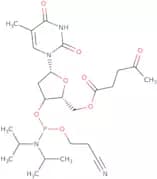
CAS:<p>5'-O-Levulinoylthymidine 3'-CE phosphoramidite is a novel, high quality diphosphate nucleoside. It is modified with levulinic acid and has antiviral and anticancer properties. 5'-O-Levulinoylthymidine 3'-CE phosphoramidite is synthesized from 5'-O-levulinoylthymidine monophosphate, which is synthesized from thymidine and levulinic acid. The synthesis of 5'-O-levulinoylthymidine 3'-CE phosphoramidite starts with the reaction of 1 equivalent of thymidine with 1 equivalent of levulinic acid in aqueous solution at pH 7 to 8 at 100°C for 2 hours, followed by purification by HPLC.</p>Formula:C24H37N4O8PPurezza:Min. 95%Peso molecolare:540.55 g/molLNA-guanosine 3'-CE phosphoramidite
CAS:<p>LNA-guanosine 3'-CE phosphoramidite is a novel, high purity, activated nucleoside. It is an anti-cancer and antiviral agent that is synthetically modified to include a phosphate group at the 3' position of the sugar moiety. This modification prevents viral inhibition by inhibiting viral DNA synthesis. LNA-guanosine 3'-CE phosphoramidite is also used as an anticancer agent due to its ability to inhibit ribonucleotide reductase and diphosphate reductase, which are enzymes required for DNA synthesis.</p>Purezza:Min. 95%4'-C-Azido-2'-deoxy-2'-fluoro-b-D-arabinouridine
CAS:<p>4'-C-Azido-2'-deoxy-2'-fluoro-b-D-arabinouridine is a novel nucleoside analog that can be activated to the monophosphate form for incorporation into DNA. It has antiviral and anticancer properties. 4'-C-Azido-2'-deoxy-2'-fluoro-b-D-arabinouridine has been shown to inhibit the proliferation of cultured tumor cells, suggesting a potential use in cancer chemotherapy.</p>Formula:C9H10FN5O5Purezza:Min. 95%Peso molecolare:287.2 g/mol2'-O-Acetyl-5'-O-benzoyl-3'-deoxy-5-methyluridine
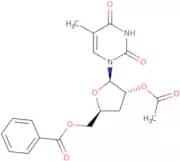
CAS:2'-O-Acetyl-5'-O-benzoyl-3'-deoxy-5-methyluridine (ABT-888) is a nucleoside analog that inhibits DNA synthesis and RNA transcription. It has been shown to induce apoptosis in human cancer cells, including leukemia, lymphoma and breast cancer cells. ABT-888 also has antiviral activity against herpes simplex virus type 1 and 2, vaccinia virus, and vesicular stomatitis virus.Formula:C19H20N2O7Purezza:Min. 95%Peso molecolare:388.37 g/molcis-Zeatin-o-glucoside riboside
CAS:<p>Cis-Zeatin-o-glucoside riboside is a plant metabolite that belongs to the class of phenylpropanoids. It is the product of the conversion of zeatin by a polyphenol oxidase. Cis-Zeatin-o-glucoside riboside has been found in plants, such as Eucomis and Alnifolia, at levels ranging from 0.2 to 1%. This metabolite is also present in animal tissues, such as rat brain and bovine mammary gland. The metabolic pathway for cis-Zeatin-o-glucoside riboside has been elucidated through tissue culture experiments with Eucomis and 24-epibrassinolide. The biosynthesis of this metabolite involves a two step process: first, an oxidative cleavage of zeatin to indole-3-acetyl l -aspartic acid and then conversion to</p>Formula:C21H31N5O10Purezza:Min. 95%Peso molecolare:513.5 g/molO6-Chlorophenyl-I ce-phosphoramidite
CAS:<p>Please enquire for more information about O6-Chlorophenyl-I ce-phosphoramidite including the price, delivery time and more detailed product information at the technical inquiry form on this page</p>Formula:C52H64ClN6O8PSiPurezza:Min. 95%Peso molecolare:995.6 g/mol2-Amino-6-chloro-(b-D-ribofuranosyl)purine-5'-triphosphate
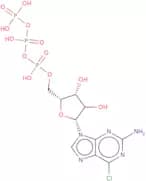
2-Amino-6-chloro-(b-D-ribofuranosyl)purine-5'-triphosphate is a modified nucleotide analog that is used as an antiviral agent. It inhibits the synthesis of viral DNA by competitively inhibiting the incorporation of deoxyribonucleoside triphosphates into the growing DNA chain. 2-Amino-6-chloro-(b-D-ribofuranosyl)purine-5'-triphosphate is phosphorylated to 2-[2-(2,6,8,10,12,14,16,-doxohexadecyl)-1H--imidazo[4,5--c]pyridine--1--carboxylic acid]ethanol phosphate in vivo and this active form inhibits human immunodeficiency virus type 1 (HIV1) replication in vitro with an IC 50 of 0.06 μM.Formula:C10H15ClN5O13P3Purezza:Min. 95%Peso molecolare:541.63 g/mol3-(2'-Deoxy-β-D-2-ribofuranosyl)pyrido[2,3-d]pyrimidine-2,7(8H)-dione
CAS:3-(2'-Deoxy-β-D-2-ribofuranosyl)pyrido[2,3-d]pyrimidine-2,7(8H)-dione is a synthetic nucleoside analogue that has been modified by the replacement of the 2' oxygen atom. The phosphoramidite is used to produce 3-(2'-Deoxy-β-D-2-ribofuranosyl)pyrido[2,3-d]pyrimidine-2,7(8H)-dione in high purity and high quality. This product can be used as an antiviral agent and as an anticancer agent. It has also been shown to inhibit DNA synthesis and RNA synthesis.Formula:C12H13N3O5Purezza:Min. 95%Peso molecolare:279.25 g/mol(+)-Emtricitabine
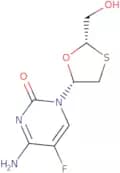
CAS:Emtricitabine is a synthetic nucleoside analog of cytidine. It is used in the treatment of HIV infection and hepatitis B virus infection. Emtricitabine binds to human DNA polymerase, preventing the incorporation of viral DNA into the host cell's genome. This prevents the virus from multiplying and reproducing, thereby inhibiting the spread of HIV in humans. The drug has been shown to inhibit replication at all stages of HIV-1, including reverse transcription and integration into host cell DNA. Emtricitabine also inhibits replication of other viruses such as herpes simplex virus type 1 (HSV-1) and hepatitis C virus (HCV). Emtricitabine is a prodrug that must be activated by phosphorylation before it can be incorporated into DNA. This activation requires tenofovir alafenamide hemifumarate as an activator, which is an experimental drug with improved bioavailability, reduced renal clearance, andFormula:C8H10FN3O3SPurezza:Min. 95%Peso molecolare:247.25 g/molFluorescein-dt cep
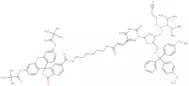
CAS:Fluorescein-dt cep is a monophosphate nucleoside analog that is modified with an activated ester group. It is used as a prodrug for the treatment of influenza in humans. Fluorescein-dt cep has antiviral activity, which may be due to its ability to inhibit viral RNA synthesis. This agent also has anticancer activity and has been shown to kill leukemia cells by interfering with DNA synthesis. The chemical name for fluorescein-dt cep is 1-(2,6-dichloro-4-(5,7-dimethoxy-4-methylpyridiniumyl)phenyl)cytosine monophosphate. Fluorescein-dt cep is also known by the following synonyms: 1-(2,6-Dichloro-4-(5,7-dimethoxyquinoliniumyl)phenyl)-1H-[1,3]dioxFormula:C79H89N6O17PPurezza:Min. 95%Peso molecolare:1,425.6 g/molThymidine 5'- triphosphate-3'-monophosphate
CAS:Thymidine 5'-triphosphate-3'-monophosphate is a nucleoside that is used in the synthesis of DNA. It is an activator of anticancer drugs, and has been shown to have antiviral properties. Thymidine 5'-triphosphate-3'-monophosphate can be used for the treatment of viral diseases such as herpes simplex virus type 1 (HSV-1), herpes simplex virus type 2 (HSV-2), cytomegalovirus (CMV), and human immunodeficiency virus (HIV) infection. This nucleoside also plays a role in the prevention of tumor growth and metastasis because it inhibits DNA synthesis.Formula:C10H18N2O17P4Purezza:Min. 95%Peso molecolare:562.15 g/mol6-Chloropurine-9-b-D-glucoside
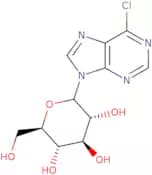
CAS:<p>6-Chloropurine-9-b-D-glucoside is a nucleoside that belongs to the family of modified nucleosides. It is used as an activator and a phosphoramidate in the synthesis of oligonucleotides. 6-Chloropurine-9-b-D-glucoside is also used in anticancer therapy because it inhibits DNA, RNA, and protein synthesis. 6CPG has antiviral activity against herpes virus and other viruses. This compound has been shown to have antiinflammatory activities by inhibiting the production of prostaglandins. 6CPG is also classified as a carcinogen by the International Agency for Research on Cancer (IARC).</p>Formula:C11H13CIN4O5Purezza:Min. 95%Peso molecolare:420.16 g/mol2-Deoxycytidine 3',5'-diphosphate
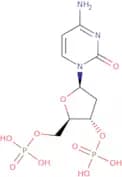
CAS:<p>2-Deoxycytidine 3',5'-diphosphate is an additive that is used in the production of DNA. It is a single-stranded nucleotide with a guanine base. 2-Deoxycytidine 3',5'-diphosphate has been shown to inhibit bacterial growth by reacting with hydrogen peroxide, which is produced during the process of oxidative phosphorylation. This reaction leads to the formation of reactive oxygen species, which damage DNA and cause cell death. The compound also binds to metal ions and prevents them from interacting with cellular components. 2-Deoxycytidine 3',5'-diphosphate can be used as a chromatographic agent for separating DNA fragments according to their size.</p>Formula:C9H15N3O10P2Purezza:Min. 95%Peso molecolare:387.18 g/mol4-(2-Cyanoethylthio)-5'-O-DMT-thymidine 3'-CE phosphoramidite
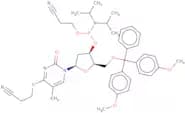
4-(2-Cyanoethylthio)-5'-O-DMT-thymidine 3'-CE phosphoramidite is a novel, modified nucleoside with antiviral activity. It is activated by the addition of a DMT group to its 5' end and has an anticancer effect. The monophosphate form of 4-(2-Cyanoethylthio)-5'-O-DMT-thymidine 3'-CE phosphoramidite has been shown to inhibit viral DNA synthesis in vitro and to be cytotoxic against human cancer cell lines. 4-(2-Cyanoethylthio)-5'-O-DMT- thymidine 3'-CE phosphoramidite is a high quality, high purity product that can be used as a nucleoside or nucleotide in anticancer drugs.Formula:C43H52N5O7PSPurezza:Min. 95%Peso molecolare:813.96 g/molN6-Acetyl-2'-deoxy-5'-O-DMT-adenosine 3'-CE phosphoramidite
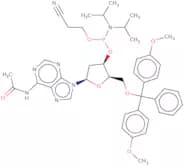
CAS:<p>N6-Acetyl-2'-deoxy-5'-O-DMT-adenosine 3'-CE phosphoramidite is a novel, modified, activator with antiviral and anticancer properties. It is the monophosphate of the acetylated 2'-deoxyadenosine 3'-cyanoethylphosphoramidite and has been shown to be effective in inhibiting DNA synthesis in cell cultures. This product is synthesized using high purity reagents and purification techniques.</p>Formula:C42H50N7O7PPurezza:Min. 95%Colore e forma:SolidPeso molecolare:795.86 g/mol6-[(4-Nitrobenzyl)thio]-9-(b-D-ribofuranosyl)purine-5'-monophosphate disodium salt
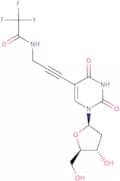
CAS:6-[(4-Nitrobenzyl)thio]purine-5'-monophosphate disodium salt is a modified nucleoside that has anticancer activity. It is phosphorylated to the corresponding nucleotide in vivo and inhibits the growth of cancer cells. 6-[(4-Nitrobenzyl)thio]purine-5'-monophosphate disodium salt has a novel structure and can be used as an activator for ribonucleotides or deoxyribonucleotides. It is also used as a component in DNA synthesis, which may be due to its ability to inhibit viral RNA replication. This drug can be synthesized through chemical reactions that involve diphosphate, nucleosides, and phosphoramidites. 6-[(4-Nitrobenzyl)thio]purine-5'-monophosphate disodium salt is not currently available on the market; however, it canFormula:C17H16N5Na2O9PSPurezza:Min. 95%Colore e forma:White to off-white solid.Peso molecolare:543.36 g/molTFA-ap-dU
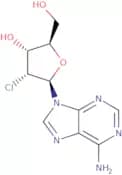
CAS:<p>TFA-ap-dU is a modified, ribonucleosides that are used in DNA synthesis. The polymerase chain reaction (PCR) technique can be used to generate a large number of copies of a specific sequence of nucleotides from the original DNA template. This product is used for antiviral and anticancer research. TFA-ap-dU has been shown to be effective against Hepatitis B virus and Human Immunodeficiency Virus (HIV). It is also an activator of DNA and RNA synthesis.</p>Formula:C14H14F3N3O6Purezza:Min. 95%Peso molecolare:377.27 g/mol2’-Chloro-2’-deoxyadenosine
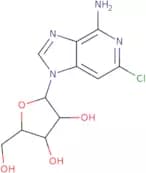
CAS:<p>2’-Chloro-2’-deoxyadenosine (2CDA) is a synthetic nucleoside analogue that is used as an antineoplastic agent for the treatment of non-Hodgkin lymphoma and histiocytic lymphoma. It is typically used in combination with other cytotoxic drugs. 2CDA has been shown to be effective against resistant tumor cell lines and has been used to treat patients with metastatic breast cancer, Hodgkin lymphoma, and multiple myeloma. The drug can cause thrombocytopenia, which may be due to its effects on platelets or bone marrow cells. Other toxicities include bone marrow suppression, nausea, vomiting, diarrhea, anorexia, and liver damage. Patients who are at risk for these toxicities should be closely monitored.</p>Formula:C10H12ClN5O3Purezza:Min. 95%Colore e forma:PowderPeso molecolare:285.69 g/mol2-Chloro-3-deazaadenosine
CAS:<p>2-Chloro-3-deazaadenosine is an antiviral drug that inhibits the synthesis of DNA by acting as a competitive inhibitor for adenosine. It has been shown to be effective in the treatment of hepatitis B virus and herpes simplex virus infections. 2-Chloro-3-deazaadenosine prevents the incorporation of the natural nucleoside adenosine into DNA, which leads to inhibition of viral replication and cell division. This drug also has been shown to inactivate liver cells in bovines, which may account for its toxicity. The synthesis of 2-chloroadenosine is difficult and laborious due to its glycosylation, making it more expensive than other analogues that are more easily synthesized.</p>Formula:C11H13ClN4O4Purezza:Min. 95%Colore e forma:PowderPeso molecolare:300.7 g/molN6-Benzoyl-2'-deoxy-5'-O-DMT-adenosine 3'-Rp-oxazaphospholidine
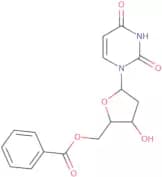
N6-Benzoyl-2'-deoxy-5'-O-DMT-adenosine 3'-Rp-oxazaphospholidine is an activator of DNA polymerase. It has been shown to be a potent inhibitor of viral replication and an anticancer agent in vitro. The compound has also been shown to inhibit the growth of tumor cells in vivo. N6-Benzoyl-2'-deoxy-5'-O-DMT-adenosine 3'-Rp-oxazaphospholidine is a novel nucleoside analogue that has not been previously reported.Purezza:Min. 95%5'-O-Benzoyl-2'-deoxyuridine
CAS:5'-O-Benzoyl-2'-deoxyuridine is a synthetic nucleoside that is a component of DNA. 5'-O-Benzoyl-2'-deoxyuridine is used as an antiviral agent and for the treatment of some cancers, including lymphomas, leukemia, and certain types of solid tumors. It has also been shown to be effective in the treatment of hepatitis B virus infection. This compound inhibits viral replication by competing with natural nucleosides for incorporation into DNA and RNA. 5'-O-Benzoyl-2'-deoxyuridine binds to double helix DNA at the groove between adenine and thymine bases and prevents further binding of nucleotides to this site. It also inhibits viral DNA synthesis by preventing conversion of ribonucleotides to deoxynucleosides. This drug is not active against bacteria or fungi; however, it can cause serious side effects such as pancreatitis and liver toxicity.Formula:C16H16N2O6Purezza:Min. 95%Peso molecolare:332.32 g/molCarbodine
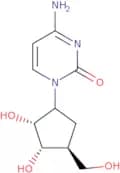
CAS:Carbocyclic analog of cytidineFormula:C10H15N3O4Purezza:Min. 95%Colore e forma:PowderPeso molecolare:241.24 g/mol2-(Aminomethyl)pyrimidine oxalate
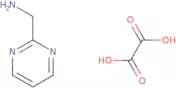
CAS:<p>2-(Aminomethyl)pyrimidine oxalate is a substance that can be found in cicer arietinum. This compound has been shown to be tumorigenic, and it is hypothesized that the tumorigenicity of this compound is due to its ability to recombine with DNA and expressed genes, which may lead to the development of tumors. 2-(Aminomethyl)pyrimidine oxalate has been shown to activate translation of genes that are involved in tumorigenesis. The gene product which has been identified as being activated by 2-(aminomethyl)pyrimidine oxalate is called rhizogenes. Rhizogenes have been shown to have virulent phenotypes when exposed to cicer arietinum. With all these properties, it is believed that 2-(aminomethyl)pyrimidine oxalate may cause cancer or other harmful effects on organisms.br><br>br></p>Formula:C5H7N3·C2H2O4Purezza:Min. 95%Peso molecolare:199.16 g/molBis(2-cyanoethyl)-N,N-diisopropyl phosphoramidite
CAS:Bis(2-cyanoethyl)-N,N-diisopropyl phosphoramidite is a potent inhibitor that targets human immunodeficiency virus (HIV) and cancer. It acts as an analog of substrates for human plasma membrane kinases, which are essential for the replication of HIV. Bis(2-cyanoethyl)-N,N-diisopropyl phosphoramidite has been shown to inhibit lung metastasis in mice, indicating its potential therapeutic use against cancer. This compound also exhibits inhibitory activities against Escherichia coli alkaline phosphatase and other enzymes, suggesting its pharmacological activity may extend beyond HIV and cancer treatment. Overall, Bis(2-cyanoethyl)-N,N-diisopropyl phosphoramidite is a promising inhibitor with potential applications in multiple fields.Formula:C12H22N3O2PPurezza:Min. 90 Area-%Colore e forma:Slightly Yellow Clear LiquidPeso molecolare:271.3 g/mol9-Deaza-2'-deoxyguanosine
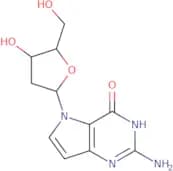
CAS:9-Deaza-2'-deoxyguanosine is a novel synthetic nucleoside that activates the ribonucleotide reductase enzyme. The activation of this enzyme was found to be dependent on the presence of diphosphate, which is a cofactor for this enzyme. 9-Deaza-2'-deoxyguanosine has been shown to inhibit the growth of cells in culture and to induce apoptosis. It also inhibits viral replication by interfering with the synthesis of viral DNA. In addition, 9-Deaza-2'-deoxyguanosine can inhibit tumor cell proliferation and promote differentiation in vitro.Formula:C11H14N4O4Purezza:Min. 95%Peso molecolare:266.25 g/mol3'-Azido-3'-deoxythymidine-methyl-D3-2,3,4-tri-O-acetyl-b-D-glucuronide methyl ester
Prodotto controllato3'-Azido-3'-deoxythymidine-methyl-D3-2,3,4-tri-O-acetyl-b-D-glucuronide methyl ester (AZT) is a novel nucleoside compound that is a phosphoramidite. AZT has antiviral activity against various DNA and RNA viruses, including HIV. It is also effective in the treatment of cancer. AZT inhibits viral replication by competitively inhibiting the incorporation of diphosphate into viral DNA or RNA. This process prevents the synthesis of new virus particles and the spread of infection to healthy cells. In addition, AZT may inhibit tumor growth by interfering with cell division and DNA synthesis.Formula:C23H26D3N5O13Purezza:Min. 95%Peso molecolare:586.52 g/mol(2'R)-N-Benzoyl-2'-deoxy-2'-fluoro-2'-methylcytidine 3',5'-d
CAS:(2'R)-N-Benzoyl-2'-deoxy-2'-fluoro-2'-methylcytidine 3',5'-diphosphate (2'R)-N-benzoyl-2'-deoxy-2'-fluoro-2'-methylcytidine 3',5'-diphosphate) is a modified nucleoside that is an antiviral, anticancer, and activator of DNA synthesis. It has been shown to be the first synthetic nucleotide analogue to have significant activity against HIV in vitro. The synthesis of this compound starts with the diphosphate or monophosphate form of cytidine. The phosphate group is removed and replaced with a 2'R benzoyl group. This process is followed by fluorination and methylation steps. Finally, the 5' hydroxyl group is cleaved to give 2'R -N benzoyl 2'-deoxy-2'-fluoro-2'-Formula:C31H26FN3O7Purezza:Min. 95%Peso molecolare:571.55 g/mol5-Hydroxymethyl-dc ce-phosphoramidite (hmdc)
CAS:<p>Please enquire for more information about 5-Hydroxymethyl-dc ce-phosphoramidite (hmdc) including the price, delivery time and more detailed product information at the technical inquiry form on this page</p>Formula:C50H57N6O9PPurezza:Min. 95%Peso molecolare:917 g/mol5-Phenylcytidine
CAS:5-Phenylcytidine is a nitro compound that is used as an antiviral agent. It inhibits the replication of the virus by interfering with viral DNA synthesis and preventing the assembly of viral proteins. 5-Phenylcytidine is also capable of inhibiting influenza A virus in vitro at concentrations below 1 μM and has been shown to inhibit herpes simplex virus type 1 (HSV-1) in cell culture. The antiviral activity of 5-phenylcytidine may be due to its ability to form a stable reaction product with cytosine in alkaline conditions, which prevents the incorporation of this nucleobase into DNA or RNA.Purezza:Min. 95%N4-Acetyl-5'-O-DMT-2'-O-triisopropylsilyloxymethyl-5-methylcytidine 3'-CE phosphoramidite
CAS:N4-Acetyl-5'-O-DMT-2'-O-triisopropylsilyloxymethyl-5-methylcytidine 3'-CE phosphoramidite is a novel nucleoside phosphoramidite. It has been synthesized and purified by using the latest technology. It is a monophosphate, which is used in the synthesis of DNA, RNA, and other nucleic acids. It can be used for anticancer research and as a pharmaceutical intermediate.Formula:C52H74N5O10PSiPurezza:Min. 95%Colore e forma:White/Off-White SolidPeso molecolare:988.23 g/mol5-O-Tritylinosine
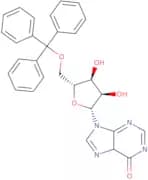
CAS:5-O-Tritylinosine is a modified nucleoside that has shown anticancer and antiviral properties. It is the monophosphate ester of 5-methyluracil and has been shown to inhibit DNA synthesis in vitro. 5-O-Tritylinosine has also been shown to inhibit the replication of herpes simplex virus type 1, which may be due to its ability to inhibit viral DNA polymerase.Formula:C29H26N4O5Purezza:Min. 95%Peso molecolare:510.54 g/molIsowyosine
CAS:<p>Isowyosine is a protein that catalyzes the synthesis of purines, which are essential for DNA synthesis and repair. Isowyosine is found in mammalian cells, where it has been observed to play a role in the translation of messenger RNA (mRNA). Isowyosine also plays a role in the synthesis of viral proteins and viral replication. It has been shown to be active against various viruses, including herpes simplex virus and influenza virus. Isowyosine may also have anti-cancer properties due to its ability to inhibit tumor growth.</p>Formula:C14H17N5O5Purezza:Min. 95%Colore e forma:PowderPeso molecolare:335.32 g/molN6-Acetyl-2'-deoxy-5'-O-DMT-adenosine
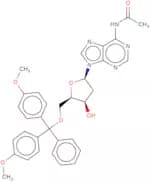
<p>N6-Acetyl-2'-deoxy-5'-O-DMT adenosine is a modified nucleoside that can be used as an antiviral or anticancer agent. It has been shown to inhibit the replication of HIV in vitro and in vivo, and also inhibits the replication of hepatitis B virus. N6-Acetyl-2'-deoxy-5'-O-DMT adenosine is active against cancer cells in vitro and inhibits the growth of human breast cancer xenografts in athymic mice. This compound also has high purity, high quality, and novel properties.</p>Formula:C33H33N5O6Purezza:Min. 95%Peso molecolare:595.65 g/molN4-Benzoyl-2'-O-tert-butyldimethylsilyl-5'-O-DMT-cytidine 3'-CE phosphoramidite
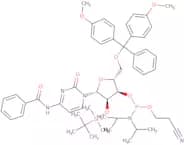
CAS:<p>N4-Benzoyl-2'-O-tert-butyldimethylsilyl-5'-O-DMT-cytidine 3'-CE phosphoramidite is a high purity, Ribonuclesides, Anticancer, High quality, Antiviral, Nucleosides, CAS No. 118380-84-0, Deoxyribonucleosides, Modified, monophosphate and Phosphoramidites. It is an important reagent for the synthesis of DNA and RNA oligonucleotides. This product has novel properties as an anticancer drug and antiviral agent.</p>Formula:C52H66N5O9PSiPurezza:Min. 95%Colore e forma:PowderPeso molecolare:964.19 g/mol5’-Azido-2’,5’-dideoxyuridine
CAS:<p>5’-Azido-2’,5’-dideoxyuridine (5ADU) is a pyrimidine nucleoside that has been used to treat cancer. It is converted to 5-azidouracil which inhibits the synthesis of thymidylate, an essential component of DNA. 5ADU is also active against herpes virus and can be used as an antiviral agent. This drug has been shown to protect against radiation damage by inhibiting the formation of free radicals. The protonation of 5ADU leads to a stereochemical rearrangement that prevents the formation of free radicals. 5ADU does not inhibit bacterial enzymes, but it does have some effect on viruses, such as herpes virus, because they contain DNA or RNA similar to human cells.</p>Formula:C9H11N5O4Purezza:Min. 95%Peso molecolare:253.21 g/mol8-Methoxyadenosine
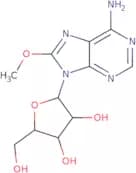
CAS:8-Methoxyadenosine is an acidic adenosine that acts as a competitive antagonist of the A1 receptor. It has a high affinity for this receptor and blocks the binding of adenosine to the receptor, thereby inhibiting its function. 8-Methoxyadenosine is also a competitive antagonist of the uridine nucleotide, which inhibits enzymatic catalysis by ribonucleoside kinase and ribonucleotide reductase. It has been shown to have properties similar to those of other pyrimidine nucleosides such as cytidine, thymine, and uridine. This molecule has a hydroxyl group in its structure, which is essential for binding to these enzymes. 8-Methoxyadenosine also has a phosphate group in its structure, which is necessary for the synthesis of DNA or RNA from deoxyribonucleotides. The benzoate group in 8-methoxyadenosine's structure makesPurezza:Min. 95%3'-O-Allyluridine
<p>3'-O-Allyluridine is a nucleoside that has antiviral, anticancer, and antibacterial activities. 3'-O-Allyluridine is an activator of RNA polymerase and is used to synthesize DNA in vitro. It can be used as a substrate for phosphoramidites in the synthesis of oligonucleotides with modified backbones. 3'-O-Allyluridine has been shown to inhibit the growth of cancer cells by blocking the synthesis of DNA and RNA. The drug also inhibits the production of ribonucleases, which are enzymes that break down RNA in cells.</p>Formula:C12H16N2O6Purezza:Min. 95%Peso molecolare:284.27 g/molN,7-Dimethyl- 2'- O- methylguanosine
CAS:<p>N,7-Dimethyl-2'-O-methylguanosine (DMOG) is a modified nucleoside with antiviral and anticancer properties. DMOG can be used as an activator of transcription, which activates the synthesis of viral RNA and dsDNA. This compound has shown to inhibit the activity of HIV by preventing reverse transcriptase from synthesizing DNA from viral RNA. It also inhibits tumor cell proliferation by inhibiting DNA synthesis and protein synthesis. DMOG is synthesized in high purity by chemical phosphoramidite chemistry.</p>Formula:C13H20N5O5Purezza:Min. 95%Peso molecolare:326.33 g/mol5-Fluorocytosine arabinoside
CAS:<p>5-Fluorocytosine arabinoside (5FCA) is an analog of fluorocytosine and a degradable prodrug that is converted to fluorouracil (5FU) in the human liver. It acts as an inhibitor of DNA synthesis and has been used for the treatment of leukemias. 5-Fluorocytosine arabinoside is rapidly degraded by tissue culture cells, which may be due to its reactive functional groups. The inhibitory activity of this drug against cell culture was found to be minimal at low concentrations and reached a maximum at concentrations greater than 1 mM. The affinity ligands for this compound are reactive functional groups such as sulfhydryl, hydroxyl, and carboxyl groups, but not ester or amide bonds. This drug can be used in the synthesis of affinity ligands with a reactive functional group.</p>Formula:C9H12FN3O5Purezza:Min. 95%Peso molecolare:261.21 g/molN4-Benzoyl-2'-deoxy-3'-O-levulinoylcytidine
<p>N4-Benzoyl-2'-deoxy-3'-O-levulinoylcytidine is a nucleoside that is used as an antiviral and anticancer agent. It is a modified deoxyribonucleoside that has antiviral activity against HSV-1, HSV-2, and HIV. N4-Benzoyl-2'-deoxy-3'-O-levulinoylcytidine also has anticancer effects against leukemia cells in mice. This drug is synthesized from 2′,3′,5′triacetyladenosine by the reaction of 4-(1H)-benzoyloxymethyl)phenylacetic acid with triethylamine and levulinic acid chloride.</p>Formula:C21H23N3O7Purezza:Min. 95%Peso molecolare:429.43 g/molN4-Benzoyl-2'-O-tert-butyldimethylsilyl-5'-O-DMT-2'C-methylcytidine 3'-CE phosphoramidite
<p>N4-Benzoyl-2'-O-tert-butyldimethylsilyl-5'-O-DMT-2'C-methylcytidine 3'-CE phosphoramidite is a novel, deoxynucleoside phosphoramidite with high purity and high quality. It has been used in the synthesis of anticancer agents, ribonucleotide analogues and antiviral agents. N4-Benzoyl-2'-O-tert-butyldimethylsilyl-5'-O-DMT-2'C-methylcytidine 3'-CE phosphoramidite can be used as an activator for DNA polymerase to synthesize DNA molecule.</p>Formula:C53H68N5O9PSiPurezza:Min. 95%Peso molecolare:978.19 g/molAdenylyl-3'-5'-uridine ammonium salt
CAS:<p>Adenylyl-3'-5'-uridine ammonium salt is a novel antiviral agent that has been shown to inhibit the activity of viral DNA polymerase, RNA polymerase and reverse transcriptase. It is also an anticancer agent that can be used as a cytotoxic agent against leukemia and lymphoma cells. Adenylyl-3'-5'-uridine ammonium salt is synthesized by the reaction of adenosine monophosphate with uracil in the presence of phosphate and ammonia. This compound can then be converted to ribonucleosides or deoxyribonucleosides by phosphorylation.<br>SYNONYMS: AMP-uridine; AMP-U; UMP</p>Formula:C19H24N7O12PPurezza:Min. 95%Peso molecolare:573.41 g/molN6-(tert-Butylphenoxyacetyl)-2'-O-methyl-5'-O-DMT-adenosine 3'-CE phosphoramidite
N6-(tert-Butylphenoxyacetyl)-2'-O-methyl-5'-O-DMT-adenosine 3'-CE phosphoramidite is a novel anticancer, antiviral and antifungal agent. It is synthesized by reacting the nucleoside adenosine with tert-butyl phenoxyacetic acid to form an activated ester derivative which reacts with 2'-O-methyl 5'-O-DMT in the presence of a phosphoramidite reagent to form a DNA precursor. The modified nucleotide has been shown to have high purity and good quality, as well as high antiviral and anti-cancer activities.Formula:C53H64N7O9PPurezza:Min. 95%Peso molecolare:974.09 g/mol8-(4-Amino-(2',3',4',5',6'-D5-biphenyl)-2'-deoxyguanosine
Prodotto controllato<p>8-(4-Amino-(2',3',4',5',6'-D5-biphenyl)-2'-deoxyguanosine is a novel, diphosphate nucleoside with antiviral and anticancer activity. It has been shown to activate the transcription of genes that are involved in cell growth and differentiation. This drug also inhibits the synthesis of viral DNA by binding to the viral DNA polymerase, thereby inhibiting its function. 8-(4-Amino-(2',3',4',5',6'-D5-biphenyl)-2'-deoxyguanosine can be used as a phosphoramidite for the preparation of oligonucleotides for use in gene therapy.</p>Formula:C22H17N6O4D5Purezza:Min. 95%Colore e forma:PowderPeso molecolare:439.48 g/mol2-Amino-2'-deoxyadenosine 5'-triphosphate
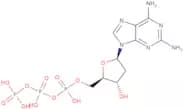
CAS:2-Amino-2'-deoxyadenosine 5'-triphosphate (2ADP) is a nucleotide that is involved in the synthesis of DNA. It is an important part of the process of DNA replication, as it provides the necessary energy to drive reactions that synthesize new DNA strands. It also has anti-viral properties and can be used as a molecular probe to detect acid. 2ADP is detectable with most common detection methods, such as UV/visible absorbance spectroscopy, fluorescence spectroscopy, and chemiluminescence. It is one of the three triphosphates found in cells and can be used to polymerize RNA by adding ribose phosphate groups to the sugar molecule in RNA. This reaction requires ATP, which produces AMP, ADP, and 2ADP.Formula:C10H17N6O12P3Purezza:Min. 95%Peso molecolare:506.2 g/molDdCTP trilithium
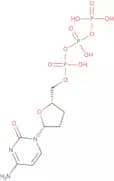
CAS:<p>2',3'-Dideoxycytidine-5'-triphosphate trilithium salt (ddCTP) is a nucleoside analogue that has been shown to inhibit the enzyme activity of DNA polymerase. The ddCTP is a prodrug, which is activated by phosphorylation catalyzed by cellular kinases and then hydrolyzed to its active form, dideoxycytidine triphosphate (ddCTP). This drug also inhibits the synthesis of DNA and RNA. In vitro studies have shown that ddCTP causes cell lysis in murine sarcoma virus-infected cells, although it does not affect uninfected cells. 2',3'-Dideoxycytidine-5'-triphosphate trilithium salt has been shown to be an effective inhibitor of HIV reverse transcriptase and HIV protease in biochemical assays. It has also been found to be an effective inhibitor of mouse monoclon</p>Formula:C9H13N3Li3O12P3Purezza:Min. 95%Colore e forma:LiquidPeso molecolare:468.96 g/mol3'-Azido-2'-deoxy-5'-O-DMT-thymidine
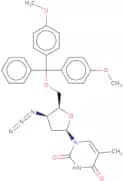
CAS:3'-Azido-2'-deoxy-5'-O-DMT-thymidine is a novel and potent activator of ribonucleotide reductase. It has been shown to be an effective inhibitor of DNA synthesis and antiviral agent, with a low cytotoxicity profile. 3'-Azido-2'-deoxy-5'-O-DMT-thymidine is synthesized from DMT, which is readily available in the form of its monophosphate or diphosphate. The compound has been shown to inhibit viral replication by inhibiting viral reverse transcriptase activity. 3'-Azido-2'-deoxy-5'-O-DMT-thymidine also inhibits DNA synthesis in cancer cells.Formula:C31H31N5O6Purezza:Min. 95%Peso molecolare:569.61 g/molN4-Acetyl-5'-O-DMT-cytidine 3'-CE phosphoramidite
N4-Acetyl-5'-O-DMT-cytidine 3'-CE phosphoramidite is a monophosphate nucleoside that is an important building block in nucleic acid synthesis. It has been shown to be effective against cancer cells and HIV infection. N4-Acetyl-5'-O-DMT-cytidine 3'-CE phosphoramidite also inhibits the production of viral proteins, including new viral particles, by binding to the RNA polymerase enzyme in cells. This compound can be used as a novel antiviral agent for the treatment of human immunodeficiency virus type 1 (HIV1) infections.Purezza:Min. 95%

















![5-[N(6-(Trifluoroacetamido)hexyl)-3-(E)-acrylamido] -2'-deoxyuridine](/_next/image/?url=https%3A%2Fstatic.cymitquimica.com%2Fproducts%2F3D%2Fthumb-webp%2FNT57552.webp&w=3840&q=75)









![3-(2'-Deoxy-β-D-2-ribofuranosyl)pyrido[2,3-d]pyrimidine-2,7(8H)-dione](/_next/image/?url=https%3A%2Fstatic.cymitquimica.com%2Fproducts%2F3D%2Fthumb-webp%2FZDA51798.webp&w=3840&q=75)

![6-[(4-Nitrobenzyl)thio]-9-(b-D-ribofuranosyl)purine-5'-monophosphate disodium salt](/_next/image/?url=https%3A%2Fstatic.cymitquimica.com%2Fproducts%2F3D%2Fthumb-webp%2FNN07313.webp&w=3840&q=75)