Nucleosidi
I nucleosidi sono building blocks fondamentali degli acidi nucleici, composti da una base azotata legata a una molecola di zucchero. In questa sezione, puoi trovare una vasta gamma di nucleosidi essenziali per la ricerca in biologia molecolare, biochimica e farmacologia. Questi composti svolgono ruoli cruciali nella sintesi del DNA e dell'RNA e sono vitali in vari processi metabolici. I nucleosidi vengono utilizzati per studiare il materiale genetico, sviluppare terapie antivirali e antitumorali e comprendere i meccanismi cellulari. Da CymitQuimica, forniamo nucleosidi di alta qualità per supportare le tue esigenze di ricerca e sviluppo, garantendo purezza e affidabilità per le tue applicazioni sperimentali.
Trovati 3569 prodotti di "Nucleosidi"
Ordinare per
Purezza (%)
0
100
|
0
|
50
|
90
|
95
|
100
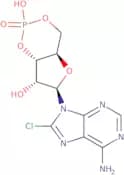
8-Chloroadenosine 3',5'-cyclic monophosphate
CAS:8-Chloroadenosine 3',5'-cyclic monophosphate (8-CAM) is a potent inducer of the mitochondrial membrane potential. It has been shown to have cytotoxic effects on human myeloma cell line, HL-60 cells, and fetal bovine serum. 8-CAM has shown anticancer properties in solid tumours in mice. It was also found to be toxic to human carcinoma cell lines and synergistic with other pharmacological agents, such as doxorubicin. 8-CAM has been shown to have immunosuppressive effects in animal models and may be a potential therapeutic agent for autoimmune diseases.Formula:C10H11ClN5O6PPurezza:Min. 95%Colore e forma:White PowderPeso molecolare:363.65 g/mol3'-Azido-N4-benzoyl-2',3'-dideoxy5'-O-DMT-cytidine
<p>3'-Azido-N4-benzoyl-2',3'-dideoxy5'-O-DMT-cytidine is a novel nucleoside analog that has antiviral activity against herpes simplex virus type 1. It is a modified nucleoside phosphoramidite with an azido group at the 3' position and a benzoyl group at the 2' position of cytidine. This product can be used for the synthesis of oligonucleotides with high purity and high quality. This product has CAS number 271462-87-6.</p>Purezza:Min. 95%N1-(4-(t-Butyl)benzoyl)-D-(+)biotin 2-nitrophenyl ester
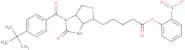
CAS:<p>N1-(4-(t-Butyl)benzoyl)-D-(+)biotin 2-nitrophenyl ester is a novel nucleoside analogue and phosphoramidite. It has been modified to have an acyclic carbon chain with a 4-hydroxybenzoyl group at the C2 position. This compound is an activator of DNA synthesis, and it can be used for the synthesis of deoxyribonucleosides. The purity of this compound is 99%. The CAS number for this compound is 869354-61-0.</p>Formula:C27H31N3O6SPurezza:Min. 95%Peso molecolare:525.6 g/mol5'-O-DMT-N2-DMF-guanosine-3'-succinyl CPG 1000 Å
<p>5'-O-DMT-N2-DMF-guanosine-3'-succinyl CPG 1000 Å is a nucleoside, modified with succinyldiimidazopropylcarbodiimide. It is an activator of phosphoramidites and is used in the synthesis of DNA and RNA. 5'-O-DMT-N2-DMF-guanosine-3'-succinyl CPG 1000 Å has shown anticancer and antiviral properties in vitro.</p>Purezza:Min. 95%2-(Propylthio)pyrimidine-5-carbaldehyde
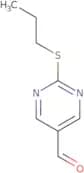
CAS:<p>2-(Propylthio)pyrimidine-5-carbaldehyde (2-PSPCA) is a novel, modified ribonucleoside that has been shown to activate the DNA polymerase. 2-PSPCA has been used in the synthesis of deoxyribonucleosides and phosphoramidites for use in the research and development of antiviral agents and anticancer drugs. 2-PSPCA is a monophosphate with an IC50 of 0.6 mM against human leukemia cells.</p>Formula:C8H10N2OSPurezza:Min. 95%Peso molecolare:182.24 g/molN6-Cyclopentyladenosine-5'-O-monophosphate
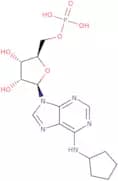
CAS:<p>N6-Cyclopentyladenosine-5'-O-monophosphate is a nucleoside that is a substrate for RNA polymerase and is involved in the regulation of transcription. It also has been shown to be localized in the nucleus, cytoplasm, and cell membrane. N6-Cyclopentyladenosine-5'-O-monophosphate is used in diagnosis as an immunochemical reagent for the detection of matrix metalloproteinases (MMPs) and it can be used to measure MMP-9 activity. The monoclonal antibody (mAb) against this nucleoside can be used to detect N6-Cyclopentyladenosine-5'-O-monophosphate in biological samples such as human serum or cell culture.</p>Formula:C15H22N5O7PPurezza:Min. 95%Peso molecolare:415.34 g/mol6-Chloro-9-(2-deoxy-b-L-erythro-pentofuranosyl)-9H-purin-2-amine
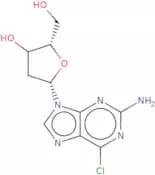
CAS:<p>6-Chloro-9-(2-deoxy-b-L-erythro-pentofuranosyl)-9H-purin-2-amine is a novel antiviral and anticancer agent. It is an analog of adenosine that inhibits viral replication by inhibiting DNA synthesis. 6CePP2A is an activator of nucleoside deoxyribonucleotidyltransferase, which converts dATP to dTTP.</p>Formula:C10H12ClN5O3Purezza:Min. 95%Peso molecolare:285.69 g/molN4-Benzoyl-2'-deoxy-5'-O-DMT-2'-trifluoroacetamidocytidine
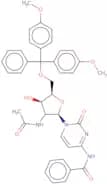
N4-Benzoyl-2'-deoxy-5'-O-DMT-2'-trifluoroacetamidocytidine is a novel nucleoside analog that is activated by ribonucleotide reductase. This compound inhibits the synthesis of DNA and RNA in cells, which leads to the inhibition of cellular proliferation. N4-Benzoyl-2'-deoxy-5'-O-DMT-2'-trifluoroacetamidocytidine has been shown to be effective against cancer cells, as well as antiviral and antiretroviral activity. It is also active against drug resistant strains of HIV.Formula:C39H35F3N4O8Purezza:Min. 95%Peso molecolare:744.71 g/mol2-(sec-Butylthio)pyrimidine-5-carbaldehyde
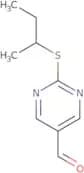
CAS:<p>2-(sec-Butylthio)pyrimidine-5-carbaldehyde is a molecule that inhibits cell growth and angiogenesis. It was found to inhibit the phosphorylation of specific proteins, leading to the inhibition of cell growth and angiogenesis. This compound has been shown to be effective against prostate cancer cells in vitro and in vivo, as well as in a mouse model for breast cancer. In this model, the drug inhibited tumor growth without any apparent toxicity to normal tissues. 2-(sec-Butylthio)pyrimidine-5-carbaldehyde has been tested as a potential antiangiogenic agent in mice, with results showing no adverse effects on animals.</p>Formula:C9H12N2OSPurezza:Min. 95%Peso molecolare:196.27 g/molAdenosine 5'-monophosphate [U-13C10,U-15N5]
CAS:Adenosine 5'-monophosphate (AMP) is a nucleoside that is used in the synthesis of DNA, RNA and other nucleic acids. AMP is also an antiviral and anticancer agent that can be used to activate other drugs. AMP is synthesized from adenosine triphosphate (ATP) by removing one phosphate group, resulting in the formation of adenosine diphosphate (ADP). ADP can then be converted to AMP by adding a phosphate group back on. This synthetic process can be modified to produce novel derivatives of AMP with enhanced properties.Formula:C10H14N5O7PPurezza:Min. 95%Peso molecolare:362.11 g/molN4-Acetyl-2'-deoxy-2'-fluoro-2'C-methylcytidine
N4-Acetyl-2'-deoxy-2'-fluoro-2'C-methylcytidine is a novel nucleoside analogue that is currently being studied as an anti-cancer agent. It inhibits the growth of cancer cells by inhibiting the synthesis of DNA, RNA and proteins in these cells. N4-Acetyl-2'-deoxy-2'-fluoro-2'C-methylcytidine has been shown to be active against Hepatitis C virus and HIV, but not against influenza virus. This drug also has antiviral activity and can be used for the treatment of herpes simplex viruses type 1 and 2.Purezza:Min. 95%4',5'-Didehydro-2',5'-dideoxy-2'-fluorouridine
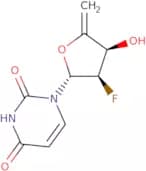
CAS:4',5'-Didehydro-2',5'-dideoxy-2'-fluorouridine is a monophosphate of the nucleoside 5FU. It is an antiviral and anticancer agent that inhibits viral DNA synthesis by competitively inhibiting the activity of thymidylate synthase, which converts dUMP to dTMP. 4',5'-Didehydro-2',5'-dideoxy-2'-fluorouridine also induces apoptosis in neoplastic cells. This compound has high purity and quality, and can be used as a phosphoramidite for the synthesis of modified oligonucleotides.Formula:C10H10FNO4Purezza:Min. 95%Peso molecolare:227.19 g/molN4-Ethyl-2'-deoxycytidine
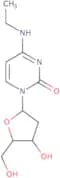
CAS:<p>N4-Ethyl-2'-deoxycytidine is a novel nucleoside analog that inhibits the activity of DNA polymerase. It is used as an anticancer, antiviral and antiretroviral agent. N4-Ethyl-2'-deoxycytidine has been shown to be active against herpes simplex virus type 1 (HSV-1), HSV-2, cytomegalovirus (CMV), human immunodeficiency virus type 1 (HIV-1) and HIV-2 in vitro. This drug also has antiangiogenic properties due to its ability to inhibit the synthesis of vascular endothelial growth factor A. N4-Ethyl-2'-deoxycytidine is a modified nucleoside that can be phosphorylated by cellular enzymes, which activates it by converting it into a monophosphate or diphosphate form. This drug inhibits the production of RNA from DNA and also prevents protein</p>Formula:C11H17N3O4Purezza:Min. 95%Peso molecolare:255.27 g/molBiotinyl coenzyme A
<p>Biotinyl coenzyme A is a novel, synthetic nucleotide that has activity against cancer cells. It is an analogue of biotin-diphosphate with a ribonucleoside moiety attached to the diphosphate. Biotinyl coenzyme A is phosphoramidite monophosphate, which can be synthesized by modifying the 5'-terminus of the anticancer drug gemcitabine.</p>Formula:C43H82N13O19P3S2Purezza:Min. 95%Peso molecolare:1,242.24 g/molN6-Monobutyryl-2'-deoxyadenosine 3',5'-cyclic monophosphate sodium salt
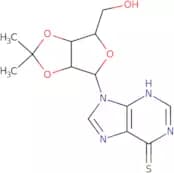
CAS:<p>N6-Monobutyryl-2'-deoxyadenosine 3',5'-cyclic monophosphate sodium salt is a novel antiviral and anticancer agent that is a synthetic nucleoside analogue. It has been shown to be effective at inhibiting the growth of human cancer cells in vitro and in vivo. N6-Monobutyryl-2'-deoxyadenosine 3',5'-cyclic monophosphate sodium salt binds to viral RNA, resulting in inhibition of protein synthesis and cell death.</p>Formula:C14H18N5O6P·NaPurezza:Min. 95%Peso molecolare:406.29 g/mol2',3'-O-Isopropylidene-6-thioinosine
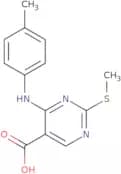
CAS:<p>2',3'-O-Isopropylidene-6-thioinosine is a fluorinated analogue of 6-thioguanine, which is an important precursor in the synthesis of nucleotides. The compound contains a fluorine atom at the 2' position and a sulfur atom at the 3' position of the ribose ring. It is soluble in organic solvents and can be used as a tracer for biochemical studies. The thermal stability of 2',3'-O-Isopropylidene-6-thioinosine has been demonstrated by molecular modelling and thermally induced filtration experiments. Molecular modeling has also shown that 2',3'-O-Isopropylidene-6-thioinosine binds to the active site of uridine phosphorylase, which is involved in pyrimidine salvage pathways in cells.<br>2',3'-O-Isopropylidene-6-thioinos</p>Formula:C13H16N4O4SPurezza:Min. 95%Peso molecolare:324.36 g/mol2-(Methylthio)-4-(P-Tolylamino)Pyrimidine-5-Carboxylic Acid
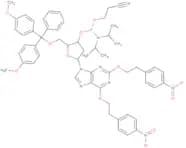
CAS:<p>2-(Methylthio)-4-(P-tolylamino)pyrimidine-5-carboxylic acid is an anticancer drug that is a novel, modified nucleoside. It has been shown to be active as a monophosphate and diphosphate in vitro. 2-(Methylthio)-4-(P-tolylamino)pyrimidine-5-carboxylic acid has also been shown to have antiviral activity against HIV and herpes simplex virus type 1 (HSV1).</p>Formula:C13H13N3O2SPurezza:Min. 95%Peso molecolare:275.33 g/mol2'-Deoxy-5'-DMT-5-[3-(trifluoroacetylamino)-1-propynyl]-uridine 3'-CE phosphoramidite
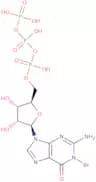
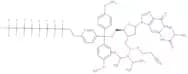
CAS:<p>2'-Deoxy-5'-DMT-5-[3-(trifluoroacetylamino)-1-propynyl]-uridine 3'-CE phosphoramidite is a novel modified nucleoside that is synthesized by the reaction of 2'-deoxy-5'-DMT-5-[3-(trifluoroacetylamino)-1-propynyl] uridine with bis(2,4,6-trimethylbenzoyl)phosphine and then with tetrazole. This product inhibits the synthesis of viral RNA and DNA and has been shown to be effective against cancer cells in vitro.</p>Formula:C44H49F3N5O9PPurezza:Min. 95%Peso molecolare:879.86 g/mol8-Bromoguanosine-5'-triphosphate sodium salt - 10 mM aqueous solution
CAS:<p>8-Bromoguanosine-5'-triphosphate sodium salt is a nucleotide analog that inhibits the enzyme ribonucleotide reductase. This drug inhibits bacterial growth by interfering with protein synthesis and cell division. It binds to the purine riboswitch, which is an allosteric regulatory binding site on the ribosome, inactivating it. 8-Bromoguanosine-5'-triphosphate sodium salt also binds to the active site of bacterial RNA polymerase and inhibits DNA synthesis. The activity of this drug has been shown using a bacteriophage system in which the enzyme protein synthesis was inhibited by 8-bromoguanosine-5'-triphosphate sodium salt.</p>Formula:C10H15N5O14P3Br·xNaPurezza:Min. 95%Peso molecolare:602.08 g/mol2,6-Dichloro-9-(3',5'-di-O-benzoyl-2'-deoxy-2'-fluoro-a-D-arabinofuranosyl)purine
<p>2,6-Dichloro-9-(3',5'-di-O-benzoyl-2'-deoxy-2'-fluoro-a-D-arabinofuranosyl)purine is a nucleoside that is used in the synthesis of antiviral drugs. It is a modified monophosphate with a 3',5'-di-O-benzoyl group and 2'-deoxyribose. This substance can be prepared from the corresponding 2,6-dichloropurine by reaction with chloroacetaldehyde diethyl acetal. 2,6 Dichloro 9-(3',5'-di-O-benzoyl) purine has been shown to have anticancer activity against various human cancer cell lines in vitro and in vivo.</p>Purezza:Min. 95%Uridylyl-3'-5'-adenosine ammonium salt
<p>Uridylyl-3'-5'-adenosine ammonium salt is a novel antiviral agent that is used to treat hepatitis B. It is an analogue of nucleoside monophosphate, which is activated by adenylyltransferase, and inhibits viral DNA synthesis. Uridylyl-3'-5'-adenosine ammonium salt has been shown to inhibit the growth of cancer cells in vitro and in vivo. This drug also has anticancer activity against various types of cancer cell lines.</p>Formula:C19H27N8O12PPurezza:Min. 95%Peso molecolare:590.44 g/mol3'-Azido-2',3'-dideoxy-5'-O-DMT-5-methylcytidine
<p>3'-Azido-2',3'-dideoxy-5'-O-DMT-5-methylcytidine (Zidovudine) is a nucleoside analog that inhibits the replication of human immunodeficiency virus type 1. It is phosphorylated by cellular enzymes to form the active triphosphate form, which incorporates into viral DNA and causes chain termination. Zidovudine has been used in the treatment of HIV infection and AIDS. This drug also has antiviral activity against other retroviruses such as HIV type 2 and measles virus, as well as some DNA viruses, such as herpes simplex type 1. Zidovudine may be useful for the treatment of cancer, particularly Kaposi's sarcoma.</p>Purezza:Min. 95%2'-Deoxyxanthosine ce-phosphoramidite (dx ce-phosphoramidite)
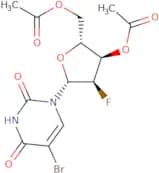
CAS:<p>Please enquire for more information about 2'-Deoxyxanthosine ce-phosphoramidite (dx ce-phosphoramidite) including the price, delivery time and more detailed product information at the technical inquiry form on this page</p>Formula:C56H61N8O12PPurezza:Min. 95%Peso molecolare:1,069.1 g/mol3',5'-Di-O-acetyl-5-bromo-2'-deoxy-2'-fluorouridine
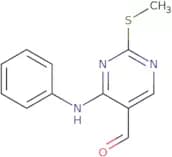
CAS:<p>3',5'-Di-O-acetyl-5-bromo-2'-deoxy-2'-fluorouridine is a novel antiviral agent that has been synthesized as a high quality, high purity monophosphate. It is a modified nucleoside that is used to synthesize phosphoramidites. It has antiviral activity against herpes simplex virus type 1 and 2, and cytomegalovirus. 3',5'-Di-O-acetyl-5-bromo-2'-deoxy-2'-fluorouridine is also an inhibitor of the DNA polymerase enzyme and inhibits the synthesis of viral DNA in infected cells. This drug can be used for the treatment of infections caused by these viruses.</p>Formula:C13H14BrFN2O7Purezza:Min. 95%Peso molecolare:409.16 g/mol2-Methylsulfanyl-4-phenylamino-pyrimidine-5-carbaldehyde
CAS:<p>2-Methylsulfanyl-4-phenylamino-pyrimidine-5-carbaldehyde is a Ribonucleside, Deoxyribonucleoside, Activator, Antiviral, Synthetic and Modified DNA Nucleoside. It has been shown to inhibit viral replication in vitro by interfering with the formation of the viral diphosphate. 2-Methylsulfanyl-4-phenylamino-pyrimidine-5-carbaldehyde is a ribonucleotide that is synthesized from commercially available starting materials. This compound has shown to be active against HIV type 1 virus in vitro and has been proposed as a potential antiviral agent for the treatment of AIDS.<br>2-Methylsulfanyl-4-phenylamino pyrimidine 5 carbaldehyde (2MSAP) was found to be active against HIV type 1 virus in vitro and has been proposed as a potential antiviral agent for the treatment of</p>Formula:C12H11N3OSPurezza:Min. 95%Peso molecolare:245.3 g/mol5'-O-DMT-5-[N-(2-(trifluoroacetamido)ethyl)-3-E-acrylamido]-2'-deoxyuridine
CAS:<p>5'-O-DMT-5-[N-(2-(trifluoroacetamido)ethyl)-3-E-acrylamido]-2'-deoxyuridine is a nucleoside analog that is an activator of DNA polymerase. It has been shown to have anticancer activity in vitro and in vivo. 5'-O-DMT-5-[N-(2-(trifluoroacetamido)ethyl)-3-E-acrylamido]-2'-deoxyuridine was found to inhibit the proliferation of leukemia cells, human colon cancer cells, and human prostate cancer cells. This compound also inhibits viral replication by affecting the synthesis of viral DNA and RNA. 5'-O-DMT-5-[N-(2-(trifluoroacetamido)ethyl)-3-E-acrylamido]-2'-deoxyuridine may be used as a research tool for studying the mechanism of action of antiviral drugs such</p>Formula:C37H37F3N4O9Purezza:Min. 95%Peso molecolare:738.74 g/mol2-Amino-8-(2-deoxy-β-D-ribofuranosyl)-imidazo[1,2-α]-1,3,5-triazin-4(8H)-one
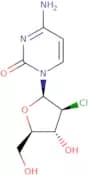
CAS:<p>2-Amino-8-(2-deoxy-β-D-ribofuranosyl)-imidazo[1,2-α]-1,3,5-triazin-4(8H)-one is a modified nucleoside analog with the following structure: the core heterocyclic structure is a fused imidazole-triazine ring, there is a 2-amino group at position 2 of the imidazole ring and it has a 2-deoxy-β-D-ribofuranose sugar attached at the 8-position of the heterocyclic ring, making it structurally related to DNA nucleosides.</p>Formula:C10H13N5O4Purezza:Min. 95%Colore e forma:PowderPeso molecolare:267.24 g/mol1-(2'-Chloro-2'-deoxy-b-D-arabinofuranosyl)cytosine
CAS:1-(2'-Chloro-2'-deoxy-b-D-arabinofuranosyl)cytosine is a synthetic, modified nucleoside that can be phosphorylated to its monophosphate form. It is an inhibitor of DNA synthesis and the replication of viral DNA. 1-(2'-Chloro-2'-deoxy-b-D-arabinofuranosyl)cytosine has been shown to have anticancer activity in vitro and in vivo. This drug is also active against some RNA viruses such as hepatitis B virus and human immunodeficiency virus type 1 (HIV).Formula:C9H12ClN3O4Purezza:Min. 95%Peso molecolare:261.66 g/mol7H-Pyrrolo[2,3d]pyrimidine
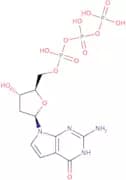
CAS:<p>7H-Pyrrolo[2,3d]pyrimidine is a pyrimidine compound that has been shown to have potent antitumor activity. It inhibits the enzyme acyl-coenzyme A carboxylase (ACC) and blocks the production of malonyl-CoA, an intermediate in the metabolism of fatty acids. Malonyl-CoA is an allosteric activator of ACC, which is an important enzyme for regulating fatty acid synthesis. 7H-Pyrrolo[2,3d]pyrimidine also inhibits the expression of the gene encoding cb2 receptor, which is involved in inflammatory processes. The compound binds to a hydroxyl group on ACC to inhibit its activity. 7H-Pyrrolo[2,3d]pyrimidine has been shown to be effective against miapaca-2 cells and other cancer cell lines at concentrations as low as 1 nM. This compound also has a</p>Formula:C6H5N3Purezza:Min. 95%Peso molecolare:119.12 g/mol7-Deaza-2'-deoxyguanosine-5'-triphosphate lithium salt - 100mM aqueous solution
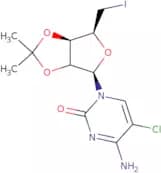
CAS:7-Deaza-2'-deoxyguanosine-5'-triphosphate lithium salt is a nucleoside analog that inhibits telomerase. It binds to the catalytic subunit of telomerase, which is an RNA-dependent DNA polymerase that synthesizes telomeres during DNA replication. This binding prevents the enzyme from extending the 3' end of the DNA strand, inhibiting cell proliferation and leading to apoptosis. Telomerase inhibition has been shown to have an inhibitory effect on insulin resistance in mice. 7-Deaza-2'-deoxyguanosine-5'-triphosphate lithium salt also inhibits protein kinases, but does not inhibit phosphatases or other enzymes.Formula:C11H17N4O13P3·xLiPurezza:Min. 95%Peso molecolare:506.19 g/mol5-Chloro-5'-deoxy-5'-iodo-2',3'-O-isopropylidenecytidine
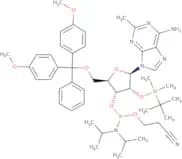
<p>5-Chloro-5'-deoxy-5'-iodo-2',3'-O-isopropylidenecytidine is a nucleoside analog that has antiviral, anticancer, and high purity properties. It is an activated nucleotide that can be incorporated into DNA or RNA. 5-Chloro-5'-deoxy-5'-iodo-2',3'-O-isopropylidenecytidine is a modified nucleoside with the deoxyribose sugar replaced by an isopropylidene group. This modification prevents the drug from being metabolized and excreted from the body. The drug is used to treat various cancers such as leukemia and lymphoma, as well as herpes simplex virus infections. It also has been shown to have antimicrobial properties against bacteria, fungi, and viruses.</p>Formula:C12H15ClIN3O4Purezza:Min. 95%Peso molecolare:427.63 g/mol2'-O-tert-Butyldimethylsilyl-5'-O-DMT-C2-methyladenosine 3'-CE phosphoramidite
CAS:<p>2'-O-tert-Butyldimethylsilyl-5'-O-DMT-C2-methyladenosine 3'-CE phosphoramidite is an antiviral agent that inhibits the synthesis of DNA. It can be used to treat AIDS, because it inhibits the reverse transcriptase enzyme. 2'-O-tert-Butyldimethylsilyl-5'-O-DMT-C2-methyladenosine 3'-CE phosphoramidite also has anticancer properties, which is due to its ability to inhibit RNA and protein synthesis in cancer cells. This compound has been synthesized by reacting 5'-O-DMT cytidine with methylacetoacetate under standard conditions. The modified nucleoside has a high purity, high quality, and novel structure.</p>Formula:C47H64N7O7SiPurezza:Min. 95%Peso molecolare:867.14 g/molN6-Benzoyl-7-deaza-2'-deoxy-5'-O-tert-butyldimethylsilyl-7-iodoadenosine
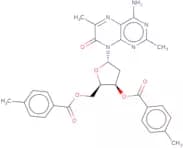
CAS:<p>N6-Benzoyl-7-deaza-2'-deoxy-5'-O-tert-butyldimethylsilyl-7-iodoadenosine is a novel nucleoside that has been shown to have anticancer and antiviral properties. It is a phosphoramidite of 7-iodoadenosine that has been modified to contain a benzoyl group at the 6 position. N6-Benzoyl-7-deaza-2'-deoxy-5'-O-tert-butyldimethylsilyl-(7)iodoadenosine can be used for the synthesis of oligonucleotides and DNA, as well as for the activation of latent HIV genes. This compound is also used in vitro to study the interactions between phosphoramidites and nucleosides.</p>Formula:C24H31IN4O4SiPurezza:Min. 95%Peso molecolare:594.52 g/mol4-Amino-2,6-dimethyl-8-(2'-deoxy-3',5'-di-O-toluoyl-a-D-ribofuranosyl)-7-pteridone
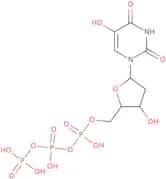
<p>4-Amino-2,6-dimethyl-8-(2'-deoxy-3',5'-di-O-toluoyl-a-D-ribofuranosyl)-7-pteridone is a novel nucleoside that has been modified by the addition of a 2'-deoxy, 3',5'-di-O-toluoyl group on the sugar moiety. This modification increases the stability of 4AMDT in serum and enhances its antiviral activity against DNA and RNA viruses. It also inhibits the proliferation of cancer cells and induces cell death by inhibiting protein synthesis.</p>Formula:C29H29N5O6Purezza:Min. 95%Peso molecolare:543.57 g/mol2'-Deoxy-5-hydroxyuridine 5'-triphosphate
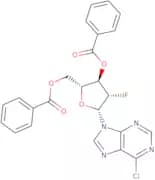
CAS:<p>2'-Deoxy-5-hydroxyuridine 5'-triphosphate (doxorubicin) is a cytotoxic and chemotherapeutic agent that interferes with DNA replication. It is an oxidized form of the natural pyrimidine base thymine. The drug blocks DNA synthesis by preventing the incorporation of uracil into the newly synthesized strand, which causes strand breaks. Doxorubicin has been shown to be effective in treating a variety of cancers, including those of the breast, ovaries, bladder, and stomach. This drug can also cause severe side effects such as heart damage and hearing loss due to its interaction with cellular oxygen metabolism.</p>Purezza:Min. 95%6-Chloro-9-(3',5'-di-O-benzoyl-2'-Deoxy-2'-fluoro-b-D-arabinofuranosyl)purine
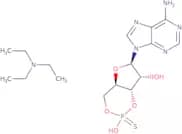
CAS:<p>6-Chloro-9-(3',5'-di-O-benzoyl-2'-Deoxy-2'-fluoro-b-D-arabinofuranosyl)purine is a nucleoside that is used as an anticancer and antiviral agent. It is synthesized from 9-(3',5'-di-O-benzoyl)-2'-deoxyribofuranosyl chloride, which is then chlorinated to form 6-chloro purine. This product has been shown to be active against human DNA tumor cells and other viruses in vitro. 6CPA, like other nucleosides, can be phosphorylated on the 3' or 5' position of the sugar moiety, yielding monophosphate or diphosphate derivatives respectively. The monophosphate derivative of 6CPA has a higher cytotoxicity than the diphosphate derivative. The deoxyribose sugar moiety can</p>Formula:C24H18CIFN4O5Purezza:Min. 95%Peso molecolare:496.89 g/molAdenosine 3',5'-cyclic monophosphothioate Rp-isomer sodium salt
CAS:Adenosine 3',5'-cyclic monophosphothioate Rp-isomer sodium salt is a neurotrophic factor that has been shown to have neuroprotective properties in different animal models of Parkinson's disease. It has been shown to promote the synthesis of dopamine, glutamate, and other neurotransmitters in dopaminergic neurons. Adenosine 3',5'-cyclic monophosphothioate Rp-isomer sodium salt also promotes protein production by stimulating the synthesis of intracellular proteins such as cytosolic Ca2+ and IGF-I. This drug may be effective in pharmacological treatment for Parkinson's disease. Adenosine 3',5'-cyclic monophosphothioate Rp-isomer sodium salt is a potent inhibitor of phosphodiesterase type 4 (PDE4) with a Ki value of 0.07 μM. This inhibition leads to the accumulation of cAMP, which activates protein kinase A (PKAFormula:C10H11N5O5PS·NaPurezza:Min. 95%Peso molecolare:367.25 g/mol1-(a-D-Mannopyranosyl)thymine
CAS:1-(a-D-Mannopyranosyl)thymine is a phosphoramidite nucleoside with antiviral activity. It is an analog of thymine, in which the oxygen atom at the 5-position has been replaced by a mannose group and the hydroxyl group at the 4-position has been replaced by a methyl group. This compound has shown to have anticancer properties as well as inhibitory effects on HIV replication. Studies have also shown that 1-(a-D-mannopyranosyl)thymine inhibits proliferation and induces apoptosis in human cancer cell lines.Formula:C11H16N2O7Purezza:Min. 95%Colore e forma:Light (Or Pale) Yellow SolidPeso molecolare:288.75 g/mol3'-Azido-3'-deoxy-5-methylcytidine
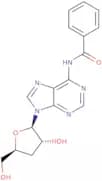
CAS:<p>3'-Azido-3'-deoxy-5-methylcytidine (AZDMC) is a novel nucleoside analog that inhibits viral replication. AZDMC is an activator of cellular DNA synthesis, which is essential for the replication of DNA and the production of RNA. It also has antiviral activity against influenza A and B viruses. The chemical name for AZDMC is 3'-azido-3'-deoxy-5-methylcytidine monophosphate (AMP). The CAS number for AZDMC is 1282040-14-5. It can be synthesized with high purity and quality by Ribonucleosides, Modified, Deoxyribonucleosides, Nucleosides, Phosphoramidites.</p>Purezza:Min. 95%N6-Benzoyl-3'-deoxyadenosine
CAS:N6-Benzoyl-3'-deoxyadenosine is a nucleoside analogue that is used as a substrate for DNA polymerase. The efficiency of this compound has been shown to be higher than other nucleotides. In addition, N6-Benzoyl-3'-deoxyadenosine has been shown to be an efficient donor in the ligation reaction and can also act as a competitive inhibitor of topoisomerase II. N6-Benzoyl-3'-deoxyadenosine is a scissile substrate for DNA topoisomerase II and cleaves at the same site as dATP. This compound has been shown to be active against both Gram-positive bacteria and Mycobacterium tuberculosis with high selectivity.Formula:C17H17N5O4Purezza:Min. 95%Peso molecolare:355.35 g/molN4-Benzoyl-2'-deoxy-5'-O-DMT-cytidine-3'-lcaa-CPG
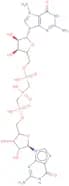
N4-Benzoyl-2'-deoxy-5'-O-DMT-cytidine-3'-lcaa-CPG is an antiviral agent that inhibits the RNA polymerase of the virus. It is a phosphoramidite, which is a nucleoside with a phosphate group at the 5' position. N4-Benzoyl-2'-deoxy-5'-O-DMT-cytidine has been shown to be cytotoxic against cancer cells, and have less side effects than other nucleosides. It has been shown to selectively bind to ribonucleosides and deoxyribonucleosides and inhibit their synthesis by binding to the enzyme DNA polymerase. This stops DNA replication and causes cell death.Purezza:Min. 95%m7G(5')ppp(5')Guanosine
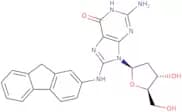
CAS:<p>A cap analog that can incorporated into mRNA</p>Formula:C21H29N10O18P3Purezza:Min. 95%Peso molecolare:802.43 g/mol2'-Deoxy-8-(9H-fluoren-2-ylamino)-guanosine
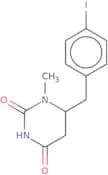
CAS:<p>2'-Deoxy-8-(9H-fluoren-2-ylamino)-guanosine (FdA) is a synthetic nucleoside that was designed for use as a dietary supplement to inhibit carcinogenesis. It is an analog of guanosine and is phosphorylated by cellular kinases to form 2'-deoxy-8-(9H-fluoren-2-ylamino)-inosine monophosphate. FdA inhibits the process of DNA replication in mammalian cells, which may be due to its ability to bind single stranded DNA. This drug has been shown to reduce the mutation frequency and increase the life span of mice with bladder cancer.</p>Formula:C23H22N6O4Purezza:Min. 95%Peso molecolare:446.46 g/mol6-(4-Iodobenzyl)-1-Methyl Pyrimidine-2,4-(1H,3H)-Dione
CAS:6-(4-Iodobenzyl)-1-Methyl Pyrimidine-2,4-(1H,3H)-Dione is a nucleoside analog that has shown to be an activator of the ribonucleotide reductase enzyme. It has also been shown to have anticancer activity. 6-(4-Iodobenzyl)-1-Methyl Pyrimidine-2,4-(1H,3H)-Dione inhibits DNA synthesis by binding to the DNA molecule at the site of incorporation and preventing its duplication. This compound also inhibits RNA synthesis by binding to the RNA molecule at the site of incorporation and preventing its duplication. It has been shown to inhibit cancer cell growth in culture and can be used as a chemotherapeutic agent.Formula:C12H11IN2O2Purezza:Min. 95%Peso molecolare:342.13 g/mol4-Amino-3-benzyl-1H-pyrazolo[3,4-d]pyrimidine 1-b-D-ribofuranose
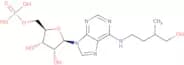
CAS:<p>4-Amino-3-benzyl-1H-pyrazolo[3,4-d]pyrimidine 1b-D-ribofuranose is a novel diphosphate activator that can modify the properties of deoxyribonucleosides and nucleosides. It has antiviral activity against human immunodeficiency virus type 1 (HIV) and herpes simplex virus type 2 (HSV). 4-Amino-3-benzyl-1H-pyrazolo[3,4-d]pyrimidine 1b -D--ribofuranose is also an anticancer agent that has been shown to have DNA binding ability, in addition to its ability to inhibit the proliferation of cancer cells.</p>Formula:C17H19N5O4Purezza:Min. 95%Peso molecolare:357.36 g/molDihydrozeatin riboside-5'-monophosphate sodium salt
CAS:<p>Dihydrozeatin riboside-5'-monophosphate sodium salt is a cytokinin that belongs to the group of indole compounds. It has been shown to inhibit the biosynthesis of ethylene, which prevents fruit from ripening. Dihydrozeatin riboside-5'-monophosphate sodium salt is also able to inhibit the synthesis of adenosine, another plant hormone that inhibits growth and promotes dormancy in plants. The bioassay for this product has been done with amanita muscaria, an edible mushroom found in North America and Europe. This mushroom contains dihydrozeatin as well as other related compounds such as zeatin, which can be converted into dihydrozeatin by enzymes present in the intestines. The symptoms of poisoning by this mushroom include vomiting and diarrhea, owing to its effects on intestinal motility.</p>Formula:C15H22N5Na2O8P·H2OPurezza:Min. 95%Colore e forma:White To Off-White SolidPeso molecolare:495.33 g/mol3'-Azido-3'-deoxythymidine-methyl-D3-2,3,4-tri-O-acetyl-b-D-glucuronide methyl ester
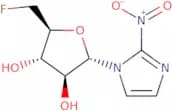
Prodotto controllato3'-Azido-3'-deoxythymidine-methyl-D3-2,3,4-tri-O-acetyl-b-D-glucuronide methyl ester (AZT) is a novel nucleoside compound that is a phosphoramidite. AZT has antiviral activity against various DNA and RNA viruses, including HIV. It is also effective in the treatment of cancer. AZT inhibits viral replication by competitively inhibiting the incorporation of diphosphate into viral DNA or RNA. This process prevents the synthesis of new virus particles and the spread of infection to healthy cells. In addition, AZT may inhibit tumor growth by interfering with cell division and DNA synthesis.Formula:C23H26D3N5O13Purezza:Min. 95%Peso molecolare:586.52 g/mol1-(5'-Deoxy-5'-fluoro-a-D-arabinofuranosyl)-2-nitroimidazole
CAS:1-(5'-Deoxy-5'-fluoro-a-D-arabinofuranosyl)-2-nitroimidazole is an anticancer drug that has been shown to inhibit tumor growth in vivo. This drug binds to the integrin receptor, which is expressed on the surface of cells and is involved in the process of cell adhesion. 1-(5'-Deoxy-5'-fluoro-a-D-arabinofuranosyl)-2-nitroimidazole inhibits tumor growth by inhibiting hypoxic tumor formation. Hypoxia is a condition where there is not enough oxygen for normal cell function. This drug has also been shown to reduce inflammation, which may be due to its ability to inhibit proinflammatory cytokines, such as IL-1β and TNFα, from binding to their receptors on cells. 1-(5'-Deoxy-5'-fluoro-a-D-arabinofuranosyl)-Formula:C8H10FN3O5Purezza:Min. 95%Colore e forma:PowderPeso molecolare:247.18 g/mol3'-Epi gemcitabine
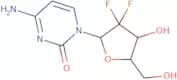
CAS:<p>3'-Epi-GEMCITABINE is a nucleoside phosphoramidite that is used in the synthesis of DNA and RNA. It is an antiviral agent and also has anticancer activity. 3'-Epi-GEMCITABINE inhibits the growth of cells by inhibiting DNA synthesis, which leads to cell death. The chemical name for 3'-epigemcitabine is 2',3'-dideoxyinosine monophosphate. 3'-Epi-GEMCITABINE can be synthesized from 2',3'-dideoxyinosine monophosphate and 5-bromo-2'-deoxyuridine diphosphate.</p>Formula:C9H11F2N3O4Purezza:Min. 95%Peso molecolare:263.2 g/mol8-Oxo-7-thioguanosine
CAS:8-Oxoguanosine monophosphate (8-oxoGMP) is a synthetic nucleoside that is activated by the enzyme thioredoxin reductase and phosphorylated to form 8-oxoGTP. The anticancer activity of 8-oxoGMP is due to its ability to inhibit ribonucleotide reductase, which reduces the production of DNA and RNA in cells. This product has been shown to inhibit HIV replication in vitro and in vivo. It also inhibits viral replication by inhibiting the synthesis of viral nucleic acids such as DNA, RNA, and deoxyribonucleic acid (DNA).Formula:C10H12N4O6SPurezza:Min. 95%Colore e forma:PowderPeso molecolare:316.29 g/mol3',5'-Di-O-p-chlorobenzoyl-2'-deoxy-5-fluorouridine
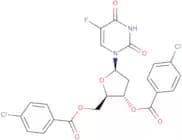
CAS:3',5'-Di-O-p-chlorobenzoyl-2'-deoxy-5-fluorouridine is a nucleoside derivative that has antiviral activity. It is synthesized by the condensation of 2,3,5-trihydroxybenzoic acid with 3'-chloro-5'-fluoroacetophenone in the presence of pyridine and triethylamine. The nucleoside has been shown to be an effective inhibitor of HIV replication in vitro. 3',5'-Di-O-p-chlorobenzoyl-2'-deoxy-5-fluorouridine also inhibits DNA synthesis in human lymphocytes at concentrations of 5 μM or less. This compound can be used as an activator for DNA polymerases and phosphoramidites for DNA synthesis.Formula:C23H17Cl2FN2O7Purezza:Min. 95%Peso molecolare:523.29 g/mol2'-Deoxy-3'-O-DMT-N2-iBu-guanosine--succinyl-CPG 1000 Å
<p>2'-Deoxy-3'-O-DMT-N2-iBu-guanosine--succinyl-CPG 1000 Å is a modified nucleoside that is synthesized from 2'-deoxyribonucleosides and succinic anhydride. It has antiviral, anticancer, and antimalarial activities. It can also be used to modify DNA sequences. This product is a novel phosphoramidite monomer with high purity.</p>Purezza:Min. 95%Guanosine 5'-triphosphate trisodium hydrate
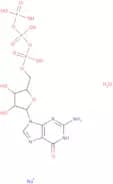
CAS:<p>Guanosine 5'-triphosphate trisodium hydrate is a novel antiviral agent that was discovered in the course of a research program to find new antiviral agents. It is an activator of guanylyl cyclase and it has been shown to have high quality and high purity. Guanosine 5'-triphosphate trisodium hydrate binds to ribonucleosides and deoxyribonucleosides, preventing their incorporation into viral DNA or RNA. This compound also has anticancer activity.</p>Formula:C10H18N5NaO15P3Purezza:Min. 95%Peso molecolare:564.19 g/mol3',5'-Di-O-acetyl-N2-acetyl-O6-diphenylcarbamoyl-2'-deoxy-D-guanosine
3',5'-Di-O-acetyl-N2-acetyl-O6-diphenylcarbamoyl-2'-deoxy-D-guanosine is a synthetic nucleoside that has been modified with an acetyl group at the 3' and 5' positions of the sugar. It has antiviral, anticancer, and antiretroviral activities against HIV. This nucleoside has also been shown to inhibit human leukemia cells in vitro by binding to DNA, inhibiting its synthesis. The drug is currently undergoing clinical trials for the treatment of AIDS patients.Purezza:Min. 95%Troxacitabine
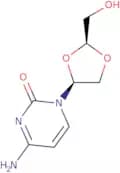
CAS:<p>Troxacitabine is a nucleoside analog that inhibits DNA synthesis by selectively blocking the function of DNA polymerase. It has been shown to have potent antitumor activity in mouse tumor models and in a human breast cancer xenograft model. Troxacitabine has also been shown to inhibit the proliferation of renal cell cancer cells and induce apoptosis in these cells, as well as reduce the viability of cancer cells from other tumor types. Troxacitabine has also been shown to have an effect on body mass index and hematologic response, although it is not currently approved for use in humans.</p>Formula:C8H11N3O4Purezza:Min. 95%Colore e forma:White To Off-White SolidPeso molecolare:213.19 g/mol2',3'-Anhydroinosine
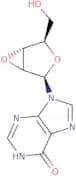
CAS:2',3'-Anhydroinosine is an analog of the purine nucleoside inosine, which has been synthesized by catalytic dehalogenation of 2-fluoro-adenosine. The synthesis of this compound is based on a chemical reaction between 2-fluoro-adenosine and sodium hydroxide. This reaction produces 2',3'-anhydroinosine as a byproduct. 2',3'-Anhydroinosine inhibits the enzyme purine nucleoside phosphorylase, which prevents the conversion of inosine to hypoxanthine. This prevents purines from being used for protein synthesis, leading to cell death.Formula:C10H10N4O4Purezza:Min. 95%Peso molecolare:250.21 g/mol3'-Amino-2',3'-dideoxy-2-fluoroadenosine
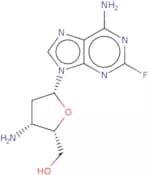
3'-Amino-2',3'-dideoxy-2-fluoroadenosine is a novel compound that inhibits the enzyme ribonucleotide reductase, which is involved in the synthesis of DNA. It also has antiviral and anticancer activities. 3'-Amino-2',3'-dideoxy-2-fluoroadenosine has high purity and high quality and can be used as an activator for phosphoramidite synthesis.Formula:C10H13FN6O2Purezza:Min. 95%Colore e forma:PowderPeso molecolare:268.25 g/mol8-(4-Chlorophenylthio)guanosine 3',5'-cyclic monophosphothioate Sp-isomer sodium
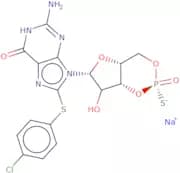
CAS:<p>8-(4-Chlorophenylthio)guanosine 3',5'-cyclic monophosphothioate Sp-isomer sodium salt (8-chloro-GTP) is a modified nucleoside that inhibits the synthesis of DNA by preventing the addition of nucleotides to the 3' end of DNA. It is an antiviral and anticancer agent, and can be used as a phosphoramidite in the synthesis of DNA. 8-chloro-GTP has shown high purity and high quality in synthesized DNA. Research on this compound is still ongoing, but it has been shown to be novel and modified compared to other nucleosides.</p>Formula:C16H14ClN5O6PS2·NaPurezza:Min. 95%Peso molecolare:525.86 g/mol1-(b-D-Arabinofuranosyl)-5-iodouracil
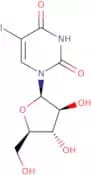
CAS:<p>1-(b-D-Arabinofuranosyl)-5-iodouracil is a synthetic nucleoside that has antiviral and anticancer properties. It is a monophosphate nucleotide that inhibits viral RNA synthesis by inhibiting the enzyme ribonucleotide reductase, which converts ribonucleotides to deoxyribonucleotides. This inhibitor also blocks DNA synthesis by preventing the incorporation of b-D-arabinofuranosyl monophosphate into DNA. 1-(b-D-Arabinofuranosyl)-5-iodouracil has been shown to be effective in treating various types of cancer, including breast, lung, and prostate cancers. It also exhibits antitumor activity against certain human leukemia cells.</p>Formula:C9H11IN2O6Purezza:Min. 95%Peso molecolare:370.1 g/molCytidine-5'-phosphate-3'-(6-aminohexyl)phosphate-biotin triethylammonium salt - 1 mM aqueous solution (10 mM Tris-HCl)
Cytidine-5'-phosphate-3'-(6-aminohexyl)phosphate-biotin triethylammonium salt - 1 mM aqueous solution (10 mM Tris-HCl) is a nucleoside phosphate activator with antiviral effects. It has been successfully synthesized and shown to be an effective anticancer agent. Cytidine-5'-phosphate-3'-(6-aminohexyl)phosphate-biotin triethylammonium salt - 1 mM aqueous solution (10 mM Tris-HCl) is modified from cytidine, which contains the amino acid L-alanine in place of D-alanine. This modification increases the stability and bioavailability of this molecule. Cytidine, or cytidylate, is a nucleoside phosphate that is widely used in biochemistry as an activator for other nucleosides or as a substrate for enzymesFormula:C25H42N6O13P2S1Purezza:Min. 95%Colore e forma:Colorless PowderPeso molecolare:728.65 g/mol5'-o-Methyl-dt cep
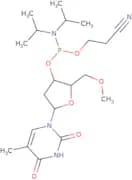
CAS:<p>5'-o-Methyl-dt cep is a modified phosphoramidite that has been synthesized to provide a novel, highly active anticancer and antiviral agent. It is used as an activator for the synthesis of DNA or RNA in the nucleoside or deoxyribonucleoside pathway. 5'-o-Methyl-dt cep could be used in the treatment of HIV, Hepatitis C, and other viral infections.</p>Formula:C20H33N4O6PPurezza:Min. 95%Peso molecolare:456.5 g/molInosine-3',5'-cyclic-monophosphate free acid
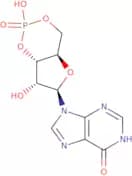
CAS:Inosine-3',5'-cyclic-monophosphate free acid is an ester of inosine 3',5'-cyclic-monophosphate that is structurally related to adenosine. It has been shown to have a physiological function as a cyclic nucleotide phosphodiesterase inhibitor, and also inhibits voltage-dependent calcium channels. Inosine-3',5'-cyclic-monophosphate free acid has been shown to be effective against infectious diseases, such as Mycobacterium tuberculosis and Galleria mellonella. It has also been shown to reduce the production of peptide hormones, nucleotides, and cyclic AMP (cAMP). Inosine-3',5'-cyclic-monophosphate free acid does not exhibit any pharmacological activity on its own but can modulate the activities of other pharmacological agents.Formula:C10H11N4O7PPurezza:Min. 95%Peso molecolare:330.19 g/mol5-Iodo-1-(2',3',5'-tri-O-acetyl-b-D-ribofuranosyl)-imidazo-4-carbonitrile
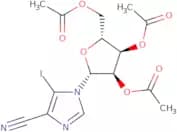
CAS:<p>5-Iodo-1-(2',3',5'-tri-O-acetyl-b-D-ribofuranosyl)-imidazo-4-carbonitrile is a nucleoside phosphoramidite that is synthesized from 2'-deoxyribose, 5'-iodoimidazole and triacetic acid. This compound is a novel phosphoramidite and can be used to synthesize DNA or RNA molecules. It has been shown to have anticancer properties, which may be due to its ability to inhibit DNA replication. 5-Iodo-1-(2',3',5'-tri-O-acetyl-b-D-ribofuranosyl)-imidazo-4-carbonitrile also has antiviral properties and can be used as an activator in the synthesis of modified nucleosides.</p>Formula:C15H16IN3O7Purezza:Min. 95%Peso molecolare:477.21 g/mol5'-O-DMT-thymidine 3'-O-[(S-acetyl-6-thiohexyl) N,N-diisopropylphosphoramidite
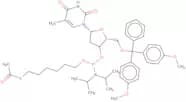
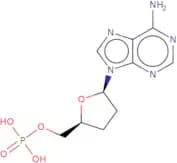
<p>5'-O-DMT-thymidine 3'-O-[(S-acetyl-6-thiohexyl) N,N-diisopropylphosphoramidite] is a novel compound that has been modified to enhance antiviral activity and provide protection against influenza virus. The phosphoramidite monophosphate is prepared by coupling of the 5'-O-DMT-thymidine 3'-O-[(S-acetyl-6-thiohexyl) N,N-diisopropylphosphoramidite] with an appropriate nucleoside phosphorylating agent, such as a thiophosphorylating agent. This product has high purity and quality.</p>Purezza:Min. 95%2',3'-Dideoxyadenosine-5'-monophosphate
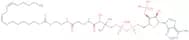
CAS:2',3'-Dideoxyadenosine-5'-monophosphate (ddAMP) is an adenosine analog that is a substrate for the enzyme dideoxyribonucleoside kinase. It is activated by phosphorylation to the 5' ends of DNA molecules and inhibits viral replication. ddAMP has been shown to be effective in treating human immunodeficiency virus (HIV) infection, at least in part, by inhibiting the production of p24 antigen levels and reducing the number of CD4+ lymphocytes. The mechanism of action may involve binding to HIV-1 RNA, which prevents it from interacting with cellular dsDNA and inhibits its transcription into DNA.Formula:C10H14N5O5PPurezza:Min. 95%Peso molecolare:315.22 g/molLinoleoyl coenzyme A
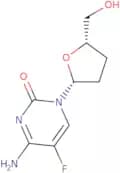
CAS:<p>Linoleoyl coenzyme A (LCA) is a fatty acid that is a component of the cell membrane. LCA is synthesized from linoleic acid and coenzyme A in the mitochondria. In humans, LCA is an important component of the mitochondrial protein. The production of this enzyme can be enhanced by dietary supplementation with linoleic acid. Linoleoyl coenzyme A has been used as a model system to study energy metabolism in mitochondria. It has been shown to be involved in carthamus tinctorius, human mitochondrial, rat liver microsomes, and dietary models. LCAs have also been used as analytical methods for measuring the amount of fatty acids within cells or tissues.</p>Formula:C39H66N7O17P3SPurezza:Min. 95%Peso molecolare:1,029.97 g/mol2’,3’-Dideoxy-5-fluorocytidine
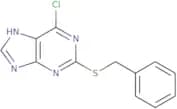
CAS:<p>2’,3’-Dideoxy-5-fluorocytidine is a nucleoside analog that inhibits the growth of tumor cells in animals. It has been shown to inhibit the replication of hepatitis B virus and HIV without affecting normal cell division. 2′,3′-Dideoxy-5-fluorocytidine also has potent antitumor activity against human hematopoietic cells and induces apoptosis.</p>Formula:C9H12FN3O3Purezza:Min. 95%Peso molecolare:229.21 g/mol2-Benzylthio-6-chloropurine
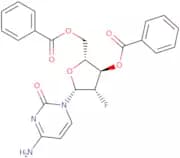
CAS:2-Benzylthio-6-chloropurine is a synthetic nucleoside analogue that is an antiviral agent. It inhibits the synthesis of viral DNA by competitive inhibition of thymidine kinase, which is an enzyme necessary for the conversion of deoxyribonucleotides to their monophosphate form. 2-Benzylthio-6-chloropurine has been found to be effective against herpes simplex virus 1 and 2 (HSV1 and HSV2). The drug is also active against HIV, influenza A virus, and cytomegalovirus.Formula:C15H9CIN4SPurezza:Min. 95%Peso molecolare:416.24 g/mol3',5'-Di-O-benzoyl-2'-deoxy-2'-fluoro-b-D-arabinocytidine
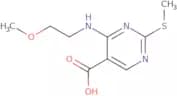
CAS:3',5'-Di-O-benzoyl-2'-deoxy-2'-fluoro-b-D-arabinocytidine is a modified nucleoside that is used as an anticancer agent. This active form has been shown to have antiviral and antitumor activities. The drug is synthesized by reacting 2,4,6-trihydroxybenzoic acid with 2'-deoxyribose and then 2'-fluoroarabinonucleotidase. 3',5'-Di-O-benzoyl-2'-deoxy-2'-fluoro-b-D-arabinocytidine has high purity and high quality, which makes it suitable for use in the synthesis of phosphoramidites.Purezza:Min. 95%4-(2-Methoxyethylamino)-2-(Methylthio)Pyrimidine-5-Carboxylic Acid
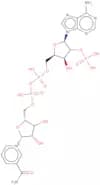
CAS:<p>4-(2-Methoxyethylamino)-2-(methylthio)pyrimidine-5-carboxylic acid (4MEAP) is a novel phosphoramidite that can be used in the synthesis of ribonucleosides and deoxyribonucleosides. 4MEAP has antiviral activity, cytotoxicity, and anticancer properties. It may also have potential as an anti-inflammatory agent due to its ability to inhibit prostaglandin production.</p>Formula:C9H13N3O3SPurezza:Min. 95%Peso molecolare:243.28 g/molb-Nicotinamide adenine dinucleotide phosphate potassium salt hydrate
CAS:b-Nicotinamide adenine dinucleotide phosphate potassium salt hydrate is a novel anticancer compound that has been shown to inhibit the growth of cancer cells in vitro. The mechanism of action of b-NADP+ is still unknown, but it may involve the inhibition of ribonucleoside reductase and deoxyribonucleoside reductase. It also inhibits viral DNA synthesis, which can be an effective antiviral drug. b-NADP+ is a nucleotide analogue that is synthesized from diphosphate and monophosphate forms, which are activated by phosphoramidites.Formula:C21H28N7O17P3•K•(H2O)2Purezza:Min. 95%Peso molecolare:818.5 g/mol7-TFA-ap-7-Deaza-2',3'-dideoxyadenosine
CAS:7-TFA-ap-7-Deaza-2',3'-dideoxyadenosine is a diphosphate nucleoside analogue that can be activated by phosphoramidites. It is a novel, synthetic, and high quality nucleotide with antiviral and anticancer properties. This drug has been shown to inhibit the synthesis of DNA and RNA at the transcriptional level. 7-TFA-ap-7-Deaza-2',3'-dideoxyadenosine is a monophosphate nucleoside analogue that can be used in ribonucleotide synthesis for the treatment of cancer.Formula:C16H16F3N5O3Peso molecolare:383.33 g/molRef: 3D-J-700297
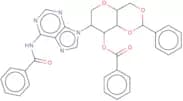
1gPrezzo su richiesta50mgPrezzo su richiesta100mgPrezzo su richiesta250mgPrezzo su richiesta500mgPrezzo su richiesta-Unit-ggPrezzo su richiesta1,5-Anhydro-3-O-benzoyl-4,6-O-benzylidene-2-deoxy-2-(N6-benzoyladenin-1-yl)-D-altro-hexitol
CAS:<p>1,5-Anhydro-3-O-benzoyl-4,6-O-benzylidene-2-deoxy-2-(N6-benzoyladenin-1)-yl)-D-altrohexitol is a novel anticancer and antiviral agent. It is a phosphoramidate nucleotide analog that inhibits viral replication by blocking the synthesis of viral DNA. It also has an inhibitory effect on cancer cells, which may be due to its ability to activate natural killer cells or cytotoxic T lymphocytes.</p>Formula:C32H27N5O6Purezza:Min. 95%Colore e forma:SolidPeso molecolare:577.6 g/mol3'-O-tert-Butyldimethylsilyl-2'-deoxy-5'-O-DMT-adenosine
CAS:<p>3'-O-tert-Butyldimethylsilyl-2'-deoxy-5'-O-DMT-adenosine is a nucleoside with a novel chemical structure. It is a deoxyribonucleoside monophosphate, which has antiviral and anticancer properties. 3'-O-tert-Butyldimethylsilyl-2'-deoxy-5'-O-DMT-adenosine inhibits the formation of diphosphate from ATP, which prevents DNA and RNA synthesis in cells. This drug also binds to the enzyme ribonuclease, preventing the breakdown of RNA. The phosphoramidites used for synthesizing 3'-O-tert-Butyldimethylsilyl-2'-deoxy-5'-O-DMT adenosine are of high quality and can be used for making other nucleosides.</p>Formula:C37H45N5O5SiPurezza:Min. 95%Peso molecolare:667.87 g/molAdenosine-5'-O-diphospho-(1''-(4-nitrophenoxy)-ribose) sodium
CAS:Adenosine-5'-O-diphospho-(1''-(4-nitrophenoxy)-ribose) sodium is a nucleic acid analog that is used in antiviral, anticancer, and gene therapy. It is a modified nucleotide with a phosphoramidite group at the 5' position. The phosphoramidite group is used for the synthesis of DNA or RNA. It has been shown to activate cellular processes such as transcription, translation, and replication in vitro. This compound also inhibits cancer cell growth in vivo and has been shown to be effective against bacterial infections caused by Mycobacterium tuberculosis and Mycobacterium avium complex.Formula:C21H26N6O16P2·xNaPurezza:Min. 95%Peso molecolare:680.41 g/mol3'-O-Acetyl-5-benzylaminocarbonyl-2'-O-methyl-5'-O-DMT-uridine
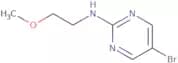
<p>3'-O-Acetyl-5-benzylaminocarbonyl-2'-O-methyl-5'-O-DMT-uridine is a novel, modified nucleoside. This product is an activator of the ribonucleotide reductase enzyme and is used as a precursor in the synthesis of deoxyribonucleosides. It has antiviral activity against herpes simplex virus type 1 and cytomegalovirus. It has also been shown to have anticancer properties, as it inhibits DNA synthesis and tumor cell proliferation without affecting healthy cells. 3'-O-Acetyl-5-benzylaminocarbonyl-2'-O-methyl-5'-O-DMT uridine is synthesized from 5-(3,4,5)-trimethoxybenzaldehyde, 2′(2,6 dichloro)amino]methyl]benzeneacetic acid methyl ester and 5</p>Purezza:Min. 95%5-Bromo-2-(2-methoxyethylamino)pyrimidine
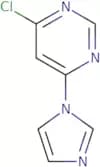
CAS:5-Bromo-2-(2-methoxyethylamino)pyrimidine is a novel, ribonucleoside that exhibits anticancer activity. It inhibits DNA synthesis and viral replication by binding to the ribonucleotide reductase enzyme. 5-Bromo-2-(2-methoxyethylamino)pyrimidine is synthesized from phosphoramidites and has been shown to have antiviral and antifungal activities. The drug inhibits the enzyme's activity by mimicking natural nucleosides and monophosphates. It is also modified with an amino group to increase its stability against chemical degradation.Purezza:Min. 95%4-Chloro-6-imidazol-1-yl-pyrimidine
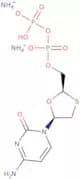
CAS:<p>4-Chloro-6-imidazol-1-yl-pyrimidine is a quaternary ammonium compound that can be used to make antireflection coatings. It has been shown to have a high degree of compatibility with polymers, such as allyl carbonate, which are used in functional groups. 4-Chloro-6-imidazol-1-yl-pyrimidine has also been shown to react with stannous octoate, and the reaction time is dependent on the concentration of both compounds. This molecule has been found to be biodegradable and liquid crystal compositions can be made from it by changing the ratio of molecules to liquid crystals. 4-Chloro-6-imidazol-1-yl pyrimidine reacts with hydroxyl groups in epoxy resins and diolefinic hydrocarbons, forming crosslinks in sealants or coatings. The sealant</p>Formula:C7H5ClN4Purezza:Min. 95%Peso molecolare:180.59 g/molLamivudine 5'-diphosphate ammonium salt
CAS:<p>Lamivudine is a monophosphate antiviral drug that inhibits the synthesis of DNA. It has been shown to inhibit the replication of human immunodeficiency virus-1 (HIV-1) in vitro, and to protect monkeys from simian acquired immune deficiency syndrome (SAIDS). Lamivudine 5'-diphosphate ammonium salt is an antiviral agent that belongs to the group of deoxyribonucleosides. It has been shown to be effective against HIV-1 and SAIDS in animals. The mechanism of action is not fully understood, but it may work by inhibiting viral RNA synthesis or by preventing viral DNA integration into host cell DNA.</p>Formula:C8H19N5O9P2SPurezza:Min. 95%Peso molecolare:423.28 g/mol1,5-Anhydro-2,3-dideoxy-2-(N6-benzoyladenin-1-yl)-D-glucitol
1,5-Anhydro-2,3-dideoxy-2-(N6-benzoyladenin-1-yl)-D-glucitol is a novel modified nucleoside that is used as an activator in the synthesis of oligodeoxynucleotides and ribonucleosides. It is also used for the synthesis of phosphoramidites for DNA and RNA molecules. This product is available in high purity and quality.Formula:C18H19N5O4Purezza:Min. 95%Peso molecolare:369.38 g/mol3',5'-O-(1,1,3,3-Tetraisopropyl-1,3-disiloxanediyl)-5-methyluridine
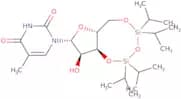
CAS:<p>3',5'-O-(1,1,3,3-Tetraisopropyl-1,3-disiloxanediyl)-5-methyluridine is a novel nucleoside that is used for the synthesis of DNA and RNA. It is a modified nucleoside with antiviral and anticancer properties. 3',5'-O-(1,1,3,3-Tetraisopropyl-1,3-disiloxanediyl)-5-methyluridine has been shown to inhibit human immunodeficiency virus type 1 (HIV) replication in cultured cells. In addition to its antiviral activity against HIV type 1 (HIV-1), 3',5'-O-(1,1,3,3-Tetraisopropyl-1,3-disiloxanediyl)-5-methyluridine also inhibits the growth of cancerous cells by acting as an inhibitor of DNA</p>Formula:C22H40N2O7Si2Purezza:Min. 95%Peso molecolare:500.73 g/mol2-Amino-4-(4-methoxyphenyl)pyrimidine
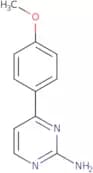
CAS:<p>2-Amino-4-(4-methoxyphenyl)pyrimidine (AMP) is a synthetic nucleoside analog. It has antiviral activity and is used for the treatment of hepatitis B virus infection. AMP inhibits viral DNA polymerase and prevents the synthesis of viral DNA and RNA. It has been modified to include a methoxy group at the 4 position, which provides additional stability against the enzyme ribonuclease. AMP is also an activator of ribonucleotide reductase and can be used as a substrate to synthesize deoxyribonucleosides, phosphoramidites, diphosphate, or monophosphate nucleotides for DNA synthesis.<br>AMP has CAS number 99844-02-7 and is available in high purity.</p>Formula:C11H11N3OPurezza:Min. 95%Peso molecolare:201.22 g/mol2',3',5'-Tri-O-acetyl-N2-dimethylguanosine
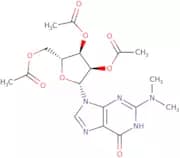
CAS:2',3',5'-Tri-O-acetyl-N2-dimethylguanosine is a novel modified nucleoside. It is a monophosphate that has been shown to be an activator of DNA and RNA synthesis, which can lead to the production of cancer cells. 2',3',5'-Tri-O-acetyl-N2-dimethylguanosine also has antiviral and antibacterial properties, as well as anticancer activity. This compound is used as a phosphoramidite in the synthesis of oligonucleotides for use in research and therapeutic applications.Formula:C18H23N5O8Purezza:Min. 95%Peso molecolare:437.4 g/molN6-Benzoyl-7-deaza-2'-deoxyadenosine
CAS:<p>N6-Benzoyl-7-deaza-2'-deoxyadenosine is a novel synthetic monophosphate activator that can be used to induce cell death in cancer cells. It is structurally similar to the natural nucleotide adenosine, and it binds to the same receptors on cells as adenosine. N6-Benzoyl-7-deaza-2'-deoxyadenosine has been shown to inhibit viral replication by interfering with DNA synthesis and RNA transcription, which are essential for viral reproduction.</p>Formula:C18H18N4O4Purezza:Min. 95%Peso molecolare:354.36 g/mol2’-O,4’-C-Methylenecytidine
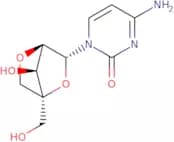
CAS:<p>2’-O,4’-C-Methylenecytidine is a nucleoside that has been used to synthesize oligonucleotides. It has been shown to form duplexes with complementary DNA and RNA strands. 2’-O,4’-C-Methylenecytidine forms bicyclic analogues with high efficiency and can be used as an n-type structural probe.</p>Purezza:Min. 95%3'-O-Azidomethyl 2'-deoxyguanosine 5'-O-triphosphate sodium salt
<p>3'-O-Azidomethyl 2'-deoxyguanosine 5'-O-triphosphate sodium salt is an antiviral and anticancer agent used in the treatment of HIV, hepatitis B, hepatitis C, herpes simplex virus type 1, herpes simplex virus type 2, varicella zoster virus, cytomegalovirus, Epstein-Barr virus, and Kaposi's sarcoma. It is a nucleotide analog that inhibits viral replication by inhibiting DNA synthesis. The phosphate group on this compound is modified with an azide group to inhibit deamination by phosphodiesterases. This product has been shown to be effective against leukemia cells.</p>Purezza:Min. 95%2'-Deoxy-5'-O-FDMT-N2-isobutyryl-guanosine 3'-CE phosphoramidite
CAS:Prodotto controllato2'-Deoxy-5'-O-FDMT-N2-isobutyryl-guanosine 3'-CE phosphoramidite is a modified nucleoside that is used as an antiviral agent. It is synthesized by modifying the 2'-deoxyribose sugar with a 2'-deoxy-5'-O-(4,4'-dimethoxytrityl)-N2-isobutyrylguanosine 3' phosphate. This compound has shown anticancer activity in vitro and has been studied in animal models. The synthesis of this compound can be accomplished through the use of diphosphate, which gives it an advantage over natural nucleosides because it does not require ribonucleotides.Formula:C54H57F17N7O8PPurezza:Min. 95%Peso molecolare:1,286.02 g/mol(5'S)-8,5'-Cyclodeoxyadenosine CE phosphoramidite
CAS:(5'S)-8,5'-Cyclodeoxyadenosine CE phosphoramidite is a nucleoside that is used in the synthesis of DNA. It is an analog of adenosine and has antiviral and anticancer properties. It also has been shown to inhibit the growth of certain types of cancer cells by inhibiting the production of deoxyribonucleosides. (5'S)-8,5'-Cyclodeoxyadenosine CE phosphoramidite can be used as a monophosphate or as a diphosphate for incorporation into DNA strands. This compound belongs to the group of modified nucleosides, which are synthetically produced compounds that are different from naturally occurring nucleosides found in DNA. (5'S)-8,5'-Cyclodeoxyadenosine CE phosphoramidite is purified and has high purity when purchased from us.Formula:C47H50N7O7PPurezza:Min. 95%Peso molecolare:855.92 g/molN5-Benzoyl-2'-deoxy-5'-O-DMT-adenosine 3'-succinyl CPG 500 Å
N5-Benzoyl-2'-deoxy-5'-O-DMT-adenosine 3'-succinyl CPG 500 Å is a modified nucleoside that is used for the synthesis of DNA and RNA. It is an activator of antiviral and anticancer drugs. N5-Benzoyl-2'-deoxy-5'-O-DMT-adenosine 3'-succinyl CPG 500 Å has been shown to be an effective cancer treatment agent in vivo, as well as an inhibitor of viral replication. It can also be used in the synthesis of nucleosides and phosphoramidites.Purezza:Min. 95%Colore e forma:Powder3',5'-Di-o-acetyl-5-fluoro-O4-(2,4,6-trimethylphenyl)-2'-o-methyluridine
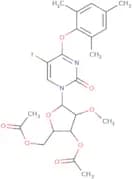
CAS:<p>3',5'-Di-O-acetyl-5-fluoro-O4-(2,4,6-trimethylphenyl)-2'-O-methyluridine is a novel monophosphate nucleoside analog that is activated by T4 polynucleotide kinase. It is synthesized from the corresponding phosphoramidite and reacts with the 5'-OH group of a ribonucleoside to form a 3',5'-di-O-acetylribonucleoside. The diacetyl group confers increased stability to the molecule and also provides an acetyl group for incorporation into DNA. This compound has antiviral activity against herpes simplex virus type 1 (HSV1) in cell culture and has shown anticancer properties in animal studies.</p>Formula:C23H27FN2O8Purezza:Min. 95%Peso molecolare:478.5 g/mol3’-O-tert-Butyldiphenylsilylthymidine
CAS:Used as a protected thymidine nucleoside in chemical synthesis, specifically as an intermediate in the preparation of other thymidine derivatives, particularly 5'-modified nucleosides and oligonucleotides. The tert-butyldiphenylsilyl (TBDPS) group is a silyl protecting group selectively attached to the 3' hydroxyl group of thymidine.Formula:C26H32N2O5SiPurezza:Min. 95%Colore e forma:White PowderPeso molecolare:480.63 g/mol4-(difluoromethyl)-2-hydroxy-pyrimidine-5-carboxylic acid
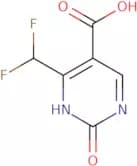
CAS:4-(difluoromethyl)-2-hydroxy-pyrimidine-5-carboxylic acid is a novel monophosphate and nucleotide analogue, which can activate the HIV reverse transcriptase. It has been shown to be cytotoxic to cancer cells in vitro. 4-(difluoromethyl)-2-hydroxy-pyrimidine-5-carboxylic acid has been used for the synthesis of phosphoramidites and DNA and RNA analogues.Formula:C6H4F2N2O3Purezza:Min. 95%Peso molecolare:190.1 g/mol2'-Deoxy-5'-S-DMT-5'-thioinosine 3'-CE phosphoramidite
<p>2'-Deoxy-5'-S-DMT-5'-thioinosine 3'-CE phosphoramidite is a novel nucleoside analogue that has antiviral activity. It can be synthesized from 2'-deoxyribonucleosides and 5'-thioinosine monophosphate. This compound inhibits viral replication by inhibiting the synthesis of viral diphosphate, which is required for DNA synthesis. The compound also has anticancer properties and can inhibit the growth of tumor cells by blocking the process of DNA synthesis.</p>Purezza:Min. 95%2'-Deoxyadenosine-5'-O-(1-thiotriphosphate) lithium salt - 100 mM aqueous solution
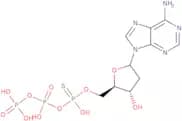
CAS:<p>2'-Deoxyadenosine-5'-O-(1-thiotriphosphate) lithium salt is a circularization agent that can be used in the efficient method for the synthesis of DNA. It inhibits the growth of bacteria by binding to their DNA and preventing transcription. 2'-Deoxyadenosine-5'-O-(1-thiotriphosphate) lithium salt has shown inhibitory effects against tuberculosis and other infectious diseases, including diphtheria, tetanus, typhoid fever, and malaria. This drug also prevents the replication of viral RNA. The inhibition occurs through an analog mechanism at the level of nucleic acid synthesis or polymerase chain reaction (PCR). The thiophosphate group is cleaved from the triphosphate moiety in the presence of metal ions such as Zn2+, Mg2+, Mn2+, or Ca2+. The active form is enzymatically hydrolyzed by covalent enzyme activity to</p>Formula:C10H16N5O11P3S·xLiPurezza:Min. 95%Peso molecolare:507.25 g/molGuanosine 5'-[beta,gamma-imido]triphosphate tetralithium hydrate
CAS:<p>Guanosine 5'-[beta,gamma-imido]triphosphate tetralithium hydrate (GTP) is a nucleotide that is synthesized from guanosine 5'-diphosphate. GTP is an effector molecule that regulates the cytosolic protein synthesis and transport pathways. It binds to a number of proteins, including the guanine nucleotide-binding protein, which regulates the metabolic processes in cells. GTP has been shown to be beneficial in treating cancer by inducing apoptosis and inhibiting tumor growth. In addition, Guanosine 5'-[beta,gamma-imido]triphosphate tetralithium hydrate has been shown to inhibit congestive heart failure by reducing free radical production and increasing intracellular adenosine levels.</p>Formula:C10H13Li4N6O13P3Purezza:Min. 95%Peso molecolare:546 g/molAristeromycin
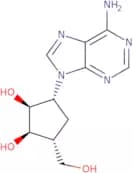
CAS:<p>Carbocyclic nucleoside antibiotic</p>Formula:C11H15N5O3Purezza:Min. 95%Peso molecolare:265.27 g/mol2',3',5'-Tri-O-acetyl-5-methyluridine
<p>2',3',5'-Tri-O-acetyl-5-methyluridine is a nucleoside that is used as a substrate for the enzyme, methylmagnesium (MeMg) nucleotides. It has been shown to have a high basicity and is a good substrate for the enzyme, MeMg nucleotides. 2',3',5'-Tri-O-acetyl-5-methyluridine also has stereoselectivity and can be synthesized with high purity.</p>Purezza:Min. 95%6-Amino-1-methyluracil
CAS:<p>6-Amino-1-methyluracil is a synthetic drug that is used in the treatment of inflammatory diseases, including rheumatoid arthritis and psoriasis. It is also used to treat cancer, such as leukemia and in the treatment of bacterial infections. 6-Amino-1-methyluracil inhibits the synthesis of DNA by inhibiting the enzyme thymidylate synthetase. This inhibition prevents DNA replication and transcription, which leads to cell death. 6-Amino-1-methyluracil binds to cellular proteins through its amino group and hydroxyl group, which are not involved in its chemical reactions. 6-Amino-1-methyluracil has shown great promise as a template molecule for the synthesis of new drugs.</p>Purezza:Min. 95%2'-O-tert-Butyldimethylsilyl-5-methyluridine
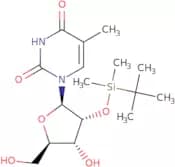
CAS:2'-O-tert-Butyldimethylsilyl-5-methyluridine is a monophosphate of 5-methyluridine. It is an analog of uracil and has been used as an antiviral agent, as well as for the prevention of colorectal cancer. 2'-O-tert-Butyldimethylsilyl-5-methyluridine is also known to be a potent activator of the ribonucleotide reductase enzyme, which may contribute to its anticancer effects. This compound has a high purity and quality, making it easy to use in various applications.Formula:C16H28N2O6SiPurezza:Min. 95%Peso molecolare:372.49 g/molBiotin-11-deoxyuridine-5'-triphosphate, triethylammonium salt - 1 mM aqueous solution
CAS:<p>Biotin-11-deoxyuridine-5'-triphosphate, triethylammonium salt (Biotin-11-dUTP) is a nucleotide analog that is used as a fluorescent substrate for detection of DNA. It is nonradioactive and can be detected in aqueous solution. Biotin-11-dUTP binds to the 3' end of a DNA strand and becomes incorporated into the newly synthesized DNA strand during DNA replication. The incorporation of Biotin-11-dUTP into the newly synthesized strand causes an increase in fluorescence intensity, which can be detected by chemiluminescence. This nucleotide analog has been shown to have high sensitivity for detecting low levels of dsDNA in diploid cells and can be used for detection of bacterial strain, such as Salmonella enterica serovar Typhimurium.</p>Formula:C34H56N7O18P3SPurezza:Min. 95%Peso molecolare:975.83 g/mol



![Adenosine 5'-monophosphate [U-13C10,U-15N5]](/_next/image/?url=https%3A%2Fstatic.cymitquimica.com%2Fproducts%2F3D%2Fthumb-webp%2FNA31536.webp&w=3840&q=75)



![2'-Deoxy-5'-DMT-5-[3-(trifluoroacetylamino)-1-propynyl]-uridine 3'-CE phosphoramidite](/_next/image/?url=https%3A%2Fstatic.cymitquimica.com%2Fproducts%2F3D%2Fthumb-webp%2FPD138044.webp&w=3840&q=75)



![5'-O-DMT-5-[N-(2-(trifluoroacetamido)ethyl)-3-E-acrylamido]-2'-deoxyuridine](/_next/image/?url=https%3A%2Fstatic.cymitquimica.com%2Fproducts%2F3D%2Fthumb-webp%2FND08236.webp&w=3840&q=75)
![2-Amino-8-(2-deoxy-β-D-ribofuranosyl)-imidazo[1,2-α]-1,3,5-triazin-4(8H)-one](/_next/image/?url=https%3A%2Fstatic.cymitquimica.com%2Fproducts%2F3D%2Fthumb-webp%2FNA145593.webp&w=3840&q=75)
![7H-Pyrrolo[2,3d]pyrimidine](/_next/image/?url=https%3A%2Fstatic.cymitquimica.com%2Fproducts%2F3D%2Fthumb-webp%2FNP32608.webp&w=3840&q=75)




![4-Amino-3-benzyl-1H-pyrazolo[3,4-d]pyrimidine 1-b-D-ribofuranose](/_next/image/?url=https%3A%2Fstatic.cymitquimica.com%2Fproducts%2F3D%2Fthumb-webp%2FNA16507.webp&w=3840&q=75)















![Guanosine 5'-[beta,gamma-imido]triphosphate tetralithium hydrate](/_next/image/?url=https%3A%2Fstatic.cymitquimica.com%2Fproducts%2F3D%2Fthumb-webp%2FPCA56403.webp&w=3840&q=75)