Nucleosidi
I nucleosidi sono building blocks fondamentali degli acidi nucleici, composti da una base azotata legata a una molecola di zucchero. In questa sezione, puoi trovare una vasta gamma di nucleosidi essenziali per la ricerca in biologia molecolare, biochimica e farmacologia. Questi composti svolgono ruoli cruciali nella sintesi del DNA e dell'RNA e sono vitali in vari processi metabolici. I nucleosidi vengono utilizzati per studiare il materiale genetico, sviluppare terapie antivirali e antitumorali e comprendere i meccanismi cellulari. Da CymitQuimica, forniamo nucleosidi di alta qualità per supportare le tue esigenze di ricerca e sviluppo, garantendo purezza e affidabilità per le tue applicazioni sperimentali.
Trovati 3569 prodotti di "Nucleosidi"
Ordinare per
Purezza (%)
0
100
|
0
|
50
|
90
|
95
|
100
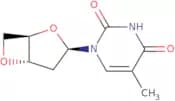
2,5'-Anhydro-thymidine
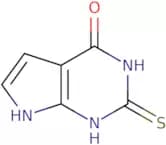
CAS:2,5'-Anhydro-thymidine is an analog of thymidine that is used in the diagnosis of women with suspected acute ischemic brain damage. It is a colony-stimulating factor that can be activated by the presence of inflammatory bowel disease or bowel disease. 2,5'-Anhydro-thymidine has been shown to cause ventricular dysfunction and to increase levels of brain natriuretic peptide in mice undergoing rotarod tests. The use of this compound has been shown to improve outcomes in animal models of acute ischemic brain damage and cancer.Formula:C10H12N2O4Purezza:Min. 95%Peso molecolare:224.21 g/mol7-Deaza-2-mercaptohypoxanthine
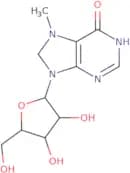
CAS:<p>7-Deaza-2-mercaptohypoxanthine is a nucleoside that has been found to have anticancer activity in vivo. It has also been shown to inhibit the replication of HIV and herpes simplex virus. 7-Deaza-2-mercaptohypoxanthine is an analog of hypoxanthine, which is a nucleoside that can be found in DNA and RNA. In addition, this compound can be used as a phosphoramidite or nucleotide analogue for the synthesis of DNA and RNA. This compound can also be used as an antiviral agent against herpes simplex virus type 1 (HSV1).</p>Formula:C6H5N3OSPurezza:Min. 95%Peso molecolare:167.19 g/mol7-Methylinosine
CAS:7-Methylinosine is a versatile compound that has various applications in different fields. It is used as an intermediate in the synthesis of drugs such as azasetron, eletriptan, and fructan. Additionally, it has been shown to have detergent properties that make it useful in cleaning products. 7-Methylinosine also plays a role in cholesterol metabolism and has been implicated in the development of fibrosis. Studies have found that this compound can inhibit the activity of enzymes involved in glucosinolate biosynthesis and may play a role in plant defense against pathogens. Furthermore, 7-Methylinosine has been isolated from Nocardia sp., which suggests its potential use as a source of novel bioactive compounds.Formula:C11H16N4O5Purezza:Min. 95%Peso molecolare:284.27 g/mol3',5'-Di-O-Benzoyl-N4-benzoyl-2'-deoxy-2'-fluoroarabinocytidine
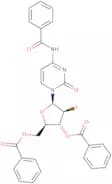
CAS:3',5'-Di-O-Benzoyl-N4-benzoyl-2'-deoxy-2'-fluoroarabinocytidine is a novel nucleoside analogue that has been synthesized to inhibit the activity of DNA polymerase. This compound is also an activator of diphosphate and ribonucleoside monophosphate. 3',5'-Di-O-Benzoyl-N4-benzoyl-2'-deoxy-2'-fluoroarabinocytidine has been shown to inhibit the replication of herpes simplex virus type 1 in cell culture and the replication of human cytomegalovirus in cell culture. 3',5'-Di-O-Benzoyl-N4-benzoyl-2'-deoxy-- 2'-fluoroarabinocytidine does not have any antiviral activity against HIV.Purezza:Min. 95%2-Fluoroinosine
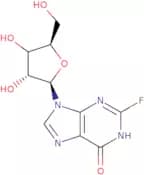
CAS:<p>2-Fluoroinosine is a chemical that inhibits protein synthesis by blocking the attachment of amino acids to their corresponding tRNA molecules. This drug is used in the treatment of cancer, as it inhibits cell growth and prevents tumor cells from dividing. 2-Fluoroinosine has been shown to be effective against human leukaemia cells, with its inhibitory properties being due to its ability to dephosphorylate the enzyme RNA polymerase II. This drug also has anti-malarial properties and can be used for the treatment of Chagas disease. 2-Fluoroinosine is synthesized from xanthosine, which is an intermediate in purine metabolism and can be obtained from naturally occurring sources or chemically through a solid phase synthesis.<br>2-Fluoroinosine is activated by UV light and can be synthesized using single stranded DNA or synthetases such as those found in calf thymus tissue. The catalytic mechanism of this drug has</p>Formula:C10H11FN4O5Purezza:Min. 95%Peso molecolare:286.22 g/mol5'-Amino-2',5'-dideoxyuridine
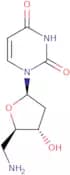
CAS:5'-Amino-2',5'-dideoxyuridine (5-ADU) is a pyrimidine nucleoside that is structurally similar to thymidylate, which it inhibits. 5-ADU is used in the treatment of viral infections and cancers, as well as in the prevention of radiation injury. It has been shown to be an effective antiviral agent against herpes virus and some DNA viruses, such as adenovirus, vaccinia virus, and poliovirus. 5-ADU also enhances the effects of azauridine and other pyrimidine nucleosides in bacterial enzymes such as E. coli. 5-ADU has not been shown to be active against uninfected cells or tissues.Formula:C9H13N3O4Purezza:Min. 95%Peso molecolare:227.22 g/mol2-Methanesulfonyl-pyrimidine
CAS:<p>2-Methanesulfonyl-pyrimidine is a thiourea that is used as a catalyst in organic synthesis. It can be prepared by reacting phosphorus oxychloride with malonate and hydrochloric acid at temperatures of about 0°C to 150°C. The chloride anion is replaced by the sulfonyl chloride, which has high affinity for the 2-position of thiourea. This reaction leads to an intermediate that can be hydrolyzed with hydrochloric acid to produce 2-methanesulfonyl-pyrimidine. 2-Methanesulfonyl-pyrimidine is soluble in water and can be used as a catalyst in wastewater treatment processes, such as cyclic oxidation or oxychlorination reactions.</p>Purezza:Min. 95%N4-Acetyl-3'-O-acetyl-2'-deoxycytidine
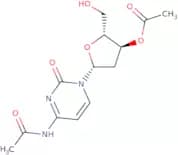
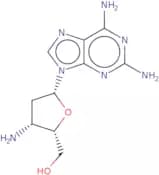
CAS:<p>N4-Acetyl-3'-O-acetyl-2'-deoxycytidine is a novel, modified nucleoside that contains a phosphoramidate linkage. It has been shown to have anticancer and antiviral properties. N4-Acetyl-3'-O-acetyl-2'-deoxycytidine is also an activator of the immune system and has been shown to be effective against HIV.</p>Purezza:Min. 95%2,6-Diamino-9-(3'-amino-2',3'-dideoxy-β-D-ribofuranosyl)purine
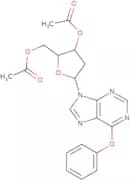
CAS:<p>2,6-Diamino-9-(3'-amino-2',3'-dideoxy-b-D-ribofuranosyl)purine is an antiviral agent that inhibits the replication of the viral DNA by binding to the viral DNA and preventing its transcription into RNA. It has been shown to be active against herpes simplex virus type 1 (HSV-1) and human cytomegalovirus (HCMV). 2,6-Diamino-9-(3'-amino-2',3'-dideoxy-b-D-ribofuranosyl)purine is a modified nucleoside that can be used in various areas of research, including antiviral and anticancer activities.</p>Formula:C10H15N7O2Purezza:Min. 95%Peso molecolare:265.28 g/mol3',5'-Di-o-acetyl-O6-phenyl-2'-deoxyinosine
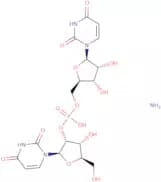
CAS:<p>3',5'-Di-O-acetyl-O6-phenyl-2'-deoxyinosine is a nucleoside analog that has antiviral and anticancer activities. It is an activator of the enzyme ribonucleotide reductase and has been shown to be effective against herpes simplex virus type 1 and 2, cytomegalovirus, Epstein Barr virus, human immunodeficiency virus type 1, and Kaposi sarcoma cells. 3',5'-Di-O-acetyl-O6-phenyl-2'-deoxyinosine also inhibits the production of tumor necrosis factor alpha (TNFα), which can cause inflammatory reactions in the body. This compound is a modified nucleoside with high purity and quality. It has CAS number 133471-06-4.</p>Formula:C20H20N4O6Purezza:Min. 95%Peso molecolare:412.4 g/molUridylyl-2'-5'-uridine ammonium salt
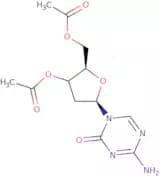
CAS:Uridylyl-2'-5'-uridine ammonium salt is a monophosphate nucleoside that is a synthetic compound of uridine. It is an antiviral agent and has been shown to be effective against DNA viruses such as herpes simplex virus and Epstein-Barr virus. Uridylyl-2'-5'-uridine ammonium salt binds to the viral DNA, preventing the replication process from occurring. This drug also has anticancer properties, which are attributed to its ability to inhibit DNA synthesis in cells.Formula:C18H23N4O14P·NH3Purezza:Min. 95%Peso molecolare:567.41 g/mol5-Aza-3',5'-di-O-acetyl-2'-deoxycytidine
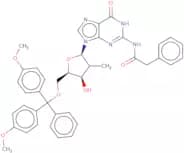
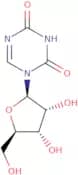
5-Aza-3',5'-di-O-acetyl-2'-deoxycytidine is a nucleoside analog that is used in the treatment of HIV. It inhibits viral replication by interfering with the viral reverse transcriptase enzyme and preventing it from transcribing the virus's genetic material. 5-Aza-3',5'-di-O-acetyl-2'-deoxycytidine has also been shown to have anticancer properties. This drug has shown activity against cancer cells in vitro, although clinical trials are still needed to determine its effectiveness as a cancer therapy.Formula:C12H16N4O6Purezza:Min. 95%Peso molecolare:312.28 g/mol5'-O-DMT-N2-phenylacetylguanosine
CAS:<p>5'-O-DMT-N2-phenylacetylguanosine is a novel synthetic nucleoside phosphoramidite which can be used for the synthesis of modified oligonucleotides. It has been shown to be an activator, anticancer, and antiviral agent in vitro. 5'-O-DMT-N2-phenylacetylguanosine is also a monophosphate, which can inhibit viral replication by interacting with the ribose sugar moiety of the nucleic acid strand. The antiviral activity has been demonstrated on human immunodeficiency virus type 1 (HIV-1), herpes simplex virus type 2 (HSV-2), and influenza A virus.</p>Formula:C39H37N5O8Purezza:Min. 95%Peso molecolare:703.76 g/mol8-Aminoadenosine-5'-triphosphate sodium salt - 10mM aqueous solution
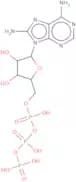
CAS:8-Aminoadenosine-5'-triphosphate sodium salt is a phosphoramidite that is used to synthesize antiviral nucleosides. It is a high quality product that can be used as an activator in the synthesis of ribonucleosides and deoxyribonucleosides. 8-Aminoadenosine-5'-triphosphate sodium salt has been shown to inhibit the growth of cancer cells.Formula:C10H17N6O13P3·xNaPurezza:Min. 95%Peso molecolare:522.2 g/molAdenosine-5'-carboxylic acid
CAS:<p>Adenosine-5'-carboxylic acid is a pharmaceutical compound that is used as an anti-inflammatory agent. It is a synthetic, non-nucleoside adenine nucleotide analog that has been shown to have potent anti-inflammatory activity in vitro. Adenosine-5'-carboxylic acid inhibits the synthesis of prostaglandins and leukotrienes which are mediators of inflammation. It also inhibits the synthesis of protein kinase C, which plays a role in cell proliferation, differentiation and apoptosis. Adenosine-5'-carboxylic acid has also been found to inhibit the growth of glioma cells in tissue culture and human muscle cells in vivo. The mechanism for this effect may be due to its ability to inhibit DNA synthesis and induce apoptosis.</p>Formula:C10H11N5O5Purezza:Min. 95%Peso molecolare:281.23 g/mol4-Amino-1-(2',3',5'-tri-O-tert-butyldimethylsilyl-b-D-ribofuranosyl)-imidazo[4,5-c]pyridine
CAS:4-Amino-1-(2',3',5'-tri-O-tert-butyldimethylsilyl-b-D-ribofuranosyl)-imidazo[4,5-c]pyridine is a novel nucleoside analogue that has high purity and high quality. It is an activator of DNA synthesis, diphosphate and monophosphate of deoxyribonucleosides, ribonucleosides and analogues. 4-Amino-1-(2',3',5'-tri-O-tert-butyldimethylsilyl-b-D-ribofuranosyl)-imidazo[4,5-c]pyridine has been shown to have antiviral activities against herpes simplex virus type 1 (HSV1) in cell culture.Formula:C29H56N4O4Si3Purezza:Min. 95%Peso molecolare:609.04 g/molUridine-15N2
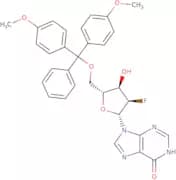
CAS:<p>Uridine-15N2 is a novel nucleoside that has antiviral, anticancer and antifungal effects. It has been shown to inhibit the growth of tumor cells by blocking the synthesis of DNA and RNA. Uridine-15N2 is synthesized from uridine-5N2 and 15N2 gas. This product is used in molecular biology research as a substrate for DNA polymerase, to study the enzymatic process of DNA replication. It can also be used as an activator for ribonuclesides or deoxyribonucleosides in organic synthesis. Uridine-15N2 is soluble in water and has a high purity.</p>Formula:C9H12N2O6Purezza:Min. 95%Peso molecolare:244.20 g/mol5'-O-DMT-2'-fluoro-2'-deoxyinosine
CAS:<p>5'-O-DMT-2'-fluoro-2'-deoxyinosine is a novel nucleoside that has been modified with 2'-fluoro and 2'-deoxy substitutions. It is phosphoramidite, which can be activated by any of the standard methods to make DNA or RNA. 5'-O-DMT-2'-fluoro-2'-deoxyinosine is synthesized from DMT and fluoroacetyl chloride in the presence of triethylamine. This nucleoside has antiviral activity against HIV and influenza A virus, as well as anticancer effects.</p>Formula:C31H29FN4O6Purezza:Min. 95%Peso molecolare:572.58 g/mol2'-Deoxyadenosine-5'-carboxylic acid
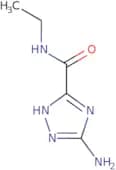
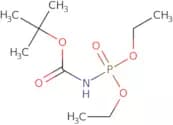
CAS:dA oxidised at the 5'-position.Formula:C10H11N5O4Purezza:Min. 95%Peso molecolare:265.23 g/molDiethyl N-(tert-Butoxycarbonyl)phosphoramidate
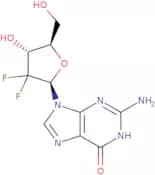
CAS:<p>Diethyl N-(tert-Butoxycarbonyl)phosphoramidate is a chemical compound that is used in coupling reactions. It has a magnetic resonance and can be used to detect the presence of certain elements. Diethyl N-(tert-Butoxycarbonyl)phosphoramidate shifts at 12.2 ppm, which is higher than the normal chemical shift for an ester of this type. The magnetic resonance data for Covid-19 pandemic, Covid-19, and 3D-19 are all constant with Covid-19 pandemic being the most intense. Covid-19 pandemic has a structural formula of C8H16O4N2S, which is different from Covid-19 and 3D-19, which have structural formulas of C8H14O4N2S. The three compounds have similar chemical shifts with covid-19 having a slightly higher frequency than covid-19 pandemic</p>Formula:C9H20NO5PPurezza:Min. 95%Peso molecolare:253.23 g/mol2'-Deoxy-2',2'-difluoroguanosine
CAS:<p>2'-Deoxy-2',2'-difluoroguanosine (DFG) is an analog of guanosine that has been used to study the effect of guanylate kinase on cellular proliferation. This compound has also been shown to have a cytotoxic effect on leukemia cells. DFG has been shown to inhibit the growth of cancer cells and induce apoptosis in HL-60 leukemia cells. It has also been shown to inhibit the synthesis of DNA, RNA, and proteins. These effects are due to inhibition of guanylate kinase activity and may be related to its ability to cause the release of intracellular calcium ions.</p>Formula:C10H11F2N5O4Purezza:Min. 95%Peso molecolare:303.22 g/molN4-Acetyl-2'-deoxy-5'-O-DMT-cytidine 3'-Me phosphonamidite
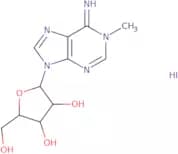
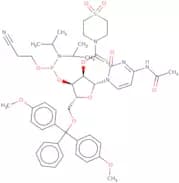
<p>N4-Acetyl-2'-deoxy-5'-O-DMT-cytidine 3'-Me phosphonamidite is a monophosphate nucleoside that is synthetically modified. It has anticancer activity and can be used to treat viral infections. N4-Acetyl-2'-deoxy-5'-O-DMT-cytidine 3'-Me phosphonamidite is also a novel nucleoside that exhibits antiviral and antitumor properties. This compound can be used as an intermediate in the synthesis of DNA, ribonucleosides, and deoxyribonucleosides.</p>Formula:C39H49N4O7PPurezza:Min. 95%Peso molecolare:716.8 g/molN1-Methyladenosine hydroiodide
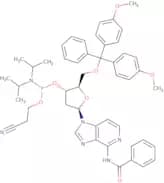
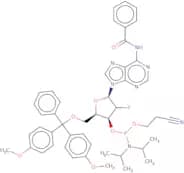
CAS:<p>N1-Methyladenosine hydroiodide is a novel nucleoside analogue that inhibits viral replication by preventing the formation of viral DNA. It also inhibits the growth of cancer cells and is used as an anticancer drug. N1-Methyladenosine hydroiodide has been shown to be an activator of RNA polymerase II, increasing the production of messenger RNA (mRNA) in human cells. The phosphoramidite form of this compound is used for the synthesis of oligodeoxyribonucleotides, which are chemically modified in order to improve their stability and inhibit degradation by nucleases. N1-Methyladenosine hydroiodide is highly pure and has CAS No. 34308-25-3.</p>Formula:C11H15N5O4·HIPurezza:Min. 95%Peso molecolare:409.18 g/molN6-Benzoyl-9-(2'-deoxy-5'-O-DMT-2'-fluoro-b-D-arabinofuranosyl)adenine 3'-CE phosphoramidite
CAS:N6-Benzoyl-9-(2'-deoxy-5'-O-DMT-2'-fluoro-b-D-arabinofuranosyl)adenine 3'-CE phosphoramidite is an antiviral agent that inhibits the activity of viral DNA polymerase. This chemical has been shown to be effective against herpes virus, pox virus and HIV. N6-Benzoyl-9-(2'-deoxy-5'-O-DMT-2'-fluoro-b-D-arabinofuranosyl)adenine 3'-CE phosphoramidite is a novel nucleotide analogue that contains a modified deoxyribose sugar backbone. It has been shown to be active against cancer cells in vitro, but not in vivo.Formula:C47H51FN7O7PPurezza:Min. 95%Colore e forma:PowderPeso molecolare:875.95 g/molN4-Benzoyl-5'-O-DMT-2'-O-(2-methoxyethyl)-5-methylcytidine 3'-O succinate TEA salt
<p>N4-Benzoyl-5'-O-DMT-2'-O-(2-methoxyethyl)-5-methylcytidine 3'-O succinate TEA salt is a novel, modified nucleoside analogue that is used as an antiviral agent. It inhibits the synthesis of viral DNA and RNA by competing with natural nucleosides during the process of nucleic acid synthesis. The drug binds to the enzyme ribonucleotide reductase, which is essential for DNA synthesis. N4-Benzoyl-5'-O-DMT-2'-O-(2-methoxyethyl)-5-methylcytidine 3'-O succinate TEA salt has been shown to be effective in treating patients with cancer.</p>Purezza:Min. 95%dATP - 100 mmol solution
CAS:aATP is useful in molecular biology applications including PCR/qPCR, reverse transcription, DNA labelling and DNA sequencing.Formula:C10H16N5O12P3Purezza:Min. 95%Peso molecolare:491.18 g/mol2',3'-Di-O-acetyl-5'-O-DMT-5-methyluridine
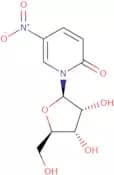
<p>2',3'-Di-O-acetyl-5'-O-DMT-5-methyluridine is a monophosphate nucleotide, which is an antiviral agent. It is a novel, high quality and high purity compound. The CAS number for 2',3'-Di-O-acetyl-5'-O-DMT-5-methyluridine is 69681-06-8. It has antiviral activity against the herpes simplex virus type 1 (HSV1) and Epstein Barr virus (EBV). This drug also inhibits DNA synthesis by inhibiting the enzyme DNA polymerase. This product can be used in research to synthesize phosphoramidites, activator molecules, and nucleosides.</p>Purezza:Min. 95%1-(b-D-Ribofuranosyl)-5-nitropyridine-2-one
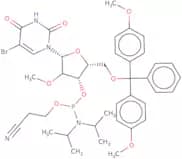
CAS:<p>1-(b-D-Ribofuranosyl)-5-nitropyridine-2-one is a nucleoside that has been modified to have anticancer properties. The drug is an activator of the enzyme ribonucleotide reductase, which is responsible for making deoxyribonucleotides from ribonuclesides. 1-(b-D-Ribofuranosyl)-5-nitropyridine-2-one inhibits viral replication by inhibiting the activity of DNA polymerase and preventing RNA synthesis. This drug also inhibits human immunodeficiency virus type 1 (HIV) reverse transcriptase and is used as an antiviral agent.</p>Formula:C10H12N2O7Purezza:Min. 95%Peso molecolare:272.21 g/mol5-Bromo-5'-O-DMT-2'-O-methyluridine 3'-CE phosphoramidite
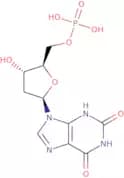
<p>5-Bromo-5'-O-DMT-2'-O-methyluridine 3'-CE phosphoramidite is a novel, modified nucleoside and diphosphate that has antiviral activity. It is synthesized from 5-bromouracil and 2'-O-methyluridine by the use of a high purity reagent. The product is an anticancer agent that can be used to treat different types of cancer. This compound has also shown to have high purity and high quality.</p>Formula:C40H48BrN4O9PPurezza:Min. 95%Peso molecolare:839.71 g/mol2'-Deoxyxanthosine 5'-monophosphate
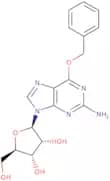
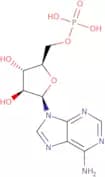
CAS:<p>2'-Deoxyxanthosine 5'-monophosphate is a nucleoside which is an activator of the DNA polymerase. It has antiviral activity and is used in the synthesis of oligonucleotides. 2'-Deoxyxanthosine 5'-monophosphate is also used as a phosphoramidite in the chemical synthesis of DNA, and can be modified with fluorine or other atoms to form synthetic analogues.</p>Purezza:Min. 95%O6-Benzyl guanosine
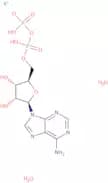
CAS:<p>O6-Benzyl guanosine is a polymerized compound that has been shown to have anticancer efficacy. It has been tested in mice with medulloblastoma, a type of brain tumor, and in rats with breast cancer. O6-Benzyl guanosine was found to be hydrophobic and bound to the methyltransferase enzyme, which resulted in the inhibition of DNA synthesis. The polymerized compound is able to form conjugates with other molecules such as iron oxide nanoparticles or hydrazone derivatives, which can be used for treatments that involve bioconjugate chemistry.</p>Formula:C17H19N5O5Purezza:Min. 95%Peso molecolare:373.36 g/molAdenosine 5'-diphosphate potassium salt
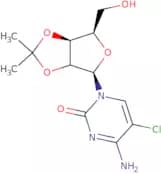
CAS:Adenosine 5'-diphosphate potassium salt can be used as a substrate for a variety of protein kinases known as AMP-activated protein kinases (AMPK)Formula:C10H14N5O10P2·KPurezza:Min. 95%Colore e forma:PowderPeso molecolare:465.29 g/mol5-Chloro-2',3'-O-isopropylidenecytidine
<p>5-Chloro-2',3'-O-isopropylidenecytidine is a synthetic nucleoside that is activated by phosphorylation to form the corresponding nucleotide. It has antiviral and anticancer properties, and can be used as a building block for synthesis of other nucleosides. 5-Chloro-2',3'-O-isopropylidenecytidine is synthesized from 2,4-dichlorophenoxyacetic acid (DCA) and 2,5-dichloroaniline in the presence of sodium cyanide. The compound was first synthesized in 1972 and its chemical structure was determined in 1974. 5-Chloro-2',3'-O-isopropylidenecytidine has been shown to inhibit DNA synthesis by binding to viral diphosphate and deoxyribonucleosides. This compound also inhibits the activity of bacterial DNA gyrase and DNA top</p>Formula:C12H16ClN3O5Purezza:Min. 95%Peso molecolare:317.73 g/mol5-Azauridine
CAS:<p>5-Azauridine is a nucleoside that is synthesized from uridine. It inhibits protein synthesis by inhibiting the enzyme orotate phosphoribosyltransferase. This enzyme converts orotic acid to orotidine 5′-monophosphate, which is a precursor for the synthesis of pyrimidines and purines. 5-Azauridine has been shown to have an inhibitory effect on leukemia cells in tissue culture and also has been shown to inhibit leukemic mice with an efficacy of 50%. This drug may be useful for the treatment of solid tumours as it inhibits protein synthesis.</p>Formula:C8H11N3O6Purezza:Min. 95%Colore e forma:PowderPeso molecolare:245.19 g/molOctanoyl coenzyme A potassium salt
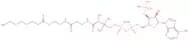
CAS:<p>Octanoyl CoA is a molecule that belongs to the class of acyl-coenzyme A. It is an important intermediate in fatty acid metabolism and is also used in the synthesis of long-chain fatty acids. Octanoyl CoA can be converted back to acetyl-CoA by enzymes called synthetases, which are active in energy metabolism. Octanoyl CoA has been shown to have clinical relevance for diseases such as acyl chain disorders, carnitine deficiency, and dehydrogenase deficiency. Octanoyl CoA is a potential drug target since it can be converted into octanoic acid, which has been shown to inhibit enzyme activities and protein synthesis.</p>Formula:C29H47N7O17P3S·3KPurezza:Min. 95%Colore e forma:PowderPeso molecolare:1,008 g/mol2'-Deoxyinosine-5'-triphosphate sodium,100mM aqueous solution
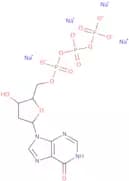
CAS:<p>2'-Deoxyinosine-5'-triphosphate sodium (2'-dITP) is a modified nucleotide that has antiviral and anticancer properties. It has been shown to be an activator for ribonucleosides, deoxyribonucleosides, and DNA. 2'-DITP has also been shown to inhibit the growth of human breast cancer cells in vitro.</p>Formula:C10H11N4Na4O13P3Purezza:Min. 95%Colore e forma:Clear LiquidPeso molecolare:580.09 g/molUridine 5'-triphosphate tris salt
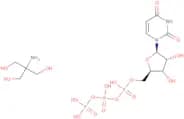
CAS:<p>Uridine 5'-triphosphate tris salt is a pyrimidine nucleotide that is used in the synthesis of RNA. It has been shown to be an effective inhibitor of hamster ovary and human ovarian cells. Uridine 5'-triphosphate tris salt is water-soluble and does not interfere with cellular assays or microfluidic devices. Uridine 5'-triphosphate tris salt has also been shown to have potential as a model system for analytical chemistry and pharmacological research.</p>Formula:C13H26N3O18P3Purezza:Min. 95%Colore e forma:White PowderPeso molecolare:484.14 g/mol5-Methyl-L-uridine
CAS:<p>5-Methyl-L-uridine is an antiviral drug which belongs to a class of compounds called nucleoside analogues. It is used in the treatment of chronic hepatitis B and C, as well as for prevention of hepatitis A and B. 5-Methyl-L-uridine inhibits the virus by turning off the production of viral DNA and RNA, through interactions with the virus's polymerase chain reaction process. This drug also prevents protein synthesis in cells infected with viruses such as HIV, herpes simplex virus type 1, and influenza A virus. 5-Methyl-L-uridine is a prodrug that is converted to its active form, uridine monophosphate, by enzymes in the liver. The cytotoxic effects of 5-methyluridine on cancer cells have been shown to be due to inhibition of cellular DNA synthesis and repair pathways.</p>Formula:C10H14N2O6Purezza:Min. 95%Colore e forma:White PowderPeso molecolare:258.23 g/molRef: 3D-NM06240
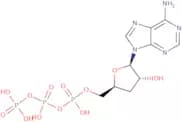
1gPrezzo su richiesta2gPrezzo su richiesta5gPrezzo su richiesta10gPrezzo su richiesta25gPrezzo su richiesta3'-Deoxyadenosine-5'-triphosphate sodium salt - 10mM aqueous solution
CAS:3'-Deoxyadenosine-5'-triphosphate sodium salt is a nucleotide that has been shown to be effective in chemotherapy. It is a substrate for the synthesis of DNA, RNA, and ATP. 3'-Deoxyadenosine-5'-triphosphate sodium salt is also a building block for DNA polymerase, which is an enzyme that synthesizes DNA from a template. It has been shown to have anticancer activity in drug-resistant cells and can be used as an alternative to purine analogs such as 6-mercaptopurine or cladribine. 3'-Deoxyadenosine-5'-triphosphate sodium salt has been shown to inhibit the production of nucleotides by blocking their conversion into triphosphates, which are necessary for DNA replication and repair. This inhibition leads to apoptosis in cells with high levels of nucleotide turnover such as cardiac and myeloid cells. The drug interactions may depend on theFormula:C10H16N5O12P3Purezza:Min. 95%Colore e forma:Colorless PowderPeso molecolare:491.18 g/mol2'-Deoxy-N2-methylguanosine
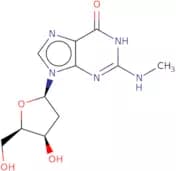
CAS:<p>2'-Deoxy-N2-methylguanosine is a nucleoside with anticancer properties. It is a phosphoramidite, which is an analog of the natural nucleotide guanosine, where the 2'-hydroxyl group has been replaced by a methylene group. This compound is used in DNA synthesis and RNA synthesis. It can be used as a monophosphate or diphosphate. It also has antiviral and anti-inflammatory activities, as well as N2-methylamino moiety that can be used for the treatment of cancer and inflammatory diseases such as arthritis.</p>Formula:C11H15N5O4Purezza:Min. 95%Colore e forma:White PowderPeso molecolare:281.27 g/mol5′-O-DMT-LNA N-Bz 5-Me cytidine
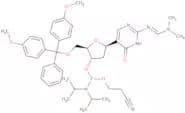
CAS:<p>5′-O-DMT-LNA N-Bz 5-Me cytidine is a protected LNA cytidine nucleoside.</p>Formula:C39H37N3O8Purezza:Min. 95%Peso molecolare:675.73 g/mol2'-Deoxy-N4-DMF-5'-O-DMT-pseudoisocytidine 3'-CE phosphoramidite
CAS:2'-Deoxy-N4-DMF-5'-O-DMT-pseudoisocytidine 3'-CE phosphoramidite is a fluorescent DNA probe that can be used for the detection of specific sequence mismatches in target DNA. This probe contains a linker, which is a short oligonucleotide, and a fluorescent label at the 5' end. The probe has been designed to hybridize to its complementary sequence in the target DNA. When it detects mismatches, it becomes fluorescent because of increased stacking interactions between the bases. This allows for easy detection of mismatches in target sequences without the need for PCR amplification or gel electrophoresis.Formula:C42H53N6O7PPurezza:Min. 95%Colore e forma:PowderPeso molecolare:784.88 g/molPropionyl coenzyme A lithium salt
CAS:<p>Propionyl coenzyme A lithium salt is a phosphoramidite that can be used in the synthesis of DNA and RNA. It is a novel chemical compound that has been modified to include ribonucleosides in addition to deoxyribonucleosides. This product is of high purity and quality, with a CAS number of 108321-21-7.</p>Formula:C24H40N7O17P3S·xLiPurezza:85%Colore e forma:White PowderPeso molecolare:823.6 g/mol3-Acetylpyridine adenine dinucleotide disodium, reduced form
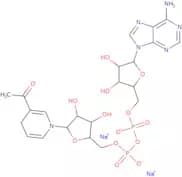
CAS:<p>Reduced synthetic analog of NADH with an acetylpyridine modification. It is used as a reducing substrate to study the mechanisms of NAD(P)+-dependent reductases and to probe the active sites and catalytic processes of these important enzymes through its altered spectroscopic and binding properties. The disodium salt ensures good solubility for biochemical applications.</p>Formula:C22H30N6O14P2•Na2Purezza:Min. 95%Colore e forma:Slightly Yellow PowderPeso molecolare:710.43 g/mol6-Methyluridine
CAS:<p>Methyluridine is a derivative of uridine that is used in the synthesis of pyrimidine nucleotides. This drug is also an inhibitor of orotidine 5′-monophosphate decarboxylase, which converts orotic acid to uracil. The conformational properties of methyluridine have been studied and found to be similar to those of other purine derivatives, such as adenine and guanine. In addition, methyluridine has been shown to inhibit the growth of typhimurium and increase the production of uracil in human lymphocytes. Methyluridine is metabolized by hydroxylation in liver microsomes, yielding 6-carboxylic acid.</p>Formula:C10H14N2O6Purezza:Min. 95%Colore e forma:PowderPeso molecolare:258.23 g/mol2'-O-Propargyladenosine
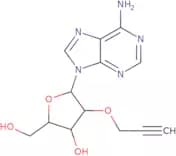
CAS:<p>2'-O-Propargyladenosine is a modified nucleoside that belongs to the group of deoxyribonucleosides. It is an activator of viral DNA polymerases, which causes the synthesis of viral DNA to stop. This compound has antiviral and anticancer activities. 2'-O-Propargyladenosine has been shown to be effective against various human cancer cell lines in vitro and in vivo. It is a synthetic nucleoside with high purity, showing no detectable impurities by HPLC analysis.</p>Formula:C13H15N5O4Purezza:Min. 95%Colore e forma:White PowderPeso molecolare:305.29 g/molCaffeoyl-coenzym A
CAS:Please enquire for more information about Caffeoyl-coenzym A including the price, delivery time and more detailed product information at the technical inquiry form on this pageFormula:C30H42N7O19P3SPurezza:Min. 95%Peso molecolare:929.68 g/molOleoyl coenzyme A lithium salt
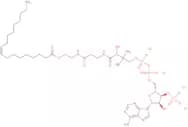
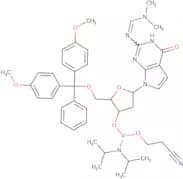
CAS:Oleoyl coenzyme A lithium salt is a fatty acid that belongs to the class of organic compounds known as aliphatic acyl-coenzyme A. It is synthesized by the enzyme synthetase and can be used to diagnose cascading, linear response, and aldehyde synthesis in carbon nanotubes. Oleoyl coenzyme A lithium salt has been shown to bind to sephadex G-100 and immobilize it on a surface. This immobilization process aids in the diagnosis of various diseases such as diabetes mellitus, cancer, and cardiovascular problems. The chloride anion present in oleoyl coenzyme A lithium salt buffers and stabilizes the pH levels during this process. Oleoyl coenzyme A lithium salt also binds to multi-walled carbon nanotubes (MWNTs) due to its hydrophobic nature, which aids in the detection of markers such as lipids or proteins using immunological techniques.Formula:C39H68N7O17P3S·xLiPurezza:Min. 95%Peso molecolare:1,031.98 g/molDMT-2′O-TC-rC(ac) Phosphoramidite
CAS:DMT-2²O-TC-rC(ac) Phosphoramidite is a novel nucleoside that has been modified with a 2,2'-O, TC-rC(ac) group. This compound is an analogue of the natural nucleoside cytidine and can be used in both DNA and RNA synthesis. DMT-2²O-TC-rC(ac) Phosphoramidite is phosphorylated by ATP to form diphosphate, which is then incorporated into DNA or RNA. The CAS number for this compound is 1219089-87-8.Formula:C46H57N6O11PS2Purezza:Min. 95%Colore e forma:PowderPeso molecolare:965.08 g/mol5'-Biotin phosphoramidite
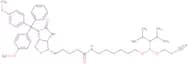
CAS:<p>Biotin phosphoramidite is a biotin-containing compound that is used as an extracellular probe for bacterial cells. It can be used to permeabilize cells, and it has been shown to have cytosolic uptake in various cell types. Biotin phosphoramidite binds to peptidoglycan in the cytosol of bacterial cells, and this binding induces internalization. This compound also has the ability to bind to peptidoglycan in the cytosol of eukaryotic cells, but does not induce internalization. Experiments with vibrio parahaemolyticus suggest that biotin phosphoramidite is a marginally effective inhibitor of this organism's uptake of unmodified peptidoglycan.</p>Formula:C46H64N5O6PSPurezza:Min. 95%Peso molecolare:846.07 g/molUridine-3',5'-cyclic monophosphate sodium salt
CAS:<p>Uridine-3',5'-cyclic monophosphate sodium salt is a phosphotriester that is an intermediate in the biosynthesis of nucleosides. It is also a phosphodiesterase inhibitor, which means it inhibits the breakdown of cyclic nucleotides and allows them to accumulate. This drug has been shown to increase platelet production and has anti-inflammatory effects. Uridine-3',5'-cyclic monophosphate sodium salt is a human metabolite that can be synthesized from uridine, which is present in DNA, RNA, and food sources such as meat, eggs, and milk. The synthesis of uridine-3',5'-cyclic monophosphate sodium salt requires phosphoramidite as a precursor.</p>Formula:C9H10N2O8P·NaPurezza:Min. 98 Area-%Colore e forma:White PowderPeso molecolare:328.2 g/mol9-(beta-D-Xylofuranosyl)guanine
CAS:<p>9-(β-D-xylofuranosyl)guanine (9XG) is a trifluoride. It is an antiviral agent that inhibits the growth of herpes virus, in particular by methylating guanosine to 9-methylguanosine in the viral DNA. 9XG binds to the viral DNA and prevents its replication through the inhibition of RNA synthesis. The drug is active against many different types of viruses and has been shown to be effective against tissue cultures infected with herpes virus. 9XG is synthesized from guanosine and boron trifluoride etherate, which are reacted at -78 degrees Celsius for three days. This yields a mixture of compounds with various peracylation groups, which are then separated by chromatography.</p>Purezza:Min. 95%2-Chloroadenosine
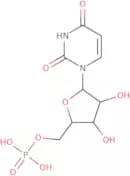
CAS:2-Chloroinosine is an adenosine receptor agonist; metabolically stable analog of adenosineFormula:C10H12ClN5O4Purezza:Min. 95%Colore e forma:PowderPeso molecolare:301.69 g/mol1-b-D-Arabinofuranosyluracil 5'-monophosphate
CAS:1-b-D-Arabinofuranosyluracil 5'-monophosphate is a pyrimidine nucleotide analog. Because of its structural similarity to natural nucleotides, it can interact with enzymes involved in nucleic acid synthesis. It is also a metabolite of Ara-U (arabinosyluracil), which is itself a compound studied for its biological activity. Scientists could potentially use this molecule in research to study how cells process and use nucleotides, and to understand how changes in nucleotide structure can affect biological processes.Formula:C9H13N2O9PPurezza:Min. 95%Colore e forma:PowderPeso molecolare:324.18 g/molFludarabine phosphate
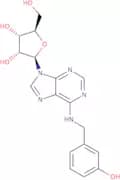
CAS:<p>Fludarabine phosphate is an antileukemic drug that inhibits DNA polymerase α and β, as well as other enzymes in the nucleotide synthesis pathway. It is used to treat patients with chronic myelogenous leukemia (CML) who have developed resistance to other treatments. Fludarabine phosphate has been shown to induce a cytotoxic effect against tumor cells by binding to ATP-binding cassette transporter proteins on the cell membrane and inhibiting intracellular targets such as DNA, RNA, and protein synthesis. Fludarabine phosphate has also been shown to inhibit the growth of tumor cells through synergistic interactions with other anticancer drugs such as hydroxyurea or busulfan, which may be due to its ability to inhibit enzyme activities such as erythrocyte alkaline phosphatase.</p>Formula:C10H13FN5O7PPurezza:Min. 98 Area-%Colore e forma:PowderPeso molecolare:365.21 g/molm-Topolin riboside
CAS:<p>Functionalised adenosine riboside</p>Formula:C17H19N5O5Purezza:Min. 95%Colore e forma:White To Off-White SolidPeso molecolare:373.36 g/molGuanosine 5'-diphosphate sodium
CAS:<p>Pyruvate kinase substrate</p>Formula:C10H15N5O11P2•Na2Purezza:Min. 95%Colore e forma:PowderPeso molecolare:466.19 g/mol2'-Deoxy-3,4,5,6-tetrahydrouridine
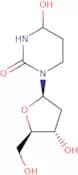
CAS:<p>2'-Deoxy-3,4,5,6-tetrahydrouridine (2DTHR) is a cytidine deaminase inhibitor that is used in vitro to inhibit the production of tumor necrosis factor (TNF). 2DTHR has been shown to be active against hepatocellular carcinoma cells. It is also reactive with tumor tissue and can be eliminated at a rate similar to that of deoxycytidine kinase. This drug binds to the enzyme target and inhibits its activity by increasing enzyme levels, which causes cell death. 2DTHR inhibits TNF production in tumor tissue by binding to cytidine deaminase and preventing conversion of cytidine into uracil. This drug has been shown to cause tumor inhibition in vitro.</p>Formula:C9H16N2O5Purezza:Min. 95%Colore e forma:PowderPeso molecolare:232.23 g/mol5-Aminoallyl uridine 5'-triphosphate sodium salt
CAS:<p>5-Aminoallyl uridine 5'-triphosphate sodium salt is used in Nucleic Acid Sequence Based Amplification or RNA labelling.</p>Formula:C12H20N3O15P3·xNaPurezza:Min. 95%Peso molecolare:539.22 g/mol5-Bromo-2'-deoxycytidine
CAS:5-Bromo-2'-deoxycytidine is a synthetic nucleoside analogue that is used to treat diabetic neuropathy. It is structurally similar to cytidine, and inhibits the enzyme DNA polymerase by intramolecular catalysis. This causes deamination of the 5-bromo group, which prevents further synthesis of DNA. 5-Bromo-2'-deoxycytidine has been shown to be effective in vivo in a mouse model for inflammatory bowel diseases, including colitis and eosinophilic enteritis. The drug was also found to inhibit the production of Eosinophil peroxidase from HL-60 cells in vitro.Formula:C9H12BrN3O4Purezza:Min. 95%Colore e forma:Off-White PowderPeso molecolare:306.11 g/molN6-Methyl-N6-threonylcarbamoyladenosine
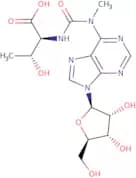
CAS:<p>N-(N'-Methyl-N-(9 beta-D-ribofuranosylpurin-6-yl)carbamyl)threonine is a nucleoside that is used in research.</p>Formula:C16H22N6O8Purezza:Min. 95%Peso molecolare:426.38 g/molStearoyl coenzyme A free acid hydrate
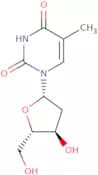
CAS:<p>Stearoyl coenzyme A free acid hydrate is a natural, non-synthetic lipid molecule that belongs to the group of fatty acids. It is found in the form of a white crystalline powder and has a melting point at approximately 56°C. Stearoyl CoA free acid hydrate is an essential component of cellular metabolism, carrying out reactions such as desaturase, dextran sulfate, and other enzyme activities. Stearoyl CoA free acid hydrate may have therapeutic applications for metabolic disorders and obesity. The enzyme complex that catalyzes the synthesis of stearoyl CoA free acid hydrate in adipocytes is ATP-binding cassette transporter (ABC) A1 and ABCG1, which are members of the superfamily of ATP-binding cassette (ABC) transporters. It also plays a role in regulating immune responses via Toll-like receptor 4 (TLR4).</p>Formula:C39H70N7O17P3S•H2OPurezza:Min. 92 Area-%Colore e forma:White PowderPeso molecolare:1,052.01 g/molThymidine-5'-triphosphate sodium salt - 100mM aqueous solution
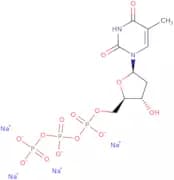
CAS:<p>Thymidine-5'-triphosphate sodium salt is a modified nucleoside with anticancer properties. It is a high-quality, high-purity ribonucleoside that can be used as an activator for the synthesis of deoxyribonucleosides and phosphoramidites. Thymidine-5'-triphosphate sodium salt has antiviral activity, which is due to its ability to inhibit viral DNA replication and transcription. This compound also has the potential to be used in the treatment of cancer cells by inhibiting DNA synthesis and cell division.</p>Formula:C10H17N2O14P3·xNaPurezza:Min. 95%Colore e forma:PowderPeso molecolare:482.17 g/mol5′-O-DMT-LNA N-Bz adenosine
CAS:<p>5′-O-DMT-LNA N-Bz adenosine is a novel nucleoside that has been modified with an aminooxy group. The compound is synthesized by the phosphoramidite method and it is designed for use in antiviral and anticancer research. 5′-O-DMT-LNA N-Bz adenosine can be used as a substrate for DNA polymerases and other enzymes to produce nucleic acid strands. This product is CAS No. 206055-74-5, monophosphate, Phosphoramidites, Synthetic, Deoxyribonucleosides, Anticancer, Ribonuclesides, High purity.</p>Formula:C39H35N5O7Purezza:Min. 95%Peso molecolare:685.73 g/mol9-(β-D-Arabinofuranosyl)adenine 5'-monophosphate
CAS:<p>9-(β-D-Arabinofuranosyl)adenine 5'-monophosphate (Ara-AMP) is a prodrug that is converted to adenine arabinoside in vivo. It is used as an antiviral agent for the prevention of hepatitis B and C. Ara-AMP inhibits viral DNA synthesis by acting as a competitive inhibitor of adenosine triphosphate, which is required for viral DNA polymerase activity. Ara-AMP also has antiviral properties against some RNA viruses, such as HIV and influenza virus. Ara-AMP can be administered orally or by injection, making it suitable for use in children who are unable to take oral medication.</p>Formula:C10H14N5O7PPurezza:Min. 95%Colore e forma:White PowderPeso molecolare:347.22 g/mol2'-O-(2-Methoxyethyl)adenosine 5'-α-thiotriphosphate sodium
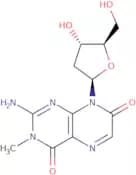
<p>2'-O-(2-Methoxyethyl)adenosine 5'-a-thiotriphosphate sodium salt is a synthetic nucleoside with antiviral and anticancer properties. It is an analog of adenosine 5'-triphosphate (ATP) in which the ribose sugar has been replaced by a 2'-O-(methoxyethyl) moiety. It has shown to be cytotoxic against cancer cells, and it is a potent activator of human telomerase, the enzyme that synthesizes telomeres at the end of chromosomes. This compound has been shown to have high purity and quality and does not have any CAS numbers assigned to it.</p>Formula:C13H18N5O13P3S·4NaPurezza:Min. 95%Peso molecolare:669.25 g/mol3-Methyl-8-(2-deoxy-b-D-ribofuranosyl)isoxanthopterin
CAS:<p>3-Methyl-8-(2-deoxy-b-D-ribofuranosyl)isoxanthopterin is a nucleoside analog that is used as an activator of phosphoramidite. It can be used as a building block in the synthesis of modified phosphoramidites and it has antiviral, anticancer, and antiinflammatory properties. 3-Methyl-8-(2-deoxy-b-D-ribofuranosyl)isoxanthopterin is a novel nucleoside analog that can be used to synthesize DNA or RNA. It is also an inhibitor of deoxyribonucleoside kinase, preventing the conversion of deoxyribonucleosides into diphosphate monophosphates.</p>Formula:C12H15N5O5Purezza:Min. 95%Colore e forma:PowderPeso molecolare:309.28 g/molLamivudine-5'-triphosphate tetratriethylammonium salt - ca.15 mM Aqueous solution
<p>Lamivudine-5'-triphosphate tetratriethylammonium salt - ca.15 mM Aqueous solution is an antiviral drug used to treat HIV/AIDS and hepatitis B infections. It is a potent inhibitor of human immunodeficiency virus type 1 (HIV-1) replication, acting by blocking the viral enzyme reverse transcriptase. Lamivudine-5'-triphosphate tetratriethylammonium salt - ca.15 mM Aqueous solution also inhibits cellular viral DNA synthesis and has been shown to exhibit anticancer activity in vitro and in vivo. This product is synthesized from raw materials through a novel process that involves modification of the phosphoramidite monophosphate with tetratriethylammonium salts.</p>Formula:C32H74N7O12P3SPurezza:Min. 95%Peso molecolare:873.96 g/mol5'-O-DMT-thymidine-3'-succinyl CPG 2000 Å
<p>5'-O-DMT-thymidine-3'-succinyl CPG 2000 Å is a synthetic nucleoside that contains an acetyl group at the 5' position. The succinyl group has been added to the 3' position of the nucleoside and is bonded to a carrier molecule (2000 Å). This product is used as an activator in DNA synthesis, it also has antiviral and anticancer activities.</p>Colore e forma:PowderN6-Aminoadenosine
CAS:<p>N6-Aminoadenosine is a purine nucleoside that is involved in the synthesis of adenosine. It can be found in a number of tissues and has been shown to have an agonist potency similar to 2-phenylaminoadenosine, but with a longer duration of action. N6-Aminoadenosine is also present as one of two stereoisomers, the other being N2-aminoadenosine. These two aminosides are hydrolyzed by triazol and sinoatrial enzymes. The affinity of N6-aminoadenosine for cellular receptors has been shown using high affinity assays on rat heart cells.</p>Purezza:Min. 95%N6-(6-Aminohexyl)-2'-deoxyadenosine
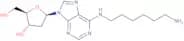
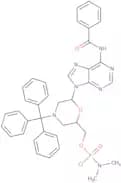
CAS:<p>N6-(6-Aminohexyl)-2'-deoxyadenosine is a novel nucleoside that is structurally related to the natural nucleosides, dATP and dGTP. It has been shown to be an activator of ribonucleosides and phosphoramidites, which are used in the synthesis of DNA and RNA. N6-(6-Aminohexyl)-2'-deoxyadenosine has also been shown to inhibit cancer cells as well as antiviral activity against HIV-1.</p>Formula:C16H26N6O3Purezza:Min. 95%Colore e forma:Slightly Yellow PowderPeso molecolare:350.43 g/mol[(2S,6R)-6-{N6-Benzoyladenin-9-yl}-4-tritylmorpholin-2-yl]methyl dimethyl-phosphoramidochloridate
CAS:<p>Nucleotide analogue for use in oligonucleotide synthesis</p>Formula:C38H37ClN7O4PPurezza:Min. 95%Colore e forma:PowderPeso molecolare:722.17 g/molAdenylyl-3'-5'-guanosine sodium salt
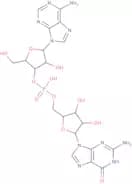
CAS:<p>3'-Adenylyl-5'-guanosine ammonium salt is a dinucleoside that competes with guanosine for binding to the enzyme adenylate cyclase. This reaction leads to increased levels of cyclic AMP, which causes an increase in the rate of viral replication. 3'-Adenylyl-5'-guanosine ammonium salt has been shown to inhibit the growth of pyogenic bacteria such as Streptococcus pyogenes and has also been used to treat influenza infections. 3'-Adenylyl-5'-guanosine ammonium salt is an inorganic compound that is found in tobacco. It can be synthesized from uridine and p-nitrophenyl phosphate by the reaction: 3'--O--(CH2)4--COOH + H2N--PO4--> 3'--O--(CH2)4--CONH2 + H3PO4</p>Formula:C20H24N10O11P·NaPurezza:Min. 95%Peso molecolare:634.43 g/molAdenosine 5′-O-(1-thiotriphosphate) sodium, mixture of R and S isomers
<p>Please enquire for more information about Adenosine 5′-O-(1-thiotriphosphate) sodium, mixture of R and S isomers including the price, delivery time and more detailed product information at the technical inquiry form on this page</p>Formula:C10H16N5O12P3S•Na3Purezza:Min. 95%Peso molecolare:592.25 g/mol7-Deaza-2',3'-dideoxy-7-iodoadenosine
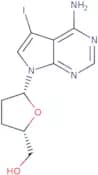
CAS:7-Deaza-2',3'-dideoxy-7-iodoadenosine is a nucleoside analogue that is used as an antiviral, anticancer, and antifungal agent. It is a modified form of adenosine which inhibits viral replication by inhibiting the activity of reverse transcriptase. 7-Deaza-2',3'-dideoxy-7-iodoadenosine has also been shown to inhibit DNA synthesis in cells by blocking the incorporation of dCTP into DNA. This nucleoside analogue has shown potential for use as an activator in phosphoramidite chemistry and as a deoxyribonucleoside in oligonucleotide synthesis.Formula:C11H13IN4O2Purezza:Min. 95%Colore e forma:PowderPeso molecolare:360.15 g/molATP-acetyl-desthiobiotin
<p>ATP-acetyl-desthiobiotin is a small molecule that inhibits the activity of tyrosine kinases. It has been shown to inhibit tumor growth in cultured cells and in mouse models, and is currently being evaluated in clinical trials for cancer treatment. ATP-acetyl-desthiobiotin is a competitive inhibitor of bosutinib (BST), an inhibitor of Bcr-Abl tyrosine kinase, which is associated with chronic myeloid leukemia. ATP-acetyl-desthiobiotin has also been shown to induce autophagy and inhibit cell proliferation, making it a potential anticancer drug.</p>Formula:C20H32N7O15P3Purezza:Min. 95%Peso molecolare:703.43 g/mol2-Methylamino-N6-methyladenosine
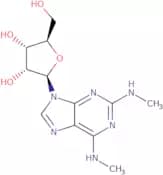
CAS:<p>2-Methylamino-N6-methyladenosine is an activator that can inhibit the replication of DNA, RNA, and protein synthesis. It is a novel monophosphate nucleoside with antiviral and anticancer properties. 2-Methylamino-N6-methyladenosine has been shown to be effective against human cytomegalovirus and murine leukemia virus (MLV) in cell culture. Furthermore, it has been shown to be active against the herpes simplex virus type 1 (HSV1) in mice after oral administration. 2-Methylamino-N6-methyladenosine is a modified deoxyribonucleoside that contains an amino group at the 2' position of the ribose sugar moiety. It also contains an alkyl group at the 6 position of adenine. This modification confers increased stability to the molecule, which prevents degradation by intracellular nucleases.</p>Purezza:Min. 95%Guanosine5'-diphosphate
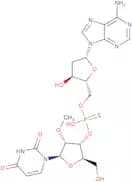
CAS:Pyruvate kinase substrateFormula:C10H15N5O11P2Purezza:Min. 95%Colore e forma:PowderPeso molecolare:443.2 g/mol2'-O-Methyl-p-thiouridynyl-(3'->5')-2'-deoxyadenosine
CAS:<p>2'-O-Methyl-p-thiouridynyl-(3'->5')-2'-deoxyadenosine is an analog of the nucleoside uridine. It is a potent inhibitor of protein synthesis in cells, and has the potential to be used as a long-term treatment for tuberculosis. 2'-O-Methyl-p-thiouridynyl-(3'->5')-2'-deoxyadenosine has been shown to inhibit the production of tumor necrosis factor alpha (TNFα) in mice with influenza or hepatitis, and also inhibits the replication of HIV. This drug may also have antibacterial properties due to its ability to inhibit bacterial DNA gyrase and topoisomerase IV. 2'-O-Methyl-p-thiouridynyl-(3'->5')-2'-deoxyadenosine binds to an antigen on the surface of cells, activating them.</p>Formula:C20H26N7O10PSPurezza:Min. 95%Peso molecolare:587.5 g/mol6-Azauridine-5'-monophosphate sodium
CAS:<p>Please enquire for more information about 6-Azauridine-5'-monophosphate sodium including the price, delivery time and more detailed product information at the technical inquiry form on this page</p>Formula:C8H12N3O9P•(Na)2Peso molecolare:371.17 g/molDMT-2′O-TC-rG(ib) Phosphoramidite
CAS:DMT-2²O-TC-rG(ib) Phosphoramidite is a phosphoramidite that has been modified from the natural nucleoside DMT. It is a high purity, novel anticancer agent that has shown promising results in the treatment of cancer cells. The modifications on the phosphate group allow for enhanced phosphorylation which, in turn, leads to an increase in kinase activity. This modification also increases the stability of DNA and RNA synthesis, as well as protein synthesis.Formula:C49H61N8O11PS2Purezza:Min. 95%Colore e forma:PowderPeso molecolare:1,033.16 g/molMalonyl coenzyme A lithium salt - 90%
CAS:Malonyl coenzyme A lithium salt - 90% is a fatty acid that is involved in the biosynthesis of fats. It is also involved in the synthesis of prostaglandins, which are hormone-like substances that have a wide variety of effects on many different tissues. Malonyl coenzyme A lithium salt - 90% may be useful for the treatment of insulin resistance and obesity due to its ability to stimulate glucose uptake by fat cells and increase insulin sensitivity. The following product details are for a supplement:Formula:C24H38N7O19P3S·xLiPurezza:Min. 95%Peso molecolare:853.58 g/mol5’-O-DMT-2’-O,4’-C-methylene-5-methyluridine
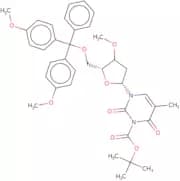
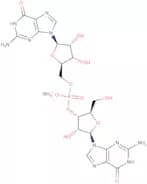
CAS:<p>5’-O-DMT-2’-O,4’-C-methylene-5-methyluridine is a nucleoside that is used as an antiviral and anticancer agent. It is a novel compound that has not been previously described in the literature. 5’-O-DMT-2’-O,4’-C methylene 5 methyluridine has been shown to inhibit the replication of the herpes virus in vitro (in cell culture) and in vivo (in animals). This compound also inhibits the proliferation of cancer cells by inhibiting DNA synthesis. It may be used as an anticancer agent or an antiviral agent.</p>Purezza:Min. 95%Guanylyl-3',5'-guanosine ammonium salt
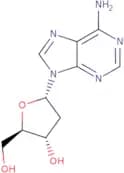
CAS:<p>Guanylyl-3',5'-guanosine ammonium salt is a novel antiviral agent that has high antiviral activity against influenza A virus. It is a guanine derivative which has been modified to include an aminopropyl group and an ammonium cation. This compound also acts as an activator for deoxyribonucleosides, nucleotides, and ribonucleosides. Guanylyl-3',5'-guanosine ammonium salt may be used in the manufacture of DNA, RNA, and phosphoramidites. This compound also has anticancer effects by inhibiting the proliferation of tumor cells and inducing apoptosis.</p>Formula:C20H25N10O12P·H3NPurezza:Min. 95%Peso molecolare:645.48 g/mol2'-Deoxy-a-adenosine
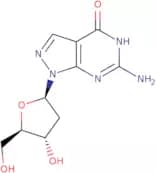
CAS:<p>2'-Deoxy-a-adenosine is a nucleoside that contains an adenine base. It has been studied for its biological properties, including its reaction with solution and its use as an antimicrobial agent. 2'-Deoxy-a-adenosine has been shown to inhibit the growth of bowel disease in mice by binding to the adenosine A3 receptor on the surface of cells. This nucleoside also binds to nuclear DNA and may be used as a pharmacological agent, but more research is needed to determine whether it would be effective against cancer cells. 2'-Deoxy-a-adenosine may also be useful as a potential drug target for the treatment of cancer due to its ability to bind with dna duplexes, which are found in all cancer cells.</p>Formula:C10H13N5O3Purezza:Min. 95%Colore e forma:White PowderPeso molecolare:251.25 g/mol7-deaza-dG-CE Phosphoramidite
CAS:<p>7-deaza-dG-CE Phosphoramidite is a monophosphate nucleotide, which is synthesized by modification of the 7-deaza-dG ribonucleoside. It has an antiviral and anticancer activity, and is used as a building block for novel drugs. 7-Deaza-dG-CE phosphoramidite has been shown to inhibit tumor growth and induce apoptosis in Hep2 cells. It also inhibits HIV replication in vitro. The compound is chemically stable and does not react with other biomolecules.</p>Formula:C44H54N7O7PPurezza:Min. 95%Peso molecolare:823.9 g/molMorpholino A monomer
CAS:Morpholino A is a modified nucleoside amidite used to prepare morpholino oligomersFormula:C38H37ClN7O4PPurezza:Min. 98 Area-%Colore e forma:White PowderPeso molecolare:722.17 g/mol2-Phenylaminoadenosine
CAS:<p>2-Phenylaminoadenosine (2-PA) is a potent and selective inhibitor of the P2Y receptor. 2-PA has been shown to reduce myocardial infarct size in vivo in mice, which may be due to its ability to inhibit the release of dopamine from the brain. In addition, 2-PA binds to LPS receptors on endothelial cells, reducing the production of proinflammatory cytokines and preventing platelet aggregation. 2-PA also inhibits the activation of toll-like receptor 4 (TLR4) in human monocytes, leading to reduced expression of proinflammatory cytokines and increased expression of anti-inflammatory cytokines.<br>2-PA is an agonist that binds with high affinity to P2Y receptors on erythrocytes. This binding results in decreased adenosine triphosphate (ATP) production by adenosine deaminase, which leads to decreased intracellular calcium levels and inhibition of neutroph</p>Formula:C16H18N6O4Purezza:Min. 95%Colore e forma:PowderPeso molecolare:358.35 g/mol4-Chloro-5-iodo-pyrrolo[2,3-d]pyriMidine-7-carboxylic acid tert-butyl ester
CAS:Focuses is a chemical compound that does not have any known commercial or industrial uses.Purezza:Min. 95%8-Aza-7-deaza-2'-deoxyguanosine
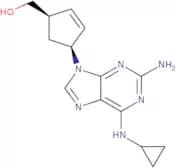
CAS:<p>8-Aza-7-deaza-2'-deoxyguanosine is an alkynylated, cross-linked, single stranded nucleic acid. It has been shown to be effective at cross-linking and cross-linking nucleic acids. 8-Aza-7-deaza-2'-deoxyguanosine binds to the 7 deazapurine residues in DNA, forming a covalent bond between the two strands of the helix. This binding prevents the strand from unwinding and prevents the replication of DNA. The thermodynamic data for this compound shows that it is stable in both hot and cold water, which makes it a good candidate for use in research as well as in clinical settings.</p>Formula:C10H13N5O4Purezza:Min. 95%Colore e forma:PowderPeso molecolare:267.24 g/molent-abacavir
CAS:Ent-abacavir is a drug that belongs to the group of antiretroviral drugs. It has minimal toxicity and has been shown to be effective in long-term treatment of HIV/AIDS. Ent-abacavir is also used as part of active antiretroviral therapy, which includes at least three or four different drugs. It inhibits the activity of reverse transcriptase, an enzyme involved in the replication process of HIV and other retroviruses. This drug has been shown to have few drug interactions with other medications, although caution should be taken when using ent-abacavir with drugs that are metabolized by cytochrome P450 enzymes. Ent-abacavir is not recommended for use in patients who have chronic viral hepatitis or who have a body mass index greater than 30 kg/m2 because its pharmacokinetic properties may be altered in these individuals.Formula:C14H18N6OPurezza:Min. 95%Peso molecolare:286.33 g/mol3'-Deoxy-5-methyluridine
CAS:<p>3'-Deoxy-5-methyluridine (3'-DMAU) is a synthetic nucleoside that is used in the treatment of viral infections. 3'-DMAU has antiviral and anticancer activity, and it has been used to synthesize DNA for genetic engineering. It has shown promising results in the treatment of HIV as well as in the prevention of cancer metastasis. 3'-DMAU inhibits DNA synthesis by binding to the enzyme RNA polymerase, which blocks its interaction with ribonucleosides, thus inhibiting RNA synthesis. In addition, 3'-DMAU causes cell death by inhibiting protein synthesis. The drug is activated by phosphorylation to form 5'-triphosphate and 5'-diphosphate derivatives, which inhibit DNA and RNA synthesis at multiple sites within the cell.</p>Formula:C10H14N2O5Purezza:Min. 95%Colore e forma:PowderPeso molecolare:242.23 g/mol4'-α-C-Methylcytidine
CAS:<p>4'-a-C-Methylcytidine is a nucleoside that is synthesized from 4'-a-C-methyluridine. It has antiviral and anticancer properties, and has been shown to be a potent activator of the immune system. The modified nucleosides in this compound are thought to be less toxic than other cytotoxic agents. 4'-a-C-Methylcytidine is also used as a building block for the synthesis of DNA, RNA and phosphoramidites.</p>Purezza:Min. 95%Colore e forma:PowderPeso molecolare:257.24 g/mol2'-Deoxy-3'-O-DMT-N2-isobutyrylguanosine 5'-CE phosphoramidite
2'-Deoxy-3'-O-DMT-N2-isobutyrylguanosine 5'-CE phosphoramidite is a 5'-3’ “reverse” (or “inverse”) amidite.Formula:C44H54N7O8PPurezza:Min. 95%Peso molecolare:839.94 g/mol[(2S,6R)-6-{Thymin-1-yl}-4-tritylmorpholin-2-yl]methyl dimethyl-phosphoramidochloridate
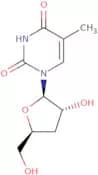
CAS:<p>[(2S,6R)-6-{Thymin-1-yl}-4-tritylmorpholin-2-yl]methyl dimethyl-phosphoramidochloridate (TMP) is a Ribonucleoside and Deoxyribonucleoside Activator that is synthesized from Thymine (T), Thymidine (Td), and Phosphoramidites. TMP is a novel synthetic derivative of thymine with the ability to activate DNA synthesis reactions. TMP has been shown to provide high quality nucleotides with high purity in a single step reaction.</p>Formula:C31H34ClN4O5PPurezza:Min. 95%Colore e forma:White To Light (Or Pale) Red SolidPeso molecolare:609.05 g/molN6-Benzoyl-L-adenosine
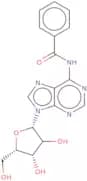
CAS:N6-Benzoyl-L-adenosine is a novel nucleoside that has been shown to have antiviral and anticancer activity. It is synthesized by the reaction of L-adenosine with benzoyl chloride in the presence of a base. The drug inhibits the growth of cancer cells by interfering with DNA synthesis. N6-Benzoyl-L-adenosine also inhibits viral replication, especially HIV, herpes simplex virus type 1, and human cytomegalovirus (HCMV). It can be used as an antiviral agent in combination with other drugs or as an anticancer agent alone. N6 Benzoyl L adenosine is a nucleoside that has been shown to have antiviral and anticancer activity. It is synthesized by the reaction of L adenosine with benzoyl chloride in the presence of a base. The drug inhibits the growth of cancer cells by interfering with DNA synthesis. N6Formula:C17H17N5O5Purezza:Min. 95%Colore e forma:White to off-white solid.Peso molecolare:371.35 g/mol2'-Fluoro-5'-o-DMT-2'-deoxyinosine-3'-ce-phosphoramidite
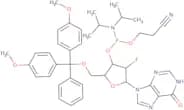
CAS:2'-Fluoro-5'-o-DMT-2'-deoxyinosine-3'-ce-phosphoramidite is a novel nucleoside analog that inhibits viral DNA replication and has antiviral properties. It is an effective inhibitor of HIV, HSV, and HCV. The drug works by binding to the viral DNA polymerase enzyme, thereby blocking the RNA-dependent DNA polymerase activity and inhibiting viral DNA synthesis. 2'-Fluoro-5'-o-DMT-2'-deoxyinosine-3'-ce-phosphoramidite is a modified nucleoside with a fluorine atom at the 5' position of the sugar moiety, which prevents phosphodiester cleavage by phosphodiesterases in the cell's cytoplasm. This drug also has anticancer effects on human cancer cells by inhibiting ribonucleotide reductase and deoxyribonucleotide reductase.Formula:C40H46FN6O7PPurezza:Min. 95%Peso molecolare:772.8 g/molZeatin riboside
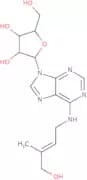
CAS:<p>Zeatin riboside is a naturally occurring compound that belongs to the group of nucleotides. It is synthesized in plants and bacteria, and has been shown to have physiological activities in both these organisms. Rootstocks are typically used as the optimum concentration for zeatin riboside. Zeatin riboside has been shown to be effective against bacterial strains that cause plant diseases, such as bacterial strain Xanthomonas campestris pv. corylina. Zeatin riboside also inhibits the growth of plant pathogens by increasing adenine nucleotide levels in root cells, which leads to an increase in photosynthetic activity and a decrease in the production of chemical pesticides. The optimum pH for zeatin riboside is 8-9.</p>Formula:C15H21N5O5Purezza:Min. 90%Colore e forma:PowderPeso molecolare:351.36 g/molKinetin riboside-5'-monophosphate sodium salt
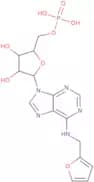
CAS:Kinetin riboside-5'-monophosphate sodium salt is a synthetic nucleotide that has been modified to include a phosphate group at the 5' position. Kinetin riboside-5'-monophosphate sodium salt is an activator of DNA synthesis and can be used for the treatment of viral infections. It also shows anticancer activity and is effective against cancer cells that are resistant to other cancer drugs.Formula:C15H16N5Na2O8P·H2OPurezza:Min. 95%Colore e forma:PowderPeso molecolare:489.29 g/molN6-Dibenzoyl-3-deaza-2'-deoxy-5'-O-DMT-3-methyladenosine 3'-CE phosphoramidite
CAS:N6-Benzoyl-3-deaza-2'-deoxy-5'-O-DMT-3-methyladenosine 3' is a nucleoside that has been modified to be resistant to the enzymatic degradation by ribonucleases. The phosphoramidite is used in the synthesis of DNA and can be used as an antiviral or anticancer drug. It also acts as a competitive inhibitor of adenosine deaminase, which is an enzyme involved in the metabolism of purines. N6-Benzoyl-3-deaza-2'-deoxy-5'-O-DMT-3 methyladenosine 3' can inhibit viral replication by inhibiting RNA polymerase activity, and it has been shown to have antifungal properties.Formula:C56H59N6O8PPurezza:Min. 95%Peso molecolare:870.99 g/mol


![4-Amino-1-(2',3',5'-tri-O-tert-butyldimethylsilyl-b-D-ribofuranosyl)-imidazo[4,5-c]pyridine](/_next/image/?url=https%3A%2Fstatic.cymitquimica.com%2Fproducts%2F3D%2Fthumb-webp%2FNA04493.webp&w=3840&q=75)

















![[(2S,6R)-6-{N6-Benzoyladenin-9-yl}-4-tritylmorpholin-2-yl]methyl dimethyl-phosphoramidochloridate](/_next/image/?url=https%3A%2Fstatic.cymitquimica.com%2Fproducts%2F3D%2Fthumb-webp%2FNB58201.webp&w=3840&q=75)







![4-Chloro-5-iodo-pyrrolo[2,3-d]pyriMidine-7-carboxylic acid tert-butyl ester](/_next/image/?url=https%3A%2Fstatic.cymitquimica.com%2Fproducts%2F3D%2Fthumb-webp%2FNC44293.webp&w=3840&q=75)


![[(2S,6R)-6-{Thymin-1-yl}-4-tritylmorpholin-2-yl]methyl dimethyl-phosphoramidochloridate](/_next/image/?url=https%3A%2Fstatic.cymitquimica.com%2Fproducts%2F3D%2Fthumb-webp%2FNT58203.webp&w=3840&q=75)