Nucleosidi
Trovati 3569 prodotti di "Nucleosidi"
1,3-Dimethyl-5-[4-(4,4,5,5-tetramethyl-[1,3,2]dioxaborolan-2-yl)-benzyl]-pyrimidine-2,4,6-trione
CAS:1,3-Dimethyl-5-[4-(4,4,5,5-tetramethyl-[1,3,2]dioxaborolan-2-yl)-benzyl]-pyrimidine-2,4,6-trione is an organic semiconductor material. It is a dielectric with a high transition temperature and good electrical conductivity. This compound is a metal silicide with a low resistivity and high electron mobility. It can be used as an active layer in thin film transistors or as a field effect transistor channel material. 1,3-Dimethyl-5-[4-(4,4,5,5-tetramethyl-[1,3,2]dioxaborolan-2-yl)-benzyl]-pyrimidine-2,4,6-trione has been shown to have good chemical stability and thermal stability in air at temperatures up to 400°C.Purezza:Min. 95%5'-O-DMT-2,3'-anhydrothymidine
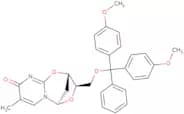
CAS:5'-O-DMT-2,3'-anhydrothymidine is a solvent that is used for labeling nucleic acids. It can be used in positron emission tomography (PET) imaging as a diagnostic tool for cancer and other diseases. 5'-O-DMT-2,3'-anhydrothymidine is also used to carry the radioactive isotope fluorodeoxyglucose (FDG) in positron emission tomography (PET). The FDG is labeled with the PET tracer and then injected into the patient's body. This allows for whole-body visualization of glucose metabolism and tumor cell uptake.Formula:C31H30N2O6Purezza:Min. 95%Peso molecolare:528.61 g/molAdenylosuccinic acid
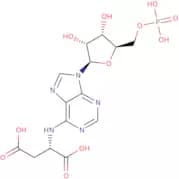
CAS:Adenylosuccinic acid is an organic acid that is synthesized through the deamination of adenosine monophosphate. It is used in transfection experiments to inhibit polymerase chain reaction (PCR) and reverse transcriptase. Adenylosuccinic acid inhibits DNA synthesis by targeting enzymes such as the ribonucleotide reductase and the DNA polymerase β-subunit. Adenylosuccinic acid also inhibits protein synthesis, which may be due to its ability to inhibit energy metabolism, leading to cellular death. This drug has been shown to have a wide range of pharmacological effects, including anti-inflammatory, analgesic, and antifungal activity.
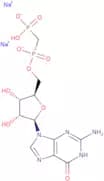
Formula:C14H18N5O11PPurezza:Min. 95%Colore e forma:PowderPeso molecolare:463.29 g/mola,b-Methyleneguanosine 5'-diphosphate sodium salt
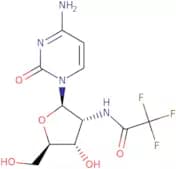
CAS:a,b-Methyleneguanosine 5'-diphosphate sodium salt is a chemical species that binds to the influenza virus neuraminidase. The drug binding site on the influenza virus neuraminidase has been identified in high resolution by NMR and X-ray crystallography. This drug is able to inhibit the release of infectious particles and prevent infection by the influenza virus, which is an important biological weapon in bioterrorism. The compound is not active against other viruses such as HIV and herpes simplex virus type 1. In addition, this chemical species also inhibits the activity of geniculate nucleus neurons and may be effective for treatment of chronic pain caused by nerve injury.Formula:C11H17N5O10P2·xNaPurezza:Min. 95%Peso molecolare:441.23 g/mol2'-TFA-NH-dC
CAS:2'-TFA-NH-dC is a novel nucleoside analogue that has been modified to have antiviral and anticancer properties. The chemical structure of 2'-TFA-NH-dC closely resembles dC, which is a natural DNA nucleotide, but with the addition of an extra fluorine atom at the 2' position. This modification increases the potency of 2'-TFA-NH-dC by making it more difficult for enzymes in cells to break down the drug. The compound can be used as a monophosphate or diphosphate, and is synthesized from 2'-deoxyadenosine 5'-phosphoramidite and 1,2,4-triazole in water.Formula:C11H13F3N4O5Purezza:Min. 95%Peso molecolare:338.24 g/molo-Methoxytopolin riboside
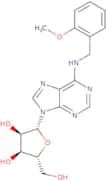
CAS:o-Methoxytopolin Riboside is a novel phosphoramidite that can be used for the synthesis of ribonucleotides and deoxyribonucleosides. This product has antiviral and anticancer properties, as well as the ability to inhibit tumor growth by inducing apoptosis in cancer cells. It is synthesized from the natural compound o-methoxytyrosine by the addition of a phosphate group to the 3-position. The phosphate group is then modified to produce monophosphate or diphosphate forms. OMTPR has been shown to have anti-inflammatory properties and has been found to reduce inflammation in mice with colitis.
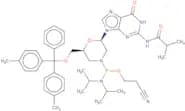
Formula:C18H21N5O5Purezza:Min. 95%Colore e forma:PowderPeso molecolare:387.39 g/molN2-Isobutyryl-5’-O-DMT-morpholinoguanosine-N’-CE phosphoramidite
CAS:A morpholino amidite
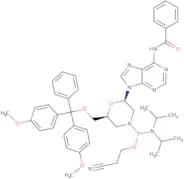
Formula:C44H55N8O7PPurezza:Min. 98 Area-%Colore e forma:PowderPeso molecolare:838.93 g/molN6-Benzoyl-5’-O-DMT-morpholinoadenosine-N’-CE phosphoramidite
CAS:A morpholino amiditeFormula:C47H53N8O6PPurezza:Min. 98 Area-%Colore e forma:PowderPeso molecolare:856.95 g/mol5'-O-DMT-N4-ethylcytidine
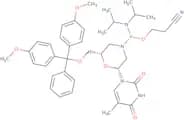
5'-O-DMT-N4-ethylcytidine is a novel nucleoside analogue. It has been used as a building block for the synthesis of modified oligonucleotides. 5'-O-DMT-N4-ethylcytidine is an antiviral agent that inhibits HIV replication by inhibiting reverse transcriptase, which is an enzyme that is necessary for the production of viral DNA from host cell RNA. The drug also has anticancer activity, which may be due to its ability to inhibit DNA synthesis and cellular proliferation.Formula:C32H35N3O7Purezza:Min. 95%Peso molecolare:573.64 g/mol7’-O-DMT-morpholino-5-methyluridine-N’-CE phosphoramidite
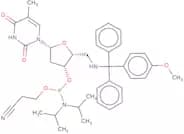
CAS:a morpholino amiditeFormula:C40H50N5O7PPurezza:Min. 98 Area-%Colore e forma:PowderPeso molecolare:743.83 g/mol5'-Amino-5'-deoxy-5'-N-MMT-thymidine 3'-CE phosphoramidite
CAS:5'-Amino-5'-deoxy-5'-N-MMT-thymidine 3'-CE phosphoramidite is a high purity, novel, modified, antiviral and anticancer nucleotide. It is an analog of thymidine which has the methyl group at the 5' position replaced with a 5' amino group. This modification prevents conversion of the nucleoside to thymine and therefore inhibits DNA synthesis. The phosphoramidite is used as a building block for oligonucleotides in chemical synthesis. The phosphoramidite has shown antiviral activity against HIV by preventing reverse transcription of viral RNA into DNA. It also has been tested for its anticancer effects on human cells in vitro by inhibiting DNA synthesis and inducing apoptosis in cancer cells.Formula:C39H48N5O6PPurezza:Min. 95%Peso molecolare:713.8 g/mol2',3'-Dideoxy-2',3'-didehydroinosine
CAS:2',3'-Dideoxy-2',3'-didehydroinosine is a synthetic pyrimidine compound that has been shown to inhibit tumor growth in animal models. It is used to prepare 2',3'-dideoxy-2',3'-didehydroinosine-5'-triphosphate, which inhibits the synthesis of DNA and RNA by binding to the enzyme ribonucleotide reductase. This inhibition leads to cell death by inducing crosslinkers and inhibiting polymerase chain reaction. 2',3'-Dideoxy-2',3'-didehydroinosine can be synthesized from hydrochloric acid and carbonyl compounds such as glyoxal, acetaldehyde, or benzaldehyde. 2',3'-Dideoxy-2',3'-didehydroinosine is an important part of phylogenetic tree analysis because it provides information about evolutionary relationships between bacteria.Formula:C10H10N4O3Purezza:Min. 95 Area-%Colore e forma:White PowderPeso molecolare:234.21 g/molThymidine-5'-diphosphate-2-deoxy-D-glucose disodium salt
Thymidine-5'-diphosphate-2-deoxy-D-glucose disodium salt is a novel, modified nucleoside that is chemically synthesized from 2,3,4,6-tetraaminopyrimidine. It has antiviral activity and can be used to treat HIV infections. It is an active form of thymidine and inhibits the synthesis of viral DNA by blocking the activity of viral DNA polymerase in reverse transcription. This drug also exhibits anticancer activity by preventing cell proliferation and inducing apoptosis. Thymidine-5'-diphosphate-2-deoxy-D-glucose disodium salt is high purity with a CAS number of 63625-04-9.
Formula:C16H24N2O15P2Na2Purezza:Min. 95%Peso molecolare:592.29 g/molCyclic diguanosine monophosphate
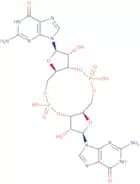
CAS:Cyclic diguanosine monophosphate (c-di-GMP) is a nucleotide that is involved in bacterial cell signaling. It has been shown to be essential for the formation of bacterial biofilms and plays an important role in the development of infectious diseases. c-di-GMP is synthesized from guanosine triphosphate through a series of enzymatic reactions and then hydrolyzed by cyclic diguanosine monophosphatase, which leads to its termination as a second messenger. c-di-GMP interacts with proteins that regulate the expression of genes involved in biofilm formation, motility, and virulence. The synthesis and hydrolysis of c-di-GMP are regulated by multiple enzymes, including protein phosphatases, that control cellular physiology such as biofilm formation.Formula:C20H24N10O14P2Purezza:Min. 95%Peso molecolare:690.41 g/mol3'-O-tert-Butyldiphenylsilyl-2'-O-methyluridine
3'-O-tert-Butyldiphenylsilyl-2'-O-methyluridine is a novel nucleoside with antiviral and anticancer properties. It has been shown to inhibit the growth of human tumor cells in culture and induce apoptosis, as well as inhibit viral replication. 3'-O-tert-Butyldiphenylsilyl-2'-O-methyluridine is an analogue of uridine, which can be used for the synthesis of DNA or RNA. The phosphate group is attached to the 3' carbon on the sugar moiety. This nucleoside has been modified from a natural ribonucleoside by substitution of a tertiary butylphenylsilyl group at the 2' position with an o-methyl group. 3'-O-tert-Butyldiphenylsilyl-2'-O-methyluridine is supplied as a white powder with purity greater than 99Purezza:Min. 95%5-Chloro-1-(b-D-arabinofuranosyl)cytidine
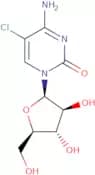
CAS:5-Chloro-1-(b-D-arabinofuranosyl)cytidine is a monophosphate that is used as a precursor in the synthesis of antiviral and anticancer drugs. 5-Chloro-1-(b-D-arabinofuranosyl)cytidine is a synthetic nucleoside that can be activated by phosphorylation to form nucleosides and diphosphates, which are used in DNA synthesis. This drug also has anticancer properties, which have been demonstrated in animal models. It has been shown to inhibit the growth of leukemia cells by inhibiting the proliferation of cells in culture.Formula:C9H12CIN3O5Purezza:Min. 95%Peso molecolare:277.66 g/mol2',3'-Di-O-methylguanosine
2',3'-Di-O-methylguanosine is a nucleoside, which is a chemical compound composed of a nitrogenous base, a five-carbon sugar, and one phosphate group. It is an analog of guanosine that has been modified by replacing the 2' hydroxyl group with a methyl group. This modification prevents the phosphorylation of the monophosphate form to the diphosphate form. This modification also makes 2',3'-Di-O-methylguanosine an activator of DNA polymerase and RNA polymerase. The novel features of this compound make it an excellent candidate for anticancer and antiviral treatments.
Purezza:Min. 95%2-[2-(2-Naphthalenyl)ethoxy]adenosine
CAS:2-[2-(2-Naphthalenyl)ethoxy]adenosine is a structural determinant that belongs to the class of adenosine derivatives. It is an antagonist of adenosine receptors, binding to the A1 receptor with high affinity and blocking the effects of adenosine. 2-[2-(2-Naphthalenyl)ethoxy]adenosine has been shown to have a high affinity for benzyl and thioether groups in its structure, which are important for binding to the A1 receptor. This compound has been used in assays to determine the binding of other compounds with adenosine receptors. 2-[2-(2-Naphthalenyl)ethoxy]adenosine has also been shown as a radioligand for competitive binding studies with human brain membranes.Formula:C22H23N5O5Purezza:Min. 95%Peso molecolare:437.45 g/molo-Topolin riboside-5'-monophosphate sodium salt
CAS:O-topolin riboside-5'-monophosphate sodium salt is a phosphoramidite that has antiviral, anticancer and activator properties. It is synthesized from o-topolin riboside, which is a novel modified nucleoside. O-topolin riboside-5'-monophosphate sodium salt binds to the DNA strand and inhibits RNA synthesis. This prevents the production of proteins vital for cell division.Formula:C17H18N5Na2O8P·H2OPurezza:Min. 95%Peso molecolare:515.32 g/mol3'-O-DMT-thymidine
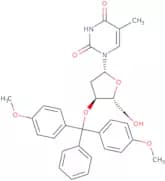
CAS:3'-O-DMT-thymidine is a nucleoside analogue that is synthesized from thymidine. It has been shown to bind to the proviral dna of HIV and inhibit viral replication when present in a complex with the other nucleosides. 3'-O-DMT-thymidine is also stable at high temperatures and binds to carboxamide groups on proteins. This compound has been shown to be effective as a binder for surfaces and membranes, which may be due to its ability to form stable complexes with terminal phosphates. The stability of these complexes can be influenced by the presence of denaturants such as temperature, pH, or ionic strength parameters. 3'-O-DMT-thymidine also forms stable complexes with linkers that are sensitive to thermal denaturation.Formula:C31H32N2O7Purezza:Min. 95%Peso molecolare:544.6 g/mol6-O-Benzyl-2'-deoxyguanosine
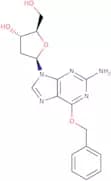
CAS:6-O-Benzyl-2'-deoxyguanosine is a synthetic nucleoside analog that inhibits the synthesis of DNA. It is used in animal studies as a pancreatic carcinogen, and has been shown to inhibit tumor growth in mice. This drug specifically binds to DNA at the O6 position of guanine and methylates the adjacent cytosine residue, thereby preventing synthesis of DNA. 6-O-Benzyl-2'-deoxyguanosine also inhibits the activity of an enzyme called methyltransferase, which converts S-adenosylmethionine into S-adenosylhomocysteine, an intermediate in one of the pathways that produce methionine from homocysteine. This inhibition leads to an accumulation of methionine and its metabolites, including homocysteine and cystathione beta synthase, which can cause cell death.Formula:C17H19N5O4Purezza:Min. 95%Peso molecolare:357.36 g/molN4-Acetyl-2'-deoxy-3'-O-DMT-cytidine 5'-CE phosphoramidite
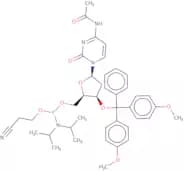
CAS:N4-Acetyl-2'-deoxy-3'-O-DMT-cytidine 5'-CE phosphoramidite is a novel nucleoside. It is a monophosphate and cytidine analog that has been shown to be effective in the treatment of cancer. N4-Acetyl-2'-deoxy-3'-O-DMT-cytidine 5'-CE phosphoramidite also inhibits viral replication by preventing the synthesis of DNA and RNA. This drug can be used as an activator for synthesis of modified oligonucleotides.Formula:C41H50N5O8PPurezza:Min. 95%Peso molecolare:771.84 g/molStavudine 5'-monophosphate sodium salt - 10 mM aqueous solution
Stavudine is a nucleoside analog that is phosphorylated by cellular enzymes to the corresponding monophosphate. Stavudine is an activator of DNA synthesis and has been shown to be effective against cancer cells in vitro. It is also active against HIV-1, which has been shown in vitro to inhibit the production of viral DNA and RNA. Stavudine's antiviral activity may be due to its ability to inhibit the synthesis of viral DNA, RNA, or both. This drug can also be used as a nucleotide precursor for oligonucleotide synthesis.Formula:C10H13N2O7P·xNaPurezza:Min. 95%Peso molecolare:304.19 g/molN6,5'-O-Dibenzoyl-2'-deoxy-adenosine
N6,5'-O-Dibenzoyl-2'-deoxy-adenosine is a monophosphate nucleoside that is used in the synthesis of DNA. It is synthesized from 2'-deoxyadenosine, which is an antiviral agent against influenza virus and anticancer agent. N6,5'-O-Dibenzoyl-2'-deoxy-adenosine has been shown to be a potent activator of the polymerase chain reaction with high purity and novel properties.Formula:C24H21N5O5Purezza:Min. 95%Peso molecolare:475.45 g/molL-Ribose NAD
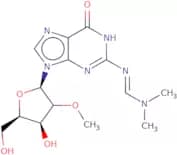
L-Ribose NAD is a nucleoside that belongs to the group of ribonucleosides. It is a novel modified monophosphate and diphosphate nucleotide. L-Ribose NAD has antiviral, anticancer, and immunomodulatory activities. L-Ribose NAD can activate cells with DNA damage by inhibiting the synthesis of deoxyribonucleosides, which are needed for DNA repair. This product has a high purity level and high quality.Purezza:Min. 95%Peso molecolare:663 g/molN2-DMF-2'-O-methylguanosine
CAS:N2-DMF-2'-O-methylguanosine is a nucleoside that is used as an antiviral agent and anticancer drug. It has been shown to inhibit the growth of human cancer cells in vitro and in vivo. N2-DMF-2'-O-methylguanosine has also been shown to inhibit viral replication by inhibiting DNA synthesis. This nucleoside is a novel compound that can be synthesized using phosphoramidites, which are high quality and yield high purity products.
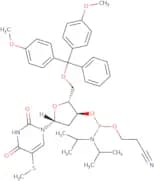
Formula:C14H20N6O5Purezza:Min. 95%Peso molecolare:352.35 g/mol2'-Deoxy-5'-O-DMT-5-(methylthio)-uridine 3'-CE phosphoramidite
CAS:2'-Deoxy-5'-O-DMT-5-(methylthio)-uridine 3'-CE phosphoramidite is a novel anticancer agent that inhibits DNA synthesis and RNA transcription. It is a nucleoside analog, which is not metabolized by the body, and can therefore be used in combination with other drugs to treat cancer. This drug has been shown to be active against influenza virus and herpes simplex virus, as well as inhibiting the production of HIV. 2'-Deoxy-5'-O-DMT-5-(methylthio)-uridine 3'-CE phosphoramidite has also been shown to inhibit the growth of tumor cells when combined with other chemotherapeutic agents.Formula:C40H49N4O8PSPurezza:Min. 95%Peso molecolare:776.88 g/mol5'-O-DMT-2'-O-hexylaminoadenosine
5'-O-DMT-2'-O-hexylaminoadenosine is a modified nucleoside that has antiviral activity. It is the monophosphate form of 5'-O-DMT-2'-O-hexylaminoadenosine, and it is used in the synthesis of phosphoramidites for DNA and RNA. This nucleoside is also an activator for novel antiviral drugs.Formula:C37H44N6O6Purezza:Min. 95%Peso molecolare:668.8 g/mol5-[(Methylamino)methyl]uridine
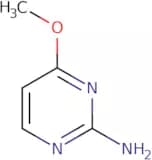
CAS:5-[(Methylamino)methyl]uridine is a proton-containing analog of uridine. It is an epigenetic modifier that has been shown to have conformational properties that are similar to those of uridine. 5-[(Methylamino)methyl]uridine has been shown to modify the glycosidic bond and ring structures, which are important for its function in protein synthesis. The compound can also be found as a chemical structure in the ribosomal subunit, where it is involved in protein synthesis and translation. 5-[(Methylamino)methyl]uridine has shown potential as a therapeutic agent for cancer treatment due to its ability to inhibit the expression of oncogenes in cells and induce programmed cell death (apoptosis).Formula:C11H17N3O6Purezza:Min. 95%Peso molecolare:287.27 g/mol2-Amino-4-methoxypyrimidine
CAS:2-Amino-4-methoxypyrimidine is an organic compound that can be synthesized from 2-amino-4-chloropyrimidine. It is a colorless, water soluble solid with a melting point of 166°C. The UV spectrum of 2-amino-4-methoxypyrimidine exhibits absorption maxima at 240 nm and 280 nm. When 2-amino-4-methoxypyrimidine is exposed to UV light, it emits fluorescent light at 360 nm. The IR spectrum exhibits absorption bands at 3200 cm−1, 1650 cm−1, and 1530 cm−1. Hydrogen bonding interactions occur between the methoxy group and the protonated amine group in the molecule's structure. The yield of this reaction was found to be 65% by GC analysis. This reaction occurs in two steps: first, the imino group reacts with n hexane to form an iminium ion
Purezza:Min. 95%[1',2',3',4',5'-13C5]-4-Thiothymidine
[1',2',3',4',5'-13C5]-4-Thiothymidine is an antiviral, anticancer, and activator of DNA synthesis. It is a monophosphate analog of thymidine that has been modified to include a radioactive isotope. [1',2',3',4',5'-13C5]-4-Thiothymidine binds to the active site of the enzyme ribonucleotide reductase which is responsible for the production of DNA from RNA. The incorporation of this radioactively labeled analog into DNA prevents its degradation by nucleases and allows for the detection and quantification of DNA synthesis via autoradiography.Purezza:Min. 95%2'-Deoxy-1,N6-dimethyladenosine
2'-Deoxy-1,N6-dimethyladenosine is a nucleoside that is used for the synthesis of DNA and RNA. It has antiviral activity against HIV and herpes simplex virus type 1 (HSV-1). 2'-Deoxy-1,N6-dimethyladenosine binds to viral DNA and inhibits viral replication by preventing the viral DNA from being replicated. It also inhibits the synthesis of viral proteins. This nucleoside is synthesized in a high purity and quality, which makes it an excellent starting material for use in the synthesis of other nucleosides or phosphoramidites.Purezza:Min. 95%2'-Deoxy-2'-fluoroadenosine 5'-a-thiotriphosphate sodium salt
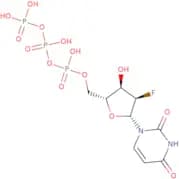
2'-Deoxy-2'-fluoroadenosine 5'-a-thiotriphosphate sodium salt (2'F-ATP) is a nucleoside analog that inhibits viral DNA polymerase and induces apoptosis in cancer cells. It is a novel, modified nucleotide that can be phosphorylated to 2'F-dATP, 2'F-AMP, or 2'F-GMP. The phosphate group in 2'F-ATP is replaced by a thiophosphate group, which increases the stability of the molecule and prevents it from being hydrolyzed by phosphatases. This makes it an effective activator for DNA synthesis reactions.Purezza:Min. 95%2'-Deoxy-2'-fluorouridine-5'-triphosphate sodium salt - 100mM aqueous solution
CAS:2'-Deoxy-2'-fluorouridine-5'-triphosphate sodium salt is an antibacterial agent with a potent antibacterial activity. It has been shown to be active against Gram-positive bacteria, including Staphylococcus aureus and Enterococcus faecalis. It also inhibits the synthesis of uronic acid and butyric acid, which are components of the bacterial cell wall. In addition, 2'-deoxy-2'-fluorouridine-5'-triphosphate sodium salt is able to inhibit nucleotidylyltransferase, which is an enzyme involved in the biosynthesis of fatty acids in bacteria.Formula:C9H14FN2O14P3·NaPurezza:Min. 95%Peso molecolare:509.12 g/molAFB-guanine
CAS:AFB-guanine is a purine nucleoside that has been found to be an intermediate in the conversion of adenosine to inosine. The toxicity of AFB-guanine was studied using the model system of rat liver microsomes and human liver. It was observed that AFB-guanine is metabolized by glycosylases, which act on purines and pyrimidines. The glycosylase activity was inhibited by dicoumarol, which results in a decrease in the amount of AFB-guanine that is converted to adenosine triphosphate (ATP). The study also showed that histological analysis revealed degenerative diseases and cancer in mice fed with AFB-guanine, suggesting that this compound may be carcinogenic.Formula:C22H17N5O8Purezza:Min. 95%Peso molecolare:479.4 g/mol5-Methylcytidine HCl
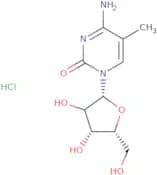
5-Methylcytidine HCl is a novel antiviral and anticancer agent. It possesses two important properties: it is an activator of the enzyme ribonucleotide reductase, which regulates DNA synthesis and repair; and it inhibits the activity of DNA polymerases. It is also chemically modified to allow its use in phosphoramidite synthesis. 5-Methylcytidine HCl has been shown to cause apoptosis in cancer cells, as well as inhibit the growth of bacteria.Formula:C10H15N3O5·HClPurezza:Min. 95%Peso molecolare:293.7 g/mol2-[2-(4-Fluorophenyl)ethoxy]adenosine
CAS:2-[2-(4-Fluorophenyl)ethoxy]adenosine is a hydrogen-bonded, hydrated, switchable molecule. The techniques used to characterize this compound include vibrational spectroscopy and Raman spectroscopy. 2-[2-(4-Fluorophenyl)ethoxy]adenosine has been shown to have high salt and thermal stability. It has also been shown to undergo conformational changes in the presence of chemists.Formula:C18H20FN5O5Purezza:Min. 95%Peso molecolare:405.38 g/molCarbocyclic 2'-deoxyguanosine
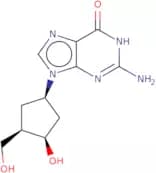
CAS:Carbocyclic 2'-deoxyguanosine is an analog of the nucleoside guanosine, and it is a prodrug that is converted to the active form, carbocyclic 2'-deoxyguanosin-8-yl-1-beta-D-arabinofuranoside, in vivo. This drug inhibits viral thymidine kinase and has been shown to be effective against HIV infection in clinical studies. Carbocyclic 2'-deoxyguanosine has been shown to inhibit virus proliferation by interfering with viral DNA synthesis and replication. It also blocks transcription of the HLA class I molecule by binding to its promoter region. Carbocyclic 2'-deoxyguanosine may have therapeutic potential for treating herpes simplex virus infections. The drug is being developed as an oral prodrug to treat patients with mild to moderate symptoms of herpes simplex virus infection.Formula:C11H15N5O3Purezza:Min. 95%Peso molecolare:265.27 g/mol2,5'-Anhydro-thymidine
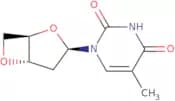
CAS:2,5'-Anhydro-thymidine is an analog of thymidine that is used in the diagnosis of women with suspected acute ischemic brain damage. It is a colony-stimulating factor that can be activated by the presence of inflammatory bowel disease or bowel disease. 2,5'-Anhydro-thymidine has been shown to cause ventricular dysfunction and to increase levels of brain natriuretic peptide in mice undergoing rotarod tests. The use of this compound has been shown to improve outcomes in animal models of acute ischemic brain damage and cancer.Formula:C10H12N2O4Purezza:Min. 95%Peso molecolare:224.21 g/mol5'-O-DMT-N2-Isobutyryl-2'-O-(2-methylacetamido)guanosine 3'-CE phosphoroamidite
5'-O-DMT-N2-Isobutyryl-2'-O-(2-methylacetamido)guanosine 3'-CE phosphoroamidite is a high purity, modified phosphoramidite that is used as an activator for the synthesis of DNA. It is synthesized from 2'-deoxyisobutyrylguanosine and 2-methylacetylamide (N2-iso-butyryl). 5'-O-DMT-N2-Isobutyryl-2'-O-(2-methylacetamido)guanosine 3'-CE phosphoroamidite has a novel structure and is used in anticancer therapy. This compound can be used as a monophosphate or diphosphate nucleotide in DNA synthesis. 5'-O-DMT-N2-Isobutyryl - 2'- O-(2 - methylacetamido)Purezza:Min. 95%2-Fluoroinosine
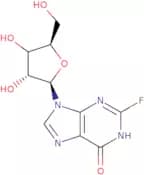
CAS:2-Fluoroinosine is a chemical that inhibits protein synthesis by blocking the attachment of amino acids to their corresponding tRNA molecules. This drug is used in the treatment of cancer, as it inhibits cell growth and prevents tumor cells from dividing. 2-Fluoroinosine has been shown to be effective against human leukaemia cells, with its inhibitory properties being due to its ability to dephosphorylate the enzyme RNA polymerase II. This drug also has anti-malarial properties and can be used for the treatment of Chagas disease. 2-Fluoroinosine is synthesized from xanthosine, which is an intermediate in purine metabolism and can be obtained from naturally occurring sources or chemically through a solid phase synthesis. 2-Fluoroinosine is activated by UV light and can be synthesized using single stranded DNA or synthetases such as those found in calf thymus tissue. The catalytic mechanism of this drug hasFormula:C10H11FN4O5Purezza:Min. 95%Peso molecolare:286.22 g/mol5'-Amino-2',5'-dideoxyuridine
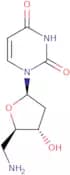
CAS:5'-Amino-2',5'-dideoxyuridine (5-ADU) is a pyrimidine nucleoside that is structurally similar to thymidylate, which it inhibits. 5-ADU is used in the treatment of viral infections and cancers, as well as in the prevention of radiation injury. It has been shown to be an effective antiviral agent against herpes virus and some DNA viruses, such as adenovirus, vaccinia virus, and poliovirus. 5-ADU also enhances the effects of azauridine and other pyrimidine nucleosides in bacterial enzymes such as E. coli. 5-ADU has not been shown to be active against uninfected cells or tissues.Formula:C9H13N3O4Purezza:Min. 95%Peso molecolare:227.22 g/mol2-Methanesulfonyl-pyrimidine
CAS:2-Methanesulfonyl-pyrimidine is a thiourea that is used as a catalyst in organic synthesis. It can be prepared by reacting phosphorus oxychloride with malonate and hydrochloric acid at temperatures of about 0°C to 150°C. The chloride anion is replaced by the sulfonyl chloride, which has high affinity for the 2-position of thiourea. This reaction leads to an intermediate that can be hydrolyzed with hydrochloric acid to produce 2-methanesulfonyl-pyrimidine. 2-Methanesulfonyl-pyrimidine is soluble in water and can be used as a catalyst in wastewater treatment processes, such as cyclic oxidation or oxychlorination reactions.Purezza:Min. 95%5’-O-DMT cET-N4-benzoylcytidine 3’-OCE amdite
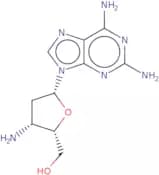
CAS:The LNA locks the ribose ring in a fixed configurationFormula:C49H56N5O9PPeso molecolare:889.97 g/mol2,6-Diamino-9-(3'-amino-2',3'-dideoxy-β-D-ribofuranosyl)purine
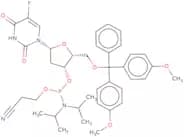
CAS:2,6-Diamino-9-(3'-amino-2',3'-dideoxy-b-D-ribofuranosyl)purine is an antiviral agent that inhibits the replication of the viral DNA by binding to the viral DNA and preventing its transcription into RNA. It has been shown to be active against herpes simplex virus type 1 (HSV-1) and human cytomegalovirus (HCMV). 2,6-Diamino-9-(3'-amino-2',3'-dideoxy-b-D-ribofuranosyl)purine is a modified nucleoside that can be used in various areas of research, including antiviral and anticancer activities.Formula:C10H15N7O2Purezza:Min. 95%Peso molecolare:265.28 g/mol2'-Deoxy-5'-O-DMT-5-fluorouridine 3'-CE phosphoramidite
CAS:2'-Deoxy-5'-O-DMT-5-fluorouridine 3'-CE phosphoramidite is a nucleoside analogue that inhibits the growth of cancer cells. It is used in the synthesis of oligonucleotides, which are used as drugs to treat cancers. This product has high purity and good quality and has been shown to be effective against cancer cells.
Formula:C39H46FN4O8PPurezza:Min. 95%Colore e forma:PowderPeso molecolare:748.8 g/mol2'-Deoxy-5-iodo-2-pytimidinone-D-ribose
2'-Deoxy-5-iodo-2-pytimidinone-D-ribose is a nucleoside with antiviral properties. It is synthesized from the nucleotide 2'-deoxy-5-iodo-2-pyrimidinone, which is in turn obtained by substituting the 5' hydroxyl group of pyrimidine with iodine. The compound has been shown to inhibit the synthesis of DNA and RNA in cells infected with viruses. 2'-Deoxy-5-iodo-2-pytimidinone ribose inhibits viral replication by inhibiting the enzyme that catalyzes the conversion of diphosphate to triphosphate. This prevents DNA synthesis, thus preventing viral replication.Purezza:Min. 95%5’-O-DMT cET-N6-benzoyladenosine 3’-OCE amidite
CAS:Please enquire for more information about 5'-ODMT cEt N-Bz A Phosphoramidite including the price, delivery time and more detailed product information at the technical inquiry form on this page
Formula:C49H54N7O8PPeso molecolare:899.97 g/molAdenosine-5'-carboxylic acid
CAS:Adenosine-5'-carboxylic acid is a pharmaceutical compound that is used as an anti-inflammatory agent. It is a synthetic, non-nucleoside adenine nucleotide analog that has been shown to have potent anti-inflammatory activity in vitro. Adenosine-5'-carboxylic acid inhibits the synthesis of prostaglandins and leukotrienes which are mediators of inflammation. It also inhibits the synthesis of protein kinase C, which plays a role in cell proliferation, differentiation and apoptosis. Adenosine-5'-carboxylic acid has also been found to inhibit the growth of glioma cells in tissue culture and human muscle cells in vivo. The mechanism for this effect may be due to its ability to inhibit DNA synthesis and induce apoptosis.Formula:C10H11N5O5Purezza:Min. 95%Peso molecolare:281.23 g/molN4-Benzoyl-5'-O-DMT-(2'-O, 4'-C-methylene)-5-methyl-a-cytidine 3'-CE phosphoramidite
N4-Benzoyl-5'-O-DMT-(2'-O, 4'-C-methylene)-5-methyl-a-cytidine 3'-CE phosphoramidite is a novel modified nucleoside that has antiviral and anticancer properties. It is synthesized by reacting the 3'-hydroxyl group of cytidine with 2,4,6-trimethoxybenzoyl chloride to form N4-(2',6'-dimethoxyphenyl)benzoylcytidine. This compound is then reacted with methylene bis(diethylamino)thiophene (2') and the 5' phosphoramidite of 5'-O-DMT-(2'-O, 4'-C-methylene)-5-methylcytidine. The product is an active synthetic nucleoside that can be used as a building block for other nucleosides or oligonucleotides.Purezza:Min. 95%
![1,3-Dimethyl-5-[4-(4,4,5,5-tetramethyl-[1,3,2]dioxaborolan-2-yl)-benzyl]-pyrimidine-2,4,6-trione](/_next/image/?url=https%3A%2Fstatic.cymitquimica.com%2Fproducts%2F3D%2Fthumb-webp%2FND44283.webp&w=3840&q=75)






![2-[2-(2-Naphthalenyl)ethoxy]adenosine](/_next/image/?url=https%3A%2Fstatic.cymitquimica.com%2Fproducts%2F3D%2Fthumb-webp%2FNN16559.webp&w=3840&q=75)





![5-[(Methylamino)methyl]uridine](/_next/image/?url=https%3A%2Fstatic.cymitquimica.com%2Fproducts%2F3D%2Fthumb-webp%2FNM159410.webp&w=3840&q=75)
![[1',2',3',4',5'-13C5]-4-Thiothymidine](/_next/image/?url=https%3A%2Fstatic.cymitquimica.com%2Fproducts%2F3D%2Fthumb-webp%2FNT35287.webp&w=3840&q=75)



![2-[2-(4-Fluorophenyl)ethoxy]adenosine](/_next/image/?url=https%3A%2Fstatic.cymitquimica.com%2Fproducts%2F3D%2Fthumb-webp%2FNF16548.webp&w=3840&q=75)