Nucleosidi
Trovati 3569 prodotti di "Nucleosidi"
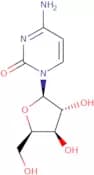
1-(b-D-Xylofuranosyl)cytosine
CAS:1-(b-D-Xylofuranosyl)cytosine is a nucleoside analog that is used in the treatment of cancer. It inhibits DNA replication by binding to the RNA template strand and blocking the incorporation of cytosine. 1-(b-D-Xylofuranosyl)cytosine has been shown to have an inhibitory effect on tumor cell lines, with a thermal expansion coefficient similar to biphenyl. The molecular weight of 1-(b-D-xylofuranosyl)cytosine is approximately 244 g/mol, which is greater than that of water (18 g/mol). 1-(b-D-xylofuranosyl)cytosine also binds to double stranded DNA with high affinity, leading to inhibition of protein synthesis and cell division. In addition, this compound has been shown to bind to naphthalene and form adducts with its hydroxyl groups.Formula:C9H13N3O5Purezza:Min. 95%Colore e forma:White To Off-White SolidPeso molecolare:243.22 g/molN4-(tert-Butylphenoxyacetyl)-5'-O-DMT-2'-O-methylcytidine 3'-CE phosphoramidite
N4-(tert-Butylphenoxyacetyl)-5'-O-DMT-2'-O-methylcytidine 3'-CE phosphoramidite is a modified nucleoside that inhibits DNA synthesis by inhibiting the activity of DNA polymerase. It has been shown to have anticancer effects in vitro and in vivo by inducing apoptosis and cell cycle arrest. This compound has also been shown to be more potent than other nucleosides, such as cytidine 5'-diphosphate (CDP) or cytidine 5'-monophosphate (CMP). This chemical is not yet commercially available but can be custom synthesized for research purposes.Formula:C52H64N5O10PPurezza:Min. 95%Peso molecolare:950.07 g/mol3'-O-tert-Butyldimethylsilyl-5'-O-DMT-uridine
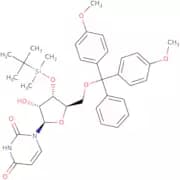
CAS:3'-O-tert-Butyldimethylsilyl-5'-O-DMT-uridine is a nucleoside that is modified with a tert-butyldimethylsilyl group at the 3' position. It is used as an activator for synthesizing oligonucleotides, ribonucleosides, and phosphoramidites. 3'-O-tert-Butyldimethylsilyl-5'-O-DMT-uridine has antiviral and anticancer properties. This product can be used in research applications such as the synthesis of novel DNA and RNA molecules, as well as for diagnostic purposes such as detecting viral infections.Formula:C36H44N2O8SiPurezza:Min. 95%Peso molecolare:660.83 g/molO6-Benzyl-N2,3-etheno guanosine
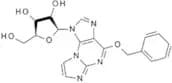
CAS:O6-Benzyl-N2,3-etheno guanosine is a phosphoramidite that can be used in the synthesis of DNA. It is a novel nucleoside analog with antiviral and anticancer properties. O6-Benzyl-N2,3-etheno guanosine has been shown to increase the antitumor activity of cisplatin in vitro and in vivo, as well as its ability to inhibit human immunodeficiency virus type 1 (HIV-1) replication. This compound also inhibits the replication of herpes simplex virus type 2 (HSV-2) without affecting the expression of cellular proteins. O6-Benzylguanosine is synthesized by reacting N2,3-ethenoguanosine with benzaldehyde in dichloromethane under microwave irradiation.Formula:C19H19N5O5Purezza:Min. 95%Peso molecolare:397.38 g/mol5-Amino-1-(2',3',5'-tri-O-acetyl-b-D-ribofuranosyl)-imidazole-4-carbonitrile
CAS:5-Amino-1-(2',3',5'-tri-O-acetyl-b-D-ribofuranosyl)-imidazole-4-carbonitrile is a novel nucleoside analogue that inhibits the viral enzyme ribonucleotide reductase. It has antiviral activity against the herpes viruses, cytomegalovirus, and Epstein Barr virus. 5AADC has also been shown to inhibit DNA synthesis in tumor cells. This compound is currently undergoing clinical trials as an anticancer agent.Formula:C15H18N4O7Purezza:Min. 95%Peso molecolare:366.33 g/molThymidine-3',5'-tetrabenzyldiphosphate
Thymidine-3',5'-tetrabenzyldiphosphate is a monophosphate analog of thymidine. It has been used as a building block for the synthesis of DNA, RNA, and phosphoramidites. Thymidine-3',5'-tetrabenzyldiphosphate is a novel nucleoside compound that has been shown to have anticancer and antiviral activities. This product is intended for research purposes only.Formula:C38H40N2O11P2Purezza:Min. 95%Peso molecolare:762.68 g/molAdenosine HCl
CAS:Adenosine is a nucleoside that is found in all cells. It plays an important role in the formation of ATP and as a neurotransmitter. Adenosine also acts on a receptor to promote vasodilation, improve cardiac contractility, and increase cardiac output. Adenosine has been found to be effective in preventing congestive heart failure in rats with myocardial infarction. In humans, adenosine has been shown to have beneficial effects on metabolic disorders such as diabetes mellitus and diabetic neuropathy. Adenosine HCl is an acid salt of adenosine that can be used for the treatment of coronary artery disease.Formula:C10H13N5O4·HClPurezza:Min. 95%Peso molecolare:303.7 g/molGemcitabine 5'-elaidate
CAS:Gemcitabine 5'-elaidate is an analog of gemcitabine that has hydrophobic properties. It has been shown to be active against solid tumours, including lung cancer. In a study on murine xenografts, gemcitabine 5'-elaidate was found to have the same degree of efficacy as gemcitabine in reducing tumour growth and increasing survival time. Gemcitabine 5'-elaidate also has good antitumour activity against infectious diseases such as HIV and malaria, which may be due to its ability to bind to the epidermal growth factor receptor (EGFR) on the surface of cells. This binding prevents EGFR from initiating cellular signaling.
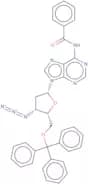
Formula:C27H43F2N3O5Purezza:Min. 95%Peso molecolare:527.66 g/mol3'-Azido-N4-benzoyl-5'-O-trityl-2',3'-dideoxyadenosine
3'-Azido-N4-benzoyl-5'-O-trityl-2',3'-dideoxyadenosine is a novel nucleoside that has been described as an activator of diphosphate. It is a modified deoxyribonucleoside, with the amino group in the ribose moiety replaced by an azido group. This nucleotide inhibits viral and cellular DNA synthesis by blocking DNA polymerase. 3'-Azido-N4-benzoyl-5'-O-trityl-2',3'-dideoxyadenosine can also be used for anticancer purposes, where it has been shown to inhibit cancer cell growth.Formula:C36H30N8O3Purezza:Min. 95%Peso molecolare:622.68 g/mol5'-O-DMT-inosine
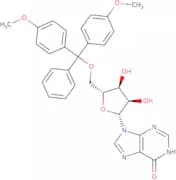
CAS:5'-O-DMT-inosine is a novel monophosphate nucleotide analogue. It is modified by the attachment of an aminooxy group to the 5' position of the pentose. This modification prevents ribonucleotide reductase from converting it into deoxyribonucleotides, which are then incorporated into DNA. 5'-O-DMT-inosine has been shown to be cytotoxic in human leukemia cells due to its ability to inhibit the synthesis of DNA and RNA.
Formula:C31H30N4O7Purezza:Min. 95%Peso molecolare:570.59 g/mol2'-Deoxynebularine
CAS:2'-Deoxynebularine is a nucleoside analog that has been shown to inhibit the replication of human immunodeficiency virus type 1 (HIV-1) in vitro. 2'-Deoxynebularine binds to the viral DNA and inhibits its synthesis by hydrogen bonding with the sugar-phosphate backbone. This inhibition prevents the production of new viral DNA and stops viral replication. The drug also inhibits cellular proliferation, which may be due to its ability to inhibit oxidative DNA damage in animal cells. This drug has been shown to inhibit enzyme activities in both human skin cells and leukemia cells, which may be due to its ability to act as a substrate for various enzymes. It is also an effective inhibitor of cellular protein synthesis.Formula:C10H12N4O3Purezza:Min. 95%Peso molecolare:236.23 g/mol4-Phenylpyrimidine-2-thiol
CAS:4-Phenylpyrimidine-2-thiol is a chemical compound that belongs to the group of elemental compounds. It has a density of 1.5 g/mL, a melting point of > 200 °C, and a boiling point of > 300 °C. 4-Phenylpyrimidine-2-thiol has been shown to exist as chains with assembled chains in the crystalline state. The crystals are composed of two molecules stacked on top of each other in an antiparallel orientation. The crystal structure was solved through x-ray crystallography and single-crystal x-ray diffraction. 4-Phenylpyrimidine-2-thiol is dimeric in solution and polymerizes in the solid state to form polymers with chains consisting of four phenylpyrimidine units. This compound has an elemental analysis consisting mainly of carbon and hydrogen, with small amounts of sulfur and nitrogen present.Formula:C10H8N2SPurezza:Min. 95%Peso molecolare:188.25 g/mol2'-Deoxy-N3-methylcytidine hydroiodide salt
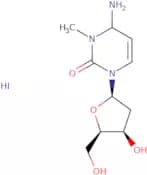
CAS:2'-Deoxy-N3-methylcytidine hydroiodide salt is a nucleoside and phosphoramidite. It is used as an anticancer agent that inhibits DNA synthesis. It also has antiviral and antitumor effects. The chemical name for 2'-deoxy-N3-methylcytidine hydroiodide salt is 2'-deoxy-N3-methylcytidine, monophosphate salt with hydroiodic acid. This drug does not have a CAS number because it's not commercially available.Formula:C10H17N3O4·HIPurezza:Min. 95%Colore e forma:PowderPeso molecolare:371.17 g/mol2-(1-Piperidinyl)-5-pyrimidinecarbaldehyde
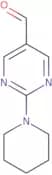
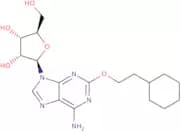
CAS:2-(1-Piperidinyl)-5-pyrimidinecarbaldehyde is an antiviral and anticancer phosphoramidite. It is a novel monophosphate nucleoside analogue that inhibits DNA synthesis by inhibiting the activity of ribonucleotide reductase. 2-(1-Piperidinyl)-5-pyrimidinecarbaldehyde has been shown to be effective against influenza virus, HIV, Herpes Simplex Virus, and human leukemia cells. This compound is not active against bacteria or fungi.Formula:C10H13N3OPurezza:Min. 95%Peso molecolare:191.23 g/mol2-(2-Cyclohexylethoxy)adenosine
CAS:2-(2-Cyclohexylethoxy)adenosine (CX-5461) is a new chemical entity that has been shown to have an incremental effect on muscle contraction. The mechanism of action of CX-5461 is not fully understood, but it has been shown to be nonselective and to bind to adenosine receptors. This binding produces a response in the cell similar to that of adenosine, which is a small molecule involved in the regulation of blood pressure and heart rate. CX-5461 also binds with platelet membranes at the site of inflammation and causes vasodilation. It has been shown to be effective in animal models of pertussis, where it reduces the severity of muscle spasms and increases the duration before death. These effects are due to CX-5461's ability to lower intracellular calcium concentrations by preventing calcium release from internal stores or from outside sources such as muscle cells or platelets.
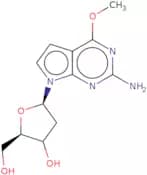
Formula:C18H27N5O5Purezza:Min. 95%Peso molecolare:393.44 g/mol7-Deaza-2'-deoxy-O6-methylguanosine
7-Deaza-2'-deoxy-O6-methylguanosine is a novel nucleoside phosphoramidite that is the first of its kind to have been shown to be an antiviral agent. It is also anticancerous and stimulates diphosphate synthesis. 7-Deaza-2'-deoxy-O6-methylguanosine is a highly reactive nucleoside phosphoramidite that reacts with DNA in the same manner as deoxyribonucleotides. The monophosphate form of this compound has been shown to be anticancerous and stimulate diphosphate synthesis. This novel compound has been shown to inhibit replication of human immunodeficiency virus type 1 (HIV-1) in vitro.
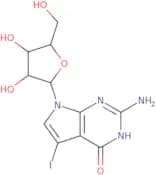
Formula:C12H16N4O4Purezza:Min. 95%Peso molecolare:280.28 g/mol7-Deaza-7-iodoguanosine
CAS:7-Deaza-7-iodoguanosine is a novel, synthetic nucleoside analog that has antiviral and anticancer activity. It is modified by the addition of a 7-deaza substituent at the 2′ position of the ribose ring. The phosphoramidite form of this compound can be used to synthesize DNA and RNA for use in research and gene therapy. 7-Deaza-7-iodoguanosine may have anticancer activity due to its ability to inhibit protein synthesis by binding to diphosphate kinase, which prevents ATP production and inhibits protein synthesis.Purezza:Min. 95%2'-Deoxy-2'-fluoroadenosine-5'-triphosphate
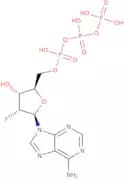
CAS:2'-Deoxy-2'-fluoroadenosine-5'-triphosphate is an analog of adenosine triphosphate (ATP). It inhibits the synthesis of RNA by binding to the ribonucleotide reductase enzyme. This inhibition leads to the inhibition of DNA synthesis, which in turn prevents cell division and/or causes cell death. The inhibitory effect of 2'-deoxy-2'-fluoroadenosine-5'-triphosphate on protein and DNA synthesis has been shown in vivo and in vitro using cell culture techniques. This compound inhibits topoisomerase II, a key enzyme in DNA replication, at high concentrations.
Formula:C10H15FNO12P3Purezza:Min. 95%Peso molecolare:509.18 g/mol2'-Deoxy-2'-fluorouridine-5'-triphosphate lithium salt - 100mM aqueous solution
2'-Deoxy-2'-fluorouridine-5'-triphosphate lithium salt is an antiviral drug that inhibits viral DNA replication by inhibiting viral polymerase. It is a novel nucleoside analogue with antiviral activity against RNA viruses, including influenza virus and HIV. 2'-Deoxy-2'-fluorouridine-5'-triphosphate lithium salt can be used as a precursor for the synthesis of modified monophosphate nucleosides, ribonucleosides and phosphoramidites. This product is supplied in high purity (98%) and high quality.Formula:C9H14N2O14P3F·xLiPurezza:Min. 95%Peso molecolare:486.13 g/molL-Cystine dihydrochloride
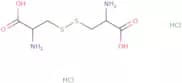
CAS:L-Cystine dihydrochloride is a white crystalline powder that is used to treat acute radiation syndrome. It is an amino acid that contains two cysteine residues linked by a disulfide bond. Cysteine is necessary for the formation of proteins and peptides, which are important in antibody production. L-Cystine dihydrochloride has been shown to increase the uptake of radioactive substances in cells. This drug also increases the amount of bioactive molecules such as glutathione, which protects cells from oxidative damage caused by radiation. The effects of L-cystine dihydrochloride are dose dependent, with higher doses leading to greater cellular death.
The unpaired cysteines in L-cystine dihydrochloride can react with each other, forming a new molecule called S-thiolactone. This reaction is catalyzed by porcine pancreatic lipase (PPLL), a membrane protein found in pancreatFormula:C6H14Cl2N2O4S2Purezza:Min. 95%Peso molecolare:313.2 g/mol4'-Thiothymidine
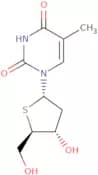
CAS:4'-Thiothymidine is a nucleoside analog that is used in antiviral therapy against herpes simplex virus. It inhibits the viral DNA polymerase, which prevents the virus from duplicating its genetic material. 4'-Thiothymidine has been shown to inhibit the uptake of 4-thiouracil by cells and to have anti-inflammatory properties. The drug has been found to be effective in inhibiting human adenocarcinoma cell lines in vitro and in vivo.Formula:C10H14N2O4SPurezza:Min. 95%Peso molecolare:258.30 g/molAdenosine 2',3'-O-phenylboronate
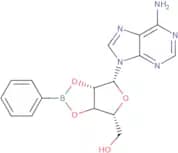
CAS:Adenosine 2',3'-O-phenylboronate is a nucleoside that is used as an antiviral and anticancer drug. It is used in the treatment of AIDS, leukemia, and lymphoma. Adenosine 2',3'-O-phenylboronate inhibits viral replication by preventing the formation of viral DNA. This nucleoside has also been shown to have antitumor properties and can be used to inhibit cancer cell growth. br>br> Adenosine 2',3'-O-phenylboronate can be modified with phosphoramidites, which allow for the synthesis of modified adenosine 2',3'-O-phenylboronates. These modifications include substituting one or more hydrogen atoms with a variety of substituents, including fluorines, chlorine, bromines, nitro groups, alkyl groups, alkoxy groups and others. This modification provides for a novel type of antiFormula:C16H16BN5O4Purezza:Min. 95%Peso molecolare:353.14 g/mol3'-Amino-N6-benzoyl-2'-O-tert-butyldimethylsilyl-5'-O-DMT-3'-deoxyadenosine
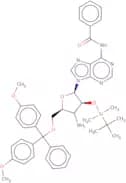
3'-Amino-N6-benzoyl-2'-O-tert-butyldimethylsilyl-5'-O-DMT-3'-deoxyadenosine is a nucleoside that is synthesized by the modification of deoxyadenosine. It has antiviral and anticancer properties, as well as other novel applications. The synthesis of this compound can be achieved in two steps: first, the amino group is attached to the 3' carbon atom of the sugar ring by reacting with N6-(benzoyl)adenine. In the second step, a silyl group is attached to the 5' carbon atom of the sugar ring by reacting with tert-butyldimethylchlorosilane and DMT (dimethoxytrityl).Formula:C44H50N6O6SiPurezza:Min. 95%Peso molecolare:786.99 g/molThymidylyl-(3′→5′)-thymidine ammonium salt
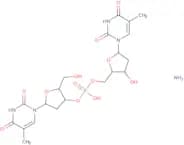
CAS:Thymidylyl-(3′→5′)-thymidine is a modified nucleoside that has antiviral activity. It is synthesized from thymidine, which is the deoxyribonucleotide of thymine and uracil, by phosphorylation with ATP. Thymidylyl-(3′→5′)-thymidine has been shown to be an activator of DNA polymerase in vitro and inhibits replication of human immunodeficiency virus (HIV) in cell cultures. This compound has been studied as a potential treatment for AIDS.Formula:C20H30N5O12PPurezza:Min. 95%Peso molecolare:563.5 g/mol2'-Deoxy-2'-fluoroinosine 5'-monophosphate lithium salt
2'-Deoxy-2'-fluoroinosine 5'-monophosphate lithium salt is a nucleoside analog that has been modified to contain a fluorine atom at the 2' position of the ribose sugar. This agent is an activator of DNA polymerase and can be used in the synthesis of oligonucleotides. It is also an antiviral and anticancer agent.Formula:C10H12FN4O7P·xLiPurezza:Min. 95%Peso molecolare:350.2 g/mol5'-Ethylcarboxamido-2-iodoadenosine
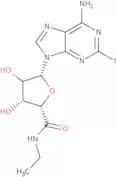
CAS:5'-Ethylcarboxamido-2-iodoadenosine is a novel antiviral drug that belongs to the class of deoxyribonucleosides. It has been shown to inhibit viral replication at the level of DNA synthesis and RNA transcription. 5'-Ethylcarboxamido-2-iodoadenosine has shown activity against cancer cells as well as antiviral activity against HIV and influenza virus. This compound has also been shown to be an activator of phosphoramidites, which are used in many industrial chemical reactions. 5'-Ethylcarboxamido-2-iodoadenosine is synthesized from 2',3'-dideoxyadenosine by replacing the 3' hydroxyl group with ethyl carboxamide group. It is then reacted with iodine to give the final product, 5'-ethylcarboxamido-2-iodoadenosine.Formula:C12H15IN6O4Purezza:Min. 95%Peso molecolare:434.19 g/mol2'-Deoxy-5'-O-DMT-guanosine
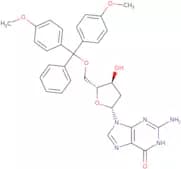
CAS:2'-Deoxy-5'-O-DMT-guanosine is a purine nucleoside that is converted to 2'-deoxy-5'-O-DMT-adenosine by the enzyme deoxyadenosyltransferase. This conversion is necessary for the synthesis of adenosylcobalamin, which is essential for the methylation of homocysteine to methionine. 2'-Deoxy-5'-O-DMT-guanosine has been shown to have cancer chemopreventive effects in vitro and in vivo. It also has been shown to enhance dna hybridization and hydrophobic interactions with cancerous cells, which may be due to its ability to inhibit gene expression.
Formula:C31H31N5O6Purezza:Min. 95%Peso molecolare:569.61 g/mol5-Vinylcytidine
CAS:5-Vinylcytidine is a nucleoside analog used in research to study DNA demethylation. It is an orthogonal molecule that can be used in assays to distinguish between different types of methylases. 5-Vinylcytidine is able to oxidize and formylate the N5 position of thymine, which leads to DNA demethylation. The mechanism of this process is not fully understood, but it may involve translocation or homologous recombination. 5-Vinylcytidine has been shown to react with alkyl groups, leading to its use as a probe for biochemical reactions involving methyltransferase enzymes.
Purezza:Min. 95%2'-Ethylfluoro-5'-O-DMT-5-methylcytidine
2'-Ethylfluoro-5'-O-DMT-5-methylcytidine is a novel antiviral agent that is synthesized from 2'-deoxyribonucleosides. This product has been shown to be an effective activator of the human immune system and has potent anticancer activity. It inhibits DNA synthesis and protein synthesis, which leads to the death of cancer cells. In addition, this product has a high purity and high quality.Purezza:Min. 95%N6-2-(4-Aminophenyl)ethyladenosine
CAS:N6-2-(4-Aminophenyl)ethyladenosine is a carbamazepine prodrug that is converted to the active form, carbamazepine, by esterases. It has been shown to inhibit the binding of adenosine to adenosine receptor subtypes and to have an antagonistic effect on the activity of endogenous adenosine at these receptors. N6-2-(4-Aminophenyl)ethyladenosine has also been shown to act as an antagonist at the A3 adenosine receptor. This drug has been shown to reduce bronchoconstrictor responses in animal models and may be used for treating asthma.
N6-2-(4-Aminophenyl)ethyladenosine has also been shown in vitro studies using human papillary muscle cells to enhance polymerase chain reactions (PCR).Purezza:Min. 95%(5'S)-2'-Deoxy-8,5'-cycloadenosine
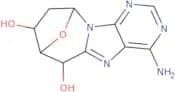
CAS:(5'S)-2'-Deoxy-8,5'-cycloadenosine is a nucleoside analog that blocks the synthesis of DNA. It is a glycosylated nucleoside that contains an 8-carbon fatty acid chain linked to the 5’ carbon of the sugar ring. This compound is formed from the reaction of (5'S)-2'-deoxyadenosine and dicyclohexylcarbodiimide. The biological properties of this drug are not well understood, but it has been shown to be reactive with physiological levels and able to induce neuronal death in an experimental model. The mechanism for this effect is unknown, but may involve intramolecular hydrogen bonding or hydrolysis by esterases. A molecular docking analysis was performed to study the binding affinity between (5'S)-2'-deoxy-8,5'-cycloadenosine and human mda-mb-231 breast cancer cells. This analysis showed that wild
Formula:C10H11N5O3Purezza:Min. 95%Peso molecolare:249.23 g/mol2'-Bromo-2'-deoxy-3'-O-methanesulfonyluridine
2'-Bromo-2'-deoxy-3'-O-methanesulfonyluridine is a nucleoside analogue that acts as an activator of the human immunodeficiency virus (HIV). It is thought to work by binding to the viral reverse transcriptase enzyme, which converts the RNA genome into DNA. This prevents the virus from replicating and producing new viruses. 2'-Bromo-2'-deoxy-3'-O-methanesulfonyluridine has also been shown to be active against other viruses such as herpes simplex virus type 1 (HSV1) and influenza A virus.Purezza:Min. 95%2'-Deoxy-6N-DMF-5'-O-DMT-adenosine
CAS:2'-Deoxy-6N-DMF-5'-O-DMT-adenosine is a novel antiviral agent that is activated by phosphoramidites and has high quality, high purity, and good stability. It has been shown to inhibit the replication of DNA by binding to the 3' hydroxyl group of deoxyribonucleotides. 2'-Deoxy-6N-DMF-5'-O-DMT-adenosine also inhibits the synthesis of RNA by binding to nucleoside monophosphates. This compound is synthesized in a modified form as an analog of adenosine and has been shown to be active against herpes simplex virus type 1 (HSV1).Formula:C34H36N6O5Purezza:Min. 95%Colore e forma:White Off-White PowderPeso molecolare:608.274728-Bromo-2'-deoxy-N2-DMF-5'-O-DMT-guanosine 3'-CE phosphoramidite
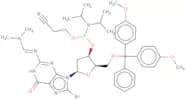
CAS:8-Bromo-2'-deoxy-N2-DMF-5'-O-DMT guanosine 3'-CE phosphoramidite is a novel synthetic phosphoramidite and activator for the synthesis of oligodeoxynucleotides. The product is a white to off-white powder with a purity of 99% and an average molecular weight of 635.8. It has been used in the synthesis of oligonucleotides as an activator and monophosphate, including DNA, RNA, and PNA (peptide nucleic acid). 8-Bromo-2'-deoxy-N2-DMF 5'-O DMT guanosine 3'-CE phosphoramidite may be used as an anticancer drug or antiviral agent.Formula:C43H52BrN8O7PPurezza:Min. 95%Peso molecolare:903.82 g/molN2-Methylguanosine-3',5'-cyclic monophosphate
CAS:N2-Methylguanosine-3',5'-cyclic monophosphate is a synthetic nucleoside that is the cyclic monophosphate analog of guanosine. It has antiviral, anticancer, and anti-inflammatory properties. N2-Methylguanosine-3',5'-cyclic monophosphate has been shown to inhibit viral replication in cells by inhibiting the synthesis of viral DNA and RNA. This compound also inhibits cancer cell growth in culture. The antiviral activity may be due to methylation at the 2' position of the sugar moiety, which prevents viral reverse transcriptase from copying viral RNA into DNA. The anticancer activity may be due to inhibition of ribonucleotide reductase and deoxyribonucleotide reductase, which are enzymes that maintain nucleotide pools necessary for DNA synthesis.Formula:C11H13N5O7P·NaPurezza:Min. 95%Peso molecolare:381.21 g/mol2-Amino-6-chloro-7-methyl-9-(b-D-ribofuranosyl)purine
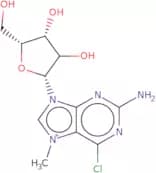
CAS:2-Amino-6-chloro-7-methyl-9-(b-D-ribofuranosyl)purine is a nucleoside which is the structural analog of adenosine and is used in the synthesis of DNA, RNA, and other nucleosides. It has antiviral activity against herpes simplex virus type 1 and 2, Epstein Barr virus, poliovirus types 1, 2, and 3, and vesicular stomatitis virus. This compound also has anticancer activity. 2-Amino-6-chloro-7-methyl-9-(b-D ribofuranosyl) purine can be used to synthesize deoxyribonucleosides or monophosphate nucleotides. It can also be used as an intermediate for phosphoramidites in the synthesis of DNA or RNA.Formula:C11H16ClN5O4Purezza:Min. 95%Peso molecolare:317.73 g/molN-Benzoyl-5'-O-(bis(4-methoxyphenyl)phenylmethyl)-2'-O-(2-methoxyethyl)adenosine
CAS:N-Benzoyl-5'-O-(bis(4-methoxyphenyl)phenylmethyl)-2'-O-(2-methoxyethyl)adenosine is a synthetic nucleoside that is an activator of DNA polymerase and has antiviral activities. It is also used in the synthesis of deoxyribonucleosides, phosphoramidites, and ribonucleosides.Formula:C41H41N5O8Purezza:Min. 95%Colore e forma:White PowderPeso molecolare:731.79 g/mol2',3'-Cyclic guanosine monophosphate-adenosine monophosphate
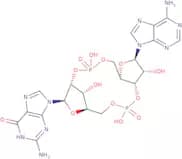
CAS:cyclic guanosine monophosphate (cGMP) is increasingly recognized as having widespread consequences for human health which include regulation of biofilm formation as well as virulence. It has now been identified as a specific and high affinity ligand for the GEMM class of bacterial riboswitches that regulate gene expression.Formula:C20H24N10O13P2Purezza:Min. 95%Peso molecolare:674.41 g/mol2-tert-Butylpyrimidine-5-carbaldehyde
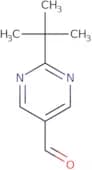
CAS:2-tert-Butylpyrimidine-5-carbaldehyde (2BP) is a potent, selective inhibitor of DNA polymerase that is expressed in the tibia during bone development. 2BP has been shown to inhibit platelet-derived growth factor (PDGF)-induced angiogenesis in mouse calvaria and animal research models. This compound also inhibits the proliferation of basic fibroblasts and cancer cells in vitro.Formula:C9H12N2OPurezza:Min. 95%Peso molecolare:164.2 g/mol2'-O-tert-Butyldimethylsilyl-N2-isobutyrylguanosine
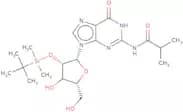
CAS:2'-O-tert-Butyldimethylsilyl-N2-isobutyrylguanosine is an antiviral nucleoside that has been shown to inhibit the activity of a novel human DNA polymerase. This nucleoside is a monophosphate, CAS No. 182007-86-9, and is highly reactive with various phosphoramidites. 2'-O-tert-Butyldimethylsilyl-N2-isobutyrylguanosine is synthesized by the reaction of guanosine with dimethylchlorosilane in the presence of triethylamine. It can be used as a building block for synthesis of oligodeoxyribonucleotides or modified ribonucleotides.Formula:C20H33N5O6SiPurezza:Min. 95%Colore e forma:PowderPeso molecolare:467.59 g/mol(4-N,N-(Dipropyl-1,1-diido-2-)aminophenyl)(5'-deoxy-5'-glycylamino-2'-O-tetrahydropyranylcytidyl-3')hydrogen phosphate
This is an activator, CAS No. is not available, Anticancer, monophosphate, Deoxyribonucleosides, Novel, Synthetic, High purity, High quality, Modified. It is a nucleoside phosphoramidite that contains a modified phosphate group at the 5' position and can be used in the synthesis of oligonucleotides or polynucleotides. This compound is also an antiviral and diphosphate.Purezza:Min. 95%4-(4-Methoxyphenyl)-2-pyrimidinethiol
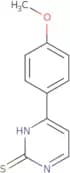
CAS:4-(4-Methoxyphenyl)-2-pyrimidinethiol is a synthetic nucleoside analog. It is a monophosphate that inhibits the production of RNA by inhibiting ribonucleotide reductase. 4-(4-Methoxyphenyl)-2-pyrimidinethiol has antiviral properties and can be used to treat infections caused by herpes simplex virus or HIV. This compound also has anticancer activity and can inhibit DNA synthesis in tumor cells. 4-(4-Methoxyphenyl)-2-pyrimidinethiol can also inhibit bacterial growth and is used as an antibiotic for Mycobacterium tuberculosis, Mycobacterium avium, and other bacteria.Formula:C11H10N2OSPurezza:Min. 95%Peso molecolare:218.28 g/molN4-Benzoyl-1-(2'-deoxy-5'-O-DMT-2'-fluoro-b-D-arabinofuranosyl)-5-methylcytosine-3'-O-succinate triethylammonium salt
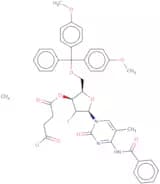
N4-Benzoyl-1-(2'-deoxy-5'-O-DMT-2'-fluoro-b-D-arabinofuranosyl)-5-methylcytosine-3'-O-succinate triethylammonium salt is a synthetic nucleoside. It is used for the treatment of HIV infection. N4-Benzoyl-1-(2'-deoxy-5'-O-DMT)-2'-fluoro -b -D -arabinofuranosyl) -5 methylcytosine (ADT) inhibits viral replication by inhibiting the activity of reverse transcriptase, which is an enzyme that synthesizes DNA from RNA. ADT is activated to its active form by phosphorylation with a kinase and then converted to diphosphate ADP by the enzyme pyrophosphatase. ADP then acts as a substrate for DNA polymerases, incorporating into newly synthesized DNA
Formula:C42H40FN3O10·C6H16NPurezza:Min. 95%Peso molecolare:868 g/molN4-Benzoyl-2'-deoxy-5'-O-DMT-3'-O-(methanesulfonyl)cytidine
N4-Benzoyl-2'-deoxy-5'-O-DMT-3'-O-(methanesulfonyl)cytidine is a novel nucleoside with anticancer and antiviral activities. It is synthesized by reacting 4-benzoyl cytidine with 2'-deoxy-5'-O-DMT, followed by the treatment with methanesulfonyl chloride. This compound can be used as an activator of DNA polymerase. It has also been shown to be effective against HIV in vitro.Purezza:Min. 95%N4-Benzoyl-3'-O-tert-butyldimethylsilyl-5'-O-DMT-cytidine 2'-CE phosphoramidite
N4-Benzoyl-3'-O-tert-butyldimethylsilyl-5'-O-DMT-cytidine 2'-CE phosphoramidite is a monophosphate nucleotide analog that inhibits the growth of cancer cells by binding to DNA and inhibiting the synthesis of RNA. This drug is a novel, modified nucleoside with anticancer properties. It binds to DNA and inhibits the synthesis of RNA, which may be due to its ability to inhibit the enzyme ribonucleotide reductase. N4-Benzoyl-3'-O-tert-butyldimethylsilyl-5'-O-DMT-cytidine 2'-CE phosphoramidite also has antiviral activity against HIV and Herpes Simplex Virus Type 1 (HSV1).Formula:C52H66N5O9PSiPurezza:Min. 95%Peso molecolare:964.17 g/molRibavirin 5'-monophosphate sodium salt
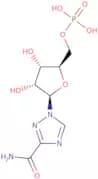
CAS:Ribavirin is an antiviral drug that is used in the treatment of a number of viral infections, including chronic hepatitis C, respiratory syncytial virus, and influenza. Ribavirin inhibits the synthesis of RNA by interfering with ribonucleotide reductase. Ribavirin 5'-monophosphate sodium salt (RPMPS) is a prodrug that is hydrolyzed to form ribavirin 5'-triphosphate (RTP). This active form inhibits the polymerase chain reaction by binding to DNA polymerase. Ribavirin has been shown to be effective against cell lines resistant to other antiviral drugs such as zirconium oxide. RPMPS has also been shown to be an inhibitor of structural analysis and energy metabolism in erythrocytes.Formula:C8H13N4O8P·xNaPurezza:Min. 95%Colore e forma:PowderPeso molecolare:324.18 g/mol2-(2-Methoxyethyl)pyrimidine-5-carbaldehyde
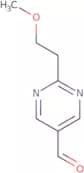
CAS:2-(2-Methoxyethyl)pyrimidine-5-carbaldehyde is a modified nucleoside that has been shown to be an effective antiviral and anticancer agent. This compound inhibits viral replication by blocking the synthesis of viral DNA, and also exhibits cytotoxic activity against cancer cells. 2-(2-Methoxyethyl)pyrimidine-5-carbaldehyde is an activator of ribonucleotide reductase and deoxyribonucleotide reductase and can be used in the synthesis of nucleosides, DNA, or phosphoramidites.Formula:C8H10N2O2Purezza:Min. 95%Peso molecolare:166.18 g/molFluorescein-5(6)-carboxamidocaproyl-(5-[3-aminoallyl]uridine 5'-triphosphate) - 1 mM aqueous solution
CAS:Fluorescein-5(6)-carboxamidocaproyl-(5-[3-aminoallyl]uridine 5'-triphosphate) is a novel antiviral compound that is an activator of ribonucleoside and deoxyribonucleoside phosphorylation. It has been shown to selectively inhibit the proliferation of cancer cells, and to be cytotoxic to human leukemia cells in vitro. The compound is also able to inhibit HIV replication in vitro. Fluorescein-5(6)-carboxamidocaproyl-(5-[3-aminoallyl]uridine 5'-triphosphate) - 1 mM aqueous solution is a high purity product with CAS No. 134367-01-4 that can be used as a synthetically modified DNA or RNA building block for the production of phosphoramidites. This product has been shown to be cytotoxic against human leukemia cells in
Formula:C39H41N4O22P3Purezza:Min. 95%Peso molecolare:1,010.68 g/mol1-[(5E)-5',6'-Dideoxy-6'-diethoxylphosphinyl-2'-O-methyl-b-D-ribo-hex-5-enofuranosyl]uracil 3'-CE phosphoroamidite
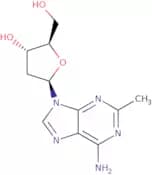
1-[(5E)-5',6'-Dideoxy-6'-diethoxylphosphinyl-2'-O-methyl-b-D-ribo-hex-5-enofuranosyl]uracil 3'-CE phosphoroamidite is a nucleoside analog that is a modified form of uracil. It has been shown to inhibit the growth of cancer cells in vitro and in vivo. 1-[(5E)-5',6'-Dideoxy-6'-diethoxylphosphinyl-2'-O-methyl-b-D-ribo-hex-5-enofuranosyl]uracil 3'-CE phosphoroamidite inhibits cellular proliferation by blocking the enzyme ribonucleotide reductase, which plays an essential role in DNA synthesis. This drug also inhibits viral replication by inhibiting reverse transcriptase and integrase, key enzymes in the life cycle of retroviruses andFormula:C22H36N4O9P2Purezza:Min. 95%Peso molecolare:562.49 g/mol2’-Deoxy-2-methyladenosine
CAS:2’-Deoxy-2-methyladenosine is a nucleoside that is chemically synthesized by the phosphorylation of 2,6-diaminopurine. It has been shown to be an effective activator of RNA polymerase and it also has anticancer properties. 2’-Deoxy-2-methyladenosine can be used as a substitute for thymidine in DNA synthesis. This nucleoside has also been shown to inhibit bacterial growth in culture by inhibiting DNA synthesis and protein synthesis. It is a modified nucleoside that can be used for the synthesis of DNA, RNA, or ribonucleic acids. The CAS number for this compound is 110952-90-4.
Purezza:Min. 95%Ref: 3D-ND163169
1gPrezzo su richiesta50mg1.734,00€100mg2.229,00€250mg4.221,00€500mgPrezzo su richiesta


















![Fluorescein-5(6)-carboxamidocaproyl-(5-[3-aminoallyl]uridine 5'-triphosphate) - 1 mM aqueous solut…](/_next/image/?url=https%3A%2Fstatic.cymitquimica.com%2Fproducts%2F3D%2Fthumb-webp%2FNF139015.webp&w=3840&q=75)
![1-[(5E)-5',6'-Dideoxy-6'-diethoxylphosphinyl-2'-O-methyl-b-D-ribo-hex-5-enofuranosyl]uracil 3'-CE …](/_next/image/?url=https%3A%2Fstatic.cymitquimica.com%2Fproducts%2F3D%2Fthumb-webp%2FPD76593.webp&w=3840&q=75)