Nucleosidi
Trovati 3569 prodotti di "Nucleosidi"
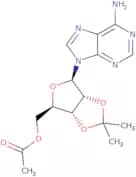
5'-O-Acetyl-2',3'-O-isopropylideneadenosine
CAS:5'-O-Acetyl-2',3'-O-isopropylideneadenosine is an anti-leishmanial agent that is synthesized from 2,3-O-isopropylideneadenosine by acetylating the 5' hydroxyl group. It was found to be more potent than the parent compound and other related compounds in inhibiting Leishmania amazonensis promastigotes. The proposed mechanism of action of 5'-O-acetyl-2',3'-O-isopropylideneadenosine involves hydrogen bonding with the guanosine moiety of DNA and inhibition of RNA synthesis. This drug also has an effect on carbonyl oxygens and resonances, which are observed in the nmr spectra. The synthetic scheme for this drug starts with uridine, which is converted to cytidine by reacting it with sodium cyanide in aqueous solution at 0°C. Cytidine
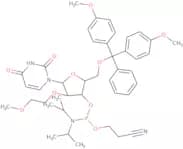
Formula:C15H19N5O5Purezza:Min. 95%Colore e forma:PowderPeso molecolare:349.34 g/mol5'-O-DMT-2'-O-(2-methoxyethyl)uridine 3'-CE phosphoramidite
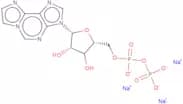
CAS:Building block for the introduction of uridine units into oligonucleotidesFormula:C42H53N4O10PPurezza:Min. 95%Peso molecolare:804.86 g/mol1,N6-Ethenoadenosine-5'-diphosphate, Sodium salt
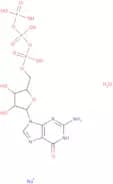
CAS:Emission max - 415nmMolar extinction coefficient ε [L·mol⁻¹·cm⁻¹] - 6000Fluorescent analogue of 5'-ADP, NA10698Formula:C12H15N5O10P2Purezza:Min. 95%Peso molecolare:451.22 g/molGuanosine 5'-triphosphate trisodium hydrate
CAS:Guanosine 5'-triphosphate trisodium hydrate is a novel antiviral agent that was discovered in the course of a research program to find new antiviral agents. It is an activator of guanylyl cyclase and it has been shown to have high quality and high purity. Guanosine 5'-triphosphate trisodium hydrate binds to ribonucleosides and deoxyribonucleosides, preventing their incorporation into viral DNA or RNA. This compound also has anticancer activity.Formula:C10H18N5NaO15P3Purezza:Min. 95%Peso molecolare:564.19 g/mol5-Azido-2'-deoxyuridine
CAS:5-Azido-2'-deoxyuridine is a diazonium salt that inhibits the replication of DNA. This compound is synthesized using natural compounds, including 5-azidouracil and formamide. The structure of this compound has been shown to be chromatographically similar to uridine and binds to DNA in vitro. It also has been shown to have biological properties that inhibit the growth of trichomonas vaginalis and dna replication. 5-Azido-2'-deoxyuridine is not very stable in dimethylformamide but can be stored at −20°C for up to two years.Purezza:Min. 95%Thymidine 5'- triphosphate-3'-monophosphate
CAS:Thymidine 5'-triphosphate-3'-monophosphate is a nucleoside that is used in the synthesis of DNA. It is an activator of anticancer drugs, and has been shown to have antiviral properties. Thymidine 5'-triphosphate-3'-monophosphate can be used for the treatment of viral diseases such as herpes simplex virus type 1 (HSV-1), herpes simplex virus type 2 (HSV-2), cytomegalovirus (CMV), and human immunodeficiency virus (HIV) infection. This nucleoside also plays a role in the prevention of tumor growth and metastasis because it inhibits DNA synthesis.Formula:C10H18N2O17P4Purezza:Min. 95%Peso molecolare:562.15 g/mol2',3'-Anhydroinosine
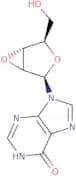
CAS:2',3'-Anhydroinosine is an analog of the purine nucleoside inosine, which has been synthesized by catalytic dehalogenation of 2-fluoro-adenosine. The synthesis of this compound is based on a chemical reaction between 2-fluoro-adenosine and sodium hydroxide. This reaction produces 2',3'-anhydroinosine as a byproduct. 2',3'-Anhydroinosine inhibits the enzyme purine nucleoside phosphorylase, which prevents the conversion of inosine to hypoxanthine. This prevents purines from being used for protein synthesis, leading to cell death.Formula:C10H10N4O4Purezza:Min. 95%Peso molecolare:250.21 g/mol6-Chloropurine-9-b-D-glucoside
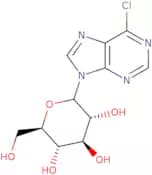
CAS:6-Chloropurine-9-b-D-glucoside is a nucleoside that belongs to the family of modified nucleosides. It is used as an activator and a phosphoramidate in the synthesis of oligonucleotides. 6-Chloropurine-9-b-D-glucoside is also used in anticancer therapy because it inhibits DNA, RNA, and protein synthesis. 6CPG has antiviral activity against herpes virus and other viruses. This compound has been shown to have antiinflammatory activities by inhibiting the production of prostaglandins. 6CPG is also classified as a carcinogen by the International Agency for Research on Cancer (IARC).
Formula:C11H13CIN4O5Purezza:Min. 95%Peso molecolare:420.16 g/mol2'-O-tert-Butyldimethylsilyl-5'-O-DMT-N2-methylguanosine 3'-CE phosphoramidite
2'-O-tert-Butyldimethylsilyl-5'-0-DMT-N2-methylguanosine 3'-CE phosphoramidite can be used as a building block for the incorporation of N2-methylguanosine (m2G) into oligoribonucleotides by standard automated RNA solid-phase synthesis. Nucleosides that are methylated at their nucleobase account for the second largest number of naturally occurring nucleoside modifications after 2’-O methylation. They are encountered in all major RNA species, such as tRNA, rRNA, snRNA and mRNA.Formula:C47H64N7O8PSiPurezza:Min. 95%Peso molecolare:914.11 g/mol4-(2-Cyanoethylthio)-5'-O-DMT-thymidine 3'-CE phosphoramidite
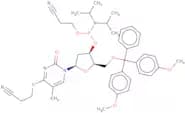
4-(2-Cyanoethylthio)-5'-O-DMT-thymidine 3'-CE phosphoramidite is a novel, modified nucleoside with antiviral activity. It is activated by the addition of a DMT group to its 5' end and has an anticancer effect. The monophosphate form of 4-(2-Cyanoethylthio)-5'-O-DMT-thymidine 3'-CE phosphoramidite has been shown to inhibit viral DNA synthesis in vitro and to be cytotoxic against human cancer cell lines. 4-(2-Cyanoethylthio)-5'-O-DMT- thymidine 3'-CE phosphoramidite is a high quality, high purity product that can be used as a nucleoside or nucleotide in anticancer drugs.Formula:C43H52N5O7PSPurezza:Min. 95%Peso molecolare:813.96 g/molN6-Acetyl-2'-deoxy-5'-O-DMT-adenosine 3'-CE phosphoramidite
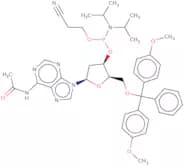
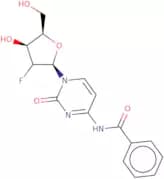
CAS:N6-Acetyl-2'-deoxy-5'-O-DMT-adenosine 3'-CE phosphoramidite is a novel, modified, activator with antiviral and anticancer properties. It is the monophosphate of the acetylated 2'-deoxyadenosine 3'-cyanoethylphosphoramidite and has been shown to be effective in inhibiting DNA synthesis in cell cultures. This product is synthesized using high purity reagents and purification techniques.Formula:C42H50N7O7PPurezza:Min. 95%Colore e forma:SolidPeso molecolare:795.86 g/molN4-Benzoyl-1-(2'-deoxy-2'-fluoro-b-D-arabinofuranosyl)cytosine
N4-Benzoyl-1-(2'-deoxy-2'-fluoro-β-D-arabinofuranosyl)cytosine is a nucleoside analogue that inhibits HIV reverse transcriptase. It is a monophosphate and a diphosphate, which are activated by phosphorylation to form the active triphosphate. N4-Benzoyl-1-(2'-deoxy-2'-fluoro-β-D-arabinofuranosyl)cytosine has been shown to be an antiviral and anticancer agent. This compound has been modified with an aromatic benzoyl group at position 4 of the sugar moiety in order to block the interaction with the viral polymerase.Formula:C16H16FN3O5Purezza:Min. 95%Peso molecolare:349.32 g/molCytidine-5'-phosphate-3'-(6-aminohexyl)phosphate-biotin triethylammonium salt - 1 mM aqueous solution (10 mM Tris-HCl)
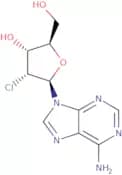
Cytidine-5'-phosphate-3'-(6-aminohexyl)phosphate-biotin triethylammonium salt - 1 mM aqueous solution (10 mM Tris-HCl) is a nucleoside phosphate activator with antiviral effects. It has been successfully synthesized and shown to be an effective anticancer agent. Cytidine-5'-phosphate-3'-(6-aminohexyl)phosphate-biotin triethylammonium salt - 1 mM aqueous solution (10 mM Tris-HCl) is modified from cytidine, which contains the amino acid L-alanine in place of D-alanine. This modification increases the stability and bioavailability of this molecule. Cytidine, or cytidylate, is a nucleoside phosphate that is widely used in biochemistry as an activator for other nucleosides or as a substrate for enzymesFormula:C25H42N6O13P2S1Purezza:Min. 95%Colore e forma:Colorless PowderPeso molecolare:728.65 g/mol2’-Chloro-2’-deoxyadenosine
CAS:2’-Chloro-2’-deoxyadenosine (2CDA) is a synthetic nucleoside analogue that is used as an antineoplastic agent for the treatment of non-Hodgkin lymphoma and histiocytic lymphoma. It is typically used in combination with other cytotoxic drugs. 2CDA has been shown to be effective against resistant tumor cell lines and has been used to treat patients with metastatic breast cancer, Hodgkin lymphoma, and multiple myeloma. The drug can cause thrombocytopenia, which may be due to its effects on platelets or bone marrow cells. Other toxicities include bone marrow suppression, nausea, vomiting, diarrhea, anorexia, and liver damage. Patients who are at risk for these toxicities should be closely monitored.
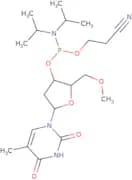
Formula:C10H12ClN5O3Purezza:Min. 95%Colore e forma:PowderPeso molecolare:285.69 g/mol5'-o-Methyl-dt cep
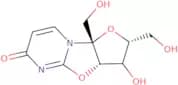
CAS:5'-o-Methyl-dt cep is a modified phosphoramidite that has been synthesized to provide a novel, highly active anticancer and antiviral agent. It is used as an activator for the synthesis of DNA or RNA in the nucleoside or deoxyribonucleoside pathway. 5'-o-Methyl-dt cep could be used in the treatment of HIV, Hepatitis C, and other viral infections.Formula:C20H33N4O6PPurezza:Min. 95%Peso molecolare:456.5 g/mol2,3'-Anhydro-1-b-D-fructofuranosyluracil
CAS:2,3'-Anhydro-1-b-D-fructofuranosyluracil is a novel nucleoside that is activated by phosphorylation. It is a potential antiviral and anticancer agent. This compound has shown to be an effective inhibitor of HIV replication in vitro. It has also been shown to inhibit the growth of human cancer cells in vitro and in vivo.Formula:C10H12N2O6Purezza:Min. 95%Peso molecolare:256.21 g/molN6-Benzoyl-2'-deoxy-5'-O-DMT-adenosine 3'-Rp-oxazaphospholidine
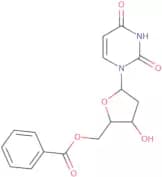
N6-Benzoyl-2'-deoxy-5'-O-DMT-adenosine 3'-Rp-oxazaphospholidine is an activator of DNA polymerase. It has been shown to be a potent inhibitor of viral replication and an anticancer agent in vitro. The compound has also been shown to inhibit the growth of tumor cells in vivo. N6-Benzoyl-2'-deoxy-5'-O-DMT-adenosine 3'-Rp-oxazaphospholidine is a novel nucleoside analogue that has not been previously reported.Purezza:Min. 95%5'-O-Benzoyl-2'-deoxyuridine
CAS:5'-O-Benzoyl-2'-deoxyuridine is a synthetic nucleoside that is a component of DNA. 5'-O-Benzoyl-2'-deoxyuridine is used as an antiviral agent and for the treatment of some cancers, including lymphomas, leukemia, and certain types of solid tumors. It has also been shown to be effective in the treatment of hepatitis B virus infection. This compound inhibits viral replication by competing with natural nucleosides for incorporation into DNA and RNA. 5'-O-Benzoyl-2'-deoxyuridine binds to double helix DNA at the groove between adenine and thymine bases and prevents further binding of nucleotides to this site. It also inhibits viral DNA synthesis by preventing conversion of ribonucleotides to deoxynucleosides. This drug is not active against bacteria or fungi; however, it can cause serious side effects such as pancreatitis and liver toxicity.Formula:C16H16N2O6Purezza:Min. 95%Peso molecolare:332.32 g/molN4-Benzoyl-5'-O-DMT-2'-O-(2-methoxyethyl)cytidine 3'-CE phosphoramidite
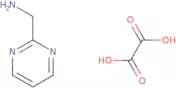
Nucleoside phosphoramidite used in oligonucleotide synthesisFormula:C49H58N5O10PPurezza:Min. 95%Peso molecolare:907.99 g/mol2-(Aminomethyl)pyrimidine oxalate
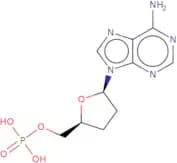
CAS:2-(Aminomethyl)pyrimidine oxalate is a substance that can be found in cicer arietinum. This compound has been shown to be tumorigenic, and it is hypothesized that the tumorigenicity of this compound is due to its ability to recombine with DNA and expressed genes, which may lead to the development of tumors. 2-(Aminomethyl)pyrimidine oxalate has been shown to activate translation of genes that are involved in tumorigenesis. The gene product which has been identified as being activated by 2-(aminomethyl)pyrimidine oxalate is called rhizogenes. Rhizogenes have been shown to have virulent phenotypes when exposed to cicer arietinum. With all these properties, it is believed that 2-(aminomethyl)pyrimidine oxalate may cause cancer or other harmful effects on organisms.br> br>Formula:C5H7N3·C2H2O4Purezza:Min. 95%Peso molecolare:199.16 g/mol2',3'-Dideoxyadenosine-5'-monophosphate
CAS:2',3'-Dideoxyadenosine-5'-monophosphate (ddAMP) is an adenosine analog that is a substrate for the enzyme dideoxyribonucleoside kinase. It is activated by phosphorylation to the 5' ends of DNA molecules and inhibits viral replication. ddAMP has been shown to be effective in treating human immunodeficiency virus (HIV) infection, at least in part, by inhibiting the production of p24 antigen levels and reducing the number of CD4+ lymphocytes. The mechanism of action may involve binding to HIV-1 RNA, which prevents it from interacting with cellular dsDNA and inhibits its transcription into DNA.Formula:C10H14N5O5PPurezza:Min. 95%Peso molecolare:315.22 g/molBis(2-cyanoethyl)-N,N-diisopropyl phosphoramidite
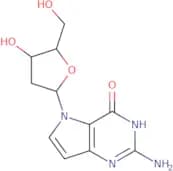
CAS:Bis(2-cyanoethyl)-N,N-diisopropyl phosphoramidite is a potent inhibitor that targets human immunodeficiency virus (HIV) and cancer. It acts as an analog of substrates for human plasma membrane kinases, which are essential for the replication of HIV. Bis(2-cyanoethyl)-N,N-diisopropyl phosphoramidite has been shown to inhibit lung metastasis in mice, indicating its potential therapeutic use against cancer. This compound also exhibits inhibitory activities against Escherichia coli alkaline phosphatase and other enzymes, suggesting its pharmacological activity may extend beyond HIV and cancer treatment. Overall, Bis(2-cyanoethyl)-N,N-diisopropyl phosphoramidite is a promising inhibitor with potential applications in multiple fields.Formula:C12H22N3O2PPurezza:Min. 90 Area-%Colore e forma:Slightly Yellow Clear LiquidPeso molecolare:271.3 g/mol9-Deaza-2'-deoxyguanosine
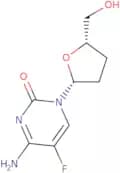
CAS:9-Deaza-2'-deoxyguanosine is a novel synthetic nucleoside that activates the ribonucleotide reductase enzyme. The activation of this enzyme was found to be dependent on the presence of diphosphate, which is a cofactor for this enzyme. 9-Deaza-2'-deoxyguanosine has been shown to inhibit the growth of cells in culture and to induce apoptosis. It also inhibits viral replication by interfering with the synthesis of viral DNA. In addition, 9-Deaza-2'-deoxyguanosine can inhibit tumor cell proliferation and promote differentiation in vitro.Formula:C11H14N4O4Purezza:Min. 95%Peso molecolare:266.25 g/mol2’,3’-Dideoxy-5-fluorocytidine
CAS:2’,3’-Dideoxy-5-fluorocytidine is a nucleoside analog that inhibits the growth of tumor cells in animals. It has been shown to inhibit the replication of hepatitis B virus and HIV without affecting normal cell division. 2′,3′-Dideoxy-5-fluorocytidine also has potent antitumor activity against human hematopoietic cells and induces apoptosis.
Formula:C9H12FN3O3Purezza:Min. 95%Peso molecolare:229.21 g/mol5-Hydroxymethyl-dc ce-phosphoramidite (hmdc)
CAS:Please enquire for more information about 5-Hydroxymethyl-dc ce-phosphoramidite (hmdc) including the price, delivery time and more detailed product information at the technical inquiry form on this page
Formula:C50H57N6O9PPurezza:Min. 95%Peso molecolare:917 g/mol5-Phenylcytidine
CAS:5-Phenylcytidine is a nitro compound that is used as an antiviral agent. It inhibits the replication of the virus by interfering with viral DNA synthesis and preventing the assembly of viral proteins. 5-Phenylcytidine is also capable of inhibiting influenza A virus in vitro at concentrations below 1 μM and has been shown to inhibit herpes simplex virus type 1 (HSV-1) in cell culture. The antiviral activity of 5-phenylcytidine may be due to its ability to form a stable reaction product with cytosine in alkaline conditions, which prevents the incorporation of this nucleobase into DNA or RNA.Purezza:Min. 95%2'-Deoxyadenosine-5'-carboxylic acid
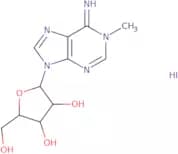
CAS:dA oxidised at the 5'-position.Formula:C10H11N5O4Purezza:Min. 95%Peso molecolare:265.23 g/molN1-Methyladenosine hydroiodide
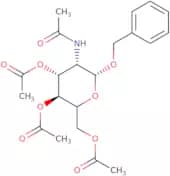
CAS:N1-Methyladenosine hydroiodide is a novel nucleoside analogue that inhibits viral replication by preventing the formation of viral DNA. It also inhibits the growth of cancer cells and is used as an anticancer drug. N1-Methyladenosine hydroiodide has been shown to be an activator of RNA polymerase II, increasing the production of messenger RNA (mRNA) in human cells. The phosphoramidite form of this compound is used for the synthesis of oligodeoxyribonucleotides, which are chemically modified in order to improve their stability and inhibit degradation by nucleases. N1-Methyladenosine hydroiodide is highly pure and has CAS No. 34308-25-3.Formula:C11H15N5O4·HIPurezza:Min. 95%Peso molecolare:409.18 g/molBenzyl 2-acetamido-2-deoxy-3,4,6-tri-O-acetyl-β-D-glucopyranoside
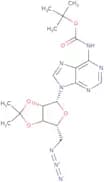
CAS:Benzyl 2-acetamido-2-deoxy-3,4,6-tri-O-acetyl-β-D-glucopyranoside is a synthetic nucleoside analog. It is an antiviral agent that inhibits the activity of reverse transcriptase and DNA polymerase. Benzyl 2-acetamido-2-deoxy--3,4,6--tri--O--acetyl--β--D--glucopyranoside has been shown to be active against hepatitis B virus and herpes simplex virus type 1. It also has been shown to inhibit the production of HIV in cell culture and is being investigated as a potential anti AIDS drug.Purezza:Min. 95%5'-Azido-N6-Boc-5'-deoxy-2',3'-O-isopropylideneadenosine
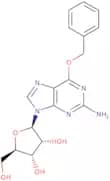
CAS:5'-Azido-N6-Boc-5'-deoxy-2',3'-O-isopropylideneadenosine is an antiviral and anticancer agent that inhibits the replication of RNA and DNA. It inhibits viral infection by inhibiting the synthesis of viral genomes, which are made up of DNA or RNA. 5'-Azido-N6-Boc-5'-deoxy-2',3'-O-isopropylideneadenosine is a novel modified nucleoside analog that blocks the incorporation of ribonucleotides into viral DNA or RNA. The drug has been shown to be effective against Hepatitis B, Hepatitis C, HIV, and other viruses. This compound can also be used as a chemotherapeutic agent for cancer treatment due to its inhibition of DNA synthesis.Formula:C18H24N8O5Purezza:Min. 95%Peso molecolare:432.43 g/molO6-Benzyl guanosine
CAS:O6-Benzyl guanosine is a polymerized compound that has been shown to have anticancer efficacy. It has been tested in mice with medulloblastoma, a type of brain tumor, and in rats with breast cancer. O6-Benzyl guanosine was found to be hydrophobic and bound to the methyltransferase enzyme, which resulted in the inhibition of DNA synthesis. The polymerized compound is able to form conjugates with other molecules such as iron oxide nanoparticles or hydrazone derivatives, which can be used for treatments that involve bioconjugate chemistry.Formula:C17H19N5O5Purezza:Min. 95%Peso molecolare:373.36 g/mol3'-O-Allyluridine
3'-O-Allyluridine is a nucleoside that has antiviral, anticancer, and antibacterial activities. 3'-O-Allyluridine is an activator of RNA polymerase and is used to synthesize DNA in vitro. It can be used as a substrate for phosphoramidites in the synthesis of oligonucleotides with modified backbones. 3'-O-Allyluridine has been shown to inhibit the growth of cancer cells by blocking the synthesis of DNA and RNA. The drug also inhibits the production of ribonucleases, which are enzymes that break down RNA in cells.Formula:C12H16N2O6Purezza:Min. 95%Peso molecolare:284.27 g/molN,7-Dimethyl- 2'- O- methylguanosine
CAS:N,7-Dimethyl-2'-O-methylguanosine (DMOG) is a modified nucleoside with antiviral and anticancer properties. DMOG can be used as an activator of transcription, which activates the synthesis of viral RNA and dsDNA. This compound has shown to inhibit the activity of HIV by preventing reverse transcriptase from synthesizing DNA from viral RNA. It also inhibits tumor cell proliferation by inhibiting DNA synthesis and protein synthesis. DMOG is synthesized in high purity by chemical phosphoramidite chemistry.
Formula:C13H20N5O5Purezza:Min. 95%Peso molecolare:326.33 g/mol5-Fluorocytosine arabinoside
CAS:5-Fluorocytosine arabinoside (5FCA) is an analog of fluorocytosine and a degradable prodrug that is converted to fluorouracil (5FU) in the human liver. It acts as an inhibitor of DNA synthesis and has been used for the treatment of leukemias. 5-Fluorocytosine arabinoside is rapidly degraded by tissue culture cells, which may be due to its reactive functional groups. The inhibitory activity of this drug against cell culture was found to be minimal at low concentrations and reached a maximum at concentrations greater than 1 mM. The affinity ligands for this compound are reactive functional groups such as sulfhydryl, hydroxyl, and carboxyl groups, but not ester or amide bonds. This drug can be used in the synthesis of affinity ligands with a reactive functional group.
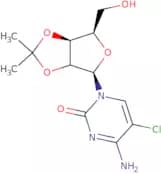
Formula:C9H12FN3O5Purezza:Min. 95%Peso molecolare:261.21 g/mol5-Chloro-2',3'-O-isopropylidenecytidine
5-Chloro-2',3'-O-isopropylidenecytidine is a synthetic nucleoside that is activated by phosphorylation to form the corresponding nucleotide. It has antiviral and anticancer properties, and can be used as a building block for synthesis of other nucleosides. 5-Chloro-2',3'-O-isopropylidenecytidine is synthesized from 2,4-dichlorophenoxyacetic acid (DCA) and 2,5-dichloroaniline in the presence of sodium cyanide. The compound was first synthesized in 1972 and its chemical structure was determined in 1974. 5-Chloro-2',3'-O-isopropylidenecytidine has been shown to inhibit DNA synthesis by binding to viral diphosphate and deoxyribonucleosides. This compound also inhibits the activity of bacterial DNA gyrase and DNA top
Formula:C12H16ClN3O5Purezza:Min. 95%Peso molecolare:317.73 g/molN4-Benzoyl-2'-O-tert-butyldimethylsilyl-5'-O-DMT-2'C-methylcytidine 3'-CE phosphoramidite
N4-Benzoyl-2'-O-tert-butyldimethylsilyl-5'-O-DMT-2'C-methylcytidine 3'-CE phosphoramidite is a novel, deoxynucleoside phosphoramidite with high purity and high quality. It has been used in the synthesis of anticancer agents, ribonucleotide analogues and antiviral agents. N4-Benzoyl-2'-O-tert-butyldimethylsilyl-5'-O-DMT-2'C-methylcytidine 3'-CE phosphoramidite can be used as an activator for DNA polymerase to synthesize DNA molecule.Formula:C53H68N5O9PSiPurezza:Min. 95%Peso molecolare:978.19 g/molAdenylyl-3'-5'-uridine ammonium salt
CAS:Adenylyl-3'-5'-uridine ammonium salt is a novel antiviral agent that has been shown to inhibit the activity of viral DNA polymerase, RNA polymerase and reverse transcriptase. It is also an anticancer agent that can be used as a cytotoxic agent against leukemia and lymphoma cells. Adenylyl-3'-5'-uridine ammonium salt is synthesized by the reaction of adenosine monophosphate with uracil in the presence of phosphate and ammonia. This compound can then be converted to ribonucleosides or deoxyribonucleosides by phosphorylation. SYNONYMS: AMP-uridine; AMP-U; UMPFormula:C19H24N7O12PPurezza:Min. 95%Peso molecolare:573.41 g/molN6-(tert-Butylphenoxyacetyl)-2'-O-methyl-5'-O-DMT-adenosine 3'-CE phosphoramidite
N6-(tert-Butylphenoxyacetyl)-2'-O-methyl-5'-O-DMT-adenosine 3'-CE phosphoramidite is a novel anticancer, antiviral and antifungal agent. It is synthesized by reacting the nucleoside adenosine with tert-butyl phenoxyacetic acid to form an activated ester derivative which reacts with 2'-O-methyl 5'-O-DMT in the presence of a phosphoramidite reagent to form a DNA precursor. The modified nucleotide has been shown to have high purity and good quality, as well as high antiviral and anti-cancer activities.Formula:C53H64N7O9PPurezza:Min. 95%Peso molecolare:974.09 g/molThymidine 5’-triphosphate sodium hydrate
Thymidine 5’-triphosphate (dTTP) sodium hydrate is a fundamental building block in chemical biology. As one of the four natural deoxynucleotides, it plays a crucial role in DNA replication and repair, where dTTP is incorporated into growing DNA strands by DNA polymerases, ensuring fidelity during genetic duplication. The use of dTTP spans various applications, including PCR, DNA sequencing, and site-directed mutagenesis.
Purezza:Min. 95%Octanoyl coenzyme A potassium salt
CAS:Octanoyl CoA is a molecule that belongs to the class of acyl-coenzyme A. It is an important intermediate in fatty acid metabolism and is also used in the synthesis of long-chain fatty acids. Octanoyl CoA can be converted back to acetyl-CoA by enzymes called synthetases, which are active in energy metabolism. Octanoyl CoA has been shown to have clinical relevance for diseases such as acyl chain disorders, carnitine deficiency, and dehydrogenase deficiency. Octanoyl CoA is a potential drug target since it can be converted into octanoic acid, which has been shown to inhibit enzyme activities and protein synthesis.
Formula:C29H47N7O17P3S·3KPurezza:Min. 95%Colore e forma:PowderPeso molecolare:1,008 g/mol1,5-Anhydro-4,6-O-benzylidene-2,3-dideoxy-2-(N6-benzoyladenin-1-yl)-D-glucitol
1,5-Anhydro-4,6-O-benzylidene-2,3-dideoxy-2-(N6-benzoyladenin-1-yl)-D-glucitol is a modified nucleoside that is used as an anticancer agent. It is a synthetic analogue of 2'-deoxyadenosine 5'-monophosphate (dAMP) and has been shown to be a DNA activator. It also has antiviral properties against herpes simplex virus type 1 and influenza A virus. This drug is a novel high purity and high quality product that can be used for research purposes.Formula:C25H23N5O4Purezza:Min. 95%Peso molecolare:457.49 g/molN4-Acetyl-5'-O-DMT-cytidine 3'-CE phosphoramidite
N4-Acetyl-5'-O-DMT-cytidine 3'-CE phosphoramidite is a monophosphate nucleoside that is an important building block in nucleic acid synthesis. It has been shown to be effective against cancer cells and HIV infection. N4-Acetyl-5'-O-DMT-cytidine 3'-CE phosphoramidite also inhibits the production of viral proteins, including new viral particles, by binding to the RNA polymerase enzyme in cells. This compound can be used as a novel antiviral agent for the treatment of human immunodeficiency virus type 1 (HIV1) infections.Purezza:Min. 95%2'-Deoxy-N2-isobutyryl-a-cytidine
2'-Deoxy-N2-isobutyryl-a-cytidine (DBIC) is a modified nucleoside that is used in the synthesis of DNA. It is an activator that can be used to enhance the antitumor effects of other drugs. DBIC has been shown to inhibit the proliferation of human tumor cells by inactivating the p53 protein, which regulates cell cycle progression and suppresses tumorigenesis. This drug also has antiviral, anticancer, and anti-inflammatory properties.Formula:C13H19N3O5Purezza:Min. 95%Peso molecolare:297.31 g/molN4-Acetyl-2'-Deoxy-5'-O-DMT-cytidine 3'-succinyl CPG 1000 Å
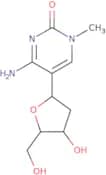
N4-Acetyl-2'-Deoxy-5'-O-DMT-cytidine 3'-succinyl CPG 1000 Å is a nucleoside analog. It is an antiviral and anticancer agent that inhibits the synthesis of DNA. This compound has a high purity, reactivity and solubility. N4-Acetyl-2'-Deoxy-5'-O-DMT-cytidine 3'-succinyl CPG 1000 Å can be used in the synthesis of oligonucleotides for research purposes or as pharmaceutical ingredients.Purezza:Min. 95%4-Amino-5-(2-deoxy-b-D-ribofuranosyl)-1-methyl-2(1H)-pyrimidinone
CAS:4-Amino-5-(2-deoxy-b-D-ribofuranosyl)-1-methyl-2(1H)-pyrimidinone is a novel activator that is a ribonucleoside and deoxyribonucleoside diphosphate, as well as phosphoramidite and modified nucleosides. It has been shown to have anticancer, antiviral, and antimalarial activities in vitro. This compound has been synthesized in high purity and high quality with CAS No. 1166395-05-6.Formula:C10H15N3O4Purezza:Min. 95%Peso molecolare:241.24 g/mol3'-Deoxy-N6-propionyladenosine
CAS:3'-Deoxy-N6-propionyladenosine is a prodrug that is modified in the body to form adenosine. It has been shown to have a high bioavailability and pharmacokinetic profile, with a high initial concentration and rapid elimination. 3'-Deoxy-N6-propionyladenosine has been shown to be effective against tuberculosis and leprosy, with a half-life of approximately 1 hour. The pharmacokinetic curves for this drug have exceeded those of other drugs used for these diseases.Formula:C13H17N5O4Purezza:Min. 95%Peso molecolare:307.31 g/mol2'-Deoxy-2'-fluoro-2'-C-methylcytidine
CAS:2'-Deoxy-2'-fluoro-2'-C-methylcytidine is a nucleoside analog with modifications on both the sugar and the nucleobase. It is a derivative of cytidine, with fluorine attached to the 2' carbon of the sugar (deoxyribose) and a methyl group at the 2' carbon of the sugar as well. These modifications provide the compound with unique properties, such as potnetial increased resistance to enzymatic degradation, which can make it useful in antiviral and anticancer applications.Formula:C10H14FN3O4Purezza:Min. 95%Colore e forma:PowderPeso molecolare:259.23 g/mol3'-Deoxy-3'-fluoro-2'-C-methylguanosine
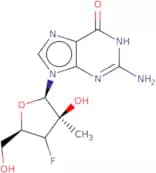
CAS:3'-Deoxy-3'-fluoro-2'-C-methylguanosine is a nucleoside analog that is used in the treatment of cancer. It is an activator of the anticancer drug 5-FU, which inhibits DNA synthesis and cell division. 3'-Deoxy-3'-fluoro-2'-C-methylguanosine may also be used as a starting material for the synthesis of other nucleosides, such as 2',3'-deoxyadenosine and 3',5' -deoxycytidine.Formula:C11H14FN5O4Purezza:Min. 95%Peso molecolare:299.26 g/molN6-Dansylhexyl-5'-ethylcarboxamidoadenosine
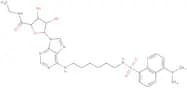
CAS:N6-Dansylhexyl-5'-ethylcarboxamidoadenosine is a fluorescent molecule that can be used in the field of microscopy and cytometry. It has been shown to be an adenosine receptor agonist, which may be due to its ability to bind to the adenosine receptor and activate it. This ligand has also been shown to bind with high affinity to the fluorescence resonance transfer protein, resulting in a fluorescent signal. In addition, this molecule is a linker for fluorescence resonance energy transfer between two molecules that are not close enough for direct contact.Formula:C30H40N8O6SPurezza:Min. 95%Peso molecolare:640.75 g/mol6-Methylcytidine
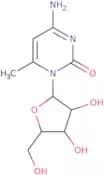
CAS:6-Methylcytidine is a nucleoside that is structurally related to uridine, which is an acceptor in DNA and RNA synthesis. It is synthesized from 8-bromoadenosine, which undergoes deamination by cytidine deaminase. 6-Methylcytidine can be used as a building block for the synthesis of other nucleosides with different conformational properties. It has been shown to inhibit the replication of pancreatic cancer cells and has been used in molecular modeling studies. However, its uptake into cells has been found to be very low. This may be due to its conformational properties and the presence of 8-oxoguanosine, which inhibits adenosine uptake into cells.Formula:C10H15N3O5Purezza:Min. 95%Peso molecolare:257.24 g/mol