Nucleosidi
I nucleosidi sono building blocks fondamentali degli acidi nucleici, composti da una base azotata legata a una molecola di zucchero. In questa sezione, puoi trovare una vasta gamma di nucleosidi essenziali per la ricerca in biologia molecolare, biochimica e farmacologia. Questi composti svolgono ruoli cruciali nella sintesi del DNA e dell'RNA e sono vitali in vari processi metabolici. I nucleosidi vengono utilizzati per studiare il materiale genetico, sviluppare terapie antivirali e antitumorali e comprendere i meccanismi cellulari. Da CymitQuimica, forniamo nucleosidi di alta qualità per supportare le tue esigenze di ricerca e sviluppo, garantendo purezza e affidabilità per le tue applicazioni sperimentali.
Trovati 3569 prodotti di "Nucleosidi"
Ordinare per
Purezza (%)
0
100
|
0
|
50
|
90
|
95
|
100
2-Chloroadenosine 5'-monophosphate triethylamine salt
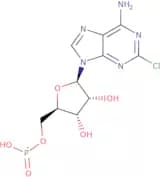
CAS:<p>2-Chloroadenosine 5'-monophosphate triethylamine salt is a phosphoramidite that has anticancer and antiviral activities. It is synthesized by reacting 2-chloroadenosine with triethylamine. This product has a novel chemical structure and it can be used as an activator for the synthesis of modified DNA, RNA, and other nucleosides. It is also used in the manufacture of deoxyribonucleosides, ribonucleosides, and other nucleotides.</p>Formula:C10H13ClN5O7P·C12H30N2Purezza:Min. 95%Peso molecolare:584.05 g/mol[(2S,6R)-6-{N4-Benzoylcydin-1-yl}-4-tritylmorpholin-2-yl]methyl dimethyl-phosphoramidochloridate
CAS:<p>[(2S,6R)-6-{N4-Benzoylcydin-1-yl}-4-tritylmorpholin-2-yl]methyl dimethylphosphoramidochloridate is an antiviral and anticancer nucleoside phosphoramidite. It is synthesized by reacting the purified 6-(N4-benzoylcydin-1-yl) morpholine with dimethyl phosphorochloridate in pyridine at room temperature. This novel monophosphate nucleoside has been shown to be efficacious against human immunodeficiency virus (HIV) and murine leukemia virus (MLV). The antiviral activity of [(2S,6R)-6-(N4-benzoylcydin-1-yl)-4-(tritylmorpholin]-2(1H)-yl]methyl dimethylphosphoramidochloridate is due to its ability</p>Formula:C37H37ClN5O5PPurezza:Min. 95%Colore e forma:PowderPeso molecolare:698.15 g/molO1-(Dimethoxytrityl)propane-1,3-diol
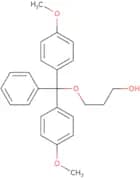
CAS:Please enquire for more information about O1-(Dimethoxytrityl)propane-1,3-diol including the price, delivery time and more detailed product information at the technical inquiry form on this pageFormula:C24H26O4Purezza:Min. 95%Peso molecolare:378.5 g/mol2'-O-Methyladenosine 5'-monophosphate triethylammonium salt
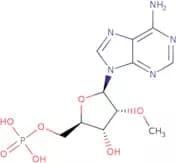
CAS:2'-O-Methyladenosine 5'-monophosphate triethylammonium salt is an antiviral nucleoside that is used in the treatment of hepatitis B and C. It is a modified nucleoside that inhibits the replication of RNA by binding to the enzyme ribonuclease, which plays a vital role in the synthesis of DNA. 2'-O-Methyladenosine 5'-monophosphate triethylammonium salt also has anticancer properties and can inhibit DNA synthesis. This compound is a novel phosphoramidite building block for oligonucleotide synthesis and has been shown to be an activator for deoxyribonucleosides.Formula:C11H16N5O7PPurezza:Min. 95%Peso molecolare:361.25 g/mol5-Bromo-2'-deoxy-4-thiouridine
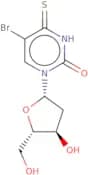
CAS:<p>5-Bromo-2'-deoxy-4-thiouridine is a high purity, diphosphate nucleoside with novel anticancer activity. It is a potent activator of the transcription factor NF-kappaB and inhibits the proliferation of cancer cells. 5-Bromo-2'-deoxy-4-thiouridine has been shown to be an effective antiviral agent against HIV and hepatitis B virus in vitro. This compound also inhibits the synthesis of DNA and RNA in human cells, which may be due to its ability to inhibit thymidylate synthase. 5-Bromo-2'-deoxy-4-thiouridine is not active against bacterial cells because they lack thymidylate synthase.</p>Purezza:Min. 95%2′-C-Methyl-2′,3′-O-(1-methylethylidene)adenosine
CAS:Please enquire for more information about 2′-C-Methyl-2′,3′-O-(1-methylethylidene)adenosine including the price, delivery time and more detailed product information at the technical inquiry form on this pageFormula:C14H19N5O4Purezza:Min. 95%Peso molecolare:321.33 g/mol1-(2-Deoxy-β-D-erythro-pentofuranosyl)-4-nitro-1H-indole
CAS:Please enquire for more information about 1-(2-Deoxy-β-D-erythro-pentofuranosyl)-4-nitro-1H-indole including the price, delivery time and more detailed product information at the technical inquiry form on this pageFormula:C13H14N2O5Purezza:Min. 95%Peso molecolare:278.26 g/mol2',3'-Di-O-benzoyl-N6-benzoyl-L-adenosine
CAS:2',3'-Di-O-benzoyl-N6-benzoyl-L-adenosine (DBBA) is a modified nucleoside with anticancer, antiviral, and synthetic properties. It can be used as a building block for the synthesis of DNA, RNA, or other nucleotide analogues. DBBA has shown activity against certain cancer cells and has been found to inhibit the replication of HIV and herpes simplex virus type 1 in cell culture. DBBA is also known as 2',3'-Dibenzoyl-N6-benzoyladenosine.Formula:C31H25N5O7Purezza:Min. 95%Peso molecolare:579.56 g/mol2'-Deoxyguanosine-[15N5] monohydrate
CAS:2'-Deoxyguanosine-[15N5] monohydrate is a chemical compound that has been shown to have anticancer activity in colorectal adenocarcinoma cells. The high-activity form of this compound is produced by the addition of a 15N isotope, which can be detected using an electrochemical detector. This compound inhibits the enzyme DNA methyltransferase, preventing the addition of methyl groups to DNA and thereby inhibiting cell growth. 2'-Deoxyguanosine-[15N5] monohydrate also has anti-inflammatory properties due to its ability to inhibit IL-2 receptor signaling.Formula:C10H13N5O4·H2OPurezza:Min. 95%Colore e forma:White/Off-White SolidPeso molecolare:285.26 g/mol2'-O-(2-Methoxyethyl)adenosine 5'-monophosphate
CAS:10umol is approximately 5mg.2'-O-(2-Methoxyethyl)adenosine 5'-monophosphate is a nucleoside compound that has been phosphorylated in the 5'-position.Purezza:Min. 95%Valopicitabine
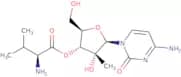
CAS:Valopicitabine is a prodrug that is converted to its active form, 3'-deoxy-3'-methylvalopicitabine, in the body. Valopicitabine inhibits viral replication by a mechanism that is not yet fully understood. It has been shown to inhibit NS3 protease and induce an interferon response. Valopicitabine has also been shown to inhibit Toll-like receptor 4 (TLR4) activity and elicit an antiviral response. Valopicitabine has low bioavailability, which may be due to its high lipophilicity.Formula:C15H24N4O6Purezza:Min. 95%Peso molecolare:356.37 g/mol2'-O-Methyluridine-5'-monophosphate triethylammonium
CAS:<p>2'-O-Methyluridine-5'-monophosphate triethylammonium salt is a modified nucleoside analogue that is an antiviral agent. It inhibits viral replication by acting as an inhibitor of RNA synthesis and DNA polymerase, which are necessary for the virus to replicate. This compound also has anticancer activity and can be used as a chemotherapeutic agent. 2'-O-Methyluridine-5'-monophosphate triethylammonium salt is synthesized from uracil, phosphoramidite, and triethylamine. It has high purity and high quality with a CAS number of 67624-43-5.</p>Formula:C10H15N2O9P•(C6H15N)2Purezza:Min. 95%Colore e forma:PowderPeso molecolare:439.21 g/mol2'-Deoxyinosine-5'-triphosphate sodium
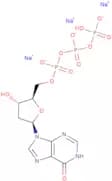
CAS:2'-Deoxyinosine-5'-triphosphate sodium is a nucleoside that is used as an antiviral, anticancer and novel drug. It inhibits viral replication by inhibiting DNA synthesis in the cell. 2'-Deoxyinosine-5'-triphosphate sodium binds to viral RNA polymerase, preventing the enzyme from creating new DNA strands. This prevents the virus from replicating and spreading to other cells in the body. 2'-Deoxyinosine-5'-triphosphate sodium has been shown to inhibit cancer growth by binding to DNA, which prevents it from dividing and creating new cells. This drug also has antiviral activity against HIV and Herpes Simplex Virus Type 1 (HSV1). 2'-Deoxyinosine-5'-triphosphate sodium is typically used as a buffer solution for peptide synthesis or as a chemical intermediate for various organic syntheses.Formula:C10H15N4O13P3·xNaPurezza:Min. 95%Colore e forma:White PowderPeso molecolare:492.17 g/mol2'-O-Methylguanosine 5'-monophosphate sodium
CAS:2'-O-Methylguanosine 5'-monophosphate sodium is a nucleoside analog that has been shown to inhibit the growth of human cancer cells. It is a modified monophosphate nucleotide, which is synthesized by the chemical modification of guanosine with 2'-O-methylation at the 5' position and phosphorylation at the 3' position. This drug is not active against viruses and may be used as an anticancer agent. 2'-O-Methylguanosine 5'-monophosphate sodium has also been shown to be effective in treating hepatitis B virus infection. The drug may act as an antiviral agent by interfering with viral DNA synthesis, causing viral particles to aggregate, or by inhibiting viral DNA polymerase activity.Purezza:Min. 95%4-Thiothymidine-5'-triphosphate lithium salt - 100mM aqueous solution
CAS:4-Thiothymidine-5'-triphosphate lithium salt - 100mM aqueous solution is thio-base modified thymidine nucleotideFormula:C10H17N2O13P3S·xLiPurezza:Min. 95%Peso molecolare:498.23 g/mol2',3'-Dideoxy-3',5-difluorocytidine
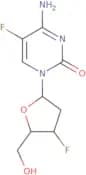
CAS:<p>2',3'-Dideoxy-3',5-difluorocytidine (ddF) is a nucleotide analogue that inhibits the viral polymerase. It binds to the enzyme and prevents it from synthesizing DNA, which is needed for viral replication. ddF has been shown to be effective against different types of cancer cells, including breast and prostate cancers. This drug also has antiviral properties and is used as an antiviral agent in AIDS therapy. ddF may also be used as a precursor in the synthesis of other nucleosides or nucleotides.</p>Purezza:Min. 95%IDA-dAMP
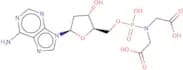
An iminodiacetic acid phophoramidite. This acts as a pyrophosphate mimic so behaves as a leaving group in the enzymatic polymerisation of deoxyribonucleic acids.Formula:C14H19N6PO9Peso molecolare:446.31 g/mol5-Fluorouridine-5'-diphosphate sodium
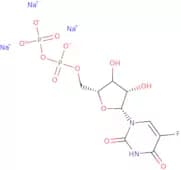
CAS:5-Fluorouridine-5'-diphosphate sodium salt is a nucleoside analog that inhibits the synthesis of RNA and DNA. It is used to treat cancer, as well as opportunistic infections, such as cryptococcal disease. 5-Fluorouridine-5'-diphosphate sodium salt binds to the enzyme thymidylate synthase and prevents it from synthesizing dTMP, which is needed for DNA synthesis. This drug also has been shown to be effective against monoclonal antibodies in mice with cancer. 5-Fluorouridine-5'-diphosphate sodium salt may also be useful in gene therapy for cancer treatment. This drug can be taken up by cells where it is converted into uracil, which inhibits protein synthesis by competing with the natural substrate tRNA for binding sites on ribosomes.Formula:C9H13FN2O12P2•NaxPurezza:Min. 95%Colore e forma:PowderPeso molecolare:423.16 g/mol5'-O-DMT-S6-cyanoethyl-N2-TFA-2'-deoxyguanosine
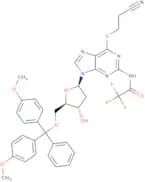
CAS:Base labile TFA protected deoxyguanosineFormula:C36H33F3N6O6SPeso molecolare:734.75 g/mol2'-Deoxy-5-fluorouridine-5'-triphosphate sodium salt - 100 mM solution in water
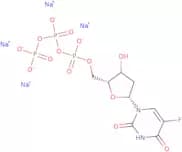
CAS:<p>2'-Deoxy-5-fluorouridine-5'-triphosphate sodium salt - 100 mM solution in water is a nucleotide analog that inhibits the synthesis of RNA. It is used for the treatment of cancer. This agent binds to DNA and prevents the formation of RNA by inhibiting the enzyme ribonucleotide reductase. 2'-Deoxy-5-fluorouridine-5'-triphosphate sodium salt - 100 mM solution in water also has a perchloric acid component, which may be responsible for its haematopoietic effects.</p>Formula:C9H14FN2O14P3·xNaPurezza:Min. 95%Colore e forma:PowderPeso molecolare:486.13 g/molGuanosine-2'(&3')-monophosphate disodium (mixed isomers)
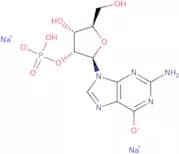
CAS:Guanosine-2'(&3')-monophosphate disodium salt (mixed isomers) is a synthetic nucleoside with antiviral and anticancer properties. It has been shown to activate the transcription of DNA in vitro by binding to the promoter region, resulting in higher levels of RNA synthesis. Guanosine-2'(&3')-monophosphate disodium salt (mixed isomers) has been shown to inhibit the replication of viruses, such as herpes simplex virus type 1 (HSV-1), and it may have potential use in cancer therapy. The drug is also used as a precursor for other antiviral drugs and antibiotics. Guanosine-2'(&3')-monophosphate disodium salt (mixed isomers) is available in high purity, high quality, and at low cost.Formula:C10H14N5O8P•2NaPurezza:Min. 95%Colore e forma:White PowderPeso molecolare:407.18 g/molOctanoyl coenzyme A lithium salt hydrate
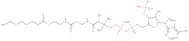
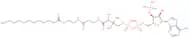
CAS:Octanoyl coenzyme A lithium salt hydrate (OCCA) is a metabolite of octanoic acid, which is formed by the oxidation of fatty acids. OCCA has been shown to have relevance in the metabolism of fatty acids, as it can be conjugated with other molecules and transported into cells. This compound has been detected in human liver tissues and was found to be metabolized by primary rat hepatocytes in vitro. The metabolic pathway of OCCA is not yet fully understood, but it has been investigated in vivo studies.Formula:C29H50N7O17P3S·xLi·yH2OPurezza:Min. 95%Peso molecolare:893.73 g/moldG-MGO
CAS:Methylglyoxal (MGO) is a reactive byproduct formed by several metabolic precursors notably glycolysis. dG-MGO is therefore a useful marker to in monitoring various glycation pathwaysFormula:C13H17N5O7Peso molecolare:355.3 g/mol2'-O-tert-Butyldimethylsilyl-N6-(tert-butylphenoxyacetyl)-5'-O-DMT-adenosine 3'-CE phosphoramidite
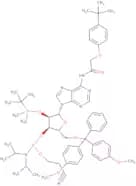
CAS:2'-O-tert-Butyldimethylsilyl-N6-(tert-butylphenoxyacetyl)-5'-O-DMT-adenosine 3'-CE phosphoramidite is a high purity, diphosphate nucleoside. This is an anticancer drug that inhibits the growth of cancer cells by inhibiting DNA synthesis and RNA synthesis. It is a novel compound that has been shown to be an activator of cellular proliferation in vitro. 2'-O-tert-Butyldimethylsilyl-N6-(tert-butylphenoxyacetyl)-5'-O-DMT-adenosine 3'-CE phosphoramidite is used as a monophosphate nucleoside synthase inhibitor in the treatment of cancer.Formula:C58H76N7O9PSiPurezza:Min. 95%Peso molecolare:1,074.33 g/molThymidine 3'-monophosphate sodium salt
CAS:Thymidine 3'-monophosphate sodium salt (TMP) is a nucleoside that is involved in the synthesis of DNA. TMP has been shown to have minimal carcinogenic effects on the liver, with no effect on the rate of DNA synthesis or cell proliferation in vivo. It has been shown to be hepatotoxic and genotoxic in animal studies and can cause DNA strand breaks and chromosomal aberrations in liver cells. TMP also causes a specific adduct, crotonaldehyde, which is considered to be an indicator of hepatic injury. The detection method for this adduct uses gas chromatography-mass spectrometry, which identifies the presence of TMP by detecting its unique mass spectrum.Formula:C10H15N2O8P•xNaPurezza:Min. 95%Colore e forma:Powder2,2'-Anhydro-L-thymidine
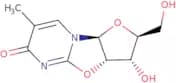
CAS:2,2'-Anhydro-L-thymidine is an antiviral, anticancer agent and a synthetic nucleoside. It is a monophosphate that was first synthesized in 1967 and has been used as a potential antiviral agent. 2,2'-Anhydro-L-thymidine has been shown to be effective against the herpes simplex virus type 1 (HSV1). However, it does not inhibit viral nucleic acid synthesis or viral protein synthesis. It also does not inhibit the growth of tumor cells in culture.Formula:C10H12N2O5Purezza:Min. 95%Colore e forma:PowderPeso molecolare:240.21 g/molLong trebler phosphoramidite
CAS:<p>Please enquire for more information about Long trebler phosphoramidite including the price, delivery time and more detailed product information at the technical inquiry form on this page</p>Formula:C89H107N2O15PPeso molecolare:1,475.78 g/mol2'-O-tert-Butyldimethylsilyl-N-(tert-butylphenoxyacetyl)-5'-O-DMT-guanosine 3'-CE phosphoramidite
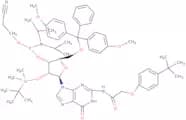
CAS:2'-O-tert-Butyldimethylsilyl-N-(tert-butylphenoxyacetyl)-5'-O-DMT-guanosine 3'-CE phosphoramidite is a synthetic nucleoside analog. The chemical name for this product is 2'-O-tert-butyldimethylsilyl-N-(tert-butylphenoxyacetyl)-5'-O-dimethoxytritylguanosine 3'-cyanoethylphosphoramidite. The molecular formula is C28H34N2O8PSi, and the molecular weight is 812.59 g/mol. This product has an EC Number of 61317 - CAS Number of 149989 - 68 - 4 and a melting point of 232°C (238°F). This compound can be used in the synthesis of oligonucleotides that are used to bind to RNA andFormula:C58H76N7O10PSiPurezza:Min. 95%Peso molecolare:1,090.32 g/molN6-Benzoyl-2'-deoxy-5'-O-DMT-adenosine 3'-thiophosphoramidite
<p>N6-Benzoyl-2'-deoxy-5'-O-DMT-adenosine 3'-thiophosphoramidite is a modified phosphoramidite that can be used to synthesize DNA oligomers. The nucleoside is an antiviral and antitumor agent. It is also used to inhibit the replication of RNA by inhibiting the activity of DNA polymerase. N6-Benzoyl-2'-deoxy-5'-O-DMT-adenosine 3'-thiophosphoramidite has novel properties that have not been seen in any other nucleosides. This product is for research use only, not for diagnostics or therapeutic purposes.</p>Formula:C51H51N6O7PS2Purezza:Min. 95%Peso molecolare:955.09 g/molLauroyl coenzyme A potassium salt
CAS:<p>Lauroyl coenzyme A potassium salt is a potent inhibitor of fatty acid synthase. It has the ability to inhibit the enzyme activity of fatty acid synthase in vitro, which belongs to the class of irreversible inhibitors. Lauroyl coenzyme A potassium salt inhibits the synthesis of fatty acids by inhibiting the enzyme activity of fatty acid synthase. This inhibitor also reversibly inhibits other enzymes with a similar mechanism, such as acetyl-coenzyme A carboxylase and phosphatidate phosphohydrolase. The reaction mechanism can be understood through titration calorimetry studies, demonstrating that lauroyl coenzyme A potassium salt binds to the active site of these enzymes and blocks access to substrates. The binding affinity is higher for wild type strains than for mutant strains, which may be due to differences in protein structure or other factors. Lauroyl coenzyme A potassium salt has been shown to have no effect on wild-type strains but inhibits polymer</p>Formula:C33H55N7O17P3SK3Purezza:Min. 95%Colore e forma:PowderPeso molecolare:1,064.11 g/mol2’-Deoxy-N2-DMF-2’-fluoroguanosine
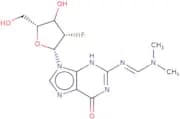
<p>Please enquire for more information about 2’-Deoxy-N2-DMF-2’-fluoroguanosine including the price, delivery time and more detailed product information at the technical inquiry form on this page</p>Formula:C13H17FN6O4Purezza:Min. 95%Peso molecolare:340.31 g/molCytidine 5'-diphosphoglycerol disodium salt
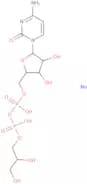
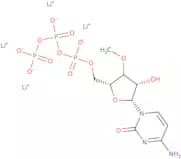
CAS:Cytidine 5'-diphosphoglycerol disodium salt is a modified nucleotide that belongs to the group of phosphoramidites. It is a cytidine derivative with a 2-hydroxymethylene bridge, which makes it resistant to degradation by cytidine deaminase and therefore enhances its anticancer activity. Cytidine 5'-diphosphoglycerol disodium salt has been shown to inhibit the growth of cancer cells in vitro and in vivo models, as well as inhibit viral replication. Cytidine 5'-diphosphoglycerol disodium salt is stable at high temperatures and can be used for activation of DNA synthesis in vitro. This product has not been tested on animals or humans and should not be taken internally.Formula:C12H19N3Na2O13P2Purezza:Min. 95%Peso molecolare:521.22 g/mol3'-O-Methylcytidine 5'-triphosphate lithium salt
CAS:<p>3'-O-Methylcytidine 5'-triphosphate lithium salt is an antiviral agent that inhibits the synthesis of RNA by inactivating the enzyme ribonuclease. The compound has been shown to be effective against herpes simplex virus type 1 (HSV-1) and type 2 (HSV-2). 3'-O-Methylcytidine 5'-triphosphate lithium salt is a novel nucleoside analogue that can be used as a phosphoramidite building block for DNA synthesis. It is also a high quality synthetic product with high purity and high purity.</p>Formula:C10H14N3O14P3·Li4Purezza:Min. 95%Peso molecolare:520.92 g/mol2'-O-tert-Butyldimethylsilyl-N4-(tert-butylphenoxyacetyl)-5'-O-DMT-cytidine 3'-CE phosphoramidite
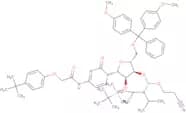
CAS:2'-O-tert-Butyldimethylsilyl-N4-(tert-butylphenoxyacetyl)-5'-O-DMT-cytidine 3'-CE phosphoramidite is a DNA synthesis reagent that is used in the preparation of oligonucleotides, in particular for the synthesis of 2'-deoxyribonucleosides. It has been shown to be an activator and to have anticancer, antiviral, and antimalarial properties. This compound is synthesized by reacting 5'-O-DMT cytidine with 2',3' epoxypropyltrichlorophosphite. The product is purified by silica gel column chromatography and recrystallization from ethanol followed by vacuum drying. CAS No. 149989-66-2Formula:C57H76N5O10PSiPurezza:Min. 95%Peso molecolare:1,050.3 g/mol7-Deaza-2'-deoxy-7-ethynyladenosine
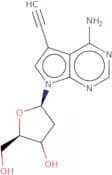
CAS:<p>7-Deaza-2'-deoxy-7-ethynyladenosine is a fluorescent analog of adenosine that has been synthesized to be used as an antimicrobial agent. This compound has shown to be effective against both Gram-positive and Gram-negative bacteria, including methicillin resistant Staphylococcus aureus and Escherichia coli. 7DDAE is also able to inhibit the growth of fungus and yeast, such as Candida albicans. This drug has been shown to have no cytotoxic effects on mammalian cells at concentrations up to 50 μM. 7DDAE has been found to be very photostable in solution, which means it does not degrade when exposed to light.</p>Formula:C13H14N4O3Purezza:Min. 95%Colore e forma:PowderPeso molecolare:274.28 g/mol2'-Amino-2'-deoxycytidine-5'-triphosphate
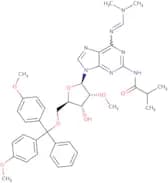
CAS:2'-Amino-2'-deoxycytidine-5'-triphosphate is an inhibitor of viral RNA polymerase. It is a nucleoside analogue that mimics the natural substrate for the enzyme, 2'-deoxycytidine-5'-triphosphate. This compound binds to the active site of viral RNA polymerases and blocks their ability to synthesize RNA. The compound has been shown to inhibit the replication of norovirus and HIV in cell culture. 2'-Amino-2'-deoxycytidine-5'-triphosphate binds to metal ions in the active site of the enzyme, which prevents its binding with the template strand and prevents elongation of RNA synthesis.Formula:C9H17N4O13P3Purezza:Min. 95%Peso molecolare:482.17 g/mol2-Amino-5'-O-(dimethoxytrityl)-N6-(dimethylaminomethylidene)-N2-(isobutyryl)-2'-O-methyladenosine
CAS:<p>DMF functionalised 2'-O-methyladenosine</p>Formula:C39H45N7O7Peso molecolare:723.82 g/mol7-Deaza-2'-deoxyguanosine-5'-triphosphate sodium salt - 10mM aqueous solution
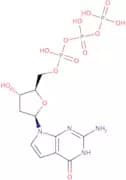
CAS:<p>7-Deaza-2'-deoxyguanosine-5'-triphosphate sodium salt is a cytosolic small molecule that inhibits the activity of telomerase, an enzyme involved in the replication of chromosomes. It also has inhibitory effects on kinase domains and may be used to treat cancer. 7-Deaza-2'-deoxyguanosine-5'-triphosphate sodium salt binds to human mitochondrial DNA and inhibits gene transcription by hybridizing with it. This results in the inhibition of dopamine production, which can be helpful for treating Parkinson's disease. 7-Deaza-2'-deoxyguanosine-5'-triphosphate sodium salt is structurally similar to 2'-deoxyadenosine 5'-triphosphate (dATP) and can be incorporated into DNA by phosphorylation to form a covalent bond that disrupts the dATP/ATP ratio. This causes cellular energy production to decrease and</p>Formula:C11H17N4O13P3·xNaPurezza:Min. 95%Peso molecolare:506.19 g/molDoubler phosphoramidite
CAS:Please enquire for more information about Doubler phosphoramidite including the price, delivery time and more detailed product information at the technical inquiry form on this pageFormula:C64H79N4O10PPeso molecolare:1,095.31 g/mol2'-Deoxy-5-methyl-isocytidine
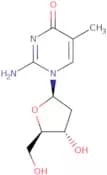
CAS:2'-Deoxy-5-methyl-isocytidine is an analog of cytidine that is used in the synthesis of oligodeoxynucleotides. It has shown to be complementary to dsDNA and to inhibit hepatitis B virus replication in cell culture. 2'-Deoxy-5-methyl-isocytidine is synthesized by solid phase chemistry on a polystyrene support with monomers, depyrimidination, and purification by column chromatography. The chemical stability of this compound has been shown by its ability to withstand heating at 100°C for 10 minutes without decomposition.Formula:C10H15N3O4Purezza:Min. 95%Peso molecolare:241.26 g/mol3'-O-Methyladenosine 5'-triphosphate lithium salt
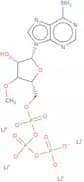
CAS:3'-O-Methyladenosine 5'-triphosphate lithium salt is a phosphoramidite that is used in the synthesis of DNA and RNA. This product has antiviral and anticancer properties. 3'-O-Methyladenosine 5'-triphosphate lithium salt is a novel nucleoside that is synthesized by modifying the phosphate group with a methyl group at the 3' position. It also has high purity, as well as high quality and modified nucleosides.Formula:C11H14N5O13P3·Li4Purezza:Min. 95%Peso molecolare:544.94 g/mol5-Cyano-2'-deoxycytidine
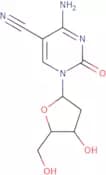
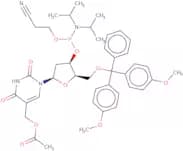
CAS:Nucleobase functionalised deoxynucleosideFormula:C10H12N4O4Purezza:Min. 95%Peso molecolare:252.23 g/mol2'-Deoxy-5'-O-DMT-5-acetoxymethyluridine 3'-CE phosphoramidite
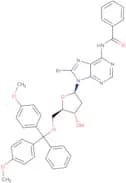
CAS:2'-Deoxy-5'-O-DMT-5-acetoxymethyluridine 3'-CE phosphoramidite is a novel nucleoside analogue with anticancer activity. It is synthesized from 2'-deoxy-5'-O-DMT-5-acetoxymethyluridine and 3'-chloroethyl phosphate. The compound has been shown to inhibit DNA, RNA, and protein synthesis in vitro, as well as to induce apoptosis in human cancer cell lines. 2'-Deoxy-5'-O-DMT-5-acetoxymethyluridine 3'-CE phosphoramidite is a modified nucleoside that can be used in the production of oligonucleotides for use in gene therapy.Formula:C42H51N4O10PPurezza:Min. 95%Peso molecolare:802.85 g/mol5'-O-DMT-8-Bromo-N6-(benzoyl)-2′-deoxyadenosine
CAS:Bromo substituted deoxyadenosineFormula:C38H34BrN5O6Peso molecolare:736.61 g/mol3'-Amino-2',3'-dideoxycytidine-5'-triphosphate lithium salt - 100 mM aqueous solution
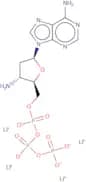
CAS:3'-Amino-2',3'-dideoxycytidine's lack of a 3'-hydroxyl group makes it a chain terminator for DNA polymerase, a key application in Sanger sequencing. Additionally, the 3'-amino group serves as a functional handle for modifying the 3' end of oligonucleotides with various labels or conjugates, expanding their utility in research and diagnostics. The lithium salt ensures better handling and solubility.Formula:C9H17N4O12P3(freeacid)Purezza:Min. 95%Colore e forma:Clear LiquidPeso molecolare:466.17 g/mol3'-Amino-2',3'-dideoxyadenosine-5'-triphosphate lithium salt - 100 mM aqeous solution
CAS:3'-Amino-2',3'-dideoxycytidine-5'-triphosphate lithium salt is a chain-terminating nucleotide analog for DNA synthesis, similar to ddCTP but with a 3'-amino group. While its role in traditional Sanger sequencing might be limited compared to standard ddCTP, the 3'-amino modification offers potential advantages for specialized sequencing techniques, post-synthetic labeling, and as a research tool to study DNA polymerases. The lithium salt ensures better handling and solubility.Formula:C10H17N6O11P3(freeacid)Purezza:Min. 95%Colore e forma:Clear LiquidPeso molecolare:490.2 g/mol5-Carboxymethyl-2-thiouridine
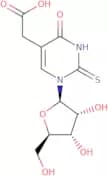
CAS:5-Carboxymethyl-2-thiouridine is a modified form of uridine that has been synthesized by the reaction of 5-carboxymethyluracil with thiourea. It is used in chemical biology to study protein synthesis and to analyze the structural changes that occur during this process. 5-Carboxymethyl-2-thiouridine has also been shown to be effective as a viral RNA polymerase inhibitor, preventing the synthesis of viral proteins and thus reducing viral replication. This drug is also used in chromatographic methods for separating amino acids, peptides, and proteins.Formula:C11H14N2O7SPurezza:Min. 95%Peso molecolare:318.3 g/molArchaeosine
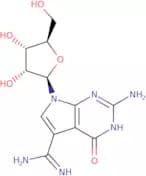
CAS:<p>Archaeosine is a low energy chemical compound that inhibits the enzyme transcriptase polymerase chain reaction (PCR), which is an enzyme that catalyzes the synthesis of DNA from RNA. Archaeosine has significant interactions with human proteins, such as leukocyte antigen, and can be used to study protein-protein interactions and enzyme kinetics. The asymmetric synthesis of archaeosine has been studied in rat liver microsomes, which is a type of cell found in the tissues of the liver. Archaeosine also prevents bacterial enzymes from synthesizing DNA.</p>Formula:C12H16N6O5Purezza:Min. 95%Peso molecolare:324.29 g/mol5-(Carboxyhydroxymethyl)uridine methyl ester
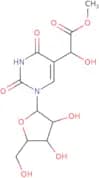
CAS:<p>5-(Carboxyhydroxymethyl)uridine methyl ester is a modified form of uridine that is used in biochemical reactions. It is found in the ovary, where it interacts with acidic environments to produce the corresponding hydroxymethyl derivatives. The hydroxymethyl derivatives are then converted to the corresponding 5-carboxy-hydroxymethyl derivatives by conjugates and modifications, which can be analyzed using various assays. 5-(Carboxyhydroxymethyl)uridine methyl ester has also been shown to have epigenetic effects on cellular activity and cancer.</p>Formula:C12H16N2O9Purezza:Min. 95 Area-%Colore e forma:Slightly Yellow Clear LiquidPeso molecolare:332.26 g/molUDP-N-azidoacetylglucosamine
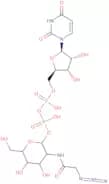
CAS:UDP-N-azidoacetylglucosamine is a UDP sugar with an azide functional handle on the glucosamine making it suitable for modification via click chemistry.Formula:C17H26N6O17P2Purezza:Min. 95%Colore e forma:PowderPeso molecolare:648.37 g/mol

![[(2S,6R)-6-{N4-Benzoylcydin-1-yl}-4-tritylmorpholin-2-yl]methyl dimethyl-phosphoramidochloridate](/_next/image/?url=https%3A%2Fstatic.cymitquimica.com%2Fproducts%2F3D%2Fthumb-webp%2FNB58202.webp&w=3840&q=75)



![2'-Deoxyguanosine-[15N5] monohydrate](/_next/image/?url=https%3A%2Fstatic.cymitquimica.com%2Fproducts%2F3D%2Fthumb-webp%2FND170583.webp&w=3840&q=75)