Nucleosidi
I nucleosidi sono building blocks fondamentali degli acidi nucleici, composti da una base azotata legata a una molecola di zucchero. In questa sezione, puoi trovare una vasta gamma di nucleosidi essenziali per la ricerca in biologia molecolare, biochimica e farmacologia. Questi composti svolgono ruoli cruciali nella sintesi del DNA e dell'RNA e sono vitali in vari processi metabolici. I nucleosidi vengono utilizzati per studiare il materiale genetico, sviluppare terapie antivirali e antitumorali e comprendere i meccanismi cellulari. Da CymitQuimica, forniamo nucleosidi di alta qualità per supportare le tue esigenze di ricerca e sviluppo, garantendo purezza e affidabilità per le tue applicazioni sperimentali.
Trovati 3569 prodotti di "Nucleosidi"
Ordinare per
Purezza (%)
0
100
|
0
|
50
|
90
|
95
|
100
3'-Azido-3'-deoxy-5-fluoro-b-L-cytidine
CAS:3'-Azido-3'-deoxy-5-fluoro-b-L-cytidine is an antiviral drug. It is a modified nucleoside with phosphoramidite and azido groups. This product can be used as an activator for DNA synthesis, in anticancer drug development, as well as in the treatment of HIV. 3'-Azido-3'-deoxy-5-fluoro-b-L-cytidine has been shown to inhibit the growth of human tumor cells by inhibiting protein synthesis and enhancing the production of reactive oxygen species (ROS). It also inhibits the activity of ribonucleotide reductase, which is a critical enzyme for DNA synthesis.Purezza:Min. 95%Polyinosinic acid-polycytidylic acid, homopolymer (1:1)
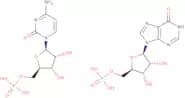
CAS:Polyinosinic acid-polycytidylic acid (Poly I:C), an agonist of TLR3 toll-like receptors, is a synthetic double-stranded RNA analog, consisting of polyinosinic acid (poly I) paired with polycytidylic acid (poly C), forming a stable duplex structure.PolyI:C stimulates the secretion of pro-inflammatory cytokines and type I interferon through its interaction with endosomal Toll-like receptor 3 (TLR-3) and the cytoplasmic receptors melanoma differentiation-associated gene 5 (MDA-5) and retinoic acid-inducible gene I (RIG-I). This immunostimulant activity makes Poly I:C a useful vaccine adjuvant and is used in vaccine formulations. Poly I:C and its stabilized analogs (e.g., poly-ICLC) are also being actively researched for their dual role in oncology: directly targeting tumors and acting as immune potentiators. For example Poly I:C can induce apoptosis in tumor cells and stimulate immunogenic cell death and is therefore being explored alongside chemotherapy, radiotherapy, and checkpoint inhibitors, helping to overcome resistance mechanisms and strengthen treatment outcomes.We can supply PolyI:C to all stages of your project - from R&D and preclinical phases right up to GMP commercial manufacture. Contact our team for custom Poly I:C products. For more on poly I:C read out blog 'Poly I:C: A Vaccine Adjuvant With Oncological Potential.'Formula:(C10H13N4O8P)x•(C9H14N3O8P)xColore e forma:Powder8-Chloroadenosine
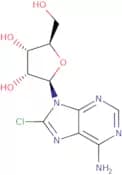
CAS:<p>8-Chloroadenosine is a potent inhibitor of apoptosis, which is the process by which cells die. It has been shown to inhibit cell growth in murine hepatoma cells and synergize with other cytotoxic agents. 8-Chloroadenosine inhibits the activity of bcl-2 protein and thus blocks the release of cytochrome c from mitochondria. This causes DNA damage by inhibiting DNA synthesis and protein synthesis, leading to apoptosis. 8-Chloroadenosine has also been shown to be an active inhibitor of cancer cells, especially myeloma cell lines. The response element for 8-chloroadenosine is located in the promoter region of the gene encoding cyclooxygenase 2 (COX-2), which encodes a protein that produces prostaglandins involved in inflammation and tumor growth. The concentration of camp in cancer tissues determines whether these cells will respond favorably or unfavorably to this drug.</p>Formula:C10H12ClN5O4Purezza:Min. 95%Colore e forma:PowderPeso molecolare:301.69 g/mol8-Hydrazinoadenosine
CAS:<p>8-Hydrazinoadenosine is an inhibitor of phosphodiesterase, which is a key enzyme in the regulation of cellular processes. 8-Hydrazinoadenosine binds to the active site of the enzyme and inhibits its function. This binding prevents hydrolysis of the phosphate bond between two nucleotides and so prevents the formation of a new nucleotide from a nucleoside and a phosphate molecule. 8-Hydrazinoadenosine has been shown to inhibit phosphodiesterases in vitro and in animals, including rat brain and mouse lung. Strategies for 8-hydrazinoadenosine commercialization have been investigated, including attaching it to other molecules that are more easily absorbed by cells or using irradiation to produce 8-aminoadenosine, which can be converted into 8-hydrazinoadenosine.</p>Purezza:Min. 95%2'-Deoxy-2'-fluoroadenosine 5'-a-thiotriphosphate sodium salt
<p>2'-Deoxy-2'-fluoroadenosine 5'-a-thiotriphosphate sodium salt (2'F-ATP) is a nucleoside analog that inhibits viral DNA polymerase and induces apoptosis in cancer cells. It is a novel, modified nucleotide that can be phosphorylated to 2'F-dATP, 2'F-AMP, or 2'F-GMP. The phosphate group in 2'F-ATP is replaced by a thiophosphate group, which increases the stability of the molecule and prevents it from being hydrolyzed by phosphatases. This makes it an effective activator for DNA synthesis reactions.</p>Purezza:Min. 95%2-[(Benzo[b]thien-2-ylcarbonyl)amino]benzoic acid
CAS:2-[(Benzo[b]thien-2-ylcarbonyl)amino]benzoic acid is a benzoic acid derivative for use in researchFormula:C16H11NO3SPurezza:Min. 95%Colore e forma:PowderPeso molecolare:297.33 g/mol9-(b-D-Arabinofuranosyl)adenine
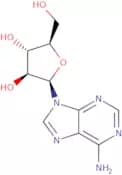
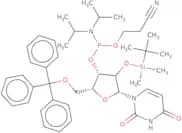
CAS:<p>9-(b-D-Arabinofuranosyl)adenine is a nucleoside that is used as an antiviral agent. It binds to viral RNA and inhibits viral replication. 9-(b-D-Arabinofuranosyl)adenine has been shown to have potent side-effect profiles, including myocardial infarct, neuronal death, and immunological reactions. These effects are due to its ability to inhibit the synthesis of guanine nucleotides in the heart and brain cells, which are essential for energy production and neurotransmitter release respectively. 9-(b-D-Arabinofuranosyl)adenine also binds to toll-like receptors (TLRs), which are proteins found on the surface of cells that recognize invading microbes or foreign substances. This binding leads to activation of immune response pathways.</p>Formula:C10H13N5O4Purezza:Min. 95%Colore e forma:White PowderPeso molecolare:267.24 g/mol2'-O-tert-Butyldimethylsilyl-5'-O-trityluridine 3'-CE phosphoramidite
2'-O-tert-Butyldimethylsilyl-5'-O-trityluridine 3'-CE phosphoramidite is a modified nucleoside that is used as an activator in DNA synthesis. It is synthesized from 5'-O-trityluridine and 2'-deoxyribonucleosides. This nucleoside has antiviral and anticancer properties, which are due to the fact that it inhibits viral replication by inhibiting DNA polymerase and prevents cell proliferation. 2'-O-tert-Butyldimethylsilyl-5'-O-trityluridine 3'-CE phosphoramidite is a high purity, high quality product that can be used in DNA synthesis and cancer treatment.Formula:C43H57N4O7PSiPurezza:Min. 95%Peso molecolare:801.02 g/molKinetin riboside-5'-triphosphate sodium salt
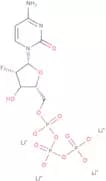
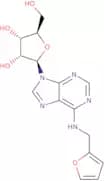
<p>Kinetin riboside-5'-triphosphate sodium salt is a novel antiviral. It is a modified ribonucleotide that inhibits DNA synthesis and has been shown to be effective against cancer cells in vitro. Kinetin riboside-5'-triphosphate sodium salt can also activate the immune system by inducing the production of cytokines, such as interleukin-2 (IL-2), which may have anticancer effects.</p>Purezza:Min. 95%2'-Deoxy-2'-fluorocytidine-5'-triphosphate lithium salt - 100mM aqueous solution
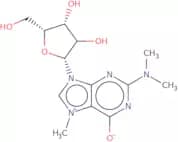
CAS:<p>2'-Deoxy-2'-fluorocytidine-5'-triphosphate lithium salt is a nucleoside that is used in the synthesis of DNA. 2'-Deoxy-2'-fluorocytidine-5'-triphosphate lithium salt is an antiviral, antineoplastic, and anticancer agent. It has been shown to be active against some strains of HIV and herpes viruses. 2'-Deoxy-2'-fluorocytidine-5'-triphosphate lithium salt also inhibits DNA polymerase and RNA polymerase, preventing viral replication and transcription.<br>The phosphate group on the 5' end of this molecule can be modified to produce phosphoramidites, diphosphates, or triphosphates.</p>Formula:C9H11FN3O13P3·Li4Purezza:Min. 95%Peso molecolare:508.88 g/molN2,N2,7-Trimethylguanosine
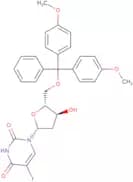
CAS:Trimethylguanosine is a hydrogen-bonded base that is found in the DNA of all living organisms. It has a diagnostic role in cancer and metabolic disorders, as well as in the study of cell culture. Trimethylguanosine can be used to identify cancer cells by measuring its fluorescence properties, which are different from those of healthy cells. This compound also has a role in the diagnosis of metabolic disorders, such as diabetes mellitus and renal disease. Trimethylguanosine is also involved in biological function, and is necessary for the synthesis of proteins and nucleic acids.Formula:C13H20N5O5Purezza:Min. 95 Area-%Colore e forma:PowderPeso molecolare:326.33 g/mol2'-Deoxy-5'-O-DMT-5-iodouridine
CAS:2'-Deoxy-5'-O-DMT-5-iodouridine is an intercalating agent that binds to DNA and RNA. It can be used as a probe for the detection of specific sequences in human cells. The fluorophore attached to the molecule allows it to be detected by fluorescence microscopy, while the chromophore is responsible for its ability to emit light at a wavelength of 535 nm. 2'-Deoxy-5'-O-DMT-5-iodouridine has been shown to enhance nucleotide excision repair and increase the sensitivity of cancer cells to chemotherapy drugs such as cisplatin. The molecule can also be used as a fluorescent protein marker in her-2 gene amplification and overexpression studies.Formula:C30H29IN2O7Purezza:Min. 95%Colore e forma:PowderPeso molecolare:656.48 g/mol2',3'-Dideoxy-5-methylcytidine
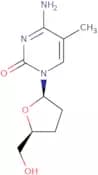
CAS:2',3'-Dideoxy-5-methylcytidine is a synthetic nucleoside analog based on cytidine, a natural building block of DNA and RNA. This molecule is chemically modified to interfere with nucleic acid synthesis, making it a potential tool in antiviral or anticancer therapy, or for studying epigenetics.Formula:C10H15N3O3Purezza:Min. 95%Colore e forma:PowderPeso molecolare:225.25 g/mol3'-Azido-N6-benzoyl-5'-O-DMT-2',3'-dideoxyadenosine
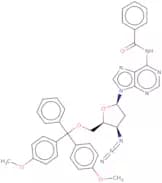
<p>3'-Azido-N6-benzoyl-5'-O-DMT-2',3'-dideoxyadenosine is a nucleoside analog and activator that inhibits the replication of DNA. It is a novel antiviral drug that has antiproliferative properties and may be useful in the treatment of cancer. 3'-Azido-N6-benzoyl-5'-O-DMT-2',3'-dideoxyadenosine is synthesized by reacting an activated phosphoramidite with 2',3'-dideoxyadenosine monophosphate to produce 3',5' dideoxythymidine 5'-monophosphate, which is then converted to 3',5' dideoxyuridine 5'-monophosphate. The last step involves the conversion of 3',5' dideoxyuridine 5'-monophosphate to 3' azidouridine 5'-monoph</p>Formula:C38H34N8O5Purezza:Min. 95%Peso molecolare:682.73 g/molN2-Isobutyryl-9-(b-D-arabinofuranosyl)guanine
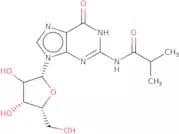
<p>N2-Isobutyryl-9-(b-D-arabinofuranosyl)guanine is a monophosphate analog of guanine. It is a novel antiviral agent that inhibits the DNA polymerase and RNA polymerase activities of human immunodeficiency virus (HIV). The drug has a high purity and is available in large quantities.</p>Formula:C14H19N5O6Purezza:Min. 95%Colore e forma:PowderPeso molecolare:353.33 g/mol5-Chloro-7-(2-C-methyl-b-D-ribofuranosyl)-7H-pyrrolo[2,3-d]pyrimidin-4-amine
CAS:<p>5-Chloro-7-(2-C-methyl-b-D-ribofuranosyl)-7H-pyrrolo[2,3-d]pyrimidin-4-amine is a novel nucleoside and phosphoramidite activator. It is synthesized from 2'-deoxyadenosine, 5'-chloropurine riboside, and 1,1'-bis(diisopropylphosphino)ferrocene. This compound has been shown to be an effective antiviral and anticancer agent in vitro.</p>Formula:C12H15ClN4O4Purezza:Min. 95%Peso molecolare:314.72 g/molN4-Benzoyl-3'-deoxy-5'-O-DMT-cytidine
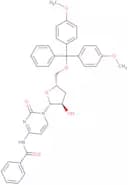
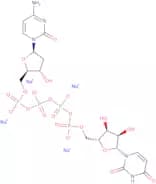
CAS:<p>N4-Benzoyl-3'-deoxy-5'-O-DMT-cytidine is a synthetic nucleoside that is used as an activator for DNA synthesis. It is also used in the preparation of diphosphate derivatives for use as antiviral and anticancer agents or as probes for DNA and RNA research. N4-Benzoyl-3'-deoxy-5'-O-DMT-cytidine is a novel, high purity, and high quality chemical with CAS No. 86234-45-9.</p>Formula:C37H35N3O7Purezza:Min. 95%Peso molecolare:633.69 g/molDenufosol tetrasodium
CAS:<p>A P2Y2 receptor agonist that has been studied in cystic fibrosis and retinal diseases such as retinal detachment. Denufosol was studied as an inhaled drug for cystic fibrosis, due to its ability to activate an alternative chloride channel and avoiding the defective CFTR chloride channel. This enhances hydration of the lung mucosa and improves mucociliary clearance. The drug did not progress from phase III clinical trials. Denufosol resulted in subretinal fluid reabsorption in in vivo model of retinal detachment.</p>Formula:C18H23N5Na4O21P4Purezza:Min. 90 Area-%Colore e forma:PowderPeso molecolare:861.25 g/molKinetin riboside
CAS:Kinetin is a plant hormone that regulates cell proliferation and differentiation. Kinetin riboside is a derivative of kinetin in which the ribose moiety has been converted to ribosyl-ribitol. Kinetin riboside has shown the ability to inhibit cancer cells by inducing apoptosis, which may be related to its ability to inhibit cyclin D2 and mitochondrial membrane potential. In addition, kinetin riboside has been shown to protect against oxidative stress and decrease mitochondrial function in cells. This compound may have therapeutic potential for cancer treatment and other diseases caused by oxidative stress or mitochondrial dysfunction.Formula:C15H17N5O5Purezza:Min. 98 Area-%Colore e forma:White PowderPeso molecolare:347.33 g/mol10-O-[1-Propyl-3-N-carbamoylcholesteryl]-TEG-CE phosphoramidite
CAS:10-O-[1-Propyl-3-N-carbamoylcholesteryl]-TEG-CE phosphoramidite is a cholesterol-conjugated phosphoramidite. The cholesteryl group is a lipophilic moiety which can be used to enhance cellular uptake of oligonucleotides.Formula:C46H82N3O7PPurezza:(31P-Nmr) Min. 95 Area-%Colore e forma:Colorless PowderPeso molecolare:820.13 g/mol2'-Deoxyadenosine 3'-O-L-valinyl ester
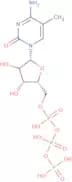
2'-Deoxyadenosine 3'-O-L-valinyl ester is a novel nucleoside phosphoramidite that is synthesized by activating the 2'-deoxyribose phosphate with an L-valyl chloride. This synthetic nucleoside analog can be used as a substitute for dATP in DNA synthesis and has antiviral as well as anticancer activities.Purezza:Min. 95%5-Methylcytidine-5'-triphosphate sodium salt - 100mM aqueous solution
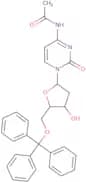
CAS:5-Methylcytidine-5'-triphosphate sodium salt is a nucleoside diphosphate that is used as an activator in the synthesis of DNA. It is also used as a building block in the synthesis of anticancer agents, such as 5-methylcytosine monophosphate and phosphoramidites. The chemical name for this product is 5-methylcytidine-5'-triphosphate sodium salt and its CAS number is 327174-86-7. This product is available for purchase at Sigma Aldrich with a purity of 99%.Formula:C10H18N3O14P3·xNaPurezza:Min. 95%Colore e forma:PowderPeso molecolare:497.18 g/molN4-Acetyl-2'-deoxy-5'-O-tritylcytidine
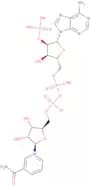
CAS:N4-Acetyl-2'-deoxy-5'-O-tritylcytidine is a novel nucleoside that is synthesized by modifying cytidine to form an acetylated nucleotide. It has been found to be an effective inhibitor of DNA synthesis and antiviral agent.Formula:C30H29N3O5Purezza:Min. 95%Peso molecolare:511.57 g/molb-Nicotinamide adenine dinucleotide phosphate
CAS:<p>Coenzyme and regenerating electron donor in catabolic processes</p>Formula:C21H28N7O17P3Purezza:Min. 80 Area-%Colore e forma:Off-White PowderPeso molecolare:743.41 g/mol2'-O-Acetyl-3'-deoxy-3-deaza-3'-fluoro-5'-O-toluoyluridine
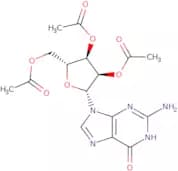
CAS:<p>2'-O-Acetyl-3'-deoxy-3-deaza-3'-fluoro-5'-O-toluoyluridine is an antiviral agent that has been shown to be active against a number of viruses, including HIV. It is a novel nucleoside analog that has been modified with the addition of acetyl and toluoyl moieties at the 2' position. The compound exhibits high antiviral potency in vitro and in vivo, and has an excellent safety profile. This novel anticancer agent also inhibits DNA synthesis by inhibiting ribonucleotide reductase and deoxyribonucleotide reductase activity.</p>Purezza:Min. 95%2',3',5'-Tri-O-acetylguanosine
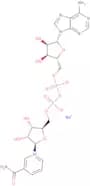
CAS:<p>2',3',5'-Tri-O-acetylguanosine is a protected form of the nucleoside guanosine which has potential application as a synthetic intermediate in nucleic acid and nucleoside chemistry.</p>Formula:C16H19N5O8Purezza:Min. 95%Colore e forma:White PowderPeso molecolare:409.35 g/molβ-Nicotinamide adenine dinucleotide sodium dihydrate
CAS:<p>Coenzyme and regenerating electron donor in catabolic processes</p>Formula:C21H26N7NaO14P2•(H2O)2Purezza:Min. 95%Colore e forma:White PowderPeso molecolare:721.44 g/molInosine-3',5'-cyclic-monophosphate triethylammonium - 10 mM aqueous solution
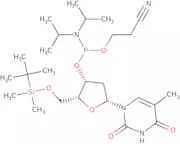
Inosine-3',5'-cyclic-monophosphate triethylammonium is a synthetic nucleoside that functions as an activator of the deoxyribonucleotide synthesis. It has antiviral and anticancer properties, and has been shown to have anti-inflammatory activities. Inosine-3',5'-cyclic-monophosphate triethylammonium has been shown to inhibit the growth of cells in culture and induce apoptosis. This is due to its ability to inhibit DNA synthesis by inhibiting the enzyme ribonucleotide reductase.Formula:C10H11N4O7P·NC6H15Purezza:Min. 95%Peso molecolare:431.38 g/mol5'-O-tert-Butyldimethylsilylthymidine 3'-CE phosphoramidite
<p>5'-O-tert-Butyldimethylsilylthymidine 3'-CE phosphoramidite is a nucleoside which is an activator for DNA synthesis. It is synthesized from the natural substance thymidine, and it can be modified to have various properties by changing the chemical group that attaches to the 3' carbon. 5'-O-tert-Butyldimethylsilylthymidine 3'-CE phosphoramidite is a novel nucleoside that has been shown to be anticancerous in vitro. This compound may also play a role in treating viral infections due to its antiviral properties.</p>Formula:C25H45N4O6PSiPurezza:Min. 95%Peso molecolare:556.72 g/mol5’-O-DMT-3’-O-levulinyl-2’-deoxyadenosine
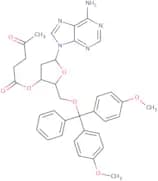
CAS:<p>5’-O-DMT-3’-O-levulinyl-2’-deoxyadenosine is a monophosphate antiviral agent. It has been shown to inhibit the activity of DNA and RNA polymerases in vitro. The drug is novel, and its antiviral properties have not been tested in vivo. 5’-O-DMT-3’-O-levulinyl-2’-deoxyadenosine has been synthesized using phosphoramidites and was found to be of high quality and purity. It has also been modified at the 2' position with an acetyl group and at the 3' position with a levulinoyl group.</p>Purezza:Min. 95%4-Hydroxy-6-methylpyrimidine
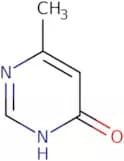
CAS:<p>4-Hydroxy-6-methylpyrimidine (4-OHMP) is a metabolite of trimethyltin. It is formed in the liver by methylation of 4,6-dimethylpyrimidine (4,6-DMPU). The levels of 4-OHMP in urine samples are used to monitor exposure to this agent. The median values for urinary concentrations of 4-OHMP are typically 10 times higher than those found in blood samples. The metabolite can be detected in urine up to 2 weeks after an individual’s last contact with trimethyltin. This compound has been shown to inhibit the synthesis of glycol dimethyl ethers and carbamates.</p>Formula:C5H6N2OPurezza:Min. 95%Peso molecolare:110.11 g/molN6-Benzoyl-2'-deoxy-2'-fluoroadenosine 3'-CE phosphoramidite
<p>N6-Benzoyl-2'-deoxy-2'-fluoroadenosine 3'-CE phosphoramidite is a novel nucleoside that has antiviral and anticancer properties. It is an analog of adenosine and inhibits the action of ribonucleotide reductase, which is an enzyme that converts ribonucleotides to deoxyribonucleotides. N6-Benzoyl-2'-deoxy-2'-fluoroadenosine 3'-CE phosphoramidite also inhibits the synthesis of DNA, which may be due to its inhibition of DNA polymerase. This compound has been shown to inhibit the growth of leukemia cells in culture and induce apoptosis in human tumor cells.</p>Formula:C47H51FN7O7PPurezza:Min. 95%Peso molecolare:875.92 g/molS-Adenosyl-L-methionine p-toluenesulfonate
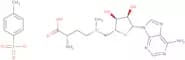
CAS:<p>Methyl donor and a cofactor for enzyme-catalyzed methylations</p>Formula:C15H23N6O5S•C7H7O3SPurezza:Min. 95%Colore e forma:White PowderPeso molecolare:570.64 g/mol2'-Deoxy-5'-O-DMT-2'-fluoro-5-methyluridine
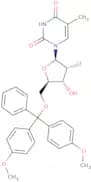
CAS:<p>This is a nucleoside analog that has antiviral properties. It is a monophosphate derivative of 2'-deoxy-5'-O-DMT-2'-fluoro-5-methyluridine and has been shown to be an activator of RNA polymerase II transcription in vitro. This compound is also a novel, high quality, high purity reagent for the synthesis of phosphoramidites. 2'-Deoxy-5'-O-DMT-2'-fluoro-5-methyluridine is CAS No. 133324-02-4 and can be used as a diphosphate or DNA nucleoside analog with antiviral properties.<br>2'-Deoxy-5'-O-DMT-2'-fluoro-5-methyluridine is synthesized by reacting 5' deoxyribose phosphate with the corresponding 2',3' or 4' fluoro amidite in the presence of a base. The ribonucle</p>Formula:C31H31FN2O7Purezza:Min. 95%Colore e forma:White PowderPeso molecolare:562.59 g/mol6-O-Methyl-2'-deoxyinosine
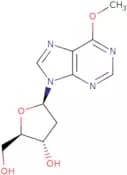
CAS:<p>6-O-Methyl-2'-deoxyinosine is a modified nucleoside that inhibits the synthesis of DNA and RNA. It is also an anticancer agent, inhibiting the growth of tumor cells by arresting the cell cycle at the G1 phase. 6-O-Methyl-2'-deoxyinosine is a phosphoramidite for use in solid phase synthesis of oligodeoxynucleotides (ODN). This product has high purity, good quality, novel structures and excellent stability.<br>6-O-Methyl-2'-deoxyinosine can be used to inhibit viral replication by preventing viral DNA from being replicated into double stranded DNA. The antiviral activity of 6-O-methyl 2'-deoxyinosine against HIV has been demonstrated in vitro and in vivo using monophosphate forms.</p>Purezza:Min. 95%2'-Deoxy-2'-fluoro-2'-C-methyl-5-methyluridine
<p>2'-Deoxy-2'-fluoro-2'-C-methyl-5-methyluridine is a modified nucleoside that inhibits the proliferation of cancer cells. It has been shown to be effective against HIV, Hepatitis B and C, influenza, herpes simplex virus type 1 and 2, and human cytomegalovirus. This drug is synthesized by phosphoramidite chemistry and is used as a DNA activator in the synthesis of oligonucleotides. 2'-Deoxy-2'-fluoro-2'-C-methyl-5-methyluridine is a novel compound that exhibits high quality with high purity.</p>Purezza:Min. 95%N4-Benzoyl-5'-O-DMT-2'-O-methylcytidine
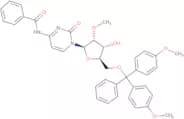
CAS:N4-Benzoyl-5'-O-DMT-2'-O-methylcytidine is an antiviral agent that inhibits the replication of a number of DNA viruses, including herpes simplex virus type 1 and type 2. It is a monophosphate inhibitor that binds to the ribonucleotide reductase enzyme, preventing formation of deoxyribonucleotides. N4-Benzoyl-5'-O-DMT-2'-O-methylcytidine is also used as an anticancer agent. This drug has been shown to inhibit the growth of human leukemia cell cultures and can be used for treatment of leukemia in combination with other drugs. The novel properties of this compound make it useful for research purposes and it has been synthesized in high quality at low cost.Formula:C38H37N3O8Purezza:Min. 95%Colore e forma:PowderPeso molecolare:663.72 g/mol7-Deaza-2'-deoxy-7-iodoadenosine
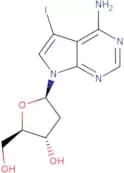
CAS:<p>7-Deaza-2'-deoxy-7-iodoadenosine is an oligomer with a stabilized backbone that has been shown to inhibit the growth of bacteria in vitro. It binds to DNA and prevents RNA synthesis. 7-Deaza-2'-deoxy-7-iodoadenosine is a synthetic nucleotide analogue that is used as a probe for mapping RNA sequences and as an inhibitor of bacterial growth. This compound is also used in the synthesis of oligodeoxynucleotides because it has a high affinity for guanine residues, which can be incorporated into the oligonucleotide chain by chemical ligation. The octameric form of 7-deaza-2'-deoxyadenosine is most active against bacterial cells.</p>Formula:C11H13IN4O3Purezza:Min. 98 Area-%Colore e forma:White Off-White PowderPeso molecolare:376.16 g/molN4-Acetyl-5'-O-DMT-2'-O-propynylcytidine 3'-CE phosphoramidite
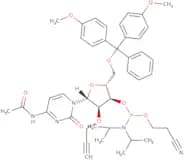
CAS:<p>N4-Acetyl-5'-O-DMT-2'-O-propynylcytidine 3'-CE phosphoramidite is an activator and antiviral agent that inhibits viral DNA synthesis by terminating the elongation step of viral DNA chain extension. N4-Acetyl-5'-O-DMT-2'-O-propynylcytidine 3'-CE phosphoramidite has a novel structure and is synthesized by modified chemical reactions. It can be used in the synthesis of oligonucleotides or as a building block for the synthesis of other nucleosides.</p>Formula:C44H52N5O9PPurezza:Min. 95%Peso molecolare:825.89 g/mol5-Methyl-2-thiouridine
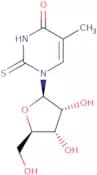
CAS:<p>5-Methyl-2-thiouridine is a nucleotide that is found in the type strain of Escherichia coli. It has been shown to be an effective inhibitor of protein synthesis, with optimum concentration at 0.1 mM. 5-Methyl-2-thiouridine binds to the ribosome and inhibits its activity. 5-Methyl-2-thiouridine also interacts with human mitochondrial RNA and alters its structure, leading to an antibody response that protects against infection by the bacteria in question. This nucleotide has also been shown to inhibit bacterial growth in wastewater treatment plants. The chemical structures of 5-methyluridine are similar to those of uridine except for a methyl group on the second carbon atom (5 position). The presence of this methyl group confers increased water permeability and decreased kinetic energy on the molecule, which can be detected using nuclear magnetic resonance spectroscopy.</p>Formula:C10H14N2O5SPurezza:Min. 95%Colore e forma:White PowderPeso molecolare:274.29 g/molGuanosine 3',5'-cyclic monophosphate sodium salt
CAS:<p>Guanosine 3',5'-cyclic monophosphate sodium salt (cGMP) is a cyclic nucleotide that is involved in the regulation of many cellular processes. It binds to specific guanine nucleotide-binding proteins (G proteins) and activates protein kinase A, which regulates glucose metabolism and energy production. cGMP also affects neuronal death, axonal growth, and bowel disease by acting as a cyclase inhibitor or activating the immune system. It has been shown to reduce the severity of infectious diseases such as HIV and malaria by activating the immune system.</p>Formula:C10H11N5NaO7PPurezza:Min. 95%Colore e forma:PowderPeso molecolare:367.19 g/mol1-(2,3-Dideoxy-2-fluoropentofuranosyl)cytosine
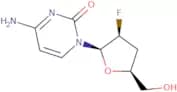
CAS:1-(2,3-Dideoxy-2-fluoropentofuranosyl)cytosine is a cytosine analog that is structurally similar to the antiviral drug tenofovir. It has been shown to be active against human serum and logarithmic growth phase cells, as well as cancer cell lines. 1-(2,3-Dideoxy-2-fluoropentofuranosyl)cytosine inhibits HIV infection in vitro by binding to the viral reverse transcriptase enzyme, blocking its activity and preventing DNA synthesis. This drug also inhibits the replication of human immunodeficiency virus type 1 (HIV-1) and other retroviruses in cell culture.Formula:C9H12FN3O3Purezza:Min. 95%Peso molecolare:229.21 g/mol5-Aza-N6-benzoyl-5'-O-DMT-2'-deoxycytidine 3'-CE phosphoramidite
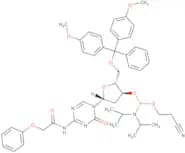
CAS:<p>5-Aza-N6-benzoyl-5'-O-DMT-2'-deoxycytidine 3'-CE phosphoramidite is a monophosphate, Synthetic, DNA Activator, Anticancer, Modified, Novel, Nucleosides. It has the CAS No. 929904-98-3 and is High purity.</p>Formula:C46H53N6O9PPurezza:Min. 95%Peso molecolare:864.92 g/mol4-7H-Chloro-5-iodo-7-(2-C-methyl-b-D-ribofuranosyl)-7H-pyrrolo[2,3-d]pyrimidin-2-amine
CAS:<p>4-7H-Chloro-5-iodo-7-(2-C-methyl-b-D-ribofuranosyl)-7H-pyrrolo[2,3-d]pyrimidin-2-amine is a modified nucleoside that has been shown to have antiviral, anticancer and activator properties. This compound is synthesized by the reaction of 4,7H chloro 5 Iodo 7 (2 C methyl b D ribofuranosyl) 7 H pyrrolo[2,3 d]pyrimidine with 2 C methyl b D ribofuranosyl in aqueous solution at neutral pH. 4 - 7 H Chloro 5 Iodo 7 (2 C methyl b D ribofuranosyl) 7 H pyrrolo [2,3 d] pyrimidine reacts with 2 C methyl b D ribofuranosyl to form 4 - 7 H Chlor</p>Purezza:Min. 95%N4-Benzoyl-3'-deoxycytidine
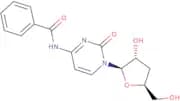
CAS:<p>N4-Benzoyl-3'-deoxycytidine is a novel antiviral agent that has shown activity against DNA and RNA viruses. It is an activator of DNA polymerase, which is essential for replication of viral nucleic acids. The compound is a modified nucleoside with a benzoyl group at the 4' position of the ribose moiety. It also has phosphoramidite, monophosphate, and diphosphate analogues. N4-Benzoyl-3'-deoxycytidine binds to the enzyme DNA polymerase, thereby inhibiting its ability to synthesize deoxyribonucleotides from ribonucleotides. This results in inhibition of viral DNA synthesis and subsequent inhibition of viral replication.</p>Formula:C16H17N3O5Purezza:Min. 95%Colore e forma:White To Off-White SolidPeso molecolare:331.32 g/mol5’(R)-C-Methyl-5-methyluridine
CAS:<p>5’(R)-C-Methyl-5-methyluridine is an nucleoside and a ribonucleoside. It has antiviral, anticancer, and DNA modifying properties. This product is used in research to make phosphoramidites, diphosphates, and deoxyribonucleosides. 5’(R)-C-Methyl-5-methyluridine is also used in the production of modified oligonucleotides as well as other novel DNA compounds.</p>Purezza:Min. 95%5'-Amino-N-Boc-5'-deoxy-2',3'-O-isopropylideneadenosine
<p>5'-Amino-N-Boc-5'-deoxy-2',3'-O-isopropylideneadenosine is a novel nucleoside that has antiviral activity. It is an activator of the ribonucleotide reductase enzyme and inhibits the synthesis of DNA, RNA and proteins. 5'-Amino-N-Boc-5'-deoxy-2',3'-O-isopropylideneadenosine has shown anticancer activity in several animal models.</p>Purezza:Min. 95%3-beta-D-Ribofuranosyl-1H-pyrimido[5,4-b][1,4]benzoxazin-2(3H)-one
CAS:<p>3-beta-D-Ribofuranosyl-1H-pyrimido[5,4-b][1,4]benzoxazin-2(3H)-one is a phosphoramidite that can be used for the synthesis of DNA. It has antiviral activity and has been shown to inhibit the growth of cancer cells. 3-beta-D-Ribofuranosyl-1H-pyrimido[5,4-b][1,4]benzoxazin-2(3H)-one is a novel nucleoside that is modified with a fluoroquinolone moiety. This modification inhibits viral replication by interfering with viral DNA polymerase. The novel nucleoside has also been shown to have anticancer activity in vitro and in vivo.</p>Formula:C15H15N3O6Purezza:Min. 95%Colore e forma:PowderPeso molecolare:333 g/mol4-Amino-7-(2-deoxy-b-D-ribofuranosyl)-7H-pyrrolo[2,3-d]pyrimidin-5-carboxamide
CAS:<p>4-Amino-7-(2-deoxy-b-D-ribofuranosyl)-7H-pyrrolo[2,3-d]pyrimidin-5-carboxamide is a synthetic compound that inhibits protein synthesis by binding to the 50S ribosomal subunit. It also prevents viral replication by inhibiting the incorporation of amino acids into proteins. 4-Amino-7-(2-deoxy-b-Dribofuranosyl)-7H pyrrolo[2,3 d]pyrimidin 5 carboxamide binds to the 50S ribosomal subunit and blocks tRNA entry into the A site of the ribosome. This binding prevents translation and transcription of mRNA, effectively inhibiting protein synthesis. It has been shown to be effective against murine leukemia virus (MLV), influenza A virus, and herpes simplex virus type 1 (HSV1) in cell culture</p>Formula:C12H15N5O4Purezza:Min. 95%Peso molecolare:293.28 g/mol2'-O-Methyl-5-propynyluridine
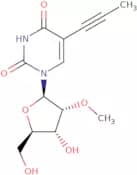
CAS:<p>2'-O-Methyl-5-propynyluridine is a nucleoside that is selective to bacterial DNA. It has been shown to inhibit the binding of RNA polymerase and DNA gyrase, as well as the synthesis of RNA and DNA. This nucleoside also inhibits the formation of triplexes in vitro with oligonucleotides complementary to sequences in the 16S ribosomal RNA gene. 2'-O-Methyl-5-propynyluridine has been used for the measurement of RNA polymerase activity in bacteria, and its affinity for triplexes can be measured by gel shift assay.</p>Formula:C13H16N2O6Purezza:Min. 95%Colore e forma:PowderPeso molecolare:296.28 g/mol




![2-[(Benzo[b]thien-2-ylcarbonyl)amino]benzoic acid](/_next/image/?url=https%3A%2Fstatic.cymitquimica.com%2Fproducts%2F3D%2Fthumb-webp%2FNB181580.webp&w=3840&q=75)

![5-Chloro-7-(2-C-methyl-b-D-ribofuranosyl)-7H-pyrrolo[2,3-d]pyrimidin-4-amine](/_next/image/?url=https%3A%2Fstatic.cymitquimica.com%2Fproducts%2F3D%2Fthumb-webp%2FNC14096.webp&w=3840&q=75)
![10-O-[1-Propyl-3-N-carbamoylcholesteryl]-TEG-CE phosphoramidite](/_next/image/?url=https%3A%2Fstatic.cymitquimica.com%2Fproducts%2F3D%2Fthumb-webp%2FPP138032.webp&w=3840&q=75)






![4-7H-Chloro-5-iodo-7-(2-C-methyl-b-D-ribofuranosyl)-7H-pyrrolo[2,3-d]pyrimidin-2-amine](/_next/image/?url=https%3A%2Fstatic.cymitquimica.com%2Fproducts%2F3D%2Fthumb-webp%2FNC14083.webp&w=3840&q=75)
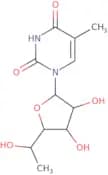

![3-beta-D-Ribofuranosyl-1H-pyrimido[5,4-b][1,4]benzoxazin-2(3H)-one](/_next/image/?url=https%3A%2Fstatic.cymitquimica.com%2Fproducts%2F3D%2Fthumb-webp%2FNR180574.webp&w=3840&q=75)
![4-Amino-7-(2-deoxy-b-D-ribofuranosyl)-7H-pyrrolo[2,3-d]pyrimidin-5-carboxamide](/_next/image/?url=https%3A%2Fstatic.cymitquimica.com%2Fproducts%2F3D%2Fthumb-webp%2FNA144685.webp&w=3840&q=75)