Prodotti naturali e sostanze fitochimiche per origine botanica
I prodotti naturali e i fitochimici derivati dalle piante sono preziosi per le loro proprietà terapeutiche e attività biologiche. Questi composti sono essenziali per la ricerca in farmacologia, biochimica e chimica dei prodotti naturali. Forniscono informazioni sui benefici medicinali delle piante e supportano lo sviluppo di nuovi farmaci e integratori alimentari. Presso CymitQuimica, offriamo una vasta gamma di prodotti naturali e fitochimici per sostenere la vostra ricerca.
Sottocategorie di "Prodotti naturali e sostanze fitochimiche per origine botanica"
- Acacia catechu (L.f.) Willci.(1 prodotti)
- Aconitum(49 prodotti)
- Aconitum carmichaelii Debx.(27 prodotti)
- Acorus tatarinowii Schott(5 prodotti)
- Sperma di Esculi(11 prodotti)
- Agave sisalana Perr. ex Engelm.(1 prodotti)
- Ajuga decumbens Thunb.(1 prodotti)
- Aloe(19 prodotti)
- Alpinia katsumadai Hayata(2 prodotti)
- Alpinia officinarum Hance(3 prodotti)
- Alpinia oxyphylla Miq.(1 prodotti)
- Ampelopsis grossedentata (Hand.-Mazz.) W.T.Wang(2 prodotti)
- Anemarrhena asphodeloides Bge.(12 prodotti)
- Anemcme raddeana Regel(2 prodotti)
- Angelicae sinensis Radix(5 prodotti)
- Apium graveolens L.(5 prodotti)
- Aralia chinensis L(5 prodotti)
- Arctium lappa L.(3 prodotti)
- Ardisia crispa(1 prodotti)
- Aristolochia manshuriensis(8 prodotti)
- Arnebiae radix(10 prodotti)
- Artemisia annua L.(5 prodotti)
- Artemisia argyi Levl.et Vant.(2 prodotti)
- Artemisia scoparia Waldst.et Kit.(1 prodotti)
- Ashwagandha(4 prodotti)
- Astragali radix(18 prodotti)
- Atractylodes Lancea (Thunb.) DC.(5 prodotti)
- Aucklandia lappa Decne.(2 prodotti)
- Aurantii fructus immaturus(20 prodotti)
- Azadirachta indica(1 prodotti)
- Bacopa monnieri (L.) Wettst.(6 prodotti)
- Berberidis radix(1 prodotti)
- Berberis thunbergii DC.(1 prodotti)
- Betula platyphylla Suk.(7 prodotti)
- Riso nero(2 prodotti)
- Tè nero(7 prodotti)
- Fonte botanica(1.459 prodotti)
- Bupleuri Radix(45 prodotti)
- Fitochimici CP(91 prodotti)
- Callicarpa formosana Rolfe(2 prodotti)
- Camellia oleifera Abel.(3 prodotti)
- Camptotheca acuminata.(9 prodotti)
- Capsicum annuum L.(6 prodotti)
- Carpesium abrotanoides(1 prodotti)
- Carthamus tinctorius L.(2 prodotti)
- Catharanthus roseus (L.) G. Don(14 prodotti)
- Centipedae herba(5 prodotti)
- Cephalotaxus fortunei Hook. f.(2 prodotti)
- Chebulae Fructus(1 prodotti)
- Chelidonium majus(5 prodotti)
- Cimicifuga rizoma(11 prodotti)
- Cinnamomum cassia Presl(3 prodotti)
- Cirsium japonicum Fisch.ex DC.(2 prodotti)
- Cistanches herba(9 prodotti)
- Citri grandis exocarpium(1 prodotti)
- Citrus limon (L.) Burm. f.(2 prodotti)
- Citrus reticulata Blanco(7 prodotti)
- Clinopodium chinense(1 prodotti)
- Radice di Glehnia costiera(2 prodotti)
- Caffè Ciliegia(2 prodotti)
- Coicis semen(1 prodotti)
- Coptidis rhizoma(7 prodotti)
- Cornus officinalis Sieb.et Zucc.(1 prodotti)
- Corydalis edulis Maxim.(4 prodotti)
- Corydalis yanhusuo W.T.Wang(6 prodotti)
- Peptidi cosmetici(17 prodotti)
- Crataegi fructus(3 prodotti)
- Crocus sativus L.(2 prodotti)
- Crotalaria pallida Ait.(5 prodotti)
- Cucumis melo L.(12 prodotti)
- Curcuma Longa L.(1 prodotti)
- Curcumae Rhizoma(7 prodotti)
- Curcumae radix(1 prodotti)
- Cyanotis arachnoides C.B.Clarke(2 prodotti)
- Radice di Cyathulae(6 prodotti)
- Cyclocarya paliurus(1 prodotti)
- Cynanchum otophyllum Schneid.(5 prodotti)
- Cynara scolymus foglia(1 prodotti)
- Daphne genkwa Sieb. et Zucc.(2 prodotti)
- Dafne odora(1 prodotti)
- Dendranthema indicum(3 prodotti)
- Dendrobii caulis(1 prodotti)
- Cortex Dictamni(5 prodotti)
- Derris trifoliata(3 prodotti)
- Desmodii styracifolii herba(3 prodotti)
- Dichroae Radix(2 prodotti)
- Dioscorea bulbifera L.(1 prodotti)
- Dioscorea zingiberensis C.H.Wright(1 prodotti)
- Dipsacus asper Wall. ex Henry(2 prodotti)
- Dysosma versipellis(5 prodotti)
- Echinacea purpurea (Linn.) Moench(2 prodotti)
- EcliptaprostrataL.(8 prodotti)
- Edgeworthia chrysantha Lindl.(1 prodotti)
- Eleuterococco senticosus(7 prodotti)
- Engelhardtia roxburghiana Wall.leaf(4 prodotti)
- Epimedii folium(19 prodotti)
- Erigerontis herba(3 prodotti)
- Foglia di eucalipto(2 prodotti)
- Eucommia ulmoides Oliv.(1 prodotti)
- Euodiae fructus(11 prodotti)
- Flavononi(33 prodotti)
- Fordia cauliflora Hemsl.(1 prodotti)
- Forsythia suspensa (Thunb.) Vahl(9 prodotti)
- Ganoderma(7 prodotti)
- Garcinia hanburyi Hook.f.(5 prodotti)
- Garcinia mangostana L.(13 prodotti)
- Gardenia jasminoides Ellis(1 prodotti)
- Gastrodia elata Bl.(2 prodotti)
- Gelsemium elegans(8 prodotti)
- Gentianae radix et rhizoma(2 prodotti)
- Ginkgo biloba L.(2 prodotti)
- Ingredienti del ginkgo(5 prodotti)
- Ingredienti del ginseng(47 prodotti)
- Glicina max(15 prodotti)
- Glycyrrhiza Radix Et Rhizoma(36 prodotti)
- Tè verde(12 prodotti)
- Gymnema sylvestre (Retz.) Schult.(5 prodotti)
- Gypsophila paniculata Linn .(2 prodotti)
- Hedera helix(2 prodotti)
- Hedyotis Diffusae Herba(1 prodotti)
- Helicia nilagirica Bedd.(2 prodotti)
- Erba Acroptili Repentis(1 prodotti)
- Hippophae rhamnoides L.(2 prodotti)
- Houttuynia cordata Thunb.(1 prodotti)
- Humulus lupulus Linn.(6 prodotti)
- Hyoscyamus niger L.(1 prodotti)
- Hypericum japonicum Thunb.(4 prodotti)
- Hypericum perforatum(3 prodotti)
- Ilex cornuta Lindl.ex Paxt.(1 prodotti)
- Ilex rotunda Thunb.(1 prodotti)
- Indaco naturalis(2 prodotti)
- Inula helenium L.(2 prodotti)
- Inulae flos(13 prodotti)
- Radice di Isatis indigotica(2 prodotti)
- Ixeris sonchifolia (Bunge) Hance(4 prodotti)
- Jatropha carcas L.(1 prodotti)
- Kaempferia galanga L.(1 prodotti)
- Kochiae Fructus(1 prodotti)
- Laggerae herba(1 prodotti)
- Laminariae tallo eckloniae tallo(2 prodotti)
- Lamiophlomis herba(1 prodotti)
- Foglia di agrifoglio cinese, foglia di agrifoglio a foglia larga(1 prodotti)
- Leonurus ja ponicus Houtt.(3 prodotti)
- Lepidium meyenii Walp(8 prodotti)
- Lignum Aquilariae Agallochae Resinatum(1 prodotti)
- Ligustrum lucidum Ait.(8 prodotti)
- Ligustrum purpurascens(2 prodotti)
- Lilii Bulbus(7 prodotti)
- Liquidambar formosana Hance(2 prodotti)
- Liriopes radix(4 prodotti)
- Lonicera japonica Thunb.(11 prodotti)
- Lycopi Herba(1 prodotti)
- Macleaya cordata (Willd.) R. Br.(1 prodotti)
- Magnolia liliflora Desr(1 prodotti)
- Magnoliae flos(5 prodotti)
- Magnoliae officinalis cortex(6 prodotti)
- Mahoniae Caulis(5 prodotti)
- Malus Mill.(3 prodotti)
- Medicago Sativa Linn(2 prodotti)
- Menispermum dauricum DC.(10 prodotti)
- Foglia di microcos paniculata(3 prodotti)
- Momordica charantia L(1 prodotti)
- Monascus(6 prodotti)
- Mori radix(5 prodotti)
- Morindae Officinalis Radix(14 prodotti)
- Murraya exotica L.(2 prodotti)
- Myristicae Semen(10 prodotti)
- Nardostachys jatamansi DC.(1 prodotti)
- Nelumbo nucifera Gaertn.(5 prodotti)
- Notopterygii rhizoma et radix(1 prodotti)
- Ophiopogonis Radix(18 prodotti)
- Oroxylum indicum (L.) Vent.(6 prodotti)
- Panax notoginseng(19 prodotti)
- Paridis rhizoma(9 prodotti)
- Guscio di arachide(1 prodotti)
- Peganum harmala L.Seeds(5 prodotti)
- Penthorum chinense Pursh(4 prodotti)
- Perilla frutescem (L.) Britt.(2 prodotti)
- Periploca sepium Bge.(7 prodotti)
- Peucedanum praeruptorum(7 prodotti)
- Phellodendri chinensis cortex(13 prodotti)
- Phyllanthus emblica L.(1 prodotti)
- Phyllanthus niruri Linn.(1 prodotti)
- Phyllanthus urinaria L.(2 prodotti)
- Fitochimici(3.392 prodotti)
- Phytolaccae radix(11 prodotti)
- Piper methysticum Forst(5 prodotti)
- Plantaginis Herba(3 prodotti)
- Platycodon grandiflorus (Jacq.) A.DC.(8 prodotti)
- Pogostemonis herba(1 prodotti)
- Poligala radix(29 prodotti)
- Poria cocos(10 prodotti)
- Potentilla chinensis Ser.(2 prodotti)
- Prunella vulgaris L.(1 prodotti)
- Puerariae lobatae radix(11 prodotti)
- Pulsatilla chinensis (Bunge) Regel(10 prodotti)
- Pyrola calliantha H. Andr.(1 prodotti)
- Quisqualis indica Linn.(1 prodotti)
- Rabdosia amethystoides (Benth.) Hara(2 prodotti)
- Rabdosia japonica (Burm. f.) Hara(1 prodotti)
- Rabdosia rubescens(2 prodotti)
- Farina di semi di colza(8 prodotti)
- Raphanus sativus L.(1 prodotti)
- Rauvolfia verticillata(4 prodotti)
- Rheum tanguticum(3 prodotti)
- Rhodiolae Crenulatae Radixet Rhizoma(7 prodotti)
- Rhododendron dauricum L.(3 prodotti)
- Rhododendron molle G. Don(3 prodotti)
- Radice di Clematis stans(2 prodotti)
- Rosa laevigata Michx.(1 prodotti)
- Pappa reale(1 prodotti)
- Rubus saxatilis L.(1 prodotti)
- Ruscus aculeatus(1 prodotti)
- Saccaridi(18 prodotti)
- Salvia plebeia R. Br.(4 prodotti)
- Salviae Miltiorrhizae Radix et Rhizoma(12 prodotti)
- Sanguisorbae Radix(3 prodotti)
- Santalum album L.(1 prodotti)
- Sarcandra glabra (Thunb.) Nakai(2 prodotti)
- Sargentodoxa cuneata(1 prodotti)
- Sauropus spatulifolius Beille(3 prodotti)
- Scrophularia ningpoensis Hemsl.(8 prodotti)
- Scutellaria barbata D. Don(2 prodotti)
- Scutellariae radix(10 prodotti)
- Selaginellae herba(3 prodotti)
- Senecio scandens Buch.-Ham.(6 prodotti)
- Sesamum indicum L.(2 prodotti)
- Radice di Stemona Sessile(4 prodotti)
- Fructus Xanthii(1 prodotti)
- Siegesbeckia orientalis L.(4 prodotti)
- Sinomenii caulis(3 prodotti)
- Siraitiae fructus(2 prodotti)
- Smilax glabra(2 prodotti)
- Solidago decurrens Lour.(1 prodotti)
- Sophora alopecuroides L(2 prodotti)
- Sophora flavescens Ait.(13 prodotti)
- Sophora japonica L.(6 prodotti)
- Spinacio(2 prodotti)
- Stevia rebaudiana (Bertoni) Hemsl.(2 prodotti)
- Glucosidi di Stibene(8 prodotti)
- Swertia bimaculata(1 prodotti)
- Biblioteca dei composti TCM(507 prodotti)
- Tagetes erecta L(4 prodotti)
- Tagetes patula L.(1 prodotti)
- Taxus chinensis(17 prodotti)
- Thalictrum foliolosum DC.T.cultratum Wall.T. deciternatum Boiv,(2 prodotti)
- Thermopsis lanceolata R.Br.(2 prodotti)
- Tinosporae Radix(1 prodotti)
- Toosendan Fructus(2 prodotti)
- Trachelospermum jasminoides (Lindl.) Lem.(7 prodotti)
- Tribulus terrestris L.(8 prodotti)
- Trigonella foenum-graecum L.(2 prodotti)
- Trillium tschonoskii Maxim.(11 prodotti)
- Tripterygium wilfordii Hook.f.(7 prodotti)
- Trollius chinensis(1 prodotti)
- Turpinia arguta Seem.(1 prodotti)
- Typhae Pollen(7 prodotti)
- Typhonium giganteum Engl.(1 prodotti)
- Usnea diffracta Vain.(2 prodotti)
- Uvaria grandifloraRoxb.(5 prodotti)
- Veratrum nigrum L.(6 prodotti)
- Verbena Officinalis L.(1 prodotti)
- Voacanga africana Staph.(1 prodotti)
- Wikstroemia indica (Linn.) C. A. Mey(1 prodotti)
- Zanthoxyli pericarpium(8 prodotti)
- Zingiber officinale Rose.(1 prodotti)
- Ziziphispinosae semen(5 prodotti)
Mostrare 259 più sottocategorie
Trovati 3750 prodotti di "Prodotti naturali e sostanze fitochimiche per origine botanica"
Ordinare per
Purezza (%)
0
100
|
0
|
50
|
90
|
95
|
100
Hamamelitannin
CAS:<p>Quorum sensing inhibitor in bacterial biofilms</p>Formula:C20H20O14Purezza:Min. 95%Colore e forma:PowderPeso molecolare:484.36 g/molL-chiro-Inositol
CAS:<p>L-chiro-Inositol is a stereoisomer of inositol, which is a type of sugar alcohol and a critical component of cell membranes. Derived from natural sources such as plants and animals, L-chiro-Inositol plays a significant role in cellular processes through its involvement in the phosphoinositide signaling pathway. This pathway is crucial for mediating various cellular responses to external signals, particularly in the modulation of insulin signaling and glucose metabolism.<br>By influencing insulin signaling pathways, L-chiro-Inositol contributes to the regulation of glucose uptake and utilization, making it an important compound in studies related to metabolic health, diabetes, and insulin resistance. Researchers also investigate its potential therapeutic applications in managing polycystic ovary syndrome (PCOS) due to its role in improving insulin sensitivity and ovulatory function. Its contribution to cell membrane structure and function further extends its relevance in studies exploring cell signaling, growth, and survival. L-chiro-Inositol serves as a vital compound for scientists examining the intricate interplay between cellular signaling mechanisms and metabolic disorders.</p>Formula:C6H12O6Purezza:Min. 95 Area-%Colore e forma:PowderPeso molecolare:180.16 g/molSinapyl alcohol
CAS:<p>Sinapyl alcohol is a monolignol, which is a pivotal component in the biosynthesis of lignin, a complex polymer. It is derived primarily from certain angiosperms and gymnosperms during the process of lignin formation in the secondary cell walls of plants. Sinapyl alcohol acts as a precursor that undergoes polymerization to form sinapyl lignin, which integrates into the plant cell walls, contributing to the overall structural integrity and rigidity.</p>Formula:C11H14O4Purezza:Min. 95 Area-%Colore e forma:Yellow PowderPeso molecolare:210.23 g/molWuweizisu C
CAS:<p>Anti-inflammatory; reduces nitric oxide synthesis</p>Formula:C22H24O6Purezza:Min. 95%Colore e forma:PowderPeso molecolare:384.42 g/molLignin (Dealkaline)
CAS:<p>Lignin (Dealkaline) is an industrial-grade natural polymer, derived primarily from the complex structural materials in the cell walls of plants. This material is sourced as a byproduct of the paper and pulp industry, particularly from the process of dealkalization which removes lignin from cellulose. The mode of action of dealkaline lignin involves its ability to act as a binder, dispersant, and emulsifier due to its multifaceted chemical structure. Its properties are influenced by the aromatic and hydroxy functionalities present in its matrix, allowing it to interact and bind with a wide range of materials.</p>Colore e forma:Yellow PowderSalvianolic acid B
CAS:<p>Salvianolic acid B is a polyphenolic compound, which is derived from the root of Salvia miltiorrhiza, commonly known as Danshen. It is characterized by its potent antioxidant properties, which function primarily through the scavenging of free radicals and inhibition of lipid peroxidation. The compound contributes to the stabilization of endothelial cells and the prevention of atherosclerosis by modulating various signaling pathways involved in oxidative stress and inflammation.</p>Formula:C36H30O16Purezza:Min. 98 Area-%Colore e forma:Slightly Yellow PowderPeso molecolare:718.61 g/molCitromycetin
CAS:<p>Citromycetin is an antibiotic, which is derived from the genus Streptomyces or related actinomycetous bacteria. This compound acts as a protein synthesis inhibitor by binding to the 50S ribosomal subunit of bacterial ribosomes, thereby preventing peptide bond formation and subsequently hindering bacterial growth.</p>Formula:C14H10O7Purezza:Min. 95%Peso molecolare:290.23 g/molCarthamus red
CAS:<p>Carthamus red is a natural dye, which is obtained from the petals of the safflower plant, Carthamus tinctorius. This dye is known for its vibrant red hue and is extracted through a meticulous process involving the drying and steeping of safflower petals. The primary pigments responsible for its coloration are carthamin and carthamidin, which are anthocyanin derivatives.</p>Formula:C43H42O22Purezza:Min. 95 Area-%Colore e forma:Red PowderPeso molecolare:910.78 g/mol3-Oxo-2-(2-penten-1-yl)cyclopentaneacetic acid
CAS:<p>3-Oxo-2-(2-penten-1-yl)cyclopentaneacetic acid is a cyclopentane derivative, notable for its unique chemical structure and reactivity. This compound is typically sourced through synthetic organic chemistry techniques, often involving multistep chemical reactions starting from simpler organic molecules. Its mode of action centers around its ability to interact with specific biochemical pathways, potentially influencing various metabolic processes due to its structural mimicry of biologically active compounds.</p>Formula:C12H18O3Purezza:Min. 97 Area-%Colore e forma:Clear Viscous LiquidPeso molecolare:210.27 g/molCorycavine
CAS:<p>Corycavine is an alkaloid compound, which is derived from certain species of Corydalis plants, particularly from their roots. This naturally occurring substance acts primarily as an alpha-adrenoceptor antagonist, modulating adrenergic signaling pathways. By competitively inhibiting the binding of endogenous catecholamines such as norepinephrine, it influences vascular tone and other physiological processes mediated by alpha-adrenergic receptors.</p>Formula:C21H21NO5Purezza:Min. 95%Colore e forma:PowderPeso molecolare:367.4 g/molMogroside IV
CAS:<p>Mogroside IV is a natural sweetener, which is a compound extracted from the fruit of Siraitia grosvenorii, commonly known as monk fruit. This compound belongs to a group of terpene glycosides that contribute to the intensely sweet taste of monk fruit. With a sweetness intensity significantly higher than that of sucrose, Mogroside IV is utilized for its potential as a calorie-free sweetening agent.</p>Formula:C54H92O24Purezza:Min. 95%Colore e forma:PowderPeso molecolare:1,125.29 g/molTremuloidin
CAS:<p>Tremuloidin is an alkaloid compound, which is a naturally occurring product found in certain plant species. It is derived from the bark of trees in the genus Tremulus. The mode of action of Tremuloidin involves modulation of specific ion channels in nerve cells, leading to altered neuronal excitability. This results in tremor induction, which can be an important tool for studying neurological pathways and conditions.</p>Formula:C20H22O8Purezza:Min. 95%Colore e forma:White PowderPeso molecolare:390.38 g/molTimosaponin A-III
CAS:<p>Timosaponin A-III is a steroidal saponin, which is a bioactive compound derived from the rhizomes of the plant Anemarrhena asphodeloides, commonly used in traditional Chinese medicine. This compound exerts its effects through various biochemical pathways, primarily by modulating cell signaling pathways such as apoptosis and inflammation. Timosaponin A-III has been shown to influence the NF-κB and MAPK signaling pathways, thereby impacting cellular responses to stress and damage.</p>Formula:C39H64O13Purezza:Min. 98 Area-%Colore e forma:Off-White PowderPeso molecolare:740.92 g/molPongamol
CAS:<p>Pongamol is a bioactive compound, which is a natural product extracted from the seeds of the Pongamia pinnata tree, a member of the Fabaceae family. Its mode of action involves diverse biochemical interactions, including modulation of enzymatic pathways and potential antioxidant activity, making it an intriguing subject in pharmacological studies. Pongamol has been investigated for a variety of applications, particularly in medicine and agriculture. It exhibits promising antifungal, antibacterial, and anti-inflammatory properties, which could be harnessed for developing novel therapeutic agents or agrochemical formulations. Current research is focusing on elucidating its molecular pathways and interactions with cellular targets, aiming to unlock its full potential across various scientific domains.</p>Formula:C18H14O4Purezza:Min. 95%Colore e forma:White Slightly Yellow PowderPeso molecolare:294.3 g/molEngeletin
CAS:<p>Engeletin is a bioactive flavonoid, which is a naturally occurring compound derived from certain plant species, particularly within the Rosaceae family. This compound is characterized by its distinctive biochemical properties, resulting from its flavonoid structure, which influences its interaction with various biological systems.</p>Formula:C21H22O10Purezza:Min. 95%Colore e forma:White PowderPeso molecolare:434.39 g/molJujuboside A
CAS:<p>Jujuboside A is a saponin compound, which is derived from the seeds of Ziziphus jujuba, commonly known as the jujube or Chinese date. It exhibits a range of biological activities, primarily through its modulation of neurotransmitter systems in the brain. Jujuboside A has been shown to interact with the gamma-aminobutyric acid (GABA)ergic system, enhancing the inhibitory neurotransmission that may lead to its calming and anxiolytic effects.</p>Formula:C58H94O26Purezza:Min. 95%Colore e forma:Yellow PowderPeso molecolare:1,207.37 g/molPhyllanthoside - Phyllanthus acuminatus
CAS:<p>Phyllanthoside is a natural compound derived from the plant Phyllanthus acuminatus, a species known for its diverse phytochemical composition. The source of this compound is a flowering plant within the Phyllanthaceae family, which has been traditionally used in various herbal medicine practices. Phyllanthoside functions primarily by disrupting cancer cell proliferation through mechanisms related to DNA intercalation and inhibition of topoisomerase enzymes. This impedes the replication process of rapidly dividing cells, demonstrating potential applications in anticancer therapies. Studies have focused on its cytotoxic effects against various cancer cell lines, highlighting its promise in the development of new chemotherapeutic agents. Further research into its efficacy and safety profile remains essential, as does the exploration of its full pharmacological potential.</p>Formula:C40H52O17Purezza:Min. 90 Area-%Colore e forma:Clear LiquidPeso molecolare:804.83 g/molγ-Oryzanol
CAS:<p>Gamma-Oryzanol is a bioactive compound, which is a mixture of ferulic acid esters of sterols and triterpene alcohols. It is derived from rice bran oil, the oil extracted from the outer layer of rice grains. This compound exhibits its mode of action primarily via antioxidant activity, scavenging free radicals and reducing oxidative stress. It also modulates lipid metabolism and influences hormonal balance, particularly for cholesterol regulation.</p>Formula:C40H58O4Purezza:97.0 To 103.0%Colore e forma:Off-White Yellow PowderPeso molecolare:602.89 g/molSennoside F
CAS:<p>Sennoside F is an anthraquinone glycoside, which is a natural compound extracted from the senna plant, specifically from species such as Cassia angustifolia and Cassia acutifolia. Its mode of action involves the stimulation of the colon's motility and the reduction of water and electrolyte reabsorption in the intestines. By acting on the large intestine, it increases peristalsis, facilitating the movement of stool through the bowel while ensuring softer bowel movements due to the retention of water in the stool.</p>Purezza:Min. 95%α-Amanitin
CAS:<p>a-Amanitin is a cyclic peptide that is found in mushrooms of the genus "Amanita", which can cause toxic effects if eaten. It has been shown to inhibit the growth of cancer cells by inhibiting mitochondrial membrane potential and reducing dna synthesis, as well as by triggering apoptosis. The structural analysis of a-amanitin has shown that it binds to surface glycoproteins on myeloma cells and triggers the activation of toll-like receptors (TLRs), which initiate an immune response against myeloma cells. This cyclic peptide also has been shown to reduce hepatic steatosis in mice by affecting mitochondrial membrane potential and inducing metabolic changes.<br>Indocyanine green, a fluorescent dye, has been shown to prevent α-amanitin toxicity in mice (Wang et al, 2023), and could be a possible antidote to poisoning by Amanita, such as death cap mushroom Amanita phalloides, which is the cause of over 90% of fatal mushroom poisoning.</p>Formula:C39H54N10O14SPurezza:Min. 95 Area-%Colore e forma:White PowderPeso molecolare:918.97 g/molDieckol
CAS:<p>Dieckol is a polyphenolic compound, which is a type of marine-derived phlorotannin. It is extracted predominantly from brown algae, such as species belonging to the genus Ecklonia. Dieckol exhibits its mode of action primarily through its antioxidant properties, attributed to its ability to scavenge free radicals and inhibit oxidative stress pathways. Additionally, it demonstrates anti-inflammatory and anti-cancer activities by modulating various cellular signaling pathways.</p>Formula:C36H22O18Purezza:Min. 95%Colore e forma:PowderPeso molecolare:742.55 g/molIsofraxidin
CAS:<p>Isofraxidin is a natural compound, classified as a coumarin, which is derived from a variety of plant species, including certain members of the Artemisia or Acanthopanax genus. Its chemical structure is characterized by a 7-hydroxy-6,8-dimethoxy derivative that contributes to its pharmacological properties.</p>Formula:C11H10O5Purezza:Min. 95%Colore e forma:PowderPeso molecolare:222.19 g/mol9,10-Dihydroxycoumestan
<p>9,10-Dihydroxycoumestan is a naturally occurring phytoestrogen, which is derived predominantly from plants, specifically legumes like soybeans and alfalfa. This compound is characterized by its coumestan structure, a subgroup of the broader class of isoflavonoids, which are noted for their estrogenic properties.</p>Formula:C15H8O5Purezza:Min. 95%Peso molecolare:268.22 g/molNeohesperidose
CAS:<p>Neohesperidose is a disaccharide carbohydrate, which is naturally derived from certain citrus fruits and plants. It is primarily sourced from the hydrolysis of neohesperidin, a flavonoid glycoside commonly found in the peels of citrus fruits such as oranges and grapefruits. The mode of action of neohesperidose involves interaction with taste receptors, where it exhibits notable sweetening properties, though it is not as sweet as sucrose.</p>Formula:C12H22O10Purezza:Min. 95%Colore e forma:PowderPeso molecolare:326.3 g/molAceroside X
CAS:<p>Aceroside X is a glycoside compound, which is a natural bioactive substance extracted from the leaves of the Acer species, commonly known as maple trees. Its structure is characterized by the presence of a sugar moiety linked to an active aglycone component, which contributes to its bioactivity. Aceroside X primarily exerts its effects through modulation of cellular signaling pathways, including antioxidant and anti-inflammatory mechanisms. This compound has shown potential in inhibiting the activity of pro-inflammatory cytokines as well as scavenging free radicals, thereby mitigating oxidative stress within biological systems.</p>Formula:C25H32O8Purezza:Min. 95%Peso molecolare:460.52 g/molSalvianolic acid A
CAS:<p>Salvianolic acid A is a polyphenolic compound, which is derived from the roots of the plant Salvia miltiorrhiza, commonly known as Danshen. It exerts its effects primarily through its potent antioxidant and anti-inflammatory activities. This compound operates by scavenging free radicals and inhibiting pro-inflammatory mediators, thus providing protection against oxidative stress and inflammation-related damage.</p>Formula:C26H22O10Purezza:Min. 95%Colore e forma:PowderPeso molecolare:494.45 g/molManglexanthone
CAS:<p>Manglexanthone is a xanthone derivative product, which is isolated from the pericarp of the Mangosteen fruit (Garcinia mangostana). This compound exhibits its mode of action primarily through the modulation of oxidative and inflammatory pathways. By inhibiting the production of reactive oxygen species (ROS) and downregulating pro-inflammatory cytokines, Manglexanthone serves as a potent antioxidant and anti-inflammatory agent.</p>Formula:C24H24O6Purezza:Min. 95%Peso molecolare:408.44 g/molHydroxyectoine
CAS:<p>Osmo- and cryo-protectant; stabilizer for enzymes and biological macromolecules</p>Formula:C6H10N2O3Purezza:Min. 95%Colore e forma:PowderPeso molecolare:158.16 g/molAloin B
CAS:<p>Aloin B is a natural anthraquinone glycoside, which is derived from the leaves of the Aloe plant, specifically species such as Aloe vera and Aloe ferox. It is a C-glucoside of aloe-emodin and functions primarily by exerting a stimulant laxative effect. This mode of action is achieved through its influence on the colon, where it promotes peristalsis and intestinal motility by irritating the colonic wall, thereby increasing bowel movement frequency.</p>Formula:C21H22O9Purezza:Min. 98 Area-%Colore e forma:Off-White PowderPeso molecolare:418.39 g/molCurculigoside B
CAS:<p>Natural phenol with activity against β-amyloid aggregation</p>Formula:C21H24O11Purezza:Min. 95%Colore e forma:PowderPeso molecolare:452.41 g/molHematoporphyrin dihydrochloride
CAS:<p>Hematoporphyrin dihydrochloride is a photodynamic therapy agent, which is a derivative of porphyrin. Porphyrins are naturally occurring organic compounds essential in various biochemical processes, primarily sourced from heme, a component of hemoglobin. This compound functions by accumulating preferentially in tumor tissues where it is activated by specific wavelengths of light. The activation leads to the production of reactive oxygen species (ROS), which induce localized cytotoxic effects, ultimately resulting in cellular damage and necrosis of the malignant cells.</p>Formula:C34H38N4O6•(HCl)2Purezza:Min. 95%Colore e forma:Red PowderPeso molecolare:671.61 g/molDaphnoretin
CAS:<p>Daphnoretin is a naturally occurring lignan, which is a type of product derived from plant sources, particularly species of the genus Daphne. It is characterized by its complex chemical structure and is known for its potential bioactive properties. The mode of action of daphnoretin involves modulating various cellular pathways, including those related to apoptosis and oxidative stress, through its interaction with cellular receptors and enzymes. This modulation can lead to either the inhibition or activation of specific cellular processes, which is of significant interest in scientific research.</p>Formula:C19H12O7Purezza:Min. 95%Colore e forma:PowderPeso molecolare:352.29 g/molXimeninic acid
CAS:<p>Fatty acid from Ximenia and Sandalwood; used in skincare applications</p>Formula:C18H30O2Purezza:Min. 95%Colore e forma:White PowderPeso molecolare:278.43 g/molMacluraxanthone
CAS:<p>Natural product exhibiting antioxidant and antimalarial activity</p>Formula:C23H22O6Purezza:Min. 95%Colore e forma:PowderPeso molecolare:394.42 g/molCalystegine A5
CAS:<p>Calystegine A5 is a naturally occurring polyhydroxylated alkaloid, which is primarily isolated from certain plant species such as those in the Solanaceae and Convolvulaceae families. Its mode of action involves the inhibition of glycosidase enzymes, which are crucial for various carbohydrate processing pathways. By impeding these enzymes, Calystegine A5 disrupts the breakdown and synthesis of glycoconjugates, thereby affecting cellular metabolism and signaling pathways.</p>Formula:C7H13NO3Purezza:Min. 95%Colore e forma:PowderPeso molecolare:159.18 g/mol(+)-Usnic acid From Usnea Dasypoga
CAS:<p>(+)-Usnic acid is a naturally occurring dibenzofuran derivative, which is isolated from the lichen Usnea dasypoga. It functions as a secondary metabolite produced by lichens. The mode of action of (+)-Usnic acid is primarily its ability to uncouple oxidative phosphorylation in mitochondria, which disrupts the proton gradient and ATP production, leading to antimicrobial and antifungal effects.</p>Formula:C18H16O7Purezza:Min. 95%Colore e forma:PowderPeso molecolare:344.32 g/molKombic acid
CAS:<p>Kombic acid is a naturally-derived herbicide, which is primarily obtained from specific plant sources. Its mode of action involves disrupting cellular processes within broadleaf weed species, selectively targeting their physiological mechanisms without affecting grasses. This specificity is achieved through its interference with the photosynthetic pathways, leading to a disruption in energy production and eventually causing plant death.</p>Formula:C27H38O4Purezza:Min. 95%Peso molecolare:426.59 g/mol4'-O-Methyl-3,9-dihydropunctatin
CAS:<p>4'-O-Methyl-3,9-dihydropunctatin is a dihydroxyflavonoid compound, which is a type of naturally occurring polyphenolic compound. It is derived from plant sources, particularly through the biosynthesis processes involving specific phenolic pathways. These pathways are instrumental in the plant’s defense mechanisms against environmental stressors and pathogens.</p>Formula:C18H18O6Purezza:Min. 95%Peso molecolare:330.33 g/molPrim-O-glucosylcimifugin
CAS:<p>Prim-O-glucosylcimifugin is a naturally occurring phytochemical, which is derived from the roots of the plant *Saposhnikovia divaricata* (commonly known as Fangfeng). This compound is a glycoside, specifically a glucoside of cimifugin, and it plays a meaningful role in the plant's pharmacological profile.</p>Formula:C22H28O11Purezza:Min. 95%Colore e forma:White PowderPeso molecolare:468.45 g/mol2-(8-Heptadecenyl)-4,6-dihydroxybenzoic acid
CAS:<p>2-(8-Heptadecenyl)-4,6-dihydroxybenzoic acid is a specialized lipid compound, categorized as a benzoic acid derivative. This compound is primarily sourced from specific plant origins, identified in particular species known for their unique biochemical compositions. Its mode of action is predominantly linked to its antioxidant properties. The compound demonstrates efficacy in scavenging free radicals and reducing oxidative stress within biological systems, which is pivotal in mitigating damage to cellular components.</p>Formula:C24H38O4Purezza:Min. 95%Peso molecolare:390.56 g/molVisnagin
CAS:<p>Visnagin is a naturally occurring furanocoumarin, which is derived from the seeds of the Ammi visnaga plant, indigenous to the Mediterranean region. This compound exhibits pharmacological activity primarily through its mechanism of calcium channel blockade, which leads to smooth muscle relaxation. By inhibiting calcium influx in vascular smooth muscle, Visnagin effectively promotes vasodilation, thereby reducing vascular resistance and contributing to its potential hypotensive effects.</p>Formula:C13H10O4Purezza:Min. 95%Colore e forma:PowderPeso molecolare:230.22 g/molCimicifugoside
CAS:<p>Cimicifugoside is a saponin glycoside, which is a naturally occurring compound found in the plant Cimicifuga racemosa, commonly known as black cohosh. This compound is known for its complex structure, consisting of a triterpenoid aglycone linked to sugar moieties, which is typical of saponins. The source of cimicifugoside, black cohosh, is a perennial herb native to North America and has been traditionally used in herbal medicine.</p>Formula:C37H54O11Purezza:Min. 95%Colore e forma:PowderPeso molecolare:674.82 g/molCardiolipin
CAS:<p>Cardiolipin is a phospholipid that plays an important role in the mitochondrial respiratory chain. Cardiolipin is synthesized in the inner leaflet inner membrane of the mitochondria (IMM) and interacts with a several IMM proteins. The activity of the enzyme complexes of the electron transport chain (ETC) are moderated by cardiolipin and it affects ATP production and organization into supercomplexes. Cardiolipin can be separated from other phospholipids using chromatographic analysis.</p>Formula:C81H142O17P2Peso molecolare:1,449.93 g/molMelittin - 95%
CAS:<p>Apitherapy (the use of honey bee products in alternative medicine) is an emerging field, with a long history of unsupported health benefits, particularly in cancer. Components of bee venom have been demonstrated to have antitumoral effects in various cancers. For example, honey bee venom (XM176021) was shown to reduce metastases of breast cancer to the lungs and inhibit tumour growth (OrsoliÄ, et al., 2003). Similarly, the active component of bee venom, a peptide called melittin (FM10065), showed anticancer selectivity through undefined molecular mechanisms and suggests novel treatment strategies for aggressive breast cancers (Duffy, et al., 2020).</p>Formula:C131H229N39O31Purezza:Min. 95%Colore e forma:PowderPeso molecolare:2,846.47 g/molAcetylshikonin
CAS:<p>Acetylshikonin is a naphthoquinone derivative, which is a natural bioactive compound extracted from the roots of Lithospermum erythrorhizon and other Boraginaceae plants. Its mechanism of action involves multiple pathways, including the inhibition of topoisomerase, disruption of microtubule dynamics, and induction of apoptosis in cancer cells. These biochemical interactions lead to its potential as an anti-cancer agent.</p>Formula:C18H18O6Purezza:Min. 98 Area-%Colore e forma:Brown PowderPeso molecolare:330.33 g/molC-Phycocyanin
CAS:<p>C-Phycocyanin is a natural pigment-protein complex commonly found in cyanobacteria and certain algae, known for its vibrant blue color. This compound originates from the photosynthetic machinery of organisms such as Spirulina, where it plays a crucial role in capturing light energy, thus facilitating photosynthesis. The molecular structure of C-Phycocyanin allows it to absorb light efficiently, transferring energy to chlorophyll during the photosynthetic process.</p>Colore e forma:PowderPlantarenaloside
CAS:<p>Plantarenaloside is a glycoside compound, derived primarily from plant sources. This bioactive component is typically extracted from certain medicinal plants known for their therapeutic properties. As a glycoside, Plantarenaloside operates through its ability to release biologically active aglycones upon enzymatic hydrolysis. This mode of action allows it to engage in specific biochemical interactions within biological systems, which may influence various cellular processes.</p>Formula:C16H24O9Purezza:Min. 95%Colore e forma:SolidPeso molecolare:360.36 g/molSalsolinol hydrobromide
CAS:<p>Salsolinol hydrobromide is a chemical compound used primarily in the realm of scientific research. It is a derivative of salsolinol, an endogenous neurotoxin and is formed through the condensation of dopamine and acetaldehyde, found naturally in certain plants and fermented beverages. This compound acts primarily by influencing dopaminergic systems within the brain, specifically interacting with dopamine receptors and potentially impacting neurotransmitter release and uptake.</p>Formula:C10H14BrNO2Purezza:Min. 95%Colore e forma:PowderPeso molecolare:260.13 g/molSantal
CAS:<p>Santal is a natural isoflavone that can be extracted from sandalwood, a type of wood from the family of genus Santalum, and some aromatic plants. Due to the very pleasant, fresh and woody aroma, santal is used in many formulations in cosmetics.</p>Formula:C16H12O6Purezza:Min. 95%Colore e forma:White PowderPeso molecolare:300.26 g/molAnemoside B4
CAS:<p>Anemoside B4 is a triterpenoid saponin, which is a bioactive compound extracted from the roots of the Pulsatilla species, a group of flowering plants commonly found in Asia and Europe. As a naturally occurring saponin, Anemoside B4 is characterized by its unique chemical structure that includes a sugar moiety linked to a triterpene aglycone.</p>Formula:C59H96O26Purezza:Min. 95%Colore e forma:PowderPeso molecolare:1,221.38 g/molAllicin - Mixture of mainly diallyldisulfide and diallyl trisulfide
CAS:<p>Allicin is a biologically active compound, primarily a mixture of diallyl disulfide and diallyl trisulfide, which is an organosulfur compound found predominantly in crushed garlic (Allium sativum). It originates from the enzymatic conversion of alliin through the action of alliinase when garlic is damaged or crushed. The mode of action of Allicin involves its ability to interact with and inhibit thiol-containing enzymes within microbial cells, which disrupts essential cellular processes and contributes to its potent antimicrobial properties. Additionally, Allicin exhibits a broad spectrum of activity against a variety of bacteria, viruses, and fungi.</p>Formula:C6H10OS2Purezza:Min. 98%Colore e forma:Yellow PowderPeso molecolare:162.28 g/molp-Coumaryl alcohol
CAS:<p>p-Coumaryl alcohol is a phenylpropanoid, which is a crucial monolignol precursor involved in the biosynthesis of lignin, a complex organic polymer found in the cell walls of plants. It is predominantly sourced from the shikimate pathway in plants, where it is synthesized through a series of enzymatic reactions starting from phenylalanine.</p>Formula:C9H10O2Purezza:Min. 93 Area-%Colore e forma:PowderPeso molecolare:150.17 g/molDigitonin - water-insoluble
CAS:<p>Digitonin is produced from seeds of Digitalis pupurea and other Digitalis species. It is a steroid glycoside consisting of the aglycone digitogenin linked to five sugar residues. Reaction of naturally occurring steroids carrying a 3b-hydroxyl group with digitonin results in an insoluble precipitate. Digitonin has hemolytic activity and is toxic to humans. It permeabilizes plasma membranes of eukaryotic cells by complexing with membrane cholesterol and other unconjugated β-hydroxysterols. Digitonin is frequently used for solubilization of membrane proteins and permeabilization of cellular and nuclear membranes. Due to the complexing interactions it can be used for the determination of cholesterol and ergosterol This Digitonin product is insoluble in water.</p>Formula:C56H92O29Colore e forma:PowderPeso molecolare:1,229.34 g/molSpinosad - mixture of A + D
CAS:<p>Spinosad - mixture of A + D is an insect control agent, which is derived from the fermentation of the soil bacterium *Saccharopolyspora spinosa*. This product acts primarily by targeting the nervous system of insects, binding to nicotinic acetylcholine receptors causing paralysis and eventual death. Its specificity and mode of action make it an effective tool in integrated pest management.</p>Formula:C41H65NO10Purezza:(Hplc) Min. 95%Colore e forma:PowderPeso molecolare:731.96 g/molRhein
CAS:<p>Rhein is an anthraquinone compound, which is derived from the plant rhubarb (Rheum species) with a range of unique biological activities. It functions primarily by inhibiting the activity of various enzymes and pathways involved in inflammation, oxidative stress, and cellular proliferation. Rhein is known for its ability to modulate the production of cytokines and other inflammatory mediators, offering potential therapeutic benefits in the treatment of inflammatory diseases.</p>Formula:C15H8O6Purezza:Min. 98.0 Area-%Colore e forma:PowderPeso molecolare:284.22 g/molIsolonchocarpin
CAS:<p>Please enquire for more information about Isolonchocarpin including the price, delivery time and more detailed product information at the technical inquiry form on this page</p>Formula:C20H18O3Purezza:Min. 95%Peso molecolare:306.36 g/mol5-O-Methyl-myo-inositol
CAS:<p>5-O-Methyl-myo-inositol is a specialized chemical compound, a derivative of the cyclic polyol inositol. It is primarily derived from natural plant sources where it occurs as part of various metabolic pathways. Its mode of action involves mimicking the structural properties of its parent compound, myo-inositol, allowing it to participate in cellular signaling processes. This structural similarity facilitates its involvement in various physiological mechanisms, including osmoregulation and cell membrane formation.</p>Formula:C7H14O6Purezza:Min. 95%Colore e forma:White PowderPeso molecolare:194.18 g/molLiensinine
CAS:<p>Liensinine is an alkaloid, which is extracted from the seeds of the lotus plant, Nelumbo nucifera. This natural compound interacts with various physiological pathways, primarily by modulating calcium ion channels and exerting an inhibitory effect on platelet aggregation. Such interactions contribute to its cardioprotective and potential therapeutic properties.</p>Formula:C37H42N2O6Purezza:Min. 98 Area-%Colore e forma:PowderPeso molecolare:610.74 g/mol16-Hexadecanolide
CAS:<p>16-Hexadecanolide is a macrocyclic lactone, which is synthesized through chemical reactions involving natural substrates or by bio-synthesis using microbial fermentation processes. This compound acts primarily as a fragrance ingredient, leveraging its unique molecular structure to impart a long-lasting and pleasant musky odor. The macrocyclic structure of 16-Hexadecanolide enables it to possess excellent stability and diffusion properties, making it a valuable component in the formulation of fine fragrances and personal care products.</p>Formula:C16H30O2Purezza:Min. 95%Colore e forma:PowderPeso molecolare:254.41 g/molLobetyolin
CAS:<p>Please enquire for more information about Lobetyolin including the price, delivery time and more detailed product information at the technical inquiry form on this page</p>Formula:C20H28O8Purezza:Min. 98 Area-%Colore e forma:Off-White PowderPeso molecolare:396.43 g/mol4,3',4'-Trihydroxy-6-methoxyaurone
CAS:<p>4,3',4'-Trihydroxy-6-methoxyaurone is a natural aurone compound, which is a type of flavonoid. This product is commonly derived from various plant sources known for their rich secondary metabolite profiles, including certain species of the Leguminosae family. As an aurone, it is characterized by its distinctive bis-benzofuranone chemical structure that contributes to its unique properties and biological activities.</p>Formula:C16H12O6Purezza:Min. 95%Peso molecolare:300.26 g/molGlucovanillin - Synthetic
CAS:<p>Glucovanillin - Synthetic is a chemical compound that serves as a synthetic analog of glucovanillin, typically found in vanilla beans. It is derived from laboratory synthesis rather than natural extraction from plant sources. The mode of action for synthetic glucovanillin involves mimicking the natural precursor of vanillin, which is converted through enzymatic hydrolysis to release the vanillin flavor compound.</p>Formula:C14H18O8Purezza:Min. 98 Area-%Colore e forma:White Off-White PowderPeso molecolare:314.29 g/molSyrosingopine
CAS:<p>Inhibitor of vesicular monoamine transporters with anti-hypertensive properties. Syrosingopine is also inhibitor of monocarboxylate transporters MCT1 and MCT4 and has 60-fold higher potency on MCT4. Syrosingopine inhibits lactate export from cells, causing glycolytic blockade, ATP depletion and cell death. Syrosingopine was shown to sensitise cancer cells to metformin treatment and potentiate its anti-cancer activity.</p>Formula:C35H42N2O11Purezza:Min. 90 Area-%Colore e forma:White PowderPeso molecolare:666.71 g/mol2,4-Dhydroxy-3',4'-methylenedioxydesoxybenzoin
CAS:<p>2,4-Dihydroxy-3',4'-methylenedioxydesoxybenzoin is a biochemical compound, which is derived from synthetic chemical processes known in organic chemistry. This compound is characterized by its complex aromatic structure, incorporating hydroxyl groups and a methylenedioxy bridge, which confer specific chemical and biological properties.</p>Formula:C15H12O5Purezza:Min. 95%Peso molecolare:272.25 g/molEdestin
CAS:<p>Edestin is a crystalline globular protein, which is sourced primarily from hemp seeds. It is characterized by its high solubility and unique compatibility with the human digestive system. Edestin is composed of edestin subunits and is noted for its complete amino acid profile, including essential amino acids that are crucial for various biological functions.</p>Purezza:Min. 95%Colore e forma:White PowderCapiquinone C
CAS:<p>Capiquinone C is a quinone-based compound, which is a type of secondary metabolite derived from plants. It is synthesized from natural plant sources, specifically from species that are known for their quinone-rich content. The compound functions primarily through its antioxidant properties, which involve scavenging free radicals and reducing oxidative stress within biological systems. This mode of action is crucial for protecting cellular components from damage induced by reactive oxygen species.</p>Formula:C26H44O3Purezza:Min. 95%Peso molecolare:404.63 g/molDL-α-Hydroxymyristic acid
CAS:<p>DL-α-Hydroxymyristic acid is a chiral fatty acid derivative, which is synthesized through chemical processes. It is an α-hydroxy carboxylic acid obtained through the hydroxylation of myristic acid, derived either by chemical synthesis or from natural sources such as coconut oil or palm kernel oil.</p>Formula:C14H28O3Purezza:Min. 95%Colore e forma:PowderPeso molecolare:244.37 g/molBrazilin
CAS:<p>Brazilin is a natural dye, which is derived from the heartwood of trees belonging to the genus Caesalpinia, notably Caesalpinia sappan. It functions as a versatile colorant, changing from red to violet depending on pH, making it a valuable pigment in applications requiring pH sensitivity and stability. Brazilin undergoes oxidation to form brazilein, which is responsible for the characteristic red dye.</p>Formula:C16H14O5Purezza:Min. 98 Area-%Colore e forma:Yellow PowderPeso molecolare:286.28 g/molSesamolin
CAS:<p>Sesamolin is a lignan, which is a type of polyphenolic compound. It is primarily sourced from sesame seeds, specifically present in sesame oil. Sesamolin has been identified as a compound with potent antioxidant properties due to its chemical structure, which enables it to scavenge free radicals effectively. Its mode of action involves the inhibition of lipid peroxidation and the stabilization of free radicals, thereby protecting biological molecules from oxidative damage.</p>Formula:C20H18O7Purezza:Min. 97 Area-%Colore e forma:PowderPeso molecolare:370.35 g/molDemethylwedelolactone
CAS:<p>Demethylwedelolactone is a naturally occurring coumestan, which is a type of phytochemical compound. It is derived predominantly from the plant Eclipta prostrata, a species traditionally used in various forms of herbal medicine. This compound is known for its potential pharmacological properties, particularly due to its interaction with biological systems.</p>Formula:C15H8O7Purezza:Min. 98 Area-%Colore e forma:Off-White Yellow PowderPeso molecolare:300.22 g/molDauricine
CAS:<p>Dauricine is a natural bisbenzylisoquinoline alkaloid, which is derived from the plant Menispermum dauricum, commonly found in regions of Asia. Its mode of action involves inhibition of various ion channels, notably the calcium and potassium channels, as well as modulation of signaling pathways that influence cell proliferation and apoptosis. These biochemical activities endow Dauricine with the potential to influence cardiovascular, neurological, and oncological outcomes.</p>Formula:C38H44N2O6Purezza:Min. 95%Colore e forma:Brown Yellow PowderPeso molecolare:624.77 g/molForsythinol
CAS:<p>Forsythinol is a bioactive compound, which is derived from the fruit of the Forsythia suspensa plant, a species renowned in traditional medicine. This compound is notable for its antiviral properties and potential to modulate biological pathways. Sourced from the ripe fruit, Forsythinol undergoes a process of extraction and purification to ensure its activity is preserved.</p>Formula:C8H16O3Purezza:Min. 95%Peso molecolare:160.21 g/molRubusoside
CAS:<p>Rubusoside is a natural sweetener, which is isolated from plants in the genus Rubus, particularly the leaves of Rubus suavissimus, commonly referred to as sweet tea. As a glycoside, rubusoside acts by selectively modulating sweet taste receptors, specifically targeting receptors in the human gustatory system to produce a sweet flavor profile.</p>Formula:C32H50O13Purezza:Min. 98 Area-%Colore e forma:White PowderPeso molecolare:642.73 g/molPrimin
CAS:<p>Primin is a naturally occurring compound that is an active chemical constituent primarily derived from the plant *Primula obconica*. It is known for its distinctive biological activity, particularly its anti-inflammatory and allergenic properties. The mode of action of primin involves the inhibition of pro-inflammatory pathways, which helps in reducing inflammation by interfering with specific enzymatic activities and signaling pathways in the cells.</p>Formula:C12H16O3Purezza:Min. 95%Colore e forma:PowderPeso molecolare:208.25 g/molCurculigoside
CAS:<p>Curculigoside is a phenolic compound, which is a bioactive ingredient extracted from the rhizomes of Curculigo orchioides, a plant traditionally used in Asian medicine. It is known for its potent antioxidative and anti-inflammatory properties. Curculigoside functions by scavenging free radicals, modulating inflammatory pathways, and inhibiting the activity of inflammatory mediators such as COX-2. This contributes to its protective effects against oxidative stress and inflammation-related damage.</p>Formula:C22H26O11Purezza:Min. 95%Colore e forma:White PowderPeso molecolare:466.44 g/molCalystegine B2
CAS:<p>Calystegines, including Calystegine B2, are alkaloids found in plants from the Solanaceae family, such as potatoes and aubergines. They are characterized by their polyhydroxylated nortropane ring system. Calystegines have the ability to inhibit glycosidases and interfere with carbohydrate metabolism, potentially leading to lysosomal storage toxicity. However, further research is needed to understand the specific effects of Calystegine B2 on humans. It is worth noting that, despite sharing a similar ring system, Calystegine B2 does not exhibit the same biological activity as tropane alkaloids.</p>Formula:C7H13NO4Purezza:Min. 95 Area-%Colore e forma:PowderPeso molecolare:175.19 g/molAloenin
CAS:<p>**Aloenin** is a bioactive compound found in certain species of the Aloe plant, notably Aloe vera. It is a naturally occurring anthraquinone glycoside, a class of compounds known for various biological activities. Aloenin is primarily sourced from the aloe latex, which is the yellowish sap found just beneath the plant's outer skin.</p>Formula:C19H22O10Purezza:Min. 95%Colore e forma:PowderPeso molecolare:410.37 g/molMassonianoside B
CAS:<p>Massonianoside B is a type of iridoid glycoside, which is derived from certain plant species, notably within the Loganiaceae family. This compound is extracted from the plant's natural products, where it occurs as a secondary metabolite. The mode of action of Massonianoside B typically involves modulation of specific biochemical pathways, potentially influencing anti-inflammatory and antioxidant properties through interaction with cellular receptors and enzymes.</p>Formula:C25H32O10Purezza:Min. 95%Colore e forma:PowderPeso molecolare:492.52 g/mol4′-O-β-D-Glucosyl-5-O-methylvisamminol
CAS:<p>4'-O-b-D-Glucosyl-5-O-methylvisamminol is a naturally occurring chemical compound, specifically a glycosylated furanocoumarin. It is derived from certain plant species, predominantly those within the Apiaceae family, known for various bioactive secondary metabolites. The compound's mode of action primarily involves its interaction with cellular enzymes and receptor sites, influencing cellular pathways related to inflammation and oxidative stress mitigation. Because of these interactions, 4'-O-b-D-Glucosyl-5-O-methylvisamminol is examined for its potential pharmacological effects, especially within the fields of anti-inflammatory and antioxidant research. Scientists are exploring its applications in developing new therapeutic agents aimed at treating conditions linked to oxidative stress and chronic inflammation. However, comprehensive studies and clinical trials are needed to fully elucidate its efficacy and safety profiles.</p>Formula:C22H28O10Purezza:Min. 95%Colore e forma:SolidPeso molecolare:452.45 g/mol6-Gingerol
CAS:<p>6-Gingerol is a bioactive compound that is a major phenolic constituent found in the rhizome of the ginger plant, Zingiber officinale. This naturally occurring compound belongs to the gingerol family, which imparts the distinctive pungent flavor of fresh ginger. Its mode of action primarily involves the modulation of multiple signaling pathways related to inflammation and oxidative stress. 6-Gingerol exerts its effects by inhibiting key enzymes such as cyclooxygenase and lipoxygenase, thereby reducing the production of pro-inflammatory mediators like prostaglandins and leukotrienes. Additionally, it acts as a potent antioxidant by scavenging free radicals and enhancing the activity of cellular antioxidant enzymes.</p>Formula:C17H26O4Purezza:Min. 95%Colore e forma:White PowderPeso molecolare:294.39 g/molTrichosanthin
CAS:<p>Trichosanthin is a ribosome-inactivating protein, which is derived from the root tuber of the plant *Trichosanthes kirilowii*, a member of the Cucurbitaceae family. This plant-based compound exhibits its mode of action through the depurination of adenine in the 28S rRNA of the 60S ribosomal subunit, resulting in the inhibition of protein synthesis. This mechanism is critical to its potential therapeutic activities.</p>Purezza:Min. 95%Roseoflavin
CAS:<p>Roseoflavin is a riboflavin analog, which is a product derived from the bacterium *Streptomyces davawensis*. It functions as an antimicrobial agent by targeting the riboflavin biosynthesis pathway. Roseoflavin acts as a competitive inhibitor of the riboflavin riboswitch, a regulatory segment of messenger RNA that controls gene expression. By mimicking riboflavin, Roseoflavin binds to the riboswitch, leading to the inhibition of flavin mononucleotide (FMN) synthesis and disrupts bacterial growth.</p>Formula:C18H23N5O6Purezza:Min. 96%Colore e forma:PowderPeso molecolare:405.41 g/molIbotenic acid
CAS:<p>Ibotenic acid is a naturally occurring psychoactive compound, which is an isoxazole derivative sourced from certain mushrooms, particularly Amanita muscaria and Amanita pantherina. This compound exhibits its mode of action as an agonist of glutamate receptors, specifically targeting NMDA and metabotropic receptors, leading to excitatory neurotransmission effects in the central nervous system.</p>Formula:C5H6N2O4Purezza:Min. 95 Area-%Colore e forma:PowderPeso molecolare:158.11 g/molLucigenin
CAS:<p>Lucigenin is a chemiluminescent compound, which is a synthetic organic molecule used extensively in biochemical assays. It is derived from acridinium compounds and is known for its ability to emit light upon encountering specific reactive species. The mode of action for Lucigenin involves the detection of reactive oxygen species (ROS), particularly superoxide anions. When Lucigenin is oxidized by these species, it results in the emission of light, a property that can be quantitatively measured.</p>Formula:C28H22N2·2NO3Purezza:Min. 98 Area-%Colore e forma:PowderPeso molecolare:510.5 g/molXanthohumol
CAS:<p>Xanthohumol is a prenylated flavonoid, which is derived from the hop plant, Humulus lupulus. As a naturally occurring compound in hops, xanthohumol is primarily recognized for its complex biochemical interactions within biological systems. Its mode of action includes antioxidant activity, where it neutralizes free radicals, and anti-inflammatory effects, achieved through modulation of signaling pathways such as NF-κB. Xanthohumol also exhibits potential anti-cancer properties by inducing apoptosis and inhibiting cell proliferation in various cancer cell lines.</p>Formula:C21H22O5Purezza:Min. 98 Area-%Colore e forma:Yellow Orange PowderPeso molecolare:354.4 g/molHypocrellin A
CAS:<p>Hypocrellin A is a photosensitive natural compound, which is derived from the fungi in the Hypocrella and Shiraia genera. It exhibits potent photodynamic properties through the generation of reactive oxygen species when exposed to specific wavelengths of light. This mode of action is primarily due to its capacity to absorb light and transfer energy to molecular oxygen, producing singlet oxygen and other reactive intermediates.</p>Formula:C30H26O10Purezza:Min. 95%Colore e forma:Red PowderPeso molecolare:546.52 g/mol2,3,4,-Trihydroxy-4'-methoxydesoxybenzoin
CAS:<p>2,3,4-Trihydroxy-4'-methoxydesoxybenzoin is a phenolic compound, which is typically extracted from natural plant sources. Its structure is characterized by multiple hydroxyl groups and a methoxy group, which contribute to its chemical reactivity and potential bioactivity. This compound displays noteworthy antioxidant properties due to its ability to donate hydrogen atoms from its hydroxyl groups, effectively neutralizing free radicals and mitigating oxidative stress.</p>Formula:C15H14O5Purezza:Min. 95%Peso molecolare:274.27 g/molRosin
CAS:<p>Rosin is a natural resin product, which is derived from the oleoresin contained in pine trees, primarily extracted through a process of distillation where the volatile liquid terpenes are driven off, leaving behind the solid rosin. This product is primarily composed of organic compounds such as resin acids, the most significant of which is abietic acid. Rosin functions via a combination of properties - its tackiness and ability to form films make it a valuable material in industrial and chemical processes.</p>Formula:C15H20O6Purezza:Min. 95%Colore e forma:Off-White PowderPeso molecolare:296.32 g/molCinerin II
CAS:<p>Cinerin II is a natural insecticide, which is derived from chrysanthemum flowers. It belongs to the pyrethrin group of chemical compounds. The source of Cinerin II is the dried flower heads of Chrysanthemum cinerariifolium, which contain active compounds responsible for its insecticidal properties. The mode of action of Cinerin II involves targeting the nervous system of insects. It alters nerve function by opening sodium channels in the neuronal membranes, leading to repetitive discharges, paralysis, and eventual death of the insect.</p>Formula:C21H28O5Purezza:Min. 95%Peso molecolare:360.44 g/molSennoside A
CAS:<p>Sennoside A is a bioactive compound, classified as a natural laxative, which is extracted from the senna plants, particularly Cassia angustifolia and Cassia acutifolia. This compound functions as a stimulant laxative, primarily by irritating the colon mucosa and thereby inducing bowel movements. The mode of action involves the inhibition of water and electrolyte absorption in the colon, enhancing peristaltic contractions, and ultimately facilitating the passage of stool.</p>Formula:C42H38O20Purezza:Min. 98 Area-%Colore e forma:Off-White PowderPeso molecolare:862.74 g/molAtractylodin
CAS:<p>Atractylodin is a bioactive compound, which is a sesquiterpene lactone derived from the plant genus Atractylodes. The source of this compound is primarily the rhizomes of Atractylodes lancea, a traditional Chinese medicinal herb. Atractylodin exerts its effects through interaction with various biological pathways, including modulation of inflammation and antimicrobial activity, as well as potential effects on gastrointestinal motility and metabolic processes.</p>Formula:C13H10OPurezza:Min. 95%Colore e forma:PowderPeso molecolare:182.22 g/mol26-Deoxycimicifugoside
CAS:<p>26-Deoxycimicifugoside is a bioactive saponin compound, which is derived from the roots of Cimicifuga species, commonly known as black cohosh. This compound possesses various biological activities due to its diverse chemical structure, which allows it to interact with multiple molecular targets within the body.</p>Formula:C37H54O10Purezza:Min. 95%Colore e forma:PowderPeso molecolare:658.82 g/molDeslanoside
CAS:<p>Deslanoside is a cardiac glycoside, which is derived from the leaves of the Digitalis lanata plant. As a member of the cardiac glycoside family, it functions by inhibiting the Na⁺/K⁺-ATPase pump. This inhibition results in an increase in intracellular sodium levels, which subsequently leads to a rise in intracellular calcium concentrations via the sodium-calcium exchange mechanism. The elevated calcium levels enhance the force of myocardial contraction, making it a potent inotropic agent.</p>Formula:C47H74O19Purezza:Min. 95%Colore e forma:PowderPeso molecolare:943.08 g/molIristectorin B
CAS:<p>Iristectorin B is a naturally occurring isoflavone derivative, which is extracted from the rhizomes of Iris species, particularly known from medicinal plants. Its molecular structure includes the characteristics typical of isoflavones, embodying complex phenolic patterns that are integral to its activity.</p>Formula:C23H24O12Purezza:Min. 95%Colore e forma:PowderPeso molecolare:492.43 g/molRheediaxanthone B
CAS:<p>Rheediaxanthone B is a xanthone derivative, which is a natural compound extracted from the Garcinia species, a group of tropical plants. This compound, classified as a secondary metabolite, is renowned for its diverse biological activities. Rheediaxanthone B acts primarily through its antioxidant properties, attributed to its ability to quench free radicals and inhibit oxidative stress.</p>Formula:C23H24O6Purezza:Min. 95%Peso molecolare:396.43 g/molIsovalerylshikonin
CAS:<p>Isovalerylshikonin is a natural naphthoquinone derivative, which is a secondary metabolite isolated from the roots of plants in the Boraginaceae family, particularly *Lithospermum erythrorhizon*. This compound exerts its effects primarily through modulation of various cellular signaling pathways, including those involved in apoptosis, proliferation, and inflammation. Its mode of action includes the inhibition of specific enzymes and the activation of apoptotic pathways, making it a compound of interest for therapeutic development.</p>Formula:C21H24O6Purezza:Min. 95%Colore e forma:Purple PowderPeso molecolare:372.41 g/molDiffractic acid
CAS:<p>Please enquire for more information about Diffractic acid including the price, delivery time and more detailed product information at the technical inquiry form on this page</p>Formula:C20H22O7Purezza:Min. 95%Colore e forma:PowderPeso molecolare:374.38 g/molD-Amygdalin
CAS:<p>Cyanogenic glycoside that is a component of bitter almonds and apricot pits. Used to differentiate bacteria on the basis of carbohydrate fermentation abilities.</p>Formula:C20H27NO11Purezza:Min. 98 Area-%Colore e forma:White PowderPeso molecolare:457.43 g/molStachydrine
CAS:<p>Stachydrine is a naturally occurring alkaloid, primarily found in plants such as Leonurus japonicus and various species of the genus Stachys. This compound, classified as a pyrrolidine betaine, is derived from botanical sources with traditional medicinal use in several cultures. The mode of action of stachydrine includes modulating cardiovascular functions, potentially through vasodilatory effects and influencing platelet aggregation. These biochemical interactions suggest a role in improving blood circulation and exerting cardioprotective effects. As such, stachydrine is the focus of ongoing research regarding its application in managing cardiovascular disorders, particularly those involving impaired blood flow or clotting irregularities. Furthermore, its potential anti-inflammatory and anti-fibrotic properties are being explored, indicating broader therapeutic implications beyond the cardiovascular system.</p>Formula:C7H13NO2Purezza:Min. 95%Colore e forma:PowderPeso molecolare:143.18 g/molIsopterofuran acetate
CAS:<p>Isopterofuran acetate is a natural product, which is an acetate derivative isolated from various plant sources. It is part of the class of compounds known as furanocoumarins, which are derived from the secondary metabolites of plants. These compounds are characterized by a furan ring fused with a coumarin structure, which is thought to contribute to their diverse biological activities.</p>Formula:C20H18O7Purezza:Min. 95%Peso molecolare:370.35 g/molHypocrellin C
CAS:<p>Hypocrellin C is a naturally occurring perylenequinone derivative, which is a pigment isolated from the fungi Hypocrella bambusae and other related species. This compound is characterized by its distinctive photodynamic activity, which involves the generation of reactive oxygen species (ROS) upon exposure to specific wavelengths of light. The photodynamic action of Hypocrellin C is facilitated by its ability to absorb light and subsequently transfer energy to molecular oxygen, producing singlet oxygen and other reactive intermediates.</p>Formula:C30H24O9Purezza:Min. 95%Colore e forma:Red PowderPeso molecolare:528.51 g/mol2,4-Dihydroxy-3',4'-dimethoxydesoxybenzoin
CAS:<p>2,4-Dihydroxy-3',4'-dimethoxydesoxybenzoin is a naturally occurring compound, which is classified as a phenolic substance. It is typically sourced from certain plant species where it functions as a secondary metabolite. The mode of action of this compound primarily involves its antioxidant activity; it is capable of scavenging free radicals and mitigating oxidative stress by donating hydrogen atoms or electrons.</p>Formula:C15H14O5Purezza:Min. 95%Peso molecolare:274.27 g/molCaloxanthone A
CAS:<p>Caloxanthone A is a natural xanthone compound, which is extracted from plants belonging to the genus Calophyllum. Xanthones are a group of polyphenolic compounds known for their diverse bioactivities. Caloxanthone A exerts its effects primarily through modulation of various biochemical pathways, including antioxidant, anti-inflammatory, and cytotoxic activities. These actions are achieved by interaction with cellular targets, leading to modulation of cell signaling pathways and gene expression.</p>Formula:C23H22O6Purezza:Min. 95%Peso molecolare:394.42 g/molBrevifolincarboxylic acid
CAS:<p>Brevifolincarboxylic acid is a polyphenolic compound, which is a naturally occurring bioactive substance isolated from certain plant species, particularly within the family Polygonaceae. It exhibits notable antioxidant activity by neutralizing free radicals and reducing oxidative stress, which is attributed to its ability to donate electrons and stabilize unpaired electrons. This mechanism of action makes it relevant in the study of oxidative stress-related cellular processes.</p>Formula:C13H8O8Purezza:Min. 95%Colore e forma:Off-White PowderPeso molecolare:292.2 g/molRutaecarpine
CAS:<p>Rutaecarpine is a bioactive alkaloid, which is a notable compound primarily extracted from the fruit of Evodia rutaecarpa, a plant traditionally used in herbal medicine. This naturally derived compound plays a significant role in modulating biological systems through its complex mode of action, which includes the inhibition of platelet aggregation and nitric oxide synthesis. Additionally, rutaecarpine influences various signaling pathways, such as the cytochrome P450 enzyme system, implicating its involvement in metabolic processes.</p>Formula:C18H13N3OPurezza:Min. 95%Peso molecolare:287.32 g/molDegalactotigonin
CAS:<p>Degalactotigonin is a type of steroidal saponin, which is a secondary metabolite found in various plant species, such as Solanum and other related genera. Derived naturally from these botanical sources, degalactotigonin plays a significant role in plants, potentially contributing to defense mechanisms against herbivores and pathogens. Its mode of action is associated with the ability to interact with cell membranes due to its amphipathic structure, allowing it to modulate cell permeability and disrupt cellular homeostasis.</p>Formula:C50H82O22Purezza:Min. 95%Peso molecolare:1,035.17 g/molTricin
CAS:<p>Tricin is a nucleoside antibiotic, which is a biochemical compound derived from natural sources involving the pentose sugar and nucleobase configuration typical of nucleosides. It functions by inhibiting bacterial RNA polymerase, leading to interference in the transcription process essential for bacterial replication and protein synthesis. This inhibition results in the disruption of bacterial growth, making it a valuable tool in laboratory settings for researching bacterial gene expression and transcriptional regulation.</p>Formula:C17H14O7Purezza:Min. 98 Area-%Colore e forma:PowderPeso molecolare:330.29 g/mol10-Deacetyl baccatine III
CAS:<p>10-Deacetyl baccatine III is a diterpenoid compound, which is a natural product extracted primarily from the needles of various species of yew trees, such as Taxus baccata and Taxus wallichiana. This compound is pivotal due to its role as a precursor in the semi-synthesis of the chemotherapeutic agent paclitaxel, commonly known as Taxol.</p>Formula:C29H36O10Purezza:Min. 95%Colore e forma:White Off-White PowderPeso molecolare:544.59 g/molSteviol
CAS:<p>Steviol is a glycoside, which is a natural sweetener derived from the leaves of the Stevia rebaudiana plant. The source of steviol is inherently botanical, as it is extracted through a process of water extraction and purification from the stevia plant. This compound acts as a sweetening agent by interacting with the taste receptors on the tongue, specifically binding to the sweet taste receptors, which results in a perceived sweetness that is many times greater than that of sucrose, but without the caloric content.</p>Formula:C20H30O3Purezza:Min. 95%Colore e forma:PowderPeso molecolare:318.45 g/molRubropunctamine
CAS:<p>Rubropunctamine is one of the red pigments produced by Monascus. Rubropunctatin (FR168812) and monascorubramin (FM168023) are the two classical orange Monascus pigments, and serve as indispensable precursors in the formation of food colorants Monascus red pigments by amination with primary amines.</p>Formula:C21H23NO4Purezza:Min. 95%Colore e forma:PowderPeso molecolare:353.41 g/molHomobrassinolide
CAS:<p>Homobrassinolide is a plant growth regulator, which is a type of brassinosteroid. It is predominantly sourced from plants, especially in seeds, pollen, and young vegetative tissues. Its mode of action involves binding to specific receptors on the cell surface, initiating a cascade of cellular and molecular events that regulate gene expression. This process leads to enhanced cell elongation, division, and differentiation.</p>Formula:C29H50O6Purezza:Min. 95%Colore e forma:PowderPeso molecolare:494.7 g/mol(R)-Sulforaphane
CAS:<p>(R)-Sulforaphane is a naturally occurring isothiocyanate, which is derived from the hydrolysis of glucoraphanin, a glucosinolate found in cruciferous vegetables such as broccoli, Brussels sprouts, and kale. Its notable bioactivity arises from its ability to modulate various cellular pathways by influencing gene expression through the activation of nuclear factor erythroid 2–related factor 2 (Nrf2).</p>Formula:C6H11NOS2Purezza:Min. 95%Colore e forma:Colorless Clear Viscous LiquidPeso molecolare:177.29 g/molL-Quebrachitol
CAS:<p>L-Quebrachitol is a naturally occurring polyol, which is primarily sourced from the bark and heartwood of the quebracho tree, as well as from several other plant species such as the rubber tree (Hevea brasiliensis). Its mode of action is thought to involve functioning as an osmolyte and antioxidant, potentially aiding in the regulation of osmotic pressure within cells and providing protective effects against oxidative stress.</p>Formula:C7H14O6Purezza:Min. 95%Colore e forma:White Off-White PowderPeso molecolare:194.19 g/molSinigrin
CAS:<p>Sinigrin is a glucosinolate compound, which is a naturally occurring sulfur-containing chemical found in various cruciferous plants, such as mustard, broccoli, and Brussels sprouts. It is primarily sourced from the seeds of black mustard (Brassica nigra) and related species. Sinigrin serves as a precursor to biologically active compounds that result from the enzyme-mediated hydrolysis process. Upon tissue damage or stress, sinigrin is hydrolyzed by the enzyme myrosinase into allyl isothiocyanate, which exhibits various bioactive properties.</p>Formula:C10H16NO9S2·KPurezza:Min. 95%Colore e forma:PowderPeso molecolare:397.47 g/molZearalenone
CAS:<p>Zearalenone is a nonsteroidal estrogenic mycotoxin, which is a secondary metabolite produced predominantly by Fusarium fungi. With its origin primarily in cereal crops such as maize, wheat, and barley, zearalenone contaminates feed and food products under specific environmental conditions.</p>Formula:C18H22O5Purezza:Min. 95%Colore e forma:PowderPeso molecolare:318.36 g/molIcarisid II
CAS:<p>Icarisid II is a bioactive natural product, which is a secondary metabolite derived from the flavonoid group found in particular plants. It primarily originates from species in the Epimedium genus, commonly known as "horny goat weed." The mode of action of Icarisid II involves the modulation of various cellular signaling pathways that are critical in cancer pathogenesis, including the inhibition of specific protein kinases and the induction of apoptosis in cancer cells.</p>Formula:C27H30O10Purezza:Min. 95%Colore e forma:PowderPeso molecolare:514.5 g/molCistanoside C
CAS:<p>Cistanoside C is a phenylethanoid glycoside, which is a naturally occurring compound isolated from the Cistanche species, a plant traditionally used in herbal medicine. The source of Cistanoside C encompasses parts of the Cistanche plant, particularly the stem, recognized in various pharmacological studies for their bioactive compounds.</p>Formula:C30H38O15Purezza:Min. 95%Colore e forma:White PowderPeso molecolare:638.61 g/mol4- Hydroxy-4- methylpentylbenzenepropanoic acid ester
CAS:<p>4-Hydroxy-4-methylpentylbenzenepropanoic acid ester is a synthetic compound commonly used in the cosmetic industry. This ester is derived from advanced organic chemistry techniques, allowing for precise structural modifications that enhance its stability and functionality.</p>Formula:C15H22O3Purezza:Min. 95%Peso molecolare:250.33 g/molEmodin
CAS:<p>Inhibits casein kinase 2; anti-inflammatory</p>Formula:C15H10O5Purezza:Min. 95 Area-%Colore e forma:Orange PowderPeso molecolare:270.24 g/molCimicifugoside H2
CAS:<p>Cimicifugoside H2 is a triterpenoid glycoside, which is derived from the plant Cimicifuga racemosa, commonly known as black cohosh. This compound exhibits a range of bioactive properties due to its complex interaction with cellular mechanisms. Cimicifugoside H2 functions by modulating several signaling pathways, which can influence inflammatory responses and have potential hormonal effects.</p>Formula:C35H54O10Purezza:Min. 95%Colore e forma:PowderPeso molecolare:634.8 g/molAjugarin I
CAS:<p>Ajugarin I is a flavonoid glycoside, which is a natural compound derived from certain species of the medicinal plant genus *Ajuga*. These plants are known for their diverse secondary metabolites with bioactive properties. Ajugarin I operates primarily through modulation of inflammatory pathways, potentially inhibiting key enzymes and signaling proteins involved in inflammatory responses. The compound's interactions at the molecular level can help attenuate pro-inflammatory cytokines, making it a subject of interest for anti-inflammatory and immunomodulatory research.<br><br>The uses and applications of Ajugarin I are primarily within scientific research settings, where it is studied for its pharmacological potentials. Some studies have explored its role in reducing inflammation and its possible benefits in the management of conditions characterized by excessive inflammatory responses. While not yet widely applied in clinical settings, the ongoing exploration of its bioactivities may contribute to the development of new therapeutic agents. Its presence in traditional medicine highlights its significance and prompts more detailed investigations into its mechanism of action and potential clinical applications.</p>Formula:C24H34O7Purezza:Min. 95%Peso molecolare:434.52 g/mol8-Hydroxyquinoline-b-D-glucuronide
CAS:<p>Chromogenic substrate targeting beta-glucuronidase</p>Formula:C15H15NO7Purezza:Min. 95%Colore e forma:PowderPeso molecolare:321.28 g/molIsocryptomerin
CAS:<p>Isocryptomerin is a flavonoid compound, which is derived from various plant sources, particularly those in the family Asteraceae. The compound is a natural product known for its complex molecular structure featuring multiple hydroxyl groups that contribute to its biological activity. Isocryptomerin exhibits a range of biochemical activities mainly due to its ability to interact with various cellular enzymes and signaling pathways.</p>Formula:C31H20O10Purezza:Min. 95%Peso molecolare:552.48 g/molEleutheroside C
CAS:<p>Eleutheroside C is a bioactive compound, which is a saponin glycoside derived from the root of the plant species Eleutherococcus senticosus, commonly known as Siberian ginseng. This species belongs to the Araliaceae family and is native to regions of Northeast Asia, particularly Siberia and parts of China. Eleutheroside C is characterized by its adaptogenic properties, meaning it can help the organism resist stressors of various kinds, whether physical, chemical, or biological.</p>Formula:C8H16O6Purezza:Min. 95%Colore e forma:PowderPeso molecolare:208.21 g/molRabdophyllin H
CAS:<p>Rabdophyllin H is a proprietary pharmaceutical formulation, which is a complex mixture derived from natural and synthetic compounds designed for specific therapeutic uses. The source of Rabdophyllin H includes both plant extracts and chemically synthesized molecules, optimized to enhance bioavailability and efficacy.</p>Formula:C24H36O9Purezza:Min. 95%Peso molecolare:468.54 g/molNeorautane
CAS:<p>Neorautane is a type of resin, which is derived from a natural botanical source, specifically originating from certain plant species. This resin exhibits unique chemical properties and complexities that arise from its diverse metabolite profile. Its mode of action involves a cohesive interaction with other compounds, leveraging its adhesive and binding capabilities, which are integral to its functionality.</p>Formula:C21H20O5Purezza:Min. 95%Peso molecolare:352.38 g/molLupulone
CAS:<p>Lupulone is a bitter acid compound that is an essential component of hops (Humulus lupulus), traditionally used in brewing. It originates from the lupulin glands found in cone-like structures of the hop plant. Lupulone's mode of action involves disrupting microbial cell membranes, inhibiting cellular processes in various microorganisms. Additionally, it exhibits potential anti-cancer activities, possibly by inducing apoptosis and inhibiting tumor growth pathways.</p>Formula:C26H38O4Purezza:Min. 95 Area-%Colore e forma:White PowderPeso molecolare:414.58 g/molMesoporphyrin IX dimethylester
CAS:<p>Mesoporphyrin IX dimethylester is a synthetic porphyrin derivative used in biochemical research and photodynamic studies. It is derived from porphyrin, a class of organic compounds found in nature, primarily involved in forming essential biomolecules such as hemoglobin and chlorophyll. This particular derivative is synthesized through chemical modification, allowing for more controlled experimentation in laboratory settings.</p>Formula:C36H42N4O4Purezza:Min. 95%Colore e forma:Purple PowderPeso molecolare:594.74 g/molZeaxanthin quarternary ammonium
<p>Zeaxanthin quaternary ammonium is a bioenhanced antioxidant formulation, which is derived from the natural carotenoid pigment found in various fruits and vegetables such as corn, paprika, and marigold petals. This compound exhibits a unique mode of action by enhancing the bioavailability and stability of zeaxanthin through quaternary ammonium modification, which facilitates its integration into biological systems. This modification enhances the compound's ability to mitigate oxidative stress by efficiently scavenging free radicals and protecting cellular membranes from lipid peroxidation.</p>Purezza:Min. 95%Aristolochic acid C
CAS:<p>Aristolochic acid C is a naturally occurring alkaloid derivative, which is extracted from plants in the Aristolochiaceae family. These compounds are known to be present in various species, including Aristolochia and Asarum. Aristolochic acid C is known for its mutagenic and carcinogenic properties, primarily due to its ability to form covalent DNA adducts. This interaction leads to a high frequency of DNA mutations, contributing to cellular dysfunction and malignant transformations.</p>Formula:C16H9NO7Purezza:Min. 95%Colore e forma:SolidPeso molecolare:327.25 g/molAstragaloside III
CAS:<p>Astragaloside III is a bioactive compound that is classified as a cycloartane-type triterpene glycoside. This compound is derived from the roots of the plant Astragalus membranaceus, a traditional medicinal plant widely used in Chinese medicine. The mode of action of astragaloside III involves modulation of various signaling pathways, including the activation of the telomerase enzyme and modulation of the immune response. It exhibits antioxidant, anti-inflammatory, and anti-aging properties by protecting cellular components from oxidative damage and enhancing cellular repair mechanisms.</p>Formula:C41H68O14Purezza:Min. 95%Colore e forma:PowderPeso molecolare:784.97 g/molSwertiamarin
CAS:<p>Swertiamarin is a natural iridoid glycoside, which is derived primarily from plants of the Gentianaceae family. This compound exhibits a range of significant pharmacological activities due to its complex molecular structure. The source of swertiamarin, typically found in species such as Swertia and Gentiana, is linked to its role in the plant’s defense mechanisms against herbivory and other environmental stressors.</p>Formula:C16H22O10Purezza:Min. 98 Area-%Colore e forma:PowderPeso molecolare:374.34 g/molGlucosinalbin
CAS:<p>A glucosinolate found in white mustard seeds</p>Formula:C14H19NO10S2Purezza:Min. 95%Colore e forma:PowderPeso molecolare:425.43 g/mol(±)-Abscisic acid
CAS:<p>(±)-Abscisic acid is a plant hormone, which is a naturally occurring compound in plants. This product is sourced from various plant tissues, where it plays a crucial role in regulating plant growth and response to environmental stress.</p>Formula:C15H20O4Purezza:Min. 98 Area-%Colore e forma:White Yellow PowderPeso molecolare:264.32 g/molIsoaffinetin
CAS:<p>Isoaffinetin is a natural flavonoid compound, which is derived from various plant sources such as medicinal herbs. As a bioactive molecule, it exhibits anti-inflammatory and antioxidant activities by modulating signaling pathways and inhibiting pro-inflammatory cytokines. This compound interferes with cellular processes through the suppression of reactive oxygen species (ROS) and the modulation of transcription factors such as NF-κB, which play critical roles in inflammation and cellular stress responses.</p>Purezza:Min. 95%Ipamorelin acetate
CAS:Prodotto controllato<p>Ipamorelin acetate is a synthetic peptide, which is a derivative of the growth hormone secretagogue. It is a pentapeptide that acts as an agonist at the ghrelin receptor (GHSR-1a) and influences the pituitary gland's secretion of growth hormone via mimicking ghrelin, an endogenous ligand of this receptor. This interaction facilitates increased plasma levels of growth hormone without significant effects on cortisol and prolactin concentrations.</p>Formula:C38H49N9O5·xC2H4O2Purezza:Min. 98 Area-%Colore e forma:White To Beige SolidPeso molecolare:711.85 g/molFolinin
CAS:<p>Folinin is a synthetic vitamin compound that is derived from pteridine, para-aminobenzoic acid, and glutamic acid. It functions primarily as a coenzyme in various biochemical reactions related to nucleotide synthesis and amino acid metabolism. The mode of action of Folinin involves its reduction to tetrahydrofolate, which then participates in the transfer of one-carbon units essential for DNA synthesis and repair, as well as methionine regeneration.</p>Formula:C25H26O4Purezza:Min. 95%Peso molecolare:390.47 g/molHyrcanoside
CAS:<p>Hyrcanoside is a naturally occurring compound, which is derived from certain plant sources known for their bioactive constituents. Its mode of action is thought to involve interactions with specific molecular targets that may influence a range of biological pathways. Hyrcanoside exhibits several biochemical properties, including antioxidant and anti-inflammatory activities. These actions suggest potential therapeutic applications, particularly in the modulation of oxidative stress and inflammatory responses.</p>Formula:C21H30O14Purezza:Min. 95%Colore e forma:PowderPeso molecolare:506.45 g/molCniforin A
CAS:<p>Cniforin A is a naturally derived compound, isolated from certain plant sources, exhibiting notable biological activity. This product is typically extracted from the Caragana genus, known for its rich variety of bioactive molecules, through methods such as solvent extraction and chromatographic techniques.</p>Formula:C20H22O7Purezza:Min. 95%Peso molecolare:374.38 g/molVismiaquinone
CAS:<p>Vismiaquinone is a naturally occurring quinone compound, which is derived from plants in the genus Vismia. Quinones are a class of organic compounds characterized by a fully conjugated cyclic dione structure, often involved in redox processes. Vismiaquinone is specifically extracted from the leaves and bark of Vismia species, known for their diverse range of biologically active secondary metabolites.</p>Formula:C21H20O5Purezza:Min. 95%Colore e forma:PowderPeso molecolare:352.38 g/mol6-Shogaol
CAS:<p>A dehydration product of 6-gingerol and a major bioactive component of dried ginger with anti-inflammatory and anti-cancer properties. This compound induces apoptosis in cancer cells, impairs tubulin polymerization, downregulates NF-κB signalling, inhibits the expression of inflammatory mediators, and suppresses Toll-like receptor signalling. 6-Shogaol extracts have been shown to enhance antioxidant defence mechanisms by inducing Nrf2/ARE-mediated gene expression in cell and animal models. It can also activate transient receptor potential channels TRPV1 and TRPA1 (EC50 = 0.32 and 16 µM, respectively).</p>Formula:C17H24O3Purezza:Min. 95%Colore e forma:Clear LiquidPeso molecolare:276.37 g/molGentianose
CAS:<p>Gentianose is a trisaccharide, which is a type of carbohydrate, specifically a small oligosaccharide. It is typically derived from plants, with sources including the roots of Gentiana and other related species. The mode of action of gentianose involves its hydrolysis into simpler sugars by specific enzymes. This enzymatic breakdown is crucial for studying metabolic pathways and understanding carbohydrate interactions in various biological systems.</p>Formula:C18H32O16Purezza:Min. 95%Colore e forma:PowderPeso molecolare:504.45 g/molRosarin
CAS:<p>Rosarin is a bioactive compound derived from the rhizomes of the Rhodiola rosea plant, which is known for its adaptogenic properties. This compound is classified as a phenolic glycoside and is extracted using solvent extraction and purification techniques to ensure high purity and efficacy.</p>Formula:C20H28O10Purezza:Min. 98 Area-%Colore e forma:PowderPeso molecolare:428.43 g/molVerbascoside
CAS:<p>Verbascoside is a phenylpropanoid glycoside, which is a natural compound found predominantly in various plant species, including *Verbascum*, *Plantago*, and *Olea*. It is derived from the conjugation of hydroxytyrosol and caffeic acid with glucose, forming a complex molecular structure that contributes to its diverse bioactivities. Verbascoside exhibits its mode of action through potent antioxidant and anti-inflammatory mechanisms. It scavenges free radicals and modulates various signaling pathways, reducing oxidative stress and inflammatory responses at the cellular level.</p>Formula:C29H36O15Purezza:Min. 95%Colore e forma:White PowderPeso molecolare:624.59 g/molScutellaria baicalensis
CAS:Prodotto controllato<p>Scutellaria baicalensis is a herbal extract, which is derived from the roots of the Scutellaria baicalensis plant, commonly known as Baikal skullcap. This botanical source is rich in flavonoids, particularly baicalin, baicalein, and wogonin, which are responsible for its bioactive properties. The mode of action of Scutellaria baicalensis involves the modulation of various signaling pathways, including the inhibition of pro-inflammatory cytokines and suppression of oxidative stress, which contribute to its anti-inflammatory and antioxidant effects.</p>Colore e forma:PowderBilirubin
CAS:<p>Bilirubin is a product of heme degradation, it is produced in the reticuloendothelial system by the reduction of biliverdin and transported to the liver as a complex with serum albumin. Insoluble yellow coloured bilirubin can be turned into water soluble iso-bilirubin by blue-light irradiation. This is the molecular basis of the standard treatment of neonatal hyperbilirubinemia (or Jaundice) by a fairly simple phototherapy. In a 2018 study by Lee et al., the solubility switch of bilirubin was used in a new type of bilirubin-based carriers for anti-cancer drugs.</p>Formula:C33H36N4O6Purezza:(Uv) Min. 99%Colore e forma:PowderPeso molecolare:584.66 g/molα-Asarone
CAS:<p>α-Asarone is a bioactive compound, which is a phenylpropanoid extracted primarily from the plant Acorus calamus. This compound is widely studied for its pharmacological properties, functioning primarily through interactions with various biochemical pathways, including modulation of neurotransmitter systems and enzyme inhibition. Its mode of action involves neuroprotective effects, anti-inflammatory properties, and antioxidant activity, which are attributed to its ability to stabilize neuronal membranes and reduce oxidative stress.</p>Formula:C12H16O3Purezza:Min. 95%Colore e forma:White PowderPeso molecolare:208.25 g/molForsythoside A - ex luteina Forsythia suspensa
CAS:<p>Exhibits antibacterial, antiiflammatory, antioxidant and antiviral properties</p>Formula:C29H36O15Purezza:Min. 95%Colore e forma:PowderPeso molecolare:624.59 g/molHigenamine - natural
CAS:Prodotto controllato<p>Higenamine is a natural compound, specifically an alkaloid, which is predominantly sourced from a variety of plants such as Nandina domestica, Aconitum carmichaelii, and others. It functions by interacting with beta-adrenergic receptors, a mechanism similar to that of epinephrine, which results in the stimulation of the sympathetic nervous system.</p>Formula:C16H17NO3Purezza:Min. 95%Colore e forma:White PowderPeso molecolare:271.31 g/mol(-)-Myrtenal
CAS:<p>(-)-Myrtenal is a bicyclic monoterpene aldehyde, which is a type of organic compound. It is derived from natural sources such as essential oils found in certain plants, including eucalyptus and pine. This compound is characterized by its distinct aromatic fragrance, which contributes to its role in various natural and synthetic applications.</p>Formula:C10H14OPurezza:Min. 95%Colore e forma:Clear LiquidPeso molecolare:150.22 g/molDeoxygedunin
CAS:<p>Deoxygedunin is a natural limonoid, which is a type of chemical compound often derived from plant sources, particularly in the Meliaceae family. This compound is primarily isolated from the seeds of the Indian neem tree (Azadirachta indica) and the African mahogany tree (Khaya senegalensis). It exhibits its biological effects through activation of the Nrf2 pathway, an essential cellular defense mechanism against oxidative stress. By promoting the expression of antioxidant proteins, deoxygedunin enhances cellular resilience to oxidative damage.</p>Formula:C28H34O6Purezza:Min. 95%Peso molecolare:466.57 g/molRosavin
CAS:<p>Glycoside antioxidant; anti-depressant; anxiolytic; adaptogenic</p>Formula:C20H28O10Purezza:Min. 98 Area-%Colore e forma:White Off-White PowderPeso molecolare:428.43 g/molEllagic Acid
CAS:Formula:C14H6O8Purezza:>95.0%(T)(HPLC)Colore e forma:White to Light yellow powder to crystalPeso molecolare:302.19B-Phycoerythrin
<p>B-Phycoerythrin is a fluorescent protein, which is derived from the photosynthetic apparatus of red algae, specifically from the phycobiliprotein family. It serves as a critical component in the harvesting of light energy, transferring it efficiently to chlorophyll during photosynthesis. The protein’s mode of action involves its ability to absorb light at specific wavelengths and subsequently emit fluorescence, a characteristic that makes it highly valuable for various scientific applications.</p>Purezza:Min. 95%Colore e forma:Clear Liquid(-)-Zeylenol
CAS:<p>(-)-Zeylenol is a natural dihydroisocoumarin compound, which is mainly isolated from plants of the Zingiberaceae family. This compound exhibits a complex mode of action, primarily involving the modulation of various cellular pathways. (-)-Zeylenol has been identified for its potential to influence oxidative stress pathways and exhibit anti-inflammatory properties, possibly by interacting with key enzymes and receptors in these biological processes.</p>Formula:C21H20O7Purezza:Min. 95%Peso molecolare:384.38 g/molGinsenoside Rd
CAS:Formula:C48H82O18Purezza:>98.0%(HPLC)Colore e forma:White to Almost white powder to crystalPeso molecolare:947.17Steviol methyl ester
CAS:<p>Steviol methyl ester is a chemical compound that belongs to the class of steviol glycosides, which are derived from the leaves of the Stevia rebaudiana plant. As a derivative, it maintains the core steviol structure but is modified to include ester groups. This modification can influence its physical and chemical properties, such as solubility and sweetness profile.</p>Formula:C21H32O3Purezza:Min. 95%Colore e forma:SolidPeso molecolare:332.48 g/molYohimbe bark
CAS:<p>Yohimbe bark is a phytotherapeutic agent, derived from the bark of the Pausinystalia johimbe tree, which is an evergreen species native to Central and West Africa. This product acts primarily through its active compound called yohimbine, which functions as an alpha-2 adrenergic receptor antagonist. By blocking these receptors, yohimbine increases the release of norepinephrine, leading to enhanced sympathetic nervous system activity. This pharmacological action results in vasodilation, promoting increased blood flow, particularly to peripheral tissues.</p>Formula:C21H26N2O3Purezza:Min. 98 Area-%Colore e forma:PowderPeso molecolare:354.44 g/molD,L-Sulforaphane
CAS:<p>D, L-sulforaphane is the chemopreventive and anticarcinogenic constituent of broccoli. It is a potent inducer of Phase 2 detoxification enzymes, which act to reduce oxidative stress and carcinogenesis. D, L-sulforaphane also stimulates the bodyâs antioxidant defense system by stimulating glutathione synthesis through the NRF2 pathway. Glutathione is one of the most important antioxidants in our cells.</p>Formula:C6H11NOS2Purezza:Min. 95 Area-%Colore e forma:Clear LiquidPeso molecolare:177.29 g/mol3-Hydroxytyrosol - Technical
CAS:<p>Inhibitor of 5- and 12-lipoxygenases; anti-tumor; antioxidant</p>Formula:C8H10O3Purezza:Min. 95%Colore e forma:Colorless PowderPeso molecolare:154.16 g/molTomatine from Tomato
CAS:Formula:C50H83NO21Purezza:>80.0%(HPLC)Colore e forma:White to Yellow to Orange powder to crystalPeso molecolare:1,034.20Cistanoside D
CAS:<p>Cistanoside D is a phenylethanoid glycoside, which is a type of natural product with potential therapeutic applications. It is derived from the plant Cistanche deserticola, a parasitic herb traditionally used in Chinese medicine. This compound's mode of action is primarily associated with its antioxidant and anti-inflammatory effects, which suggest its beneficial role in attenuating oxidative stress and modulating the immune response.</p>Formula:C31H40O15Purezza:Min. 95%Colore e forma:White PowderPeso molecolare:652.64 g/molMaoecrystal B
CAS:<p>Maoecrystal B is a diterpenoid alkaloid, which is a naturally occurring compound derived from the plant Isodon excisoides. It exhibits a unique mode of action, primarily through its ability to disrupt tubulin polymerization, which in turn inhibits cell division. This interference with cellular microtubule dynamics can lead to cell cycle arrest and apoptosis, making it a potent anti-cancer agent.</p>Formula:C22H28O6Purezza:Min. 95%Peso molecolare:388.45 g/molCorynoxine B
CAS:<p>Corynoxine B is a bioactive compound, specifically an alkaloid, which is derived from the plant Uncaria rhynchophylla, commonly found in traditional Chinese medicine. Its mode of action involves the modulation of autophagy pathways, enhancing the degradation and clearance of damaged proteins and dysfunctional cellular components. This mechanism is crucial in maintaining cellular homeostasis, especially in neurodegenerative conditions.</p>Formula:C22H28N2O4Purezza:Min. 95%Colore e forma:PowderPeso molecolare:384.47 g/molCascaroside D
CAS:<p>Cascaroside D is a naturally occurring anthraquinone glycoside, which is extracted from the bark of cascara sagrada (Rhamnus purshiana). It functions primarily as a stimulant laxative, which acts on the smooth muscle of the colon. The mode of action involves the hydrolysis of cascarosides in the intestines, subsequently activating peristalsis and increasing water and electrolyte secretion in the large intestine.</p>Formula:C27H32O13Purezza:Min. 95%Peso molecolare:564.54 g/molBerberine Sulfate
CAS:Formula:C40H36N2O12SPurezza:>98.0%(T)(HPLC)Colore e forma:Light yellow to Yellow powder to crystalPeso molecolare:768.79Cantharidin
CAS:Formula:C10H12O4Purezza:>98.0%(GC)Colore e forma:White to Almost white powder to crystalPeso molecolare:196.20Gardenoside
CAS:<p>Gardenoside is a natural iridoid glycoside, which is a bioactive compound derived from the fruit of Gardenia jasminoides, a plant commonly used in traditional Chinese medicine. As an iridoid glycoside, gardenoside is part of a class of secondary metabolites known for their diverse biological activities and therapeutic potential.</p>Formula:C17H24O11Purezza:Min. 95%Colore e forma:PowderPeso molecolare:404.37 g/molCimicifugoside M
CAS:<p>Cimicifugoside M is a natural compound, specifically a triterpenoid glycoside, which is derived from the plant Cimicifuga species, commonly known as black cohosh. This compound is typically extracted from the roots and rhizomes of the plant and has been the subject of various pharmacological studies.</p>Formula:C35H56O9Purezza:Min. 95%Peso molecolare:620.81 g/molMonoammonium Glycyrrhizinate
CAS:Formula:C42H65NO16Purezza:>75.0%(HPLC)Colore e forma:White to Light yellow powder to crystalPeso molecolare:839.97Narumicin I
CAS:<p>Narumicin I is an antimicrobial compound, originating from natural sources such as soil bacteria. It is primarily derived from the fermentation processes of specific Streptomyces species. The compound functions by disrupting bacterial cell walls or interfering with protein synthesis, which ultimately inhibits bacterial growth or leads to cell death.</p>Formula:C37H66O7Purezza:Min. 95%Peso molecolare:622.92 g/molBetulinic Acid
CAS:Formula:C30H48O3Purezza:>97.0%(GC)(T)Colore e forma:White to Light yellow to Light orange powder to crystalPeso molecolare:456.711-ethyl-4-{(e)-3-[1-ethyl-4(1h)-quinolinylidene]-1-propenyl}quinolinium iodide
CAS:<p>1-Ethyl-4-{(E)-3-[1-ethyl-4(1H)-quinolinylidene]-1-propenyl}quinolinium iodide is a synthetic organic compound categorized as a photosensitizing dye. This compound is sourced through chemical synthesis, involving the creation of quinolinium derivatives that possess conjugated systems, essential for their optical properties. The mode of action of this compound involves its ability to absorb light energy and subsequently transfer this energy to other molecules. This property makes it integral to processes that require light-induced activation, such as photodynamic therapy or fluorescence studies.</p>Formula:C25H25N2IPurezza:Min. 95%Colore e forma:SolidPeso molecolare:480.38 g/molCascarilla oil
CAS:<p>Cascarilla oil is a plant-derived essential oil, which is extracted from the bark of the Croton eluteria tree native to the Caribbean. With a plethora of active constituents, including monoterpenes, sesquiterpenes, and other phytochemicals, this oil exhibits a complex mode of action. It operates through various biochemical pathways, impacting both central nervous and peripheral systems, with noted anti-inflammatory, antimicrobial, and antioxidant properties.</p>Purezza:Min. 95%(3S,4S,5S,6S)-3,4,5,6-Tetrahydroxyazepane hydrochloride
CAS:<p>(3S,4S,5S,6S)-3,4,5,6-Tetrahydroxyazepane hydrochloride is a synthetic iminosugar, which is a chemically derived compound that mimics monosaccharide structures. Iminosugars are primarily sourced through organic synthesis in laboratories rather than natural extraction. This particular compound acts as a potent glycosidase inhibitor, meaning it interferes with the enzymes that catalyze the hydrolysis of glycosidic bonds in carbohydrates.</p>Formula:C6H13NO4•HClPurezza:Min. 95%Colore e forma:PowderPeso molecolare:199.63 g/molArachidonic acid - 10%
CAS:<p>Arachidonic acid - 10% is an advanced biochemical product, specifically an unsaturated omega-6 fatty acid derivative. It is sourced from complex lipid structures naturally found in the phospholipids of animal cells and is crucial for cell signaling processes. This product functions predominantly as a precursor for biosynthesis of a variety of eicosanoids, including prostaglandins, thromboxanes, and leukotrienes, which play pivotal roles in inflammatory responses and cellular signaling pathways.</p>Formula:C20H32O2Purezza:Min. 95%Colore e forma:White PowderPeso molecolare:304.47 g/molPuerarin
CAS:Formula:C21H20O9Purezza:>98.0%(T)(HPLC)Colore e forma:White to Almost white powder to crystalPeso molecolare:416.38Bakuchiol
CAS:Formula:C18H24OPurezza:>98.0%(HPLC)Colore e forma:Colorless to Yellow clear liquidPeso molecolare:256.39Chorismic acid
CAS:<p>Chorismic acid is an aromatic organic compound, which is a key intermediate in the shikimate pathway present in plants, bacteria, and fungi. This compound is derived from the condensation of phosphoenolpyruvate and erythrose-4-phosphate, undergoing several enzymatic transformations to form chorismate. Chorismic acid serves as a crucial branch point in the biosynthetic pathway, leading to the production of essential aromatic amino acids such as phenylalanine, tyrosine, and tryptophan.</p>Formula:C10H10O6Purezza:Min. 80%Colore e forma:PowderPeso molecolare:226.18 g/molPulvic anhydride
CAS:<p>Pulvic anhydride is a chemical compound that can be found in lichens. It is a member of the group of compounds known as pulvic acids and it is a type of dicarboxylic acid. Pulvic anhydride has been shown to have anti-inflammatory properties in scientific studies, due to its ability to inhibit prostaglandin synthesis. This compound also has a redox potential, which means that it can either accept or donate electrons. The redox potential of pulvic anhydride is -0.27 volts. It has been shown to have light-sensitive properties and its optimum pH lies at 8.6</p>Formula:C18H10O4Purezza:Min. 95%Peso molecolare:290.27 g/molThymol
CAS:<p>Thymol is a naturally occurring phenolic compound, which is derived primarily from the essential oil of thyme (Thymus vulgaris) and other plants. It is known for its antimicrobial and antifungal properties and operates by disrupting the cellular membrane of microorganisms, leading to leakage of cellular components and eventual cell death. Thymol interacts with the lipid bilayer of cell membranes, increasing permeability and altering enzyme activity within the cells.</p>Formula:C10H14OPurezza:Min. 98 Area-%Colore e forma:PowderPeso molecolare:150.22 g/molHecogenin
CAS:<p>Hecogenin is a steroidal sapogenin, which is derived from the agave plant. As a naturally occurring compound, it is obtained through the hydrolytic processing of saponins present in specific agave species. The mode of action of hecogenin involves serving as a critical precursor in the synthesis of steroidal drugs, particularly corticosteroids and anabolic steroids. This capability arises from its structural similarity to steroid molecules, allowing it to be enzymatically converted into various pharmaceutical agents.</p>Formula:C27H42O4Purezza:Min. 95%Colore e forma:PowderPeso molecolare:430.62 g/molDexpanthenol
CAS:<p>Dexpanthenol is a provitamin of B5 type of product, which is a derivative of pantothenic acid sourced from Vitamin B5 found naturally in foods like eggs, fish, and yeast. It functions through its conversion to pantothenic acid in the skin, playing a crucial role in the synthesis of coenzyme A. This conversion enhances cellular regeneration and aids in maintaining skin integrity and moisture retention.</p>Formula:C9H19NO4Purezza:Min. 98.0%Colore e forma:Colorless Slightly Yellow Clear LiquidPeso molecolare:205.25 g/molLyciumin A
CAS:<p>Cytoplasmic cyclic peptide</p>Formula:C42H51N9O12Purezza:Min. 95 Area-%Colore e forma:PowderPeso molecolare:873.91 g/molOleocanthal
CAS:<p>Oleocanthal is a phenylethanoid found in extra virgin oil</p>Formula:C17H20O5Purezza:Min. 90 Area-%Colore e forma:Clear LiquidPeso molecolare:304.34 g/molAsiatic Acid
CAS:Formula:C30H48O5Purezza:>97.0%(T)Colore e forma:White Solid FormPeso molecolare:488.7111(Z)-Dodecenoic acid
CAS:<p>11(Z)-Dodecenoic acid is a pheromone component, which is derived from specific insect sources. It plays a critical role in insect communication, particularly in mating behaviors. The mode of action involves mimicking natural pheromones that are integral to the mating process of various insects, thereby interfering with and disrupting their reproductive cycles.</p>Formula:C12H22O2Purezza:Min. 95%Colore e forma:Colorless PowderPeso molecolare:198.3 g/molBergaptol
CAS:Prodotto controllato<p>Applications A hydroxylated psoralen that acts as a potent inhibitors of debenzylation activity of CYP3A4 enzyme with an IC50 value of 24.92 and 42.93 μM, respectively. Recent studies suggest that it may have antiproliferative and anticancer properties.<br>References Girennavar, B. et al.: Bororg. Med. Chem., 14, 3684 (2007); Girennavar, B. et al..: J. Food Sci., 72, C417 (2007); Joa, H. et al.: J. Nat. Prod., 74, 1513 (2011); Hirata, T. et al.: Bioorg. Med. Chem.<br></p>Formula:C11H6O4Colore e forma:NeatPeso molecolare:202.168-Methylnonanal
CAS:Prodotto controllato<p>Applications A flavor compound from orange essence oil.<br>References Shaw, P., et al.: J. Agric. Food Chem., 27, 246 (1979), Swaine, R., et al.: Perf. Flav., 13, 2 (1988), Weyerstahl, P., et al.: Flav. Fragr. J., 14, 225 (1999),<br></p>Formula:C10H20OColore e forma:NeatPeso molecolare:156.274-(2-Methylpropyl)benzenemethanol
CAS:Prodotto controllatoFormula:C11H16OColore e forma:NeatPeso molecolare:164.248,9-Di-O-methyl-urolithin D
CAS:Prodotto controllato<p>Applications 8,9-Di-O-methyl-urolithin D is a derivative of Urolithin D (U847020) which is used in biological studies to evaluate DNA gyrase inhibitory activity of ellagic acid derivatives.<br>References Weidner-Weels, M. A., et al: Bioorg. Med. Chem. Lett., 8, 97 (1998)<br></p>Formula:C15H12O6Colore e forma:NeatPeso molecolare:288.251-Methylpyrrolidine
CAS:Prodotto controllato<p>Applications A methylated pyrollidine which is an essential part of the structure of Cefipime (C242750) often analyzed via ion chromatography. A cigarette smoke constitutent.<br> Not a dangerous good if item is equal to or less than 1g/ml and there is less than 100g/ml in the package<br>References Prasanna, S.J. et al.: J. Chrom. Sci., 48, 830 (2010); Adam, T. et al.: Anal. Chim. Acta, 657, 36 (2010);<br></p>Formula:C5H11NColore e forma:NeatPeso molecolare:85.15Loganin
CAS:Prodotto controllato<p>Applications An iridoid glycoside that exhibits protective effects against hepatic injury and other diabetic complications associated with abnormal metabolic states and inflammation caused by oxidative stress and advanced glycation endproduct formation. A potential anti-amnesic agent.<br>References Yamabe, N. et al.: Eur. J. Pharmmacol., 648, 179 (2010); de Carman Recio, M. et al.: Planta Medica, 3, 232 (1994); Kwon, S. et al.: Eur. J. Pharmacol., 619, 44 (2009);<br></p>Formula:C17H26O10Colore e forma:NeatPeso molecolare:390.38Sulforaphene
CAS:Prodotto controllato<p>Applications Sulforaphene is an extract from the seeds of Raphanus sativus and displays anti-inflammatory and anti-cancer activity.<br>References Kim, K. et al.: J. Ethnopharmacol., 151, 503 (2014);<br></p>Formula:C6H9NOS2Colore e forma:Colourless To YellowPeso molecolare:175.274-Penten-1-amine
CAS:Prodotto controllato<p>Stability Volatile<br>Applications In the presence of sugars, lysine, similarly to asparagine and phenylalanine, can undergo carbonyl-assisted decarboxylative deamination reaction to generate pent-4-en-1-amine, the counterpart of acrylamide.<br> Not a dangerous good if item is equal to or less than 1g/ml and there is less than 100g/ml in the package<br>References Stadler, R., et al.: Chem. Res. Toxicol., 16, 1242 (2003), Stadler, R., et al.: J. Agric. Food Chem., 52, 5550 (2004),<br></p>Formula:C5H11NColore e forma:NeatPeso molecolare:85.15Steviol
CAS:Prodotto controllato<p>Applications Steviol is an aglycone of the natural sweetener Stevioside (90%, S686730) and is found to be highly mutagenic compared to Stevioside.<br>References Toskulkac, C., et al.: Drug Chem. Toxicol., 20, 31 (1997); Pezzuto, J.M., et al.: P. Natl. Acad. Sci. USA, 82, 2478 (1985); Matsui, M., et al.: Mutagenesis, 11, 573 (1996); Koyama, E., et al.: Food Chem. Toxicol., 41, 875 (2003)<br></p>Formula:C20H30O3Colore e forma:White To Off-WhitePeso molecolare:318.45Baohuoside I
CAS:Prodotto controllato<p>Applications Baohuoside I is an inhibitor of cell growth and also is a down-regulator of durvivin and cyclin D1 expression. Used in the treatment of esophageal cancer. Anti-cancer agent.<br>References Lifang, W. et al.: Oncology Rep., 26, 1149 (2011); Jin, X. et al.: Drug Dev. Ind. Pharm., 39, 1421 (2013);<br></p>Formula:C27H30O10Colore e forma:NeatPeso molecolare:514.525a-Pregnane-3-one-20a-ol
CAS:Prodotto controllato<p>Applications 5α-Pregnane-3-one-20α-ol, is a steroid metabolome, that can be used for in studies of a possible tool for laboratory diagnosis of schizophrenia. It is also a metabolite of Progesterone (P755900) in adipose cells.<br>References Bicikova, M., et al.: J. Steriod Biochem. Mol. Bio., 77, 133 (2013); Zhang, Y., et al.: Mol. Cell. Endocrinology, 298, 76 (2009);<br></p>Formula:C21H34O2Colore e forma:NeatPeso molecolare:318.49Notoginsenoside R1
CAS:Prodotto controllato<p>Applications Notoginsenoside R1 acts as an anti-inflammatory agent, inhibiting TNF-α induced PAI-1 production in aortic smooth muscle cells in humans.<br>References Zhang, H. et al.: Vasc. Pharmacol., 44, 224 (2006);<br></p>Formula:C47H80O18Colore e forma:NeatPeso molecolare:933.13

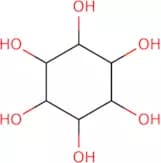
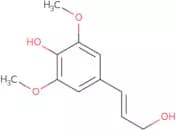
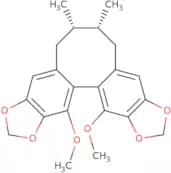
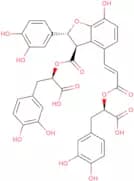

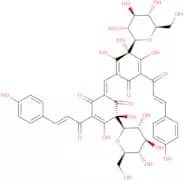

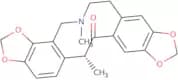
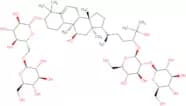

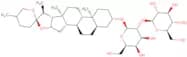
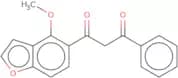
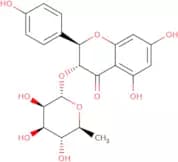
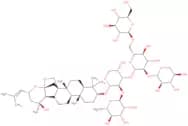
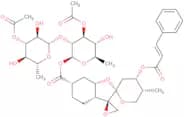
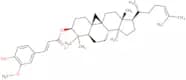

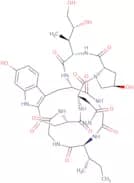
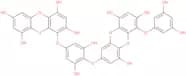
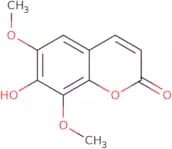

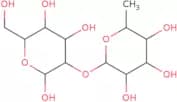

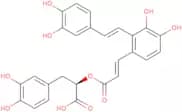


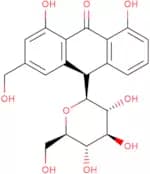
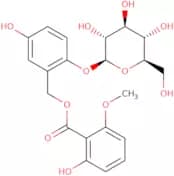
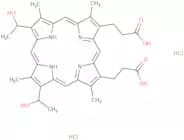
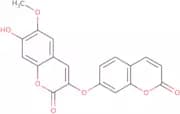

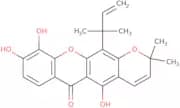



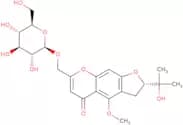

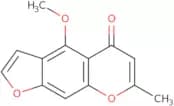
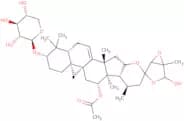

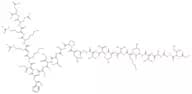
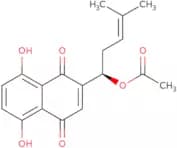


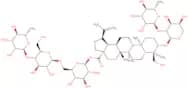


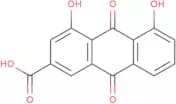


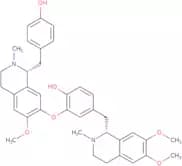
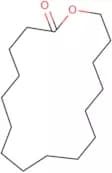
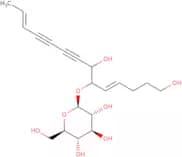


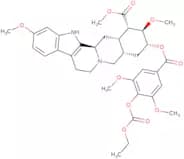


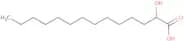
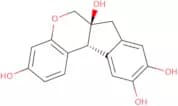
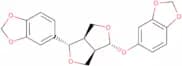
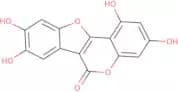
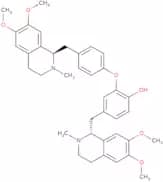
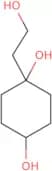
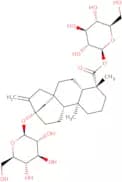
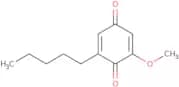
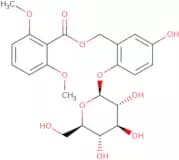
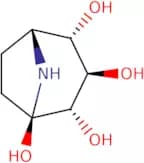
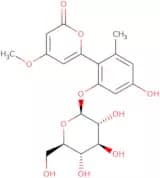


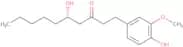

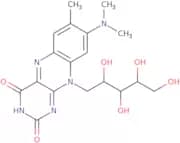

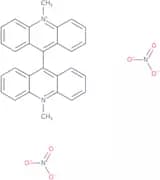
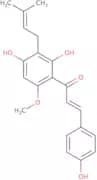
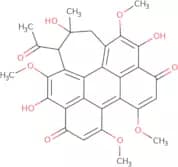

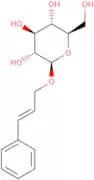
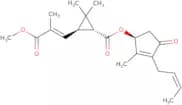
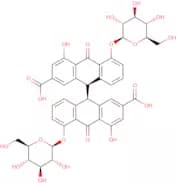
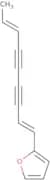
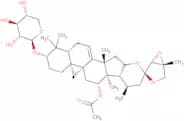
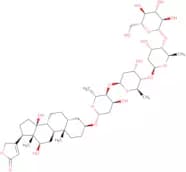
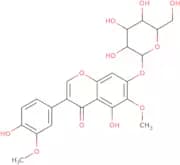

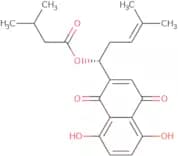
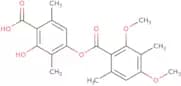


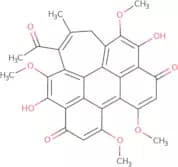


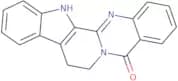

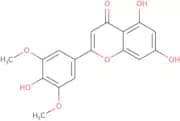

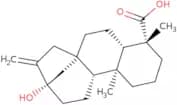
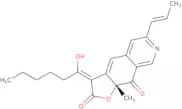


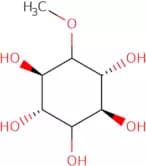
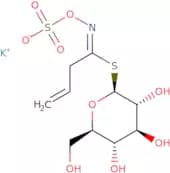
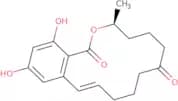

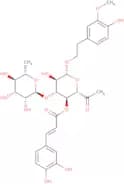

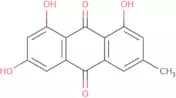
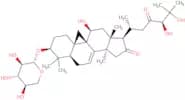
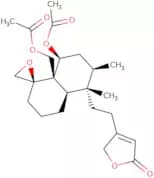

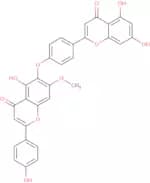
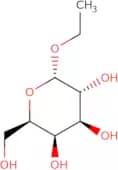
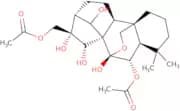

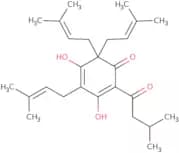
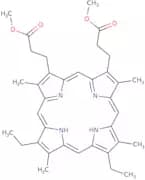

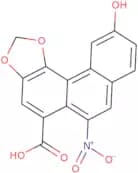
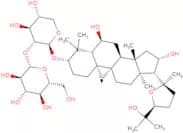
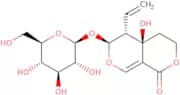
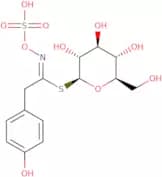
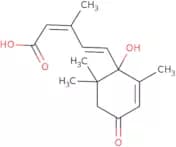


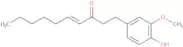

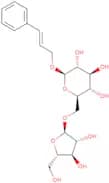
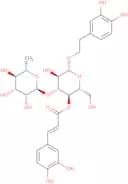
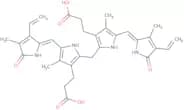
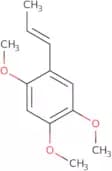

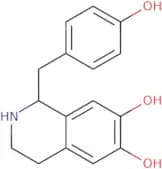
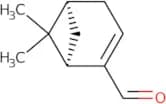
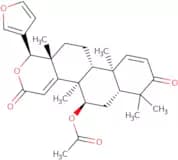
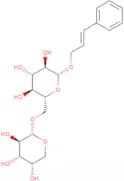
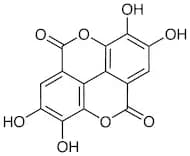


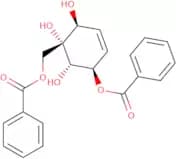

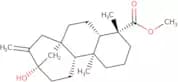
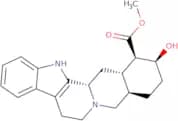
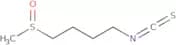
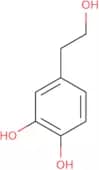
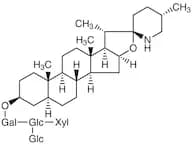
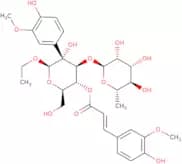

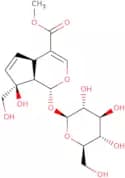
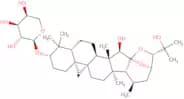
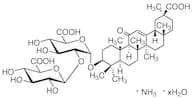

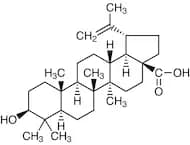
![1-ethyl-4-{(e)-3-[1-ethyl-4(1h)-quinolinylidene]-1-propenyl}quinolinium iodide](/_next/image/?url=https%3A%2Fstatic.cymitquimica.com%2Fproducts%2F3D%2Fthumb-webp%2FFE59258.webp&w=3840&q=75)