Prodotti naturali e sostanze fitochimiche per origine botanica
I prodotti naturali e i fitochimici derivati dalle piante sono preziosi per le loro proprietà terapeutiche e attività biologiche. Questi composti sono essenziali per la ricerca in farmacologia, biochimica e chimica dei prodotti naturali. Forniscono informazioni sui benefici medicinali delle piante e supportano lo sviluppo di nuovi farmaci e integratori alimentari. Presso CymitQuimica, offriamo una vasta gamma di prodotti naturali e fitochimici per sostenere la vostra ricerca.
Sottocategorie di "Prodotti naturali e sostanze fitochimiche per origine botanica"
- Acacia catechu (L.f.) Willci.(1 prodotti)
- Aconitum(49 prodotti)
- Aconitum carmichaelii Debx.(27 prodotti)
- Acorus tatarinowii Schott(5 prodotti)
- Sperma di Esculi(11 prodotti)
- Agave sisalana Perr. ex Engelm.(1 prodotti)
- Ajuga decumbens Thunb.(1 prodotti)
- Aloe(19 prodotti)
- Alpinia katsumadai Hayata(2 prodotti)
- Alpinia officinarum Hance(3 prodotti)
- Alpinia oxyphylla Miq.(1 prodotti)
- Ampelopsis grossedentata (Hand.-Mazz.) W.T.Wang(2 prodotti)
- Anemarrhena asphodeloides Bge.(12 prodotti)
- Anemcme raddeana Regel(2 prodotti)
- Angelicae sinensis Radix(5 prodotti)
- Apium graveolens L.(5 prodotti)
- Aralia chinensis L(5 prodotti)
- Arctium lappa L.(3 prodotti)
- Ardisia crispa(1 prodotti)
- Aristolochia manshuriensis(8 prodotti)
- Arnebiae radix(10 prodotti)
- Artemisia annua L.(5 prodotti)
- Artemisia argyi Levl.et Vant.(2 prodotti)
- Artemisia scoparia Waldst.et Kit.(1 prodotti)
- Ashwagandha(4 prodotti)
- Astragali radix(18 prodotti)
- Atractylodes Lancea (Thunb.) DC.(5 prodotti)
- Aucklandia lappa Decne.(2 prodotti)
- Aurantii fructus immaturus(20 prodotti)
- Azadirachta indica(1 prodotti)
- Bacopa monnieri (L.) Wettst.(6 prodotti)
- Berberidis radix(1 prodotti)
- Berberis thunbergii DC.(1 prodotti)
- Betula platyphylla Suk.(7 prodotti)
- Riso nero(2 prodotti)
- Tè nero(7 prodotti)
- Fonte botanica(1.459 prodotti)
- Bupleuri Radix(45 prodotti)
- Fitochimici CP(91 prodotti)
- Callicarpa formosana Rolfe(2 prodotti)
- Camellia oleifera Abel.(3 prodotti)
- Camptotheca acuminata.(9 prodotti)
- Capsicum annuum L.(6 prodotti)
- Carpesium abrotanoides(1 prodotti)
- Carthamus tinctorius L.(2 prodotti)
- Catharanthus roseus (L.) G. Don(14 prodotti)
- Centipedae herba(5 prodotti)
- Cephalotaxus fortunei Hook. f.(2 prodotti)
- Chebulae Fructus(1 prodotti)
- Chelidonium majus(5 prodotti)
- Cimicifuga rizoma(11 prodotti)
- Cinnamomum cassia Presl(3 prodotti)
- Cirsium japonicum Fisch.ex DC.(2 prodotti)
- Cistanches herba(9 prodotti)
- Citri grandis exocarpium(1 prodotti)
- Citrus limon (L.) Burm. f.(2 prodotti)
- Citrus reticulata Blanco(7 prodotti)
- Clinopodium chinense(1 prodotti)
- Radice di Glehnia costiera(2 prodotti)
- Caffè Ciliegia(2 prodotti)
- Coicis semen(1 prodotti)
- Coptidis rhizoma(7 prodotti)
- Cornus officinalis Sieb.et Zucc.(1 prodotti)
- Corydalis edulis Maxim.(4 prodotti)
- Corydalis yanhusuo W.T.Wang(6 prodotti)
- Peptidi cosmetici(17 prodotti)
- Crataegi fructus(3 prodotti)
- Crocus sativus L.(2 prodotti)
- Crotalaria pallida Ait.(5 prodotti)
- Cucumis melo L.(12 prodotti)
- Curcuma Longa L.(1 prodotti)
- Curcumae Rhizoma(7 prodotti)
- Curcumae radix(1 prodotti)
- Cyanotis arachnoides C.B.Clarke(2 prodotti)
- Radice di Cyathulae(6 prodotti)
- Cyclocarya paliurus(1 prodotti)
- Cynanchum otophyllum Schneid.(5 prodotti)
- Cynara scolymus foglia(1 prodotti)
- Daphne genkwa Sieb. et Zucc.(2 prodotti)
- Dafne odora(1 prodotti)
- Dendranthema indicum(3 prodotti)
- Dendrobii caulis(1 prodotti)
- Cortex Dictamni(5 prodotti)
- Derris trifoliata(3 prodotti)
- Desmodii styracifolii herba(3 prodotti)
- Dichroae Radix(2 prodotti)
- Dioscorea bulbifera L.(1 prodotti)
- Dioscorea zingiberensis C.H.Wright(1 prodotti)
- Dipsacus asper Wall. ex Henry(2 prodotti)
- Dysosma versipellis(5 prodotti)
- Echinacea purpurea (Linn.) Moench(2 prodotti)
- EcliptaprostrataL.(8 prodotti)
- Edgeworthia chrysantha Lindl.(1 prodotti)
- Eleuterococco senticosus(7 prodotti)
- Engelhardtia roxburghiana Wall.leaf(4 prodotti)
- Epimedii folium(19 prodotti)
- Erigerontis herba(3 prodotti)
- Foglia di eucalipto(2 prodotti)
- Eucommia ulmoides Oliv.(1 prodotti)
- Euodiae fructus(11 prodotti)
- Flavononi(33 prodotti)
- Fordia cauliflora Hemsl.(1 prodotti)
- Forsythia suspensa (Thunb.) Vahl(9 prodotti)
- Ganoderma(7 prodotti)
- Garcinia hanburyi Hook.f.(5 prodotti)
- Garcinia mangostana L.(13 prodotti)
- Gardenia jasminoides Ellis(1 prodotti)
- Gastrodia elata Bl.(2 prodotti)
- Gelsemium elegans(8 prodotti)
- Gentianae radix et rhizoma(2 prodotti)
- Ginkgo biloba L.(2 prodotti)
- Ingredienti del ginkgo(5 prodotti)
- Ingredienti del ginseng(47 prodotti)
- Glicina max(15 prodotti)
- Glycyrrhiza Radix Et Rhizoma(36 prodotti)
- Tè verde(12 prodotti)
- Gymnema sylvestre (Retz.) Schult.(5 prodotti)
- Gypsophila paniculata Linn .(2 prodotti)
- Hedera helix(2 prodotti)
- Hedyotis Diffusae Herba(1 prodotti)
- Helicia nilagirica Bedd.(2 prodotti)
- Erba Acroptili Repentis(1 prodotti)
- Hippophae rhamnoides L.(2 prodotti)
- Houttuynia cordata Thunb.(1 prodotti)
- Humulus lupulus Linn.(6 prodotti)
- Hyoscyamus niger L.(1 prodotti)
- Hypericum japonicum Thunb.(4 prodotti)
- Hypericum perforatum(3 prodotti)
- Ilex cornuta Lindl.ex Paxt.(1 prodotti)
- Ilex rotunda Thunb.(1 prodotti)
- Indaco naturalis(2 prodotti)
- Inula helenium L.(2 prodotti)
- Inulae flos(13 prodotti)
- Radice di Isatis indigotica(2 prodotti)
- Ixeris sonchifolia (Bunge) Hance(4 prodotti)
- Jatropha carcas L.(1 prodotti)
- Kaempferia galanga L.(1 prodotti)
- Kochiae Fructus(1 prodotti)
- Laggerae herba(1 prodotti)
- Laminariae tallo eckloniae tallo(2 prodotti)
- Lamiophlomis herba(1 prodotti)
- Foglia di agrifoglio cinese, foglia di agrifoglio a foglia larga(1 prodotti)
- Leonurus ja ponicus Houtt.(3 prodotti)
- Lepidium meyenii Walp(8 prodotti)
- Lignum Aquilariae Agallochae Resinatum(1 prodotti)
- Ligustrum lucidum Ait.(8 prodotti)
- Ligustrum purpurascens(2 prodotti)
- Lilii Bulbus(7 prodotti)
- Liquidambar formosana Hance(2 prodotti)
- Liriopes radix(4 prodotti)
- Lonicera japonica Thunb.(11 prodotti)
- Lycopi Herba(1 prodotti)
- Macleaya cordata (Willd.) R. Br.(1 prodotti)
- Magnolia liliflora Desr(1 prodotti)
- Magnoliae flos(5 prodotti)
- Magnoliae officinalis cortex(6 prodotti)
- Mahoniae Caulis(5 prodotti)
- Malus Mill.(3 prodotti)
- Medicago Sativa Linn(2 prodotti)
- Menispermum dauricum DC.(10 prodotti)
- Foglia di microcos paniculata(3 prodotti)
- Momordica charantia L(1 prodotti)
- Monascus(6 prodotti)
- Mori radix(5 prodotti)
- Morindae Officinalis Radix(14 prodotti)
- Murraya exotica L.(2 prodotti)
- Myristicae Semen(10 prodotti)
- Nardostachys jatamansi DC.(1 prodotti)
- Nelumbo nucifera Gaertn.(5 prodotti)
- Notopterygii rhizoma et radix(1 prodotti)
- Ophiopogonis Radix(18 prodotti)
- Oroxylum indicum (L.) Vent.(6 prodotti)
- Panax notoginseng(19 prodotti)
- Paridis rhizoma(9 prodotti)
- Guscio di arachide(1 prodotti)
- Peganum harmala L.Seeds(5 prodotti)
- Penthorum chinense Pursh(4 prodotti)
- Perilla frutescem (L.) Britt.(2 prodotti)
- Periploca sepium Bge.(7 prodotti)
- Peucedanum praeruptorum(7 prodotti)
- Phellodendri chinensis cortex(13 prodotti)
- Phyllanthus emblica L.(1 prodotti)
- Phyllanthus niruri Linn.(1 prodotti)
- Phyllanthus urinaria L.(2 prodotti)
- Fitochimici(3.392 prodotti)
- Phytolaccae radix(11 prodotti)
- Piper methysticum Forst(5 prodotti)
- Plantaginis Herba(3 prodotti)
- Platycodon grandiflorus (Jacq.) A.DC.(8 prodotti)
- Pogostemonis herba(1 prodotti)
- Poligala radix(29 prodotti)
- Poria cocos(10 prodotti)
- Potentilla chinensis Ser.(2 prodotti)
- Prunella vulgaris L.(1 prodotti)
- Puerariae lobatae radix(11 prodotti)
- Pulsatilla chinensis (Bunge) Regel(10 prodotti)
- Pyrola calliantha H. Andr.(1 prodotti)
- Quisqualis indica Linn.(1 prodotti)
- Rabdosia amethystoides (Benth.) Hara(2 prodotti)
- Rabdosia japonica (Burm. f.) Hara(1 prodotti)
- Rabdosia rubescens(2 prodotti)
- Farina di semi di colza(8 prodotti)
- Raphanus sativus L.(1 prodotti)
- Rauvolfia verticillata(4 prodotti)
- Rheum tanguticum(3 prodotti)
- Rhodiolae Crenulatae Radixet Rhizoma(7 prodotti)
- Rhododendron dauricum L.(3 prodotti)
- Rhododendron molle G. Don(3 prodotti)
- Radice di Clematis stans(2 prodotti)
- Rosa laevigata Michx.(1 prodotti)
- Pappa reale(1 prodotti)
- Rubus saxatilis L.(1 prodotti)
- Ruscus aculeatus(1 prodotti)
- Saccaridi(18 prodotti)
- Salvia plebeia R. Br.(4 prodotti)
- Salviae Miltiorrhizae Radix et Rhizoma(12 prodotti)
- Sanguisorbae Radix(3 prodotti)
- Santalum album L.(1 prodotti)
- Sarcandra glabra (Thunb.) Nakai(2 prodotti)
- Sargentodoxa cuneata(1 prodotti)
- Sauropus spatulifolius Beille(3 prodotti)
- Scrophularia ningpoensis Hemsl.(8 prodotti)
- Scutellaria barbata D. Don(2 prodotti)
- Scutellariae radix(10 prodotti)
- Selaginellae herba(3 prodotti)
- Senecio scandens Buch.-Ham.(6 prodotti)
- Sesamum indicum L.(2 prodotti)
- Radice di Stemona Sessile(4 prodotti)
- Fructus Xanthii(1 prodotti)
- Siegesbeckia orientalis L.(4 prodotti)
- Sinomenii caulis(3 prodotti)
- Siraitiae fructus(2 prodotti)
- Smilax glabra(2 prodotti)
- Solidago decurrens Lour.(1 prodotti)
- Sophora alopecuroides L(2 prodotti)
- Sophora flavescens Ait.(13 prodotti)
- Sophora japonica L.(6 prodotti)
- Spinacio(2 prodotti)
- Stevia rebaudiana (Bertoni) Hemsl.(2 prodotti)
- Glucosidi di Stibene(8 prodotti)
- Swertia bimaculata(1 prodotti)
- Biblioteca dei composti TCM(507 prodotti)
- Tagetes erecta L(4 prodotti)
- Tagetes patula L.(1 prodotti)
- Taxus chinensis(17 prodotti)
- Thalictrum foliolosum DC.T.cultratum Wall.T. deciternatum Boiv,(2 prodotti)
- Thermopsis lanceolata R.Br.(2 prodotti)
- Tinosporae Radix(1 prodotti)
- Toosendan Fructus(2 prodotti)
- Trachelospermum jasminoides (Lindl.) Lem.(7 prodotti)
- Tribulus terrestris L.(8 prodotti)
- Trigonella foenum-graecum L.(2 prodotti)
- Trillium tschonoskii Maxim.(11 prodotti)
- Tripterygium wilfordii Hook.f.(7 prodotti)
- Trollius chinensis(1 prodotti)
- Turpinia arguta Seem.(1 prodotti)
- Typhae Pollen(7 prodotti)
- Typhonium giganteum Engl.(1 prodotti)
- Usnea diffracta Vain.(2 prodotti)
- Uvaria grandifloraRoxb.(5 prodotti)
- Veratrum nigrum L.(6 prodotti)
- Verbena Officinalis L.(1 prodotti)
- Voacanga africana Staph.(1 prodotti)
- Wikstroemia indica (Linn.) C. A. Mey(1 prodotti)
- Zanthoxyli pericarpium(8 prodotti)
- Zingiber officinale Rose.(1 prodotti)
- Ziziphispinosae semen(5 prodotti)
Mostrare 259 più sottocategorie
Trovati 3750 prodotti di "Prodotti naturali e sostanze fitochimiche per origine botanica"
Ordinare per
Purezza (%)
0
100
|
0
|
50
|
90
|
95
|
100
Typhaneoside
CAS:Prodotto controllato<p>Applications Typhaneoside is a flavonoid glycoside plant extract with potential ability to treat primary dysmenorrhea through the Shaofu Zhuyu decoction.<br>References Shulan S. et al.: Am. J. Chin. Med., 38, 777 (2010); Huang, X. et al.: J. Chrom. B. Anal. Tech. Biomed. Life Sci., 962, 75 (2014);<br></p>Formula:C34H42O20Colore e forma:NeatPeso molecolare:770.68Quassin (Mixture of Quassin, Isoquassin and Neoquassin)
CAS:Prodotto controllato<p>Applications Quassin is a naturally occurring extract from quassia trees and is used in traditional chinese medicine for its antiulcerogenic properties. Quassin have also been used as an additive in soft drinks.<br>References Raji, Y., et al.: Afr. J. Trad. Comp. Alter. Med., 9, 112 (2012); Beutler, J.A., et al.: J. Nat. Prod., 72, 503 (2009);<br></p>Formula:C22H28O6Colore e forma:White PowderPeso molecolare:388.454120(S)-Ginsenoside F2
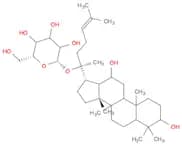
CAS:Prodotto controllato<p>Stability Hygroscopic<br>Applications Ginsenoside F2 is a bioactive metabolite of the ginsenoside component of Panax ginseng with the ability to regulate element-binding protein cleavage activating protein and transforming growth factor-β pathways. This control over apoptosis can lead to a control over hair growth and hair loss in mammals.<br>References Shin, H. et al.: Biol. Pharm. Bull., 37, 755 (2014); Shin, H. et al.: Eur. J. Pharm., 730, 82 (2014);<br></p>Formula:C42H72O13Colore e forma:NeatPeso molecolare:785.01b-D-Glucopyranosiduronic Acid Propyl Methyl Ester, 2,3,4-Triacetate
CAS:Prodotto controllato<p>Applications β-D-Glucopyranosiduronic Acid Propyl Methyl Ester, 2,3,4-Triacetate is an intermediate in the synthesis of Propyl β-D-Glucuronide (P835275), a glucuronide of a short-chained aliphatic alcohol formed via glucuronidation in human liver microsomes in vitro.<br>References Moench, B., et al.: Carbohydrate. Res., 352, 186 (2012);<br></p>Formula:C16H24O10Colore e forma:NeatPeso molecolare:376.36Anthragallol
CAS:Prodotto controllato<p>Applications Anthragallol is the most active inhibitor against xanthine oxidase.<br>References Friedlander, A., et al.: J. Biol. Chem., 261, 7123 (1986), Abrami, L., et al.: J. Cell Biol., 160, 295 (2003), Chopra, A., et al.: J. Biol. Chem., 278, 9402 (2003),<br></p>Formula:C14H8O5Colore e forma:NeatPeso molecolare:256.21Praeruptorin B
CAS:Prodotto controllato<p>Stability Light Sensitive<br>Applications Praeruptorin B is a bioactive constituent of Peucedani Radix, a traditional Chinese medicinal herb used in the treatment of respiratory and pulmonary disorders.<br>References Song, Y. et al.: Rapid. Commun. Mass. Spect., 25, 719 (2011);<br></p>Formula:C24H26O7Colore e forma:NeatPeso molecolare:426.46Palmitic acid
CAS:<p>Palmitic acid is a saturated fatty acid, which is primarily sourced from natural oils and animal fats. It is a common component of palm oil and also found in butter, cheese, and meat. As a carboxylic acid, it consists of a 16-carbon chain and acts as a basic building block in higher lipids and glycerides.</p>Formula:C16H32O2Purezza:Min. 95%Colore e forma:White Clear LiquidPeso molecolare:256.42 g/molChlorophyll B
CAS:<p>Chlorophyll B is a photosynthetic pigment, which is a vital component in the photosystem of plants, algae, and some bacteria. It serves as an accessory pigment, specifically aiding in the absorption of light. Chlorophyll B is primarily derived from the thylakoid membranes within the chloroplasts of photosynthetic organisms.</p>Formula:C55H70MgN4O6Purezza:Min. 95%Colore e forma:PowderPeso molecolare:907.47 g/molAristolochic acid I
CAS:<p>Used in herbal products for gout, arthritis and inflammation; mutagen</p>Formula:C17H11NO7Purezza:Min. 95%Peso molecolare:341.27 g/molForsythoside I
CAS:<p>Forsythoside I is a specialized phenylethanoid glycoside, which is a secondary metabolite found in certain plants like Forsythia suspensa and other related species. These compounds are primarily isolated from the roots and leaves of these plants, known for their rich bioactive compound content. Forsythoside I exhibits a complex mode of action, encompassing antioxidant and anti-inflammatory properties. It achieves this by scavenging free radicals and inhibiting pro-inflammatory cytokine production, thereby modulating oxidative stress and inflammatory pathways at a cellular level.</p>Purezza:Min. 95%Corynoxine
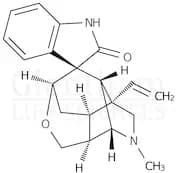
CAS:<p>Corynoxine is an autophagy-enhancing compound, which is derived from the traditional Chinese medicinal plant Uncaria rhynchophylla. As an oxindole alkaloid, it acts by modulating intracellular signaling pathways to promote autophagy, the cellular degradation and recycling process essential for maintaining cellular homeostasis. Corynoxine's mode of action involves the upregulation of autophagic flux, potentially through the inhibition of mTOR signaling, which is a central regulator of cell growth and metabolism.</p>Formula:C22H28N2O4Purezza:Min. 95%Colore e forma:PowderPeso molecolare:384.5 g/molObtusifolin
CAS:<p>Obtusifolin is a natural compound, which is a bioactive anthraquinone derivative extracted from the seeds of Cassia obtusifolia, a plant known for its medicinal properties. With its unique molecular structure, Obtusifolin exhibits significant anti-inflammatory and antioxidant activities. These properties are primarily due to its ability to modulate various biochemical pathways, including the inhibition of pro-inflammatory cytokines and the scavenging of reactive oxygen species.</p>Formula:C16H12O5Purezza:Min. 95%Peso molecolare:284.26 g/molEvomonoside
CAS:<p>Evomonoside is a synthetic compound, which is chemically engineered to mimic certain naturally occurring bioactive molecules. It acts through a specific inhibitory mechanism targeting key enzymatic pathways within cellular processes, particularly those involved in metabolic regulation and signal transduction. The compound achieves its effects by binding to the active site of the target enzyme, thereby disrupting the normal function and leading to altered metabolic outputs.</p>Formula:C29H44O8Purezza:Min. 95%Peso molecolare:520.65 g/mol1-(4-Hydroxy-3-methoxyphenyl)-7-(4-hydroxyphenyl)-1,6-heptadiene-3,5-dione
CAS:<p>1-(4-Hydroxy-3-methoxyphenyl)-7-(4-hydroxyphenyl)-1,6-heptadiene-3,5-dione is commonly known as Curcumin, a polyphenolic compound derived from the rhizome of the plant Curcuma longa, commonly known as turmeric. It is a natural product with a diverse range of biological activities. Curcumin is known for its antioxidant properties, which enable it to scavenge free radicals and reduce oxidative stress. Furthermore, it exhibits anti-inflammatory effects by inhibiting various molecules involved in the inflammatory pathway, such as NF-κB and COX-2 enzymes.</p>Formula:C20H18O5Purezza:Min. 95%Peso molecolare:338.35 g/molTinnevellin glucoside
CAS:<p>Tinnevellin glucoside is a natural glycoside, which is derived from the leaves of certain plant species, particularly those belonging to the Tinnevelly senna. This compound is well-characterized by its anti-inflammatory and antioxidant properties. It acts primarily through modulating key inflammatory pathways, thus reducing the production of pro-inflammatory cytokines and reactive oxygen species, which are involved in the inflammatory process.</p>Purezza:Min. 95%Rapanone
CAS:<p>Rapanone is a bioactive compound classified as a quinone, which is isolated from the Annona species, particularly from the plant family Annonaceae. This compound is known for its interaction with cellular respiration mechanisms, where it specifically acts as an inhibitor of mitochondrial NADH-ubiquinone oxidoreductase, also known as complex I of the electron transport chain. The inhibition of complex I interferes with ATP production by disrupting the proton gradient required for ATP synthesis, leading to a depletion of energy within the cell.</p>Formula:C19H30O4Purezza:Min. 95 Area-%Colore e forma:PowderPeso molecolare:322.44 g/molOrcinol glucoside
CAS:<p>Orcinol glucoside is a biochemical compound that is a glycoside, specifically a glucoside of orcinol. It is typically derived from natural sources such as lichens. The mode of action of orcinol glucoside involves enzymatic hydrolysis, where it can release orcinol under specific conditions, which is useful for various assays.</p>Purezza:Min. 95%2,6-Diacetyl-7,9-dihydroxy-8,9b-dimethyldibenzofuran-1,3(2H,9bH)-dione monosodium
CAS:<p>2,6-Diacetyl-7,9-dihydroxy-8,9b-dimethyldibenzofuran-1,3(2H,9bH)-dione monosodium is a synthetic compound, classified as a dibenzofuran derivative. This type of product is often sourced through controlled organic synthesis in laboratory settings, adhering to specific reactions that form the complex dibenzofuran structure. With a detailed mechanism of action involving potential interaction with specific biological pathways, this compound may exhibit bioactivity indicative of therapeutic properties, although detailed mechanistic studies are essential to fully elucidate its mode of action.</p>Formula:C18H16O7•NaPurezza:Min. 95%Colore e forma:PowderPeso molecolare:367.31 g/molForsythoside H
CAS:<p>Forsythoside H is a phenylethanoid glycoside, which is a secondary metabolite derived from natural plant sources, predominantly found in plants of the Forsythia genus. This compound exerts its effects primarily through its strong anti-inflammatory and antioxidant activities. Its mode of action involves the inhibition of pro-inflammatory cytokines and scavenging of free radicals, thereby reducing oxidative stress and inflammation at a cellular level.</p>Purezza:Min. 95%C-Veratroylglycol
CAS:<p>C-Veratroylglycol is a phenolic compound, which is a type of product derived from plant sources. It is specifically isolated from various plant species, where it contributes to the structural and defense mechanisms of the plant due to its phenolic nature. The mode of action involves its ability to engage in oxidation-reduction reactions and to bind with proteins and enzymes, affecting various biochemical pathways.</p>Purezza:Min. 95%Mexoticin
CAS:<p>Mexoticin is a natural compound, which is an isolated flavonoid from plants known for its diverse biological activities. It exerts its effects primarily through modulation of key signaling pathways involved in inflammation and oxidative stress. Mexoticin's mode of action involves inhibiting pro-inflammatory cytokines and free radicals, contributing to its potential therapeutic properties.</p>Formula:C16H20O6Purezza:Min. 95%Peso molecolare:308.33 g/molExostemin
CAS:<p>Please enquire for more information about Exostemin including the price, delivery time and more detailed product information at the technical inquiry form on this page</p>Formula:C18H16O6Purezza:Min. 95%Colore e forma:PowderPeso molecolare:328.32 g/molErucic acid
CAS:<p>Erucic acid is a monounsaturated omega-9 fatty acid predominantly found in the seeds of specific plants, such as rapeseed and mustard. It is sourced from the oil extracted from these seeds, which are processed to yield this chemical compound. The mode of action of erucic acid is primarily related to its physicochemical properties, including its long carbon chain and unsaturation, which impact lipid metabolism and biological interactions.</p>Formula:C22H42O2Purezza:Min. 95%Colore e forma:White To Light (Or Pale) Yellow Solid Or Liquid (May Vary)Peso molecolare:338.57 g/molStictic acid
CAS:<p>Stictic acid is a secondary metabolite, which is derived from certain species of lichens, particularly those belonging to the genus *Sticta*. This compound is primarily isolated through extraction and purification processes from the lichen thalli. The mode of action of stictic acid involves its potential bioactivity as an antioxidant and antimicrobial agent, which is attributed to its unique structural properties. The acid may interact with various biochemical pathways, influencing cellular defense mechanisms and microbial susceptibility.</p>Formula:C19H14O9Purezza:Min. 95%Peso molecolare:386.31 g/mol5,5-Dimethylhydantoin
CAS:<p>5,5-Dimethylhydantoin is a chemical compound, often employed as an intermediate in the synthesis of various derivatives used for stabilization and antimicrobial purposes. It is primarily sourced from organic synthesis processes involving hydantoin derivatives. The mode of action of 5,5-Dimethylhydantoin involves its ability to act as a precursor in the formation of various halogenated compounds that effectively release active ingredients for antimicrobial and disinfection applications.</p>Formula:C5H8N2O2Purezza:Min. 95%Colore e forma:White To Off-White SolidPeso molecolare:128.13 g/molSpecneuzhenide
CAS:<p>Specneuzhenide is a secoiridoid glycoside, which is a bioactive compound derived primarily from the fruits of Ligustrum lucidum, commonly known as glossy privet. This compound is characterized by its unique structure, which includes a glycoside linkage that contributes to its biological efficacy.</p>Formula:C31H42O17Purezza:Min. 95%Peso molecolare:686.65 g/molSchumanniofioside A
CAS:<p>Schumanniofioside A is a naturally occurring saponin, which is derived from the plant *Schumannia kamassi*. This saponin is characterized by its unique glycosidic structure, contributing to its bioactivity. Saponins, including Schumanniofioside A, are known for their ability to modulate various biological pathways. The mode of action of Schumanniofioside A involves disrupting cellular membranes and interacting with cholesterol, which can lead to modulation of immune responses and potential cytotoxic effects on certain cancer cells.</p>Formula:C16H18O9Purezza:Min. 95%Peso molecolare:354.31 g/mol6’’-malonate-complanatuside
<p>6’’-Malonate-complanatuside is a glycosylated flavonoid, which is a type of phytochemical often found in plants. This compound is derived from natural sources, particularly certain medicinal plants known for their therapeutic properties. Its mode of action primarily involves modulating various biochemical pathways, including antioxidant and anti-inflammatory mechanisms, through its interaction with cellular targets and signaling cascades. By affecting these pathways, it demonstrates potential efficacy in scientific applications.</p>Purezza:Min. 95%Dracorhodin
CAS:<p>Dracorhodin is a bioactive natural compound, which is a type of anthocyanin derived from the resin of the Dragon's Blood tree, specifically from the genus Dracaena. This compound exhibits its effects through its antimicrobial and antioxidant properties. Dracorhodin functions by disrupting microbial cell integrity and scavenging free radicals, contributing to its protective and therapeutic potential.</p>Formula:C17H14O3Purezza:90% MinPeso molecolare:266.29 g/molGeraldone
CAS:<p>Geraldone is a synthetic glucocorticoid receptor agonist, which is an engineered compound derived from synthetic chemical processes. It interacts with the glucocorticoid receptor, a type of nuclear receptor that regulates the expression of specific genes involved in modulating the immune response, as well as metabolic and developmental processes.</p>Formula:C16H12O5Purezza:Min. 95%Peso molecolare:284.26 g/mol1-(2,4-Dihydroxyphenyl)-2-(4-hydroxyphenyl)ethanone
CAS:<p>1-(2,4-Dihydroxyphenyl)-2-(4-hydroxyphenyl)ethanone is a naturally occurring phenolic compound, which is a type of phytoestrogen derived from plant sources, particularly noted for its presence in certain medicinal herbs. This compound exhibits estrogen-like activity, as it can bind to estrogen receptors and modulate estrogenic effects in the body. Its mode of action involves mimicking natural estrogens, making it a subject of interest for hormonal balance studies and therapeutic applications in cases where hormone replacement might be considered.</p>Formula:C14H12O4Purezza:Min. 95%Colore e forma:PowderPeso molecolare:244.24 g/molIristectorigenin B
CAS:<p>Iristectorigenin B is a naturally occurring isoflavone, which is a type of phytochemical compound found mainly in plants. This compound is isolated primarily from Iris species. Isoflavones like Iristectorigenin B are known for their role in plant development and defense mechanisms.</p>Formula:C17H14O7Purezza:Min. 95%Peso molecolare:330.29 g/molAmorphadiene
CAS:<p>Amorphadiene is a sesquiterpene hydrocarbon, which is a naturally occurring organic compound produced through the mevalonate pathway in plants, particularly in Artemisia annua. It is derived from the enzymatic cyclization of farnesyl diphosphate, mediated by amorphadiene synthase. This compound plays a pivotal role as a precursor molecule in the biosynthesis of artemisinin, an effective antimalarial agent.</p>Formula:C15H24Purezza:Min. 95 Area-%Colore e forma:Colorless Clear LiquidPeso molecolare:204.35 g/molLinderane
CAS:<p>Linderane is a bioactive compound, specifically a sesquiterpene lactone, which is extracted from the roots of plants belonging to the Lindera genus. The source of Linderane is primarily the roots of these plants, which are rich in diverse secondary metabolites. The mode of action of Linderane involves modulation of various cellular pathways, making it a potential agent in chemopreventive and therapeutic applications. Its mechanism is thought to interfere with cancer cell proliferation and induce apoptosis through the disruption of normal cellular processes and signaling pathways.</p>Formula:C15H16O4Purezza:Min. 95%Colore e forma:SolidPeso molecolare:260.29 g/molCinerin I
CAS:<p>Cinerin I is a botanical insecticide, which is derived from the pyrethrum plant, specifically harvested from Chrysanthemum cinerariifolium. Its mode of action involves targeting the sodium channels in the nervous systems of insects, leading to paralysis and eventual death. The plant-derived origin of Cinerin I offers an environmentally favorable alternative to synthetic insecticides due to its rapid degradation in the environment, minimizing long-term ecological impact.</p>Formula:C20H28O3Purezza:Min. 95%Peso molecolare:316.43 g/molFurcatin
CAS:<p>The natural product, Furcatin, is a disaccharide derivative and substrate of furcatin hydrolase. Furcatin hydrolase breaks down furcatin, producing p-allylphenol and the disaccharide acuminose.</p>Formula:C20H28O10Purezza:Min. 95%Peso molecolare:428.43 g/molL-Palmitoyl carnitine
CAS:<p>L-Palmitoyl carnitine is a lipid-based compound, which is derived from the esterification of palmitic acid with carnitine. It is a naturally occurring derivative that plays a role in cellular lipid metabolism and energy production. The mode of action involves its integration into the mitochondrial membrane, where it facilitates the transport of long-chain fatty acids into mitochondria. This is pivotal for beta-oxidation, the process through which fatty acids are broken down for energy production.</p>Formula:C23H45NO4Purezza:Min. 95%Peso molecolare:399.61 g/molLavendustin A
CAS:<p>Lavendustin A is a potent tyrosine kinase inhibitor, which is derived from marine sponge sources. It functions by specifically targeting and inhibiting the activity of tyrosine kinases, enzymes crucial for the phosphorylation of tyrosine residues on protein substrates, thereby interfering with signaling pathways essential for various cellular processes.</p>Formula:C21H19NO6Purezza:Min. 95%Peso molecolare:381.38 g/molViniferol D
CAS:<p>Viniferol D is a potent antioxidant compound, which is derived from the seeds of Vitis vinifera, commonly known as grapes. This compound contains high levels of polyphenols, particularly proanthocyanidins, which are bioactive molecules with significant free radical scavenging abilities. The mode of action of Viniferol D involves its interaction with reactive oxygen species (ROS), effectively neutralizing these damaging molecules and thereby reducing oxidative stress within cellular environments.</p>Formula:C42H32O9Purezza:Min. 95%Peso molecolare:680.7 g/molCorylin
CAS:<p>Corylin is a natural compound, classified as a bioactive prenylated flavonoid, which is isolated from the seeds of the plant Psoralea corylifolia, commonly known in traditional medicine for its diverse therapeutic properties. This compound exhibits a multifaceted mode of action, primarily through the modulation of various cellular signaling pathways, including the inhibition of inflammatory mediators and the regulation of cell cycle processes. Its ability to interfere with these biological pathways underpins its potential therapeutic applications.</p>Purezza:Min. 95%Gamabufotalin
CAS:<p>Gamabufotalin is a cardiotonic bufadienolide, which is a type of steroid compound. It is derived from the secretions of toads belonging to the Bufo genus, particularly the parotoid gland secretions. The mode of action of Gamabufotalin involves inhibition of the Na+/K+-ATPase pump, leading to an increase in intracellular calcium levels, which facilitates increased cardiac contractility. Additionally, this compound has been found to induce apoptosis in cancer cells through pathways such as the regulation of Bcl-2 family proteins and the activation of caspases.</p>Purezza:Min. 95%Jasmolin I
CAS:<p>Jasmolin I is a botanical insecticide derived from the pyrethrum plant, Chrysanthemum cinerariifolium. It acts primarily through neurotoxic mechanisms, targeting the sodium channels in the nervous systems of insects. The interaction prolongs the open state of the sodium channels, resulting in repetitive discharges and ultimately paralysis of the target pests.</p>Formula:C21H30O3Purezza:Min. 95%Peso molecolare:330.46 g/molBakkenolide
CAS:<p>Bakkenolide is a sesquiterpene lactone, which is a type of bioactive compound commonly found in certain plant species. It is primarily sourced from traditional Chinese medicinal herbs, such as Petasites genus and Centipeda minima. These plants have been used for centuries in herbal medicine due to their therapeutic properties.</p>Formula:C15H22O2Purezza:Min. 95%Peso molecolare:234.33 g/molEvernic acid
CAS:<p>Evernic acid is a naturally occurring chemical compound, classified as a depside, which is sourced from various lichen species such as Evernia and Usnea. This compound is formed through the secondary metabolic processes of these symbiotic organisms, which consist of an intricate association between fungi and algae or cyanobacteria. Evernic acid is prominent for its antimicrobial properties and functions by disrupting microbial cell membranes and interfering with metabolic processes.</p>Formula:C17H16O7Purezza:Min. 95%Colore e forma:White PowderPeso molecolare:332.3 g/molZerumbone
CAS:<p>Zerumbone is a naturally occurring sesquiterpene, which is primarily extracted from the rhizomes of Zingiber zerumbet, a species of wild ginger. As a phytochemical, it has garnered attention for its intriguing mode of action at the molecular level, involving the modulation of cellular signaling pathways. Zerumbone is known to interact with multiple targets, potentially through its reactive α,β-unsaturated carbonyl group, allowing it to form covalent bonds with nucleophilic sites on proteins. This interaction is crucial for its role in altering regulatory proteins involved in inflammation, apoptosis, and anti-neoplastic activities.</p>Formula:C15H22OPurezza:Min. 95%Peso molecolare:218.33 g/mol(S)-3-[4-(4-Morpholin-4-yl-methyl-benzyloxy)-1-oxo-1,3-dihydro-isoindol-2-yl]-piperidine-2,6-dione
CAS:<p>(S)-3-[4-(4-Morpholin-4-yl-methyl-benzyloxy)-1-oxo-1,3-dihydro-isoindol-2-yl]-piperidine-2,6-dione is a synthetic small molecule, employed primarily in pharmaceutical research. This compound is derived through a series of sophisticated organic synthesis processes, making it a valuable tool for medicinal chemists and pharmacologists looking to explore novel therapeutic pathways.</p>Formula:C25H27N3O5Purezza:Min. 95%Peso molecolare:449.5 g/mol6-Methoxy-α-(5-vinyl-2-quinuclidinyl)-4-quinolinemethanol
CAS:<p>6-Methoxy-α-(5-vinyl-2-quinuclidinyl)-4-quinolinemethanol is an antimalarial agent, derived from synthetic processes aimed at enhancing the activity of quinoline-based compounds. This compound acts by interacting with the heme moieties in the parasitic digestive vacuole, disrupting the detoxification of heme products, which is essential for parasite survival. By interfering with this process, the compound effectively causes toxic heme accumulation, leading to the death of the Plasmodium species responsible for malaria.</p>Formula:C20H24N2O2Purezza:80%Peso molecolare:324.42 g/molCytochalasin H
CAS:<p>Fungal metabolite; inhibits actin polymerisation</p>Formula:C30H39NO5Purezza:Min. 95%Peso molecolare:493.63 g/molXanthyletin
CAS:<p>Xanthyletin is a naturally occurring coumarin, which is derived from plants, particularly those belonging to the Rutaceae family. It exhibits a range of biochemical interactions as its mode of action, including modulation of enzymatic activities and interference with cellular signaling pathways. Xanthyletin is notably studied for its antiproliferative, antimicrobial, and anti-inflammatory properties.</p>Formula:C14H12O3Purezza:Min. 95%Colore e forma:White/Off-White SolidPeso molecolare:228.24 g/molPhyllanthostatin A - Phyllanthus acuminatus
CAS:<p>Phyllanthostatin A is a potent bioactive compound, which is a naturally occurring lignan derived from the Phyllanthus acuminatus plant. This species belongs to the Phyllanthaceae family and is known for its diverse array of secondary metabolites. The mode of action of Phyllanthostatin A involves the inhibition of cellular processes that are crucial for the proliferation and survival of cancer cells. It acts by interfering with specific biochemical pathways, which can lead to programmed cell death or apoptosis in malignancies.</p>Formula:C29H30O13Purezza:Min. 95%Peso molecolare:586.54 g/molR-Prunasin tetraacetate
CAS:<p>R-Prunasin tetraacetate is a synthetic derivative of the cyanogenic glucoside prunasin. It is primarily sourced through chemical synthesis from prunasin, which is naturally found in certain plants like almonds and stone fruits. As a chemically modified compound, R-Prunasin tetraacetate facilitates the study of cyanogenic glucosides by offering a more stable form that is easier to handle under laboratory conditions.</p>Formula:C22H25NO10Purezza:Min. 95%Peso molecolare:463.43 g/molSalvianolic acid C
CAS:<p>Salvianolic acid C is a polyphenolic compound, which is primarily derived from the roots of Salvia miltiorrhiza, a traditional medicinal plant. This bioactive compound is recognized for its robust antioxidant and anti-inflammatory properties. Its mode of action involves the scavenging of free radicals and the inhibition of inflammatory mediators, which helps in mitigating oxidative stress and inflammation at the cellular level.</p>Formula:C26H20O10Purezza:Min. 95%Peso molecolare:492.43 g/molActein
CAS:<p>Actein is a botanical compound, which is derived from the roots of the plant *Actaea racemosa*, commonly known as black cohosh. This compound is classified as a triterpene glycoside, a class of natural products known for their diverse biological activities. The mode of action of Actein involves modulation of various signaling pathways, including those related to inflammation and hormone regulation.</p>Formula:C37H56O11Purezza:Min. 95%Colore e forma:Solid.Peso molecolare:676.83 g/molMyristic acid
CAS:<p>Myristic acid is a saturated fatty acid, which is typically obtained from the nutmeg seed, palm oil, coconut oil, and animal fats. Characterized by a 14-carbon chain, this fatty acid functions as a crucial building block in various biochemical processes. The mode of action of myristic acid includes serving as an intermediate in lipid biosynthesis and fatty acid metabolism. It is incorporated into lipids and proteins, influencing their structure and function in biological membranes.</p>Formula:C14H28O2Purezza:Area-% Min. 95 Area-%Colore e forma:PowderPeso molecolare:228.37 g/molSenkyunolide H
CAS:<p>Senkyunolide H is a bioactive compound, which is a natural phthalide derivative extracted from Ligusticum chuanxiong, a plant widely utilized in traditional Chinese medicine. This type of product is noted for its presence in the rhizomes of the plant, often associated with its unique aromatic compounds that contribute to herbal formulations.</p>Purezza:Min. 95%Lavendustin B
CAS:<p>Lavendustin B is a potent tyrosine kinase inhibitor, which is a synthetic compound originally derived from certain fungi. It functions by specifically targeting and inhibiting the activity of tyrosine kinases, enzymes that play critical roles in the signaling pathways regulating cell division, growth, and differentiation. This inhibition disrupts phosphorylation processes crucial for oncogenic signal transduction, providing a valuable tool for studying cellular mechanisms involved in tumorigenesis.</p>Formula:C21H19NO5Purezza:Min. 95%Peso molecolare:365.38 g/molZearalenone-4-glucopyranoside
CAS:<p>Zearalenone-4-glucopyranoside is a conjugated mycotoxin, which is derived from the mycotoxin zearalenone produced by certain Fusarium species of fungi. Its transformation into the glucopyranoside form involves the enzymatic attachment of a glucose molecule, primarily in plants or during metabolic processes. This modification alters the solubility and bioavailability of the original compound.</p>Formula:C24H32O10Purezza:Min. 95%Peso molecolare:480.5 g/moltrans-Methyl vaccenate
CAS:<p>trans-Methyl vaccenate is a type of conjugated linoleic acid (CLA), which is a naturally occurring fatty acid isomer found in ruminant animal fats and dairy products. It is synthesized by the biohydrogenation of polyunsaturated fats by microorganisms in the rumen of these animals.</p>Purezza:Min. 95%Avocado oil - Quarantine
CAS:<p>Avocado oil - Quarantine is an innovatively engineered pest control product, which is derived from synthetic pheromones, specifically designed for managing quarantine environments. This product is synthesized from laboratory-developed pheromone compounds that mimic natural signaling processes utilized by insects. It functions through a mode of action that disrupts the normal behavior patterns of targeted pest species, thereby inhibiting their ability to locate mates and reproduce effectively.</p>Purezza:Min. 95%Tubeimoside II
CAS:<p>Tubeimoside II is a saponin compound, which is a type of glycoside, derived from the traditional Chinese medicinal plant Bolbostemma paniculatum. It exhibits its biological activity primarily through the modulation of cellular pathways, inducing apoptosis and autophagy in various cancer cell lines. Its effectiveness is attributed to its ability to disrupt mitochondrial function, leading to the release of cytochrome c and subsequent activation of caspase cascades.</p>Purezza:Min. 95%Europine HCl
CAS:<p>Europine HCl is a synthetic alkaloid derivative, which is sourced from the modification of naturally occurring tropane alkaloids. This compound acts primarily as a competitive antagonist at muscarinic acetylcholine receptors, thereby influencing cholinergic neurotransmission. Its mode of action involves the inhibition of acetylcholine binding, leading to reduced parasympathetic nervous system activity.</p>Formula:C16H27NO6·HClPurezza:Min. 95%Colore e forma:Colorless PowderPeso molecolare:365.85 g/molAnwuligan
CAS:<p>Anwuligan is a synthetic compound, which is structurally derived from laboratory synthesis processes. It is designed to target microbial cell mechanisms, presenting a potential for antimicrobial action. The compound interacts at the molecular level, possibly disrupting cell wall synthesis or interfering with essential enzyme pathways within microorganisms.</p>Purezza:Min. 95%Halfordin
CAS:<p>Please enquire for more information about Halfordin including the price, delivery time and more detailed product information at the technical inquiry form on this page</p>Formula:C14H12O6Purezza:Min. 95%Peso molecolare:276.24 g/molDeoxyandrographolide
CAS:<p>Deoxyandrographolide is a diterpenoid compound, which is a phytochemical extracted from the plant Andrographis paniculata. With its biosource rooted in traditional Asian medicine, this plant has garnered attention for its bioactive constituents. Deoxyandrographolide acts through modulating various molecular pathways, such as inhibiting pro-inflammatory cytokine production and oxidative stress, which contributes to its potential therapeutic roles.</p>Formula:C20H30O4Purezza:Min. 95%Peso molecolare:334.45 g/molSpiculisporic acid
CAS:<p>Spiculisporic acid is a biosurfactant, which is a surface-active compound, produced by certain fungi, notably those from the genus Penicillium. It is derived from microbial fermentation processes, making it a natural and environmentally friendly alternative to synthetic surfactants. Spiculisporic acid functions through the formation of micelles, which reduce surface and interfacial tension in aqueous solutions. This action enhances the solubility, emulsification, and dispersion of hydrophobic compounds in water, effectively altering interactions at liquid interfaces.</p>Formula:C17H28O6Purezza:Min. 98 Area-%Colore e forma:PowderPeso molecolare:328.4 g/molAstragaloside I
CAS:<p>Astragaloside I is a bioactive saponin, which is a naturally occurring chemical compound found primarily in the roots of Astragalus membranaceus, a traditional Chinese medicinal herb. This compound acts by interacting with various cellular and molecular pathways, demonstrating antioxidant, anti-inflammatory, and anti-apoptotic properties. Through these mechanisms, astragaloside I influences cell signaling and modulates the expression of genes associated with stress responses and metabolic processes.</p>Formula:C45H72O16Purezza:Min. 95%Colore e forma:White to off-white solid.Peso molecolare:869.04 g/molAloeresin
CAS:<p>Aloeresin is an extract from the Aloe plant, which is a botanical source known for its therapeutic properties. This product is derived specifically from the complex internal biochemistry of Aloe species, which have been studied for their rich phytochemical composition. These phytochemicals primarily include aloin and other anthraquinones, playing a significant role in its bioactivity.</p>Formula:C19H22O9Purezza:Min. 95%Peso molecolare:394.37 g/molDehydrodiisoeugenol
CAS:<p>Dehydrodiisoeugenol is a natural phenolic compound, which is primarily derived from the essential oil of cloves (Syzygium aromaticum). It is recognized for its antioxidative properties, which are attributed to its ability to scavenge free radicals and inhibit oxidative stress pathways in biological systems.</p>Purezza:Min. 95%Tribulus terrestris
CAS:<p>Tribulus terrestris is a phytochemical supplement, which is an extract derived from the Tribulus terrestris plant, commonly found in warm temperate and tropical regions worldwide. The primary bioactive constituents in this product are steroidal saponins, predominantly protodioscin, which are believed to interact with the endocrine system.</p>Formula:C10H21N3O9Purezza:Min. 95%Peso molecolare:327.29 g/molR-Prunasin
CAS:<p>R-Prunasin is a cyanogenic glycoside, which is a naturally occurring compound found in certain plants. It is primarily sourced from species within the Prunus genus, such as cherries and almonds. The mode of action of R-Prunasin involves its enzymatic hydrolysis by beta-glucosidase, leading to the release of hydrogen cyanide, benzaldehyde, and glucose. This reaction is a classical example of plant defense mechanisms against herbivores and pathogens.</p>Formula:C14H17NO6Purezza:Min. 95%Colore e forma:White/Off-White SolidPeso molecolare:295.29 g/molPhyllanthus emblica extracts
CAS:<p>Phyllanthus emblica extract is a natural bioactive compound derived from the fruit of the Phyllanthus emblica tree, commonly known as Indian gooseberry. This extract is obtained through careful processing of the fruit's pulp, which is rich in vitamin C, polyphenols, tannins, and flavonoids. The antioxidant properties of Phyllanthus emblica extract are attributed primarily to these constituents. They scavenge free radicals and inhibit oxidative stress, contributing to potential protective effects against cell damage.</p>Formula:C13H16O10Purezza:Min. 95%Colore e forma:PowderArchangelin
CAS:<p>Archangelin is a naturally occurring compound, which is a bioactive agent derived from the plant Angelica archangelica. Its mode of action involves disrupting microbial cell membranes and inhibiting essential enzymes, leading to cell death. Archangelin's antimicrobial properties make it particularly effective against a variety of resistant bacterial and fungal strains.</p>Formula:C21H22O4Purezza:Min. 95%Peso molecolare:338.4 g/molAtractyloside sodium salt
CAS:<p>Atractyloside sodium salt is a toxic glycoside, which is a natural product derived from certain plant species, such as *Atractylis gummifera*. The primary mode of action for atractyloside involves the inhibition of the mitochondrial ATP/ADP translocase. This translocase plays a crucial role in the exchange of ADP and ATP across the mitochondrial inner membrane, a pivotal step in cellular energy metabolism. By inhibiting this exchange, atractyloside disrupts oxidative phosphorylation, leading to mitochondrial dysfunction and, ultimately, cell death.</p>Formula:C30H44O16S2Na2Purezza:Min. 95%Colore e forma:SolidPeso molecolare:770.77 g/molCaproic acid
CAS:<p>Caproic acid is a saturated fatty acid, which is naturally sourced from animal fats and some plant oils. With the chemical formula C6H12O2, it is also known as hexanoic acid. The compound is characterized by its distinctive, pungent odor reminiscent of goats, hence its alternate name derived from "capra," the Latin word for goat.</p>Formula:C6H12O2Purezza:Min. 95%Colore e forma:Clear LiquidPeso molecolare:116.16 g/molAloeresin A
CAS:<p>Aloeresin A is a naturally occurring compound, classified as a chromone derivative, sourced from the Aloe vera plant. This compound is primarily extracted from the leaves of Aloe vera, known for their rich content of bioactive molecules. The mode of action of Aloeresin A involves various biochemical pathways, including antioxidant and anti-inflammatory mechanisms, which contribute to its potential therapeutic properties.</p>Formula:C28H28O11Purezza:Min. 95%Peso molecolare:540.52 g/molRoemerine
CAS:<p>Roemerine is an alkaloid compound, which is a naturally occurring chemical found in certain plants. It is primarily sourced from the plant family Papaveraceae, known for its diverse range of bioactive compounds. The mode of action for Roemerine involves modulation of various neurotransmitter receptors in the central nervous system, which may influence neuronal activity and have potential therapeutic effects.</p>Formula:C18H17NO2Purezza:Min. 95%Peso molecolare:279.33 g/molα-Angelica lactone
CAS:<p>α-Angelica lactone is a chemical compound that serves as a versatile flavoring agent and fragrance component. It is derived primarily from natural sources, such as the essential oils of plants like Angelica archangelica. This lactone functions through its interaction with olfactory receptors, imparting a sweet, coumarin-like aroma, which makes it highly valued in the food and cosmetics industries.</p>Formula:C5H6O2Purezza:Min. 95%Peso molecolare:98.1 g/molNimbin
CAS:<p>Nimbin is a bioactive compound derived from the neem tree, Azadirachta indica, a member of the Meliaceae family. It is a natural triterpenoid, which acts as an active secondary metabolite. Nimbin is primarily obtained through the extraction and isolation from neem seed kernels or leaves, employing methods such as solvent extraction and chromatography.</p>Formula:C30H36O9Purezza:Min. 95%Colore e forma:PowderPeso molecolare:540.6 g/molMollugin
CAS:<p>Mollugin is a bioactive compound, which is derived from the plant Rubia cordifolia. As a phytochemical, it is part of the anthraquinone family, isolated through extraction processes from the root of its source plant. Its mode of action involves modulating various biochemical pathways, notably exhibiting anti-inflammatory, anticancer, and antioxidant activities. These effects are primarily mediated through the inhibition of specific enzymes and signaling pathways, including the NF-κB and MAPK pathways, which are central to inflammatory and cancer processes.</p>Purezza:Min. 95%Allicin
CAS:<p>Allicin is an organosulfur compound, which is derived from garlic (Allium sativum) through the enzymatic conversion when garlic is crushed or chopped. The enzyme alliinase is activated, converting alliin into allicin, a biologically active molecule. This process represents a defense mechanism of the plant, as allicin is potent against various pathogens.</p>Formula:C6H10OS2Purezza:Min. 95%Peso molecolare:162.28 g/molVerticilide
CAS:<p>Inhibits ryanodine binding to ryanodine receptors; nematocide</p>Formula:C44H76N4O12Purezza:Min. 95%Peso molecolare:853.09 g/molWushanicaritin
CAS:<p>Wushanicaritin is a flavonoid compound that is isolated from the plant Epimedium. As a naturally derived product, Wushanicaritin exhibits a range of bioactive properties attributed to its molecular structure, typical of flavonoids. Its mode of action involves modulation of various biochemical pathways, including antioxidant mechanisms and possibly influencing hormonal activity, similar to other compounds within its class.</p>Formula:C21H22O7Purezza:Min. 95%Peso molecolare:386.4 g/molβ,β-Dimethylacrylalkannin
CAS:<p>Beta,beta-Dimethylacrylalkannin is a naturally derived naphthoquinone compound, which is extracted from the roots of the Alkanna tinctoria plant. This compound exhibits a characteristic reddish pigment and is known for its potent biological activities. Its action is primarily based on its ability to function as an antioxidant, a property attributed to its unique molecular configuration that allows the neutralization of reactive oxygen species. Furthermore, Beta,beta-Dimethylacrylalkannin demonstrates antimicrobial properties, making it effective against a variety of pathogenic microorganisms.</p>Formula:C21H22O6Purezza:Min. 95%Colore e forma:Dark To Red SolidPeso molecolare:370.4 g/molCaloxanthone C
CAS:<p>Caloxanthone C is a naturally occurring xanthone derivative, which is extracted from the Calophyllum genus of tropical trees. As a bioactive compound, it functions primarily through its ability to interact with various cellular pathways, exhibiting significant anti-inflammatory, antioxidant, and potential anticancer activities. The mode of action is often linked to the inhibition of specific enzymes and modulation of cellular signaling pathways that are critical in disease progression.</p>Formula:C23H22O5Purezza:Min. 95%Peso molecolare:378.42 g/molDihydro capsaicin - Synthetic
CAS:<p>Dihydro capsaicin - Synthetic is a chemical compound, specifically a synthetic analog of capsaicin. It is derived from the capsaicinoid family, which is originally sourced from chili peppers. The synthetic version mimics the natural compound to allow for consistent formulation and study.</p>Formula:C18H29NO3Purezza:Min. 95%Colore e forma:PowderPeso molecolare:307.43 g/molIchthynone
CAS:<p>Ichthynone is an ichthyotoxic compound derived from natural sources, typically marine or freshwater organisms. It functions by disrupting the cellular processes in fish, particularly affecting gill function and leading to respiratory failure. The mode of action involves binding to specific ion channels or receptors in the fish’s metabolism, which interferes with their physiological processes.</p>Purezza:Min. 95%Tanshinone IIB
CAS:<p>Tanshinone IIB is a diterpenoid quinone compound, which is derived from the roots of the plant Salvia miltiorrhiza, commonly known as Danshen. This compound is characterized by its intricate molecular structure, which imparts specific biological activities. Tanshinone IIB primarily acts by modulating multiple signaling pathways, including anti-inflammatory and antioxidant mechanisms, thereby influencing various cellular processes.</p>Formula:C19H18O4Purezza:Min. 95%Colore e forma:White Off-White PowderPeso molecolare:310.34 g/molβ-Costic acid
CAS:<p>beta-Costic acid is a naturally occurring sesquiterpene, which is primarily extracted from plants belonging to the Asteraceae family. As a secondary metabolite, it plays a role in the plant's defense mechanisms against herbivores and pathogens. The mode of action of beta-Costic acid involves the modulation of inflammatory pathways, which it achieves through the inhibition of key cytokines and enzymes involved in the inflammatory process. Additionally, its antimicrobial properties are attributed to its ability to disrupt bacterial cell membranes and interfere with pathogen replication.</p>Formula:C15H22O2Purezza:Min. 95%Peso molecolare:234.33 g/mol2-Dodecenedioic acid
CAS:<p>2-Dodecenedioic acid is a dicarboxylic acid, which is potentially derived from renewable bio-sources such as plant oils. This compound exhibits properties that make it suitable for various applications in both industrial and pharmaceutical sectors. Its mode of action involves acting as a precursor or intermediate in chemical reactions, particularly in the synthesis of polymers, adhesives, and coatings due to its ability to introduce functionality and improve performance characteristics.</p>Formula:C12H20O4Purezza:Min. 95%Peso molecolare:228.28 g/molPHA-E
<p>PHA-E is a lectin protein, a type of bio-molecule that can specifically bind carbohydrates. It is derived from Phaseolus vulgaris, commonly known as the red kidney bean. This protein functions by selectively binding to complex carbohydrates, particularly those on the surfaces of cells. Such binding can lead to cellular agglutination and is useful for recognizing specific glycan patterns in various tissues or cell types.</p>Purezza:Min. 95%Taxicatin
CAS:<p>Taxicatin is a secondary metabolite, which is a plant-derived alkaloid with significant pharmacological activity. It is sourced from a specific species of plant known for its bioactive compounds, often found within the tropics. The mode of action of Taxicatin involves the disruption of critical cellular processes, including the inhibition of microtubule assembly during cell division, which ultimately leads to apoptosis in rapidly dividing cells. This makes it a potent candidate for research into anticancer therapies. Taxicatin's uses and applications are primarily in the area of oncology, where its efficacy in interfering with malignant cell proliferation is being rigorously evaluated. Furthermore, its role as a template in drug design and development is of considerable interest, owing to its unique structural characteristics that can be utilized to synthesize novel compounds with improved therapeutic indices. Research is ongoing to explore the full spectrum of its biochemical interactions and potential synergistic effects when combined with other therapeutic agents.</p>Formula:C14H20O8Purezza:Min. 95%Colore e forma:PowderPeso molecolare:316.3 g/molMethylnissolin-3-O-glucoside
CAS:<p>Methylnissolin-3-O-glucoside is a natural product classified as a glucoside. It is derived from various plant sources, particularly within the Fabaceae family. This glucoside is of significant interest due to its bioactive properties. Its mode of action primarily involves participation in plant defense mechanisms, acting as a secondary metabolite that can interact with various biochemical pathways.</p>Purezza:Min. 95%Senkyunolide I
CAS:<p>Senkyunolide I is a phthalide compound, which is primarily isolated from the plant Ligusticum chuanxiong, commonly known as Sichuan lovage. This compound is a crucial bioactive constituent of this traditional medicinal herb. Its primary mode of action involves the modulation of inflammatory pathways, where it exhibits notable anti-inflammatory and vasodilatory effects. Senkyunolide I achieves this by inhibiting the activity of certain enzymes and signaling molecules that are central to inflammatory processes.</p>Formula:C12H16O4Purezza:Min. 95%Peso molecolare:224.25 g/mol(-)-Citrinin
CAS:<p>(-)-Citrinin is a mycotoxin, which is a secondary metabolite produced by certain species of fungi, including Penicillium, Aspergillus, and Monascus. It is predominantly isolated from the molds found in grains and other agricultural products. The mode of action of (-)-Citrinin involves the disruption of mitochondrial function, leading to impaired energy metabolism and potential cytotoxic effects. This compound inhibits the activity of various mitochondrial enzymes and disrupts the electron transport chain, which can lead to oxidative stress and cellular damage.</p>Formula:C13H14O5Purezza:Min. 95%Peso molecolare:250.25 g/molMandshurin
CAS:<p>Mandshurin is a bioregulator derived from natural botanical extracts, specifically from certain plant species native to the Mandshuria region. It functions as a plant growth enhancer by modulating hormonal pathways and improving nutrient uptake efficiency. Mandshurin influences cellular processes through the regulation of auxin and cytokinin levels, optimizing photosynthetic activity and stress resistance.</p>Formula:C17H20O10Purezza:Min. 95%Colore e forma:PowderPeso molecolare:384.33 g/molCimicifugoside H1
CAS:<p>Cimicifugoside H1 is a triterpene glycoside, which is a type of secondary metabolite derived from plants in the Actaea genus, particularly Actaea racemosa, commonly known as black cohosh. The source of Cimicifugoside H1 is linked to bioactive compounds found in these plant species, known for their diverse pharmacological properties.</p>Formula:C35H52O9Purezza:Min. 95%Colore e forma:PowderPeso molecolare:616.78 g/mol1-(2,4-Dihydroxyphenyl)-2-(4-methoxyphenyl)ethanone
CAS:<p>1-(2,4-Dihydroxyphenyl)-2-(4-methoxyphenyl)ethanone is a synthetic organic compound, which is derived from phenolic precursors through a series of chemical reactions. Structurally, it is an aromatic ketone characterized by a combination of hydroxy and methoxy groups attached to phenyl rings. This compound exhibits several potential biological activities due to its unique structural attributes.</p>Formula:C15H14O4Purezza:Min. 95%Peso molecolare:258.27 g/molCryptomerin A
CAS:<p>Cryptomerin A is a natural diterpenoid, which is derived from the plant genus Cryptomeria. Its mode of action involves disrupting microbial cell membranes and inhibiting the growth of bacteria and fungi. Cryptomerin A achieves its antimicrobial effects through its interaction with key cellular components, leading to increased membrane permeability and eventual cell lysis.</p>Formula:C31H20O10Purezza:Min. 95%Colore e forma:PowderPeso molecolare:552.48 g/molChlorophyll a
CAS:<p>Chlorophyll a is a primary photosynthetic pigment, which is an essential component in the photosynthetic apparatus of plants, algae, and cyanobacteria. This pigment is primarily derived from chloroplasts in plant cells and is embedded within the thylakoid membranes. Its primary role involves absorbing light, particularly in the blue and red wavelengths, and converting it into chemical energy through electron excitation, thus facilitating the conversion of light energy into ATP and NADPH during photosynthesis.</p>Formula:C55H72MgN4O5Purezza:Technical GradeColore e forma:PowderPeso molecolare:893.49 g/molCorylifol A
CAS:<p>Corylifol A is a prenylated flavonoid, which is a bioactive compound derived from the seeds of Psoralea corylifolia. This plant, known for its medicinal properties, is commonly used in traditional Chinese and Indian medicine. The mode of action of Corylifol A primarily involves the modulation of various molecular pathways, including those related to anti-inflammatory and antioxidant activities. It is known to influence enzyme activity and gene expression related to these pathways.</p>Purezza:Min. 95%Mogroside VI
CAS:<p>Mogroside VI is a triterpenoid glycoside, which is a natural sweetener primarily derived from the fruit of Siraitia grosvenorii, commonly known as monk fruit. This compound is sourced from the Mongolian region of southern China, where the fruit is traditionally used for its sweet taste and therapeutic properties. The mode of action of Mogroside VI involves its high sweetness intensity due to its structure, which interacts with taste receptors on the human tongue. It is also thought to exhibit potential antioxidant activities by scavenging free radicals, although the exact molecular pathways remain under investigation.The applications of Mogroside VI are diverse, primarily focused on its use as a non-caloric sweetener in various food and beverage products, catering to dietary preferences requiring low-sugar or sugar-free formulations. Beyond its sweetening capabilities, ongoing research explores its potential health benefits, including anti-inflammatory and anticancer properties, although more rigorous scientific investigations are required to substantiate these effects. Therefore, Mogroside VI represents a multifaceted compound of interest within nutritional and medical research, warranting further exploration of its biochemical properties and therapeutic potential.</p>Formula:C66H112O34Purezza:Min. 95%Colore e forma:White PowderPeso molecolare:1,449.58 g/molEsromiotin
CAS:<p>Please enquire for more information about Esromiotin including the price, delivery time and more detailed product information at the technical inquiry form on this page</p>Formula:C15H21N3O2Purezza:Min. 95%Colore e forma:PowderPeso molecolare:275.35 g/molPolyphyllin II
CAS:<p>Polyphyllin II is a steroidal saponin compound, which is derived from the rhizomes of the plant Paris polyphylla. This compound is part of a series of bioactive constituents commonly found in traditional Chinese herbal medicine. Its mode of action involves the disruption of cell membranes and induction of apoptosis, primarily through the modulation of various cellular signaling pathways. This includes the regulation of mitochondrial pathways, inhibition of cell proliferation, and the promotion of cancer cell death.</p>Formula:C44H70O16Purezza:Min. 95%Colore e forma:PowderPeso molecolare:855.02 g/mol2-Amino-1,5-dihydropteridine-4,6-dione
CAS:<p>2-Amino-1,5-dihydropteridine-4,6-dione is a biochemical compound that acts as an intermediate in various metabolic processes. It is synthesized primarily from the breakdown of folates, which are essential B vitamins found in a variety of dietary sources, including leafy greens. This compound plays a crucial role as an intermediate in the enzymatic pathways associated with the biosynthesis and interconversion of folate derivatives.</p>Formula:C6H5N5O2Colore e forma:PowderPeso molecolare:179.14 g/molShikimic acid
CAS:<p>Shikimic acid is a biochemical precursor, which is primarily derived from plants like the Chinese star anise (Illicium verum). This compound is a crucial intermediate in the shikimate pathway, a metabolic route utilized by bacteria, fungi, algae, and plants. It facilitates the synthesis of aromatic compounds, including essential amino acids such as phenylalanine, tyrosine, and tryptophan.</p>Formula:C7H10O5Purezza:Min. 98 Area-%Colore e forma:White PowderPeso molecolare:174.15 g/molDihydro capsaicin - Natural extraction
CAS:<p>Dihydro capsaicin is a capsaicinoid compound, which is derived naturally from chili peppers through precision extraction processes. It is one of the active components responsible for the pungency of these peppers. With a molecular structure closely related to capsaicin, dihydro capsaicin interacts primarily with the vanilloid receptor TRPV1, a receptor found in the peripheral nervous system. This interaction leads to the sensation of heat or spiciness, mimicking a mild burning sensation by promoting calcium ion influx.</p>Formula:C18H29NO3Purezza:Min. 95%Colore e forma:White PowderPeso molecolare:307.43 g/molStevioside hydrate
CAS:<p>Stevioside hydrate is a natural sweetener, which is a steviol glycoside derived from the leaves of the Stevia rebaudiana plant. The stevia plant is native to South America and has been used for centuries as a non-caloric sweetener. The mode of action of stevioside involves its interaction with the sweet taste receptors on the tongue, specifically binding to the taste receptor cells and triggering a sensory response that is perceived as sweetness. Unlike sucrose, which provides calories, stevioside offers a sweetening effect without significant caloric contribution, making it an advantageous option for sugar replacement.</p>Formula:C38H60O18•xH2OPurezza:Min. 90 Area-%Colore e forma:PowderPeso molecolare:804.87 g/molSpecnuezhenide
CAS:<p>Specnuezhenide is a natural compound, classified as an iridoid glycoside, which is derived from the seeds of Ligustrum lucidum, a plant commonly known in traditional Chinese medicine as Nu Zhen Zi. This compound is part of the broader family of glycosides, renowned for their diverse physiological activities.</p>Formula:C31H42O17Purezza:Min. 95%Colore e forma:PowderPeso molecolare:686.65 g/molTremulacin
CAS:<p>Tremulacin is a topical analgesic, which is derived from the bark of the white willow tree, Salix alba. This source is rich in salicylates, a group of compounds closely related to the active ingredients found in aspirin, known for their potent anti-inflammatory and pain-relieving properties. The mode of action of Tremulacin involves the inhibition of cyclooxygenase enzymes (COX-1 and COX-2), similar to non-steroidal anti-inflammatory drugs (NSAIDs). This leads to a decrease in the production of pro-inflammatory prostaglandins, thereby reducing inflammation and providing pain relief.</p>Formula:C27H28O11Purezza:(Hplc-Ms) Min. 95 Area-%Colore e forma:White Off-White PowderPeso molecolare:528.5 g/molFalcarinol
CAS:<p>Falcarinol is a polyacetylene compound, which is a bioactive substance found primarily in plants. It is extracted from several types of Apiaceae, with carrots (Daucus carota) being the most prominent source. This compound is known for its ability to interact with lipid membranes through its hydrophobic interactions, influencing cellular behavior.</p>Formula:C17H24OPurezza:Min. 95%Peso molecolare:244.37 g/molIsoeugenol
CAS:<p>Isoeugenol is a phenylpropene, a type of organic compound, which is primarily sourced from the essential oils of plants such as clove and nutmeg. It is obtained through the fractional distillation of eugenol, typically derived from clove oil. Isoeugenol is characterized by its aromatic properties and is widely used as a precursor in the synthesis of various compounds.</p>Formula:C10H12O2Purezza:Min. 95%Colore e forma:Clear LiquidPeso molecolare:164.2 g/molL-Sulphoraphene
CAS:<p>L-Sulphoraphene is a naturally occurring organic compound that is classified as an isothiocyanate, specifically derived from cruciferous vegetables such as radishes and mustard seeds. It is primarily sourced through the enzymatic hydrolysis of glucoraphenin, a glucosinolate found abundantly in these plants. Upon mechanical disruption of plant cells, the enzyme myrosinase catalyzes the conversion of glucoraphenin to L-Sulphoraphene.</p>Formula:C6H9NOS2Purezza:Min. 95%Peso molecolare:175.27 g/molSiamenoside I
CAS:<p>Siamenoside I is a specialized steviol glycoside, which is a high-intensity sweetener derived from the leaves of the Stevia rebaudiana plant. This natural compound acts as a sugar substitute owing to its potent sweetening capability, which is a result of its unique molecular structure and interaction with taste receptors on the tongue. The glycoside structure of Siamenoside I allows it to bind effectively to the sweet taste receptor, T1R2/T1R3 heterodimer, mimicking the sweetness elicited by sugar but without caloric contribution.</p>Formula:C54H92O24Purezza:Min. 95%Colore e forma:PowderPeso molecolare:1,125.29 g/molDeltoin
CAS:<p>Deltoin is a high-performance polymer composite, which is engineered from renewable plant-based materials with a unique molecular architecture. This material acts through a cross-linking mechanism, providing exceptional structural integrity and thermal resistance. The cross-linking not only augments the material’s rigidity but also enhances its durability under extreme temperature conditions.</p>Formula:C12H14N2O2Purezza:Min. 95%Peso molecolare:218.25 g/molPeriplocin
CAS:<p>Periplocin is a cardiac glycoside, which is a compound extracted from the root bark of certain plant species, particularly involving the genus *Periploca*. This compound is traditionally isolated from natural botanical sources through meticulous extraction and purification processes.</p>Formula:C36H56O13Purezza:Min. 95%Colore e forma:White PowderPeso molecolare:696.82 g/mol(E)-3-(4-Methoxyphenyl)-1-phenylprop-2-en-1-one
CAS:<p>(E)-3-(4-Methoxyphenyl)-1-phenylprop-2-en-1-one is a chalcone compound, which is a type of organic molecule categorized under flavonoids. Chalcones have a characteristic structure comprising two aromatic rings joined by a three-carbon α,β-unsaturated carbonyl system. This compound is synthetically derived and is not commonly found in nature, although chalcones in general can be naturally occurring.</p>Formula:C16H14O2Purezza:Min. 95%Colore e forma:PowderPeso molecolare:238.28 g/molRabdophyllin G
CAS:<p>Rabdophyllin G is a bioactive compound, which is derived from microbial fermentation processes. It functions as a modulator of cellular signaling pathways, exerting its effects primarily through interaction with specific cellular receptors and altering enzymatic activity. Rabdophyllin G's mode of action involves the regulation of key signal transduction pathways, influencing gene expression and protein synthesis, which in turn affects various metabolic and physiological responses.</p>Formula:C22H30O7Purezza:Min. 95%Peso molecolare:406.47 g/molCyclovirobuxine D
CAS:<p>Cyclovirobuxine D is a steroidal alkaloid, which is primarily extracted from the Buxus microphylla, commonly known as the small-leaved boxwood plant. It functions by modulating ion channels in cardiac tissue, which enhances calcium influx. This mode of action contributes to its positive inotropic effects, improving the contractility of cardiac muscle.</p>Formula:C26H46N2OPurezza:Min. 95%Colore e forma:PowderPeso molecolare:402.66 g/molDimethylmangostin
CAS:<p>Please enquire for more information about Dimethylmangostin including the price, delivery time and more detailed product information at the technical inquiry form on this page</p>Purezza:Min. 95%Ruscogenin
CAS:<p>Ruscogenin is a steroidal saponin, which is derived from the underground parts of plants belonging to the genus *Ruscus*, commonly known as butcher's broom. This compound is extracted primarily from the rhizomes of these plants. Its mode of action involves modulating inflammatory pathways by inhibiting the release of pro-inflammatory cytokines, thereby reducing inflammation. Additionally, ruscogenin has been observed to enhance vascular integrity and reduce capillary permeability.</p>Formula:C27H42O4Purezza:Min. 95%Peso molecolare:430.62 g/molLongistyline A
CAS:<p>Longistyline A is a chemical compound classified as an isoquinoline alkaloid, which is derived from natural plant sources, specifically species within the Lauraceae family. This compound exhibits a mode of action characterized by its interaction with cellular pathways, potentially leading to apoptosis or cell cycle arrest in malignant cells. Through these mechanisms, Longistyline A interferes with the proliferation of cancerous cells, making it a compound of interest in the field of oncology research.</p>Formula:C20H22O2Purezza:Min. 95%Colore e forma:PowderPeso molecolare:294.39 g/molOleoyl-L-carnitine
CAS:<p>Oleoyl-L-carnitine is an acyl-carnitine derivative, which is a synthetic compound derived from L-carnitine and oleic acid. It functions primarily as a transporter, facilitating the transfer of long-chain fatty acids into the mitochondria for beta-oxidation. This mechanism enhances the metabolic breakdown of fatty acids, ultimately contributing to energy production within cells.</p>Formula:C25H47NO4Purezza:Min. 95%Colore e forma:PowderPeso molecolare:425.65 g/molQingdainone
CAS:<p>Qingdainone is a potent antibiotic compound, which is derived from microbial fermentation processes, specifically from the Streptomyces genus. This compound operates primarily by inhibiting the DNA gyrase enzyme, a crucial component in bacterial DNA replication and transcription. The unique mechanism of action targets the bacterial topoisomerase II, preventing the supercoiling essential for DNA synthesis and thus inhibiting bacterial growth.</p>Formula:C23H13N3O2Purezza:90%Colore e forma:PowderPeso molecolare:363.37 g/molAtractylenolideII
CAS:<p>Atractylenolide II is a sesquiterpenoid lactone, which is primarily isolated from the medicinal herb Atractylodes lancea. This compound is a naturally occurring secondary metabolite found in the root of the plant, a source well-regarded in traditional Chinese medicine. Atractylenolide II exerts its effects through various biological mechanisms, including modulation of the immune response, anti-inflammatory activity, and inhibition of certain signaling pathways that contribute to cellular proliferation and inflammation.</p>Formula:C15H20O2Purezza:Min. 95%Peso molecolare:232.32 g/molAsperuloside
CAS:<p>Anti-obesity</p>Formula:C18H22O11Purezza:Min. 95%Colore e forma:White Off-White PowderPeso molecolare:414.36 g/molPodophyllin resin - from Podophyllum emodii
CAS:<p>Podophyllin resin is an antimitotic agent, derived from the rhizomes and roots of the plant Podophyllum emodii. This resin is primarily extracted from the species belonging to the Berberidaceae family, which is native to the Himalayan region. The mode of action of Podophyllin resin involves the inhibition of mitosis by binding to tubulin and subsequently preventing the formation of microtubules, disrupting cell division. This mechanism is particularly effective in rapidly proliferating cells.</p>Purezza:Min 50%Pheophytin B
CAS:<p>Pheophytin B is a chlorophyll derivative, which is a pigment molecule sourced from plants, specifically a part of the photosynthetic apparatus. During chlorophyll breakdown, the magnesium ion is replaced by two hydrogen atoms, forming pheophytin. This structural modification results in the loss of the central magnesium ion, altering its absorption properties and functionality.</p>Formula:C55H72N4O6Purezza:Min. 95%Peso molecolare:885.18 g/molPrototribestin
CAS:<p>Prototribestin is a saponin that has been shown to have anti-inflammatory properties.</p>Formula:C45H73O21S•NaPurezza:Min. 95%Colore e forma:White PowderPeso molecolare:1,005.1 g/molAmorphin
CAS:<p>Rotenoid compound exhibiting strong larvicidal activity</p>Formula:C34H40O16Purezza:Min. 95%Peso molecolare:704.67 g/molMillettone
CAS:<p>Millettone is a novel organic compound, which is derived from natural botanical sources. It is an isoflavonoid extracted primarily from Millettia species, known for having a wide range of bioactive properties. With its unique chemical structure, Millettone effectively interacts with various biological systems, acting primarily through mechanisms that involve modulation of enzymatic activity and receptor binding. Such interactions can influence several biochemical pathways, promoting or inhibiting specific cellular processes.</p>Formula:C22H18O6Purezza:Min. 95%Peso molecolare:378.37 g/molVeratramine
CAS:Formula:C27H39NO2Purezza:>98.0%(HPLC)Colore e forma:White to Light yellow powder to crystalPeso molecolare:409.612-BUTENOIC ACID, 2-METHYL-, (5S,6S,7S,13AS)-5,6,7,8-TETRAHYDRO-6-HYDROXY-1,2,3,13-TETRAMETHOXY-6,7-DIMETHYLBENZO[3,4]CYCLOOCTA[1,2-F][1,3]BENZODIOXOL-5-YL ESTER, (2Z)-
CAS:Formula:C28H34O9Purezza:98%Colore e forma:SolidPeso molecolare:514.5642(2R,3R)-3,3',4',5,7-Pentahydroxyflavanone
CAS:Formula:C15H12O7Purezza:98%Colore e forma:SolidPeso molecolare:304.2516Ref: IN-DA004ZSE
Prodotto fuori produzioneBenz[b]indeno[1,2-d]pyran-3,4,6a,9,10(6H)-pentol, 7,11b-dihydro-,(6aS,11bR)-
CAS:Formula:C16H14O6Purezza:97%Colore e forma:SolidPeso molecolare:302.27876Ref: IN-DA003AAQ
Prodotto fuori produzioneb-D-Glucopyranoside,(1aR,2S,3aR,5R,5aR,5bS)-5b-[(benzoyloxy)methyl]tetrahydro-5-hydroxy-2-methyl-2,5-methano-1H-3,4-dioxacyclobuta[cd]pentalen-1a(2H)-yl
CAS:Formula:C23H28O11Purezza:95%Colore e forma:SolidPeso molecolare:480.4618b-D-Glucopyranoside,(3b,12b)-20-(b-D-glucopyranosyloxy)-12-hydroxydammar-24-en-3-yl2-O-b-D-glucopyranosyl-
CAS:Formula:C48H82O18Purezza:98%Colore e forma:SolidPeso molecolare:947.1539(20S)-20-(β-D-Glucopyranosyloxy)dammara-24-ene-3β,12β-diol
CAS:Formula:C36H62O8Purezza:96%Colore e forma:SolidPeso molecolare:622.8727Gossypol Acetic Acid
CAS:Formula:C32H34O10Purezza:95%Colore e forma:SolidPeso molecolare:578.6063599999999Ref: 7W-GK3881
Prodotto fuori produzioneNeodulin
CAS:<p>Neodulin is a biologically derived pharmaceutical, which is obtained from advanced recombinant DNA technology. It specifically targets and modulates particular cellular signaling pathways, influencing the gene expression relevant to the disease process. The mode of action of Neodulin involves binding to a receptor or cellular component, thereby altering the downstream effectors to achieve a precise therapeutic outcome.</p>Formula:C18H12O5Purezza:Min. 95%Peso molecolare:308.28 g/molPalmidin C
CAS:<p>Palmidin C is a botanical compound, which is derived from natural plant sources, specifically palm fruit. It functions primarily by engaging with skin cell receptors to promote collagen synthesis and enhance skin elasticity. Its mode of action involves the upregulation of key enzymes responsible for maintaining the skin's structural integrity, providing a protective barrier against environmental stressors.</p>Formula:C30H22O7Purezza:Min. 95%Peso molecolare:494.49 g/mol5-Hydroxytryptamine creatine sulfate monohydrate
CAS:Prodotto controllato<p>Please enquire for more information about 5-Hydroxytryptamine creatine sulfate monohydrate including the price, delivery time and more detailed product information at the technical inquiry form on this page</p>Formula:C10H12N2O·C4H7N3O·H2SO4·H2OColore e forma:Off-White PowderPeso molecolare:405.43 g/molRef: 3D-FH11777
Prodotto fuori produzione

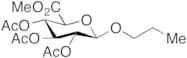

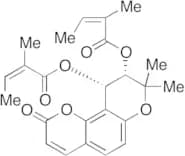


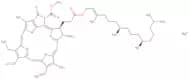
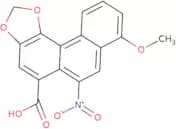

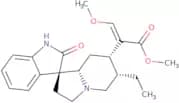
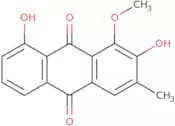
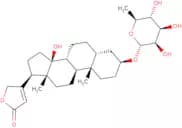
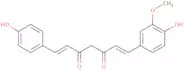
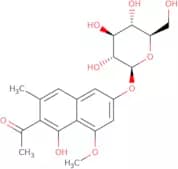

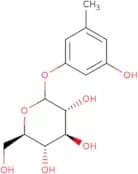


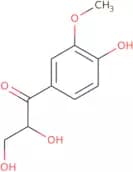
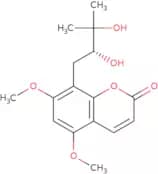

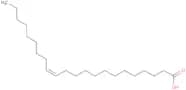
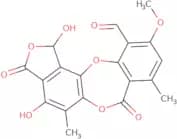
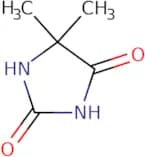
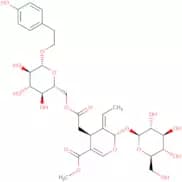


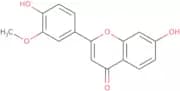

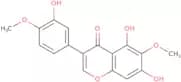
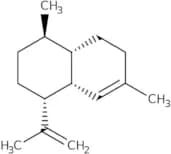
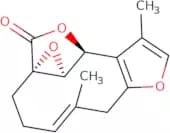


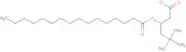
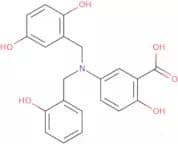
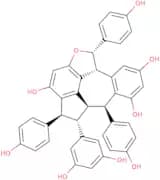
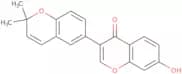

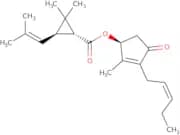
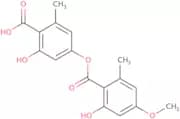
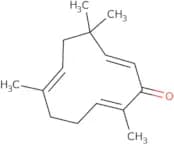
![(S)-3-[4-(4-Morpholin-4-yl-methyl-benzyloxy)-1-oxo-1,3-dihydro-isoindol-2-yl]-piperidine-2,6-dione](/_next/image/?url=https%3A%2Fstatic.cymitquimica.com%2Fproducts%2F3D%2Fthumb-webp%2FFM158574.webp&w=3840&q=75)
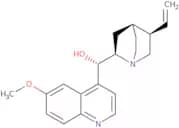
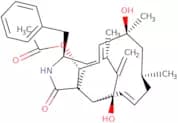
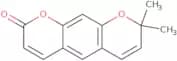


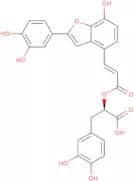
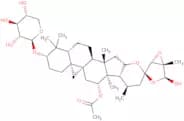

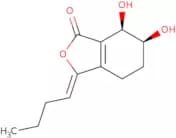
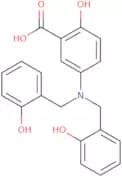


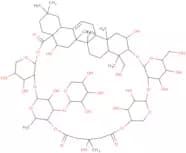
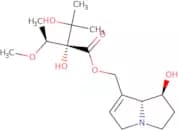


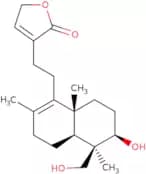
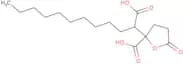
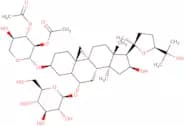
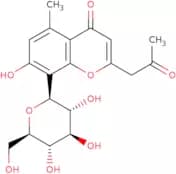
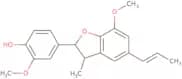
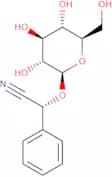


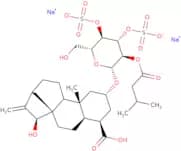
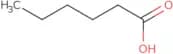

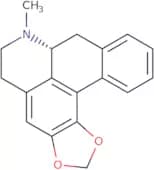

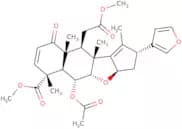


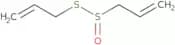

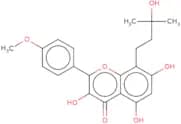

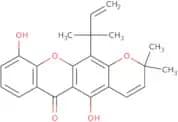
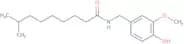


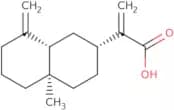
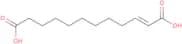

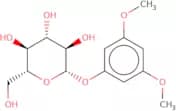
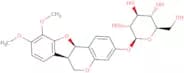
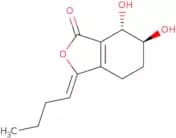
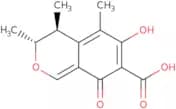


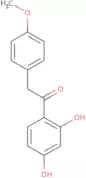

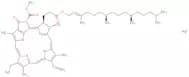
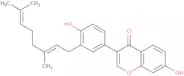
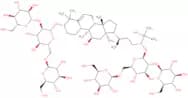
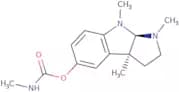
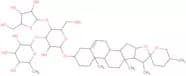
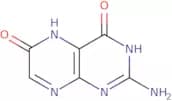
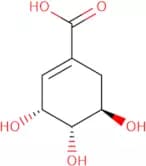
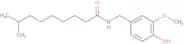
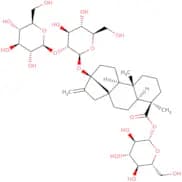
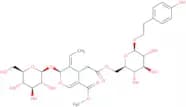
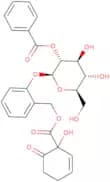
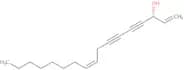
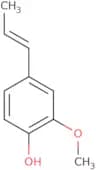
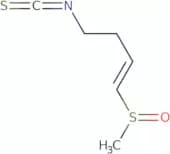
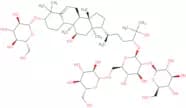
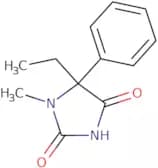
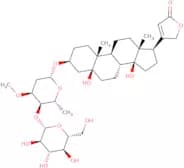
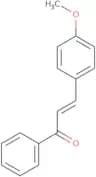
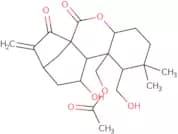
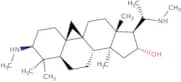
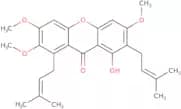
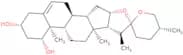
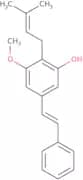
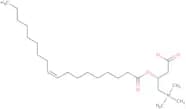
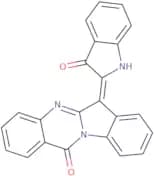
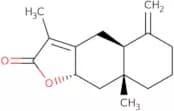
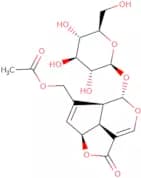
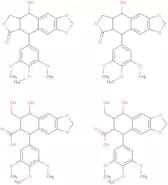
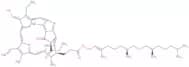
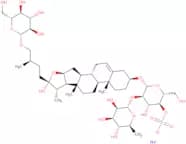

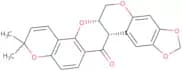
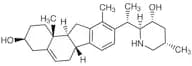

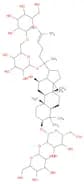

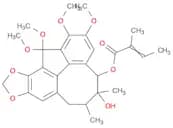
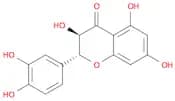
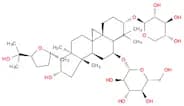
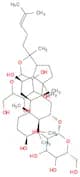
![Benz[b]indeno[1,2-d]pyran-3,4,6a,9,10(6H)-pentol, 7,11b-dihydro-,(6aS,11bR)-](/_next/image/?url=https%3A%2Fstatic.cymitquimica.com%2Fproducts%2FIN%2Fthumb-webp%2FDA00I98R.webp&w=3840&q=75)
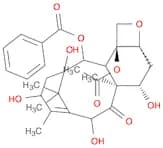
![b-D-Glucopyranoside,(1aR,2S,3aR,5R,5aR,5bS)-5b-[(benzoyloxy)methyl]tetrahydro-5-hydroxy-2-methyl-2…](/_next/image/?url=https%3A%2Fstatic.cymitquimica.com%2Fproducts%2FIN%2Fthumb-webp%2FDA00I4J3.webp&w=3840&q=75)