Enzimi nelle Proteine Ricombinanti
Gli enzimi accelerano le reazioni chimiche, agendo come catalizzatori biologici, agendo sui substrati e convertendoli in diverse molecole chiamate prodotti. Queste proteine sono indispensabili nei processi biochimici e nelle applicazioni industriali, facilitando le reazioni in condizioni miti con alta specificità ed efficienza. Da CymitQuimica, offriamo un'ampia selezione di enzimi di alta qualità per supportare le vostre applicazioni di ricerca, industriali e cliniche.
Trovati 3315 prodotti di " Enzimi nelle Proteine Ricombinanti"
Ordinare per
Purezza (%)
0
100
|
0
|
50
|
90
|
95
|
100
neutral Endopeptidase, liquid, food grade
CAS:<p>Neutral Endopeptidase is an enzymatic product in liquid form, classified as food grade, which is derived from microbial fermentation or animal sources. Its primary mode of action involves the hydrolysis of peptide bonds within proteins, resulting in the breakdown of these macromolecules into smaller peptides and amino acids. This process is facilitated through the enzyme's specificity for neutral pH environments, where it effectively cleaves internal bonds within a protein chain.</p>Endonuclease, liquid, food grade
CAS:<p>Endonuclease, liquid, food grade is a biochemical enzyme, which is derived from microbial or bovine sources, with precision in hydrolyzing phosphodiester bonds within nucleic acids. This endonuclease cleaves the internal bonds of DNA and RNA, enabling the breakdown of these molecules into smaller nucleotide fragments. Its catalytic action is particularly useful in the controlled degradation of nucleic acids without affecting other macromolecules in the substrate.</p>Endopeptidase, liquid, food grade
CAS:<p>Endopeptidase, liquid, food grade is an enzymatic product that functions as a crucial component in the hydrolysis of protein substrates. This enzyme is typically derived from microbial sources, such as bacteria or fungi, and is cultivated under controlled fermentation processes to ensure high purity and activity levels. The primary mode of action of endopeptidases involves the cleavage of peptide bonds within protein molecules, effectively breaking down long protein chains into smaller peptides and amino acids.</p>α Amylase, Porcine Pancreatic
<p>Porcine Pancreatic Alpha Amylase is an enzyme that catalyses hydrolysis of large polysacharides into smaller fragments. Alpha amylase targets alpha bonds of 1→4 glycosidic linkages of poly- and oligosaccharides with three or more D-glucose units. Systematic name of alpha-amylase is 4-α-D-glucan glucanohydrolase, EC 3.2.1.1. One unit of Alpha Amylase will produce 1.0 mg of maltose from starch in 1 minute at pH 4.9 and 40 °C. Please enquire for more information about Alpha Amylase, Porcine Pancreatic including the price, delivery time and more detailed product information at the technical inquiry form on this page</p>Laccase from Trametes versicolor
CAS:<p>Multi-copper oxidase from the family of polyphenol oxidades. It can be also found in many plants and bacteria. Laccase catalyses the oxidation of phenolic compounds such as lignin. It can oxidase non phenolic groups too with the use of mediators, chemical agents involved in the transfer of the electrons during the reaction. In some cases, laccase can also oxidise halogenated compounds. This enzyme is used for enzymatic assays, lignol screening tests and for waste water treatment to remove biodegrdable pollutants.</p>Colore e forma:PowderLipase 064
CAS:<p>Lipases belong to the family of esterases and naturally act on triglycerides at lipid-water interfaces. Lipases/esterases can be used as versatile tools in hydrolytic reactions, esterifications and transesterification reactions in industrial and food applications.</p>Glucosyltransferase203-freeze dried
CAS:<p>Color: beigeForm: lyophilisateProtein content: 0.5 mg/mgThe glucosyltransferase was tested in a glucosylation reaction of a preferred substrate. High conversion after up to 24 h reaction time was observed.</p>Glucosyltransferase206-freeze dried
CAS:<p>Glucosyltransferase206-freeze dried is an enzymatic preparation designed for specific biochemical applications. It is derived from microbial sources, where it is produced and purified through advanced biotechnological processes. The enzyme functions by catalyzing the transfer of glucosyl units from donor molecules to specific acceptors, thereby forming glycosidic bonds. This mode of action is crucial in various biosynthetic pathways, particularly in the production of polysaccharides and structural carbohydrates.</p>Adenosine deaminase, type X, buffered aqueous glycerol solution, >130units/mg
CAS:<p>Adenosine deaminase catalyzes deamination of adenosine, converting it to inosine. It happens by the substituting of the amino group by a keto group. One Unit of the enzyme converts one micromole of adenosine to inosine per minute at 25°C, pH 7.4. Adenosine deaminase is also known by names of adenosine aminohydrolase, and ADA, EC 3.5.4.4.</p>Purezza:Min. 95%Peso molecolare:1,000 g/molGlucosyltransferase210-freeze dried
CAS:<p>Glucosyltransferase210-freeze dried is an enzyme preparation that catalyzes the transfer of glucose molecules. Derived from specific microorganisms, it facilitates biochemical reactions by adding glucose residues to various substrates, thereby modifying their structure and function. The enzyme functions through the glucosylation process, which is essential in synthesizing different polysaccharides and glycoconjugates.</p>Glucosyltransferase205-freeze dried
CAS:<p>Glucosyltransferase205-freeze dried is an enzyme preparation that is commonly used in biochemical and molecular biology research. It is derived from microbial sources, often from bacteria or fungi that are known for producing extracellular enzymes. The primary mode of action of Glucosyltransferase205 involves catalyzing the transfer of glucose residues from donor molecules, such as UDP-glucose, to acceptor molecules, forming glycosidic bonds. This enzymatic activity is crucial in the biosynthesis of polysaccharides, which are essential components in various biological structures and processes.</p>Glucosyltransferase227-freeze dried
CAS:<p>Glucosyltransferase227-freeze dried is an enzyme-derived product, originating from microbial sources known for its role in catalyzing the transfer of glucose moieties from a donor molecule to specific acceptor molecules. The enzyme operates by facilitating covalent bond formation between glucose and target substrates, displaying specificity that can be exploited in various biochemical pathways.</p>Glucosyltransferase204-freeze dried
CAS:<p>Glucosyltransferase204-freeze dried is an enzyme preparation, derived from specific strains of Streptococcus bacteria, which plays a crucial role in catalyzing the transfer of glucosyl units from donor molecules to acceptor carbohydrates, predominantly in the formation of glucans. This enzymatic activity results in complex carbohydrate structures essential for various biological processes.</p>Glucosyltransferase211-freeze dried
CAS:<p>Glucosyltransferase211-freeze dried is an enzyme preparation which is derived from microbial fermentation. This enzyme functions by catalyzing the transfer of glucosyl groups from activated donor molecules to specific acceptor substrates. Its mechanism of action involves the formation of glycosidic bonds, facilitating the synthesis of various oligosaccharides and polysaccharides.</p>OXA-11 (β-Lactamase)
CAS:<p>OXA-11 (β-Lactamase) is an enzyme of the β-lactamase class, which is primarily derived from Gram-negative bacteria. This enzyme is characterized by its ability to hydrolyze β-lactam antibiotics, rendering them ineffective by breaking the β-lactam ring, a crucial component of these antibiotics. OXA-11 is a notable member of the oxacillinase group within class D β-lactamases, known for its resistance to penicillins and cephalosporins.</p>SPM-1 (β-Lactamase)
CAS:<p>SPM-1 (β-Lactamase) is a metallo-β-lactamase enzyme, which is derived from certain Gram-negative bacteria, such as Pseudomonas aeruginosa. This enzyme is characterized by its ability to hydrolyze a broad spectrum of β-lactam antibiotics, including penicillins, cephalosporins, and carbapenems, due to the presence of a zinc ion in its active site. The zinc ion plays a crucial role in the catalytic mechanism by facilitating the cleavage of the β-lactam ring, rendering the antibiotic ineffective against bacterial cell wall synthesis.</p>KPC-1 (β-Lactamase)
CAS:<p>KPC-1 (β-Lactamase) is a specialized enzyme, which is produced by certain Gram-negative bacteria, notably Klebsiella pneumoniae. It functions by hydrolyzing the β-lactam ring found in a wide range of β-lactam antibiotics, such as penicillins and cephalosporins. This enzymatic action effectively neutralizes the antibiotic's antimicrobial properties, rendering the drugs ineffective against bacteria that produce KPC-1.</p>L-Leucine dehydrogenase from bacillus cereus
CAS:<p>L-Leucine dehydrogenase (Leucine dehydrogenase, systematic name L-leucine:NAD+ oxidoreductase (deaminating); EC 1.4.1.9) is an enzyme that catalyzes the following reaction: L-leucine + H2O + NAD+ ⇌ 4-methyl-2-oxopentanoate + NH3 + NADH + H+ One unit of L-Leucine dehydrogenase will convert 1.0 µmole of L‑leucine into 4-methyl-2-oxopentanoate per min at pH 10.5 and 37 °C in the presence of NAD+. The enzyme requires NAD+ as a cofactor, it is available here.</p>Purezza:Min. 95%NMCA (β-Lactamase)
CAS:<p>NMCA (β-Lactamase) is an enzyme, specifically acclaimed for its role in conferring antibiotic resistance. It is derived from bacterial sources, where it naturally occurs as part of the bacterial defense mechanism against β-lactam antibiotics. NMCA (β-Lactamase) functions by hydrolyzing the β-lactam ring present in these antibiotics, effectively rendering them inactive. This mode of action disrupts the antibiotic's ability to inhibit cell wall synthesis within bacteria, thereby permitting bacterial survival and proliferation.</p>Colore e forma:PowderProteinase K Solution
CAS:<p>20mg/ml aq. solution. Proteinase K is used for the general digestion of proteins and removal of protein contamination in nucleic acids. Addition of Protease K also stabilizes nucleic acids but degrading any nucleases present. Proteinase K is active in wide range of pH range, in the presence of SDS, urea and Guanidinium chloride at low to moderate concentrations. Proteinase K is also known under names of protease K and endopeptidase K.</p>Colore e forma:Clear LiquidLipase CR 03
CAS:<p>Lipase CR 03 is an industrial-grade enzyme product that is derived from microbial sources, specifically engineered for robust and efficient catalytic activity. The enzyme is extracted utilizing advanced fermentation techniques that capitalize on the prolific nature of specific strains known for lipase production. Its mode of action involves the hydrolysis of ester bonds in triglycerides, converting them into free fatty acids and glycerol. This catalytic process is critical in various biochemical pathways and industrial reactions.</p>VIM-15 (β-Lactamase)
CAS:<p>VIM-15 (β-Lactamase) is an enzyme product, specifically a metallo-beta-lactamase, which is sourced from certain resistant bacterial strains. This enzyme functions by hydrolyzing the beta-lactam ring of antibiotics, rendering them ineffective. The primary mode of action involves the coordination of zinc ions at its active site, enabling the breakdown of a broad spectrum of beta-lactam antibiotics including penicillins, cephalosporins, and carbapenems. This enzymatic activity significantly contributes to antibiotic resistance, posing a challenge in the treatment of bacterial infections. Its prevalence is noted in healthcare settings, where multidrug-resistant organisms are a concern. VIM-15 is of particular interest in clinical microbiology research and antimicrobial resistance studies, where understanding its structure and function can aid in the development of new inhibitors, potentially restoring the efficacy of beta-lactam antibiotics against resistant strains. Its characterization and study are critical for developing strategies to combat antibiotic-resistant infections effectively.</p>Phytate 1-phosphatase
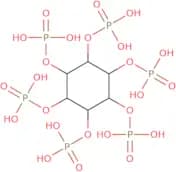
CAS:<p>Phytate 1-phosphatase is a phosphatase enzyme that cleaves orthophosphate groups from phytic acid's inositol ring. This releases inorganic phosphate.</p>Purezza:Min. 95%Colore e forma:Clear LiquidEUCODIS® Lipase 009, screening grade, recombinant, from microbial sources - EL009
<p>Lipase 09 recombinantly expressed in E. coli comes in a spray-dried formulation. It has its pH optimum at 7 and temp. optimum at 35-55°C. Lipases belong to the family of esterases and naturally act on triglycerides at lipid-water interfaces catalyzing hydrolytic reactions, esterifications and transesterification reactions in industrial and food applications. Lipase 09 was shown to hydrolyze p-Nitrophenyl esters of acetate (18 % activity compared to octanoate), butyrate (80 %), octanoate (100 %) and capate (40 %).</p>Glucose-6-phosphate dehydrogenase
CAS:<p>Glucose-6-phosphate dehydrogenase (G6PD, G6PDH; EC 1.1.1.49) is an enzyme that catalises the following reaction: D-glucose 6-phosphate + NADP+ + H2O ⇌ 6-phospho-D-glucono-1,5-lactone + NADPH + H+ One unit of G6PD will oxidize 1.0 µmole of D-glucose 6-phosphate to 6-phospho-D-glucono-1,5-lactone per min in the presence of NAD+ at pH 7.8 and 30 °C. NADP+ is available here.</p>Colore e forma:Clear LiquidEndoglycosidase H, liquid, recombinant
CAS:<p>Endoglycosidase H (systematic name glycopeptide-D-mannosyl-N4-(N-acetyl-D-glucosaminyl)2-asparagine 1,4-N-acetyl-β-glucosaminohydrolase, EC 3.2.1.96) is a highly specific enzyme, that cleaves asparagine-linked mannose rich oligosaccharides. One unit of Endoglycosidase H will remove >95% of the carbohydrate from 10μg of denatured RNase B in 1 hour at 37°C in a total reaction volume of 10μl.The product EEH01.7 is available as a large-scale bulk supply of liquid enzyme solution and is intended for use in the chemical, diagnostic, pharmaceutical and related industries.For removal of all N-linked carbohydrates from proteins see Cymit Quimica's PNGase F enzymes (PNG01.3 - vials for research and PNG01.7 - large-scale bulk supply)</p>VIM-15 (β-Lactamase)
CAS:<p>VIM-15 (β-Lactamase) is a metallo-β-lactamase enzyme, which is derived from bacterial sources, particularly Gram-negative bacteria. Its mode of action involves the hydrolysis of β-lactam antibiotics, facilitating bacterial resistance. This enzyme employs zinc ions as cofactors to break the β-lactam ring, rendering these antibiotics ineffective against the bacteria that produce the enzyme. The hydrolysis process disrupts the antibiotic's structural integrity, crucial for its antibacterial activity, thereby nullifying its therapeutic effects.</p>DNA ligase (ATP)
CAS:<p>DNA ligase (ATP) is an enzyme (EC 6.5.1.1) that ligates DNA strands, repairing nicks in double-standed DNA and coupling blunt-ended or cohesive DNA fragments. It requires 3′ hydroxyl and 5′ phosphate nucleoside ends for ligation and ATP as a cofactor.</p>Peso molecolare:0 g/molKPC-1 (β-Lactamase)
CAS:<p>KPC-1 (β-Lactamase) is an enzyme that breaks down β-lactam antibiotics, rendering them ineffective. It originates from strains of bacteria, particularly Klebsiella pneumoniae, which are significant sources of hospital-acquired infections. The mode of action involves hydrolyzing the β-lactam ring found in antibiotics such as penicillins and cephalosporins, neutralizing their antibacterial effects.</p>OXA-11 (β-Lactamase)
CAS:<p>OXA-11 is a β-lactamase enzyme, which is a type of protein produced by certain bacteria. These enzymes are derived from the bacterial source and are responsible for antibiotic resistance. The primary mode of action of OXA-11 is the hydrolysis of the β-lactam ring found in various antibiotics, such as penicillins and cephalosporins, rendering them ineffective. This enzymatic activity allows bacteria to survive exposure to these antimicrobial agents, posing a significant challenge in clinical settings.</p>Sphingomyelinase, freeze-dried
CAS:<p>Sphingomyelinase (SMase, Sphingomyelin phosphodiesterase, systematic name sphingomyelin cholinephosphohydrolase; EC 3.1.4.12) is an enzyme that hydrolyses sphingomyelin into phosphocholine and ceramide. One unit of sphingomyelinase will hydrolyze 1.0 µmole of chromogenic substrate analogue per minute at pH 7.4 and 37 °C.</p>Purezza:> 90%TPSAB1 Protein, Rat, Recombinant (His & Myc & SUMO)
<p>Tryptase is the major neutral protease present in mast cells and is secreted upon the coupled activation-degranulation response of this cell type.</p>Colore e forma:Lyophilized PowderPeso molecolare:47.4 kDa (predicted)PARP12 Protein, Human, Recombinant (His & Myc)
<p>PARP12 Protein, Human, Recombinant (His & Myc) is expressed in E. coli.</p>Purezza:93%Colore e forma:Lyophilized PowderPeso molecolare:86.5 kDa (predicted)UAP1 Protein, Human, Recombinant (His)
<p>Converts UTP and GlcNAc-1-P into UDP-GlcNAc, and UTP and GalNAc-1-P into UDP-GalNAc.</p>Colore e forma:Lyophilized PowderPeso molecolare:60.8 kDa (predicted)TREX1 Protein, Mouse, Recombinant (His & Myc)
<p>TREX1 Protein, Mouse, Recombinant (His & Myc) is expressed in E.</p>Colore e forma:Lyophilized PowderPeso molecolare:41.1 kDa (predicted)MeTAP1 Protein, Mycobacterium tuberculosis, Recombinant (His)
<p>Removes the N-terminal methionine from nascent proteins.</p>Purezza:90%Colore e forma:Lyophilized PowderPeso molecolare:32.9 kDa (predicted)FTO Protein, Human, Recombinant (His & Myc)
<p>FTO Protein, Human, Recombinant (His & Myc) is expressed in E. coli.</p>Colore e forma:Lyophilized PowderPeso molecolare:65.7 kDa (predicted)Cytoglobin Protein, Rat, Recombinant (His & Myc)
<p>May have a protective function during conditions of oxidative stress.</p>Colore e forma:Lyophilized PowderPeso molecolare:28.9 kDa (predicted)Exopolyphosphatase Protein, E. coli, Recombinant (His & SUMO)
<p>Degradation of inorganic polyphosphates (polyP).</p>Colore e forma:Lyophilized PowderPeso molecolare:74.0 kDa (predicted)SVTLE Protein, Gloydius ussuriensis, Recombinant (His & Myc)
<p>Thrombin-like snake venom serine protease.</p>Colore e forma:Lyophilized PowderPeso molecolare:33.7 kDa (predicted)Fukutin Protein, Cynomolgus, Recombinant (His & Myc)
<p>Fukutin Protein, Cynomolgus, Recombinant (His & Myc) is expressed in E.</p>Colore e forma:Lyophilized PowderPeso molecolare:58.0 kDa (predicted)ENR Protein, Mycobacterium tuberculosis, Recombinant (His)
<p>ENR Protein, Mycobacterium tuberculosis, Recombinant (His) is expressed in E.</p>Colore e forma:Lyophilized PowderPeso molecolare:32.6 kDa (predicted)Metallo-β-lactamase type 2 Protein, Klebsiella pneumoniae, Recombinant (His)
<p>Confers resistance to the different beta-lactams antibiotics (penicillin, cephalosporin and carbapenem) via the hydrolysis of the beta-lactam ring.</p>Colore e forma:Lyophilized PowderPeso molecolare:29.6 kDa (predicted)PRKN Protein, Human, Recombinant (His & SUMO)
<p>Functions within a multiprotein E3 ubiquitin ligase complex, catalyzing the covalent attachment of ubiquitin moieties onto substrate proteins.</p>Colore e forma:Lyophilized PowderPeso molecolare:67.6 kDa (predicted)NirS Protein, Pseudomonas stutzeri, Recombinant (His & Myc)
<p>N/A.</p>Colore e forma:Lyophilized PowderPeso molecolare:56.0 kDa (predicted)Venom dipeptidyl peptidase 4 Protein, Apis mellifera, Recombinant (His & Myc)
<p>Venom dipeptidyl-peptidase which removes N-terminal dipeptides sequentially from polypeptides having unsubstituted N-termini provided that the penultimate</p>Colore e forma:Lyophilized PowderPeso molecolare:36.4 kDa (predicted)PstP Protein, Mycobacterium tuberculosis, Recombinant (His)
<p>Plays an important role in regulating cell division and growth by reversible phosphorylation signaling.</p>Colore e forma:Lyophilized PowderPeso molecolare:29.2 kDa (predicted)SARM1 Protein, Human, Recombinant (His & KSI)
<p>SARM1 Protein, Human, Recombinant (His & KSI) is expressed in E.</p>Colore e forma:Lyophilized PowderPeso molecolare:48.8 kDa (predicted)Serine racemase/SRR Protein, Human, Recombinant (His & SUMO)
<p>Serine racemase/SRR Protein, Human, Recombinant (His & SUMO) is expressed in E. coli.</p>Purezza:92% - 94%Colore e forma:Lyophilized PowderPeso molecolare:52.6 kDa (predicted)PARL Protein, Human, Recombinant (Myc)
<p>Required for the control of apoptosis during postnatal growth.</p>Colore e forma:Lyophilized PowderPeso molecolare:37.8 kDa (predicted)SVSP Protein, Crotalus atrox, Recombinant (His & Myc)
<p>Snake venom serine protease that may act in the hemostasis system of the prey.</p>Colore e forma:Lyophilized PowderPeso molecolare:29.1 kDa (predicted)Lysyl endopeptidase Protein, Lysobacter enzymogenes, Recombinant (His & SUMOstar)
<p>Highly specific endopeptidase that hydrolyzes lysyl bonds including the Lys-Pro bond.</p>Purezza:85% - Greater than 85% as determined by SDS-PAGE.Colore e forma:Lyophilized PowderPeso molecolare:44.0 kDa (predicted)MASP1 Protein, Human, Recombinant (His & SUMO)
<p>MASP1 Protein, Human, Recombinant (His & SUMO) is expressed in E.</p>Colore e forma:Lyophilized PowderPeso molecolare:93.0 kDa (predicted)Ferrochelatase, mitochondrial Protein, Bovine, Recombinant (His & Myc & SUMO)
<p>Catalyzes the ferrous insertion into protoporphyrin IX.</p>Colore e forma:Lyophilized PowderPeso molecolare:58.1 kDa (predicted)PPK2 Protein, Chlorobium tepidum, Recombinant (His & Myc)
<p>Catalyzes the reversible transfer of the terminal phosphate of ATP to form a long-chain polyphosphate (polyP).</p>Colore e forma:Lyophilized PowderPeso molecolare:34.4 kDa (predicted)Gel4 Protein, Neosartorya fumigata, Recombinant (His)
<p>Splits internally a 1,3-beta-glucan molecule and transfers the newly generated reducing end (the donor) to the non-reducing end of another 1,3-beta-glucan</p>Colore e forma:Lyophilized PowderPeso molecolare:55.4 kDa (predicted)LIPA Protein, Rat, Recombinant (His)
<p>Catalyzes the deacylation of triacylglyceryl and cholesteryl ester core lipids of endocytosed low density lipoproteins to generate free fatty acids and</p>Colore e forma:Lyophilized PowderPeso molecolare:48.6 kDa (predicted)Transaldolase B Protein, E. coli, Recombinant (His & Myc)
<p>Transaldolase is important for the balance of metabolites in the pentose-phosphate pathway.</p>Colore e forma:Lyophilized PowderPeso molecolare:42.5 kDa (predicted)CYPOR Protein, Mouse, Recombinant (His)
<p>CYPOR Protein, Mouse, Recombinant (His) is expressed in E. coli.</p>Colore e forma:Lyophilized PowderPeso molecolare:34.2 kDa (predicted)PBP 3 Protein, Bacillus subtilis, Recombinant (His)
<p>Penicillin-binding proteins (PBPs) function in the late steps of murein biosynthesis.</p>Colore e forma:Lyophilized PowderPeso molecolare:29.2 kDa (predicted)ECHS1 Protein, Mouse, Recombinant (HA & His)
<p>Straight-chain enoyl-CoA thioesters from C4 up to at least C16 are processed, although with decreasing catalytic rate.</p>Colore e forma:Lyophilized PowderPeso molecolare:35.6 kDa (predicted)Histidinol dehydrogenase Protein, Brucella suis biovar 1, Recombinant (GST)
<p>Expression System: E. coli<br>Length: 1-430 (mutation), Full Length<br>Activity: Not Tested</p>Colore e forma:Lyophilized PowderPeso molecolare:73.0 kDa (Predicted)GAPDH Protein, Chicken, Recombinant (MBP & His & Avi), Biotinylated
<p>Expression System: E. coli<br>Length: 2-333, Partial<br>Activity: Not Tested</p>Colore e forma:Lyophilized PowderPeso molecolare:83.3 kDa (Predicted)SOD1 Protein, Canine, Recombinant (X53S, His)
<p>Expression System: E. coli<br>Length: 1-153, Full Length<br>Activity: Not Tested</p>Colore e forma:Lyophilized PowderPeso molecolare:22.8 kDa (Predicted)PPDK Protein, Entamoeba histolytica, Recombinant (His & SUMO)
<p>Catalyzes the reversible phosphorylation of pyruvate and phosphate. In E.histolytica and C.symbiosus, PPDK functions in the direction of ATP synthesis.</p>Colore e forma:Lyophilized PowderPeso molecolare:54.4 kDa (predicted)KAS III Protein, S. aureus, Recombinant (His & Myc)
<p>Catalyzes the condensation reaction of fatty acid synthesis by the addition to an acyl acceptor of two carbons from malonyl-ACP.</p>Colore e forma:Lyophilized PowderPeso molecolare:41.3 kDa (predicted)ERG11 Protein, S. cerevisiae, Recombinant (GST)
<p>Catalyzes C14-demethylation of lanosterol which is critical for ergosterol biosynthesis.</p>Colore e forma:Lyophilized PowderPeso molecolare:29.1 kDa (predicted)TERT Protein, Human, Recombinant (His)
<p>Telomerase is a ribonucleoprotein enzyme essential for the replication of chromosome termini in most eukaryotes.</p>Colore e forma:Lyophilized PowderPeso molecolare:22.7 kDa (predicted)SOD1 Protein, Mouse, Recombinant (E. coli, His)
<p>Destroys radicals which are normally produced within the cells and which are toxic to biological systems.</p>Purezza:93% - Greater than 90% as determined by SDS-PAGE.Colore e forma:Lyophilized PowderPeso molecolare:19.8 kDa (predicted)PADI3 Protein, Human, Recombinant (His)
<p>PADI3 Protein, Human, Recombinant (His) is expressed in Yeast.</p>Colore e forma:Lyophilized PowderPeso molecolare:76.7 kDa (predicted)MAPK3 Protein, Human, Recombinant (His)
<p>Serine/threonine kinase which acts as an essential component of the MAP kinase signal transduction pathway.</p>Purezza:90% - 90%Colore e forma:Lyophilized PowderPeso molecolare:46.3 kDa (predicted)MMP-20 Protein, Human, Recombinant (His & Myc)
<p>Degrades amelogenin, the major protein component of the enamel matrix and two of the macromolecules characterizing the cartilage extracellular matrix: aggrecan</p>Colore e forma:Lyophilized PowderPeso molecolare:46.4 kDa (predicted)SHV-3 Protein, Klebsiella pneumoniae, Recombinant (His)
<p>This enzyme hydrolyzes cefotaxime, ceftazidime and other broad spectrum cephalosporins.</p>Colore e forma:Lyophilized PowderPeso molecolare:33.0 kDa (predicted)Glucosyltransferase-SI Protein, S. mutans serotype c, Recombinant (His & Myc)
<p>Production of extracellular glucans, that are thought to play a key role in the development of the dental plaque because of their ability to adhere to smooth</p>Colore e forma:Lyophilized PowderPeso molecolare:26.7 kDa (predicted)Dihydrofolate reductase Protein, E. coli, Recombinant (His)
<p>Key enzyme in folate metabolism. Catalyzes an essential reaction for de novo glycine and purine synthesis, and for DNA precursor synthesis.</p>Colore e forma:Lyophilized PowderPeso molecolare:18.8 kDa (predicted)PYGB Protein, Human, Recombinant (GST)
<p>PYGB Protein, Human, Recombinant (GST) is expressed in E. coli.</p>Colore e forma:Lyophilized PowderPeso molecolare:123.2 kDa (predicted)MASP2 Protein, Rat, Recombinant (His)
<p>Serum protease that plays an important role in the activation of the complement system via mannose-binding lectin.</p>Colore e forma:Lyophilized PowderPeso molecolare:79.2 kDa (predicted)JAK2 Protein, Human, Recombinant (His)
<p>Non-receptor tyrosine kinase involved in various processes such as cell growth, development, differentiation or histone modifications.</p>Purezza:90% - 90%Colore e forma:Lyophilized PowderPeso molecolare:48.6 kDa (predicted)Reticuline oxidase Protein, Eschscholzia californica, Recombinant (His)
<p>Essential to the formation of benzophenanthridine alkaloids in the response of plants to pathogenic attack.</p>Colore e forma:Lyophilized PowderPeso molecolare:61.4 kDa (predicted)HELQ Protein, Human, Recombinant (His & Myc)
<p>Single-stranded DNA-dependent ATPase and 5' to 3' DNA helicase.</p>Colore e forma:Lyophilized PowderPeso molecolare:49.8 kDa (predicted)FUCA1 Protein, Mouse, Recombinant (His & SUMO)
<p>Alpha-L-fucosidase is responsible for hydrolyzing the alpha-1,6-linked fucose joined to the reducing-end N-acetylglucosamine of the carbohydrate moieties of</p>Colore e forma:Lyophilized PowderPeso molecolare:66.6 kDa (predicted)RAB10 Protein, Human, Recombinant (His & Myc)
<p>RAB10 Protein, Human, Recombinant (His & Myc) is expressed in Baculovirus.</p>Colore e forma:Lyophilized PowderPeso molecolare:26.6 kDa (predicted)PTPRS Protein, Mus musculus, Recombinant (His & Myc)
<p>PTPRS Protein, Mus musculus, Recombinant (His & Myc) is expressed in Baculovirus insect cells with N-10xHis and C-Myc tag.</p>Colore e forma:Lyophilized PowderPeso molecolare:35.8 kDa (predicted)TRIM2 Protein, Rat, Recombinant (His)
<p>E3 ubiquitin-protein ligase that mediates the ubiquitination of phosphorylated BCL2L11.</p>Colore e forma:Lyophilized PowderPeso molecolare:85.5 kDa (predicted)GSK3B Protein, Human, Recombinant (E. coli, His)
<p>GSK3B Protein, Human, Recombinant (E.</p>Purezza:90% - 90%Colore e forma:Lyophilized PowderPeso molecolare:50.7 kDa (predicted)RIPK2 Protein, Human, Recombinant (His)
<p>RIPK2 Protein, Human, Recombinant (His) is expressed in E.</p>Colore e forma:Lyophilized PowderPeso molecolare:65.2 kDa (predicted)PLA2G5 Protein, Rat, Recombinant (His & SUMO)
<p>PLA2G5 Protein, Rat, Recombinant (His & SUMO) is expressed in E.</p>Colore e forma:Lyophilized PowderPeso molecolare:29.8 kDa (predicted)NirK Protein, Rhizobium sullae, Recombinant (His)
<p>NirK Protein, Rhizobium sullae, Recombinant (His) is expressed in E.</p>Colore e forma:Lyophilized PowderPeso molecolare:40.8 kDa (predicted)MBD2 Protein, Human, Recombinant (His & KSI)
<p>Binds CpG islands in promoters where the DNA is methylated at position 5 of cytosine within CpG dinucleotides.</p>Colore e forma:Lyophilized PowderPeso molecolare:45.2 kDa (predicted)Glucomannokinase Protein, Prevotella bryantii, Recombinant
<p>The enzyme has great affinity for glucose and mannose.</p>Colore e forma:Lyophilized PowderPeso molecolare:2.7 kDa (predicted)PTGES3 Protein, Human, Recombinant (His)
<p>PTGES3 Protein, Human, Recombinant (His) is expressed in Yeast.</p>Colore e forma:Lyophilized PowderPeso molecolare:21.2 kDa (predicted)PARP14 Protein, Human, Recombinant (His & Myc)
<p>PARP14 Protein, Human, Recombinant (His & Myc) is expressed in HEK293.</p>Colore e forma:Lyophilized PowderPeso molecolare:27.6 kDa (predicted)PTGES3 Protein, Human, Recombinant (E. coli, His)
<p>PTGES3 Protein, Human, Recombinant (E. coli, His) is expressed in E. coli.</p>Colore e forma:Lyophilized PowderPeso molecolare:24.2 kDa (predicted)MAOB Protein, Human, Recombinant (His)
<p>MAOB Protein, Human, Recombinant (His) is expressed in E. coli.</p>Purezza:90%Colore e forma:Lyophilized PowderPeso molecolare:59.3 kDa (predicted)DIP2A Protein, Human, Recombinant (hFc)
<p>Catalyzes the de novo synthesis of acetyl-CoA in vitro.</p>Colore e forma:Lyophilized PowderPeso molecolare:42.2 kDa (predicted)HDAC6 Protein, Human, Recombinant (His)
<p>HDAC6 Protein, Human, Recombinant (His) is expressed in E. coli.</p>Colore e forma:Lyophilized PowderPeso molecolare:42.5 kDa (predicted)HAOX1 Protein, Mouse, Recombinant (His)
<p>Has 2-hydroxyacid oxidase activity.</p>Colore e forma:Lyophilized PowderPeso molecolare:45.0 kDa (predicted)FUT7 Protein, Mouse, Recombinant (His)
<p>FUT7 Protein, Mouse, Recombinant (His) is expressed in E.</p>Colore e forma:Lyophilized PowderPeso molecolare:41.8 kDa (predicted)SOD1 Protein, Mouse, Recombinant (His)
<p>Destroys radicals which are normally produced within the cells and which are toxic to biological systems.</p>Colore e forma:Lyophilized PowderPeso molecolare:17.8 kDa (predicted)