Altri
Trovati 6279 prodotti di "Altri"
Ordinare per
Purezza (%)
0
100
|
0
|
50
|
90
|
95
|
100
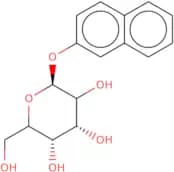
2-Naphthyl b-D-mannopyranoside
CAS:<p>2-Naphthyl b-D-mannopyranoside is a chromogenic substrate specifically designed for the detection and quantification of β-mannosidase enzyme activity. Upon hydrolysis by β-mannosidase, this substrate releases a colored product, 2-naphthol, which can be easily monitored spectrophotometrically. The use of 2-Naphthyl b-D-mannopyranoside allows for the rapid and sensitive measurement of β-mannosidase activity in various applications, such as enzyme assays, screening for β-mannosidase-producing microorganisms, and studying the kinetics and inhibition of β-mannosidase enzymes.</p>Purezza:Min. 95%Peso molecolare:306.31 g/mol5-Bromo-4-chloro-3-indoxyl sulfate, potassium salt
CAS:<p>Chromogenic substrate for aryl-sulfatase. Yields a blue precipitate upon cleavage.</p>Formula:C8H4BrClKNO4SPurezza:Min. 98.0 Area-%Peso molecolare:364.65 g/molAldol® 495 nonanoate solution, 0.75 M in DMSO, Biosynth Patent: EP 2427431 and US 8940909
CAS:Prodotto controllato<p>Aldol® 495 nonanoate is a chromogenic and fluorogenic enzyme substrate used for detection of lipase activity. The colorless enzyme substrate is cleaved by C9 esterases, yielding development of an orange coloration. In addition, green fluorescence is generated when Aldol® 355 fluorescence enhancer or a suitable matrix is present. Aldol® 495 nonanoate can be used in enzyme assays and live bacterial cultures. Aldol® 495 nonanoate is suitable for use in liquid and solid media, under aerobic as well as anaerobic conditions.</p>Formula:C29H31ClN2O3Purezza:Min. 95%Peso molecolare:491.02 g/mol5-Amino-3-indoxyl-β-D-galactopyranoside
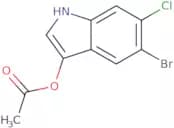
<p>5-Amino-3-indoxyl-beta-D-galactopyranoside (AIG) is a chromogenic substrate that is used for the detection of beta-galactosidase activity. AIG is also used in food testing, diagnostics, and environmental testing. The detection of beta-galactosidase activity can be done by either using the fluorogenic substrate 4-methylumbelliferyl galactopyranoside or the bioluminescence system of firefly luciferase and luciferin. This product has a CAS number of 110114-03-0 and a molecular weight of 417.5 g/mol.</p>Formula:C14H18N2O6Peso molecolare:310.31 g/mol5-Bromo-6-chloro-3-indolyl acetate
CAS:<p>5-Bromo-6-chloro-3-indolyl acetate is a chromogenic substrate that yields a magenta-colored product after cleavage. The chromophore 5-bromo-6-chloro-indoxyl is released, generating the observable color. It is used in bacterial esterase detection (e.g. Staphylococcus spp.).</p>Formula:C10H7BrClNO2Purezza:Min. 98 Area-%Colore e forma:PowderPeso molecolare:288.52 g/mol3-Indoxyl-β-D-glucopyranoside anhydrous
CAS:<p>The maunfacturing of blue jeans started 150 years ago as workwear, and are found nowadays in almost every wardrobe. Their renowned indigo color tone is truly unique; nevertheless, the high demand for the dye poses serious sustainability and environmental problems connected with its manufacturing process. Recently, a group of scientists presented an alternative indigo dyeing method inspired by the indoxyl glucoconjugate present in the plant P.tinctorium. The researchers proposed as an alternative approach a biocatalytic process using recombinant E.coli to access water soluble β-gluco-indoxyl (indican). At the point of coloring, indican gets hydrolyzed by β-glucosidase enzymes forming indoxyl, which suddenly undergoes oxidation to leucoindigo and further crystallizes to indigo giving the typical blue denim its signature character.</p>Formula:C14H17NO6Purezza:Min. 99.0 Area-%Peso molecolare:295.29 g/molAldol® 518 β-D-glucuronic acid, Biosynth Patent: EP 2427431 and US 8940909
CAS:<p>Aldol® 518 beta-D-glucuronic acid is a chromogenic and fluorogenic enzyme substrate used for detection of beta-glucuronidase activity, yielding red colour and red fluorescence. Living cells of Escherichia coli can be reliably detected with Aldol® 518 beta-D-glucuronic acid-containing media. Aldol® 518 beta-D-glucuronic acid can be also used in GUS reporter assays, e.g. in plant biotechnology. Aldol® 518 beta-D-glucuronic acid is suitable for use in liquid and solid media, under aerobic as well as anaerobic conditions.</p>Formula:C29H27ClN2O8Purezza:Min. 95 Area-%Peso molecolare:566.99 g/mol1-Naphthyl β-D-mannopyranoside
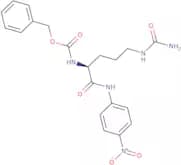
CAS:<p>1-Naphthyl β-D-mannopyranoside is a chromogenic (also fluorogenic) substrate. After cleavage, 1-naphthol is released and is used to quantify beta-mannosidase activity.</p>Formula:C16H18O6Purezza:Min. 95%Colore e forma:PowderPeso molecolare:306.31 g/molN-α-CBZ-L-citrulline-p-nitroanilide
CAS:<p>Nalpha-CBZ-L-Citrulline-p-nitroanilide is a synthetic chromogenic enzyme substrate used in protease enzymatic stutides. After hydrolysis, p-nitroaniline is released, which produces a yellow color detectable spectrophotometrically at 405 nm.</p>Formula:C20H23N5O6Purezza:Min. 95%Peso molecolare:429.43 g/mol6-Chloro-3-indoxyl-β-D-cellobioside
CAS:<p>Chromogenic substrate for β-D-Cellobiosidase yielding a salmon-colored precipitate.</p>Formula:C20H26ClNO11Purezza:Min. 99.0 Area-%Peso molecolare:491.88 g/molAldol® 458 nonanoate solution, 0.75 M in DMSO, Biosynth Patent: EP 2427431 and US 8940909
CAS:Prodotto controllato<p>Aldol 458 nonanoate solution is a high quality, enzyme substrate that can be used for a number of applications. It has been shown to be an excellent chromogenic substrate, bioluminescence, ligand and chemiluminescence. Aldol 458 nonanoate solution has also been used for the detection of staining and diagnostics. The compound is a conjugate with an excellent binding affinity to proteins. This product can be used in food testing, culture media, fluorogenic substrate and environmental testing. CAS No. 2484873-15-4</p>Formula:C25H29NO4Purezza:Of Solute (Hplc) 98.0 To 100.0 Area-%Peso molecolare:407.51 g/molRef: 3D-A-4714_P00
1gPrezzo su richiesta5gPrezzo su richiesta10gPrezzo su richiesta2500mgPrezzo su richiesta-Unit-ggPrezzo su richiesta6-Chloro-3-indoxyl-3-acetate
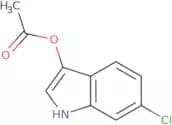
CAS:<p>6-Chloro-3-indoxyl-3-acetate is a chromogenic substrate for carboxylesterase yielding a salmon colored precipitate upon cleavage. Mainly used in histochemistry.</p>Purezza:Min. 95%Colore e forma:White PowderPeso molecolare:209.63 g/molNaphthol AS-BI N-acetyl-b-D-galactosaminide
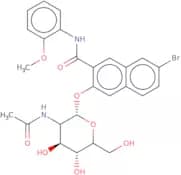
CAS:<p>Modified naphtol AS substrate used in histochemical and cytochemical staining</p>Formula:C26H27BrN2O8Purezza:Min. 95%Colore e forma:PowderPeso molecolare:575.41 g/mol4-Nitrophenyl laurate
CAS:<p>4-Nitrophenyl laurate is a chromogenic substrate for lipase. Upon hydrolysis, para-nitrophenol is released yielding a yellowish colour. 4-Nitrophenyl laurate is used in different applications such as the Lipase activity screening, clinical diagnostics</p>Formula:C18H27NO4Purezza:Min. 95%Colore e forma:White PowderPeso molecolare:321.41 g/mol5-Bromo-6-chloro-3-indoxyl butyrate
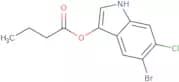
CAS:<p>5-Bromo-6-chloro-3-indoxyl butyrate is a chromogenic substrate that yields a magenta-colored product after cleavage. The chromophore 5-bromo-6-chloro-indoxyl is released, generating the observable color. It is used in lipid digestion assays.</p>Formula:C12H11BrClNO2Purezza:Min. 95%Colore e forma:PowderPeso molecolare:316.58 g/mol5-Bromo-6-chloro-3-indoxyl myo-inositol-1-phosphate, ammonium salt
<p>Indoxyl substrate targeting the enzyme inositol monophosphatase; Magenta color</p>Formula:C14H19BrClN2O9PPurezza:Min. 99 Area-%Peso molecolare:505.65 g/mol6-Chloro-3-indolyl phosphate disodium salt
CAS:<p>6-Chloro-3-indolyl phosphate disodium salt is a chromogenic substrate that is used in food testing, diagnostics, and environmental testing. It can be used to detect the presence of the enzyme phosphatase by adding it to a sample containing glucose, which will produce an orange color. The ligand 6-chloro-3-indolyl phosphate disodium salt can also be used as a bioluminescence probe for detecting ATP or ADP using luciferase. This product has high purity and quality, and is available at a competitive price.</p>Formula:C8H5ClNNa2O4PPurezza:Min. 98 Area-%Peso molecolare:291.54 g/mol4-Nitrophenyl β-D-xylobioside
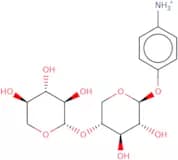
CAS:<p>4-Nitrophenyl beta-D-xylobioside is a chromogenic substrate for xylanase. Upon hydrolysis, para-nitrophenol is released yielding a yellowish colour. 4-Nitrophenyl beta-D-xylobioside is used in different applications such as the Xylan degradation studies, paper/pulp industry applications</p>Formula:C16H21NO11Purezza:Min. 95%Colore e forma:White PowderPeso molecolare:403.34 g/molNaphthol AS-BI β-D-glucopyranoside
CAS:<p>Substrate detecting beta-glucosidase activity</p>Colore e forma:PowderPeso molecolare:534.35 g/molAldol® 458 nonanoate, Biosynth Patent: EP 2427431 and US 8940909
CAS:Prodotto controllato<p>Aldol 458 nonanoate is a high quality, chromogenic and fluorogenic substrate for use in enzymatic, chemiluminescent, and immunochemical reactions. Aldol 458 nonanoate is used as a chromogenic substrate for the detection of glucose oxidase activity in culture media and as a fluorogenic substrate for the detection of glucose oxidase activity in environmental testing. This product has CAS number 2484872-52-6.</p>Formula:C25H29NO4Purezza:Min. 98.0 Area-%Peso molecolare:407.5 g/molRef: 3D-A-4693_P00
1gPrezzo su richiesta5gPrezzo su richiesta10gPrezzo su richiesta2500mgPrezzo su richiesta-Unit-ggPrezzo su richiesta2-O-(4-Nitrophenyl)-a-D-N-glycolylneuraminic acid
CAS:<p>2-O-(4-Nitrophenyl)-a-D-N-glycolylneuraminic acid is commonly used to measure the activity of sialidase enzymes, specifically those that cleave glycoconjugates containing 2-O-(4-nitrophenyl)-alpha-D-N-glycolylneuraminic acid. The resulting product can be detected by measuring the absorbance at a specific wavelength using a spectrophotometer. This substrate offers a high degree of specificity for glycolylneuraminic acid-containing substrates and is useful for both research and diagnostic purposes.</p>Purezza:Min. 95%Colore e forma:PowderPeso molecolare:446.36 g/mol5-Bromo-4-chloro-3-indoxyl phosphate, dipotassium salt
CAS:<p>Also known as BCIP; can be used for visualization of phosphatase labelled antibodies on Western blots. This method quickly became extremely popular in diagnostics and biology research.</p>Formula:C8H4BrClK2NO4PColore e forma:Brown Off-White PowderPeso molecolare:402.65 g/molNaphthol AS-D chloroacetate
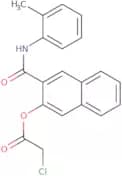
CAS:<p>Histochemical substrate for esterase</p>Formula:C20H16ClNO3Purezza:Min. 98 Area-%Colore e forma:PowderPeso molecolare:353.8 g/molN-Methylindoxyl-β-D-galactopyranoside monohydrate
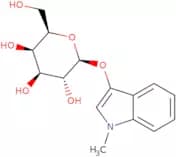
CAS:<p>N-Methylindoxyl-beta-D-galactopyranoside monohydrate (MG) is a chromogenic probe that interacts with galactose residues found on glycoproteins, which are found on cell surfaces, leading to activation of cells. MG also binds specifically to the surface of lung cells and can inhibit the development of certain types of infections..</p>Formula:C15H21NO7Purezza:Min. 98 Area-%Colore e forma:PowderPeso molecolare:327.33 g/molNaphthol AS-BI N-acetyl-β-D-glucosaminide
CAS:<p>Naphthol AS-BI N-acetyl-beta-D-glucosaminide is a fluorogenic substrate for the pararosaniline-glyoxalase (PG) reaction. This substrate is used to study enzymatic activity in two human isoenzymes of PG, PG I and PG II. The conversion of this substrate by PG I or PG II results in a color change from yellow to red. Naphthol AS-BI N-acetyl-beta-D-glucosaminide may be used as an experimental tool to measure the activity of these enzymes and to study the effect of inhibitors on their activity. It can also be used as a marker for studying enzyme transfer between cells.</p>Formula:C26H27BrN2O8Purezza:Min. 97.0 Area-%Peso molecolare:575.42 g/mol6-Bromo-2-naphthyl-b-D-xylopyranoside
CAS:<p>6-Bromo-2-naphthyl-b-D-xylopyranoside (BNX) is a chromogenic enzyme substrate used primarily to detect xylosidase activity. It is cleaved by the enzyme, resulting in the release of a colored product that can be measured spectrophotometrically. BNX is widely used as a substrate in research studies for the detection and quantification of various glycoside hydrolases, and it is particularly useful for studying cellulases and xylanases.</p>Purezza:Min. 95%Colore e forma:PowderPeso molecolare:355.18 g/mol3-Indoxyl myo-inositol-1-phosphate, ammonium salt
<p>Please enquire for more information about 3-Indoxyl myo-inositol-1-phosphate, ammonium salt including the price, delivery time and more detailed product information at the technical inquiry form on this page</p>Formula:C14H21N2O9PPeso molecolare:392.30 g/mol5-Bromo-4-chloro-3-indoxyl-β-D-fucopyranoside
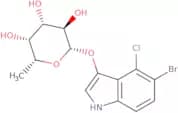
CAS:<p>Chromogenic substrate for β-D-fucosidase yielding a blue precipitate.</p>Formula:C14H15BrClNO5Purezza:Min. 99.0 Area-%Peso molecolare:392.64 g/molAldol® 470 nonanoate, Biosynth Patent: EP 2427431 and US 8940909
CAS:Prodotto controllato<p>Aldol® 470 nonanoate is a chemiluminescent substrate that can be used as a ligand for the detection of C8/C9-esterases, lipases activity, to result in an orange/green color. Aldol® 470 nonanoate has been shown to be active with horseradish peroxidase in a number of different assay systems. The purity and quality of Aldol® 470 nonanoate has been tested with culture media, environmental testing, bioluminescence, staining, fluorogenic substrate, chromogenic substrate, enzyme substrate, food testing and conjugates.</p>Formula:C32H35NO5Purezza:Min. 95%Colore e forma:PowderPeso molecolare:513.62 g/mol4-Nitrophenyl b-D-cellotrioside
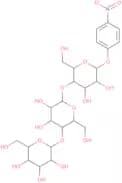
CAS:<p>4-Nitrophenyl beta-D-cellotrioside is a chromogenic substrate for cellulase. Upon hydrolysis, para-nitrophenol is released yielding a yellowish colour. 4-Nitrophenyl beta-D-cellotrioside is used in different applications such as the Biomass conversion research, paper industry applications</p>Formula:C24H35NO18Purezza:Min. 95%Colore e forma:PowderPeso molecolare:625.53 g/mol4-Nitrophenyl palmitate
CAS:<p>4-Nitrophenyl palmitate is a lipase-sensitive chromogenic substrate commonly used in the study of lipase and esterase activity. Its hydrolysis by lipases produces a yellow 4-nitrophenol, which can be easily detected spectrophotometrically, offering a quantitative measure of enzyme activity. This substrate is widely utilized in the screening of lipase-producing microorganisms and the optimization of enzyme-catalyzed reactions in various fields, including biotechnology and pharmaceutical research.</p>Formula:C22H35NO4Purezza:Min. 95%Colore e forma:Off-White PowderPeso molecolare:377.52 g/molNaphthol AS-MX acetate
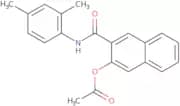
CAS:<p>Modified naphtol AS substrate used in histochemical and cytochemical staining</p>Formula:C21H19NO3Purezza:Min. 80%Colore e forma:White Off-White PowderPeso molecolare:333.38 g/molMemantine impurity IV
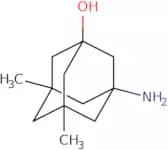
CAS:<p>Memantine impurity IV is a hydrolysis product of memantine. It appears as a white to off-white powder and has a molecular weight of 198.1 g/mol. Memantine impurity IV is an intermediate in the production of memantine and is therefore not used for any other purpose. The compound contains hydroxy groups, hydroxy, alcohols, and bridgehead groups which are efficient at hydrolyzing to form amino acids.</p>Formula:C12H21NO·HClPurezza:Min. 95%Colore e forma:White PowderPeso molecolare:231.76 g/mol2-Nitrophenyl b-D-xylobioside
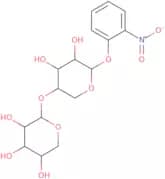
CAS:<p>2-Nitrophenyl b-D-xylobioside is a chromogenic substrate for the enzyme xylanase.</p>Purezza:Min. 95%Colore e forma:PowderPeso molecolare:403.34 g/mol6-Bromo-2-naphthyl-α-D-galactopyranoside
CAS:<p>6-Bromo-2-naphthyl-alpha-D-galactopyranoside is a bioluminescent substrate for the enzyme luciferase that has been shown to be useful in detection of phenazines, antibiotics and other compounds in environmental testing. 6-Bromo-2-naphthyl-alpha-D-galactopyranoside can also be used for measurements of total microbial counts and for the measurement of the activity of enzymes such as beta galactosidase. It is also a ligand for the peroxidase enzyme, which makes it useful in staining techniques. 6BARG can be used as a fluorogenic substrate or as an indicator in chromogenic substrates. It is an important reagent for chemiluminescence and can also be used to measure the concentration of various substances.</p>Formula:C16H17BrO6Purezza:Min. 98 Area-%Peso molecolare:385.22 g/mol4-Nitrophenyl a-L-arabinopyranoside
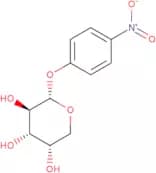
CAS:<p>Substrate for a-L-arabinopyranosidase</p>Formula:C11H13NO7Purezza:Min. 98 Area-%Colore e forma:White PowderPeso molecolare:271.22 g/molAldol® 514 inositol-phosphate, ammonium salt, Biosynth Patent: EP 2427431 and US 8940909
CAS:<p>Aldol® 514 inositol-phosphate is a chromogenic enzyme substrate used for detection of phosphatidylinositol specific phospholipase C (PI-PLC, EC 4.6.1.13). The colorless enzyme substrate is cleaved by PI-PLC positive microorganisms, yielding a red-orange color. The substrate thus enables the detection and identification of various bacteria, such as, pathogenic strains of Listeria, Clostridium, Bacillus, and Staphylococcus. Aldol® 514 inositol-phosphate is suitable for use under aerobic and anaerobic conditions.</p>Formula:C26H28BrClN3O10PPurezza:Min. 95.0 Area-%Peso molecolare:688.85 g/molAldol® 535 myo-inositol-1-phosphate, ammonium salt, Biosynth Patent: EP 2427431 and US 8940909
CAS:<p>Aldol 535 is a chemiluminescent substrate for the detection of myo-inositol-1-phosphate. It has been shown to have high purity and high quality, and is suitable for use in diagnostics, food testing, and as a bioluminescence substrate. Aldol 535 is also used as a ligand in various enzyme assays. It has been tested for its ability to react with the fluorogenic substrates: 4-methylumbelliferyl phosphate and 4-methylumbelliferone phosphate. The CAS number is 2484872-80-0.</p>Formula:C29H32BrClN3O10PPurezza:Min. 95%Colore e forma:PowderPeso molecolare:728.91 g/mol5-Bromo-4-chloro-3-indoxyl-α-L-arabinopyranoside
<p>5-Bromo-4-chloro-3-indoxyl-alpha-L-arabinopyranoside is a fluorogenic substrate that can be used in enzyme and chromogenic assays. It is a high purity, stable product with a CAS number of 53673-61-7. This product has been shown to have fluorescence properties under acidic conditions, as well as chemiluminescence properties when exposed to an oxidizing agent. This compound can be used for the detection of bacterial activity in culture media and for the detection of pathogens in environmental samples. The conjugate can also be used for food testing.</p>Formula:C13H13BrClNO5Peso molecolare:378.61 g/mol5-Bromo-3-indolyl phosphate disodium salt
CAS:<p>5-Bromo-3-indolyl phosphate disodium salt is a chemiluminescent substrate that is used for the detection of bacterial activity. It reacts with oxygen to produce light, which can be measured using a luminometer. It is also used as a chromogenic substrate for detection of bacterial activity in culture media. The enzyme reaction produces an intense blue fluorescence and is used for diagnostic purposes in food testing and medical diagnostics. 5-Bromo-3-indolyl phosphate disodium salt has been shown to be effective against many bacteria and fungi, including Staphylococcus aureus, Streptococcus pyogenes, Escherichia coli, Pseudomonas aeruginosa, Candida albicans and Aspergillus niger. This product is chemically stable at room temperature but should be stored at 4°C or below.</p>Formula:C8H5BrNO4PNa2Purezza:Min. 95%Colore e forma:PowderPeso molecolare:335.99 g/mol2-Nitrophenyl-β-D-galactopyranoside - non-animal origin
CAS:<p>2-Nitrophenyl-beta-D-galactopyranoside is a non-animal origin chromogenic substrate for the detection of beta-galactosidase activity. It is used in food testing, diagnostics, and environmental testing. 2-Nitrophenyl-beta-D-galactopyranoside is also used as a ligand in enzyme assays and a fluorogenic substrate for chemiluminescent reactions. This product is conjugated to HRP.</p>Formula:C12H15NO8Purezza:Min. 98 Area-%Peso molecolare:301.25 g/molPhenolphthalein b-D-glucuronide sodium salt monohydrate
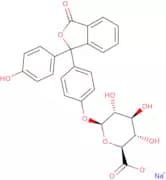
CAS:<p>Monohydrate; beta-glucuronidase substrate; yellow/pink color<br>Beta-glucuronidase activity can be measured in a colorimetric assay with phenolphthalein beta-D-glucuronide as substrate. Starting assay conditions can include 30 µg of enzyme-containing material, 0.6 mM phenolphthalein beta-D-glucuronide in 100 mM sodium phosphate buffer in a total volume of 100 µL and monitoring absorbance changes at 540 nm. Temperature incubation can be used to promote the enzymatic activity (Galindo, 2012).</p>Formula:C26H23NaO11Purezza:Min. 95%Colore e forma:Off-White PowderPeso molecolare:534.45 g/molNaphthol AS-BI β-D-galactopyranoside
CAS:<p>Substrate for beta-galactosidase</p>Formula:C24H24BrNO8Purezza:Min. 95%Colore e forma:PowderPeso molecolare:534.35 g/mol6-Chloro-3-indoxyl-β-D-galactopyranoside, plant origin
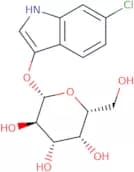
CAS:<p>6-Chloro-3-indoxyl-beta-D-galactopyranoside is a chromogenic substrate for beta-galactosidase that yields a salmon or rose-coloured precipitate and hence is also known as Salmon-Gal. It can be used in conjunction with isopropyl-beta-D-thiogalactopyranoside (IPTG) as an alternative to the chromogenic substrate 5-bromo-4-chloro-3-indolyl beta-D-galactopyranoside (X-Gal) for detection of beta-galactosidase activity in bacterial colonies in colorimetric assays. Where beta-galactosidase expressed from a reporter gene in molecular biology experiments, recombinant colonies on growth plates are salmon-coloured while non-recombinants appear as white. Use of nitroblue tetrazolium salt (NBT) with Salmon-Gal may provide faster results, yielding a clear, purple precipitate, than for Salmon-Gal alone. In conjunction with 5-bromo-4-chloro-3-indolyl-beta-D-glucoside (X-Glc), Salmon-Gal is useful for simultaneous detection of GUS and Lac activities in the same medium.</p>Formula:C14H16ClNO6Purezza:Min. 98.0 Area-%Peso molecolare:329.74 g/molAldol® 470 butyrate, Biosynth Patent: EP 2427431 and US 8940909
CAS:Prodotto controllato<p>Aldol® 470 butyrate, a chromogenic substrate manufactured by Cymit Quimica and used for enzymatic assays that produces a yellow-orange color upon enzymatic cleavage.</p>Formula:C27H25NO5Purezza:Min. 95%Colore e forma:PowderPeso molecolare:443.5 g/mol5-Iodo-3-indoxyl-β-D-galactopyranoside
CAS:<p>5-Iodo-3-indoxyl-beta-D-galactopyranoside is a chromogenic substrate for beta-galactosidase.</p>Formula:C14H16INO6Purezza:Min. 99 Area-%Peso molecolare:421.19 g/molNaphthol AS nonanoate
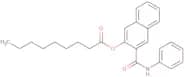
CAS:<p>Modified naphtol AS substrate used in histochemical and cytochemical staining</p>Formula:C26H29NO3Purezza:Min. 95%Colore e forma:PowderPeso molecolare:403.51 g/mol5-Bromo-4-chloro-3-indoxyl caprylate
CAS:<p>Chromogenic substrate for esterase with C8 activity yielding a blue precipitate upon cleavage.</p>Formula:C16H19BrClNO2Purezza:Min. 99 Area-%Peso molecolare:372.70 g/mol3,4-Cyclohexenoesculetine-N-acetyl-glucosamine
<p>Please enquire for more information about 3,4-Cyclohexenoesculetine-N-acetyl-glucosamine including the price, delivery time and more detailed product information at the technical inquiry form on this page</p>5-Bromo-4-chloro-3-indoxyl myristate
CAS:<p>5-Bromo-4-chloro-3-indoxyl myristate is a chemiluminescent substrate that can be used in the detection of peroxide. It reacts with hydrogen peroxide to emit light, which can be detected using a luminometer. 5-Bromo-4-chloro-3-indoxyl myristate is also used for the detection of bacteria, such as Staphylococcus aureus and Escherichia coli, by staining. The compound is also used for diagnostic tests to identify diseases such as tuberculosis. 5-Bromo-4-chloro-3 indoxyl myristate is soluble in organic solvents and water, not toxic, and has a high purity level.</p>Formula:C22H31BrClNO2Purezza:Min. 98 Area-%Peso molecolare:456.86 g/molRef: 3D-B-7408
1gPrezzo su richiesta5gPrezzo su richiesta10gPrezzo su richiesta25gPrezzo su richiesta2500mgPrezzo su richiesta-Unit-ggPrezzo su richiesta5-Bromo-3-indoxyl phosphate, disodium salt
CAS:<p>5-Bromo-3-indoxyl phosphate, disodium salt is an enzyme substrate that is used for environmental testing, bioluminescence, culture media, chemiluminescence, fluorogenic substrate and food testing. It is also used as a ligand for diagnostic purposes. 5-Bromo-3-indoxyl phosphate, disodium salt has CAS number 16036-59-2 and it is soluble in water. This product has high quality and purity with a conjugate of 5% phenol red. 5-Bromo-3-indoxyl phosphate, disodium salt reacts with the enzyme horseradish peroxidase to produce a red color. This product can be used to detect hydrogen peroxide in the presence of an oxidizing agent such as hydrogen peroxide or potassium permanganate. The reaction produces a blue color when the solution is viewed in daylight or under ultraviolet light.</p>Formula:C8H5BrNNa2O4PPurezza:98.0 To 100.0 Area-%Peso molecolare:335.99 g/molAldol® 470 L-alanine ester, hydrochloride, Biosynth Patent: EP 2427431 and US 8940909
CAS:Prodotto controllato<p>Aldol® 470 L-alanine ester, hydrochloride is a fluorescent chemiluminescent substrate. It is a ligand with high purity and high quality, which has been patented in the European Patent Office (EP 2427431) and the United States Patent and Trademark Office (US 8940909). The product can be used for chemiluminescence, staining, fluorescence, bioluminescence, enzyme substrate and food testing. Aldol® 470 L-alanine ester, hydrochloride is an excellent fluorescent chemiluminescent substrate that can be used for conjugation to enzymes or antibodies.</p>Formula:C26H25ClN2O5Purezza:Min. 95%Colore e forma:PowderPeso molecolare:480.95 g/molAldol® 458 nonanoate, Biosynth Patent: EP 2427431 and US 8940909
CAS:Prodotto controllato<p>Aldol 458 nonanoate is a fluorogenic substrate that can be used in the detection of enzyme activity particularly C8/C9-esterases, lipases activity producing a yellow/green-orange color. Aldol 458 nonanoate reacts with enzymes, such as oxidoreductases and hydrolases, to produce light. This product is a conjugate of aldol 458 nonanoate and an enzyme substrate for the detection of these enzymes. It has been shown to be useful in food testing, staining, fluorogenic substrate, environmental testing, chromogenic substrate, conjugate, high purity, enzyme substrate for diagnostics and ligand.</p>Formula:C25H29NO4Purezza:Min. 95%Peso molecolare:407.5 g/mol4-Nitrophenyl a-D-mannopyranoside
CAS:<p>4-Nitrophenyl a-D-mannopyranoside is a chromogenic pNP enzyme substrate that enables the detection and quantification of a-D-mannosidase activity in various biological samples through a colorimetric assay. The hydrolysis of the substrate by the enzyme releases 4-nitrophenol, a yellow compound whose absorption can be measured spectrophotometrically. Applications for this substrate span biomedical research, disease diagnostics, and industrial enzyme production.</p>Formula:C12H15NO8Purezza:Min. 98.0 Area-%Colore e forma:Off-White PowderPeso molecolare:301.25 g/molAldol® 584 β-D-glucuronic acid, triethylammonium salt, Biosynth Patent: EP 2427431 and US 8940909
CAS:<p>Aldol® 584 is a fluorogenic substrate that can be used for enzymatic and chemical assays. It is an important component of the Cymit Quimica Aldol Reagent Kit and other diagnostic kits. Aldol® 584 is used in immunoassays, such as ELISA, to measure the activity of serine proteases, including cathepsin D, elastase, and leukocyte elastase. This product has a CAS number of 2484873-11-0.</p>Formula:C37H46ClN3O10Purezza:Min. 95.0 Area-%Peso molecolare:728.20 g/mol5-Bromo-4-chloro-3-indoxyl-α-D-N-acetylneuraminic acid, cyclohexylammonium salt
<p>5-Bromo-4-chloro-3-indoxyl-alpha-D-N-acetylneuraminic acid, cyclohexylammonium salt is a Fluorogenic substrate used for the detection of an enzyme that converts sialic acid to fluorescein. This product has a high quality and purity with a CAS number. It is used in Culture media as a conjugate, Enzyme substrate, Food testing, High purity, Diagnostics, ligand, Chromogenic substrate, Environmental testing. The product has been tested and found to be safe for use with animals and humans.</p>Formula:C25H35BrClN3O9Purezza:Min. 99.5 Area-%Peso molecolare:636.92 g/molAldol® 495 acetate, Biosynth Patent: EP 2427431 and US 8940909
CAS:Prodotto controllato<p>Aldol 495 acetate is a chromogenic substrate that contains the chemical compound Aldol. It is used in food testing, diagnostics, and environmental testing. Aldol 495 acetate can be used as a ligand to detect the presence of enzymes or bacteria in culture media and diagnostics. This product has been shown to have a high purity and quality.</p>Formula:C22H17ClN2O3Purezza:Min. 95.0 Area-%Peso molecolare:392.83 g/molRef: 3D-A-4700_P00
1gPrezzo su richiesta5gPrezzo su richiesta10gPrezzo su richiesta2500mgPrezzo su richiesta-Unit-ggPrezzo su richiesta6-Bromo-2-naphthyl a-D-glucopyranoside
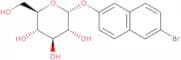
CAS:<p>6-Bromo-2-naphthyl alpha-D-glucopyranoside is a chromogenic substrate used to detect alpha-glucosidase enzyme activity. When cleaved by the enzyme alpha-glucosidase, it releases 6-bromo-2-naphthol, which can be coupled with diazonium salts (for example 4'-amino-2,3'-dimethylazobenzene, also known as Fast Garnet GBC) to form a colored precipitate. 6-Bromo-2-naphthyl alpha-D-glucopyranoside is used in biochemical assays, histochemistry, and diagnostic tests for conditions like lysosomal storage disorders (e.g. Pompe disease) and carbohydrate metabolism studies.</p>Formula:C16H17BrO6Purezza:Min. 95%Colore e forma:White Off-White PowderPeso molecolare:385.21 g/mol4-Nitrophenyl 3-O-(a-D-mannopyranosyl)-a-D-mannopyranoside
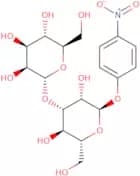
CAS:<p>Chromogenic substrate for α-glucanase</p>Formula:C18H25NO13Purezza:Min. 97 Area-%Colore e forma:White PowderPeso molecolare:463.39 g/mol5-Bromo-4-chloro-3-indoxyl-N-acetyl-β-D-galactosaminide
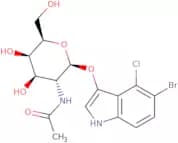
CAS:<p>5-Bromo-4-Chloro-3-Indoxyl-N-Acetyl-Beta-D-Galactosaminide is a chromogenic substrate for detecting beta-galactosidase and GalNAc-transferase enzymes. Upon hydrolysis by the enzyme, it produces a blue-green colored compound that can be detected visually or measured spectrophotometrically. This substrate is useful in characterizing the activity of Beta-Galactosidase and GalNAc-transferase enzymes involved in glycobiology research and diagnostic applications.</p>Formula:C16H18BrClN2O6Purezza:Min. 98 Area-%Colore e forma:Crystalline PowderPeso molecolare:449.68 g/mol5-Bromo-4-chloro-3-indolyl a-L-arabinofuranoside
<p>5-Bromo-4-chloro-3-indolyl a-L-arabinofuranoside is a chromogenic substrate used to detect the specific enzymatic activity of alpha-L-arabinofuranosidase. After cleavage, 5-bromo-4-chloro-indoxyl is released, resulting in a blue to blue-green color change in bacterial colonies or media. 5-Bromo-4-chloro-3-indolyl a-L-arabinofuranoside is used in bacterial arabinan degradation assays (e.g. Bacillus spp.).</p>Formula:C13H13BrClNO5Purezza:Min. 98.0 Area-%Colore e forma:PowderPeso molecolare:378.6 g/mol4-Nitrophenyl β-D-galactofuranoside
CAS:<p>Chromogenic substrate for beta-galactofuranosidase</p>Formula:C12H15NO8Purezza:Min. 98 Area-%Colore e forma:White PowderPeso molecolare:301.25 g/mol4-Nitrophenyl-β-D-xylopyranoside
CAS:<p>Chromogenic β-xylosidase substrate yielding a yellow solution upon cleavage.</p>Formula:C11H13NO7Purezza:Min. 99 Area-%Peso molecolare:271.23 g/mol4-(Hydroxymethyl)phenyl-α-D-galactopyranoside tetraacetate
CAS:<p>4-(Hydroxymethyl)phenyl-alpha-D-galactopyranoside tetraacetate is a substrate for enzymes that catalyze the hydroxylation of carbohydrates. It can be used as a substrate for peroxidase and beta-glucosidase, which are important in the production of natural products such as resveratrol, catechins, and lignin. 4-(Hydroxymethyl)phenyl-alpha-D-galactopyranoside tetraacetate is also a chromogenic substrate for chemiluminescence reactions. The product is available as a powder and can be used in diagnostic kits to detect the presence of enzymes or other substances in food or environmental samples.</p>Formula:C21H26O11Peso molecolare:454.43 g/mol5-Bromo-4-chloro-3-indoxyl-α-D-N-acetylneuraminic acid, cyclohexylammonium salt
<p>5-Bromo-4-chloro-3-indoxyl-alpha-D-N-acetylneuraminic acid, cyclohexylammonium salt is a chemiluminescent substrate that provides a significant increase in light emission. It has a CAS number of 59820-92-0 and is supplied in high purity and high quality. This product is used for the detection of various biological reactions, including diagnostics, enzyme substrates, food testing, and more.</p>Purezza:Min. 95%5-Bromo-6-chloro-3-indoxyl-β-D-galactopyranoside
CAS:<p>5-Bromo-6-chloro-3-indoxyl-beta-D-galactopyranoside is a chromogenic substrate for beta-D-galactosidase, yielding a magenta precipitate and contained in a chromogenic culture media. It is an indolyl carbohydrate that is the alpha-D-mannoside of indoxyl, in which the indole moiety is substituted at positions 4 and 5 by chlorine and bromine, respectively.</p>Formula:C14H15BrClNO6Purezza:Min. 99.0 Area-%Peso molecolare:408.64 g/mol5-Bromo-4-chloro-3-indoxyl-α-D-galactopyranoside
CAS:<p>Chromogenic substrate for α-galactosidase yielding a blue precipitate. Used for species differentiation within the family Enterobacteriaceae and differentiation of Bifido bacteria species from Lactobacillus species.</p>Formula:C14H15BrClNO6Purezza:Min. 99 Area-%Peso molecolare:408.64 g/mol3-Indoxyl phosphate p-toluidine Salt
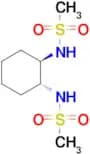
CAS:Prodotto controllato<p>3-Indoxyl phosphate p-toluidine salt is a secretor of blood group A. It is used in the detection of the presence of alkaline phosphatase in serum and other body fluids. This compound has been shown to be an isoform of 3-indoxyl phosphate with a molecular mass of about 4,000 daltons. It is also used as a substrate for gel electrophoresis and filtration experiments. The purified form of this compound has been shown to have an alkaline phosphatase activity that is ˜4 times greater than that found in human serum and intestinal extracts.</p>Formula:C8H8NO4P·C7H9NPurezza:Min. 98 Area-%Colore e forma:PowderPeso molecolare:320.28 g/molN,N’-((1R,2R)-cyclohexane-1,2-diyl)dimethanesulfonamide
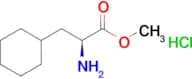
CAS:Formula:C8H18N2O4S2Purezza:97%Peso molecolare:270.36(S)-Methyl 2-amino-3-cyclohexylpropanoate hydrochloride
CAS:Formula:C10H20ClNO2Purezza:97%Colore e forma:SolidPeso molecolare:221.73Diethyl 4-Oxocyclohexane-1,1-dicarboxylate
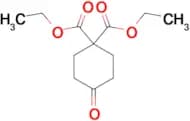
CAS:Formula:C12H18O5Purezza:95%Colore e forma:LiquidPeso molecolare:242.2712-Phenylcyclohexanone
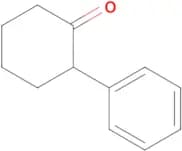
CAS:Formula:C12H14OPurezza:95%Colore e forma:Liquid, No data available.Peso molecolare:174.243tert-Butyl ((1R,3R,4R)-3-hydroxy-4-methylcyclohexyl)carbamate
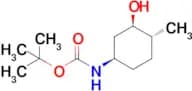
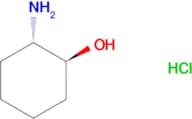
CAS:Purezza:97%Peso molecolare:229.3200073(1S,2S)-2-Aminocyclohexanol hydrochloride
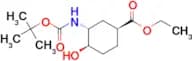
CAS:Formula:C6H14ClNOPurezza:97%Colore e forma:SolidPeso molecolare:151.63(1S,3R,4R)-3-(BOC-AMINO)-4-HYDROXY-CYCLOHEXANECARBOXYLIC ACID ETHYL ESTER
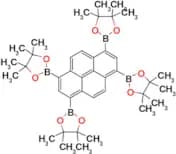
CAS:Formula:C14H25NO5Purezza:97%Peso molecolare:287.3561,3,6,8-Tetrakis(4,4,5,5-tetramethyl-1,3,2-dioxaborolan-2-yl)pyrene
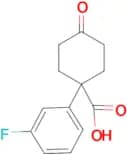
CAS:Purezza:97%Peso molecolare:706.09997561-(3-FLUOROPHENYL)-4-OXOCYCLOHEXANECARBOXYLIC ACID
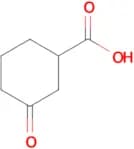
CAS:Formula:C13H13FO3Purezza:95%Peso molecolare:236.2423-Oxo-1-cyclohexanecarboxylic acid
CAS:Formula:C7H10O3Purezza:95%Colore e forma:SolidPeso molecolare:142.1541-(3,5-Bis(trifluoromethyl)phenyl)-3-((1S,2S)-2-(isoindolin-2-yl)cyclohexyl)thiourea
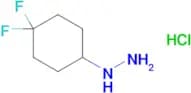
Purezza:97%Peso molecolare:487.5100098(4,4-Difluorocyclohexyl)hydrazine hydrochloride
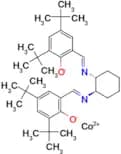
CAS:Purezza:97%Colore e forma:SolidPeso molecolare:186.6300049(R,R)-(-)-N,N’-Bis(3,5-di-tert-butylsalicylidene)-1,2-cyclohexanediaminocobalt(II)
CAS:Purezza:98%Colore e forma:SolidPeso molecolare:603.34(1R,2R)-(+)-1,2-Bis[(pyridin-2-ylcarbonyl)amino]cyclohexane
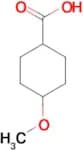
CAS:Purezza:97%Peso molecolare:324.38400274-Methoxycyclohexanecarboxylic acid
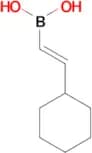
CAS:Formula:C8H14O3Purezza:98%Colore e forma:Liquid, SolidPeso molecolare:158.197(2-Cyclohexylvinyl)boronic acid
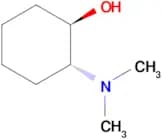
CAS:Formula:C8H15BO2Purezza:95%Colore e forma:SolidPeso molecolare:154.021-(3,5-Bis(trifluoromethyl)phenyl)-3-((1S,2S)-2-(dimethylamino)cyclohexyl)thiourea
CAS:Formula:C17H21F6N3SPurezza:97%Colore e forma:Liquid, No data available.Peso molecolare:413.43
































![(1R,2R)-(+)-1,2-Bis[(pyridin-2-ylcarbonyl)amino]cyclohexane](/_next/image/?url=https%3A%2Fstatic.cymitquimica.com%2Fproducts%2F10%2Fthumb-webp%2FF618899.webp&w=3840&q=75)