Altri
Trovati 6279 prodotti di "Altri"
Ordinare per
Purezza (%)
0
100
|
0
|
50
|
90
|
95
|
100
5-Bromo-4-chloro-3-indoxyl-α-D-galactopyranoside
CAS:<p>Chromogenic substrate for α-galactosidase yielding a blue precipitate. Used for species differentiation within the family Enterobacteriaceae and differentiation of Bifido bacteria species from Lactobacillus species.</p>Formula:C14H15BrClNO6Purezza:Min. 99 Area-%Peso molecolare:408.64 g/mol(5α)-17-(3-Pyridinyl)androst-16-en-3-one
CAS:Prodotto controllato<p>(5α)-17-(3-Pyridinyl)androst-16-en-3-one is a natural metabolite of testosterone that is produced in the liver. It has been identified as an impurity in API, which can be found in drugs used for the treatment of high blood pressure and prostate cancer. (5α)-17-(3-Pyridinyl)androst-16-en-3-one is not active as a drug itself, but it can be used as a standard to study the metabolism of testosterone and other steroids.</p>Formula:C24H31NOPurezza:Min. 98 Area-%Colore e forma:White PowderPeso molecolare:349.51 g/mol4-Nitrophenyl 2-acetamido-6-O-(2-acetamido-2-deoxy-b-D-glucopyranosyl)-3-O-(b-D-galactopyranosyl)-2-deoxy-a-D-galactopyranoside
CAS:<p>4-Nitrophenyl 2-acetamido-6-O-(2-acetamido-2-deoxy-b-D-glucopyranosyl)-3-O-(b-D-galactopyranosyl)-2-deoxy-a-D-galactopyranoside is a specific chromogenic substrate designed for the highly sensitive and accurate detection of glycosidase enzyme activity. Glycosidases are responsible for the cleavage of glycosidic bonds between saccharide units in various carbohydrates. The hydrolysis of this substrate by glycosidase enzymes produces 4-nitrophenol, a yellow-colored compound that can be easily monitored through spectrophotometric measurements due to its strong absorbance at 405 nm. This chromogenic substrate is widely used in the analysis of glycosidase activity in various biological samples, including bacterial, fungal, and plant tissues, as well as in environmental samples and biotechnological applications.</p>Formula:C28H41N3O18Purezza:Min. 95 Area-%Colore e forma:White PowderPeso molecolare:707.63 g/molN-(3-Sulfopropyl)-3,3',5,5'-tetramethylbenzidine sodium salt
CAS:<p>N-(3-Sulfopropyl)-3,3',5,5'-tetramethylbenzidine (TMB) sodium salt is a highly sensitive chromogenic substrate used for the detection and quantification of peroxidase enzyme activity. This water-soluble substrate undergoes a color change from colorless to blue upon oxidation by peroxidase enzymes in the presence of hydrogen peroxide. The reaction can be stopped by adding an acid, resulting in a yellow color that can be measured spectrophotometrically. TMB sodium salt is widely used in various applications, including enzyme-linked immunosorbent assays (ELISA), immunohistochemistry, and other diagnostic tests, due to its high sensitivity, low background signal, and excellent stability.</p>Purezza:Min. 95%Colore e forma:PowderPeso molecolare:384.47 g/molAldol® 495 nonanoate solution, 0.75 M in DMSO, Biosynth Patent: EP 2427431 and US 8940909
CAS:Prodotto controllato<p>Aldol® 495 nonanoate is a chromogenic and fluorogenic enzyme substrate used for detection of lipase activity. The colorless enzyme substrate is cleaved by C9 esterases, yielding development of an orange coloration. In addition, green fluorescence is generated when Aldol® 355 fluorescence enhancer or a suitable matrix is present. Aldol® 495 nonanoate can be used in enzyme assays and live bacterial cultures. Aldol® 495 nonanoate is suitable for use in liquid and solid media, under aerobic as well as anaerobic conditions.</p>Formula:C29H31ClN2O3Purezza:Of Solute (Hplc) 95.0 To 100.0 Area-%Peso molecolare:491.02 g/molRef: 3D-A-4715_P00
1gPrezzo su richiesta5gPrezzo su richiesta10gPrezzo su richiesta2500mgPrezzo su richiesta-Unit-ggPrezzo su richiestaChloro-3-indolyl a-D-glucopyranoside
CAS:<p>Chromogenic substrate for α-glucosidase</p>Formula:C14H16ClNO6Purezza:Min. 97 Area-%Colore e forma:White PowderPeso molecolare:329.73 g/molAldol® 484 acetate, Biosynth Patent: EP 2427431 and US 8940909
CAS:Prodotto controllato<p>Aldol® 484 acetate is a chromogenic substrate for carboxylesterases yielding a red precipitate. In contrast to classical indoxyl substrates, Aldol® substrates can be used under aerobic and anaerobic conditions.</p>Formula:C22H16ClFN2O3Purezza:Min. 95%Colore e forma:PowderPeso molecolare:410.83 g/molAldol® 518 acetate, Biosynth Patent: EP 2427431 and US 8940909
CAS:<p>Aldol® 518 acetate is a fluorogenic substrate for the enzyme aldolase. It is used in diagnostic kits for detecting aldolase in blood and other body fluids, and as an indicator of liver function. Aldol® 518 acetate can be used to detect the presence of aldolase in foods and beverages. The compound has also been shown to be an excellent substrate for bioluminescence and chemiluminescence reactions, which are widely used in research laboratories.</p>Formula:C25H21ClN2O3Purezza:Min. 95.0 Area-%Peso molecolare:432.9 g/molRef: 3D-A-4716_P00
1gPrezzo su richiesta5gPrezzo su richiesta10gPrezzo su richiesta2500mgPrezzo su richiesta-Unit-ggPrezzo su richiesta5-Bromo-4-chloro-3-indoxyl oleate
CAS:<p>5-Bromo-4-chloro-3-indoxyl oleate is a fluorescent substrate that is used for staining and enzyme substrate. It is a conjugate that is used in environmental testing, food testing, and diagnostics. 5-Bromo-4-chloro-3-indoxyl oleate has a CAS number of 341972-97-2 and its molecular weight is 229.5 g/mol. It's purity is > 98%, with a specific optical rotation of +147° (c=1, CHCl3). This compound can be used as a chromogenic or fluorogenic substrate in bioluminescence assays. 5BRIO3 has been shown to be an excellent ligand for the detection of DNA polymerase I activity.</p>Formula:C26H37BrClNO2Purezza:Min. 98 Area-%Peso molecolare:510.95 g/molRef: 3D-B-7412
1gPrezzo su richiesta5gPrezzo su richiesta2500mgPrezzo su richiesta-Unit-ggPrezzo su richiesta4-Nitrophenyl-α-D-galactopyranoside
CAS:<p>Chromogenic substrate yielding a soluble chromophore for the colorimetric assay of α-D-galactosidase upon cleavage. Used for the detection of hydrolases in tissues and membranes.</p>Formula:C12H15NO8Purezza:Min. 99.0 Area-%Peso molecolare:301.26 g/mol4-Nitrophenyl-β-D-xylopyranoside
CAS:<p>Chromogenic β-xylosidase substrate yielding a yellow solution upon cleavage.</p>Formula:C11H13NO7Purezza:Min. 99 Area-%Peso molecolare:271.23 g/mol6-Bromo-2-naphthyl 2-acetamido-2-deoxy-b-D-glucopyranoside
CAS:<p>6-Bromo-2-naphthyl 2-acetamido-2-deoxy-b-D-glucopyranoside is a chromogenic substrate used for the detection of chitinase activity. Upon hydrolysis by chitinase, it releases a yellow-brown color, which is easily detected by spectrophotometry. This substrate has been used to study chitinases in various organisms, including bacteria, fungi, and insects. It can also be used to quantitate chitinase activity in various biological samples.</p>Formula:C18H20BrNO6Purezza:Min 97%Colore e forma:White PowderPeso molecolare:426.26 g/mol5-Cyano-3-indoxyl-β-D-galactopyranoside
<p>For detection of beta-galactosidase activity. <br>The colors of the chromogen can be adjusted by incorporating different functional groups, e.g. cyano or nitro group, which yields purple or black green colonies with beta-galactosidase positive strain.</p>Formula:C15H16N2O6Peso molecolare:320.3 g/mol2-Chloro-4-nitrophenyl phosphate
CAS:<p>2-Chloro-4-nitrophenyl phosphate is a chromogenic substrate for phosphatases. Afer cleavage of the substrate, 2-chloro-4-nitrophenol is released, which can be quantified at 405 nm. 2-Chloro-4-nitrophenyl phosphate is used in clinical diagnostics to for prostate cancer, diagnosis of liver and bone diseases.</p>Formula:C6H5ClNO6PPurezza:Min. 95 Area-%Peso molecolare:253.53 g/molAldol® 458 nonanoate solution, 0.75 M in DMSO, Biosynth Patent: EP 2427431 and US 8940909
CAS:Prodotto controllato<p>Aldol 458 nonanoate solution (0.75 M) is a substrate for enzymes and ligands, which is used in various applications such as food testing, staining, fluorogenic substrate, environmental testing, chromogenic substrate and conjugate. Aldol 458 nonanoate solution (0.75 M) has high purity and is highly stable at pH 2-12. This product can be used as a chemiluminescence or bioluminescence substrate. The CAS number for this product is 2484873-15-4.</p>Formula:C25H29NO4Purezza:Min. 95%Colore e forma:Clear LiquidPeso molecolare:407.51 g/mol4-(Hydroxymethyl)phenyl-α-D-galactopyranoside tetraacetate
CAS:<p>4-(Hydroxymethyl)phenyl-alpha-D-galactopyranoside tetraacetate is a substrate for enzymes that catalyze the hydroxylation of carbohydrates. It can be used as a substrate for peroxidase and beta-glucosidase, which are important in the production of natural products such as resveratrol, catechins, and lignin. 4-(Hydroxymethyl)phenyl-alpha-D-galactopyranoside tetraacetate is also a chromogenic substrate for chemiluminescence reactions. The product is available as a powder and can be used in diagnostic kits to detect the presence of enzymes or other substances in food or environmental samples.</p>Formula:C21H26O11Peso molecolare:454.43 g/molAldol® 484 β-D-glucopyranoside, Biosynth Patent: EP 2427431 and US 8940909
CAS:<p>Aldol® 484 beta-D-glucopyranoside is a chromogenic and fluorogenic enzyme substrate used for detection of ?-glucosidase activity. The colorless enzyme substrate is cleaved by bacteria producing ?-glucosidase in liquid or solid media, yielding intense red color and green fluorescent signal. Aldol® 484 beta-D-glucopyranoside can be used under aerobic and anaerobic conditions.</p>Formula:C26H24ClFN2O7Purezza:Min. 95.0 Area-%Peso molecolare:530.93 g/molRef: 3D-A-4698_P00
1gPrezzo su richiesta5gPrezzo su richiesta10gPrezzo su richiesta2500mgPrezzo su richiesta-Unit-ggPrezzo su richiesta4-Nitrophenyl 4,6-benzylidene-α-D-glucopyranoside
CAS:<p>4-Nitrophenyl 4,6-benzylidene-alpha-D-glucopyranoside is a chromogenic substrate for alpha-glucosidase. Upon hydrolysis, para-nitrophenol is released yielding a yellowish colour. 4-Nitrophenyl 4,6-benzylidene-alpha-D-glucopyranoside is used in different applications such as the Pompe disease diagnosis, glycogen metabolism research</p>Formula:C19H19NO8Purezza:Min. 95%Colore e forma:PowderPeso molecolare:389.36 g/mol6-Bromo-2-naphthyl a-D-glucopyranoside
CAS:<p>6-Bromo-2-naphthyl alpha-D-glucopyranoside is a chromogenic substrate used to detect alpha-glucosidase enzyme activity. When cleaved by the enzyme alpha-glucosidase, it releases 6-bromo-2-naphthol, which can be coupled with diazonium salts (for example 4'-amino-2,3'-dimethylazobenzene, also known as Fast Garnet GBC) to form a colored precipitate. 6-Bromo-2-naphthyl alpha-D-glucopyranoside is used in biochemical assays, histochemistry, and diagnostic tests for conditions like lysosomal storage disorders (e.g. Pompe disease) and carbohydrate metabolism studies.</p>Formula:C16H17BrO6Purezza:Min. 95%Colore e forma:White Off-White PowderPeso molecolare:385.21 g/mol5-Bromo-4-chloro-3-indoxyl-α-D-N-acetylneuraminic acid, cyclohexylammonium salt
<p>5-Bromo-4-chloro-3-indoxyl-alpha-D-N-acetylneuraminic acid, cyclohexylammonium salt is a Fluorogenic substrate used for the detection of an enzyme that converts sialic acid to fluorescein. This product has a high quality and purity with a CAS number. It is used in Culture media as a conjugate, Enzyme substrate, Food testing, High purity, Diagnostics, ligand, Chromogenic substrate, Environmental testing. The product has been tested and found to be safe for use with animals and humans.</p>Formula:C25H35BrClN3O9Purezza:Min. 99.5 Area-%Peso molecolare:636.92 g/molAldol® 515 nonanoate hydrochloride, Biosynth Patent: EP 2427431 and US 8940909
CAS:<p>Aldol® 515 nonanoate hydrochloride is a chromogenic and fluorogenic enzyme substrate for detection of lipase activity. The colorless product is cleaved by C9 esterases produced by bacteria in liquid or solid media, yielding a red color and red fluorescence when Aldol® 355 fluorescence enhancer or a suitable matrix is present. Aldol® 515 nonanoate can be used under aerobic and anaerobic conditions. Well detectable color/fluorescence of bacterial colonies or liquid cultures is obtained within 24-48 h. In the presence of a purified lipase, color and fluorescence develops within minutes to few hours.</p>Formula:C32H36ClN2O3Purezza:Min. 95 Area-%Peso molecolare:533.1 g/mol2-Chloro-4-nitrophenyl 4-O-b-D-galactopyranosylmaltoside
CAS:<p>2-Chloro-4-nitrophenyl 4-O-b-D-galactopyranosylmaltoside, also known as Gal-G2-CNP, is a high quality, water soluble, chromogenic substrate that is used as an enzyme substrate and can be used in bioluminescence and chemiluminescence assays. This product is designed for use in diagnostics, culture media, food testing, environmental testing, and other research applications. 2-Chloro-4-nitrophenyl 4-O-b-D-galactopyranosylmaltoside has been tested in chromogenic assays with alpha-amylases.</p>Formula:C24H34ClNO18Purezza:(Hplc) Min. 90%Colore e forma:PowderPeso molecolare:659.98 g/mol4-Nitrophenyl 3-O-(β-D-glucopyranosyl)-α-D-glucopyranoside
<p>4-Nitrophenyl 3-O-(beta-D-glucopyranosyl)-alpha-D-glucopyranoside is a chromogenic substrate for alpha-glucosidase. Upon hydrolysis, para-nitrophenol is released yielding a yellowish colour. 4-Nitrophenyl 3-O-(beta-D-glucopyranosyl)-alpha-D-glucopyranoside is used in different applications such as the Gaucher disease screening, carbohydrate metabolism studies</p>Formula:C18H25NO13Purezza:Min. 95%Peso molecolare:463.39 g/mol5-Bromo-4-chloro-1H-indol-3-yl-β-D-cellotetraoside
<p>5-Bromo-4-chloro-1H-indol-3-yl-b-D-cellotetraoside is a chromogenic substrate used to detect the specific enzymatic activity of cellulase. After cleavage, 5-bromo-4-chloro-indoxyl is released, resulting in a blue to blue-green color change in bacterial colonies or media. 5-Bromo-4-chloro-1H-indol-3-yl-b-D-cellotetraoside is used in bacterial cellulase detection and biomass conversion research.</p>Formula:C32H45BrClNO21Purezza:Min. 95%Colore e forma:PowderPeso molecolare:895.05 g/molAldol® 495 nonanoate, Biosynth Patent: EP 2427431 and US 8940909
CAS:Prodotto controllato<p>Aldol 495 nonanoate is a bioluminescent substrate that can be used to measure the activity of Aldolase, which is an enzyme that catalyzes the conversion of glyceraldehyde-3-phosphate and dihydroxyacetone phosphate to D-glyceraldehyde. This substrate is used in various diagnostic assays, including food testing and staining. Aldol 495 nonanoate was developed by Cymit Quimica Pharmaceuticals and has been patented by EP 2427431 and US 8940909.</p>Formula:C29H31ClN2O3Purezza:Min. 95.0 Area-%Peso molecolare:491.02 g/molRef: 3D-A-4703_P00
1gPrezzo su richiesta5gPrezzo su richiesta10gPrezzo su richiesta2500mgPrezzo su richiesta-Unit-ggPrezzo su richiesta3,4-Cyclohexenoesculetin β-D-glucuronide
<p>Chromogenic substrate for beta-glucuronidase</p>Purezza:Min. 95%4-Nitrophenyl phosphate disodium hexahydrate
CAS:<p>4-Nitrophenyl phosphate disodium salt hexahydrate is a substrate of the hydrolase alkaline phosphatase. The products of the enzymatic reaction are 4-nitrophenol and phosphate.</p>Formula:C6H16NNa2O12PColore e forma:PowderPeso molecolare:371.15 g/mol2-Chloro-4-nitrophenyl-α-L-fucopyranoside
CAS:<p>Alternative chromogenic substrate for alpha-D-galactosidase</p>Formula:C12H14ClNO7Purezza:Min. 98 Area-%Colore e forma:White PowderPeso molecolare:319.69 g/mol3-Indoxyl caprylate
CAS:<p>3-Indoxyl caprylate is a chemiluminescent substrate that is used in the detection of bacteria. It has been shown to be a very sensitive and selective fluorogenic substrate for the detection of bacterial activity, which can be used with an appropriate enzyme reaction. 3-Indoxyl caprylate has also been shown to be a potent quencher of bioluminescence, and can be used as a chromogenic substrate in diagnostic assays. 3-Indoxyl caprylate is often used as a culture media supplement or food additive to enhance its growth properties. It has been found to have high purity and quality levels, making it suitable for use in diagnostics and research.</p>Purezza:Min. 95%Peso molecolare:259.34 g/mol2-Naphthyl-α-D-glucopyranoside
CAS:<p>2-Naphthyl-α-D-glucopyranoside is a substrate for α-glucosidase. 2-Naphthol is released upon hydrolyzation. By simultaneous coupling with a suitable staining reagent, such as hexazonium p-rosaniline, the corresponding reddish-brown azo-dye is formed. Naphthols can also be detected by fluorescence analysis.</p>Formula:C16H18O6Purezza:Min. 98.0 Area-%Peso molecolare:306.32 g/mol6-Chloro-3-indoxyl-β-D-galactopyranoside, plant origin
CAS:<p>6-Chloro-3-indoxyl-beta-D-galactopyranoside is a chromogenic substrate for beta-galactosidase that yields a salmon or rose-coloured precipitate and hence is also known as Salmon-Gal. It can be used in conjunction with isopropyl-beta-D-thiogalactopyranoside (IPTG) as an alternative to the chromogenic substrate 5-bromo-4-chloro-3-indolyl beta-D-galactopyranoside (X-Gal) for detection of beta-galactosidase activity in bacterial colonies in colorimetric assays. Where beta-galactosidase expressed from a reporter gene in molecular biology experiments, recombinant colonies on growth plates are salmon-coloured while non-recombinants appear as white. Use of nitroblue tetrazolium salt (NBT) with Salmon-Gal may provide faster results, yielding a clear, purple precipitate, than for Salmon-Gal alone. In conjunction with 5-bromo-4-chloro-3-indolyl-beta-D-glucoside (X-Glc), Salmon-Gal is useful for simultaneous detection of GUS and Lac activities in the same medium.</p>Formula:C14H16ClNO6Purezza:Min. 98.0 Area-%Peso molecolare:329.74 g/mol4-Nitrophenyl β-D-galactofuranoside
CAS:<p>Chromogenic substrate for beta-galactofuranosidase</p>Formula:C12H15NO8Purezza:Min. 98 Area-%Colore e forma:White PowderPeso molecolare:301.25 g/mol5-Bromo-4-chloro-3-indoxyl phosphate, disodium salt sesquihydrate
CAS:<p>Water soluble, chromogenic substrate for visualizing alkaline phosphatase activity. Produces a blueinsoluble end product that is detected visually when used together with nitroblue tetrazolium. The substrate system is versatile and functions in a variety of applications, including Northern, Southern, and Western blotting, in situhybridization, ELISAs and immunohistochemistry.</p>Formula:C8H4BrClNNa2O4P·5(H2O)Purezza:Min. 98.0 Area-%Peso molecolare:397.45 g/molNaphthol AS nonanoate
CAS:<p>Modified naphtol AS substrate used in histochemical and cytochemical staining</p>Formula:C26H29NO3Purezza:Min. 95%Colore e forma:PowderPeso molecolare:403.51 g/mol4-Nitrophenyl-β-D-cellobioside
CAS:<p>Chromogenic substrate for β-D-Cellobiosidase yielding a yellow solution upon cleavage.</p>Formula:C18H25NO13Purezza:Min. 98 Area-%Peso molecolare:463.39 g/mol5-Iodo-3-indoxyl-β-D-galactopyranoside
CAS:<p>5-Iodo-3-indoxyl-beta-D-galactopyranoside is a chromogenic substrate for beta-galactosidase.</p>Formula:C14H16INO6Purezza:Min. 99 Area-%Peso molecolare:421.19 g/mol1-Methyl 2-(4-methyl-2-oxo-2H-1-benzopyran-7-yl)ethanedioate
CAS:<p>Inorganic phosphate targeted colorimetric probe</p>Formula:C13H10O6Purezza:Min. 95%Peso molecolare:822.35 g/mol4-Nitrophenyl-β-L-fucopyranoside
CAS:<p>4-Nitrophenyl-beta-L-fucopyranoside is a chromogenic substrate used in the determination of alpha-glucosidase activity. The formation of phenol from 4-nitrophenyl leads to the production of a yellow color that can be quantified by measuring its absorbance at 490 nm. This assay is based on the principle that alpha-glucosidase hydrolyzes sucrose into glucose and fructose, which are then oxidized to form 4-nitrophenol and 4-nitroanomeric acid, respectively. The reaction product is detected by measuring the absorption at 490 nm.</p>Formula:C12H15NO7Peso molecolare:285.26 g/molRef: 3D-N-4160
5gPrezzo su richiesta10gPrezzo su richiesta25gPrezzo su richiesta2500mgPrezzo su richiesta-Unit-ggPrezzo su richiesta4-Nitrophenyl-β-D-maltopyranoside
CAS:<p>Chromogenic beta-maltosidase substrate</p>Formula:C18H25NO13Purezza:Min. 95%Colore e forma:White PowderPeso molecolare:463.39 g/mol3,4-Cyclohexenoesculetine phosphate disodium
<p>Chromogenic substrate for phosphatase</p>Purezza:Min. 95%Aldol® 470 choline phosphate, Biosynth Patent: EP 2427431 and US 8940909
CAS:<p>Aldol® 470 choline phosphate is a chromogenic and fluorogenic enzyme substrate used for detection of phosphatidyl-choline specific phospholipase C (PC-PLC, EC 3.1.4.3) activity. The colorless product is cleaved by PC-PLC positive microorganisms in liquid or solid media, yielding a yellow color and green fluorescence. Aldol® 470 choline phosphate therefore, enables the detection and identification of PC-PLC positive pathogenic bacteria, such as, Clostridium perfringens, Pseudomonas aeruginosa, Helicobacter pylori, Legionella pneumophila, Bacillus cereus, Bacillus anthracis, Listeria monocytogenes, and others. Aldol® 470 choline phosphate can be used under aerobic and anaerobic conditions.</p>Formula:C28H31N2O7PPurezza:Min. 95%Colore e forma:PowderPeso molecolare:538.53 g/mol5-Bromo-3-indoxyl-β-D-galactopyranoside
CAS:<p>Chromogenic substrate for beta-D-galactosidase yielding a lapis colored precipitate. 5-Bromo-3-indoxyl-beta-D-galactopyranoside can be used in conjunction with isopropyl-beta-D-thiogalactopyranoside as an alternative to 5-bromo-4-chloro-3-indolyl-beta-D-galactopyranoside (X-gal), producing a darker blue color for detection of beta-galactosidase activity in bacterial colonies in a colorimetric assay to detect recombinants (white) from non-recombinants (blue). 5-Bromo-3-indoxyl-beta-D-galactopyranoside is also used in histochemistry to demonstrate beta-galactosidase activity in tissues.</p>Formula:C14H16BrNO6Purezza:Min. 99.0 Area-%Peso molecolare:374.20 g/mol4-Nitrophenyl O-(N-acetyl-a-neuraminosyl)-(2,3)-O-b-D-galactopyranosyl-(1,3)-2-acetamido-2-deoxy-a-D-galactopyran oxide
CAS:<p>4-Nitrophenyl O-(N-acetyl-a-neuraminosyl)-(2,3)-O-b-D-galactopyranosyl-(1,3)-2-acetamido-2-deoxy-a-D-galactopyran oxide is a fluorogenic substrate that is used in the detection of glycosidases. It has been shown to be an excellent ligand for the enzyme beta galactosidase, which cleaves the glycan substrate 4NPOBGPA into 4NP and O-(N acetyl) neuraminic acid. 4NPOBGPA can be used as a chromogenic substrate for detecting beta galactosidase activity and can also be conjugated to other fluorescent molecules. This product is high purity and high quality.</p>Purezza:Min. 95%Peso molecolare:795.7 g/molAldol® 470 nonanoate, Biosynth Patent: EP 2427431 and US 8940909
CAS:Prodotto controllato<p>Aldol® 470 nonanoate is a chromogenic substrate with a molecular weight of 496.5 g/mol. Aldol® 470 nonanoate has been used to detect the presence of L-amino acids using a fluorogenic assay. This substrate can be used as a ligand in an enzyme-linked immunosorbent assay (ELISA) to measure the concentration of L-amino acids in food and drink samples, as well as in diagnostics for detecting fluoroquinolone resistance in bacteria. Aldol® 470 nonanoate is also used in the detection of bioluminescence and chemiluminescence reactions. CAS No.: 2484872-50-4</p>Formula:C32H35NO5Purezza:Min. 95.0 Area-%Peso molecolare:513.62 g/molRef: 3D-A-4683_P00
1gPrezzo su richiesta5gPrezzo su richiesta10gPrezzo su richiesta2500mgPrezzo su richiesta-Unit-ggPrezzo su richiesta4-Nitrophenyl a-L-arabinopyranoside
CAS:<p>Substrate for a-L-arabinopyranosidase</p>Formula:C11H13NO7Purezza:Min. 98 Area-%Colore e forma:White PowderPeso molecolare:271.22 g/mol6-Chloro-3-indoxyl-3-acetate
CAS:<p>Chromogenic substrate for carboxylesterase yielding a salmon colored precipitate upon cleavage. Mainly used in histochemistry.</p>Formula:C10H8ClNO2Peso molecolare:209.63 g/molAldol® 458 nonanoate, Biosynth Patent: EP 2427431 and US 8940909
CAS:Prodotto controllato<p>Aldol 458 nonanoate is a high quality, chromogenic and fluorogenic substrate for use in enzymatic, chemiluminescent, and immunochemical reactions. Aldol 458 nonanoate is used as a chromogenic substrate for the detection of glucose oxidase activity in culture media and as a fluorogenic substrate for the detection of glucose oxidase activity in environmental testing. This product has CAS number 2484872-52-6.</p>Formula:C25H29NO4Purezza:Min. 98.0 Area-%Peso molecolare:407.5 g/molRef: 3D-A-4693_P00
1gPrezzo su richiesta5gPrezzo su richiesta10gPrezzo su richiesta2500mgPrezzo su richiesta-Unit-ggPrezzo su richiesta6-Bromo-2-naphthyl-α-D-galactopyranoside
CAS:<p>6-Bromo-2-naphthyl-alpha-D-galactopyranoside is a bioluminescent substrate for the enzyme luciferase that has been shown to be useful in detection of phenazines, antibiotics and other compounds in environmental testing. 6-Bromo-2-naphthyl-alpha-D-galactopyranoside can also be used for measurements of total microbial counts and for the measurement of the activity of enzymes such as beta galactosidase. It is also a ligand for the peroxidase enzyme, which makes it useful in staining techniques. 6BARG can be used as a fluorogenic substrate or as an indicator in chromogenic substrates. It is an important reagent for chemiluminescence and can also be used to measure the concentration of various substances.</p>Formula:C16H17BrO6Purezza:Min. 98 Area-%Peso molecolare:385.22 g/molAldol® 515 acetate, Biosynth Patent: EP 2427431 and US 8940909
CAS:<p>Aldol® 515 acetate is a chromogenic and fluorogenic substrate, used for detection of esterase activity. The colorless product is cleaved by purified esterase, or esterase secreted by microorganisms in liquid or solid media, yielding a red color and red fluorescence signal when Aldol® 355 fluorescence enhancer or a suitable matrix is present. Aldol® 515 acetate can be used under aerobic and anaerobic conditions. Well detectable color/fluorescence of bacterial colonies or liquid cultures is obtained within 16-48 h. In the presence of a purified esterase, color and fluorescence develops within minutes to few hours.</p>Formula:C25H22N2O3Purezza:Min. 95.0 Area-%Peso molecolare:398.45 g/molAlizarin-2-β-D-galactopyranoside
CAS:<p>Chromogenic substrate targeting beta- galactosidase and whose color is dependent on the metal chelating.Alizarin-2-beta-D-galactopyranoside is a chromogenic substrate for enzymes based on alizarin and has been reported for the detection of bacterial beta-galactosidase by researchers at the University of Northumbria and the Freeman Hospital, Newcastle upon Tyne in the UK (James, 2000).</p>Formula:C20H18O9Purezza:Min. 98.0 Area-%Peso molecolare:402.36 g/molAldol® 470 acetate, Biosynth Patent: EP 2427431 and US 8940909
CAS:Prodotto controllato<p>Aldol® 470 acetate is a Fluorogenic substrate that is used in enzymatic reactions to produce a fluorescent product. Aldol® 470 acetate can be used as a ligand or a chromogenic substrate. This product is also used in diagnostic tests, such as conjugates and chemiluminescence, to detect the presence of certain enzymes or microorganisms. It can be used in culture media to measure the amount of certain enzymes, such as phosphatases or proteases, and has been shown to have high purity and quality. This product has CAS No. 1318785-37-3, 1318785-38-4, 1318785-39-5, 1318785-40-6 and 1318785-41-7.</p>Formula:C25H21NO5Purezza:Min. 95%Colore e forma:PowderPeso molecolare:415.44 g/mol2-Nitrophenyl b-D-xylobioside
CAS:<p>2-Nitrophenyl b-D-xylobioside is a chromogenic substrate for the enzyme xylanase.</p>Purezza:Min. 95%Colore e forma:PowderPeso molecolare:403.34 g/mol2-Naphthyl caprylate
CAS:<p>2-Naphthyl caprylate is a substrate that is employed in an assays for carboxylesterase and lipase and when hydrolyzed, produces 2-naphthol, a compound that can also be identified via fluorescence analysis. By combining it with a diazonium salt, the formation of the corresponding azo dye occurs. In particular, this substrate is used to detect the extracellular lipase of Pseudomonas fluorescens B52.</p>Formula:C18H22O2Purezza:Min. 95%Colore e forma:White PowderPeso molecolare:270.37 g/molAldol® 518 β-D-galactopyranoside, Biosynth Patent: EP 2427431 and US 8940909
CAS:<p>Aldol® 518 beta-D-galactopyranoside is a chromogenic and fluorogenic enzyme substrate used for detection of beta-galactosidase activity. The colorless enzyme substrate is cleaved by lactose-utilizing bacteria in liquid or solid media, yielding intense red color as well as red fluorescence when a fluorescence enhancer or a suitable matrix is present. Aldol® 518 beta-D-galactopyranoside can also be used in beta-gal reporter gene assays or for identification of beta-gal positive transformants on agar plates. Aldol® 518 beta-D-galactopyranoside can be used under aerobic and anaerobic conditions.</p>Formula:C29H29ClN2O7Purezza:Min. 95 Area-%Peso molecolare:553.01 g/mol5-Iodo-3-indolyl-b-D-galactopyranoside-6-sulfate sodium salt
<p>5-Iodo-3-indolyl-b-D-galactopyranoside-6-sulfate sodium salt is a high purity, water soluble fluorogenic substrate for the detection of beta-galactosidase activity. This product is used in food testing, environmental testing, and diagnostics. 5-Iodo-3-indolyl-b-D-galactopyranoside (5IIAG) is a beta galactosidase substrate that provides a convenient method for determining beta galactosidase activity. This product is also used as an indicator to measure the rate of hydrolysis of ester bonds in other compounds that contain acid functional groups such as glycerides and oils.</p>Purezza:Min. 95%Peso molecolare:523.24 g/mol4-Nitrophenyl N,N',N''-triacetyl-b-D-chitotriose
CAS:<p>Substrate for determining hydrolytic activity of chitinase</p>Purezza:Min. 95%Colore e forma:White PowderPeso molecolare:748.69 g/mol5-Bromo-4-chloro-3-indolyl N-acetyl-a-D-neuraminic acid ammonium salt
CAS:<p>5-Bromo-4-chloro-3-indolyl N-acetyl-a-D-neuraminic acid ammonium salt is a substrate used to detect and quantify sialidase activity. Sialidases are enzymes that cleave sialic acid residues from glycoconjugates, and their activity is important in various cellular processes. The substrate is commonly used in research aimed at understanding the role of sialidases in diseases such as influenza and cancer.</p>Formula:C19H22BrClN2O9·NH3·2H2OPurezza:Min. 95%Colore e forma:PowderPeso molecolare:590.8 g/molAldol® 458 acetate, Biosynth Patent: EP 2427431 and US 8940909
CAS:Prodotto controllato<p>Aldol 458 acetate is a synthetic chemical that is used in the food industry as an enzyme substrate and in diagnostic tests to measure the level of enzymes. Aldol 458 acetate is a ligand that binds to proteins, such as horseradish peroxidase and alkaline phosphatase, which are commonly used for detection of antibodies or other proteins. This product can be used as a culture medium additive for bacteria, fungi, and yeast. It can also be used for diagnostics and chemiluminescence reactions. Aldol 458 acetate has high purity and quality.</p>Formula:C18H15NO4Purezza:Min. 95.0 Area-%Peso molecolare:309.32 g/molRef: 3D-A-4690_P00
1gPrezzo su richiesta5gPrezzo su richiesta10gPrezzo su richiesta2500mgPrezzo su richiesta-Unit-ggPrezzo su richiesta6-Chloro-3-indoxyl-N-acetyl-β-D-galactosaminide
CAS:<p>Chromogenic substrate for N-Acetyl-β-D-galactosaminidase yielding a salmon-colored precipitate.</p>Formula:C16H19ClN2O6Purezza:Min. 98.0 Area-%Peso molecolare:370.79 g/molAldol® 495 acetate, Biosynth Patent: EP 2427431 and US 8940909
CAS:Prodotto controllato<p>Aldol 495 acetate is a chromogenic substrate that contains the chemical compound Aldol. It is used in food testing, diagnostics, and environmental testing. Aldol 495 acetate can be used as a ligand to detect the presence of enzymes or bacteria in culture media and diagnostics. This product has been shown to have a high purity and quality.</p>Formula:C22H17ClN2O3Purezza:Min. 95.0 Area-%Peso molecolare:392.83 g/molRef: 3D-A-4700_P00
1gPrezzo su richiesta5gPrezzo su richiesta10gPrezzo su richiesta2500mgPrezzo su richiesta-Unit-ggPrezzo su richiesta5-Bromo-6-chloro-3-indoxyl choline phosphate
CAS:<p>Please enquire for more information about 5-Bromo-6-chloro-3-indoxyl choline phosphate including the price, delivery time and more detailed product information at the technical inquiry form on this page</p>Formula:C13H17BrClN2O4PPurezza:Min. 99 Area-%Peso molecolare:411.63 g/molRef: 3D-B-7118
1gPrezzo su richiesta5gPrezzo su richiesta10gPrezzo su richiesta2500mgPrezzo su richiesta-Unit-ggPrezzo su richiesta5-Bromo-4-chloro-3-indoxyl oleate
CAS:<p>5-Bromo-4-chloro-3-indoxyl oleate is a chromogenic substrate used to detect the specific enzymatic activity of lipase. After cleavage, 5-bromo-4-chloro-indoxyl is released, resulting in a blue to blue-green color change in bacterial colonies or media. 5-Bromo-4-chloro-3-indoxyl oleate is used in lipid metabolism disorder screening.</p>Formula:C26H37BrClNO2Purezza:Min. 95%Colore e forma:PowderPeso molecolare:510.93 g/mol2-Fluoro-4-nitrophenyl b-D-galactopyranoside
CAS:<p>2-Fluoro-4-nitrophenyl b-D-galactopyranoside is a chromogenic substrate in enzymatic assays with β-galactosidase. Commonly abbreviated as PFONPG, it is a hydrophilic compound that can be dissolved in saline and blood samples, which makes it a suitable candidate for diagnostic applications as a gene reporter probe by simple analytic methodologies. 2-Fluoro-4-nitrophenyl b-D-galactopyranoside have been used to detect and monitor the growth of prostate tumor cells.</p>Purezza:Min. 95%Colore e forma:PowderPeso molecolare:319.24 g/molAldol® 515 L-alanine amide, hydrochloride, Biosynth Patent: EP 2427431 and US 8940909
CAS:<p>Aldol® 515 L-alanine amide is a chromogenic and fluorogenic enzyme substrate used for detection of L-alanine aminopeptidase activity. The colorless enzyme substrate is cleaved by L-alanine aminopeptidase produced by microorganisms, grown in liquid or solid media yielding red color. In addition, red fluorescence is generated when a fluorescence enhancer or a suitable matrix is present. Aldol® 515 L-alanine amide can be used under aerobic and anaerobic conditions.</p>Formula:C26H27ClN4O2Purezza:Min. 95.0 Area-%Peso molecolare:462.97 g/mol2-Nitrophenyl b-L-fucopyranoside
CAS:<p>2-Nitrophenyl beta-L-fucopyranoside is a chromogenic substrate used to detect the enzymatic activity of beta-L-fucosidase. After cleavage, the nitrophenyl moiety is released exhibiting a light yellowish color. 2-Nitrophenyl beta-L-fucopyranoside is used in bacterial fucose metabolism studies to identify and quantify the enzymatic activity in, for example, Bacteroides spp..</p>Purezza:Min. 98 Area-%Colore e forma:PowderPeso molecolare:285.25 g/molAldol® 495 phosphate, disodium salt, Biosynth Patent: EP 2427431 and US 8940909
CAS:<p>Aldol® 495 phosphate is a chromogenic and fluorogenic enzyme substrate used for detection of phosphatase activity. The colorless enzyme substrate is cleaved by acid and alkaline phosphatases secreted by bacteria in liquid or solid media, yielding orange color and green fluorescence. Aldol® 495 phosphate can also be used in Western blots and other immunoassay applications with phosphatase-coupled secondary antibodies. Aldol® 495 phosphate can be used under aerobic and anaerobic conditions.</p>Formula:C20H14ClN2Na2O5PPurezza:Min. 98%Colore e forma:PowderPeso molecolare:474.74 g/mol4-Nitrophenyl trans-ferulate
CAS:<p>Substrate for feruloyl esterases</p>Formula:C16H13NO6Purezza:Min. 98 Area-%Colore e forma:PowderPeso molecolare:315.28 g/mol4-Nitrophenyl-β-L-fucopyranoside
CAS:<p>4-Nitrophenyl-beta-L-fucopyranoside is a high-quality pNP enzyme substrate developed for the sensitive detection and quantification of Beta-L-fucosidase activity. The enzymatic hydrolysis of the substrate generates 4-nitrophenol, a yellow chromogenic component that can be conveniently measured spectrophotometrically, allowing for accurate determination of enzyme concentration and kinetics. This substrate finds applications in various research fields, diagnostics, and industrial enzyme production.</p>Formula:C12H15NO7Purezza:Min. 95%Colore e forma:White PowderPeso molecolare:285.25 g/mol2-Nitrophenyl b-D-arabinopyranoside
<p>2-Nitrophenyl b-D-arabinopyranoside is a chemical compound that is used in the detection of ATP by chemiluminescence. It acts as a substrate for enzymes such as luciferase and catalase, which catalyze the oxidation of 2-nitrophenyl b-D-arabinopyranoside to phenol and carbon dioxide with the release of light. This reaction can be used in diagnostic applications such as detecting bacteria in culture media or diagnosing food spoilage. 2-Nitrophenyl b-D-arabinopyranoside can also be used as a conjugate to detect proteins or nucleic acids by fluorescence spectroscopy. The CAS number for this compound is 107772-06-1.</p>Purezza:Min. 95%Peso molecolare:271.22 g/mol5-Bromo-4-chloro-3-indolyl a-D-maltopyranoside
CAS:<p>5-Bromo-4-chloro-3-indolyl a-D-maltopyranoside is a chromogenic substrate used to detect the specific enzymatic activity of alpha-glucosidase. After cleavage, 5-bromo-4-chloro-indoxyl is released, resulting in a blue to blue-green color change in bacterial colonies or media. 5-Bromo-4-chloro-3-indolyl a-D-maltopyranoside is used in Pompe disease screening and glycogen storage disorder diagnosis.</p>Formula:C20H25BrClNO11Purezza:Min. 95%Colore e forma:PowderPeso molecolare:570.77 g/mol4-Nitrophenyl 3-O-(a-D-glucopyranosyl)-a-D-glucopyranoside
CAS:<p>4-Nitrophenyl 3-O-(a-D-glucopyranosyl)-a-D-glucopyranoside (pNP-Glc-Glc) is a highly sensitive and potent chromogenic substrate for the enzymatic detection and measurement of alpha-glucosidase activity. The rapid color change triggered by the hydrolysis of pNP-Glc-Glc provides a clear and efficient method for monitoring enzyme kinetics, screening inhibitors, and functional characterization of α-glucosidases. This substrate is soluble in aqueous and polar organic solvents and yields a detectable 4-nitrophenol product with a distinct yellow color under both visible and ultraviolet light, enabling quantitative spectrophotometric measurements. With a superior signal-to-noise ratio and maximal sensitivity, pNP-Glc-Glc is a reliable and robust option for biochemical and biomedical research involving glucosidase enzymes.</p>Purezza:Min. 95%Colore e forma:PowderPeso molecolare:463.39 g/mol5-Bromo-3-indoxyl caprylate
CAS:<p>Also known as Lapis-caprylate; targeting esterase with C8 activity; Blue color</p>Formula:C16H20BrNO2Purezza:Min. 98 Area-%Colore e forma:PowderPeso molecolare:338.24 g/mol2-Nitrophenyl b-D-galactopyranoside-6-phosphate cyclohexylammonium salt
CAS:<p>2-Nitrophenyl beta-D-galactopyranoside-6-phosphate cyclohexylammonium salt is a chromogenic substrate used to detect the enzymatic activity of beta-galactosidase-6-phosphatase. After cleavage, the nitrophenyl moiety is released exhibiting a light yellowish color. 2-Nitrophenyl beta-D-galactopyranoside-6-phosphate cyclohexylammonium salt is used in diagnostic assays such as lysosomal storage disorder.</p>Purezza:Min. 95%Colore e forma:PowderPeso molecolare:480.4 g/molPhosphoric acid, mono(4-nitrophenyl) ester
CAS:<p>Phosphoric acid, mono(4-nitrophenyl) ester is an inhibitor that binds to the human serum albumin (HSA), thereby preventing it from binding to the transcriptional regulatory protein. This leads to a decrease in the activity of this protein and consequently less inhibition of gene expression. The structural analysis of this inhibitor has shown that it forms hydrogen bonding interactions with basic proteins, while its reactivity is mainly dependent on Michaelis–Menten kinetics. The inhibitor also inhibits enzyme activities by binding to their active sites, reducing the enzyme's ability to catalyze reactions.</p>Formula:C6H6NO6PPeso molecolare:219.09 g/molRef: 3D-P-6460
1kgPrezzo su richiesta50gPrezzo su richiesta100gPrezzo su richiesta250gPrezzo su richiesta500gPrezzo su richiesta-Unit-kgkgPrezzo su richiesta5-Bromo-4-chloro-3-indolyl a-D-xylopyranoside
CAS:<p>5-Bromo-4-chloro-3-indolyl a-D-xylopyranoside is a chromogenic substrate used to detect the specific enzymatic activity of alpha-xylosidase. After cleavage, 5-bromo-4-chloro-indoxyl is released, resulting in a blue to blue-green color change in bacterial colonies or media. 5-Bromo-4-chloro-3-indolyl a-D-xylopyranoside is used in bacterial xylan metabolism studies and plant cell wall degradation assays.</p>Formula:C13H13BrClNO5Purezza:Min. 95%Colore e forma:White to off-white solid.Peso molecolare:378.61 g/mol4-Nitrophenyl a-D-mannopyranoside
CAS:<p>4-Nitrophenyl a-D-mannopyranoside is a chromogenic pNP enzyme substrate that enables the detection and quantification of a-D-mannosidase activity in various biological samples through a colorimetric assay. The hydrolysis of the substrate by the enzyme releases 4-nitrophenol, a yellow compound whose absorption can be measured spectrophotometrically. Applications for this substrate span biomedical research, disease diagnostics, and industrial enzyme production.</p>Formula:C12H15NO8Purezza:Min. 98.0 Area-%Colore e forma:Off-White PowderPeso molecolare:301.25 g/mol4-Nitrophenyl sulfate potassium salt
CAS:<p>4-Nitrophenyl sulfate potassium salt is a chromogenic substrate for arylsulfatase. Upon hydrolysis, para-nitrophenol is released yielding a yellowish colour. 4-Nitrophenyl sulfate potassium salt is used in different applications such as the Metachromatic leukodystrophy diagnosis, sulfatase activity assays</p>Formula:C6H4KNO6SPurezza:Min. 95%Colore e forma:PowderPeso molecolare:257.26 g/mol5-Bromo-4-chloro-3-indoxyl choline phosphate
CAS:<p>5-Bromo-4-chloro-3-indoxyl choline phosphate is a synthetic enzyme substrate for detecting phosphatidylcholine-specific phospholipase C.</p>Formula:C13H17BrClN2O4PPurezza:Min. 99 Area-%Peso molecolare:411.63 g/molBronze-Gal
<p>Bronze-Gal (Bronze-beta-D-galactopyranoside) is a chromogenic indicator for beta-galactosidase activity. The colorless product is cleaved by lactose-utilizing bacteria in liquid media or on agar plates and yields a bronze colored precipitate. Bronze-Gal can also be used as detecting agent for beta-galactosidase activity in reporter gene assays or for identification of positive transformants on agar plates when using the α-complementation approach. Read more in the Application Notes.</p>Peso molecolare:443.57 g/mol4-Nitrophenyl 2-acetamido-3-O-[2-O-a-L-fucopyranosyl-b-D-galactopyranosyl)-2-deoxy-b-D-galactopyranoside
CAS:<p>4-Nitrophenyl 2-acetamido-3-O-[2-O-a-L-fucopyranosyl-b-D-galactopyranosyl)-2-deoxyb-D-galactopyranoside is a water soluble, fluorescent probe that can be used for detecting the presence of β-(1→4) -linked galactosaminoglycans. The dye is a substrate for enzymes such as α--mannosidase, β--glucuronidase and β--galactosidase. The dye is also an excellent ligand for lectins such as concanavalin A and wheat germ agglutinin. This product is a diagnostic reagent that has been shown to have high purity and quality. It has CAS No. 93496-53-8 and can be used in food testing, bioluminescence, environmental testing, or high purity applications.</p>Formula:C26H38N2O17Purezza:Min. 95%Peso molecolare:650.58 g/molPhenolphthalein b-D-glucuronide sodium salt monohydrate
CAS:<p>Monohydrate; beta-glucuronidase substrate; yellow/pink color<br>Beta-glucuronidase activity can be measured in a colorimetric assay with phenolphthalein beta-D-glucuronide as substrate. Starting assay conditions can include 30 µg of enzyme-containing material, 0.6 mM phenolphthalein beta-D-glucuronide in 100 mM sodium phosphate buffer in a total volume of 100 µL and monitoring absorbance changes at 540 nm. Temperature incubation can be used to promote the enzymatic activity (Galindo, 2012).</p>Formula:C26H23NaO11Purezza:Min. 95%Colore e forma:Off-White PowderPeso molecolare:534.45 g/mol2-Nitrophenyl-β-D-thiogalactopyranoside
CAS:<p>2-Nitrophenyl-beta-D-thiogalactopyranoside is a chromogenic substrate used to detect the presence of galactosidase enzymes in various biological and biochemical assays. It consists of a nitrophenyl group attached to a galactose sugar molecule through a thioglycosidic bond. When acted upon by enzymes such as galactosidases, it releases the colored nitrophenyl group, which can be detected using spectrophotometry. This substrate is commonly used in assays for the detection of LacZ activity in bacterial cultures, as lacZ encodes for β-galactosidase.</p>Formula:C12H15NO7SPurezza:Min. 98 Area-%Colore e forma:Yellow PowderPeso molecolare:317.32 g/mol6-Chloro-3-indolyl butyrate
CAS:<p>6-Chloro-3-indolyl butyrate is a chromogenic substrate for lipases. Use in lipid digestion and metabolism studies, it produces a salmon-pink color when 6-chloro-3-indolyl is released after enzymatic cleavage.</p>Formula:C12H12ClNO2Purezza:Min. 95%Colore e forma:PowderPeso molecolare:237.68 g/mol2-Chloro-4-nitrophenyl α-D-mannopyranoside
CAS:<p>2-Chloro-4-nitrophenyl alpha-D-mannopyranoside is a substrate used to measure the alpha-mannosidase activity. This enzyme plays a crucial role in the lysosomal degradation of asparagine-linked carbohydrate cores of glycoproteinsis. The use of 2-Chloro-4-nitrophenyl alpha-D-mannopyranoside in diagnostic assays is important as a deficiency in alpha-mannosidase leads to the accumulation of mannose-rich oligosaccharides in lysosomes, causing a range of health problems collectively known as alpha-mannosidosis.</p>Formula:C12H14ClNO8Purezza:Min. 98 Area-%Colore e forma:White PowderPeso molecolare:335.69 g/molAldol® 518 ammonium myo-inositol-1-phosphate, Biosynth Patent: EP 2427431 and US 8940909
CAS:<p>Aldol® 518 myo-inositol phosphate is a chromogenic and fluorogenic enzyme substrate used for detection of phosphatidylinositol specific phospholipase C (PI-PLC, EC 4.6.1.13) activity. The colorless enzyme substrate is cleaved by PI-PLC positive microorganisms grown in liquid or solid media, yielding intense red color. In combination with Aldol® 355 fluorescence enhancer, red fluorescence can also be obtained. Aldol® 518 myo-inositol phosphate thus enables the detection and identification of various bacteria, such as, pathogenic strains of Listeria, Clostridium, Bacillus, and Staphylococcus species. Aldol® 518 myo-inositol phosphate is suitable for use under aerobic and anaerobic conditions.</p>Formula:C29H33ClN3O10PPurezza:Min. 95.0 Area-%Peso molecolare:650.02 g/molAldol® 458 nonanoate, Biosynth Patent: EP 2427431 and US 8940909
CAS:Prodotto controllato<p>Aldol 458 nonanoate is a fluorogenic substrate that can be used in the detection of enzyme activity particularly C8/C9-esterases, lipases activity producing a yellow/green-orange color. Aldol 458 nonanoate reacts with enzymes, such as oxidoreductases and hydrolases, to produce light. This product is a conjugate of aldol 458 nonanoate and an enzyme substrate for the detection of these enzymes. It has been shown to be useful in food testing, staining, fluorogenic substrate, environmental testing, chromogenic substrate, conjugate, high purity, enzyme substrate for diagnostics and ligand.</p>Formula:C25H29NO4Purezza:Min. 95%Peso molecolare:407.5 g/mol6-Chloro-3-indoxyl-3-acetate
CAS:<p>6-Chloro-3-indoxyl-3-acetate is a chromogenic substrate for carboxylesterase yielding a salmon colored precipitate upon cleavage. Mainly used in histochemistry.</p>Purezza:Min. 95%Colore e forma:White PowderPeso molecolare:209.63 g/mol3-Indoxyl phosphate, p-toluidine salt
CAS:Prodotto controllato<p>3-Indoxyl phosphate, p-toluidine salt is a fluorogenic substrate that can be used for the detection of β-galactosidase. 3-Indoxyl phosphate, p-toluidine salt is a highly active chromogenic substrate that can be used as a diagnostic tool in the food industry to determine whether or not milk has been adulterated with animal milk. This product is also used in environmental testing to detect bacteria and fungi. 3-Indoxyl phosphate, p-toluidine salt is a high purity, high quality conjugate that can be used for the detection of β-galactosidase.</p>Formula:C8H8NO4P·C7H9NPurezza:Min. 98 Area-%Peso molecolare:320.28 g/molRef: 3D-I-6300
5gPrezzo su richiesta10gPrezzo su richiesta25gPrezzo su richiesta50gPrezzo su richiesta-Unit-ggPrezzo su richiestaAldol® 495 β-D-galactopyranoside, Biosynth Patent: EP 2427431 and US 8940909
CAS:<p>Aldol® 495 beta-D-galactopyranoside is a chromogenic and fluorogenic enzyme substrate used for detection of beta-galactosidase activity. The colorless enzyme substrate is cleaved by lactose-utilizing bacteria in liquid or solid media, yielding orange color as well as green fluorescence if a fluorescence enhancer or a suitable matrix are present. Aldol® 495 beta-D-galactopyranoside can also be used in beta-gal reporter gene assays or for identification of beta-gal positive transformants on agar plates. Aldol® 495 beta-D-galactopyranoside can be used under aerobic and anaerobic conditions.</p>Formula:C26H25ClN2O7Purezza:Min. 95.0 Area-%Peso molecolare:512.94 g/mol5-Bromo-6-chloro-3-indoxyl phosphate, disodium salt monohydrate
CAS:<p>5-Bromo-6-chloro-3-indoxyl phosphate, disodium salt monohydrate is a substrate used to visualize phosphatase activity via showing magenta colored end product when used with Nitroblue Tetrazolium.</p>Formula:C8H6BrClNNa2O5PPurezza:Min. 99.0 Area-%Peso molecolare:388.45 g/mol3-Indoxyl choline phosphate
CAS:<p>Please enquire for more information about 3-Indoxyl choline phosphate including the price, delivery time and more detailed product information at the technical inquiry form on this page</p>Formula:C13H19N2O4PPurezza:Min. 99 Area-%Peso molecolare:298.28 g/molRef: 3D-I-5696
1gPrezzo su richiesta5gPrezzo su richiesta10gPrezzo su richiesta500mgPrezzo su richiesta2500mgPrezzo su richiesta-Unit-ggPrezzo su richiestaAldol® 515 propionate, Biosynth Patent: EP 2427431 and US 8940909
CAS:<p>Aldol® 515 propionate is a chromogenic substrate for many enzymes, including beta-galactosidase, β-glucuronidase, α-galactosidase, β-galactosidase, and acid phosphatase. It can be used as a substrate in the detection of staining and enzyme activity in diagnostic testing. Aldol® 515 propionate has been shown to be an effective ligand for the protein Glu-C.</p>Formula:C26H24N2O3Purezza:Min. 95%Colore e forma:PowderPeso molecolare:412.48 g/mol5-Bromo-6-chloro-3-indoxyl-3-acetate
CAS:<p>Chromogenic substrate for carboxylesterase yielding a magenta precipitate upon cleavage. Mainly used in histochemistry.</p>Formula:C10H7BrClNO2Purezza:Min. 98.0 Area-%Peso molecolare:288.53 g/molRef: 3D-B-6304
1gPrezzo su richiesta5gPrezzo su richiesta10gPrezzo su richiesta500mgPrezzo su richiesta2500mgPrezzo su richiesta-Unit-ggPrezzo su richiesta6-Bromo-2-naphthyl b-D-glucopyranoside
CAS:<p>6-Bromo-2-naphthyl b-D-glucopyranoside is an enzyme substrate used in chromogenic assays with beta-glucosidases. It has been used in culture media for the identification of Legionella pneumophila.</p>Formula:C16H17BrO6Purezza:Min. 98 Area-%Colore e forma:PowderPeso molecolare:385.21 g/mol5-Bromo-6-chloro-3-indoxyl-β-D-glucopyranoside
CAS:<p>Chromogenic substrate for β-D-glucosidase yielding a magenta precipitate. Differentiation of Salmonella spp. (negative) from other Enterobacteriaceae.</p>Formula:C14H15BrClNO6Purezza:Min. 99 Area-%Peso molecolare:408.64 g/molAldol® 470 L-alanine ester, hydrochloride, Biosynth Patent: EP 2427431 and US 8940909
CAS:Prodotto controllato<p>Aldol® 470 L-alanine ester, hydrochloride is a fluorescent chemiluminescent substrate. It is a ligand with high purity and high quality, which has been patented in the European Patent Office (EP 2427431) and the United States Patent and Trademark Office (US 8940909). The product can be used for chemiluminescence, staining, fluorescence, bioluminescence, enzyme substrate and food testing. Aldol® 470 L-alanine ester, hydrochloride is an excellent fluorescent chemiluminescent substrate that can be used for conjugation to enzymes or antibodies.</p>Formula:C26H25ClN2O5Purezza:Min. 95%Colore e forma:PowderPeso molecolare:480.95 g/mol5-Bromo-4-chloro-3-indolyl a-L-arabinofuranoside
<p>5-Bromo-4-chloro-3-indolyl a-L-arabinofuranoside is a chromogenic substrate used to detect the specific enzymatic activity of alpha-L-arabinofuranosidase. After cleavage, 5-bromo-4-chloro-indoxyl is released, resulting in a blue to blue-green color change in bacterial colonies or media. 5-Bromo-4-chloro-3-indolyl a-L-arabinofuranoside is used in bacterial arabinan degradation assays (e.g. Bacillus spp.).</p>Formula:C13H13BrClNO5Purezza:Min. 98.0 Area-%Colore e forma:PowderPeso molecolare:378.6 g/mol5-Bromo-3-indolyl phosphate disodium salt
CAS:<p>5-Bromo-3-indolyl phosphate disodium salt is a chemiluminescent substrate that is used for the detection of bacterial activity. It reacts with oxygen to produce light, which can be measured using a luminometer. It is also used as a chromogenic substrate for detection of bacterial activity in culture media. The enzyme reaction produces an intense blue fluorescence and is used for diagnostic purposes in food testing and medical diagnostics. 5-Bromo-3-indolyl phosphate disodium salt has been shown to be effective against many bacteria and fungi, including Staphylococcus aureus, Streptococcus pyogenes, Escherichia coli, Pseudomonas aeruginosa, Candida albicans and Aspergillus niger. This product is chemically stable at room temperature but should be stored at 4°C or below.</p>Formula:C8H5BrNO4PNa2Purezza:Min. 95%Colore e forma:PowderPeso molecolare:335.99 g/mol5-Bromo-6-chloro-3-indoxyl phosphate, p-toluidine salt
CAS:<p>Substrate for visualizing alkaline phosphatase activity. Produces a magenta colored insoluble end product that is detected visually, when used together with Nitroblue tetrazolium. The substrate system is versatile and functions in a variety of applications, including Northern, Southern, and Western blotting, in situ hybridization, ELISAs and immunohistochemistry. DMF soluble.</p>Formula:C15H15BrClN2O4PPurezza:Min. 98.0 Area-%Peso molecolare:433.63 g/mol5-Bromo-4-chloro-3-indoxyl myristate
CAS:<p>5-Bromo-4-chloro-3-indoxyl myristate is a chemiluminescent substrate that can be used in the detection of peroxide. It reacts with hydrogen peroxide to emit light, which can be detected using a luminometer. 5-Bromo-4-chloro-3-indoxyl myristate is also used for the detection of bacteria, such as Staphylococcus aureus and Escherichia coli, by staining. The compound is also used for diagnostic tests to identify diseases such as tuberculosis. 5-Bromo-4-chloro-3 indoxyl myristate is soluble in organic solvents and water, not toxic, and has a high purity level.</p>Formula:C22H31BrClNO2Purezza:Min. 98 Area-%Peso molecolare:456.86 g/molRef: 3D-B-7408
1gPrezzo su richiesta5gPrezzo su richiesta10gPrezzo su richiesta25gPrezzo su richiesta2500mgPrezzo su richiesta-Unit-ggPrezzo su richiesta6-Bromo-2-naphthyl-2-acetamido-2-deoxy-β-D-glucopyranoside
CAS:<p>6-Bromo-2-naphthyl 2-acetamido-2-deoxy-beta-D-glucopyranoside is a chromogenic substrate used for the detection of chitinase activity. Upon hydrolysis by chitinase, it releases a yellow-brown color, which is easily detected by spectrophotometry. This substrate has been used to study chitinases in various organisms, including bacteria, fungi, and insects. It can also be used to quantitate chitinase activity in various biological samples.</p>Formula:C18H20BrNO6Peso molecolare:426.26 g/mol2-O-(4-Nitrophenyl)-a-D-N-acetylneuraminic acid ammonium salt
CAS:<p>2-O-(4-Nitrophenyl)-a-D-N-acetylneuraminic acid ammonium salt is a chromogenic substrate commonly used in the detection and quantification of sialidase activity. Sialidases are a family of enzymes that hydrolyze sialic acid residues from glycoconjugates. This substrate is used to detect bacterial and viral sialidases, which play an important role in pathogen infectivity. The ammonium salt form of the substrate is preferred for its solubility in water-based assay systems.</p>Purezza:Min. 95%Peso molecolare:447.39 g/molOstazin brilliant red H-3B starch
<p>Ostazin Brilliant Red H-3B is a water soluble, non-toxic, and non-hazardous substrate for enzymes that catalyze reactions involving the cleavage of β-D-glucosides. It is used as a chromogenic or fluorogenic substrate in diagnostic tests. Ostazin Brilliant Red H-3B can also be used in bioluminescence reaction with luciferase to measure ATP levels in living cells.</p>Purezza:Min. 95%4-Nitrophenyl b-L-arabinofuranoside
CAS:<p>Chromogenic substrate targeting alpha-L-arabinofuranosidase</p>Purezza:Min. 95%Colore e forma:White/Off-White SolidPeso molecolare:271.22 g/mol5-Bromo-6-chloro-3-indoxyl-β-D-galactopyranoside
CAS:<p>5-Bromo-6-chloro-3-indoxyl-beta-D-galactopyranoside is a chromogenic substrate for beta-D-galactosidase, yielding a magenta precipitate and contained in a chromogenic culture media. It is an indolyl carbohydrate that is the alpha-D-mannoside of indoxyl, in which the indole moiety is substituted at positions 4 and 5 by chlorine and bromine, respectively.</p>Formula:C14H15BrClNO6Purezza:Min. 99.0 Area-%Peso molecolare:408.64 g/mol5-Nitro-3-indoxyl-β-D-galactopyranoside
<p>Please enquire for more information about 5-Nitro-3-indoxyl-β-D-galactopyranoside including the price, delivery time and more detailed product information at the technical inquiry form on this page</p>Formula:C14H16N2O8Purezza:Min. 95%Peso molecolare:340.29 g/mol4-Nitrophenyl 2-acetamido-2-deoxy-3-O-(b-D-galactopyranosyl)-b-D-glucopyranoside
CAS:<p>Chromogenic substrate for fucosyltransferases</p>Formula:C20H28N2O13Purezza:Min. 98 Area-%Colore e forma:White PowderPeso molecolare:504.44 g/molAldol® 515 palmitate, Biosynth Patent: EP 2427431 and US 8940909
CAS:<p>Aldol® 515 palmitate is a chromogenic substrate that is used in food testing, diagnostics, and other applications. It has a high purity and is conjugated to various ligands for specific applications. Aldol® 515 palmitate is an excellent chemiluminescent substrate for the detection of ATP and other nucleotides. It also has high bioluminescence activity for the detection of adenosine-5'-triphosphate (ATP) or luciferin as well as enzyme substrates to measure β-galactosidase or β-glucuronidase activity.</p>Formula:C39H50N2O3Purezza:Min. 95.0 Area-%Peso molecolare:594.83 g/mol6-Chloro-3-indoxyl-β-D-glucuronic acid, cyclohexylammonium salt
CAS:<p>6-Chloro-3-indoxyl-beta-D-glucuronic acid (cyclohexylammonium salt) is a chromogenic substrate for beta-glucuronidase yielding a salmon colored precipitate upon cleavage.</p>Formula:C20H27ClN2O7Purezza:Min. 98.0 Area-%Peso molecolare:442.90 g/mol2-Chloro-4-nitrophenyl a-D-maltotrioside
CAS:<p>2-Chloro-4-nitrophenyl a-D-maltotrioside (2CNP) is a potent hypoglycemic agent that has been shown to decrease postprandial blood glucose levels in humans. 2CNP is a white crystalline solid that is soluble in water and ethanol. The transfer reactions of 2CNP are enhanced by benzalkonium chloride, which forms an organic complex with the drug. The optimum concentration for the hypoglycemic effect of 2CNP is determined to be 10 μM, which can be detected using an optical sensor. This compound also inhibits α-amylase and other enzymes involved in carbohydrate metabolism, leading to the accumulation of glycogen and lowering the blood glucose level.</p>Formula:C24H34CiNO18Purezza:Min. 95%Colore e forma:Off-White Yellow PowderPeso molecolare:659.98 g/mol5-Bromo-6-chloro-3-indoxyl phosphate, disodium salt trihydrate
CAS:<p>Water soluble substrate for visualizing alkaline phosphatase activity. Produces a magenta colored insoluble end product that is detected visually, when used together with nitroblue tetrazolium. The substrate system is versatile and functions in a variety of applications, including Northern, Southern, and Western blotting, in situ hybridization, ELISAs and immunohistochemistry.</p>Formula:C8H10BrClNNa2O7PPurezza:Min. 99.0 Area-%Peso molecolare:424.49 g/molRef: 3D-B-7453
2gPrezzo su richiesta5gPrezzo su richiesta10gPrezzo su richiesta25gPrezzo su richiesta50gPrezzo su richiesta-Unit-ggPrezzo su richiestaAldol® 535 myo-inositol-1-phosphate, ammonium salt, Biosynth Patent: EP 2427431 and US 8940909
CAS:<p>Aldol 535 is a chemiluminescent substrate for the detection of myo-inositol-1-phosphate. It has been shown to have high purity and high quality, and is suitable for use in diagnostics, food testing, and as a bioluminescence substrate. Aldol 535 is also used as a ligand in various enzyme assays. It has been tested for its ability to react with the fluorogenic substrates: 4-methylumbelliferyl phosphate and 4-methylumbelliferone phosphate. The CAS number is 2484872-80-0.</p>Formula:C29H32BrClN3O10PPurezza:Min. 95%Colore e forma:PowderPeso molecolare:728.91 g/mol4-Nitrophenyl b-D-ribofuranoside
CAS:<p>4-Nitrophenyl β-D-ribofuranoside is a synthetic chromogenic molecule designed to profile phosphorolytic enzyme activity, specifically ribonucleoside-hydrolyzing enzymes. Upon hydrolysis by these enzymes, it releases a 4-nitrophenolic compound, which can be monitored spectrophotometrically at 405-410 nm as a quantitative indicator of enzyme activity. This substrate is suitable for studying ribonucleoside-hydrolyzing enzymes, such as ribo- and deoxyribonucleases, in various biological systems and, in turn, could help advance our understanding of nucleic acid metabolism, gene function, and regulatory processes.</p>Formula:C11H13NO7Purezza:Min. 97 Area-%Colore e forma:White PowderPeso molecolare:271.22 g/mol5-Bromo-6-chloro-3-indolyl-2-acetamido-2-deoxy-a-D-glucopyranoside
<p>5-Bromo-6-chloro-3-indolyl-2-acetamido-2-deoxy-a-D-glucopyranoside is a chemiluminescent substrate that is used as an indicator in diagnostic tests. This compound reacts with an oxidizing agent, such as hydrogen peroxide, to generate light. It is also used as a chromogenic substrate for the detection of bioluminescence and it can be applied in culture media or food testing. 5Bromo-6Chloro-3Indolyl2Acetamido2DeoxyA1DGlucopyranoside has a CAS number, which means that it meets the standards set by the Chemical Abstracts Service. It also has a high purity and quality, making it suitable for use in laboratories.</p>Purezza:Min. 95%6-Fluoro-3-indoxyl-β-D-galactopyranoside
CAS:<p>6-Fluoro-3-indoxyl-beta-D-galactopyranoside is a fluorescent chromogenic substrate that is commonly used for the detection and quantification of beta-galactosidase activity. When this substrate is hydrolyzed by beta-galactosidase, it produces a fluorescent blue product that can be easily detected and measured using a fluorometer or spectrophotometer. This substrate is often used in microbiology and molecular biology research to study gene expression and enzyme kinetics, and is also used in medical diagnostics as a marker for specific diseases and conditions.</p>Formula:C14H16FNO6Purezza:Min. 98.0 Area-%Peso molecolare:313.29 g/mol5-Bromo-4-chloro-3-indolyl b-L-fucopyranoside
CAS:<p>5-Bromo-4-chloro-3-indolyl β-L-fucopyranoside (X-Fuc) is a chromogenic substrate specifically designed for the identification and detection of fucosidase enzyme activity. Upon cleavage by fucosidase, it generates a blue-colored 5-Bromo-4-chloro-3-hydroxy-indole precipitate, which can be easily observed under a microscope or spectrophotometer. This feature makes X-Fuc an invaluable tool across various applications, such as biochemical analysis, histochemical staining, cell biology, and enzyme kinetic assays. By providing a fast, sensitive, and reliable readout for fucosidase activity, 5-Bromo-4-chloro-3-indolyl β-L-fucopyranoside facilitates essential research in the understanding of biological processes and the development of therapeutic interventions.</p>Formula:C14H15BrClNO5Purezza:Min. 95%Colore e forma:White PowderPeso molecolare:392.63 g/molChlorophenol red-b-D-galactopyranoside sodium salt
CAS:<p>Chlorophenol red-b-D-galactopyranoside sodium salt is the salt from of CPRG (chlorophenol red-b-D-galactopyranoside), that has a higher solubility. It is a chromogenic substrate for beta-galactosidases that, after enzymatic cleavage, releases chlorophenol red, a dark red compound quantified by absorbance at 570 nm.</p>Formula:C25H21Cl2O10SNaPurezza:Min. 96 Area-%Colore e forma:PowderPeso molecolare:607.4 g/mol4-Nitrophenyl-α-D-maltopyranoside
CAS:<p>Chromogenic α-maltosidase substrate yielding a yellow solution upon cleavage.</p>Formula:C18H25NO13Purezza:Min. 98.0 Area-%Peso molecolare:463.40 g/mol2-Nitrophenyl a-D-galactopyranoside
CAS:<p>2-Nitrophenyl alpha-D-galactopyranoside is a chromogenic substrate used to detect the enzymatic activity of alpha-galactosidase. After cleavage, the nitrophenyl moiety is released exhibiting a light yellowish color. 2-Nitrophenyl alpha-D-galactopyranoside is used in Fabry disease screening.</p>Formula:C12H15NO8Purezza:Min. 95%Colore e forma:White Off-White PowderPeso molecolare:301.25 g/molMemantine impurity IV
CAS:<p>Memantine impurity IV is a hydrolysis product of memantine. It appears as a white to off-white powder and has a molecular weight of 198.1 g/mol. Memantine impurity IV is an intermediate in the production of memantine and is therefore not used for any other purpose. The compound contains hydroxy groups, hydroxy, alcohols, and bridgehead groups which are efficient at hydrolyzing to form amino acids.</p>Formula:C12H21NO·HClPurezza:Min. 95%Colore e forma:White PowderPeso molecolare:231.76 g/mol6-Chloro-3-indoxyl-β-D-cellobioside
CAS:<p>Chromogenic substrate for β-D-Cellobiosidase yielding a salmon-colored precipitate.</p>Formula:C20H26ClNO11Purezza:Min. 99.0 Area-%Peso molecolare:491.88 g/molAldol® 514 inositol-phosphate, ammonium salt, Biosynth Patent: EP 2427431 and US 8940909
CAS:<p>Aldol® 514 inositol-phosphate is a chromogenic enzyme substrate used for detection of phosphatidylinositol specific phospholipase C (PI-PLC, EC 4.6.1.13). The colorless enzyme substrate is cleaved by PI-PLC positive microorganisms, yielding a red-orange color. The substrate thus enables the detection and identification of various bacteria, such as, pathogenic strains of Listeria, Clostridium, Bacillus, and Staphylococcus. Aldol® 514 inositol-phosphate is suitable for use under aerobic and anaerobic conditions.</p>Formula:C26H28BrClN3O10PPurezza:Min. 95.0 Area-%Peso molecolare:688.85 g/mol6-Chloro-3-indoxyl nonanoate
CAS:<p>6-Chloro-3-indoxyl nonanoate is a fluorescent substrate that is used in the detection of beta-galactosidase activity. It has been used to detect the enzyme levels in various culture media and as a high quality, food testing, and environmental testing. The product is also used as a ligand for enzyme inhibition studies. 6-Chloro-3-indoxyl nonanoate has shown to be an excellent fluoroquinolone substrate for chemiluminescence assays. This product is CAS No. 133950-72-8 and is of high purity and high quality.</p>Purezza:Min. 95%Peso molecolare:307.81 g/molNitrocefin
CAS:<p>Chromogenic cephalosporin substrate for the detection of beta-lactamase activity</p>Formula:C21H16N4O8S2Purezza:Min. 90 Area-%Colore e forma:Yellow Orange PowderPeso molecolare:516.51 g/mol2-Chloro-4-nitrophenyl β-D-cellotrioside
CAS:<p>2-Chloro-4-nitrophenyl β-D-cellotrioside is a chromogenic substrate use in cellulase activity assays. This enzyme, which is responsible to break down cellulose, hydrolyzes 2-chloro-4-nitrophenyl beta-D-cellotrioside and releases 2-chloro-4-nitrophenol than can be quantified spectrophotometrically. The use of 2-chloro-4-nitrophenyl beta-D-cellotrioside as substrate for enzymatic assays allows detecting bacterial cellulose in urine tract infections in the biofilm state.</p>Formula:C24H35ClNO18Purezza:Min. 95%Colore e forma:PowderPeso molecolare:660.98 g/mol5-Bromo-4-chloro-3-indoxyl-1-acetate
CAS:<p>5-Bromo-4-chloro-3-indoxyl-1-acetate is a chromogenic substrate used to detect the specific enzymatic activity of esterase. After cleavage, 5-bromo-4-chloro-indoxyl is released, resulting in a blue to blue-green color change in bacterial colonies or media. 5-Bromo-4-chloro-3-indoxyl-1-acetate is used in bacterial esterase activity assays (e.g. Pseudomonas spp.).</p>Purezza:Min. 95%Colore e forma:PowderPeso molecolare:288.52 g/mol5-Bromo-4-chloro-3-indoxyl-β-D-glucuronic acid, cyclohexylammonium salt monohydrate
CAS:<p>Chromogenic substrate for β-glucuronidase (GUS) yieldinga blue precipitate. It is used for detection of GUS+ bacterial colonies and has been reported as chromogenic substrate in a number of chromogenic E. coli / coliform culture media. About 95% of common E. coli possess β-D-glucuronidase activity. Such chromogenic culture media are used for detection and enumeration of E. coli in food samples such as meat, dairy products, shellfish and have clinical applications in the assessment of urinary infections. It has gained international acceptance as highly accurate test for the presence of E. coli in drinking water samples. It is also used for the detection of the expression of GUS (E. coli β-glucuronidase) gene fusion marker constructs in plants.</p>Formula:C20H28BrClN2O8Purezza:Min. 99.0 Area-%Peso molecolare:539.81 g/molNaphthol AS-BI N-acetyl-b-D-galactosaminide
CAS:<p>Modified naphtol AS substrate used in histochemical and cytochemical staining</p>Formula:C26H27BrN2O8Purezza:Min. 95%Colore e forma:PowderPeso molecolare:575.41 g/mol6-Chloro-3-indoxyl-β-D-glucopyranoside
CAS:<p>Chromogenic substrate for β-D-glucosidase. Yields a red precipitate upon cleavage.</p>Formula:C14H18ClNO7Purezza:Min. 98 Area-%Peso molecolare:347.75 g/molPhosphoric acid, mono(4-nitrophenyl) ester
CAS:<p>Phosphatase substrate</p>Formula:C6H6NO6PPurezza:Min. 95%Colore e forma:White PowderPeso molecolare:219.09 g/mol5-Bromo-6-chloro-3-indolyl a-D-galactopyranoside
CAS:<p>5-Bromo-6-chloro-3-indolyl a-D-galactopyranoside is a chromogenic substrate that yields a magenta-colored product after cleavage. The chromophore 5-bromo-6-chloro-indoxyl is released, generating the observable color. It is used in glycolipid metabolism studies.</p>Formula:C14H15BrClNO6Colore e forma:White to off-white solid.Peso molecolare:408.63 g/mol4-Nitrophenyl palmitate
CAS:<p>4-Nitrophenyl palmitate is a lipase-sensitive chromogenic substrate commonly used in the study of lipase and esterase activity. Its hydrolysis by lipases produces a yellow 4-nitrophenol, which can be easily detected spectrophotometrically, offering a quantitative measure of enzyme activity. This substrate is widely utilized in the screening of lipase-producing microorganisms and the optimization of enzyme-catalyzed reactions in various fields, including biotechnology and pharmaceutical research.</p>Formula:C22H35NO4Purezza:Min. 95%Colore e forma:Off-White PowderPeso molecolare:377.52 g/mol1-Naphthyl β-D-mannopyranoside
CAS:<p>1-Naphthyl β-D-mannopyranoside is a chromogenic (also fluorogenic) substrate. After cleavage, 1-naphthol is released and is used to quantify beta-mannosidase activity.</p>Formula:C16H18O6Purezza:Min. 95%Colore e forma:PowderPeso molecolare:306.31 g/mol2-Nitrophenyl-β-D-galactopyranoside - non-animal origin
CAS:<p>2-Nitrophenyl-beta-D-galactopyranoside is a non-animal origin chromogenic substrate for the detection of beta-galactosidase activity. It is used in food testing, diagnostics, and environmental testing. 2-Nitrophenyl-beta-D-galactopyranoside is also used as a ligand in enzyme assays and a fluorogenic substrate for chemiluminescent reactions. This product is conjugated to HRP.</p>Formula:C12H15NO8Purezza:Min. 98 Area-%Peso molecolare:301.25 g/mol2,4-Dicyano-3-(3,4-dihydroxy-5-nitrophenyl)-N1,N1,N5,N5-tetraethylpentanediamide
<p>2,4-Dicyano-3-(3,4-dihydroxy-5-nitrophenyl)-N1,N1,N5,N5-tetraethylpentanediamide is a white crystalline solid that is used as an analytical reference standard in HPLC. It is used for the determination of purity and impurities in pharmaceuticals and drug products. This compound can be custom synthesized or obtained from natural sources. It can be found in the USP Drug Impurity Standards and the European Pharmacopoeia.</p>Formula:C21H27N5O6Purezza:Min. 95%Peso molecolare:445.47 g/molN-Acetyl-glycine p-nitroanilide
CAS:<p>Substrate for hydrolases</p>Formula:C10H10N2O5Purezza:Min. 95%Colore e forma:Yellow powder.Peso molecolare:238.2 g/mol6-Chloro-3-indolyl 2-acetamido-2-deoxy-b-D-galactopyranoside
CAS:<p>6-Chloro-3-indolyl 2-acetamido-2-deoxy-b-D-galactopyranoside is a chromogenic substrate for N-acetyl-beta-galactosaminidase. It produces a salmon-pink color after enzymatic cleavage.</p>Purezza:Min. 95%Colore e forma:White PowderPeso molecolare:370.78 g/molAldol® 455 beta-D-glucopyranoside, Biosynth Patent: EP 2427431 and US 8940909
CAS:<p>Aldol® 455 beta-D-glucopyranoside is a chromogenic and fluorogenic enzyme substrate used for detection of beta-glucosidase activity. The colorless enzyme substrate is cleaved by beta-glucosidase producing bacteria grown in liquid or solid media, yielding a yellow color and green to orange fluorescence. Aldol® 455 beta-D-glucopyranoside can be used under aerobic and anaerobic conditions.</p>Formula:C27H24ClNO7Purezza:Min. 95%Colore e forma:PowderPeso molecolare:509.94 g/mol4-Nitrophenyl-β-D-fucopyranoside
CAS:<p>A chromogenic substrate for β-galactosidase.</p>Formula:C12H15NO7Purezza:Min. 99 Area-%Peso molecolare:285.26 g/mol4-Nitrophenyl 2-O-trans-feruloyl-a-L-arabinofuranoside
CAS:<p>4-Nitrophenyl 2-O-trans-feruloyl-alpha-L-arabinofuranoside is a chromogenic substrate for alpha-L-arabinofuranosidase. Upon hydrolysis, para-nitrophenol is released yielding a yellowish colour. 4-Nitrophenyl 2-O-trans-feruloyl-alpha-L-arabinofuranoside is used in different applications such as the Plant biomass analysis, bacterial arabinan degradation assays</p>Formula:C21H21NO10Purezza:Min. 95%Colore e forma:PowderPeso molecolare:447.39 g/molAldol® 470 choline phosphate, Biosynth Patent: EP 2427431 and US 8940909
CAS:<p>Aldol® 470 choline phosphate is a chromogenic and fluorogenic enzyme substrate used for detection of phosphatidyl-choline specific phospholipase C (PC-PLC, EC 3.1.4.3) activity. The colorless product is cleaved by PC-PLC positive microorganisms in liquid or solid media, yielding a yellow color and green fluorescence. Aldol® 470 choline phosphate therefore, enables the detection and identification of PC-PLC positive pathogenic bacteria, such as, Clostridium perfringens, Pseudomonas aeruginosa, Helicobacter pylori, Legionella pneumophila, Bacillus cereus, Bacillus anthracis, Listeria monocytogenes, and others. Aldol® 470 choline phosphate can be used under aerobic and anaerobic conditions.</p>Formula:C28H31N2O7PPurezza:Min. 95 Area-%Peso molecolare:538.53 g/molRef: 3D-A-4672_P00
1gPrezzo su richiesta5gPrezzo su richiesta10gPrezzo su richiesta2500mgPrezzo su richiesta-Unit-ggPrezzo su richiestaN,N,N',N'-Tetramethyl-p-phenylenediamine dihydrochloride
CAS:<p>Reducing co-substrate for heme peroxidases; test reagent in microbiology</p>Formula:C10H16N2·2HClPurezza:Min. 95%Colore e forma:White PowderPeso molecolare:237.17 g/molAldol® 470 butyrate, Biosynth Patent: EP 2427431 and US 8940909
CAS:Prodotto controllato<p>Aldol 470 butyrate is a chromogenic substrate for the enzyme aldolase. It can be used in diagnostics, food testing and culture media. Aldol 470 butyrate has been shown to be useful in detecting the presence of a number of different substances, including alcohols, organic acids, ketones, amines and amino acids. Aldol 470 butyrate is also an excellent ligand for determination of protein-ligand interactions. The conjugation of this product with other molecules provides an excellent tool for chemiluminescence assays. This product is also used as a fluorogenic substrate in environmental testing.</p>Formula:C27H25NO5Purezza:Min. 95.0 Area-%Peso molecolare:443.5 g/molRef: 3D-A-4682_P00
1gPrezzo su richiesta5gPrezzo su richiesta10gPrezzo su richiesta2500mgPrezzo su richiesta-Unit-ggPrezzo su richiesta4-Nitrophenyl-α-D-maltohexaoside
CAS:<p>Chromogenic substrate for α-amylase yielding a yellow solution upon cleavage.</p>Formula:C42H65NO33Purezza:Min. 97.0 Area-%Peso molecolare:1,111.97 g/mol5-Bromo-4-chloro-3-indoxyl-α-L-arabinopyranoside
<p>5-Bromo-4-chloro-3-indoxyl-alpha-L-arabinopyranoside is a fluorogenic substrate that can be used in enzyme and chromogenic assays. It is a high purity, stable product with a CAS number of 53673-61-7. This product has been shown to have fluorescence properties under acidic conditions, as well as chemiluminescence properties when exposed to an oxidizing agent. This compound can be used for the detection of bacterial activity in culture media and for the detection of pathogens in environmental samples. The conjugate can also be used for food testing.</p>Formula:C13H13BrClNO5Peso molecolare:378.61 g/mol5-Bromo-6-chloro-3-indolyl acetate
CAS:<p>5-Bromo-6-chloro-3-indolyl acetate is a chromogenic substrate that yields a magenta-colored product after cleavage. The chromophore 5-bromo-6-chloro-indoxyl is released, generating the observable color. It is used in bacterial esterase detection (e.g. Staphylococcus spp.).</p>Formula:C10H7BrClNO2Purezza:Min. 98 Area-%Colore e forma:PowderPeso molecolare:288.52 g/molNaphthol AS-D chloroacetate
CAS:<p>Histochemical substrate for esterase</p>Formula:C20H16ClNO3Purezza:Min. 98 Area-%Colore e forma:PowderPeso molecolare:353.8 g/mola-Naphthyl phosphate disodium salt hydrate
CAS:<p>a-Naphthyl phosphate disodium salt hydrate is a highly water-soluble chromogenic substrate used to determine phosphatase activity in research and analytical applications, particularly for staining and differentiating acid and alkaline phosphatases.</p>Purezza:Min. 95%Colore e forma:White PowderPeso molecolare:268.11 g/molAldol® 470 β-D-galactopyranoside, Biosynth Patent: EP 2427431 and US 8940909
CAS:<p>Aldol® 470 beta-D-galactopyranoside is a chromogenic and fluorogenic enzyme substrate used for detection of beta-galactosidase activity. The colorless enzyme substrate is cleaved by lactose-utilizing bacteria grown in liquid or solid media, yielding yellow coloration and green fluorescence. Aldol® 470 beta-D-galactopyranoside can also be used in beta-galactosidase gene reporter assays or immunoassay applications (ELISA). Aldol® 470 beta-D-galactopyranoside can be used under aerobic and anaerobic conditions.</p>Formula:C29H29NO9Purezza:Min. 95 Area-%Colore e forma:PowderPeso molecolare:535.54 g/mol8-Hydroxyquinoline-beta-D-glucuronic acid, sodium salt
CAS:<p>8-Hydroxyquinoline-beta-D-glucuronic acid, sodium salt is a fluorogenic substrate that can be used for enzymatic detection of peroxidase. The substrate is available in a variety of forms, including powder and liquid. This product has been tested for environmental and bioluminescence activity, as well as food safety. It has also been shown to be a useful ligand in immunoassays.</p>Formula:C15H14NNaO7Purezza:Min. 98 Area-%Colore e forma:White PowderPeso molecolare:343.26 g/mol5-Bromo-4-chloro-3-indoxyl-β-D-galactopyranoside
CAS:<p>X-Gal is a chromogenic substrate for β-galactosidase, yielding a blue precipitate. X-Gal is an indicator for coliforms in culture media, as well as for the detection of coliforms (E. coli) in municipal water supplies and food products. X-Gal can be used in conjunction with the inducer IPTG, which binds and inhibits the lac repressor thus inducing β-galactosidase expression. X-Gal is the substrate of choice for blue-white selection of recombinant bacterial colonies with the lac+ genotype.<br>Upon hydrolysis, X-Gal yields a localized, insoluble, blue precipitate, making it exceptionally useful in blotting, immunocytochemical, and ELISA assays. 5-Bromo-4-chloro-3-indoxyl-beta-D-galactopyranoside (X-beta-D-galactoside, X-Gal) is a chromogenic indicator for beta-galactosidase activity. The colorless product is cleaved by lactose-utilizing bacteria in liquid media or on agar plates and yields a blue-green colored precipitate.<br>X-Gal can also be used as a detecting agent for beta-galactosidase activity in reporter gene assays or for identification of positive transformants on agar plates when using the &alpha;-complementation approach. Color formation is due to dimerization and oxidation of 5-bromo-4-chloro-3-hydroxyindole which results from enzymatic cleavage of X-Gal. The reaction proceeds only in the presence of oxygen, i.e. in aerobic cultures. Well detectable color bacterial colonies or liquid cultures is obtained within 16-48 h. In the presence of purified beta-galactosidase, color develops within minutes to a few hours.</p>Formula:C14H15BrClNO6Purezza:Min. 99.0 Area-%Peso molecolare:408.64 g/molAldol® 484 β-D-glucopyranoside, Biosynth Patent: EP 2427431 and US 8940909
CAS:<p>Aldol® 484 beta-D-glucopyranoside is a chromogenic and fluorogenic enzyme substrate used for detection of beta-glucosidase activity. The colorless enzyme substrate is cleaved by bacteria producing beta-glucosidase in liquid or solid media, yielding intense red color and green fluorescent signal. Aldol® 484 beta-D-glucopyranoside can be used under aerobic and anaerobic conditions.</p>Formula:C26H24ClFN2O7Purezza:Min. 95%Colore e forma:PowderPeso molecolare:530.93 g/mol2-Nitrophenyl b-D-xylopyranoside
CAS:<p>Chromogenic substrates targeting beta-xylosidase</p>Purezza:Min. 95%Colore e forma:PowderPeso molecolare:271.22 g/mol6-Chloro-3-indolyl phosphate disodium salt
CAS:<p>6-Chloro-3-indolyl phosphate disodium salt is a chromogenic substrate that is used in food testing, diagnostics, and environmental testing. It can be used to detect the presence of the enzyme phosphatase by adding it to a sample containing glucose, which will produce an orange color. The ligand 6-chloro-3-indolyl phosphate disodium salt can also be used as a bioluminescence probe for detecting ATP or ADP using luciferase. This product has high purity and quality, and is available at a competitive price.</p>Formula:C8H5ClNNa2O4PPurezza:Min. 98 Area-%Peso molecolare:291.54 g/mol4-Nitrophenyl b-L-arabinopyranoside
CAS:<p>4-Nitrophenyl beta-L-arabinopyranoside is a chromogenic substrate for beta-L-arabinosidase. Upon hydrolysis, para-nitrophenol is released yielding a yellowish colour. 4-Nitrophenyl beta-L-arabinopyranoside is used in different applications such as the Bacterial arabinan degradation assays, gut microbiome analysis</p>Formula:C11H13NO7Purezza:Min. 98 Area-%Colore e forma:White PowderPeso molecolare:271.22 g/mol6-Bromo-2-naphthyl α-D-mannopyranoside
CAS:<p>Chromogenic substrate to visualize the activity of alpha-D-mannopyranoside; red color produced</p>Formula:C16H17BrO6Purezza:Min. 95%Colore e forma:PowderPeso molecolare:385.21 g/molAldol® 495 inositol-phosphate, ammonium salt, Biosynth Patent: EP 2427431 and US 8940909
CAS:<p>Aldol® 495 inositol-phosphate is a chromogenic and fluorogenic enzyme substrate used for detection of phosphatidylinositol specific phospholipase C activity (PI-PLC, EC 4.6.1.13). The colorless enzyme substrate is cleaved by PI-PLC or PI-PLC-positive microorganisms in liquid or solid media, yielding orange color. In addition, green fluorescence is generated when a suitable matrix is present, e.g. PE-Pellets or cellulose acetate filter. Aldol® 495 inositol-phosphate is suitable for use in liquid and solid media, under aerobic as well as anaerobic conditions.</p>Formula:C26H29ClN3O10PPurezza:Min. 95.0 Area-%Peso molecolare:609.95 g/mol5-Bromo-4-chloro-3-indoxyl caprylate
CAS:<p>Chromogenic substrate for esterase with C8 activity yielding a blue precipitate upon cleavage.</p>Formula:C16H19BrClNO2Purezza:Min. 99 Area-%Peso molecolare:372.70 g/mol5-Bromo-4-chloro-3-indoxyl thymidine-3'-phosphate, cyclohexylammonium salt
CAS:<p>5-Bromo-4-chloro-3-indoxyl thymidine (BCIT) is a chromogenic substrate that reacts with the enzyme β-galactosidase, which cleaves the BCIT to form a bromochloroindoxyl (BCI) and an indoxyl phosphate. The BCI is then detected by chemiluminescence or fluorescence. This product is used in food testing, diagnostics, environmental testing, and staining. It has been shown to be a good substrate for β-galactosidase from different sources such as calf thymus, bacteria, fungi, and plants.</p>Formula:C24H31BrClN4O8PPurezza:Min. 98 Area-%Peso molecolare:649.87 g/molRef: 3D-B-7680
1gPrezzo su richiesta50mgPrezzo su richiesta100mgPrezzo su richiesta250mgPrezzo su richiesta500mgPrezzo su richiesta-Unit-mgmgPrezzo su richiestaAldol® 484 α-D-glucopyranoside, Biosynth Patent: EP 2427431 and US 8940909
CAS:<p>Aldol® 484 alpha-D-glucopyranoside is a chromogenic and fluorogenic enzyme substrate for alpha-glucosidase activity (EC 3.2.1.20, alpha-1,4-glucosidase, also known as maltase). The colorless enzyme substrate is cleaved by bacteria producing this enzyme in liquid or solid media, yielding orange color. Green fluorescence is also generated if a suitable matrix is present such as: cellulose acetate filters, polypropylene tubes or microplates and polyethylene vials. Aldol® 484 alpha-D-glucopyranoside can be used under aerobic and anaerobic conditions.</p>Formula:C26H24ClFN2O7Purezza:Min. 95%Colore e forma:PowderPeso molecolare:530.93 g/mol2-Nitrophenyl-N-acetyl-β-D-glucosaminide
CAS:<p>Chromogenic β-Glucosaminidase substrate yielding a yellow absorbent solution upon cleavage.</p>Formula:C14H18N2O8Purezza:Min. 99 Area-%Peso molecolare:342.31 g/mol6-Chloro-3-indolyl b-D-glucuronide sodium salt
CAS:<p>6-Chloro-3-indolyl b-D-glucuronide sodium salt is a chromogenic substrate for beta-glucuronidase, a reporter gene used to monitor gene expression by detecting the enzyme's activity. It yields a salmon colored precipitate upon cleavage.</p>Purezza:Min. 95%Colore e forma:PowderPeso molecolare:365.7 g/mol4-Nitrophenyl phosphate, bis(cyclohexylammonium) salt
CAS:<p>Chromogenic substrate yielding a soluble yellow chromophor for the colorimetric assay of phosphatases.</p>Formula:C18H32N3O6PPurezza:97.0 To 103.0%Peso molecolare:417.45 g/molNaphthol AS-TR phosphate
CAS:<p>Modified naphtol AS substrate used in histochemical and cytochemical staining</p>Formula:C18H15ClNO5PPurezza:Min. 95%Colore e forma:Off-White PowderPeso molecolare:391.74 g/mol4-Nitrophenyl a-D-thiomannopyranoside
CAS:<p>4-Nitrophenyl a-D-thiomannopyranoside is a chemiluminescence substrate that can be used to measure the activity of β-galactosidase, an enzyme involved in the hydrolysis of lactose. This product is available as a white to yellowish powder and has been shown to have high purity and quality. It also displays strong fluorescence when reacted with hydrogen peroxide and has been used for diagnostics tests such as staining, food testing, and enzyme substrate reactions.</p>Purezza:Min. 95%Peso molecolare:317.32 g/molN-Acetyl-5-bromo-3-indoxyl-2,3,4-tri-O-acetyl-β-D-glucuronic acid methyl ester
<p>N-Acetyl-5-bromo-3-indoxyl-2,3,4-tri-O-acetyl-beta-D-glucuronic acid methyl ester is a chromogenic substrate that can be used for the detection of bile acids and bilirubin in food testing. It is a conjugate of an acetylated 2,3,4 triacetyl glucuronic acid methyl ester with 5 bromo 3 indoxyl. This product has high purity and high quality.</p>Formula:C23H24BrNO11Purezza:Min. 98.0 Area-%Peso molecolare:570.34 g/molRef: 3D-A-0702
5gPrezzo su richiesta10gPrezzo su richiesta25gPrezzo su richiesta50gPrezzo su richiesta2500mgPrezzo su richiesta-Unit-ggPrezzo su richiestaAldol® 470 L-alanine amide, acetate salt, Biosynth Patent: EP 2427431 and US 8940909
CAS:Prodotto controllato<p>Aldol® 470 L-alanine amide is a chromogenic and fluorogenic enzyme substrate used for detection of L-alanine aminopeptidase activity. The colorless enzyme substrate is cleaved by L-alanine aminopeptidase, yielding orange-yellow coloration. In addition, green fluorescence is generated when Aldol® 355 fluorescence enhancer or a suitable matrix is present. Aldol® 470 L-alanine amide can also be used in enzymatic assays or within live bacterial cultures. Aldol® 470 L-alanine amide is suitable for use in liquid and solid media, under aerobic as well as anaerobic conditions.</p>Formula:C28H29N3O6Purezza:Min. 95.0 Area-%Peso molecolare:503.55 g/mol4-Nitrophenyl β-D-xylobioside
CAS:<p>4-Nitrophenyl beta-D-xylobioside is a chromogenic substrate for xylanase. Upon hydrolysis, para-nitrophenol is released yielding a yellowish colour. 4-Nitrophenyl beta-D-xylobioside is used in different applications such as the Xylan degradation studies, paper/pulp industry applications</p>Formula:C16H21NO11Purezza:Min. 95%Colore e forma:White PowderPeso molecolare:403.34 g/mol1-(t-Butyloxycarbonylamino)cyclohexyl-4-carboxylic acid
CAS:Formula:C12H21NO4Purezza:95%Colore e forma:Solid, White to very pale yellow powderPeso molecolare:243.303(3-(tert-Butoxy)-2′,6′-diisopropyl-6-methoxy-[1,1′-biphenyl]-2-yl)dicyclohexylphosphane
CAS:Purezza:98%Colore e forma:SolidPeso molecolare:536.7810059Mal-AMCHC
CAS:Formula:C12H15NO4Purezza:97%Colore e forma:Solid, No data available.Peso molecolare:237.255Dichloro(1,2-diaminocyclohexane)platinum(II)
CAS:Formula:C6H12Cl2N2PtPurezza:98%Peso molecolare:378.16POTASSIUM CYCLOHEXYLTRIFLUOROBORATE
CAS:Formula:C6H11BF3KPurezza:98%Colore e forma:SolidPeso molecolare:190.06Methyl 2-oxocyclohexanecarboxylate
CAS:Formula:C8H12O3Purezza:95%Colore e forma:Liquid, No data available.Peso molecolare:156.1811,4-Cyclohexanedicarboxylic acid
CAS:Formula:C8H12O4Purezza:95%Colore e forma:SolidPeso molecolare:172.184-(4-Bromophenyl)cyclohexanone
CAS:Formula:C12H13BrOPurezza:98%Colore e forma:Liquid, No data available.Peso molecolare:253.1394-Benzyloxy-cyclohexanone
CAS:Formula:C13H16O2Purezza:96%Colore e forma:LiquidPeso molecolare:204.2694-(Pyren-1-yl)butanoic acid
CAS:Formula:C20H16O2Purezza:95%Colore e forma:SolidPeso molecolare:288.3464,4-Dimethylcyclohexanone
CAS:Formula:C8H14OPurezza:95%Colore e forma:Solid, Low Melting SolidPeso molecolare:126.199tert-Butyl ((1S,2S)-2-hydroxycyclohexyl)carbamate
CAS:Formula:C11H21NO3Purezza:97%Colore e forma:SolidPeso molecolare:215.293(S)-2-((((9H-Fluoren-9-yl)methoxy)carbonyl)amino)-3-((1-(4,4-dimethyl-2,6-dioxocyclohexylidene)-3-methylbutyl)amino)propanoic acid
CAS:Purezza:97%Peso molecolare:532.63702393-cyclohexyl-2-({[(9H-fluoren-9-yl)methoxy]carbonyl}amino)propanoic acid
CAS:Purezza:98%Peso molecolare:393.48300171-BENZYLCYCLOHEXANECARBOXYLIC ACID
CAS:Formula:C14H18O2Purezza:97%Colore e forma:SolidPeso molecolare:218.2964-Cyclohexylbenzoic acid
CAS:Formula:C13H16O2Purezza:98%Colore e forma:White to almost white powderPeso molecolare:204.269N-[3,5-Bis(trifluoromethyl)phenyl]-N’-[(1R,2R)-2-(dimethylamino)cyclohexyl]urea
CAS:Purezza:98%Peso molecolare:397.3649902(E)-3-Cyclohexylacrylic acid
CAS:Formula:C9H14O2Purezza:96%Colore e forma:SolidPeso molecolare:154.209Ref: 10-F654423
1g715,00€5g2.576,00€10g5.149,00€2.5g1.289,00€50mg155,00€100mg195,00€250mg314,00€500mg558,00€


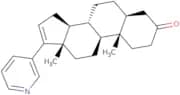

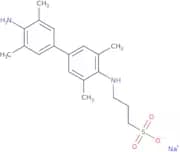

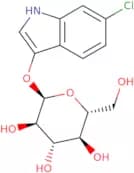


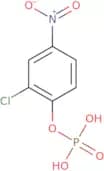
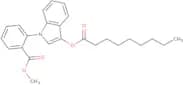


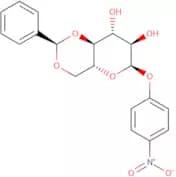
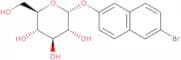


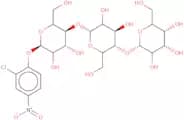
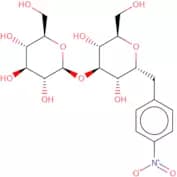
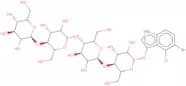
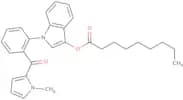


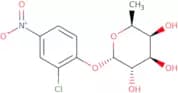
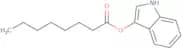

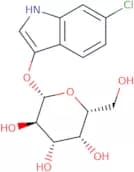


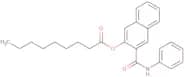


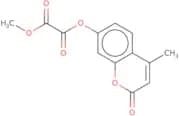

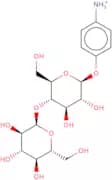



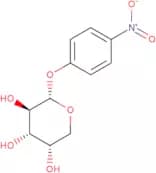


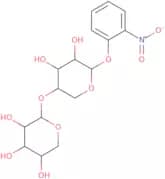


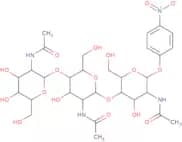
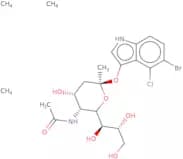

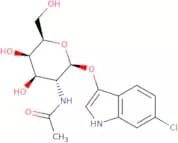


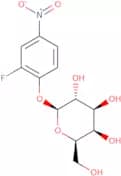


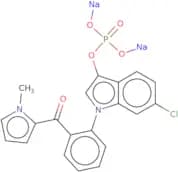
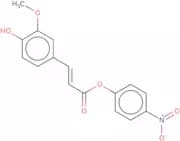
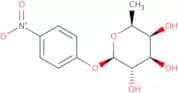

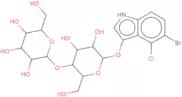
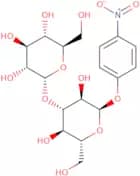
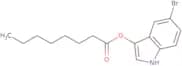
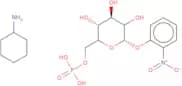

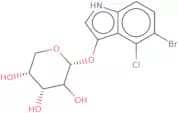

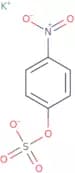


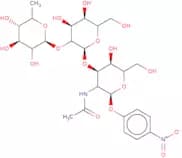
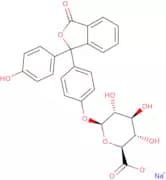
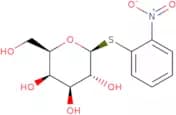
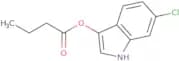


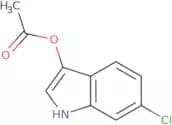



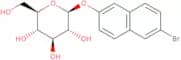


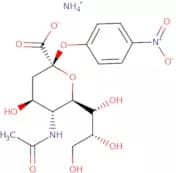
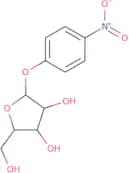

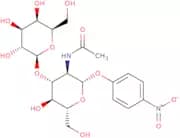


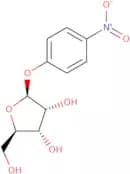
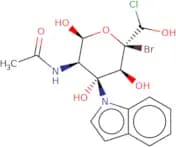
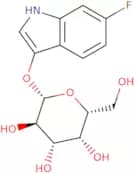
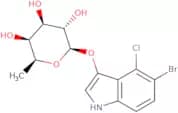
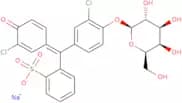


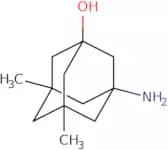


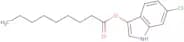

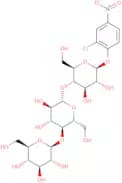
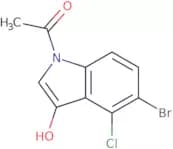

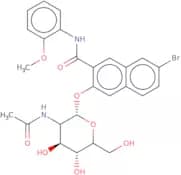

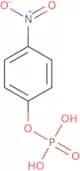
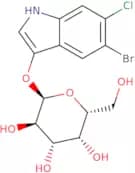



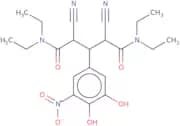

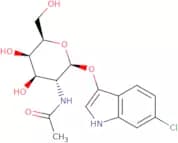

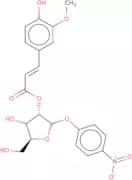


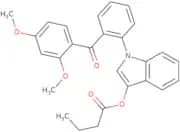
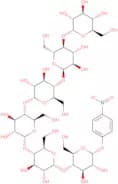

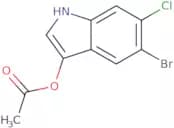
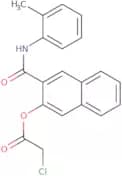
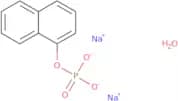

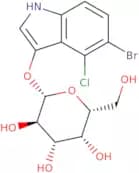


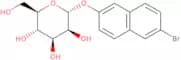


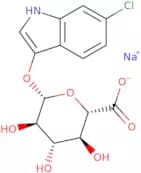
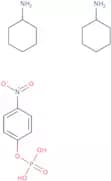
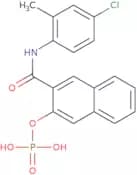


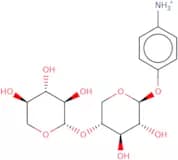
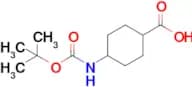

![(3-(tert-Butoxy)-2′,6′-diisopropyl-6-methoxy-[1,1′-biphenyl]-2-yl)dicyclohexylphosphane](/_next/image/?url=https%3A%2Fstatic.cymitquimica.com%2Fproducts%2F10%2Fthumb-webp%2FF867966.webp&w=3840&q=75)



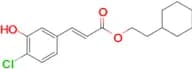
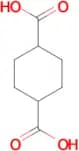
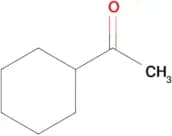
![cis-4-[Bis(phenylmethyl)amino]cyclohexanemethanol](/_next/image/?url=https%3A%2Fstatic.cymitquimica.com%2Fproducts%2F10%2Fthumb-webp%2FF986299.webp&w=3840&q=75)
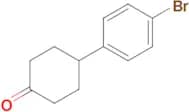

![3-cyclohexyl-2-({[(9H-fluoren-9-yl)methoxy]carbonyl}amino)propanoic acid](/_next/image/?url=https%3A%2Fstatic.cymitquimica.com%2Fproducts%2F10%2Fthumb-webp%2FF872035.webp&w=3840&q=75)
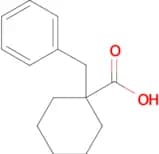

![N-[3,5-Bis(trifluoromethyl)phenyl]-N’-[(1R,2R)-2-(dimethylamino)cyclohexyl]urea](/_next/image/?url=https%3A%2Fstatic.cymitquimica.com%2Fproducts%2F10%2Fthumb-webp%2FF611136.webp&w=3840&q=75)