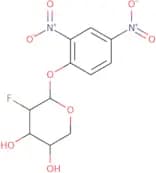
Altri
Trovati 6274 prodotti di "Altri"
Ordinare per
Purezza (%)
0
100
|
0
|
50
|
90
|
95
|
100
(4,4-Difluorocyclohexyl)methyl 4-methylbenzenesulfonate
CAS:Formula:C14H18F2O3SPeso molecolare:304.35cyclohexyl 2-(piperidinomethyl)phenyl ketone
CAS:Formula:C19H27NOPurezza:97.0%Peso molecolare:285.4312,2,2-trifluoro-N-(2-hydroxycyclohexyl)acetamide
CAS:Formula:C8H12F3NO2Purezza:95.0%Peso molecolare:211.1842-(4-methylbenzoyl)cyclohexanecarboxylic acid
CAS:Formula:C15H18O3Purezza:95.0%Peso molecolare:246.3063-[[3,5-Bis(trifluoromethyl)phenyl]amino]-4-[[(1S,2S)-2-(1-pyrrolidinyl)cyclohexyl]amino]-3-cyclobutene-1,2-dione
CAS:Purezza:97%Peso molecolare:475.43499762-(4-Cyclohexylphenyl)-4,4,5,5-tetramethyl-1,3,2-dioxaborolane
CAS:Formula:C18H27BO2Purezza:95%Colore e forma:SolidPeso molecolare:286.224-(Dimethylamino)cyclohexanol
CAS:Formula:C8H17NOPurezza:95.0%Colore e forma:SolidPeso molecolare:143.234,4-Difluoro cyclohexanecarboxaldehyde
CAS:Formula:C7H10F2OPurezza:95%+Colore e forma:SolidPeso molecolare:148.1534-Fluorophenyl cyclohexyl ketone
CAS:Formula:C13H15FOPurezza:95.0%Colore e forma:Liquid, OilPeso molecolare:206.26(1S,2S)-2-(1,3-dioxo-1,3-dihydro-2H-benzo[f]isoindol-2-yl)cyclohexane-1-carboxylic acid
CAS:Purezza:98%Peso molecolare:323.34799192-(4,4-difluorocyclohexyl)-N-methylethan-1-amine
CAS:Formula:C9H17F2NPurezza:95.0%Peso molecolare:177.239(2s,4s)-4-Cyclohexyl-1-{[(9h-fluoren-9-yl)methoxy]carbonyl}pyrrolidine-2-carboxylic acid
CAS:Purezza:98%Peso molecolare:419.52099613-(Aminomethyl)cyclohexanol
CAS:Formula:C7H15NOPurezza:95%Colore e forma:SolidPeso molecolare:129.2032-((3,4-Dimethylphenyl)carbamoyl)cyclohexane-1-carboxylic acid
CAS:Purezza:97%Peso molecolare:275.3479919trans-N-Boc-4-Aminomethyl-cyclohexanol
CAS:Formula:C12H23NO3Purezza:97.0%Colore e forma:SolidPeso molecolare:229.324-Oxo-cyclohexanecarbonitrile
CAS:Formula:C7H9NOPurezza:95%Colore e forma:LiquidPeso molecolare:123.1552,2,2-trifluoro-N-(2-oxocyclohexyl)acetamide
CAS:Formula:C8H10F3NO2Purezza:95.0%Peso molecolare:209.1684-Nitrophenyl 5-O-trans-feruloyl-a-L-arabinofuranoside
CAS:<p>4-Nitrophenyl 5-O-trans-feruloyl-alpha-L-arabinofuranoside is a chromogenic substrate for alpha-L-arabinofuranosidase. Upon hydrolysis, para-nitrophenol is released yielding a yellowish colour. 4-Nitrophenyl 5-O-trans-feruloyl-alpha-L-arabinofuranoside is used in different applications such as the Plant cell wall degradation assays, bacterial enzyme profiling</p>Formula:C21H21NO10Purezza:Min. 95%Colore e forma:PowderPeso molecolare:447.4 g/molCrimson-Gal
<p>Crimson-Gal (Crimson-beta-D-galactopyranoside) is a chromogenic indicator for beta-galactosidase activity. The colorless product is cleaved by lactose-utilizing bacteria in liquid media or on agar plates and yields a crimson colored precipitate. Crimson-Gal can also be used as detecting agent for beta-galactosidase activity in reporter gene assays or for identification of positive transformants on agar plates when using the α-complementation approach. Read more in the Application Notes.</p>Peso molecolare:360.96 g/mol4-Nitrophenyl caprylate
CAS:<p>Chromogenic substrate targeting lipase, C8 esterase</p>Formula:C14H19NO4Purezza:Min. 95 Area-%Colore e forma:Slightly Brown Yellow Clear LiquidPeso molecolare:265.31 g/mol2-((4S,7S,10S,13S,15R)-10-Benzyl-15-hydroxy-7,13-diisobutyl-15-methyl-1-morpholino-2,5,8,11,14,18-hexaoxo-4-phenethyl-17-oxa-3,6,9,12-tetraazanonadecan-19-yl)-2-hydroxysuccinic Acid
<p>Applications 2-((4S,7S,10S,13S,15R)-10-Benzyl-15-hydroxy-7,13-diisobutyl-15-methyl-1-morpholino-2,5,8,11,14,18-hexaoxo-4-phenethyl-17-oxa-3,6,9,12-tetraazanonadecan-19-yl)-2-hydroxysuccinic Acid is an impurity of Carfilzomib (C183460), which is a second-generation proteasome inhibitor that is used as a treatment in relapsed and refractory multiple myeloma.<br>References Fostier, K., et al.: Oncotargets. Therap., 5, 237 (2012); Geurink, P.P., et al.: J. Med. Chem., 56, 1262 (2013); McCormack, P.L., et al.: Drugs., 72, 2023 (2012);<br></p>Formula:C46H65N5O14Colore e forma:White To Off-WhitePeso molecolare:912.033Almotriptan Dimer Impurity
CAS:Formula:C30H41N5O2SColore e forma:Off White SolidPeso molecolare:535.74n-Propyl (2E)-2-Cyano-3-(3,4-dihydroxy-5-nitrophenyl)prop-2-enoate
CAS:Prodotto controllatoFormula:C13H12N2O6Colore e forma:NeatPeso molecolare:292.24N-Desmethyl-4'-hydroxy Tamoxifen-d3 (E/Z Mixture)
CAS:Prodotto controllato<p>Applications A labelled metabolite of the anti-cancer drug Tamoxifen (T006000).<br>References Heiman, D., et al.: J. Med. Chem., 23, 994 (1980), Kier, L., et al.: Pharm. Res., 7, 801 (1990),<br></p>Formula:C25H24D3NO2Colore e forma:NeatPeso molecolare:376.51Lorazepam 2-O-β-D-Glucuronide (1 mg/ml in Methanol)
Prodotto controllatoFormula:C21H18Cl2N2O8Colore e forma:Single SolutionPeso molecolare:497.28Fulvestrant 17-Ketone
CAS:Prodotto controllato<p>Applications Fulvestrant 17-Ketone, is an impurity of Fulvestrant (F862500), a novel steroidal estrogen antagonist reported to lack any partial agonist activity. Antineoplastic (hormonal).<br>References Wakeling, A.E., et al.: Cancer Res., 51, 3867 (1991), Howell, A., et al.: Br. J. Cancer, 74, 300 (1996), Robertson, J.F., et al.: Cancer Res., 61, 6739 (2001),<br></p>Formula:C32H45F5O3SColore e forma:NeatPeso molecolare:604.75δ6-Fulvestrant
CAS:Prodotto controllato<p>Impurity Fulvestrant Impurity E;<br>Applications Fulvestrant (F862500) impurity E.<br></p>Formula:C32H45F5O3SColore e forma:NeatPeso molecolare:604.754-Amino-2-fluoro-N-methylbenzamide
CAS:Prodotto controllato<p>Stability Moisture Sensitive<br>Applications 4-Amino-2-fluoro-N-methylbenzamide acts as a reagent in the design, synthesis and biological evaluation of novel 5-oxo-2-thioxoimidazolidine derivatives as potent androgen receptor antagonists. Also, in the preparation and structure-activity relationship of chiral benzyloxypyridinone derivatives as c-Met kinase inhibitors<br>References Ivachtchenko, A. V., et al.: Eur. J. Med. Chem., 99, 51 (2015); Zhang, D., et al.: Bioorg. Med. Chem. Lett., 23, 2408 (2013)<br></p>Formula:C8H9FN2OColore e forma:NeatPeso molecolare:168.17Lorazepam Acetate
CAS:Prodotto controllatoFormula:C17H12Cl2N2O3Colore e forma:NeatPeso molecolare:363.192,2,4,4-Tetramethyloctane
CAS:Prodotto controllato<p>Applications 2,2,4,4-Tetramethyloctane is a volatile compound of vegetarian soybean kapi, a fermented Thai food condiment.<br>References Allagheny, N., et al.: Int. J. Food Microbiol., 29, 321 (1996); Han, B., et al.: Food Control., 15, 265 (2004); Ouoba, L., et al.: J .Appl. Microbiol., 99, 1413 (2005); Zhang, J., et al.: Inter. J. Food Sci. Technol., 42, 263 (2007);<br></p>Formula:C12H26Colore e forma:NeatPeso molecolare:170.33Sudan IV (>80%)
CAS:<p>Applications It has been used to promote wound healing. Biological stain. Dyes and metabolites, Environmental Testing.<br>References Findlay, J., et al.: J. Pharm. Biomed., Anal., 21, 1249 (2000), Han, D., et al.: J. Agric. Food Chem., 55, 6424 (2007), Jiang, Z;., et al.: J. Environ. Anal. Chem., 88, 649 (2008),<br></p>Formula:C24H20N4OPurezza:>80%Colore e forma:RedPeso molecolare:380.44(2E)-2-Cyano-3-(3-ethoxy-4-hydroxy-5-nitrophenyl)-N,N-diethyl-2-propenamide
CAS:Prodotto controllato<p>Applications (2E)-2-Cyano-3-(3-ethoxy-4-hydroxy-5-nitrophenyl)-N,N-diethyl-2-propenamide is an impurity of Entacapone (E558500), a peripherally acting inhibitor of catechol-O-methyl transferase (COMT), an enzyme involved in the metabolism of catecholamine neurotransmitters and related drugs. Antiparkinsonian.<br>References Karlsson, M., et al.: J. Pharm. Biomed. Anal., 10, 593 (1992), Nissinen, E., et al.: Arch. Pharmacol., 346, 262 (1992), Wikberg, T., et al.: Eur. J. Drug Metab. Pharmacokinet., 18, 359 (1993),<br></p>Formula:C16H19N3O5Colore e forma:NeatPeso molecolare:333.34Nb-Methyl Cyancobalamin
CAS:Formula:C64H90CoN14O14PColore e forma:Red To Dark RedPeso molecolare:1369.392N-(5-Chloro-2-pyridinyl)-2-pyrazinecarboxamide (Zopiclone Impurity)
CAS:Prodotto controllato<p>Applications N-(5-Chloro-2-pyridinyl)-2-pyrazinecarboxamide is an impurity of Zopiclone (Z700500) which is a nonbenzodiazepine hypnotic agent used in the treatment of insomnia.<br>References Noble, S., et al.: Drugs, 55, 277 (1998), Musch, B., et al.: Int. J. Clin. Psychopharmacol., 5, 147 (1990),<br></p>Formula:C10H7ClN4OColore e forma:NeatPeso molecolare:234.643-[[(5-Chloro-2-pyridinyl)amino]carbonyl]-2-pyrazinecarboxylic Acid
CAS:Prodotto controllatoFormula:C11H7ClN4O3Colore e forma:NeatPeso molecolare:278.65Nintedanib Acetyl Impurity
CAS:Prodotto controllato<p>Applications An impurity of Nintedanib, which is an antifibrotic drug.<br>References Holdsworth, G.; et al.: Scientific Reports, 7, 1 (2017)<br></p>Formula:C26H23N3O4Colore e forma:NeatPeso molecolare:441.49Nintedanib Demethyl-O-glucuronic Acid-d3
CAS:Prodotto controllato<p>Applications Nintedanib Demethyl-O-glucuronic Acid-d3 is an isotopic analog of Nintedanib Demethyl-O-glucuronic Acid (N478295), a metabolite of the drug Nintedanib (N478290).<br>References Sun, L., et al.: J. Med. Chem., 41, 2588 (1998); Xie, H., et al.: J. Med. Chem., 50, 4898 (2007); Hilberg, F., et al.: Cancer Res., 68, 4774 (2008); Roth, G., et al.: J. Med. Chem., 58, 1053 (2015)<br></p>Formula:C36H36D3N5O10Colore e forma:NeatPeso molecolare:704.74Desmethyl Nintedanib Carboxylic Acid (Nintedanib Impurity A)
Prodotto controllato<p>Applications Desmethyl Nintedanib Carboxylic Acid is an impurity of Intedanib (I666650), which is an indolinone derivative potently blocking VEGF-, PDGF-, and FGF-receptor kinases. it is an indolinone as triple angiokinase inhibitors and an antitumor agent.<br>References Sun, L., et al.: J. Med. Chem., 41, 2588 (1998); Xie, H., et al.: J. Med. Chem., 50, 4898 (2007); Hilberg, F., et al.: Cancer Res., 68, 4774 (2008); Roth, G., et al.: J. Med. Chem., 58, 1053 (2015)<br></p>Formula:C29H29N5O5Colore e forma:NeatPeso molecolare:527.572-Amino-2’,5-dichlorobenzophenone
CAS:Prodotto controllatoFormula:C13H9Cl2NOColore e forma:YellowPeso molecolare:266.12N-Desmethyl-4-hydroxy Tamoxifen β-D-Glucuronide (E/Z Mixture)
CAS:Prodotto controllato<p>Stability Hygroscopic<br>Applications A novel active metabolite of the anti-cancer drug Tamoxifen (T006000).<br>References Furr, B., et al.: Pharmacol. Ther., 25, 127 (1984), Leonessa, F., et al.: Cancer Res., 54, 441 (1994), Stearns, V., et al.: Lancet, 360, 1851 (2002), Rae, J., et al.: Pharmacogenetics, 13, 501 (2003), Zheng, Y., et al.: Drug Metab. Dispos., 35, 1942 (2007),<br></p>Formula:C31H35NO8Colore e forma:NeatPeso molecolare:549.61cis-Entacapone-d10
CAS:Prodotto controllato<p>Applications Labelled analogue of cis-Entacapone, the (Z)-Isomer of Entacapone (E558500) polymorphic form B. Antiparkinsonian.<br>References Karlsson, M., et al.: J. Pharm. Biomed. Anal., 10, 593 (1992), Nissinen, E., et al.: Arch. Pharmacol., 346, 262 (1992), Wikberg, T., et al.: Eur. J. Drug Metab. Pharmacokinet., 18, 359 (1993),<br></p>Formula:C14H5D10N3O5Colore e forma:NeatPeso molecolare:315.352-((3-Fluoro-4-(methylcarbamoyl)phenyl)amino)-2-methylpropanoic acid
CAS:Prodotto controllato<p>Applications 2-((3-Fluoro-4-(methylcarbamoyl)phenyl)amino)-2-methylpropanoic acid (cas# 1289942-66-0) is a useful research chemical.<br></p>Formula:C12H15FN2O3Colore e forma:NeatPeso molecolare:254.26Oxo-MDV 3100 (Oxo-enzalutamide)
CAS:Prodotto controllato<p>Applications Oxo-MDV 3100 (Oxo-enzalutamide) is an impurity of Enzalutamide (M199800), which is an androgen-receptor antagonist that blocks androgens from binding to the androgen receptor and prevents nuclear translocation and co-activator recruitment of the ligand-receptor complex. Enzalutamide has been shown to induce tumor cell apoptosis, and is used for the treatment of castration-resistant prostate cancer.<br>References Scher, H.I. et al.: Lancet, 375, 1437 (2010); Bellmunt, J. et al.: Ther. Adv. Med. Oncol., 2, 189 (2010); Ryan, C.J. et al.: J. Clin. Oncol., 29, 3651 (2011); Ma, X., et al.: J. Pharm. Biomed. Anal., 131, 436 (2016);<br></p>Formula:C21H16F4N4O3Colore e forma:NeatPeso molecolare:448.37Deschloro-Zopiclone
CAS:Prodotto controllato<p>Applications Deschloro-Zopiclone is a metabolite of Zopiclone (Z700500) which is a cyclopyrrolone member of a family of non-benzodiazepine GABAA receptor agonists.<br>References Noble, S., et al.: Drugs, 55, 277 (1998), Musch, B., et al.: Int. J. Clin. Psychopharmacol., 5, 147 (1990),<br></p>Formula:C17H18N6O3Colore e forma:NeatPeso molecolare:354.36Palbociclib
CAS:<p>Applications Palbociclib (also known as compound number PD-0332991) is an experimental drug for the treatment of breast cancer being developed by Pfizer. It is a selective inhibitor of the cyclin-dependent kinases CDK4 and CDK6.<br>References Finn, R., et al.: Breast Cancer Res., 11, 5 (2009);<br></p>Formula:C24H29N7O2Colore e forma:NeatPeso molecolare:447.53Desmethyl 7-Methoxycarbonyl Nintedanib (Nintedanib Impurity C)
Prodotto controllato<p>Applications Desmethyl 7-Methoxycarbonyl Nintedanib is an impurity of Intedanib (I666650), which is an indolinone derivative potently blocking VEGF-, PDGF-, and FGF-receptor kinases. it is an indolinone as triple angiokinase inhibitors and an antitumor agent.<br>References Sun, L., et al.: J. Med. Chem., 41, 2588 (1998); Xie, H., et al.: J. Med. Chem., 50, 4898 (2007); Hilberg, F., et al.: Cancer Res., 68, 4774 (2008); Roth, G., et al.: J. Med. Chem., 58, 1053 (2015)<br></p>Formula:C30H31N5O4Colore e forma:NeatPeso molecolare:525.598(R)- 3-[(1-Methyl-2-pyrrolidinyl)methyl]-1H-Indole
CAS:Prodotto controllatoFormula:C14H18N2Colore e forma:NeatPeso molecolare:214.311-Nitroso-3,5-dimethyladamantane
CAS:Prodotto controllatoFormula:C12H19NOColore e forma:NeatPeso molecolare:193.2854-(6-Nitro-3-pyridinyl)-1-nitroso-piperazine
CAS:Prodotto controllatoFormula:C9H11N5O3Colore e forma:NeatPeso molecolare:237.215a-Epoxyabiraterone Acetate
CAS:Prodotto controllato<p>Stability Hygroscopic<br>Applications α-Epoxyabiraterone Acetate is an impurity of Abiraterone (A108490), a steroidal cytochrome P 450 17α-hydroxylase-17,20-lyase inhibitor (CYP17), is currently undergoing phase II clinical trials as a potential drug for the treatment of androgen-dependent prostate cancer.<br>References Denis, L., et al.: Cancer, 72, 3888 (1993); Potter, G.A., et al.: J. Med. Chem., 38, 2463 (1995); Denmeade, S., et al.: Nat. Rev., 2, 389(2002); Scher, H., et al.: J. Clin. Oncol., 23, 8253 (2005)<br></p>Formula:C26H33NO3Colore e forma:NeatPeso molecolare:407.557-[9-[[9-[(4,4,5,5,5-Pentafluoropentyl)sulfinyl]nonyl]sulfinyl]nonyl]estra-1,3,5(10)-triene-3,17β
Prodotto controllato<p>Applications Fulvestrant (F862500) impurity C.<br></p>Formula:C41H65F5O4S2Colore e forma:NeatPeso molecolare:781.07(3Z)-2,3-Dihydro-3-[[[4-(methylamino)phenyl]amino]phenylmethylene]-2-oxo-1H-Indole-6-carboxylic Acid Methyl Ester
CAS:Prodotto controllatoFormula:C24H21N3O3Colore e forma:NeatPeso molecolare:399.44(Z)-4-Hydroxy Tamoxifen O-β-D-Glucuronide (~90%)
CAS:Prodotto controllato<p>Applications (Z)-4-Hydroxy Tamoxifen O-β-D-Glucuronide is an active metabolite of Tamoxifen (T006000).<br>References Ogura, K. et al.: Biochem. Pharmacol., 71, 1358 (2006); Nishiyama, T. et al.: Biochem. Pharmacol., 63, 1817 (2002); McCague, R. et al.: Biochem. Pharmacol., 39, 1459 (1990);<br></p>Formula:C32H37NO8Purezza:~90%Colore e forma:NeatPeso molecolare:563.64(S)-4-Oxo-homophenylalanine Hydrochloride
CAS:Prodotto controllato<p>Stability Hygroscopic<br>Applications (S)-4-Oxo-homophenylalanine Hydrochloride is a derivative of L-Homophenylalanine (H600500); an antitumor agent.<br>References Brunner, Henri., et al.: Eur. J. Med. Chem., 25, 35 (1990)<br></p>Formula:C10H12ClNO3Colore e forma:NeatPeso molecolare:229.662-[4-[(2RS)-2-Hydroxy-3-[(1-methylethyl)amino]propoxy]phenyl]acetonitrile; (Atenolol Impurity H)
CAS:Prodotto controllato<p>Impurity Atenolol EP Impurity H<br>Applications 2-[4-[(2RS)-2-Hydroxy-3-[(1-methylethyl)amino]propoxy]phenyl]acetonitrile is an impurity of Atenolol (A790075), a cardioselective β-adrenergic blocker. Atenolol EP Impurity H<br>References Caplar, V., et al.: Anal. Profiles Drug Subs., 13, 1 (1984);<br></p>Formula:C14H20N2O2Colore e forma:NeatPeso molecolare:248.32N-[4-(Aminocarbonyl)-3-fluorophenyl]-2-methylalanine Methyl Ester
CAS:Prodotto controllatoFormula:C12H15FN2O3Colore e forma:NeatPeso molecolare:254.26Zafirlukast m-Tolyl Isomer
CAS:<p>Applications Zafirlukast m-Tolyl Isomer is a positional isomer and impurity of the cysteinyl leukotriene type 1 receptor antagonist, Zafirlukast (D226955).<br>References Krishnaiah, C. et al.: Anal. Chem. Ind. J., 8, 471 (2009); Madhavi, A. et al.: Chromatographia, 70, 233 (2009); Goverdhan, G. et al.: J. Pharmac. Biomed. Anal., 49, 895 (2009);<br></p>Formula:C31H33N3O6SColore e forma:NeatPeso molecolare:575.68Defluoro-MDV 3100 (Defluoro-enzalutamide)
CAS:Prodotto controllato<p>Applications Defluoro-MDV 3100 (Defluoro-enzalutamide) is an impurity of Enzalutamide (M199800), which is an androgen-receptor antagonist that blocks androgens from binding to the androgen receptor and prevents nuclear translocation and co-activator recruitment of the ligand-receptor complex. Enzalutamide has been shown to induce tumor cell apoptosis, and is used for the treatment of castration-resistant prostate cancer.<br>References Scher, H.I. et al.: Lancet, 375, 1437 (2010); Bellmunt, J. et al.: Ther. Adv. Med. Oncol., 2, 189 (2010); Ryan, C.J. et al.: J. Clin. Oncol., 29, 3651 (2011); Ma, X., et al.: J. Pharm. Biomed. Anal., 131, 436 (2016);<br></p>Formula:C21H17F3N4O2SColore e forma:Light YellowPeso molecolare:446.451,3-Dibromopropane
CAS:Prodotto controllato<p>Applications Substrate specificity of haloalkane dehalogenases.<br> Not a dangerous good if item is equal to or less than 1g/ml and there is less than 100g/ml in the package<br>References Koudelakova, T., et al.: Biochem. J., 435, 345 (2011),<br></p>Formula:C3H6Br2Colore e forma:NeatPeso molecolare:201.897-(N-Ethylacetamidophenyl)-5-(N-ethylacetamidophenyl) Zaleplon
CAS:Prodotto controllatoFormula:C17H15N5OColore e forma:Off-WhitePeso molecolare:305.33Zafirlukast p-Tolyl Isomer
CAS:<p>Applications Zafirlukast p-Tolyl Isomer is a positional isomer and impurity of the cysteinyl leukotriene type 1 receptor antagonist, Zafirlukast (D226955).<br>References Krishnaiah, C. et al.: Anal. Chem. Ind. J., 8, 471 (2009); Madhavi, A. et al.: Chromatographia, 70, 233 (2009); Goverdhan, G. et al.: J. Pharmac. Biomed. Anal., 49, 895 (2009);<br></p>Formula:C31H33N3O6SColore e forma:White To Light BeigePeso molecolare:575.68Methyl 4-Hydroxyphenylacetate
CAS:<p>Applications Methyl 4-Hydroxyphenylacetate has been shown to have potent inhibitory activity against tobacco mosaic virus (TMV).<br>References Shen, S., Li, W., Wang, J.: Nat. Prod. Res., 27, 2286 (2013); Golovleva, L.A., et. al.:<br></p>Formula:C9H10O3Colore e forma:NeatPeso molecolare:166.17(E,Z)-Tamoxifen-d5 N-β-D-Glucuronide (~90%)
CAS:Prodotto controllato<p>Applications Α labelled metabolite of Tamoxifen (T006000).<br>References Sun, D., et al.: Breast Cancer Res., 8(4), (2006), Zheng, Y., et al.: Drug Metab. Dispos., 35, 1942 (2007),<br></p>Formula:C32H33D5NO7Purezza:~90%Colore e forma:NeatPeso molecolare:553.68(alphaE)-α-[(3,4-Dihydroxy-5-nitrophenyl)methylene]-β-oxo-1-piperidinepropanenitrile
CAS:Prodotto controllato<p>Applications (αE)-α-[(3,4-Dihydroxy-5-nitrophenyl)methylene]-β-oxo-1-piperidinepropanenitrile is an impurity of Entacapone (E558500), a peripherally acting inhibitor of catechol-O-methyl transferase (COMT), an enzyme involved in the metabolism of catecholamine neurotransmitters and related drugs. Antiparkinsonian.<br>References Karlsson, M., et al.: J. Pharm. Biomed. Anal., 10, 593 (1992), Nissinen, E., et al.: Arch. Pharmacol., 346, 262 (1992), Wikberg, T., et al.: Eur. J. Drug Metab. Pharmacokinet., 18, 359 (1993),<br></p>Formula:C15H15N3O5Colore e forma:NeatPeso molecolare:317.30Ethyl (2E)-2-Cyano-3-(3,4-dihydroxy-5-nitrophenyl)prop-2-enoate
CAS:Prodotto controllatoFormula:C12H10N2O6Colore e forma:NeatPeso molecolare:278.22Hydroxyatenolol-d7
CAS:Prodotto controllato<p>Applications Hydroxyatenolol-d7 is the isotope labelled analog of Hydroxyatenolol (H802480); a metabolite of Atenolol (A790075) which is a cardioselective β-adrenergic blocker, antihypertensive, antianginal, and antiarrhythmic (class II).<br>References Escher, B., et al.: Environ. Sci. Technol., 40, 7402 (2006); Caplar, V., et al.: Anal. Profiles Drug Subs., 13, 1 (1984)<br></p>Formula:C14H15D7N2O4Colore e forma:NeatPeso molecolare:289.38OR-486
CAS:Prodotto controllato<p>Applications OR 486 is an anti-inflammatory agent used in the treatment of rheumatoid arthritis and osteoarthritis. Entacapone (E588500) impurity.<br>References Jenei-Lanzl, Z. et al.: Annal Rheum. Dis., 74, 444 (2015); Karlsson, M., et al.: J. Pharm. Biomed. Anal., 10, 593 (1992), Nissinen, E., et al.: Arch. Pharmacol., 346, 262 (1992), Wikberg, T., et al.: Eur. J. Drug Metab. Pharmacokinet., 18, 359 (1993),<br></p>Formula:C6H4N2O6Colore e forma:NeatPeso molecolare:200.11Fast Corinth V Salt Sodium Chloride
CAS:Formula:(C15H14N5O3•ClZn•xNaClColore e forma:Dark Brown to Very Dark Brown SolidPeso molecolare:2(312.30) + (207.19) + x(58.44)Almotriptan-d6 Hydrochloride
CAS:Prodotto controllato<p>Applications: Labelled Almotriptan (A575200). Almotriptan is a serotonin 5HT1B /1D-receptor agonist used for treatment of migraine.<br>References Fleishaker, J.C., et al.: Clin. Pharmacol. Ther., 67, 498 (2000), Kamali, F., et al.: Curr. Opin. Cent. Peripher. Nerv. Syst. Invest. Drugs, 2, 197 (2000), Dodick, D.W., et al.: Expert Opin.Pharmacother., 4, 1157 (2003)<br></p>Formula:C172H6H19N3O2S·ClHColore e forma:NeatPeso molecolare:377.961,3-Propanediol
CAS:Prodotto controllato<p>Applications 1,3-Propanediol is a common organic reagent used in the synthesis of polymers and used in industrial organic chemistry for the synthesis of lubricants, foods, medicines and cosmetics.<br>References Sun, Y. et al.: Bioproc. Renew. Res. Commod. Bioprod., 289 (2014);<br></p>Formula:C3H8O2Colore e forma:NeatPeso molecolare:76.094-Hydroxyphenylacetamide
CAS:Prodotto controllato<p>Impurity Atenolol EP Impurity A<br>Applications 4-(Hydroxyphenyl)acetamide (Atenolol EP Impurity A) is used as an intermediate for the synthesis of Atenolol (A790075) and various other organic compounds and pharmaceuticals. It is a process impurity for Atenolol (A790075)<br>References Inkum, R., et al.: Maejo Int. J. Sci. Tech., 6, 372 (2012); Pai, N.R., et al.: J. Chem. Pharma. Rsch., 4, 375 (2012); Moon, J.T., et al.: Bio-org. Medn. Chem., 20, 734 (2012);<br></p>Formula:C8H9NO2Colore e forma:NeatPeso molecolare:151.163-Amino-1,2-dihydro-6-chloro-1-methyl-4-phenylquinolin-2(1H)-one
CAS:Prodotto controllatoFormula:C16H13ClN2OColore e forma:BeigePeso molecolare:284.74Nintedanib 4-Nitrophenyl 2-(4-Nitroso)
Prodotto controllatoFormula:C13H17N5O4Colore e forma:NeatPeso molecolare:307.3057-Chloro-5-(2-chlorophenyl)-4,5-dihydro-1H-1,4-benzodiazepine-2,3-dione
CAS:Prodotto controllatoFormula:C15H10Cl2N2O2Colore e forma:White To Off-WhitePeso molecolare:321.16N-[4-[[(Z)-(1,2-Dihydro-2-oxo-3H-indol-3-ylidene)phenylmethyl]amino]phenyl]-N,4-dimethyl-1-piperazineacetamide
CAS:Prodotto controllato<p>Applications N-[4-[[(Z)-(1,2-Dihydro-2-oxo-3H-indol-3-ylidene)phenylmethyl]amino]phenyl]-N,4-dimethyl-1-piperazineacetamide was used in the study to discover a potent inhibitor of MELK that inhibits expression of the anti-apoptotic protein Mcl-1 and TNBC cell growth. N-[4-[[(Z)-(1,2-Dihydro-2-oxo-3H-indol-3-ylidene)phenylmethyl]amino]phenyl]-N,4-dimethyl-1-piperazineacetamide is an impurity of Intedanib (I666650), which is an antitumor agent.<br>References Edupuganti, R., et al.: Bioorg. Med. Chem., 25, 2609 (2017); Sun, L., et al.: J. Med. Chem., 41, 2588 (1998); Xie, H., et al.: J. Med. Chem., 50, 4898 (2007); Hilberg, F., et al.: Cancer Res., 68, 4774 (2008); Roth, G., et al.: J. Med. Chem., 58, 1053 (2015)<br></p>Formula:C29H31N5O2Colore e forma:NeatPeso molecolare:481.59N,N-Bis-desethyl, N-Methyl Entacapone
CAS:Prodotto controllatoFormula:C11H9N3O5Colore e forma:AmberPeso molecolare:263.21N-Nitroso-1-(2-methoxyphenyl)piperazine
CAS:Prodotto controllato<p>Applications N-Nitroso-1-(2-methoxyphenyl)piperazine is a reagent used in the preparation of 9-aminoacridine-based agents that impair bovine viral diarrhea virus replication.<br>References Loddo, R. et al.: Bio. & Med. Chem., 26(4), 855-868, (2018)<br></p>Formula:C11H15N3O2Colore e forma:Off-White To Light BrownPeso molecolare:221.26N-Desmethyl Zopiclone-d8 Hydrochloride
CAS:Prodotto controllato<p>Applications N-Desmethyl Zopiclone-d8 is a labelled metabolite of Zopiclone (Z700500), which is Cyclopyrrolone member of a family of non-benzodiazepine GABAA receptor agonists. This is a controlled substance (depressant) in the US but not in Canada. Sedative, hypnotic.<br>References Fernandez, C., et al.: Clin. Pharmacokinet., 29, 431 (1995), Nordgren, H., et al.: Ther. Drug Monit., 24, 410 (2002)<br></p>Formula:C16H8D8Cl2N6O3Colore e forma:NeatPeso molecolare:419.29Dehydro Silodosin
CAS:Prodotto controllato<p>Applications Dehydro Silodosin is an impurity of Silodosin (S465000).<br>References Moriyama., et al.: Eur. J. Pharmacol., 331, 39 (1997), Zhu, J., et al.: Br. J. Pharmacol., 131, 546 (2000),<br></p>Formula:C25H30F3N3O4Colore e forma:NeatPeso molecolare:493.52(D-His2)-Leuprolide Trifluoroacetic Acid Salt
CAS:Prodotto controllato<p>Impurity Leuprolide Acetate EP Impurity B TFA salt<br>Applications Synthetic nonapeptide agonist analog of LH-RH. Antineoplastic (hormonal).<br>References Vilchez-Martinez, J.A., et al.: Biochem. Biophys. Res. Commun., 59, 1226 (1974), Sennello, L.T., et al.: J. Pharm. Sci., et al.: 75, 158 (1986), Wheeler, J.M., et al.: Am.J. Obstet. Gynecol., 167, 1367 (1992), Eri, L.M., et al.: J. Urol., 150, 359 (1993),<br></p>Formula:C59H84N16O12·x(C2HF3O2)Colore e forma:NeatPeso molecolare:1209.398Nintedanib Demethyl-O-glucuronic Acid
CAS:Formula:C36H39N5O10Colore e forma:NeatPeso molecolare:701.724-Nitrophenyl 6-O-DMT-a-D-mannopyranoside
<p>4-nitrophenyl 6-O-DMT-a-D-mannopyranoside is a fluorescent substrate for the enzyme beta-glucosidase. It reacts with an acyl group at the C2 position of the glycoside moiety, producing an aldehyde group at the C1 position and a hydroxymethylene group at the C4 position. This reaction is catalyzed by beta-glucosidase, which cleaves the glycosidic linkage in sucrose and other disaccharides. The product can be detected using luminescence methods, such as chemiluminescence or bioluminescence.<br>4-nitrophenyl 6-O-DMT-a-D-mannopyranoside is used to detect β glucosidase activity in bacteria. This substrate has been shown to be sensitive and specific for β glucosidase activity when combined with fluorescence detection technology</p>Purezza:Min. 95%Peso molecolare:603.62 g/mol5-Bromo-3-indoxyl-β-D-galactopyranoside-6-sulfate sodium salt
CAS:<p>5-Bromo-3-indoxyl-beta-D-galactopyranoside (5BIG) is a fluorogenic substrate that has been shown to be an effective enzyme substrate. It is used in the chemiluminescence, bioluminescence, and fluorescence detection of enzymes. 5BIG is also a chromogenic substrate for nucleic acid staining and can be used in food testing as well as diagnostics. 5BIG is highly pure and high quality with a CAS number of 1301706-59-1.</p>Formula:C14H15BrNNaO9SPurezza:Min. 98 Area-%Peso molecolare:476.24 g/mol4-Nitrophenyl 6-O-benzoyl-3,4-O-isopropylidene-a-D-galactopyranoside
CAS:<p>4-Nitrophenyl 6-O-benzoyl-3,4-O-isopropylidene-a-D-galactopyranoside (4NBP) is a fluorogenic substrate for β-galactosidase. It has been used as an enzyme substrate in the detection of β-galactosidase activity. 4NBP is also used to detect the presence of galactose in culture media and as a chromogenic substrate in diagnostics.</p>Purezza:Min. 95%Peso molecolare:445.42 g/mol2-Chloro-4-nitrophenyl 2,3,4,6-tetra-O-acetyl-a-D-glucopyranoside
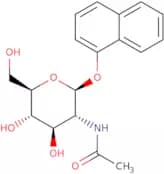
CAS:<p>2-Chloro-4-nitrophenyl 2,3,4,6-tetra-O-acetyl-a-D-glucopyranoside is a chromogenic substrate used to characterize enzymes in biochemical assays. The substrate is cleaved by enzymes, such as esterases and glycosidases, releasing the chromogenic group, which can be detected by its yellow color.</p>Purezza:Min. 95%Peso molecolare:503.84 g/mol1-Naphthyl 2-acetamido-3,4,6-tri-O-acetyl-2-deoxy-b-D-glucopyranoside
CAS:<p>1-Naphthyl 2-acetamido-3,4,6-tri-O-acetyl-2-deoxy-b-D-glucopyranoside is a fluorogenic substrate for bacterial beta D glucosidase. It is used for measuring the enzyme activity in different types of culture media and in the detection of bacterial contamination in food and environmental samples. This product can be used to detect the presence of beta D glucosidase by measuring luminescence with a luminometer. 1NAAG can also be used as a chromogenic substrate or to conjugate with antibodies for use in immunoassays.br></p>Purezza:Min. 95%Peso molecolare:473.47 g/mol2-Nitrophenyl 2-acetamido-2-deoxy-b-D-galactopyranoside
CAS:<p>2-Nitrophenyl 2-acetamido-2-deoxy-b-D-galactopyranoside is a carboxymethyl derivative of the natural substrate of β-galactosidase, which is used as a substrate for the production of recombinant proteins in the corynebacterium glutamicum. The enzyme β-galactosidase hydrolyzes this substrate to produce an acid molecule and a sugar molecule. This product can be used in biotechnological processes for the production of recombinant proteins or other bioactive molecules. It can also be used in the isolation of nucleic acid from bacteria or fungi, or to study bacterial membrane transport systems. 2NPGAG can be expressed as a recombinant protein with expression vectors such as pET21a and pET24a. It has been shown that this product inhibits transport through membranes by binding to cellulose, which may be useful for studies on cellulose biosynthesis</p>Purezza:Min. 95%Peso molecolare:342.3 g/mol3-Indolyl b-D-cellotrioside
<p>3-Indolyl b-D-cellotrioside is a chemiluminescent substrate that is used for the detection of bacterial activity. 3-Indolyl b-D-cellotrioside reacts with hydrogen peroxide to produce light, which can be detected by luminometers. This product can be used in diagnostic tests to detect the presence of bacteria in food, water, and other samples. It has been shown to have excellent performance characteristics and high purity and quality.</p>Purezza:Min. 95%Peso molecolare:619.57 g/mol6-Chloro-1H-indol-3-yl b-D-glucuronide
CAS:<p>6-Chloro-1H-indol-3-yl b-D-glucuronide is a chemiluminescence substrate that can be used in immunoassays and other biochemical analyses. 6CIG is a highly purified, high quality product with a CAS No. 138182-19-1. This product has been tested for bacterial contamination and found to be free of detectable levels of mycoplasma, yeast, mold, or other microbial agents. It has also been tested for its ability to support the growth of various types of cells and found to be suitable for cell culture media. This chemical has been shown to produce an intense blue chemiluminescent reaction when reacted with horseradish peroxidase enzyme and hydrogen peroxide.</p>Purezza:Min. 95%Peso molecolare:343.72 g/mol1-Naphthyl 2-acetamido-2-deoxy-b-D-galactopyranoside
CAS:<p>1-Naphthyl 2-acetamido-2-deoxy-b-D-galactopyranoside (1NADG) is a fluorogenic substrate that reacts with an enzyme to produce light. It is used in diagnostic tests for the detection of bacteria, and can be used as a chromogenic substrate in biochemical assays. 1NADG has also been shown to be useful in staining bacterial cells grown on agar plates. Additionally, this compound is used as a bioluminescent probe for detecting bacteria with luciferase activity.<br>br>br></p>Purezza:Min. 95%Peso molecolare:347.4 g/mol4-Nitrophenyl 4,6-cyclohexylidene-b-D-mannopyranoside
CAS:<p>4-Nitrophenyl 4,6-cyclohexylidene-b-D-mannopyranoside is a fluorogenic substrate that can be used for the detection of β-glucosidase activity. It is a high purity product with a ligand that binds specifically to β-glucosidase. 4NPPM is an enzyme substrate that can be used in diagnostics for the detection of β-glucosidase activity and conjugate for chemiluminescence and bioluminescence. This product has been shown to react with glucose in the presence of hydrogen peroxide and luminol, emitting light when excited by ultraviolet light at 365 nm. 4NPPM also reacts with glucose oxidase to produce hydrogen peroxide, which then reacts with luminol, producing light. The CAS number for this compound is 102717-16-8.</p>Purezza:Min. 95%Peso molecolare:381.38 g/molAldol® 470 N-tosyl-L-alanine ester, Biosynth Patent: EP 2427431 and US 8940909
CAS:Prodotto controllato<p>The Aldol® 470 N-tosyl-L-alanine ester is a high purity, high quality fluorogenic substrate for the enzyme alkaline phosphatase. It is a conjugate of the tosyl group with L-alanine and has been used as a fluorogenic substrate in various food testing applications. The Aldol® 470 N-tosyl-L-alanine ester also has several other uses including in diagnostic methods, culture media, and enzyme substrates.</p>Formula:C33H30N2O7SPurezza:Min. 95%Colore e forma:PowderPeso molecolare:598.67 g/mol8-Hydroxyquinoline-β-D-galactopyranoside
CAS:<p>Chromogenic substrate for beta-D-galactosidase yielding a brown precipitate upon cleavage.</p>Formula:C15H17NO6Peso molecolare:307.30 g/molRef: 3D-H-7500
1gPrezzo su richiesta5gPrezzo su richiesta10gPrezzo su richiesta25gPrezzo su richiesta2500mgPrezzo su richiesta-Unit-ggPrezzo su richiestaAldol® 518 β-D-cellobioside, Biosynth Patent: EP 2427431 and US 8940909
CAS:<p>Aldol® 518 beta-D-cellobioside is a chromogenic substrate for the detection of glycosidases. Aldol® 518 beta-D-cellobioside reacts with enzymes such as alpha-amylase, beta-galactosidase, and alpha-glucosidase to produce a fluorescent product. This product is detected by spectrophotometer, fluorometer, or luminometer. The fluorescence intensity is proportional to the concentration of the enzyme in the sample.<br>It has been shown that Aldol® 518 beta-D-cellobioside can be used as a substitute for conventional substrates in food testing and diagnostics, such as staining and culture media. It also has applications in environmental testing and enzyme substrate assays.</p>Formula:C35H39ClN2O12Purezza:Min. 95 Area-%Peso molecolare:715.15 g/molRef: 3D-A-4751_P00
1gPrezzo su richiesta5gPrezzo su richiesta10gPrezzo su richiesta2500mgPrezzo su richiesta-Unit-ggPrezzo su richiesta4-Nitrophenyl 2,3-di-O-(2,3,4,6-tetra-O-acetyl-b-D-glucopyranosyl)-4,6-benzylidene-b-D-glucopyranoside
<p>4-Nitrophenyl 2,3-di-O-(2,3,4,6-tetra-O-acetyl-b-D-glucopyranosyl)-4,6-benzylidene-b-D-glucopyranoside is a high purity, high quality 4nitrophenol derivative that is used as a food testing substrate. It is also used for the detection of fluorescence in environmental testing. This product can be conjugated with ligands for use in diagnostic assays.</p>Purezza:Min. 95%Peso molecolare:1,049.93 g/mol4-Nitrophenyl O-(N-acetyl-a-neuraminosyl)-(2-3)-b-D-galactopyranosyl-(1-4)-b-D-glucopyranoside
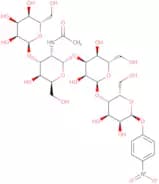
CAS:<p>4-Nitrophenyl O-(N-acetyl-a-neuraminosyl)-(2-3)-b-D-galactopyranosyl-(1-4)-b-D-glucopyranoside is a fluorescent substrate that can be used for the detection of β-galactosidase. It fluoresces when cleaved by β-galactosidase, which is an enzyme that catalyzes the hydrolysis of terminal galactose residues in the glycosidic linkage of β-galactosides. This product is an excellent substrate for use in chemiluminescence and bioluminescence assays. 4NPBG has been used to detect β-galactosidase activity in diverse environments, such as food testing, staining, fluorogenic substrate, environmental testing, chromogenic substrate, and conjugate. It is also used in diagnostics, ligand binding assays,</p>Purezza:Min. 95%Peso molecolare:754.64 g/mol5-Bromo-4-chloro-3-indoxyl nonanoate
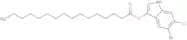
CAS:<p>5-Bromo-4-chloro-3-indoxyl nonanoate (5BCNI) is a chromogenic substrate for the detection of alkaline phosphatase. It is soluble in most organic solvents and is stable at room temperature for up to 30 days. 5BCNI has been shown to be a high quality, sensitive and specific substrate for the detection of alkaline phosphatase in culture media, diagnostics, conjugates, environmental testing and chemiluminescence. It has also been used as an enzyme substrate in bioluminescence studies. The CAS number for 5BCNI is 133950-77-3.</p>Formula:C17H21BrClNO2Peso molecolare:386.72 g/molRef: 3D-B-7410
5gPrezzo su richiesta10gPrezzo su richiesta25gPrezzo su richiesta-Unit-ggPrezzo su richiesta4-Nitrophenyl 6-O-(2,3,4,6-tetra-O-acetyl-a-D-mannopyranosyl)-2,3,4-tri-O-levulinoyl-a-D-mannopyranoside
<p>4-Nitrophenyl 6-O-(2,3,4,6-tetra-O-acetyl-a-D-mannopyranosyl)-2,3,4-tri-O-levulinoyl-a-D-mannopyranoside is a fluorogenic substrate that is used in assays for detecting nitrates. This compound reacts with 4-(methylnitrosamino)pyridine (MNAP) to produce an intense light that can be detected by a luminometer. It has been shown to react with the enzyme nitrate reductase and is used in food testing and environmental testing as a means of measuring the amount of nitrates present.</p>Purezza:Min. 95%Peso molecolare:925.84 g/mol4-Nitrophenyl 2-acetamido-3,4,6-tri-O-acetyl-2-deoxy-a-D-glucopyranoside
CAS:<p>4-Nitrophenyl 2-acetamido-3,4,6-tri-O-acetyl-2-deoxy-a-D-glucopyranoside is a synthetic compound with the ability to inhibit the enzyme glutamicum. It is a radionuclide that can be used as a focusing agent for gamma cameras and has been shown to be effective against corynebacterium glutamicum and other organisms. 4NP2AG was synthesized by reacting nitrophenol with acetamide in the presence of an acid catalyst and hydrogenating the product. The synthesis employs precession chemistry, which involves rotating a molecule around its axis at high speed to increase its concentration in one area. This treatment leads to a higher yield of desired product. 4NP2AG contains two acetamido groups on the glucopyranoside moiety, which are esterified with nitrophenol and acetic acid respectively. These moieties are</p>Purezza:Min. 95%Peso molecolare:468.41 g/mol4-Nitrophenyl b-D-cellohexaoside
CAS:<p>4-Nitrophenyl b-D-cellohexaoside is a substrate for many enzymes and can be used to detect the presence of these enzymes in biological samples. It can also be used to detect the presence of bacteria, fungi, parasites, and viruses. 4-Nitrophenyl b-D-cellohexaoside is an excellent substrate for enzyme reactions that produce a chromogenic or fluorogenic product. This product is often conjugated with other compounds such as antibodies or antigens to form an immunoassay. 4-Nitrophenyl b-D-cellohexaoside is made from a high purity chemical by a process called nitration with sodium nitrate and sulfuric acid.</p>Purezza:Min. 95%Peso molecolare:1,111.95 g/molAldol® 544 β-D-galactopyranoside, Biosynth Patent: EP 2427431 and US 8940909
CAS:<p>Aldol 544 beta-D-galactopyranoside is a chromogenic substrate for the detection of beta-galactosidase activity in food testing and diagnostics. Aldol 544 beta-D-galactopyranoside is used as a conjugate to detect the presence of an enzyme, such as beta-galactosidase, in biological samples. It has been used in environmental testing and as a fluorogenic substrate for the detection of β-galactosidase activity.</p>Formula:C33H33ClN2O7Purezza:Min. 95.0 Area-%Peso molecolare:605.08 g/molRef: 3D-A-4738_P00
1gPrezzo su richiesta5gPrezzo su richiesta10gPrezzo su richiesta2500mgPrezzo su richiesta-Unit-ggPrezzo su richiestaAldol® 518 myo-inositol-1-phosphate, Biosynth Patent: EP 2427431 and US 8940909
CAS:<p>Aldol® 518 myo-inositol-1-phosphate is a chromogenic and fluorogenic enzyme substrate used for detection of phosphatidyl-inositol specific phospholipase C activity (PI-PLC, EC 4.6.1.13). The colorless enzyme substrate is cleaved by PI-PLC or PI-PLC-positive microorganisms grown in liquid or solid media, yielding an intense red coloration. In combination with Aldol® 355 fluorescence enhancer, red fluorescence can also obtained. Aldol® 518 myo-inositol-1-phosphate is suitable for use in liquid and solid media, under aerobic as well as anaerobic conditions.</p>Formula:C29H30ClN2O10PPurezza:Min. 95.0 Area-%Peso molecolare:632.98 g/molRef: 3D-A-4775_P00
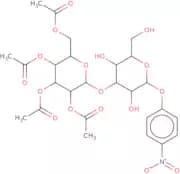
1gPrezzo su richiesta5gPrezzo su richiesta10gPrezzo su richiesta2500mgPrezzo su richiesta-Unit-ggPrezzo su richiesta4-Nitrophenyl b-D-cellobioside heptacetate
CAS:<p>4-Nitrophenyl b-D-cellobioside heptacetate is a fluorogenic substrate that is used in food testing and environmental testing. The product is an enzyme substrate that can be used as a conjugate to produce chemiluminescence or bioluminescence. 4-Nitrophenyl b-D-cellobioside heptacetate has CAS number 69948-03-4 and is of high purity and quality. It has been shown to have good fluorescence properties, which makes it ideal for use in fluorescence microscopy applications.</p>Purezza:Min. 95%Peso molecolare:757.65 g/mol2-Naphthyl 2-acetamido-3,4,6-tri-O-acetyl-2-deoxy-b-D-glucopyranoside
CAS:<p>2-Naphthyl 2-acetamido-3,4,6-tri-O-acetyl-2-deoxy-b-D-glucopyranoside is a fluorogenic substrate that is used in food testing as well as environmental testing. It has been shown to be a ligand for the enzyme beta-galactosidase. This product is also a chemiluminescent and bioluminescent substrate that can be used in diagnostics and culture media.</p>Purezza:Min. 95%Peso molecolare:473.47 g/molAldol® 457 β-D-galactopyranoside, Biosynth Patent: EP 2427431 and US 8940909
CAS:<p>Aldol 457 Beta-D-galactopyranoside is a chromogenic substrate for beta-galactosidase, which is an enzyme that catalyzes the hydrolysis of the terminal galactose residue in D-galactose to form D-galactitol and D-glucose. Aldol 457 Beta-D-galactopyranoside is used as a reagent for the detection of beta-galactosidase activity in biological samples, such as cultured cells or tissues, and has been shown to be a ligand in binding studies with Galectin 1. This product is also used in diagnostic applications such as food testing, culture media, fluorogenic substrates, environmental testing and more.</p>Formula:C24H28N2O8Purezza:Min. 95.0 Area-%Peso molecolare:472.49 g/molRef: 3D-A-4726_P00
1gPrezzo su richiesta5gPrezzo su richiesta10gPrezzo su richiesta2500mgPrezzo su richiesta-Unit-ggPrezzo su richiesta2-Nitrophenyl 2-acetamido-3,4,6-tri-O-acetyl-2-deoxy-b-D-glucopyranoside
CAS:<p>2-Nitrophenyl 2-acetamido-3,4,6-tri-O-acetyl-2-deoxy-b-D-glucopyranoside is a chromogenic substrate used to detect and measure the activity of glycosidase enzymes. Glycosidases are enzymes that hydrolyze glycosidic bonds in carbohydrates, and are produced by many organisms. The substrate is cleaved by glycosidase to release a chromophore, which can be quantified via spectrophotometry analysis. 2-Nitrophenyl 2-acetamido-3,4,6-tri-O-acetyl-2-deoxy-b-D-glucopyranoside is widely used in various applications, including enzyme kinetics studies, inhibitor screening, and the detection of NAGase activity in biological samples, such as serum, urine, and cell lysates. It is also used for the identification and characterization of glycosidases in microorganisms and the study of glycosylation-related processes in cells and tissues.</p>Purezza:Min. 95%Peso molecolare:468.41 g/mol4-Nitrophenyl 2-azido-2-deoxy-a-D-galactopyranoside
CAS:<p>4-Nitrophenyl 2-azido-2-deoxy-a-D-galactopyranoside is a superior chromogenic substrate for the precise determination of alpha-D-galactosidase enzyme activity. This substrate features a unique 2-azido moiety providing enhanced sensitivity and specificity in biochemical assays. Upon enzymatic cleavage, it releases the highly fluorescent compound 4-nitrophenol, which simplifies quantification and tracking of enzyme activity in applications such as drug discovery, genetic studies, and enzyme inhibition assays.</p>Purezza:Min. 95%Colore e forma:White PowderPeso molecolare:326.26 g/mol5-Bromo-6-chloro-3-indolyl b-D-cellobiopyranoside
<p>5-Bromo-6-chloro-3-indolyl b-D-cellobiopyranoside is a fluorogenic substrate for the enzyme β-glucuronidase. It is used in diagnostic applications such as food testing, bacterial culture media and environmental testing. The product has CAS number: 123591-77-0.</p>Purezza:Min. 95%5-Bromo-6-chloro-3-indolyl b-D-glucuronide
CAS:<p>5-Bromo-6-chloro-3-indolyl b-D-glucuronide (5BCIG) is an antibiotic that inhibits bacterial growth by binding to the DNA gyrase and topoisomerase IV, which are enzymes that maintain the integrity of bacterial DNA. 5BCIG is detectable in tissues, and quantified in blood. It encodes a protein to the cell cytoplasm. The sensitivity of 5BCIG against clostridium perfringens was found to be 10 times higher than that of penicillin G or erythromycin. 5BCIG has optimal activity against clostridium perfringens when expressed functionally as a polypeptide.</p>Formula:C14H13BrClNO7Purezza:Min. 95%Peso molecolare:422.61 g/mol4-Nitrophenyl 6'-deoxy-6'-(2-pyridylamino)-a-D-penta-(1-4)-glucopyranoside
CAS:<p>4-Nitrophenyl 6'-deoxy-6'-(2-pyridylamino)-a-D-penta-(1-4)-glucopyranoside is a fluorescent substrate for the enzyme beta glucosidase. It is a chemiluminescent reagent that can be used to measure beta glucosidase activity. The substrate is an excellent high quality chemical and has been tested for environmental safety, heavy metal content and staining. 4-Nitrophenyl 6'-deoxy-6'-(2-pyridylamino)-a-D-penta-(1-4)-glucopyranoside is a chromogenic substrate that can be used in diagnostic testing, such as bioluminescence or fluorogenic assay. This product can also be used as a culture media additive or food testing agent.</p>Purezza:Min. 95%Peso molecolare:1,025.91 g/mol2-Nitrophenyl 2-acetamido-3,6-di-O-acetyl-4-O-[2-O-(2,3,4-tri-O-benzoyl-a-L-fucopyranosyl)]-2-deoxy-b-D-glucopyranoside
<p>2-Nitrophenyl 2-acetamido-3,6-di-O-acetyl-4-O-[2-O-(2,3,4-tri-O-benzoyl-a-L-fucopyranosyl)]--2-deoxy--bDglucopyranoside is an acylated glucopyranoside that is used as a substrate for the enzyme β -galactosidase. When hydrolyzed by β -galactosidase, it yields a blue product that has been widely used in chemiluminescence and bioluminescence assays. It also can be used for staining and ligand binding studies.</p>Purezza:Min. 95%Peso molecolare:884.83 g/mol4-Nitrophenyl 4-O-(2,3,4,6-tetra-O-acetyl-b-D-galactopyranosyl)-2,3,6-tri-O-acetyl-b-D-thioglucopyranoside
CAS:<p>4-Nitrophenyl 4-O-(2,3,4,6-tetra-O-acetyl-b-D-galactopyranosyl)-2,3,6-tri-O-acetyl-b-D-thioglucopyranoside is a superior chromogenic substrate for the detection of enzymes. Specifically designed for optimal performance, it provides exquisite sensitivity and definitive results in enzyme assays. Its exceptional properties make it a top choice among researchers and professionals in biochemistry, enabling accurate analysis and quantification of enzymatic activities.</p>Purezza:Min. 95%Peso molecolare:773.71 g/molOctyl 4-nitrophenyl hexyl phosphonate
CAS:<p>Octyl 4-nitrophenyl hexyl phosphonate is a lipase suicide inhibitor that is a chromogenic substrate for lipases which upon enzymatic action, binds irreversibly to the lipase and inactivates it. The substrate can be used for the determination of active sites in lipases, especially in lipases preferring hydrophobic leaving groups.</p>Purezza:Min. 95%Peso molecolare:399.462-Chloro-4-nitrophenyl a-D-fucopyranoside
CAS:<p>2-Chloro-4-nitrophenyl a-D-fucopyranoside (CNPF) is a chromogenic enzyme substrate used primarily to detect fucosidase activity. CNPF is cleaved by the enzyme, which results in the release of a colored product that can be measured spectrophotometrically. Fucosidases are important enzymes that catalyze the hydrolysis of fucose-containing oligosaccharides, and CNPF is a commonly used substrate for the detection and quantification of these enzymes in various research studies.</p>Purezza:Min. 95%Peso molecolare:319.69 g/mol4-Nitrophenyl 6-O-trityl-a-D-glucopyranoside
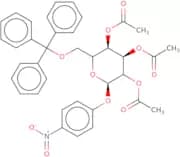
CAS:<p>4-Nitrophenyl 6-O-trityl-a-D-glucopyranoside is a high-quality trityl pNP substrate that performs excellently in various enzymatic assays. Containing a trityl-protected sugar moiety, this substrate is perfect for investigating alpha-D-glucopyranoside-specific enzymes and providing precise data for your experiments.</p>Purezza:Min. 95%Peso molecolare:543.56 g/mol6-Chloro-1H-indol-3-yl b-D-mannopyranoside
CAS:<p>6-Chloro-1H-indol-3-yl b-D-mannopyranoside is an enzyme substrate that is used in the fluorogenic and chromogenic assays for detecting indoleamines. This compound has a conjugate, which is a fluorescent molecule that can be attached to an antibody to target specific proteins or cells. 6-Chloro-1H-indol-3-yl b-D-mannopyranoside is used as a diagnostic agent in the detection of bacterial and fungal infections. It is also used as an indicator of cell growth in culture media.</p>Purezza:Min. 95%Peso molecolare:329.73 g/mol2-Chloro-4-nitrophenyl b-D-lactoside
CAS:<p>2-Chloro-4-nitrophenyl b-D-galactopyranoside is a chromogenic enzyme substrate used to study the activity of beta-lactoside. It produces a yellow color when cleaved by the enzyme, making it a useful tool in enzyme assays and screening experiments.</p>Purezza:Min. 95%Colore e forma:PowderPeso molecolare:497.83 g/molAldol® 455 β-D-glucopyranoside - Biosynth Patent: EP 2427431 and US 8940909
<p>Aldol® 455 is a substrate for the enzyme beta-galactosidase. It is used in food testing, staining, and environmental testing. Aldol® 455 has been shown to be a good substrate for fluorogenic and chromogenic substrates. It can be conjugated with an antibody or other ligand for use in immunoassays. Aldol® 455 is of high purity and high quality, making it suitable for use in diagnostics and as an enzyme substrate. This product can also be used as a culture media additive.</p>Purezza:Min. 95%4-Nitrophenyl D-maltopentaoside
CAS:<p>Chromogenic substrate targeting amylase and maltase</p>Formula:C36H55NO28Purezza:Min. 95%Peso molecolare:949.81 g/mol4-Nitrophenyl (N-acetyl-a-neuraminosyl)-(2,3)-O-b-D-galactopyranosyl-(1,3)-2-acetamido-2-deoxy-b-D-galactopyranoside
CAS:<p>4-Nitrophenyl (N-acetyl-a-neuraminosyl)-(2,3)-O-b-D-galactopyranosyl-(1,3)-2-acetamido-2-deoxy-b-D-galactopyranoside is a fluorogenic substrate that is used in the detection of enzyme activity. It reacts with a specific enzyme to produce light. This product has been shown to be useful for detecting β -galactosidase, β -glucuronidase, α -mannosidase, and lactose permeases. The product is also used in the diagnosis of urinary tract infections and other diseases. This product is not intended for use in humans or animals.</p>Purezza:Min. 95%Peso molecolare:795.7 g/mol4-Nitrophenyl 4,6-benzylidene-2-O-(2,3,4,6-tetra-O-[4-methoxybenzyl]-a-D-glucopyranosyl)-a-D-glucopyranoside
<p>4-Nitrophenyl 4,6-benzylidene-2-O-(2,3,4,6-tetra-O-[4-methoxybenzyl]-a-D-glucopyranosyl)-a-D-glucopyranoside is a fluorogenic substrate that is used in diagnostic assays to measure the activity of enzymes such as β–galactosidase and β–glucuronidase. It is also an enzyme substrate for culture media and chemiluminescence. This product has a CAS number of 57316-92-8.</p>Purezza:Min. 95%Peso molecolare:1,088.02 g/mol3-Indolyl-b-D-cellobioside
CAS:<p>3-Indolyl-b-D-cellobioside is a fluorogenic substrate for alkaline phosphatase. It can be used in food testing, environmental testing, and diagnostics. 3-Indolyl-b-D-cellobioside is a chromogenic substrate for beta-galactosidase. It can be used in staining and enzyme substrates. 3-Indolyl-b-D-cellobioside is also a ligand for alkaline phosphatase. It can be used in conjugates and chemiluminescence or bioluminescence reactions. 3-Indolyl -b -D -cellobioside is a high purity product with high quality standards that are suitable for use in culture media.br>br><br>3 - Indolyl - b - D - cellobioside <br>CAS No . 914912 - 14 - 4 <br>Food testing <br>St</p>Purezza:Min. 95%Peso molecolare:457.43 g/mol4-Nitrophenyl 2-acetamido-4-O-(2-acetamido-3,4,6-tri-O-acetyl-2-deoxy-b-D-glucopyranosyl)-3,6-di-O-acetyl-2-deoxy-b-D-glucopyranosid e
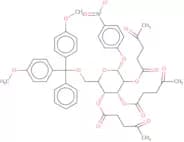
CAS:<p>4-Nitrophenyl 2-acetamido-4-O-(2-acetamido-3,4,6-tri-O-acetyl-2-deoxy-b-D-glucopyranosyl)-3,6-di-O -acetyl2 deoxy b D glucopyranosid e is a chemiluminescence substrate that reacts with hydrogen peroxide to produce light. It is used in diagnostics for the detection of bacterial and fungal cultures. The reaction between 4NPAA and hydrogen peroxide generates light at 540 nm. This product has been tested for purity and quality using various methods including culture media, environmental testing, bioluminescence, staining, fluorogenic substrate, enzyme substrate, food testing and conjugate.</p>Purezza:Min. 95%Peso molecolare:755.68 g/mol4-Nitrophenyl 2,3,4-tri-O-levulinoyl-a-D-mannopyranoside
<p>4-Nitrophenyl 2,3,4-tri-O-levulinoyl-a-D-mannopyranoside is a fluorogenic substrate that contains a reactive group of 2,3,4-tri-O-levulinoyl. This compound can be used to measure the activity of enzymes such as beta-glucosidase and alpha-galactosidase. 4NP2OMP is an excellent ligand for metal ions and has been shown to bind to copper in the presence of ATP. 4NP2OMP can also be used as a diagnostic agent for measuring the activity of bacterial beta-glucosidase and alpha galactosidase.</p>Purezza:Min. 95%Peso molecolare:595.55 g/mol4-Nitrophenyl 3,6-di-O-(a-D-mannopyranosyl)-b-D-mannopyranoside
<p>4-Nitrophenyl 3,6-di-O-(a-D-mannopyranosyl)-b-D-mannopyranoside is a chemiluminescent substrate that is used in the detection of enzymes. It is also used to measure the activity of beta-glucosidase, alpha-galactosidase, and alkaline phosphatase. The product has been tested for environmental sensitivity and has not shown any effects on bacterial growth. 4-Nitrophenyl 3,6-di-O-(a-D-mannopyranosyl)-b-D-mannopyranoside can be used as a high quality stain for histological sections and immunohistochemical studies. This product has been tested for staining properties with different dyes and has shown no interference with the staining process.</p>Purezza:Min. 95%Peso molecolare:625.53 g/mol4-Nitrophenyl 2-acetamido-2-deoxy-4-O-[2-O-(a-L-fucopyranosyl)-b-D-galactopyranosyl]-b-D-glucopyranoside
CAS:<p>The 4-Nitrophenyl 2-acetamido-2-deoxy-4-O-[2-O-(a-L-fucopyranosyl)-b-D-galactopyranosyl]-b-D-glucopyranoside is a specialized pNP enzyme substrate designed to study fucosyl-galactose-dependent enzymes. This chromogenic substrate is valuable for researchers investigating glycosyltransferase activity, structure-function relationships of glycan-binding proteins, and regulation of cellular signaling pathways involving fucose modifications. Its high specificity and sensitivity ensure accurate measurements in diverse experimental setups, and its chromogenic detection system facilitates rapid and reliable analysis.</p>Purezza:Min. 95%Peso molecolare:650.58 g/mol4-Nitrophenyl 3-O-(2,3,4,6-tetra-O-acetyl-a-D-mannopyranosyl)-2-O-benzoyl-4,6-O-benzylidene-a-D-mannopyranoside
<p>4-Nitrophenyl 3-O-(2,3,4,6-tetra-O-acetyl-a-D-mannopyranosyl)-2-O-benzoyl-4,6-O-benzylidene a -D-mannopyranoside is a synthetic substrate for glycosidases that can be used as an alternative to other substrates. It can be used in the detection of enzyme activity and in the diagnosis of diseases such as diabetes mellitus and Gaucher's disease. 4NP3ODABAB has been shown to have high quality and purity. This substrate has not been evaluated by CAS yet.</p>Purezza:Min. 95%Peso molecolare:823.75 g/mol4-Nitrophenyl b-D-glucuronide sodium salt
CAS:<p>4-Nitrophenyl b-D-glucuronide sodium salt is a high-quality chromogenic substrate specifically designed for the colorimetric detection and measurement of β-glucuronidase activity. Upon enzymatic cleavage, it releases the yellow 4-nitrophenol, enabling quantitative analysis via spectroscopy. This compound is conveniently provided as a sodium salt to ensure enhanced solubility, stability, and shelf life. It is an ideal choice for biochemical, research, and diagnostic applications requiring a reliable and efficient b-D-glucuronide substrate.</p>Purezza:Min. 95%Peso molecolare:337.21 g/mol5-Bromo-3-indolyl β-D-glucuronide cyclohexylammonium
CAS:<p>chromogenic substrate for beta-glucuronidase</p>Formula:C14H14BrNO7•C6H13NPurezza:Min. 95%Colore e forma:PowderPeso molecolare:487.34 g/mol2,4-Dinitrophenyl 2-acetamido-2-deoxy-b-D-glucopyranoside
<p>2,4-Dinitrophenyl 2-acetamido-2-deoxy-b-D-glucopyranoside is a fluorogenic substrate for use in diagnostic testing. It reacts with the enzyme β -galactosidase to produce a blue color. This product is used as an indicator of β -galactosidase activity in bacterial cultures or as an indicator of the presence of this enzyme in food or other materials. It can be used to detect and measure the level of β -galactosidase in a sample. The reaction can be monitored by measuring light emission at 450 nm.<br>2,4-Dinitrophenyl 2 acetamido 2 deoxy b D glucopyranoside has a CAS number of 47868-87-0 and is available in high purity (>97%).</p>Purezza:Min. 95%Peso molecolare:387.31 g/mol4-Nitrophenyl b-D-thiomannopyranoside
CAS:<p>4-Nitrophenyl b-D-thiomannopyranoside acts as a substrate for β-mannosidase and thioglycoligase. Upon enzymatic cleavage, these substrates release 4-nitrophenol, a yellow chromophore that can be detected spectrophotometrically at 405 nm, facilitating quantitative measurements of enzymatic activity. Consequently, these substrates are widely used in biochemical research, clinical diagnostics, and drug discovery for evaluating the function of specific enzymes in various biological processes.</p>Purezza:Min. 95%Peso molecolare:317.32 g/molBCM® Histamine-producing bacteria Broth
<p>Histamine (Scombrotoxin) fish poisoning is the most frequent cause of fish poisoning incidents today. Cymit Quimica's BCM®; Histamine-producingbacteria Broth (C-0450) is a growth medium for the detection of histamine-producing bacteria in food and water samples. The medium contains an indicator that turns orange to red due to metabolites released by histidine decarboxylase.</p>Ref: 3D-C-0450
100gPrezzo su richiesta250gPrezzo su richiesta500gPrezzo su richiesta-Unit-ggPrezzo su richiestaS-(4-Nitrophenyl)mercapturic acid
CAS:<p>S-(4-Nitrophenyl)mercapturic acid (S-NPMA) is the major metabolite of 4-nitrophenol, which is a precursor to dyes and pharmaceuticals. S-NPMA has been detected in urine samples from humans, rats, and mice. The main metabolic pathway for S-NPMA is an oxidative conversion by cytochrome P450 enzymes. S-NPMA has been found to be a useful biomarker for the presence of polycyclic aromatic hydrocarbons in wastewater and human urine. The levels of this compound have also been shown to increase with age in humans.</p>Purezza:Min. 95%Peso molecolare:284.29 g/mol3-Nitrophenyl 2-acetamido-2-deoxy-b-D-glucopyranoside
CAS:<p>3-Nitrophenyl 2-acetamido-2-deoxy-b-D-glucopyranoside is a chemiluminescent substrate that is used for the detection of glycosidases. It has been shown to be a good ligand for the study of nucleic acid hybridization, and it can also be used in enzyme assays. 3NPPAG is available in high purity and high quality. This product has been tested for use in culture media, environmental testing, bioluminescence, staining, fluorogenic substrate, CAS No. 61894-63-1, diagnostics, chromogenic substrate, enzyme substrate, food testing and conjugate applications.</p>Purezza:Min. 95%4-Nitrophenyl 2-acetamido-3-O-(2-O-a-L-fucopyranosyl-b-D-galactopyranosyl)-2-deoxy-a-D-galactopyranoside
CAS:<p>4-Nitrophenyl 2-acetamido-3-O-(2-O-a-L-fucopyranosyl-b-D-galactopyranosyl)-2,6,8,10,12-pentaoxoheptaacetic acid is a chemiluminescent substrate that is used for the detection of peroxidase and other enzymes. The reaction product is a yellow fluorescent product which can be measured using a fluorometer. It is sold as an aqueous solution at 1mg/mL in phosphate buffer at pH 7.4.</p>Purezza:Min. 95%Peso molecolare:650.58 g/mol2-Nitrophenyl b-D-glucuronide
CAS:<p>2-Nitrophenyl-b-D-glucuronide is a chromogenic substrate used to detect the activity of beta-glucuronidase in various biological samples. Upon hydrolysis by the enzyme, the substrate releases 2-nitrophenol, which can be spectrophotometrically measured at 405 nm. The substrate is commonly used in clinical assays to evaluate liver and kidney function, as well as in drug metabolism studies. It is also used in environmental monitoring to assess the presence of microbial activity in soil and water samples. Overall, 2-Nitrophenyl-b-D-glucuronide is a widely used substrate with excellent sensitivity and specificity, making it a valuable tool in enzymology research and diagnostic testing.</p>Purezza:Min. 95%Colore e forma:Off-white solid.Peso molecolare:315.23 g/molN-Benzoyl-Val-Gly-Arg p-nitroanilide hydrochloride
CAS:<p>N-Benzoyl-Val-Gly-Arg p-nitroanilide hydrochloride is a fluorogenic substrate that can be used for the detection of β-glucuronidase. It has been shown to have high purity and quality, which makes it an excellent choice for use in food testing and staining.</p>Formula:C26H34N8O6•HClPurezza:Min. 95%Peso molecolare:591.06 g/mol2-Nitrophenyl 6-O-DMT-b-D-galactopyranoside
<p>N-Acetyl-2-nitrophenyl 6-O-DMT-b-D-galactopyranoside is a fluorogenic substrate that is used in enzyme and chromogenic assays, including the determination of aminoglycoside activity. This product has been shown to be suitable for detection of bacterial contamination in food products and environmental samples. N-Acetyl-2-nitrophenyl 6-O-DMT-b-D-galactopyranoside reacts with aminoglycosides at the O4 position, forming a fluorescent product that can be measured using a fluorometer.</p>Purezza:Min. 95%Peso molecolare:603.62 g/molAldol® 458 phosphate, disodium salt, Biosynth Patent: EP 2427431 and US 8940909
CAS:<p>Aldol® 458 phosphate is a chromogenic and fluorogenic enzyme substrate used for detection of phosphatase activity. The colorless enzyme substrate is cleaved by phosphatases secreted by bacteria grown in liquid media, yielding yellow color and green fluorescence. Aldol® 458 phosphate can also be used in assays involving phosphatase-coupled antibodies in immunoassay applications (ELISA). Aldol® 458 phosphate can be used under aerobic and anaerobic conditions.</p>Formula:C16H12NNa2O6PPurezza:Min. 95.0 Area-%Peso molecolare:391.22 g/molRef: 3D-A-4694_P00
1gPrezzo su richiesta5gPrezzo su richiesta10gPrezzo su richiesta2500mgPrezzo su richiesta-Unit-ggPrezzo su richiesta2-Nitrophenyl 2,3,4-tri-O-acetyl-b-D-galactopyranoside
CAS:<p>2-Nitrophenyl 2,3,4-tri-O-acetyl-b-D-galactopyranoside is a fluorogenic substrate that can be used to detect β-galactosidase activity. This specific substrate is one of the most commonly used substrates for detecting β-galactosidase activity in diagnostic assays. It reacts with the enzyme to produce a blue color and has a fluorescence emission maximum at about 480 nm. The product is available in high purity and high quality and it is also an enzyme substrate.</p>Purezza:Min. 95%Peso molecolare:427.36 g/mol4-Nitrophenyl 2,3,4,6-tetra-O-acetyl-a-D-galactopyranoside
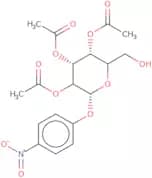
CAS:<p>4-Nitrophenyl 2,3,4,6-tetra-O-acetyl-a-D-galactopyranoside is a chemiluminescent substrate that is used as a fluorescence indicator for the detection of β-galactosidase activities. This substrate has been shown to be useful for the detection of β-galactosidase in various types of samples such as culture media, environmental testing and food testing. 4NPTAG can also be used to detect β-galactosidase activity using fluorogenic substrates or chromogenic substrates. The enzyme activity can be detected by measuring the change in absorbance at 410 nm and the increase in luminescence at 460 nm.</p>Formula:C20H23NO12Purezza:Min. 95%Colore e forma:PowderPeso molecolare:469.4 g/mol4-Nitrophenyl trimethylacetate
CAS:<p>4-Nitrophenyl trimethylacetate is a cytosolic proteinase inhibitor. It binds to the active site of trypsin and other enzymes that hydrolyze peptide bonds, thereby inhibiting the activity of these enzymes. 4-Nitrophenyl trimethylacetate has been shown to inhibit soybean trypsin, which has led to its use as a model system for studying enzyme inhibition. The binding site on 4-Nitrophenyl trimethylacetate is competitive with respect to substrate binding but not with respect to the enzyme's catalytic triad. This inhibitor also has a high buffer capacity and can be used in low pH systems.</p>Purezza:Min. 95%Peso molecolare:223.23 g/mol4-Nitrophenyl 2,6-di-O-benzoyl-a-D-galactopyranoside
CAS:<p>4-Nitrophenyl 2,6-di-O-benzoyl-a-D-galactopyranoside is a specialized chromogenic substrate for the accurate evaluation of α-galactosidase activity. Upon enzymatic hydrolysis, it generates the chromophore 4-nitrophenol, which can be conveniently quantified by absorbance spectroscopy. The substrate features a unique benzoylated galactopyranoside moiety for enhanced selectivity and compound stability. This high-quality substrate is perfect for various research, analytical, and diagnostic applications involving α-galactosidase detection or quantification.</p>Purezza:Min. 95%Peso molecolare:509.46 g/mol2-Nitrophenyl 2-acetamido-3,4,6-tri-O-acetyl-2-deoxy-a-D-glucopyranoside
CAS:<p>2-Nitrophenyl 2-acetamido-3,4,6-tri-O-acetyl-2-deoxy-a-D-glucopyranoside is a chromogenic substrate commonly used in enzyme assays for the detection and quantification of enzyme activity. It is a colorless substrate that is enzymatically converted into a yellowish product, the intensity of which is directly proportional to the enzyme activity present in the sample.</p>Purezza:Min. 95%Peso molecolare:468.41 g/molNaphthol AS-BI b-D-glucopyranoside
CAS:<p>Naphthol AS-BI b-D-glucopyranoside is a substrate for enzymes such as β-glucosidase and β-glycosidase. It has been used in diagnostic tests to detect the presence of amylase, lipase, α-amylase, or maltase in urine and feces. In biochemistry, naphthol AS-BI b-D-glucopyranoside is often used as a chromogenic or fluorogenic substrate for the detection of β-galactosidases and other glycosidases. This product has also been used in the detection of bacteria in culture media. Naphthol AS-BI b-D-glucopyranoside is a high quality reagent that can be used for chemiluminescence experiments, food testing, and environmental testing.</p>Purezza:Min. 95%Peso molecolare:534.35 g/mol4-Bromo-2-nitrophenyl b-D-galactopyranoside
<p>4-Bromo-2-nitrophenyl b-D-galactopyranoside is a chemiluminescent substrate that reacts with an excess of luciferase to produce light. It is used as a reagent in the detection of ATP, NADH, and other compounds in biochemistry and biology. 4-Bromo-2-nitrophenyl b-D-galactopyranoside is also used in diagnostic kits for detecting bacterial or fungal contamination in food.</p>Formula:C12H14BrNO8Purezza:Min. 95%Peso molecolare:380.15 g/mol4-Nitrophenyl b-D-cellopentaoside hexadecaacetate
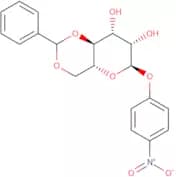
CAS:<p>4-Nitrophenyl b-D-cellopentaoside hexadecaacetate is a fluorogenic substrate that is used to study the activity of various enzymes. It reacts with hydrolytic enzymes in the presence of hydrogen peroxide to produce light, and it can be used for food testing, environmental testing, and diagnostics. 4-Nitrophenyl b-D-cellopentaoside hexadecaacetate is a conjugate of 4-nitrophenol and cellobiose pentaacetate that has a high purity and high quality. The CAS number for this compound is 129411-66-1.</p>Purezza:Min. 95%Peso molecolare:1,622.4 g/mol4-Nitrophenyl 4,6-O-benzylidene-b-D-glucopyranoside
CAS:<p>4-Nitrophenyl 4,6-O-benzylidene-b-D-glucopyranoside is a fluorescent compound that is used in diagnostics and research. The compound is an enzyme substrate, a ligand for metal ions, and a chromogenic substrate. It can be used to test cultures of bacteria in culture media, as well as for food testing and environmental testing. 4-Nitrophenyl 4,6-O-benzylidene-b-D-glucopyranoside has high purity and quality due to its high fluorescence intensity. This product has been shown to be highly stable in various conditions and may be used in conjugates with other compounds.</p>Purezza:Min. 95%Peso molecolare:389.36 g/mol4-Nitrophenyl 2-acetamido-3-O-(3,4,6-tri-O-acetyl-2-deoxy-2-phthalimido-b-D-glucopyranosyl)-2-deoxy-4,6-O-4-methoxybenzylidene-a-D-g alactopyranoside
<p>4-Nitrophenyl 2-acetamido-3-O-(3,4,6-tri-O-acetyl-2-deoxy-2-phthalimido-b-D-glucopyranosyl)-2-deoxy--4,6--O--4--methoxybenzylidene--a--D--galactopyranoside is a chemiluminescent substrate for the enzyme beta galactosidase. It reacts with this enzyme to form 4 nitrophenol and acetamide. 4 Nitrophenyl 2 acetamido 3 O (3,4,6 tri O acetyl 2 deoxy 2 phthalimido b D glucopyranosyl) 2 deoxy 4 6 O 4 methoxybenzylidene a D galactopyranoside is used as a chromogenic substrate in diagnostics and as an environmental testing agent. It can be used as an imaging</p>Purezza:Min. 95%Peso molecolare:877.8 g/mol4-Nitrophenyl 2-O-(2,3,4,6-tetra-O-acetyl-a-D-mannopyranosyl)-a-D-mannopyranoside
<p>4-Nitrophenyl 2-O-(2,3,4,6-tetra-O-acetyl-a-D-mannopyranosyl)-a-D-mannopyranoside is a fluorogenic substrate that is used as a diagnostic tool and can be used to detect the presence of β--glucosidase in the gut. It is also used as a conjugate with enzymes such as peroxidase or alkaline phosphatase for use in enzyme catalyzed reactions. The product has been shown to be active against a variety of bacteria, including Staphylococcus aureus and Escherichia coli. This product has been shown to produce chemiluminescence when incubated with horseradish peroxidase and hydrogen peroxide. This product is light sensitive and should be stored at room temperature away from direct sunlight.</p>Purezza:Min. 95%Peso molecolare:631.54 g/mol4-Nitrophenyl 2-acetamido-3-O-(2,3,4,6-tetra-O-acetyl-b-D-galactopyranosyl)-2-deoxy-a-D-galactopyranoside
CAS:<p>4-Nitrophenyl 2-acetamido-3-O-(2,3,4,6-tetra-O-acetyl-b-D-galactopyranosyl)-2-deoxy-a-D-galactopyranoside is a chromogenic substrate designed for the detection and quantification of enzyme activity. This tetra-acetylated compound is specifically designed to be cleaved by enzymes, releasing a yellow 4-nitrophenol product that can be easily measured spectrophotometrically, allowing for accurate and sensitive analysis of enzyme kinetics and inhibition studies.</p>Purezza:Min. 95%Peso molecolare:672.59 g/mol4-Nitrophenyl 2-acetamido-3-O-acetyl-2-deoxy-b-D-glucopyranoside
CAS:<p>4-Nitrophenyl 2-acetamido-3-O-acetyl-2-deoxy-b-D-glucopyranoside is a fluorogenic substrate for the enzyme acetylcholinesterase. It can be used in food testing, environmental testing and diagnostics. 4NP2A2DGBG is a high purity, high quality product with a CAS number of 23262-57-9.</p>Purezza:Min. 95%Peso molecolare:384.34 g/molN-a-Boc-N-ε-cbz-L-lysine 4-nitroanilide
CAS:<p>N-a-Boc-N-epsilon-cbz-L-lysine 4-nitroanilide is a compound that has been shown to regulate the production of angiotensin. It also acts as an inhibitor for the production of fibronectin, which is key in the regulation of inflammation and wound healing. N-a-Boc-N-epsilon-cbz-L-lysine 4 nitroanilide has been shown to be a trifunctional molecule and can yield three different products: oxychlorides, hydrated and solvates. This molecule also regulates phosphorus levels. There are many functions that this molecule performs, including binding with amino acids and regulating their function, which is why it is so important to study this molecule more closely.</p>Purezza:Min. 95%Peso molecolare:500.54 g/mol4-Nitrophenyl 2,3,4,6-tetra-O-acetyl-b-D-thiogalactopyranoside
CAS:<p>4-Nitrophenyl 2,3,4,6-tetra-O-acetyl-b-D-thiogalactopyranoside (NPG) is a fluorogenic substrate that can be used in the detection of beta-galactosidase activity. It reacts with 4-nitrophenol to form an orange product at pH 6.0. The fluorescence intensity increases with increasing concentrations of the substrate and enzyme. The reaction is inhibited by borax, which competes for the enzyme active site. This product has been used as a chromogenic substrate for beta-galactosidase and as an enzyme substrate for beta-galactosidase in diagnostic tests for galactosemia and other carbohydrate metabolism disorders. NPG has also been used in chemiluminescent assays to detect beta-galactosidase activity in culture media and as a bioluminescence substrate in the detection of bacterial</p>Purezza:Min. 95%Peso molecolare:485.47 g/molAldol® 470 L-pyroglutamic acid amide, Biosynth Patent: EP 2427431 and US 8940909
CAS:Prodotto controllato<p>Aldol® 470 L-pyroglutamic acid amide is a chromogenic and fluorogenic enzyme substrate used for detection of pyrrolidonyl peptidase (PYRase) activity. The colorless enzyme substrate is cleaved by PYRase-producing bacteria grown in liquid or solid media, yielding orange color. In addition, green fluorescence is generated when a suitable matrix is present, such as, the surface of cellulose acetate filters, polypropylene tubes or microplates, and polyethylene vials. Aldol® 470 L-pyroglutamic acid amide is suitable for use under aerobic and anaerobic conditions.</p>Formula:C28H25N3O5Purezza:Min. 95%Colore e forma:PowderPeso molecolare:483.52 g/mol4-Nitrophenyl 2-O-(2,3,4,6-tetra-O-acetyl-b-D-glucopyranosyl)-4,6-O-benzylidene-b-D-glucopyranoside
CAS:<p>4-Nitrophenyl 2-O-(2,3,4,6-tetra-O-acetyl-b-D-glucopyranosyl)-4,6-O-benzylidene-b-D-glucopyranoside is a compound that is used in gene expression profiling. It has been shown to be an effective inhibitor of glutamicum and corynebacterium glutamicum. 4NPBG can inhibit the production of acid molecules by blocking the activity of cytochrome P450 enzymes in the cells of these bacteria. The compound also inhibits cellular transport and membrane transport genes in these species. This inhibition prevents the synthesis of nucleic acid molecules such as RNA and DNA.</p>Purezza:Min. 95%Peso molecolare:719.64 g/mol4-Nitrophenyl 3,4,6-tri-O-acetyl-b-D-galactopyranoside
CAS:<p>4-Nitrophenyl 3,4,6-tri-O-acetyl-b-D-galactopyranoside is a nucleic acid molecule that has been synthesized by recombinant expression in Corynebacterium glutamicum. It is a photosynthetic molecule and can be used to study the molecular basis of photosynthesis. The 4-nitrophenyl group on the sugar moiety confers resistance to degradation by nucleases. 4NP3,4,6GalAc has been shown to be capable of binding to proteins and polypeptides that are important for photosynthesis. This compound also has marginalizing effects on C. glutamicum strains that are used as expression vectors for recombinant protein production.</p>Purezza:Min. 95%Peso molecolare:427.36 g/mol2-Nitrophenyl 6-O-trityl-b-D-galactopyranoside
CAS:<p>2-Nitrophenyl 6-O-trityl-b-D-galactopyranoside is a chromogenic enzyme substrate used in assays to detect galactosidase activity. It is a derivative of galactose that can be hydrolyzed by galactosidase to release the yellow-colored 2-nitrophenyl group, which can be detected spectrophotometrically. The trityl group helps to stabilize the molecule and prevent undesired hydrolysis during storage. This substrate is commonly used in the study of carbohydrate metabolism and in the detection of galactosidase activity in microorganisms.</p>Purezza:Min. 95%Peso molecolare:543.56 g/mol4-Nitrophenyl 2-O-(α-L-fucopyranosyl)-β-D-galactopyranoside
CAS:<p>4-Nitrophenyl 2-O-(α-L-fucopyranosyl)-β-D-galactopyranoside is a chromogenic enzymatic substrate for the detection and quantification of glycosidases, such as fucosidases and galactosidases. Upon enzymatic cleavage, the substrate releases the p-nitrophenol chromophore, which can be quantified via colorimetric analysis. This pNP-conjugated compound enables the rapid, sensitive, and high-throughput detection of enzyme activity in various applications, including enzymatic assays, inhibitor screening, and mechanistic studies. Its precise specificity for α-L-fucopyranosyl and β-D-galactopyranoside moieties makes it an excellent tool for advancing research in glycobiology and related fields.</p>Formula:C18H25NO12Purezza:Min. 95%Colore e forma:White Off-White PowderPeso molecolare:447.39 g/mol4-Nitrophenyl b-D-celloheptaoside
CAS:<p>Chromogenic substrate targeting cellulase</p>Purezza:Min. 95%Peso molecolare:1,274.09 g/mol5-Bromo-3-indolyl decanoate
CAS:<p>5-Bromo-3-indolyl decanoate (BID) is a chromogenic enzyme substrate often used for the detection of lipase activity. It is hydrolyzed by lipase to produce a blue-violet product, which can be detected visually or by spectrophotometry. BID is particularly useful for the detection of microbial lipases in food and environmental samples. It is commonly used in a wide range of biochemical, biological, and environmental testing applications that require precise lipase enzyme analysis.</p>Formula:C18H24BrNO2Purezza:Min. 95%Colore e forma:PowderPeso molecolare:366.29 g/molN-(4-Nitrophenyl)-D-glucopyranosylamine
<p>N-(4-Nitrophenyl)-D-glucopyranosylamine is a conjugate that is used in food testing, environmental testing, and diagnostics. It is a fluorogenic substrate that reacts with the enzyme glucose oxidase to produce a yellow color. This product has high purity and quality and CAS No. 553-03-6. It also has bioluminescence properties.</p>Purezza:Min. 95%2-Nitrophenyl 2-acetamido-2-deoxy-a-D-galactopyranoside
CAS:<p>2-Nitrophenyl 2-acetamido-2-deoxy-a-D-galactopyranoside is a fluorogenic substrate that is used in enzyme assays. It can be used as a chromogenic substrate or conjugate with an enzyme to detect the presence of glucose.</p>Purezza:Min. 95%Peso molecolare:342.3 g/mol4-Nitrophenyl 2,3,4-tri-O-acetyl-6-O-(2,3,4,6-tetra-O-[4-methoxybenzyl]-a-D-glucopyranosyl)-a-D-glucopyranoside
<p>Introducing our 4-Nitrophenyl 2,3,4-tri-O-acetyl-6-O-(2,3,4,6-tetra-O-[4-methoxybenzyl]-a-D-glucopyranosyl)-a-D-glucopyranoside, an advanced chromogenic pNP enzyme substrate designed for high performance and superior results. This cutting-edge substrate ensures excellent outcomes in various enzymatic assays, including glycosidase and glycosyltransferase, due to its unique composition and significant sensitivity. Offering rapid color development and clear visualization, this substrate is perfect for research or industrial applications.</p>Purezza:Min. 95%Peso molecolare:1,126.03 g/molAldol® 515 L-proline amide, hydrochloride, Biosynth Patent: EP 2427431 and US 8940909
CAS:<p>Aldol® 515 L-proline amide is a chromogenic and fluorogenic enzyme substrate used for detection of L-proline aminopeptidase activity. The colorless enzyme substrate is cleaved by L-proline aminopeptidase produced by microorganisms grown in liquid or solid media, yielding red-orange color. In addition, red fluorescence signals are generated when a fluorescence enhancer or a suitable matrix is present. Aldol® 515 L-proline amide is suitable for use under aerobic and anaerobic conditions.</p>Formula:C28H29ClN4O2Purezza:Min. 95.0 Area-%Peso molecolare:489.02 g/mol5-Bromo-6-chloro-3-indoxyl choline phosphate
CAS:<p>5-Bromo-6-chloro-3-indoxyl choline phosphate is a chemiluminescent substrate for the detection of bacterial activity. It reacts with an enzyme, luciferase, which is present in a variety of living cells. The reaction produces light. This product has been tested for environmental and food safety by the manufacturer. 5-Bromo-6-chloro-3-indoxyl choline phosphate is used as a diagnostic tool to determine the presence of bacteria in humans, animals, and plants. It can be used to measure levels of bacteria in culture media, water samples, and food products. 5-Bromo-6-chloro-3-indoxyl choline phosphate can also be used as a substrate for enzymes such as phosphatases or esterases that catalyze reactions with substrates with brominated or chlorinated groups.</p>Formula:C13H17BrClN2O4PPurezza:Min. 95%Peso molecolare:411.63 g/mol4-Nitrophenyl 2-O-(a-D-mannopyranosyl)-a-D-mannopyranoside
CAS:<p>4-Nitrophenyl 2-O-(a-D-mannopyranosyl)-a-D-mannopyranoside is a chromogenic substrate for the enzyme, beta-glucosidase. It is used as a food additive to test for the presence of alpha and beta glucosidases in foods. This product is also commonly used as an enzyme substrate and conjugate in biochemical research and diagnostic applications.</p>Purezza:Min. 95%Colore e forma:White To Off-White SolidPeso molecolare:463.39 g/mol4-Nitrophenyl 4,6-benzylidene-3-O-(2,3,4,6-tetra-O-[4-methoxybenzyl]-a-D-glucopyranosyl)-a-D-glucopyranoside
<p>4-Nitrophenyl 4,6-benzylidene-3-O-(2,3,4,6-tetra-O-[4-methoxybenzyl]-a-D-glucopyranosyl)-a-D-glucopyranoside is a chemiluminescent substrate used for the detection of various enzymes. This substrate is commonly used in enzyme assays to measure the activity of β-galactosidase, α-amylase, and β-lactamase. The product can be used in diagnostic applications such as food testing and bacterial identification.</p>Purezza:Min. 95%Peso molecolare:1,088.02 g/mol5-Bromo-3-indolyl a-D-mannopyranoside
<p>5-Bromo-3-indolyl a-D-mannopyranoside is a chromogenic substrate that is used as an enzyme substrate for various spectrophotometric, fluorometric, or chemiluminescent assays. The 5-bromo group of the dye reacts with the active site of an enzyme to form a product that can be measured by spectrophotometry. This product can also be used as a fluorescent indicator in the presence of luciferase and ATP. 5-Bromo-3-indolyl a-D-mannopyranoside is also used to estimate bacterial counts during culture media preparation and it has been shown to inhibit the growth of Gram negative bacteria such as E. coli and Pseudomonas aeruginosa. This compound does not contain any heavy metals or toxic substances and it is highly soluble in water. It has been found to have no adverse effects on humans and other animals at concentrations up to 100</p>Formula:C14H16BrNO6Purezza:Min. 95%Peso molecolare:374.18 g/mol4-Nitrophenyl 2-acetamido-3-O-[2-O-(2,3,4-tri-O-benzoyl-a-L-fucopyranosyl)-3,4,6-tri-O-acetyl-2-deoxy-D-galactopyranosyl]-b-D-glucop yranoside
<p>4-Nitrophenyl 2-acetamido-3-O-[2-O-(2,3,4-tri-O-benzoyl-a-L-fucopyranosyl)-3,4,6-tri-O-acetyl-2 deoxy -D-galactopyranosyl]-b D glucopyranoside is a fluorescent substrate for the enzyme β galactosidase. It can be used to test for β galactosidase activity in food products, environmental samples and diagnostics. 4NPFAPG is a conjugate of 4 nitrophenol and 2 acetamido 3 O-[2 O-(2,3,4 tri O benzoyl a L fucopyranosyl) 3,4 6 tri O acetyl 2 deoxy D galactopyranosyl] b D glucopyranose. 4NPFAPG is water soluble and has</p>Purezza:Min. 95%Peso molecolare:1,089.01 g/mol5-Bromo-4-chloro-3-indolyl 2-acetamido-2-deoxy-a-D-galactopyranoside
CAS:<p>Substrate for a-N-acetyl-galactosaminidase</p>Formula:C16H18BrClN2O6Purezza:Min. 95%Colore e forma:White to off-white solid.Peso molecolare:449.68 g/mol4-Nitrophenyl 2-O-(2,3,4-tri-O-acetyl-b-L-fucopyranosyl)-6-O-benzoyl-a-D-galactopyranoside
CAS:<p>4-Nitrophenyl 2-O-(2,3,4-tri-O-acetyl-b-L-fucopyranosyl)-6-O-benzoyl-a-D-galactopyranoside is a chemiluminescent substrate with a CAS number of 104341548. It is used as a fluorescent probe for the detection of alpha amylase, beta amylase and glucose oxidase. It can be used to detect bacteria in food. This substrate can be used in the diagnostic industry and is an important component for the production of various enzymes.</p>Purezza:Min. 95%Peso molecolare:677.61 g/mol4-Nitrophenyl 3-O-(2,3,4,6-tetra-O-acetyl-a-D-mannopyranosyl)-2-O-benzoyl-a-D-mannopyranoside
CAS:<p>4-Nitrophenyl 2,3,4,6-tetra-O-acetyl-b-D-glucopyranoside enzyme substrate is a versatile and reliable reagent for measuring glucosidase activity. It is an ideal substrate for use in assays to detect β-glucosidase activity in a variety of applications, including for in vitro and in vivo studies, and it has been widely used in the pharmaceutical and biotechnology industries. This chromogenic pNP enzyme substrate is designed for effective and precise analysis with good sensitivity and low background signals.</p>Purezza:Min. 95%Peso molecolare:735.64 g/mol4-Nitrophenyl 2,3,4-tri-O-acetyl-a-D-glucopyranoside
<p>4-Nitrophenyl 2,3,4-tri-O-acetyl-a-D-glucopyranoside is a high quality chemical used in the development of various diagnostic and research applications. It is also used in the production of enzymatic substrates for enzyme activity assays. 4NPTAG is a chromogenic substrate that produces chemiluminescence when it reacts with an oxidizing agent and has been shown to be very effective as a fluorogenic substrate for protein kinases. This compound has been shown to bind to ligands and can be used as a bioluminescent reporter for molecular biology applications. The CAS number for this product is 54973-14-0.</p>Purezza:Min. 95%Peso molecolare:427.36 g/mol4-Nitrophenyl lacto-N-tetraoside
CAS:<p>4-Nitrophenyl lacto-N-tetraoside is a chromogenic substrate for enzymes that cleave lactose-specific linkages, such as beta-galactosidases. Upon enzyme cleavage, the pNP group is released, resulting in a yellow-colored solution that can be spectrophotometrically quantified at 405 nm. This substrate is commonly used in detecting lactose hydrolysis activity, such as in dairy industry for production optimization studies, or in microbiology for bacterial lactose fermentation assays. Its tetrasaccharide structure resembles that of lactose and makes it a specific substrate for lactose-utilizing enzymes. The properties of 4-nitrophenyl lacto-N-tetraoside make it a useful tool in enzyme kinetics studies and screening of new lactose-utilizing microorganisms.</p>Purezza:Min. 95%Peso molecolare:828.72 g/mol4-Nitrophenyl 2,3,4-tri-O-acetyl-6-O-trityl-a-D-glucopyranoside
<p>4-Nitrophenyl 2,3,4-tri-O-acetyl-6-O-trityl-a-D-glucopyranoside is a substrate for chemiluminescent assays. It is a high quality chemical that can be used in environmental testing, staining, ligand binding and bioluminescence. 4NP2T6AODG is used as a chromogenic substrate or fluorogenic substrate to detect the presence of enzymes in diagnostics and food testing. This product has CAS No. 67794-14-0 and can be purchased at high purity.</p>Purezza:Min. 95%Peso molecolare:669.67 g/molAldol® 515 propionate, Biosynth Patent: EP 2427431 and US 8940909
CAS:<p>Aldol® 515 propionate is a chromogenic substrate that is used as a reagent in food testing, diagnostics, and environmental testing. It reacts with an enzyme to form a fluorescent product that can be detected with a spectrophotometer. The substrate has been shown to have high purity and high quality.</p>Formula:C26H24N2O3Purezza:Min. 95.0 Area-%Peso molecolare:412.48 g/molRef: 3D-A-4736_P00
1gPrezzo su richiesta5gPrezzo su richiesta10gPrezzo su richiesta2500mgPrezzo su richiesta-Unit-ggPrezzo su richiestaAldol® 515 N-glutaryl-L-phenylalanine amide potassium salt, Biosynth Patent: EP 2427431 and US 8940909
CAS:<p>Aldol® 515 N-glutaryl-L-phenylalanine amide is a chromogenic and fluorogenic enzyme substrate used for detection of L-glutamate-phenylalanine (GluPhe)-specific peptidase activity. The colorless enzyme substrate is cleaved the GluPhe-specific peptidase, yielding development of orange-red coloration. In addition, red fluorescence is generated when Aldol® 355 fluorescence enhancer or a suitable matrix is present. Aldol® 515 N-glutaryl-L-phenylalanine amide can be used in enzyme assays and live bacterial cultures. Aldol® 515 N-glutaryl-L-phenylalanine amide is suitable for use in liquid and solid media, under aerobic as well as anaerobic conditions.</p>Formula:C37H35KN4O5Purezza:Min. 95.0 Area-%Peso molecolare:654.80 g/molRef: 3D-A-4763_P00
1gPrezzo su richiesta5gPrezzo su richiesta10gPrezzo su richiesta2500mgPrezzo su richiesta-Unit-ggPrezzo su richiestaAldol® 484 β-D-galactopyranoside, Biosynth Patent: EP 2427431 and US 8940909
CAS:<p>Aldol® 484 beta-D-galactopyranoside is a chromogenic enzyme substrate for beta-galactosidase activity. The colorless product is cleaved by lactose-utilizing bacteria in liquid or solid media, yielding intense red color. Aldol® 484 beta-D-galacto-pyranoside can also be used in beta-gal reporter gene assays or for identification of beta-gal positive transformants on agar. Aldol® 484 beta-D-galactopyranoside can be used under aerobic and anaerobic conditions.</p>Formula:C26H24ClFN2O7Purezza:Min. 95.0 Area-%Peso molecolare:530.93 g/molRef: 3D-A-4697_P00
1gPrezzo su richiesta5gPrezzo su richiesta10gPrezzo su richiesta2500mgPrezzo su richiesta-Unit-ggPrezzo su richiesta5-Bromo-6-chloro-3-indolyl palmitate
CAS:<p>5-Bromo-6-chloro-3-indolyl palmitate is a magenta enzyme substrate that is widely used in the study of lipase and esterase enzymes. This compound consists of an indole ring with bromine and chlorine atoms at positions 5 and 6, respectively, and a palmitate moiety esterified to the indolyl ring. The palmitate group is a long-chain fatty acid, making this substrate particularly useful for investigating enzymes that hydrolyze ester bonds in lipids. Upon cleavage by lipases or esterases, 5-Bromo-6-chloro-3-indolyl palmitate releases a magenta-colored product, which can be easily detected and quantified to measure enzyme activity.</p>Purezza:Min. 95%Peso molecolare:484.9 g/mol4-Methyl-2-nitrophenyl b-D-galactopyranoside
<p>4-Methyl-2-nitrophenyl b-D-galactopyranoside is a fluorogenic substrate for β-galactosidase. It has a high purity and is of high quality. 4-Methyl-2-nitrophenyl b-D-galactopyranoside is used as an enzyme substrate in diagnostics, as a chromogenic substrate in staining, and as a conjugate in chemiluminescence. It can be used for the detection of β-galactosidase in culture media and for the detection of β-galactosidase in environmental testing. This chemical also has bioluminescent properties that make it useful for food testing.</p>Purezza:Min. 95%Peso molecolare:315.28 g/mol4-Nitrophenyl 4,6-O-benzylidene-a-D-mannopyranoside
CAS:<p>4-Nitrophenyl 4,6-O-benzylidene-a-D-mannopyranoside is a chromogenic substrate for alpha-mannosidase and beta-glucosidase. It is used as a diagnostic tool for identifying the presence of these enzymes in certain bacteria. This product is also used in food testing, environmental testing, and bioluminescence.</p>Purezza:Min. 95%Peso molecolare:389.36 g/mol4-Nitrophenyl 2-acetamido-3-azido-2,3-dideoxy-b-D-galactopyranoside
<p>4-Nitrophenyl 2-acetamido-3-azido-2,3-dideoxy-b-D-galactopyranoside is a fluorogenic substrate for beta-galactosidase. It has been used in the detection of beta-galactosidase activity in culture media, and for the detection of beta-galactosidase activity in environmental samples. 4NPAG can be conjugated to a variety of molecules, including antibodies, proteins, nucleotides, and oligonucleotides. 4NPAG can be used as an enzyme substrate for both chromogenic and fluoroquinolone substrates.</p>Purezza:Min. 95%1-Naphthyl 2-acetamido-2-deoxy-b-D-glucopyranoside
CAS:<p>1-Naphthyl 2-acetamido-2-deoxy-b-D-glucopyranoside is a chromogenic substrate commonly used to assay the activity of enzymes that cleave N-acetyl-beta-D-glucosaminide, such as beta-N-acetylglucosaminidase. Upon cleavage by the enzyme of interest, the substrate releases a yellow-colored 1-naphthylamine, which can be measured spectrophotometrically. This substrate is widely used in biomedical research and drug discovery for studying lysosomal storage disorders, bacterial infections, and neurological diseases.</p>Purezza:Min. 95%Peso molecolare:347.36 g/mol5-Bromo-6-chloro-3-indoxyl nonanoate
CAS:<p>5-Bromo-6-chloro-3-indoxyl nonanoate is a chemical compound that is used in the detection of bioluminescence. It is a substrate for enzymes, such as luciferase, and can be used to measure the amount of light emitted during the reaction. The CAS number for this molecule is 682802-80-8.</p>Purezza:Min. 95%Peso molecolare:386.71 g/mol4-Nitrophenyl 6-O-DMT-2,3,4-tri-O-levulinoyl-a-D-mannopyranoside
<p>4-Nitrophenyl 6-O-DMT-2,3,4-tri-O-levulinoyl-a-D-mannopyranoside is a fluorogenic substrate that can be used for the detection of DMT (dihydroxyacetone) in food products. It has been shown to be an excellent alternative to the more commonly used 4,5′,6,7,8,-Tetrabromoindoxyl 3′,5′,6′,-tetraacetic acid (TBA). This product is also used as a chromogenic substrate for the determination of phenols in environmental testing and as a ligand conjugate for immunohistochemistry staining. The purity of this product is guaranteed and it has been tested extensively.</p>Purezza:Min. 95%Peso molecolare:897.92 g/mol4-Nitrophenyl 3-O-(2,3,4,6-tetra-O-acetyl-b-D-glucopyranosyl)-b-D-glucopyranoside
<p>4-Nitrophenyl 3-O-(2,3,4,6-tetra-O-acetyl-b-D-glucopyranosyl)-b-D-glucopyranoside is a chromogenic substrate that is used to test for the presence of an enzyme. It reacts with the enzyme to produce a light signal that can be detected by a spectrophotometer. The CAS number for this compound is 832476-41-8. This compound has been tested and found to be of high quality and purity. 4NP3OBG is also suitable for use in culture media, food testing, and as a fluorogenic substrate.</p>Purezza:Min. 95%Peso molecolare:631.54 g/mol4-Nitrophenyl 3-O-(2,3,4,6-tetra-O-acetyl-a-D-mannopyranosyl)-2,4-di-O-benzoyl-b-D-mannopyranoside
CAS:<p>4-Nitrophenyl 3-O-(2,3,4,6-tetra-O-acetyl-a-D-mannopyranosyl)-2,4-di-O-benzoyl-b-D-mannopyranoside is a bioactive metabolite that can be found in the gene expression profile of a human genome. It has been shown to have an effect on gene expression levels and cellular function. This metabolite is found in the environment and has been shown to be mediated by environmental factors. The high level of gene expression has been shown to be due to its ability to bind to DNA.</p>Purezza:Min. 95%Peso molecolare:839.75 g/mol4-Nitrophenyl 2,3,4-tri-O-acetyl-b-D-glucuronide methyl ester
CAS:<p>4-Nitrophenyl 2,3,4-tri-O-acetyl-b-D-glucuronide methyl ester is a fluorescent substrate for the beta-glucuronidase enzyme. It can be used to detect the presence of this enzyme in bacteria and other microorganisms by means of fluorometric or colorimetric assays. It has been shown to have an excellent stability in a variety of culture media and food testing applications. This product is available in high purity and quality, with a CAS number of 18472-49-6.</p>Purezza:Min. 95%Peso molecolare:455.37 g/mol4-Nitrophenyl 2,3,4,6-tetra-O-acetyl-b-D-glucopyranoside
CAS:<p>4-Nitrophenyl 2,3,4,6-tetra-O-acetyl-β-D-glucopyranoside is a versatile chromogenic substrate designed for the detection and quantification of various glycosidase enzymes. This substrate is widely used in enzyme assays, producing a yellow color upon cleavage by target enzymes. The 4-Nitrophenol released in this reaction can be easily monitored spectrophotometrically, allowing for rapid and accurate enzyme analysis. This high-quality substrate provides a convenient and reliable tool for researchers in biochemistry, enzymology, and related fields.</p>Formula:C20H23NO12Purezza:Min. 95 Area-%Colore e forma:PowderPeso molecolare:469.4 g/molAldol® 515 β-D-xylopyranoside, Biosynth Patent: EP 2427431 and US 8940909
CAS:<p>Aldol® 515 beta-D-xylopyranoside is a chromogenic substrate that is used in food testing. It is an alternative to the more common glucose and sucrose, which are not suitable for some types of assays. Aldol® 515 beta-D-xylopyranoside is also used in diagnostics as a ligand for fluorescent antibody staining and chemiluminescence assays. It has been shown to increase the sensitivity of these tests by up to 10 times. The substrate has been tested extensively and is safe for use with a wide range of bacteria including E. coli, S. typhimurium, M. tuberculosis, and C. albicans at concentrations up to 100 mM without any inhibitory effects on growth or viability.<br>END>.</p>Formula:C28H34N2O6Purezza:Min. 95.0 Area-%Peso molecolare:494.59 g/molRef: 3D-A-4754_P00
1gPrezzo su richiesta5gPrezzo su richiesta10gPrezzo su richiesta2500mgPrezzo su richiesta-Unit-ggPrezzo su richiesta4-Nitrophenyl 6-O-(a-D-glucopyranosyl)-a-D-glucopyranoside
CAS:<p>4-Nitrophenyl 6-O-(a-D-glucopyranosyl)-a-D-glucopyranoside is an advanced chromogenic pNP enzyme substrate that delivers unparalleled performance in enzymatic assays. This high-quality substrate is specifically designed for studying glycosidases and other enzymes involved in carbohydrate metabolism. Our 4-Nitrophenyl 6-O-(a-D-glucopyranosyl)-a-D-glucopyranoside is synthesized with the highest quality materials to provide incredible accuracy and reliability in your research applications.</p>Purezza:Min. 95%Peso molecolare:463.39 g/mol4-Chloro-3-indoxyl-1,3-diacetate
CAS:<p>4-Chloro-3-indoxyl-1,3-diacetate is a chromogenic substrate used in the identification of bile acids. It reacts with 4-chlorophenol to form a red dye. This compound is also used as a ligand for metal ions.</p>Formula:C12H10ClNO3Peso molecolare:251.67 g/molRef: 3D-C-4848
1kgPrezzo su richiesta100gPrezzo su richiesta250gPrezzo su richiesta500gPrezzo su richiesta-Unit-ggPrezzo su richiesta2,4-Dinitrophenyl 2-deoxy-2-fluoro-b-D-xylopyranoside
CAS:<p>2,4-Dinitrophenyl 2-deoxy-2-fluoro-b-D-xylopyranoside (DNFX) is a transglycosylation reagent that can be used to inactivate enzymes that catalyze the synthesis of xylosides. DNFX undergoes a covalent reaction with these enzymes and inhibits them by binding to the active site. DNFX catalyses the reaction between xylose and nucleophiles such as hydroxide ions, thiols, or amines. DNFX also has a catalytic effect on electrospray ionization and can be used for the detection of nucleophile activity.</p>Purezza:Min. 95%Colore e forma:White PowderPeso molecolare:318.21 g/mol


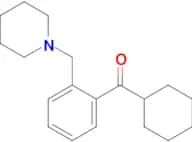
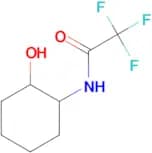

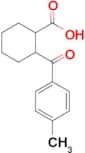
![3-[[3,5-Bis(trifluoromethyl)phenyl]amino]-4-[[(1S,2S)-2-(1-pyrrolidinyl)cyclohexyl]amino]-3-cyclob…](/_next/image/?url=https%3A%2Fstatic.cymitquimica.com%2Fproducts%2F10%2Fthumb-webp%2FF616091.webp&w=3840&q=75)
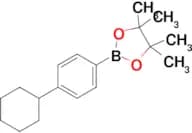
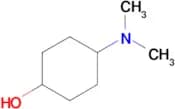
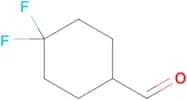
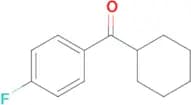

![(1S,2S)-2-(1,3-dioxo-1,3-dihydro-2H-benzo[f]isoindol-2-yl)cyclohexane-1-carboxylic acid](/_next/image/?url=https%3A%2Fstatic.cymitquimica.com%2Fproducts%2F10%2Fthumb-webp%2FF775200.webp&w=3840&q=75)
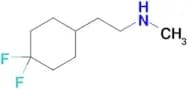
![(2s,4s)-4-Cyclohexyl-1-{[(9h-fluoren-9-yl)methoxy]carbonyl}pyrrolidine-2-carboxylic acid](/_next/image/?url=https%3A%2Fstatic.cymitquimica.com%2Fproducts%2F10%2Fthumb-webp%2FF640607.webp&w=3840&q=75)
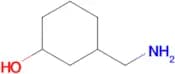
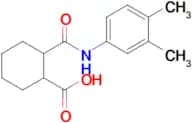
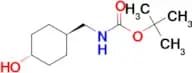
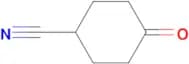
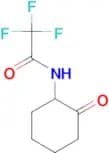
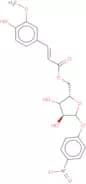


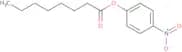
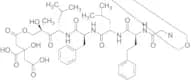

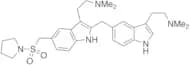
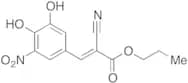
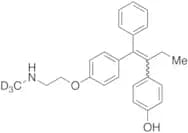

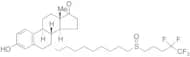
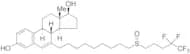
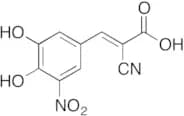


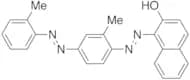
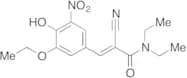
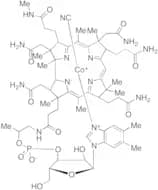
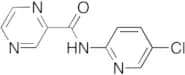
![3-[[(5-Chloro-2-pyridinyl)amino]carbonyl]-2-pyrazinecarboxylic Acid](/_next/image/?url=https%3A%2Fstatic.cymitquimica.com%2Fproducts%2FTR%2Fthumb-webp%2FC373435.webp&w=3840&q=75)
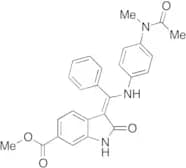

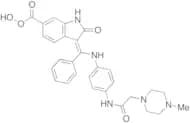
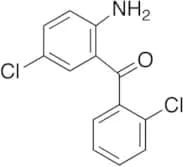
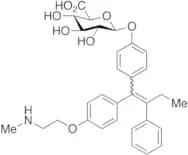
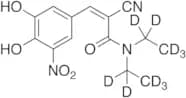

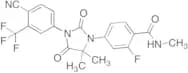
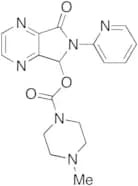

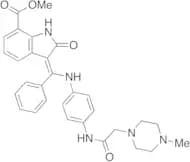
![(R)- 3-[(1-Methyl-2-pyrrolidinyl)methyl]-1H-Indole](/_next/image/?url=https%3A%2Fstatic.cymitquimica.com%2Fproducts%2FTR%2Fthumb-webp%2FM326810.webp&w=3840&q=75)


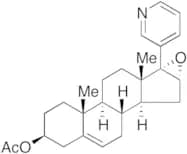
![7-[9-[[9-[(4,4,5,5,5-Pentafluoropentyl)sulfinyl]nonyl]sulfinyl]nonyl]estra-1,3,5(10)-triene-3,17β](/_next/image/?url=https%3A%2Fstatic.cymitquimica.com%2Fproducts%2FTR%2Fthumb-webp%2FP227275.webp&w=3840&q=75)
![(3Z)-2,3-Dihydro-3-[[[4-(methylamino)phenyl]amino]phenylmethylene]-2-oxo-1H-Indole-6…](/_next/image/?url=https%3A%2Fstatic.cymitquimica.com%2Fproducts%2FTR%2Fthumb-webp%2FD492443.webp&w=3840&q=75)
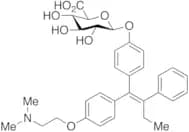
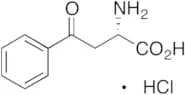
![2-[4-[(2RS)-2-Hydroxy-3-[(1-methylethyl)amino]propoxy]phenyl]acetonitrile; (Atenolol Impurity H)](/_next/image/?url=https%3A%2Fstatic.cymitquimica.com%2Fproducts%2FTR%2Fthumb-webp%2FH946505.webp&w=3840&q=75)
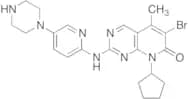
![N-[4-(Aminocarbonyl)-3-fluorophenyl]-2-methylalanine Methyl Ester](/_next/image/?url=https%3A%2Fstatic.cymitquimica.com%2Fproducts%2FTR%2Fthumb-webp%2FA603165.webp&w=3840&q=75)

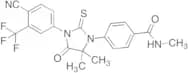

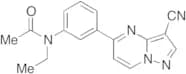

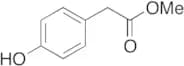
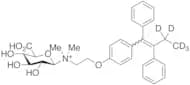
![(alphaE)-α-[(3,4-Dihydroxy-5-nitrophenyl)methylene]-β-oxo-1-piperidinepropanenitrile](/_next/image/?url=https%3A%2Fstatic.cymitquimica.com%2Fproducts%2FTR%2Fthumb-webp%2FD454135.webp&w=3840&q=75)
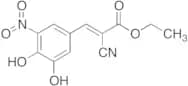
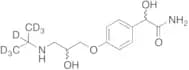
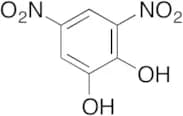

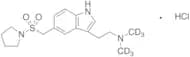

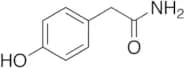


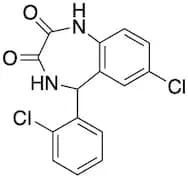
![N-[4-[[(Z)-(1,2-Dihydro-2-oxo-3H-indol-3-ylidene)phenylmethyl]amino]phenyl]-N,4-dimethyl-1-piperaz…](/_next/image/?url=https%3A%2Fstatic.cymitquimica.com%2Fproducts%2FTR%2Fthumb-webp%2FD452513.webp&w=3840&q=75)


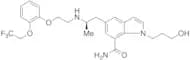
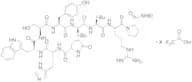


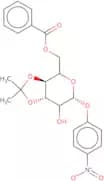
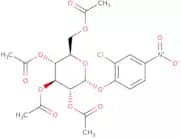
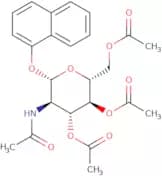

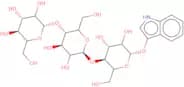
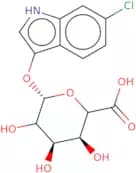
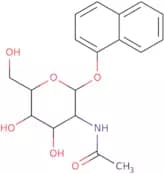
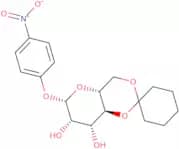


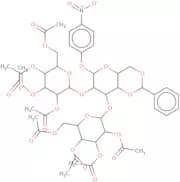
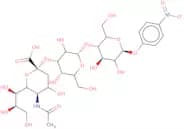

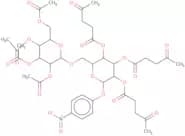
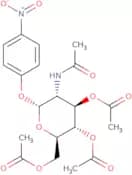


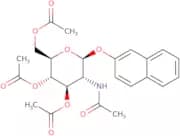


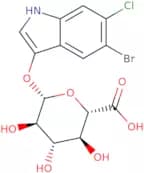
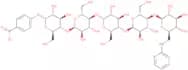
![2-Nitrophenyl 2-acetamido-3,6-di-O-acetyl-4-O-[2-O-(2,3,4-tri-O-benzoyl-a-L-fucopyranosyl)]-2-deox…](/_next/image/?url=https%3A%2Fstatic.cymitquimica.com%2Fproducts%2F3D%2Fthumb-webp%2FEN04919.webp&w=3840&q=75)
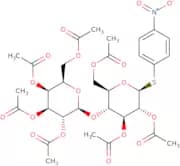


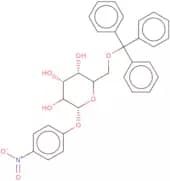

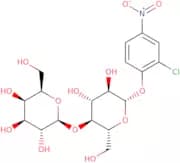

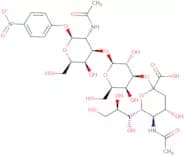
![4-Nitrophenyl 4,6-benzylidene-2-O-(2,3,4,6-tetra-O-[4-methoxybenzyl]-a-D-glucopyranosyl)-a-D-gluco…](/_next/image/?url=https%3A%2Fstatic.cymitquimica.com%2Fproducts%2F3D%2Fthumb-webp%2FEN04828.webp&w=3840&q=75)


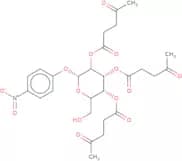
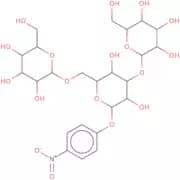
![4-Nitrophenyl 2-acetamido-2-deoxy-4-O-[2-O-(a-L-fucopyranosyl)-b-D-galactopyranosyl]-b-D-glucopyra…](/_next/image/?url=https%3A%2Fstatic.cymitquimica.com%2Fproducts%2F3D%2Fthumb-webp%2FEN04931.webp&w=3840&q=75)
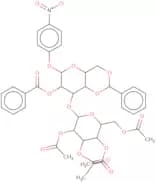
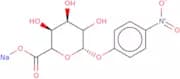

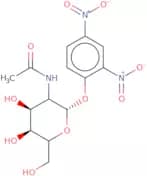
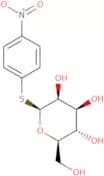


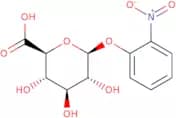
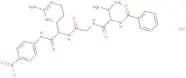
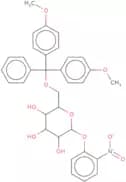

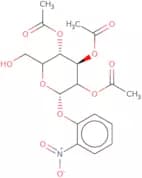

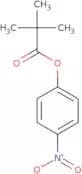

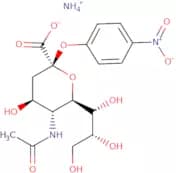
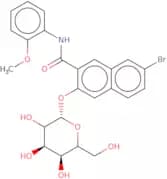
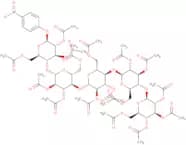
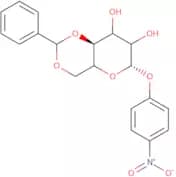
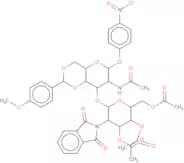
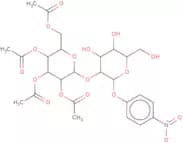
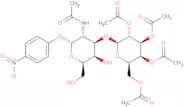
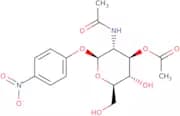
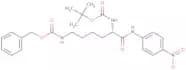
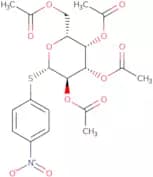


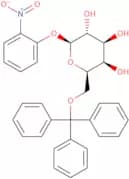
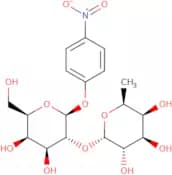

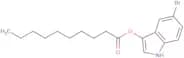

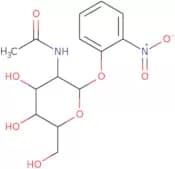
![4-Nitrophenyl 2,3,4-tri-O-acetyl-6-O-(2,3,4,6-tetra-O-[4-methoxybenzyl]-a-D-glucopyranosyl)-a-D-gl…](/_next/image/?url=https%3A%2Fstatic.cymitquimica.com%2Fproducts%2F3D%2Fthumb-webp%2FEN04817.webp&w=3840&q=75)


![4-Nitrophenyl 4,6-benzylidene-3-O-(2,3,4,6-tetra-O-[4-methoxybenzyl]-a-D-glucopyranosyl)-a-D-gluco…](/_next/image/?url=https%3A%2Fstatic.cymitquimica.com%2Fproducts%2F3D%2Fthumb-webp%2FEN04840.webp&w=3840&q=75)