Altri
Trovati 6275 prodotti di "Altri"
Ordinare per
Purezza (%)
0
100
|
0
|
50
|
90
|
95
|
100
Aldol® 515 palmitate, Biosynth Patent: EP 2427431 and US 8940909
CAS:<p>Aldol® 515 palmitate is a high quality, non-toxic and water soluble chromogenic substrate for enzymes. It is used to detect the presence of lipase activity due to yielding a red color.</p>Formula:C39H50N2O3Purezza:Min. 95%Colore e forma:PowderPeso molecolare:594.83 g/mol4-Nitrophenyl 2-acetamido-3,4,6-tri-O-acetyl-2-deoxy-b-D-glucopyranoside
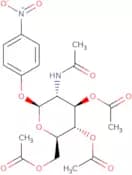
CAS:<p>4-Nitrophenyl 2-acetamido-3,4,6-tri-O-acetyl-2-deoxy-b-D-glucopyranoside is an extracellular nucleic acid molecule that is produced by the bacterium Corynebacterium glutamicum. This compound has been shown to inhibit cancer cells by blocking the transport of glucose through the cell membrane and may be a potential drug target for cancer treatment. 4NPTAPG has also been shown to have diagnostic properties and can identify corynebacterium glutamicum strains. It is a fluorescent molecule that can be used to detect the presence of this bacterium in culture media.</p>Purezza:Min. 95%Peso molecolare:468.41 g/mol1-Naphthyl 2-acetamido-2-deoxy-b-D-glucopyranoside
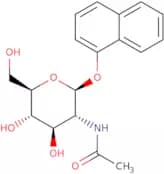
CAS:<p>1-Naphthyl 2-acetamido-2-deoxy-b-D-glucopyranoside is a chromogenic substrate commonly used to assay the activity of enzymes that cleave N-acetyl-beta-D-glucosaminide, such as beta-N-acetylglucosaminidase. Upon cleavage by the enzyme of interest, the substrate releases a yellow-colored 1-naphthylamine, which can be measured spectrophotometrically. This substrate is widely used in biomedical research and drug discovery for studying lysosomal storage disorders, bacterial infections, and neurological diseases.</p>Purezza:Min. 95%Peso molecolare:347.36 g/molb-Naphthyl-b-maltotrioside
<p>b-Naphthyl-b-maltotrioside is a fluorogenic substrate that is used in enzymatic and chromogenic assays. It is a bifunctional substrate that reacts with enzymes to produce light. b-Naphthyl-b-maltotrioside can be used as a conjugate for immunoassays, such as ELISA. This substrate is also suitable for use in diagnostics, food testing, and environmental testing.</p>Purezza:Min. 95%Peso molecolare:630.59 g/mol6-Chloro-3-indolyl phosphate disodium salt
CAS:<p>6-Chloro-3-indolyl phosphate disodium salt is a substrate for visualising alkaline phosphatase activity. It produces a red colored insoluble end product that is detected visually, when used together with nitroblue tetrazolium. The substrate system is versatile and functions in a variety of applications, including Northern, Southern, and Western blotting, in situ hybridization, ELISAs and immunohistochemistry. DMF soluble.</p>Formula:C8H5ClNNa2O4PPurezza:Min. 98 Area-%Colore e forma:PowderPeso molecolare:291.54 g/mol4-Nitrophenyl O-(N-acetyl-a-neuraminosyl)-(2-6)-b-D-galactopyranosyl-(1-4)-2-acetamido-2-deoxy-b-D-glucopyranoside
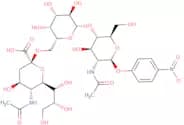
CAS:<p>4-Nitrophenyl O-(N-acetyl-a-neuraminosyl)-(2-6)-b-D-galactopyranosyl-(1-4)-2-acetamido-2-deoxy-b-D-glucopyranoside is a fluorogenic substrate used in the detection of sialidase activity. It is also used as a chromogenic substrate in the determination of β -galactosidase activity.</p>Purezza:Min. 95%Colore e forma:White PowderPeso molecolare:795.7 g/mol2-Nitrophenyl 2,3,4,6-tetra-O-acetyl-b-D-galactopyranoside
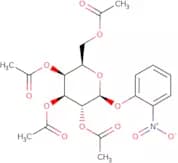
CAS:<p>2-Nitrophenyl 2,3,4,6-tetra-O-acetyl-b-D-galactopyranoside is a fluorescent substrate for β-galactosidase. It is used in food testing, environmental testing and diagnostics. This substrate is also used to detect the presence of β-galactosidase activity in cells and tissues.<br>2NPTABG provides a fluorescence signal that can be detected with an ultraviolet light or a luminometer. The luminescence intensity decreases when it reacts with β-galactosidase enzyme.<br>This product has a CAS number of 3053-17-6 and is available at high purity levels.</p>Purezza:Min. 95%Peso molecolare:469.4 g/mol[2-Methoxy-4-(2-nitrovinyl)phenyl] b-D-glucopyranoside
CAS:<p>[2-Methoxy-4-(2-nitrovinyl)phenyl] beta-D-galactopyranoside is a chromogenic substrate (505 nm) for β-glucosidase.</p>Purezza:Min. 95%Peso molecolare:357.31 g/mol5-Bromo-6-chloro-3-indoxyl choline phosphate
CAS:<p>5-Bromo-6-chloro-3-indoxyl choline phosphate is a chemiluminescent substrate for the detection of bacterial activity. It reacts with an enzyme, luciferase, which is present in a variety of living cells. The reaction produces light. This product has been tested for environmental and food safety by the manufacturer. 5-Bromo-6-chloro-3-indoxyl choline phosphate is used as a diagnostic tool to determine the presence of bacteria in humans, animals, and plants. It can be used to measure levels of bacteria in culture media, water samples, and food products. 5-Bromo-6-chloro-3-indoxyl choline phosphate can also be used as a substrate for enzymes such as phosphatases or esterases that catalyze reactions with substrates with brominated or chlorinated groups.</p>Formula:C13H17BrClN2O4PPurezza:Min. 95%Peso molecolare:411.63 g/mol2-Nitrophenyl 2,3,4-tri-O-acetyl-β-D-xylopyranoside
CAS:<p>2-Nitrophenyl 2,3,4-tri-O-acetyl-beta-D-xylopyranoside is a chromogenic substrate used to detect the enzymatic activity of xylosidase. After cleavage, the nitrophenyl moiety is released exhibiting a light yellowish color. 2-Nitrophenyl 2,3,4-tri-O-acetyl-beta-D-xylopyranoside is used in bacterial hemicellulose metabolism assays.</p>Formula:C17H19NO10Purezza:Min. 95%Colore e forma:PowderPeso molecolare:397.33 g/mol8-Hydroxyquinoline-β-D-galactopyranoside
CAS:<p>Chromogenic substrate for beta-D-galactosidase yielding a brown precipitate upon cleavage.</p>Formula:C15H17NO6Peso molecolare:307.30 g/molRef: 3D-H-7500
1gPrezzo su richiesta5gPrezzo su richiesta10gPrezzo su richiesta25gPrezzo su richiesta2500mgPrezzo su richiesta-Unit-ggPrezzo su richiestaAldol® 515 L-proline amide, hydrochloride, Biosynth Patent: EP 2427431 and US 8940909
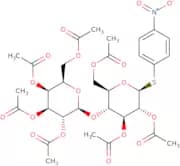
CAS:<p>Aldol® 515 L-proline amide is a chromogenic and fluorogenic enzyme substrate used for detection of L-proline aminopeptidase activity. The colorless enzyme substrate is cleaved by L-proline aminopeptidase produced by microorganisms grown in liquid or solid media, yielding red-orange color. In addition, red fluorescence signals are generated when a fluorescence enhancer or a suitable matrix is present. Aldol® 515 L-proline amide is suitable for use under aerobic and anaerobic conditions.</p>Formula:C28H29ClN4O2Purezza:Min. 95.0 Area-%Peso molecolare:489.02 g/mol4-Nitrophenyl 4-O-(2,3,4,6-tetra-O-acetyl-b-D-galactopyranosyl)-2,3,6-tri-O-acetyl-b-D-thioglucopyranoside
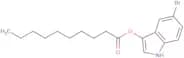
CAS:<p>4-Nitrophenyl 4-O-(2,3,4,6-tetra-O-acetyl-b-D-galactopyranosyl)-2,3,6-tri-O-acetyl-b-D-thioglucopyranoside is a superior chromogenic substrate for the detection of enzymes. Specifically designed for optimal performance, it provides exquisite sensitivity and definitive results in enzyme assays. Its exceptional properties make it a top choice among researchers and professionals in biochemistry, enabling accurate analysis and quantification of enzymatic activities.</p>Purezza:Min. 95%Peso molecolare:773.71 g/mol5-Bromo-3-indolyl decanoate
CAS:<p>5-Bromo-3-indolyl decanoate (BID) is a chromogenic enzyme substrate often used for the detection of lipase activity. It is hydrolyzed by lipase to produce a blue-violet product, which can be detected visually or by spectrophotometry. BID is particularly useful for the detection of microbial lipases in food and environmental samples. It is commonly used in a wide range of biochemical, biological, and environmental testing applications that require precise lipase enzyme analysis.</p>Formula:C18H24BrNO2Purezza:Min. 95%Colore e forma:PowderPeso molecolare:366.29 g/mol5-Bromo-4-chloro-3-indoxyl nonanoate
CAS:<p>5-Bromo-4-chloro-3-indoxyl nonanoate (5BCNI) is a chromogenic substrate for the detection of alkaline phosphatase. It is soluble in most organic solvents and is stable at room temperature for up to 30 days. 5BCNI has been shown to be a high quality, sensitive and specific substrate for the detection of alkaline phosphatase in culture media, diagnostics, conjugates, environmental testing and chemiluminescence. It has also been used as an enzyme substrate in bioluminescence studies. The CAS number for 5BCNI is 133950-77-3.</p>Formula:C17H21BrClNO2Peso molecolare:386.72 g/molRef: 3D-B-7410
5gPrezzo su richiesta10gPrezzo su richiesta25gPrezzo su richiesta-Unit-ggPrezzo su richiestaAldol® 515 β-D-xylopyranoside, Biosynth Patent: EP 2427431 and US 8940909
CAS:<p>Aldol® 515 beta-D-xylopyranoside is a chromogenic substrate that is used in food testing. It is an alternative to the more common glucose and sucrose, which are not suitable for some types of assays. Aldol® 515 beta-D-xylopyranoside is also used in diagnostics as a ligand for fluorescent antibody staining and chemiluminescence assays. It has been shown to increase the sensitivity of these tests by up to 10 times. The substrate has been tested extensively and is safe for use with a wide range of bacteria including E. coli, S. typhimurium, M. tuberculosis, and C. albicans at concentrations up to 100 mM without any inhibitory effects on growth or viability.<br>END>.</p>Formula:C28H34N2O6Purezza:Min. 95.0 Area-%Peso molecolare:494.59 g/molRef: 3D-A-4754_P00
1gPrezzo su richiesta5gPrezzo su richiesta10gPrezzo su richiesta2500mgPrezzo su richiesta-Unit-ggPrezzo su richiesta2-Bromo-4-nitrophenyl b-D-galactopyranoside
<p>2-Bromo-4-nitrophenyl b-D-galactopyranoside is a chemiluminescent substrate that is used for the detection of β-galactosidase activity in the biochemical reaction. It has been shown to be an excellent ligand for metal ions and can be used as a reagent in the determination of metal ions in biological systems. This product is manufactured with high purity and quality, which ensures its suitability for use in culture media, environmental testing, and diagnostics. 2-Bromo-4-nitrophenyl b-D-galactopyranoside has been tested as a fluorogenic substrate for β-galactosidase. It has also been used as a chromogenic substrate for β-galactosidase and an enzyme substrate for β-galactosidase. This product can be conjugated with other molecules such as biotin to enable rapid analysis of proteins or</p>Formula:C12H14BrNO8Purezza:Min. 95%Peso molecolare:380.15 g/mol4-Nitrophenyl hepta-O-acetyl-1-thio-b-lactoside
CAS:<p>4-Nitrophenyl hepta-O-acetyl-1-thio-b-lactoside is an inorganic molecule that binds to the surface of bacteria. It has been used as a fingerprinting tool for a variety of organisms, including corynebacterium glutamicum. The molecule can be used to measure the metabolic activity of corynebacterium glutamicum with a technique called incremental acidification. This technique is based on the observation that the concentration of 4-nitrophenol decreases by one unit for each glucose metabolized by corynebacterium glutamicum. The use of 4NPHTBL and other primers can also be useful in diagnosing patients with autoimmune diseases such as celiac disease and inflammatory bowel disease.</p>Purezza:Min. 95%2-Chloro-4-nitrophenyl b-D-xylobioside
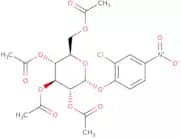
<p>2-Chloro-4-nitrophenyl b-D-xylobioside is a chemiluminescent substrate that is used as a diagnostic agent. It has been used in the identification of gram positive and gram negative bacteria, which are differentiated by the color of the reaction. This substrate has also been used to detect the presence of certain enzymes produced by bacteria. 2-Chloro-4-nitrophenyl b-D-xylobioside has shown to be an effective enzyme substrate for detecting bacterial growth in culture media and is often used as a fluorogenic substrate in food testing.</p>Purezza:Min. 95%2-Chloro-4-nitrophenyl 2,3,4,6-tetra-O-acetyl-a-D-glucopyranoside
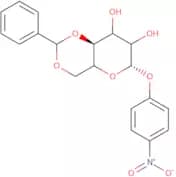
CAS:<p>2-Chloro-4-nitrophenyl 2,3,4,6-tetra-O-acetyl-a-D-glucopyranoside is a chromogenic substrate used to characterize enzymes in biochemical assays. The substrate is cleaved by enzymes, such as esterases and glycosidases, releasing the chromogenic group, which can be detected by its yellow color.</p>Purezza:Min. 95%Peso molecolare:503.84 g/mol4-Nitrophenyl 4,6-O-benzylidene-b-D-glucopyranoside
CAS:<p>4-Nitrophenyl 4,6-O-benzylidene-b-D-glucopyranoside is a fluorescent compound that is used in diagnostics and research. The compound is an enzyme substrate, a ligand for metal ions, and a chromogenic substrate. It can be used to test cultures of bacteria in culture media, as well as for food testing and environmental testing. 4-Nitrophenyl 4,6-O-benzylidene-b-D-glucopyranoside has high purity and quality due to its high fluorescence intensity. This product has been shown to be highly stable in various conditions and may be used in conjugates with other compounds.</p>Purezza:Min. 95%Peso molecolare:389.36 g/molAldol® 450 acetate, Biosynth Patent: EP 2427431 and US 8940909
CAS:<p>Aldol® 450 acetate is an enzyme substrate that is used in the detection of aldolase activity. Aldol® 450 acetate has been shown to be a useful alternative to the traditional bioluminescence and chemiluminescence methods for detecting aldolase activity. It has also been shown to be effective as a fluorogenic substrate for detecting aldolase activity in food products. Aldol® 450 acetate can be conjugated with other compounds, such as ligands and dyes, to enable it to detect different enzymes.<br>Aldol® 450 acetate has an absorption maximum at 450 nm and fluoresces blue-green under longwave UV light excitation. It is soluble in water and exhibits excellent stability at high temperatures (up to 50°C) and pH (1-14).</p>Formula:C27H19NO3Purezza:Min. 95.0 Area-%Peso molecolare:405.44 g/molRef: 3D-A-4728_P00
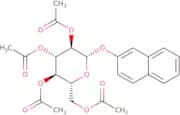
1gPrezzo su richiesta5gPrezzo su richiesta10gPrezzo su richiesta2500mgPrezzo su richiesta-Unit-ggPrezzo su richiesta2-Naphthyl 2,3,4,6-tetra-O-acetyl-b-D-glucopyranoside
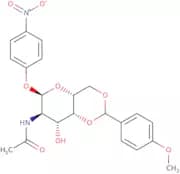
CAS:<p>2-Naphthyl 2,3,4,6-tetra-O-acetyl-b-D-glucopyranoside (NAG tetra acetate) is a chromogenic enzyme substrate commonly used in the detection of β-galactosidase activity. Upon hydrolysis by the enzyme, it produces a yellow product that can be detected by spectrophotometry or visually. It is frequently used in bacterial assays to monitor gene expression or as a tool for screening potential inhibitors of the enzyme.</p>Purezza:Min. 95%Peso molecolare:474.47 g/mol4-Nitrophenyl 2-acetamido-2-deoxy-4,6-O-p-methoxybenzylidene-a-D-galactopyranoside
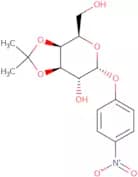
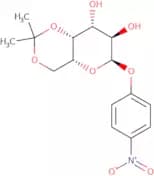
CAS:<p>4-Nitrophenyl 2-acetamido-2-deoxy-4,6-O-p-methoxybenzylidene-a-D-galactopyranoside is a chromogenic substrate designed for the detection and quantification of enzyme activity. This methoxybenzylidene-protected compound is specifically designed to be cleaved by enzymes, releasing a yellow 4-nitrophenol product that can be easily measured spectrophotometrically. This allows for accurate and sensitive analysis of enzyme kinetics, inhibition studies, and substrate specificity determination in various applications.</p>Purezza:Min. 95%Peso molecolare:460.43 g/mol4-Nitrophenyl 3,4-O-isopropylidene-a-D-galactopyranoside
CAS:<p>4-Nitrophenyl 3,4-O-isopropylidene-a-D-galactopyranoside is a chemiluminescent substrate for detecting beta-galactosidase activity in bacteria. This product is a high purity, high quality compound that can be used as a culture media and environmental testing agent. It has been shown to be effective in diagnostics, chromogenic substrate, and enzyme substrate reactions. 4NPPG has been shown to be a fluorogenic substrate for beta-galactosidase assay and can be used as food testing agent with conjugate.</p>Purezza:Min. 95%Peso molecolare:341.31 g/mol2-(5'-Chloro-2'-hydroxyphenyl)-6-chloro-4(3H)-quinazolinonyl a-D-N-acetylgalactosamine
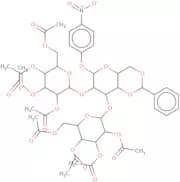
<p>2-(5'-Chloro-2'-hydroxyphenyl)-6-chloro-4(3H)-quinazolinonyl a-D-N-acetylgalactosamine is an inhibitor of bacterial cell wall synthesis. It has been shown to inhibit the enzymatic activity of beta-lactamase, which is an enzyme that breaks down beta-lactam antibiotics. 2-(5'-Chloro-2'-hydroxyphenyl)-6-chloro-4(3H)-quinazolinonyl a-D-N-acetylgalactosamine can be used for the treatment of infections caused by bacteria such as methicillin resistant Staphylococcus aureus. This compound has been shown to have low toxicity and does not cause any significant side effects in animals.</p>Purezza:Min. 95%Peso molecolare:510.32 g/mol4-Nitrophenyl 2,3-di-O-(2,3,4,6-tetra-O-acetyl-b-D-glucopyranosyl)-4,6-benzylidene-b-D-glucopyranoside
<p>4-Nitrophenyl 2,3-di-O-(2,3,4,6-tetra-O-acetyl-b-D-glucopyranosyl)-4,6-benzylidene-b-D-glucopyranoside is a high purity, high quality 4nitrophenol derivative that is used as a food testing substrate. It is also used for the detection of fluorescence in environmental testing. This product can be conjugated with ligands for use in diagnostic assays.</p>Purezza:Min. 95%Peso molecolare:1,049.93 g/mol2-Chloro-4-nitrophenyl 2-acetamido-2-deoxy-a-D-glucopyranoside
<p>L-2-Chloro-4-nitrophenyl 2-acetamido-2-deoxy-a-D-glucopyranoside is a chemiluminescent substrate for the detection of aminoglycoside antibiotics. It can be used to determine the concentration of aminoglycosides in blood, urine, and serum. The chemiluminescence reaction is dependent on the presence of oxygen. This product has been shown to have a high quality and purity with environmental testing and staining properties. L-2-Chloro-4-nitrophenyl 2-acetamido-2-deoxy--a--D--glucopyranoside has also been shown to bind ligands such as porphyrins, bilirubin, or hemin with bioluminescence or chromogenic substrates in diagnostics or culture media for food testing. L--2--Chloro--4--</p>Purezza:Min. 95%5-Bromo-6-chloro-1H-indol-3-yl-a-D-mannopyranoside
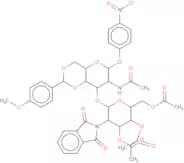
CAS:<p>5-Bromo-6-chloro-1H-indol-3-yl-a-D-mannopyranoside is a chromogenic substrate that yields a magenta-colored product after cleavage. The chromophore 5-bromo-6-chloro-indoxyl is released, generating the observable color. It is used in lysosomal storage disorder screening.</p>Formula:C14H15BrClNO6Purezza:Min. 95 Area-%Colore e forma:White Off-White PowderPeso molecolare:408.63 g/mol4-Nitrophenyl 2-acetamido-3-O-(3,4,6-tri-O-acetyl-2-deoxy-2-phthalimido-b-D-glucopyranosyl)-2-deoxy-4,6-O-4-methoxybenzylidene-a-D-g alactopyranoside
<p>4-Nitrophenyl 2-acetamido-3-O-(3,4,6-tri-O-acetyl-2-deoxy-2-phthalimido-b-D-glucopyranosyl)-2-deoxy--4,6--O--4--methoxybenzylidene--a--D--galactopyranoside is a chemiluminescent substrate for the enzyme beta galactosidase. It reacts with this enzyme to form 4 nitrophenol and acetamide. 4 Nitrophenyl 2 acetamido 3 O (3,4,6 tri O acetyl 2 deoxy 2 phthalimido b D glucopyranosyl) 2 deoxy 4 6 O 4 methoxybenzylidene a D galactopyranoside is used as a chromogenic substrate in diagnostics and as an environmental testing agent. It can be used as an imaging</p>Purezza:Min. 95%Peso molecolare:877.8 g/mol4-Nitrophenyl b-D-cellobioside heptaacetate
<p>4-Nitrophenyl b-D-cellobioside heptaacetate is a chromogenic substrate for enzymes that catalyze the hydrolysis of glycosidic bonds. This product is used as a diagnostic tool for identifying and characterizing glycosidases and other enzymes that degrade glycosidic bonds. 4-Nitrophenyl b-D-cellobioside heptaacetate is also used in culture media to measure the activity of cellulase enzymes by measuring the release of reducing sugars. The color change of this substrate can be detected at 405 nm, 490 nm, or 550 nm.</p>Purezza:Min. 95%Peso molecolare:757.65 g/mol4-Nitrophenyl 4-O-(b-D-mannopyranosyl)-b-D-glucopyranoside
<p>4-Nitrophenyl 4-O-(b-D-mannopyranosyl)-b-D-glucopyranoside is a fluorogenic substrate that can be used for the detection of β-glucosidase activity in biological samples. It is an excellent substrate for the enzyme β-glucosidase, which catalyzes the hydrolysis of ester bonds in glycosides with release of glucose and formation of a phenolic product. The 4-nitrophenol group reacts with oxygen to produce light, making it useful as a chemiluminescent or bioluminescent substrate. The conjugate may also be used to detect β-glucosidase activity in culture media by adding the substrate to the culture medium and measuring its fluorescence.<br>4NP4OBG has been shown to have high purity, with only trace amounts of impurities detected such as benzaldehyde and 2,6-dinitro</p>Purezza:Min. 95%Peso molecolare:463.39 g/mol2-Nitrophenyl hexyl ether
CAS:<p>2-Nitrophenyl hexyl ether is a chromogenic substrate commonly used to assay the activity of esterases. Upon cleavage of the ester bond by esterases, the released 2-nitrophenyl group yields a yellow color detectable by spectrophotometry. This substrate has been used in a variety of applications, including environmental monitoring and studies of insecticide resistance. It is particularly useful for screening large numbers of samples because of its rapid reaction rate and high sensitivity. However, it should be noted that some non-specific hydrolysis may occur with this substrate, particularly at high concentrations or in the presence of strong nucleophiles.</p>Purezza:Min. 95%Peso molecolare:223.27 g/mol4-Nitrophenyl 4,6-O-isopropylidene-a-D-galactopyranoside
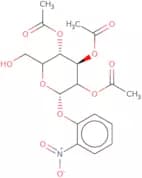
CAS:<p>4-Nitrophenyl 4,6-O-isopropylidene-a-D-galactopyranoside is a fluorogenic substrate that can be used to measure the activity of beta-galactosidase. This product is high purity, high quality and has a CAS number of 29781-31-5. It is an enzyme substrate with chromogenic and diagnostic properties that are used for conjugation to other molecules, as well as for culture media, chemiluminescence and food testing. 4NP4IPG is also used in bioluminescence assays to detect the presence of beta-galactosidase.</p>Purezza:Min. 95%Peso molecolare:341.31 g/mol2-Nitrophenyl 2,3,4-tri-O-acetyl-b-D-galactopyranoside
CAS:<p>2-Nitrophenyl 2,3,4-tri-O-acetyl-b-D-galactopyranoside is a fluorogenic substrate that can be used to detect β-galactosidase activity. This specific substrate is one of the most commonly used substrates for detecting β-galactosidase activity in diagnostic assays. It reacts with the enzyme to produce a blue color and has a fluorescence emission maximum at about 480 nm. The product is available in high purity and high quality and it is also an enzyme substrate.</p>Purezza:Min. 95%Peso molecolare:427.36 g/mol4-Nitrophenyl b-D-cellobioside heptacetate
CAS:<p>4-Nitrophenyl b-D-cellobioside heptacetate is a fluorogenic substrate that is used in food testing and environmental testing. The product is an enzyme substrate that can be used as a conjugate to produce chemiluminescence or bioluminescence. 4-Nitrophenyl b-D-cellobioside heptacetate has CAS number 69948-03-4 and is of high purity and quality. It has been shown to have good fluorescence properties, which makes it ideal for use in fluorescence microscopy applications.</p>Purezza:Min. 95%Peso molecolare:757.65 g/mol5-Bromo-3-indolyl a-D-galactopyranoside
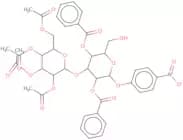
<p>5-Bromo-3-indolyl a-D-galactopyranoside is a fluorogenic substrate that can be used for the detection of beta-galactosidase activity. It is also used as an enzyme substrate in diagnostics and research, as well as a chromogenic substrate in staining. 5-Bromo-3-indolyl a-D-galactopyranoside has been shown to be an excellent conjugate for proteins, nucleic acids, and other biomolecules. This product can also be used in culture media for the cultivation of bacteria and yeast.</p>Formula:C14H16BrNO6Purezza:Min. 95%Peso molecolare:374.18 g/mol4-Nitrophenyl 2-acetamido-2-deoxy-3,6-di-O-benzoyl-b-D-galactopyranoside
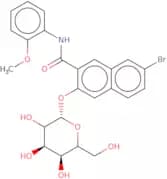
CAS:<p>4-Nitrophenyl 2-acetamido-2-deoxy-3,6-di-O-benzoyl-b-D-galactopyranoside is an advanced pNP-based enzyme substrate designed for the detection and measurement of glycosidase activity in biological samples. This synthetic compound offers high specificity and sensitivity for b-galactosidase enzymes, enabling accurate determination of enzymatic hydrolysis rates in a variety of research applications, including diagnostics, drug development, and discovery of novel enzymes. Its chromogenic properties ensure easy analysis of the results and make it suitable for high-throughput screening.</p>Purezza:Min. 95%Peso molecolare:550.51 g/molNaphthol AS-BI b-D-glucopyranoside
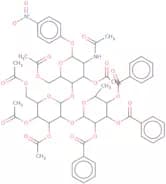
CAS:<p>Naphthol AS-BI b-D-glucopyranoside is a substrate for enzymes such as β-glucosidase and β-glycosidase. It has been used in diagnostic tests to detect the presence of amylase, lipase, α-amylase, or maltase in urine and feces. In biochemistry, naphthol AS-BI b-D-glucopyranoside is often used as a chromogenic or fluorogenic substrate for the detection of β-galactosidases and other glycosidases. This product has also been used in the detection of bacteria in culture media. Naphthol AS-BI b-D-glucopyranoside is a high quality reagent that can be used for chemiluminescence experiments, food testing, and environmental testing.</p>Purezza:Min. 95%Peso molecolare:534.35 g/mol4-Nitrophenyl 2-acetamido-3,6-di-O-acetyl-4-O-[2-O-(2,3,4-tri-O-benzoyl-a-L-fucopyranosyl)-3,4,6-tri-O-acetyl-b-D-galactopyranosyl]- 2-deoxy-b-D-glucopyranoside
<p>This chemical is a ligand that can bind to the enzyme luciferase. In a bioluminescence reaction, this chemical reacts with oxygen and ATP to produce light. This product has been tested for purity and quality and is suitable for use in culture media, environmental testing, or diagnostics. It has also been shown to be an excellent fluorescent substrate for fluorogenic or chromogenic substrates in enzyme substrate assays.</p>Purezza:Min. 95%Peso molecolare:1,173.08 g/mol4-Nitrophenyl b-D-galactopyranoside hydrate
CAS:<p>4-Nitrophenyl b-D-galactopyranoside hydrate is a water-soluble pNP-based enzyme substrate ideal for quantifying b-galactosidase activity in a variety of sample types. This chromogenic substrate features a unique hydrate composition, which allows for enhanced solubility and stability when compared to standard pNP-galactosides. With its high sensitivity and robust performance, this substrate is widely used in biotechnology, biochemistry, and molecular biology fields, including the investigation of enzyme kinetics, characterization of glycoside hydrolase specificity, and assessment of gene expression levels.</p>Purezza:Min. 95%Peso molecolare:319.27 g/mol[2-Methoxy-4-(2-nitrovinyl)phenyl] b-D-galactopyranoside
CAS:<p>[2-Methoxy-4-(2-nitrovinyl)phenyl] b-D-galactopyranoside (MNVP-gal) is a chromogenic enzyme substrate that is commonly used to detect the activity of beta-galactosidase in biological samples. MNVP-gal produces a distinctive magenta color when hydrolyzed by beta-galactosidase, making it particularly useful for applications where visual detection is necessary. This substrate is also resistant to endogenous proteases, making it well-suited for use in cellular and tissue preparations.</p>Purezza:Min. 95%Peso molecolare:357.31 g/mol4-Nitrophenyl 3-O-(2,3,4,6-tetra-O-acetyl-a-D-mannopyranosyl)-2,4-di-O-benzoyl-b-D-mannopyranoside
CAS:<p>4-Nitrophenyl 3-O-(2,3,4,6-tetra-O-acetyl-a-D-mannopyranosyl)-2,4-di-O-benzoyl-b-D-mannopyranoside is a bioactive metabolite that can be found in the gene expression profile of a human genome. It has been shown to have an effect on gene expression levels and cellular function. This metabolite is found in the environment and has been shown to be mediated by environmental factors. The high level of gene expression has been shown to be due to its ability to bind to DNA.</p>Purezza:Min. 95%Peso molecolare:839.75 g/mol2-Nitrophenyl 2-acetamido-2-deoxy-b-D-galactopyranoside
CAS:<p>2-Nitrophenyl 2-acetamido-2-deoxy-b-D-galactopyranoside is a carboxymethyl derivative of the natural substrate of β-galactosidase, which is used as a substrate for the production of recombinant proteins in the corynebacterium glutamicum. The enzyme β-galactosidase hydrolyzes this substrate to produce an acid molecule and a sugar molecule. This product can be used in biotechnological processes for the production of recombinant proteins or other bioactive molecules. It can also be used in the isolation of nucleic acid from bacteria or fungi, or to study bacterial membrane transport systems. 2NPGAG can be expressed as a recombinant protein with expression vectors such as pET21a and pET24a. It has been shown that this product inhibits transport through membranes by binding to cellulose, which may be useful for studies on cellulose biosynthesis</p>Purezza:Min. 95%Peso molecolare:342.3 g/mol4-Nitrophenyl 4,6-benzylidene-3-O-(2,3,4,6-tetra-O-[4-methoxybenzyl]-a-D-glucopyranosyl)-a-D-glucopyranoside
<p>4-Nitrophenyl 4,6-benzylidene-3-O-(2,3,4,6-tetra-O-[4-methoxybenzyl]-a-D-glucopyranosyl)-a-D-glucopyranoside is a chemiluminescent substrate used for the detection of various enzymes. This substrate is commonly used in enzyme assays to measure the activity of β-galactosidase, α-amylase, and β-lactamase. The product can be used in diagnostic applications such as food testing and bacterial identification.</p>Purezza:Min. 95%Peso molecolare:1,088.02 g/molN-Acetyl-L-glutamine p-nitroanilide
CAS:<p>N-Acetyl-L-glutamine p-nitroanilide is a fluorogenic substrate that can be used in the diagnosis of bacterial infections. It is a ligand that can bind to enzymes involved in the production of bioluminescence, such as luciferase, and can be used for the detection of bacteria. It is also used for food testing, environmental testing, and diagnostics. N-Acetyl-L-glutamine p-nitroanilide has high purity and high quality, which makes it suitable for conjugation with other molecules.</p>Formula:C13H15N3O6Purezza:Min. 95%Colore e forma:PowderPeso molecolare:309.27 g/mol4-Nitrophenyl 2,3,4-tri-O-acetyl-a-D-glucopyranoside
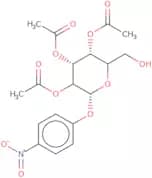
<p>4-Nitrophenyl 2,3,4-tri-O-acetyl-a-D-glucopyranoside is a high quality chemical used in the development of various diagnostic and research applications. It is also used in the production of enzymatic substrates for enzyme activity assays. 4NPTAG is a chromogenic substrate that produces chemiluminescence when it reacts with an oxidizing agent and has been shown to be very effective as a fluorogenic substrate for protein kinases. This compound has been shown to bind to ligands and can be used as a bioluminescent reporter for molecular biology applications. The CAS number for this product is 54973-14-0.</p>Purezza:Min. 95%Peso molecolare:427.36 g/mol2-Nitrophenyl 2,2',3,3',4'-penta-O-acetyl-b-D-xylobioside
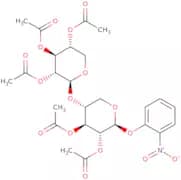
CAS:<p>2-Nitrophenyl 2,2',3,3',4'-penta-O-acetyl-b-D-xylobioside is an oligosaccharide that is used as a substrate for the transport of nucleic acid molecules. It can be used to study the function of membrane transport proteins and their homologues. This compound has been shown to inhibit the growth of corynebacterium glutamicum and trisaccharide emissions.</p>Purezza:Min. 95%Peso molecolare:613.52 g/mol4-Nitrophenyl 2-acetamido-3-O-(2-acetamido-3,4,6-tri-O-acetyl-b-D-glucopyranosyl)-4,6-di-O-acetyl-2-deoxy-a-D-galactopyranoside
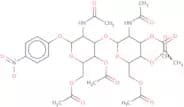
<p>4-Nitrophenyl 2-acetamido-3-O-(2-acetamido-3,4,6-tri-O-acetyl-b-D-glucopyranosyl)-4,6-di-O-acetyl-2deoxy--aDgalactopyranoside is a substrate for enzymes such as beta galactosidase and alpha amylase. It can be used for the detection of these enzymes in biological samples, including culture media and body fluids. 4NPAG has also been used as a chromogenic substrate to measure the activity of NADH oxidase in neutrophils. 4NPAG is fluorescent in aqueous solution and can be used to detect bioluminescence reactions.</p>Purezza:Min. 95%Peso molecolare:755.68 g/mol4-Nitrophenyl phosphate bis(tris) salt
CAS:<p>Please enquire for more information about 4-Nitrophenyl phosphate bis(tris) salt including the price, delivery time and more detailed product information at the technical inquiry form on this page</p>Formula:C14H28N3O12PPeso molecolare:461.36 g/molRef: 3D-W-203515
1kgPrezzo su richiesta250gPrezzo su richiesta500gPrezzo su richiesta2500gPrezzo su richiesta




![[2-Methoxy-4-(2-nitrovinyl)phenyl] b-D-glucopyranoside](/_next/image/?url=https%3A%2Fstatic.cymitquimica.com%2Fproducts%2F3D%2Fthumb-webp%2FEM06789.webp&w=3840&q=75)













![[2-Methoxy-4-(2-nitrovinyl)phenyl] b-D-galactopyranoside](/_next/image/?url=https%3A%2Fstatic.cymitquimica.com%2Fproducts%2F3D%2Fthumb-webp%2FEM06779.webp&w=3840&q=75)

![4-Nitrophenyl 4,6-benzylidene-3-O-(2,3,4,6-tetra-O-[4-methoxybenzyl]-a-D-glucopyranosyl)-a-D-gluco…](/_next/image/?url=https%3A%2Fstatic.cymitquimica.com%2Fproducts%2F3D%2Fthumb-webp%2FEN04840.webp&w=3840&q=75)