Altri
Trovati 6307 prodotti di "Altri"
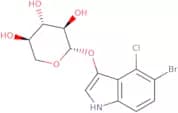
4-Nitrophenyl b-L-arabinopyranoside
CAS:4-Nitrophenyl beta-L-arabinopyranoside is a chromogenic substrate for beta-L-arabinosidase. Upon hydrolysis, para-nitrophenol is released yielding a yellowish colour. 4-Nitrophenyl beta-L-arabinopyranoside is used in different applications such as the Bacterial arabinan degradation assays, gut microbiome analysis
Formula:C11H13NO7Purezza:Min. 98 Area-%Colore e forma:White PowderPeso molecolare:271.22 g/molAldol® 470 L-alanine amide, acetate salt, Biosynth Patent: EP 2427431 and US 8940909
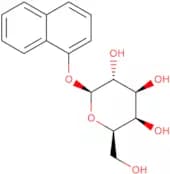
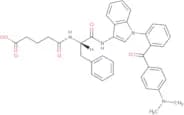
CAS:Prodotto controllatoAldol® 470 L-alanine amide is a chromogenic and fluorogenic enzyme substrate used for detection of L-alanine aminopeptidase activity. The colorless enzyme substrate is cleaved by L-alanine aminopeptidase, yielding orange-yellow coloration. In addition, green fluorescence is generated when Aldol® 355 fluorescence enhancer or a suitable matrix is present. Aldol® 470 L-alanine amide can also be used in enzymatic assays or within live bacterial cultures. Aldol® 470 L-alanine amide is suitable for use in liquid and solid media, under aerobic as well as anaerobic conditions.Formula:C28H29N3O6Purezza:Min. 95.0 Area-%Peso molecolare:503.55 g/mol1-Naphthyl β-D-galactopyranoside
CAS:1-Naphthyl b-D-galactopyranoside is a chromogenic substrate used to detect the presence of beta-galactosidase enzymes. The enzyme cleaves the substrate to produce a colored product that can be quantified and visualized. This substrate is commonly used in applications such as the detection of lacZ gene expression in bacterial colonies or in histochemical staining of tissues to identify beta-galactosidase activity.Formula:C16H18O6Purezza:Min. 95%Colore e forma:PowderPeso molecolare:306.32 g/molAldol® 470 acetate, Biosynth Patent: EP 2427431 and US 8940909
CAS:Prodotto controllatoAldol® 470 acetate is a Fluorogenic substrate that is used in enzymatic reactions to produce a fluorescent product. Aldol® 470 acetate can be used as a ligand or a chromogenic substrate. This product is also used in diagnostic tests, such as conjugates and chemiluminescence, to detect the presence of certain enzymes or microorganisms. It can be used in culture media to measure the amount of certain enzymes, such as phosphatases or proteases, and has been shown to have high purity and quality. This product has CAS No. 1318785-37-3, 1318785-38-4, 1318785-39-5, 1318785-40-6 and 1318785-41-7.
Formula:C25H21NO5Purezza:Min. 95%Colore e forma:PowderPeso molecolare:415.44 g/mol5-Nitro-3-indolyl-b-D-galactopyranoside
5-Nitro-3-indolyl-b-D-galactopyranoside is a substrate for a number of enzymes, including beta-galactosidase, beta-glucuronidase, and beta-mannosidase. It is used as an enzyme substrate in diagnostics to measure the activity of these enzymes. 5N3IG was also used to study the effects of conjugation on enzyme activity. 5N3IG is available in high purity and high quality at CAS No.
Purezza:Min. 95%4-Nitrophenyl O-(N-acetyl-a-neuraminosyl)-(2,3)-O-b-D-galactopyranosyl-(1,3)-2-acetamido-2-deoxy-a-D-galactopyran oxide
CAS:4-Nitrophenyl O-(N-acetyl-a-neuraminosyl)-(2,3)-O-b-D-galactopyranosyl-(1,3)-2-acetamido-2-deoxy-a-D-galactopyran oxide is a fluorogenic substrate that is used in the detection of glycosidases. It has been shown to be an excellent ligand for the enzyme beta galactosidase, which cleaves the glycan substrate 4NPOBGPA into 4NP and O-(N acetyl) neuraminic acid. 4NPOBGPA can be used as a chromogenic substrate for detecting beta galactosidase activity and can also be conjugated to other fluorescent molecules. This product is high purity and high quality.Purezza:Min. 95%Peso molecolare:795.7 g/mol6-Bromo-2-naphthyl a-D-glucopyranoside
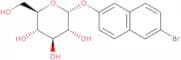
CAS:6-Bromo-2-naphthyl alpha-D-glucopyranoside is a chromogenic substrate used to detect alpha-glucosidase enzyme activity. When cleaved by the enzyme alpha-glucosidase, it releases 6-bromo-2-naphthol, which can be coupled with diazonium salts (for example 4'-amino-2,3'-dimethylazobenzene, also known as Fast Garnet GBC) to form a colored precipitate. 6-Bromo-2-naphthyl alpha-D-glucopyranoside is used in biochemical assays, histochemistry, and diagnostic tests for conditions like lysosomal storage disorders (e.g. Pompe disease) and carbohydrate metabolism studies.
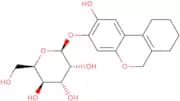
Formula:C16H17BrO6Purezza:Min. 95%Colore e forma:White Off-White PowderPeso molecolare:385.21 g/mol3,4-Cyclohexenoesculetin beta-D-galactopyranoside
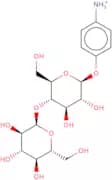
CAS:Chromogenic substrate for beta-galactosidaseFormula:C19H22O9Purezza:Min. 95 Area-%Colore e forma:PowderPeso molecolare:394.37 g/mol4-Nitrophenyl-β-D-maltopyranoside
CAS:Chromogenic beta-maltosidase substrateFormula:C18H25NO13Purezza:Min. 95%Colore e forma:White PowderPeso molecolare:463.39 g/mol4-Nitrophenyl 6-O-(b-D-galactopyranosyl)-b-D-galactopyranoside
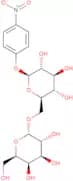
CAS:4-Nitrophenyl 6-O-(b-D-galactopyranosyl)-b-D-galactopyranoside is a fluorescent substrate that is used in diagnostics and culture media. It can be used to detect the presence of aminoglycoside antibiotics, such as gentamicin, by using the fluorogenic or chromogenic reaction. 4NP6BG has been shown to bind to the beta subunit of RNA polymerase and inhibit transcription, which can be useful for testing environmental samples for the presence of aminoglycosides.Purezza:Min. 95%Aldol® 515 4-acetoxybutyrate solution, 0.75 M in DMSO, Biosynth Patent: EP 2427431 and US 8940909
CAS:Prodotto controllatoAldol® 515 4-acetoxybutyrate solution, 0.75 M in DMSO, is a chromogenic substrate that can be used to measure the activity of aldolase. It is a liquid at room temperature and has a pH of 7.2. The Aldol® 515 4-acetoxybutyrate solution, 0.75 M in DMSO, is soluble in water and organic solvents such as DMSO and ethanol. This product does not contain any preservatives or additives and is suitable for use with humans and animals. Aldol® 515 4-acetoxybutyrate solution, 0.75 M in DMSO, is manufactured by Cymit Quimica under patents EP 2427431 and US 8940909.br>br> Aldolase catalyzes the conversion of dihydroxyacetone phosphate (DHAP) to glyceraldehyde 3-phosphateFormula:C29H28N2O5Purezza:Min. 95 Area-%Peso molecolare:484.54 g/mol4-Nitrophenyl β-D-galactofuranoside
CAS:Chromogenic substrate for beta-galactofuranosidaseFormula:C12H15NO8Purezza:Min. 98 Area-%Colore e forma:White PowderPeso molecolare:301.25 g/mol2-Chloro-4-nitrophenyl b-D-maltoheptaoside
CAS:2-Chloro-4-nitrophenyl b-D-maltoheptaoside is a fluorescent compound that is used in medical research for the visualization of muscle glycogen. It is also used to study the binding of molecules to proteins, as well as to measure enzyme activity. The compound has been shown to be insensitive to changes in pH and temperature, so it can be used at different pH levels and temperatures without affecting its function. 2-Chloro-4-nitrophenyl b-D-maltoheptaoside can be detected by titration calorimetry due to its high molecular weight. The molecule's affinity for carbohydrates also allows it to be used in optimization studies of carbohydrate molecules.Purezza:Min. 95%Peso molecolare:1,308.54 g/molAldol® 515 nonanoate hydrochloride, Biosynth Patent: EP 2427431 and US 8940909
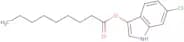
CAS:Aldol® 515 nonanoate hydrochloride is a chromogenic and fluorogenic enzyme substrate for detection of lipase activity. The colorless product is cleaved by C9 esterases produced by bacteria in liquid or solid media, yielding a red color and red fluorescence when Aldol® 355 fluorescence enhancer or a suitable matrix is present. Aldol® 515 nonanoate can be used under aerobic and anaerobic conditions. Well detectable color/fluorescence of bacterial colonies or liquid cultures is obtained within 24-48 h. In the presence of a purified lipase, color and fluorescence develops within minutes to few hours.Formula:C32H36ClN2O3Purezza:Min. 95 Area-%Peso molecolare:533.1 g/mol5-Bromo-4-chloro-3-indolyl b-D-mannopyranoside
CAS:5-Bromo-4-Chloro-3-Indolyl b-D-Mannopyranoside, also known as X-Man, is an enzyme substrate commonly used for detecting mannosidase enzymes. Upon hydrolysis by the enzyme, it produces a blue-green colored compound that can be detected visually or measured spectrophotometrically. This substrate is useful in characterizing the activity of mannosidases involved in glycoprotein processing and quality control.Formula:C14H15BrClNO6Colore e forma:White Off-White PowderPeso molecolare:408.63 g/mol4-Nitrophenyl phosphate mono(2-amino-2-ethyl-1,3-propanediol) salt monohydrate
CAS:4-Nitrophenyl phosphate mono(2-amino-2-ethyl-1,3-propanediol) salt monohydrate is a chromogenic substrate that can be used to detect the presence of alkaline phosphatase. It is also used in food testing and diagnostics. 4NPPMD is a substrate for the enzyme alkaline phosphatase, which has been shown to play a role in the inflammatory response. The production of 4NPPMD by bacteria in the environment can be detected with chemiluminescence or bioluminescence. This product has been shown to react with both horseradish peroxidase and alkaline phosphatase, as well as other enzymes that are involved in metabolic pathways. This substrate also has high purity and fluorescence properties.Formula:C11H21N2O9PPurezza:Min. 95 Area-%Peso molecolare:356.26 g/mol4-(Hydroxymethyl)phenyl-α-D-galactopyranoside tetraacetate
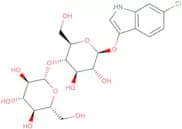
CAS:4-(Hydroxymethyl)phenyl-alpha-D-galactopyranoside tetraacetate is a substrate for enzymes that catalyze the hydroxylation of carbohydrates. It can be used as a substrate for peroxidase and beta-glucosidase, which are important in the production of natural products such as resveratrol, catechins, and lignin. 4-(Hydroxymethyl)phenyl-alpha-D-galactopyranoside tetraacetate is also a chromogenic substrate for chemiluminescence reactions. The product is available as a powder and can be used in diagnostic kits to detect the presence of enzymes or other substances in food or environmental samples.Formula:C21H26O11Peso molecolare:454.43 g/mol6-Chloro-3-indolyl β-D-cellobioside
CAS:6-Chloro-3-indolyl b-D-cellobioside is a chromogenic substrate that produces a salmon-pink color after enzymatic cleavage. It is used for detecting the activity of beta-D-cellobiosidase in enzyme assays.
Purezza:Min. 95%Colore e forma:White To Off-White SolidPeso molecolare:491.87 g/mol4-Nitrophenyl-beta-D-xylopyranoside
CAS:Chromogenic β-xylosidase substrate yielding a yellow solution upon cleavage.Formula:C11H13NO7Purezza:Min. 99 Area-%Peso molecolare:271.23 g/mol6-Bromo-2-naphthyl 2-acetamido-2-deoxy-b-D-glucopyranoside
CAS:6-Bromo-2-naphthyl 2-acetamido-2-deoxy-b-D-glucopyranoside is a chromogenic substrate used for the detection of chitinase activity. Upon hydrolysis by chitinase, it releases a yellow-brown color, which is easily detected by spectrophotometry. This substrate has been used to study chitinases in various organisms, including bacteria, fungi, and insects. It can also be used to quantitate chitinase activity in various biological samples.
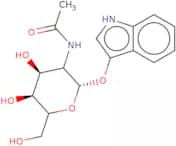
Formula:C18H20BrNO6Purezza:Min 97%Colore e forma:White PowderPeso molecolare:426.26 g/mol3-Indolyl 2-acetamido-2-deoxy-b-D-glucopyranoside
CAS:3-Indolyl 2-acetamido-2-deoxy-b-D-glucopyranoside is a substrate used for the detection of the enzyme N-acetylglucosaminidase (NAG). The enzyme hydrolyzes the NAG conjugate, releasing indole that can be detected through a colorimetric assay. This method is commonly used in clinical chemistry to evaluate kidney function, as NAG is excreted in urine and increased levels may indicate renal injury or disease. The indole NAG assay is also used in microbiology to detect the presence of NAG-producing bacteria.Purezza:Min. 95%Peso molecolare:336.34 g/molAldol® 495 nonanoate solution, 0.75 M in DMSO, Biosynth Patent: EP 2427431 and US 8940909
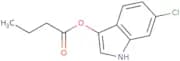
CAS:Prodotto controllatoAldol® 495 nonanoate is a chromogenic and fluorogenic enzyme substrate used for detection of lipase activity. The colorless enzyme substrate is cleaved by C9 esterases, yielding development of an orange coloration. In addition, green fluorescence is generated when Aldol® 355 fluorescence enhancer or a suitable matrix is present. Aldol® 495 nonanoate can be used in enzyme assays and live bacterial cultures. Aldol® 495 nonanoate is suitable for use in liquid and solid media, under aerobic as well as anaerobic conditions.Formula:C29H31ClN2O3Purezza:Min. 95%Peso molecolare:491.02 g/mol6-Chloro-3-indoxyl butyrate
CAS:6-Chloro-3-indoxyl butyrate is a chemiluminescent substrate that is used in diagnostics and research. It has been shown to be an excellent ligand for the detection of DNA and protein. 6-Chloro-3-indoxyl butyrate can also be used as a chromogenic substrate for the detection of alkaline phosphatase, acid phosphatase, or beta-galactosidase. This product is also used in food testing, enzyme substrates, and fluorogenic substrates.Formula:C12H12ClNO2Purezza:Min. 99.0 Area-%Peso molecolare:237.69 g/mol5-Bromo-4-chloro-3-indoxyl-alpha-D-N-acetylneuraminic acid, cyclohexylammonium salt
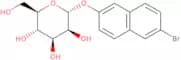
5-Bromo-4-chloro-3-indoxyl-alpha-D-N-acetylneuraminic acid, cyclohexylammonium salt is a chemiluminescent substrate that provides a significant increase in light emission. It has a CAS number of 59820-92-0 and is supplied in high purity and high quality. This product is used for the detection of various biological reactions, including diagnostics, enzyme substrates, food testing, and more.Purezza:Min. 95%6-Bromo-2-naphthyl α-D-mannopyranoside
CAS:Chromogenic substrate to visualize the activity of alpha-D-mannopyranoside; red color producedFormula:C16H17BrO6Purezza:Min. 95%Colore e forma:PowderPeso molecolare:385.21 g/mol4-Nitrophenyl 2-acetamido-2-deoxy-b-D-glucopyranoside-6-sulfate sodium salt
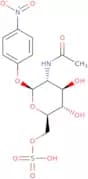
CAS:4-Nitrophenyl 2-acetamido-2-deoxy-beta-D-glucopyranoside-6-sulfate sodium salt is a chromogenic substrate for N-acetylglucosamine-6-sulfatase. Upon hydrolysis, para-nitrophenol is released yielding a yellowish colour. 4-Nitrophenyl 2-acetamido-2-deoxy-beta-D-glucopyranoside-6-sulfate sodium salt is used in different applications such as the Mucopolysaccharidosis IIID (Sanfilippo D) diagnosis
Formula:C14H17N2O11S·NaPurezza:Min. 95 Area-%Colore e forma:PowderPeso molecolare:444.35 g/mol4-Nitrophenyl 2-acetamido-2-deoxy-a-D-glucopyranoside
CAS:4-Nitrophenyl 2-acetamido-2-deoxy-a-D-glucopyranoside is a chromogenic pNP substrate specifically designed for the analysis of N-acetylglucosaminidase activity. Upon enzyme action, the substrate releases 4-nitrophenol, a yellow compound that can be detected by spectrophotometric methods, providing a reliable and sensitive means of quantifying enzyme activity. This versatile substrate is widely used in biochemical studies, disease diagnostics, and the enzyme production industry.Formula:C14H18N2O8Colore e forma:White Off-White PowderPeso molecolare:342.3 g/molN-(3-Sulfopropyl)-3,3',5,5'-tetramethylbenzidine sodium
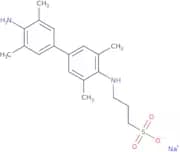
CAS:N-(3-Sulfopropyl)-3,3',5,5'-tetramethylbenzidine (TMB) sodium salt is a highly sensitive chromogenic substrate used for the detection and quantification of peroxidase enzyme activity. This water-soluble substrate undergoes a color change from colorless to blue upon oxidation by peroxidase enzymes in the presence of hydrogen peroxide. The reaction can be stopped by adding an acid, resulting in a yellow color that can be measured spectrophotometrically. TMB sodium salt is widely used in various applications, including enzyme-linked immunosorbent assays (ELISA), immunohistochemistry, and other diagnostic tests, due to its high sensitivity, low background signal, and excellent stability.
Purezza:Min. 95%Colore e forma:PowderPeso molecolare:384.47 g/mol4-Nitrophenyl-N-acetyl-beta-D-galactosaminide
CAS:4-Nitrophenyl-N-acetyl-beta-D-galactosaminide is a synthetic substrate that is used in enzyme kinetics. It is a beta-galactosidase substrate that reacts with the enzyme to form a product. The rate of reaction can be measured by following the change in absorbance over time. This product will react with an acceptor, such as chondroitin sulfate, to produce an observable reaction product. 4NPBGA has been shown to be an effective carbon source for plant physiology studies and has been shown to have optimal activity at pH 6.5.Formula:C14H18N2O8Purezza:Min. 98 Area-%Peso molecolare:342.31 g/mol2-Nitrophenyl-beta-D-galactopyranoside
CAS:Chromogenic β-galactosidase substrate yielding a yellow solution upon cleavage. Can be used for the detection of coliforms due to their beta-galactosidase activity.Formula:C12H15NO8Purezza:Min. 99.0 Area-%Peso molecolare:301.26 g/molAldol® 455 alpha-D-maltopyranoside, Biosynth Patent: EP 2427431 and US 8940909
Aldol® 455 alpha-D-maltopyranoside is a chromogenic substrate developed by Cymit Quimica, designed for the detection of maltosidases.Formula:C33H34ClNO12Purezza:Min. 95.0 Area-%Peso molecolare:672.08 g/mol6-Chloro-3-indoxyl caprylate
CAS:6-Chloro-3-indoxyl caprylate is a high quality, enzyme substrate, chromogenic substrate, bioluminescence, chemiluminescence ligand, staining and diagnostics reagent. It has CAS No. 159954-35-5 and is used in food testing, culture media and environmental testing. 6-Chloro-3-indoxyl caprylate is also a fluorogenic substrate that is used for high purity applications such as conjugation with other molecules.
Formula:C16H20ClNO2Peso molecolare:293.80 g/mol4-Nitrophenyl-alpha-D-galactopyranoside
CAS:Chromogenic substrate yielding a soluble chromophore for the colorimetric assay of α-D-galactosidase upon cleavage. Used for the detection of hydrolases in tissues and membranes.Formula:C12H15NO8Purezza:Min. 99.0 Area-%Peso molecolare:301.26 g/mol3-Nitrophenyl a-D-galactopyranoside
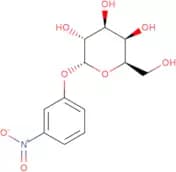
CAS:3-Nitrophenyl alpha-D-galactopyranoside is a chromogenic substrate to measure the activity of the alpha-galactosidase enzymes. Upon hydrolysis by galactosidase, 3NPG releases a yellowish product, 3-nitrophenol, which can be easily measured spectrophotometrically. Some of the applications include enzyme assays, screening for alpha-galactosidase-producing microorganisms, and studying the kinetics and inhibition of alpha-galactosidase enzymes.Purezza:Min. 95%Colore e forma:PowderPeso molecolare:301.25 g/mol5-Bromo-4-chloro-3-indoxyl phosphate p-toluidine, micronized
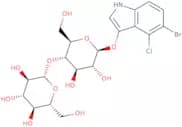
CAS:A substrate for alkaline phosphatase yielding a blue insoluble product upon cleavage. Colour can be further enhanced when used together with Nitroblue tetrazolium. The substrate system is versatile and has functions in a variety of applications, including Northern, Southern, and Western blotting, in situ hybridization, ELISAs, microarray and immunohistochemistry. The micronized structure enhances solubility.Formula:C8H6BrClNO4P•C7H9NPurezza:Min. 95%Colore e forma:PowderPeso molecolare:433.63 g/mol5-Bromo-4-chloro-3-indolyl β-D-lactopyranoside
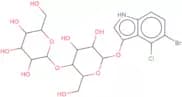
CAS:5-Bromo-4-chloro-3-indolyl b-D-lactopyranoside is a chromogenic substrate used to detect the specific enzymatic activity of beta-galactosidase. After cleavage, 5-bromo-4-chloro-indoxyl is released, resulting in a blue to blue-green color change in bacterial colonies or media. 5-Bromo-4-chloro-3-indolyl b-D-lactopyranoside is used in lactose intolerance screening.Formula:C20H25BrClNO11Purezza:Min. 95%Colore e forma:PowderPeso molecolare:570.77 g/molAldol® 515 N-glutaryl-L-phenylalanine amide potassium salt, Biosynth Patent: EP 2427431 and US 8940909
CAS:Aldol® 515 N-glutaryl-L-phenylalanine amide is a chromogenic and fluorogenic enzyme substrate used for detection of L-glutamate-phenylalanine (GluPhe)-specific peptidase activity. The colorless enzyme substrate is cleaved the GluPhe-specific peptidase, yielding development of orange-red coloration. In addition, red fluorescence is generated when Aldol® 355 fluorescence enhancer or a suitable matrix is present. Aldol® 515 N-glutaryl-L-phenylalanine amide can be used in enzyme assays and live bacterial cultures. Aldol® 515 N-glutaryl-L-phenylalanine amide is suitable for use in liquid and solid media, under aerobic as well as anaerobic conditions.
Formula:C37H35KN4O5Purezza:Min. 95%Colore e forma:PowderPeso molecolare:654.8 g/mol5-Bromo-4-chloro-3-indoxyl sulfate, potassium salt
CAS:Chromogenic substrate for aryl-sulfatase. Yields a blue precipitate upon cleavage.Formula:C8H4BrClKNO4SPurezza:Min. 98.0 Area-%Peso molecolare:364.65 g/molAldol® 535 myo-inositol-1-phosphate, ammonium salt, Biosynth Patent: EP 2427431 and US 8940909
CAS:Aldol® 535 myo-inositol-1-phosphate, ammonium salt is a chromogenic substrate for the enzyme, phosphoglucomutase. This product is used for the detection of phosphoglucomutase by its ability to react with this enzyme and produce a blue or green color. Aldol® 535 myo-inositol-1-phosphate, ammonium salt is also used as a ligand in fluorescence resonance energy transfer (FRET) experiments. It has an EC number of CAS No. 2484872-80-0 and a molecular weight of 345.05 g/mol.Formula:C29H32BrClN3O10PPurezza:Min. 95.0 Area-%Peso molecolare:728.91 g/molRef: 3D-A-4778_P00
-Unit-ggPrezzo su richiesta1gPrezzo su richiesta5gPrezzo su richiesta10gPrezzo su richiesta2500mgPrezzo su richiesta4-Nitrophenyl 6-O-(a-D-glucopyranosyl)-b-D-glucopyranoside
CAS:4-Nitrophenyl 6-O-(alpha-D-glucopyranosyl)-beta-D-glucopyranoside is a chromogenic substrate for beta-glucosidase. Upon hydrolysis, para-nitrophenol is released yielding a yellowish colour. 4-Nitrophenyl 6-O-(alpha-D-glucopyranosyl)-beta-D-glucopyranoside is used in different applications such as the Cellulose metabolism research, biofuel productionPurezza:Min. 95%Colore e forma:PowderPeso molecolare:463.39 g/mol5-Bromo-4-chloro-3-indolyl β-D-xylopyranoside
CAS:5-Bromo-4-chloro-3-indolyl b-D-xylopyranoside is an enzyme substrate. This chromogenic substrate is used for beta-D-xylosidase enzyme. In culture media, 5-Bromo-4-chloro-3-indolyl b-D-xylopyranoside is utilised for identification of bacteria such as Klebsiella and Enterobacter.
Formula:C13H13BrClNO5Purezza:Min. 95%Colore e forma:PowderPeso molecolare:378.6 g/mol6-Chloro-3-indoxyl nonanoate
CAS:6-Chloro-3-indoxyl nonanoate is a fluorescent substrate that is used in the detection of beta-galactosidase activity. It has been used to detect the enzyme levels in various culture media and as a high quality, food testing, and environmental testing. The product is also used as a ligand for enzyme inhibition studies. 6-Chloro-3-indoxyl nonanoate has shown to be an excellent fluoroquinolone substrate for chemiluminescence assays. This product is CAS No. 133950-72-8 and is of high purity and high quality.
Purezza:Min. 95%Peso molecolare:307.81 g/mol4-Nitrocatechol sulfate dipotassium salt
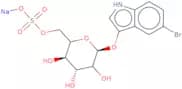
CAS:Chromogenic sulfatase substrateFormula:C6H3NO7SK2Purezza:Min. 98 Area-%Colore e forma:PowderPeso molecolare:311.35 g/mol5-Bromo-3-indolyl-β-D-galactopyranoside-6-sulfate sodium salt
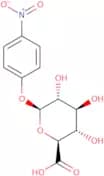
CAS:5-Bromo-3-indolyl-beta-D-galactopyranoside-6-sulfate sodium salt is a lapis substrate, a chromogenic substrate that yields a deep blue color after cleavage. It is used in sulfatase activity assays and for the diagnosis of Mucopolysaccharidosis IVA (Morquio A).Formula:C14H15BrNNaO9SPurezza:Min. 95%Colore e forma:PowderPeso molecolare:476.23 g/mol4-Nitrophenyl-beta-D-glucuronic acid
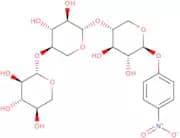
CAS:Chromogenic β-glucuronidase substrate yielding a yellow solution upon cleavage. Used to detect E. coli contamination in food and drinking water due to their β-glucuronidase activity.Formula:C12H13NO9Purezza:Min. 98.0 Area-%Peso molecolare:315.24 g/mol4-Nitrophenyl b-D-xylotrioside
CAS:Chromogenic substrate targeting beta-D-xylosidase. A xylanase substrate.Formula:C21H29NO15Purezza:Min. 98 Area-%Colore e forma:PowderPeso molecolare:535.45 g/mol5-Bromo-4-chloro-3-indoxyl-beta-D-glucopyranoside
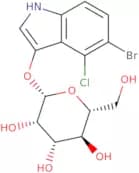
CAS:Chromogenic substrate for beta-D-glucosidase, yielding a blue precipitate and contained in a chromogenic culture media for the detection of Enterococci, Streptococci, Klebsiella species, Enterobacter species and Listeria species. It is an indolyl carbohydrate that is the beta-D-glucoside of 3-hydroxy-1H-indole, in which the indole moiety is substituted at positions 4 and 5 by chlorine and bromine, respectively. It is used to test for the presence of the enzyme, beta-glucosidase, which cleaves the glycosidic bond to give 5-bromo-4-chloro-3-hydroxy-1H-indole; this immediately dimerises to give an intensely blue product.
Formula:C14H15BrClNO6Purezza:Min. 98.0 Area-%Peso molecolare:408.64 g/mol5-Bromo-4-chloro-3-indoxyl-beta-D-cellobioside
CAS:Chromogenic substrate for β-D-Cellobiosidase yielding a blue precipitate.Formula:C20H25BrClNO11Purezza:Min. 99.0 Area-%Peso molecolare:570.78 g/mol6-Chloro-3-indoxyl-beta-D-glucuronic acid, cyclohexylammonium salt
CAS:6-Chloro-3-indoxyl-beta-D-glucuronic acid (cyclohexylammonium salt) is a chromogenic substrate for beta-glucuronidase yielding a salmon colored precipitate upon cleavage.Formula:C20H27ClN2O7Purezza:Min. 98.0 Area-%Peso molecolare:442.90 g/mol5-Bromo-4-chloro-3-indolyl b-D-fucopyranoside
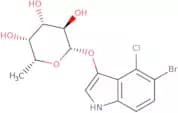
CAS:5-Bromo-4-chloro-3-indolyl b-D-fucopyranoside is a chromogenic substrate used is for the enzyme beta-fucosidase.
Formula:C14H15BrClNO5Purezza:Min. 98 Area-%Colore e forma:PowderPeso molecolare:392.63 g/mol