Derivati del Benzimidazolo e dell’Imidazolo
Il benzimidazolo è un composto costituito da un anello benzenico fuso con un anello imidazolico, una struttura a cinque membri contenente due atomi di azoto. I derivati del benzimidazolo, come l’albendazolo, sono noti per la loro attività antiparassitaria e antifungina, utilizzati nel trattamento delle infezioni parassitarie e di alcune malattie parassitarie negli animali e negli esseri umani. L’imidazolo, invece, è una struttura a cinque membri con due atomi di azoto, presente in vari composti biologicamente attivi. I derivati dell’imidazolo, come il metronidazolo, possiedono proprietà antimicrobiche e antiparassitarie. Questi composti sono impiegati anche nell’industria farmaceutica per il trattamento di infezioni batteriche, malattie parassitarie e alcune infezioni fungine, oltre ad avere applicazioni in chimica organica come catalizzatori.
Presso CymitQuimica, offriamo benzimidazoli e imidazoli ad alta purezza per la ricerca in chimica medicinale, farmacologia e biotecnologia.
Trovati 10373 prodotti di "Derivati del Benzimidazolo e dell’Imidazolo"
Ordinare per
Purezza (%)
0
100
|
0
|
50
|
90
|
95
|
100
N-(3-(1H-imidazol-1-yl)propyl)-6-ethoxybenzo[d]thiazol-2-amine
CAS:Purezza:95.0%Peso molecolare:302.3999938964844Ref: 10-F061487
1gPrezzo su richiesta5gPrezzo su richiesta10gPrezzo su richiesta250mgPrezzo su richiestaImidazole-1-sulfonylazide hydrochloride
CAS:Formula:C3H4ClN5O2SPurezza:95.0%Colore e forma:Solid, No data available.Peso molecolare:209.611,3-Di(1H-imidazol-1-yl)benzene
CAS:Purezza:97%Colore e forma:SolidPeso molecolare:210.24000549316406Ref: 10-F617428
1g79,00€5gPrezzo su richiesta25g547,00€100mgPrezzo su richiesta250mgPrezzo su richiesta2-(1H-INDAZOL-1-YL)THIAZOLE-4-CARBOXYLIC ACID
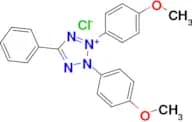
CAS:Purezza:95.0%Colore e forma:SolidPeso molecolare:245.259994506835942,3-Bis(4-methoxyphenyl)-5-phenyl-2H-tetrazol-3-ium chloride
CAS:Purezza:98%Peso molecolare:394.8599853515625Methyl 1-((2'-cyano-[1,1'-biphenyl]-4-yl)methyl)-2-ethoxy-1H-benzo[d]imidazole-7-carboxylate
CAS:Purezza:97%Peso molecolare:411.460998535156253-(1H -Benzoimidazol-2-yl)-propylamine hydrochloride
CAS:Formula:C10H14ClN3Purezza:95.0%Colore e forma:Grey powderPeso molecolare:211.69Ref: 10-F033713
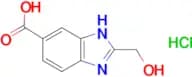
5gPrezzo su richiesta10gPrezzo su richiesta25gPrezzo su richiesta100gPrezzo su richiesta500gPrezzo su richiesta2-Hydroxymethyl-1H-benzoimidazole-5-carboxylic acid; hydrochloride
CAS:Formula:C9H9ClN2O3Purezza:95.0%Colore e forma:SolidPeso molecolare:228.632-[2-(4-methyl-1,3-thiazol-5-yl)-1h-1,3-benzodiazol-1-yl]acetic acid
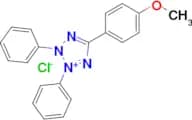
CAS:Purezza:95%Peso molecolare:273.309997558593755-(4-Methoxyphenyl)-2,3-diphenyl-2H-tetrazol-3-ium chloride
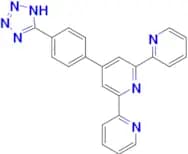
CAS:Purezza:98%Peso molecolare:364.82998657226564'-(4-(1H-Tetrazol-5-yl)phenyl)-2,2':6',2''-terpyridine
CAS:Purezza:98%Peso molecolare:377.4110107421875N-[3-(1H-imidazol-1-yl)propyl]-4-methyl-1,3-benzothiazol-2-amine
CAS:Purezza:95.0%Peso molecolare:272.36999511718757-CHLORO-5-METHYL-2-(2-(1-METHYL-1H-BENZO[D]IMIDAZOL-2-YL)ETHYL)-2,3-DIHYDRO-1H-PYRROLO[3,4-C]PYRIDINE-1,6(5H)-DIONE
CAS:Purezza:95.0%Peso molecolare:356.80999755859375N-(2-CHLORO-5-METHOXYPYRIMIDIN-4-YL)-1H-INDAZOL-6-AMINE
CAS:Purezza:95.0%Peso molecolare:275.700012207031254-fluoro-N-[3-(1H-imidazol-1-yl)propyl]-1,3-benzothiazol-2-amine
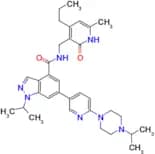
CAS:Purezza:95.0%Peso molecolare:276.32998657226561-Isopropyl-6-(6-(4-isopropylpiperazin-1-yl)pyridin-3-yl)-N-((6-methyl-2-oxo-4-propyl-1,2-dihydropyridin-3-yl)methyl)-1H-indazole-4-carboxamide
CAS:Purezza:98%Colore e forma:SolidPeso molecolare:569.754028320313Ref: 10-F869955
5mgPrezzo su richiesta25mgPrezzo su richiesta100mgPrezzo su richiesta250mgPrezzo su richiestaRabeprazole Impurity 2
CAS:<p>Rabeprazole Impurity 2 is a research and development impurity standard that is used for qualitative analysis. It can be custom synthesized to meet specific needs, and it can also be used in drug product synthesis. Rabeprazole Impurity 2 is a high purity synthetic compound that has been pharmacopoeia-qualified. It can also be used as a metabolite or analytical standard, and it has been studied for its metabolism studies with HPLC-MS. Rabeprazole Impurity 2 has CAS No. 1807988-36-8.</p>Formula:C18H19N3O4Purezza:Min. 95%Peso molecolare:341.36 g/molAlbendazole sulfoxide
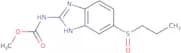
CAS:<p>Albendazole sulfoxide is a sulfoxide of albendazole. The molecular docking analysis of the two molecules showed that the sulfoxide group is located in the same position as the hydroxyl group on albendazole. It has been shown that this replacement of hydroxyl with a sulfoxide group increases the solubility and stability of albendazole, which may be due to hydrogen bonding interactions between these groups. Albendazole sulfoxide has been shown to be an effective treatment for infections caused by parasites such as helminths. However, it should not be used in combination with drugs that are metabolized by cytochrome P450 enzymes because it can inhibit their activity.</p>Formula:C12H15N3O3SPurezza:Min. 97 Area-%Colore e forma:White PowderPeso molecolare:281.33 g/molCarbendazim
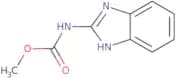
CAS:<p>Carbendazim is a fungicide that inhibits the growth of fungi and bacteria. It has been shown to be potent inducers of polymerase chain reaction (PCR) amplification, with a rate constant of 0.0103 per minute. Carbendazim also has a significant effect on electrochemical impedance spectroscopy (EIS). The EIS analysis was used to compare carbendazim-treated cells with untreated cells, which showed that carbendazim causes an increase in the resistance across the cell membrane. This research suggests that carbendazim may be genotoxic, as it increased the amount of DNA damage observed in wild-type strains and altered the optical properties of DNA. Carbendazim is also an effective inhibitor of nitrite ion oxidation and colloidal gold deposition, which has led to its use as a water vapor control agent for plants.</p>Formula:C9H9N3O2Purezza:Min. 95%Colore e forma:PowderPeso molecolare:191.19 g/molPantoprazole sulfide N-oxide
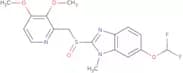
CAS:<p>Pantoprazole sulfide N-oxide is a metabolite of pantoprazole, which is a proton pump inhibitor used to reduce stomach acid production. Pantoprazole sulfide N-oxide is an impurity in pantoprazole that can be detected by HPLC. It has been shown to have about the same biological activity as pantoprazole when given orally.</p>Formula:C16H15F2N3O4SPurezza:Min. 95%Colore e forma:Off-White To Yellow SolidPeso molecolare:383.37 g/molOmeprazole impurity F and G
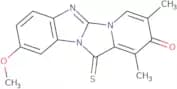
CAS:<p>Omeprazole is a proton pump inhibitor that inhibits the H+/K+-ATPase enzyme in gastric parietal cells. Omeprazole impurity F and G are metabolites of omeprazole. Omeprazole impurity F is a metabolite of omeprazole that forms by oxidation of the methylthio group in omeprazole to form a sulfoxide. Omeprazole impurity G is formed by hydrolysis of the methylthio group in omeprazole to form an alcohol. The purity of this product is high and can be custom synthesized based on customer's needs. It is also available as an HPLC standard or as an API impurity for use in metabolism studies.</p>Formula:C16H13N3O2SPurezza:Min. 95%Colore e forma:Red PowderPeso molecolare:311.36 g/mol2-[[[3-Methyl-4-(methylthio)-2-pyridinyl]methyl]sulfinyl]-1H-benzimidazole
CAS:<p>2-[[[3-Methyl-4-(methylthio)-2-pyridinyl]methyl]sulfinyl]-1H-benzimidazole is a synthetic, nonsteroidal anti-inflammatory drug. It is soluble in methanol and ethanol, not soluble in water. The impurity standard of 2-[[[3-Methyl-4-(methylthio)-2-pyridinyl]methyl]sulfinyl]-1H-benzimidazole is 3-[2-[(3,4,5-trimethoxyphenyl)amino]-1H-benzimidazolium methyl sulfate].</p>Formula:C15H15N3OS2Purezza:Min. 95%Peso molecolare:317.43 g/mol2-Hydroxybenzimidazole
CAS:<p>2-Hydroxybenzimidazole is a benzimidazole compound that is used in the treatment of nervous system diseases. It has been shown to have anti-inflammatory properties and can be used in the treatment of syncytial virus infection. 2-Hydroxybenzimidazole inhibits the production of reactive oxygen species and nitric oxide, which are involved in neurodegenerative disorders. The mechanism of action for 2-Hydroxybenzimidazole involves the formation of hydrogen bonds with hydroxyl groups on proteins. It also has been shown to reduce locomotor activity and increase sleep time in mice, which may be due to inhibition of acetylcholine release from cholinergic neurons.</p>Formula:C7H6N2OPurezza:Min. 97.5 Area-%Colore e forma:Off-White PowderPeso molecolare:134.14 g/mol5-Methoxy-2-[[(4-methoxy-3,5-dimethyl-2-pyridinyl)methyl]thio]-1H-benzimidazole
CAS:<p>Omeprazole is a drug that belongs to the class of benzimidazole compounds. It is an inhibitor of gastric acid secretion in the stomach, reducing the production of hydrochloric acid and pepsin. Omeprazole has been shown to have greater chemical stability than other proton pump inhibitors (PPIs), with a higher solubility in water and a longer shelf life. Omeprazole also has anti-inflammatory properties, which may be due to its inhibition of prostaglandin synthesis. Omeprazole also exhibits pharmacokinetic properties that are different from other PPIs. Omeprazole is rapidly absorbed following oral administration and has a high bioavailability, which can be attributed to its hydroxyl group. This hydroxyl group allows for esomeprazole (a prodrug) to be formed by hydrolysis in the gut or liver, increasing omeprazole's absorption and bioavailability.</p>Formula:C17H19N3O2SPurezza:Min. 95%Colore e forma:PowderPeso molecolare:329.42 g/mol5-Methoxy-2-[[(4-methoxy-3,5-dimethyl-2-pyridinyl)methyl]sulfonyl]-1H-benzimidazole
CAS:<p>5-Methoxy-2-[[(4-methoxy-3,5-dimethyl-2-pyridinyl)methyl]sulfonyl]-1H-benzimidazole is an inhibitor of cytochrome P450 2C19. It has been shown to inhibit the activity of this enzyme in a concentration dependent manner and to enhance the activity of omeprazole by inhibiting its metabolism. 5-Methoxy-2-[(4-methoxy, 3,5 dimethylpyridiniumyl)methyl]sulfonyl]-1H benzimidazole is used as a model system for studying drug interactions due to its ability to inhibit cytochrome P450 2C19 and CYP2C19 protein expression. 5 METHOXY - 2 - [[ ( 4 - METHOXY - 3 , 5 - DIMETHYL - 2 - PYRIDINYL ) M</p>Formula:C17H19N3O4SPurezza:Min. 95%Colore e forma:White Off-White PowderPeso molecolare:361.42 g/mol4-Isobutyl-2-pyrrolidinone
CAS:<p>4-Isobutyl-2-pyrrolidinone is a colorless liquid that belongs to the category of phosphites. It has a high boiling point, which makes it suitable for use in organic solvents and as a heat transfer agent. The thermodynamic properties of 4-Isobutyl-2-pyrrolidinone have been evaluated using the protonation theory. It can be protonated at either the nitrogen or the methyl group, and both forms are present in solution. This means that 4-Isobutyl-2-pyrrolidinone is acidic and can react with other compounds to form salts called lactams. There are two isomers of this compound: cis and trans. Both isomers exist in equilibrium; however, the cis isomer predominates at room temperature. The most common impurities of 4-Isobutyl-2-pyrrolidinone are dehydration products formed during synthesis or</p>Formula:C8H15NOPurezza:Min. 95%Colore e forma:White PowderPeso molecolare:141.21 g/mol5-Methoxy-2-[[(4-methoxy-3,5-dimethyl-2-pyridinyl)methyl]sulphonyl]-1H-benzimidazole N-oxide
CAS:<p>5-Methoxy-2-[[(4-methoxy-3,5-dimethyl-2-pyridinyl)methyl]sulphonyl]-1H-benzimidazole N-oxide is a cyclic sulfoxide that has shown to be a potent inhibitor of gastric acid secretion. It is an important intermediate in the synthesis of esomeprazole magnesium, a proton pump inhibitor used to treat gastroesophageal reflux disease and other gastrointestinal disorders. 5-Methoxy-2-[(4-methoxy 3,5 dimethyl 2 pyridinyl) methyl] sulphonyl]-1H benzimidazole N oxide is also known as (RS)-N-[4-(4′ methoxyphenyl)-3,5 dimethylpyrazol -2 - ylmethyl] methanesulfonamide. This compound has been shown to have a polymorphic form with two different</p>Formula:C17H19N3O5SPurezza:Min. 95%Colore e forma:PowderPeso molecolare:377.42 g/molRabeprazole
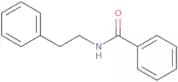
CAS:<p>Rabeprazole is a proton pump inhibitor that suppresses the production of stomach acid by blocking the H+/K+ ATPase enzyme. It is used for the treatment of gastroesophageal reflux disease, peptic ulcers, and Zollinger-Ellison syndrome. Rabeprazole has been shown to be more effective than omeprazole in reducing gastric acid secretion in two-way crossover studies. Rabeprazole also has been shown to inhibit the growth of antibiotic-resistant strains of bacteria. In addition, rabeprazole binds to metal ions like iron and copper, which may affect its pharmacokinetics and efficacy. This drug is currently being investigated as an analytical method for determination of proton pump inhibitors in human serum and urine samples by electrochemical impedance spectroscopy (EIS).</p>Formula:C18H21N3O3SPurezza:Min. 95%Colore e forma:White PowderPeso molecolare:359.44 g/molN-(2-Phenethyl)benzamide
CAS:<p>N-(2-Phenethyl)benzamide (NPEB) is a molecule that belongs to the group of reactive molecules. It has been shown to be toxic to gram-positive bacteria, such as Staphylococcus aureus and Bacillus subtilis, but not gram-negative bacteria such as Escherichia coli. NPEB also has been shown to have locomotor activity in animals, which may be due to its ability to inhibit the mitochondrial electron transport chain and inhibit ATP production. NPEB's biological properties are well characterized. FTIR spectroscopy showed that this molecule has an amide functional group and is a small molecule with a molecular weight of 176.4 g/mol. This molecule was also found to be able to bind to mitochondria in animals.</p>Formula:C15H15NOPurezza:Min. 97 Area-%Colore e forma:PowderPeso molecolare:225.29 g/molPantoprazole sodium hydrate - Mixture of impurities D and F
CAS:<p>Pantoprazole sodium hydrate is a custom synthesis that is used as a drug product. The CAS number for this compound is 624742-53-6. This compound has the following impurities: D and F. Pantoprazole sodium hydrate has been shown to be metabolized in vitro by human liver microsomes to its metabolites, including the following: (1) pantoprazol acid, (2) 4-hydroxypantoprazol acid, (3) 4-hydroxyisoxazole acid, and (4) 5-(4-hydroxyphenyl)-2H-1,2-benzoxazin-3(4H)-one. The metabolite 4-hydroxypantoprazol acid has been found to be pharmacologically active in animal models of gastric ulceration and healing.</p>Formula:C17H17F2N3O4SPurezza:Min. 95%Colore e forma:Off-white to yellow powder.Peso molecolare:397.4 g/molDi-2-thienylmethanone
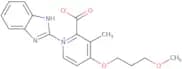
CAS:<p>Di-2-thienylmethanone is a pyrazole with an activation energy of about 10.5 kcal/mol. It has been found to be toxic and can cause cell lysis. This molecule has been used in the synthesis of a number of drugs, including thiopental, a barbiturate that is used as an anaesthetic. Di-2-thienylmethanone is also the precursor for the synthesis of fluoroquinolones, which are potent antibacterial agents. The Friedel-Crafts reaction is one way this molecule is synthesized, and it involves the addition of an alkyl halide to an unsaturated double bond. This reaction is named after Charles Friedel and James Crafts who first discovered it in 1877.</p>Formula:C9H6OS2Purezza:Min. 95%Colore e forma:White PowderPeso molecolare:194.28 g/mol2-[[[4-(3-Methoxypropoxy)-3-methyl-2-pyridinyl]methyl]thio]-1H-benzimidazole
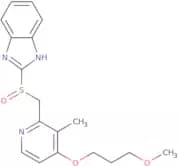
CAS:<p>Rabeprazole is a proton pump inhibitor that is used to treat acid-related disorders such as gastroesophageal reflux disease and peptic ulcers. Rabeprazole inhibits the production of gastric acid by blocking the hydrogen/potassium ATPase that is found in the parietal cells of the stomach. The main mechanism of action for rabeprazole is competitive inhibition of the proton pump, which leads to decreased gastric acid secretion. Rabeprazole can be administered orally or intravenously, with a half-life of about 2 hours. It has been shown to have an effect on human liver cytochrome P450s, but does not affect the activity of recombinant cytochrome P450 3A4 (CYP3A4). In clinical studies, rabeprazole was shown to have no adverse effects on CYP3A4 activity and may even increase it slightly.</p>Formula:C18H21N3O2SPurezza:Min. 95%Colore e forma:White PowderPeso molecolare:343.44 g/mol2-Mercaptobenzimidazole
CAS:<p>2-Mercaptobenzimidazole is a chemical compound that can be used for the treatment of infectious diseases. It has been shown to have antioxidative properties and inhibit the growth of bacteria. 2-Mercaptobenzimidazole also has an effect on human serum, which may be due to its ability to bind with proteins in serum and form hydrogen bonds. 2-Mercaptobenzimidazole is stable at high temperatures and has been shown as an effective antimicrobial agent against gram positive and gram negative bacteria.</p>Formula:C7H6N2SPurezza:Min. 99 Area-%Colore e forma:White/Off-White SolidPeso molecolare:150.19 g/mol(1R,3S,5S)-8-Methyl-8-azabicyclo[3.2.1]oct-6-en-3-yl-2'-hydroxy-2',2'-di(thiophen-2''-yl)acetate
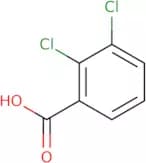
CAS:<p>Tanshinone IIA is an enantioselective hydroxamic acid that inhibits matrix metalloproteinase. It is a structural analogue of the hydroxamic acid Tanshinone I and has been shown to inhibit aggrecanase, which is an enzyme that hydrolyzes the glycosaminoglycan aggrecan. It also has anti-cancer effects due to its inhibition of cell proliferation in cancer cells. Tanshinone IIA can be used as a chiral synthon for polymerase chain reactions (PCR) because it contains a stereogenic centre in its structure.</p>Formula:C18H19NO3S2Purezza:Min. 95%Colore e forma:PowderPeso molecolare:361.48 g/mol2,3-Dichlorobenzoic acid
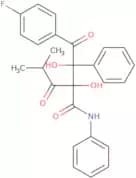
CAS:<p>2,3-Dichlorobenzoic acid is an organic compound that belongs to the class of carboxylates. It is used as a drug substance in the treatment of mycobacterial infections. 2,3-Dichlorobenzoic acid has been shown to have antimicrobial activity against Mycobacterium tuberculosis and other mycobacteria. The sensitivity index for this compound was determined using a chromatographic method with human erythrocytes as the test organism. 2,3-Dichlorobenzoic acid displays its antibacterial activity by inhibiting protein synthesis and cell division. This drug also forms crystalline solids that are soluble in organic solvents such as chloroform or benzene.</p>Formula:C7H4Cl2O2Purezza:Min. 95%Colore e forma:PowderPeso molecolare:191.01 g/molDihydroxy diketo atorvastatin impurity
CAS:<p>Dihydroxy diketo atorvastatin impurity is a synthetic impurity that is generated by the metabolism of atorvastatin. This drug product is an analytical standard for the determination of purity, and can also be used to develop high purity drugs.</p>Formula:C26H24FNO5Purezza:Min. 95%Peso molecolare:449.47 g/mol5-Methoxy-2-[[(4-Chloro-3,5-dimethyl-2-pyridinyl)methyl]sulfinyl]-5-methoxy-1H-benzimidazole
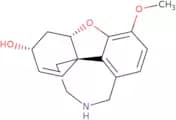
CAS:<p>5-Methoxy-2-[(4-chloro-3,5-dimethyl-2-pyridinyl)methyl]sulfinyl]-5-methoxy-1H benzimidazole is a synthetic drug product. It has been used as a positive control in metabolism studies and as an impurity standard. 5-Methoxy 2-[(4-chloro 3,5 dimethyl 2 pyridinyl)methyl]sulfinyl]-5 methoxy 1H benzimidazole is also a metabolite of the active pharmaceutical ingredient (API) which is used to develop drugs. This chemical is synthesized by custom synthesis and can be obtained at high purity levels. The metabolite of this compound is 5 methoxy 2-[(4 chloro 3,5 dimethyl 2 pyridinyl)methyl]sulfonyl]-5 methoxy 1H benzimidazole.</p>Formula:C16H16ClN3O2SPurezza:Min. 95%Colore e forma:PowderPeso molecolare:349.84 g/molN-Desmethyl galanthamine
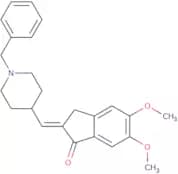
CAS:Prodotto controllato<p>N-Desmethyl galanthamine is a plant alkaloid that is found in the Huperzia serrata plant. It has been shown to have cholinergic activity and calcium binding properties. N-Desmethyl galanthamine inhibits acetylcholinesterase, an enzyme responsible for the breakdown of acetylcholine, which is a neurotransmitter. This inhibition leads to increased levels of acetylcholine, which results in increased neuron stimulation and improved memory function. N-Desmethyl galanthamine also binds to β2 nicotinic receptor sites and blocks the binding of nicotine, leading to decreased nicotine dependence.</p>Formula:C16H19NO3Purezza:Min. 95%Peso molecolare:273.33 g/mol1-Benzyl-4-(5,6-dimethoxy-1-oxoindan-2-ylidene)methylpiperidine
CAS:<p>1-Benzyl-4-(5,6-dimethoxy-1-oxoindan-2-ylidene)methylpiperidine is an analytical standard and a drug product. It is a synthetic compound that has been shown to have pharmacological effects similar to those of the analgesic or opioid drugs. 1-Benzyl-4-(5,6-dimethoxy-1-oxoindan-2-ylidene)methylpiperidine can be used as an impurity standard for HPLC analyses as well as metabolic studies. This compound is also known to have potential interactions with other drugs.</p>Formula:C24H27NO3Purezza:Min. 98 Area-%Colore e forma:PowderPeso molecolare:377.48 g/mol
![N-(3-(1H-imidazol-1-yl)propyl)-6-ethoxybenzo[d]thiazol-2-amine](/_next/image/?url=https%3A%2Fstatic.cymitquimica.com%2Fproducts%2F10%2Fthumb-webp%2FF495569.webp&w=3840&q=75)




![Methyl 1-((2'-cyano-[1,1'-biphenyl]-4-yl)methyl)-2-ethoxy-1H-benzo[d]imidazole-7-carboxylate](/_next/image/?url=https%3A%2Fstatic.cymitquimica.com%2Fproducts%2F10%2Fthumb-webp%2FF689582.webp&w=3840&q=75)

![2-[2-(4-methyl-1,3-thiazol-5-yl)-1h-1,3-benzodiazol-1-yl]acetic acid](/_next/image/?url=https%3A%2Fstatic.cymitquimica.com%2Fproducts%2F10%2Fthumb-webp%2FF675729.webp&w=3840&q=75)
![2-(1H-Benzo[d]imidazol-2-yl)pyridin-4-amine](/_next/image/?url=https%3A%2Fstatic.cymitquimica.com%2Fproducts%2F10%2Fthumb-webp%2FF462615.webp&w=3840&q=75)
![N-[3-(1H-imidazol-1-yl)propyl]-4-methyl-1,3-benzothiazol-2-amine](/_next/image/?url=https%3A%2Fstatic.cymitquimica.com%2Fproducts%2F10%2Fthumb-webp%2FF495561.webp&w=3840&q=75)
![7-CHLORO-5-METHYL-2-(2-(1-METHYL-1H-BENZO[D]IMIDAZOL-2-YL)ETHYL)-2,3-DIHYDRO-1H-PYRROLO[3,4-C]PYRI…](/_next/image/?url=https%3A%2Fstatic.cymitquimica.com%2Fproducts%2F10%2Fthumb-webp%2FF332590.webp&w=3840&q=75)

![4-fluoro-N-[3-(1H-imidazol-1-yl)propyl]-1,3-benzothiazol-2-amine](/_next/image/?url=https%3A%2Fstatic.cymitquimica.com%2Fproducts%2F10%2Fthumb-webp%2FF495564.webp&w=3840&q=75)
![1-[4-(1H-benzimidazol-1-yl)phenyl]ethanone](/_next/image/?url=https%3A%2Fstatic.cymitquimica.com%2Fproducts%2F10%2Fthumb-webp%2FF348180.webp&w=3840&q=75)


![2-[[[3-Methyl-4-(methylthio)-2-pyridinyl]methyl]sulfinyl]-1H-benzimidazole](/_next/image/?url=https%3A%2Fstatic.cymitquimica.com%2Fproducts%2F3D%2Fthumb-webp%2FIM21229.webp&w=3840&q=75)

![5-Methoxy-2-[[(4-methoxy-3,5-dimethyl-2-pyridinyl)methyl]thio]-1H-benzimidazole](/_next/image/?url=https%3A%2Fstatic.cymitquimica.com%2Fproducts%2F3D%2Fthumb-webp%2FIM57923.webp&w=3840&q=75)
![5-Methoxy-2-[[(4-methoxy-3,5-dimethyl-2-pyridinyl)methyl]sulfonyl]-1H-benzimidazole](/_next/image/?url=https%3A%2Fstatic.cymitquimica.com%2Fproducts%2F3D%2Fthumb-webp%2FIM57926.webp&w=3840&q=75)

![5-Methoxy-2-[[(4-methoxy-3,5-dimethyl-2-pyridinyl)methyl]sulphonyl]-1H-benzimidazole N-oxide](/_next/image/?url=https%3A%2Fstatic.cymitquimica.com%2Fproducts%2F3D%2Fthumb-webp%2FIM57920.webp&w=3840&q=75)

![2-[[[4-(3-Methoxypropoxy)-3-methyl-2-pyridinyl]methyl]thio]-1H-benzimidazole](/_next/image/?url=https%3A%2Fstatic.cymitquimica.com%2Fproducts%2F3D%2Fthumb-webp%2FIM57863.webp&w=3840&q=75)

![(1R,3S,5S)-8-Methyl-8-azabicyclo[3.2.1]oct-6-en-3-yl-2'-hydroxy-2',2'-di(thiophen-2''-yl)acetate](/_next/image/?url=https%3A%2Fstatic.cymitquimica.com%2Fproducts%2F3D%2Fthumb-webp%2FIM42883.webp&w=3840&q=75)
![5-Methoxy-2-[[(4-Chloro-3,5-dimethyl-2-pyridinyl)methyl]sulfinyl]-5-methoxy-1H-benzimidazole](/_next/image/?url=https%3A%2Fstatic.cymitquimica.com%2Fproducts%2F3D%2Fthumb-webp%2FIM57916.webp&w=3840&q=75)