Monosaccaridi
Sottocategorie di "Monosaccaridi"
- Alloses(11 prodotti)
- Arabinosi(21 prodotti)
- Eritrosio(11 prodotti)
- Fruttosio(9 prodotti)
- Fucosio(36 prodotti)
- Galactosamina(41 prodotti)
- Galattosio(261 prodotti)
- Glucosio(365 prodotti)
- Acidi glucuronici(51 prodotti)
- Glicosubstrati per enzima(77 prodotti)
- Gulosio(6 prodotti)
- Idosio(4 prodotti)
- Inositoli(15 prodotti)
- Lixosio(4 prodotti)
- Mannosio(65 prodotti)
- O-Glicani(48 prodotti)
- Psicosi(3 prodotti)
- Rhamnosio(10 prodotti)
- Ribosi(61 prodotti)
- Acidi Sialici(100 prodotti)
- Sorbosio(4 prodotti)
- Zuccheri(173 prodotti)
- Tagatosio(4 prodotti)
- Talosio(8 prodotti)
- Xyloses(20 prodotti)
Trovati 6090 prodotti di "Monosaccaridi"
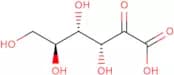
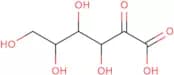
2-Keto-L-gluconic acid
CAS:Please enquire for more information about 2-Keto-L-gluconic acid including the price, delivery time and more detailed product information at the technical inquiry form on this page
Formula:C6H10O7Purezza:Min. 95%Peso molecolare:194.14 g/molMethyl 4-azido-4-deoxy-2,3-O-isopropylidene-a-D-mannopyranoside
Methyl 4-azido-4-deoxy-2,3-O-isopropylidene-a-D-mannopyranoside is a glycosylation reagent that is used to synthesize complex carbohydrates. This product is a monosaccharide with CAS No. 682487-41-6 and has a custom synthesis. It can be fluorinated and saccharified, resulting in an oligosaccharide. The synthesis of this product is based on the Click reaction, which is an efficient way to modify sugar molecules. This product has high purity and can be custom synthesized to meet your needs.
Purezza:Min. 95%Di-O-isopropylidene psicose
Di-O-isopropylidene psicose is a synthetic sugar that is a modification of the natural compound, psicose. It can be used for the synthesis of oligosaccharides, polysaccharides and other complex carbohydrates. Di-O-isopropylidene psicose can be methylated and glycosylated to form other sugar derivatives or fluorinated to form fluoroquinolones. This sugar has been shown to have high purity and stability under a wide range of conditions.
Purezza:Min. 95%a-D-Arabinopyranosyl azide
CAS:a-D-Arabinopyranosyl azide is a new modified sugar that has been synthesized by the Click chemistry method. It is a complex carbohydrate with different substituents at the C2, C4, and C6 positions. This compound can be used for methylation, saccharide, polysaccharide, glycosylation or other custom synthesis. The CAS No. for this product is 138892-04-3, and it has a purity of >99%.
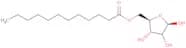
Formula:C5H9N3O4Purezza:Min. 95%Peso molecolare:175.14 g/mol5-O-Lauryl-D-xylofuranose
CAS:5-O-Lauryl-D-xylofuranose is a lipase that can hydrolyze pentoses and hexoses. This enzyme has been shown to be active at temperatures between 0°C and 40°C, with optimal activity at 30°C. 5-O-Lauryl-D-xylofuranose is also thermostable and can be immobilized on silica gel or alumina. It is used in the manufacture of lysine, L-arabinose, and D-xylose. The enzyme catalyzes the reaction by removing a hydroxyl group from the pentoses or hexoses through an ester linkage with a dodecanoate group. The aliphatic chain of 5-O-lauryl dodecanoate is attached to the pentose or hexose molecule in an ester linkage by a thioether bond.
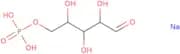
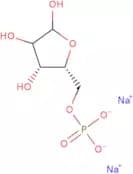
Formula:C17H32O6Purezza:Min. 95%Peso molecolare:332.43 g/molD-Arabinose-5-phosphate disodium salt
CAS:D-Arabinose-5-phosphate disodium salt is an inorganic compound that is a substrate for the enzyme, sedoheptulose-7-phosphate (S7P) reductase. D-Arabinose-5-phosphate disodium salt is converted to sedoheptulose 7 phosphate by this enzyme, which participates in the pentose phosphate pathway. This reaction takes place at pH 5.6 and 30°C, with Mn2+ ions as cofactors and a constant of 0.001 M. The time it takes for the reaction to reach equilibrium is about 10 minutes, and the kinetic constant for this reaction is 0.0004 s−1 M−1. D-Arabinose-5-phosphate disodium salt can be prepared through a number of different techniques including ion exchange chromatography or extraction from corn starch using phosphoric acid and hydrochloric acid. It also requires various metal
Formula:C5H9Na2O8PPurezza:Min. 95 Area-%Colore e forma:PowderPeso molecolare:274.07 g/molRef: 3D-MA05068
Prodotto fuori produzioneGDP-D-mannose disodium salt
CAS:GDP-D-mannose is a natural mannosyl donor and substrate for mannosyltransferases that catalyses mannosylation, for instance during the synthesis of the trimannoside core of complex, high-mannose or hybrid N-glycans. GDP-D-mannose is widely used in (chemo)enzymatic synthesis of oligosaccharides and its biosynthesis occurs from glucose-6-phosphate over several steps. GDP-D-mannose consists of a D-mannose unit, α-glycosydically linked to the nucleotide guanosine diphosphate (GDP). Examples of this important reaction would be the transfer of mannosyl moieties onto the dolichol-P-P-GlcNAc2 precursor of N-glycans in the endoplasmatic reticulum, with release of GDP, or the mannosylation reactions during GPI-anchor (bio)synthesis. GDP-D-mannose has also been used for the in vitro synthesis of b-mannan oligosaccharides.
Formula:C16H23N5O16P2Na2Purezza:Min. 95 Area-%Peso molecolare:649.3 g/molL-Xylose
CAS:L-Xylose is a monosaccharide that is found in many plants. It is used as a sweetener, and also has been shown to be beneficial in the treatment of diabetic neuropathy. L-Xylose can be metabolized by the enzyme xylitol dehydrogenase to produce energy for the cell. The enzyme catalyzes the conversion of xylitol to D-xylulose and then D-xylulose 1-phosphate, which can be converted into ATP for use by cells. L-Xylose is not metabolized by bacterial enzymes and does not affect blood sugar levels. L-Xylose has been shown to have an effect on taste perception, with a sweet taste at concentrations of 10 milligrams per liter (mg/L). This sweet taste is due to its hydroxymethyl group on the C2 position, which reacts with sodium ions in the mouth. The optimum pH for L-xylose
Formula:C5H10O5Purezza:Min. 99.0 Area-%Peso molecolare:150.13 g/molb-D-Glucose - 85%
CAS:Glycol ethers are compounds that are used as solvents and plasticizers. They have been shown to inhibit the activity of enzymes, such as glucose-6-phosphate dehydrogenase, which is involved in the conversion of glucose to phosphate. Glycol ethers also promote sugar transport by inhibiting the sodium-dependent glucose transporter (SGLT). This transport mechanism is important for maintaining normal blood sugar levels and preventing diabetic neuropathy. Glycol ethers are also anti-diabetic agents that can increase insulin sensitivity by stimulating insulin release from pancreatic beta cells and improving the response of peripheral tissues to insulin stimulation.
Formula:C6H12O6Purezza:Min. 95%Colore e forma:White PowderPeso molecolare:180.16 g/mol1,2-O-Isopropylidene-5-O-tert-butyldiphenylsilyl-b-D-arabinofuranose
CAS:1,2-O-Isopropylidene-5-O-tert.butyldiphenylsilyl-b-D-arabinofuranose is a modified sugar that can be used in the synthesis of complex carbohydrates. It has been custom synthesized and is available in high purity with a CAS number. It is an oligosaccharide that can be methylated or glycosylated. The chemical name for 1,2-O-Isopropylidene-5-O-tert.butyldiphenylsilyl-b-D-arabinofuranose is 5-(1,1'-Biphenylethyl)-3'-hydroxybenzaldehyde O-(4,4'-dimethoxytrityl)ester. This product also has fluorination and saccharide properties.
Formula:C24H32O5SiPurezza:Min. 95%Peso molecolare:428.59 g/mol(2, 4- Anhydro- 6- deoxy- L- mannonoyl)-glycine methyl ester
This is a custom synthesized product. It has been modified to include a methyl group at the 2,4-positions on the anhydro-6-deoxy-L-mannopyranose molecule. This modification is done using Click chemistry and the product contains a high level of purity. The modification can be used to create saccharides with high carbohydrate content and polysaccharides with different degrees of polymerization.
Purezza:Min. 95%Tetra- O- benzoyl- b- D- xylofuranose
CAS:Tetra-O-benzoyl-b-D-xylofuranose is a custom synthesis. It is an oligosaccharide with a saccharide chain of four sugar units that are linked by glycosylation. The first and third sugars have a benzoyl group, while the second and fourth sugars are xylopyranosyl residues. The molecule has been modified with fluorination, methylation, and click chemistry. Tetra-O-benzoyl-b-D-xylofuranose is soluble in water, methanol, acetone, chloroform, ethanol, ethylene glycol ethers, and acetonitrile.
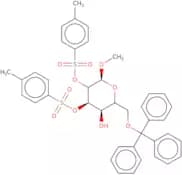
Tetra-O-benzoyl-b-D-xylofuranose has CAS number 18530–90–0.Formula:C33H26O9Purezza:Min. 95%Peso molecolare:566.55 g/molMethyl 2,3-di-O-p-toluenesulfonyl-6-O-trityl-a-D-glucopyranoside
CAS:Methyl 2,3-di-O-p-toluenesulfonyl-6-O-trityl-a-D-glucopyranoside is a custom synthesis of a natural product. It is an analogue of the disaccharide sucrose (CAS No. 69649-64-5). Methyl 2,3-di-O-p-toluenesulfonyl 6-[(trityloxy)methyl]-a-(1,2:4,5)-D glucopyranoside reacts with fluoride ion to form methyl 2,3 di -O - p - toluenesulfonyl 6-[(trityloxy)methyl]-a-(1,2:4,5)-D glucopyranoside fluoride ion. The monosaccharides are linked by glycosyl bonds and can be modified by different reactions such as oxidation or reduction. The saccharide can be modified
Formula:C40H40O10S2Purezza:Min. 95%Peso molecolare:744.87 g/molD-Fructose 1-phosphate disodium
CAS:Please enquire for more information about D-Fructose 1-phosphate disodium including the price, delivery time and more detailed product information at the technical inquiry form on this page
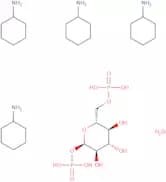
Formula:C6H11Na2O9PPurezza:90%Colore e forma:PowderPeso molecolare:304.1 g/mola-D-Glucose-1,6-diphosphate tetra(cyclohexylammonium) salt hydrate
CAS:a-D-Glucose-1,6-diphosphate tetra(cyclohexylammonium) salt hydrate is a synthetic sugar that can be used as a building block for polymer synthesis. It is an oligosaccharide that is synthesized by the click reaction of methylated glucose and cyclohexane diamine. This compound has been shown to be effective in the synthesis of polysaccharides and glycoproteins.
Formula:C6H14O12P2·4C6H13N·H2OPurezza:Min. 95%Colore e forma:PowderPeso molecolare:754.83 g/molL-Arabonic acid-1,4-lactone
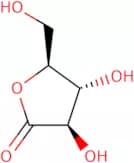
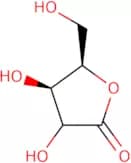
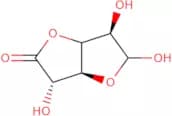
CAS:L-Arabonic acid-1,4-lactone (LL) is the product of the reaction between L-arabinose and trifluoroacetic acid. LL is an enantiomer of D-arabinose and has a pK a of 6.5, which makes it a weak base. This compound has been shown to be a hydroxyl group donor in human liver and is also used as a chaperone for protein folding.
Formula:C5H8O5Purezza:Min. 95%Colore e forma:White PowderPeso molecolare:148.11 g/mol2-Amino-2,6-dideoxy-L-mannose hydrochloride
2-Amino-2,6-dideoxy-L-mannose hydrochloride is a high purity and custom synthesis sugar. It is synthesized from 2,6-Dideoxymannose with the use of Click chemistry. This modification allows for a variety of fluorinations, glycosylations, and methylations to be used in the synthesis process. The CAS number for this compound is 107625-00-3.
Purezza:Min. 95%(2S, 3S, 4S) -4- (Hydroxymethyl) - N- methyl- 3- (phenylmethoxy) - 1- (phenylmethyl) -2- azetidinecarboxamide
CAS:(2S, 3S, 4S) -4- (Hydroxymethyl) - N- methyl- 3- (phenylmethoxy) - 1- (phenylmethyl) -2- azetidinecarboxamide is a synthetic glycosylinase inhibitor. It is an Oligosaccharide which contains a sugar and a saccharide. The synthesis of this product can be customized according to the customer's needs. This product has been fluorinated and custom synthesized. It is a high purity, complex carbohydrate with click modification.
Formula:C20H24N2O3Purezza:Min. 95%Peso molecolare:340.42 g/mol2-C-Methyl- 2, 3- O- isopropylidene - D- ribonic acid g- lactone
2-C-Methyl- 2, 3- O- isopropylidene - D- ribonic acid g- lactone (2CMP) is a modification of the sugar D- ribose that has been found to be useful in the synthesis of oligosaccharides. It can be synthesized from 2,3-O-isopropylidene -D-ribofuranose and methyl iodide. 2CMP is used as a building block for glycosylation reactions because it is easily converted to different sugars by methylation, fluorination, or saccharide modification.
Purezza:Min. 95%2-Keto-L-galactonic acid
CAS:2-Keto-L-galactonic acid is a chemical compound that belongs to the group of fatty acids. It is produced by the degradation of polyunsaturated fatty acids and has been shown to be a potential control agent for hepatic steatosis. 2-Keto-L-galactonic acid also inhibits the synthesis of dinucleotide phosphate in rat liver cells, leading to an accumulation of intracellular potassium ion. This compound inhibits the uptake of glucose by activating ATPase, which leads to an increase in intracellular pH. The uptake of 2-keto-L-galactonic acid into cells has been shown using cell culture experiments with wild type and mutant strains.
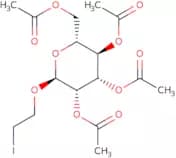
Formula:C6H10O7Purezza:Min. 95%Peso molecolare:194.14 g/mol2-Iodoethyl 2,3,4,6-tetra-O-acetyl-α-D-mannopyranoside
CAS:2-Iodoethyl 2,3,4,6-tetra-O-acetyl-a-D-mannopyranoside is a high purity custom synthesis that can be modified with Click chemistry. It can be synthesized by modification of methylated glycosides and saccharides. This product has been shown to have a wide range of applications in the areas of fluorination, glycosylation, and methylation. The sugar moiety is an oligosaccharide made up of one or more monosaccharides (simple sugars) joined together by glycosidic bonds. This product is often found in complex carbohydrates such as glycogen and starch.
Formula:C16H23IO10Purezza:Min. 95%Colore e forma:White to off-white solid.Peso molecolare:502.25 g/molRef: 3D-MI06577
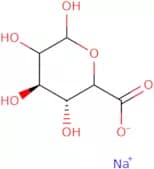
Prodotto fuori produzioneD-Galacturonic acid sodium
CAS:D-Galacturonic acid sodium salt is a salt form of D-galacturonic acid. It is an extract from seaweed and has been shown to have the ability to be absorbed in the intestines. This compound can be used as a diagnostic tool, such as for detecting strontium or radioactive isotopes in urine samples. The esters of this compound have been shown to have chelating activity and may be useful as reagents in analytical chemistry.
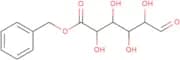
Formula:C6H10O7•NaPurezza:Min. 95%Colore e forma:PowderPeso molecolare:217.13 g/molD-Galacturonic acid benzyl ester
CAS:D-Galacturonic acid benzyl ester is a donor of d-galacturonic acid that is used to regulate the growth of bacterial cells. It has been shown to be an acceptor for oligosaccharides, which are substrates for glycosidases. D-Galacturonic acid benzyl ester has been shown to have anti-inflammatory effects in animal models and may be useful in the treatment of heart diseases, such as cardiac hypertrophy.
Formula:C13H16O7Purezza:Min. 95%Colore e forma:White PowderPeso molecolare:284.26 g/molRef: 3D-MG168258
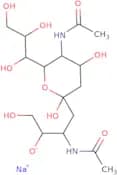
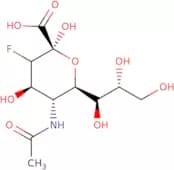
Prodotto fuori produzioneN-Acetyl-3-fluoro-neuraminic acid sodium
CAS:N-Acetyl-3-fluoro-neuraminic acid sodium (AFNA) is an inhibitor that binds to the terminal sialic acid residue of the glycoprotein neuraminidase in influenza viruses, preventing the virus from attaching to cells. AFNA is a fluorinated derivative of mannosamine and is synthesized by reacting an aldolase with sulfur trifluoride. AFNA has been shown to inhibit sialidases and utilising enzymes, which are necessary for viral replication. AFNA also inhibits bacterial sialidases, which are required for the synthesis of cell wall components.
Formula:C11H18FNO9•Nax327Purezza:Min. 95%Colore e forma:PowderPeso molecolare:326.25 g/molRef: 3D-MF61553
Prodotto fuori produzioneGDP-L-fucose disodium
CAS:Please enquire for more information about GDP-L-fucose disodium including the price, delivery time and more detailed product information at the technical inquiry form on this page
Formula:C16H23N5O15P2Na2Purezza:Min. 90 Area-%Peso molecolare:633.31 g/mol2-Deoxy-2-fluoro-D-galactose
CAS:Please enquire for more information about 2-Deoxy-2-fluoro-D-galactose including the price, delivery time and more detailed product information at the technical inquiry form on this page
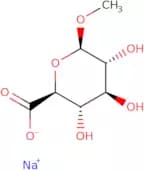
Formula:C6H11FO5Purezza:Min. 97 Area-%Peso molecolare:182.15 g/molMethyl b-D-glucuronide sodium salt
CAS:1-O-Methyl-β-D-glucuronic acid is a β-glucuronidase inducer.
Formula:C7H11NaO7Purezza:(Titration) Min 99.0%Colore e forma:White Slightly Yellow PowderPeso molecolare:230.15 g/molMethyl 3,5-O-isopropylidene-b-D-xylofuranoside
Methyl 3,5-O-isopropylidene-b-D-xylofuranoside is a methylated saccharide. It is an intermediate in the synthesis of glycosides and can be used for modifying proteins and polysaccharides. This compound is also useful for investigating carbohydrate metabolism and for determining the structure of complex carbohydrates.
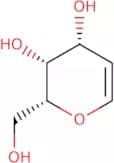
Purezza:Min. 95%D-Galactal
CAS:Building block for oligosaccharide synthesis
Formula:C6H10O4Purezza:Min. 98 Area-%Colore e forma:White Off-White PowderPeso molecolare:146.14 g/mol2,4,6-Tri-O-benzoyl-3-O-benzyl-D-mannopyranose
2,4,6-Tri-O-benzyl-3-O-benzyl-D-mannopyranose is a modification of the monosaccharide D-mannopyranose. It is a carbohydrate that can be custom synthesized and has high purity with a CAS number. The 2,4,6-tri-O-benzoyl group can be used for glycosylation reactions to produce polysaccharides. This modification also has the ability to be fluorinated or methylated by using the corresponding reagents.
2,4,6-Tri-O-benzoyl-3-O-benzyl mannopyranose is an oligosaccharide that can serve as a building block for more complicated carbohydrates like polysaccharides. It has not been shown to have any toxicity in animals and is used as a food additive in some countries.Formula:C34H30O9Purezza:Min. 95%Peso molecolare:582.6 g/molMethyl 3,6-di-O-benzyl-2-deoxy-a-D-glucopyranoside
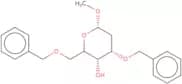
Methyl 3,6-di-O-benzyl-2-deoxy-a-D-glucopyranoside is a sugar derived from the natural carbohydrate sucrose. It is custom synthesized and glycosylated with an oligosaccharide. Methyl 3,6-di-O-benzyl-2-deoxy-a-D-glucopyranoside can be used in the synthesis of polysaccharides and other carbohydrates. This product has been modified using click chemistry to attach a methyl group at the C3 position of the glucose moiety. This modification is useful for glycosylation reactions that require a specific location on the sugar for attachment of an amino acid or peptide. Methyl 3,6-, di-, O-, benzyl--2, deoxy--A--D--glucopyranoside has CAS number 51139–03–5 and is available in high purity.
Formula:C21H26O5Purezza:Min. 95%Peso molecolare:358.43 g/molN-Acetyl-D-mannosamine
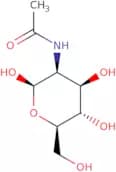
CAS:N-Acetyl D-mannosamine (ManNAc) is an aldohexose (2-acetamido-2-deoxymannose) in which the axial hydroxyl group at position 2 is replaced by a N-acetyl group (Collins, 2006). It has been reported that N-acetyl D-mannosamine supplementation, may provide novel means to break the link between obesity and hypertension (Peng, 2019). N-Acetyl-D-mannosamine and N-acetyl-D-glucosamine are the essential precursors of sialic acid, the specific monomer of polysialic acid, a bacterial pathogenic determinant, for example, Escherichia coli K1 uses both amino sugars as carbon sources. It has been reported that ManNAc can be used as a treatment for hereditary inclusion body myopathy, an adult-onset, progressive neuromuscular disorder and also for renal disorders involving proteinuria and hematuria due to podocytopathy and/or segmental splitting of the glomerular basement membrane (Galeano, 2007).
Formula:C8H15NO6Purezza:Min. 98 Area-%Colore e forma:White PowderPeso molecolare:221.21 g/molRef: 3D-MA05269
Prodotto fuori produzioneD-Arabonic acid-1,4-lactone
CAS:D-Arabonic acid-1,4-lactone is a synthetic sugar that is modified to produce a variety of carbohydrates. This product can be used in the synthesis of oligosaccharides and monosaccharides. It is also used as a carbohydrate in the production of saccharide-based polymers, such as polysaccharides or polyols. This product has CAS number 2782-09-4 and a purity level of ≥99%.
Formula:C5H8O5Purezza:Min. 95 Area-%Colore e forma:PowderPeso molecolare:148.11 g/mol3-Deoxy-L- threo- 2- hexulosaric acid
CAS:3-Deoxy-L-threo-2-hexulosaric acid is a sugar that is modified by the addition of a fluorine atom to one of its hydroxyl groups. 3-Deoxy-L-threo-2-hexulosaric acid is used in the synthesis of complex carbohydrates and oligosaccharides. It is also used in the modification of saccharides, sugars, and polysaccharides. 3-Deoxy-L-threo-2-hexulosaric acid can be custom synthesized according to your specifications. It can be synthesized with high purity at our labs.
Purezza:Min. 95%1-Deoxy-L-allitol
CAS:1-Deoxy-L-allitol is a naturally occurring compound found in human urine. It has been shown to have a role in the regulation of glucose metabolism, as it is catalysed by liver enzymes and can affect the synthesis of glycogen. 1-Deoxy-L-allitol also has been found to be an activator of t-cells, which are immune cells that help regulate the body's response to infection.
Formula:C6H14O5Purezza:Min. 95%Peso molecolare:166.17 g/molL-Fucose
CAS:L-Fucose is a monosaccharide that is an important component of glycoproteins and glycolipids. L-Fucose is also found in the cell wall of bacteria. The most abundant sources of L-fucose are from the hydrolysis of lactose or sucrose by bacteria, or as a result of intestinal microbial fermentation. L-Fucose has been shown to be involved in the regulation of many metabolic processes, including the glomerular filtration rate and sephadex g-100 binding capacity in the kidney. It has also been shown to improve growth in infant rats with protein malnutrition. The enzyme that catalyzes the conversion of D-arabinose to L-fucose is known as fucokinase.
Formula:C6H12O5Purezza:Min. 98.0 Area-%Peso molecolare:164.16 g/mol2-Deoxy-D-ribose
CAS:Used in synthetic organic chemistry and natural product synthesis. Induces apoptosis by inhibiting the synthesis and increasing the efflux of glutathione. It is used for synthesis of optically active dipyrrolyl alkanols from pyrroles on the surface of montmorillonite KSF clay.
Formula:C5H10O4Purezza:Min. 99.0 Area-%Peso molecolare:134.13 g/mol(2R, 3S, 4R, 5S) -2- Butyl-3, 4, 5- piperidinetriol
(2R, 3S, 4R, 5S) -2- Butyl-3, 4, 5- piperidinetriol is a custom synthesis of a fluorinated saccharide. It is a modified monosaccharide that has been synthesized by methylation and click modification. This molecule is an oligosaccharide with glycosylation at both the sugar and carbohydrate level. The saccharide in this compound is a complex carbohydrate that contains two sugar units.
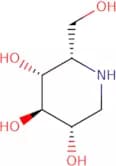
Purezza:Min. 95%(2S, 3R, 4R, 5S) -2- (Hydroxymethyl) - 3, 4, 5- piperidinetriol
CAS:(2S, 3R, 4R, 5S) -2- (Hydroxymethyl) - 3, 4, 5- piperidinetriol is a naturally occurring metabolite of the amino acid tryptophan. It is a structural analog of glucosylceramide and has been shown to have inhibitory properties against β-glucosidase. Structural studies have shown that this compound has similar stereoselective properties as the natural product glucosylceramide. This compound was also found to be a competitive inhibitor of amines and a non-competitive inhibitor of β-glucosidase.
Formula:C6H13NO4Purezza:Min. 95%Peso molecolare:163.17 g/mola-Acetobromo-D-xylose
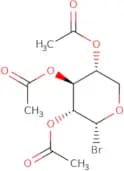
CAS:a-Acetobromo-D-xylose is an oligosaccharide sugar used in glycosylation and polysaccharide modifications. It is synthesized by the fluorination of xylose with acetic acid, bromine, and a base. The product is purified by vacuum distillation and recrystallization. In addition to its use as a carbohydrate, this product can be modified using methylation or click chemistry to create derivatives.
Formula:C11H15BrO7Purezza:Min. 95%Peso molecolare:339.14 g/mol5-O-tert-Butyldimethylsilyl-2,3-O-isopropylidene-L-ribono-1,4-lactone
CAS:5-O-tert-Butyldimethylsilyl-2,3-O-isopropylidene-L-ribono-1,4-lactone is a high purity custom synthesis and custom synthesis of complex carbohydrates. 5-O-tert-Butyldimethylsilyl-2,3-O-isopropylidene-L-ribono--1,4--lactone is a fluorination and an oligosaccharide that contains methylated sugar. It is a polysaccharide with a click modification that can be used for glycosylation and methylation. This product has been shown to be effective in the synthesis of oligosaccharides.
Formula:C15H28O5SiPurezza:Min. 95%Peso molecolare:316.47 g/mol4-Aminophenyl a-D-mannopyranoside
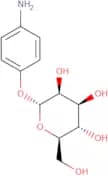
CAS:4-Aminophenyl a-D-mannopyranoside is a compound that has been shown to have anti-inflammatory properties. It is also used as a starting material in the synthesis of other drugs. Rats with chronic kidney disease were given 4-aminophenyl a-D-mannopyranoside daily for three weeks, and it was found that this compound prevented the development of kidney injury markers. This drug has also been shown to be effective against mouse strains with nervous system diseases. 4-Aminophenyl a-D-mannopyranoside binds to lysine residues on proteins and prevents the interactions between these residues and the amino acid glutathione, which is required for glut1 uptake in brain cells. This uptake is essential for cellular function, and therefore 4-aminophenyl a-D-mannopyranoside may be useful as chemotherapeutic treatment for brain cancer.
Formula:C12H17NO6Purezza:Min. 95%Colore e forma:Off-White PowderPeso molecolare:271.27 g/mol3-C-Methyl- 5, 6- O- isopropylidene)-D- mannonic acid g- lactone
3-C-Methyl- 5, 6- O- isopropylidene)-D- mannonic acid g- lactone is a modification of the natural sugar D-mannonic acid. It can be used as an intermediate for the synthesis of oligosaccharides and complex carbohydrates. 3-C-Methyl-5,6 -O-isopropylidene)-D -mannonic acid g -lactone is synthesized by methylation and glycosylation. This product is available in high purity and CAS No.
Purezza:Min. 95%Allosamizoline
CAS:Allosamizoline is a potent inhibitor of bacterial enzyme that is produced by the bacteria. It inhibits viral replication and has been shown to inhibit the biosynthesis of other bioactive molecules, such as cyclohexane ring, nitrogen atoms, and growth regulators. Allosamizoline is a bicyclic compound with an acetylation at the carbon atom and a cyclohexane ring. This compound also has two nitrogen atoms in its structure that are important for inhibiting bacterial enzymes. In addition, allosamizoline can be conjugated to fluorescein via an ester linkage. The fluorescein-allosamizoline conjugate can be used as a fluorescent probe for the detection of bacterial enzymes in live cells and tissues.
Formula:C9H16N2O4Purezza:Min. 95%Peso molecolare:216.23 g/mol4-Methoxyphenyl 2,4,6-tri-O-benzoyl-a-D-mannopyranoside
4-Methoxyphenyl 2,4,6-tri-O-benzoyl-a-D-mannopyranoside is a glycosylation product of mannose with 4-methoxybenzoic acid. It is a complex carbohydrate that has been modified by methylation and click modification. The fluorination increases the reactivity of the hydroxyl groups on the sugar ring. This product can be synthesized in high purity and custom synthesis.
Formula:C34H30O10Purezza:Min. 95%Peso molecolare:598.6 g/molL-Glucurono-3,6-lactone
CAS:L-Glucurono-3,6-lactone is an acetonide that is a derivative of L-glucose. L-Glucurono-3,6-lactone can be used as a precursor for the synthesis of polyhydroxybutyrate (PHB).
Formula:C6H8O6Purezza:Min. 95%Colore e forma:PowderPeso molecolare:176.12 g/molD-Glucosamine 6-phosphate
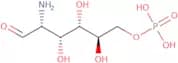
CAS:D-Glucosamine 6-phosphate is a non-essential amino acid that belongs to the group of nucleotide sugar phosphates. It is a metabolite of the sugar D-glucose and it plays an important role in the energy metabolism of bacteria, plants, and animals. It has been shown to have anti-cancer effects on prostate cancer cells. D-Glucosamine 6-phosphate inhibits methyltransferase activity by binding to the enzyme's active site. This inhibition prevents DNA synthesis, leading to cell death. The structural analysis has been done using NMR spectroscopy on d-arabinose as a model substrate.
Formula:C6H14NO8PPurezza:Min. 98 Area-%Colore e forma:White PowderPeso molecolare:259.15 g/mol(1S) -1- [(2S, 3S,4R) -N-Benzyl-4-hydroxymethyl-3- hydroxy- 1- azetidinyl] -1, 2- ethanediol
The synthesis of 1,2-ethanediol is accomplished by the reaction of benzaldehyde with ethanol. This product is a synthetic sugar that is used in the modification of polysaccharides and glycosylation. The molecular weight of this product ranges from 200 to 400 Daltons. It has a CAS number of 730-25-6.
Purezza:Min. 95%5,6-O-Isopropylidene-L-gulonic acid-1,4-lactone
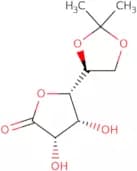
CAS:5,6-O-Isopropylidene-L-gulonic acid-1,4-lactone is a synthetic monosaccharide with the molecular formula C8H14O5. It has a CAS number of 94697-68-4 and is available for custom synthesis. The chemical structure of 5,6-O-Isopropylidene-L-gulonic acid-1,4-lactone consists of a methyl group attached to the hydroxyl at position 1 and a fluoro group attached to the hydroxyl at position 4. 5,6--O--Isopropylidene--L--gulonic acid--1,4--lactone is not naturally occurring and is made by modification of glycosides. This compound can be used in click chemistry or complex carbohydrate reactions.
Formula:C9H14O6Purezza:Min. 99 Area-%Colore e forma:White PowderPeso molecolare:218.2 g/molMethyl 6-O-tert-butyldimethylsilyl-2,3,4-tri-O-pivaloyl-a-D-mannopyranoside
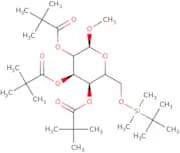
Methyl 6-O-tert-butyldimethylsilyl-2,3,4-tri-O-pivaloyl-a-D-mannopyranoside is a synthetic glycosylation agent that can be used for the synthesis of complex carbohydrates. This product has been fluorinated and saccharide modified. Methyl 6-O-tert-butyldimethylsilyl-2,3,4-tri-O-pivaloyl-aDmannopyranoside is available in CAS number: 5756782.
Formula:C28H52O9SiPurezza:Min. 95%Peso molecolare:560.81 g/mol2-Iodoethyl α-L-fucopyranoside
2-Iodoethyl a-L-fucopyranoside is an organic compound that belongs to the group of fluorinated saccharides. It is used in the synthesis of oligosaccharides, polysaccharides, and complex carbohydrates. 2-Iodoethyl a-L-fucopyranoside can be modified with click chemistry at the C4 position for the synthesis of monosaccharides or sugar derivatives. This modification leads to high purity and chemical stability.
Formula:C8H15IO5Purezza:Min. 95%Colore e forma:White to off-white solid.Peso molecolare:318.11 g/molMethyl 2-deoxy-b-D-ribopyranoside
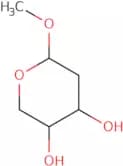
CAS:Methyl 2-deoxy-b-D-ribopyranoside is a synthetic monosaccharide that has been modified by fluorination, monosaccharide, and methylation. It is an oligosaccharide that belongs to the group of complex carbohydrates. This compound can be used for glycosylation reactions or as a sugar donor in click chemistry. Methyl 2-deoxy-b-D-ribopyranoside has CAS No. 17676-20-9 and it's purity is greater than 99%.
Formula:C6H12O4Purezza:Min. 95%Peso molecolare:148.16 g/mol1-Deoxy-3,4-O-isopropylidene-6-O-tert.butyldimethylsilyl-D-tagatose
1-Deoxy-3,4-O-isopropylidene-6-O-tert.butyldimethylsilyl-D-tagatose (1DOP) is a carbohydrate that can be used in the synthesis of oligosaccharides and polysaccharides. It is a synthetic monosaccharide that has been modified with fluorine and methyl groups to increase its stability. 1DOP can be reacted with other sugars like glucose or mannose to form glycosidic linkages. The resulting product is called an oligosaccharide, which can then be further modified by adding more sugar residues to form a polysaccharide.
Purezza:Min. 95%4-(3-(2,3-O-Isopropylidene-lyxofuranos-5-yl)propan-2-one-1-yl)piperidine-2,6-dione
4-(3-(2,3-O-Isopropylidene-lyxofuranos-5-yl)propan-2-one-1-yl)piperidine-2,6-dione is a high purity custom synthesis sugar. It is synthesized by Click modification, Fluorination, Glycosylation and Synthetic. 4-(3-(2,3-O-Isopropylidene-lyxofuranos-5-yl)propan-2-one 1 - yl)piperidine 2,6 dione has CAS No., Oligosaccharide and Carbohydrate as its properties. It is a saccharide which belongs to the class of complex carbohydrate.
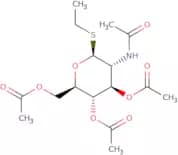
Purezza:Min. 95%Ethyl 2-acetamido-3,4,6-tri-O-acetyl-2-deoxy-b-D-thioglucopyranoside
CAS:Ethyl 2-acetamido-3,4,6-tri-O-acetyl-2-deoxy-b-D-thioglucopyranoside is a modified carbohydrate that has been synthesized by the click modification of an acetylated triose. This chemical was synthesized by reacting ethyl 2-(2'-deoxy-(1->4)-beta--D--glucopyranoside) with trimethylsilylacetamide and copper(I) chloride in dry tetrahydrofuran. This product has high purity and is used as a research tool for glycobiology.
Formula:C16H25NO8SPurezza:Min. 95%Colore e forma:White PowderPeso molecolare:391.44 g/mol1-O-Methyl-α-D-glucopyranoside
CAS:Methyl α-D- glucopyranoside is a methylated sugar used as an inhibitor of lectin-conjugate binding. Methyl α-D- glucopyranoside is commonly used in protein purification for eluting glycoproteins and other glycoconjugates from affinity chromatography columns of agarose lectin. Methyl α-D- glucopyranoside is also known as Methyl alpha-D-glucoside or alpha-Methyl-glucoside.
Formula:C7H14O6Purezza:Min. 99.0 Area-%Peso molecolare:194.19 g/molL-Guluronic acid sodium
CAS:L-Guluronic acid sodium is a monosaccharide that plays a crucial role in cardiac health. It is involved in the uptake and utilization of polyene carbohydrates, carotenoids, and fatty acids by human myocardial cells. L-Guluronic acid sodium has been shown to enhance the bioavailability of these essential nutrients, promoting optimal heart function. Additionally, this compound acts as a reactive analog, mimicking the effects of certain molecules involved in mammalian cell signaling pathways. This unique property makes L-Guluronic acid sodium a potential therapeutic agent for various cardiovascular conditions and may have implications in other areas such as stent technology and cancer research.
Formula:C6H9O7NaPurezza:Min. 98 Area-%Colore e forma:PowderPeso molecolare:216.12 g/mol1,4-Anhydro-D-mannitol
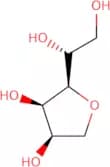
CAS:1,4-Anhydro-D-mannitol is a sugar alcohol that belongs to the group of alditols. It is a tautomer of galactitol, which is found in fetal bovine serum. The dehydrated form of this compound has been shown to have an inhibitory effect on tyrosinase activity. 1,4-Anhydro-D-mannitol may be used as an intermediate in the production of polymers or as a cosmeceutical agent due to its high water solubility and low toxicity.
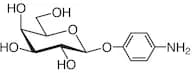
Formula:C6H12O5Purezza:Min. 95%Colore e forma:PowderPeso molecolare:164.16 g/mol4-Aminophenyl β-D-Galactopyranoside
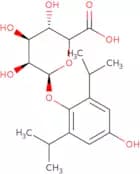
CAS:Formula:C12H17NO6Purezza:>98.0%(HPLC)Colore e forma:White to Almost white powder to crystalPeso molecolare:271.274-Hydroxypropofol 1-O-b-D-glucuronide sodium salt
CAS:4-Hydroxypropofol 1-O-b-D-glucuronide is a metabolite of propofol that is found in human urine. It can be detected by chromatography and UV spectroscopy. 4-Hydroxypropofol 1-O-b-D-glucuronide has been shown to have radical scavenging activity and can be used as an analytical reagent for the validation of analytical methods. This compound has also been analysed for its cytotoxic and antiinflammatory effects on the cytosol of cultured cells, with promising results.
Formula:C18H25NaO8Purezza:Min. 95%Colore e forma:PowderPeso molecolare:392.38 g/molRef: 3D-MH09760
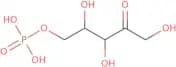
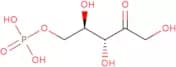
Prodotto fuori produzioneD-Ribulose 5-phosphate sodium
CAS:Ribulose 5-phosphate sodium is a chemical that can be used to inhibit the enzyme ribulose phosphate reductase. Ribulose 5-phosphate sodium has been shown to inhibit glycolaldehyde production in the chloroplasts of plants, effectively reducing the amount of carbon dioxide produced. This chemical has also been shown to have an inhibitory effect on other enzymes involved in carbon fixation and assimilation. The effectiveness of this chemical is dependent on the specific plant species and environmental conditions.
Formula:C5H11O8P•NaxPurezza:Min. 95%Colore e forma:PowderPeso molecolare:230.11 g/molRef: 3D-AAA09387
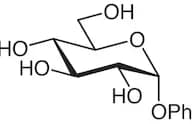
Prodotto fuori produzionePhenyl α-D-Glucopyranoside
CAS:Formula:C12H16O6Purezza:>97.0%(GC)Colore e forma:White to Light yellow powder to crystalPeso molecolare:256.25D-Ribulose 5-phosphate sodium salt
CAS:Reference compound for metabolites of the pentosephosphate pathway
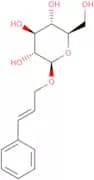
Formula:C5H11O8P·xNaPurezza:Min. 96 Area-%Colore e forma:White Yellow PowderPeso molecolare:230.11 g/mol3-Phenyl-2-propenylbeta-D-glucopyranoside
CAS:3-Phenyl-2-propenylbeta-D-glucopyranoside is a flavonoid that has been shown to have inhibitory properties. It has been used as an analytical method for the diagnosis of bronchial reactivity. The high resistance of 3-phenyl-2-propenylbeta-D-glucopyranoside to oxidation and reduction make it an interesting candidate for antiinflammatory agents. When testing the effects of this compound on human bronchial tissue, it was found that 3-phenyl-2-propenylbeta-D-glucopyranoside inhibited allergic symptoms by inhibiting the release of inflammatory mediators such as histamine and leukotrienes, which are released in response to allergens and other irritants in the airways. The use of this compound may be useful in the treatment of asthma patients who suffer from allergic reactions to dust, pollen, or animal dander.
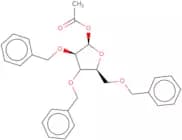
Formula:C15H20O6Purezza:Min. 95%Colore e forma:PowderPeso molecolare:296.32 g/mol1-O-Acetyl-2,3,5-tri-O-benzyl-L-ribofuranose
1-O-Acetyl-2,3,5-tri-O-benzyl-L-ribofuranose is a modified form of ribofuranose. It is a polymer that contains three or more monosaccharides linked together by glycosidic bonds. It has been modified with methyl groups and fluorine atoms to enhance its properties. This compound can be used in the synthesis of oligosaccharides, which are complex carbohydrates that are not found in nature and have potential applications as drugs.
Formula:C28H30O6Purezza:Min. 95%Peso molecolare:462.53 g/molRef: 3D-MA02826
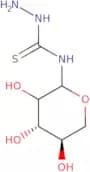
Prodotto fuori produzioneD-Arabinopyranosyl thiosemicarbazide
CAS:D-Arabinopyranosyl thiosemicarbazide is a synthetic compound. It has been shown to be effective in the synthesis of oligosaccharides and sugars, as well as glycosylation reactions. This product can be used in fluorination, methylation, and other custom synthesis reactions. D-Arabinopyranosyl thiosemicarbazide is also useful for click modification of complex carbohydrates. The purity of this product is high and it can be modified with various functional groups.
Formula:C6H13N3O4SPurezza:Min. 95%Peso molecolare:223.25 g/molD-Ribulose-5-phosphate sodium
CAS:D-ribulose-5-phosphate sodium is a nucleotide sugar that is one of the ribonucleotides, which are fundamental components of RNA. D-ribulose 5-phosphate sodium has been shown to be an intermediate in the metabolism of ribulose and catalyzes the oxidation of d-arabinose. This enzyme also catalyses the synthesis of fatty acids and participates in reactions involving glycerolipids and phospholipids. The reaction mechanism involves a double displacement with simultaneous attack by a water molecule on C2' and C3'. When deuterium is present, it affects the rate of these reactions in a way that depends on the orientation of the substrate to the enzyme.
Formula:C5H11NaO8PPurezza:Min. 95%Peso molecolare:253.1 g/molRef: 3D-BDA05475
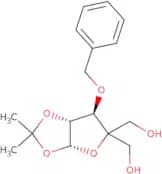
Prodotto fuori produzione4-(Hydroxymethyl)-1,2-O-isopropylidene-3-O-benzyl-beta-L-threo-pentofuranose
CAS:4-(Hydroxymethyl)-1,2-O-isopropylidene-3-O-benzyl-beta-L-threo-pentofuranose is a synthetic fluorinated monosaccharide that can be used to produce oligosaccharides and polysaccharides. It is a custom synthesis that can be modified with methylation or click chemistry. This product has been shown to bind to proteins via glycosylation, which may be useful for protein analysis. 4-(Hydroxymethyl)-1,2-O-isopropylidene-3-O-benzyl-beta-L-threo pentofuranose is CAS No. 72261 44 00 and has a purity of >99%.
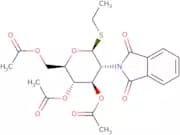
Formula:C16H22O6Purezza:Min. 95%Peso molecolare:310.34 g/molEthyl 3,4,6-tri-O-acetyl-2-deoxy-2-phthalimido-b-D-thioglucopyranoside
CAS:The compound is an O-acetylated glycoside of 2-deoxy-2-phthalimido-b-D-thioglucopyranoside with a sugar moiety. It is used in the synthesis of complex carbohydrates with click modification and high purity.
Formula:C22H25NO9SPurezza:Min. 95%Colore e forma:PowderPeso molecolare:479.5 g/molRef: 3D-ME04297
Prodotto fuori produzioneEthyl 3-O-benzyl-b-D-thioglucopyranoside
Ethyl 3-O-benzyl-b-D-thioglucopyranoside is a modification of the sugar D-thioglucose. It is synthesized by the methylation of D-thioglucose with ethyl iodide in aqueous sulfuric acid, followed by glycosylation with benzaldehyde and sodium hydroxide. This product has been used for polymerization reactions, as well as for synthesis of oligosaccharides and polysaccharides. The molecular weight of this product is 434.2 g/mol.
Purezza:Min. 95%4-Deoxy-D-glucose
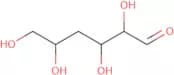
CAS:4-Deoxy-D-glucose is a sugar that is synthesized by the condensation of two molecules of erythrose. It has been shown to be an efficient donor substrate for nucleophilic attack, which can lead to the synthesis of glycosides and other natural products. 4-Deoxy-D-glucose is also a competitive inhibitor of uridine diphosphate (UDP) glucose, which is an enzyme involved in the biosynthesis of UDP sugars and glycoproteins. The concentration of 4-deoxy-D-glucose affects its catalytic mechanism, as it acts as a competitive inhibitor at high concentrations. Molecular modeling has revealed that this molecule adopts a chair conformation with significant solvent exposure.
Formula:C6H12O5Purezza:Min. 98 Area-%Colore e forma:PowderPeso molecolare:164.16 g/molHydroxy pioglitazone (M-VII) b-D-glucuronide
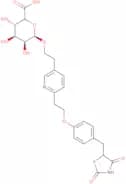
CAS:Hydroxy pioglitazone (M-VII) b-D-glucuronide is a synthetic, fluorinated glucuronide of hydroxy pioglitazone. It has been shown to inhibit the activity of bacterial dna gyrase and topoisomerase IV enzymes.
Formula:C25H28N2O10SPurezza:Min. 95%Peso molecolare:548.56 g/molRef: 3D-MH16747
Prodotto fuori produzioneD-Myo-inositol 1,4,5-triphosphate ammonium salt
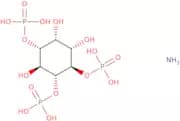
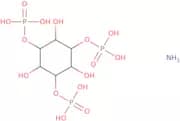
CAS:D-Myo-inositol 1,4,5-triphosphate ammonium salt is a carbohydrate that can be synthesized from D-myo-inositol and phosphoric acid. D-Myo-inositol 1,4,5-triphosphate ammonium salt is a complex carbohydrate that has been fluorinated and glycosylated. It has been used as a synthetic intermediate in the synthesis of oligosaccharides and monosaccharides.
Purezza:Min. 95%Ref: 3D-MI58430
Prodotto fuori produzioneD-Xylulose 5-phosphate sodium
CAS:D-Xylulose 5-phosphate sodium salt is a synthetic monosaccharide that can be used in the synthesis of oligosaccharides, polysaccharides, and complex carbohydrates. It is also used in glycosylation reactions. D-Xylulose 5-phosphate sodium salt has been fluorinated to provide better stability and solubility. The compound has a molecular weight of 206.06 g/mol and a CAS number of 105931-44-0. This product is available for custom synthesis upon request.
Formula:C5H11O8PNaPurezza:Min. 95%Colore e forma:PowderPeso molecolare:252.09 g/molRef: 3D-MX182933
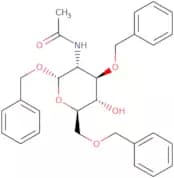
Prodotto fuori produzione2-Acetamido-1,3,6-tri-O-benzyl-2-deoxy-a-D-glucopyranoside
CAS:2-Acetamido-1,3,6-tri-O-benzyl-2-deoxy-a-D-glucopyranoside is a carbohydrate that is composed of four sugar units. It is an antigenic determinant found on the surface of human erythrocytes. The chemical synthesis of this substance begins with the condensation reaction between D-glucose and 2,4,6,-trinitrophenylacetic acid followed by benzylation and acetylation. This compound belongs to the group of substances known as carbohydrates which are chains of monosaccharides that form glycosidic bonds with other sugars. These chains are classified according to their length and the number of sugar units they contain: trioses (three sugar units), tetroses (four sugar units), pentoses (five sugar units), hexoses (six sugar units) or heptoses (seven sugar).
Formula:C29H33NO6Purezza:Min. 95%Peso molecolare:491.58 g/molRef: 3D-MA04621
Prodotto fuori produzioneMethyl D-arabinofuranoside
CAS:Methyl D-arabinofuranoside is an antimycobacterial agent that inhibits the synthesis of mycolic acids, which are important components of the cell wall of Mycobacterium tuberculosis. Methyl D-arabinofuranoside has been shown to be active against drug-resistant strains and has been well tolerated by animals. This compound can be synthesized from 2,4-dichlorophenylacetic acid and arabinose in two steps. The first step involves a three-component condensation reaction with sodium hydroxide, hydrochloric acid, and 2,4-dichlorophenylacetic acid. The second step is a nucleophilic attack on the pyran ring of methyl D-arabinofuranoside with hypophosphorous acid. Methyl D-arabinofuranoside can also be prepared by reacting sodium nitrosobenzene with sodium benzene sulfinate in alcoholic solution
Formula:C6H12O5Purezza:Min. 95%Colore e forma:Off-White PowderPeso molecolare:164.16 g/molRef: 3D-MM31839
Prodotto fuori produzionePhenyl 4,6-O-benzylidene-a-D-thioglucopyranoside
Phenyl 4,6-O-benzylidene-a-D-thioglucopyranoside is a custom synthesized compound with CAS No. This chemical is an alpha,alpha,alpha-trifluoroacetamido derivative of the natural carbohydrate thioglucose. Phenyl 4,6-O-benzylidene-a-D-thioglucopyranoside is a complex carbohydrate that can be modified by fluorination to produce a simple sugar. Modification of this compound can also produce monosaccharides with various levels of purity.
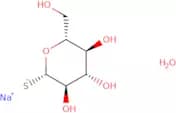
Formula:C19H20O5SPurezza:Min. 95%Peso molecolare:360.42 g/molb-D-Thioglucose sodium salt hydrate
CAS:b-D-Thioglucose sodium salt hydrate is a complex carbohydrate that is used as an intermediate for the synthesis of oligosaccharides and polysaccharides. It is also used in the modification of saccharide chains, such as glycosylation, and for the preparation of fluorinated carbohydrates. b-D-Thioglucose sodium salt hydrate is high purity, with no detectable impurities or degradation products. It has been modified with fluorine to form a new chemical entity that has not been previously described in the literature.
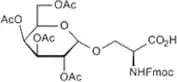
Formula:C6H11NaO5S·H2OPurezza:Min. 95%Peso molecolare:236.22 g/mol2,3,4,6-Tetra-O-acetyl-a-D-galactopyranosyl-Fmoc serine
CAS:2,3,4,6-Tetra-O-acetyl-a-D-galactopyranosyl-Fmoc serine is a custom synthesis that has been modified by fluorination and methylation. It is a monosaccharide with CAS No. 1351605-34-8 and Polysaccharide with Glycosylation and sugar Carbohydrate. This molecule has a complex carbohydrate structure with many glycosylation sites.Formula:C32H35NO14Purezza:Min. 95%Peso molecolare:657.62 g/molL-Galactose-6-O-sulphate sodium salt
L-Galactose-6-O-sulphate sodium salt is a modified carbohydrate that is synthesized by modifying the chemical structure of L-galactose. This modification can be accomplished using chemical reactions such as methylation, saccharide, polysaccharide, and click modification. The CAS number for this product is 68891-70-8.
Formula:C6H11O9SNaPurezza:Min. 95%Peso molecolare:282.2 g/molD-Myo-inositol-1,3,5-triphosphate
CAS:D-myo-inositol-1,3,5-triphosphate is a carbohydrate that is modified with fluorine. It is a custom synthesis and can be synthesized in high purity. D-myo-inositol-1,3,5-triphosphate has several glycosylations and methylations. The modification of this compound includes click chemistry for the synthesis of oligosaccharides and saccharides. D-myo-inositol-1,3,5-triphosphate can be used as a sugar or an oligosaccharide in the modification of proteins or carbohydrates.
Purezza:Min. 95%3,4-O-Isopropylidene-b-D-arabinopyranose
CAS:3,4-O-Isopropylidene-b-D-arabinopyranose is a synthetic monosaccharide that is used in the synthesis of oligosaccharides and polysaccharides. It can be fluorinated, methylated, or glycosylated to produce a range of compounds with different properties. 3,4-O-Isopropylidene-b-D-arabinopyranose is not active against bacteria, but it does inhibit the growth of yeast cells. In addition to its use in biochemistry and as a nutritional supplement for animals and humans, 3,4-O-Isopropylidene-b-D-arabinopyranose can be used as an additive for plastics and other materials.
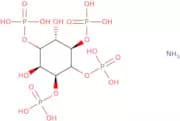
Formula:C8H14O5Purezza:Min. 95%Peso molecolare:190.19 g/molD-Myo-inositol-1,3,4,5-tetraphosphate
CAS:D-myo-inositol-1,3,4,5-tetraphosphate (IP4) is a molecule that is involved in the regulation of cell metabolism and signal transduction. It is synthesized from myo-inositol by the enzyme inositol monophosphatase and hydrolyzed by inositol hexaphosphate kinase to form D-myo-inositol. IP4 can bind to receptors which span the plasma membrane and interact with intracellular Ca2+ channels. This binding results in an increase of cytosolic Ca2+ levels, which may be due to IP4’s ability to activate phosphatidylinositol turnover. IP4 is also involved in the regulation of neuronal death and infectious diseases such as HIV.
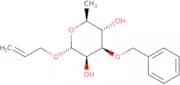
Purezza:Min. 95%Allyl 3-O-benzyl-a-L-rhamnopyranoside
CAS:Allyl 3-O-benzyl-a-L-rhamnopyranoside is an oligosaccharide that is a modification of the disaccharide, allyl 3-O-benzyl-a-D-galactopyranoside. Allyl 3-O-benzyl-a-L-rhamnopyranoside has been synthesized from D-(+)-glucose and L-(+)-rhamnose. The compound has a molecular weight of 756.40 g/mol. It is a white to off white powder that is soluble in water, but insoluble in ethanol at low concentrations. It can be used as a carbohydrate or sugar for research purposes.
Formula:C16H22O5Purezza:Min. 95%Peso molecolare:294.35 g/molRef: 3D-MA07949
Prodotto fuori produzione3'-a-Sialyl-N-acetyllactosamine sodium salt
CAS:3'-a-Sialyl-N-acetyllactosamine sodium salt is a high purity, custom synthesis sugar. It has been modified with fluorination, glycosylation, and methylation to provide the desired properties. This product is also available in other forms such as monosaccharide and saccharide. 3'-a-Sialyl-N-acetyllactosamine sodium salt can be used in various applications including Click modification, fluoroamination, glycosylation, carbonylation and methylation. CAS No. 350697-53-9
Formula:C25H42N2O19NaPurezza:Min. 95%Peso molecolare:697.59 g/molRef: 3D-MS182937
Prodotto fuori produzione2-Acetamido-1,3,4,6-tetra-O-acetyl-2-deoxy-a-D-galactopyranose
CAS:2-Acetamido-1,3,4,6-tetra-O-acetyl-2-deoxy-a-D-galactopyranose is a fluorinated complex carbohydrate that has been modified by methylation and acetylation. This product is a custom synthesis that has not been previously described in the scientific literature. It is synthesized from 2, 3, 4, 6 tetraacetyl alpha D galactopyranoside and 2 deoxy alpha D galactopyranose. The chemical properties of this compound are similar to those of other complex carbohydrates such as glycogen and heparin.
Formula:C16H23NO10Purezza:Min. 90.0 Area-%Peso molecolare:389.35 g/molD-Glucose-6-phosphate dipotassium salt hydrate
CAS:Glucose 6-phosphatase substrate
Formula:C6H11O9PK2·H2OPurezza:Min. 95%Peso molecolare:354.33 g/molRef: 3D-MG05094
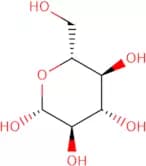
Prodotto fuori produzionea-D-Glucose
CAS:Glucose is a monosaccharide that is an important source of energy for the human body. It is a simple sugar found in many carbohydrates and is the main form of fuel used by the brain. Glucose is also used as a chemical building block for polysaccharides such as glycogen, cellulose, and chitin. The hypoglycemic effect of glucose can be observed when blood glucose levels are below 70 mg/dL. This effect can be due to its ability to increase the production of insulin or decrease the rate of gluconeogenesis in liver cells. It also has been shown to have an inhibitory effect on some viruses and bacteria, which may be due to its ability to inhibit transcription activators or polymerase chain reactions.
Formula:C6H12O6Purezza:Min. 96 Area-%Colore e forma:White PowderPeso molecolare:180.16 g/molRef: 3D-MG03219
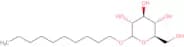
Prodotto fuori produzioneDecyl D-glucopyranoside
CAS:Decyl D-glucopyranoside is a sodium salt of decyl D-glucopyranoside that is used as a detergent additive in cleaning compositions. Decyl D-glucopyranoside has shown antimicrobial activity against both Gram-positive and Gram-negative bacteria, including methicillin resistant Staphylococcus aureus (MRSA) and Clostridium perfringens. Decyl D-glucopyranoside has also been shown to have chemical stability at high temperatures, making it useful in the manufacture of lacrimal gland preparations and cationic surfactants.
Formula:C16H32O6Peso molecolare:320.42 g/molADP-L-glycero-b-D-manno-heptose
ADP-L-glycero-b-D-manno-heptose is a synthetic, fluorinated oligosaccharide that is custom synthesized and modified. It has a high purity level and CAS No., as well as being a complex carbohydrate that can be modified with methylation or click modification to generate desired properties. ADP-L-glycero-b-D-manno-heptose is an Oligosaccharide with a glycosylation and methylation. This compound can be used in the synthesis of saccharides, polysaccharides, or other complex carbohydrates.
Purezza:Min. 95%













![(1S) -1- [(2S, 3S,4R) -N-Benzyl-4-hydroxymethyl-3- hydroxy- 1- azetidinyl] -1, 2- ethanediol](/_next/image/?url=https%3A%2Fstatic.cymitquimica.com%2Fproducts%2F3D%2Fthumb-webp%2FMB163383.webp&w=3840&q=75)