Monosaccaridi
Sottocategorie di "Monosaccaridi"
- Alloses(11 prodotti)
- Arabinosi(21 prodotti)
- Eritrosio(11 prodotti)
- Fruttosio(9 prodotti)
- Fucosio(36 prodotti)
- Galactosamina(41 prodotti)
- Galattosio(261 prodotti)
- Glucosio(365 prodotti)
- Acidi glucuronici(51 prodotti)
- Glicosubstrati per enzima(77 prodotti)
- Gulosio(6 prodotti)
- Idosio(4 prodotti)
- Inositoli(15 prodotti)
- Lixosio(4 prodotti)
- Mannosio(65 prodotti)
- O-Glicani(48 prodotti)
- Psicosi(3 prodotti)
- Rhamnosio(10 prodotti)
- Ribosi(61 prodotti)
- Acidi Sialici(100 prodotti)
- Sorbosio(4 prodotti)
- Zuccheri(173 prodotti)
- Tagatosio(4 prodotti)
- Talosio(8 prodotti)
- Xyloses(20 prodotti)
Trovati 6090 prodotti di "Monosaccaridi"
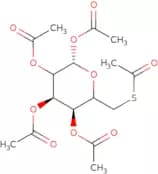
1,2,3,4-Tetra-O-acetyl-6-S-acetyl-6-deoxy-6-thio-b-D-glucopyranose
1,2,3,4-Tetra-O-acetyl-6-S-acetyl-6-deoxy-6-thio-b-D-glucopyranose is a synthetic compound that is used as a building block for the synthesis of other compounds. It is an acetylated oligosaccharide that can be modified with fluorine atoms to form 1,2,3,4-tetra-[F]fluoro-[F]deoxy-[F]thio-[F]hexose. This product has high purity and can be used in glycosylation reactions.
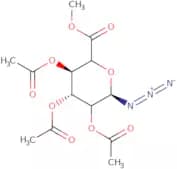
Formula:C16H22O10SPurezza:Min. 95%Peso molecolare:406.41 g/molMethyl 2,3,4-tri-O-acetyl-b-D-galactopyranuronosyl azide
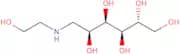
This is a custom synthesis of a carbohydrate. It is a methylated, glycosylated, fluorinated, complex carbohydrate that can be synthesized to any desired degree of substitution. This product has been designed for use as a fluorescent tag or label in biochemistry and cell biology research. It is modified at the anomeric position with an acetyl group and an azide group. The acetyl group confers solubility in water, while the azide group confers fluorescence. The modifications also allow for click chemistry reactions, which are used in protein labeling and activation studies.Formula:C13H17N3O9Purezza:Min. 95%Colore e forma:PowderPeso molecolare:359.29 g/mol1-Deoxy-1-(hydroxyethylamino)-D-glucitol
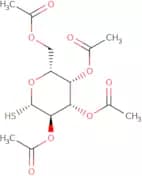
CAS:1-Deoxy-1-(hydroxyethylamino)-D-glucitol (DEG) is a sugar alcohol that has been used as a transport inhibitor for the efflux of galactitol. It competitively inhibits the uptake of galactitol in the cell, resulting in a decrease in intracellular levels of this sugar. The uptake of other sugars is not affected by DEG, which makes it an effective tool for studying the transport mechanisms for these sugars. DEG is also chiral and has been used to study the uptake of chiral molecules. This research was done by using Drosophila melanogaster as an animal model, showing that DEG can be used to investigate how cells take up different molecules. These studies have led to insights into how cells metabolize different sugars and fats.Formula:C8H19NO6Purezza:Min. 95%Colore e forma:PowderPeso molecolare:225.24 g/mol2,3,4,6-Tetra-O-acetyl-b-D-thiogalactopyranose
CAS:2,3,4,6-Tetra-O-acetyl-b-D-thiogalactopyranose is a synthetic sugar that is prepared by the fluorination of D-galactopyranose and subsequent acetylation. This compound can be used for glycosylation reactions and as a substrate for click chemistry. It is an oligosaccharide with four monosaccharides in its backbone. The CAS number of 2,3,4,6-Tetra-O-acetyl-b-D-thiogalactopyranose is 50615-66-2.Formula:C14H20O9SPurezza:Min. 95%Colore e forma:PowderPeso molecolare:364.37 g/molD-Maltose 1-phosphate dipotassium salt
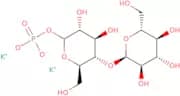
CAS:D-Maltose 1-phosphate dipotassium salt is a disaccharide that can be used in the synthesis of oligosaccharides and polysaccharides. It is also an excellent candidate for further modification.Formula:C12H21O14PK2Purezza:Min. 95%Peso molecolare:498.46 g/mol3,5-Di-C-methyl-L-mannose
3,5-Di-C-methyl-L-mannose is a custom synthesis that is an Oligosaccharide with a CAS number of 83683-03-1. It is a polysaccharide that is modified by methylation and glycosylation. 3,5-Di-C-methyl-L-mannose has been shown to be effective in inhibiting the growth of cancer cells through modification of glycosylations on proteins and other molecules. 3,5-Di-C-methyl-L-mannose also has high purity and can be synthesized using fluorination reactions.Purezza:Min. 95%4-Methoxyphenyl 2,3,4,6-tetra-O-acetyl-β-D-galactopyranoside
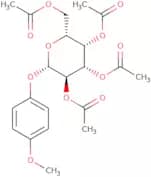
CAS:4-Methoxyphenyl 2,3,4,6-tetra-O-acetyl-b-D-galactopyranoside is a white crystalline powder. It is soluble in water and ethanol. This chemical has been used as a reagent for the methylation of saccharides and oligosaccharides with 4-methoxybenzene sulfonate. It is also an excellent substrate for click chemistry reactions.Formula:C21H26O11Purezza:Min. 95%Colore e forma:White to off-white solid.Peso molecolare:454.42 g/mol2,3,4,6-Tetra-O-pivaloyl-D-glucopyranosyl amine
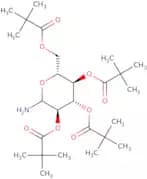
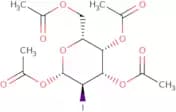
CAS:2,3,4,6-Tetra-O-pivaloyl-D-glucopyranosyl amine is a monosaccharide that is custom synthesized and modified with fluorination. It also has saccharide properties such as methylation and glycosylation. This product can be used in the synthesis of complex carbohydrates or polysaccharides. It is a high purity compound with CAS No. 888963-33-5.Formula:C26H45NO9Purezza:Min. 95%Peso molecolare:515.64 g/mol1,3,4,6-Tetra-O-acetyl-2-deoxy-2-iodo-β-D-galactopyranose
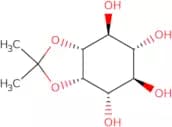
CAS:Synthetic carbohydrate building blockFormula:C14H19IO9Purezza:Min. 95%Peso molecolare:458.2 g/mol1,2-Isopropylidene-D,L-myo-inositol
CAS:1,2-Isopropylidene-D,L-myo-inositol is a modification of the natural product myo-inositol. It is synthesized by methylation and glycosylation of inositol with methanol. This chemical compound has been modified to include fluorination and saccharide.
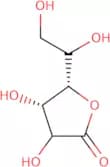
Formula:C9H16O6Purezza:Min. 95%Colore e forma:White PowderPeso molecolare:220.22 g/molD-Galactono-1,4-lactone
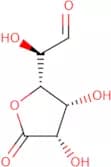
CAS:D-Galactono-1,4-lactone is an intermediate in the galactose catabolism pathway. It is an acidic compound that can be found in plants and bacteria. D-Galactono-1,4-lactone has been shown to inhibit enzyme activities when it is present at high concentrations. This compound also inhibits the enzyme carbon source, which is involved in the conversion of glucose to energy. The deuterium isotope effect on the inhibition of enzyme activity by D-galactono-1,4-lactone has been studied extensively using plant phytochemicals such as triticum aestivum.Formula:C6H10O6Purezza:Min. 95%Colore e forma:White PowderPeso molecolare:178.14 g/molD-Glucurono-3,6-lactone
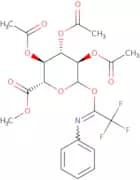
CAS:Glucose metaboliteFormula:C6H8O6Purezza:Min 98%Colore e forma:White PowderPeso molecolare:176.12 g/mol1-(2,2,2-Trifluoro-N-phenylethanimidate)-2,3,4-tri-O-acetyl-D-glucopyranuronic acid methyl ester
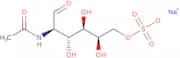
CAS:1-(2,2,2-Trifluoro-N-phenylethanimidate)-2,3,4-tri-O-acetyl-D-glucopyranuronic acid methyl ester is a methylated variant of an oligosaccharide. It has been synthesized by the click modification of an oligosaccharide with a monosaccharide and a fluorinated saccharide. This compound has been shown to have antiviral activity against the influenza virus in vitro. The antiviral activity may be due to its ability to inhibit the viral polymerase and RNA synthesis or to prevent virus assembly and release.Formula:C21H22F3NO10Purezza:Min. 95%Peso molecolare:505.4 g/molN-Acetyl-D-galactosamine-6-O-sulphate sodium salt - 95%
CAS:N-Acetyl-D-galactosamine-6-O-sulphate sodium salt is a glycosylation product that can be used in the synthesis of oligosaccharides and saccharides. It is also used for the modification of proteins, polysaccharides, fluorination reactions, and click reactions. This compound has been synthesized from D-galactose and acetylated with sulfuric acid to form an ester. N-Acetyl-D-galactosamine-6-O-sulphate sodium salt has a molecular weight of 584.12 g/mol and a melting point of 236°C.Formula:C8H14NO9SNaPurezza:Min. 95 Area-%Colore e forma:PowderPeso molecolare:323.25 g/molDL-Glyceraldehyde 3-phosphate - 45-55 mg/mL aqueous solution
CAS:Glyceraldehyde 3-phosphate (G3P) is an intermediate in the glycolytic pathway. It is also a component of polysaccharides and glycosaminoglycans. G3P is synthesized from glucose by the enzyme triose phosphate isomerase. The synthesis of G3P can be achieved by a number of methods, including methylation, fluorination, and click chemistry. This product contains 45-55 mg/mL of Glyceraldehyde 3-phosphate in water solution at pH 7.0 and at a temperature range of 2-8°C.Formula:C3H7O6PPurezza:Min. 95 Area-%Peso molecolare:170.06 g/mol1,3,4,6-Tetra-O-acetyl-2-azido-2-deoxy-L-mannopyranose
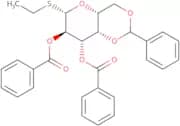
1,3,4,6-Tetra-O-acetyl-2-azido-2-deoxy-L-mannopyranose is a carbohydrate that is synthesized by the modification of the glycosylation process. It is a methylated and fluorinated oligosaccharide with a high purity. This product is available for custom synthesis in order to meet specific customer requirements.Formula:C14H19N3O9Purezza:Min. 95%Colore e forma:White To Off-White SolidPeso molecolare:373.32 g/molEthyl 2,3-di-O-benzoyl-4,6-O-benzylidene-β-D-thiogalactopyranoside
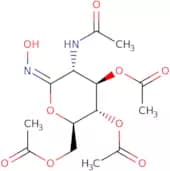
CAS:Ethyl 2,3-di-O-benzoyl-4,6-O-benzylidene-b-D-thiogalactopyranoside is a high purity custom synthesis sugar. This product contains the Click modification, fluorination and glycosylation modifications. It can be used in the synthesis of oligosaccharides, monosaccharides and saccharides. Ethyl 2,3-di-O-benzoyl-4,6-O-benzylidenebDthiogalactopyranoside is used to synthesize complex carbohydrates.Formula:C29H28O7SPurezza:Min. 98 Area-%Colore e forma:PowderPeso molecolare:520.59 g/mol2-Acetamido-3,4,6-tri-O-acetyl-2-deoxy-D-glucohydroximo-1,5-lactone
CAS:2-Acetamido-3,4,6-tri-O-acetyl-2-deoxy-D-glucohydroximo-1,5-lactone is a methylated sugar. It is a white to off white powder with a molecular weight of 518. The chemical formula for 2-Acetamido-3,4,6-tri-O-acetyl-2-deoxy--D--glucohydroximo--1,5--lactone is C16H26N2O8 and the structural formula is as follows:br>Formula:C14H20N2O9Purezza:Min. 95%Colore e forma:White PowderPeso molecolare:360.32 g/molN-Acetylmuramic acid
CAS:Component of peptidoglycan in bacterial cell walls. Peptidoglycan is a mesh-like polymer, made of a glycan backbone containing alternating subunits of Nâacetylglucosamine (GlcNAc) and Nâacetylmuramic acid (MurNAc). An enzyme substrate that is used to characterize and differentiate MurNAc and GlcNAc kinases.
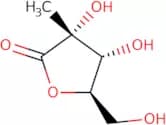
Formula:C11H19NO8Purezza:Min. 97 Area-%Colore e forma:White PowderPeso molecolare:293.27 g/mol2,3-O-Isopropylidene-2-C-methyl-D-ribono-1,4-lactone
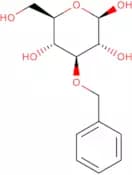
CAS:2,3-O-Isopropylidene-2-C-methyl-D-ribono-1,4-lactone is a crystalline compound that is obtained by the reaction of dimethylamine with epichlorohydrin. The compound has an asymmetric carbon atom and exists in two enantiomeric forms. It can be used as an acceptor in crystallographic analysis. The chemical structure of 2,3-O-Isopropylidene-2-C-methyl-D-ribono-1,4 -lactone is a lactone form of episulfide. Episulfides are lactones with episulfide groups attached to the C2 and C3 positions on the D ring. The episulfide group is formed by the reaction between the alcohol and sulfhydryl group from cysteamine with sulfur trioxide. The chemical formula for this compound is C13H20N2O8SFormula:C9H14O5Purezza:Min. 95%Colore e forma:PowderPeso molecolare:202.2 g/mol3-O-Benzyl-D-glucopyranose
CAS:3-O-Benzyl-D-glucopyranose is a molecule that has been optimized for its autodock score. It binds to the active site of peptidases, which are enzymes that break down proteins in the body. 3-O-Benzyl-D-glucopyranose is a nauclea that can be used as a pharmacokinetic (PK) or pharmacodynamic (PD) inhibitor. Nauclea have shown effectiveness against diabetes by preventing the breakdown of glucose, which is an important energy source for cells. 3-O-Benzyl-D-glucopyranose has also been found to be an effective inhibitor of DPPIV, which is an enzyme involved in breaking down insulin and other hormones in blood circulation. In vitro studies have shown that it may also have antiaging properties due to its ability to inhibit production of inflammatory cytokines such as IL1β, IL6, and TNFα.Formula:C13H18O6Purezza:Min. 95%Colore e forma:PowderPeso molecolare:270.28 g/molChitobiose dihydrochloride
CAS:Chitobiose 2HCl is a synthetic sugar that has been modified using Click chemistry. It is a fluorescent sugar that can be used as an indicator for protein-sugar interactions. Chitobiose 2HCl is soluble in water and has a molecular weight of 258.078 g/mol.Formula:C12H24N2O9•(HCl)2Purezza:Min. 95%Peso molecolare:413.25 g/molD-Mannose
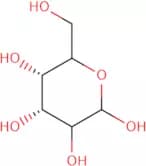
CAS:Mannose (Man) is the C2 epimer of glucose with one hydroxyl group axial which by Hudsons rules makes it slightly less stable than glucose (Hudson, 1948). However, mannose is very common in plants and animals, and occurs in many polysaccharides, such as, galactomannans (e.g. Guar, Locust Bean Gum), mananns (e.g. Ivory Nut Mannan), Spruce Galactoglucomannan, Gum Ghatti (Whistler, 1993) and bakerâs yeast (Saccharomyces cerevisiae) (Manners, 1973). Mannose is one of the key mammalian monosaccharides (Glucose, Galactose, Mannose, Fucose, N-Acetyl Glucosamine, N-Acetyl galactosamine and Sialic acid) and occurs in N-linked glycans where it is a core oligosaccharide (Gabius, 2009).Formula:C6H12O6Purezza:Min. 98 Area-%Colore e forma:White PowderPeso molecolare:180.16 g/molAllyl b-D-glucopyranoside
CAS:Allyl b-D-glucopyranoside is a sweet and stable sugar that is used in the production of food and pharmaceutical products. It is sourced from corn starch or rice starch. Allyl b-D-glucopyranoside has been shown to be more efficient than chloride when added to tandospirone citrate, a herbal medicine, for the prevention of gastric ulcers. This sugar has also been used in clinical use as an additive in medicines such as alginic acid.
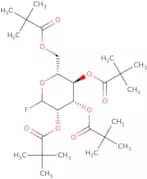
Formula:C9H16O6Purezza:Min. 98 Area-%Colore e forma:White Off-White PowderPeso molecolare:220.22 g/mol2,3,4,6-Tetra-O-pivaloyl-D-mannopyranosyl fluoride
CAS:2,3,4,6-Tetra-O-pivaloyl-D-mannopyranosyl fluoride is a carbohydrate that is synthesized by the modification of D-mannose with 4,6-dichlorohexanoic acid. It is a white powder with a melting point of 170°C. 2,3,4,6-Tetra-O-pivaloyl-D-mannopyranosyl fluoride can be used as a monosaccharide for glycosylation reactions or as an intermediate for custom synthesis. This product has been methylated and glycosylated before the final purification process. It has a high purity level and can be used in Click chemistry reactions.
Formula:C26H43FO9Purezza:Min. 95%Colore e forma:White PowderPeso molecolare:518.61 g/mol4-Methylphenyl β-D-thiogalactopyranoside
CAS:4-Methylphenyl β-D-thiogalactopyranoside is a custom synthesis. The chemical is an Oligosaccharide, Polysaccharide, Modification, saccharide, Methylation, Glycosylation, Carbohydrate that has been Fluorinated and Synthetically Modified. It is a High purity product with the CAS No. 28244-98-6.Formula:C13H18O5SPurezza:Min. 95%Colore e forma:White Off-White PowderPeso molecolare:286.35 g/molL-Ribose
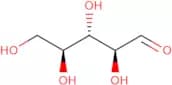
CAS:Constituent of RNA; important resource for RNA- and DNA-related syntheses
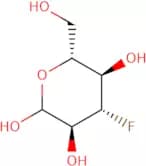
Formula:C5H10O5Purezza:Min. 98 Area-%Colore e forma:White PowderPeso molecolare:150.13 g/mol3-Deoxy-3-fluoro-D-glucose
CAS:Fluorinated glucose analogFormula:C6H11FO5Purezza:Min. 95%Colore e forma:White PowderPeso molecolare:182.15 g/molAllyl α-D-galactopyranoside
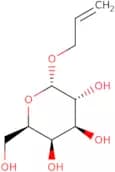
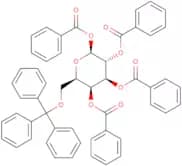
CAS:Allyl α-D-galactopyranoside is a colorimetric reagent that reacts with the polysaccharides to form a colored product. The reaction is based on the transfer of an allyl group from the reagent to the polysaccharide. This reaction can be performed using atomic force microscopy and microscopy techniques, as well as using light and UV-visible spectroscopy. The reaction can also be used to measure glycopolymer concentrations. A titration procedure has been developed for this purpose, in which an excess of allyl α-D-galactopyranoside is added to a solution containing galactose and ammonium sulfate. Allyl α-D-galactopyranoside reacts with galactose to produce an insoluble precipitate that can be measured by weighing or using optical density measurements at a certain wavelength.Formula:C9H16O6Purezza:Min. 97 Area-%Colore e forma:White Off-White PowderPeso molecolare:220.22 g/mol1,2,3,4-Tetra-O-benzoyl-6-O-trityl-b-D-galactopyranose
CAS:1,2,3,4-Tetra-O-benzoyl-6-O-trityl-b-D-galactopyranose is a custom synthetic sugar that can be modified using a variety of glycosylation and modification techniques. This product has been synthesized and purified to high purity standards. It is an Oligosaccharide, Polysaccharide, Modification, saccharide with CAS No. 100740-75-8.Formula:C53H42O10Purezza:Min. 95%Peso molecolare:838.89 g/molAllyl 3-O-benzyl-a-D-glucopyranoside
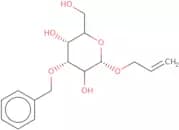
CAS:Allyl 3-O-benzyl-a-D-glucopyranoside is a synthetic, monosaccharide carbohydrate. The product is a modification of the natural polysaccharide allyl 3-O-benzyl-a-D-glucopyranoside. Allyl 3-O-benzyl-a -D glucopyranoside is an Oligosaccharide with CAS No. 145454-72 -4 and has the molecular formula C14H20O6 and molecular weight of 312.32 g/mol. The product is available in high purity and can be synthesized to order. Allyl 3-O -benzyl -a D glucopyranosides are useful as a Fluorination, saccharide for use in glycosylation or methylation reactions or as a complex carbohydrate in the synthesis of oligosaccharides, polysaccharides, or sugar chains.Formula:C16H22O6Purezza:Min. 95%Peso molecolare:310.34 g/molUDP-3-O-(R-3-hydroxydecanoyl)-GlcNAc sodium salt
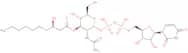
CAS:Substrate for UDP-3-O-acyl-GlcNAc deacetylase
Formula:C27H43N3O19P2·xNaPurezza:Min. 90 Area-%Colore e forma:White Off-White Solidified MassPeso molecolare:777.6 g/mol2-C-Methyl- D- xylonic acid g- lactone
2-C-Methyl- D- xylonic acid g- lactone is a monosaccharide that can be used in the synthesis of oligosaccharides and complex carbohydrates. This compound is a fluorinated carbohydrate, which has been modified to include a methyl group at the C2 position. The chemical name for this compound is 2-C-Methyl-D-xylonic acid g-lactone and it has CAS No. 4983-92-1. This compound can be synthesized as a custom order and its purity exceeds 99%. Its synthesis can involve glycosylation or methylation, depending on the desired product.
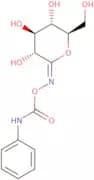
Purezza:Min. 95%O-(D-Glucopyranosylidene)amino N-phenylcarbamate
CAS:O-(D-glucopyranosylidene)amino N-phenylcarbamate is a synthetic monosaccharide that is used in our laboratory as an intermediate for the synthesis of complex carbohydrates. It is also used in the modification of polysaccharides and glycosylations. This compound has been shown to be stable to hydrolysis, methylation, and oxidation. O-(D-glucopyranosylidene)amino N-phenylcarbamate has been shown to be a high purity product with a CAS number of 104012-84-2.
Formula:C13H16N2O7Purezza:Min. 95%Peso molecolare:312.28 g/molMitiglinide-acyl-b-D-glucuronide
Mitiglinide-acyl-b-D-glucuronide is a custom synthesis of an oligosaccharide and polysaccharide that has been fluorinated, modified and then acylated. This reagent is available in high purity and with a modification of methylation. It is a complex carbohydrate with high purity that is obtained by modifying the sugar monomer. Mitiglinide-acyl-b-D-glucuronide is a synthetic monosaccharide that has been modified with polysaccharides and saccharides to produce a product with high purity.
Formula:C25H33NO9Purezza:Min. 95%Peso molecolare:491.53 g/molL-[1-13C]Fucose
CAS:L-[1-13C]Fucose is a custom synthesis. It is an oligosaccharide that consists of D-fucose, which is a sugar found in the cell wall of bacteria. L-[1-13C]Fucose has been used as a substrate for methylation reactions and click chemistry modifications to study the binding affinity of various proteins. This compound has also been used in saccharide modification studies and glycosylation reactions.Formula:CC5H12O5Purezza:Min. 95%Colore e forma:PowderPeso molecolare:195.19 g/molGlucosyl-C18-sphingosine
CAS:Glucosyl-C18-sphingosine is a sphingolipid that has been shown to inhibit the activity of Gaucher's enzyme, which is responsible for the synthesis of glucosylceramide. It has been demonstrated in a model system that glucosyl-C18-sphingosine inhibits mitochondrial membrane potential and decreases ATP levels, leading to cell death. The molecular pathogenesis of Gaucher disease is not well understood but it is believed to be related to defective lysosomal function. Glucosyl-C18-sphingosine may be used as a diagnostic agent for Gaucher disease and other metabolic disorders involving glucosylceramide accumulation.Formula:C24H47NO7Purezza:Min. 95%Colore e forma:PowderPeso molecolare:461.63 g/molD-Talitol
CAS:D-Talitol is a drug that is used to treat eye disorders and chronic pulmonary diseases. It belongs to the class of drugs called xylitol dehydrogenase inhibitors. D-Talitol inhibits the enzyme xylitol dehydrogenase, which converts xylitol into a different sugar called sorbitol. Sorbitol accumulates in certain parts of cells, such as the mitochondria, and can disrupt cellular processes by inhibiting oxidative phosphorylation and glycolysis. In addition, there are other effects of sorbitol accumulation that may lead to mitochondrial dysfunction, including inhibition of protein synthesis, induction of apoptosis (cell death), and inhibition of cell proliferation. D-Talitol has been shown to inhibit the growth of chronic kidney cells in culture by interfering with cellular metabolism in mitochondria. A kinetic study has also shown that D-Talitol inhibits b-raf activity at concentrations that are not cytotoxic. This suggests that D-Talitol may be useful forFormula:C6H14O6Purezza:Min. 98 Area-%Colore e forma:White PowderPeso molecolare:182.17 g/mol4-Methoxyphenyl 2,3:4,6-di-O-benzylidene-α-D-mannopyranoside
CAS:4-Methoxyphenyl 2,3:4,6-di-O-benzylidene-a-D-mannopyranoside is a water soluble polysaccharide that is a methylated derivative of mannose. It has been fluorinated at the 4 position and modified with benzyl groups at the 2, 3, and 6 positions. This compound is used in custom synthesis to synthesize oligosaccharides or polysaccharides.Formula:C27H26O7Purezza:Min. 95%Peso molecolare:462.49 g/molHesperetin 3'-O-b-D-glucuronide
CAS:Hesperetin 3'-O-b-D-glucuronide is a natural product that is synthesized by glycosylation of hesperidin with 3,4,5-trihydroxybenzoic acid. It is a synthetic and complex carbohydrate that can be modified to include fluorination, monosaccharide, oligosaccharide, methylation, and click modification. Hesperetin 3'-O-b-D-glucuronide can also be used in the synthesis of polysaccharides with glycosylations. This product has high purity and can be custom synthesized for customers.
Formula:C22H22O12Purezza:Min. 95%Colore e forma:Slightly Yellow PowderPeso molecolare:478.4 g/molPerseitol
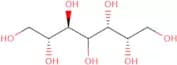
CAS:Perseitol is a nutrient solution that contains fatty acids and is used in tissue culture to supplement the growth of cells. It can be used as a substitute for animal serum, which is usually derived from bovine or porcine sources. Perseitol provides all essential components required for cell growth, including amino acids, vitamins, minerals, and lipids. Perseitol is also used in vitro assay systems to determine the redox potential of substances. This solution has been shown to have anti-inflammatory properties due to its ability to inhibit prostaglandin synthesis.Formula:C7H16O7Purezza:Min. 95%Colore e forma:White Off-White PowderPeso molecolare:212.2 g/molD-Talose
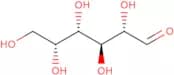
CAS:Unnatural hexose used for the investigation of clostridial Rib-5-P-isomerasesFormula:C6H12O6Purezza:Min. 99 Area-%Colore e forma:White PowderPeso molecolare:180.16 g/mol2,3,4,6-Tetra-O-pivaloyl-a-D-glucopyranosyl bromide
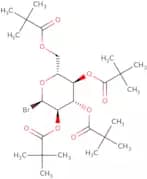
CAS:Intermediate in the synthesis of dapagliflozinFormula:C26H43BrO9Purezza:Min. 95%Colore e forma:PowderPeso molecolare:579.52 g/molEsculin sesquihydrate
CAS:Sugars formed by photosynthesis are essential for plants nutrition and they can be carried by a sophisticated system called phloem from the leaves to the root tips. Since the phloem is a delicate tissue composed of various specialized cell types, the study of its structure and functions remains a challenging task. Recently, fluorescent coumarin glucoside derivatives, including esculin (Plant Physiology 2015, 1211-1220) have been used as phloem probes. Among the probes tested, only esculin and fraxin are transported, while skimmin is not, suggesting a certain specifity of natural coumarin glucosides for the transporter AtSUC2.Formula:C30H38O21Purezza:Min. 98.0 Area-%Peso molecolare:734.62 g/mol1,2,3,4-Tetra-O-acetyl-6-O-(tert-butyldiphenylsilyl)-b-D-glucopyranose
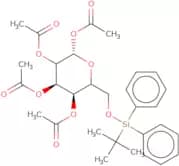
CAS:1,2,3,4-Tetra-O-acetyl-6-O-(tert-butyldiphenylsilyl)-b-D-glucopyranose is a synthetic oligosaccharide that has been modified by fluorination and methylation. It is used as a building block for the synthesis of complex carbohydrates. This product has a CAS number of 224778-57-8 and can be custom synthesized to meet your specifications.Formula:C30H38O10SiPurezza:Min. 95%Peso molecolare:586.72 g/molQuercetin-3-O-b-D-glucose-7-O-b-D-gentiobioside
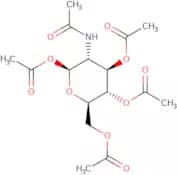
CAS:Quercetin-3-O-b-D-glucose-7-O-b-D-gentiobioside is a flavonoid that is found in fruits and vegetables. Quercetin has been shown to have antioxidative activity and can be used as a dietary supplement for the prevention of cardiovascular disease. Quercetin has also been shown to inhibit the oxidation of cholesterol, which may help prevent atherosclerosis. Quercetin has been shown to have antiinflammatory properties in women with symptoms of premenstrual syndrome (PMS). Quercetin inhibits the production of prostaglandins, which are inflammatory mediators that are associated with PMS. Quercetin also blocks the inflammatory effects of methyl linoleate, a fatty acid found in meat, dairy products, and vegetable oils. Quercetin has also been shown to bind with specific proteins on white blood cells called immunoglobulins or antibodies. TheFormula:C33H40O22Purezza:Min. 95%Colore e forma:White PowderPeso molecolare:788.66 g/mol2-Acetamido-1,3,4,6-tetra-O-acetyl-2-deoxy-b-D-glucopyranose
CAS:Promotes hyaluronic acid production; synthetic building block
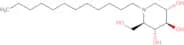
Formula:C16H23NO10Purezza:Min. 98 Area-%Colore e forma:PowderPeso molecolare:389.36 g/molN-Dodecyldeoxynojirimycin
CAS:Dodecyldeoxynojirimycin is a polyketide natural product that has been shown to be a potent inhibitor of the synthesis of mannose-containing glycoproteins, including glucans and chitooligosaccharides. It binds to the active site of glucan synthetase and prevents the formation of glucose residues, which blocks glucan biosynthesis. Dodecyldeoxynojirimycin has also been shown to have anti-inflammatory properties.
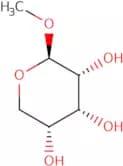
Formula:C18H37NO4Purezza:Min. 95 Area-%Colore e forma:White PowderPeso molecolare:331.49 g/molMethyl β-D-ribopyranoside
CAS:Methyl β-D-ribopyranoside is a sugar alcohol that belongs to the group of pentoses. It is a potential precursor for the synthesis of phosphite, which is a reactive anion used in organic chemistry. Methyl β-D-ribopyranoside has been shown to regulate the growth of bacteria and fungi by altering their metabolic pathways. This compound also has shown to be programmed death in certain bacterial strains, although it is not clear how it induces this programmed death. Methyl β-D-ribopyranoside can also affect the rhizosphere and can be used as a substrate for anions and sugar alcohols.
Formula:C6H12O5Purezza:Min. 99 Area-%Colore e forma:White PowderPeso molecolare:164.16 g/mol(-)-isolariciresinol-2a-O-b-D-xylopyranoside
(-)-isolariciresinol-2a-O-b-D-xylopyranoside is a methylated saccharide that is used in the synthesis of complex carbohydrates. It is synthesized by reacting an aldehyde with an alcohol, and it has been modified using click chemistry. The product is purified to be at least 98% pure, and it can be custom synthesized to order. (-)-isolariciresinol-2a-O-b-D-xylopyranoside can be fluorinated for use as a fluorescent probe for various applications. It has a CAS number of 564964-92-1.
Purezza:Min. 95%






![L-[1-13C]Fucose](/_next/image/?url=https%3A%2Fstatic.cymitquimica.com%2Fproducts%2F3D%2Fthumb-webp%2FMF08310.webp&w=3840&q=75)