Standard sui composti organici volatili (VOC)
Gli standard dei Composti Organici Volatili (VOC) sono fondamentali per l'analisi e la quantificazione dei VOC, comunemente presenti nell'aria, nell'acqua e nel suolo. I VOC sono un obiettivo chiave nel monitoraggio ambientale a causa dei loro potenziali impatti sulla salute. Presso CymitQuimica, offriamo standard VOC di elevata purezza che garantiscono una calibrazione precisa delle apparecchiature analitiche, assicurando risultati affidabili nei test ambientali, industriali e sulla qualità dell'aria.
Trovati 194 prodotti di "Standard sui composti organici volatili (VOC)"
Ordinare per
Purezza (%)
0
100
|
0
|
50
|
90
|
95
|
100
California Residual Solvent Mixture 1 1000 µg/mL in Dimethyl Sulfoxide Second Source
CAS:Prodotto controllatoColore e forma:MixtureCalifornia Residual Solvent Mixture 2 various MRL based concentrations in Triacetin
CAS:Prodotto controllatoFormula:C2H4Cl2Colore e forma:MixturePeso molecolare:98.96Arizona Residual Solvents Mixture Kit 499 3-7500 µg/mL in N,N-Dimethylacetamide
CAS:Prodotto controllato- 100-41-4
- 106-42-3
- 107-83-5
- 108-21-4
- 108-38-3
- 108-88-3
- 109-66-0
- 110-54-3
- 141-78-6
- 142-82-5
- 463-82-1
- 60-29-7
- 64-17-5
- 67-56-1
- 67-63-0
- 67-64-1
- 67-66-3
- 71-43-2
- 75-05-8
- 75-09-2
- 75-83-2
- 78-78-4
- 79-29-8
- 95-47-6
- 96-14-0
Colore e forma:ColourlessWashington Residual Solvent Mixture 762 10000 µg/mL in N,N-Dimethylacetamide
CAS:Prodotto controllatoFormula:C3H8Colore e forma:MixturePeso molecolare:44.10Rhode Island Residual Solvents Mixture Kit 608 2-5000 µg/mL in Triacetin
CAS:Prodotto controllato- 100-41-4
- 106-42-3
- 106-97-8
- 107-06-2
- 107-21-1
- 107-83-5
- 108-10-1
- 108-21-4
- 108-38-3
- 108-87-2
- 108-88-3
- 109-60-4
- 109-66-0
- 109-99-9
- 110-54-3
- 110-71-4
- 110-80-5
- 110-82-7
- 110-86-1
- 119-64-2
- 123-91-1
- 124-48-1
- 126-33-0
- 127-19-5
- 141-78-6
- 142-82-5
- 156-59-2
- 56-23-5
- 591-78-6
- 60-29-7
- 64-17-5
- 67-56-1
- 67-63-0
- 67-64-1
- 67-68-5
- 68-12-2
- 71-23-8
- 71-36-3
- 71-41-0
- 71-43-2
- 71-55-6
- 74-98-6
- 75-05-8
- 75-21-8
- 75-28-5
- 75-35-4
- 75-52-5
- 75-83-2
- 78-78-4
- 78-83-1
- 78-92-2
- 78-93-3
- 79-00-5
- 79-29-8
- 872-50-4
- 95-47-6
- 96-14-0
- 98-82-8
Colore e forma:MixtureHJ 642-2013 VOC Internal Standards Mixture 134 250 µg/mL in Methanol
CAS:Prodotto controllatoColore e forma:MixtureCalifornia Residual Solvent Mixture 1 1000 µg/mL in Dimethyl Sulfoxide Second Source
CAS:Prodotto controllatoColore e forma:MixtureCannabis Residual Solvent Mixture 138 1000 µg/mL in Triacetin
CAS:Prodotto controllato- 100-41-4
- 106-42-3
- 106-97-8
- 107-21-1
- 107-83-5
- 108-21-4
- 108-38-3
- 108-88-3
- 109-66-0
- 109-99-9
- 110-54-3
- 110-71-4
- 110-80-5
- 110-82-7
- 110-86-1
- 123-91-1
- 126-33-0
- 127-19-5
- 141-78-6
- 142-82-5
- 60-29-7
- 64-17-5
- 67-56-1
- 67-63-0
- 67-64-1
- 67-68-5
- 68-12-2
- 71-23-8
- 71-36-3
- 71-41-0
- 71-43-2
- 74-98-6
- 75-05-8
- 75-09-2
- 75-28-5
- 75-83-2
- 78-78-4
- 78-92-2
- 78-93-3
- 79-29-8
- 95-47-6
- 96-14-0
- 98-82-8
Formula:C4H10O2Colore e forma:MixturePeso molecolare:90.12Chloroform (Stabilized with ~1% Ethanol)
CAS:Prodotto controllato<p>Applications Chloroform is generally used in NMR spectroscopy as a solvent, in trimethylsilane solution. It has been used an an anaesthetic due to its action on the central nervous system.<br> Not a dangerous good if item is equal to or less than 1g/ml and there is less than 100g/ml in the package<br>References Johansson, J. et al.: Photochem. Photobiol., 77, 89 (2003); Fryczkowski, R. et al.: Synth. Metals, 166, 14 (2013); Guo, S. et al.: Tetra. Asymm., 24, 480 (2013);<br></p>Formula:CHCl3Colore e forma:NeatPeso molecolare:119.381,1-Dichloro-2-propanone
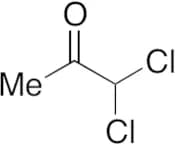
CAS:<p>Applications 1,1-Dichloro-2-propanone is a disinfection byproduct in drinking water. It may cause bladder cancer and other adverse health effects.<br> Not a dangerous good if item is equal to or less than 1g/ml and there is less than 100g/ml in the package<br>References Farre, M., et al.: Water Sci. Tehnol., 12, 573 (2012); Catherine, M., et al.: Water Res., 47, 3231 (2013); Neale, P., et al.: Environ. Sci. Technol., 46, 10317 (2012)<br></p>Formula:C3H4Cl2OColore e forma:Light YellowPeso molecolare:126.971,2-Dichloroethane
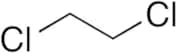
CAS:Prodotto controllato<p>Applications 1,2-Dichloroethane is one of the major waste products of the Vinyl Chloride industries, and has also been classified as a potential human carcinogen.<br> Not a dangerous good if item is equal to or less than 1g/ml and there is less than 100g/ml in the package<br>References Hung, W., et al.: Appl. Surf. Sci., 255, 2205 (2008); Rannug, U., et al.: Chem.-Biol. Int., 20, 1 (1978)<br></p>Formula:C2H4Cl2Colore e forma:NeatPeso molecolare:98.96N-Acetyl-S-benzyl-L-cysteine
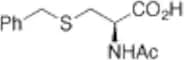
CAS:Prodotto controllato<p>Applications A metabolite of Toluene.<br>References Gargas, M., et al.: Toxicol. Appl. Pharmacol., 98, 87 (1989), Commandeur, J., et al.: Pharmacol. Rev., 47(2), 271 (1995), Campo, P., et al.: Neurotoxicol. Teratol., 21, 427 (1999), Lohse, C., et al.: J. Agr. Food Chem., 48, 5913 (2000),<br></p>Formula:C12H15NO3SColore e forma:Off-WhitePeso molecolare:253.32Tetrahydrofurfuryl Alcohol
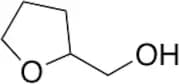
CAS:Prodotto controllato<p>Applications Tetrahydrofurfuryl alcohol (cas# 97-99-4) is a useful research chemical.<br></p>Formula:C5H10O2Colore e forma:NeatPeso molecolare:102.13172-Bromoethanol
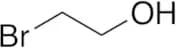
CAS:Prodotto controllato<p>Applications 2-Bromoethanol is an widely used intermediate in organic synthesis.<br> Not a dangerous good if item is equal to or less than 1g/ml and there is less than 100g/ml in the package<br>References Tian, Z., et al.: Int. J. Quant. Chem., 111, 631 (2011); Thayer, F.K., et al.: Org. Syntheses., 6, (1926);<br></p>Formula:C2H5BrOColore e forma:NeatPeso molecolare:124.963-Methylfuran-d3 (1 mg/mL in Methanol)
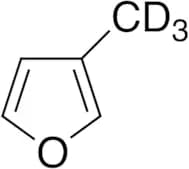
CAS:Prodotto controllatoFormula:C52H3H3OColore e forma:Single SolutionPeso molecolare:85.121,1-Dichloroethane (Stabilized with Nitromethane, ~0.5%) (>90%)
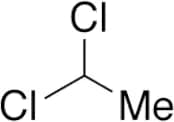
CAS:Prodotto controllato<p>Stability Very Volatile<br>Applications 1,1-Dichloroethane is used as a chemical solvent in the preparation of precursors of quinolizine, isoquinoline and indole alkaloids(1). Groundwater contaminant, DDT biodegredation product(2,3). Drinking water contaminant candidate list 3 (CCL 3) compound as per United States Environmental Protection Agency (EPA). Environmental contaminants; Food contaminants.<br> Not a dangerous good if item is equal to or less than 1g/ml and there is less than 100g/ml in the package<br>References 1. Butler, E. et al.: Env. Sci. Tech. 2000, 34 (3), pp 422–429.2. Ren, L. et al.: Chemosphere. 2017 Feb;168:244-253.3. Grewal, J. et al.: J. Environ. Sci. Health. B. 2016 Dec;51(12):809-816.<br></p>Formula:C2H4Cl2Purezza:>90%Colore e forma:NeatPeso molecolare:98.961-Bromo-3-chloropropane
CAS:Prodotto controllato<p>Applications 1-Bromo-3-chloropropane can be used safer and equally efficient alternative to chloroform as a phase-separation agent in the 1-step method of RNA isolation from biological samples such as animal and plant tissue.<br>References Chomczynski, P. et al.: Anal. Biochem., 225, 163 (1995); Chey, S. et al.: Anal. Biochem., 411, 164 (2011);<br></p>Formula:C3H6BrClColore e forma:Colourless LiquidPeso molecolare:157.442,2,2-Trichloroethanol
CAS:<p>Applications 2,2,2-trichloroethanol (TCE) is an active metabolite of Trichloroacetaldehyde monohydrate [chloral hydrate (CH)] (T774055), a sedative/hypnotic that increases cerebral blood flow (CBF).<br>References Parelkar, N., et al.: J. Pharma. Exper. Ther., 332, 803 (2010); Merdink, J., et al.: Toxicol, 245, 130 (2008)<br></p>Formula:C2H3Cl3OColore e forma:NeatPeso molecolare:149.402-Bromo-1-chloropropane
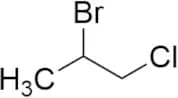
CAS:Formula:C3H6BrClPurezza:>90%Colore e forma:Colourless LiquidPeso molecolare:157.44Mesityl Oxide
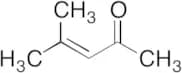
CAS:<p>Stability Light Sensitive, Polymerize easily<br>Applications Mesityl Oxide, a α,β-unsaturated ketone, and has a strong peppermint odor. It is mainly used as a solvent and in the production of methyl isobutyl ketone by hydrogenation.<br> Not a dangerous good if item is equal to or less than 1g/ml and there is less than 100g/ml in the package<br>References Conant, J. B., et al.: Org. Synth.: Coll., 1, 345 (1941); Jalali-Heravi, M., et al.: J. Chromatography A, 1218, 2569 (2011);<br></p>Formula:C6H10OColore e forma:ColourlessPeso molecolare:98.14Tetraglyme
CAS:Prodotto controllato<p>Applications It is used as a solvent.<br></p>Formula:C10H22O5Colore e forma:NeatPeso molecolare:222.281,4-Dichlorobenzene
CAS:Prodotto controllato<p>Applications 1,4-Dichlorobenzene, is a versatile building block and a small bioactive molecule, used in various organic synthesis. It is also used as disinfectant, deodorant, and pesticide.This compound is a contaminant of emerging concern (CECs).<br> Not a dangerous good if item is equal to or less than 1g/ml and there is less than 100g/ml in the package<br>References Fahey, D. R., et al.: Macromolecules, 24 (15), 4242 (1991); Rossberg, M., et al.: Ullmann's Encyclopedia of Industrial Chemistry, (2006);<br></p>Formula:C6H4Cl2Colore e forma:WhitePeso molecolare:147.001-Propanol
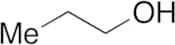
CAS:Prodotto controllato<p>Stability Volatile<br>Applications 1-Propanol is a low molecular weight alcohol that is currently being investigated as an alternative fuel for direct methanol/oxygen fuel cells. 1-Propanol is also used as a coupling and dispersing agent in the pharmaceutical and chemicals industries.<br> Not a dangerous good if item is equal to or less than 1g/ml and there is less than 100g/ml in the package<br>References Gupta, M., et al.: Fluid Phase Equil., 244, 26 (2006); Lamy, C., et al.: J. Appl. Electrochem., 31, 799 (2001); Wang, J., et al.: J. Electrochem. Soc., 142 (1995)<br></p>Formula:C3H8OColore e forma:ClearPeso molecolare:60.10Vinyl Bromide (1.0 M in THF)
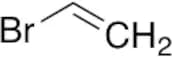
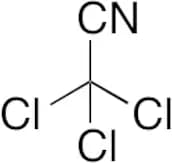
CAS:Prodotto controllatoFormula:C2H3BrColore e forma:Single SolutionPeso molecolare:106.95Trichloroacetonitrile
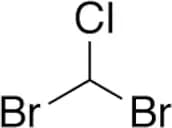
CAS:Prodotto controllato<p>Stability Light Sensitive, Volatile<br>Applications Trichloroacetonitrile is a by-product of the chlorine disinfection of water and is commonly used as a fumigant. It is also used as a direct alkylating agent and reacts with primary and secondary aliphatic amines to produce N-substituted trichloroacetamidines.<br> Not a dangerous good if item is equal to or less than 1g/ml and there is less than 100g/ml in the package<br>References Christ, S.: J. Toxicol. Env. Health A, 47, 233 (1996); Davies, M. & Jenkin, D.: J. Chem. Soc., No vol. given, 2374 (1954); Grivas, J. & Taurins, A.: J. Chem., 36, 771 (1958)<br></p>Formula:C2Cl3NColore e forma:NeatPeso molecolare:144.39Dibromochloromethane
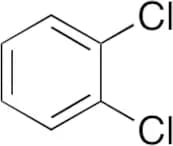
CAS:Prodotto controllato<p>Applications A volatile halogenated methane present in trace amounts in drinking water as a result of the water treatment process. It is useful as chain transfer agents in PVC polymerization.<br>References Stanaback, R.J.: Tech. Pap. Soc. Plast. Engin., 23, 262 (1977); Nestmann, E.R. et al.: Water Chlorin. Env. Impact Health. Eff., 4, 1151 (1983);<br></p>Formula:CHBr2ClColore e forma:Light YellowPeso molecolare:208.281,2-Dichlorobenzene
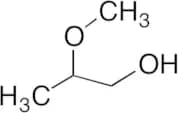
CAS:Prodotto controllato<p>Applications 1,2-Dichlorobenzene is used as an organic solvent in a wide array of chemical reactions. Also known to cause oxidative stress and induction of apoptotic markers in lung epithelial cells. 1,2-Dichlorobenzene is a side product of the production of chlorobenzene.<br> Not a dangerous good if item is equal to or less than 1g/ml and there is less than 100g/ml in the package<br>References Peljo, P. et al.: J. Am. Chem. Soc., 134, 5974 (2012); Morbt, N. et al.: J. Proteome Res., 10, 363 (2011); Serguchev, Y.A., et al.: Theoretic. Experiment. Chem., 47, 123 (2011); Aracil, I., et al.: Environ. Sci. Technol., 44, 4169 (2010);<br></p>Formula:C6H4Cl2Colore e forma:Colourless Light YellowPeso molecolare:147.002-Methoxypropanol
CAS:Prodotto controllato<p>Applications 2-Methoxypropanol is a susbtance used in the relative parameter sensitivity in prenatal toxicity studies with substances classified as developmental toxicants. Also applied in the studies for the analysis of volatile organic compounds in cigarette packaging materials by SPME-GC/MS.<br> Not a dangerous good if item is equal to or less than 1g/ml and there is less than 100g/ml in the package<br>References Rorije, E., et al.: Reprod. Toxicol., 34, 284 (2012); Hong, W, et al.: Fujian Fenxi Ceshi, 19, 24 (2010)<br></p>Formula:C4H10O2Colore e forma:ColourlessPeso molecolare:90.12Tetrachloroethylene
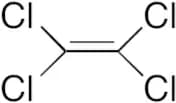
CAS:<p>Applications Tetrachloroethylene is a common industrial solvent that is often found as a contaminant in groundwater. Tetrachloroethylene is also a suspected carcinogen to humans and is difficult to degrade biologically as it has no natural source. This compound is a contaminant of emerging concern (CECs).<br> Not a dangerous good if item is equal to or less than 1g/ml and there is less than 100g/ml in the package<br>References Fathepure, B. & Boyd, S.: Appl Environ. Microb., 54, 2976 (1988); Ryoo, D., et al.: Nat. Biotech., 18, 775 (2000); Vogel, T. & McCarty, P.: Appl. Environ. Microb., 49, 1080 (1985)<br></p>Formula:C2Cl4Colore e forma:NeatPeso molecolare:165.83sec-Hexyl Alcohol Phthalate
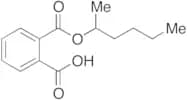
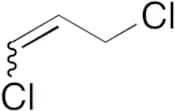
CAS:Prodotto controllatoFormula:C14H18O4Colore e forma:NeatPeso molecolare:250.291,3-Dichloropropene (E/Z Mixture)
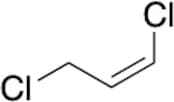
CAS:Prodotto controllatoFormula:C3H4Cl2Colore e forma:ColourlessPeso molecolare:110.97cis-1,3-Dichloropropene
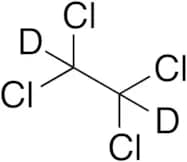
CAS:Prodotto controllato<p>Applications cis-1,3-Dichloropropene (CAS# 10061-01-5) is a useful research chemical compound.<br></p>Formula:C3H4Cl2Colore e forma:NeatPeso molecolare:110.971,1,2,2-Tetrachloroethane-d2
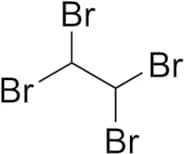
CAS:Prodotto controllato<p>Applications Isotope labelled 1,1,2,2-Tetrachloroethane is a material used in the manufacturing of thermoelectric material including carbon nanotubes. It was primarily used as a solvent however due to toxicity it is no longer a viable compound.<br>References Basu, D. et al.: J. Environ. Sci. Health. A. Tox. Hazard. Subst. Environ. Eng., 47, 638 (2012);<br></p>Formula:C2D2Cl4Colore e forma:ColourlessPeso molecolare:169.86Tetrabromoethane
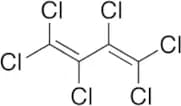
CAS:Prodotto controllato<p>Applications Tetrabromoethane (CAS# 79-27-6) is a useful research chemical compound.<br></p>Formula:C2H2Br4Colore e forma:NeatPeso molecolare:345.65Hexachloro-1,3-butadiene
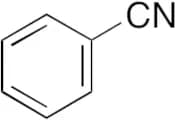
CAS:Prodotto controllato<p>Applications Hexachloro-1,3-butadiene is used as an urinary biomarker as a tool for early screening of potential kidney toxicity. Hexachloro-1,3-butadiene (HCBD) causes kidney injury. Flame Retardant; One of the new POPs under the Stockholm Convention.<br> Not a dangerous good if item is equal to or less than 1g/ml and there is less than 100g/ml in the package<br>References Wolf, C., et al.: J. Pharmacol. Exp. Ther., 228, 202 (1984), Birner, G., et al.: Toxicol. Appl. Pharmacol., 132, 203 (1995), Kirby, G., et al.: Toxicol. Pathol., 23, 303 (1995), Kharasch, E., et al.: Toxicol. Sci., 90, 419 (2006),<br></p>Formula:C4Cl6Colore e forma:Colourless To Light YellowPeso molecolare:260.76Benzonitrile
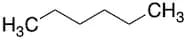
CAS:Prodotto controllatoFormula:C7H5NColore e forma:Clear ColourlessPeso molecolare:103.12n-Hexane
CAS:Prodotto controllato<p>Stability Volatile<br>Applications n-Hexane is an industrial chemical and also found in natural gas, crude oil and gasoline. It is used as an organic solvent for extraction.<br> Not a dangerous good if item is equal to or less than 1g/ml and there is less than 100g/ml in the package<br>References Laily, N., et al.: Pharmacogn J. 9, 280 (2017); Nyaba, L., et al.: J. Mol. Liq. 231, 154 (2017)<br></p>Formula:C6H14Colore e forma:NeatPeso molecolare:86.181,1-Dichloroethene (stabilized with MEHQ)
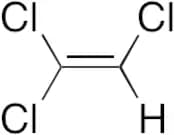
CAS:<p>Stability Light Sensitive<br>Applications 1,1-DCE is mainly used as a comonomer in the polymerization of vinyl chloride, acrylonitrile, and acrylates. It is also used in semiconductor device fabrication for growing high purity silicon dioxide films.<br> E3<br>References Otsu, T., et al.: J. Polym. Sci. A Polym. Chem., 30, 1559 (1992); Jenkins, A., et al.: Macromol. Symposia, 111, 159 (1996); Eur. Polym. J., 10, 481 (1974)<br></p>Formula:C2H2Cl2Colore e forma:NeatPeso molecolare:96.94Trichloroethylene
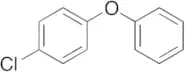
CAS:<p>Applications Trichloroethylene is a common industrial solvent that is used in dry cleaning and metal degreasing. Trichloroethylene is also a suspected carcinogen to humans, and is a common groundwater contaminant.<br> Not a dangerous good if item is equal to or less than 1g/ml and there is less than 100g/ml in the package<br>References Little, D., et al., Appl. Env. Microb., 54, 951 (1988); Vogel, T. & McCarty, P.: Appl. Environ. Microb., 49, 1080 (1985); Wartenberg, D., et al.: Environ. Health Persp., 108, 161 (2000)<br></p>Formula:C2HCl3Colore e forma:ColourlessPeso molecolare:131.394-Chlorodiphenyl Ether
CAS:Prodotto controllato<p>Applications 4-Chlorodiphenyl Ether is a standard for environmental testing and research. Biodegradability studies with organic priority pollutant compounds.<br>References Tabak, H. H., et al.: J. Water Pollut. Control Fed., 53, 1503 (1981)<br></p>Formula:C12H9ClOColore e forma:NeatPeso molecolare:204.65