


Peptidi
Sottocategorie di "Peptidi"
Trovati 29635 prodotti di "Peptidi"
GHRP-6
CAS:Custom research peptide; min purity 95%. For different specs please use the Peptide Quote Tool
Formula:C46H56N12O6Peso molecolare:873.01 g/molNonapeptide 1 acetate
CAS:Nonapeptide 1 acetate is an anticancer peptide that acts as a kinase inhibitor. It is a synthetic analog of a protein that is naturally found in human urine and has been used in Chinese medicinal practices for centuries. Nonapeptide 1 acetate has been shown to induce apoptosis in cancer cells by inhibiting the activity of kinases, which are enzymes involved in cell signaling pathways. This inhibition leads to the disruption of cellular processes necessary for tumor growth and survival. Nonapeptide 1 acetate is a promising candidate for cancer therapy due to its potent anticancer activity and low toxicity levels. Its efficacy as a cancer treatment has been demonstrated in preclinical studies, and it is currently being investigated further as a potential therapeutic option for various types of cancer.Formula:C61H87N15O9S•(C2H4O2)xPurezza:Min. 95%Orexin-A, Human Antiserum
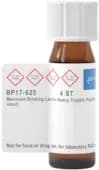
Orexin-A is a peptide that has been shown to activate orexin receptors, which are ligand-gated ion channels. It is used as a research tool in cell biology and pharmacology. Orexin-A, also known as hypocretin-1, is an endogenous neuropeptide that regulates arousal and wakefulness. The activation of the orexin receptor by Orexin-A leads to the opening of voltage-gated Ca2+ channels, resulting in Ca2+ influx into the cell and increased neurotransmitter release. Orexin-A binds to both orexin receptor subtypes (orexins 1 and 2) with similar affinity but with different binding modes. This antibody can be used for western blotting or immunohistochemistry studies in order to detect the presence of Orexin-A in cells or tissues.Purezza:Min. 95%Mannose Binding Lectin Heavy Tryptic Peptide Standard (4 nmol)
Mannose binding lectin is a host defense protein which has the ability to recognize a variety of infectious agents. This Mannose Binding Lectin Heavy Tryptic Peptide Standard can be used in protein identification and quantitation studies.Purezza:Min. 95%Cholesterol ester transfer protein Heavy Tryptic Peptide Standard (4nmol)
A Cholesterol Ester Transfer Protein (CETP) heavy tryptic peptide standard responsible for use in protein identification and quantitation studies. CETP is an enzyme which moves cholesterol esters from high density lipoproteins (HDL) to apolioprotein B-containing particles. This action lowers the amount of HDL which may increase the risk of the disease atherosclerosis.
Purezza:Min. 95%Alpha-2-antiplasmin Heavy Tryptic Peptide Standard (4nmol)
An Alpha-2-antiplasmin heavy tryptic peptide standard for protein identification and quantitation studies. Alpha-2-antiplasmin is a serine protease inhibitor of plasmin, an enzyme involved in fibrinolysis.Purezza:Min. 95%Thymosin β10 (human, rat) trifluoroacetate
CAS:Please enquire for more information about Thymosin β10 (human, rat) trifluoroacetate including the price, delivery time and more detailed product information at the technical inquiry form on this pageFormula:C211H353N57O76S•(C2HF3O2)xPurezza:Min. 95%Colore e forma:PowderRas Homolog Enriched in Brain, human, recombinant
Ras Homolog Enriched in Brain, human, recombinant is a research peptide that is derived from Escherichia Coli. This protein is commonly used in scientific research for various applications. It is highly pure and has been produced using advanced recombinant technology. Ras Homolog Enriched in Brain plays a crucial role in cellular signaling pathways and is involved in numerous biological processes. Its high-quality and purity make it an ideal choice for researchers looking to study the functions and mechanisms of this protein.Purezza:Min. 95%ATP Synthase γ Chain, Mitochondria, human, recombinant
This is a vivitide catalogue product. Please send your vivitide product enquiry to sales@vivitide.com for an up-to-date price and availability.Purezza:Min. 95%CYP3A4, CYP3A3 MS Calibrator (25nmol)
Cytochrome P450 3A4 is an enzyme that is involved in the metabolism of a wide range of compounds, including drugs and other xenobiotics. CYP3A4 can metabolize a drug from one chemical to another by adding or removing a functional group. CYP3A4 also has monooxygenase activity, meaning it can convert one compound into another using oxygen as a reactant. CYP3A4 is responsible for the metabolism of many drugs and is commonly found in humans, mice, rats, dogs and cattle.
Purezza:Min. 95%Neuromedin U Precursor-Related Peptide 36 (Rat, Mouse)
CAS:Neuromedin U Precursor-Related Peptide 36 (Rat, Mouse) is a peptide that belongs to the group of activator peptides. It is an inhibitor of ion channels and can be used as a research tool in cell biology and pharmacology. Neuromedin U Precursor-Related Peptide 36 (Rat, Mouse) has been shown to activate potassium channels and inhibit sodium currents. This peptide also interacts with receptors and ligands.
Formula:C191H305N55O50SPurezza:Min. 95%Peso molecolare:4,203.9 g/molCy5 Biotin
Cy5 Biotin can be used for detecting and quantifying biotin binding sites of avidin, streptavidin or neutravidin. It is water soluble and its red fluorescence is pH independent from pH 4 - 10. The PEG3 spacer between biotin moiety and fluorescent tag minimize steric hindrance involved in binding to avidin, streptavidin or neutravidin.Abs/Em Maxima: 649/671 nmExtinction Coefficient: 250,000Formula:C51H72N6S4O15Purezza:Min. 95%Peso molecolare:1,136.39 g/molMesothelin Heavy Tryptic Peptide Standard (4nmol)
For Protein Identification and QuantitationPurezza:Min. 95%Myr-Ser-Ile-Tyr-Arg-Arg-Gly-Ala-Arg-Arg-Trp-Arg-Lys-Leu
Myr-Ser-Ile-Tyr-Arg-Arg-Gly-Ala-Arg-Arg-Trp-Arg-Lys-Leu is a peptide that has been shown to activate potassium channels in the central nervous system. It has been suggested as a potential treatment for epilepsy and Parkinson's disease. Myr Ser Ile Tyr Arg Arg Gly Ala Arg Arg Trp Arg Lys Leu is also an inhibitor of ligand binding to the GABA receptor, which may be useful in the treatment of anxiety disorders.Formula:C90H154N30O17Purezza:Min. 95%Peso molecolare:1,928.4 g/molMesothelin Light Tryptic Peptide Standard (4nmol)
For Protein Identification and QuantitationPurezza:Min. 95%Pirin Human Recombinant
Please enquire for more information about Pirin Human Recombinant including the price, delivery time and more detailed product information at the technical inquiry form on this pagePurezza:95.0% By Sds-PagePeso molecolare:34,300 g/molVon Willebrand Factor Light Tryptic Peptide Standard (4nmol)
This is a Von Willebrand Factor Light Tryptic Peptide Standard for use in protein identification and quantitation. Von Wilebrand Factor is a glycoprotein involved in platelet adhesion and when it is deficient in the body it can result in diseases such as von Willebrand disease.Purezza:Min. 95%Conantokin G trifluoroacetic acid
CAS:Conantokin G trifluoroacetic acid is a peptide that is derived from the conantokins. It has been shown to have neuroprotective properties and inhibitory properties. Conantokin G trifluoroacetic acid binds to calcium in neuronal cells, which leads to the inhibition of glutamate-induced neuronal death and brain infarction. The binding of this peptide to calcium also inhibits intracellular signalling pathways, leading to an anti-inflammatory response. In addition, this compound may be a potential therapeutic agent for chronic oral toxicity due to its ability to bind with glutamate receptors and prevent activation.Formula:C88H138N26O44•TFAPurezza:Min. 95%Peso molecolare:2,264.21 g/molAlpha-2-Macroglobulin Light Tryptic Peptide Standard (4nmol)
An Alpha-2-Macroglobulin light tryptic peptide standard for protein identification and quantitation studies. Alpha-2-Macroglobulin is a broad spectrum protease inhibitor which also plays roles in cell migration and in the binding of growth factors and cytokines.Purezza:Min. 95%Ac-Gly-Ala-Lys(Ac)-AMC
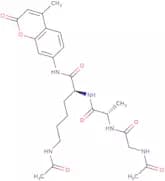
CAS:Ac-Gly-Ala-Lys(Ac)-AMC is a fluorescent compound that reacts to the presence of amino acids. It is used as a research chemical, speciality chemical, and versatile building block. Ac-Gly-Ala-Lys(Ac)-AMC has been shown to be useful in the synthesis of complex compounds and fine chemicals.Formula:C25H33N5O7Purezza:Min. 98 Area-%Colore e forma:PowderPeso molecolare:515.56 g/molApolipoprotein A1 Light Tryptic Peptide Standard (4nmol)
Apolipoprotein A1 light tryptic peptide standard for protein identification and quantitation studies. Apolipoprotein A1 is a structural component of high density lipoprotein (HDL) and is involved in cellular cholesterol homeostasis and reverse cholesterol transport.Purezza:Min. 95%Cyclin-Dependent Kinase Inhibitor 2A, human, recombinant
Cyclin-Dependent Kinase Inhibitor 2A (CDK2A) is a cyclin-dependent kinase inhibitor that inhibits the activity of cyclin-dependent kinases. CDK2A is a protein that belongs to the family of cyclin-dependent kinase inhibitors. It inhibits the activity of various cyclin-dependent kinases and prevents cell growth by suppressing protein synthesis. CDK2A is expressed in many human tissues, including erythrocytes, brain, heart, lung, muscle, pancreas, spleen, and testis. Cyclin-Dependent Kinase Inhibitor 2A can be used as an anti-cancer agent due to its ability to inhibit tumor proliferation.Purezza:Min. 95%Penta-O-glycosylated IgA1 Hinge Region Peptide
GalNAc modified hinge region peptide. Supplied as the TFA salt.Soluble in water, 0.1mM.Formula:C121H193N25O53Peso molecolare:2,845.96 g/molTripartite Motif Containing 21 (RO52), human, recombinant
The Tripartite Motif Containing 21 protein (TRIM21) is a human recombinant that is expressed in E. coli. TRIM21 is a glycosylated polypeptide chain, which has been shown to interact with the HIV-1 Vpu protein. TRIM21 binds to the HIV-1 Vpu protein and prevents it from interacting with the CD4 molecule on T cells, thereby inhibiting viral replication. TRIM21 also has been shown to be involved in the regulation of mRNA stability and translation by binding to polyribosomes and preventing ribosomal translocation.Purezza:Min. 95%Mu-Conotoxin GIIIB
Mu-conotoxin GIIIB is a peptide that acts as an inhibitor of the nicotinic acetylcholine receptor. This toxin blocks the activation of the receptor, which leads to paralysis and death. Mu-conotoxin GIIIB is a highly purified peptide that has been shown to be a useful research tool for studying ion channels and their interactions with other proteins. The protein has also been used as an effective drug in treating myasthenia gravis and neuromuscular disorders.Formula:C101H175N39O30S7Purezza:Min. 95%Peso molecolare:2,640.2 g/molGHRP 4 TFA
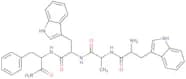
CAS:GHRP 4 TFA is a synthetic hexapeptide, which is derived from non-natural amino acids, with a primary function of stimulating the secretion of growth hormone (GH). The source of this peptide is chemical synthesis, using solid-phase peptide synthesis techniques that allow precise chain assembly. The mode of action of GHRP 4 involves binding to growth hormone secretagogue receptors (GHS-R) located in the pituitary gland and hypothalamus. This interaction triggers the release of endogenous growth hormone by mimicking the action of ghrelin, a natural endogenous ligand.In scientific research, GHRP 4 TFA is utilized to explore the physiological and cellular pathways involved in GH release and its systemic effects. Applications include studying metabolic regulation, muscle growth, and cellular proliferation. Additionally, its role in aging and age-related disorders makes it a valuable tool in gerontological studies. The peptide's ability to modulate endocrine responses is of interest for developing therapeutic approaches in GH deficiency and other metabolic disorders. However, research into its full biological effects and potential clinical applications is ongoing, emphasizing its utility in experimental and preclinical settings.Formula:C34H37N7O4Purezza:Min. 95%Peso molecolare:607.7 g/molH-GPDC-OH
GPCD peptide; synthetic substrate that mimics the DPP-IV (dipeptidyl peptidase IV) natural substrate. 95%, TFA salt.Jingzhaotoxin III
CAS:Jingzhaotoxin III is a small peptide that has been expressed in Drosophila melanogaster and has been shown to have an inhibitory effect on brain natriuretic peptide (BNP). Jingzhaotoxin III decreases the amplitude of BNP-induced camp levels, and this decrease can be reversed by removing extracellular calcium. Jingzhaotoxin III also has a voltage-gated sodium channel blocking effect, which can be inhibited by adding extracellular calcium. Jingzhaotoxin III interacts with calyces and blocks their activation. This inhibition of calyx activation is reversible when extracellular calcium is removed.Formula:C174H241N47O46S6Purezza:Min. 95%Peso molecolare:3,919 g/molIgA1 Hinge Region Peptide
Please enquire for more information about IgA1 Hinge Region Peptide including the price, delivery time and more detailed product information at the technical inquiry form on this page
Formula:C81H128N20O28Purezza:Min. 95%Peso molecolare:1,830 g/molNeurokinin B (Human, Porcine, Bovine, Rat, Mouse)
As a member of the tachykinin neuropeptide family, Neurokinin B is involved in the dilation of blood vessels, the contraction of smooth muscles and the excitation of neurons. This product can be applied as a NK3 receptors selective agonist.Formula:C55H79N13O14S2CH3COOH•4H2OPurezza:Min. 95%Peso molecolare:1,312.49 g/molAmyloid Beta-Protein (Human, 1-40) Antiserum
Amyloid Beta-Protein (Human, 1-40) Antiserum is an antibody, which is a protein that recognizes and binds to a specific antigen. The Amyloid Beta-Protein (Human, 1-40) Antiserum can bind to amyloid beta protein in the brain and trigger immune system cells to clear it from the body. This antibody can also be used as a research tool for studying the structure of amyloid beta protein and how it affects human cells.Purezza:Min. 95%TGF b 1 Human
TGF-β is a cytokine with two forms, TGF-β1 and TGF-β2. The tgf-beta protein is a molecule that controls cell growth, differentiation and apoptosis. It can be found in the desiccated state, which must be reconstituted before use. Reconstitution of the protein requires acetonitrile and trifluoroacetic acid. Cytokines are molecules that regulate cell behavior by acting on other cells. Chromatographic techniques are used to separate these molecules by size and charge, while growth factors are molecules that promote cell growth and differentiation. The experimentally determined molecular mass of TGF-β1 is 25 kDa.END>
Purezza:Min. 95%NHS-m-dPEG® (MW = 685)
CAS:NHS-m-dPEG® (MW = 685) is a PEG compound with two different functional groups (also known as heterobifunctional). Unlike homobifunctional PEG compounds (same functional group on both ends), this type of compounds are more versatile as have two different anchor points. NHS-m-dPEG® (MW = 685) is used as a linker and spacer to add a PEG moiety, via pegylation (a bioconjugation technique) to proteins, peptides, oligonucleotides, small molecules and nanoparticles.Purezza:Min. 95%Peso molecolare:685.75 g/molAmyloid β (1-42)
Please enquire for more information about Amyloid β (1-42) including the price, delivery time and more detailed product information at the technical inquiry form on this pagePurezza:Min. 95%INSL5
Insulin-like 5 (INSL5) is a protein that in humans is encoded by the INSL5 gene. It belongs to the insulin family of proteins and has been shown to have a role in various biological functions. INSL5 binds to the insulin receptor, which induces apoptosis in cancer cells by inhibiting cyclin-dependent kinase activity and inducing cell cycle arrest. The expression of INSL5 can be used as a diagnostic marker for cervical cancer and may also be used as a potential biomarker for cancer tissues.Purezza:Min. 95%Human CRF ELISA (1ea)
Human CRF ELISA (1ea) is a high-quality, competitively priced ELISA kit for the quantitative measurement of human CRF in rat serum. This assay has been designed for use in detecting the presence of CRF in biological fluids for research purposes. The kit contains all necessary components to perform the assay and detailed instructions are included.Purezza:Min. 95%Maleimide activated-KLH
This product is produced via the activation of mariculture Keyhole Limpet (Megathura crenulata) Hemocyanin with a maleimide group. The activated material will readily bind free sulfhydryl groups present in solution.KLH is a highly antigenic protein with a high molecular mass (4.5 x 10⁵ - 1.3 x 10⁷ Daltons, in aggregates of 350 and 390 kDa subunits) that elicits a strong immune response when used to immunize animals.As many as 400 moles of Cysteine-containing peptide can bind to one mole of maleimide-activated KLH.Purezza:Min. 95%GAP19 Trifluoroacetate
CAS:Gap19 is a protein that regulates cell growth and has been implicated in cancer. Gap19 is a member of the myosin II family of proteins, which are involved in muscle contraction. Gap19 binds to calmodulin and is localized to the sarcomere region of cardiac ventricular myocytes. Gap19 has been shown to be a specific ligand for toll-like receptor 4 (TLR4). The binding of Gap19 leads to an increase in intracellular reactive oxygen species (ROS) levels, activation of transcription factors, and induction of inflammatory responses. These findings suggest that Gap19 plays an important role in regulating inflammatory diseases. Gap19 also has a biochemical function as a specific antibody for collagen, which is used to study cellular reactions involving collagen.
Formula:C55H96N14O13•(C2HF3O2)xPurezza:Min. 95%Colore e forma:PowderPeso molecolare:1,161.45 g/molH-WLGFIAGLIAIVMVT-OH
Peptide H-WLGFIAGLIAIVMVT-OH is a Research Peptide with significant interest within the field academic and medical research. This peptide is available for purchase at Cymit Quimica in multiple sizes and with a specification of your choice.Formula:C79H124N16O16SPeso molecolare:1,604.01 g/molPkcβii peptide inhibitor I trifluoroacetate salt
CAS:Pkcβii peptide inhibitor I trifluoroacetate salt is a specific peptide inhibitor that targets the protein kinase C beta II (PKCβII) isoform. This inhibitor is commonly sourced from synthetic peptide libraries and is integrated with trifluoroacetate as a counterion to enhance stability and solubility. The mode of action involves the selective inhibition of PKCβII, interfering with its role in cellular signaling pathways. As PKCβII is implicated in the regulation of various cellular processes such as growth, differentiation, and apoptosis, the inhibitor is valuable for elucidating the mechanistic roles of this kinase in cellular physiology and pathophysiology.The Pkcβii peptide inhibitor I trifluoroacetate salt is primarily utilized in biochemical and cellular research to investigate the specific pathways mediated by PKCβII. Its applications extend to studies involving cancer research, diabetes, cardiovascular diseases, and other conditions where PKCβII's activity is a contributing factor. By enabling precise inhibition, researchers can dissect the isoform-specific effects and potentially tailor therapeutic strategies, thus advancing the understanding of PKCβII's function in health and disease.Formula:C61H94N12O19·C2HF3O2Purezza:(%) Min. 95%Peso molecolare:1,299.47 g/molH-QYIKANSKFIGITE-OH
Tetanus toxin TetTox-B (830-843) DRB1*07:01 is a short part of the tetanus toxin. Tetanus toxin is produced by Clostridium tetani and is a potent neurotoxin. Indeed, tetanus toxin arrives on bloodstream and moves to a receptor complex at the neuromuscular junction. TetTox-B (830-843) DRB1*07:01 TetTox-B (830-843) DRB1*07:01 is used to stimulate the immune response and to generate DRB1*07:01-restricted T cells specific for the tetanus toxin peptide. TetTox-B (830-843) is also a classical peptide reference for the binding affinity with DRB1*07:01 molecules.Ac-Asp-Gln-Thr-Asp-H aldehyde
Ac-Asp-Gln-Thr-Asp-H aldehyde is a peptide that can act as an activator, inhibitor, or ligand for ion channels and receptors. It has been shown to be a high purity reagent in the field of cell biology and pharmacology.
Formula:C19H29N5O11Purezza:Min. 95%Peso molecolare:503.46 g/molVimentin, Mouse Anti Human Antibody, FITC
Vimentin is a protein that is expressed in the cytoplasm of cells. It is found in fibroblasts, osteoblasts, and endothelial cells. Vimentin is a member of the intermediate filament family. This antibody reacts with vimentin as well as other intermediate filaments such as desmin and keratin. The FITC tag allows for visualization of the antibody under fluorescent microscopy. Reconstitute with PBS before use.Purezza:Min. 95%Cyclosporin-A
Cyclosporin-A is a cyclic peptide that inhibits mitochondrial functions and has been used to prevent organ rejection in transplant patients. It binds to the cyclase enzyme and prevents the formation of cyclic adenosine monophosphate (cAMP) from ATP, which is required for cell growth. Cyclosporin-A also inhibits the production of proteins by preventing transcription, replication, and translation. This drug can cause neurotoxicity when administered at high doses or over a long period of time. In vitro assays have shown that cyclosporin-A has cytotoxic effects on platinum-resistant ovarian cancer cells. It also has an effect on microdialysis probes, which may be due to its ability to inhibit neurotransmitter release from neurons. Cyclosporin-A has been shown to inhibit the production of protein in vivo, as evidenced by a decrease in weight gain in rats treated with this drug for one week.Purezza:>99% As Determined By Rp-HplcAnti C-Peptide II (Rat) Serum
Anti C-Peptide II (Rat) Serum is a high-purity peptide that can be used as a research tool to study the pharmacology of peptides and their interactions with receptors. It can also be used as an inhibitor in cell biology experiments.Purezza:Min. 95%Hexokinase-1, human, recombinant
Hexokinase-1, human, recombinant is a type of hexokinase. Hexokinase-1 is an enzyme that catalyzes the first step in the glycolytic pathway by phosphorylating glucose to form glucose-6-phosphate. It is a major control point for regulating blood sugar levels and has been shown to be involved in the regulation of metabolic homeostasis. Hexokinase-1 is inhibited by its substrate, glucose, as well as by other competitive inhibitors such as 2-deoxyglucose and glucagon.Purezza:Min. 95%Anti Pancreastatin (33-51) (Rat) Serum
Anti Pancreastatin (33-51) (Rat) Serum is a high purity, potent inhibitor of pancreatic secretions. This product is a peptide that inhibits the secretion of pancreatic enzymes by competitive inhibition of the pancreatic proenzyme, trypsinogen. It has been used in pharmacological research as a tool for studying protein interactions and receptor binding. Anti Pancreastatin (33-51) (Rat) Serum has also been shown to have anti-inflammatory properties.Purezza:Min. 95%Ferredoxin-1, human, recombinant
Ferredoxin-1 is a peptide that belongs to the group of activators. It can be used as an inhibitor, or as a receptor or ligand in pharmacological experiments. Ferredoxin-1 has been shown to inhibit ion channels and protein interactions. This protein may also have implications for cell biology and is used as a research tool for life science. The CAS number for ferredoxin-1 is 107899-38-2.Purezza:Min. 95%TNF a Mouse
TNF-α is a cytokine that is produced by many cells, including macrophages, T cells, mast cells, and synovial cells. It is a pleiotropic proinflammatory cytokine that has been implicated in cancer and other inflammatory diseases. TNF-α is a potent inducer of cell death through activation of the Fas-FasL death pathway or induction of apoptosis. In addition to its role as an anti-tumor agent, TNF-α has been shown to be important in the regulation of immune responses and inflammation. It also plays an important role in bacterial sepsis by suppressing the production of proinflammatory cytokines such as IL-1β and IL-12 by macrophages.Purezza:Min. 95%Anti Nociceptin / Orphanin FQ (Human, Rat) Serum
Anti Nociceptin / Orphanin FQ (Human, Rat) Serum is a peptide that belongs to the family of orphanin FQ peptides. It has been shown to activate ion channels and ligand-gated channels. Anti Nociceptin / Orphanin FQ (Human, Rat) Serum is a high purity, pharmacology research tool for use in cell biology and receptor studies.
Purezza:Min. 95%Anti Humanin Serum
Anti Humanin Serum is a research tool that can be used as a pharmacological reagent or as a research tool. It is an antibody that can be used to study protein interactions, such as receptor-ligand binding, and the effects of peptides on ion channels. This product is composed of high purity humanin antibodies with no detectable cross-reactivity with other proteins.Purezza:Min. 95%AGT, SERPINA8 MS Calibrator-7 (25nmol)
High quality, quantitated heavy/light peptide calibrator for angiotensinogen in Mass Spectroscopy researchPurezza:Min. 95%Dihydrofolate Reductase, human, recombinant
Dihydrofolate reductase is an enzyme that catalyzes the conversion of dihydrofolate to tetrahydrofolate. It belongs to a family of metalloenzymes that employ NADPH as a cofactor and are involved in one-carbon metabolism. Dihydrofolate reductase has been shown to interact with a number of other proteins, including peptides, cell biology, and receptor. This enzyme is also used as an inhibitor for research purposes.
Purezza:Min. 95%VIC (Mouse)
CAS:VIC (Mouse) is a peptide that is used as an inhibitor, activator, or ligand in research. It has the CAS number 120928-04-3 and the molecular weight of 4.5 kDa. VIC (Mouse) is a high purity product and can be used in life science research for characterization of receptor and ion channels. VIC (Mouse) can also be used as an antibody to study protein interactions as well as for cell biology research.Formula:C116H161N27O32S4Purezza:Min. 95%Peso molecolare:2,573.9 g/molAnti Galanin (Porcine) Serum
Anti Galanin (Porcine) Serum is a research tool that is used to activate, bind, and inhibit the ligand-receptor interactions. It is also used for the study of ion channels and cell biology. Anti Galanin (Porcine) Serum can be used as an antibody or as a peptide in pharmacology studies. The protein interactions are used in life science research, as well as for inhibitor studies.Purezza:Min. 95%Pro BMP 2 Human
Pro BMP 2 Human is a recombinant protein that belongs to the group of proteins that regulate cell growth and differentiation. It has been shown to be an activator of bone morphogenetic protein receptor type IIA. Pro BMP 2 Human has also been shown to inhibit the activity of certain ion channels, such as calcium channels, potassium channels, and sodium channels. This product is supplied at high purity, with a CAS number (CAS No.).Purezza:Min. 95%[D-Ala2,Met5]-Enkephalin
CAS:[D-Ala2,Met5]-Enkephalin is an inhibitory neurotransmitter that binds to receptors in the brain and spinal cord. It affects physiological functions such as locomotion, pain sensation, and blood pressure. Enkephalins are analogs of the natural neurotransmitter enkephalin that are synthesized by enzymatic cleavage of the latter from a larger precursor molecule called proenkephalin. [D-Ala2,Met5]-Enkephalin has been shown to be an effective antinociceptive agent when administered intraperitoneally or intravenously in rats. It also acts as a pressor agent and produces dextran sulfate-induced nociception in mice. The pharmacological properties of enkephalins have been shown using various analytical methods including acid analysis.Formula:C28H37N5O7S•CH3COOH•H2OPurezza:Min. 95%Peso molecolare:665.76 g/molFRETS-25Met (1 umol) (1umol)
FRETS-25Met (1 umol) (1umol) is a peptide that binds to the beta2-adrenergic receptor. It is a high purity, research tool and can be used for binding studies as well as for inhibition of the receptor. FRETS-25Met (1 umol) (1umol) has been shown to bind to the beta2-adrenergic receptor with an affinity of 5 nM and an IC50 of 1.6 uM. This peptide has also been shown to act as a potent agonist in stimulating cAMP production in CHO cells expressing the beta2-adrenergic receptor.Purezza:Min. 95%Big Endothelin-1 (Rat, 1-39)
This product has disulfide bonds between Cys1-Cys15 and Cys3-Cys11, is courced from: Rat, 1-39 and is available as a 0.1mg vial. Big Endothelin-1 (Rat, 1-39) is a precursor peptide of the vasoconstrictor Endothelin-1 (ET-1). ET-1 exhibits vasoconstrictive properties and is an activator of endothelin G-protein coupled receptors. Furthermore ET-1 is produced when inflammation, vascular stress or hypoxia occurs. In vivo Big Endothelin-1 has a greater half life compared to ET-1 and therefore makes it useful to study secretory activity in the endothelial system. Overall Big Endothelin-1 (Rat, 1-39) can be used as a research tool for studying protein interactions, receptor activation and function, and ligand binding. This peptide is also used in pharmacology to study the effects of therapeutic agents on receptor activity and expression.Formula:C192H292N50O58S5Purezza:Min. 95%Peso molecolare:4,389 g/molMAL-dPEG®12-t-boc-Hydrazide
CAS:MAL-dPEG®12-t-boc-Hydrazide is a PEG compound with two different functional groups (also known as heterobifunctional). Unlike homobifunctional PEG compounds (same functional group on both ends), this type of compounds are more versatile as have two different anchor points. MAL-dPEG®12-t-boc-Hydrazide is used as a linker and spacer to add a PEG moiety, via pegylation (a bioconjugation technique) to proteins, peptides, oligonucleotides, small molecules and nanoparticles.Formula:C39H70N4O18Purezza:Min. 95%Peso molecolare:882.99 g/molOxytocin Human
Oxytocin is a hormone and neurotransmitter that is produced in the hypothalamus. It is released by the pituitary gland during labor to help with uterine contractions, and it stimulates milk production in the mammary glands. Oxytocin may be used to stimulate lactation or to assist in childbirth. The molecular mass of oxytocin is approximately 3,500 Da, which can be determined using chromatography with a retention time of 8-10 minutes and a peak at 3.5 minutes on reverse phase high performance liquid chromatography (RP-Hplc). Oxytocin has been synthesized chemically and freeze dried for use in research settings. Reconstitute with sterile water for injections before use. Oxytocin may also be used as an additive in food products as a flavor enhancer or preservative.Purezza:Min. 95%LP-PLA2 Light Tryptic Peptide Standard (4nmol)
Lipoprotein-associated phospholipase A2 (LP-PLA2) light tryptic peptide standard for protein identification and quantitation studies. LP-PLA2 is a phospholipase A2 enzyme known as platelet-activating factor acetylhydrolase and it is largely associated with low density lipoprotein in the blood.Purezza:Min. 95%TentaGel® B NH2 / Boc Resin (90 um)
TentaGel B resins represent a line of bifunctional resins that are useful for orthogonal synthesis. TentaGel; is a gelatinous resin, an important support for solid phase synthesis. TentaGel resins are constructed with a backbone of low crosslinked polystyrene grafted with polyoxyethylene (polyethylene glycol) as shown below. The typical chain length of POE (n) is approximately 68 ethylene oxide units or an average MW of 3000. This long chain creates a spacer that effectively separates the reactive site (X) from the crosslinked backbone matrix. Particle size 90 µm; capacity: 02-03 meq/g Inside: NH2 Outside: BocPurezza:Min. 95%Cryptdin-4 (Mouse)
CAS:The most potent microbicide of the mouse Paneth cell α-defensins and is degraded by MMP-7. This product has disulfide bonds between Cys4-Cys30, Cys15-Cys37, and Cys19-Cys39, is available in the Hydrochloride salt form and as a 0.1mg vial.Formula:C158H257N57O38S6Purezza:Min. 95%Peso molecolare:3,755.5 g/molt-boc-NH-dPEG®4-Tris (-TFP Ester)3
t-boc-NH-dPEG®4-Tris (-TFP Ester)3 is a PEG compound with two different functional groups (also known as heterobifunctional). Unlike homobifunctional PEG compounds (same functional group on both ends), this type of compounds are more versatile as have two different anchor points. t-boc-NH-dPEG®4-Tris (-TFP Ester)3 is used as a linker and spacer to add a PEG moiety, via pegylation (a bioconjugation technique) to proteins, peptides, oligonucleotides, small molecules and nanoparticles.Formula:C47H52F12N2O16Purezza:Min. 95%Peso molecolare:1,128.9 g/molIL 4 Human, His
IL 4 Human, His is a recombinant protein that belongs to the class of peptides. It has been identified as an activator of IL-4 receptor and can be used in research studies to study the interactions between proteins, cells, and receptors. IL 4 Human, His can be used as an antibody to detect IL-4 in cell culture samples. IL 4 Human, His is a high purity product with a CAS Number of 57741-00-8.Purezza:Min. 95%DBCO-Amine
An aza-dibenzocyclooctyne (DBCO) product used for strain-promoted azide-alkyne cycloaddition. The amine terminus of the molecule reacts with carboxylic acids and their active esters to form stable amide bonds. Insoluble in water, DBCO-amine is slightly soluble to sparingly soluble in most organic solvents.
Purezza:Min. 95%Neurokinin A (Human, Porcine, Rat, Mouse)
Neurokinin A is a peptide that is derived from the precursor protein, preprotachykinin A, and has been found to be an endogenous ligand for the NK-1 receptor. It is involved in a wide range of physiological processes such as neurotransmission and regulation of blood pressure. Neurokinin A has been shown to inhibit adenylate cyclase activity in guanethidine-sensitive tissues and ionophores-resistant cells. The effects of Neurokinin A are not due to its ability to bind to the NK-1 receptor but rather through other mechanisms. The amino acid sequence of this peptide was first determined by cloning methods in 1984 and it has since been used extensively as a tool for studying the function of this receptor. Neurokinin A also inhibits cell proliferation in glioma cells and has been shown to have an inhibitory effect on Ca2+ concentration during electrical nerve stimulation.Formula:C50H80N14O14S•2CH3COOH•5H2OPurezza:Min. 95%Peso molecolare:1,343.48 g/moldPEG®4-Lys(t-Boc)-NH-m-dPEG®24
dPEG®4-Lys(t-Boc)-NH-m-dPEG®24 is a peptide containing polyethylene glycol (PEG) as spacer to alter their pharmacokinetic properties and pharmodynamics.
Formula:C71H142N4O32Purezza:Min. 95%Peso molecolare:1,563.89 g/mol4-Formyl-Benzamido-dPEG®12-EDA-MAL
4-Formyl-Benzamido-dPEG®12-EDA-MAL is a PEG compound with two different functional groups (also known as heterobifunctional). Unlike homobifunctional PEG compounds (same functional group on both ends), this type of compounds are more versatile as have two different anchor points. 4-Formyl-Benzamido-dPEG®12-EDA-MAL is used as a linker and spacer to add a PEG moiety, via pegylation (a bioconjugation technique) to proteins, peptides, oligonucleotides, small molecules and nanoparticles.Formula:C44H70N4O18Purezza:Min. 95%Peso molecolare:943.04 g/mol(Pro-Hyp-Gly)10·xH2O
Pro-Hyp-Gly is a polypeptide that inhibits collagenase, an enzyme that breaks down collagen. Collagenase is an enzyme that breaks down the protein collagen, which forms the connective tissue in humans and other animals. Pro-Hyp-Gly has been found to be a potent inhibitor of collagenase, and can be used for treatment of inflammatory diseases such as arthritis or skin lesions. Pro-Hyp-Gly also inhibits enzymes called proteases, which break down proteins outside of cells. Proteases are important in the breakdown of food particles in the stomach.Formula:C120H172N30O41•20H2OPurezza:Min. 95%Peso molecolare:3,051.1 g/molFmoc-Can(Trt)
Fmoc-Can(Trt) is a hydroxylamine used in peptide synthesis. It has been shown to have antineoplastic properties, as well as anti-tumor activity against various types of cancer cells. Fmoc-Can(Trt) also blocks the production of ornithine, an amino acid that is required for the synthesis of polyamines and spermidine. Fmoc-Can(Trt) inhibits the growth of tumor cells by binding to t-cells, which are immune cells that regulate the production of lymphocytes. This prevents their proliferation and leads to their death. The use of Fmoc-Can(Trt) in research has led to new discoveries in the field of cancer.Formula:C38H34N2O5Purezza:Min. 95%Peso molecolare:598.69 g/molAPOB MS Calibrator (25nmol)
Apo B-1 is a major component of the lipoprotein particle. The APOB MS Calibrator provides a high quality, stable preparation of Apo B-1 for use as an internal standard for mass spectrometry analysis. The calibrator also contains a tryptic peptide that can be used for identification and quantification of this protein in proteomics experiments.Purezza:Min. 95%IL 2 Mouse
Interleukin-2 (IL-2) is a cytokine that has been shown to be effective in the treatment of autoimmune diseases, such as ulcerative colitis and Crohn's disease. IL-2 may also play a role in cancer prevention and treatment. IL-2 is a protein sequence of 191 amino acids that stimulates T cells to produce other cytokines, such as Interferon gamma. IL-2 is available in freeze-dried form or desiccated form, depending on how it will be used. To reconstitute the desiccated form, mix 1 mL of sterile water with one vial of IL-2 that needs to be reconstituted. The reconstituted IL-2 should be stored at room temperature for up to 24 hours before use.Purezza:Min. 95%[Sar1,Ala8]-Angiotensin II
Angiotensin II is a peptide hormone that is part of the renin-angiotensin system. It is used as an antagonist to study the effects of angiotensin in the cardiovascular system. Angiotensin II has been shown to decrease blood pressure by acting on specific receptors that are found on cells in the walls of blood vessels. These receptors cause constriction of these vessels and the release of aldosterone, which increases sodium retention and decreases potassium excretion. This leads to increased blood volume, which results in decreased blood pressure.Formula:C43H67N13O10•CH3COOH•4H2OPurezza:Min. 95%Peso molecolare:1,058.18 g/molHuman Serum Albumin
Human Serum Albumin is a stable protein that binds to fatty acids and helps transport them in the circulatory system. It can also bind to other molecules, such as drugs, and help with the transport of these molecules in the bloodstream. The protein is composed of amino acids, which are linked together by peptide bonds. The human serum albumin molecule has four subunits that are connected by disulfide bonds. These subunits are called alpha (α), beta (β), gamma (γ), and delta (δ). Human serum albumin contains many hydrophobic amino acids, which make it soluble in lipids and water. This protein is an important part of energy metabolism because it accepts electrons from fatty acid oxidation and transfers them to electron acceptors such as oxygen or NADPH.Purezza:Min. 95%[D-Pro2,D-Trp7,9]-Substance P (1ea)
This product is a Substance P antagonist and is available in the Hydrochloride salt form. Substance P is a member of the tachykinin neuropeptide family which is produced in the central nervous system (CNS) and acts through its specific receptor neurokinin 1 receptor (NK-1R). NK-1R is present in neurons and on glial cell types. Substance P is involved in: pain perceptions as a neurotransmitter; gut motility; increased inflammation in the lungs, gastrointestinal tract and the skin and neuroinflammation. Interestingly the levels of Substance P are raised in inflammatory bowel diseases and through its involvement in cytokine release, it contributes to asthma pathology. These diverse selection of functions makes substance P a target for therapeutic research.Formula:C74H106N20O13S•3HCI•6H2OPurezza:Min. 95%Peso molecolare:1,733.3 g/molCyclo(L-Pro-L-Pro)
CAS:Cyclo(L-Pro-L-Pro) is a cyclic peptide that was first synthesized in 1968 by the chemists, K. Brown and H. M. Schuster. Cyclo(L-Pro-L-Pro) has been shown to produce p-hydroxybenzoic acid, an intermediate in the metabolism of dopamine, when incubated with human serum or human erythrocytes. In addition, it has been shown to increase locomotor activity and enzyme activities in rats, as well as cytosolic calcium levels in cells. This compound may be a useful experimental model for studying Parkinson's disease because of its ability to inhibit dopamine uptake and increase the production of dopamine from its precursor L-DOPA. It also binds to neurokinin 1 receptor (NK1R), which is involved in inflammatory responses and pain sensation.Formula:C10H14N2O2Purezza:Min. 95%Peso molecolare:194.23 g/molPhe-Met-MCA
Phe-Met-MCA is a peptide that specifically activates the ATP-sensitive potassium (KATP) channels. These channels are important for regulating cellular energy metabolism and membrane potential. Phe-Met-MCA is an inhibitor of protein kinase C (PKC), which regulates the activity of KATP channels by phosphorylation. The peptide is also an inhibitor of other protein kinases, including PKCζ, PKCε, and PKCθ.Purezza:Min. 95%Amyloid beta-Protein (Human, 1-40) (Scrambled)
Amyloid beta-Protein (Human, 1-40) (Scrambled) is a peptide that consists of 40 amino acids. It is a fragment of the amyloid precursor protein. Amyloid beta-protein has been found to have many different effects in the body, including receptor binding, ion channel activation and inhibition, and protein interactions. The peptide is also an activator for the high-affinity nicotinic acetylcholine receptor in the brain. This product can be used as a research tool or as an antibody to study amyloid beta protein in cellular biology.Purezza:Min. 95%LH-RH Protein
Luteinizing hormone-releasing hormone (LHRH) is a protein that is responsible for triggering the release of luteinizing hormone (LH). LH stimulates the production and release of testosterone, which in turn stimulates sperm production. The LHRH gene encodes a protein precursor that is cleaved by proteases to produce mature LHRH. This precursor, called pro-LHRH, can be added to a protein solution to induce follicular growth in rats. Pro-LHRH has been shown to have an effect on the frequency of spermatogenesis. Proteins containing pro-LHRH can be used for hormonal research and as additives for protein solutions.Purezza:Min. 95%Amino-dPEG®4-(m-dPEG®24)3
Amino-dPEG®4-(m-dPEG®24)3 is a PEG compound with two different functional groups (also known as heterobifunctional). Unlike homobifunctional PEG compounds (same functional group on both ends), this type of compounds are more versatile as have two different anchor points. Amino-dPEG®4-(m-dPEG®24)3 is used as a linker and spacer to add a PEG moiety, via pegylation (a bioconjugation technique) to proteins, peptides, oligonucleotides, small molecules and nanoparticles.
Formula:C136H270N6O66Purezza:Min. 95%Peso molecolare:3,045.6 g/molSERPINA1, AAT, PI MS Calibrator-3 (25nmol)
SERPINA1, AAT, PI MS Calibrator-3 (25nmol) is a peptide mixture. It contains short peptides from alpha-1-antitrypsin, tryptic peptides derived from alpha-1 protease inhibitor and serpin A1. This product is a Proteomics Tools for protein identification and quantification.Purezza:Min. 95%Fibronectin Human
Fibronectin is a soluble protein that belongs to the group of linker proteins. It is found in blood plasma and extracellular fluids, where it helps to maintain the integrity of the blood vessel walls. Fibronectin also provides a scaffold for cell migration, which is especially important during wound healing. Fibronectin has been found to interact with thrombotic factors and help organize clot formation. Fibronectin also binds to collagen, which forms an insoluble network within the extracellular matrix. This insoluble network serves as a framework for cells to grow and migrate within tissues.Purezza:Min. 95%Anti IL-1beta (Rat) Serum
Anti IL-1beta (Rat) Serum is a kind of research tool. It can be used for the study of ion channels, receptors and ligands. This product can also be used to study protein interactions and peptides. Anti IL-1beta (Rat) Serum is a high purity antibody that is suitable for research or use in cell biology, pharmacology or other fields.Purezza:Min. 95%DBCO-dPEG®24-Amido-dPEG®24-DSPE
DBCO-dPEG®24-Amido-dPEG®24-DSPE is a building block that can be used in peptide synthesis. It contains a spacer arm with an amine group and a reactive end group, which can be used for attaching to other building blocks or to the amino acid side chain during peptide synthesis. The DBCO-dPEG®24-Amido-dPEG®24-DSPE is also available as part of the Quanta BioDesign Building Blocks kit, which includes seven different building blocks for use in peptide synthesis.Purezza:Min. 95%Peso molecolare:3,306.09 g/molMouse GIP (Total) ELISA (1ea)
The mouse GIP (Total) ELISA kit is a sandwich enzyme-linked immunosorbent assay for the quantitative measurement of mouse GIP in serum, plasma, and culture media. The kit is designed for the detection of mouse GIP and its cleavage product, GIP(1-42). This assay has been validated with purified mouse GIP and recombinant human GIP.Purezza:Min. 95%Anti Chromogranin A (343-360) (Rat) Serum
Anti Chromogranin A (343-360) (Rat) Serum is a high purity antibody that can be used as a research tool in cell biology and pharmacology. It has been shown to inhibit the activation of ion channels, such as sodium channels, which are involved in the transmission of nerve impulses. The antibody also binds to the ligand-binding site of receptors such as acetylcholine and serotonin receptors. Anti-Chromogranin A (343-360) (Rat) Serum is a purified protein that can be used for the detection of specific proteins by Western blotting or immunoprecipitation.Purezza:Min. 95%Lysenin Antiserum
Lysenin Antiserum is a peptide that was originally isolated from the venom of the Brazilian Wandering Spider, Phoneutria nigriventer. It has been shown to activate ion channels and inhibit protein interactions. It has also been shown to be a potent inhibitor of voltage-gated potassium channels in rat dorsal root ganglion neurons. This peptide is used as a research tool for studying ion channel function at the molecular level and as an antibody for identifying specific proteins in cells.Purezza:Min. 95%Fmoc-Dbz
Fmoc-Dbz is a hydrophobic chemical that can be used as a linker in peptide synthesis. It is used to connect two amino acids via a carbon-carbon bond, and has been shown to be more reactive than its analogs. Fmoc-Dbz is also an antibacterial agent, which may be due to its ability to inhibit protein synthesis. The chemical structure of Fmoc-Dbz is similar to the cyclic peptides found in plants such as cyclotides, which are composed of 21 amino acids. Cyclic peptides are composed of three disulfide bridges and have potent antiviral and antibiotic activities. These peptides may be useful for treating influenza and other viruses because they bind to the viral membrane and disrupt the virus’s ability to function.Formula:C22H18N2O4Purezza:Min. 95%Peso molecolare:374.39 g/molβ-Defensin-1 (Mouse)
Beta-Defensin-1 (BD-1) is an antimicrobial peptide that is produced by various cells and tissues in mice, including epithelial cells in the skin, lungs, and intestines. BD-1 is a member of the beta-defensin family, which are small cationic peptides that play a role in innate immunity by protecting against microbial pathogens, including bacteria, fungi, and viruses. In mice, BD-1 is constitutively expressed, meaning that it is produced at a relatively constant level in healthy animals. Its expression can be induced by various stimuli, including bacterial and viral infections, cytokines, and inflammatory mediators. BD-1 is known to have broad-spectrum antimicrobial activity against a variety of pathogens, including Staphylococcus aureus, Pseudomonas aeruginosa, and Candida albicans. It achieves its antimicrobial activity by disrupting the cell membranes of the pathogens, leading to cell lysis and death. In addition to its antimicrobial activity, BD-1 has been found to have other functions in mice, including promoting wound healing, regulating inflammation, and modulating the immune response.Formula:C168H266N52O54S6Purezza:Min. 95%Peso molecolare:4,070.6 g/molHuman CMV pp65 (495-503)
Custom research peptide; min purity 95%.
Formula:C42H74N10O12SPurezza:Min. 95%Peso molecolare:943.18 g/molPeptide T
Custom research peptide; min purity 95%.Formula:C35H55N9O16Purezza:Min. 95%Peso molecolare:857.8 g/molSAMs Peptide
CAS:Custom research peptide; min purity 95%.Formula:C74H131N29O18S2Purezza:Min. 95%Peso molecolare:1,779.18 g/molInfluenza HA (204-212)
Custom research peptide; min purity 95%.Formula:C49H73N11O15Purezza:Min. 95%Peso molecolare:1,056.19 g/molAngiotensin (1-9)
Custom research peptide; min purity 95%.Formula:C56H78N16O13Purezza:Min. 95%Peso molecolare:1,183.35 g/molβ- Amyloid (1-38)
Custom research peptide; min purity 95%.
Formula:C184H277N51O56SPurezza:Min. 95%Peso molecolare:4,131.63 g/molHemokinin 1 (mouse, rat)
Custom research peptide; min purity 95%.Formula:C61H100N22O15SPurezza:Min. 95%Peso molecolare:1,413.68 g/mol[Des-Asp187,Met186]- Melanocyte Protein PMEL 17 (185-193) (human, bovine, mouse)
Custom research peptide; min purity 95%.Formula:C43H69N9O11SPurezza:Min. 95%Peso molecolare:920.15 g/mol


















![[D-Ala2,Met5]-Enkephalin](/_next/image/?url=https%3A%2Fstatic.cymitquimica.com%2Fproducts%2F3D%2Fthumb-webp%2FPEK-4116.webp&w=3840&q=75)






![[Sar1,Ala8]-Angiotensin II](/_next/image/?url=https%3A%2Fstatic.cymitquimica.com%2Fproducts%2F3D%2Fthumb-webp%2FPAN-4035.webp&w=3840&q=75)

![[D-Pro2,D-Trp7,9]-Substance P (1ea)](/_next/image/?url=https%3A%2Fstatic.cymitquimica.com%2Fproducts%2F3D%2Fthumb-webp%2FPSP-4113.webp&w=3840&q=75)






![[Des-Asp187,Met186]- Melanocyte Protein PMEL 17 (185-193) (human, bovine, mouse)](/_next/image/?url=https%3A%2Fstatic.cymitquimica.com%2Fproducts%2F3D%2Fthumb-webp%2FPD16870.webp&w=3840&q=75)