Peptidi
Sottocategorie di "Peptidi"
Trovati 29801 prodotti di "Peptidi"
Maltose Binding Protein E.coli Recombinant
Maltose Binding Protein E.coli Recombinant is a maltose binding protein derived from E. coli that can be used as a research tool in pharmacology and cell biology. Maltose Binding Protein E.coli Recombinant is an antibody that binds to the maltose receptor on the surface of cells, which are found on the outer membrane of most bacteria. Maltose Binding Protein E.coli Recombinant is a high-purity recombinant protein with a molecular weight of about 31 kDa, and has been shown to be an activator and inhibitor of ion channels, depending on its concentration. This protein also interacts with various proteins in the cytoplasm and binds to peptides that have been identified as ligands for this receptor.
Purezza:Min. 95%GPR177 Blocking Peptide
A synthetic peptide for use as a blocking control in assays to test for specificity of GPR177 antibody, catalog no. 70R-6560Purezza:Min. 95%Methionyl-Lysyl-Bradykinin (Human, Bovine)
CAS:Methionyl-Lysyl-Bradykinin is a peptide inhibitor that has been shown to inhibit the activity of protein kinase C (PKC). PKC is involved in a number of cellular functions, including the regulation of ion channels and the activation of other enzymes. Methionyl-Lysyl-Bradykinin can be used as an inhibitor in research tool experiments. It can also be used as an activator or ligand in receptor binding experiments. The high purity and specificity of this product make it suitable for use as a research reagent.Formula:C61H94N18O13SPurezza:Min. 95%Peso molecolare:1,319.6 g/molNHS-dPEG®4 Biotin
CAS:NHS-dPEG®4 Biotin is a PEG compound with two different functional groups (also known as heterobifunctional). Unlike homobifunctional PEG compounds (same functional group on both ends), this type of compounds are more versatile as have two different anchor points. NHS-dPEG®4 Biotin is used as a linker and spacer to add a PEG moiety, via pegylation (a bioconjugation technique) to proteins, peptides, oligonucleotides, small molecules and nanoparticles.Purezza:Min. 95%Peso molecolare:588.67 g/molTOM1L2 Blocking Peptide
A synthetic peptide for use as a blocking control in assays to test for specificity of TOM1L2 antibody, catalog no. 70R-3299Purezza:Min. 95%PIK3R3 Blocking Peptide
A synthetic peptide for use as a blocking control in assays to test for specificity of PIK3R3 antibody, catalog no. 70R-1640Purezza:Min. 95%P2RXL1 Blocking Peptide
A synthetic peptide for use as a blocking control in assays to test for specificity of P2RXL1 antibody, catalog no. 70R-5077
Purezza:Min. 95%TMEM187 Blocking Peptide
A synthetic peptide for use as a blocking control in assays to test for specificity of TMEM187 antibody, catalog no. 70R-7383Purezza:Min. 95%CAPS Blocking Peptide
A synthetic peptide for use as a blocking control in assays to test for specificity of CAPS antibody, catalog no. 70R-5864Purezza:Min. 95%Liraglutide
Liraglutide is sold under the brand name €˜Victoza' and is a medication used to treat diabetes mellitus type 2 and obesity.Liraglutide binds to and activates the GLP-1 (glucagon-like peptide-1) receptor to bring about an increase in insulin secretion and a decrease in glucagon secretion and gastric emptying.Peso molecolare:3,748.9 g/molMAL-dPEG®4-Glu(TFP e=Ester)-NH-m-dPEG®24
MAL-dPEG®4-Glu(TFP Ester)-NH-m-dPEG®24 is a peptide containing polyethylene glycol (PEG) as spacer to alter their pharmacokinetic properties and pharmodynamics.Formula:C78H134F4N4O35Purezza:Min. 95%Peso molecolare:1,763.9 g/molAmyloid Beta-Protein (Human, 1-40) (TFA Form)
CAS:Amyloid beta-protein (Aβ) is a peptide that is believed to play an important role in the development of Alzheimer's disease. Aβ is produced by proteolytic cleavage from the amyloid precursor protein and is released into the extracellular space, where it can interact with other cells. The protein has been shown to activate ion channels and inhibit cell proliferation. It also binds to receptors on cells, which leads to downstream effects such as inhibition of ligand binding and activation of G-protein coupled receptor signaling pathways.Formula:C194H295N53O58SPurezza:Min. 95%Peso molecolare:4,329.8 g/molTFP-dPEG®12-Biotinidase Resistant Biotin
CAS:TFP-dPEG®12-Biotinidase Resistant Biotin is a PEG compound with two different functional groups (also known as heterobifunctional). Unlike homobifunctional PEG compounds (same functional group on both ends), this type of compounds are more versatile as have two different anchor points. TFP-dPEG®12-Biotinidase Resistant Biotin is used as a linker and spacer to add a PEG moiety, via pegylation (a bioconjugation technique) to proteins, peptides, oligonucleotides, small molecules and nanoparticles.
Formula:C14H26O9Purezza:Min. 95%Peso molecolare:338.35 g/molPARD3 Blocking Peptide
A synthetic peptide for use as a blocking control in assays to test for specificity of PARD3 antibody, catalog no. 70R-5678Purezza:Min. 95%CSNK1A1L Blocking Peptide
A synthetic peptide for use as a blocking control in assays to test for specificity of CSNK1A1L antibody, catalog no. 70R-9204Purezza:Min. 95%Fmoc-N-Amido-dPEG®12-NHS Ester
CAS:Fmoc-N-Amido-dPEG®12-NHS Ester is a PEG compound with two different functional groups (also known as heterobifunctional). Unlike homobifunctional PEG compounds (same functional group on both ends), this type of compounds are more versatile as have two different anchor points. Fmoc-N-Amido-dPEG®12-NHS Ester is used as a linker and spacer to add a PEG moiety, via pegylation (a bioconjugation technique) to proteins, peptides, oligonucleotides, small molecules and nanoparticles.Formula:C46H68N2O18Purezza:Min. 95%Peso molecolare:937.03 g/molMAP4K2 Blocking Peptide
A synthetic peptide for use as a blocking control in assays to test for specificity of MAP4K2 antibody, catalog no. 70R-5783Purezza:Min. 95%ESSPL Blocking Peptide
A synthetic peptide for use as a blocking control in assays to test for specificity of ESSPL antibody, catalog no. 70R-5488KCNH6 Blocking Peptide
A synthetic peptide for use as a blocking control in assays to test for specificity of KCNH6 antibody, catalog no. 70R-1513Purezza:Min. 95%NHS-dPEG®4-( m-dPEG®8)3-Este
NHS-dPEG®4-( m-dPEG®8)3-Este is a PEG compound with two different functional groups (also known as heterobifunctional). Unlike homobifunctional PEG compounds (same functional group on both ends), this type of compounds are more versatile as have two different anchor points. NHS-dPEG®4-( m-dPEG®8)3-Este is used as a linker and spacer to add a PEG moiety, via pegylation (a bioconjugation technique) to proteins, peptides, oligonucleotides, small molecules and nanoparticles.Formula:C182H347F4N5O86Purezza:Min. 95%Peso molecolare:4,057.72 g/mol[FITC]-pCREB (127-134) substrate
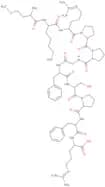
The cyclic AMP (cAMP) response element binding protein (CREB) is a transcription factor that regulates the transcription of several genes that mediate important cellular processes. CREB is phosphorylated by several kinases, including PKA- Akt- and CamK I, II, and IV. Phosphorylated pCREB translocates to the nucleus, where it forms homodimers or heterodimers, and recruits p300/CREB binding protein (CBP) to initiate transcription of its target genes. pCREB is an important regulator of apoptosis and is also involved in modulating several immune processes and neuronal plasticity. CREB signalling has a critical role in the formation of memories and may be dysfunctional in the brains of Alzheimer's disease (AD).Peptide is labelled with an N-terminal 5-carboxyfluorescein (5-FAM), a widely used green fluorescent tag.
Peso molecolare:1,572.6 g/molMOCAc-Pro-Leu-Gly-Leu-A2pr(Dnp)-Ala-Arg-NH₂
CAS:MOCAc-Pro-Leu-Gly-Leu-A2pr(Dnp)-Ala-Arg-NH₂ is a peptide that is used as a research tool in cell biology. It can be used to study the interactions between proteins, receptors and ion channels. MOCAc-Pro-Leu-Gly-Leu-A2pr(Dnp)-Ala-Arg-NH₂ has been shown to activate the G protein receptor, which is involved in the transmission of signals by cells. The peptide is also an inhibitor for ligand binding to the receptor.
Formula:C49H68N14O15Purezza:Min. 95%Peso molecolare:1,093.10 g/molDUSP12 Blocking Peptide
A synthetic peptide for use as a blocking control in assays to test for specificity of DUSP12 antibody, catalog no. 70R-7952
Purezza:Min. 95%TRIB1 Blocking Peptide
A synthetic peptide for use as a blocking control in assays to test for specificity of TRIB1 antibody, catalog no. 70R-3676Purezza:Min. 95%NNMT Blocking Peptide
A synthetic peptide for use as a blocking control in assays to test for specificity of NNMT antibody, catalog no. 70R-1262Purezza:Min. 95%FAM134B Blocking Peptide
A synthetic peptide for use as a blocking control in assays to test for specificity of FAM134B antibody, catalog no. 70R-6834Purezza:Min. 95%Insulin Wakayama, human
Insulin Wakayama is a recombinant human insulin that is made from genetically engineered bacteria. This product's amino acid sequence is identical to that of human insulin, and it has been shown to be active in humans. Insulin Wakayama has a high degree of purity and can be used as an immunological reagent, research tool, or pharmaceutical agent. It is also useful for studying protein interactions and the pharmacology of peptides. Insulin Wakayama has an ion channel activity and binds to receptors on the cell surface through its ligand-binding domain. This interaction activates the receptor by opening ion channels in the membrane, resulting in changes in cellular metabolism. Insulin Wakayama is not an inhibitor of tyrosine kinase enzymes such as protein tyrosine phosphatases or protein tyrosine kinases.
Purezza:Min. 95%C9ORF4 Blocking Peptide
A synthetic peptide for use as a blocking control in assays to test for specificity of C9orf4 antibody, catalog no. 70R-6868Purezza:Min. 95%Total GLP-1-HS ELISA (1ea)
The Total GLP-1-HS ELISA (1ea) is a sandwich enzyme-linked immunosorbent assay that measures the concentration of active GLP-1 in human serum. The assay employs a monoclonal antibody specific to human GLP-1 and an enzyme conjugate, which is a radiolabeled anti-human GLP-1 antibody. The Total GLP-1-HS ELISA (1ea) has been validated for use with samples from both healthy subjects and subjects with type 2 diabetes mellitus.Purezza:Min. 95%L-Asparaginase
L-asparaginase is a drug that inhibits the production of asparagine, which is an amino acid that is used in the synthesis of proteins. It has been shown to be effective against T-cell lymphomas, as well as other cancers such as leukemia and colorectal cancer. L-Asparaginase has been shown to inhibit mitochondrial functions in blood samples from patients with prostate cancer. This inhibition may lead to cell death. L-Asparaginase binds to the sephadex G-100 column in a similar manner to sodium citrate and prevents the formation of polymers when it combines with ATP. The enzyme can also be found in primary cells and liver cells, where it causes hypoglycemia by inhibiting glucose production. L-Asparaginase also inhibits dna synthesis by binding to DNA polymerases, preventing their attachment to nucleotide triphosphates (e.g., ATP).
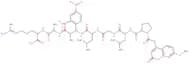
Purezza:Min. 95%SMRT peptide-(Cys[AF633])
SMRT peptide (amino acids 1414-1430 corresponding to the SMRT BCL6 binding domain.Peso molecolare:1,534.9 g/molTRF3 Blocking Peptide
A synthetic peptide for use as a blocking control in assays to test for specificity of TRF3 antibody, catalog no. 20R-1177
Purezza:Min. 95%Z-Phe-Tyr
CAS:Z-Phe-Tyr is a potent irreversible inhibitor of serine proteases. It binds to the active site of the enzyme and prevents it from performing its function, which is to cleave proteins at specific sites. Z-Phe-Tyr has been shown to be effective against inflammatory bowel disease, but not against other types of diseases such as diabetes mellitus or rheumatoid arthritis. The drug inhibits protease activity and can be used in experimental models to study the molecular mechanisms of inflammation and inflammatory diseases.Formula:C26H26N2O6Purezza:Min. 95%Peso molecolare:462.49 g/molIL 3 Mouse
IL 3 Mouse is a recombinant form of human IL-3 protein with a molecular weight of approximately 30,000 Daltons. IL-3 is an important cytokine in the immune system. It has been shown to play a role in the differentiation and proliferation of T-cells and B-cells. This antibody was generated by immunizing rabbits with purified rat IL-3 protein. The antibody binds to both mouse and human IL-3 proteins with high affinity and specificity.Purezza:Min. 95%ANKRD5 Blocking Peptide
A synthetic peptide for use as a blocking control in assays to test for specificity of ANKRD5 antibody, catalog no. 70R-3386Purezza:Min. 95%NIT1 Blocking Peptide
A synthetic peptide for use as a blocking control in assays to test for specificity of NIT1 antibody, catalog no. 70R-2732Purezza:Min. 95%GM CSF Mouse
GM-CSF is a cytokine that stimulates the production of neutrophils, macrophages, and other cells of the immune system. GM-CSF is a glycoprotein with a molecular weight of about 26 kD. It has been purified from human blood by RP-HPLC and found to have a sequence of 551 amino acids. The protein is active as freeze dried material or after desiccation at -70°C for 12 months. GM-CSF is commercially available in lyophilized form (Cytokine) or as recombinant proteins (Proteins).Purezza:Min. 95%Poly-L-lysine hydrochloride
CAS:Poly-L-Lysine Hydrochloride is a synthetic polymer that has been shown to inhibit the growth of cancer cells. It has also been shown to be effective in preventing neuronal cell death, as well as toxicity caused by exposure to high levels of water vapor. Poly-L-Lysine Hydrochloride can be used as an anticancer agent and has a synergistic effect with other drugs. This polymer is thought to work by blocking the synthesis of DNA, RNA, and proteins, which are vital for the cell's survival.
Formula:(C6H14N2O2•HCl)xPurezza:Min. 95%Lysyl-[Hyp3]-Bradykinin, human
Lysyl-bradykinin is a potent activator of human bradykinin receptors. It is an inhibitor of protein interactions and has a high purity with CAS number 59814-34-8.Formula:C56H85N17O13Purezza:Min. 95%Peso molecolare:1,204.4 g/molDBCO-Acid
Please enquire for more information about DBCO-Acid including the price, delivery time and more detailed product information at the technical inquiry form on this pagePurezza:Min. 95%Peso molecolare:319.35 g/molAzido-dPEG®12-NHS ester
CAS:Azido-dPEG®12-NHS ester is a PEG compound with two different functional groups (also known as heterobifunctional). Unlike homobifunctional PEG compounds (same functional group on both ends), this type of compounds are more versatile as have two different anchor points. Azido-dPEG®12-NHS ester is used as a linker and spacer to add a PEG moiety, via pegylation (a bioconjugation technique) to proteins, peptides, oligonucleotides, small molecules and nanoparticles.Formula:C16H34N4O7Purezza:Min. 95%Peso molecolare:394.46 g/molACTB MS Calibrator (25nmol)
High quality, quantitated heavy/light peptide calibrator for actin beta in Mass Spectroscopy research. Actin beta is an actin isoform and is one of two non-muscle cytoskeletal actins. Actins play roles in cell integrity, structure and motility.Purezza:Min. 95%HOMER1 Blocking Peptide
A synthetic peptide for use as a blocking control in assays to test for specificity of HOMER1 antibody, catalog no. 70R-4400
Purezza:Min. 95%SIL1 Blocking Peptide
A synthetic peptide for use as a blocking control in assays to test for specificity of SIL1 antibody, catalog no. 70R-7154Purezza:Min. 95%Fmoc-N-Amido-dPEG®4-NHS Ester
CAS:Fmoc-N-Amido-dPEG®4-NHS Ester is a PEG compound with two different functional groups (also known as heterobifunctional). Unlike homobifunctional PEG compounds (same functional group on both ends), this type of compounds are more versatile as have two different anchor points. Fmoc-N-Amido-dPEG®4-NHS Ester is used as a linker and spacer to add a PEG moiety, via pegylation (a bioconjugation technique) to proteins, peptides, oligonucleotides, small molecules and nanoparticles.Formula:C30H36N2O10Purezza:Min. 95%Peso molecolare:584.24 g/molAcetyl-Arg9
Acetyl-(Arg)9, derived from (Arg)9 is a cationic cell-penetrating peptide consisting of 9 arginines. Arginine rich CPPs enter cells in a passive manner through membrane multilamellarity and fusion. Evidently as a CPP, (Arg)9 can function to deliver specific molecules to target cells and can be used for drug delivery purposes.Peso molecolare:1,463.9 g/molCACNA2D1 Blocking Peptide
A synthetic peptide for use as a blocking control in assays to test for specificity of CACNA2D1 antibody, catalog no. 70R-5102
Purezza:Min. 95%MED4 Blocking Peptide
A synthetic peptide for use as a blocking control in assays to test for specificity of MED4 antibody, catalog no. 70R-8935Purezza:Min. 95%APETx2
CAS:APETx2 is a drug that inhibits the activity of apetx2, a protein which is involved in the regulation of ion channels and endothelin-A receptors. APETx2 has been shown to inhibit the activity of channels involved in pain perception and may have therapeutic potential as a pressor agent. This drug has also been shown to have anti-inflammatory properties, which are likely due to its inhibition of EGF receptor activity. The mechanism of action for this drug remains unclear, but it may work by blocking the channel or receptor for EGF.
Formula:C196H280N54O61S6Purezza:Min. 95%Peso molecolare:4,561 g/molCXCL9 Blocking Peptide
A synthetic peptide for use as a blocking control in assays to test for specificity of CXCL9 antibody, catalog no. 70R-10497Purezza:Min. 95%TBCCD1 Blocking Peptide
A synthetic peptide for use as a blocking control in assays to test for specificity of TBCCD1 antibody, catalog no. 70R-3697Purezza:Min. 95%FGF 22 Human
Fibroblast growth factor 22 (FGF22) is a cytokine that belongs to the FGF family. FGF22 has been shown to play a role in the modulation of glucose homeostasis and the regulation of insulin secretion. FGF22 is produced by pancreatic β cells, liver, kidney, muscle, and fat tissue. It has been shown to be involved in the regulation of cellular proliferation and apoptosis, as well as the control of inflammation and immune response.Purezza:Min. 95%Nucleolar Protein 3, human, recombinant
Nucleolar Protein 3 (NOP3) is a human protein that belongs to the nucleolar-enriched phosphoproteins. NOP3 is an activator of RNA polymerase II and is involved in the regulation of ribosomal RNA transcription. The ligand for NOP3 has been identified as a peptide corresponding to the C-terminal domain of the protein. NOP3 also interacts with Ion channels and may be involved in the regulation of ion channel activity, including voltage-gated potassium channels.Purezza:Min. 95%PLEKHA9 Blocking Peptide
A synthetic peptide for use as a blocking control in assays to test for specificity of PLEKHA9 antibody, catalog no. 70R-3896
Purezza:Min. 95%RFamide-Related Peptide-1, human
RFamide-Related Peptide-1, human is a protein that belongs to the family of G-protein coupled receptors. It is activated by RFamide-related peptides and has been shown to be involved in the regulation of ion channels, such as potassium channels. The activation of these channels leads to the inhibition of neuronal excitation and can affect many other biological functions, such as cell proliferation or differentiation. RFamide-Related Peptide-1, human has been used as a pharmacological research tool for studying its ligand binding properties and protein interactions.Formula:C195H304N52O51S2Purezza:Min. 95%Peso molecolare:4,256.9 g/molAnti GRF/GH-RH (Rat) Serum
Anti GRF/GH-RH (Rat) Serum is a research tool that is used to detect the presence of GH and GRF receptors. This antibody can be used for the study of GH and GRF receptor interactions and their roles in cell biology. Anti GRF/GH-RH (Rat) Serum can also be used as an inhibitor to block protein interactions.Purezza:Min. 95%FAM161A Blocking Peptide
A synthetic peptide for use as a blocking control in assays to test for specificity of FAM161A antibody, catalog no. 70R-10072Purezza:Min. 95%Insulin Los Angeles, human
Insulin is a peptide hormone that regulates the metabolism of carbohydrates, fats, and proteins. Insulin has been shown to bind to insulin receptors in the cell membrane. When insulin binds to the receptor, it triggers a series of biochemical reactions that lead to increased glucose uptake by cells and increased synthesis of glycogen in the liver. Insulin also activates ion channels, which leads to an increase in calcium influx into cells. Insulin is involved in many other functions within the body, such as promoting growth and development, regulating protein synthesis, and controlling lipid storage.
Insulin is used as a research tool for studying carbohydrate metabolism or as an antidiabetic drug for people who have diabetes mellitus. The most common form of insulin used today is human recombinant insulin (H-insulin). Human recombinant insulin can be synthesized from genetically engineered bacteria or yeast cultures.Purezza:Min. 95%Ac-Abu-D-Tyr-Leu-Gln-VS
Ac-Abu-D-Tyr-Leu-Gln-VS is a synthetic peptide that can be used as a research tool, an activator, or an inhibitor. It is a high purity product that has been extensively tested for its use in ion channels and receptor pharmacology.Purezza:Min. 95%Anti GLP-2 (Rat) Serum
Anti GLP-2 (Rat) Serum is a high purity and potent activator of the GLP-2 receptor. It is a peptide that binds to the GLP-2 receptor and activates it. The GLP-2 receptor is a G protein coupled receptor that belongs to the class of receptors for peptides. Activation of this receptor leads to an increase in intracellular calcium ions and increased cell proliferation, differentiation, and survival. This product can be used as a research tool for Cell Biology, Pharmacology, or Biochemistry studies.Purezza:Min. 95%GsMTx4
CAS:GsMTx4 is a ryanodine receptor agonist that binds to the ryanodine receptor and activates signal pathways. It has been shown to activate mechanosensitive channels and regulate intracellular Ca2+ levels by inducing an increase in Ca2+ release from the endoplasmic reticulum. GsMTx4 has also been shown to have pharmacological effects on cells, as well as physiological effects on Grammostola spatulata, such as inhibition of locomotion and increased mortality. GsMTx4 has also been shown to have antiviral properties against infectious diseases such as influenza, herpes simplex virus-1, and West Nile virus.Formula:C185H273N49O45S6Purezza:Min. 95%Peso molecolare:4,101.89 g/molSLC37A4 Blocking Peptide
A synthetic peptide for use as a blocking control in assays to test for specificity of SLC37A4 antibody, catalog no. 70R-6793Purezza:Min. 95%Anti PACAP (1-15), Human Serum
Anti PACAP (1-15) is a peptide that belongs to the class of activators. It has been shown to activate ion channels, increase intracellular calcium levels, and inhibit ligand-induced receptor desensitization. Anti PACAP (1-15) has also been shown to bind to a number of receptors with high affinity, including the corticotropin-releasing hormone receptor type 2 (CRHR2). This peptide is used as a research tool in cell biology and pharmacology studies.Purezza:Min. 95%Anti Preprorenin (288-317) (Human) Serum (1ea)
This peptide is a specific inhibitor of human preprorenin, which is the precursor of renin. The peptide has been shown to inhibit the activation of renin with high specificity and potency.Purezza:Min. 95%ZNF664 Blocking Peptide
A synthetic peptide for use as a blocking control in assays to test for specificity of ZNF664 antibody, catalog no. 70R-9112Purezza:Min. 95%TCP10 Blocking Peptide
A synthetic peptide for use as a blocking control in assays to test for specificity of TCP10 antibody, catalog no. 70R-2960Purezza:Min. 95%Decorin, human, recombinant
it is a non-glycosylated polypeptide chain containing 350 amino acids (31-359 a.a) with a molecular mass of 38.6kDa. It is fused to a 21 amino acid His-tag at N-terminus.Purezza:Min. 95%Elafin, Human Antiserum
Elafin is a peptide that is secreted by human neutrophils. It has been shown to inhibit the activity of ion channels and play a role in the regulation of cell proliferation and differentiation. Elafin also interacts with receptors and ligands, which are molecules that bind to other molecules. It is also used as a research tool for studying protein interactions in cell biology. Elafin has been shown to have an anti-inflammatory effect on cells, which may be due to inhibition of the production of prostaglandins.Purezza:Min. 95%Carboxyl-dPEG®4-(m-dPEG®8)3
Carboxyl-dPEG®4-(m-dPEG®8)3 is a PEG compound with two different functional groups (also known as heterobifunctional). Unlike homobifunctional PEG compounds (same functional group on both ends), this type of compounds are more versatile as have two different anchor points. Carboxyl-dPEG®4-(m-dPEG®8)3 is used as a linker and spacer to add a PEG moiety, via pegylation (a bioconjugation technique) to proteins, peptides, oligonucleotides, small molecules and nanoparticles.Formula:C367H721N17O175Purezza:Min. 95%Peso molecolare:8,172.75 g/molmonoFITC INSL5
monoFITC INSL5 is a peptide that can be used as a research tool to investigate the interactions between proteins and ligands. It is an activator of the Insulin-like growth factor 1 receptor (IGF1R). This peptide has been shown to inhibit IGF1R-mediated signaling pathways that lead to cell proliferation.
Purezza:Min. 95%HIV-1 p24 Core Recombinant
The HIV-1 p24 Core Recombinant is a recombinant protein made from the HIV-1 p24 core protein. It has been purified by immunoaffinity chromatography and is specific to the HIV-1 antigen, with minimal cross-reactivity to other viruses. The HIV-1 p24 Core Recombinant is found in the form of a chain of polypeptides, which are chains of amino acids that form proteins. This protein can be used as an immunoreactive reagent for detecting antibodies against HIV-1 in human serum or plasma.Purezza:Min. 95%MAL-dPEG®4-NHS Ester
CAS:MAL-dPEG®4-NHS Ester is a PEG compound with two different functional groups (also known as heterobifunctional). Unlike homobifunctional PEG compounds (same functional group on both ends), this type of compounds are more versatile as have two different anchor points. MAL-dPEG®4-NHS Ester is used as a linker and spacer to add a PEG moiety, via pegylation (a bioconjugation technique) to proteins, peptides, oligonucleotides, small molecules and nanoparticles.
Formula:C9H21NO4Purezza:Min. 95%Peso molecolare:207.27 g/molOmega-Conotoxin SVIB
CAS:A synthetic cone snail toxin sourced form the marine snail, conus striatus. This product has disulfide bonds between Cys1-Cys16,Cys8-Cys20, and Cys15-Cys26 and is available as a 0.5mg vial.Formula:C105H176N38O36S6Purezza:Min. 95%Peso molecolare:2,739.1 g/molAzido-dPEG®4-Acid
CAS:Azido-dPEG®4-Acid is a PEG compound with two different functional groups (also known as heterobifunctional). Unlike homobifunctional PEG compounds (same functional group on both ends), this type of compounds are more versatile as have two different anchor points. Azido-dPEG®4-Acid is used as a linker and spacer to add a PEG moiety, via pegylation (a bioconjugation technique) to proteins, peptides, oligonucleotides, small molecules and nanoparticles.Formula:C11H21N3O6Purezza:Min. 95%Peso molecolare:291.3 g/molFGFR1OP Blocking Peptide
A synthetic peptide for use as a blocking control in assays to test for specificity of FGFR1OP antibody, catalog no. 70R-3624Purezza:Min. 95%Gly-Phe
Gly-Phe is a kinetic glycolytic inhibitor that has antiviral properties. It has been shown to be effective against a number of viruses, including the herpes simplex virus type 1 (HSV-1), influenza virus A/PR/8/34 (PR8), and human immunodeficiency virus type 1 (HIV-1). Gly-Phe inhibits viral growth by blocking the synthesis of nucleic acids in cells infected with these viruses. The antiviral activity of Gly-Phe was demonstrated in animal models and humans, where it acted as an effective treatment for HSV-1 infection. Gly-Phe also has anti-inflammatory properties, which may be due to its ability to inhibit bacterial enzymes in the intestinal tract.Formula:C11H14N2O3Purezza:Min. 95%Peso molecolare:222.24 g/molMAL-dPEG®12-TFP Ester
MAL-dPEG®12-TFP Ester is a PEG compound with two different functional groups (also known as heterobifunctional). Unlike homobifunctional PEG compounds (same functional group on both ends), this type of compounds are more versatile as have two different anchor points. MAL-dPEG®12-TFP Ester is used as a linker and spacer to add a PEG moiety, via pegylation (a bioconjugation technique) to proteins, peptides, oligonucleotides, small molecules and nanoparticles.Formula:C31H45N5O13Purezza:Min. 95%Peso molecolare:695.71 g/molDOTA-tris(Acid)-Amido-dPEG®11-Maleimide
DOTA-tris(Acid)-Amido-dPEG®11-Maleimide is a PEG compound with two different functional groups (also known as heterobifunctional). Unlike homobifunctional PEG compounds (same functional group on both ends), this type of compounds are more versatile as have two different anchor points. DOTA-tris(Acid)-Amido-dPEG®11-Maleimide is used as a linker and spacer to add a PEG moiety, via pegylation (a bioconjugation technique) to proteins, peptides, oligonucleotides, small molecules and nanoparticles.
Purezza:Min. 95%Peso molecolare:1,310.24 g/molKIAA0317 Blocking Peptide
A synthetic peptide for use as a blocking control in assays to test for specificity of KIAA0317 antibody, catalog no. 70R-6284
Purezza:Min. 95%Dns-Glu(Cys-Gly)
Dns-Glu(Cys-Gly) is a peptide that is reactive and can be used as a biochemical. It has been shown to have both reactive metabolites and biologically active peptides.
Formula:C22H28N4O8S2Purezza:Min. 95%Peso molecolare:540.61 g/molInsulin-ELISA Kit (1ea)
The ELISA (enzyme-linked immunosorbent assay) is a powerful and sensitive technique to detect and quantify antigens of interest in biological samples. The Insulin ELISA kit from Specialty Products and Technologies contains the reagents necessary for in vitro measurement of human insulin in serum, plasma, or urine. This kit utilizes a monoclonal antibody specific for human insulin as the detection antibody. The Insulin ELISA Kit is designed to measure human insulin concentrations in range 0.5-25 ng/mL with an accuracy of ±15%.Purezza:Min. 95%Matrix Metalloproteinase-1 , human, recombinant
Matrix Metalloproteinase-1 is a recombinant human protein that is used as a research tool to study the function of matrix metalloproteinases. It has been shown to bind to peptides and activate them, which may lead to new insights into their function. Matrix Metalloproteinase-1 also binds to ion channels and ligands, which may be useful for understanding the role of these molecules in diseases such as cancer.Purezza:Min. 95%Leptin (Rat)-HS ELISA Kit (1ea)
The leptin (RAT)-HS ELISA Kit is a sandwich enzyme-linked immunosorbent assay kit for the quantitative measurement of rat leptin in serum or plasma. Rat leptin is a protein hormone that regulates body weight, food intake, and energy expenditure. Leptin is synthesized and secreted by adipose tissue in proportion to fat mass. The human form of this hormone is called human leptin.
Purezza:Min. 95%DLL4 Blocking Peptide
A synthetic peptide for use as a blocking control in assays to test for specificity of DLL4 antibody, catalog no. 70R-6608
Purezza:Min. 95%Anti PACAP38, Human Serum
Anti PACAP38, humanSerum is a research tool that can be used to study the role of PACAP in various biological processes. The antibody is generated against human PACAP38 and has been shown to inhibit the activity of this peptide. The antibody also binds to the receptor for this peptide, which is a G protein-coupled receptor. This antibody can be used as an inhibitor of PACAP and its receptor in various cell types.Purezza:Min. 95%TentaGel® Macrobead PHB Resin
TentaGel Macrobead PHB Resin is a polymer resin which is used for the synthesis of peptides. The resin can be used as a building block in peptide synthesis, as well as being mixed with other resins for use in other applications. TentaGel Macrobead PHB Resin is supplied in particles that are made up of polystyrene beads and hydroxypropyl-b-cyclodextrin (PHB) groups. The PHB groups are designed to bind to peptides during the synthesis process, while the polystyrene bead provide a support matrix. This product is primarily used by researchers who are interested in using it for the study of protein structure and function.Purezza:Min. 95%m-dPEG®12-Propionaldehyde
m-dPEG®12-Propionaldehyde is a PEG compound with two different functional groups (also known as heterobifunctional). Unlike homobifunctional PEG compounds (same functional group on both ends), this type of compounds are more versatile as have two different anchor points. m-dPEG®12-Propionaldehyde is used as a linker and spacer to add a PEG moiety, via pegylation (a bioconjugation technique) to proteins, peptides, oligonucleotides, small molecules and nanoparticles.Formula:C374H726N18O178Purezza:Min. 95%Peso molecolare:8,323.87 g/molAnti Galanin (9-30), Human Serum
Anti Galanin (9-30), humanSerum is a peptide that inhibits the activity of galanin, which is a neuropeptide. It has been shown to have an effect on ion channels and receptors in the central nervous system. Anti Galanin (9-30), humanSerum binds to the receptor for galanin and blocks the binding of galanin molecules to these receptors, preventing activation of these cells. Anti Galanin (9-30), humanSerum is used as a research tool for studying protein interactions and as a pharmacological inhibitor for studying ion channels and receptors in the central nervous system.
Purezza:Min. 95%AHCYL1 Blocking Peptide
A synthetic peptide for use as a blocking control in assays to test for specificity of AHCYL1 antibody, catalog no. 70R-3883Purezza:Min. 95%[Pyr33]-Pancreastatin (Porcine, 33-49) Antiserum
Pancreastatin is a peptide that is an inhibitor of potassium channels. Pancreastatin binds to and blocks the opening of K+ channels, thereby inhibiting the propagation of action potentials. Pancreastatin is a potent inhibitor of voltage-gated K+ channels in pancreatic β-cells and inhibits insulin secretion. Pancreastatin has been shown to inhibit the activity of sodium channels in the central nervous system, which may have therapeutic benefits for patients with epilepsy or other seizure disorders. Pancreastatin also has inhibitory effects on norepinephrine release from sympathetic nerves and acetylcholine release from parasympathetic nerves, which may be beneficial for patients with Parkinson's disease or Alzheimer's disease.Purezza:Min. 95%Eledoisin Related Peptide
Eledoisin-related peptide is a research tool that can be used to study the activation of G protein-coupled receptors. It is a ligand and an activator of the human beta-adrenergic receptor. Eledoisin-related peptide binds to the beta2-adrenergic receptor with high affinity, but does not activate the receptor. Instead, it inhibits the binding of other ligands such as epinephrine and norepinephrine to their respective receptors. Eledoisin-related peptide has been shown to inhibit ion channels in cell biology studies. This peptide has also been shown to bind to antibodies and interact with proteins in pharmacological studies.Formula:C34H58N8O6S•2CH3COOH•3H2OPurezza:Min. 95%Peso molecolare:881.09 g/molCoV-2 N (329 a.a.)
SARS-CoV is a coronavirus that causes SARS. This protein is the nucleocapsid protein of SARS-CoV and is encoded by the ORF2 gene. This protein is a component of the viral nucleocapsid, which contains the viral genomic RNA. Antibodies against this protein are used in serological tests to detect recent infection with SARS-CoV or SARS-CoV/SARS-CoV-2. COVID-19 (also known as 3C8) is an antibody that specifically binds to this protein and can be used as a diagnostic marker for SARS.Purezza:Min. 95%Bromoacetamido-dPEG®4 -TFP Ester
Bromoacetamido-dPEG®4 -TFP Ester is a PEG compound with two different functional groups (also known as heterobifunctional). Unlike homobifunctional PEG compounds (same functional group on both ends), this type of compounds are more versatile as have two different anchor points. Bromoacetamido-dPEG®4 -TFP Ester is used as a linker and spacer to add a PEG moiety, via pegylation (a bioconjugation technique) to proteins, peptides, oligonucleotides, small molecules and nanoparticles.Purezza:Min. 95%Peso molecolare:534.29 g/molSoybean BBI
Soybean BBI is a protein that belongs to the family of ion channels. It is an activator of receptor-operated calcium channels, which are found in many types of cells and are involved in a variety of physiological processes. Soybean BBI has been shown to inhibit the activity of potassium channels, which help regulate the electrical activity in neurons. Soybean BBI can be used as a research tool for studying protein interactions and peptides. It has also been used as an antibody for Western blot analysis and immunocytochemistry techniques. This protein has a CAS number and is available at high purity.Purezza:Min. 95%Tropomodulin 2 Blocking Peptide
A synthetic peptide for use as a blocking control in assays to test for specificity of TMOD2 antibody, catalog no. 70R-5239Purezza:Min. 95%IGHG1 MS Calibrator-5 (25nmol)
IGHG1 MS Calibrator-5 is a calibrator for the IGHG1 tryptic peptide. It is used for the quantitative determination of Ig gamma-1 chain C region in proteomics and biologically active peptides.Purezza:Min. 95%ANP (Human, 5-28)
CAS:ANP (human, 5-28) is a peptide that is used as a research tool for studying the function of ion channels. It is also an antibody that can be used to measure protein interactions. ANP (human, 5-28) has been shown to inhibit protein interactions with the receptor and ligand. This peptide has been shown to act as an activator at high concentrations and an inhibitor at low concentrations.Formula:C106H163N35O34S3Purezza:Min. 95%Peso molecolare:2,567.8 g/molt-boc-N-Amido-dPEG®23-Amine
t-boc-N-Amido-dPEG®23-Amine is a PEG compound with two different functional groups (also known as heterobifunctional). Unlike homobifunctional PEG compounds (same functional group on both ends), this type of compounds are more versatile as have two different anchor points. t-boc-N-Amido-dPEG®23-Amine is used as a linker and spacer to add a PEG moiety, via pegylation (a bioconjugation technique) to proteins, peptides, oligonucleotides, small molecules and nanoparticles.Formula:C53H108N2O25Purezza:Min. 95%Peso molecolare:1,173.44 g/molBeta-ANP, human
Beta-ANP is a peptide that belongs to the class of activators. It is an inhibitor of ion channels and has been shown to be a ligand for the beta-1 adrenergic receptor. Beta-ANP has been used as a research tool in cell biology, pharmacology, and biochemistry.Formula:C254H406N90O78S6Purezza:Min. 95%Peso molecolare:6,160.9 g/molNRG1 B1 Human
NRG1 B1 Human is a cytokine that is produced by human cells. It belongs to the group of interleukins and functions as an inflammatory mediator. NRG1 B1 Human is involved in a wide range of biological processes, such as the regulation of cellular proliferation, differentiation, and immune response. It may also be used as a treatment for cancer.Purezza:Min. 95%














![[FITC]-pCREB (127-134) substrate](/_next/image/?url=https%3A%2Fstatic.cymitquimica.com%2Fproducts%2F3D%2Fthumb-webp%2FCRB1100419.webp&w=3840&q=75)



![SMRT peptide-(Cys[AF633])](/_next/image/?url=https%3A%2Fstatic.cymitquimica.com%2Fproducts%2F3D%2Fthumb-webp%2FCRB1110421.webp&w=3840&q=75)





![Lysyl-[Hyp3]-Bradykinin, human](/_next/image/?url=https%3A%2Fstatic.cymitquimica.com%2Fproducts%2F3D%2Fthumb-webp%2FPBK-4191-V.webp&w=3840&q=75)















![[Pyr33]-Pancreastatin (Porcine, 33-49) Antiserum](/_next/image/?url=https%3A%2Fstatic.cymitquimica.com%2Fproducts%2F3D%2Fthumb-webp%2FNPP-14186-V.webp&w=3840&q=75)