Peptidi
Sottocategorie di "Peptidi"
Trovati 29793 prodotti di "Peptidi"
Tityustoxin Ka
CAS:A synthetic scorpion toxin, sourced from the Scorpion, Tityus serrulatus This product is a voltage-dependent K+ channel (A channel) Blocker and it has disulfide bonds between Cys7-Cys28, Cys13-Cys33, and Cys17-Cys35.Formula:C168H275N49O46S7Purezza:Min. 95%Peso molecolare:3,941.7 g/mol[D-Pro4,Trp7,9]-Substance P (4-11)
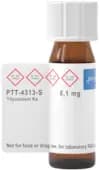
Substance P (SP) is a neuropeptide that has been implicated in the transmission of pain and inflammation. It also regulates feeding behaviour and is a potent stimulator of gastric acid secretion. In addition, SP has been shown to be an antagonist for the insulin receptor. This peptide may therefore contribute to the development of diabetes mellitus type 2.Formula:C57H75N13O10S•CH3COOH•4H2OPurezza:Min. 95%Peso molecolare:1,266.51 g/molACE Light Tryptic Peptide Standard (4nmol)
Angiotensin converting enzyme (ACE) light tryptic peptide standard for use in proteomics studies. ACE is involved in the regulation of blood pressure through converting inactive angiotensin I to active angiotensin II and also degrading active Bradykinin.
Purezza:Min. 95%Anti NPY (1-19) (Human, Rat, Mouse) Serum
Anti NPY (1-19) is a peptide that binds to the NPY receptor. It is an agonist of the NPY receptor, which is a G-protein coupled receptor. This peptide has been shown to activate ion channels, such as nicotinic acetylcholine receptors and glutamate receptors. Anti NPY (1-19) has also been shown to inhibit ligand binding to the NPY receptor, and may be used as a research tool for studying this receptor in cell biology.
Purezza:Min. 95%Peroxiredoxin-1, human, recombinant
Peroxiredoxin-1 is a protein that belongs to the peroxiredoxin family. It is a redox-active protein that can reduce hydroperoxides and organic hydroperoxides. Peroxiredoxin-1 has been shown to be an activator of ion channels, receptors, and ligands. It is used as a research tool for studying the interactions between proteins and peptides.
Purezza:Min. 95%DOTA tris(TBE)-Amido-dPEG®23-Maleimide
DOTA tris(TBE)-Amido-dPEG®23-Maleimide is a PEG compound with two different functional groups (also known as heterobifunctional). Unlike homobifunctional PEG compounds (same functional group on both ends), this type of compounds are more versatile as have two different anchor points. DOTA tris(TBE)-Amido-dPEG®23-Maleimide is used as a linker and spacer to add a PEG moiety, via pegylation (a bioconjugation technique) to proteins, peptides, oligonucleotides, small molecules and nanoparticles.Purezza:Min. 95%Peso molecolare:1,779.15 g/molMuscarinic Toxin Alpha
A synthetic snake toxin, sourced from the black mamba, Dendroaspis polylepis and it is a ligand for Muscarinic Acetylcholine Receptor-3/5 (M3/M5) (non-specific ligand). This product is available as a 0.1mg vials and has disulfide bonds between Cys3-Cys24, Cys17-Cys42, Cys46-Cys58, and Cys59-Cys64.Formula:C326H491N89O102S8Purezza:Min. 95%Peso molecolare:7,545.4 g/molMAL-dPEG®3-Lipoamide
CAS:MAL-dPEG®3-Lipoamide is a PEG molecule conjugated with a lipid moiety. MAL-dPEG®3-Lipoamide, conjugated to this lipid constituent, is very important especially in drug delivery and vaccine development as it helps improve the stability and circulation time of lipid nanoparticles (LNPs) and liposomes.
Formula:C42H78N4O14S3Purezza:Min. 95%Peso molecolare:959.28 g/molDBCO-dPEG®12-Meso-TP-IR775
DBCO-dPEG®12-Meso-TP-IR775 is a PEG compound with two different functional groups (also known as heterobifunctional). Unlike homobifunctional PEG compounds (same functional group on both ends), this type of compounds are more versatile as have two different anchor points. DBCO-dPEG®12-Meso-TP-IR775 is used as a linker and spacer to add a PEG moiety, via pegylation (a bioconjugation technique) to proteins, peptides, oligonucleotides, small molecules and nanoparticles.Purezza:Min. 95%Peso molecolare:1,447.26 g/molStaphylococcal Protein A Recombinant
Staphylococcal protein A (SPA) is a protein that binds to and removes foreign substances, such as bacteria and toxins, from the body. SPA has been shown to bind to the Fc region of antibodies and prevent their activation. This may be due to its ability to inhibit calpains, which are enzymes that cleave proteins at specific sites. Recombinant SPA has been shown to have an approximate molecular mass of 45 kDa. It can be used in chromatographic techniques for purification of proteins and as an additive for protein solutions. SPA also has catalytic properties, which may be due to its ability to act as a catalytic subunit in Escherichia coli.br>
Purezza:Min. 95%Biotin-dPEG®23-Azide
Biotin-dPEG®23-Azide is a PEG compound with two different functional groups (also known as heterobifunctional). Unlike homobifunctional PEG compounds (same functional group on both ends), this type of compounds are more versatile as have two different anchor points. Biotin-dPEG®23-Azide is used as a linker and spacer to add a PEG moiety, via pegylation (a bioconjugation technique) to proteins, peptides, oligonucleotides, small molecules and nanoparticles.Formula:C58H112N6O25SPurezza:Min. 95%Peso molecolare:1,325.60 g/molDecorsin
Decorsin is a research tool that is an activator and ligand for the human receptor. It binds to the receptor by altering its conformation, which leads to cell signaling. Decorsin has been shown to inhibit ion channels, such as potassium channels, and may also function as a receptor antagonist. Decorsin is a high-purity protein with a purity of > 95%. This protein is used in cell biology, pharmacology, and life science research. It can be used as an inhibitor of peptides in the field of protein interactions.Formula:C179H271N55O62S6Purezza:Min. 95%Peso molecolare:4,377.8 g/molAcyl-Coenzyme A Thioesterase 11, Mouse Anti Human
Mouse antibody against the human sequence of the enzyme Acyl-coenzyme A thioesterase 11 (StAR-related lipid transfer protein 14 or STARD14). Acyl-coenzyme A thioesterase 11 is part of the thioesterase family of enzymes that have roles in regulating levels of Coenzyme and intracellular fatty acids.Purezza:Min. 95%Leu-Pro-Leu-Arg-Phe-NH2 diacetate dihydrate
Leu-Pro-Leu-Arg-Phe-NH2 diacetate dihydrate is a peptide that is derived from Laminin. It has been shown to inhibit proliferation of human skin cells and induce cell death. Leu-Pro-Leu-Arg-Phe-NH2 diacetate dihydrate also inhibits the production of collagenase, which is an enzyme that breaks down collagen in the skin.Formula:C32H53N9O5•2CH3COOH•2H2OPurezza:Min. 95%Peso molecolare:799.96 g/molThyroglobulin Heavy Tryptic Peptide Standard (4nmol)
This Thyroglobulin Heavy Tryptic Peptide Standard is useful in protein identification and quantitation studies such as liquid chromatography-tandem mass spectrometry (LC-MS/MS). The use of tryptic peptides overcomes the challenges of quantifying serum thyroglobulin levels using immunoassays through removing the risk of interferences from Thyroglobulin antibodies. Thyroglobulin is a thyroid hormone production substrate and thus an important biomarker for differentiated thyroid cancer.
Purezza:Min. 95%Insulin II (Rat, Mouse)
CAS:Insulin II is a peptide hormone that is secreted by the beta cells of the pancreas. Insulin II regulates glucose metabolism, promotes protein synthesis and inhibits lipolysis. It can be used as a research tool to study protein interactions, activators and ligands, receptor binding and ion channel activity. Insulin II can also be used to generate monoclonal antibodies against insulin II. This product has the three code sequence: A-chain: Gly-Ile-Val-Asp-Gln-Cys-Cys-Thr-Ser-Ile-Cys-Ser-Leu-Tyr-Gln-Leu-Glu-Asn-Tyr-Cys-Asn ; B-chain:Phe-Val-Lys-Gln-His-Leu-Cys-Gly-Ser-His-Leu-Val-Glu-Ala-Leu-Tyr-Leu-Val-Cys-Gly-Glu-Arg-Gly-Phe-Phe-Tyr-Thr-Pro-Met-Ser, has the disulfide bonds: CysA6-CysA11, CysA7-CysB7, and CysA20-CysB19 and is available as a 50 µg vial.Formula:C256H382N64O76S7Purezza:Min. 95%Peso molecolare:5,796.6 g/molAnti Acidic-FGF (1-15) (Bovine) Serum
Anti Acidic-FGF (1-15) (Bovine) Serum is a research tool used to study the activation of FGF receptors and their ligands. It contains peptides that are derived from the extracellular domain of human acidic FGF (1-15). This serum stimulates the activation of FGF receptors, which are important in cell growth, proliferation, and survival. Anti Acidic-FGF (1-15) Serum is purified by ion exchange chromatography and contains no detectable amounts of other proteins. It is supplied as a lyophilized powder at a concentration of 10 mg/mL.Purezza:Min. 95%H-LLSATDTLDEAER-OH
Peptide H-LLSATDTLDEAER-OH is a Research Peptide with significant interest within the field academic and medical research. This peptide is available for purchase at Cymit Quimica in multiple sizes and with a specification of your choice.
H-IQVLVEPDHFK-OH
Peptide H-IQVLVEPDHFK-OH is a Research Peptide with significant interest within the field academic and medical research. This peptide is available for purchase at Cymit Quimica in multiple sizes and with a specification of your choice.CMVpp65 - 72
CMVpp65 - 72 is a custom research peptide; min purity 95%, TFA salt. For different specs please use the Peptide Quote Tool
Programmed cell death 1 ligand 1 (15-23)
Peptide Programmed cell death 1 ligand 1 (15-23) is a Research Peptide with significant interest within the field academic and medical research. This peptide is available for purchase at Cymit Quimica in multiple sizes and with a specification of your choice.H-WHVSC-OH
Peptide H-WHVSC-OH is a Research Peptide with significant interest within the field academic and medical research. This peptide is available for purchase at Cymit Quimica in multiple sizes and with a specification of your choice.
H-HSLLDEGKQSLTKLA-OH
H-HSLLDEGKQSLTKLA-OH is a custom research peptide; min purity 95%, TFA salt. For different specs please use the Peptide Quote Tool
H-QRMHLRQYELL-OH
Peptide H-QRMHLRQYELL-OH is a Research Peptide with significant interest within the field academic and medical research. This peptide is available for purchase at Cymit Quimica in multiple sizes and with a specification of your choice.
H-IIGGSDADIK-OH
Peptide H-IIGGSDADIK-OH is a Research Peptide with significant interest within the field academic and medical research. This peptide is available for purchase at Cymit Quimica in multiple sizes and with a specification of your choice.
H-GPRPPGGGC-OH
Peptide H-GPRPPGGGC-OH is a Research Peptide with significant interest within the field academic and medical research. This peptide is available for purchase at Cymit Quimica in multiple sizes and with a specification of your choice.
H-LQEYTQTILR-OH
H-LQEYTQTILR-OH is a custom research peptide; min purity 95%, TFA salt. For different specs please use the Peptide Quote Tool
H-EPQTTVIHNPDGNK-OH
Peptide H-EPQTTVIHNPDGNK-OH is a Research Peptide with significant interest within the field academic and medical research. This peptide is available for purchase at Cymit Quimica in multiple sizes and with a specification of your choice.
H-VNTEIHFVTK-OH
Peptide H-VNTEIHFVTK-OH is a Research Peptide with significant interest within the field academic and medical research. This peptide is available for purchase at Cymit Quimica in multiple sizes and with a specification of your choice.H-MPAVMSSAQVPR-OH
Peptide H-MPAVMSSAQVPR-OH is a Research Peptide with significant interest within the field academic and medical research. This peptide is available for purchase at Cymit Quimica in multiple sizes and with a specification of your choice.H-ELETAYSNLLR-OH
H-ELETAYSNLLR-OH is a custom research peptide; min purity 95%, TFA salt. For different specs please use the Peptide Quote Tool
High-Mobility Group Box 1, human, recombinant, Hi-5
Hi-5 is a recombinant, human protein that inhibits the high mobility group box 1 (HMGB1), an inflammatory mediator. HMGB1 is produced by activated macrophages and triggers inflammation reactions in response to tissue injury or infection. Hi-5 can be used as a pharmacological tool for the study of HMGB1-mediated inflammation and as a research tool for the discovery of new drugs that target HMGB1. Hi-5 has been shown to inhibit the interaction between HMGB1 and its receptors, which may be due to its ability to bind to both ligands and receptors of HMGB1.Purezza:Min. 95%Neutrophil Gelatinase Associated Lipocalin/Lipocalin-2, human, recombinant
Neutrophil Gelatinase Associated Lipocalin (NGAL) is a lipocalin protein that is involved in many physiological and pathophysiological processes. NGAL binds to bacterial products, such as lipopolysaccharide, and can be used as a biomarker for inflammation or infection. NGAL has been shown to be elevated in the urine of patients with urinary tract infections. Additionally, NGAL has been shown to be associated with neurological diseases, such as Alzheimer's disease and Parkinson's disease. The recombinant human form of this protein can be used for research purposes or for the development of diagnostic tools. Neutrophil Gelatinase Associated Lipocalin (NGAL) is a lipocalin protein that is involved in many physiological and pathophysiological processes. It binds to bacterial products, such as lipopolysaccharide, and can be used as a biomarker for inflammation or infection. NGAL has been shown to be elevated in the urine of patientsPurezza:Min. 95%H-Cys-Asp-Pro-Gly-Tyr-Ile-Gly-Ser-Arg-OH trifluoroacetate
CAS:Please enquire for more information about H-Cys-Asp-Pro-Gly-Tyr-Ile-Gly-Ser-Arg-OH trifluoroacetate including the price, delivery time and more detailed product information at the technical inquiry form on this page
Formula:C40H62N12O14S•(C2HF3O2)xPurezza:Min. 95%Immunoglobulins IgM Light Tryptic Peptide Standard (4nmol)
Immunoglobulins IgM Light Tryptic Peptide Standard for protein identification and quantitation studies. IgM is an antibody isotype that is the first type to be produced when the body is invaded by a pathogen and therefore a key indication of infection.Purezza:Min. 95%Apolipoprotein B Heavy Tryptic Peptide Standard (4nmol)
An Apolipoprotein B heavy tryptic peptide standard for use in protein identification and quantitation studies. Apolipoprotein B is responsibly for carrying lipids such as low density lipoprotein (LDL), chylomicrons, intermediate-density lipoprotein, very low-density lipoprotein and lipoprotein (a).Purezza:Min. 95%Nonapeptide 1 acetate
CAS:Nonapeptide 1 acetate is an anticancer peptide that acts as a kinase inhibitor. It is a synthetic analog of a protein that is naturally found in human urine and has been used in Chinese medicinal practices for centuries. Nonapeptide 1 acetate has been shown to induce apoptosis in cancer cells by inhibiting the activity of kinases, which are enzymes involved in cell signaling pathways. This inhibition leads to the disruption of cellular processes necessary for tumor growth and survival. Nonapeptide 1 acetate is a promising candidate for cancer therapy due to its potent anticancer activity and low toxicity levels. Its efficacy as a cancer treatment has been demonstrated in preclinical studies, and it is currently being investigated further as a potential therapeutic option for various types of cancer.Formula:C61H87N15O9S•(C2H4O2)xPurezza:Min. 95%Osteopontin Heavy Tryptic Peptide Standard (4nmol)
For Protein Identification and QuantitationPurezza:Min. 95%Borrelia Burgdorferi Basic Membrane Protein A (recombinant)
Borrelia Burgdorferi Basic Membrane Protein A (BBMPA) is a protein that belongs to the Borrelia burgdorferi bacterium. It is a glycoprotein found on the surface of the bacterial cell, which has been shown to be involved in adhesion to host tissue. BBMPA is composed of two identical subunits, each containing five domains. These domains are involved in different functions and range from binding to other proteins and lipids to receptor-binding sites for host cells. This protein has been studied extensively as it is important for pathogenicity and infectivity of Borrelia Burgdorferi.Purezza:Min. 95%Angiotensin III, human
CAS:Prodotto controllatoAngiotensin III, human is a peptide hormone that acts as an important regulator of blood pressure and fluid balance. It binds to angiotensin receptors on vascular smooth muscle cells, which leads to vasoconstriction and an increase in the permeability of small blood vessels. Angiotensin III also stimulates the release of aldosterone from the adrenal gland, which leads to increased sodium retention and increased water reabsorption by the kidneys. Angiotensin III is used as a treatment for congestive heart failure and pulmonary edema. It has been shown to be effective in preventing myocardial infarction in animal models. The effects of Angiotensin III are mediated by its binding to specific receptors on the surface of cells, leading to changes in cell activity. These effects can be blocked with receptor antagonists such as losartan or valsartan.Formula:C46H66N12O9•2CH3COOH•4H2OPurezza:Min. 95%Peso molecolare:1,123.26 g/molThymosin β10 (human, rat) trifluoroacetate
CAS:Please enquire for more information about Thymosin β10 (human, rat) trifluoroacetate including the price, delivery time and more detailed product information at the technical inquiry form on this pageFormula:C211H353N57O76S•(C2HF3O2)xPurezza:Min. 95%Colore e forma:PowderRas Homolog Enriched in Brain, human, recombinant
Ras Homolog Enriched in Brain, human, recombinant is a research peptide that is derived from Escherichia Coli. This protein is commonly used in scientific research for various applications. It is highly pure and has been produced using advanced recombinant technology. Ras Homolog Enriched in Brain plays a crucial role in cellular signaling pathways and is involved in numerous biological processes. Its high-quality and purity make it an ideal choice for researchers looking to study the functions and mechanisms of this protein.Purezza:Min. 95%Apolipoprotein E N-term Heavy Tryptic Peptide Standard (4nmol)
An apolipoprotein E N-term heavy tryptic peptide standard for use in protein identification and quantitation studies. As part of a fat-binding protein family, apolipoprotein E plays a role in the metabolism of fats in the body through interacting with the low density lipoprotein receptor, which is involved in the catabolism of triglyceride rich lipoproteins. Apolipoprotein E is also a major component in cholesterol metabolism and is a carrier of cholesterol in the brain. Additionally when forming a complex with C1q, apolipoprotein E is an inhibitor of the classical complement pathway. The N and C terminal regions of apolipoprotein are connected by a hinge region and the N-terminal region is an anti parallel four helix bundle with non-polar sides positioning themselves inside the protein.Purezza:Min. 95%Cy5 Biotin
Cy5 Biotin can be used for detecting and quantifying biotin binding sites of avidin, streptavidin or neutravidin. It is water soluble and its red fluorescence is pH independent from pH 4 - 10. The PEG3 spacer between biotin moiety and fluorescent tag minimize steric hindrance involved in binding to avidin, streptavidin or neutravidin.Abs/Em Maxima: 649/671 nmExtinction Coefficient: 250,000Formula:C51H72N6S4O15Purezza:Min. 95%Peso molecolare:1,136.39 g/molMesothelin Heavy Tryptic Peptide Standard (4nmol)
For Protein Identification and QuantitationPurezza:Min. 95%Mesothelin Light Tryptic Peptide Standard (4nmol)
For Protein Identification and QuantitationPurezza:Min. 95%α 1 Antitrypsin Human
α 1 Antitrypsin Human is a research tool that can be used in the study of protein interactions. It is a high-purity, recombinant, human α 1 antitrypsin with an N-terminal hexahistidine tag. It has been specifically designed for use in antibody production and as a pharmacological agent to inhibit trypsin-like enzymes.
Purezza:Min. 95%Alpha-2-Macroglobulin Light Tryptic Peptide Standard (4nmol)
An Alpha-2-Macroglobulin light tryptic peptide standard for protein identification and quantitation studies. Alpha-2-Macroglobulin is a broad spectrum protease inhibitor which also plays roles in cell migration and in the binding of growth factors and cytokines.Purezza:Min. 95%Alloferon 1 trifluoroacetate
CAS:Please enquire for more information about Alloferon 1 trifluoroacetate including the price, delivery time and more detailed product information at the technical inquiry form on this pageFormula:C52H76N22O16•C2HF3O2Purezza:Min. 95%Peso molecolare:1,379.32 g/molAtrial natriuretic factor (1-28) (human) acetate
CAS:Please enquire for more information about Atrial natriuretic factor (1-28) (human) acetate including the price, delivery time and more detailed product information at the technical inquiry form on this pageFormula:C127H203N45O39S3•C2H4O2Purezza:Min. 95%Colore e forma:PowderPeso molecolare:3,140.5 g/molAc-YVAD-pNA
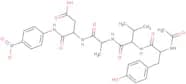
CAS:Ac-YVAD-pNA is a synthetic tetrapeptide inhibitor, which is primarily derived from specific peptide sequences designed to selectively inhibit cysteine protease activity. It acts by mimicking the natural substrates of the enzyme caspase-1 and competitively inhibiting its activity. The acetylated N-terminus (Ac-) and para-nitroanilide (pNA) group at the C-terminus facilitate the penetration across cell membranes and spectrophotometric measurement, respectively.Ac-YVAD-pNA is extensively utilized in biochemical research to investigate the role of caspase-1, which is a key player in inflammatory processes and apoptosis. By inhibiting caspase-1, researchers can study its involvement in the maturation of pro-inflammatory cytokines such as IL-1β and IL-18. The use of this inhibitor is crucial in elucidating the mechanisms of pyroptosis, a form of programmed cell death associated with inflammation. This tool aids in dissecting the pathways implicated in various diseases, including autoimmune disorders, neurodegenerative diseases, and infections, providing insights into potential therapeutic targets.Formula:C29H36N6O10Peso molecolare:628.63 g/molCeruloplasmin Light Tryptic Peptide Standard (4nmol)
A Ceruloplasmin Light Tryptic Peptide Standard for use in protein identification and quantitation studies. Ceruloplasmin is a serum ferroxidase key to transporting copper in the blood. It also plays a role in iron metabolism regulation and the pathogenesis of Wilson disease. Furthermore it has been found in elevated levels during inflammation.Purezza:Min. 95%Apolipoprotein A1 Light Tryptic Peptide Standard (4nmol)
Apolipoprotein A1 light tryptic peptide standard for protein identification and quantitation studies. Apolipoprotein A1 is a structural component of high density lipoprotein (HDL) and is involved in cellular cholesterol homeostasis and reverse cholesterol transport.Purezza:Min. 95%8-Oxoguanine DNA Glycosylase, human, recombinant
8-Oxoguanine DNA glycosylase is a glycosylase enzyme that repairs the 8-oxoG DNA base. It has been purified from human and Escherichia coli cells and recombinantly produced in E. coli. The enzyme has a molecular mass of about 42 kDa and is composed of two polypeptide chains with an apparent molecular weight of 17 kDa each. 8-Oxoguanine DNA glycosylase has been shown to have a broad substrate range, including both oxidized and reduced forms of 8-oxoG, as well as other oxidized purine bases such as 7,8-dihydrothymine (8-hydroxyguanine) and 5,6-dihydrothymine (5,6-dihydroxyguanine). The enzyme catalyzes the removal of the damaged base from the DNA backbone without any concomitant chemical changes in the sugar or phosphate groupsPurezza:Min. 95%Fibrinogen Light Tryptic Peptide Standard (4nmol)
This product is a Fibrinogen Light Tryptic Peptide Standard for protein identification and quantitation. Fibrinogen is glycoprotein produced by the liver and is a precursor to fibrin which makes up blood clots.Purezza:Min. 95%TentaGel® Macrobead RAM particle size: 140 - 170 µm
Please enquire for more information about TentaGel® Macrobead RAM particle size: 140 - 170 µm including the price, delivery time and more detailed product information at the technical inquiry form on this pagePurezza:Min. 95%L-Lysyl-L-cysteine trifluoroacetate
CAS:Please enquire for more information about L-Lysyl-L-cysteine trifluoroacetate including the price, delivery time and more detailed product information at the technical inquiry form on this pageFormula:C9H19N3O3S•(C2HF3O2)xPurezza:Min. 95%Fmoc-TOAC-OH
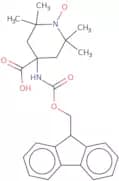
CAS:Fmoc-2,2,6,6-tetramethylpiperidine-N-oxyl-4-amino-4-carboxylic acid (FMOC) is a highly reactive nitroxide that reacts with oxygen to form superoxide radicals. FMOC has been used to study the effects of radiation on proteins and peptides. It can be synthesized by reacting an amino acid with the reagent N-(3-(dimethylamino)propyl)-N'-methylcarbodiimide hydrochloride (EDC). The product then reacts with 4-(2,2,6,6,-tetramethylpyridinium) perchlorate in acetonitrile to create a fluorescent compound. When FMOC is labeled with a heavy metal such as gadolinium or manganese it becomes paramagnetic and can be detected using magnetic resonance imaging (MRI). FMOC also binds to the sarcoplasmic reticulumFormula:C25H29N2O5Purezza:Min. 95%Peso molecolare:437.51 g/molRef: 3D-FF23530
2mgPrezzo su richiesta5mgPrezzo su richiesta10mgPrezzo su richiesta25mgPrezzo su richiesta50mgPrezzo su richiestaNeurokinin B (Human, Porcine, Bovine, Rat, Mouse)
As a member of the tachykinin neuropeptide family, Neurokinin B is involved in the dilation of blood vessels, the contraction of smooth muscles and the excitation of neurons. This product can be applied as a NK3 receptors selective agonist.Formula:C55H79N13O14S2CH3COOH•4H2OPurezza:Min. 95%Peso molecolare:1,312.49 g/molAnti Atrial Natriuretic Peptide (ANP) (Rat) Serum
Anti Atrial Natriuretic Peptide (ANP) (Rat) Serum is a research tool for studying the pharmacology of ANP. It is an activator of ion channels and the receptor for ANP, which regulates water balance in the body. It has also been shown to be a ligand for antibody, used in pharmacology to study protein interactions. This serum is used as a research tool in Cell Biology to study the effects of ligands on membrane ion channels and receptors. Anti Atrial Natriuretic Peptide (ANP) (Rat) Serum is purified from rat serum with high purity.Purezza:Min. 95%Amino-dPEG®12-t-boc-Hydrazide
CAS:Amino-dPEG®12-t-boc-Hydrazide is a PEG compound with two different functional groups (also known as heterobifunctional). Unlike homobifunctional PEG compounds (same functional group on both ends), this type of compounds are more versatile as have two different anchor points. Amino-dPEG®12-t-boc-Hydrazide is used as a linker and spacer to add a PEG moiety, via pegylation (a bioconjugation technique) to proteins, peptides, oligonucleotides, small molecules and nanoparticles.Formula:C32H65N3O15Purezza:Min. 95%Peso molecolare:731.87 g/molGRF, Human Antiserum
Rabbit serum against growth hormone-releasing factor (GRF) or GHRH (growth hormone-releasing hormone).Purezza:Min. 95%Boc-Val-OH
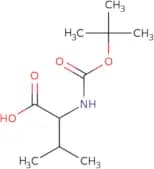
CAS:Boc-Val-OH is a natural compound that belongs to the class of ferrocene fatty acid. It has been shown to have antimicrobial properties in cell culture and pharmacokinetic properties in rats. Boc-Val-OH is able to inhibit the activity of serine proteases, which are enzymes that break down proteins and amino acids within cells, as well as cyclopropavir, a virus inhibitor. This compound also has potent inhibitory activity against various microbial strains, including methicillin-resistant Staphylococcus aureus (MRSA) and Helicobacter pylori. Boc-Val-OH has been shown to have hepatoprotective effects in rats with liver damage.Formula:C10H19NO4Purezza:Min. 95%Peso molecolare:217.26 g/molSpike S biotin protein library
Biotinylated version of the Spike (S) glycoprotein which corresponds to one of the leading targets for COVID-19 disease. Present on the surface of Sars-CoV-2 virus, Spike S protein is a class I fusion protein that allows the virus to enter host cells.Biotin-SARS-CoV-2 Spike RBM 500-509 peptide
Biotin-SARS-CoV-2 Spike RBM 500-509 peptide is the biotinylated version of SARS-CoV-2 Spike RBM 500-509 peptide. SARS-CoV-2 Spike RBM 500-509 peptide is an epitope of interest of the SARS-CoV-2 Spike S glycoprotein Receptor-Binding Motif (RBM). Biotin-SARS-CoV-2 Spike RBM 500-509 peptide is useful for vaccine development and for structure-activity relationship studies
SARS-CoV-2 Spike (S) glycoprotein
Spike (S) glycoprotein corresponds to one of the leading targets for COVID-19 disease. Present on the surface of Sars-CoV-2 virus, Spike S protein is a class I fusion protein that allows the virus to enter host cells.
With a 1 273 aa length, Spike protein has 2 subunits : S1 contains the receptor-binding domain RBD and S2 induces the fusion of the viral envelop with the cellular membrane.
SARS-CoV-2 Spike RBM:
The receptor-binding domain in SARS-CoV-2 Spike protein contains a receptor-binding motif RBM. SARS-CoV-2 Spike RBM is the main functional motif in RBD and allows contacts between the S protein and the Angiotensin-Converting Enzyme receptor 2 (ACE2 receptor) which mediates the viral entry.Apidaecin IB
Apidaecin IB is a proline-rich antimicrobial peptide (PrAMP) isolated from Apis mellifera hemolymph. Apidaecin IB mainly possesses activity against Gram-negative bacteria. It has been reported that Apidaecin IB is a non-lytic AMP which enters the cell and inhibits an intracellular target, the chaperone DnaK. Apidaecin IB is not toxic for humans and animals. It has been studied for treating systemic bacterial infections.SARS-CoV-2 Spike RBD 523-541 peptide
SARS-CoV-2 Spike RBD 523-541 peptide is an epitope of interest of the SARS-CoV-2 Spike S glycoprotein Receptor-Binding Domain (RBD). SARS-CoV-2 Spike RBD 523-541 peptide is useful for vaccine development and for structure-activity relationship studies
SARS-CoV-2 Spike (S) glycoprotein
Spike (S) glycoprotein corresponds to one of the leading targets for COVID-19 disease. Present on the surface of Sars-CoV-2 virus, Spike S protein is a class I fusion protein that allows the virus to enter host cells.
With a 1 273 aa length, Spike protein has 2 subunits : S1 contains the receptor-binding domain RBD and S2 induces the fusion of the viral envelop with the cellular membrane.
SARS-CoV-2 Spike RBD:
The receptor-binding domain in SARS-CoV-2 Spike protein allows binding to the Angiotensin-Converting Enzyme receptor 2 (ACE2 receptor) which mediates the viral entry.
SB-PEPTIDE also offers SARS-CoV-2 Spike RBD 523-541 (Biotin-LC) peptideMOG (97-108)
MOG(97-108) corresponds to amino acids 97 to 108 of the myelin oligodendrocyte glycoprotein (MOG).
ADALQAGASQFETSAAK* - SIL Infliximab signature peptide
SIL peptide for Infliximab detection and quantification
H-WYIWLGFIAGLIAIV-OH
Peptide H-WYIWLGFIAGLIAIV-OH is a Research Peptide with significant interest within the field academic and medical research. This peptide is available for purchase at Cymit Quimica in multiple sizes and with a specification of your choice.Formula:C91H129N17O16Peso molecolare:1,735.12 g/molMastoparan
CAS:Prodotto controllatoA cell-penetrating peptide toxin whose sequence is derived from wasp venom and a potent activator of heterotrimeric G proteins. This product is available as a 0.5mg vial. One letter code: INLKALAALAKKIL-NH2Formula:C70H131N19O15Purezza:Min. 95%Peso molecolare:1,478.9 g/molV5 peptide
Simian Parainfluenza Virus type 5
V5 peptide is an epitope peptide of Simian Parainfluenza Virus type 5 (SV5) belonging to the Paramyxovirus family. SV5 causes some common human diseases, such as pneumonia, bronchiolitis, measles and mumps.
V5 peptide
V5 peptide represents amino acids 95-108 of SV5 corresponding to RNA polymerase alpha subunit and non-structural protein V. V5 peptide sequence was chosen because high-affinity antibodies can be produced in many different species. V5 peptide is useful as tag for protein purification and detection such as Western blotting, ELISA assays, immunofluorescence, immunoprecipitation assays and for protein purification.Catestatin, human
Catestatin is a peptide that belongs to the family of activators. Catestatin is an activator of potassium channels and can be used as a research tool. It has been shown to bind to the Kv1.2 receptor, which is expressed in human heart and skeletal muscle cells. This peptide also inhibits calcium-activated potassium channels, thereby blocking the transmission of nerve impulses. Catestatin has been shown to inhibit protein interactions with G protein-coupled receptors (GPCRs) and ion channels, thereby regulating cellular signaling pathways involved in cell growth and differentiation.Purezza:Min. 95%Complement Component C5a Mouse (recombinant)
Complement Component C5a Mouse (recombinant) is a recombinant protein that is an activator of the complement system. It can be used to investigate the role of the complement system in immune responses, inflammation, and cell death. Complement component C5a mouse (recombinant) is a potent inhibitor of ion channels and ligand-gated receptors, and has been shown to inhibit the function of voltage-gated potassium channels. Recombinant Complement component C5a mouse (recombinant) can also be used as an antibody probe for immunohistochemical detection of C5a receptor protein expression in cells. Complement component C5a mouse (recombinant) has high purity and is suitable for research purposes.Purezza:>95% By Sds-Page And Rp-Hplc.Spike S protein library
Spike (S) glycoprotein corresponds to one of the leading targets for COVID-19 disease. Present on the surface of Sars-CoV-2 virus, Spike S protein is a class I fusion protein that allows the virus to enter host cells.Ferredoxin-1, human, recombinant
Ferredoxin-1 is a peptide that belongs to the group of activators. It can be used as an inhibitor, or as a receptor or ligand in pharmacological experiments. Ferredoxin-1 has been shown to inhibit ion channels and protein interactions. This protein may also have implications for cell biology and is used as a research tool for life science. The CAS number for ferredoxin-1 is 107899-38-2.Purezza:Min. 95%Lipid A (Salmonella)
CAS:Lipid A is a bacterial endotoxin that activates macrophages and dendritic cells, which in turn activate T-cells. It is a ligand for the CD14 receptor, which is a pattern recognition molecule found on macrophages and dendritic cells. Lipid A also binds to the Toll-like receptor 4 (TLR4) on host cells, initiating an inflammatory response. Lipid A has been used as a research tool to study cell biology related to activation of macrophages and dendritic cells leading to cytokine production. This activator has also been used as a ligand in antibody studies, ion channel studies, protein interactions, pharmacology experiments with peptides, and life science research.Formula:C110H208N2O26P2Purezza:Min. 95%Peso molecolare:2,036.8 g/molAnti Nociceptin / Orphanin FQ (Human, Rat) Serum
Anti Nociceptin / Orphanin FQ (Human, Rat) Serum is a peptide that belongs to the family of orphanin FQ peptides. It has been shown to activate ion channels and ligand-gated channels. Anti Nociceptin / Orphanin FQ (Human, Rat) Serum is a high purity, pharmacology research tool for use in cell biology and receptor studies.
Purezza:Min. 95%Alkyne-agarose
Alkyne-Agarose targets azide-modified proteins with an activation level of 10-20 umol alkyne groups per mL resin. Alkyne-Agarose is a 6% crosslinked agarose resin that is activated with terminal alkyne functional groups for covalent capturing azide-tagged biomolecules. This product is adequate to work in batch or column purification (low pressure).Colore e forma:PowderAnti Humanin Serum
Anti Humanin Serum is a research tool that can be used as a pharmacological reagent or as a research tool. It is an antibody that can be used to study protein interactions, such as receptor-ligand binding, and the effects of peptides on ion channels. This product is composed of high purity humanin antibodies with no detectable cross-reactivity with other proteins.Purezza:Min. 95%Secretin (Porcine) Antiserum
Secretin (Porcine) Antiserum is a research tool that is used to activate the secretin receptor. Secretin is an inhibitor of ion channels, which may be due to its ability to bind to the secretin receptor and inhibit its activity. The purified protein has a high purity and can be used in antibody experiments, cell biology, or pharmacology.Purezza:Min. 95%Biotin-SARS-CoV-2 Spike RBD 352-365 peptide
Biotin-SARS-CoV-2 Spike RBD 352-365 peptide is the biotinylated version of SARS-CoV-2 Spike RBD 352-365 peptide. SARS-CoV-2 Spike RBD 352-365 peptide is an epitope of interest of the SARS-CoV-2 Spike S glycoprotein Receptor-Binding Domain (RBD). Biotin-SARS-CoV-2 Spike RBD 352-365 peptide is useful for vaccine development and for structure-activity relationship studies SARS-CoV-2 Spike (S) glycoprotein Spike (S) glycoprotein corresponds to one of the leading targets for COVID-19 disease. Present on the surface of Sars-CoV-2 virus, Spike S protein is a class I fusion protein that allows the virus to enter host cells. With a 1 273 aa length, Spike protein has 2 subunits : S1 contains the receptor-binding domain RBD and S2 induces the fusion of the viral envelop with the cellular membrane. SARS-CoV-2 Spike RBD: The receptor-binding domain in SARS-CoV-2 Spike protein allows binding to the Angiotensin-Converting Enzyme receptor 2 (ACE2 receptor) which mediates the viral entry.VIC (Mouse)
CAS:VIC (Mouse) is a peptide that is used as an inhibitor, activator, or ligand in research. It has the CAS number 120928-04-3 and the molecular weight of 4.5 kDa. VIC (Mouse) is a high purity product and can be used in life science research for characterization of receptor and ion channels. VIC (Mouse) can also be used as an antibody to study protein interactions as well as for cell biology research.Formula:C116H161N27O32S4Purezza:Min. 95%Peso molecolare:2,573.9 g/molUrocortin 2 (Mouse)-EIA Kit (1ea)
Urocortin 2 (Mouse)-EIA Kit is a specialty product that can be used to detect the presence of Urocortin 2 in mouse serum. It is an antibody-based sandwich ELISA kit that has been optimized for use in mouse sera and other biological fluids. The kit includes all necessary reagents, including antibodies, standards, and conjugates, to perform an assay. The assay is performed by adding the sample to the plate followed by the detection antibody and a conjugate. After incubation, unbound materials are washed away and the plate is developed with Tetramethylbenzidine (TMB) substrate. A stop solution turns TMB into a blue color that can be measured at 450 nm with a spectrophotometer. The intensity of color corresponds to the concentration of Urocortin 2 in the sample.br>br> The Urocortin 2 (Mouse)-EIA Kit is designed for research purposes only and not for diagnosticPurezza:Min. 95%NY-ESO-1 (123-137) DRB1*04:01
NY-ESO-1 protein:
NY-ESO-1 (123-137) DRB1*04:01 is an epitope analogue of the New York esophageal squamous cell carcinoma-1, also named cancer testis. NY-ESO-1 is expressed in 82% of neuroblastomas and 46% of melanomas but also in many others solid tumors and hematological malignancies. That’s why, NY-ESO-1 peptides are attractive targets for specific immunotherapies and for the stimulation of human NY-ESO-1 specific CD8+ T cells.
Applications of NY-ESO-1 (123-137) DRB1*04:01:
Results of studies suggest after stimulation of NY-ESO-1 (123-137) DRB1*04:01 specific T cells and IFN- ELISPOT and chronium release assays that NY-ESO-1 (123-137) DRB1*04:01 can be an immunogenic epitope encoded by NY-ESO-1. NY-ESO-1 (123-137) DRB1*04:01 contains epitope capable of binding HLA-DR molecules.LSITIRPR* - SIL Dupilumab signature peptide quantifier
Primary SIL peptide for Dupilimab detection and quantification
OVA 257-264 scrambled
SB-peptide offers the scrambled version of OVA 257-264. FILKSINE can be used as a negative control of OVA 257-264 studies.
SB-peptide offers also OVA 257-264 (see section OVA 257-264).
Ovalbumin protein:
OVA 257-264 (H-2Kb) is an epitope of interest of the egg white albumen, ovalbumin. Ovalbumin is a glycoprotein that is sufficiently large and complex to be mildly immunogenic. Indeed, it has been demonstrated that Ovalbumin contains B-cell epitopes which are recognized by specific IgE antibodies and CD4 T cell epitopes restricted by the MHC I-Ad molecule in mice and by HLA-D molecule in human.
Applications of OVA 257-264:
OVA 257-264 is used to stimulate T cells in PBMCs and to quantify peptide epitope specificity and IFN-γ releasing effector cells by ELISPOT assay. OVA 257-264 is also used to test new adjuvant in immunotherapeutic vaccine development. OVA 257-264 can form a stable hydrogel and stimulate a immune response. This reaction seems to be linked with OVA 257-264 property to self-assemble into a hydrogel.
Sequence:C45H74N10013LP-PLA2 Light Tryptic Peptide Standard (4nmol)
Lipoprotein-associated phospholipase A2 (LP-PLA2) light tryptic peptide standard for protein identification and quantitation studies. LP-PLA2 is a phospholipase A2 enzyme known as platelet-activating factor acetylhydrolase and it is largely associated with low density lipoprotein in the blood.Purezza:Min. 95%

![[D-Pro4,Trp7,9]-Substance P (4-11)](/_next/image/?url=https%3A%2Fstatic.cymitquimica.com%2Fproducts%2F3D%2Fthumb-webp%2FPSP-4114.webp&w=3840&q=75)