


Peptidi
Sottocategorie di "Peptidi"
Trovati 29699 prodotti di "Peptidi"
MBP-B MHC II DRB1*15:01 (84-102)
Myelin Basic Protein (MBP)
MBP-B (84-102) DRB1*15:01 is a short part of the myelin basic peptide. Myelin basic protein is one of the major protein found in myelin.
MBP-B (84-102) DRB1*15:01
MBP-B (84-102) DRB1*15:01 is used to stimulate immune response and T cell activity. MBP-B (84-102) DRB1*15:01 is also considered as a reference positive control in binding affinity with DRB1*15:01 molecules.KLPGF
KLPGF peptide is a sequence from egg white albumen. This peptide have recently shown interest for Alzheimer’s disease.
MiniAp-4 peptide
MiniAP-4 peptide is a short nontoxic derivative of apamin (a neurotoxin from bee venom) used as a blood-brain barrier (BBB) shuttle peptide.
GsMTx4
CAS:GsMTx4 is a ryanodine receptor agonist that binds to the ryanodine receptor and activates signal pathways. It has been shown to activate mechanosensitive channels and regulate intracellular Ca2+ levels by inducing an increase in Ca2+ release from the endoplasmic reticulum. GsMTx4 has also been shown to have pharmacological effects on cells, as well as physiological effects on Grammostola spatulata, such as inhibition of locomotion and increased mortality. GsMTx4 has also been shown to have antiviral properties against infectious diseases such as influenza, herpes simplex virus-1, and West Nile virus.Formula:C185H273N49O45S6Purezza:Min. 95%Peso molecolare:4,101.89 g/molAPETx2
CAS:APETx2 is a drug that inhibits the activity of apetx2, a protein which is involved in the regulation of ion channels and endothelin-A receptors. APETx2 has been shown to inhibit the activity of channels involved in pain perception and may have therapeutic potential as a pressor agent. This drug has also been shown to have anti-inflammatory properties, which are likely due to its inhibition of EGF receptor activity. The mechanism of action for this drug remains unclear, but it may work by blocking the channel or receptor for EGF.
Formula:C196H280N54O61S6Purezza:Min. 95%Peso molecolare:4,561 g/molACTB MS Calibrator (25nmol)
High quality, quantitated heavy/light peptide calibrator for actin beta in Mass Spectroscopy research. Actin beta is an actin isoform and is one of two non-muscle cytoskeletal actins. Actins play roles in cell integrity, structure and motility.Purezza:Min. 95%Lysyl-[Hyp3]-Bradykinin, human
Lysyl-bradykinin is a potent activator of human bradykinin receptors. It is an inhibitor of protein interactions and has a high purity with CAS number 59814-34-8.Formula:C56H85N17O13Purezza:Min. 95%Peso molecolare:1,204.4 g/molIL 3 Mouse
IL 3 Mouse is a recombinant form of human IL-3 protein with a molecular weight of approximately 30,000 Daltons. IL-3 is an important cytokine in the immune system. It has been shown to play a role in the differentiation and proliferation of T-cells and B-cells. This antibody was generated by immunizing rabbits with purified rat IL-3 protein. The antibody binds to both mouse and human IL-3 proteins with high affinity and specificity.Purezza:Min. 95%Z-Phe-Tyr
CAS:Z-Phe-Tyr is a potent irreversible inhibitor of serine proteases. It binds to the active site of the enzyme and prevents it from performing its function, which is to cleave proteins at specific sites. Z-Phe-Tyr has been shown to be effective against inflammatory bowel disease, but not against other types of diseases such as diabetes mellitus or rheumatoid arthritis. The drug inhibits protease activity and can be used in experimental models to study the molecular mechanisms of inflammation and inflammatory diseases.Formula:C26H26N2O6Purezza:Min. 95%Peso molecolare:462.49 g/molL-Asparaginase
L-asparaginase is a drug that inhibits the production of asparagine, which is an amino acid that is used in the synthesis of proteins. It has been shown to be effective against T-cell lymphomas, as well as other cancers such as leukemia and colorectal cancer. L-Asparaginase has been shown to inhibit mitochondrial functions in blood samples from patients with prostate cancer. This inhibition may lead to cell death. L-Asparaginase binds to the sephadex G-100 column in a similar manner to sodium citrate and prevents the formation of polymers when it combines with ATP. The enzyme can also be found in primary cells and liver cells, where it causes hypoglycemia by inhibiting glucose production. L-Asparaginase also inhibits dna synthesis by binding to DNA polymerases, preventing their attachment to nucleotide triphosphates (e.g., ATP).
Purezza:Min. 95%Total GLP-1-HS ELISA (1ea)
The Total GLP-1-HS ELISA (1ea) is a sandwich enzyme-linked immunosorbent assay that measures the concentration of active GLP-1 in human serum. The assay employs a monoclonal antibody specific to human GLP-1 and an enzyme conjugate, which is a radiolabeled anti-human GLP-1 antibody. The Total GLP-1-HS ELISA (1ea) has been validated for use with samples from both healthy subjects and subjects with type 2 diabetes mellitus.Purezza:Min. 95%Guanylate Kinase 1, human, recombinant
Guanylate kinase 1 is a member of the guanylate kinase family. It is a protein that in humans encoded by the GMNK1 gene. Guanylate kinases catalyze the reversible transfer of phosphate groups from ATP to guanosine diphosphate (GDP). They are involved in regulating the balance between GTP and GDP in cells, which has been shown to be important for many cellular processes, including cell signaling, cytoskeletal remodeling and apoptosis. Guanylate kinase 1 is an inhibitor of receptor tyrosine kinases, with an IC50 value of 2 μM. It also has been shown to be able to activate L-type calcium channels at concentrations greater than 100 μM. The recombinant human guanylate kinase 1 used in this study was expressed in E. coli and purified using affinity chromatography.Purezza:Min. 95%Adrenomedullin 2 (Rat)
Adrenomedullin 2, a peptide hormone product, of rat source and has disulfide bond between Cys10-Cys15. Adrenomedullin 2 can be applied as a potent cardiovascular and renal regulator as well as a suppressor for food intake and gastric emptying. This product is available as a 0.1mg vial.Formula:C226H361N75O64S2Purezza:Min. 95%Peso molecolare:5,216.9 g/molAnti PACAP38 (22-38)(Human) Serum
Anti PACAP38 (22-38)(Human) Serum is a research tool for the study of Protein Activator of cAMP Catalytic Subunit Protein 38. It is an activator that binds to the receptor and has been shown to activate cell signaling pathways. This antibody can be used to detect PACAP38 in human serum.Purezza:Min. 95%Bis-dPEG®3-NHS Ester
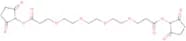
CAS:Bis-dPEG®3-NHS Ester is a PEG polymer categorised as homobifunctional PEG (X-PEG X). Used as a linker, bis-dPEG®3-NHS Ester is used to attached PEG to proteins, peptides, oligonucleotides, nanoparticles and small molecules via pegylation, a bioconjugation technique.
Formula:C53H71F4NO15Purezza:Min. 95%Peso molecolare:1,038.14 g/molGroEL (HSP60) E.coli (recombinant)
GroEL is a protein that is found in bacteria. It is an ATPase and a chaperone, which helps other proteins maintain their correct shape. GroEL can be purified from E. coli or from the bacterium Bacillus stearothermophilus. The recombinant form of GroEL consists of the protein and its co-factor, dithiothreitol (DTT). This protein has been shown to have ion channel activity, which may play a role in cell excitability as well as receptor-ligand interactions. It also binds to peptides and has been used as a research tool for pharmacology, protein interactions, and cell biology studies. GroEL has been shown to activate certain enzymes such as proteases, kinases, phosphatases, and ribonucleotide reductase. It also inhibits other enzymes such as lipases and esterases.Purezza:Min. 95%CRF (Human, Rat, Mouse)-HS ELISA Kit (1ea)
CRF (Human, Rat, Mouse)-HS ELISA Kit is a sandwich ELISA that can be used to detect the human CRF-HS protein in human serum or plasma.Purezza:Min. 95%Dipeptidyl-Peptidase IV, human, recombinant
Dipeptidyl-peptidase IV (DPP4) is a complex enzyme that is expressed in the pancreas and regulates glucose-dependent insulinotropic polypeptides. DPP4 cleaves the amino terminal dipeptide from these polypeptides, which prevents the activation of pancreatic β-cells. The recombinant human form of this enzyme has been shown to activate T cells and induce apoptosis in insect cells. Its activity against chemokines in vitro may be due to its ability to cleave glycosylated polypeptides. This enzyme also has anti-inflammatory effects by inhibiting the production of proinflammatory cytokines such as tumor necrosis factor α (TNFα), interleukin 1β (IL1β), and IL6.
Purezza:Min. 95%NH2-dPEG®4-Glu(OH)-NH-dPEG®4-Glu(OH)-NH-m-dPEG®24
NH2-dPEG®4-Glu(OH)-NH-dPEG®4-Glu(OH)-NH-m-dPEG®24 is a peptide containing polyethylene glycol (PEG) as spacer to alter their pharmacokinetic properties and pharmodynamics.Formula:C81H157N5O40Purezza:Min. 95%Peso molecolare:1,841.12 g/molVon Willebrand Factor Heavy Tryptic Peptide Standard (4nmol)
This is a Von Willebrand Factor Heavy Tryptic Peptide Standard for use in protein identification and quantitation. Von Wilebrand Factor is a glycoprotein involved in platelet adhesion and when it is deficient in the body it can result in diseases such as von Willebrand disease.Purezza:Min. 95%GLP-1 (Human, Rat, Mouse)-EIA Kit (1ea)
GLP-1 (Human, Rat, Mouse)-EIA Kit is a ready-to-use kit that contains a recombinant human GLP-1 peptide. This kit is designed for the quantitative measurement of GLP-1 in human serum or plasma by ELISA. It uses a polyclonal antibody to detect the protein and has no cross-reactivity with other pancreatic hormones. The assay can be used with rat and mouse samples as well.
Purezza:Min. 95%C-Peptide (Mouse)-EIA Kit (1ea)
C-Peptide (Mouse)-EIA Kit is a mouse C-peptide EIA kit. It is designed for the quantitative measurement of C peptide in serum samples from mice. The kit contains an antibody that recognizes mouse C peptide, and a conjugate that binds to the antibody. The kit also contains a biotin-labeled anti-mouse IgG antibody, which reacts with the conjugate to form a complex that is subsequently detected by an enzyme-conjugated streptavidin. The amount of complex formed is proportional to the amount of C peptide present in the sample.Purezza:Min. 95%Cystatin C Heavy Tryptic Peptide Standard (4nmol)
Cystatin C Heavy Tryptic Peptide Standard for use in protein identification and quantitation studies. Cystatin C is a non-glycosylated, basic protein which can be used as a biomarker to determine kidney function.Purezza:Min. 95%Thymosin-b4 Human Recombinant
Please enquire for more information about Thymosin-b4 Human Recombinant including the price, delivery time and more detailed product information at the technical inquiry form on this pagePurezza:Min. 95%GRP, Human Antiserum
GRP is a protein that belongs to the G-protein-coupled receptor family. It is activated by the ligand ghrelin and has been shown to be involved in the regulation of food intake, energy expenditure, gastric acid secretion and other physiological processes. GRP is also expressed in various types of cells including neurons, pancreatic beta cells, and cardiac myocytes. The antibody against GRP recognizes human GRP with high purity. This antibody can be used as a research tool for studying the functions of GRP or for immunohistochemistry to study the distribution of GRP in tissues.Purezza:Min. 95%Anti Substance P Serum
Anti-Substance P Serum is a high purity protein that specifically binds to the receptor for substance P, which is a peptide hormone. This product has an affinity for the high affinity binding site of the receptor and inhibits the activity of substance P. Anti-Substance P Serum is used as a research tool in pharmacology and cell biology, as well as in antibody production.Purezza:Min. 95%Fmoc-N-Amido-dPEG®5-Acid
Fmoc-N-Amido-dPEG®5-Acid is a PEG compound with two different functional groups (also known as heterobifunctional). Unlike homobifunctional PEG compounds (same functional group on both ends), this type of compounds are more versatile as have two different anchor points. Fmoc-N-Amido-dPEG®5-Acid is used as a linker and spacer to add a PEG moiety, via pegylation (a bioconjugation technique) to proteins, peptides, oligonucleotides, small molecules and nanoparticles.Purezza:Min. 95%BIM 23056 trifluoroacetate
CAS:BIM 23056 is a type of drug that binds to the receptor and inhibits its activity. BIM 23056 has been shown to have anticancer effects in vitro and in vivo. It is a membrane-permeable substance, which means it can pass through the cell membrane and into the cell where it blocks the function of certain receptors. This drug also has a physiological effect on mammalian tissue, including fibroblasts, as well as on other cells that are sensitive to growth factors.Formula:C71H81N11O9C2HF3O2Purezza:Min. 95%Peso molecolare:1,346.5 g/molAmyloid β-Protein (Human, 1-16)
CAS:Amyloid beta-protein (Aβ) is a peptide that is associated with Alzheimer's disease. It is a research tool for understanding the biology of Aβ. The Aβ peptide has been shown to activate a number of receptors and ion channels, including the nicotinic acetylcholine receptor, which may be due to its ability to bind to these proteins with high affinity. Amyloid beta-protein has also been shown to bind antibodies, which may be due to its ability to act as an antigen. Amyloid beta-protein inhibits the function of ion channels and can be used in pharmacological studies as a tool for understanding how this protein interacts with other proteins.Formula:C84H119N27O28Purezza:Min. 95%Peso molecolare:1,955 g/molω-Conotoxin MVIIC
CAS:Omega-conotoxins are a group of peptides found in the venom of predatory marine snails. Omega-conotoxin MVIIC is a potent inhibitor of nicotinic acetylcholine receptors. It blocks the activation and desensitization of nicotinic acetylcholine receptor channels and has been used as a research tool to study the function of these proteins. Omega-conotoxin MVIIC binds to its target by interacting with specific sites on the alpha subunit of nicotinic acetylcholine receptor channels, which leads to inhibition of voltage-gated calcium channels. The high purity and low endotoxin levels make this product suitable for life science research applications.Formula:C106H178N40O32S7Purezza:Min. 95%Peso molecolare:2,749.25 g/molBoc-Gly-Arg-Arg-AMC
CAS:Boc-Gly-Arg-Arg-AMC is a research tool that has a high purity and is used in cell biology, antibody production, ion channels, and protein interactions. It is an inhibitor of ion channels, which can be used for pharmacology to study the function of ion channels. Boc-Gly-Arg-Arg-AMC has also been shown to inhibit binding between the ligand and receptor.
Formula:C29H44N10O7Purezza:Min. 95%Peso molecolare:644.72 g/molBz-Gly-Lys [Hippuryl-Lysine]
CAS:Bz-Gly-Lys is a peptide that is a derivative of lysine residues. This peptide can compete with the natural substrate, L-lysine, for binding to the active site of creatine kinase and inhibit its enzymatic activity. Bz-Gly-Lys has been shown to be effective in inhibiting monoclonal antibody production in human serum. Furthermore, this peptide can also have inhibitory properties on cell culture and may be useful in the treatment of diabetic patients. The optimum pH for Bz-Gly-Lys is neutral, and hydrolysis by proteases is required for it to be active. It has been shown to inhibit polymerase chain reaction (PCR) procedures. In addition, this peptide has been shown to enhance the inhibitory properties of fatty acids on cell culture.Formula:C15H21N3O4Purezza:Min. 95%Peso molecolare:307.34 g/molLH-RH (Human)
CAS:Luteinizing hormone-releasing hormone (LH-RH), also known as Gonadotropin-Releasing Hormone (GnRH), stimulates the pituitary gland’s production and secretion of luteinizing hormone and follicle-stimulating hormone. LHRH is a decapeptide and is itself secreted by the hypothalamus. It is crucial for human reproduction and is heavily involved in the regulation of ovulation, sexual development and the onset of puberty. When secreted, GNRH binds to the G-protein coupled receptor, gonadotropin-releasing hormone receptor (GNRHR) located on pituitary gonadotrophic cells in the anterior pituitary. Medically, the understanding of GnRH is paramount, due to its involvement in the pathogensis of central hypogonadism. Any obstructions to its function in the reproductive system can result in the development of human pathologically conditions. It is important to note that analogs of GnRH can be used in pharmacology, in the treatment of gynaecological diseases, through blocking the secretion of estrogen secretion from the ovary. Additional GNRH analogs can be used to treat ovarian cancer, hormone-dependent cancers, endometriosis and modality in infertility. Therefore this product is a useful research tool and is available in a 0.5mg vial.Formula:C55H75N17O13•(C2H4O2)2Purezza:Min. 95%Peso molecolare:1,302.4 g/molMAL dPEG®6-Acid
CAS:MAL dPEG®6-Acid is a PEG compound with two different functional groups (also known as heterobifunctional). Unlike homobifunctional PEG compounds (same functional group on both ends), this type of compounds are more versatile as have two different anchor points. MAL dPEG®6-Acid is used as a linker and spacer to add a PEG moiety, via pegylation (a bioconjugation technique) to proteins, peptides, oligonucleotides, small molecules and nanoparticles.
Formula:C22H36N2O11Purezza:Min. 95%Peso molecolare:504.53 g/mol4-Methoxyphenylazoformyl-Phe
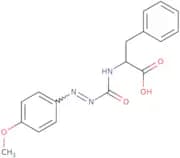
CAS:4-Methoxyphenylazoformyl-Phe is a synthetic molecule that can be used as a research tool in the study of ion channels and ligands. The receptor binding affinity of 4-methoxyphenylazoformyl-Phe is unknown, but it has been shown to activate peptides in living cells. This compound is an inhibitor of ion channels and ligand for G protein coupled receptors. It can be used as a research tool in the study of ion channels and ligands. The receptor binding affinity of 4-methoxyphenylazoformyl-Phe is unknown, but it has been shown to activate peptides in living cells. This compound is an inhibitor of ion channels and ligand for G protein coupled receptors.Formula:C17H17N3O4Purezza:Min. 95%Peso molecolare:327.33 g/molBz-Tyr-pNA
CAS:Bz-Tyr-pNA is a peptide that has been shown to inhibit the activity of serine proteases. The peptide consists of Boc-Tyr-Nal-pNA, which is an artificial amino acid that has been synthesized for use as a substrate in assays and as a probe in the study of protein structure and function. Bz-Tyr-pNA inhibits the enzyme activity of a recombinant human neutrophil elastase, with an IC50 of about 12.5 μM. This peptide also inhibits the catalytic action of human neutrophil elastase by binding to its active site and blocking access to the substrate Tyr-pNA. It has been shown that Bz-Tyr-pNA can be used as an immunosuppressant to prevent graft rejection, although it is not yet approved for this use.Formula:C22H19N3O5Purezza:Min. 95%Peso molecolare:405.4 g/molLysyl-Bradykinin (Kallidin) (Human, Bovine)
CAS:Prodotto controllatoLysyl-bradykinin (kallidin) is a peptide that is a potent activator of non-selective cation channels. It has been shown to activate potassium channels and calcium channels, but not sodium channels. The activation by lysyl-bradykinin leads to an increase in the permeability of the membrane, which can lead to release of neurotransmitters from nerve endings. Lysyl-bradykinin also has been shown to be an inhibitor of protein interactions with the receptor in certain cell lines. The antibody used to measure this inhibition is L1420.Formula:C56H85N17O12Purezza:Min. 95%Peso molecolare:1,188.40 g/molMAL-dPEG®12-Acid
CAS:MAL-dPEG®12-Acid is a PEG compound with two different functional groups (also known as heterobifunctional). Unlike homobifunctional PEG compounds (same functional group on both ends), this type of compounds are more versatile as have two different anchor points. MAL-dPEG®12-Acid is used as a linker and spacer to add a PEG moiety, via pegylation (a bioconjugation technique) to proteins, peptides, oligonucleotides, small molecules and nanoparticles.Formula:C27H37F4N7O6SPurezza:Min. 95%Peso molecolare:663.69 g/molLeucine-Enkephalin
CAS:Leucine-Enkephalin is a research tool that binds to the opioid receptor. It is an activator of the receptor and can be used in cell biology, pharmacology, and as a ligand or antibody for receptor studies. Leucine-Enkephalin has been shown to inhibit ion channels in vitro and can be used to study protein interactions. This peptide also exhibits pharmacological effects in vivo, including analgesia, inhibition of gastrointestinal motility, and induction of emesis.Formula:C28H37N5O7Purezza:Min. 95%Peso molecolare:555.62 g/molOrexin-A (Human, 17-33)
CAS:Orexin-A (Human, 17-33) is a neuropeptide also known as hypocretin-1 and this product is available as a 0.1 mg vial. Orexin-A is primarily produced by a group of neurons located in the lateral hypothalamus of the brain, known as the orexinergic neurons.
Orexin-A is involved in regulating a variety of physiological functions, including the sleep-wake cycle, appetite, energy metabolism, and reward pathways. It acts as an agonist for two G protein-coupled receptors, known as orexin receptor 1 and orexin receptor 2.
Studies have shown that disruption of orexin signaling can lead to sleep disorders, obesity, and other metabolic disorders. Orexin-A has also been studied for its potential as a therapeutic target for the treatment of these disorders.Formula:C79H125N23O22Purezza:Min. 95%Peso molecolare:1,749 g/molAnti Retinoblastoma (RB) (901-928) Human Serum (50 ul)
CAS:Anti Retinoblastoma (RB) (901-928) Human Serum is a research tool that can be used for the study of cell biology, protein interactions, and pharmacology. Anti Retinoblastoma (RB) (901-928) Human Serum is a ligand that can bind to the receptor and activate its function. It has been found to inhibit ion channels, which are proteins that regulate the flow of ions in cells. It also has been shown to have an effect on cell growth and differentiation.Formula:C37H47N7O9Purezza:Min. 95%Peso molecolare:733.81 g/molm-dPEG®8-Amine
CAS:m-dPEG®8-Amine is a PEG compound with two different functional groups (also known as heterobifunctional). Unlike homobifunctional PEG compounds (same functional group on both ends), this type of compounds are more versatile as have two different anchor points. m-dPEG®8-Amine is used as a linker and spacer to add a PEG moiety, via pegylation (a bioconjugation technique) to proteins, peptides, oligonucleotides, small molecules and nanoparticles.Purezza:Min. 95%Peso molecolare:383.48 g/molH-Ala-Ala-Phe-AMC
CAS:H-Ala-Ala-Phe-AMC is a positively charged peptide that binds to the extracellular domain of the human α2δ1 calcium channel. It is a research tool for studying the interactions between ligands and receptors, as well as protein interactions. H-Ala-Ala-Phe-AMC is used to study the pharmacology of ion channels, such as their activation and inhibition by different ligands. H-Ala-Ala-Phe-AMC can be used in cell biology studies to study protein interactions and changes in protein conformation.Formula:C25H28N4O5Purezza:Min. 95%Peso molecolare:464.51 g/molArphamenine B
CAS:Arphamenine B is an enzyme inhibitor that inhibits metalloproteinases and serine proteases. It has been shown to be a potent osteoinductive agent in cell culture. Arphamenine B has also been found to have a depressant effect on the growth of cells in culture, with lysine residues as the probable site of action. Arphamenine B has also been shown to inhibit soybean trypsin, which is a serine protease enzyme.
Formula:C16H24N4O4H2SO4•H2OPurezza:Min. 95%Peso molecolare:403.45 g/molFmoc-Thr[Ac4Galß(1- >3)Ac2GalNAcα(1->O)] -OH-O-ß-2,3,4,6-Tetra-O-Acetyl-D-Galactopyranosyl-(1- >3)-O-α-4,6-Di-O-Acetyl-2-Acetamido-2 -Deoxy-D-Galactopyranosyl-(1- >O)-9-Fluorenylmethoxycarbonyl-L-Threonine
CAS:Fmoc-Thr[Ac4Galß(1- >3)Ac2GalNAcα(1->O)] -OH-O-ß-2,3,4,6-Tetra-O-Acetyl-D-Galactopyranosyl-(1- >3)-O-α-4,6-Di-O-Acetyl-2 -Acetamido -2 -Deoxy -D -Galactopyranosyl-(1->0)-9 Fluorenylmethoxycarbonyl L Thr Fmoc Thr is an amino acid that is used in peptide synthesis. It is a protected form of the amino acid threonine that can be cleaved by hydrogen fluoride to yield free Thr. Fmoc Thr has been shown to inhibit the production of inflammatory cytokines and chemokines in vitro.Formula:C45H54N2O21Purezza:Min. 95%Peso molecolare:958.91 g/molNeuropeptide W-30 (Rat)
CAS:Neuropeptide W-30 (Rat) is a peptide that belongs to the family of neuropeptides. It has been identified as an inhibitor of the ion channel TRPV1 and TRPA1, which are involved in pain perception. Neuropeptide W-30 (Rat) also inhibits the activation of phospholipase C, protein kinase C, and cAMP response element binding protein. Neuropeptide W-30 (Rat) is used as a research tool for studying protein interactions and for pharmacological studies.
Formula:C165H249N49O38SPurezza:Min. 95%Peso molecolare:3,559.1 g/molAc-Asp-Glu • H2O
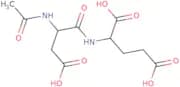
CAS:Ac-Asp-Glu • H2O is a water soluble molecule that belongs to the class of inhibitors. It has been shown to inhibit the polymerase chain reaction and is used as an analytical method for detecting DNA sequences. Ac-Asp-Glu • H2O induces neuronal death in the caudate putamen, thereby causing bowel disease, by inhibiting energy metabolism. This compound also inhibits the synthesis of proteins in the hippocampus, which leads to reduced locomotor activity and eosinophil cationic protein production. Ac-Asp-Glu • H2O is acidic and its concentration–time curve shows a bell shape. The half life of this compound is six hours.Formula:C11H16N2O8•H2OPurezza:Min. 95%Peso molecolare:322.28 g/molChromogranin A (Human, 286-301 Amide)
CAS:Chromogranin A (Human, 286-301 Amide) is a protein that belongs to the class of peptides. It is a major component of the chromaffin granules in the adrenal medulla and in neuroendocrine cells in various parts of the brain. There are two types of chromogranin A, which have 286-301 amino acids. Chromogranin A is an activator for G-protein coupled receptors, ion channels, and ligands. This protein has been used as a research tool in Cell Biology and as an inhibitor in Pharmacology.
Formula:C78H123N21O27SPurezza:Min. 95%Peso molecolare:1,819 g/molAIP-I
CAS:AIP-I is a peptide that is an activator of ion channels. The AIP-I peptide is a synthetic analog of the natural ligand, AIP-II. It has been shown to be a potent inhibitor of voltage-gated potassium channels in human embryonic kidney cells and has also been used as a research tool for studying protein interactions and receptor pharmacology.Formula:C43H60N8O13S2Purezza:Min. 95%Peso molecolare:961.12 g/molBNP-26 (Porcine)
CAS:BNP-26 is a non-peptide, small molecule that regulates ion channels. It binds to the receptor site of ligand-gated ion channels and inhibits the binding of neurotransmitters to the receptor. BNP-26 is an inhibitor that blocks the activation of phospholipase C (PLC) and protein kinase C (PKC), which are enzymes that regulate cell proliferation, differentiation, and apoptosis. BNP-26 is also an antibody cross-linker with high purity and CAS No. 114547-28-3.Formula:C120H198N42O36S2Purezza:Min. 95%Peso molecolare:2,869.2 g/molAc-Val-Asp-Val-Ala-Asp-H (aldehyde)
CAS:Ac-Val-Asp-Val-Ala-Asp-H (aldehyde) is a peptide that is a cell biology research tool. It is an inhibitor of protein interactions, activator, ligand or receptor. Ac-Val-Asp-Val-Ala-Asp-H (aldehyde) has high purity and is suitable for life science research. Ac-Val-Asp-Val-Ala-Asp-H (aldehyde) can be used as an ion channel inhibitor in pharmacology studies. Ac Val Asp Val Ala Asp H (aldehyde) also functions as an antibody to a protein of interest.Formula:C23H37N5O10Purezza:Min. 95%Peso molecolare:543.57 g/molBis-dPEG®25-Acid
CAS:Bis-dPEG®25-Acid is a PEG polymer categorised as homobifunctional PEG (X-PEG X). Used as a linker, bis-dPEG®25-Acid is used to attached PEG to proteins, peptides, oligonucleotides, nanoparticles and small molecules via pegylation, a bioconjugation technique.Formula:C54H106O29Purezza:Min. 95%Peso molecolare:1,219.4 g/molAzido-dPEG® 11-amine
CAS:Azido-dPEG® 11-amine is a PEG compound with two different functional groups (also known as heterobifunctional). Unlike homobifunctional PEG compounds (same functional group on both ends), this type of compounds are more versatile as have two different anchor points. Azido-dPEG® 11-amine is used as a linker and spacer to add a PEG moiety, via pegylation (a bioconjugation technique) to proteins, peptides, oligonucleotides, small molecules and nanoparticles.
Purezza:Min. 95%Peso molecolare:570.67 g/molAzido-dPEG®24-Alcohol
CAS:Azido-dPEG®24-Alcohol is a PEG polymer categorised as monofunctional (OH-PEG-X). Used as a linker, azido-dPEG®24-Alcohol is used to attached PEG to proteins, peptides, oligonucleotides, nanoparticles and small molecules via pegylation, a bioconjugation technique.Purezza:Min. 95%Peso molecolare:1,100.29 g/molOxytocin (Human, Porcine, Bovine, Rat, Ovine)
CAS:Oxytocin is a peptide hormone that is produced by the hypothalamus and released by the pituitary gland. It is used to induce labor, control postpartum bleeding and stimulate milk production. Oxytocin also plays a role in sexual arousal, social recognition, and trust. It has been shown to have an inhibitory effect on many types of ion channels, including those found in the heart, central nervous system, and blood vessels. Oxytocin binds to receptors that are found throughout the body and brain. The receptor for oxytocin is known as OXT. This receptor belongs to the G-protein coupled receptor family of receptors. Oxytocin was first isolated from sheep serum in 1906 by Henry Dale and Charles Robert Harington. It was later synthesized in 1953 by Vincent du Vigneaud. This product has disulfide bonds between Cys1-Cys6.
Formula:C43H66N12O12S2Purezza:Min. 95%Peso molecolare:1,007.2 g/molFmoc-Phe-OH (Ring-D5)
CAS:Fmoc-Phe-OH is a peptide that has been used as a research tool to study protein interactions. This molecule can be used in the inhibition of cellular processes and has been shown to activate the ATPase activity of Na,K-ATPase. Fmoc-Phe-OH is also a ligand that binds to receptors, such as the GABA receptor, through ion channels. This compound may also be used in antibody production or as an immunogen.Formula:C24H26D5NOPurezza:Min. 95%Peso molecolare:392.48 g/molMAL-dPEG®12-NHS Ester
CAS:MAL-dPEG®12-NHS Ester is a PEG compound with two different functional groups (also known as heterobifunctional). Unlike homobifunctional PEG compounds (same functional group on both ends), this type of compounds are more versatile as have two different anchor points. MAL-dPEG®12-NHS Ester is used as a linker and spacer to add a PEG moiety, via pegylation (a bioconjugation technique) to proteins, peptides, oligonucleotides, small molecules and nanoparticles.Formula:C32H52F4O14Purezza:Min. 95%Peso molecolare:736.75 g/molCyclo(Arg-Gly-Asp-D-Phe-Val)
CAS:Cyclo(Arg-Gly-Asp-D-Phe-Val) is a peptide inhibitor of protein interactions. It binds to the ligand binding site of receptor and inhibits the activation of this receptor. Cyclo(Arg-Gly-Asp-D-Phe-Val) also binds to antibodies and can be used as a research tool for identifying antibody targets.Formula:C26H38N8O7•CH3COOH•2H2OPurezza:Min. 95%Peso molecolare:670.91 g/molAlpha-Endorphin
CAS:An opioid peptide derived from the polypeptide pro-opiomelanocortin and binds to opioid receptors. It is involved in morphinomimetic behavior and physiologic activities. This product is available as a 0.5mg vial.Formula:C77H120N18O26SPurezza:Min. 95%Peso molecolare:1,745.9 g/molAngiotensin III (Human)
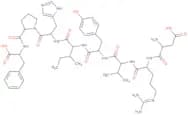
CAS:Angiotensin III (Human) is a peptide that is an inhibitor of angiotensin-converting enzyme. It has been used in research to study protein interactions and receptor binding, as well as to isolate antibodies against this protein. The peptide is a high purity product with a CAS number of 13602-53-4.Formula:C46H66N12O9Purezza:Min. 95%Peso molecolare:931.09 g/mol...Bis-ACV
CAS:Bis-ACV is a synthetic compound that has the ability to act as a carbon source for filamentous fungi. It can also be used to regulate the expression of genes and enzymes in filamentous fungi. Bis-ACV has been shown to increase the production of cytosolic calcium, thereby stimulating enzyme activities in various organisms. It is an oligosaccharide with a molecular weight of 548 Daltons and contains two acetyl groups, which are attached to glucose residues on the same side of the molecule. The biological sample was purified by HPLC and the subunits were identified by mass spectrometry. The sequence analysis revealed that Bis-ACV is composed of repeating units that have the structure of N-acetylglucosamine linked via alpha (1->4) glycosidic bonds.
Purezza:Min. 95%Peso molecolare:724.27 g/molOmega-Agatoxin TK
CAS:A synthetic spider toxin, sourced from the Funnel Web Spider, Agelenopsis aperta. This toxin can be applied as a P-type Ca2+ channel selective blocker and has disulfide bonds between Cys4-Cys20, Cys12-Cys25,Cys19-Cys36 and Cys27-Cys34. This product is available as a 0.1mg vial.Formula:C215H337N65O70S10Purezza:Min. 95%Peso molecolare:5,273 g/molDiamido-dPEG®11-Diamine
CAS:Diamido-dPEG®11-Diamine is a PEG compound with two different functional groups (also known as heterobifunctional). Unlike homobifunctional PEG compounds (same functional group on both ends), this type of compounds are more versatile as have two different anchor points. Diamido-dPEG®11-Diamine is used as a linker and spacer to add a PEG moiety, via pegylation (a bioconjugation technique) to proteins, peptides, oligonucleotides, small molecules and nanoparticles.Formula:C31H49N3O13S2Purezza:Min. 95%Peso molecolare:735.87 g/molMAL-dPEG®4-TFP Ester
CAS:MAL-dPEG®4-TFP Ester is a PEG compound with two different functional groups (also known as heterobifunctional). Unlike homobifunctional PEG compounds (same functional group on both ends), this type of compounds are more versatile as have two different anchor points. MAL-dPEG®4-TFP Ester is used as a linker and spacer to add a PEG moiety, via pegylation (a bioconjugation technique) to proteins, peptides, oligonucleotides, small molecules and nanoparticles.Formula:C42H59N5O11SPurezza:Min. 95%Peso molecolare:842.01 g/molMAL-dPEG®2-Acid
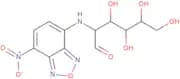
CAS:MAL-dPEG®2-Acid is a PEG compound with two different functional groups (also known as heterobifunctional). Unlike homobifunctional PEG compounds (same functional group on both ends), this type of compounds are more versatile as have two different anchor points. MAL-dPEG®2-Acid is used as a linker and spacer to add a PEG moiety, via pegylation (a bioconjugation technique) to proteins, peptides, oligonucleotides, small molecules and nanoparticles.Formula:C38H63N3O19Purezza:Min. 95%Peso molecolare:865.92 g/mol2-NBDLG
CAS:2-NBDLG is a potent activator of ion channels, which are membrane proteins that allow the passage of ions across biological membranes. It binds to receptor sites on the cell surface and opens ligand-gated ion channels in the plasma membrane, thereby increasing the permeability of the membrane to sodium ions. 2-NBDLG has been shown to inhibit voltage-gated potassium channels and calcium ion (Ca2+) currents in vitro. This drug also has an affinity for various peptides such as bradykinin and substance P. 2-NBDLG is a high purity product with a CAS number of 174844-42-9.Formula:C12H14N4O8Purezza:Min. 95%Peso molecolare:342.26 g/molCl-Ac-(OH)Leu-Ala-Gly-NH₂
CAS:Cl-Ac-(OH)Leu-Ala-Gly-NH₂ is a peptide with a molecular weight of 736.2 Da. It is an inhibitor of the enzyme protein kinase C (PKC). Cl-Ac-(OH)Leu-Ala-Gly-NH₂ has been shown to activate PKC by binding to specific domains in the enzyme, which leads to the phosphorylation and activation of PKC's regulatory subunits. This peptide can be used as a research tool in studies involving PKC and also as an antibody carrier for Western blotting and immunohistochemistry.
Formula:C13H23N4O5ClPurezza:Min. 95%Peso molecolare:350.8 g/molBis-MAL-Lysine-dPEG®4-Acid
CAS:Bis-MAL-Lysine-dPEG®4-Acid is a peptide containing polyethylene glycol (PEG) as spacer to alter their pharmacokinetic properties and pharmodynamics.Formula:C20H28N2O12Purezza:Min. 95%Peso molecolare:488.44 g/molt-boc-N-Amido-dPEG®8-Acid
CAS:t-boc-N-Amido-dPEG®8-Acid is a PEG compound with two different functional groups (also known as heterobifunctional). Unlike homobifunctional PEG compounds (same functional group on both ends), this type of compounds are more versatile as have two different anchor points. t-boc-N-Amido-dPEG®8-Acid is used as a linker and spacer to add a PEG moiety, via pegylation (a bioconjugation technique) to proteins, peptides, oligonucleotides, small molecules and nanoparticles.Formula:C34H64N6O13SPurezza:Min. 95%Peso molecolare:796.97 g/molGRF (Human)
CAS:Growth hormone-releasing factor (GRF) or GHRH (growth hormone-releasing hormone).Binds to the growth hormone-releasing hormone receptor (GHRH-R), causing growth hormone secretion. See also GRF (1-29); sermorelin, a shorter fragment. Sequence alignments: porcine: H-YADAIFTNSYRKVLGQLSARKLLQDIMSRQQGERNQEQGARVRL-NH2bovine: H-YADAIFTNSYRKVLGQLSARKLLQDIMNRQQGERNQEQGAKVRL-NH2ovine: H-YADAIFTNSYRKILGQLSARKLLQDIMNRQQGERNQEQGAKVRL-NH2human: H-YADAIFTNSYRKVLGQLSARKLLQDIMSRQQGESNQERGARARL-NH2Formula:C215H358N72O66SPurezza:Min. 95%Peso molecolare:5,039.7 g/molAngiotensin II (Human)
CAS:Angiotensin II (Human) is a peptide that is produced by the renin-angiotensin system. It has been shown to be an effective inhibitor of the cell adhesion molecule CD44, and can also stimulate the proliferation of cells in culture. Angiotensin II (Human) is a ligand for angiotensin receptors, which are found on many different types of cells. The binding of angiotensin II to these receptors stimulates the production of cyclic AMP, which causes vasoconstriction and increased blood pressure.Formula:C50H71N13O12Purezza:Min. 95%Peso molecolare:1,046.2 g/molGlucagon-like Peptide 2 (Human)
CAS:Glucagon-like peptide 2 (GLP-2) is a protein hormone that belongs to the glucagon family of peptides. GLP-2 has been shown to activate ion channels and regulate the movement of ions across cell membranes, which is important for many physiological processes. GLP-2 also has an inhibitory effect on the release of insulin from beta cells in pancreatic islets. It has been shown to improve glucose tolerance in animal models of Type 2 diabetes by stimulating the production and secretion of insulin from beta cells in pancreatic islets. Additionally, GLP-2 can bind to a receptor on the surface of certain types of immune cells called T lymphocytes and stimulate them to produce cytokines that promote growth and development of other immune cells. Glucagon-like Peptide 2 (Human) is a research tool used in studies involving protein interactions, ligand binding, pharmacology, cell biology, or antibody production. This product is highly purified with a purityFormula:C165H254N44O55SPurezza:Min. 95%Peso molecolare:3,766.1 g/molAmino-dPEG®6-t-Butyl Ester
CAS:Amino-dPEG®6-t-Butyl Ester is a PEG compound with two different functional groups (also known as heterobifunctional). Unlike homobifunctional PEG compounds (same functional group on both ends), this type of compounds are more versatile as have two different anchor points. Amino-dPEG®6-t-Butyl Ester is used as a linker and spacer to add a PEG moiety, via pegylation (a bioconjugation technique) to proteins, peptides, oligonucleotides, small molecules and nanoparticles.
Formula:C19H39NO8Purezza:Min. 95%Peso molecolare:409.51 g/molBis-dPEG®29-Acid
CAS:Bis-dPEG®29-Acid is a PEG polymer categorised as homobifunctional PEG (X-PEG X). Used as a linker, bis-dPEG®29-Acid is used to attached PEG to proteins, peptides, oligonucleotides, nanoparticles and small molecules via pegylation, a bioconjugation technique.
Formula:C30H49N5O11S3Purezza:Min. 95%Peso molecolare:751.94 g/molPyr-AMC
CAS:Pyr-AMC is a novel research tool that can be used to activate or inhibit ion channels, receptors, and other proteins. Pyr-AMC is a ligand for the nicotinic acetylcholine receptor (nAChR) and can be used to study the pharmacology of nAChRs. Pyr-AMC is also a potent inhibitor of voltage-gated potassium channels, which are important for regulating nerve cell membrane potentials. Pyr-AMC has been shown to bind to many types of proteins that play an important role in cell biology. This includes antibodies, ion channels, receptors, and peptides. It has been shown that pyr-amc binds to life sciences products such as antibodies, peptides, and enzymes.Formula:C15H14N2O4Purezza:Min. 95%Peso molecolare:286.28 g/molZ-Glu-Tyr
CAS:Z-Glu-Tyr is a synthetic substrate of the enzyme cathepsin B. The amino acid sequence of Z-Glu-Tyr has been shown to be identical to the sequence of the natural substrate, L-glutaminyl-L-tyrosine. The activity of the enzyme cathepsin B can be inhibited by Z-Glu-Tyr due to its ability to form a covalent bond with cysteine residues in the active site. This inhibition prevents cleavage of peptide bonds and synthesis of polypeptides, which are necessary for cell growth and division. Z-Glu-Tyr is also an inhibitor of thiol proteases, such as papain and subtilisin, which are enzymes that hydrolyze peptide bonds in proteins.Formula:C22H24N2O8Purezza:Min. 95%Peso molecolare:444.43 g/molBis-dPEG®21-NHS Ester
CAS:Bis-dPEG®21-NHS Ester is a PEG polymer categorised as homobifunctional PEG (X-PEG X). Used as a linker, bis-dPEG®21-NHS Ester is used to attached PEG to proteins, peptides, oligonucleotides, nanoparticles and small molecules via pegylation, a bioconjugation technique.Formula:C54H96N2O29Purezza:Min. 95%Peso molecolare:1,237.34 g/molZ-Gly-Pro
CAS:Z-Gly-Pro is a synthetic peptide that has been shown to inhibit proteolytic enzymes. It binds to the active site of the enzyme and blocks its activity. The peptide has also been shown to have locomotor activity, as it stimulates stem cell factor and cell factor production in vitro. Z-Gly-Pro has also been shown to be an inhibitor binding molecule that can bind with other molecules such as inhibitors of proteases and tyrosine kinase receptors. This inhibition may help regulate physiological functions such as locomotion, proliferation, and differentiation of cells.Formula:C15H18N2O5Purezza:Min. 95%Peso molecolare:306.31 g/molThiol-dPEG®12-Acid
CAS:Thiol-dPEG®12-Acid is a PEG compound with two different functional groups (also known as heterobifunctional). Unlike homobifunctional PEG compounds (same functional group on both ends), this type of compounds are more versatile as have two different anchor points. Thiol-dPEG®12-Acid is used as a linker and spacer to add a PEG moiety, via pegylation (a bioconjugation technique) to proteins, peptides, oligonucleotides, small molecules and nanoparticles.Formula:C27H54O14SPurezza:Min. 95%Peso molecolare:634.77 g/molLeu-Gly • ½ H2O
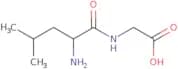
CAS:Leu-Gly is a cyclic peptide that is composed of the amino acid sequence Leu-Gly. It has antimicrobial, anti-inflammatory, and immunomodulatory properties. This peptide exhibits calcium binding, which may be due to its structural analysis with trifluoroacetic acid in human serum. A model system using coli K-12 cells was used to study the biological properties of Leu-Gly. The locomotor activity of these cells was inhibited by Leu-Gly, which may be due to its ability to bind with cyclic adenosine monophosphate (cAMP) receptors on the cell surface. LEU Gly is a member of the class of antimicrobial peptides that are important for fighting infections. It has been shown to have strong activity against E. coli K12 and various strains of Staphylococcus aureus isolated from humans with autoimmune diseases.Formula:C8H16N2O3H2OPurezza:Min. 95%Peso molecolare:197.23 g/molNeuromedin B (Human, Porcine, Rat)
CAS:Neuromedin B is a neuropeptide that has been shown to activate the TRPC ion channels in mammalian cells. It also has been shown to bind to receptors and have a potent effect on cell biology, as well as being used as a research tool for studying protein interactions. Neuromedin B is found in humans, pigs, and rats, where it is expressed primarily in the brain and gastrointestinal tract. This peptide has been shown to be an inhibitor of some types of ion channels.Formula:C52H73N15O12SPurezza:Min. 95%Peso molecolare:1,132.3 g/molLeu-pNA
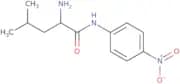
CAS:Leu-pNA is a protein synthesis inhibitor that binds to the active site of the enzyme peptidyl prolyl cis-trans isomerase (PPIase). This inhibitor prevents the enzyme from catalyzing the conversion of proline residues in peptides to their cis or trans isomers. Leu-pNA has been shown to inhibit proteolytic enzymes such as soybean trypsin and activated proteases, and also has an inhibitory effect on polymerase chain reaction (PCR) enzyme activities. The binding of Leu-pNA to PPIase can be reversed by heating at 60°C for 20 minutes.
Formula:C12H17N3O3Purezza:Min. 95%Peso molecolare:251.28 g/molAzido-dPEG®3-amine
CAS:Azido-dPEG®3-amine is a PEG compound with two different functional groups (also known as heterobifunctional). Unlike homobifunctional PEG compounds (same functional group on both ends), this type of compounds are more versatile as have two different anchor points. Azido-dPEG®3-amine is used as a linker and spacer to add a PEG moiety, via pegylation (a bioconjugation technique) to proteins, peptides, oligonucleotides, small molecules and nanoparticles.Formula:C8H18N4O3Purezza:Min. 95%Peso molecolare:218.25 g/molDNP-dPEG®4-NHS Ester
CAS:DNP-dPEG®4-NHS Ester is a PEG compound with two different functional groups (also known as heterobifunctional). Unlike homobifunctional PEG compounds (same functional group on both ends), this type of compounds are more versatile as have two different anchor points. DNP-dPEG®4-NHS Ester is used as a linker and spacer to add a PEG moiety, via pegylation (a bioconjugation technique) to proteins, peptides, oligonucleotides, small molecules and nanoparticles.Formula:C50H100O25Purezza:Min. 95%Peso molecolare:1,101.31 g/molParathyroid Hormone (Human, 1-31 Amide)
CAS:This product which is available as a 0.5mg vial is amino acids 1-31 of the 84 amino acid parathyroid hormone (PTH) and can be used as an adenylate cyclase and bone growth stimulating peptide.
PTH is a peptide hormone that is secreted from the parathyroid gland in the event of abnormal serum calcium levels and it ultimately regulates calcium and phosphate levels in the body. The PTH exerts its activity through binding to the G-protein coupled receptor type 1 PTH receptor, which activates adenylate cyclase or phospholipase C thus activating pathways involved in the mediation of bone resorption and bone formation. This product is suitable for life science applications.Formula:C162H270N50O46S2Purezza:Min. 95%Peso molecolare:3,718.3 g/molEndothelin-1 (Human)
CAS:Endothelin-1 is a peptide that acts as a vasoconstrictor and plays an important role in the regulation of blood pressure. Endothelin-1 is also an endogenous ligand for two G protein-coupled receptors, ETA and ETB. Interesting Endothelin-1 is the most abundant isoform and is expressed in endothelial cells of every blood vessel. It exerts its vasoconstrictor effects through binding to ETA receptors located on the smooth muscle. This product has disulfide bonds between Cys1-Cys15 and Cys3-Cys11, sourced from Porcine, Canine, Rat, Mouse and Bovine and is available as a 0.1mg vial.
Formula:C109H159N25O32S5Purezza:Min. 95%Peso molecolare:2,491.9 g/molGIP (Human)
CAS:GIP (Gastric Inhibitory Polypeptide) is a peptide hormone that belongs to the family of incretin hormones. GIP has been shown to have an insulinotropic effect, which is mediated by its activation of glucose-dependent insulin release from pancreatic β-cells. It also has effects on lipid metabolism and plays a role in the regulation of food intake. GIP is produced by K cells in the ileum and colon and released into the bloodstream following food intake. The binding of GIP to its receptors leads to inhibition of gastric acid secretion, stimulation of gallbladder contraction, increased blood flow to the stomach, relaxation of pyloric sphincter muscles, and inhibition of gastric motility. This product is highly pure (> 98%) with no detectable endotoxin or other microbial contamination.
Formula:C226H338N60O66SPurezza:Min. 95%Peso molecolare:4,983.5 g/molm-dPEG®37-acid
CAS:m-dPEG®37-acid is a PEG compound with two different functional groups (also known as heterobifunctional). Unlike homobifunctional PEG compounds (same functional group on both ends), this type of compounds are more versatile as have two different anchor points. m-dPEG®37-acid is used as a linker and spacer to add a PEG moiety, via pegylation (a bioconjugation technique) to proteins, peptides, oligonucleotides, small molecules and nanoparticles.
Formula:C76H152O39Purezza:Min. 95%Peso molecolare:1,690 g/mol[Sar1,Val5,Ala8]-Angiotensin II
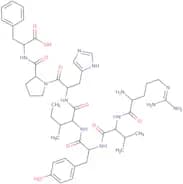
CAS:Sar1,Val5,Ala8]-Angiotensin II is a peptide with the amino acid sequence of [Sar1,Val5,Ala8]-Angiotensin II. The peptide is a research tool that can be used to study the effects of angiotensin on ion channels and receptor interactions. Sar1,Val5,Ala8]-Angiotensin II has also been shown to inhibit the binding of angiotensin I (AI) to its receptors. Sar1,Val5,Ala8]-Angiotensin II binds to the AT1 receptor and blocks its activation by AI. Sar1,Val5,Ala8]-Angiotensin II is a potent inhibitor of protein interactions and may have applications in pharmacology and cell biology.Formula:C42H65N13O10Purezza:Min. 95%Peso molecolare:912.05 g/molBIotin-ONp
CAS:Biotin-ONp is a monoclonal antibody that binds to uptake and efflux pump proteins. It is a conjugate of biotin and an oligonucleotide containing a carboxy terminal peptide. This antibody has been used as a model system for the study of peptide hormones and their reaction products. Biotin-ONp has also been used as an analytical chemistry reagent for the determination of growth factors in serum, and for the detection of antibodies in immunoassays using magnetic particles.Formula:C16H19N3O5SPurezza:Min. 95%Peso molecolare:365.41 g/mol[D-Arg1,D-Pro2,D-Trp7,9,Leu11]-Substance P
CAS:D-Arg1,D-Pro2,D-Trp7,9,Leu11]-Substance P is a synthetic peptide that can be used as a research tool to study the function of Substance P receptors. It is a ligand for the NK1 receptor and inhibits the activity of ion channels. D-Arg1,D-Pro2,D-Trp7,9,Leu11]-Substance P has been shown to inhibit the binding of substance P to cell membranes in vitro. This peptide also inhibits substance P binding to NK1 receptors in vivo.Formula:C75H108N20O13Purezza:Min. 95%Peso molecolare:1,497.8 g/molCalciseptine
CAS:A synthetic snake toxin sourced from the black mamba, Dendroaspis polylepis polylepis which can be applied as a L-type Ca2+ channel blocker. This product has disulfide bonds between Cys3-Cys22, Cys17-Cys39, Cys41-Cys52, and Cys53-Cys58 and is available as a 0.1mg vial.
Formula:C299H468N90O87S10Purezza:Min. 95%Peso molecolare:7,036.1 g/molm-dPEG®36-Azide (Azido-m-dPEG®36)
CAS:m-dPEG®36-Azide (Azido-m-dPEG®36) is a PEG compound with two different functional groups (also known as heterobifunctional). Unlike homobifunctional PEG compounds (same functional group on both ends), this type of compounds are more versatile as have two different anchor points. m-dPEG®36-Azide (Azido-m-dPEG®36) is used as a linker and spacer to add a PEG moiety, via pegylation (a bioconjugation technique) to proteins, peptides, oligonucleotides, small molecules and nanoparticles.
Purezza:Min. 95%Peso molecolare:1,642.95 g/molBiotin-dPEG®23-NH2
CAS:Biotin-dPEG®23-NH2 is a PEG compound with two different functional groups (also known as heterobifunctional). Unlike homobifunctional PEG compounds (same functional group on both ends), this type of compounds are more versatile as have two different anchor points. Biotin-dPEG®23-NH2 is used as a linker and spacer to add a PEG moiety, via pegylation (a bioconjugation technique) to proteins, peptides, oligonucleotides, small molecules and nanoparticles.Formula:C58H114N4O25SPurezza:Min. 95%Peso molecolare:1,299.6 g/molAmino-dPEG® Acid
CAS:Amino-dPEG® Acid is a PEG compound with two different functional groups (also known as heterobifunctional). Unlike homobifunctional PEG compounds (same functional group on both ends), this type of compounds are more versatile as have two different anchor points. Amino-dPEG® Acid is used as a linker and spacer to add a PEG moiety, via pegylation (a bioconjugation technique) to proteins, peptides, oligonucleotides, small molecules and nanoparticles.
Purezza:Min. 95%Peso molecolare:441.51 g/mol[Tyr1]-Somatostatin
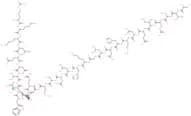
CAS:This product contains disulfide bonds between Cys3-Cys14 can is suitable for use in radioimmunoassays. Somatostatin is a peptide hormone that is produced by the hypothalamus and inhibits the release of growth hormones, insulin, and glucagon. It is widely expressed throughout the body for example in the gastrointestinal (GI) tract, hypothalamus, pancreas and the central nervous system. In the central nervous system somatostatin plays a role in neurotransmission modification and it has also demonstrated to be effective against a number of cancers such as squamous carcinoma.
Formula:C82H108N18O20S2Purezza:Min. 95%Peso molecolare:1,730 g/molm-dPEG®15-OH
CAS:m-dPEG®15-OH is a PEG polymer categorised as monofunctional (OH-PEG-X). Used as a linker, m-dPEG®15-OH is used to attached PEG to proteins, peptides, oligonucleotides, nanoparticles and small molecules via pegylation, a bioconjugation technique.Formula:C31H64O16Purezza:Min. 95%Peso molecolare:692.83 g/mol





![Lysyl-[Hyp3]-Bradykinin, human](/_next/image/?url=https%3A%2Fstatic.cymitquimica.com%2Fproducts%2F3D%2Fthumb-webp%2FPBK-4191-V.webp&w=3840&q=75)











![Bz-Gly-Lys [Hippuryl-Lysine]](/_next/image/?url=https%3A%2Fstatic.cymitquimica.com%2Fproducts%2F3D%2Fthumb-webp%2FSGK-3047.webp&w=3840&q=75)



![Fmoc-Thr[Ac4Galß(1- >3)Ac2GalNAcα(1->O)] -OH-O-ß-2,3,4,6-Tetra-O-Acetyl-D-Galactopyranosyl-(1- >3)…](/_next/image/?url=https%3A%2Fstatic.cymitquimica.com%2Fproducts%2F3D%2Fthumb-webp%2FCAR-22104.webp&w=3840&q=75)


















![[Sar1,Val5,Ala8]-Angiotensin II](/_next/image/?url=https%3A%2Fstatic.cymitquimica.com%2Fproducts%2F3D%2Fthumb-webp%2FPAN-4071-V.webp&w=3840&q=75)

![[D-Arg1,D-Pro2,D-Trp7,9,Leu11]-Substance P](/_next/image/?url=https%3A%2Fstatic.cymitquimica.com%2Fproducts%2F3D%2Fthumb-webp%2FPSP-4172-V.webp&w=3840&q=75)


![[Tyr1]-Somatostatin](/_next/image/?url=https%3A%2Fstatic.cymitquimica.com%2Fproducts%2F3D%2Fthumb-webp%2FPSI-4038-V.webp&w=3840&q=75)
