Peptidi
Sottocategorie di "Peptidi"
Trovati 29654 prodotti di "Peptidi"
Liraglutide
Liraglutide is sold under the brand name €˜Victoza' and is a medication used to treat diabetes mellitus type 2 and obesity.Liraglutide binds to and activates the GLP-1 (glucagon-like peptide-1) receptor to bring about an increase in insulin secretion and a decrease in glucagon secretion and gastric emptying.Peso molecolare:3,748.9 g/molRG9MTD1 Blocking Peptide
A synthetic peptide for use as a blocking control in assays to test for specificity of RG9MTD1 antibody, catalog no. 70R-4806Purezza:Min. 95%TRIM27 Blocking Peptide
A synthetic peptide for use as a blocking control in assays to test for specificity of TRIM27 antibody, catalog no. 70R-8047
Purezza:Min. 95%RSAD2 Blocking Peptide
A synthetic peptide for use as a blocking control in assays to test for specificity of RSAD2 antibody, catalog no. 70R-1588
Purezza:Min. 95%CDK5RAP1 Blocking Peptide
A synthetic peptide for use as a blocking control in assays to test for specificity of CDK5RAP1 antibody, catalog no. 70R-5660Purezza:Min. 95%ATG5 Blocking Peptide
A synthetic peptide for use as a blocking control in assays to test for specificity of ATG5 antibody, catalog no. 70R-9664
Purezza:Min. 95%MMP9 Blocking Peptide
A synthetic peptide for use as a blocking control in assays to test for specificity of MMP9 antibody, catalog no. 70R-1574Purezza:Min. 95%STAU1 Blocking Peptide
A synthetic peptide for use as a blocking control in assays to test for specificity of STAU1 antibody, catalog no. 70R-1433Purezza:Min. 95%[FITC]-pCREB (127-134) substrate
The cyclic AMP (cAMP) response element binding protein (CREB) is a transcription factor that regulates the transcription of several genes that mediate important cellular processes. CREB is phosphorylated by several kinases, including PKA- Akt- and CamK I, II, and IV. Phosphorylated pCREB translocates to the nucleus, where it forms homodimers or heterodimers, and recruits p300/CREB binding protein (CBP) to initiate transcription of its target genes. pCREB is an important regulator of apoptosis and is also involved in modulating several immune processes and neuronal plasticity. CREB signalling has a critical role in the formation of memories and may be dysfunctional in the brains of Alzheimer's disease (AD).Peptide is labelled with an N-terminal 5-carboxyfluorescein (5-FAM), a widely used green fluorescent tag.
Peso molecolare:1,572.6 g/molProtein Disulfide Isomerase, human, recombinant
Enzyme that catalyzes the formation of disulfide bonds in proteinsPurezza:Min. 95%GPRPK pentapeptide
Fibrinogen is a vital biopharmaceutical, but purification has remained problematic. GPRPK pentapeptide is a synthetic ligand designed to bind fibrinogen, it can be immobilised on Fractogel and used over 50 times without losing capacity and achieving over 95% protein purity. Fibrin fragments can also be purified from plasma due to the recognition of the GPR residues. This has been clinically applied to help atherosclerosis patients by removing fibrinogen from the plasma, reducing the viscosity, and thus improving microcirculation blood flow. A batchwise process of fibrinogen production has been superseded in efficiency by the generation of GPRPK bound to a novel sucrose-based polymer (SUBPOL) for affinity chromatography.Peso molecolare:553.3 g/molCIGB 300
CIGB-300 is an anti-casein kinase 2 (CK2) peptide. CK2 is a serine-threonine protein kinase with more than 300 substrates which plays a role in several cellular processes including cell growth and proliferation, cell viability, and apoptosis. CK2 is also frequently dysregulated in many human tumours phosphorylation by CK2 is a biochemical event involved in human oncogenesis. CIGB-300 binds to the phospho-acceptor domain of CK2 substrates, impairing the correct phosphorylation by the enzyme, thus reducing tumour cell adhesion, migration and invasion. CIGB-300 therefore has potential as a cancer therapy. P15 is fused to the cell-penetrating peptide derived from the HIV-Tat protein that has been extensively used for delivering peptides cargoes within cells. P15-Tat induces apoptosis in a variety of tumour cell lines.Peso molecolare:3,058.6 g/molCDH16 Blocking Peptide
A synthetic peptide for use as a blocking control in assays to test for specificity of CDH16 antibody, catalog no. 70R-6155Purezza:Min. 95%Angiotensin (Human, 1-7)
CAS:Angiotensin (Human, 1-7) is a peptide hormone that is produced in the body by the renin-angiotensin system. This peptide hormone helps to regulate blood pressure and blood volume. Angiotensin (Human, 1-7) works by activating both receptors on cells, which causes vasoconstriction and stimulates the release of aldosterone from the adrenal gland. Angiotensin (Human, 1-7) can also stimulate various ion channels and cause vasoconstriction. The antibody against this peptide may be used as a research tool for studying its function in cell biology or as an inhibitor or activator in pharmacology.Formula:C41H62N12O11•CH3COOH•4H2OPurezza:Min. 95%Peso molecolare:1,031.11 g/molADAM19 Blocking Peptide
A synthetic peptide for use as a blocking control in assays to test for specificity of ADAM19 antibody, catalog no. 70R-7210Purezza:Min. 95%ENO2 Blocking Peptide
A synthetic peptide for use as a blocking control in assays to test for specificity of ENO2 antibody, catalog no. 70R-10175
Purezza:Min. 95%ORC6L Blocking Peptide
A synthetic peptide for use as a blocking control in assays to test for specificity of ORC6L antibody, catalog no. 70R-5606
Purezza:Min. 95%SEMA6D Blocking Peptide
A synthetic peptide for use as a blocking control in assays to test for specificity of SEMA6D antibody, catalog no. 70R-7125Purezza:Min. 95%FGF13 Blocking Peptide
A synthetic peptide for use as a blocking control in assays to test for specificity of FGF13 antibody, catalog no. 70R-6208Purezza:Min. 95%Eya2 Blocking Peptide
A synthetic peptide for use as a blocking control in assays to test for specificity of Eya2 antibody, catalog no. 70R-7921Purezza:Min. 95%DHX16 Blocking Peptide
A synthetic peptide for use as a blocking control in assays to test for specificity of DHX16 antibody, catalog no. 70R-5647Purezza:Min. 95%MTUS1 Blocking Peptide
A synthetic peptide for use as a blocking control in assays to test for specificity of MTUS1 antibody, catalog no. 70R-1840Purezza:Min. 95%MAL-dPEG®4-(m-dPEG®24)3
CAS:MAL-dPEG®4-(m-dPEG®24)3 is a PEG compound with two different functional groups (also known as heterobifunctional). Unlike homobifunctional PEG compounds (same functional group on both ends), this type of compounds are more versatile as have two different anchor points. MAL-dPEG®4-(m-dPEG®24)3 is used as a linker and spacer to add a PEG moiety, via pegylation (a bioconjugation technique) to proteins, peptides, oligonucleotides, small molecules and nanoparticles.Formula:C23H40N4O12Purezza:Min. 95%Peso molecolare:564.58 g/molZ-Gly-Phe
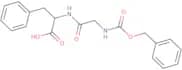
CAS:Z-Gly-Phe is a peptide that inhibits protein synthesis by binding to the reactive site of a pancreatic enzyme. This site is normally occupied by a hydrogen bond and the compound binds to it by occupying this space, resulting in the inhibition of enzyme activity. Z-Gly-Phe has been shown to inhibit insulin-stimulated glucose uptake in rats, which may be due to its ability to bind with sodium carbonate. The binding constants of Z-Gly-Phe and its inhibitors have been determined using an analytical method that measures changes in pH. The optimum pH for Z-Gly-Phe is 8.5, which corresponds with the optimal pH for human pancreatic enzymes.Formula:C19H20N2O5Purezza:Min. 95%Peso molecolare:356.37 g/molM6PR Blocking Peptide
A synthetic peptide for use as a blocking control in assays to test for specificity of M6PR antibody, catalog no. 70R-1887Purezza:Min. 95%Fmoc-N-Amido-dPEG®4-NHS Ester
CAS:Fmoc-N-Amido-dPEG®4-NHS Ester is a PEG compound with two different functional groups (also known as heterobifunctional). Unlike homobifunctional PEG compounds (same functional group on both ends), this type of compounds are more versatile as have two different anchor points. Fmoc-N-Amido-dPEG®4-NHS Ester is used as a linker and spacer to add a PEG moiety, via pegylation (a bioconjugation technique) to proteins, peptides, oligonucleotides, small molecules and nanoparticles.Formula:C30H36N2O10Purezza:Min. 95%Peso molecolare:584.24 g/molASAH1 Blocking Peptide
A synthetic peptide for use as a blocking control in assays to test for specificity of ASAH1 antibody, catalog no. 70R-5483Purezza:Min. 95%Azido-dPEG®4-Alcohol
CAS:Azido-dPEG®4-Alcohol is a PEG polymer categorised as monofunctional (OH-PEG-X). Used as a linker, azido-dPEG®4-Alcohol is used to attached PEG to proteins, peptides, oligonucleotides, nanoparticles and small molecules via pegylation, a bioconjugation technique.Purezza:Min. 95%Peso molecolare:219.24 g/molδ Sleep-Inducing Peptide (DSIP)
CAS:The Delta Sleep-Inducing Peptide (DSIP) is a neuropeptide which is found in plasma, peripheral organs and neurons. It has been found to induce delta sleep in mammals and have the ability to cross the blood-brain barrier as well as be absorbed from the gut. Studies have shown that DSIP plasma concentration and the human circadian rhythm are correlated and that DSIP concentrations are dependent on the initiation of sleep. DSIP has also demonstrated its ability to affect levels of hormones, neurotransmitters and psychological performance. In patients with schizophrenia and depression levels of DSIP in the cerebrospinal fluid and plasma were found to be lower compared to healthy controls. Clinically DFSIP has already been used to treat opioid and alcohol withdrawal in reducing symptoms felt by patients. This product is available as a 0.5mg vial.Formula:C35H48N10O15Purezza:Min. 95%Peso molecolare:848.81 g/molCacng1 Blocking Peptide
A synthetic peptide for use as a blocking control in assays to test for specificity of Cacng1 antibody, catalog no. 70R-8063Purezza:Min. 95%APPL1 Blocking Peptide
A synthetic peptide for use as a blocking control in assays to test for specificity of APPL1 antibody, catalog no. 70R-2700
Purezza:Min. 95%Itga7 Blocking Peptide
A synthetic peptide for use as a blocking control in assays to test for specificity of Itga7 antibody, catalog no. 70R-8623Purezza:Min. 95%MPND Blocking Peptide
A synthetic peptide for use as a blocking control in assays to test for specificity of MPND antibody, catalog no. 70R-8754
Purezza:Min. 95%PLA1A Blocking Peptide
A synthetic peptide for use as a blocking control in assays to test for specificity of PLA1A antibody, catalog no. 70R-5466Purezza:Min. 95%PFDN2 Blocking Peptide
A synthetic peptide for use as a blocking control in assays to test for specificity of PFDN2 antibody, catalog no. 70R-9434Purezza:Min. 95%Fgf3 Blocking Peptide
A synthetic peptide for use as a blocking control in assays to test for specificity of Fgf3 antibody, catalog no. 70R-8531Purezza:Min. 95%SH3BGR Blocking Peptide
A synthetic peptide for use as a blocking control in assays to test for specificity of SH3BGR antibody, catalog no. 70R-1963
Purezza:Min. 95%Nucleolar Protein 3, human, recombinant
Nucleolar Protein 3 (NOP3) is a human protein that belongs to the nucleolar-enriched phosphoproteins. NOP3 is an activator of RNA polymerase II and is involved in the regulation of ribosomal RNA transcription. The ligand for NOP3 has been identified as a peptide corresponding to the C-terminal domain of the protein. NOP3 also interacts with Ion channels and may be involved in the regulation of ion channel activity, including voltage-gated potassium channels.Purezza:Min. 95%BBX Blocking Peptide
A synthetic peptide for use as a blocking control in assays to test for specificity of BBX antibody, catalog no. 70R-8345Purezza:Min. 95%KIAA1191 Blocking Peptide
A synthetic peptide for use as a blocking control in assays to test for specificity of KIAA1191 antibody, catalog no. 70R-4315Purezza:Min. 95%PEX7 Blocking Peptide
A synthetic peptide for use as a blocking control in assays to test for specificity of PEX7 antibody, catalog no. 70R-3689Purezza:Min. 95%Anti GRF/GH-RH (Rat) Serum
Anti GRF/GH-RH (Rat) Serum is a research tool that is used to detect the presence of GH and GRF receptors. This antibody can be used for the study of GH and GRF receptor interactions and their roles in cell biology. Anti GRF/GH-RH (Rat) Serum can also be used as an inhibitor to block protein interactions.Purezza:Min. 95%GDF2 Blocking Peptide
A synthetic peptide for use as a blocking control in assays to test for specificity of GDF2 antibody, catalog no. 70R-6213Purezza:Min. 95%Insulin Los Angeles, human
Insulin is a peptide hormone that regulates the metabolism of carbohydrates, fats, and proteins. Insulin has been shown to bind to insulin receptors in the cell membrane. When insulin binds to the receptor, it triggers a series of biochemical reactions that lead to increased glucose uptake by cells and increased synthesis of glycogen in the liver. Insulin also activates ion channels, which leads to an increase in calcium influx into cells. Insulin is involved in many other functions within the body, such as promoting growth and development, regulating protein synthesis, and controlling lipid storage.
Insulin is used as a research tool for studying carbohydrate metabolism or as an antidiabetic drug for people who have diabetes mellitus. The most common form of insulin used today is human recombinant insulin (H-insulin). Human recombinant insulin can be synthesized from genetically engineered bacteria or yeast cultures.Purezza:Min. 95%Ac-Abu-D-Tyr-Leu-Gln-VS
Ac-Abu-D-Tyr-Leu-Gln-VS is a synthetic peptide that can be used as a research tool, an activator, or an inhibitor. It is a high purity product that has been extensively tested for its use in ion channels and receptor pharmacology.Purezza:Min. 95%Anti GLP-2 (Rat) Serum
Anti GLP-2 (Rat) Serum is a high purity and potent activator of the GLP-2 receptor. It is a peptide that binds to the GLP-2 receptor and activates it. The GLP-2 receptor is a G protein coupled receptor that belongs to the class of receptors for peptides. Activation of this receptor leads to an increase in intracellular calcium ions and increased cell proliferation, differentiation, and survival. This product can be used as a research tool for Cell Biology, Pharmacology, or Biochemistry studies.Purezza:Min. 95%Uroguanylin (Rat)
Uroguanylin is a peptide that activates the guanylate cyclase receptor. It is composed of 8 amino acids and has a molecular weight of 1036.5 Da. Uroguanylin is an agonist for the GUCY1A2 receptor, which is responsible for mediating the release of urinary and gastrointestinal hormones such as vasopressin, renin, and gastrin. Uroguanylin binds to one or more other receptors in the kidney or intestine. It can be used as a research tool in cell biology and biochemistry to study ion channels and ligands.br>br> br>br> Uroguanylin is also known by its CAS number 71405-27-8.BR>BR>Formula:C60H96N16O25S4Purezza:Min. 95%Peso molecolare:1,569.8 g/molAcid-dPEG®9-NHS Ester
Acid-dPEG®9-NHS Ester is a PEG compound with two different functional groups (also known as heterobifunctional). Unlike homobifunctional PEG compounds (same functional group on both ends), this type of compounds are more versatile as have two different anchor points. Acid-dPEG®9-NHS Ester is used as a linker and spacer to add a PEG moiety, via pegylation (a bioconjugation technique) to proteins, peptides, oligonucleotides, small molecules and nanoparticles.Formula:C26H45NO15Purezza:Min. 95%Peso molecolare:611.64 g/molGPX2 Blocking Peptide
A synthetic peptide for use as a blocking control in assays to test for specificity of GPX2 antibody, catalog no. 70R-8525Purezza:Min. 95%TXNDC5 Blocking Peptide
A synthetic peptide for use as a blocking control in assays to test for specificity of TXNDC5 antibody, catalog no. 70R-2551Purezza:Min. 95%Anti Rattin-24 Serum
Anti-Rattin-24 is a monoclonal antibody that binds to the major allergen of rat R. rattus, Rattin-24. It has been shown to inhibit the binding of this protein to its receptor, which prevents activation of the receptor and the subsequent release of inflammatory mediators. Anti-Rattin-24 can be used as a research tool for studying protein interactions, receptor signaling pathways, peptide ligands, and ion channels. This antibody can also be used in cell biology and immunology studies as an inhibitor that blocks or inhibits certain biological processes.Formula:C38H62N14O8Purezza:Min. 95%Peso molecolare:842.99 g/molAzido-dPEG®8-Acid
CAS:Azido-dPEG®8-Acid is a PEG compound with two different functional groups (also known as heterobifunctional). Unlike homobifunctional PEG compounds (same functional group on both ends), this type of compounds are more versatile as have two different anchor points. Azido-dPEG®8-Acid is used as a linker and spacer to add a PEG moiety, via pegylation (a bioconjugation technique) to proteins, peptides, oligonucleotides, small molecules and nanoparticles.Formula:C72H146N4O35Purezza:Min. 95%Peso molecolare:1,627.94 g/molVNN3 Blocking Peptide
A synthetic peptide for use as a blocking control in assays to test for specificity of VNN3 antibody, catalog no. 70R-6660Purezza:Min. 95%Carboxyl-dPEG®4-(m-dPEG®8)3
Carboxyl-dPEG®4-(m-dPEG®8)3 is a PEG compound with two different functional groups (also known as heterobifunctional). Unlike homobifunctional PEG compounds (same functional group on both ends), this type of compounds are more versatile as have two different anchor points. Carboxyl-dPEG®4-(m-dPEG®8)3 is used as a linker and spacer to add a PEG moiety, via pegylation (a bioconjugation technique) to proteins, peptides, oligonucleotides, small molecules and nanoparticles.Formula:C367H721N17O175Purezza:Min. 95%Peso molecolare:8,172.75 g/molKIF3C Blocking Peptide
A synthetic peptide for use as a blocking control in assays to test for specificity of KIF3C antibody, catalog no. 70R-5613Purezza:Min. 95%Arg-Arg-Leu-Ile-Glu-Asp-Ala-Glu-Tyr-Ala-Ala-Arg-Gly
CAS:Arg-Arg-Leu-Ile-Glu-Asp-Ala-Glu-Tyr-Ala-Ala-Arg-Gly is a peptide with the molecular formula C14H20N4O2. It is an inhibitor of protein interactions, activator of ligands and receptor, and has a CAS number of 2382-80-1. This product is used in research to study ion channels and antibodies.
Formula:C64H106N22O21•2CH3COOH•4H2Purezza:Min. 95%Peso molecolare:1,711.86 g/molDes-Arg9-Bradykinin
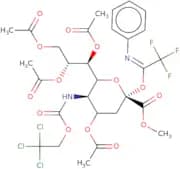
CAS:Des-Arg9-bradykinin is a peptide that is a potent activator of the B2 receptor. It is a potent inhibitor of ion channels, including Ca2+, K+ and Na+ channels. Des-Arg9-bradykinin has been used as a research tool in cell biology, particularly to investigate the role of bradykinins in signal transduction pathways. This chemical is highly purified and can be obtained from Sigma-Aldrich with CAS No. 15958-92-6.Formula:C44H61N11O10Purezza:Min. 95%Peso molecolare:904.02 g/mol4,7,8,9-Ac4-Neu5Troc(2→O)-O-C(CF3)=NPh Methyl Ester
CAS:4,7,8,9-Ac4-Neu5Troc(2→O)-O-C(CF3)=NPh Methyl Ester is a glycosylated peptide that is conjugated with an acetate ester. This compound is a member of the Acetyl Neu5Ac family of glycoconjugates that are found on the surface of cells and are involved in cell-cell interactions and immune responses. 4,7,8,9-Ac4-Neu5Troc(2→O)-O-C(CF3)=NPh Methyl Ester has been shown to inhibit bacterial growth by interfering with the synthesis of bacterial cell walls.
Formula:C29H32N2O14Cl3F3Purezza:Min. 95%Peso molecolare:795.92 g/molMYH10 Blocking Peptide
A synthetic peptide for use as a blocking control in assays to test for specificity of MYH10 antibody, catalog no. 70R-2885Purezza:Min. 95%Gly-Phe
Gly-Phe is a kinetic glycolytic inhibitor that has antiviral properties. It has been shown to be effective against a number of viruses, including the herpes simplex virus type 1 (HSV-1), influenza virus A/PR/8/34 (PR8), and human immunodeficiency virus type 1 (HIV-1). Gly-Phe inhibits viral growth by blocking the synthesis of nucleic acids in cells infected with these viruses. The antiviral activity of Gly-Phe was demonstrated in animal models and humans, where it acted as an effective treatment for HSV-1 infection. Gly-Phe also has anti-inflammatory properties, which may be due to its ability to inhibit bacterial enzymes in the intestinal tract.Formula:C11H14N2O3Purezza:Min. 95%Peso molecolare:222.24 g/molBoc-Leu-Ser-Thr-Arg-AMC
CAS:Boc-Leu-Ser-Thr-Arg-AMC is a fluorescent peptide used as a research tool to study protein interactions. It can be used to activate or inhibit ion channels. Boc-Leu-Ser-Thr-Arg-AMC is a high purity, water soluble peptide that has been purified by HPLC and characterized for its purity and integrity by mass spectrometry and amino acid analysis.Formula:C34H52N8O10Purezza:Min. 95%Peso molecolare:732.82 g/molMAL-dPEG®12-TFP Ester
MAL-dPEG®12-TFP Ester is a PEG compound with two different functional groups (also known as heterobifunctional). Unlike homobifunctional PEG compounds (same functional group on both ends), this type of compounds are more versatile as have two different anchor points. MAL-dPEG®12-TFP Ester is used as a linker and spacer to add a PEG moiety, via pegylation (a bioconjugation technique) to proteins, peptides, oligonucleotides, small molecules and nanoparticles.Formula:C31H45N5O13Purezza:Min. 95%Peso molecolare:695.71 g/molGly-Gly
CAS:Gly-Gly is a natural compound that belongs to the group of esters. It has been shown to have an antioxidative effect in vitro and in vivo. Gly-Gly has been shown to inhibit the growth of carcinoma cells by binding with hydrogen bonding interactions, which leads to cell death. This compound also has a strong antibacterial efficacy against Gram-positive bacteria, such as methicillin-resistant Staphylococcus aureus (MRSA). In addition, gly-gly has been shown to be effective against Mycobacterium tuberculosis and Mycobacterium avium complex. This compound may be useful for treating infectious diseases caused by Gram-positive bacteria such as MRSA or methicillin resistant Staphylococcus aureus (MRSA).Formula:C4H8N2O3Purezza:Min. 95%Peso molecolare:132.12 g/molDNP-dPEG®4-Acid
CAS:DNP-dPEG®4-Acid is a PEG compound with two different functional groups (also known as heterobifunctional). Unlike homobifunctional PEG compounds (same functional group on both ends), this type of compounds are more versatile as have two different anchor points. DNP-dPEG®4-Acid is used as a linker and spacer to add a PEG moiety, via pegylation (a bioconjugation technique) to proteins, peptides, oligonucleotides, small molecules and nanoparticles.Formula:C18H36O9Purezza:Min. 95%Peso molecolare:396.47 g/molMPEG1 Blocking Peptide
A synthetic peptide for use as a blocking control in assays to test for specificity of MPEG1 antibody, catalog no. 70R-3787
Purezza:Min. 95%SPDP-dPEG®4-Acid
CAS:SPDP-dPEG®4-Acid is a PEG compound with two different functional groups (also known as heterobifunctional). Unlike homobifunctional PEG compounds (same functional group on both ends), this type of compounds are more versatile as have two different anchor points. SPDP-dPEG®4-Acid is used as a linker and spacer to add a PEG moiety, via pegylation (a bioconjugation technique) to proteins, peptides, oligonucleotides, small molecules and nanoparticles.Formula:C59H110N2O27S2Purezza:Min. 95%Peso molecolare:1,343.63 g/molBz-Arg-OEt • HCl [BAEE]
Bz-Arg-OEt • HCl (BAEE) is a peptide substrate of trypsin. It is an enzyme that cleaves proteins by hydrolyzing the peptide bonds at the carboxyl termini of polypeptides. The Bz-Arg-OEt • HCl (BAEE) reacts with trypsin to form a complex that has a unique spectrum of absorption and emission maxima, which can be used to identify BAEE in solution.Formula:C15H22N4O3•HCIPurezza:Min. 95%Peso molecolare:342.82 g/molCINC-1/gro (Rat) Antiserum
CINC-1/gro (Rat) Antiserum is a research tool that can be used in the study of protein interactions and cell biology. This antibody is an activator of Ligands and Receptors. CINC-1/gro (Rat) Antiserum binds to ion channels and has been found to inhibit the activity of these channels in pharmacology studies. This antibody also inhibits the activity of peptides, which are small proteins that function as hormones or neurotransmitters. CINC-1/gro (Rat) Antiserum is high purity and will not react with other antigens.Purezza:Min. 95%[Val5]-Angiotensin II
CAS:Angiotensin II is a peptide hormone that regulates blood pressure and water balance. It is an important component of the renin-angiotensin system, which causes vasoconstriction and release of aldosterone from the adrenal gland. Angiotensin II binds to angiotensin receptors on cells, initiating a second messenger cascade that results in increased blood pressure and electrolyte retention. Val5-Angiotensin II is a synthetic form of this hormone that has been shown to increase glomerular filtration rate by inhibiting angiotensin converting enzyme (ACE). Angiotensin II also stimulates epidermal growth factor, which may be responsible for its anti-inflammatory effects. The optimum pH for Val5-Angiotensin II is between 7.0 and 8.0.
Formula:C49H69N13O12•CH3COOH•4H2OPurezza:Min. 95%Peso molecolare:1,164.31 g/molMAL-dPEG®4-(m-dPEG®11)3
MAL-dPEG®4-(m-dPEG®11)3 is a PEG compound with two different functional groups (also known as heterobifunctional). Unlike homobifunctional PEG compounds (same functional group on both ends), this type of compounds are more versatile as have two different anchor points. MAL-dPEG®4-(m-dPEG®11)3 is used as a linker and spacer to add a PEG moiety, via pegylation (a bioconjugation technique) to proteins, peptides, oligonucleotides, small molecules and nanoparticles.Formula:C100H190N6O47Purezza:Min. 95%Peso molecolare:2,228.59 g/molFTHL17 Blocking Peptide
A synthetic peptide for use as a blocking control in assays to test for specificity of FTHL17 antibody, catalog no. 70R-6380Purezza:Min. 95%C22ORF25 Blocking Peptide
A synthetic peptide for use as a blocking control in assays to test for specificity of C22orf25 antibody, catalog no. 70R-4179Purezza:Min. 95%AGTR1 Blocking Peptide
A synthetic peptide for use as a blocking control in assays to test for specificity of AGTR1 antibody, catalog no. 70R-5938Purezza:Min. 95%[Pyr33]-Pancreastatin (Porcine, 33-49) Antiserum
Pancreastatin is a peptide that is an inhibitor of potassium channels. Pancreastatin binds to and blocks the opening of K+ channels, thereby inhibiting the propagation of action potentials. Pancreastatin is a potent inhibitor of voltage-gated K+ channels in pancreatic β-cells and inhibits insulin secretion. Pancreastatin has been shown to inhibit the activity of sodium channels in the central nervous system, which may have therapeutic benefits for patients with epilepsy or other seizure disorders. Pancreastatin also has inhibitory effects on norepinephrine release from sympathetic nerves and acetylcholine release from parasympathetic nerves, which may be beneficial for patients with Parkinson's disease or Alzheimer's disease.Purezza:Min. 95%H-Gln-2-ClTrt-Resin (200-400 mesh) 1% DVB
H-Gln-2-ClTrt-Resin is a resin that consists of polystyrene crosslinked with divinylbenzene. It is used in peptide synthesis to provide amino acids and building blocks for the synthesis of peptides and proteins. This resin can be used as a component in the production of amines, alcohols, thiols, and other organic compounds. The crosslinking agent in this resin is divinylbenzene (DVB).
Purezza:Min. 95%Platelet Factor-4 (Human, 58-70)
CAS:Platelet Factor-4 (PF4) is an activator of G protein coupled receptors that belongs to the group of peptides. PF4 binds to the CXCR1 receptor and activates it, which causes a change in the ion channels. It has been shown that PF4 can activate other G protein coupled receptors such as CXCR2 and CXCR3. This protein is used in research as a ligand for antibody production or as a research tool for studying the interactions between proteins. Platelet Factor-4 has been shown to inhibit ATPase activity in cell membranes and may be useful in pharmacological studies.Formula:C76H133N17O18Purezza:Min. 95%Peso molecolare:1,573 g/molEledoisin Related Peptide
Eledoisin-related peptide is a research tool that can be used to study the activation of G protein-coupled receptors. It is a ligand and an activator of the human beta-adrenergic receptor. Eledoisin-related peptide binds to the beta2-adrenergic receptor with high affinity, but does not activate the receptor. Instead, it inhibits the binding of other ligands such as epinephrine and norepinephrine to their respective receptors. Eledoisin-related peptide has been shown to inhibit ion channels in cell biology studies. This peptide has also been shown to bind to antibodies and interact with proteins in pharmacological studies.Formula:C34H58N8O6S•2CH3COOH•3H2OPurezza:Min. 95%Peso molecolare:881.09 g/molChst2 Blocking Peptide
A synthetic peptide for use as a blocking control in assays to test for specificity of Chst2 antibody, catalog no. 70R-8651Purezza:Min. 95%Bromoacetamido-dPEG®4 -TFP Ester
Bromoacetamido-dPEG®4 -TFP Ester is a PEG compound with two different functional groups (also known as heterobifunctional). Unlike homobifunctional PEG compounds (same functional group on both ends), this type of compounds are more versatile as have two different anchor points. Bromoacetamido-dPEG®4 -TFP Ester is used as a linker and spacer to add a PEG moiety, via pegylation (a bioconjugation technique) to proteins, peptides, oligonucleotides, small molecules and nanoparticles.Purezza:Min. 95%Peso molecolare:534.29 g/molSoybean BBI
Soybean BBI is a protein that belongs to the family of ion channels. It is an activator of receptor-operated calcium channels, which are found in many types of cells and are involved in a variety of physiological processes. Soybean BBI has been shown to inhibit the activity of potassium channels, which help regulate the electrical activity in neurons. Soybean BBI can be used as a research tool for studying protein interactions and peptides. It has also been used as an antibody for Western blot analysis and immunocytochemistry techniques. This protein has a CAS number and is available at high purity.Purezza:Min. 95%IGHG1 MS Calibrator-5 (25nmol)
IGHG1 MS Calibrator-5 is a calibrator for the IGHG1 tryptic peptide. It is used for the quantitative determination of Ig gamma-1 chain C region in proteomics and biologically active peptides.Purezza:Min. 95%ANP (Human, 5-28)
CAS:ANP (human, 5-28) is a peptide that is used as a research tool for studying the function of ion channels. It is also an antibody that can be used to measure protein interactions. ANP (human, 5-28) has been shown to inhibit protein interactions with the receptor and ligand. This peptide has been shown to act as an activator at high concentrations and an inhibitor at low concentrations.Formula:C106H163N35O34S3Purezza:Min. 95%Peso molecolare:2,567.8 g/molt-boc-N-Amido-dPEG®23-Amine
t-boc-N-Amido-dPEG®23-Amine is a PEG compound with two different functional groups (also known as heterobifunctional). Unlike homobifunctional PEG compounds (same functional group on both ends), this type of compounds are more versatile as have two different anchor points. t-boc-N-Amido-dPEG®23-Amine is used as a linker and spacer to add a PEG moiety, via pegylation (a bioconjugation technique) to proteins, peptides, oligonucleotides, small molecules and nanoparticles.Formula:C53H108N2O25Purezza:Min. 95%Peso molecolare:1,173.44 g/molBeta-ANP, human
Beta-ANP is a peptide that belongs to the class of activators. It is an inhibitor of ion channels and has been shown to be a ligand for the beta-1 adrenergic receptor. Beta-ANP has been used as a research tool in cell biology, pharmacology, and biochemistry.Formula:C254H406N90O78S6Purezza:Min. 95%Peso molecolare:6,160.9 g/molNRG1 B1 Human
NRG1 B1 Human is a cytokine that is produced by human cells. It belongs to the group of interleukins and functions as an inflammatory mediator. NRG1 B1 Human is involved in a wide range of biological processes, such as the regulation of cellular proliferation, differentiation, and immune response. It may also be used as a treatment for cancer.Purezza:Min. 95%Ubiquitin, human, recombinant
Ubiquitin is a small (8.5 kDa) protein that was first discovered in the 1960s and has been extensively studied ever since. Ubiquitin is involved in many cellular processes, including cell cycle regulation, DNA repair, and apoptosis. Ubiquitin's role in cell cycle regulation is to bind to other proteins to mark them for degradation by proteasomes. This process of marking for degradation is called ubiquitylation. There are six different types of ubiquitin chains: K48-linked polyubiquityl chain, K63-linked polyubiquityl chain, linear polyubiquityl chain, N-end rule modified linear polyubiquityl chain, mixed linkage linear polyubiquityl chain and C-end rule modified linear polyubiquityl chain. Ubiquitin is also involved in DNA repair as it binds to damaged DNA and removes the damage before it can lead to mutations. UbiquitPurezza:Min. 95%IFN a 2b Human
IFN-α2b is a cytokine that regulates the immune system. It binds to the receptor, Interferon-alpha/beta receptor (IFNAR) and activates intracellular signal transduction pathways. It has been shown that IFN-α2b can be used as an inhibitor of influenza virus replication in vitro and in vivo. This cytokine also has the ability to activate protein kinase C and inhibit phospholipase A2, leading to the inhibition of cellular activation. IFN-α2b is a high purity research tool with a CAS number of 9071-87-7.Purezza:Min. 95%Peptide YY (Rat, Mouse)-EIA Kit (1ea)
The Peptide YY (Rat, Mouse) EIA Kit is a research tool that can be used to detect peptides in rat and mouse samples. It is an immunoassay kit that detects the presence of peptide YY in rat and mouse samples. The assay has a high sensitivity and specificity for the detection of peptide YY. The kit contains all the necessary components for performing the test, including antibodies, buffers, standards and controls. The kit also contains a detailed protocol for performing the assay.Purezza:Min. 95%Chromogranin A (Human)-EIA Kit (1ea)
Chromogranin A (CgA) is a peptide hormone found in the human body that is released from the cells of the pancreas and stomach. The CgA-EIA Kit is a solid phase enzyme immunoassay that can be used to measure CgA levels in human serum or plasma. Antibodies against CgA are coated onto a microtiter plate, and samples are added to the wells. After incubation, any CgA in the sample binds to the antibodies on the plate. The bound CgA is then detected using specific antibodies conjugated with horseradish peroxidase. The color reaction is measured at 450 nm with a reference wavelength of 630 nm.Purezza:Min. 95%FLJ40504 Blocking Peptide
A synthetic peptide for use as a blocking control in assays to test for specificity of FLJ40504 antibody, catalog no. 70R-4263Purezza:Min. 95%Factor XIII B Polypeptide Blocking Peptide
A synthetic peptide for use as a blocking control in assays to test for specificity of F13B antibody, catalog no. 70R-5446Purezza:Min. 95%AKR1D1 Blocking Peptide
A synthetic peptide for use as a blocking control in assays to test for specificity of AKR1D1 antibody, catalog no. 70R-10186Purezza:Min. 95%(Asp371)-Tyrosinase (369-377) (human) acetate salt
CAS:Tyrosinase protein:
Peptide Tyrosinase (Asp371) – HLA-A*0201 (YMDGTMSQV) is a human tyrosinase-derived (369-377) peptide by posttranslational conversion of the sequence YMNGTMSQV. Tyrosinase is an oxidase membrane-bound protein. Tyrosinase play a key role in the melanin synthesis pathway. Tyrosinase is presented on the surface of HLA-A*02:01 melanomas and also expressed in melanocytes. Tyrosinase has been still suggested to be a tumor antigen and might be implicated in improvement of immunotherapeutic strategies such as for efficient anticancer vaccine development.
Applications of Peptide Tyrosinase (Asp371) – HLA-A*0201 (YMDGTMSQV):
Peptide Tyrosinase (Asp371) – HLA-A*0201 (YMDGTMSQV) is used to stimulate specific cytotoxic T lymphocytes (CTL) in PBMCs and then to analyze CTL response especially the cytokine production by ELISPOT assay. Peptide Tyrosinase (Asp371) – HLA-A*0201 (YMDGTMSQV) is also involved in experimental therapies of metastatic melanoma by allogeneic hematopoietic stem cell transplantation. In fact, cytotoxic T cells were generated from peripherical blood mononuclear cells (PBMCs) of HLA-A*02:01 healthy donors after being stimulated by injection of Asp371 antigen (2). This strategy raises issues which concern the graft versus tumor (GvT) effect and graft versus host disease (GvHD).Formula:C42H66N10O16S2Purezza:Min. 95%Peso molecolare:1,031.16 g/molMGC51025 Blocking Peptide
A synthetic peptide for use as a blocking control in assays to test for specificity of MGC51025 antibody, catalog no. 70R-3892
Purezza:Min. 95%Mannose Binding Lectin Light Tryptic Peptide Standard (4 nmol)
Mannose binding lectin is a host defense protein which has the ability to recognize a variety of infectious agents. This Mannose Binding Lectin Light Tryptic Peptide Standard can be used in protein identification and quantitation studies.Purezza:Min. 95%SLC30A3 Blocking Peptide
A synthetic peptide for use as a blocking control in assays to test for specificity of SLC30A3 antibody, catalog no. 70R-6762
Purezza:Min. 95%GPRASP2 Blocking Peptide
A synthetic peptide for use as a blocking control in assays to test for specificity of GPRASP2 antibody, catalog no. 70R-4144Purezza:Min. 95%Boc-Arg(Boc)2-OH
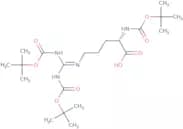
CAS:Boc-Arg(Boc)2-OH is a protected derivative of the amino acid arginine. The Boc (tert-butyloxycarbonyl) groups shield both the amino group and the side chain's guanidine functionality. This protection scheme allows for its selective incorporation during peptide synthesis while offering stability under various reaction conditions. Boc-Arg(Boc)2-OH has been also used in the synthesis of amino acid prodrugs of cytotoxic anthraquinones, demonstrating its potential utility in developing targeted cancer therapies.Formula:C21H38N4O8Purezza:Min. 95%Colore e forma:PowderPeso molecolare:474.55 g/molCGRP, Human Antiserum
CGRP, humanAntiserum is a peptide that is the major peptide in the calcitonin gene-related peptide family. CGRP inhibits the activation of certain ion channels, which are proteins in cell membranes that allow ions to cross the membrane. It is also known to be an activator of certain G protein-coupled receptors, as well as a ligand for some receptor types. CGRP has been shown to play a role in vascular smooth muscle contraction and pain regulation.
Purezza:Min. 95%




![[FITC]-pCREB (127-134) substrate](/_next/image/?url=https%3A%2Fstatic.cymitquimica.com%2Fproducts%2F3D%2Fthumb-webp%2FCRB1100419.webp&w=3840&q=75)




















![Bz-Arg-OEt • HCl [BAEE]](/_next/image/?url=https%3A%2Fstatic.cymitquimica.com%2Fproducts%2F3D%2Fthumb-webp%2FSRE-3001.webp&w=3840&q=75)

![[Val5]-Angiotensin II](/_next/image/?url=https%3A%2Fstatic.cymitquimica.com%2Fproducts%2F3D%2Fthumb-webp%2FPAN-4034.webp&w=3840&q=75)


![[Pyr33]-Pancreastatin (Porcine, 33-49) Antiserum](/_next/image/?url=https%3A%2Fstatic.cymitquimica.com%2Fproducts%2F3D%2Fthumb-webp%2FNPP-14186-V.webp&w=3840&q=75)